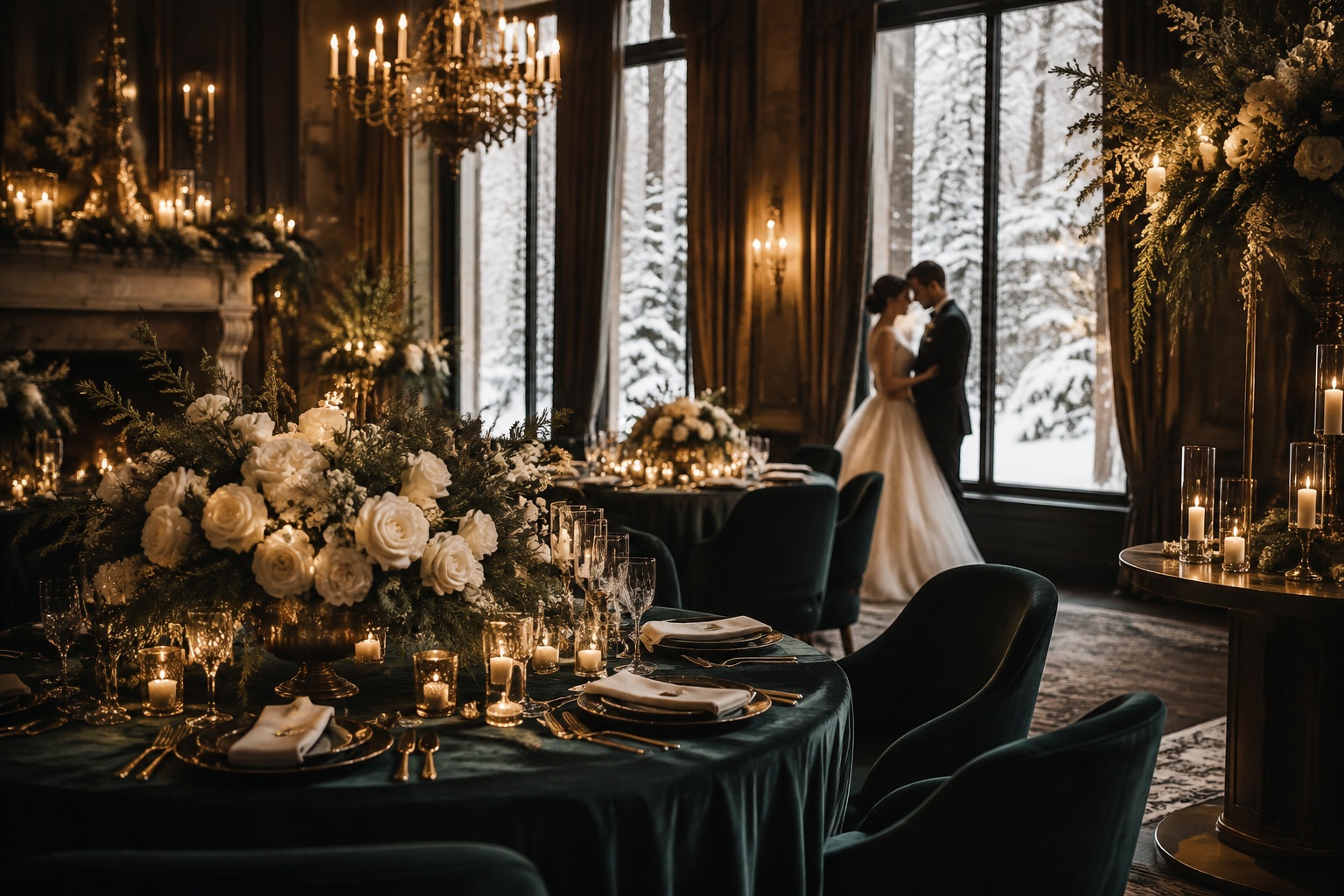
Winter Wedding Aesthetic: 5 Looks to Compare
The best winter wedding aesthetic does more than add snowflakes, pine branches, or a few candles to a room. They create a celebration that feels warm, easy to navigate, and unmistakably yours. That means making a few seasonal decisions early, then repeating them in the right places: the venue, lighting, flowers, food, attire, guest communication, and photo timeline.
Use this checklist as a planning playbook. Start with the choices that affect your budget and schedule, build a cohesive visual language, add comfort where guests will notice it, and finish with a weather review. You do not need every winter detail. You need a small group of choices that work together.
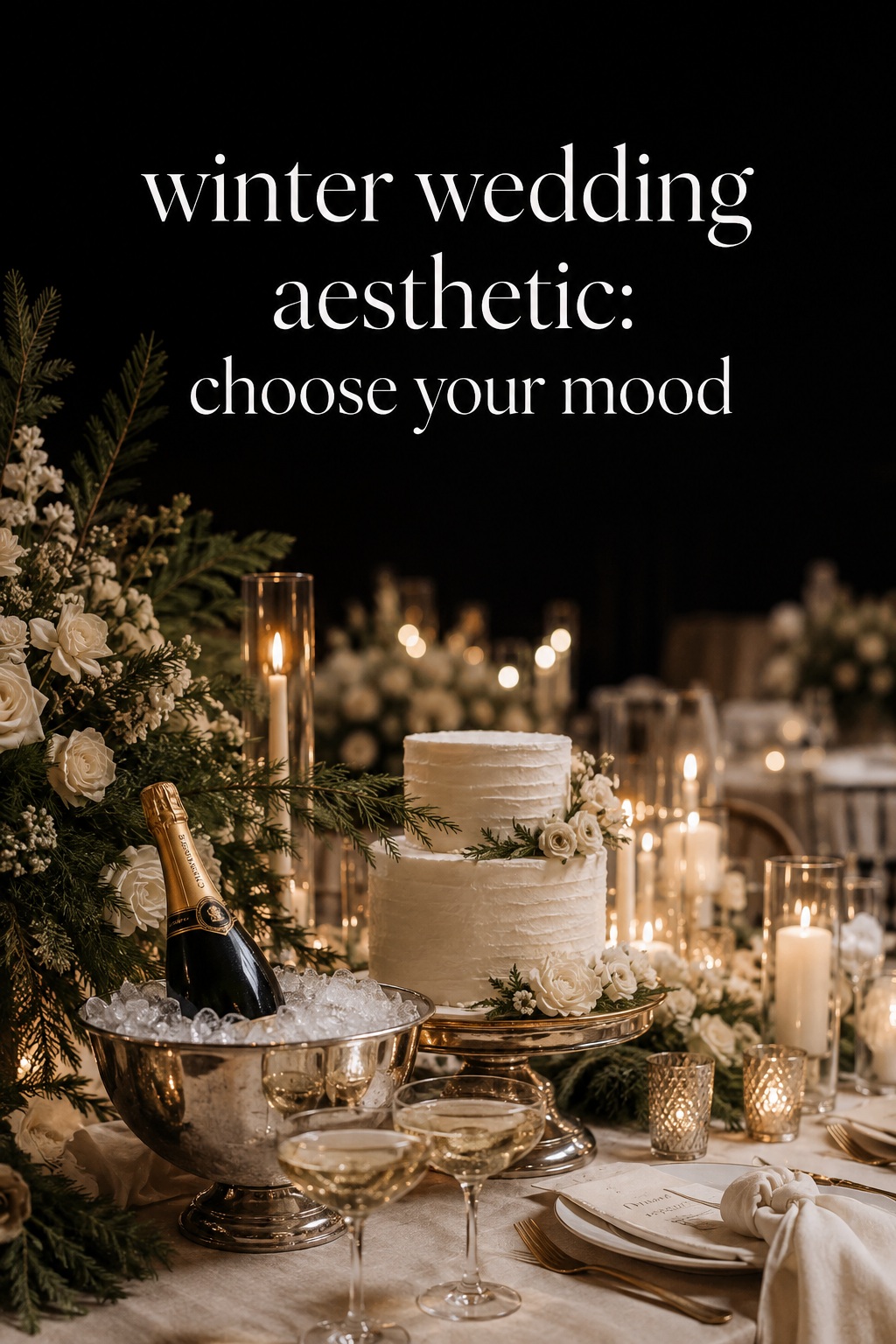
Decide which winter wedding aesthetic fits your celebration
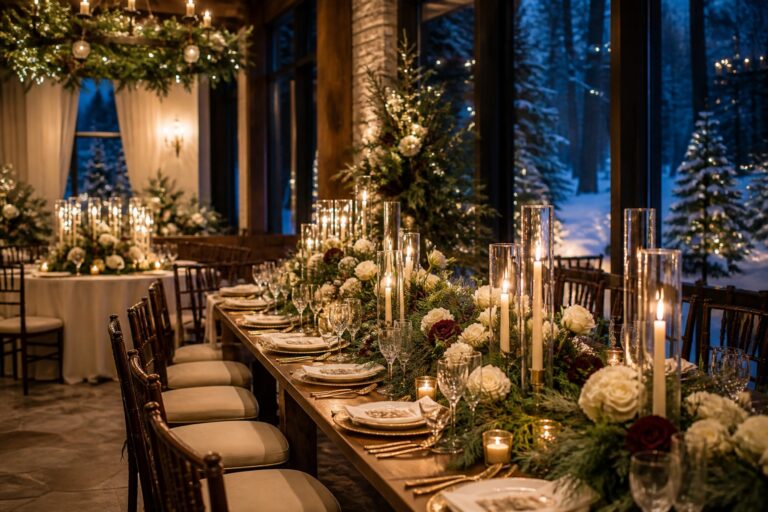
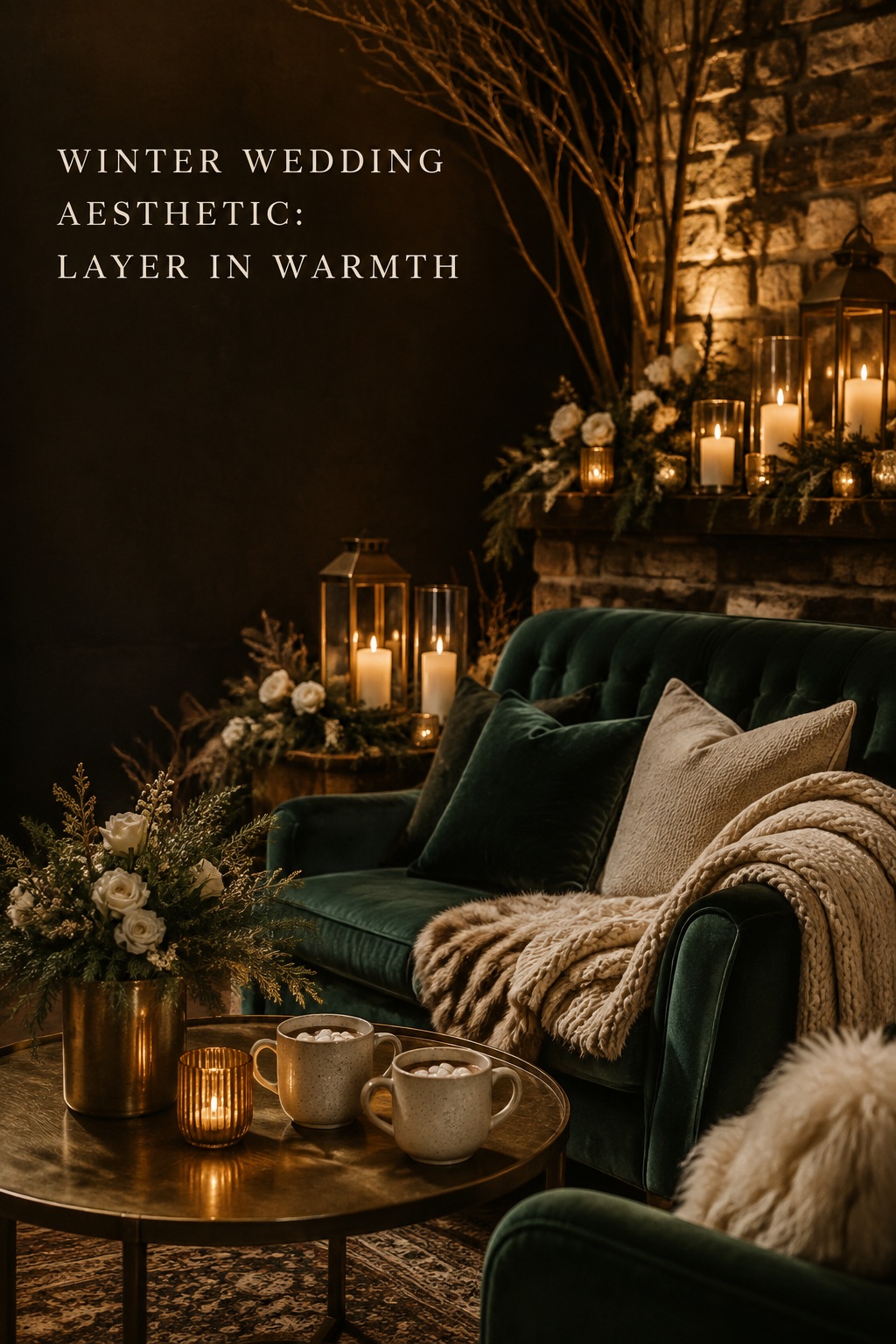
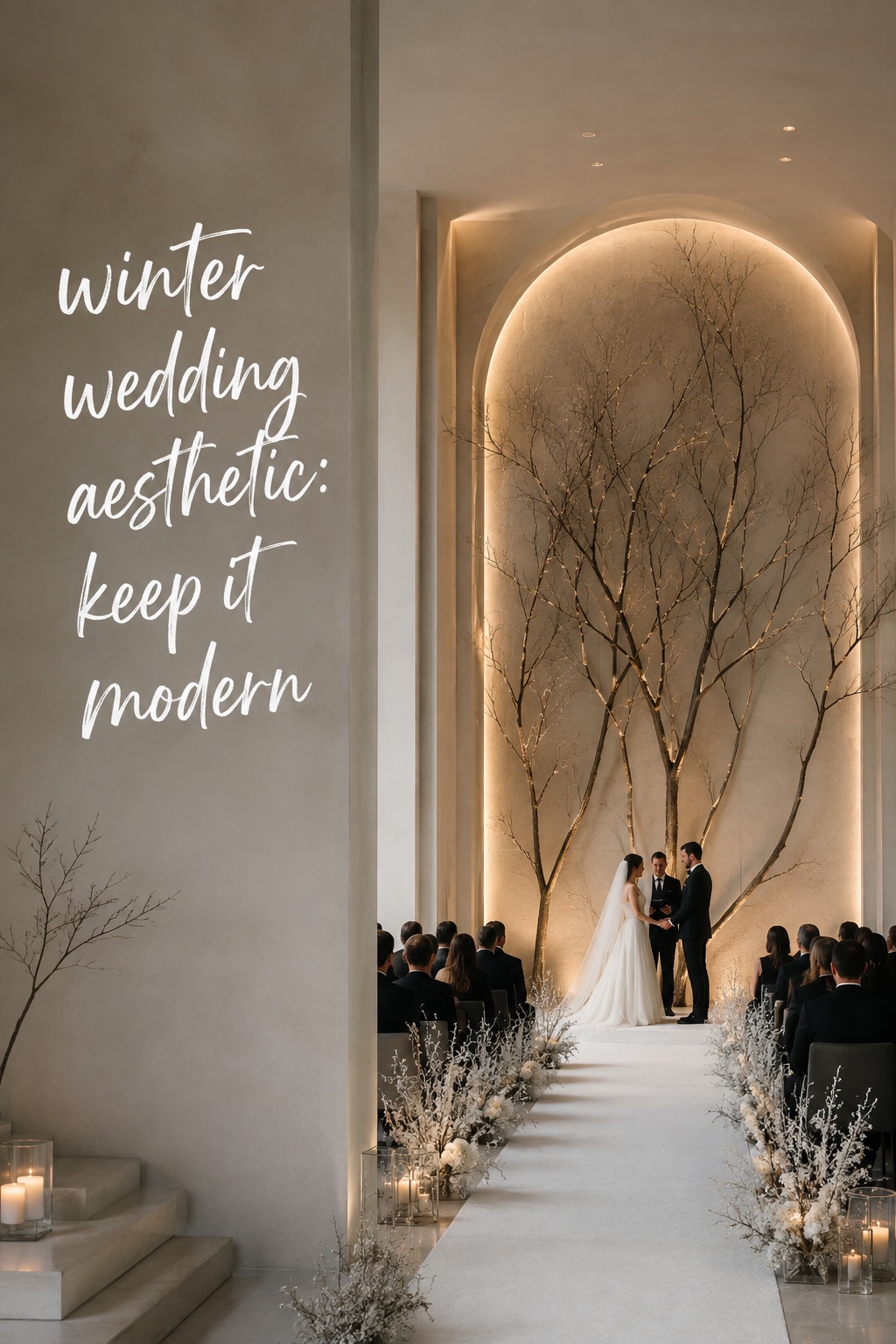
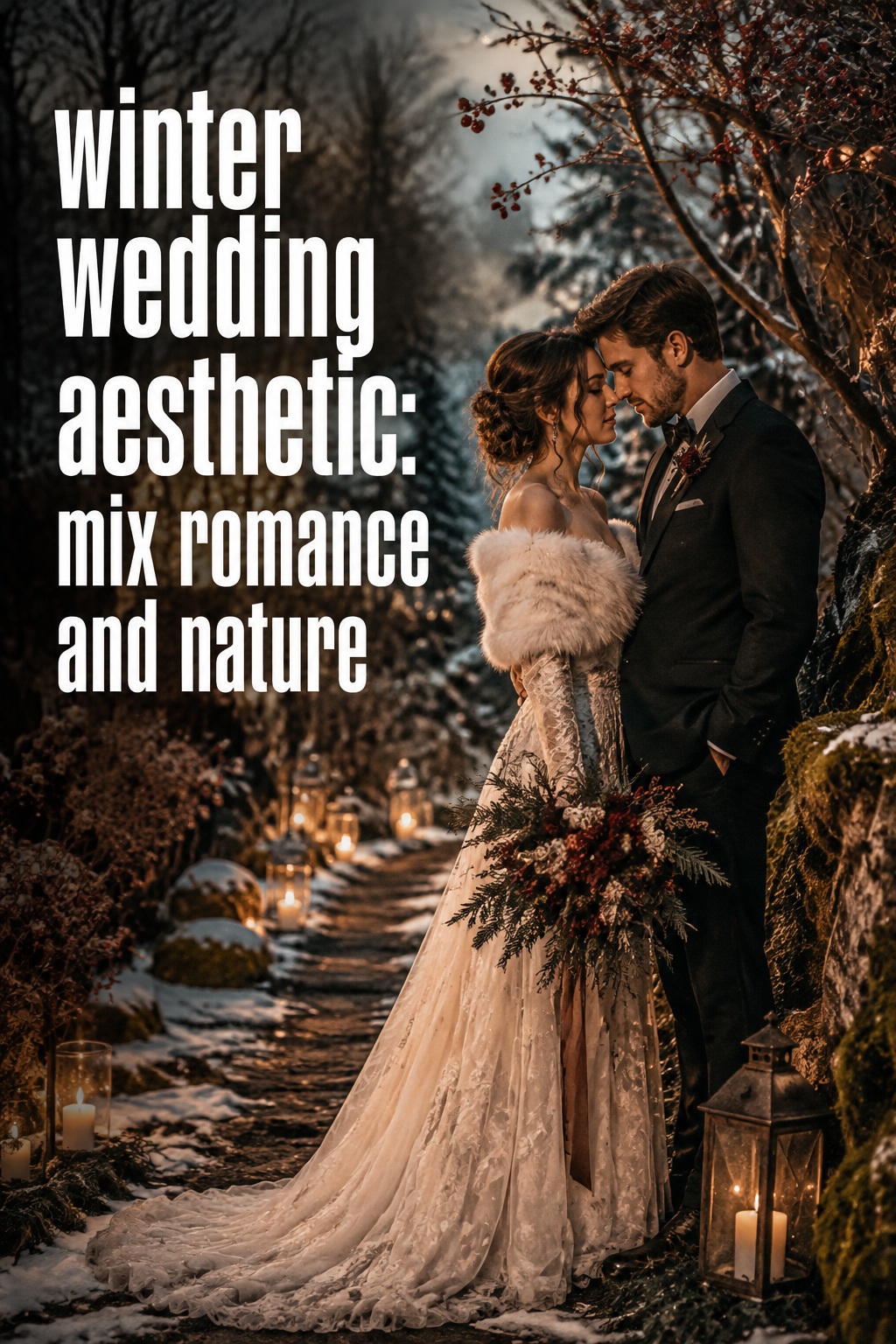
Before you save dozens of inspirational images, compare the kind of winter experience you want to create. An icy look is crisp and reflective; a cozy look is layered and candlelit; a modern look is restrained; a romantic look is soft; and a woodland look is organic. Choose the direction that fits your venue, guest experience, and budget before you buy details.
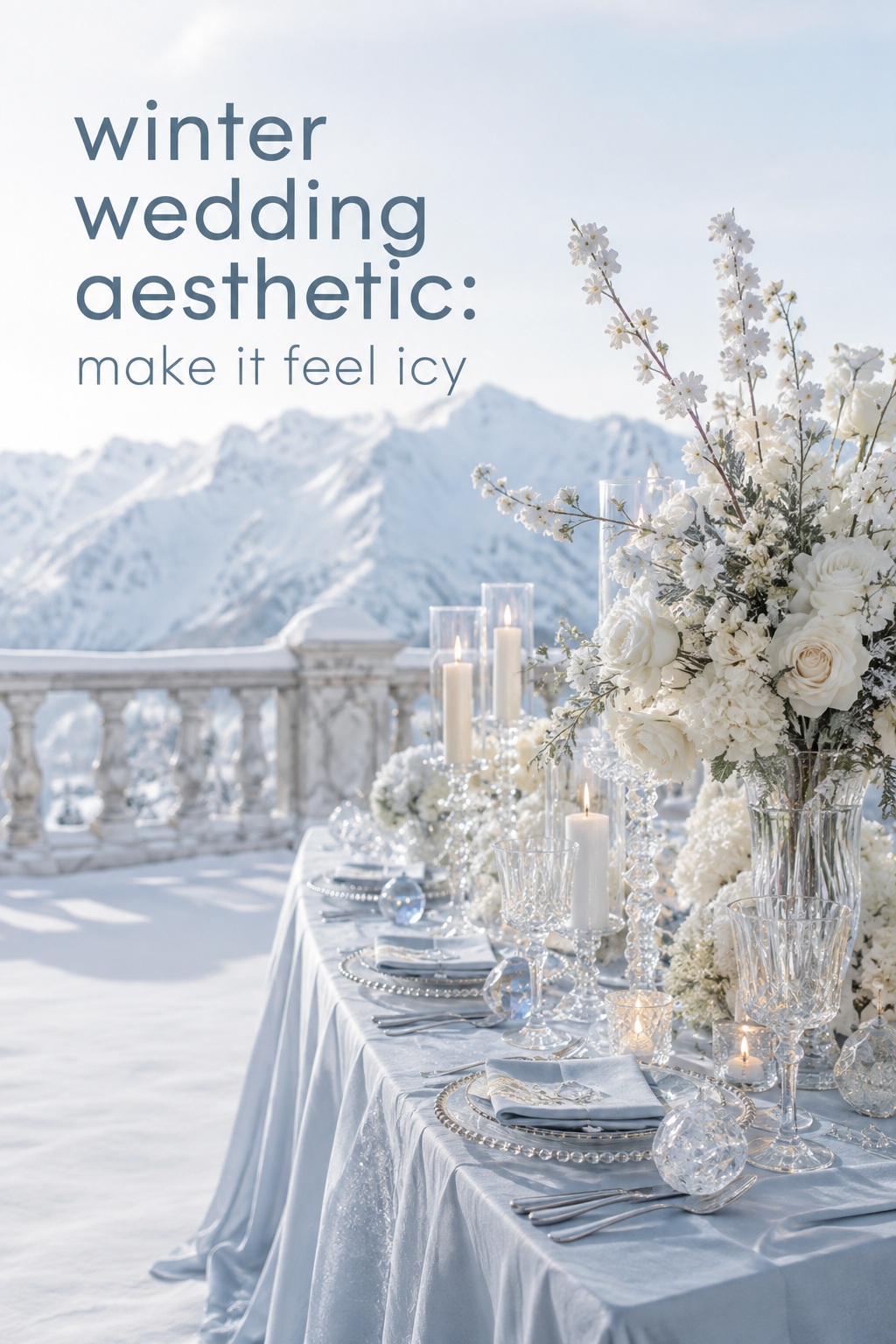
Compare the five strongest winter wedding aesthetic directions
Use this quick decision guide before building your mood board. Choose icy if your venue has glass, pale walls, or strong natural light. Choose cozy if you want guests to feel enveloped by candles, velvet, and warm drinks. Choose modern if architecture and clean lines should lead. Choose romantic if flowers, soft draping, and gentle color matter most. Choose woodland if branches, moss, stone, and seasonal greenery already belong in the setting.
Turn wedding inspiration into a plan you can actually follow.
Zarellea brings your guest list, budget, vendors, and day-of details into one shared space — so no beautiful idea gets lost in the shuffle.
Each direction can work beautifully, but mixing all five without a hierarchy creates a theme pileup. Pick one primary direction and one supporting note. For example, modern plus icy, romantic plus woodland, or cozy plus modern gives vendors a clear brief while leaving room for personality.
Icy, cozy, modern, romantic, or woodland?
Compare each option by four questions: What should guests feel on arrival? Which colors already exist at the venue? What will still look good after sunset? Which details can you repeat without overspending? The strongest winter wedding aesthetic answers all four consistently, from invitation paper to the last dance.
Start with the winter wedding decisions that affect everything else
Before you save dozens of inspirational images, decide what kind of winter experience you want to create. A December wedding can feel festive without looking like a holiday party. A January celebration can be sleek and candlelit rather than icy. A February wedding can lean romantic, woodland, modern, or colorful. The season gives you useful conditions, but it does not choose your theme for you.
Choose the season’s mood, not just a theme
Write three words that describe the atmosphere you want guests to remember. Examples include intimate, polished, and candlelit; playful, snowy, and colorful; or rustic, relaxed, and abundant. These words are more useful than choosing a label such as winter wonderland because they help you evaluate every later decision.
For a refined look, combine a restrained palette with one tactile material. Ivory, charcoal, and champagne become more memorable when repeated through velvet ribbon, brushed metal, or textured stationery. For a woodland look, use evergreen, bare branches, and warm wood, then keep the paper goods and attire modern. For a festive look, choose one holiday reference, such as a ribbon, ornament, or seasonal drink, and let the rest stay wedding-focused.
Set the comfort and weather baseline
Ask your venue four questions before you fall in love with the decor plan. Where will guests wait if the ceremony starts late? Is the ceremony space heated consistently, including the aisle and entry? How quickly can wet coats, umbrellas, and snow-covered shoes be managed? What happens if an outdoor photo plan becomes impossible?
- Reserve a warm indoor holding area for guests and wedding party members.
- Confirm the venue’s heating plan, power capacity, and candle rules.
- Plan a coat check or clearly marked coat storage near the entrance.
- Choose a covered route between ceremony, reception, and transportation.
- Build a photo alternative that still feels intentional indoors.
Comfort does not have to look utilitarian. A coat check can sit beside a welcome table with a framed schedule. A blanket basket can match the reception textiles. A heated lounge can become a thoughtful photo and conversation zone. The goal is to make the practical element feel like part of the design.
Protect the daylight and travel plan
Winter light disappears earlier than many couples expect, so ask your photographer for a timeline built around the actual sunset. Put the most important outdoor portraits before the ceremony or immediately after the first look. If your ceremony is late in the day, make sure the portrait plan has a well-lit indoor location that does not look like a leftover conference room.
Travel deserves the same attention. Add extra time for guests arriving from airports, hotel shuttles, or rural roads. Put the exact venue address, parking instructions, and weather note on your wedding website. If ice or snow is possible, share a transportation contact and encourage guests to arrive early rather than rushing in formal shoes.
Build a winter wedding look with four coordinated layers
A cohesive winter design usually comes from repetition, not abundance. Choose one decision in each of four layers: palette, lighting, texture, and nature. These layers can support almost any style, from a city ballroom to a cozy lodge. They also help you decide which ideas are worth the money and which would only add visual noise.
Layer one: palette
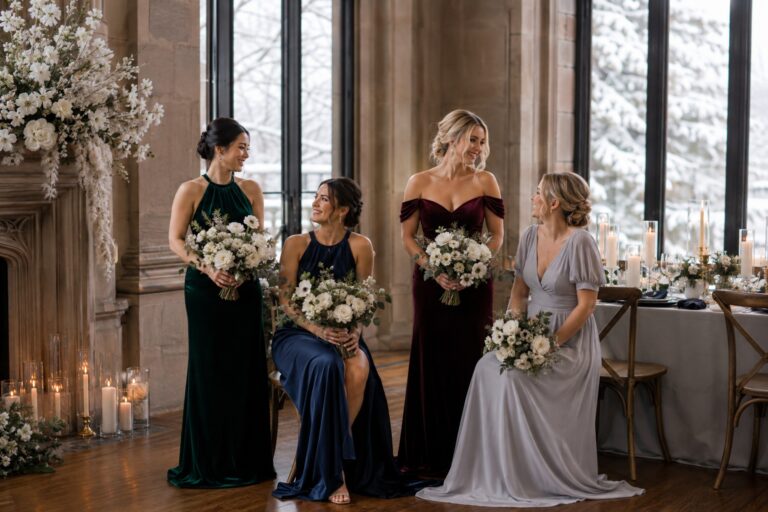
Start with two foundation colors and one accent. Ivory with warm gray and champagne feels soft and editorial. Deep green with cream and brass feels botanical. Navy with white and silver feels crisp. Burgundy with blush and antique gold feels romantic. If you prefer color, try plum, berry, or muted blue rather than adding every traditional winter shade at once.
Test the palette in daylight and warm evening light. A gray that looks elegant in a bright stationery photo may look flat under cool venue bulbs. A metallic that photographs beautifully may become too reflective on a crowded table. Ask your florist, rental company, and photographer to review the colors together, because the same shade can change across paper, fabric, flowers, and lighting.
Layer two: lighting
Winter gives you permission to use more lighting than a summer reception usually needs. Build in three levels: useful light for movement, soft light for faces, and decorative light for atmosphere. Your venue’s house lighting may handle the first level. A lighting professional, candles, or carefully placed lamps can help with the other two.
- Use candles in varied heights to create depth on dining tables.
- Place warm string lights above or behind the reception rather than everywhere.
- Keep the ceremony aisle bright enough for photos and safe movement.
- Add pin lighting to floral installations so their texture survives after sunset.
- Use battery candles where open flame is restricted or difficult to monitor.
Think about how guests move through the space. A dramatic dark room can feel beautiful in photographs but uncomfortable when people search for restrooms or navigate between tables. Ask for a lighting test during the same time of day as your event whenever possible.
Layer three: texture
Texture is the easiest way to make a winter wedding feel warm without covering every surface in seasonal symbols. Use velvet on a welcome sign ribbon, napkins, chair ties, or a ring box. Add wool, cashmere, or faux fur through wraps and lounge accents. Bring in matte paper, ribbed glass, stoneware, wood, or brushed metal to keep the tablescape from looking flat.
Choose two or three textures and repeat them. For example, velvet ribbon can echo velvet napkins, while brushed brass appears on candleholders and place cards. Repetition creates a finished look even when you use affordable rental pieces. Mixing too many materials can make the reception feel like a showroom, so edit the plan after your first mood board.
Layer four: nature
Seasonal greenery, berries, pinecones, branches, and dried elements can carry a winter mood without requiring snow or red-and-green decor. Ask your florist which materials are locally available, durable, and realistic for your date. Evergreen, rosemary, eucalyptus, hellebores, anemones, berries, and bare branches can all create winter character, but availability varies by region.
Let nature guide shape as well as color. A low, loose centerpiece leaves sightlines open for conversation. A suspended branch installation creates impact above the table and keeps the dining surface practical. A staircase arrangement can turn an existing venue feature into a ceremony or portrait backdrop. Use fewer focal points, then repeat smaller botanical touches in the stationery, cake, or welcome display.
Use winter wedding aesthetic where guests actually feel them
The most successful winter wedding aesthetic are not only photogenic. They answer a small question guests have at each stage of the day: Where do I go, how do I get warm, what can I eat, and what makes this celebration different? Design the experience in sequence so the winter details support hospitality instead of competing with it.
Arrival and ceremony
Make arrival feel clear and welcoming. Use a large, readable sign, a well-lit path, and a visible place for coats or umbrellas. Offer a small warm drink before the ceremony if the schedule allows, but keep it easy to carry and free from spills. A hot cider, tea, or alcohol-free spiced punch can establish the season in a subtle way.
Inside the ceremony space, focus on the first and last moments guests see. An evergreen arrangement at the entrance, candle clusters near the altar, or a textured aisle runner may be enough. If you want a snowy effect, use white florals, frosted branches, or soft fabric rather than filling the room with artificial snow that can create cleanup and slip concerns.
Cocktail hour and dinner
Give winter a taste without making the menu feel heavy. Consider baked brie, roasted vegetables, soup shooters, spiced nuts, seasonal fruit, warm bread, or a grazing table with chutney. Pair one warming option with lighter choices so guests with different preferences have an easy selection.
Drinks can carry the theme through aroma and temperature. Offer a hot cocktail, mulled wine, hot chocolate, or an alcohol-free citrus and spice drink. Label ingredients clearly and include a cold option. A small garnish bar with cinnamon, orange, rosemary, or cocoa can become an interactive detail, but keep the service simple enough that a line does not form.
At dinner, candlelight should support conversation rather than hide faces. Keep flames below eye level and ask the venue about safety requirements. Use menu cards to explain a seasonal course or local ingredient. Guests remember thoughtful choices more than a long list of winter references.
Photos, dancing, and farewell
Create a portrait plan that protects the couple from the cold. A five-minute outdoor session can be beautiful, but do not schedule a long walk in formal shoes or a thin dress. Provide a warm robe, coat, wrap, or private place to reset. Choose a nearby outdoor background and a fully styled indoor alternative with strong window light or architectural detail.
Keep the dance floor inviting by balancing a cooler room with warm visual cues. A lounge with rugs and upholstered seating can give guests a place to rest. A late-night snack such as mini grilled cheese, fries, pretzels, or cookies is practical after hours of dancing. For the farewell, use sparklers only if the venue permits them and weather conditions are safe. Candlelit exits, ribbon wands, or a final warm drink can be just as memorable.
Choose details by budget and effort
Winter can create opportunities for value because venues and vendors may have more availability outside peak months, but the season can also add transportation, heating, lighting, and weather costs. Sort ideas into low-lift upgrades, mid-range focal points, and splurges. This keeps the design intentional when the budget changes.
Low-lift upgrades
- Use warm bulbs or battery candles where venue rules allow.
- Add seasonal fruit, rosemary, or pinecones to place settings.
- Put a clear weather note and transportation plan on the wedding website.
- Choose textured ribbon for bouquets, favors, or chair ties.
- Offer a simple hot drink during arrival or cocktail hour.
- Place baskets of blankets near outdoor photo or smoking areas.
These choices are inexpensive because they focus on repetition and timing. A small amount of greenery used consistently often looks more polished than a large centerpiece that appears only once. Prioritize the details guests touch, taste, and use.
Mid-range focal points
If you have room for a few larger upgrades, direct the money toward one memorable installation and one comfort feature. A floral staircase, candlelit ceremony backdrop, hanging branch arrangement, lounge area, or tailored lighting plan can transform the room. Pair it with a coat check, shuttle support, heaters, or a well-staffed warm drink station.
Ask vendors to design for the actual room. A large installation may be unnecessary in a venue with beautiful architecture, while a plain ballroom may need height and light to feel intimate. Request a proposal that explains what guests will see from the entrance, ceremony seats, dining tables, and dance floor.
Splurge-worthy choices
Spend more on anything that protects the day from seasonal risk or appears in most of your photographs. A reliable transportation plan, a strong photographer with a weather backup, professional lighting, a heated tent system, or a venue with comfortable indoor flow can be worth more than extra decorative objects.
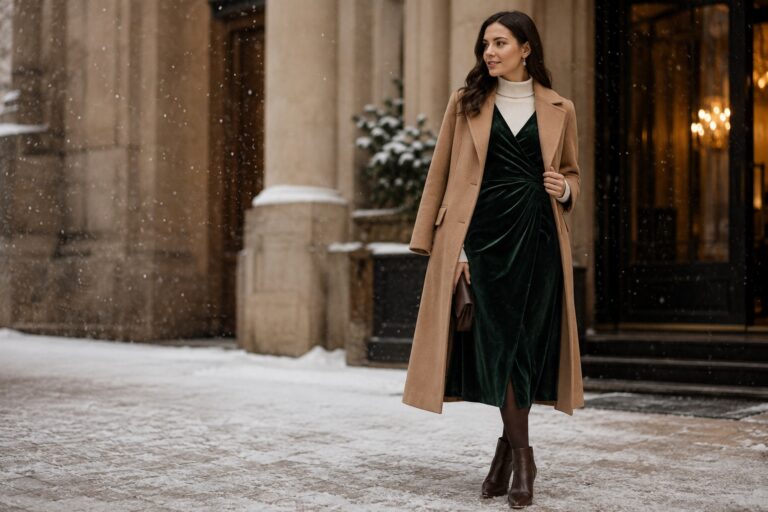
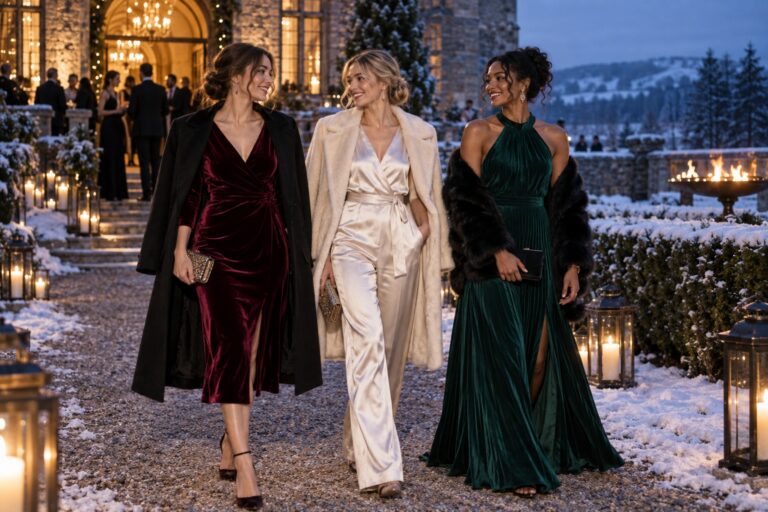
Another worthwhile investment is attire that supports the conditions. A bridal cape, tailored coat, lined boots, thermal layers, gloves for portraits, or a velvet suit can be both practical and stylish. Coordinate outerwear with the palette so the couple looks finished during arrivals and outdoor photographs.
Final winter wedding checklist
Use this review one month before the wedding, then repeat it during the final week. The goal is not to eliminate every weather variable. It is to make sure every important decision has an owner and a backup.
- Confirm the ceremony, reception, portrait, and guest waiting locations.
- Check heating, lighting, candle rules, generators, and power access.
- Confirm sunset time and move key portraits into the best available light.
- Review the snow, ice, rain, and wind plan with the venue and planner.
- Send updated arrival, parking, shuttle, and footwear guidance to guests.
- Confirm coat check, blanket, heater, umbrella, and wet-floor procedures.
- Finalize seasonal flowers and approve substitutions with the florist.
- Test the palette under both daylight and reception lighting.
- Confirm hot and cold beverage choices, labels, and dietary alternatives.
- Pack warm layers, comfortable shoes, touch-up supplies, and portrait accessories.
- Ask the photographer to identify an indoor portrait location before the wedding day.
- Assign one person to make weather calls so the couple is not managing logistics.
When these practical choices are handled, your creative details become more powerful. Guests can notice the candlelight because they are not standing in a cold corridor. They can enjoy the outdoor portrait because they know where to warm up. They can remember the seasonal menu because the service is comfortable and generous. That is the real advantage of thoughtful winter wedding aesthetic: the season becomes part of the hospitality.
FAQ
What are the best winter wedding aesthetic for a small budget?
Prioritize warm lighting, seasonal greenery, textured ribbon, a simple hot drink, and clear guest communication. These choices create atmosphere without requiring large floral installations. Use candles or battery lights at varied heights, add rosemary or pinecones to place settings, and ask the venue whether existing string lights or lounge furniture are included.
How can we plan a winter wedding without making it look like Christmas?
Choose a mood and palette first, then limit holiday symbols to one small detail. Ivory, navy, plum, charcoal, champagne, and deep green can feel seasonal without relying on red and green. Use texture, candlelight, branches, metallics, and winter flowers to communicate the season instead of repeating ornaments, snowflakes, and plaid everywhere.
What should guests wear to a winter wedding?
Tell guests the dress code and practical weather information together. Depending on the formality, suggest velvet, satin, brocade, lined tights, polished boots under a long hem, tailored coats, wraps, or elegant layers. Include whether any portion of the event is outdoors and recommend shoes that can handle the venue’s paths and weather.
What food and drinks work well at a winter wedding?
Offer a balance of warm and fresh choices. Soup shooters, baked brie, roasted vegetables, seasonal fruit, spiced nuts, hearty mains, and warm bread all suit the season. For drinks, consider hot cocoa, tea, cider, mulled wine, or a warm cocktail, plus a cold alcohol-free option. Label ingredients and plan service so warm drinks remain easy to carry.
How do we handle outdoor winter wedding photos?
Schedule a short outdoor session close to a warm indoor location and build a complete indoor alternative. Confirm the sunset time, choose stable footwear, and prepare a coat, cape, wrap, gloves, or warm robe. Let the photographer know which winter background matters most, then make an early weather decision so the session does not feel rushed.
Which winter wedding details are worth spending more on?
Spend more on weather protection, transportation, professional lighting, reliable heating, and photography with a strong backup plan. These investments protect guest comfort and the memories you will keep. After those needs are covered, choose one focal installation or experience that guests will see, use, or remember throughout the day.