Indian Bridal Fashion: A Practical Style Guide
Indian bridal fashion is at its best when it feels deeply personal, beautifully intentional, and easy to live in for the hours that matter. That does not mean choosing between tradition and modern style. It means understanding the role of each element, then building a look that honors your family, ceremony, region, comfort, and personality.
For a bride planning an Indian wedding in the United States, there are a few extra decisions to make. You may be coordinating several events, ordering from another country, dressing for a different climate, or moving between a hotel ballroom, a temple, a garden, and a reception. This practical guide helps you choose the foundation, create visual balance, plan a connected wardrobe, and avoid the mistakes that make a beautiful outfit difficult to wear.
Why Indian Bridal Fashion Works as a Personal System
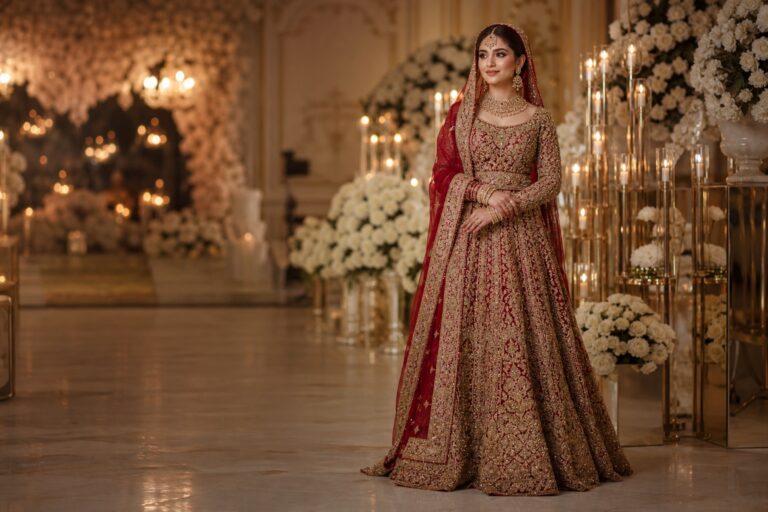
Indian bridal fashion is not one fixed costume. A North Indian bride may choose a heavily embroidered lehenga, while a South Indian bride may feel most herself in a silk saree. A Gujarati bride may want a distinctive drape, a Sikh bride may prefer a lehenga with a second dupatta, and a bride blending cultures may combine an Indian ceremony outfit with a Western reception look. These are not competing definitions. They are different ways of expressing identity.
The strongest outfit decisions begin with context. Ask what the ceremony requires, what your family considers meaningful, how much you want to move, and which details you want to see in photographs years from now. A trend can be a starting point, but it should not be the entire plan. The most memorable looks usually pair one clear traditional anchor with a few modern decisions, such as a cleaner blouse, a lighter fabric, an unexpected color, or jewelry that can be worn again.
Turn wedding inspiration into a plan you can actually follow.
Zarellea brings your guest list, budget, vendors, and day-of details into one shared space — so no beautiful idea gets lost in the shuffle.
Think of the look as a system with five connected layers: the foundation garment, the color story, the surface detail, the accessories, and the practical fit. If one layer is extremely dramatic, the others can create breathing room. A detailed lehenga may need a simpler blouse neckline. A statement necklace may look more elegant with a quieter dupatta border. A traditional silk saree can feel contemporary with a sculptural bun and modern blouse sleeves.
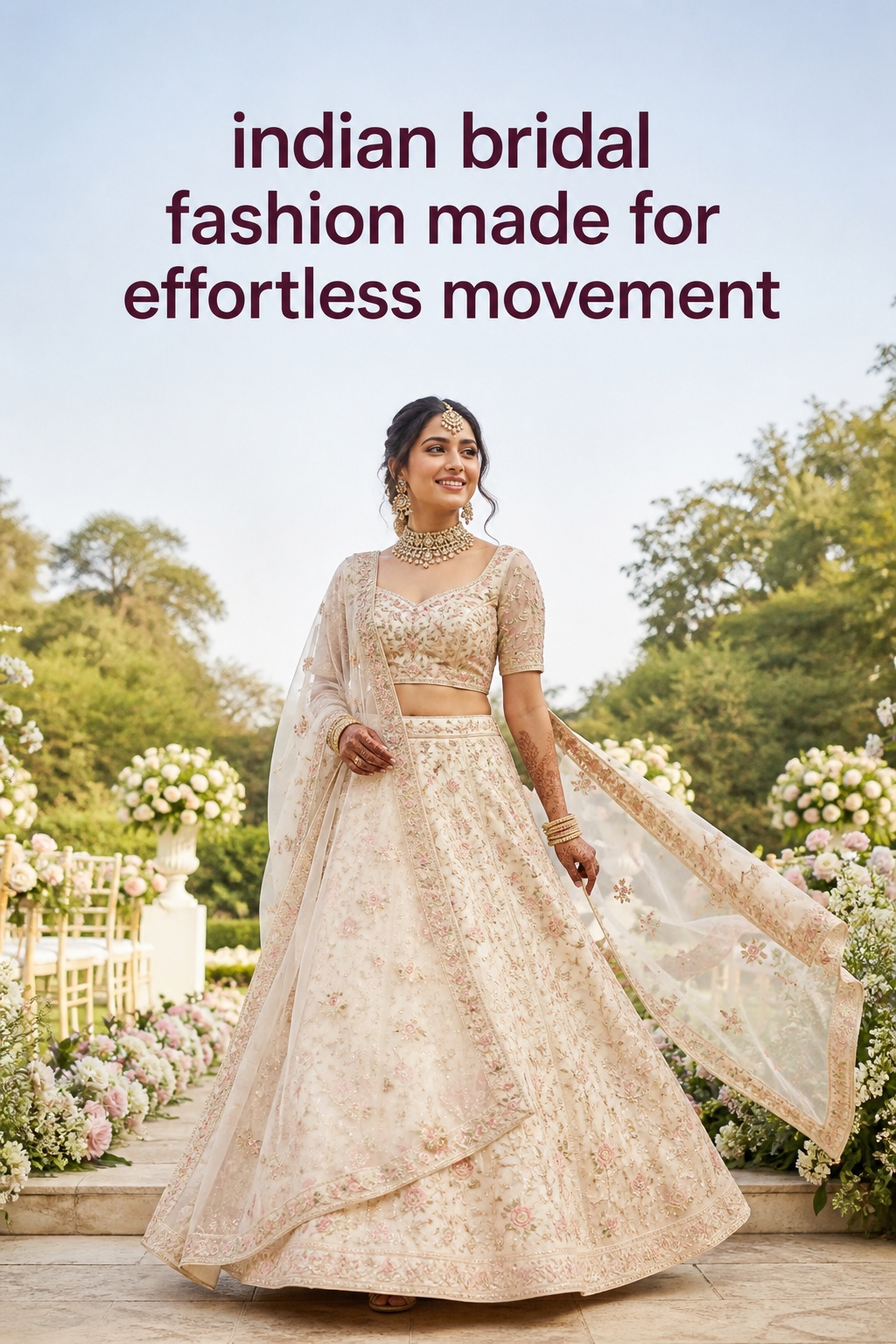
Choose the Foundation: Lehenga, Saree, or Hybrid
The lehenga and saree are both important bridal foundations, but they solve different problems. The right choice depends less on which one is more fashionable and more on how you want to move through the day.
Choose a lehenga when you want structure and easy styling
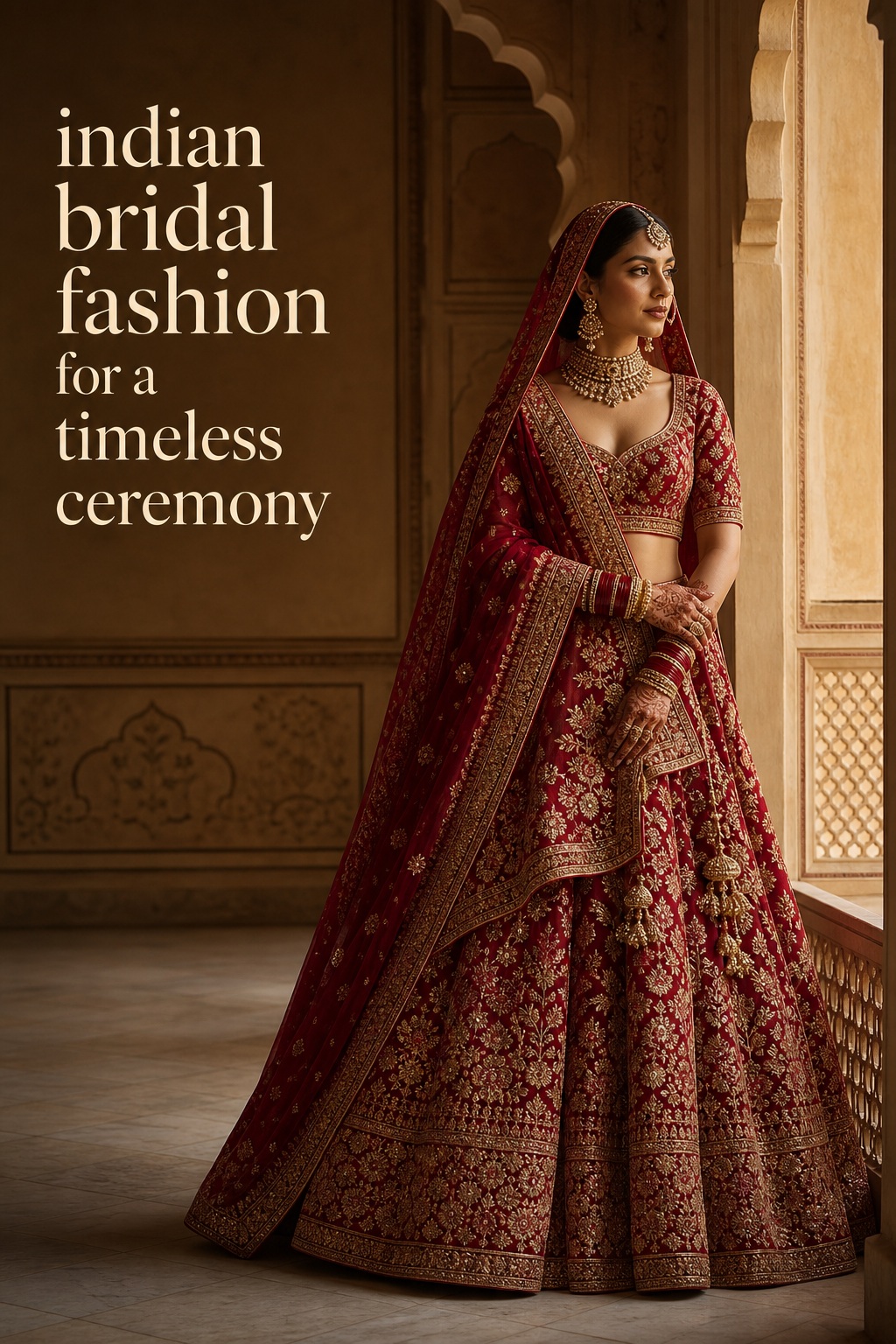
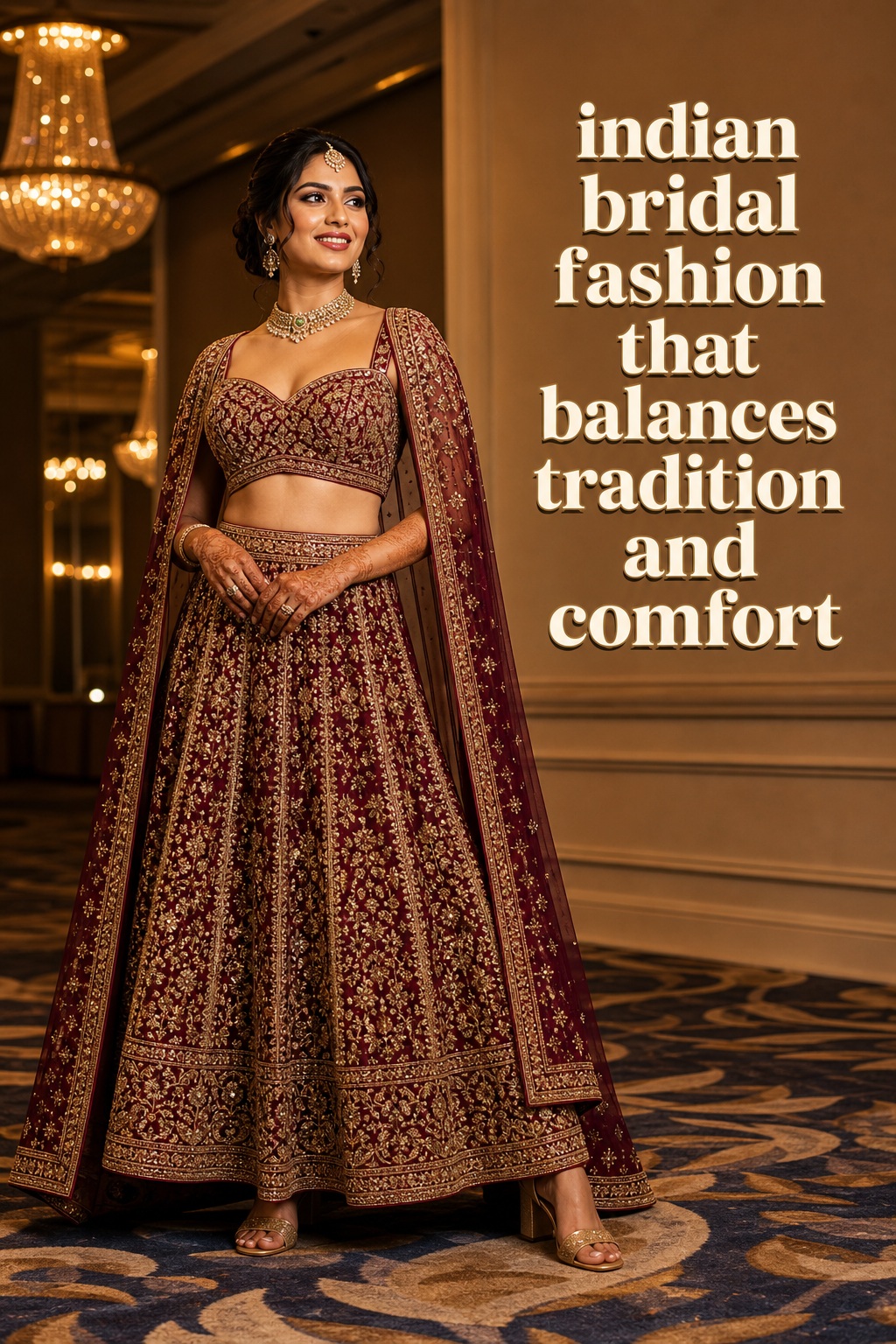
A bridal lehenga usually includes a skirt, blouse, and dupatta. It gives you a defined waist, a controlled hem, and a clear surface for embroidery. That structure can be helpful for long photo sessions and for brides who want a dramatic silhouette without managing many yards of fabric. A well-fitted lehenga also makes it easier to create a coordinated look with a second dupatta, a veil, or a detachable train.
When shopping, look beyond the first impression of the embroidery. Check the weight of the skirt, the flexibility of the waistband, the placement of the blouse seams, and whether the hem can be altered without damaging the border. Sit down, walk up stairs, and practice turning. If you will wear the outfit for several hours, those tests matter more than a few extra motifs.
Choose a saree when drape and heritage are central
A saree can be the most expressive choice when the fabric, drape, or regional tradition carries emotional meaning. Silk sarees, woven borders, metallic thread, and heirloom pieces can look extraordinary without the volume of a heavily layered lehenga. The saree also offers styling flexibility. You can change the blouse, drape, jewelry, or pallu treatment while keeping the same central garment.
Comfort depends on preparation. Schedule a professional draping trial in the shoes you will wear. Test the petticoat or underskirt, blouse fit, safety pins, and movement before the wedding day. If you are not accustomed to wearing a saree, ask your stylist to build in discreet support and to explain how to sit, walk, and use the restroom without disturbing the drape.
Choose a hybrid when you want the visual language of both
A lehenga-style saree, pre-draped saree, or skirt with a saree-inspired pallu can bridge structure and fluidity. This can be a practical option for a reception, a destination event, or a bride who loves the look of a saree but wants a faster change and more predictable movement. It can also make a multi-event wardrobe feel varied without moving completely away from your central style.
- For a temple or traditional ceremony, begin with the customs and drape expected by your family or community.
- For a long reception, prioritize waistband comfort, breathable lining, secure closures, and a hem that will not catch underfoot.
- For an outdoor venue, consider wind, uneven ground, temperature changes, and the effect of humidity on hair and fabric.
- For a blended wedding, choose one outfit as the cultural anchor and let the other events interpret its colors or details.
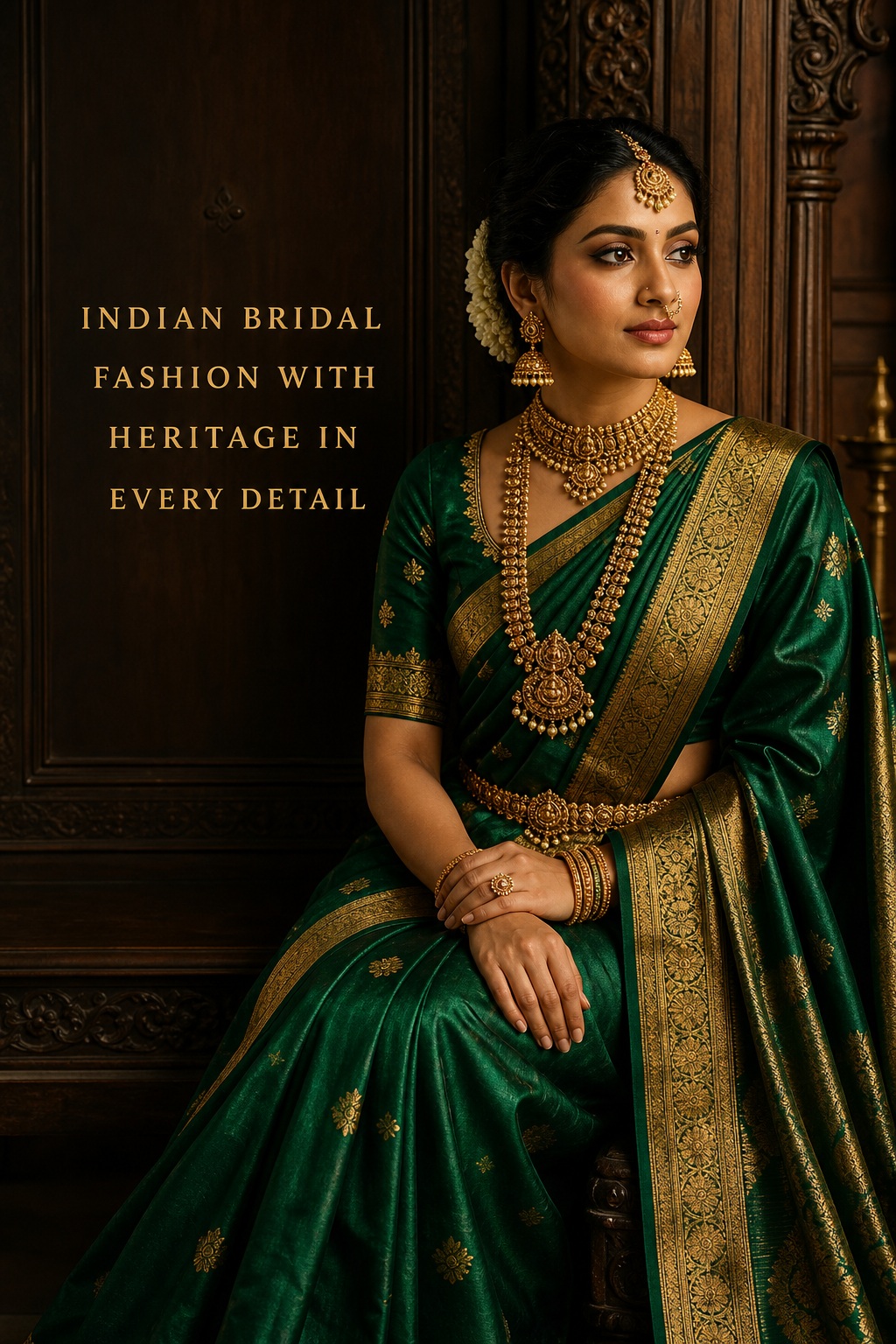
Build the Visual Language: Color, Fabric, and Detail
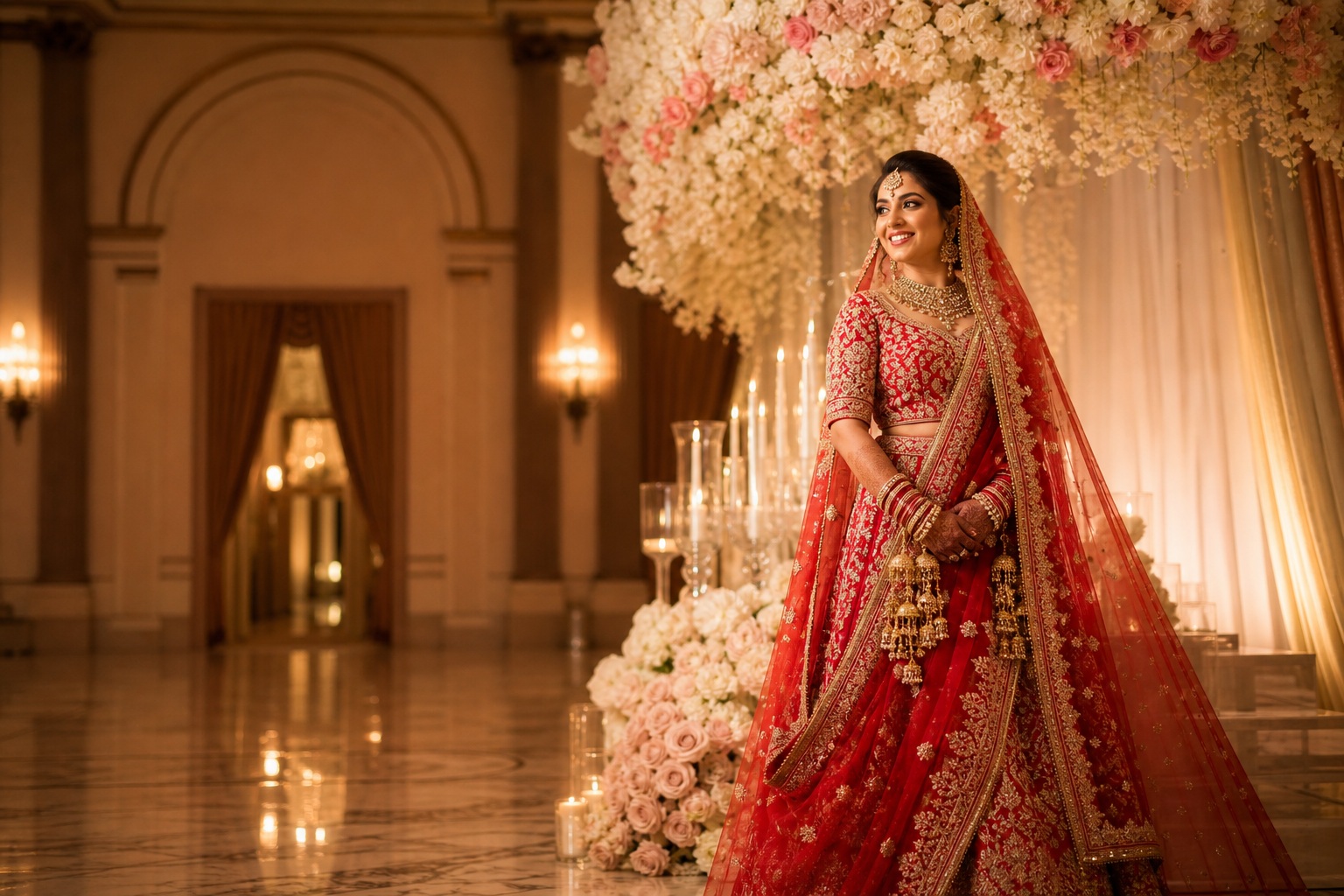
Once you have chosen the foundation, create a visual language that makes every part of the outfit feel related. Start with one dominant color, one supporting color, and one finish. For example, a deep red base with antique gold and a warm rose accent feels traditional and rich. A soft blush base with champagne embroidery and emerald jewelry feels lighter but still ceremonial. A jewel-tone outfit can be balanced by a matte fabric or a simpler blouse.
Red remains meaningful for many brides, but Indian bridal fashion includes a much wider palette. Maroon, fuchsia, orange, green, gold, ivory, pink, and jewel tones can all be beautiful when they make sense for the bride and the ceremony. If you are choosing a less traditional color, keep a familiar element such as a classic border, a heritage textile, traditional jewelry, or a culturally significant drape.
Match fabric weight to the event, season, and movement
Heavy velvet, dense zardozi, layered brocade, and thick lining create visual richness, but they can become tiring in a warm venue. Lightweight silk, tissue, georgette, organza, crepe, and satin can give you movement and a more comfortable fit. The best choice is not always the lightest fabric. A lighter skirt with a substantial border, or a simple base with concentrated embroidery, can look luxurious without feeling like armor.
Ask for a fabric sample before committing, especially when ordering remotely. Photograph it in daylight and indoor light. Touch the reverse side to check whether the embroidery is scratchy. Look for loose threads, sharp sequins, and heavy appliqué near the underarm or waist. If the outfit will be photographed with flash, make sure metallic details do not reflect so strongly that they flatten the texture.
Use embroidery as a hierarchy, not a competition
Beautiful embroidery needs a visual hierarchy. Decide where you want the eye to go first. It may be the neckline, the face-framing dupatta, the border, or a central motif on the skirt. Keep the most intricate detail close to that area, then allow other sections to support it. If every inch has the same intensity, the outfit may look busy in person and lose definition in photographs.
Also consider the relationship between embroidery and jewelry. Kundan, polki, diamonds, pearls, temple jewelry, and gold pieces all reflect light differently. If the blouse is heavily embellished, a shorter necklace or statement earrings may be enough. If the neckline is clean, layered necklaces can create a stronger bridal frame. The goal is not to wear every beautiful piece at once. The goal is to make each important piece visible.
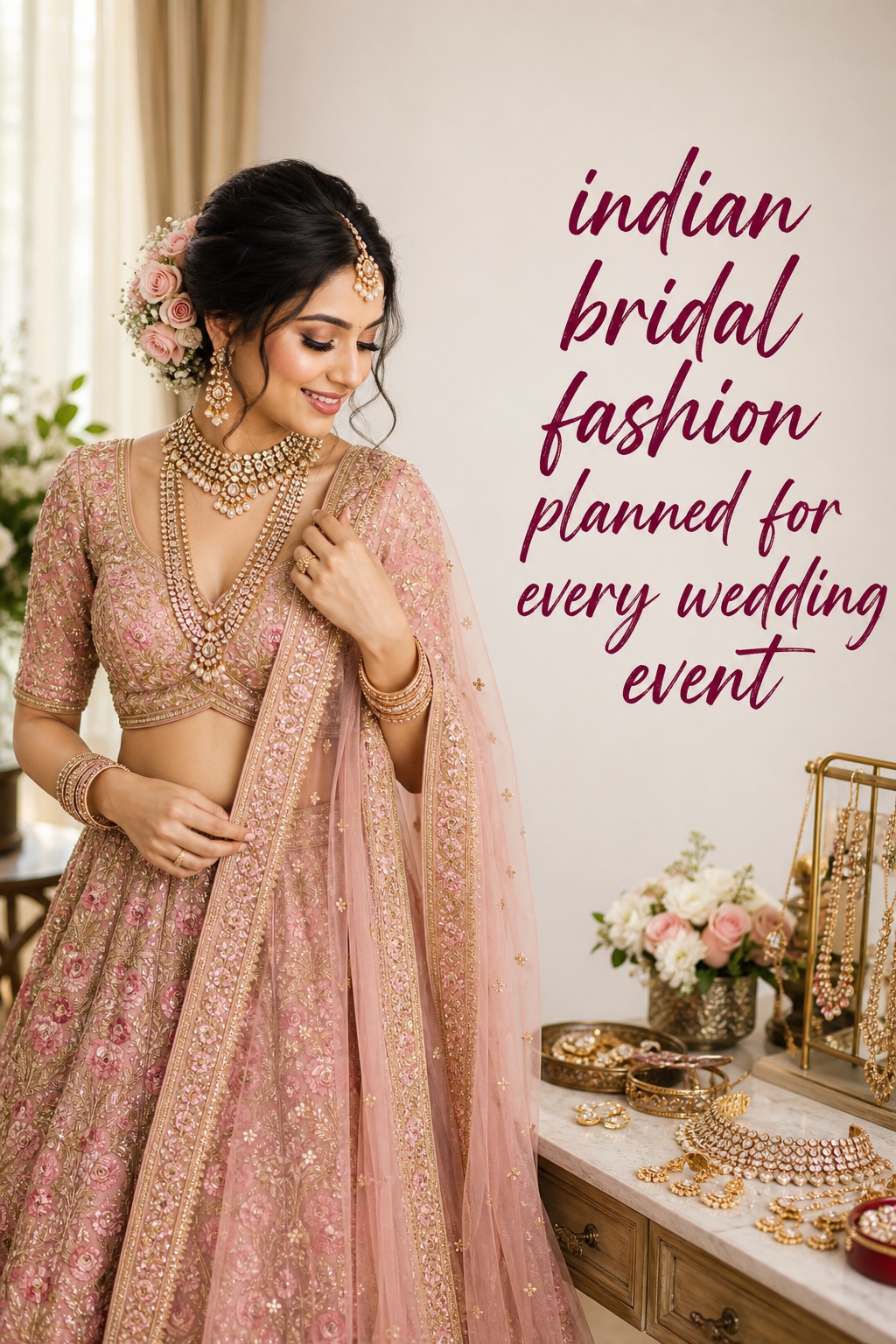
Coordinate Jewelry, Hair, Makeup, and Practical Details
Accessories make the outfit feel bridal, but they also determine how the day feels on your body. Plan them as a complete set instead of adding pieces one by one after the outfit is finished. Lay out the blouse, dupatta, earrings, necklace, maang tikka, bangles, rings, waist belt, and shoes together. Photograph the combination from a distance. A set that looks balanced in close-up can feel overwhelming when all the elements are visible at once.
Choose jewelry by neckline and proportion
A high neckline often works with earrings and a shorter necklace, while a deep or open neckline can support a layered necklace. A broad choker creates a strong horizontal line, so balance it with a longer chain or a quieter blouse detail if the look needs more length. A maang tikka draws attention to the center of the face. A nath adds a distinct profile detail, but it should be tested with your hairstyle and veil so it does not pull or snag.
Do not forget weight. Try the earrings for at least thirty minutes. Add back support if needed. Test whether bangles interfere with the blouse sleeve or catch on the dupatta. If you are wearing a hathphool, practice holding the bouquet, greeting guests, and using your phone. Comfort does not make the look less authentic. It allows you to stay present.
Plan hair and makeup around the actual outfit
Your hairstyle should support the headpiece, dupatta, and jewelry rather than compete with them. A center part and low bun can highlight a maang tikka and a traditional veil. A softer side part may work with a lighter drape and statement earrings. Bring the real accessories to your trial, not just inspiration images. The placement of pins and the height of the bun can change the balance of the entire look.
Makeup should be tested under the lighting you expect at the venue. Indian bridal makeup often includes defined eyes, luminous skin, and a strong lip, but the exact intensity should suit your features and outfit. Wear the blouse color during the trial if possible. Check the result in natural light, warm reception light, and flash photography. Ask how the artist will manage heat, humidity, tears, and a long ceremony.
Make footwear and security part of the design
Choose shoes early because they determine the hem. A small platform, block heel, or embellished flat can be more useful than a delicate high heel if you will walk across grass, stone, or a large hotel floor. Break them in before the event. Keep a second pair that works with the skirt length, and ask your seamstress to leave enough room for the planned change.
Every closure should be checked by someone who did not make the outfit. Add hidden snaps where a dupatta slips, reinforce hooks at the waist, and use fashion tape only after testing it on the fabric. Pack a small emergency kit with safety pins, a sewing kit, blister patches, stain remover, hair pins, tissues, and a phone charger. These details are invisible in the final photographs, which is exactly the point.
Plan a Connected Multi-Event Bridal Wardrobe
Many Indian weddings include more than one celebration, so the bride may need looks for mehndi, haldi, sangeet, ceremony, and reception. The easiest way to keep the wardrobe cohesive is to choose a repeated thread rather than repeating the same outfit formula. That thread might be a color family, a jewelry finish, a floral motif, a particular border, or a shared blouse detail.
Give each event a different job. A haldi look can be lighter, washable, and comfortable around turmeric. A mehndi outfit can celebrate color and movement while leaving the hands accessible. A sangeet look can support dancing with a secure neckline and lighter layers. The ceremony outfit can carry the most heritage and emotional weight. The reception can shift toward a different silhouette, a modern blouse, or a streamlined version of the same palette.
Use a simple three-part wardrobe formula
- Anchor: one outfit with the strongest cultural and emotional meaning.
- Bridge: one look that shares a color, motif, or accessory with the anchor but has a different silhouette.
- Release: one look that gives you freedom to move, dance, change the mood, or express a more modern side.
This formula protects you from buying several versions of the same heavy red-and-gold look. It also creates a better visual story across your wedding album. When you review the photographs together, each event feels connected without looking duplicated.
Make a realistic US shopping and tailoring timeline
Begin with the ceremony date, not the shopping date. Build in time for design approval, measurements, production, international shipping, customs delays, local alterations, a second fitting, and the final steaming. If the outfit is being made abroad, ask exactly which measurements are required and whether the designer expects inches or centimeters. Keep a written record of every change.
US-based boutiques can simplify fittings and returns, while overseas designers may offer more specialized craft or customization. Neither path is automatically better. Compare the full cost, including shipping, duties, alterations, rush fees, and insurance. Ask who is responsible if a package is delayed or a color differs from the approved sample. A beautiful garment is only a good choice if it can arrive, fit, and be repaired in time.
Adapt the look to climate and venue
For a summer wedding in the South or on the West Coast, prioritize breathable lining, lighter layers, and secure hair styling. For a winter wedding, choose a fabric that works with a shawl or embroidered jacket and make sure the outer layer does not crush the blouse. For an outdoor ceremony, think about wind, grass, stairs, and the temperature after sunset. For a ballroom, consider reflective lighting and the distance between your table, stage, and dance floor.
Ask your photographer where the most important portraits will happen. If a dramatic dupatta or veil is central to your vision, plan a few minutes for those images before the crowd and movement begin. If you want to show the embroidery, schedule close details. Indian bridal fashion deserves both full-length photographs and quiet texture shots.
Mistakes to Avoid Before the Wedding
- Choosing a look from a single photograph without checking how the garment moves, closes, or fits your body.
- Treating regional traditions as interchangeable instead of asking family members or cultural advisors what matters for your ceremony.
- Waiting until the final week to test the complete outfit, including jewelry, shoes, veil, hair, and makeup.
- Adding heavy accessories because they are traditional without considering neck, ear, wrist, and hand comfort.
- Ignoring the reverse side of embroidery, which can cause rubbing or snagging during a long event.
- Using one dramatic color and finish for every wedding function, leaving the wardrobe visually repetitive.
- Skipping a professional draping or movement trial, especially if you are new to a saree or a long dupatta.
- Forgetting that the blouse and hem are the most important alteration points and need enough time for a second fitting.
The final check should be calm and practical. Put on the whole outfit and walk, sit, bend slightly, raise your arms, hug someone, and dance for a few minutes. Look for slipping, pinching, pulling, tripping, and anything that makes you adjust the garment constantly. Fix those issues while you still have options. Confidence comes from knowing that the outfit will support the day, not interrupt it.
FAQ
What is the most traditional Indian bridal outfit?
There is no single traditional Indian bridal outfit. Lehengas, sarees, regional drapes, silk textiles, and other garments can all be correct depending on the bride’s community, ceremony, and family traditions. Start with the customs that matter for your wedding, then personalize the color, fit, and styling.
Should an Indian bride choose a lehenga or a saree?
Choose a lehenga if you want a structured silhouette and predictable movement. Choose a saree if drape, textile, and regional heritage are central to your vision. A pre-draped saree or lehenga-style saree can offer a practical middle ground for a reception or second event.
How many outfits does an Indian bride need?
The right number depends on your wedding schedule and budget. One anchor outfit plus one or two distinct supporting looks is often enough to create variety without unnecessary spending. Assign each outfit a different purpose, such as ceremony heritage, dance-friendly movement, or a lighter pre-wedding celebration.
How can I make heavy Indian bridal fashion more comfortable?
Choose breathable lining, test the complete outfit, reinforce closures, wear supportive shoes, and schedule breaks when possible. Reduce weight in one area if another is already dramatic. For example, pair a richly embroidered lehenga with lighter jewelry or a simpler dupatta.
When should I order my bridal outfit in the United States?
Start several months before the wedding, allowing time for design, production, shipping, customs, local alterations, and at least one final fitting. Ask the designer or boutique for a realistic schedule in writing. Leave extra time if the outfit is custom-made or traveling internationally.
How do I make Indian bridal fashion feel modern?
Keep one traditional anchor and update the silhouette, blouse, fabric weight, color balance, or accessories. A clean neckline, detachable layer, contemporary jewelry mix, or lighter reception look can make the wardrobe feel current while preserving its cultural meaning.