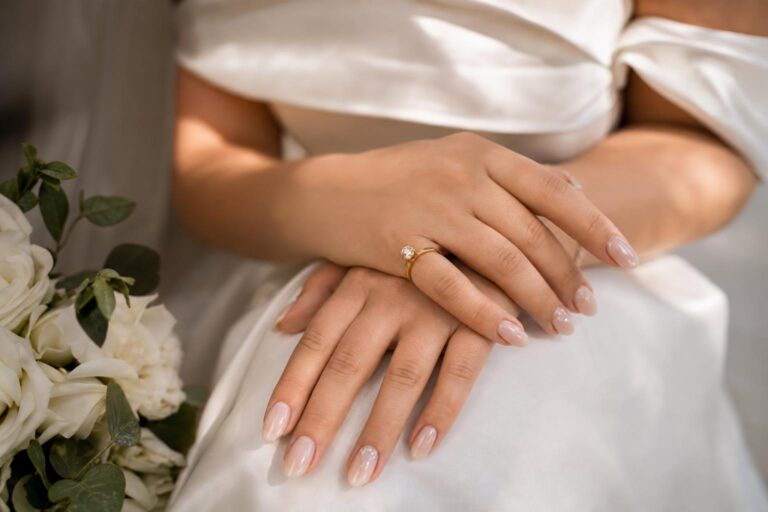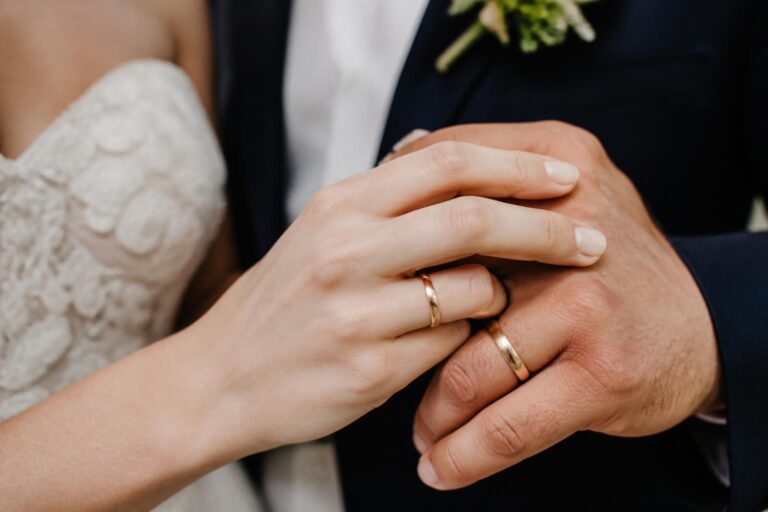
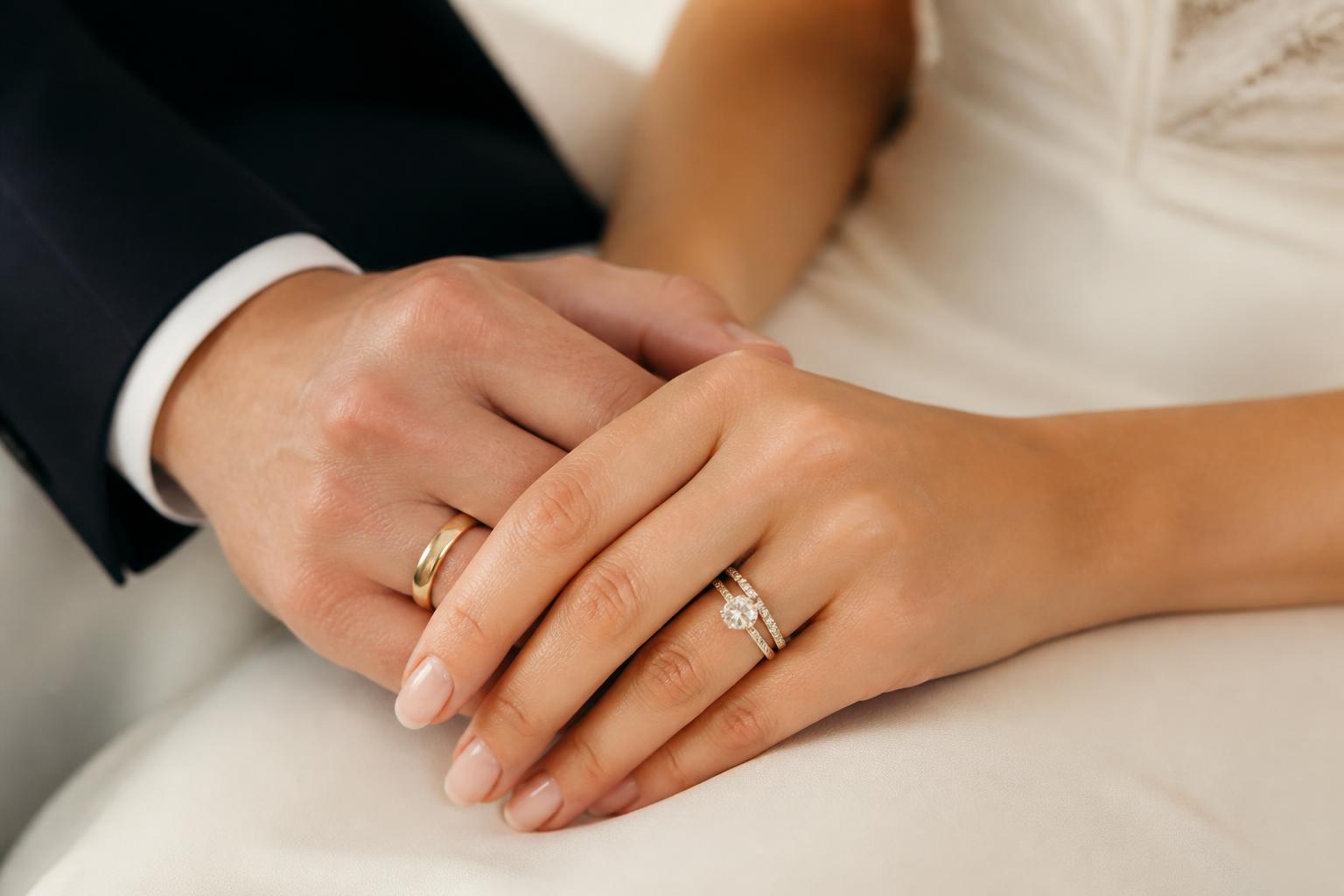
Wedding Ring Bands That Balance Romance and Real Life
The choice of wedding ring bands often happens in a quieter moment of wedding planning, after the venue has been booked and the guest list has started to take shape. Yet these bands are the pieces you will live with long after the flowers are gone and the music has ended. That is why choosing them deserves more than a quick browse. A thoughtful band should suit your daily life, reflect your style as a couple, and work beautifully with the engagement ring, the wedding setting, and your budget. From classic plain bands to diamond wedding bands, from platinum and gold to titanium and palladium, the best decision usually comes from understanding how materials, shape, fit, and wearability all connect.
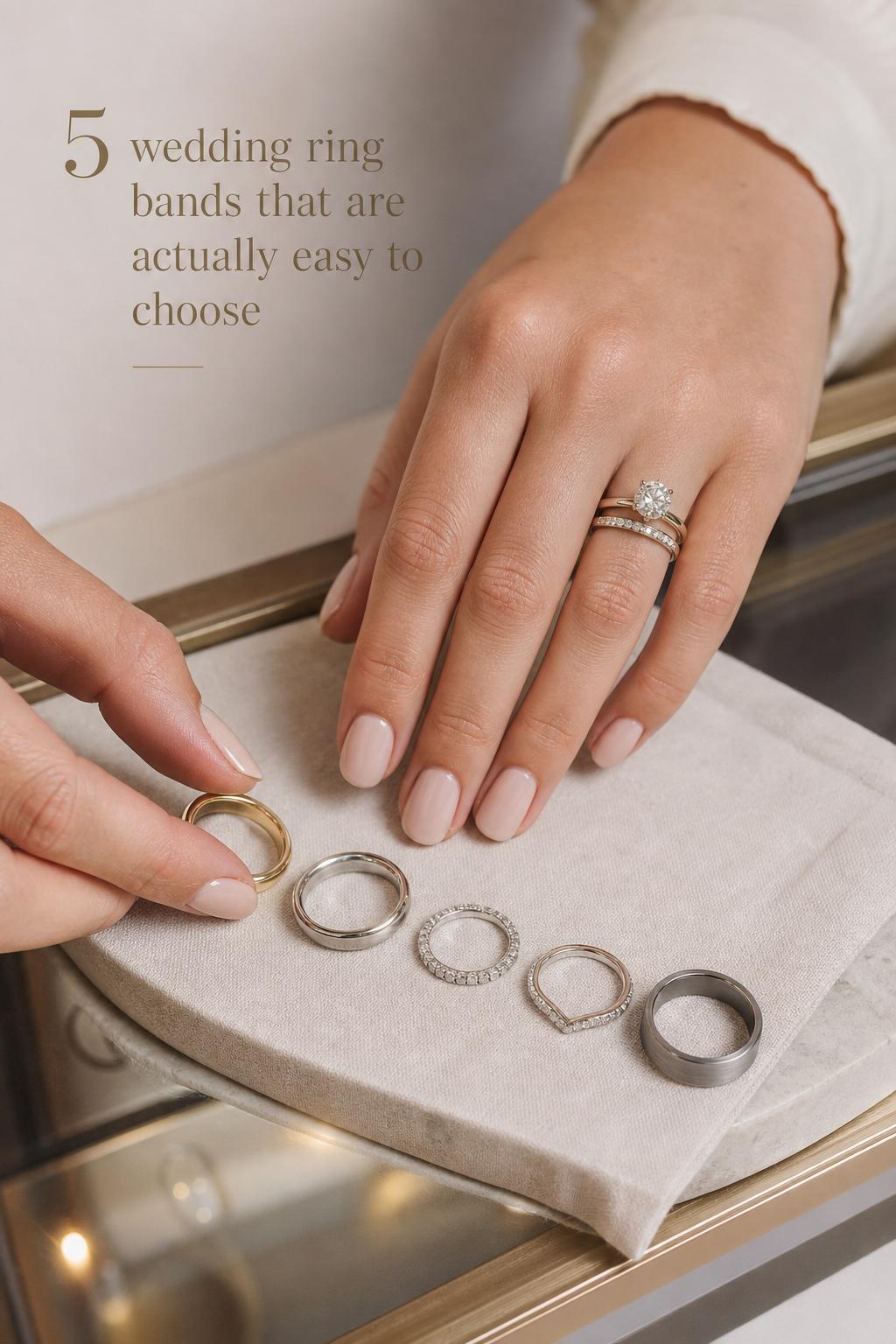
What wedding ring bands really mean in a wedding wardrobe
A wedding band is the ring chosen for the marriage ceremony, while an engagement ring is the ring typically given earlier in the engagement-to-wedding transition. In practice, couples often use the terms wedding band and wedding ring interchangeably, but the distinction matters when you are planning how the pieces will sit together on the hand. A band may be plain, diamond-set, curved, contoured, comfort-fit, stackable, or part of a ring set. Understanding that basic language makes shopping less overwhelming and helps you compare options across retailers such as Blue Nile, Macy’s, Helzberg Diamonds, Zales, Continental Diamond, and specialty shops like RockHer or JD Bands.
In a real wedding context, this matters because the band is not just a symbolic purchase. It is part of your overall bridal or groom style, part of your ceremony photographs, and part of your daily routine after the wedding. A sleek plain band may make sense for a minimalist city ceremony and a busy work life, while an eternity band or pavé style may suit a more fashion-forward look if you are comfortable with extra sparkle every day.
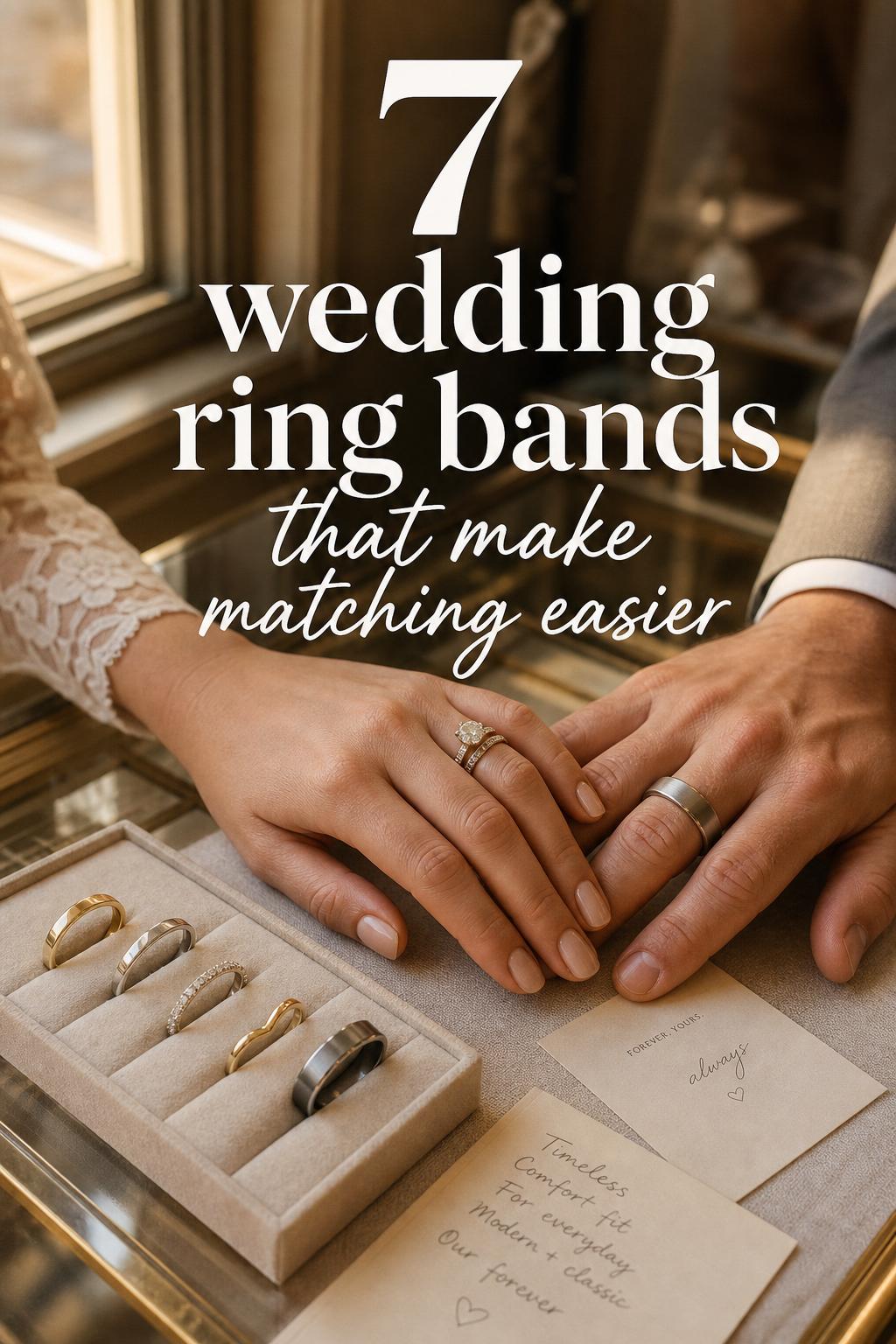
Best for couples who want a decision that still feels right years later
This mindset works best for couples trying to balance romance with practicality. It is especially useful if you are planning a long engagement, comparing men’s wedding bands and women’s wedding bands side by side, or trying to create a cohesive look between the ceremony jewelry and everyday wear. The reason it works is simple: bands are small, but their comfort and visual impact are constant.
Turn wedding inspiration into a plan you can actually follow.
Zarellea brings your guest list, budget, vendors, and day-of details into one shared space — so no beautiful idea gets lost in the shuffle.
A common mistake is choosing only from a photo or trend point of view without thinking about how the band will pair with the engagement ring, your hand shape, or your normal lifestyle. A real-life styling tip from a practical planning perspective: if your engagement ring already has visual complexity, such as a distinct head shape or a detailed silhouette, the wedding band often looks more elegant when it supports that ring rather than competes with it.
The metal sets the tone: gold, platinum, titanium, palladium, and beyond
The material of a wedding band affects its appearance, perceived weight, overall style, and how it fits into your budget. Across the U.S. market, the most visible choices include yellow gold, white gold, rose gold, platinum, titanium, tungsten, and palladium. Some retailers focus heavily on classic precious metals, while luxury houses such as Tiffany & Co. and Cartier often frame the conversation through heritage, finish, and collection identity. Mainstream and specialty retailers then widen the field with price tiers, shape choices, and more modern variations.
Gold bands for traditional, romantic, and versatile wedding styles
Gold wedding bands are a strong fit for couples who want familiarity, warmth, and broad style flexibility. Yellow gold can feel timeless in a formal church wedding, white gold often suits sleek modern styling, and rose gold can soften the look of a romantic or contemporary celebration. Gold also works well when the engagement ring already sets the tone and you simply need a matching or coordinating band.
Why it works in practice: gold is widely available across price points, easy to compare in retailer collections, and often offered in plain, diamond, curved, and comfort-fit options. It also gives couples more flexibility if they are shopping both luxury and accessible stores, from Tiffany and Cartier inspiration to larger retail catalogs at Macy’s or Zales.
Budget tip: if your visual priority is color and coordination rather than prestige positioning, compare similar gold styles across broad retailers before committing to a brand name alone. A common mistake is focusing only on the metal color and forgetting to compare finish, width, and profile, which change the overall look significantly. Real-life styling tip: when trying on gold bands, place them next to the engagement ring under both bright store lighting and softer natural light, because polished and matte surfaces can read differently across settings and wedding photography.
Platinum bands for couples who want a more elevated, substantial feel
Platinum wedding bands are often favored by couples looking for a more luxury-oriented or enduring-feeling choice. They fit especially well with formal weddings, classic city celebrations, and engagement rings already styled in platinum tones. Brands such as Tiffany & Co., Cartier, and Blue Nile frequently position platinum as a premium option tied to refined taste and long-term value.
Why it works: platinum carries a distinct presence and pairs naturally with many classic engagement ring looks. It is especially practical if your goal is a band that feels understated but still important. For men’s wedding bands, it can also give a strong, clean look without requiring diamonds or decorative details.
Common mistake to avoid: selecting platinum only because it sounds luxurious without checking whether the finish and width suit your hand. A narrow platinum band can feel very different from a wider one in both proportion and comfort. Budget tip: if platinum is your priority, keep the design simpler and invest in the metal rather than adding too many competing details. Styling tip: platinum looks especially convincing in wedding photos when the finish is chosen carefully; a high polish feels more formal, while a brushed or matte look can soften the effect for a modern celebration.
Titanium, tungsten, and palladium for a modern or more nontraditional direction
Titanium, tungsten, and palladium tend to appeal to couples who want a less traditional path, especially for men’s wedding bands or for modern minimalist weddings. They can also be useful if the couple wants a visual distinction between engagement jewelry and the wedding band itself. Palladium remains closer to the precious-metal conversation, while titanium and tungsten often signal a streamlined, contemporary approach.
This direction works best for industrial venues, urban weddings, modern black-tie styling with clean lines, or couples who simply do not connect with a classic gold look. It also gives shoppers a way to move outside the standard catalog feel seen across large retailers. Research around the category also points to increasing curiosity about alternative materials such as carbon fiber, ceramic, ceramic inlay, meteorite, Damascus steel, and wood inlay, especially in niche and customization-focused shopping journeys.
Common mistake: choosing an unusual material because it feels distinctive but not considering whether it still harmonizes with the wedding wardrobe and engagement ring. Budget tip: if you want a statement material, keep other variables simple, such as finish or width, so the band remains wearable. Real-life styling tip: if one partner chooses a highly nontraditional material and the other prefers a classic precious metal, connect the pair visually through similar shape, edge detail, or finish rather than trying to force identical materials.
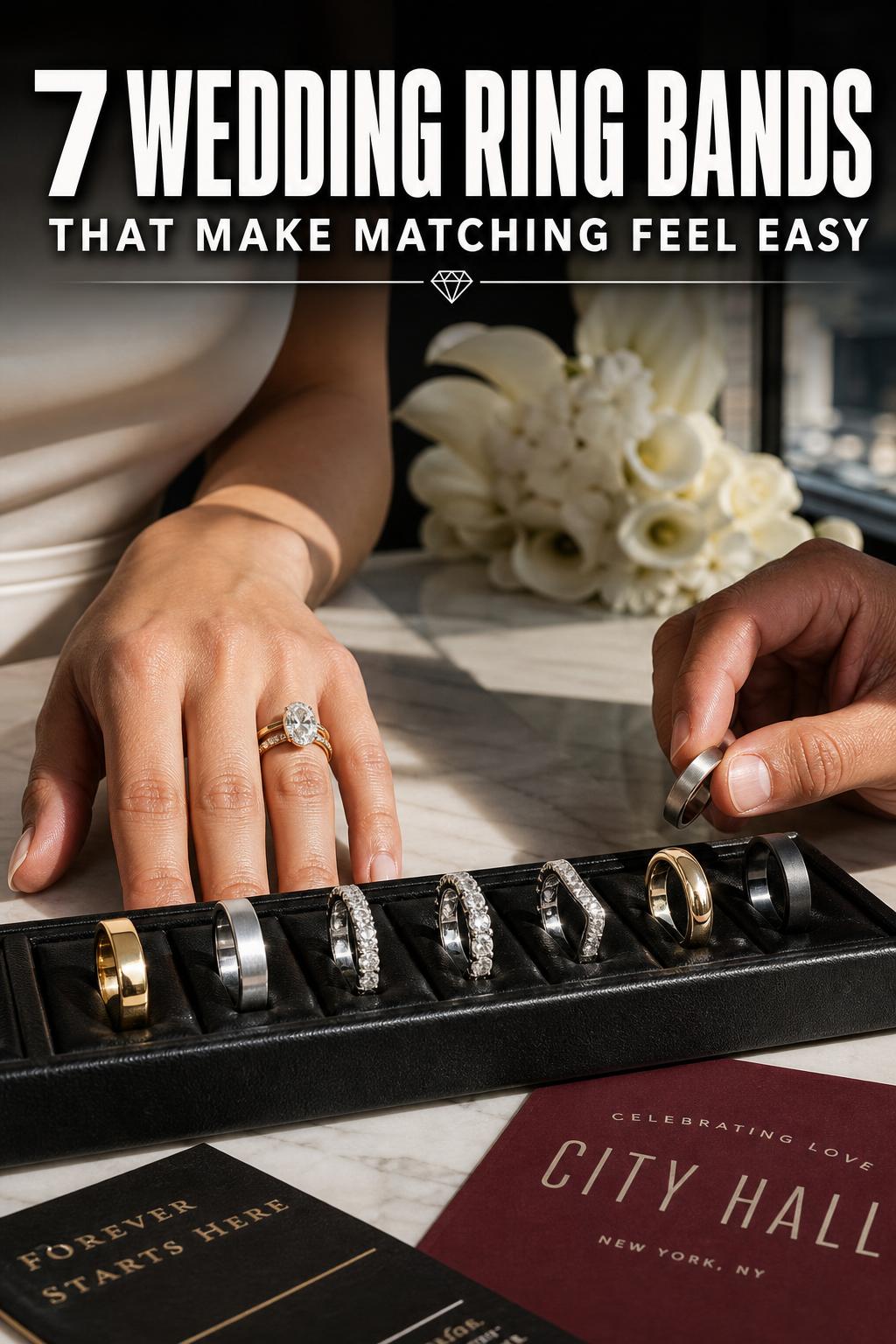
Shape changes everything: plain, diamond, curved, contour, eternity, and comfort-fit
Many couples think first about metal, but shape often determines whether a wedding ring band feels effortless or awkward. Across leading retail pages, the most common style groups include plain bands, diamond bands, curved or contour bands, eternity bands, stackable bands, beveled styles, and comfort-fit profiles. These shapes are not just visual categories. They affect pairing, comfort, and how formal or everyday the ring feels.
- Plain bands offer a clean, classic look and often the easiest long-term wear.
- Diamond bands add texture, light, and a stronger jewelry presence.
- Curved or contour bands are designed to sit more neatly with some engagement ring silhouettes.
- Eternity and pavé styles can create a fuller, more decorative stack.
- Comfort-fit bands prioritize ease on the finger, especially for all-day wear.
Plain wedding bands for timeless ceremonies and simpler daily wear
Plain wedding bands work particularly well for couples having a traditional ceremony, couples with highly detailed engagement rings, and anyone who wants a ring that will be easy to wear from weekday errands to formal anniversaries. They also make sense for destination-style planning where the bride or groom wants something low-fuss after the event is over.
Why it works: a plain band supports the rest of the jewelry rather than competing with it. It also transitions well between formal wedding clothing and ordinary life, which is one reason this style stays prominent across major catalogs. Budget tip: if you love a luxury look but need to control spending, a beautifully finished plain band often reads more expensive than an overdesigned band in a lower-quality presentation. Common mistake: choosing too thin a plain band just because it looks delicate in a display case. In real wear, proportion matters, especially beside an engagement ring. Styling tip: try plain bands in multiple widths before deciding; even a small width shift can change the whole balance of the hand.
Diamond bands for sparkle, ceremony impact, and visible contrast
Diamond wedding bands are best for couples who want the band to feel like a visible part of the bridal look rather than a quiet companion to the engagement ring. They fit glamorous evening receptions, luxury hotel weddings, black-tie celebrations, and any wedding aesthetic where jewelry is expected to show in close-up photography. Common forms include pavé, channel, prong-set, and eternity-style bands.
Why it works: diamond bands add texture and light, which helps the wedding set feel complete in photographs of the bouquet, ring exchange, and hand-held moments. They can also create a sense of intentional styling if the engagement ring is relatively simple. However, they require more thoughtful pairing. A very intricate engagement ring plus a very detailed band can look crowded instead of cohesive.
Budget tip: if you want sparkle but not the highest price point, consider using the diamond detail as the focal point and keeping the band width more restrained. Common mistake: choosing a diamond band that looks impressive alone but creates gaps or visual tension next to the engagement ring. Real-life styling tip: ask to view a diamond band from the top and side beside your engagement ring, because the side profile often reveals whether the pairing will feel smooth or overly busy.
Curved and contour bands for difficult engagement ring pairings
Curved wedding bands and contour bands are especially useful when the engagement ring has a head shape, setting height, or silhouette that prevents a straight band from sitting closely. This is one of the most practical categories for real couples, because many engagement rings are chosen first for beauty, then later prove tricky to match. Retailers such as Helzberg Diamonds and style-focused collections often highlight curved and contoured options for precisely this reason.
This choice works best for brides who care about a close, deliberate fit and do not want a visible mismatch during the ceremony or in photos. It also suits modern weddings where clean stacking and ring geometry matter. Budget tip: solving the fit issue correctly is usually worth more than paying extra for decoration. A simpler contour band that truly fits the engagement ring often looks better than a more expensive straight band that leaves an awkward gap. Common mistake: assuming every ring should sit flush. Sometimes a slight gap is normal, but it should look intentional rather than accidental. Styling tip: bring the engagement ring to every band appointment and check the combination while moving your hand, not just while holding it still.
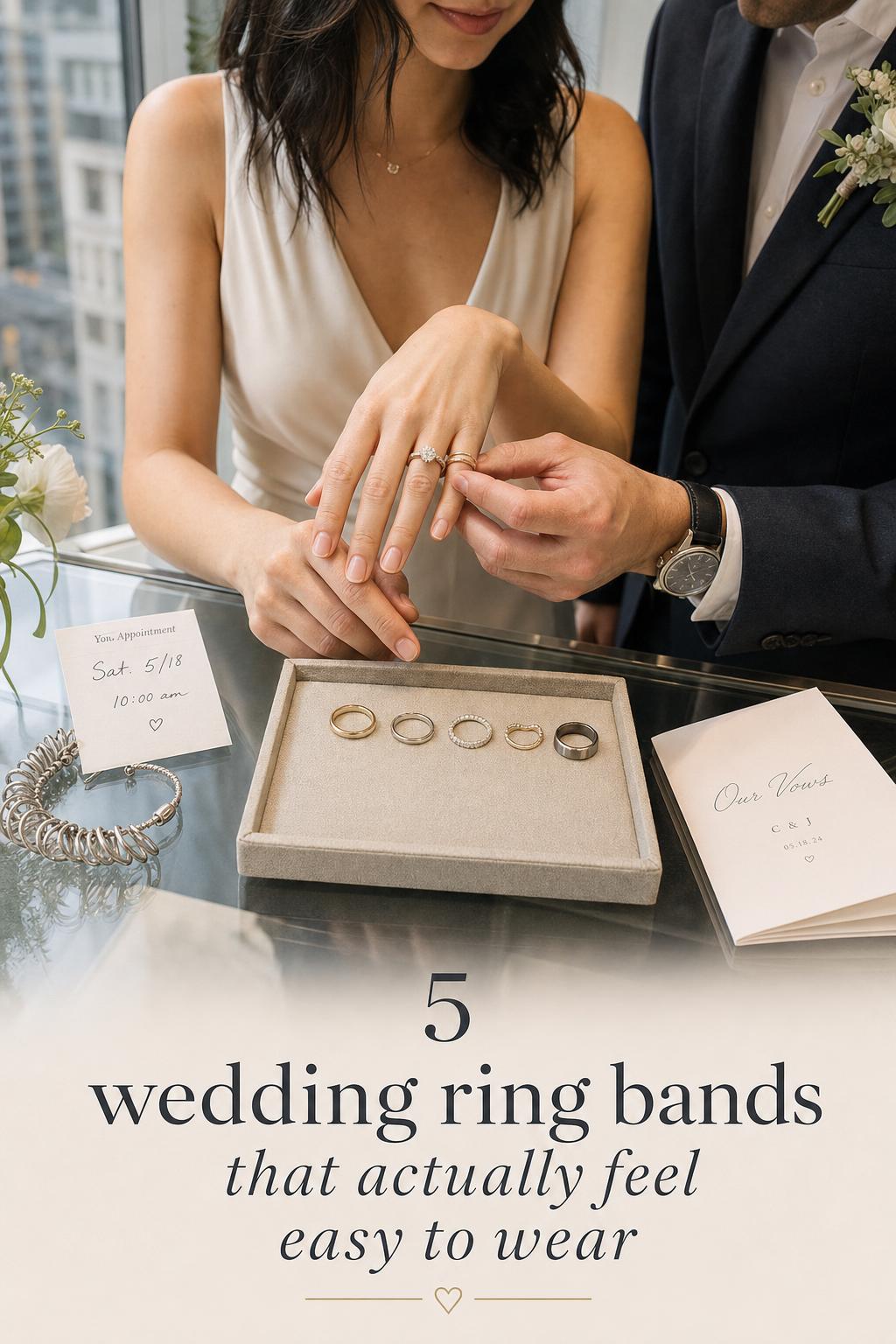
Matching the engagement ring is part style, part geometry
The most successful wedding ring bands do not just “match” by metal color. They align with the geometry of the engagement ring, the visual weight of the setting, and the couple’s overall taste. This is one of the most underexplained parts of shopping, yet it is often the difference between a ring set that feels effortless and one that always looks slightly unresolved.
Start with silhouette. A straight engagement ring band may accept a straight wedding band easily, while a ring with a more prominent head shape may call for a curved or open style. Contour compatibility matters because the pieces are worn together constantly. Then consider visual rhythm: if the engagement ring already has diamonds and detail, the wedding band may need restraint; if the engagement ring is more minimal, the band can carry more design interest.
When a matched set feels most natural
A close visual match works best for formal weddings, classic bridal styling, and couples who want the rings to read as one intentional set. This can be especially effective with brands and collections that emphasize harmony, including luxury collections at Cartier or Tiffany, or coordinated retail sets from larger jewelers. It photographs well because the lines look unified and the hand appears polished without distraction.
How to make it work: compare band width, finish, and edge detail in addition to color. Two white-toned rings can still clash if one is highly polished and the other heavily textured, or if one has beveled edges and the other is soft and rounded. Real-life styling tip: take a quick phone photo of the pair on your hand before making the final decision. What feels balanced in person sometimes reads differently in a close crop.
When contrast can actually look better
Contrast is a smart choice for modern weddings, fashion-forward styling, or couples who want the wedding band to stand on its own after the ceremony. A plain band with a diamond engagement ring can create relief and clarity. A brushed finish against a polished engagement ring can add depth. A stack with one curved band and one straight band may also feel more editorial than a perfectly matched set, as long as the shapes still relate.
Common mistake: creating contrast in too many ways at once. If the metal, width, shape, and texture all differ, the set can look disconnected. Budget tip: intentional contrast is often less expensive than trying to replicate every detail of a designer engagement ring. One thoughtful difference can look stylish; several random differences usually do not. Planner-style tip: if your ceremony style is soft and romantic but your everyday wardrobe is very minimal, choose the band for your real life first, then let the bridal styling support it with nails, bouquet, and photography details.
Fit and comfort are not small details
A beautiful ring that feels wrong on the finger will quickly lose its charm. Comfort-fit wedding bands, standard profiles, width variations, and sizing guides appear again and again because they influence daily wear more than many couples expect. This is especially true for men’s wedding bands, wider bands, stackable combinations, and rings purchased close to the wedding date when stress can lead to rushed choices.
- Wider bands usually feel different from narrow bands even in the same size range.
- Comfort-fit interiors can make long wear easier for many people.
- Stacked bands require considering the total feel on the hand, not just each ring separately.
- A ring worn for the ceremony should still feel practical for travel, work, and daily routines after the wedding.
Comfort-fit bands for long wedding days and everyday use
Comfort-fit bands are a strong option for couples who are not used to wearing rings, for wider wedding bands, and for anyone planning a long wedding day with ceremony, reception, dancing, and travel. They are also useful for grooms who want a polished look without a ring that feels overly rigid or intrusive.
Why it works: comfort-fit designs are chosen for wearability first, which makes them especially sensible for bands that must transition from the wedding day into constant use. Budget tip: if your budget is limited, prioritize fit and proportion over extra decoration. A comfortable, well-chosen plain or lightly detailed ring usually gives more lasting value than a more ornate ring that feels awkward. Common mistake: trying on a ring briefly in a store and assuming that is enough. Real-life tip: move your fingers, make a fist, and wear the sample for a few minutes if possible. Tiny irritations become important when a band is worn every day.
Width choices that change the whole look
Band width affects style, comfort, and how the ring sits visually beside an engagement ring. A slimmer band can feel delicate, understated, and romantic. A wider band can feel modern, substantial, or more masculine depending on finish and metal. Width is also one of the easiest ways to keep a band aligned with the wedding aesthetic. For example, a narrow polished gold band often supports a soft, classic bridal look, while a wider matte platinum or titanium band can suit a contemporary city wedding.
Common mistake: choosing width based only on trend or what looked good on someone else’s hand. Best for: couples who want the rings to harmonize with body proportions, bouquet scale, and the overall formality of the wedding. Styling tip: if you are wearing a more delicate engagement ring, a much wider wedding band can overpower it unless that contrast is intentional.
Diamond bands or plain bands: how to decide without second-guessing
This decision often becomes the emotional center of ring shopping. Some brides imagine a bright diamond band from the start; others love the restraint of a plain gold or platinum band. Neither choice is inherently better. The best one depends on your engagement ring, your wardrobe, your wedding style, and how much visual presence you want the band to have every day.
Choose a plain band if you want flexibility and visual calm
A plain band usually makes sense when the engagement ring already carries the sparkle, when your style is minimalist, or when you want a ring that shifts easily from wedding day to workday. It is also a wise choice for couples on a smaller budget who still want the ring to feel polished and enduring. Plain bands work particularly well in intimate weddings, courthouse ceremonies, and elegant understated celebrations where details matter but excess does not.
Choose a diamond band if the wedding look calls for more texture and light
A diamond band often works best if your ceremony style is more dressed-up, your engagement ring is simple enough to welcome extra detail, or you know you want visible sparkle in your ring stack long after the wedding. It can also be a meaningful choice if the wedding wardrobe itself is very clean and you want the jewelry to carry more of the decorative weight.
Practical decision rule: if you love both, compare them in photos, in natural light, and with your wedding outfit in mind. A common mistake is choosing only by showroom impact. The ring that catches your eye first under bright lights is not always the one that feels most natural in real life. Budget tip: if diamonds matter most, simplify other details like width or metal complexity. Styling tip: a diamond band looks most balanced when the sparkle level feels connected to the rest of the jewelry, not dramatically louder than everything else you plan to wear.
Stacking, two-band looks, and statement combinations
Stacking has become an important style concept in wedding bands, especially for brides who want more than a single straight band. Stackable bands, two-band combinations, curved bands around an engagement ring, and eternity details all create opportunities for a more styled hand. Retailers like RockHer and some broader catalogs use stacking to appeal to modern shoppers who want flexibility and visual layering.
This approach is best for fashion-forward weddings, modern editorial bridal looks, and couples who see jewelry as part of personal styling rather than just tradition. It also works well if the engagement ring is simple enough to anchor additional bands without looking crowded. Why it works: stacking can create a finished, intentional look in photographs and allows gradual building over time.
How to make it work: keep one visual anchor. That might be one dominant metal, one repeated curve, or one plain band that gives the stack breathing room. Common mistake: adding bands that each demand attention. The result can feel bulky and less comfortable for daily wear. Budget tip: if you love the stacked effect, start with one excellent wedding band and leave room to add an anniversary-style band later. Real-life styling tip: before committing to a multi-band arrangement, think about your bouquet, nail shape, and dress embellishment. A heavily beaded gown, ornate engagement ring, and highly stacked hand can become visually dense in close-up photography.
Shopping in the U.S.: how to compare brands, catalogs, and buying paths
U.S. shoppers usually encounter wedding ring bands through three broad paths: luxury houses, major retailers, and niche or customization-oriented jewelers. Each path supports a different buyer personality. Tiffany & Co. and Cartier are often associated with heritage, collection identity, and an elevated brand story. Blue Nile, Macy’s, Helzberg Diamonds, and Zales represent broader catalog access with multiple materials, styles, and price tiers. Continental Diamond, Continental Jewelry, RockHer, and JD Bands can appeal to shoppers looking for a more focused or educational route.
Luxury brands and collection-led shopping
Collection-led shopping is best for couples who care deeply about brand identity, iconic design, and the emotional value of buying from a recognized house. Cartier collections such as Love or 1895, and the refined men’s wedding bands and bridal presentation associated with Tiffany, appeal to couples who want the ring to carry a sense of heritage as well as style.
Why it works: the shopping experience is often more curated, the design language is clearer, and the band can feel tied to a larger story. Common mistake: assuming luxury branding automatically solves fit or pairing issues. It does not. You still need to assess shape, width, comfort, and compatibility with the engagement ring. Budget tip: if brand heritage matters most, a simpler band within a respected collection can often feel more meaningful than stretching for a more detailed style that compromises on practicality.
Broad retail catalogs for comparing styles and price tiers
Major retail catalogs work best for couples who want to compare men’s and women’s wedding bands side by side, explore plain versus diamond bands, and see how materials and widths affect price. This path is also practical if your budget needs flexibility or if you are trying to coordinate multiple pieces for one wedding timeline.
Why it works: larger retailers often make comparison easier across classic, modern, diamond, and comfort-fit categories. You can usually assess style breadth more quickly here. Common mistake: getting lost in filters without defining your priorities first. Before browsing, decide your top three factors, such as material, budget range, and need for a curved or stackable shape. Real-life planning tip: if you are buying close to the wedding date, simplify the process by choosing one must-have feature and two flexible ones rather than trying to optimize everything at once.
Care, longevity, and the practical life of a wedding band
A wedding band should not only look right on the wedding day; it should continue to make sense through travel, work, anniversaries, and ordinary routines. That is why care guidance appears so often in band catalogs and wedding band guides. Material choice, finish, diamond placement, and profile all affect how much attention the ring may need over time.
- Highly polished finishes may show surface wear more clearly than more textured finishes.
- Diamond-set bands may require more thoughtful cleaning and handling than plain bands.
- Stacked rings should be checked for how they rub or sit against each other.
- A band chosen only for ceremony aesthetics may feel less satisfying in everyday life.
Best for: couples who want to make a purchase once and feel confident in it long after the honeymoon. Why it works: thinking ahead about care reduces regret and helps you choose a ring that belongs in your actual life, not only in your wedding album. Budget tip: invest in the ring type you can realistically maintain. A simpler band that always looks appropriate is often a better long-term choice than an elaborate ring that requires more attention than you want to give it. Common mistake: overlooking the finish when discussing care. Styling tip: if you know you prefer a lived-in, less formal look, a matte or brushed finish may feel more natural over time than a high-polish surface you worry about constantly.
What many couples overlook: ethics, sustainability, and customization
While many visible shopping pages focus on style and catalog breadth first, couples increasingly want more information about ethical sourcing, recycled metals, lab-grown diamonds in bands, and custom design workflows. This is an important planning area because it affects not just what the ring looks like, but how you feel about wearing it. For some couples, this factor matters as much as metal or price.
Sustainable and ethical considerations are especially relevant for couples planning an intentional wedding overall, whether that means a smaller guest list, careful spending, or a more mindful approach to materials. Customization can also play a role here, particularly if you need a contour shape, want a less common finish, or are interested in CAD and 3D-printed mockup processes before finalizing the piece.
How to make it work: decide early whether your priority is sustainability, a custom fit, or a nontraditional material. Trying to solve every goal at once can complicate the search. Common mistake: leaving custom work too late in the wedding timeline. Budget tip: customization is often most worthwhile when solving a real fit or geometry issue rather than making tiny decorative changes. Real-life styling tip: if your engagement ring has an unusual silhouette, a custom contour band may make the entire set feel calmer and more intentional than repeatedly trying standard options that never sit correctly.
A simple planning framework for choosing the right band
When the options start to blur together, a practical framework helps. Rather than asking which wedding ring band is “best,” ask which one best fits your wedding, your hand, and your life afterward.
- Start with the engagement ring: straight, curved, prominent head shape, or minimal silhouette.
- Choose your metal direction: gold, platinum, titanium, tungsten, palladium, or another purposeful alternative.
- Decide on visual weight: plain, diamond, eternity, pavé, channel, or stackable.
- Test comfort and width together, not separately.
- Compare how the ring feels in the setting of your actual wedding style, from formal black-tie to intimate minimalist.
- Only after that, compare retailers and brand stories.
This works best because it keeps emotion and practicality in balance. It allows room for romance, whether you are drawn to the heritage of Cartier, the polished bridal identity of Tiffany, the broad catalog ease of Blue Nile and Macy’s, or the fit-focused choices found at Helzberg Diamonds, Continental Diamond, RockHer, Zales, or JD Bands. Most of all, it helps you choose a band that still feels like part of your story when the wedding becomes a memory and the marriage becomes everyday life.
In the end, the right wedding band is rarely the one with the most dramatic first impression. It is usually the one that feels settled, balanced, and unmistakably yours when you slip it on beside the ring that brought you to this moment. That kind of choice tends to age well, photograph well, and live well, which is exactly what a wedding ring band should do.
FAQ
What is the difference between a wedding band and a wedding ring?
The terms are often used interchangeably, but a wedding band usually refers to the ring worn for the marriage ceremony, while “wedding ring” can be a broader term. In shopping, the most useful distinction is between the wedding band and the engagement ring, especially when you need them to pair well together.
How do I match a wedding band to my engagement ring?
Start by looking at the engagement ring’s silhouette, head shape, metal tone, and level of detail. A simple straight ring may pair well with a straight band, while a prominent setting may need a curved or contour band. The best match usually considers geometry, width, and finish, not just color.
Are plain wedding bands better than diamond wedding bands?
Neither is better for everyone. Plain bands usually offer more visual calm and easy daily wear, while diamond bands provide more sparkle and a stronger jewelry presence. The right choice depends on your engagement ring, personal style, wedding aesthetic, and how much detail you want every day.
What are comfort-fit wedding bands?
Comfort-fit wedding bands are designed with a shape that many people find easier to wear for long periods. They are especially useful for wider bands, men’s wedding bands, and anyone who is not used to wearing rings regularly.
Which metal is best for wedding ring bands?
The best metal depends on your priorities. Gold offers classic versatility, platinum often appeals to couples seeking a more elevated feel, and titanium, tungsten, or palladium can suit a modern or nontraditional direction. The right choice should also fit your budget, style, and engagement ring pairing needs.
Do all wedding bands need to sit flush against the engagement ring?
No, not always. Some rings naturally pair flush, while others look better with a slight gap or need a curved band for a closer fit. What matters most is that the combination looks intentional and feels comfortable rather than forced.
Are curved wedding bands worth considering?
Yes, especially if your engagement ring has a shape or setting that prevents a straight band from sitting neatly. A curved or contour band can improve both the appearance and practicality of the ring set, which often makes it a smarter choice than trying to force a standard band to work.
How should I choose between luxury brands and larger retailers?
Choose luxury brands such as Tiffany or Cartier if heritage, collection identity, and elevated presentation matter most to you. Choose larger retailers like Blue Nile, Macy’s, Helzberg Diamonds, or Zales if you want broader comparison across styles, price tiers, and practical options such as comfort-fit or curved bands.
Can I stack wedding bands with an engagement ring?
Yes, stacking can create a more styled and modern look, especially with plain, diamond, curved, or eternity bands. The key is to keep one visual anchor, such as a repeated metal, finish, or shape, so the stack feels cohesive rather than crowded.
What should I prioritize if I am shopping close to the wedding date?
Prioritize fit, compatibility with the engagement ring, and a material or style you already know suits your daily life. If time is limited, it is usually better to choose a well-fitting classic band than to rush into a highly specific design that has not been properly tested on your hand.