Why Ring Holder Wedding Details Matter for the Ceremony
A ring holder wedding detail seems small until it is suddenly carrying one of the most emotionally important moments of the day. Couples often spend weeks choosing florals, fashion, and tablescapes, then realize the rings still need a secure, beautiful way to move from getting-ready space to ceremony aisle to vows. That is where stress tends to appear: the piece must look meaningful in photos, suit the wedding style, and still work reliably in real life.
What usually goes wrong is not a lack of taste. It is a mismatch between aesthetics and function. A ring holder can be charming but unstable, pretty but hard to carry, sentimental but visually disconnected from the ceremony design. In a real venue, with timeline pressure, nervous hands, changing light, and guests watching, practicality matters just as much as beauty.
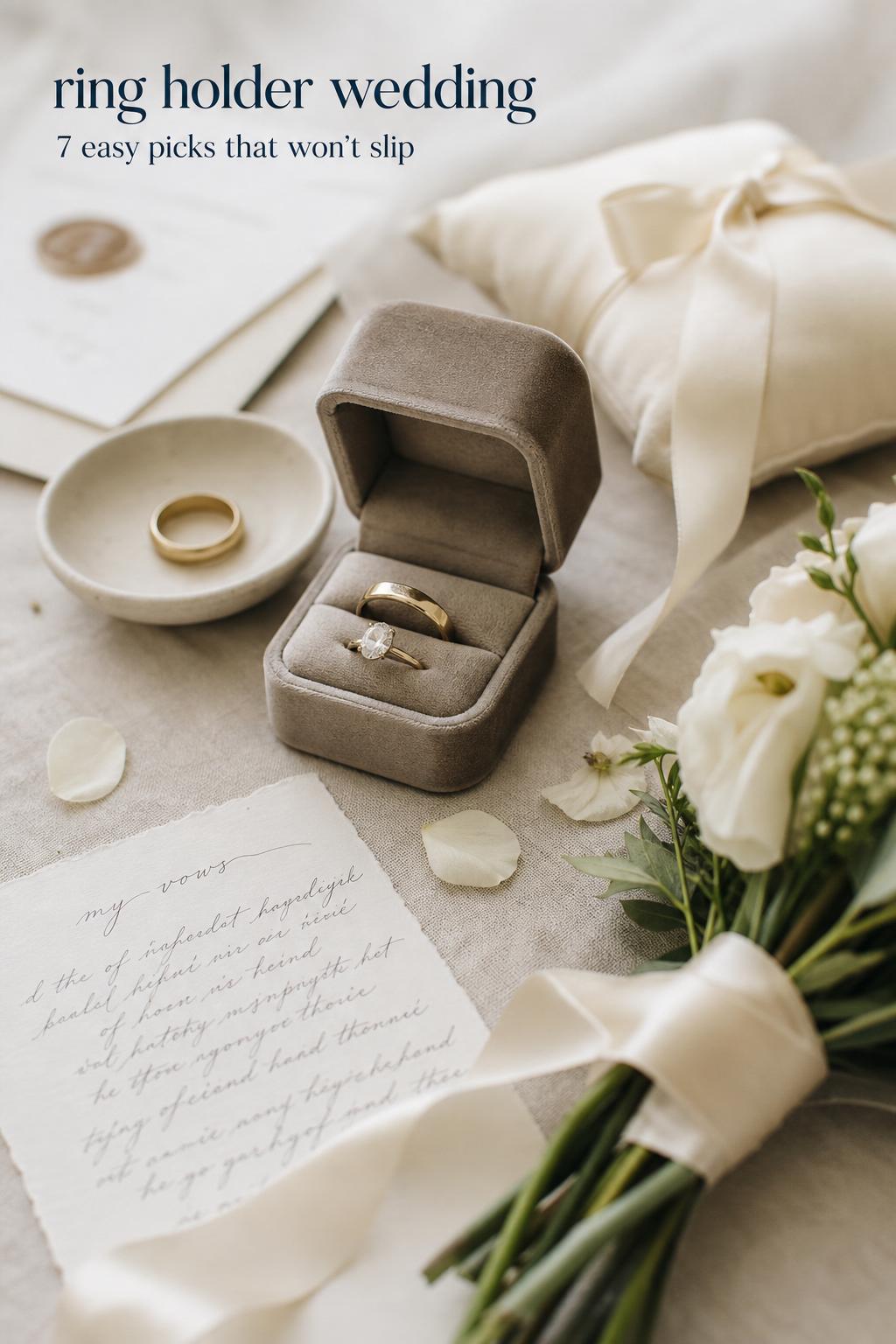
This guide helps you choose a ring holder wedding setup that feels intentional rather than improvised. Whether you are considering a ring box, ring pillow, tray, dish, bearer accessory, or a more personal keepsake approach, the goal is the same: protect the rings, support the ceremony flow, and make the exchange feel elegant, calm, and fully part of your wedding story.
Why this wedding challenge happens
The ring exchange is brief, but the decisions around it carry more weight than many couples expect. Rings are small, reflective, easy to misplace, and often photographed close-up. That means the holder has to do several jobs at once. It must secure valuable jewelry, look refined in detail photos, fit the tone of the ceremony, and be simple enough for a ring bearer, best man, maid of honor, or officiant to handle without confusion.
Turn wedding inspiration into a plan you can actually follow.
Zarellea brings your guest list, budget, vendors, and day-of details into one shared space — so no beautiful idea gets lost in the shuffle.
Venue conditions can make the choice harder. An outdoor ceremony introduces wind, uneven ground, and bright sunlight. A church or formal indoor setting may call for something more classic and restrained. A garden, minimalist, luxury, boho, vintage, coastal, or modern wedding creates different visual expectations, so a ring holder that looked lovely in isolation can suddenly feel out of place against the architecture, floral palette, or bridal styling.
There is also a timing issue. The rings may need to be photographed during flat lays, stored safely before the ceremony, handed off during the processional, and presented at exactly the right moment. When there is no clear plan, couples end up improvising. That is often when rings are tucked into a pocket, passed hand to hand, or placed on a decorative object that was never meant to carry something so important.
Emotion plays a role too. Many couples want the holder to feel personal, sentimental, or worthy of a keepsake box. Others want a ring bearer moment that is sweet but not chaotic. These are valid goals, but they can pull attention away from the practical questions that actually make the ceremony smoother: who carries it, where it rests before the vows, how it opens, and whether the design still looks cohesive in wedding photography.
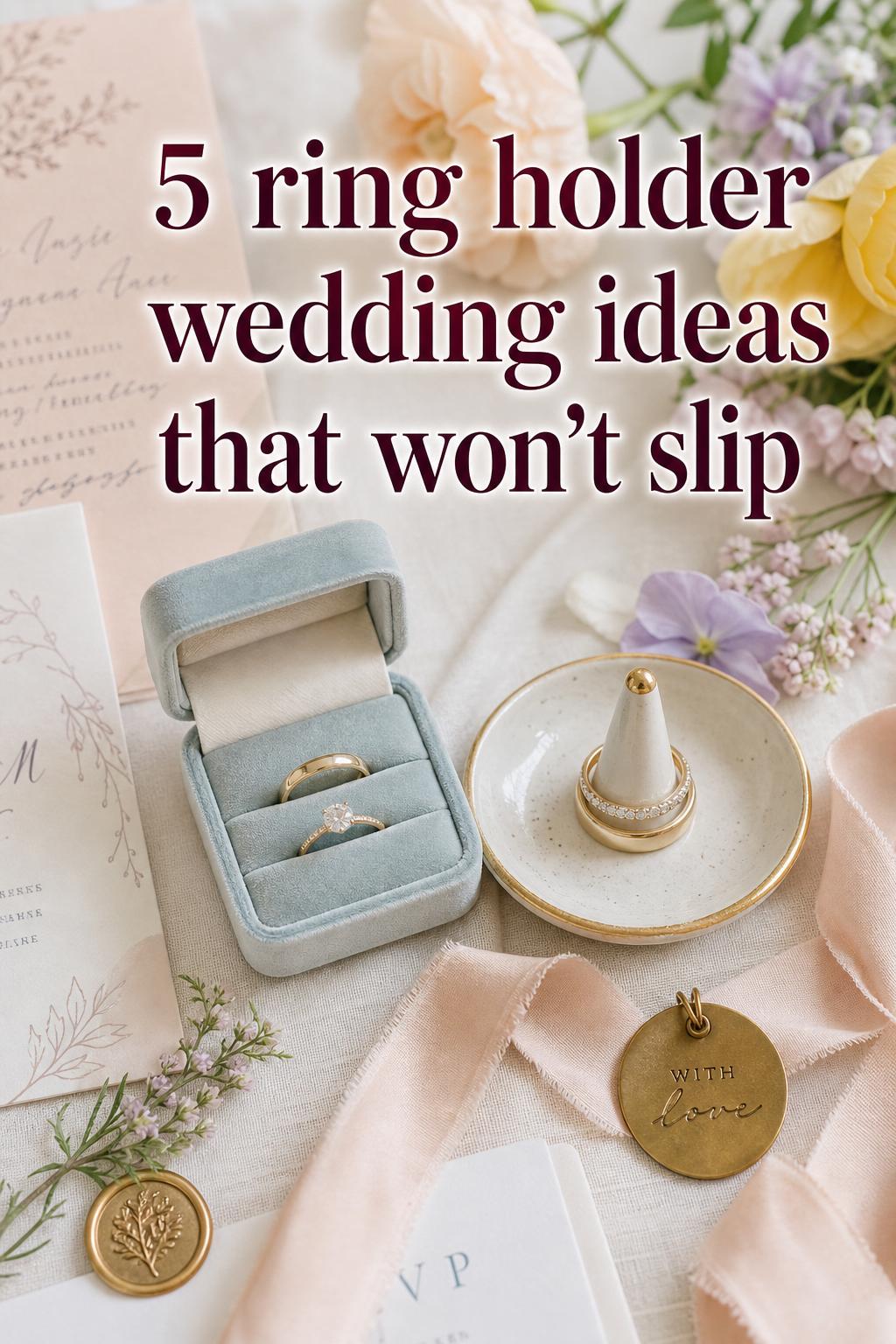
The styling principles that make a ring holder work
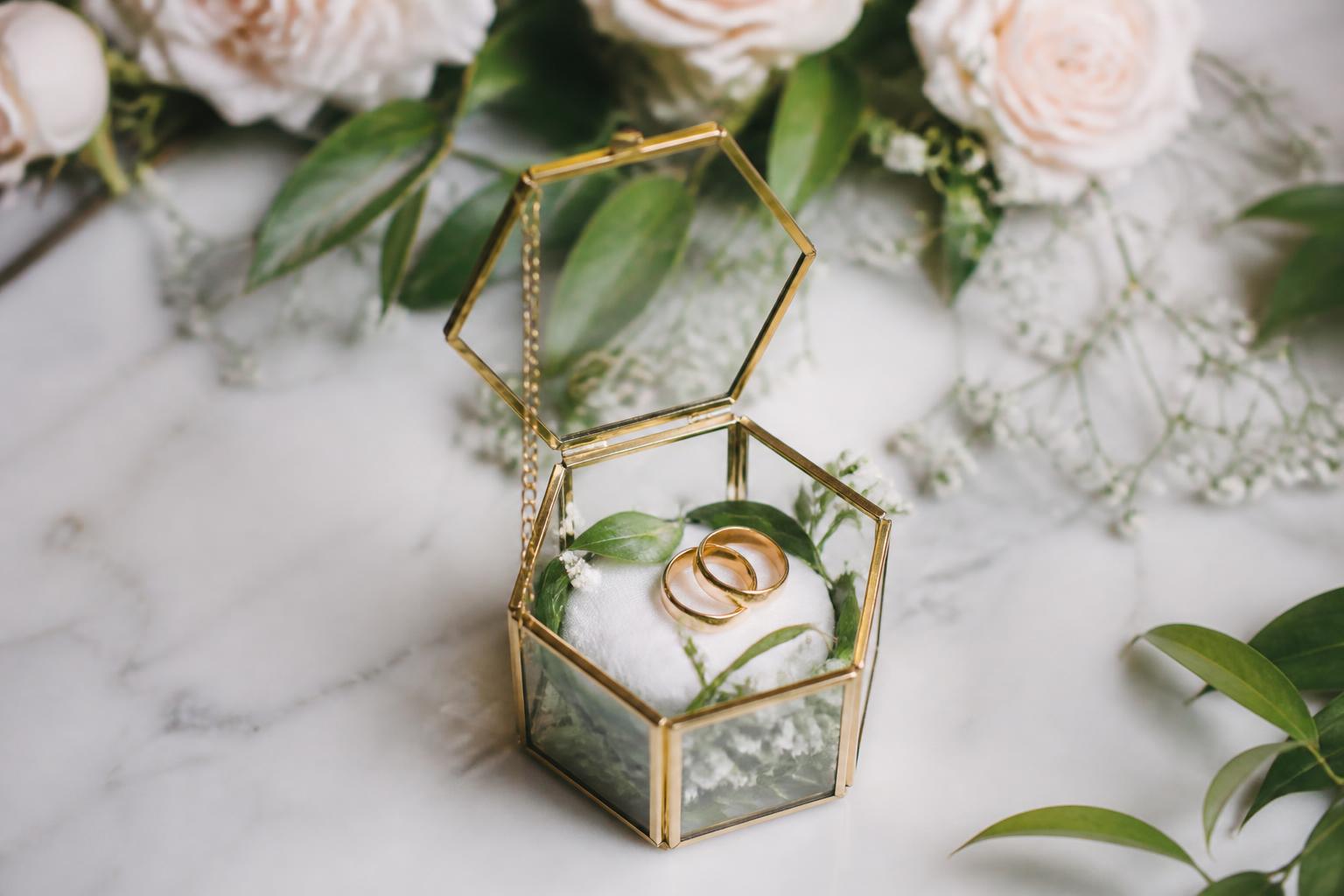
A strong ring holder choice starts with one principle: security first, decoration second. That does not mean it needs to feel plain. It means the beauty should support the function. A velvet ring box, for example, often works because the soft texture photographs well while the slot keeps the rings from shifting. A dish or tray may look elegant on a styling table, but if it leaves the rings loose during movement, it creates unnecessary risk during the ceremony itself.
The second principle is cohesion. Your ring holder should echo the wedding rather than compete with it. If the celebration leans minimalist, choose a clean shape and restrained finish. If the tone is romantic or vintage, texture and softness may feel more natural. For a luxury or formal setting, a polished presentation can elevate detail photographs without becoming flashy. Cohesion matters more than novelty because guests notice when details feel connected, even if they cannot name exactly why.
The third principle is handling. Rings should be easy to remove at the altar without awkward tugging, fumbling, or visible confusion. This is especially important if a child is involved as ring bearer. The more steps required to open, untie, or unfasten the piece, the more likely the moment becomes tense instead of graceful. The most successful options usually balance romance with simplicity.
The final principle is photographic texture. Wedding photographers often capture close details, and small objects can either elevate those images or disappear in them. Materials such as velvet, satin, linen, wood, glass, ceramic, or metal each create a different mood. The best choice is not the most decorated one, but the one that reads clearly in natural light, complements the invitation suite and jewelry, and still feels appropriate once the ceremony begins.
What couples usually overlook
Many couples choose a ring holder based only on flat-lay appeal. That matters, but the ceremony is where the piece proves itself. The overlooked questions are often the most important ones: Can someone carry it steadily while walking? Will the rings stay in place if the holder tilts? Can it be opened with one hand? Does it still make sense if the weather shifts or the timeline runs late? Thoughtful answers to those questions create a calmer wedding day.
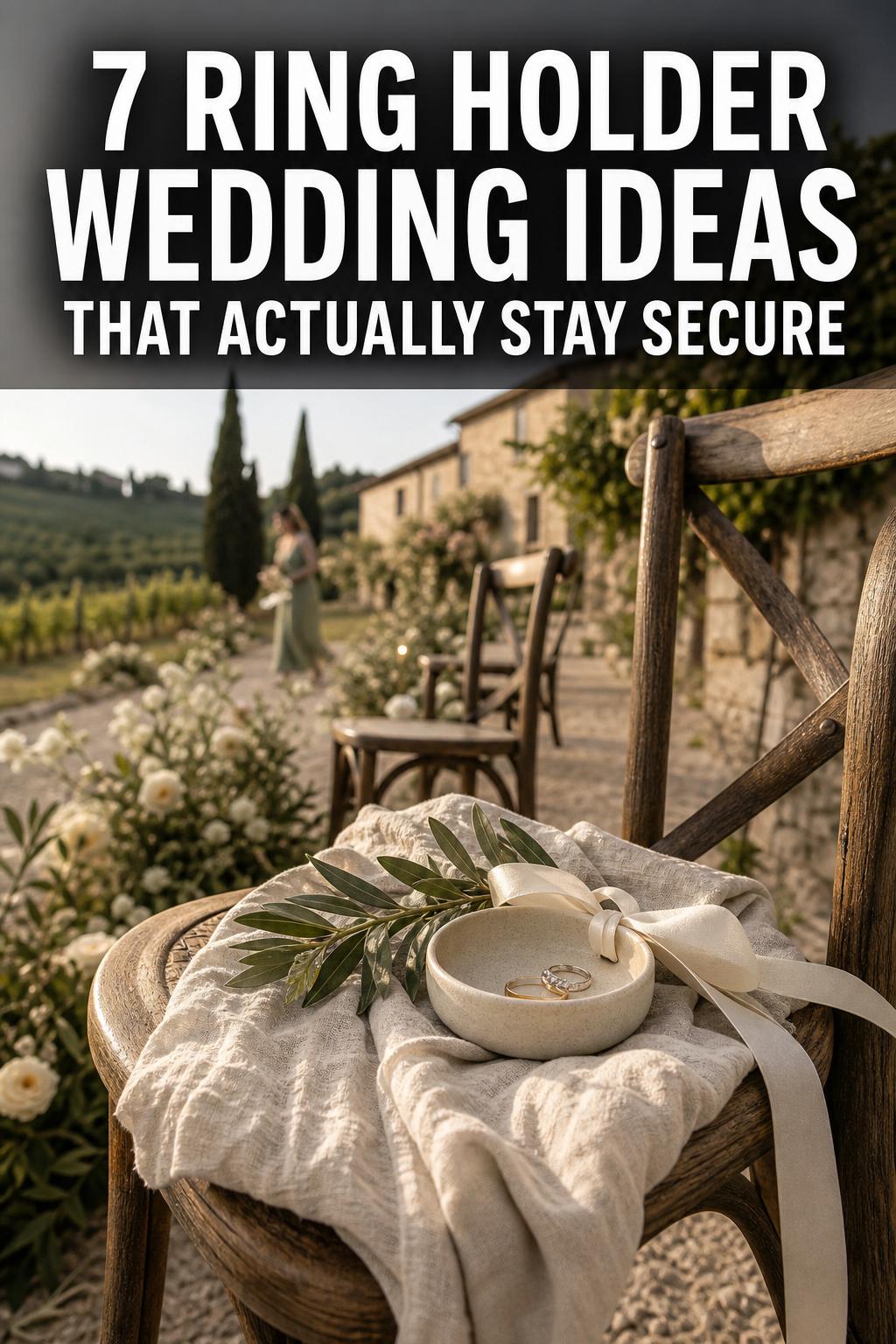
Wedding solution: choose the holder based on who will carry the rings
One of the most common problems is selecting a ring holder before deciding who is actually responsible for the rings. A delicate tray may seem perfect until a young ring bearer has to walk with it. A tied pillow may look traditional until an officiant or best man needs quick access during the vows. When the carrier and the object are mismatched, the ceremony can feel more complicated than it needs to be.
Start with the person, then select the holder. If a child is involved, prioritize a secure ring box or other holder with a stable interior rather than something loose or slippery. If the best man, maid of honor, or officiant will present the rings, you have more flexibility because adult handling allows for slightly more refined or minimal designs. The practical question is not which option is cutest but which one allows a smooth handoff with the least chance of dropping, fumbling, or confusion.
When this choice is made clearly, the entire ceremony feels more composed. The ring bearer can participate without pressure, attendants know exactly when and how to step in, and the exchange looks effortless rather than staged. That calm reads beautifully in person and in photographs. Guests may never think about the logistics, but they will feel the confidence behind the moment.
Wedding solution: match the ring holder to the wedding aesthetic without forcing it
A ring holder often becomes visually awkward when it follows a separate style story from the rest of the wedding. This happens when couples choose something trendy in isolation without checking how it relates to the venue, florals, attire, and ceremony setting. A highly rustic piece can feel disconnected in a sleek modern space. A highly polished accessory can look too formal at a soft garden ceremony. The result is subtle, but it weakens visual cohesion.
The solution is to treat the ring holder as part of the overall styling language. For a romantic wedding, softer textures and gentle shapes tend to feel natural. For a modern celebration, cleaner lines and a more restrained presentation can feel more intentional. For boho or vintage weddings, texture and character matter, but the holder should still support the rings securely. In luxury or formal settings, simplicity often feels more expensive than embellishment. The goal is not to match every detail exactly but to keep the material, mood, and finish aligned with the larger design.
When the holder belongs to the same visual world as the rest of the wedding, small detail photos become stronger and the ceremony styling feels more complete. This is one of those choices that quietly elevates the entire event. It does not draw attention to itself; it makes everything else feel more intentional.
How to keep it timeless
If you want the ring holder to become a keepsake, lean toward classic materials and a shape that will still feel meaningful years later. Timeless does not mean overly traditional. It simply means avoiding a choice that feels attached to a fleeting trend more than to your wedding itself. A simple ring box or refined keepsake holder usually ages better than something chosen only for novelty.
Wedding solution: use a ring box when security and close-up photography both matter
For many couples, the biggest tension is wanting a polished detail shot while also needing the safest possible ceremony option. Loose holders can look airy and romantic, but they can also shift during transport or processional movement. This is especially stressful when there are multiple locations involved, such as a hotel getting-ready space, transportation to the venue, and an outdoor ceremony site.
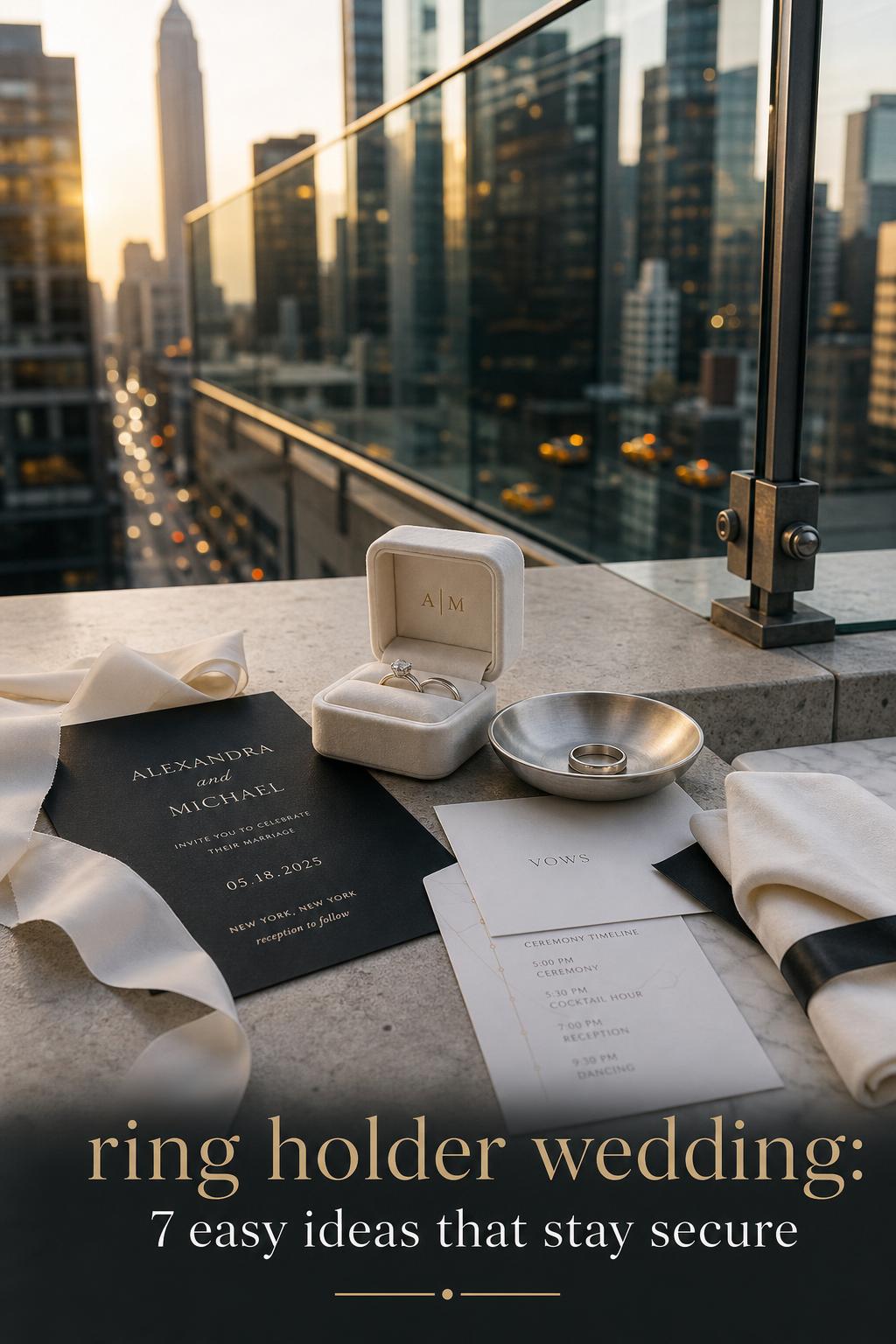
A structured ring box is often the strongest solution because it performs across the full wedding timeline. It can be used during flat lays with invitations and jewelry, stored securely before the ceremony, and handed over at the altar without requiring extra adjustments. Velvet is especially helpful when you want texture in photographs, while a clean box silhouette complements both modern and classic wedding aesthetics. The key is making sure the box opens easily and the rings sit firmly in place rather than being loosely tucked inside.
The result is a detail that feels elevated without creating risk. Photographs tend to look more editorial because the rings are framed neatly, and the ceremony feels more relaxed because everyone knows where the rings are and how they will be presented. That kind of confidence is often more luxurious than any decorative flourish.
What photographs best
Small wedding details benefit from texture and contrast. A ring box with a soft or matte finish often reads more clearly than something overly reflective, especially in changing natural light. If your photographer is creating a flat lay with the invitation suite, vow book, or bridal accessories, a holder that gives the rings definition without glare usually creates a stronger image.
Wedding solution: use a ring pillow only when it suits the ceremony flow
The ring pillow remains one of the most recognizable wedding details, but it can become impractical when chosen out of tradition alone. Some pillows require ribbons or ties that make the rings harder to remove quickly. Others are scaled for visual sweetness rather than actual handling. This creates a surprisingly tense moment at the altar, especially if nervous hands are involved.
A ring pillow works best when the wedding style already leans classic or romantic and the ceremony plan allows for a simple transfer. If you choose one, look for a design that secures the rings clearly without creating a complicated untie moment. It should be comfortable to carry, proportionate to the hands of the ring bearer or attendant, and visually connected to the bridal look, linens, or ceremony decor. That way it feels like part of the wedding rather than a standalone prop.
Handled well, a ring pillow can add softness and ceremony to the processional. It creates a familiar, sentimental image that many families love. The key is being honest about whether it truly suits your timeline and your people. If it does, it can be lovely. If not, choosing a more practical holder is not less romantic; it is simply better design for your day.
Wedding solution: save trays and dishes for styling moments, not every ceremony setup
Trays, dishes, and open holders are appealing because they photograph beautifully and can feel decorative, personal, or handcrafted. The challenge is that they are often better at display than transport. During movement, especially outdoors or with a child involved, open presentation leaves more room for rings to slide or shift. That can turn a beautiful object into a source of quiet panic.
The most realistic way to use this style is strategically. A tray or dish can work beautifully in getting-ready photographs, on a welcome table, or as a keepsake surface before and after the ceremony. But for the actual walk down the aisle and the ring handoff, a more secure ring box or holder is usually safer. This blended approach gives you the visual charm of an open display without forcing it into a role it does not handle well.
This approach preserves both beauty and peace of mind. You still get the editorial styling moment, but the ceremony itself remains streamlined. Couples often feel relieved once they realize they do not have to ask one object to perform every job.
The simplest way to elevate the look
If you love an open holder for its aesthetic, use it as part of the detail story rather than the ceremony logistics. Styled next to florals, paper goods, or personal keepsakes, it can feel deeply special. Then let a secure holder take over when movement and timing matter most.
Wedding solution: create a weather-safe plan for outdoor ceremonies
Outdoor weddings introduce practical issues that are easy to underestimate. Wind can lift lightweight fabrics, bright sunlight can create glare on reflective surfaces, and uneven ground can make a child or attendant less steady while carrying a delicate item. A ring holder that feels manageable indoors may become awkward the moment the ceremony shifts to a lawn, beach, courtyard, or garden path.
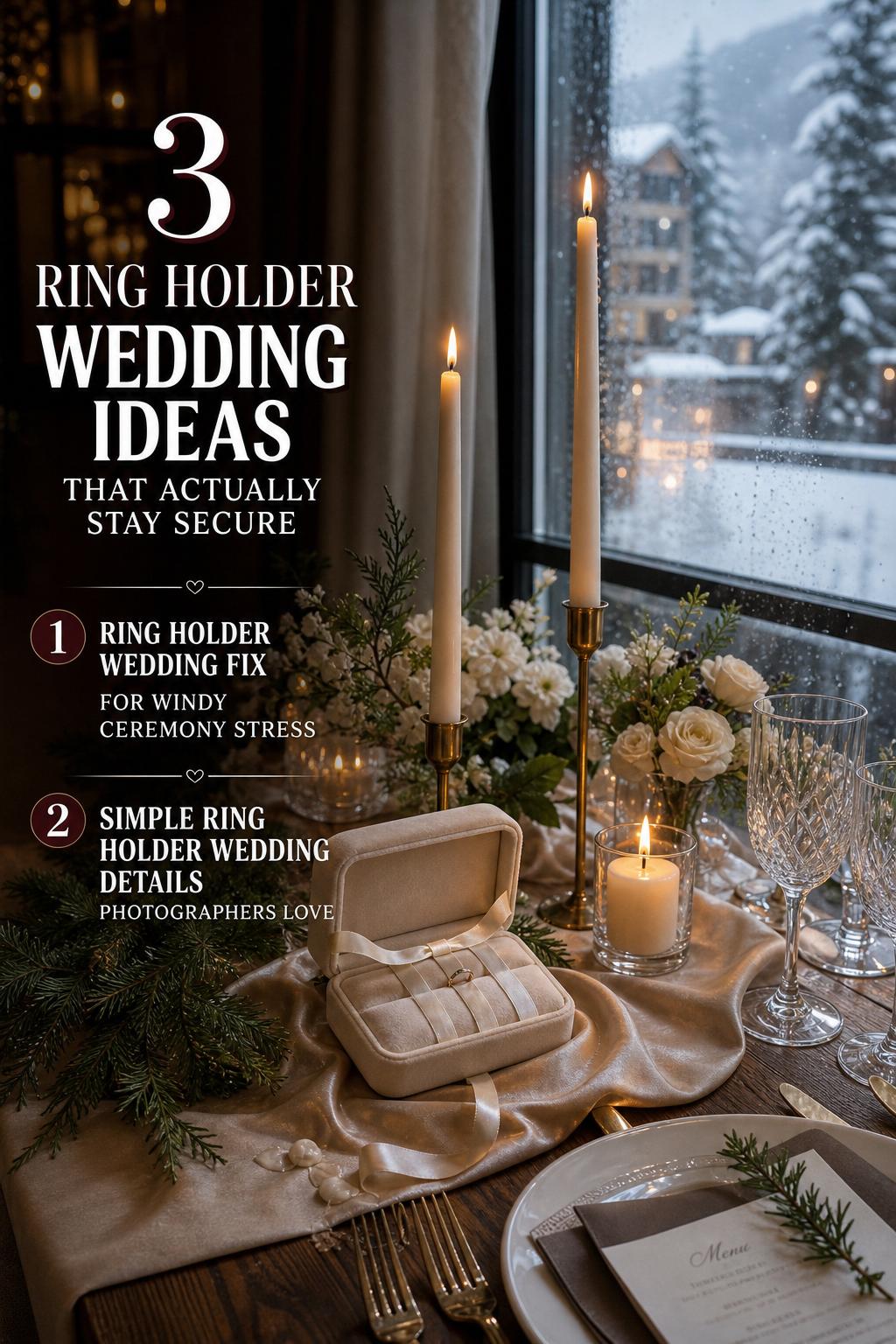
For an outdoor setup, favor compact, secure, easy-to-grip designs. A ring box with a firm closure or well-structured interior tends to be more reliable than a loose pillow or open dish. If you are using a ring bearer, rehearse the walk in advance and consider whether an adult should hold the rings until just before the processional. If weather changes are possible, include the holder in your backup plan rather than assuming it will adapt on its own. The smallest object can become one of the most vulnerable if conditions shift quickly.
When the ring plan accounts for weather, the ceremony feels calmer and more polished. Guests stay focused on the vows instead of the logistics, and you avoid the kind of tiny mishap that can feel much larger in the moment. Thoughtful backup planning rarely feels visible, but it always feels reassuring.
Weather backup ideas
- Keep the rings in a secure holder until the ceremony begins, even if you use another piece for pre-ceremony styling.
- Assign one adult to be responsible for the rings from start to finish.
- Practice the handoff in the exact order it will happen, especially if children are involved.
- Avoid overly lightweight or loose designs for windy outdoor settings.
Wedding solution: make the ring bearer moment sweet without adding pressure
The ring bearer moment is often imagined as effortless and adorable, but in real weddings it can be one of the most unpredictable parts of the processional. Children may walk quickly, stop unexpectedly, hold an object upside down, or lose focus as soon as guests start smiling at them. When the rings are attached to a piece that requires careful handling, the emotional charm can quickly become logistical tension.
The practical solution is to separate participation from responsibility when needed. A child can still carry a symbolic ring holder while the actual rings remain with the best man, maid of honor, or officiant until the exchange. If you do want the child to carry the real rings, use the most secure option possible and keep the presentation simple. Rehearsal matters here more than decoration. A short practice, a clear handoff, and a holder scaled to small hands are far more useful than an elaborate design.
This keeps the moment joyful rather than fragile. The child still gets a meaningful role, the adults feel more relaxed, and the ceremony remains elegant. It is one of the clearest examples of how practical decisions can actually protect the romance of the day.
Guest comfort and ceremony flow notes
Guests respond strongly to ceremony rhythm. When transitions are smooth, the wedding feels thoughtful and elevated. When there is visible confusion around key items like the rings, even a beautiful setup can momentarily lose its emotional focus. A clear ring bearer plan helps protect that feeling of ease.
Common mistakes that make this harder
Many ring holder problems come from choices that look right in inspiration photos but do not hold up across a full wedding day. This is not about doing anything wrong. It is about understanding the trade-offs before the ceremony begins. A detail can be beautiful and still not be the right operational choice.
- Choosing an open holder with no plan for movement or transport.
- Letting a very young ring bearer carry valuable rings without a backup plan.
- Selecting a holder that clashes with the ceremony style or venue mood.
- Using complicated ties, ribbons, or closures that slow down the exchange.
- Assuming the prettiest flat-lay option will also be the best ceremony option.
- Failing to assign one clear person to be responsible for the rings.
The better approach is usually simpler than couples expect. Choose one visually cohesive holder, decide exactly who manages it, practice the handoff, and let the design support the moment instead of complicating it. That level of clarity often reduces more stress than any last-minute styling adjustment.
Materials, texture, and why they matter more than extra decoration
Because rings are small and valuable, the material around them matters visually and practically. Soft textures like velvet or satin can create a romantic, refined feeling and help rings stand out in photographs. Structured materials can provide stability and a more modern appearance. Smoother surfaces may feel elegant, but they need enough grip or containment to keep the rings secure. That is why texture is often more useful than embellishment.
More decoration does not automatically make the holder feel more special. In fact, heavy embellishment can distract from the rings themselves or make the piece harder to handle. A cleaner design often gives jewelry more presence while also fitting more wedding styles, from minimalist to luxury to garden romance. The holder should frame the rings, not compete with them.
Best materials mindset
Choose a material that supports your wedding atmosphere, photographs clearly in available light, and still feels comfortable to carry. If you are undecided, lean toward softness, structure, and simplicity. Those qualities tend to age well, travel well, and work well in both detail shots and live ceremony moments.
How to make the ring holder feel personal without making it impractical
Personal details are often what make a wedding memorable, and many couples want the ring holder to carry emotional meaning. The challenge is that personalization can sometimes drift into overdesign. A piece may become so ornate, delicate, or symbolic that it stops functioning smoothly during the ceremony. Sentiment matters, but it should not introduce risk where calm is needed most.
The most elegant way to personalize a ring holder is usually through subtle connection rather than extra complexity. Let it reflect your wedding style, keepsake priorities, or broader design story. If it will be saved after the wedding, think about whether it still feels meaningful when the flowers are gone and the day is over. A refined ring box or classic holder often becomes a stronger keepsake precisely because it was useful as well as beautiful.
This kind of personalization feels mature and lasting. It supports the ceremony, works in photographs, and still gives you something tangible to keep. The result is not louder. It is more intimate, which is usually what couples are hoping for in the first place.
Timeline-friendly planning for the ring exchange
Even the best ring holder can fail if no one knows when it needs to move from one part of the day to the next. Rings often start the morning in a safe place, get photographed mid-day, travel with the wedding party, and then need to appear at the exact right point in the ceremony. Without a timeline plan, small delays and handoffs create unnecessary uncertainty.
A calm approach is to map the ring journey before the wedding day. Decide where the rings begin, who gives them to the photographer if detail shots are planned, who takes responsibility after photographs, and exactly when they are handed to the person presenting them at the ceremony. This is especially important if there are multiple venues, transportation changes, or children involved in the processional.
Once this plan is in place, the ring holder becomes part of a smooth system rather than a last-minute question. That allows the exchange to feel effortless and emotional in the best way. Most couples remember the vows, not the logistics behind them, and that is exactly the point.
Timeline-friendly tips
- Assign one primary ring custodian for the entire day.
- Use the same secure holder from transport through ceremony whenever possible.
- Tell the photographer early if you want ring holder detail shots.
- Rehearse how the holder opens and how the rings will be removed.
What makes this feel luxurious
Luxury in a ring holder wedding moment rarely comes from extravagance alone. It comes from confidence, restraint, and thoughtful finish. A secure holder in a beautiful texture, presented at exactly the right moment without hesitation, feels far more elevated than a complicated object that draws attention for the wrong reasons. This is true in grand venues and intimate ceremonies alike.
Couples often feel pressure to over-style small details because wedding imagery is so close and curated. But the most elegant wedding details are usually the ones that make the day feel smoother. A refined ring box, a well-planned handoff, and a holder that suits the ceremony setting communicate intention. That intention is what guests experience as beauty.
Budget-conscious choices that still look intentional
A thoughtful ring holder does not need to become a major budget category. What matters most is fit, security, and cohesion. Couples often get better results from a simple, well-chosen holder than from a decorative option that needs extra workarounds. If the piece looks calm, complements the wedding style, and functions smoothly, it will read as intentional regardless of price point.
When budget is a concern, prioritize quality in shape and material rather than embellishment. A minimal ring box, classic pillow, or understated holder with clean presentation can look polished in photographs and work beautifully during the ceremony. The strongest savings usually come from avoiding novelty purchases that only serve one brief visual moment.
This can be reassuring for couples trying to make smart decisions. You do not need excess for the ring exchange to feel special. You need a piece that supports the meaning of the moment and lets everything unfold naturally.
Bringing it all together
The right ring holder choice is rarely about finding the most decorative option. It is about understanding how the rings move through the day, who handles them, what your ceremony setting demands, and how the holder contributes to the wedding atmosphere. When those decisions are made with clarity, the result feels romantic, polished, and surprisingly stress-free.
If you remember one principle, let it be this: cohesion and function create beauty. A secure holder that suits your wedding style, supports the ceremony flow, and photographs well will always feel more elegant than a detail chosen only for appearance. Thoughtful decisions tend to create the most memorable wedding moments, and that is especially true for the smallest objects carrying the greatest meaning.
FAQ
What is the best ring holder wedding option for most ceremonies?
For most ceremonies, a secure ring box is the most practical choice because it keeps the rings stable, works well for detail photography, and is easier to transport and present during the vows than a loose tray or dish.
Is a ring pillow still a good choice for a wedding?
Yes, a ring pillow can still be a good choice, especially for a classic or romantic wedding, but it works best when the rings are easy to remove and the ceremony flow allows for a simple handoff without complicated ribbons or ties.
Should a ring bearer carry the real rings?
A ring bearer can carry the real rings, but many couples prefer to let a child carry a symbolic holder while an adult keeps the actual rings safe until the exchange, which reduces stress while preserving the moment.
How do I choose a ring holder that matches my wedding style?
Choose a ring holder by looking at your overall wedding mood, venue, and materials rather than treating it as a separate detail; softer textures suit romantic settings, cleaner shapes work well for modern weddings, and classic designs tend to fit formal ceremonies.
Are ring dishes or trays safe for the ceremony?
Ring dishes and trays are usually better for getting-ready styling or keepsake display than for the ceremony itself, because open surfaces do not protect the rings as well during movement, especially outdoors or with a child carrying them.
What material photographs best for a ring holder?
Materials with soft texture and low glare, such as velvet or other matte finishes, often photograph beautifully because they help the rings stand out clearly without harsh reflection in changing light.
Do I need a separate ring holder for photos and the ceremony?
You do not always need two, but it can be helpful to use a decorative tray or dish for styled photographs and a more secure holder for the actual ceremony if your preferred display piece is not practical to carry.
Who should be responsible for the rings on the wedding day?
One clearly assigned adult should be responsible for the rings from the beginning of the day until the ceremony handoff, even if other people are involved in photos or the processional, because that prevents confusion and last-minute searching.
How can I make a ring holder feel personal without overcomplicating it?
The most effective way is to choose a holder that reflects your overall wedding style and feels meaningful as a keepsake, rather than adding so many decorative elements that it becomes harder to carry, open, or use during the vows.