Spring Save The Date Photo Ideas Unique That Feel Editorial
Some wedding details feel practical on paper but emotional in real life, and save-the-date photos are one of them. Couples often start with excitement, then quickly realize how hard it is to create something that feels personal rather than generic. The challenge is not simply taking a pretty engagement picture. It is choosing a concept, setting, format, and visual style that feels unmistakably like your relationship while still working beautifully as an announcement.
That is why the search for save the date photo ideas unique enough to stand out can become surprisingly overwhelming. One couple may be drawn to a minimalist card with bold typography, while another wants a candid beach image, a travel-inspired destination feel, or a playful prop-based moment. Add questions about print versus digital, single-photo versus collage, and the tone of the wedding itself, and it becomes clear that the best choice is usually the one that balances romance, practicality, and design clarity.
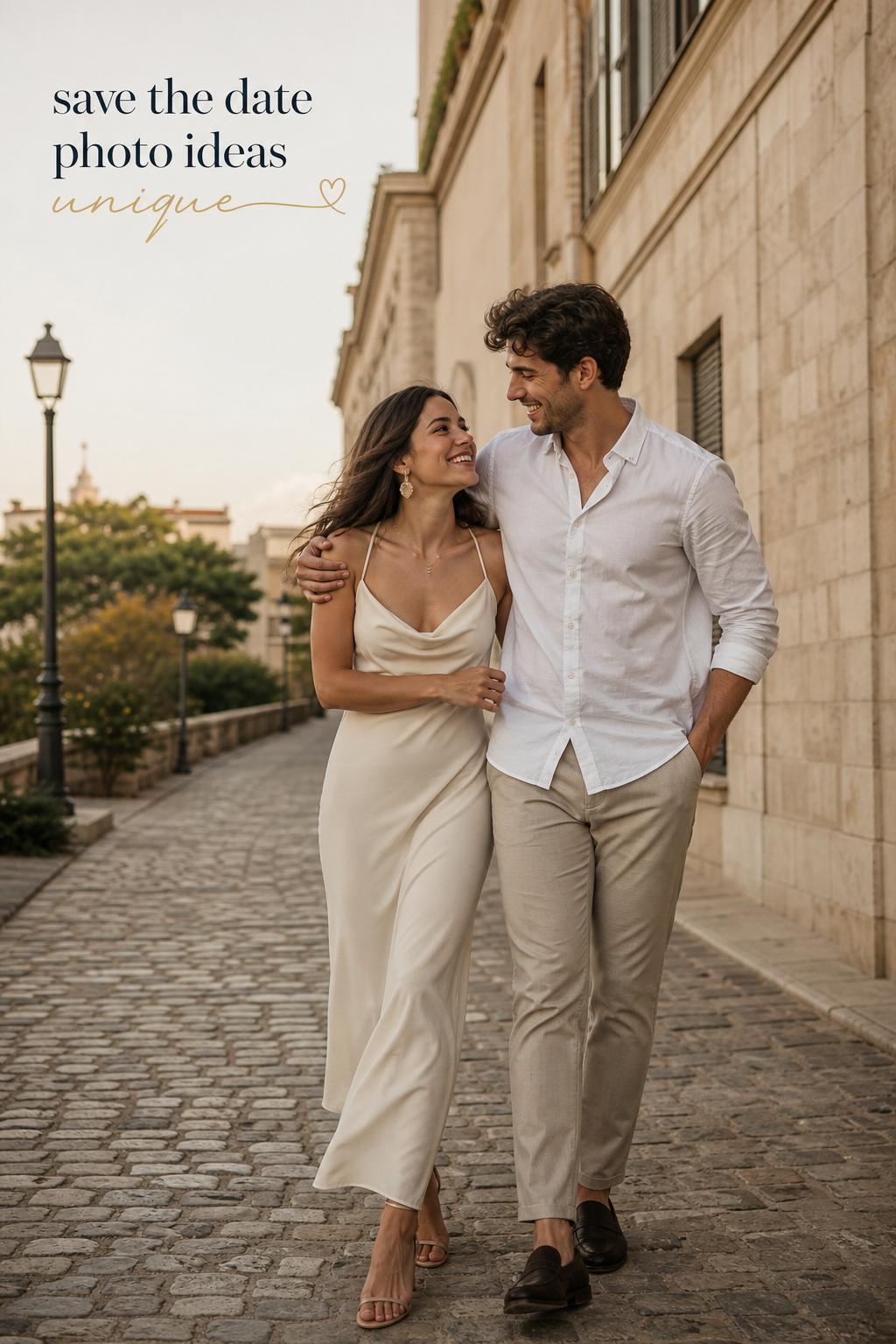
This guide is designed to solve that problem thoughtfully. Instead of offering disconnected inspiration, it walks through the styling logic behind truly memorable save-the-date photography, shows how different wedding styles translate into photos, and helps you choose an approach that works for your setting, your announcement format, and your overall wedding vision.
Why save-the-date photos can be harder to style than they seem
A save-the-date image has to do several jobs at once. It needs to communicate the mood of the wedding, flatter the couple, fit the card or digital layout, and stay visually clear once text is added. A photograph that feels beautiful in a full gallery may not always work well on a magnet, a multi-photo card, or a digital invitation if the composition is too busy or the styling feels disconnected from the announcement.
Turn wedding inspiration into a plan you can actually follow.
Zarellea brings your guest list, budget, vendors, and day-of details into one shared space — so no beautiful idea gets lost in the shuffle.
There is also a practical layer that many couples only discover during planning. Weather affects comfort and expression. A beach session may look effortless, but wind, bright light, and movement can change the final result. An urban setting can feel modern and stylish, yet backgrounds may compete with typography. A rustic outdoor concept may suit the wedding perfectly, but wardrobe, props, and location need to feel intentional rather than staged. The most successful save-the-date photography ideas solve these issues before the shoot begins.
In other words, uniqueness usually comes from clarity, not excess. The strongest ideas connect personal story, wedding style, location, and design format in a way that feels natural from first photo to finished card.
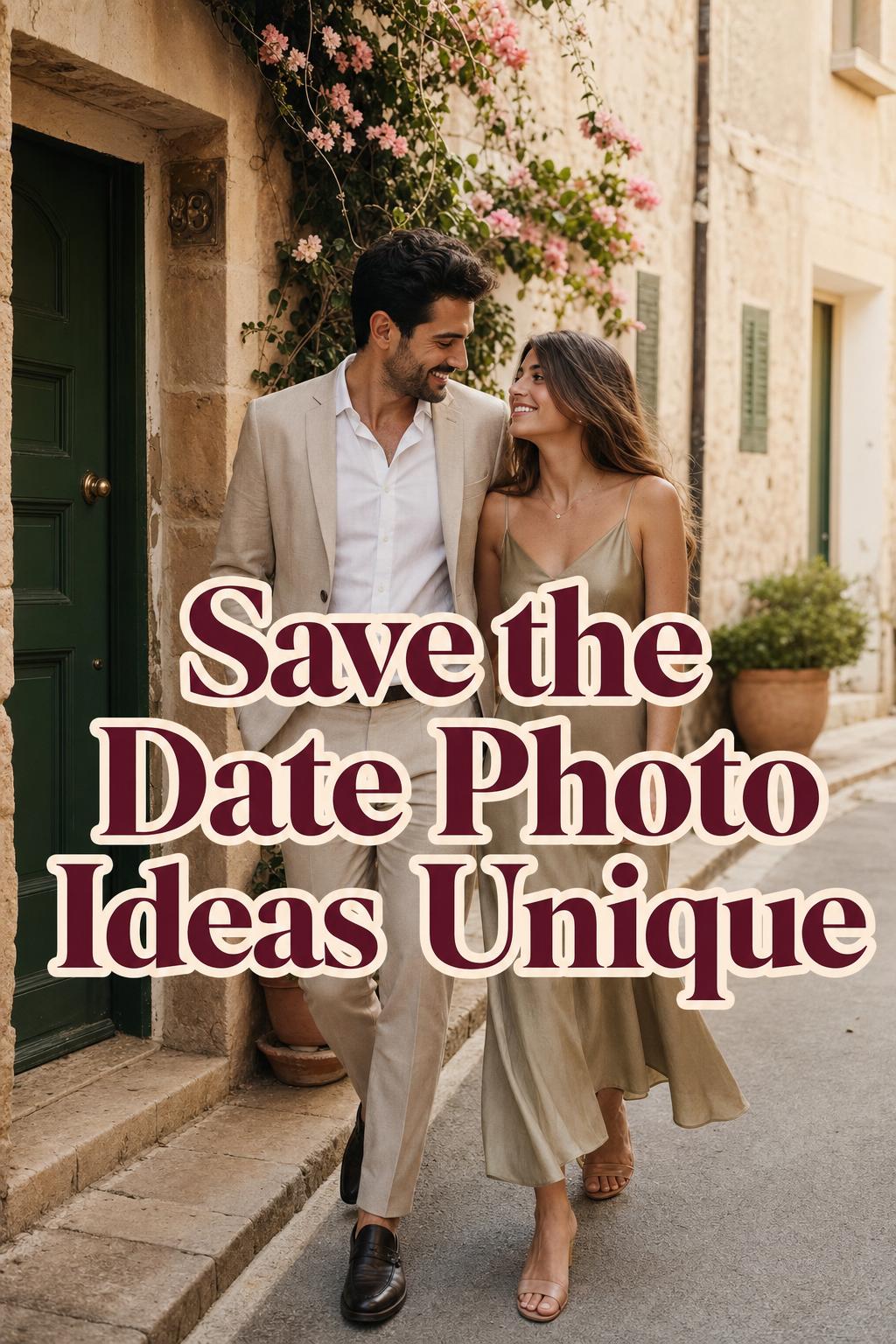
What makes a save-the-date photo truly unique
A unique save-the-date photo is not necessarily the one with the most props or the boldest concept. It is the one that reflects the couple’s personality and translates well into the final announcement. Across leading save-the-date brands and photography-focused guides, the same principle appears again and again: the image works best when personal meaning and visual simplicity support each other.
- Personal story: travel, shared hobbies, candid joy, and meaningful routines make a concept feel authentic.
- Strong setting: beach, destination, city, vineyard, mountain, or countryside backgrounds shape the mood immediately.
- Clear design direction: minimalist, rustic, glamorous, playful, or typography-forward styling creates cohesion.
- Format awareness: a digital invitation, printed card, magnet, or collage layout each asks for slightly different photo choices.
- Thoughtful execution: timing, wardrobe, props, and editing all influence whether the final result feels elevated.
That is why brands such as Shutterfly, Minted, Paperless Post, Adobe Express, and design-focused platforms like Creative Market often organize inspiration by style, layout, or format rather than by images alone. The photo is only one part of the full announcement experience. Your concept becomes more powerful when it works with the design, not against it.
The core styling principles behind memorable save-the-date photography
Before choosing a concept, it helps to think like both a stylist and a planner. The photo should feel romantic, but it also has to function as a communication piece. A few simple principles make the decision process much easier and prevent the common mistake of selecting images that are lovely in theory but difficult to use in practice.
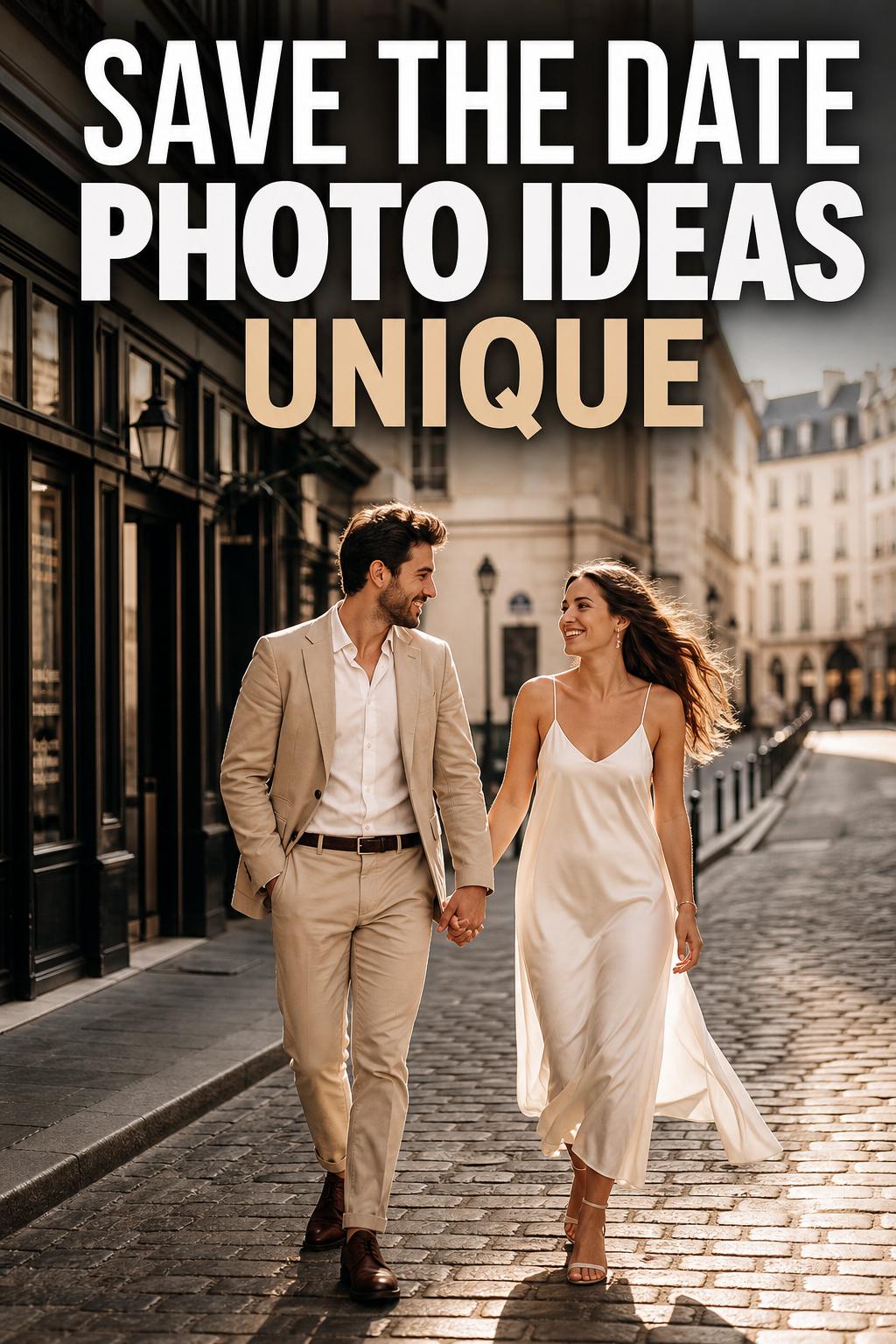
Match the photo to the wedding style
A modern wedding usually benefits from clean lines, simple composition, and restrained color palettes. A rustic celebration often works better with natural textures, outdoorsy settings, and warm candid imagery. Destination and travel-inspired weddings can lean into movement, scenic backdrops, and a sense of anticipation. When the save-the-date echoes the wedding style early, the entire planning journey feels more intentional.
Style for the card format, not just the shoot
Single-photo announcements often need one strong hero image with space for text. Multi-photo collages allow more storytelling, but each image must still read clearly at a smaller size. Magnets and printed cards tend to reward stronger composition and a cleaner focal point, while digital-first designs from platforms like Paperless Post or Adobe Express can support more playful layout experimentation.
Use wardrobe and props with restraint
Wardrobe should support the setting and design rather than compete with them. A minimal look can feel sophisticated in a city setting or black-and-white design, while softer textures may suit rustic and vineyard-inspired concepts. Props work best when they add meaning, not clutter. A travel-inspired detail, a simple sign, or a contextual object tied to your story can be charming. Too many elements can quickly make the image harder to read once names and dates are added.
Think about light, comfort, and movement
Even the most creative idea can fall flat if the couple looks uncomfortable. Timing matters because flattering light also affects ease and confidence. Comfortable styling allows natural body language, and natural body language is often what creates the romantic, believable energy couples want in save-the-date photos.
Creative directions that solve different wedding style challenges
Not every couple needs the same kind of inspiration. Some are trying to make a minimalist concept feel warm. Others want to keep a playful idea from looking overly casual. The sections below approach unique save-the-date ideas as solutions to specific styling goals, so you can choose a direction that fits your celebration and your personalities.
For rustic and outdoorsy weddings: natural, story-led imagery
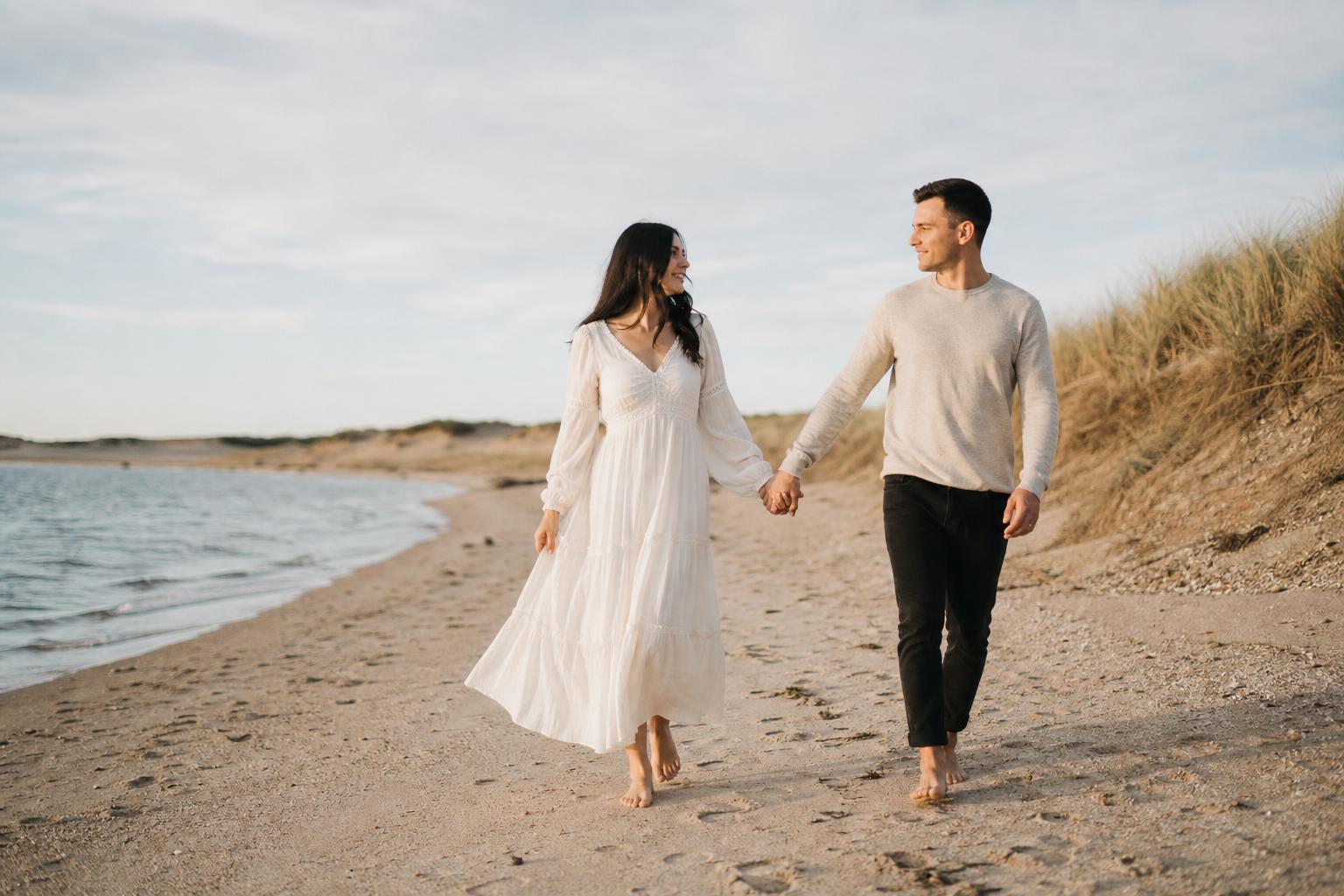
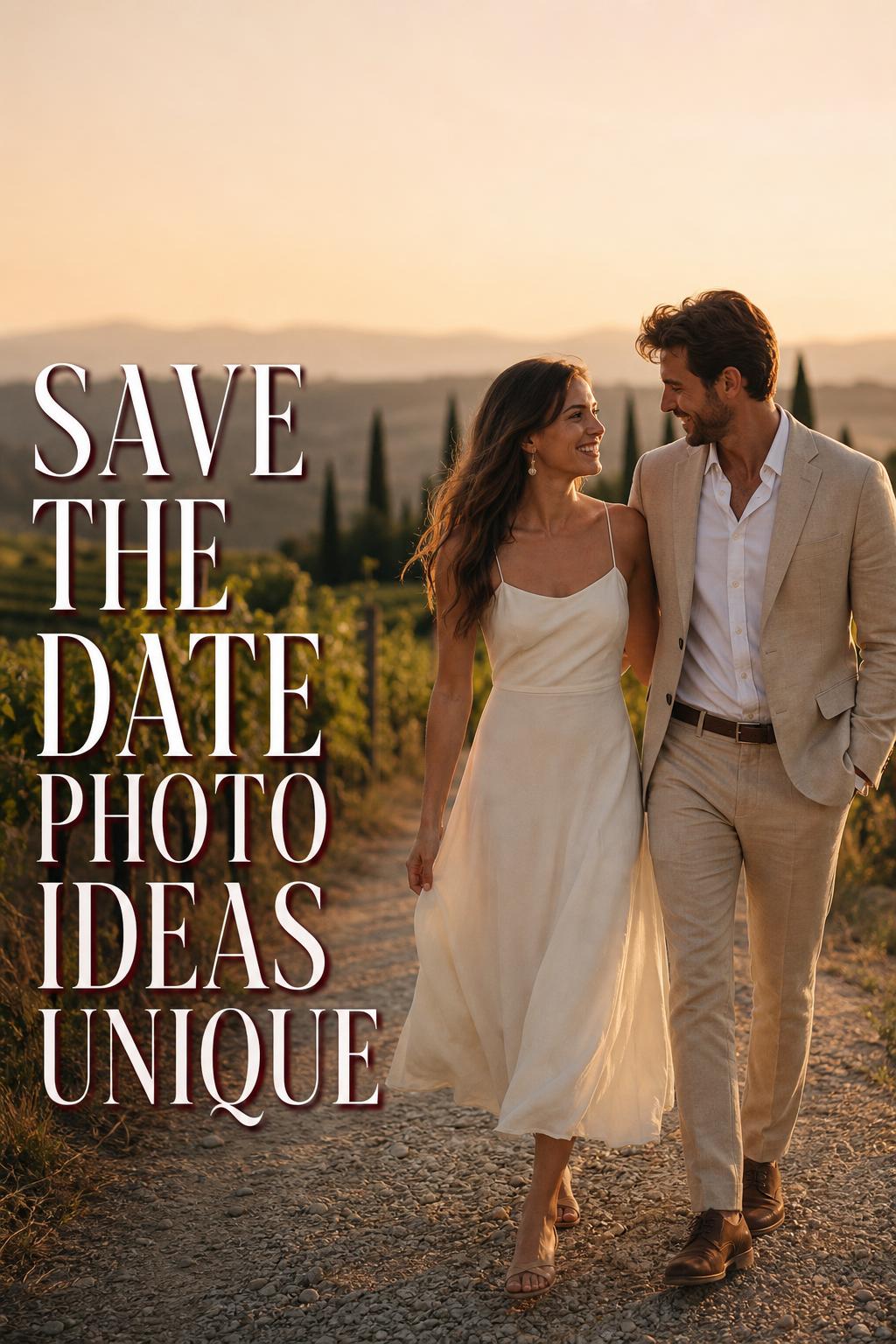
If your wedding vision includes countryside romance, wood textures, nature, or a vineyard setting, a posed studio-style save-the-date may feel disconnected. A better solution is to build the shoot around environment and movement. Think walking together through an outdoor setting, leaning into a quiet candid moment, or using the landscape as part of the visual story.
This approach works because rustic styling benefits from warmth and ease. The image feels believable, and that emotional honesty often translates more effectively than a heavily constructed setup. For a printed card or magnet, a single wide shot with simple date placement can feel elegant. For a collage layout, combine one scenic image with one close candid frame to balance atmosphere and intimacy.
For minimalist weddings: clean composition and typography-forward choices
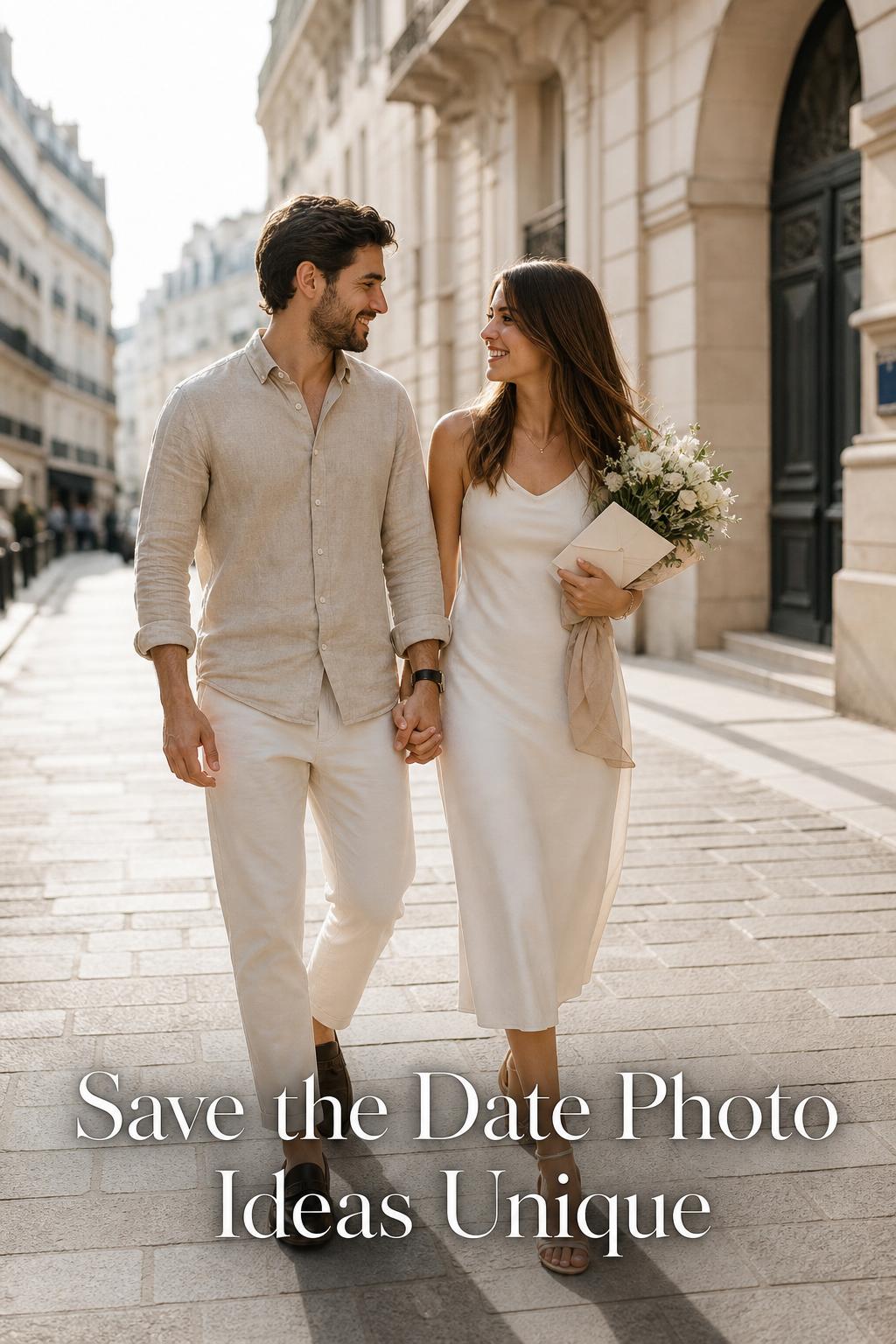
Minimalist save-the-date photos often fail when couples assume simple means visually plain. In reality, this style depends on strong composition, clear wardrobe choices, and careful use of negative space. A city backdrop, clean architectural setting, or uncluttered indoor environment can support a modern card beautifully.
Minted and Creative Market-style inspiration often leans into typography-forward layouts, and that makes a difference in photo selection. If your design will feature bold type or a restrained aesthetic, choose an image with enough open space for text. Black-and-white photography can also work especially well here, giving the announcement a polished and intentional mood without requiring elaborate styling.
For destination or travel-inspired weddings: movement, scenery, and anticipation
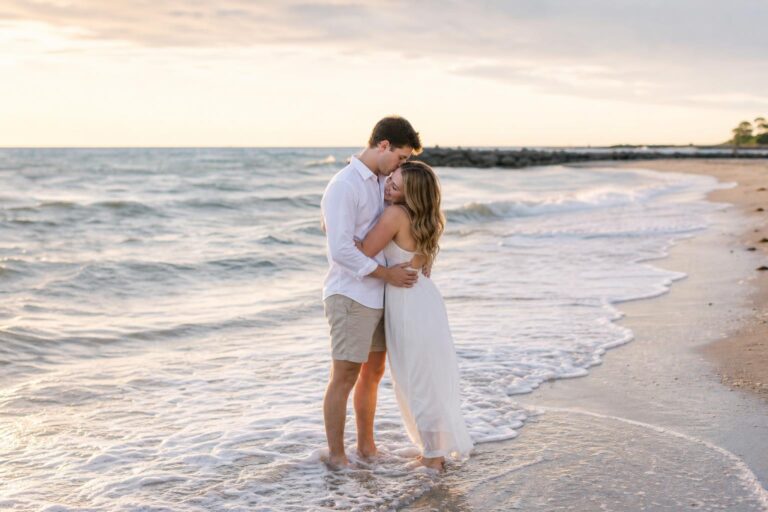
Destination weddings naturally invite save-the-date photography ideas built around travel, scenery, and the feeling of going somewhere meaningful together. Beach settings, waterfront images, and generic destination-inspired backdrops are especially effective because they communicate atmosphere instantly. The key is to let the setting support the romance rather than overpower it.
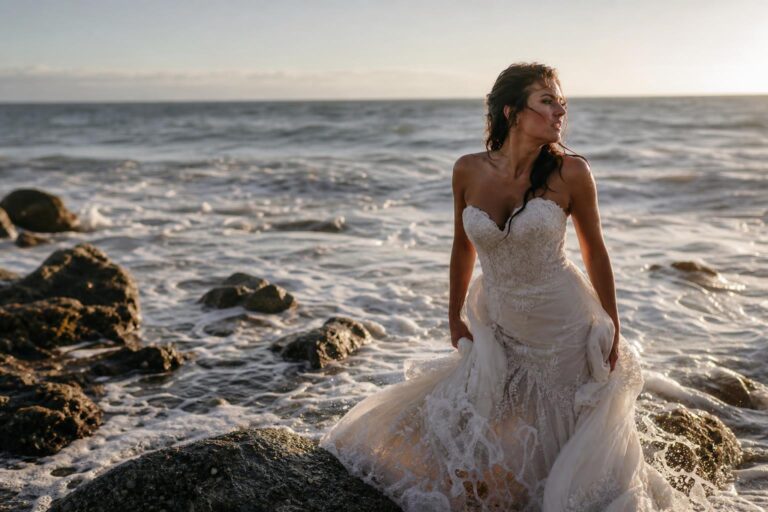
A travel-oriented save-the-date can be styled in several ways. A scenic beach image feels classic and relaxed. A more editorial destination concept may feature movement, windswept styling, and a luxury mood. Couples who want a stronger story can choose a multi-photo design that combines a landscape image, a close portrait, and one playful frame with travel energy. This is a particularly good fit for digital announcements or more flexible card layouts.
For playful couples: humor, props, and candid joy
Some couples worry that “unique” means they need to become someone else in front of the camera. It does not. If your relationship is lighthearted, a playful save-the-date concept may be the most authentic option. The challenge is keeping it polished enough for a wedding announcement.
The best way to do that is to focus on one strong playful element rather than several. A simple prop, a candid interaction, or a concept built around joyful movement often feels fresher than a heavily themed scene. Paperless Post and Shutterfly-style inspiration often shows how humor and personality can coexist with clean design. Let the image be fun, but keep the overall card layout refined.
Choosing the right format: print, digital, magnet, or collage
One of the most practical ways to narrow your ideas is to decide how the save-the-date will be delivered. Couples often begin with a photo concept, then later realize it does not suit the format they want. Reversing that order can save time and lead to better final results.
Print-first announcements for a classic wedding feel
Printed cards remain a strong choice for couples who want a tangible, keepsake-style announcement. Brands such as Shutterfly and Minted often pair photo ideas with card design options, which reflects an important truth: in print, image clarity matters. Fine details can get lost, so strong facial connection, balanced composition, and a clear focal point usually work best.
If your wedding style is classic, rustic, or elegant, print-first announcements often feel especially appropriate. They also work beautifully when you want your save-the-date to begin the visual language of the full invitation suite.
Digital-first designs for flexibility and modern ease
Digital invitations from Paperless Post or design workflows inspired by Adobe Express offer a different advantage: flexibility. Couples can be more experimental with layout, motion-inspired composition, or photo combinations because digital formats are less restricted by print size and material. This can be ideal for destination weddings, modern wedding styles, or couples who want a streamlined announcement process.
Digital does not mean less thoughtful. It simply shifts the styling priorities toward readability on screens, balanced contrast, and composition that still looks strong when viewed quickly on a phone or laptop.
Magnets for high visibility and simple visual impact
Magnets are most effective when the image is direct and uncomplicated. They tend to favor a single standout photo rather than a crowded layout. If your goal is memorable, everyday visibility, this format rewards clean styling and a warm image with immediate emotional appeal.
Collage layouts for couples with a bigger story to tell
Multi-photo save-the-date cards are useful when one image alone does not capture the relationship. They allow couples to combine a scenic location shot, a close portrait, and a candid lifestyle moment. This format works particularly well for travel-inspired concepts, engagement sessions with several meaningful settings, or couples who want a more editorial storytelling approach.
The trade-off is that each image needs to remain visually distinct at a smaller size. If all the images are too similar, the collage can feel repetitive. If they are too different in styling or tone, the announcement can look disjointed. Consistent wardrobe and clear design hierarchy solve that issue.
How brands and creators can help shape your direction
Couples do not always need to start from scratch. Looking at how different wedding and design brands frame save-the-date ideas can help you identify your own priorities more quickly. Each brings a slightly different lens to the process.
- Shutterfly is especially helpful for couples thinking in terms of card design, personalization, and practical printed formats.
- Minted often appeals to couples focused on curated design aesthetics, typography, and elevated style distinctions.
- Paperless Post is useful when digital invitations, themed announcements, or modern flexibility are central to the plan.
- Adobe Express supports couples who want adaptable design directions and a digital-to-print mindset.
- Creative Market speaks to layout, typography, and illustration-inspired creativity.
- Wallpics leans more heavily into photography ideas, props, and scenic settings.
- Retouching Labs adds a useful perspective on editing, polish, and the way final image quality shapes the announcement.
- Rachel Wehan Photography represents the credited photographer viewpoint, where concept execution and engagement-session practicality are front and center.
This comparison matters because the best save-the-date idea is rarely just a photo decision. It is often a combination of creator perspective, design platform, and the kind of wedding experience you want to announce.
From concept to camera: a practical planning method that keeps the photos personal
Once you have a style direction, the next challenge is turning it into a shoot that feels relaxed and usable. This is where many couples lose confidence, especially if they are trying to balance emotion with efficiency. A simple planning structure helps.
Start with the relationship story, not the prop list
The strongest concepts usually begin with a shared theme such as travel, everyday routines, destination excitement, outdoorsy calm, or city energy. This gives the session a narrative center. Props can support the story, but they should not be the story. If you start with meaning, the result tends to feel more timeless.
Choose a setting that naturally carries the mood
Location does a great deal of visual work. A beach or waterfront setting creates softness and openness. A city background suggests modern structure and style. A countryside or vineyard environment adds warmth and romance. A destination feel introduces a sense of occasion and movement. Rather than forcing a concept onto the wrong backdrop, let the setting support the tone you want.
Plan wardrobe around silhouette and contrast
This is not about complicated fashion. It is about visual harmony. If the setting is detailed, simpler outfits usually photograph better. If the environment is minimal, wardrobe can carry more of the personality. Couples often get better results when they coordinate mood rather than match exactly. The goal is a unified image that still feels natural and comfortable.
Think ahead to editing and final delivery
A polished image often depends on subtle retouching, strong color consistency, and composition that can accommodate names and dates. This is one reason editing-focused perspectives, like those associated with Retouching Labs, are useful. The final announcement is not just about the shoot itself. It is about how the image performs in the finished design.
Location-led inspiration for couples who want the setting to do the storytelling
Some of the most effective save-the-date photo ideas begin with place. A well-chosen setting can instantly communicate whether your wedding feels coastal, urban, rustic, or destination-driven. This section is especially helpful if you know the atmosphere you want but have not yet found the right visual concept.
Beach and waterfront scenes for soft, romantic destination energy
Beach settings remain popular because they combine motion, openness, and a natural sense of romance. They work especially well for destination weddings, coastal celebrations, and couples who want their save-the-date to feel light and joyful. The most successful beach photos usually avoid over-styling. Gentle movement, a simple pose, and a clean horizon often create a more timeless result than a heavily arranged concept.
Urban backdrops for modern structure and editorial simplicity
A city setting can make even a very simple save-the-date feel sophisticated. Architectural lines, neutral tones, and uncluttered composition naturally support minimalist and typography-forward designs. This is a good option for couples planning a modern wedding or anyone who prefers a polished visual language over overtly rustic or whimsical styling.
Countryside and vineyard settings for warmth and natural texture
These locations suit couples who want softness without losing refinement. A vineyard-inspired save-the-date can feel elevated and romantic, while countryside imagery adds relaxed charm. These settings are particularly strong for print announcements because the natural textures and open spaces create beautiful depth without overwhelming the card design.
Travel-inspired destination visuals for couples who want a sense of journey
Travel-inspired concepts do not always require an elaborate international look. The feeling of journey can be created through movement, scenic framing, and storytelling choices that suggest adventure and anticipation. This direction works especially well when the wedding itself invites guests to travel, or when the couple’s relationship is strongly tied to shared trips and destination memories.
Tips that make save-the-date photos look better in the final design
There is a difference between a beautiful engagement image and a photo that functions beautifully as a save-the-date. These practical adjustments often make the difference.
- Leave visual breathing room if you expect to add bold typography or a lot of text.
- Choose one visual focus, especially for magnets and single-photo cards.
- For collage layouts, vary image distance by combining close-up and wide shots.
- Keep wardrobe tones aligned with the setting so the final design feels cohesive.
- Use props sparingly and only when they reinforce your relationship story.
- Think about how the image will look both in color and, if needed, in black-and-white.
- Review the photo at smaller sizes before finalizing it for print or digital use.
A helpful mindset is to ask not only “Do we love this image?” but also “Will this image still work once our names, date, and design elements are added?” That small shift leads to better choices nearly every time.
Common mistakes that make unique ideas feel less effective
Couples often assume that if an idea is original, it will automatically feel memorable. In reality, originality still needs clarity. The most common problems are not a lack of creativity but a lack of focus.
One frequent mistake is choosing a concept that does not match the wedding style. A highly playful image can feel out of place for a formal minimalist wedding, while an overly polished studio-like photo may not suit a rustic outdoor celebration. Another issue is visual overcrowding. Too many props, too much background activity, or too many competing design elements can reduce emotional impact.
Couples also sometimes underestimate the importance of format. A detailed scenic image may look wonderful in a gallery but lose its strength on a small magnet. A collage can tell a rich story, but only if the images are distinct and coordinated. And while editing is important, overworking a photo can diminish the candid, joyful feeling that many of the best save-the-date ideas rely on.
Bringing the whole wedding ecosystem together
A save-the-date does not exist in isolation. It is often the first visual piece guests receive, which means it quietly sets expectations for the rest of the wedding experience. This is why connecting your photo direction to the broader invitation ecosystem matters.
If you are using a wedding website, RSVP tools, or a full invitation suite later, your save-the-date can introduce that design language early. A typography-forward card can lead naturally into a modern website. A destination-inspired digital announcement can prepare guests for travel details. A rustic printed card can establish the warm, grounded mood of the full celebration. Thinking this way makes the save-the-date feel less like a separate task and more like the opening chapter of the wedding story.
This is also where practical wedding planning meets visual romance. A thoughtful save-the-date not only looks beautiful, it helps guests understand the tone of the event and gives the couple a stronger sense of aesthetic direction moving forward.
A final note on choosing the right kind of unique
The most lasting save-the-date photos are rarely the ones trying hardest to impress. They are the ones that feel coherent, sincere, and well matched to the wedding they introduce. Whether you are drawn to Shutterfly-style printed personalization, Minted’s refined aesthetics, Paperless Post’s digital flexibility, Adobe Express design freedom, Creative Market-inspired typography, Wallpics photography concepts, or guidance shaped by Rachel Wehan Photography and editing-aware perspectives like Retouching Labs, the right direction is the one that reflects your story with clarity.
Choose a concept that supports your relationship, a setting that carries the mood naturally, and a format that lets the image shine. When those pieces align, your save-the-date becomes more than an announcement. It becomes a beautiful first glimpse of the celebration ahead.
FAQ
What are the best save-the-date photo ideas for couples who want something unique but still timeless?
The best approach is usually to combine a meaningful setting with clean, intentional styling. Beach, city, countryside, vineyard, and destination-inspired images all work well when they reflect your relationship and leave room for a polished card or digital layout. Timelessness usually comes from emotional honesty and strong composition rather than overly complicated concepts.
Should we choose a single-photo save-the-date or a collage layout?
A single-photo design is often better for magnets, minimalist cards, and announcements that rely on one strong hero image. A collage works well if you want to tell a broader story through different angles, settings, or candid moments. The choice depends on whether one image captures your tone clearly or whether your concept benefits from a more editorial, multi-photo presentation.
Do digital save-the-dates work as well as printed cards?
Yes, but they solve different needs. Printed save-the-date cards often feel more traditional and tangible, while digital options through platforms such as Paperless Post or Adobe Express offer flexibility and convenience. Digital designs can be especially useful for modern weddings, destination events, and couples who want a streamlined planning process, while printed cards may suit classic or keepsake-focused celebrations.
How do we make a playful save-the-date photo still feel elegant?
The key is to build the humor or personality around one controlled element rather than many. A candid interaction, a single prop, or a joyful movement-based image can feel playful without becoming chaotic. Keeping the wardrobe, location, and final layout polished helps maintain an elegant balance.
What kind of locations work best for save-the-date photography?
The most effective locations are the ones that support the wedding style and give the photo an immediate mood. Beach and waterfront settings feel romantic and destination-ready, city backdrops often suit modern and minimalist weddings, and countryside or vineyard locations work beautifully for rustic and warm-toned celebrations. The setting should strengthen the story rather than distract from it.
How important is typography when choosing a save-the-date photo?
Typography matters more than many couples expect because names and dates need to sit clearly within the design. If you are choosing a minimalist or typography-forward announcement, select a photo with enough visual breathing room and a composition that will not fight with the text. This is one reason clean backgrounds and balanced framing are so valuable.
Can engagement photos and save-the-date photos be the same thing?
Yes, and they often are, but not every engagement photo automatically works as a save-the-date image. The best save-the-date selections have clear composition, a strong focal point, and enough flexibility for design placement. A photographer-led session, such as the kind emphasized by Rachel Wehan Photography, can help you capture both expressive gallery images and practical card-ready options.
Do magnets need a different kind of photo than cards?
Usually, yes. Magnets tend to work best with a simple, high-impact image because the format is compact and meant to be read quickly. A clean single-photo design with strong emotional connection often performs better than a detailed image or a busy collage when used as a magnet.
How polished should save-the-date photos be after editing?
Editing should enhance the image rather than change its character. Clean color, consistent tone, and subtle retouching can make a save-the-date feel refined, especially for print. At the same time, keeping the image natural helps preserve the candid warmth and authenticity that make many save-the-date photos feel genuinely memorable.