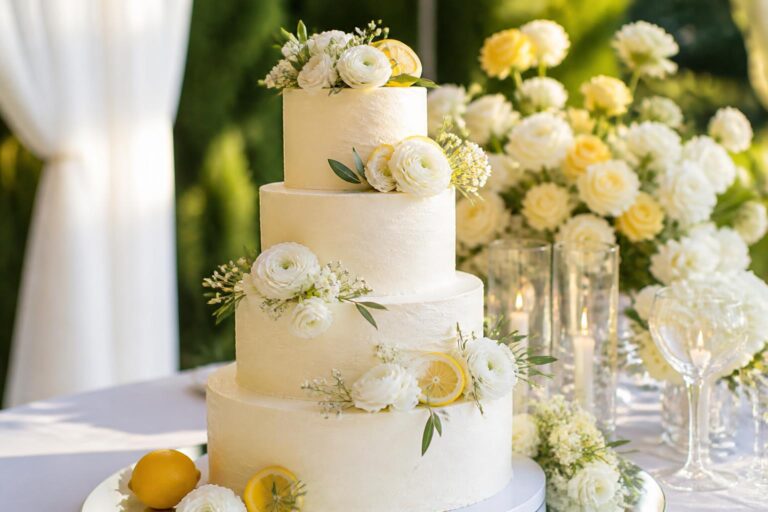
Wedding Cake Cupcakes for a Romantic, Modern Reception
There is a particular romance to wedding cake cupcakes: they carry the grace of a tiered wedding dessert, yet feel playful, personal, and effortlessly shareable. On a reception table, they create a visual rhythm of swirled buttercream, delicate florals, smooth finishes, and carefully chosen flavors that invite guests in. The mood is polished but welcoming, elegant without feeling overly formal.
This style of wedding dessert works beautifully across many celebrations, from intimate gatherings to larger receptions where display, convenience, and variety matter just as much as beauty. Couples are drawn to wedding cake cupcakes because they can echo the look of a traditional wedding cake, coordinate with the overall design of the day, and offer more flexibility in flavor, dietary accommodations, and presentation.
That balance is exactly why they remain so appealing. Whether the vision leans soft and floral, modern and minimal, or dessert-table focused with cupcake towers and tasting boxes leading the planning process, wedding cake cupcakes can become part of the atmosphere of the celebration rather than just the final sweet course.
The appeal of wedding cake cupcakes in a modern wedding setting
Wedding cupcakes sit in a lovely space between tradition and ease. They can stand in as a cake alternative, accompany a smaller wedding cake, or become the centerpiece of a dessert display designed around guest experience. That flexibility appears again and again in the way bakeries such as Whipped Bakeshop, Cupcake Charlie’s, Clarice’s Cakes, Bean Counter Bakery, and The Cupcake Collection present them: not only as desserts, but as part of the larger wedding atmosphere.
Turn wedding inspiration into a plan you can actually follow.
Zarellea brings your guest list, budget, vendors, and day-of details into one shared space — so no beautiful idea gets lost in the shuffle.
For many couples, the appeal begins with service and flow. Cupcakes simplify portions, reduce the need for on-the-spot cutting, and allow a reception to feel more relaxed. They are especially useful when guests move between ceremony spaces, cocktail hours, and dessert tables, or when a reception calls for a mixed dessert presentation rather than one formal cake moment.
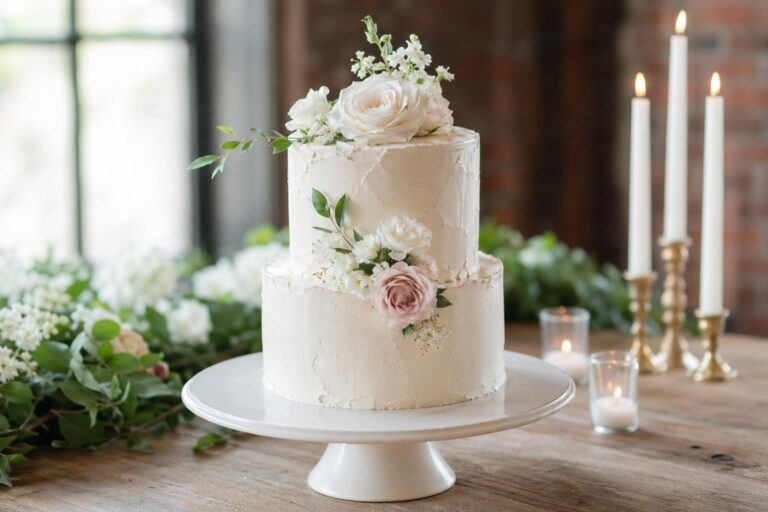
There is also a style advantage. Wedding cake cupcakes can be arranged in tiers, displayed alongside a cutting cake, or coordinated with floral details and finishes so they feel every bit as intentional as a traditional cake design. A smooth buttercream swirl, a cluster of fresh flowers nearby, or a carefully matched palette can make the entire display feel cohesive and elevated.
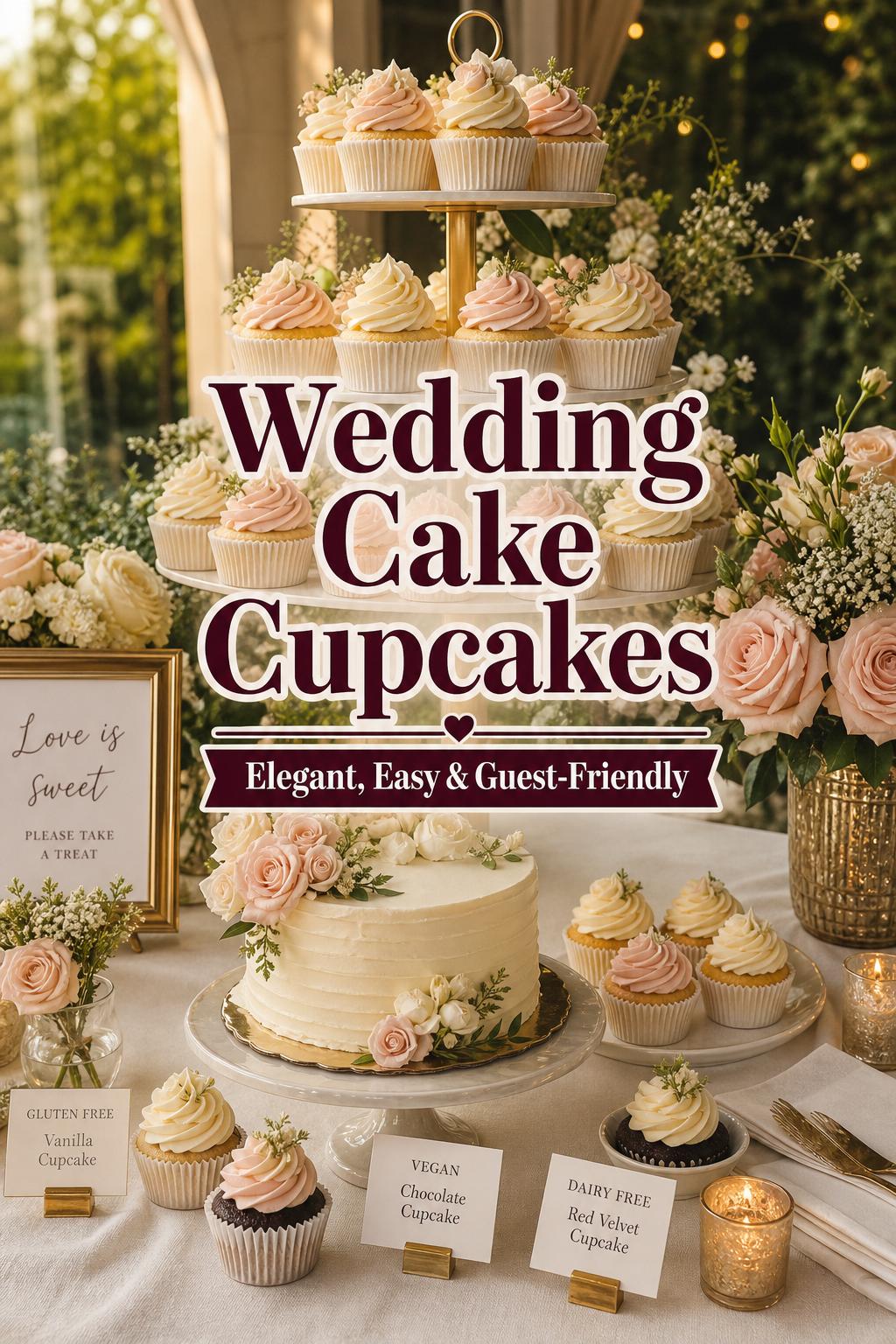
Look: soft buttercream romance
This is the wedding cupcake aesthetic that feels timeless at first glance. The silhouette of the display is airy and graceful, often built around piped buttercream, soft neutral tones, and floral accents that create movement without visual heaviness. It suits couples who want the sweetness of a classic wedding moment while keeping the dessert service approachable.
Clarice’s Cakes reflects this mood particularly well through wedding cupcakes styled with buttercream frosting and fresh flowers. The palette tends to stay gentle: ivory, blush, muted green, or other understated tones that work beautifully with floral wedding decor. In this look, the cupcakes are not trying to compete with the rest of the reception design; they are supporting it with texture and softness.
- Key visual notes: buttercream frosting, floral styling, soft finishes
- Best setting: romantic receptions, garden-inspired celebrations, elegant indoor venues
- Design focus: cohesion with bouquets, centerpieces, and cake table styling
What makes this approach so enduring is its emotional ease. Buttercream has a softness that feels celebratory without becoming too rigid or formal, and fresh flowers help the display tie directly into the wedding day design language. For couples who want wedding cake cupcakes to feel refined but heartfelt, this is often the most natural direction.
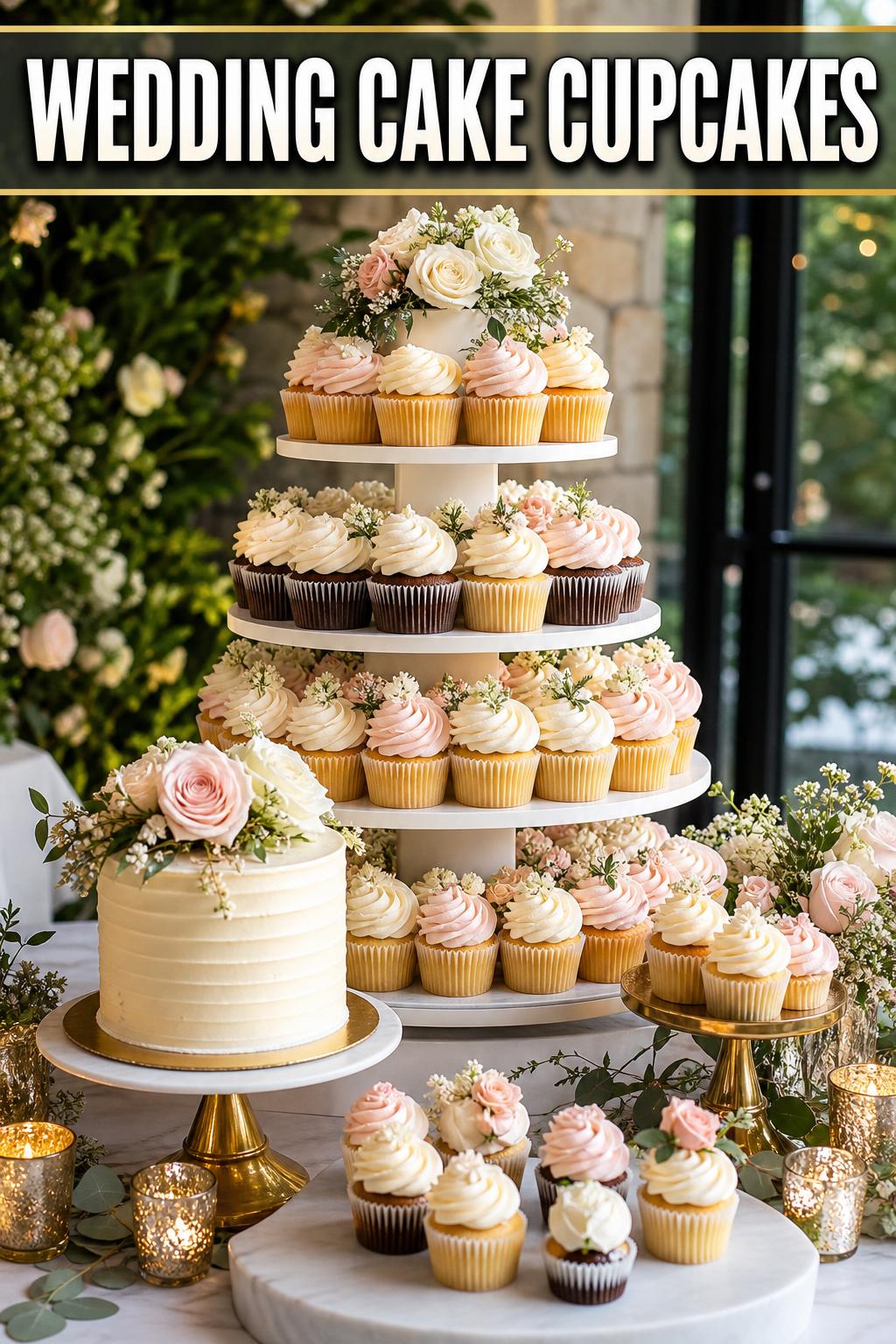
Look: polished cupcake towers for a statement display
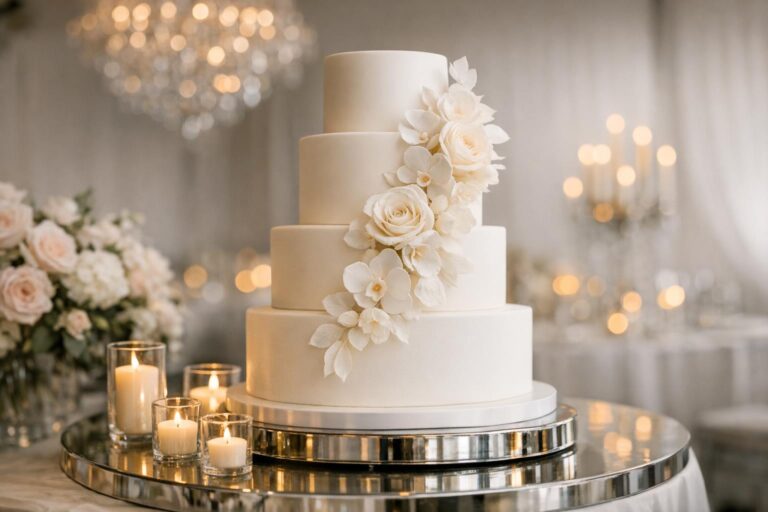
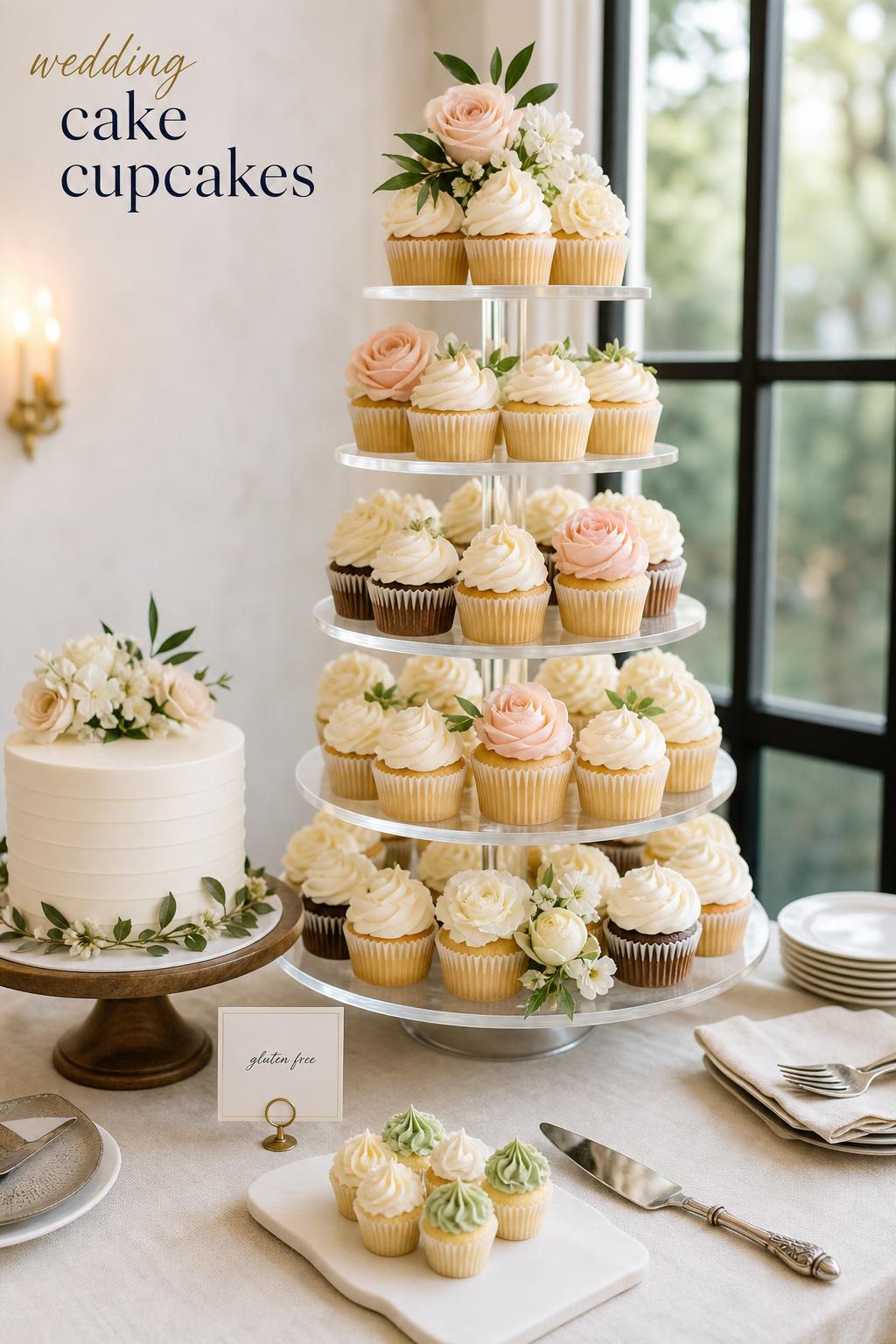
Some receptions need the dessert to hold visual presence from across the room. In that setting, cupcake towers and tiered displays create structure, height, and a sense of occasion. The mood is more architectural than floral, though it can still feel romantic depending on the finishes and surrounding decor.
Whipped Bakeshop and other wedding-focused bakery pages emphasize display ideas because presentation changes the impact of the dessert as much as flavor does. A cupcake tower gives wedding cupcakes a ceremonial quality, while still keeping service practical. For larger guest counts or a reception built around a dessert table, this arrangement makes the cupcakes feel intentionally styled rather than simply placed out for convenience.
The strongest version of this look usually pairs consistency with one focal accent. That could mean cupcakes in a unified buttercream finish arranged on a stand, with a small wedding cake at the center or top. It could also mean a layered dessert display where cupcakes frame the main cake rather than replace it. In either case, the visual effect comes from proportion and balance.
Style tip: when towers work best
Cupcake towers are especially effective when the reception needs a dessert feature that photographs well and serves guests efficiently. They can be less suitable if the wedding style is very loose and organic unless the stand design and surrounding table decor soften the structure. The key is to make the display feel aligned with the room, not separate from it.
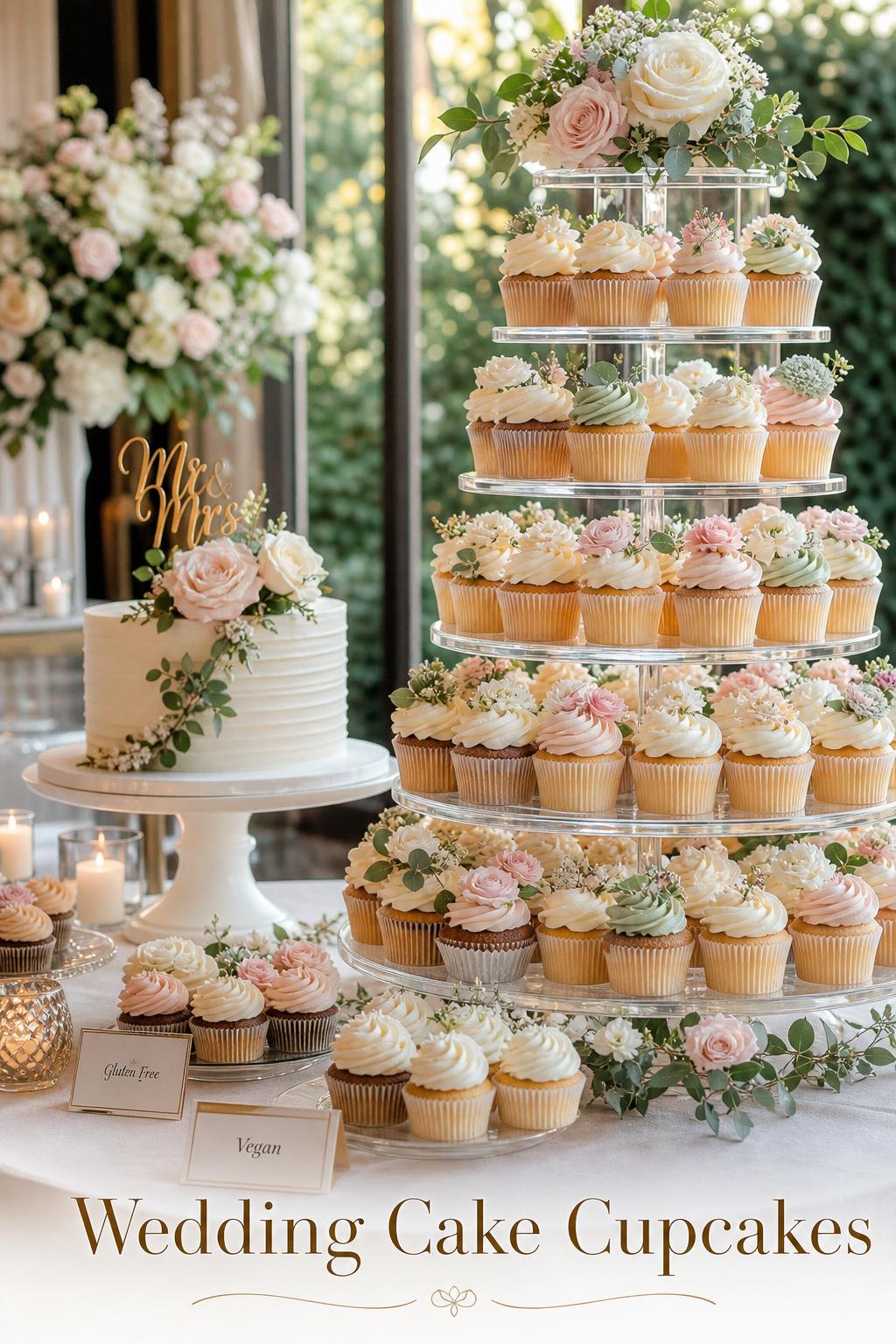
Look: cake-and-cupcake pairing for a complete dessert story
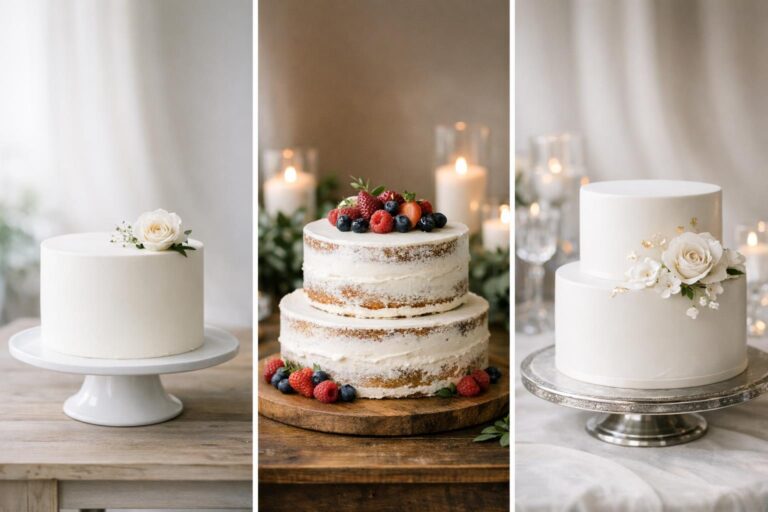
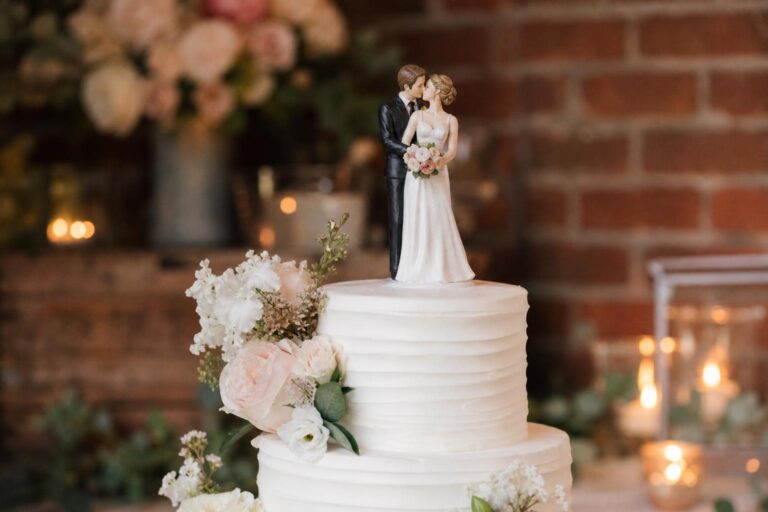
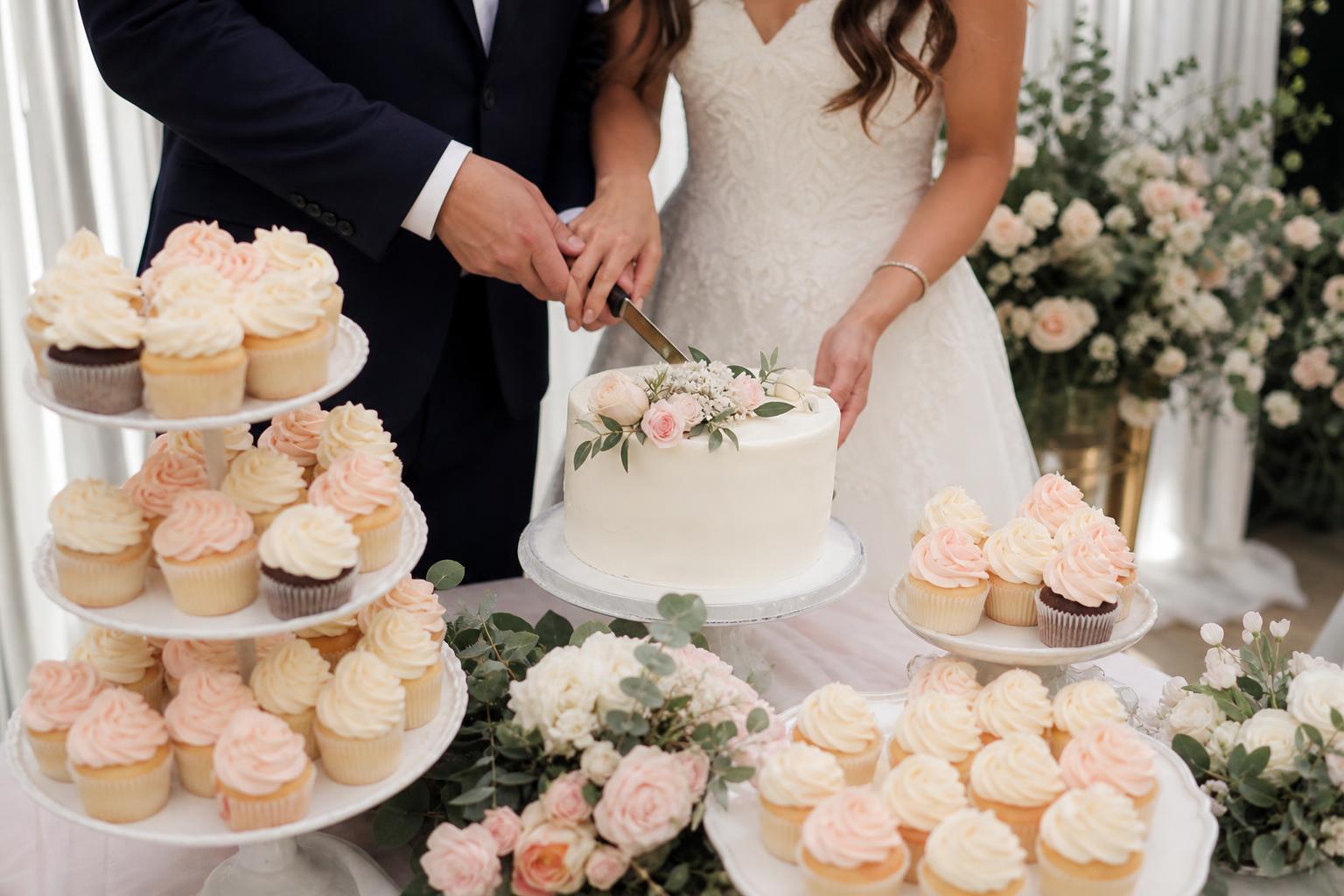
One of the most useful and stylish interpretations of wedding cake cupcakes is not choosing between cake and cupcakes at all. Instead, the two work together. A smaller wedding cake can provide the traditional cutting moment, while matching cupcakes handle the wider guest service. This approach has a composed, editorial feel because it blends symbolism with practicality.
Buzz Bakeshop and Cakes by Robin both connect cupcakes with broader wedding cake design, and that relationship matters. When cupcakes echo the finishes, colors, or overall styling of the cake, the dessert display feels complete. The wedding cake becomes the visual anchor, while the cupcakes expand the offering and make serving easier.
This combination is especially attractive for couples who love tradition but do not want all dessert planning resting on one large cake. It also helps when guest preferences vary. A wedding cake can hold one signature flavor, while surrounding cupcakes introduce variety without making the overall design look disjointed.
- Ideal for couples who want a cutting cake moment
- Helpful for receptions with larger guest counts
- Creates room for multiple flavors without losing design cohesion
- Works well on formal dessert tables and mixed displays
The styling secret here is repetition. Matching piping styles, related color palettes, and coordinated decorative details make the cupcakes feel like part of the same visual family as the cake. Without that connection, the display can look assembled rather than designed.
Look: tasting-box inspired variety with a curated flavor wardrobe
Not every couple wants one flavor repeated across an entire dessert table. Some weddings feel more inviting with a range of cupcakes that lets guests choose what suits them, while still keeping the overall presentation polished. This approach feels lively, modern, and guest-centered, especially when the flavor selection is edited rather than excessive.
Tasting boxes, highlighted by brands such as Whipped Bakeshop and Buzz Bakeshop, reflect a practical truth of wedding planning: couples often need to see, taste, and compare before they commit. That process often leads to a curated assortment rather than a single note dessert menu. Bean Counter Bakery’s wedding mini cupcakes also fit neatly into this mood, where smaller servings can support greater flavor range.
The most elegant version of this look keeps the flavor wardrobe cohesive. Instead of treating each cupcake like a separate dessert concept, the collection should still feel connected to the wedding style. Even when there is variety, the display should read as one composition.
How to build a flavor selection that still feels refined
- Choose one or two core flavors that feel closest to the main wedding dessert vision
- Add one contrasting flavor for guests who prefer something different
- Keep finishes visually coordinated, even if the cupcake flavors vary
- Use tasting boxes to narrow choices before finalizing the full order
This is often the best path for couples who want wedding dessert ideas that feel personalized rather than standard. A thoughtful assortment offers more generosity to guests, but it still benefits from restraint. Too many directions can weaken the aesthetic impact of the dessert table.
Flavor and finish choices that shape the entire wedding mood
With wedding cake cupcakes, flavor is not separate from design. The chosen flavors often influence frosting style, display details, and even how the dessert table is described to guests. Many bakery pages center customization because flavor selection is part of the wedding identity, not just a practical order form decision.
The Cupcake Collection, Sugar Love Bakery, and Bean Counter Bakery all reinforce the idea of wedding cupcakes as customizable products. Even when a page is primarily transactional, the message is clear: couples want desserts that feel personal to the event. That may mean selecting cupcakes that mirror the wedding cake, choosing mini cupcakes for variety, or requesting a specific product such as a wedding cake cupcake with a familiar celebratory profile.
Finish choices matter just as much. Buttercream remains a strong visual and practical option because it can look soft, romantic, and adaptable across many wedding aesthetics. Floral accents, smooth swirls, or more polished finishes all change the tone. The final look should be chosen with the venue, formality, and overall reception styling in mind.
Key pieces for this dessert aesthetic
- Buttercream frosting for softness and visual texture
- Fresh flowers or floral-adjacent styling for romantic continuity
- Coordinated finishes that connect cupcakes to the wedding cake
- Mini cupcakes or mixed sizes when guest variety is a priority
- Display stands or cupcake towers for height and structure
In real planning terms, the right choice often comes down to how the dessert needs to function over the full event. A beautiful finish is important, but so is serving ease, consistency across the display, and how well the cupcakes support the larger wedding atmosphere.
Look: dietary-inclusive elegance
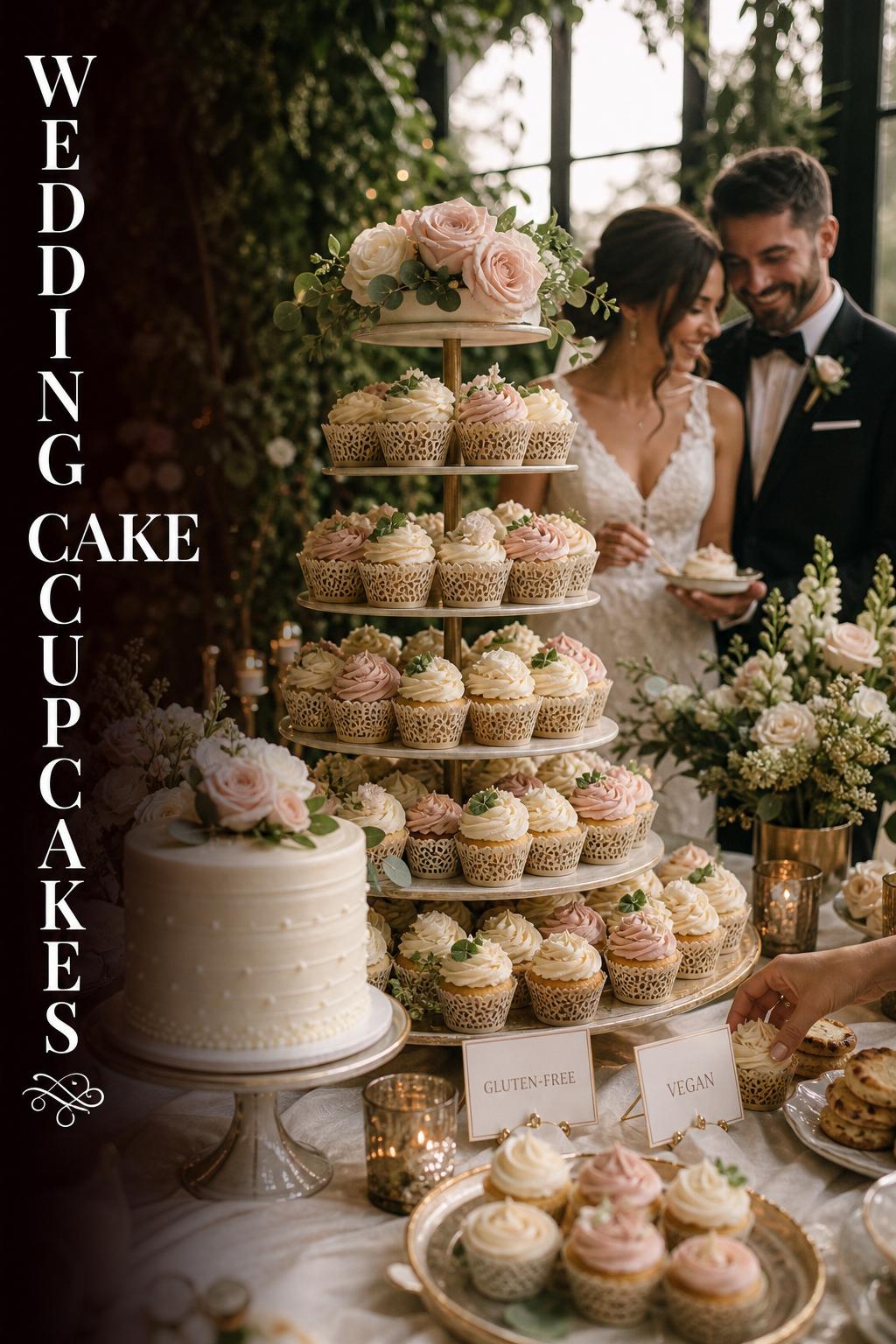
There is a particularly thoughtful beauty to a dessert table that welcomes more guests comfortably. Dietary-inclusive wedding cake cupcakes carry a quiet elegance because they show care without needing to announce themselves loudly. The visual mood should remain just as polished as any other wedding dessert display, with the accommodations woven naturally into the design.
The Cupcake Collection’s gluten-free wedding cake cupcake is an important example of how bakeries can build inclusivity directly into their wedding offerings. Research around the query also shows strong user interest in gluten-free wedding cupcakes, vegan wedding cupcakes, and broader allergen-friendly planning. For couples, that means dietary consideration is not an afterthought; it is often part of the earliest dessert decisions.
When dietary accommodations are involved, presentation should stay reassuring and clear. The display can still feel cohesive, but labeling and order planning matter. Guests should be able to enjoy the dessert confidently, and the couple should understand how the bakery handles ingredients, allergens, and related preparation concerns.
Tips for planning gluten-free, vegan, and dairy-free cupcakes
Ask about the specific cupcake options available, how they are identified at the event, and whether the bakery provides clear allergen information. A bakery offering a gluten-free wedding cake cupcake may already have a structure for this, but the details still matter. Couples should also decide whether dietary cupcakes will mirror the main dessert design exactly or be visually differentiated in subtle ways for easier guest identification.
Dietary-inclusive choices work best when they are integrated into the display rather than visually isolated in a way that makes them feel secondary. The goal is thoughtful hospitality paired with good design.
Where local bakery identity shapes the wedding cupcake experience
Wedding dessert planning often becomes more confident when it is grounded in a bakery’s real style, service approach, and location context. Local identity matters because couples are not simply buying cupcakes; they are choosing a creative partner for a visible part of the celebration.
The Cupcake Collection carries regional associations with Nashville and New Orleans, while Whipped Bakeshop is tied to Philadelphia and Sugar Love Bakery to Slidell, Louisiana. Those place cues matter because they help couples picture availability, service familiarity, and the kind of wedding market the bakery works within. Even when a page is brief, those details reinforce trust and context.
For local searches such as wedding cupcakes near me, the practical task is not simply finding any nearby bakery. It is finding one whose portfolio, customization process, and wedding experience align with the couple’s vision. A bakery may produce beautiful cupcakes generally, but wedding service requires planning support, display understanding, and comfort with event-specific needs such as flavors, quantities, and dietary accommodations.
What to look for when comparing bakeries
- A clear wedding cupcakes or weddings page, not only a general cupcake menu
- Evidence of customization, flavor choices, or design coordination
- Display guidance, especially if the reception includes towers or dessert tables
- Tasting options or tasting boxes for decision-making
- Confidence around allergen information and special dietary requests
This is where portfolio-driven brands like Clarice’s Cakes, Cupcake Charlie’s, Bean Counter Bakery, and Sugar Love Bakery become useful reference points. Each presents a slightly different version of the wedding cupcake experience, from direct product ordering to broader wedding styling support.
Look: the cake alternative with a lighter, more relaxed reception mood
Some celebrations feel better with a dessert presentation that invites mingling rather than ceremony. In those weddings, cupcakes become more than a substitute for cake; they help define a less formal, more conversational reception atmosphere. The mood is still beautiful, but the energy is easier and more social.
Cupcake Charlie’s directly leans into the idea of cupcakes as a cake alternative, and that framing is useful. Not every couple wants a highly traditional cake-cutting focal point. Some prefer dessert that can be enjoyed naturally during the event, especially when the reception style is centered on movement, conversation, and a more open layout.
Wedding cake cupcakes work especially well in this setting because they preserve wedding elegance while reducing formality. They also allow a reception to feel more guest-friendly, particularly when the dessert table includes multiple flavors or a mix of cupcake sizes. The key is to make sure the display still feels designed. Relaxed does not have to mean casual in execution.
Display decisions that change how guests experience the dessert
The same cupcakes can feel entirely different depending on how they are presented. A compact arrangement reads intimate. A tall display feels celebratory. A mixed dessert table encourages browsing. That is why display planning is one of the most practical and most overlooked parts of choosing wedding cake cupcakes.
Across top bakery pages, display and per-guest guidance appear as recurring themes for a reason. Couples are not only asking what cupcakes look like, but how they will live inside the event. A dessert that photographs beautifully but slows service, feels disconnected from the room, or confuses guest flow is less successful than one that balances beauty with practicality.
How to recreate a graceful dessert table
Start by deciding whether the cupcakes are the main dessert or part of a wider dessert display. If they are the main feature, use stands or towers to create height and visual importance. If they are supporting a wedding cake, coordinate finishes and arrange them so the cake remains the anchor. If dietary cupcakes are included, place them in a way that is easy to identify without separating them too far from the main design.
One of the most effective choices is consistency. Matching wrappers, unified frosting styles, or a tightly edited color palette make the whole table feel more elevated. The visual impact comes less from complexity than from deliberate repetition.
Practical budgeting without losing the dream
Budget conversations around wedding cupcakes are often more nuanced than they first appear. At a glance, cupcakes can seem like the simpler route compared with a large wedding cake. In practice, cost depends on design complexity, customization, dietary requests, mini versus standard sizing, and whether the order includes a cake, tasting boxes, or display planning.
This is why couples should think in terms of wedding dessert strategy rather than only item count. If the goal is maximum visual impact with easier service, a cake-and-cupcake pairing may deliver better value than a single large cake. If the priority is flavor variety, mini cupcakes may serve the vision more effectively than multiple full-size desserts. If dietary inclusivity is central, clear planning early on helps avoid last-minute additions that can complicate the budget.
In other words, wedding cake cupcakes are not automatically the less expensive option in every situation, but they can be the more flexible one. The strongest budgeting decisions come from matching the dessert format to the reception style, guest experience, and design goals.
Budget-minded tips that still protect the aesthetic
- Use cupcakes for guest service and a smaller wedding cake for the ceremonial moment
- Limit the number of flavors to keep the display cohesive and easier to manage
- Choose one finish style across most cupcakes, then reserve decorative details for a few focal pieces
- Discuss display needs early so stand and setup expectations are clear
- Address dietary accommodations in the first planning conversation, not at the end
An editorial view of what couples often overlook
The most common mistake with wedding cake cupcakes is treating them as a practical dessert order instead of a design decision. Because cupcakes feel approachable, couples sometimes underestimate how much the finish, display, and flavor structure influence the reception atmosphere. A wedding dessert should feel connected to the day, not like an isolated last-minute choice.
Another oversight is overcomplicating the offering. Variety is appealing, but too many flavors, too many decorative directions, or a display that mixes several styles at once can dilute the elegance of the table. The strongest dessert presentations usually have a clear visual point of view, even when they include options for guests.
Finally, couples sometimes focus on what looks beautiful in a static image rather than what works during a full event. A reception is dynamic. Guests circulate. Staff serve. Timing shifts. Displays need to hold their shape in the flow of the day. That is why practical guidance from wedding-experienced bakeries matters so much when comparing options.
Look: brand-inspired wedding dessert personalities
One helpful way to clarify your own style is to notice the different personalities bakery brands bring to the wedding cupcake category. The Cupcake Collection balances product clarity with customization and includes a gluten-free wedding cake cupcake that signals thoughtful accommodations. Whipped Bakeshop leans into planning support, tasting, and display ideas. Clarice’s Cakes presents a softer floral and buttercream-led aesthetic. Bean Counter Bakery emphasizes wedding mini cupcakes and flavor choice. Cupcake Charlie’s frames cupcakes as a compelling alternative to cake. Sugar Love Bakery gives the category a local bakery feel through its wedding cake cupcake offering in Slidell.
For couples, these examples are useful because they reveal that wedding cake cupcakes are not one fixed style. They can be classic, relaxed, highly display-focused, or centered on dietary inclusivity and product specificity. Understanding that range makes it easier to define the kind of dessert experience that belongs in your wedding.
This is less about copying one bakery and more about identifying your preferred mood. Do you want floral softness, a strong dessert tower, mini cupcake variety, a local bakery touch, or a carefully coordinated cake-and-cupcake presentation? Once that question is answered, the rest of the planning becomes much more cohesive.
A simple brief you can bring to your baker
When couples communicate clearly, wedding cupcake planning becomes far smoother. A concise brief helps a baker understand not only what you want to order, but how the dessert should feel inside the celebration. This is especially important when the design includes towers, dietary accommodations, or a wedding cake pairing.
- Wedding style and overall mood
- Whether cupcakes are the main dessert, a cake alternative, or paired with a wedding cake
- Preferred finish style, such as buttercream or floral-accented presentation
- Desired flavor range and whether mini cupcakes are part of the plan
- Dietary needs, including gluten-free, vegan, or dairy-free requests
- Display expectations, including cupcake towers or dessert table setup
- Questions about tasting boxes, ordering process, and guest-count guidance
Even a short planning document can save time and lead to better recommendations. It also helps the baker guide you toward choices that suit your venue, guest count, and service style rather than simply selecting cupcakes in isolation.
Why this wedding dessert aesthetic continues to resonate
Wedding cake cupcakes remain so beloved because they bring together many things couples care about at once: beauty, flexibility, guest comfort, customization, and a sense of celebration that still feels distinctly bridal. They can be romantic with buttercream and flowers, structured with towers and stands, inclusive through gluten-free and other dietary options, or layered into a fuller dessert table alongside a wedding cake.
The most memorable version is the one that feels aligned with the wedding itself. Whether your inspiration comes from a floral Clarice’s Cakes-style softness, a Whipped Bakeshop display approach, a Cupcake Charlie’s cake alternative, or a local bakery offering like Sugar Love Bakery in Slidell, the goal is the same: a dessert moment that feels considered, joyful, and true to the celebration you are creating.
FAQ
How many wedding cupcakes should you plan per guest?
Per-guest planning depends on whether cupcakes are the main dessert or part of a wider dessert display. If they are the primary dessert, couples should ask their bakery for guest-count guidance early, especially if they are choosing mini cupcakes, multiple flavors, or pairing cupcakes with a small wedding cake.
Can wedding cake cupcakes replace a traditional wedding cake?
Yes, wedding cake cupcakes can work beautifully as a cake alternative, particularly for couples who want easier service, more flavor flexibility, and a less formal dessert moment. They are also a strong option for receptions built around mingling, dessert tables, or cupcake tower displays.
Is it better to serve cupcakes alone or pair them with a small wedding cake?
That depends on the kind of wedding moment you want. Cupcakes alone create a more relaxed and practical dessert service, while pairing them with a small wedding cake preserves the traditional cutting moment and gives the display a visual anchor. Many couples find the paired approach offers the best balance of tradition and ease.
What styles of frosting work best for wedding cupcakes?
Buttercream is one of the most versatile choices because it can feel soft, romantic, and polished at the same time. It also works well with fresh flowers and coordinated wedding cake finishes, which helps the dessert table feel cohesive rather than separate from the rest of the celebration design.
Are gluten-free wedding cake cupcakes commonly available?
They can be, especially through bakeries that already highlight dietary accommodations in their wedding offerings. A gluten-free wedding cake cupcake should be discussed in detail with the bakery so couples understand ingredients, allergen information, and how those cupcakes will be labeled or presented at the event.
What should couples ask during a wedding cupcake tasting?
They should ask about flavor options, finish styles, display guidance, per-guest recommendations, dietary accommodations, and whether tasting boxes are available. It is also helpful to ask how cupcakes can coordinate with a wedding cake or dessert table if the couple wants a more complete presentation.
Do mini cupcakes work well for weddings?
Yes, mini cupcakes can be an especially good fit when couples want variety, lighter portions, or a more browseable dessert table. They are often useful when serving multiple flavors, though the display should still be designed carefully so the smaller scale does not reduce visual impact.
How do you make wedding cupcakes feel elegant instead of casual?
Elegance usually comes from coordination rather than complexity. Matching finishes, thoughtful buttercream work, floral styling, cupcake towers, and a clear relationship to the wedding’s overall design all help cupcakes feel refined. The more connected the dessert is to the event aesthetic, the more elevated it appears.
How do couples choose the right bakery for wedding cupcakes near them?
Look for a bakery with a clear weddings or wedding cupcakes page, strong display examples, customization options, and comfort with dietary requests. It also helps if the bakery offers tasting boxes or structured consultation support, since wedding desserts involve more planning than a standard cupcake order.