Summer Wedding Cake Ideas That Feel Fresh and Refined
By the time a summer reception begins to glow with late sunlight, the cake has already done a great deal of work. It has to look romantic in bright outdoor light, feel true to the season, and still hold its shape through warmth, travel, and long photo moments. That is why choosing a summer wedding cake can feel more complicated than picking a design you simply love on a screen.
Couples usually want two things at once: a cake that feels fresh and beautiful for a summer celebration, and one that can realistically survive heat, humidity, and an outdoor venue. The challenge is not only aesthetic. It is practical, emotional, and logistical. This guide is designed to solve that problem with clear ideas, grounded planning advice, and inspiration that helps you choose a cake that still looks graceful when the day gets warm.
Why summer wedding cakes need a different kind of planning
A summer wedding cake lives in a more demanding environment than a cake served during cooler seasons. Warm weather changes how finishes behave, how colors read in sunlight, and how long a cake can comfortably wait before cutting. An outdoor reception, garden ceremony, pavilion dinner, or bright coastal-style setting can all add beauty, but they also ask more from the cake design.
This is why so many summer wedding cake ideas revolve around more than just appearance. Buttercream stability matters. Fondant versus buttercream becomes a practical conversation, not just a style preference. Light flavors become more appealing because they suit the season, and decorative choices such as florals, fruit accents, textures, and color palettes need to work visually in full sun rather than only in a bakery studio.
Turn wedding inspiration into a plan you can actually follow.
Zarellea brings your guest list, budget, vendors, and day-of details into one shared space — so no beautiful idea gets lost in the shuffle.
There is also an emotional layer. A cake is often one of the most photographed elements of the reception. It sits in the background of portraits, detail shots, and guest memories. If it begins to soften too quickly or feels too heavy for a summer celebration, that disappointment is felt immediately. Good planning helps avoid that and makes the cake feel integrated into the entire wedding atmosphere.
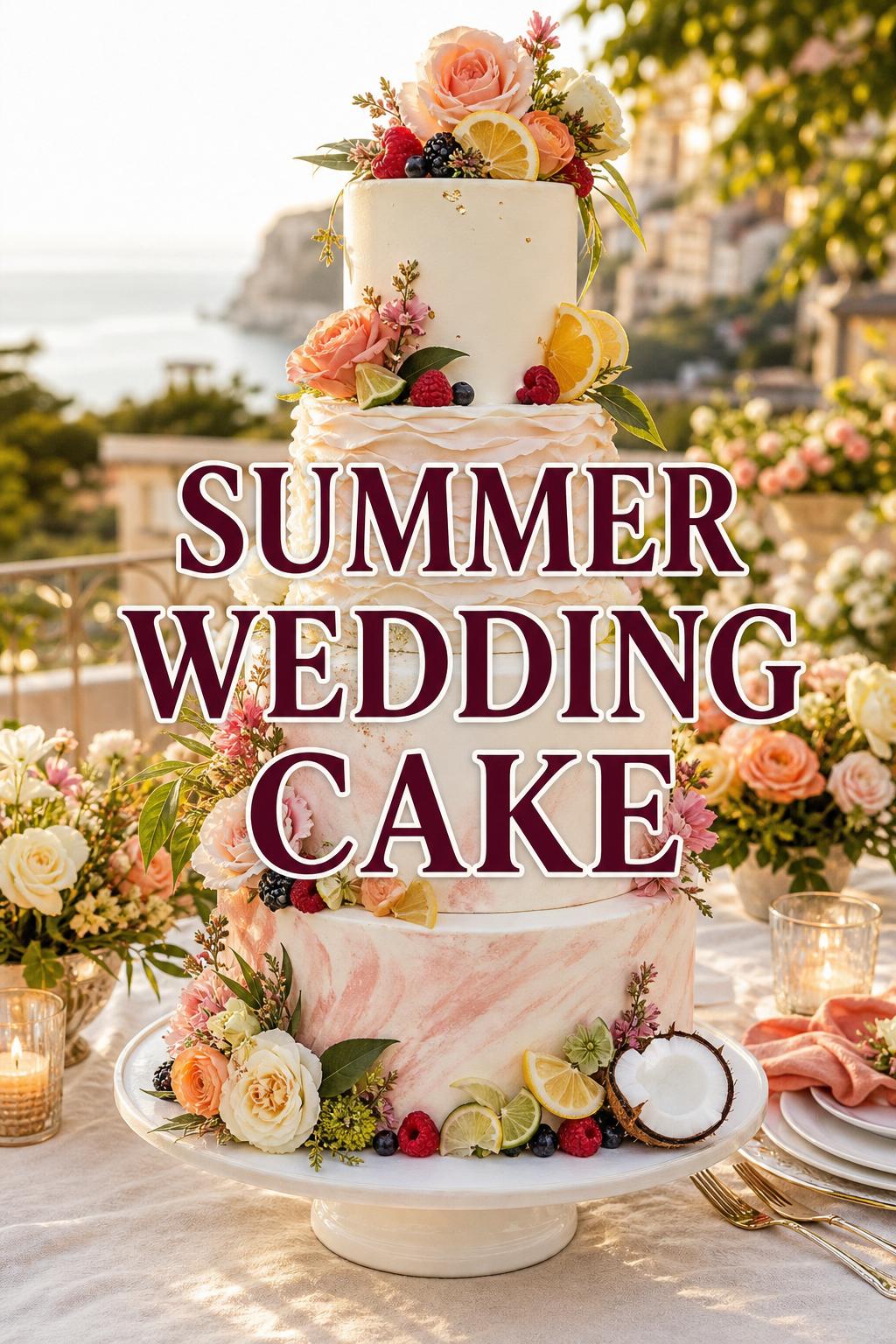
The core principles behind a successful summer wedding cake
The best summer wedding cake decisions usually come from balancing visual romance with heat-ready logic. A cake does not need to be plain to be practical, but it does need to be designed with the season in mind. The strongest choices tend to follow a few consistent principles.
- Choose finishes that can handle warm-weather conditions more gracefully.
- Favor flavors that feel light, bright, and refreshing rather than overly dense.
- Use textures, colors, and floral motifs that still look beautiful in direct sunlight.
- Plan for the venue, transport, and service timing before finalizing the design.
- Think about the cake as part of the full reception story, including dessert tables, florals, and photo moments.
These principles explain why so many bakery and editorial features focus on the same themes: summer cake ideas, warm-weather flavor pairings, floral motifs, and outdoor wedding cake handling. The style may differ from one celebration to another, but the logic remains consistent.
Design first, but design with the weather in mind
Many couples begin with inspiration boards, saved photos, and dream textures such as ruffles, marble effects, smooth buttercream, or fondant accents. That is a lovely place to start, but for summer weddings the next step should always be to ask how that design behaves in heat and humidity. A soft-looking finish can still work, but it may need a more stable execution. A floral cake can still feel airy and romantic, but the placement and type of decorations matter.
This is where designer-led examples become useful. Sites such as Bridal Guide and lifestyle features from Lulu’s often highlight cakes from recognized names like Jay Muse and Lulu Cake Boutique because real designs help couples understand how beauty and practicality can coexist. The strongest inspiration is not only pretty. It is believable for a live event.
Let the season shape the flavor story
Summer guests usually respond well to flavors that feel bright and fresh. Citrus, berry, coconut, and fruit-forward combinations appear again and again because they fit the season naturally. Lemon elderflower, strawberry-inspired layers, berry compote, coconut-lime, and tropical blends all feel aligned with a warm-weather reception in a way that heavier profiles sometimes do not.
That does not mean every summer wedding cake must be delicate or minimal. It means the flavor should feel comfortable to eat in summer. A cake can still be celebratory and rich in appearance while tasting light enough for a warm evening dinner.
Understanding the buttercream question
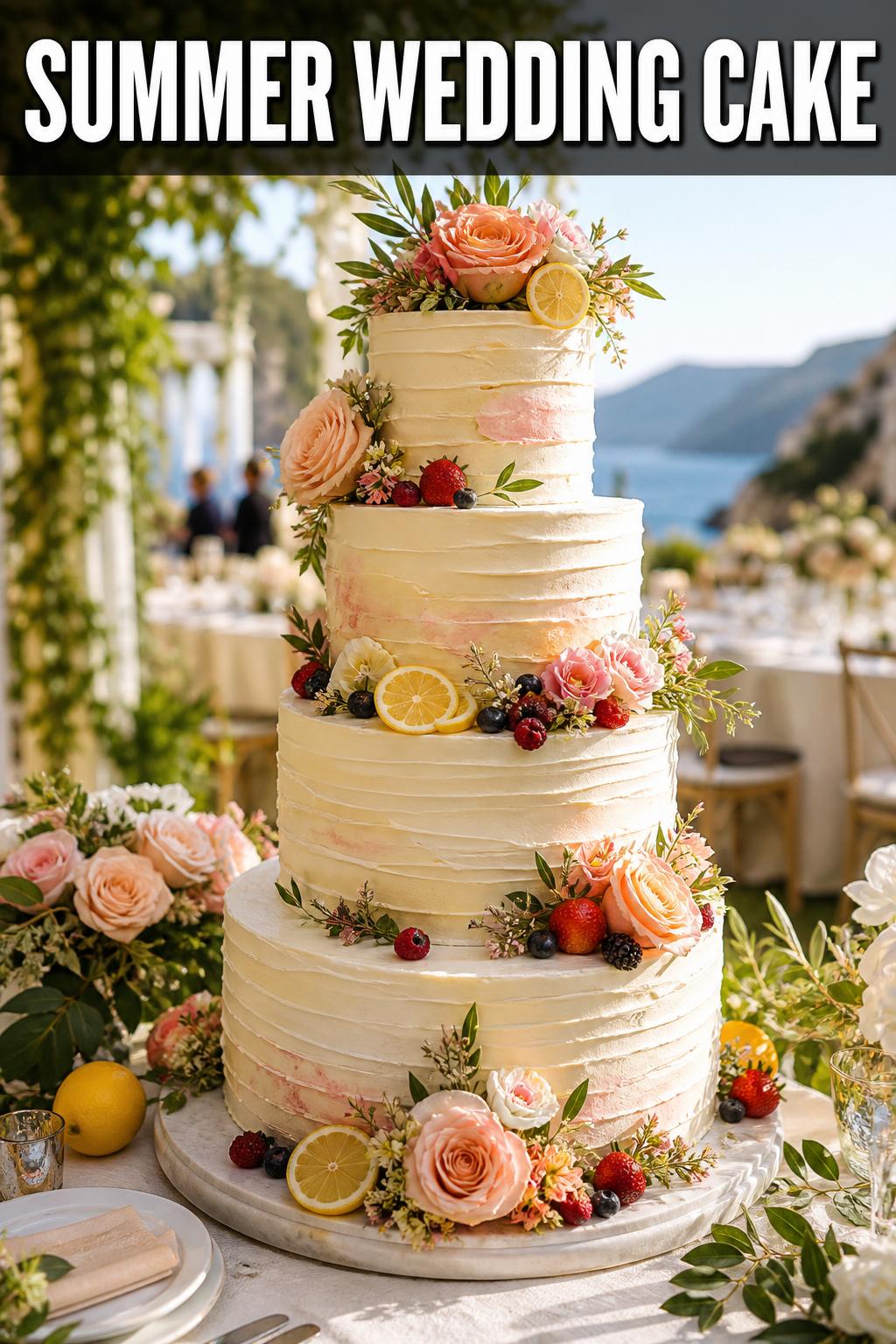
For many couples, the biggest planning stress is simple: can buttercream survive a summer wedding? The honest answer is that buttercream can be beautiful in summer, but it needs thoughtful handling. This is why buttercream stability appears so often in summer wedding cake discussions. It is not a small detail. It affects whether the cake remains polished through the ceremony, cocktails, portraits, and the reception opening.
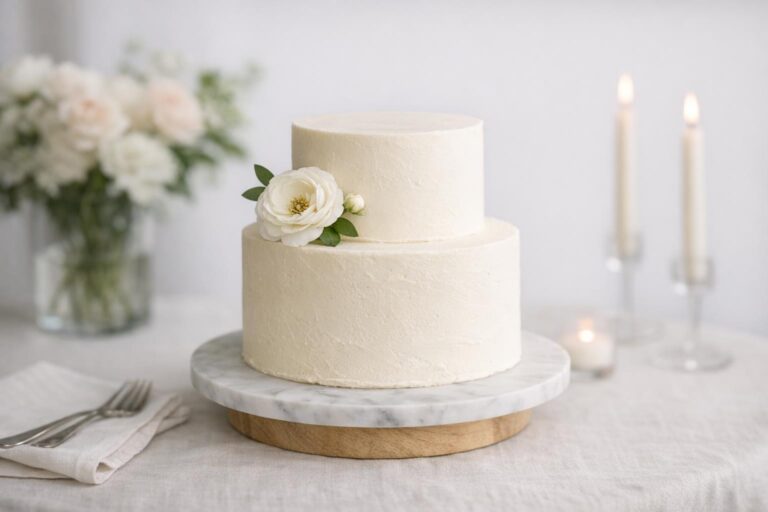
Buttercream is beloved because it gives a soft, romantic finish that suits garden weddings, minimalist celebrations, and floral-forward designs. It also works beautifully with semi-textured surfaces that feel painterly and elegant in natural light. But in hot weather, especially with humidity, buttercream can soften faster than many couples expect.
When buttercream works well
Buttercream is often a strong choice when the cake can stay cool until close to display time, when the reception schedule is tightly coordinated, and when the venue has a clear indoor backup or refrigeration plan. It also works better when the design embraces subtle texture rather than demanding a flawless, ultra-crisp finish for many hours outdoors.
The Botanical Cake Company, through Frances Winter’s practical guidance, reflects a particularly useful perspective here: summer cakes should be designed with the conditions they will actually face. That means the finish, timing, and setting all need to work together. A softly textured buttercream cake at an evening garden reception may be more realistic than a very smooth finish sitting out all afternoon in strong heat.
When fondant or ganache may be the better option
If your wedding includes a long outdoor display, a very structured tiered design, or conditions that are likely to be especially warm, fondant or ganache may offer a more dependable finish. Fondant often appeals to couples who want cleaner lines and more sculpted detail. Ganache can be another heat-friendly finish for couples who still want depth and elegance without relying entirely on soft buttercream styling.
This is not only a matter of durability. It is also about reducing stress on the day itself. If you know your venue is warm, your ceremony and cocktails are outdoors, and your cake table will be photographed for a long stretch, choosing a more heat-friendly finish can protect the visual result you want.
Summer cake aesthetics that actually work in real light
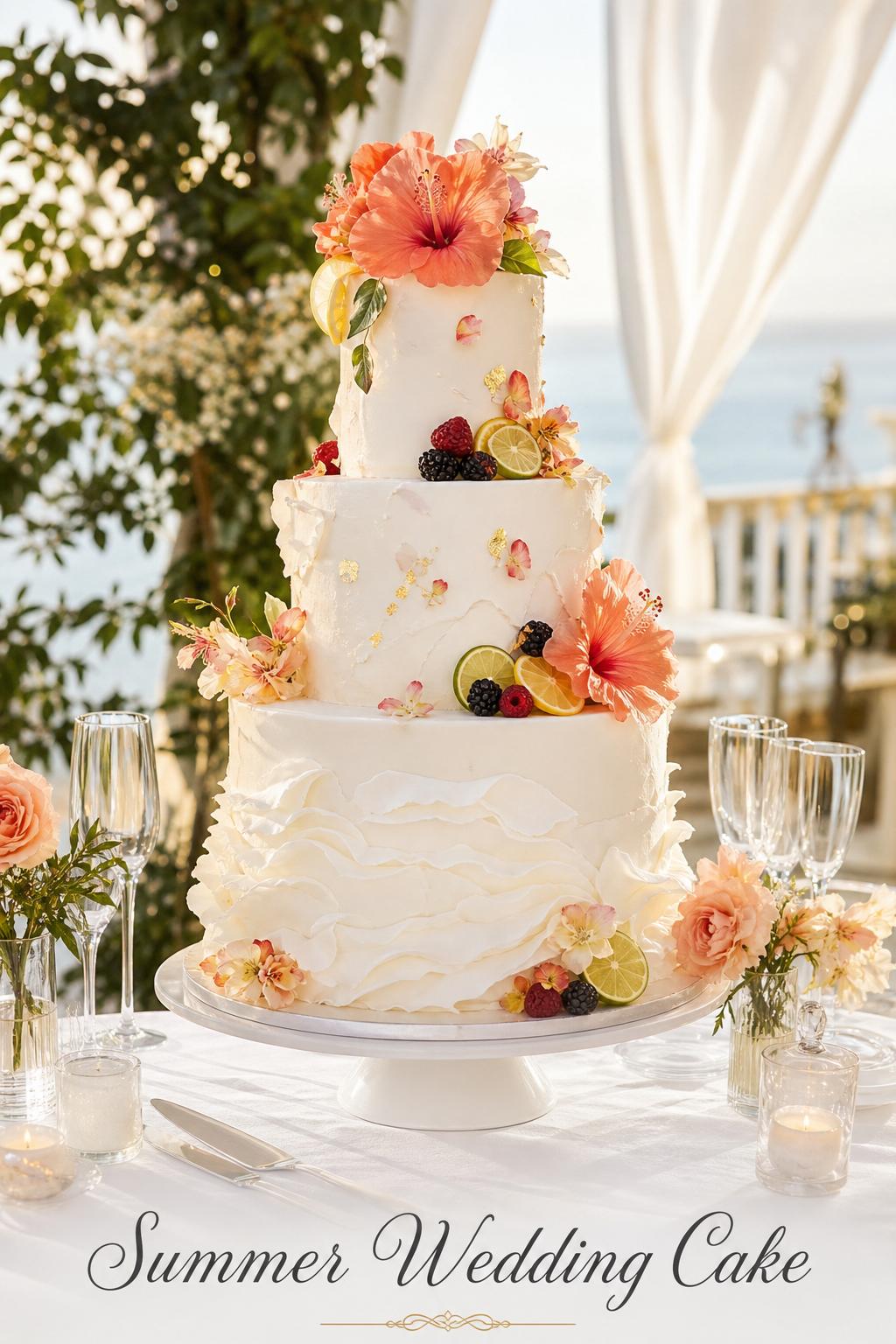
One of the easiest ways to improve a summer wedding cake is to think about how it will look at the venue, not just in a close-up image. Bright sunlight changes everything. It can flatten some colors, highlight every surface detail, and make delicate design elements appear more dramatic or more washed out than expected. The most effective summer wedding cake designs tend to use this to their advantage.
Color palettes that feel seasonal without looking overpowering
Summer cakes often lean into soft seasonal palettes, fresh neutrals, or fruit-and-floral inspired shades. The appeal is clear: these colors echo the reception flowers, the natural landscape, and the lighter mood of the season. Wedding Forward and CL Weddings both reflect how often color trends and seasonal motifs shape the visual identity of summer wedding cake ideas.
What matters most is not choosing the trendiest palette, but choosing one that reads well in daylight. Soft tones, romantic florals, and carefully chosen accents can look graceful under the sun. Extremely subtle details can disappear in bright conditions, while too many competing colors can make the cake feel busy. Summer styling tends to look strongest when the palette is edited and intentional.
Textures that stay beautiful even if the day gets warm
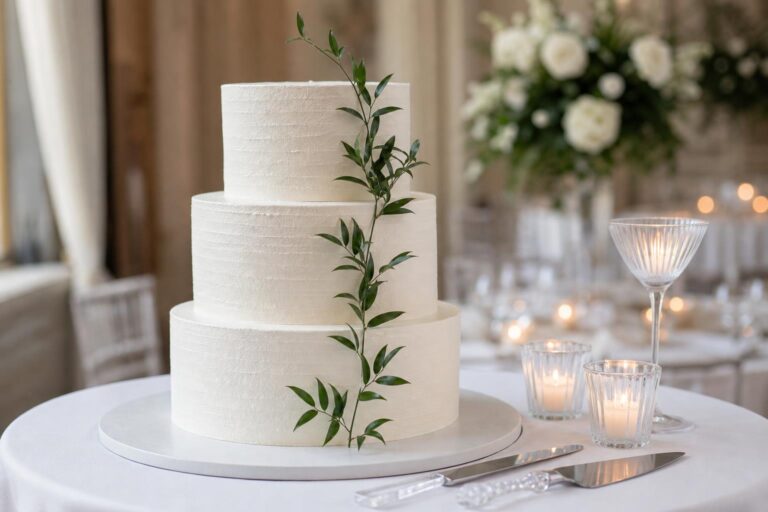
Texture is one of the smartest tools in summer cake design. A textured finish can be more forgiving than an ultra-smooth one if the cake softens slightly in warm weather. Gentle ridges, painterly movement, and romantic surface variation often suit the season both visually and practically. This is one reason textured cakes continue to appear in summer inspiration galleries.
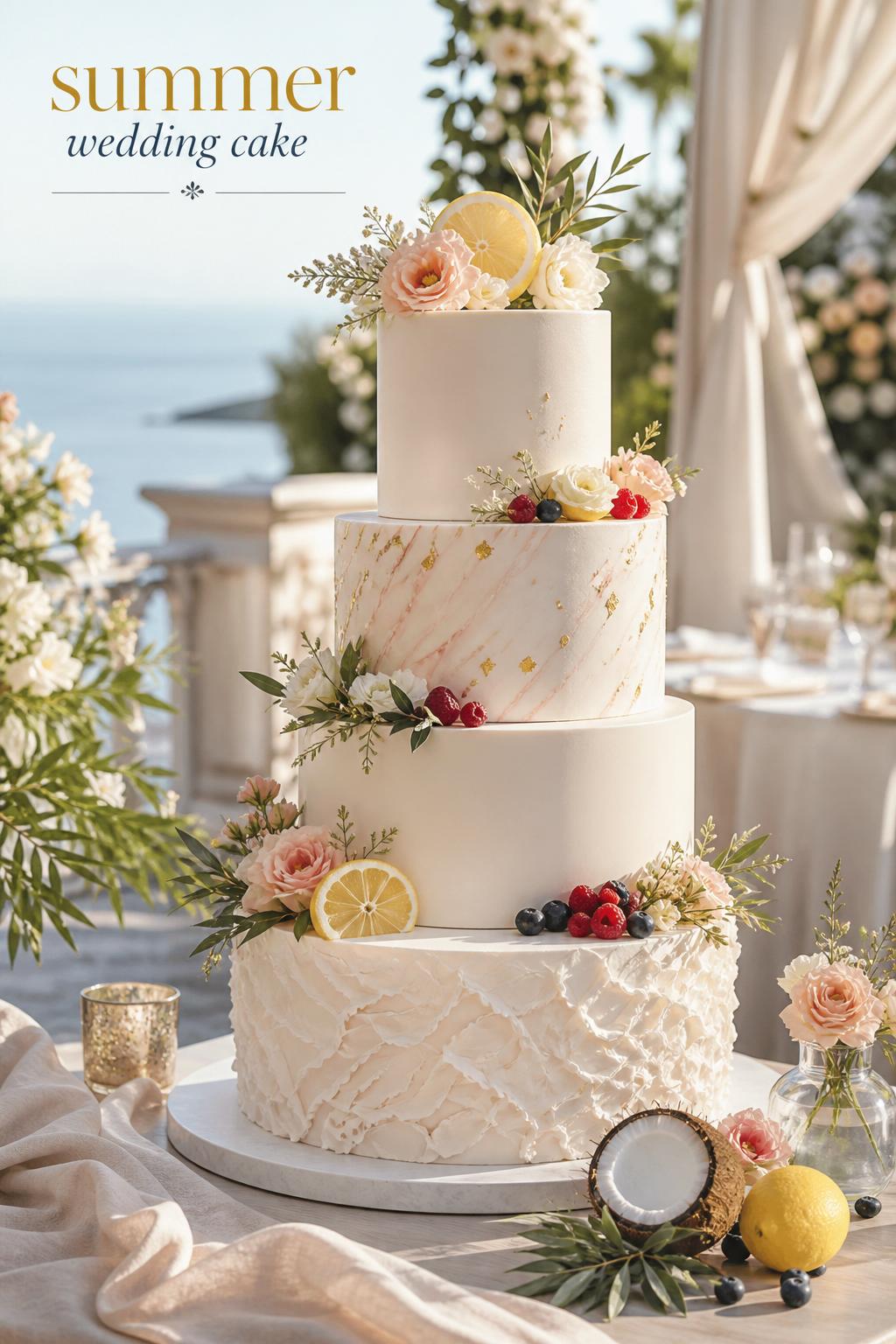
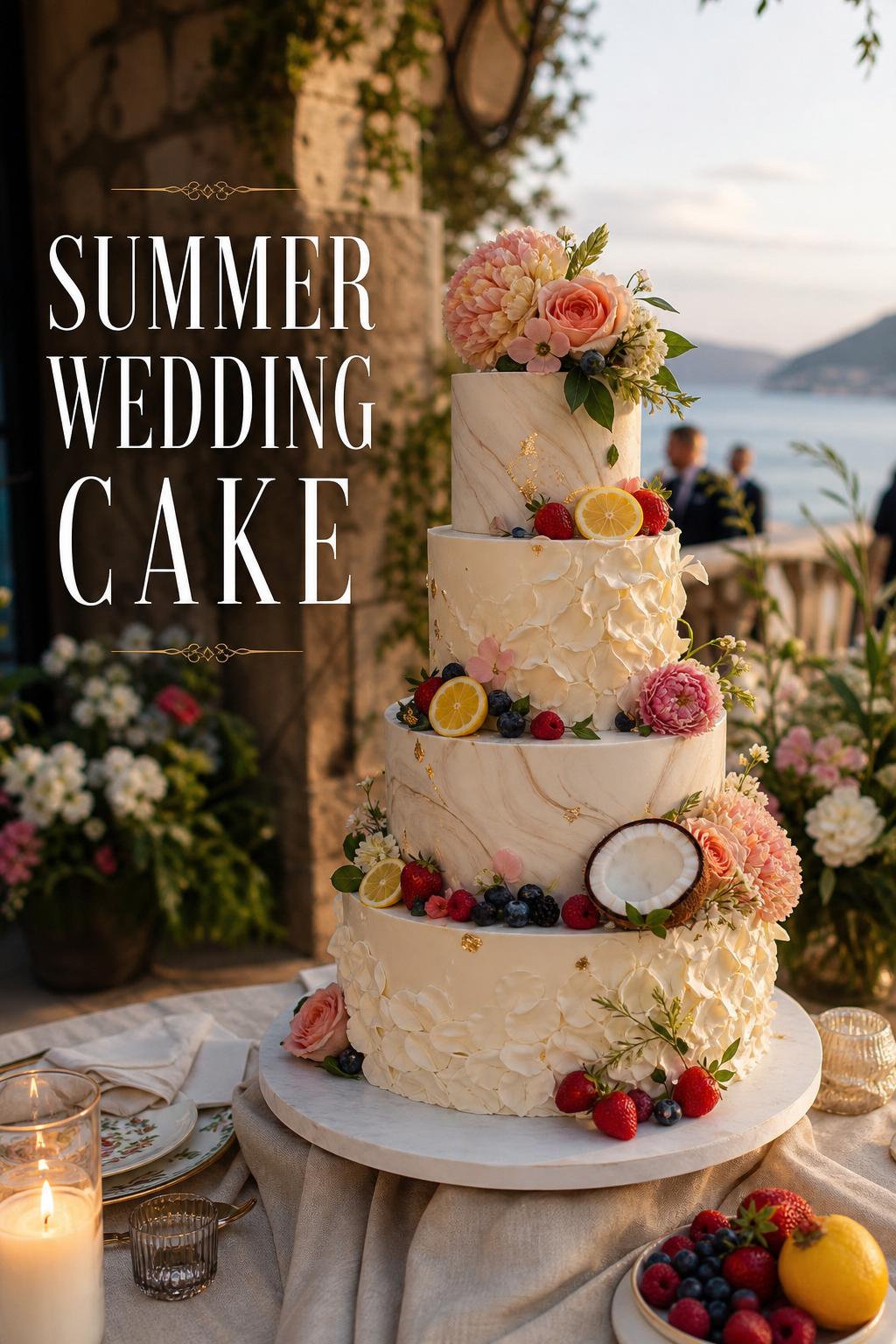
Marble-inspired finishes, ruffle details, and semi-textured buttercream can also create movement that feels luxurious in photos. If your celebration is outdoors, these details may age more gracefully through the day than a design that depends on complete sharpness.
Floral motifs and edible accents with summer energy
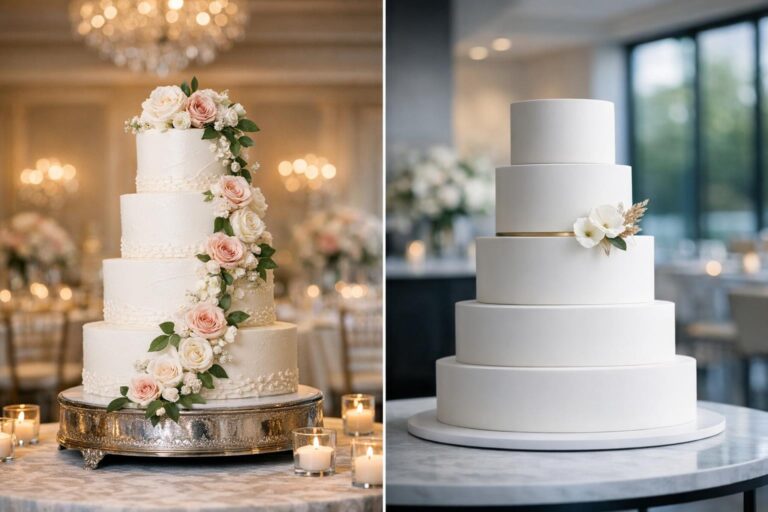
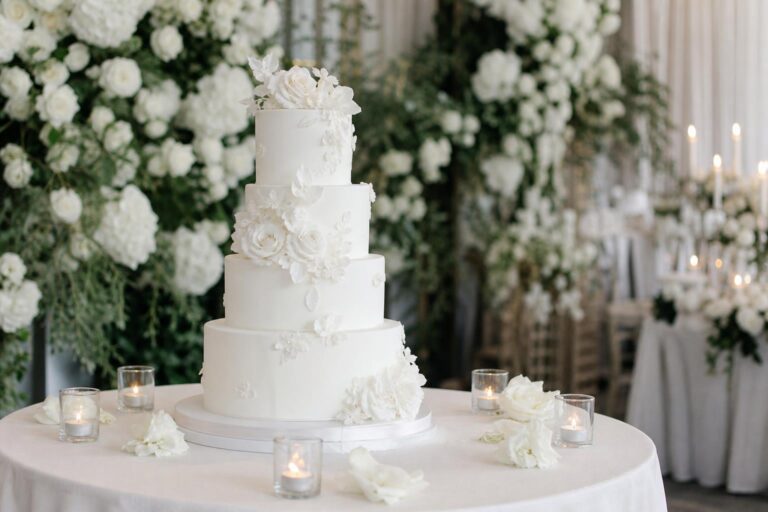
Florals remain one of the clearest signatures of a summer wedding cake. They connect the cake to the bouquet, the tablescape, and the wider ceremony design. Bells of Joy, CL Weddings, Wedding Forward, and other inspiration-driven features consistently tie summer cake ideas to florals, fruit accents, and seasonal motifs because those details make the cake feel rooted in the celebration rather than separate from it.
Edible flowers and botanical accents can add freshness as long as they are used thoughtfully. Nasturtium, marigold, and mint leaves are especially relevant in summer-inspired design discussions, not only because they feel seasonal but because they create texture and color contrast. Fruit-forward garnishes can also support a fresh, warm-weather mood, especially when the flavor inside the cake echoes the decorative accents outside.
Flavor planning for a cake that feels right in summer
Flavor is where many summer wedding cakes either feel perfectly judged or unexpectedly heavy. Guests may admire the design first, but the experience of eating the cake is what stays with them. In warm weather, lighter and brighter flavor combinations usually feel more natural.
Outlinist’s emphasis on the best summer wedding cake flavors reflects a strong seasonal truth: summer desserts often work best when they taste refreshing. That does not mean plain. It means balanced. A good summer wedding cake flavor should feel celebratory without becoming too rich for the weather.
Flavor ideas that fit a summer wedding mood
- Lemon elderflower: one of the clearest summer favorites because it feels floral, bright, and elegant.
- Berry compote layers: ideal for couples who want fresh fruit energy and a romantic seasonal profile.
- Strawberry-inspired cake: playful, familiar, and especially fitting for garden or outdoor weddings.
- Coconut-lime: a fresh option that works beautifully for coastal, tropical-leaning, or light modern receptions.
- Tropical fruit blends: strong for bold summer styling, especially when the décor already includes vibrant florals or fruit motifs.
Mia’s Brooklyn, with references to boutique studios such as Sugar Euphoria and a Raleigh connection, captures a detail couples often overlook: local bakeries and designers can influence flavor direction as much as visual style. Studio-led work often reflects regional taste, presentation style, and the broader aesthetic of the wedding community around it.
How to choose between citrus, berry, coconut, and floral notes
If your wedding aesthetic is romantic and garden-inspired, lemon elderflower or berry-floral combinations tend to feel especially coherent. If your event leans coastal, modern, or destination-inspired, coconut-lime and tropical profiles often feel more natural. If you want a universally appealing option, berry-forward combinations are usually easy for guests to enjoy while still feeling seasonal.
The key is not to chase novelty for its own sake. A summer cake flavor should support the atmosphere of the day. The best pairings feel almost inevitable once the rest of the wedding vision is clear.
For outdoor weddings, venue conditions should shape the cake plan
An outdoor venue changes the cake conversation immediately. Garden receptions, pavilions, open-air dinner spaces, and bright terrace celebrations all create a beautiful setting, but they also reduce margin for error. Heat, direct sun, and timing matter more than couples often realize during early planning.
Humidity, dry heat, and why region matters
Regional climate considerations are one of the most useful ways to make a summer wedding cake plan more realistic. Humid conditions and dry heat create different challenges, and venue strategy should reflect that. The research around summer cake planning repeatedly points to regional weather patterns as an underused but valuable part of decision-making.
For example, a humid setting may make soft finishes feel vulnerable sooner, while a dry, very warm setting can still stress the cake during transport and display. Couples in different parts of the U.S. should not assume that one summer cake approach works equally well everywhere. Matching the design to the region is often one of the smartest decisions you can make.
Transport and setup deserve as much attention as the flavor
Even the most beautiful wedding cake design can struggle if transport and storage are treated as afterthoughts. Tiered cakes need a delivery plan that protects structure and finish from the moment they leave the bakery. That includes vehicle temperature, travel duration, and the setup timing at the venue. These details are not glamorous, but they often determine whether the cake arrives looking serene or stressed.
For outdoor weddings, the most dependable approach is to minimize the time the cake spends exposed before the key reception moments. If possible, display it closer to the cutting rather than at the start of the event. This is one of the clearest practical solutions for preserving both appearance and flavor quality.
Creative summer wedding cake directions for different wedding styles
The phrase summer wedding cake covers many aesthetics. A garden wedding and a minimalist city celebration may both happen in July, but the right cake for each will look very different. Instead of trying to find one perfect trend, it helps to think in style directions that match the feeling of your day.
Romantic garden elegance
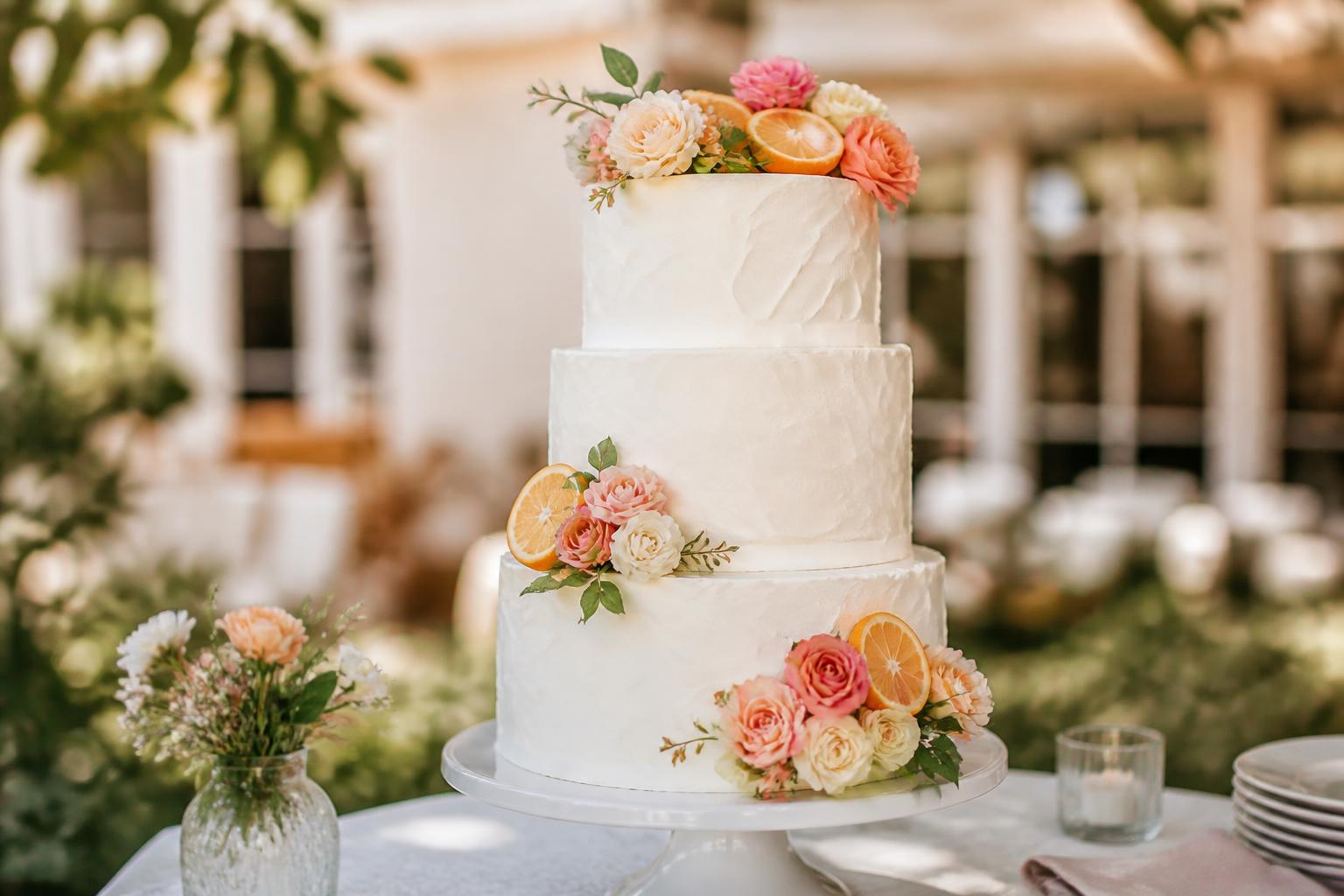
This style works beautifully with soft buttercream, floral accents, delicate textures, and flavors such as lemon elderflower or berry compote. It is ideal for couples who want the cake to feel like an extension of the flowers and tablescape. In this setting, a slightly textured finish often feels more natural than something very rigid. The result is graceful, seasonal, and photogenic in natural light.
Fresh modern minimalism
Couples planning a modern reception may prefer a cleaner silhouette, a more edited palette, and subtle texture instead of elaborate decoration. Fondant accents, refined floral placement, and a limited color story can create a summer wedding cake that feels current without becoming stark. Flavors such as citrus or coconut-lime pair especially well with this visual direction because they reinforce the sense of freshness.
Fruit-forward celebration styling
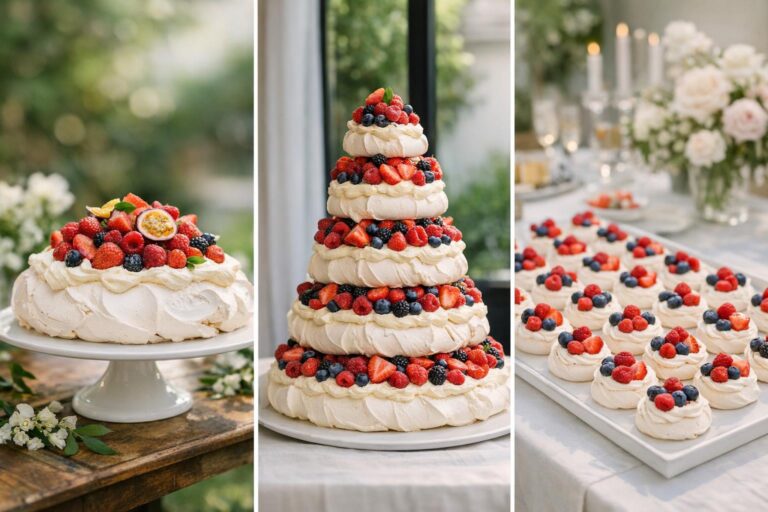
For a wedding that leans joyful, colorful, or slightly playful, fruit accents can create a memorable cake moment. Berry details, tropical notes, and other fruit-forward styling help the dessert feel tied to the abundance of the season. This direction works especially well when the reception already includes seasonal dessert table elements and a lively summer palette.
Designer-inspired statement cake
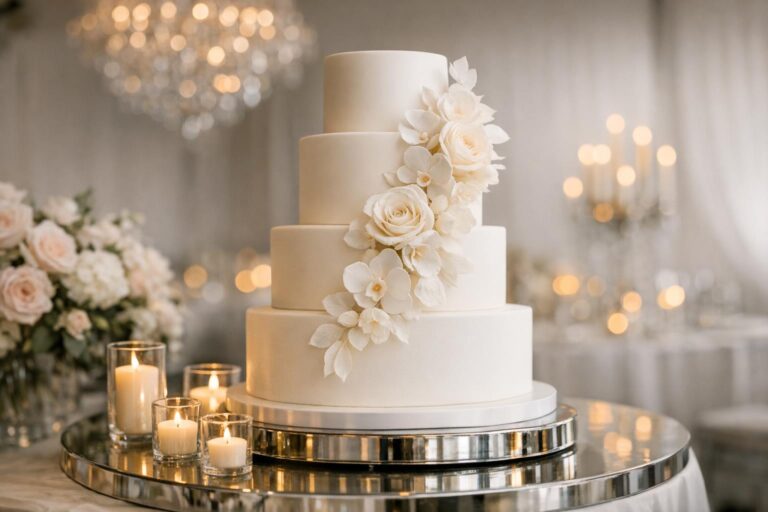
Some couples want a cake that becomes a true visual centerpiece. Editorial and magazine-style features from Bridal Guide, Wedding Forward, and CL Weddings often present this approach through designer examples and curated inspiration. Looking at work associated with names such as Jay Muse, Lulu Cake Boutique, or studio-driven inspiration from Sugar Euphoria can help couples understand how a statement cake still needs practical grounding when the event is held in summer conditions.
Planning for dietary needs without losing the summer feeling
One area many articles only touch lightly is dietary inclusion. Yet for real weddings, it matters. Vegan, gluten-free, and nut-free considerations may affect how the cake is planned, and couples often want those accommodations without losing the light, fresh feeling that makes a summer wedding cake appealing in the first place.
The most useful way to approach this is to treat dietary planning as part of the flavor conversation, not separate from it. Summer profiles such as citrus, berry, coconut, and fruit-forward combinations are often easier to imagine in inclusive formats because they already feel clean, bright, and seasonal. Rather than forcing a heavy style into an accommodation, start with a flavor direction that naturally suits the season and the guest experience.
This is also where clear communication with the bakery matters. If a dietary need affects structure, finishing method, or display time, those practical details should be considered early, especially for outdoor weddings and warm venues.
How dessert tables and visual styling can support the cake
A summer wedding cake does not have to carry the entire dessert story on its own. In fact, one of the more interesting directions in current planning is to think of the cake as part of a larger dessert-table ecosystem. That might include complementary sweets, florals, cake toppers, and a display that feels connected to the photo backdrop and broader reception styling.
This approach can be especially helpful if you want a beautiful statement cake without forcing it to do every practical job. A refined cake can take center stage visually, while a dessert table supports service flow and gives guests variety. This can also reduce pressure on the main cake if conditions are warm and timing is tight.
From a visual standpoint, the most successful setups feel cohesive. The florals used around the cake should make sense with the cake’s own motifs. The colors should echo the reception palette. Even a simple display becomes more memorable when it looks intentionally integrated rather than placed there at the last minute.
Helpful planning tips before you finalize your cake order
Before you approve the final design, step back and make sure the cake works not only in theory but in the real rhythm of your day. This is where small decisions can prevent large disappointments.
- Ask where the cake will be stored before display and how long it will sit out.
- Discuss whether buttercream, fondant, or ganache is the best finish for your venue conditions.
- Match your flavor choice to the season, especially if your reception is outdoors or served in warm evening weather.
- Make sure floral accents and decorative motifs make sense in direct sun and from a distance.
- Consider how the cake will photograph against the backdrop, linens, and surrounding décor.
- If your wedding is in a humid or very warm region, raise that topic early with your baker.
- Think about whether a dessert table can support service and reduce pressure on the main cake.
One practical tip that often helps couples make better decisions is to review the full wedding timeline while discussing the cake. The cake should not be planned in isolation. Once you know when it arrives, where it stays, when it is displayed, and when it is cut, the right style becomes much easier to identify.
Common mistakes that can make a summer cake harder than it needs to be
Most summer wedding cake problems do not come from bad taste. They come from choices that ignore conditions. Couples often fall in love with a look without asking whether it suits the venue, the timing, or the local weather.
A frequent mistake is choosing a finish that requires perfect crispness for too many hours in the heat. Another is selecting a rich flavor profile that feels better suited to a cooler season. Some couples also underestimate the importance of transport and display timing, assuming the cake can simply be delivered early and left in place until dinner. In summer, that assumption can create unnecessary risk.
The better approach is to let practicality refine the vision. A cake can still be romantic, elegant, modern, floral, and highly personal. It simply needs to be designed for the day it will actually live through.
Where to find inspiration without losing sight of practicality
There is no shortage of inspiration for a summer wedding cake. Boutique sources such as Mia’s Brooklyn, editorial platforms like CL Weddings and Wedding Forward, wedding planning voices such as Bridal Guide, and brand-led features from Lulu’s or The Botanical Cake Company all show different sides of the same idea: summer cakes should feel seasonal, visual, and thoughtful.
What matters is how you use that inspiration. Save images for color, texture, and mood, but ask practical questions at the same time. Is the cake indoors or outdoors? Is the finish likely to soften? Does the flavor fit a hot evening? Are the florals decorative, edible, or structural? That combination of romance and realism is what leads to a cake that still feels beautiful when the day unfolds in real time.
If you are drawn to studio-led inspiration, references like Sugar Euphoria in Raleigh or notable designer examples associated with Jay Muse and Lulu Cake Boutique can help you notice how professional cake styling often balances dreaminess with technical restraint. The best designs rarely feel overworked. They look effortless because the planning underneath them is strong.
A final way to choose the right summer wedding cake
The most successful summer wedding cake is not always the tallest, the most detailed, or the most trend-driven. It is the one that fits your setting, tastes refreshing in warm weather, and remains beautiful through the real conditions of your celebration. That means thinking about finish, flavor, florals, transport, and venue logistics as one connected decision rather than separate boxes to check.
When couples approach cake planning this way, the result feels calm and cohesive. The cake belongs in the wedding rather than simply appearing at it. And on a summer evening, when the light is soft, the guests are gathered, and the cutting begins, that sense of harmony matters just as much as the design itself.
FAQ
What is the best flavor for a summer wedding cake?
The best flavor is usually one that feels light, bright, and comfortable to eat in warm weather. Lemon elderflower, berry compote, strawberry-inspired combinations, coconut-lime, and tropical fruit blends are all strong summer choices because they feel fresh and seasonal rather than overly heavy.
Can buttercream be used for a summer wedding cake?
Yes, but it should be planned carefully. Buttercream can work beautifully for a summer wedding cake when the cake is stored properly, displayed for a limited time, and designed with realistic expectations for heat and humidity. If the setting is especially warm or outdoors for long periods, fondant or ganache may be the more dependable option.
How do I choose between fondant and buttercream for a summer wedding?
Choose based on venue conditions, timing, and the look you want. Buttercream gives a softer, romantic finish that suits floral and textured designs, while fondant is often better for sharper lines and longer outdoor display. The right choice depends on how much heat the cake will face and how structured the design needs to be.
What cake designs work best for outdoor summer weddings?
Designs with thoughtful texture, edited color palettes, and seasonal floral or fruit accents often work especially well. They photograph beautifully in natural light and can be more forgiving than very smooth finishes if the weather is warm. A cake designed for the venue usually performs better than one chosen only for trend value.
How long can a summer wedding cake sit out at the reception?
That depends on the finish, the weather, and the venue conditions, which is why timing is so important. In general, summer cakes should spend as little unnecessary time exposed as possible. A practical approach is to keep the cake cool until closer to the display or cutting moment rather than placing it out early in the event.
Are floral decorations a good idea for a summer wedding cake?
Yes, floral motifs are one of the most natural fits for a summer wedding cake because they connect the cake to the wider wedding design. Edible flowers and botanical accents can add color and texture, especially when they echo the bouquet or tablescape, but they should be chosen with the venue conditions and overall cake stability in mind.
Should regional climate affect my wedding cake decision?
Absolutely. Humid conditions and dry heat can affect finishes, transport, and display in different ways. Couples planning summer weddings in different U.S. regions should discuss local conditions early with their baker so the cake design, flavor, and service plan match the climate rather than fight against it.
Can a summer wedding cake be vegan or gluten-free and still feel seasonal?
Yes. Inclusive cakes can still feel beautifully summery, especially when the flavor direction starts with bright, fruit-forward, or citrus-based profiles. The key is to plan dietary needs early so the bakery can balance flavor, structure, and finish in a way that still suits the weather and the wedding style.
What should I ask my baker before ordering a summer wedding cake?
Ask about finish options, buttercream stability, display timing, transport, storage at the venue, and how the cake will handle your local summer conditions. You should also discuss the reception timeline, floral accents, and whether your chosen flavors and design are realistic for an outdoor or warm-weather setting.