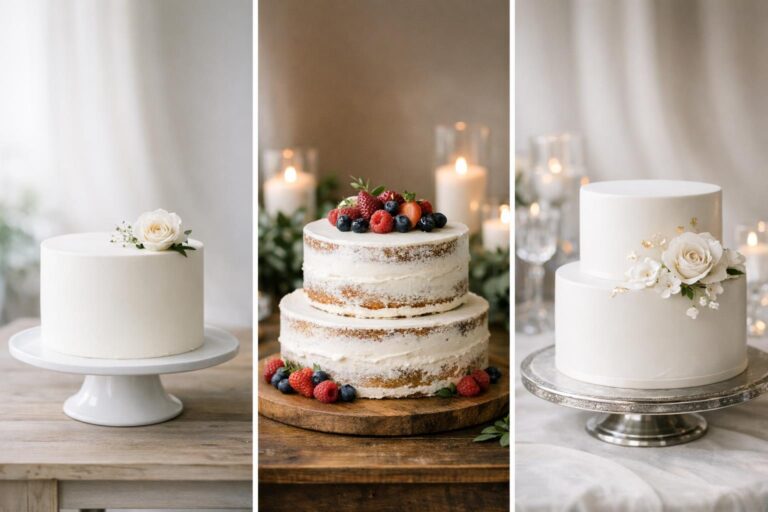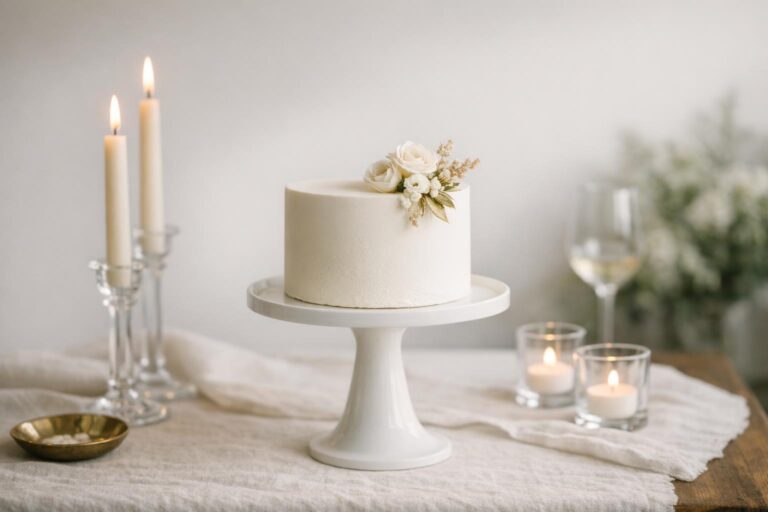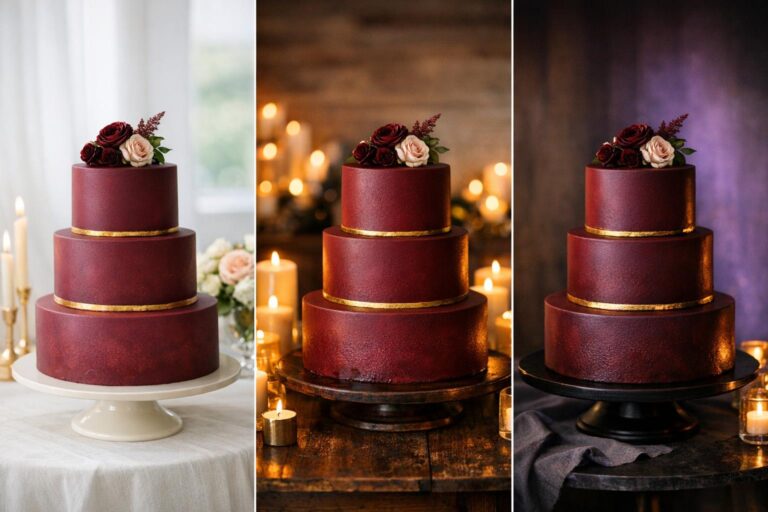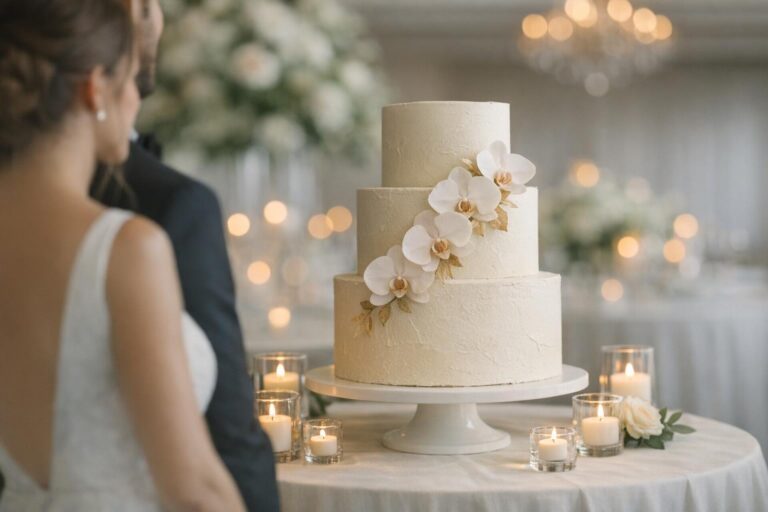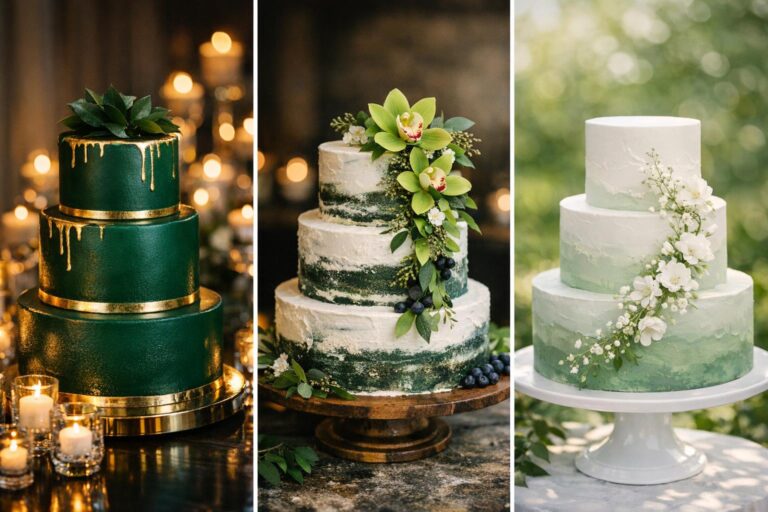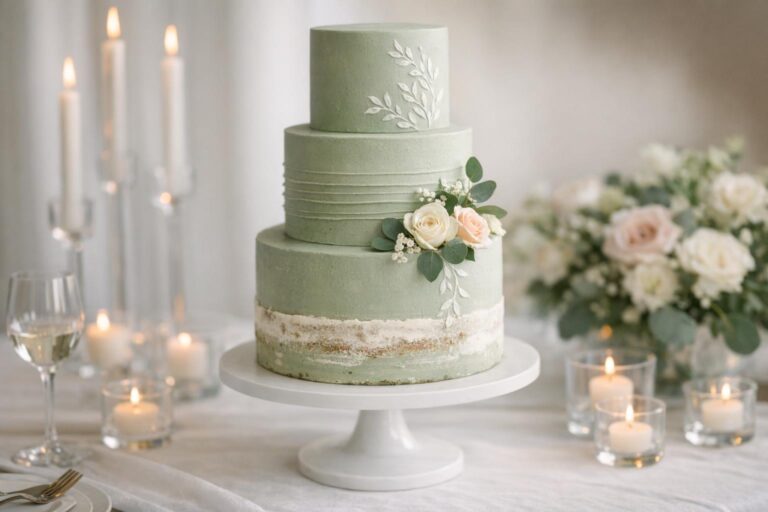
Wedding Cake Flavors That Match Your Wedding’s Aesthetic
Wedding cake flavors, and the surprisingly real “style” problem they create
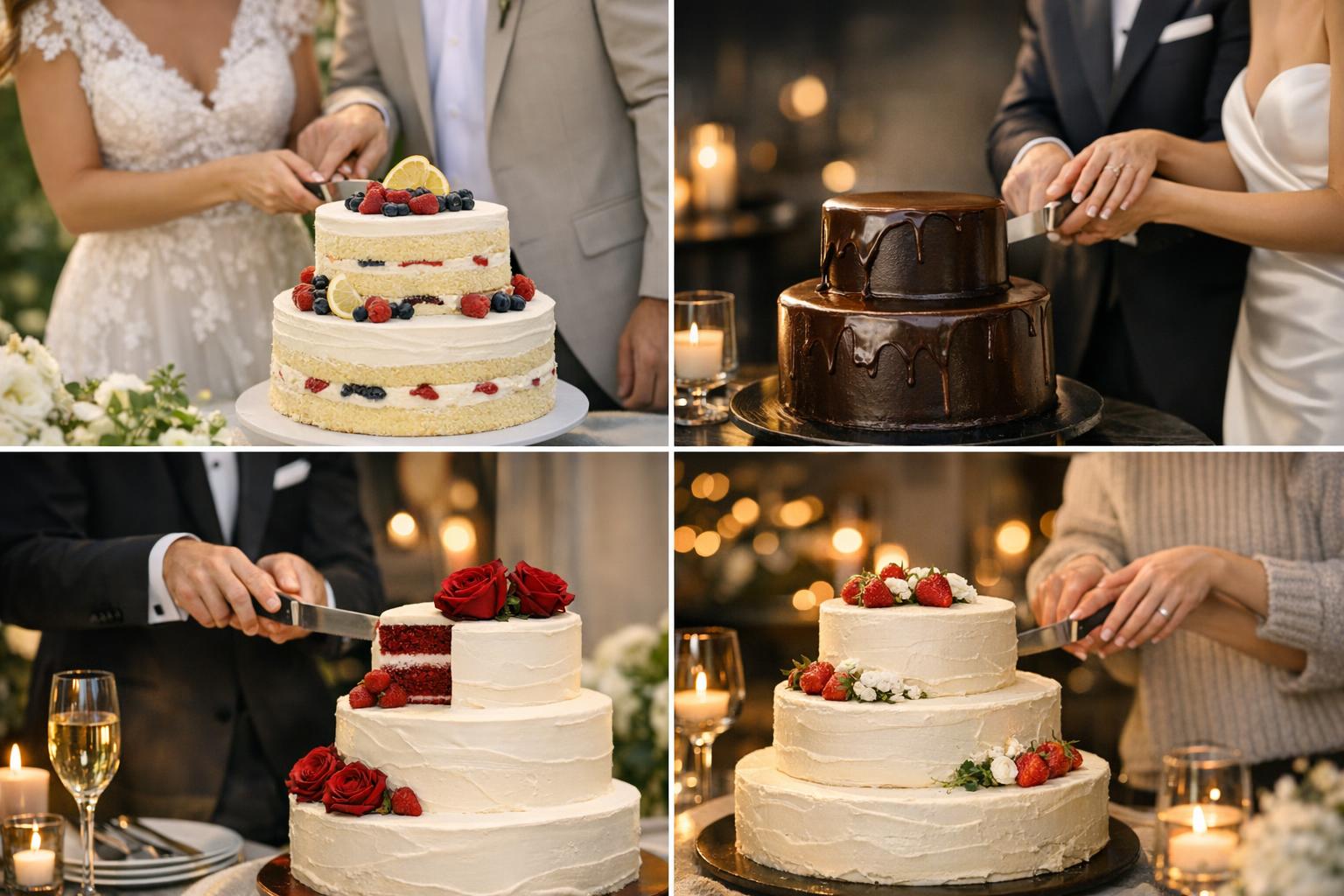
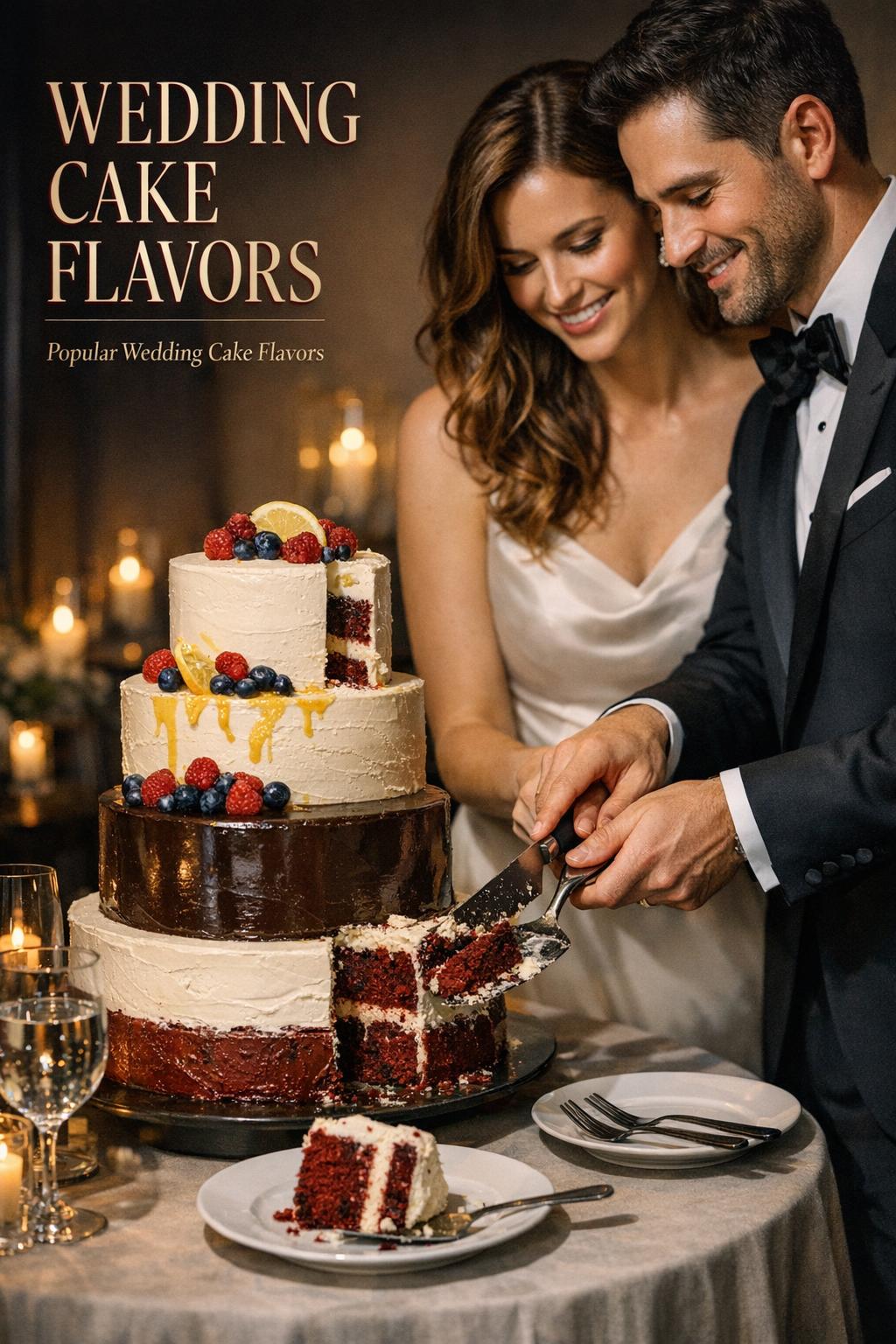
The cake-cutting moment is usually photographed like fashion: close-ups, reactions, the sweep of a dress beside a tiered silhouette, and that first bite that tells your guests exactly what kind of celebration you planned. That’s why choosing wedding cake flavors can feel like a styling challenge, not just a dessert decision. You’re trying to dress one centerpiece for many audiences—your taste, your partner’s taste, your guests’ comfort zones, and the mood of your venue—without letting anything feel mismatched.
The tricky part is that flavor behaves like fabric: it changes with season, it reads differently in a crowded room than it does at a quiet tasting, and it can be either timeless or overly loud depending on what you pair it with. A rich chocolate cake can feel like velvet at a winter reception, while a lemon cake can feel like a crisp linen moment in spring—beautiful, but only if the rest of the “look” supports it.
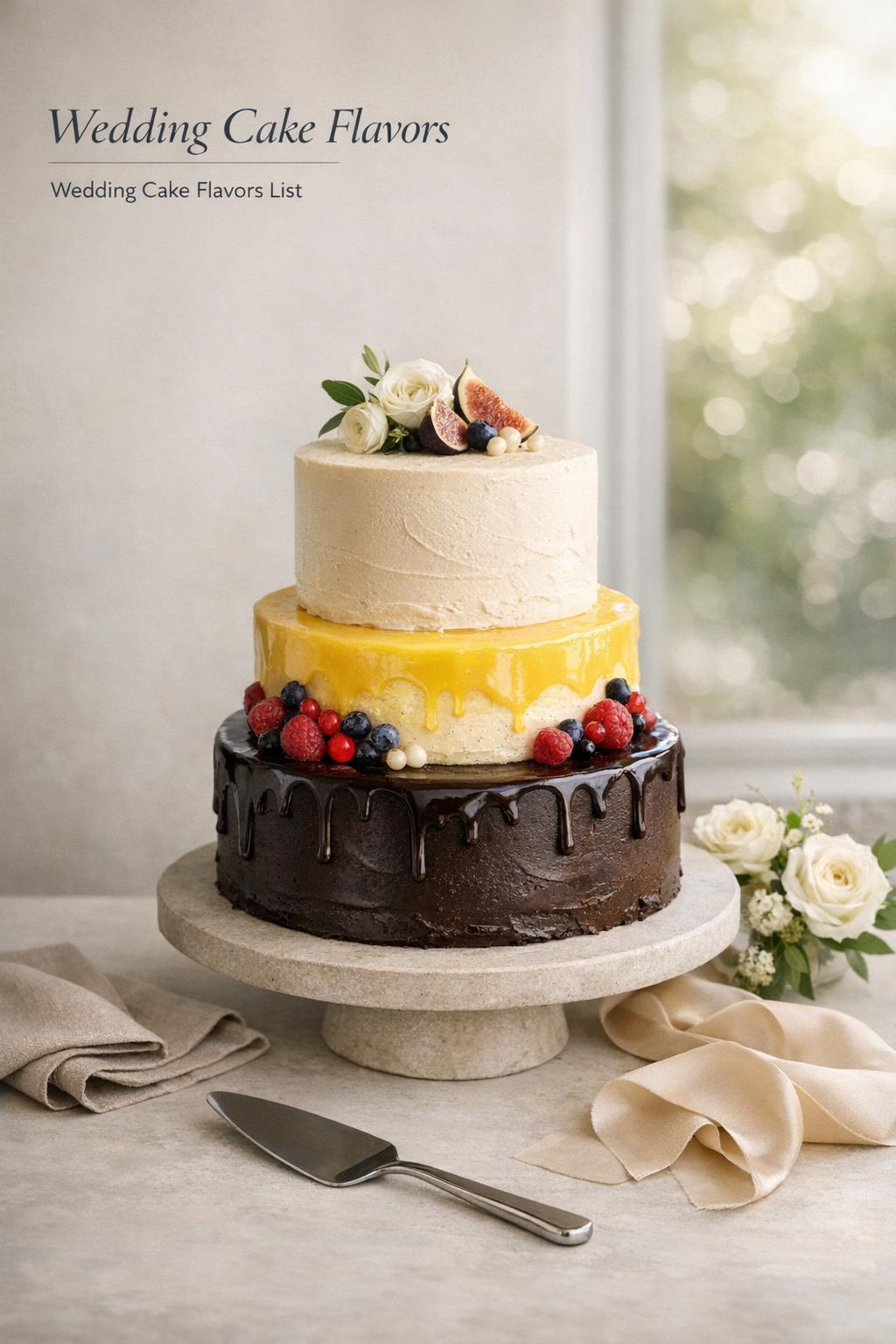
This guide solves the decision the way a wedding stylist would: by giving you a wedding cake flavors list you can trust, explaining the logic behind classic pairings (buttercream, ganache, cream cheese frosting, fruit fillings, lemon curd), and showing how to choose flavors that fit your season, your guest list, and the vibe you’re building—whether you’re dreaming up a garden reception, a modern minimalist evening, or something nostalgic and fun.
Understanding the styling challenge: why cake flavors feel harder than they “should”
In wedding planning, “crowd-pleasing” and “personal” often pull in opposite directions. Cake flavors wedding decisions intensify that tension because cake is both symbolic (a wedding tradition with expectations) and practical (served to many guests). Add the realities of a long event—warm rooms, busy dance floors, late-night slices—and even flavors you love can land differently than they do in a calm tasting environment.
Turn wedding inspiration into a plan you can actually follow.
Zarellea brings your guest list, budget, vendors, and day-of details into one shared space — so no beautiful idea gets lost in the shuffle.
There’s also the balance of style and function: the more tiers and servings you need, the more you’re relying on flavors that hold their appeal across a range of palates. That’s why classic wedding cake flavors keep showing up as “most popular” across expert-backed roundups: they’re versatile, familiar, and easy to pair with fillings and frostings that feel elevated.
Finally, many couples underestimate how much pairings change the experience. Vanilla cake can become romantic and nuanced with berry fillings and vanilla buttercream, while chocolate cake can shift from cozy to dramatic depending on whether it’s finished with chocolate ganache or a lighter buttercream. The “best wedding cake flavors” are often less about the base cake and more about how the entire combination reads together.
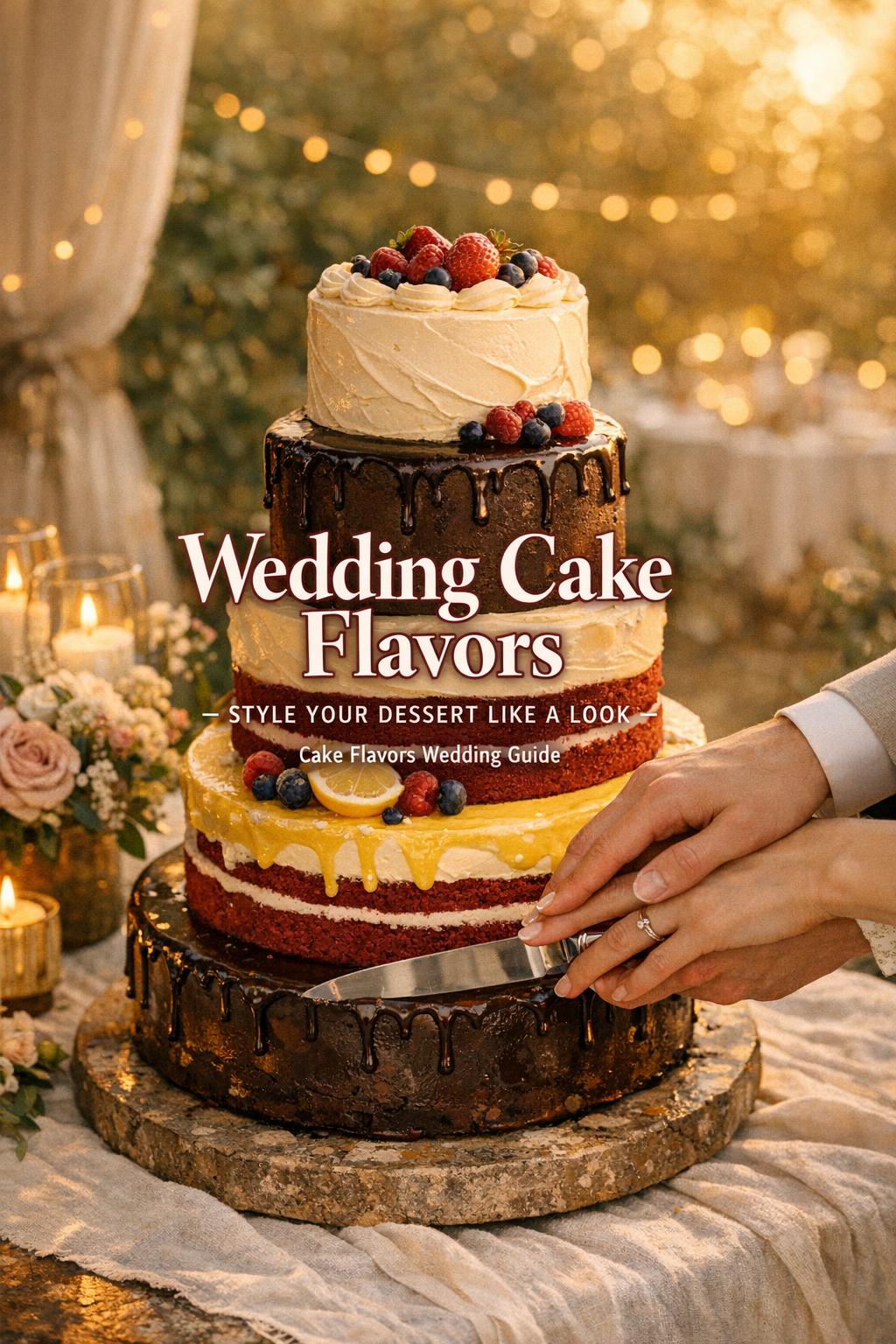
Key dressing principles (for cake): how to build a flavor “look” that always works
Think of your cake the way you’d think about dressing for a once-in-a-lifetime event: start with a dependable foundation, then choose details that personalize it without overwhelming the moment. These principles will help you choose popular wedding cake flavors with the confidence of someone who understands the aesthetics and the logistics.
- Choose a base that behaves well in a crowd. Vanilla cake, chocolate cake, and lemon cake are reliable foundations because they’re broadly liked and pair easily with fillings.
- Use pairings like accessories. Buttercream, ganache, cream cheese frosting, fruit fillings, and lemon curd can “style” the same cake flavor toward classic, modern, or playful.
- Balance familiar and distinctive. Add interest with a supporting flavor—almond cake, cardamom cake, carrot and spice cakes, or funfetti cake—without making every tier a surprise.
- Let seasonality guide the mood. Citrus and berries feel bright and spring/summer; spice and deeper notes feel right for fall/winter. This is less about rules and more about harmony.
- Keep the tasting grounded in real serving conditions. A flavor that’s stunning in a small bite should still feel pleasant as a full slice after dinner.
These rules also protect you from the most common regret: picking an adventurous flavor that you love, then realizing it doesn’t match the emotional “tone” of the day. You don’t need to choose between romance and practicality—you just need a structure.
Classic wedding cake flavors (and how to style them so they feel like you)
If you want to make decisions quickly, start here. These are the flavors that repeatedly show up as popular wedding cake flavors in expert lists and bakery discussions: vanilla cake, chocolate cake, red velvet cake, and lemon cake. Each can be timeless or trend-forward depending on what you pair with it.
Vanilla cake: the clean, couture foundation
Vanilla cake is the wedding equivalent of a perfect tailored dress: it’s elegant, familiar, and adaptable. It’s often chosen because it gives you room to personalize through fillings and frostings without risking guest rejection. Styled simply with vanilla buttercream, it feels classic; styled with berry fillings, it becomes romantic and bright; styled with a more nuanced approach (think vanilla bean notes implied in the pairing conversation), it can feel quietly luxe.
- Pairs beautifully with: buttercream and fruit fillings like raspberry or strawberry
- Best for: couples who want a universally liked flavor that still photographs and tastes refined
- Style note: vanilla is the easiest base for multi-tier flavor variety because it won’t clash with other tiers
Chocolate cake: the velvet evening statement
Chocolate cake is a confident choice—rich, familiar, and inherently celebratory. It reads like an evening look: dramatic in the best way, especially when paired with chocolate ganache for a deeper, more decadent finish. If you’re worried about heaviness, styling matters: a lighter buttercream can make chocolate feel less intense while still giving you that unmistakable chocolate presence.
- Pairs beautifully with: ganache or buttercream
- Best for: evening receptions, formal venues, or couples who want a flavor that feels instantly indulgent
- Style note: chocolate is a strong lead—keep other tiers complementary rather than competing
Red velvet cake: romantic, iconic, and unmistakably “wedding”
Red velvet cake is for couples who want something classic but more expressive than vanilla or chocolate. Its signature identity is tied to pairings that show up again and again: cocoa, buttermilk, and cream cheese frosting. That cream cheese finish makes red velvet feel plush and celebratory—like a statement lip with an otherwise timeless gown.
It can be especially effective as a single tier within a larger cake plan: you get the romance and recognition of red velvet without forcing every guest to choose it. If you’re building a cake flavors wedding plan with variety, this is one of the easiest “special” tiers to justify because guests already understand it.
Lemon cake: bright, airy, and effortlessly seasonal
Lemon cake is a mood-setter. It feels fresh, light, and joyful—especially aligned with spring and summer celebrations. The supporting entities that consistently show up with lemon are the ones that make it sing: lemon zest for aroma, lemon curd for tang and richness, and berry fillings to round out the sweetness. It’s the cake flavor that can make a reception feel sunlit even indoors.
- Pairs beautifully with: lemon curd and berry fillings
- Best for: warm-weather weddings, garden aesthetics, daytime ceremonies, and couples who want a clean finish after dinner
- Style note: lemon reads “light,” so pair it with a smooth, elegant frosting choice to keep it from feeling too casual
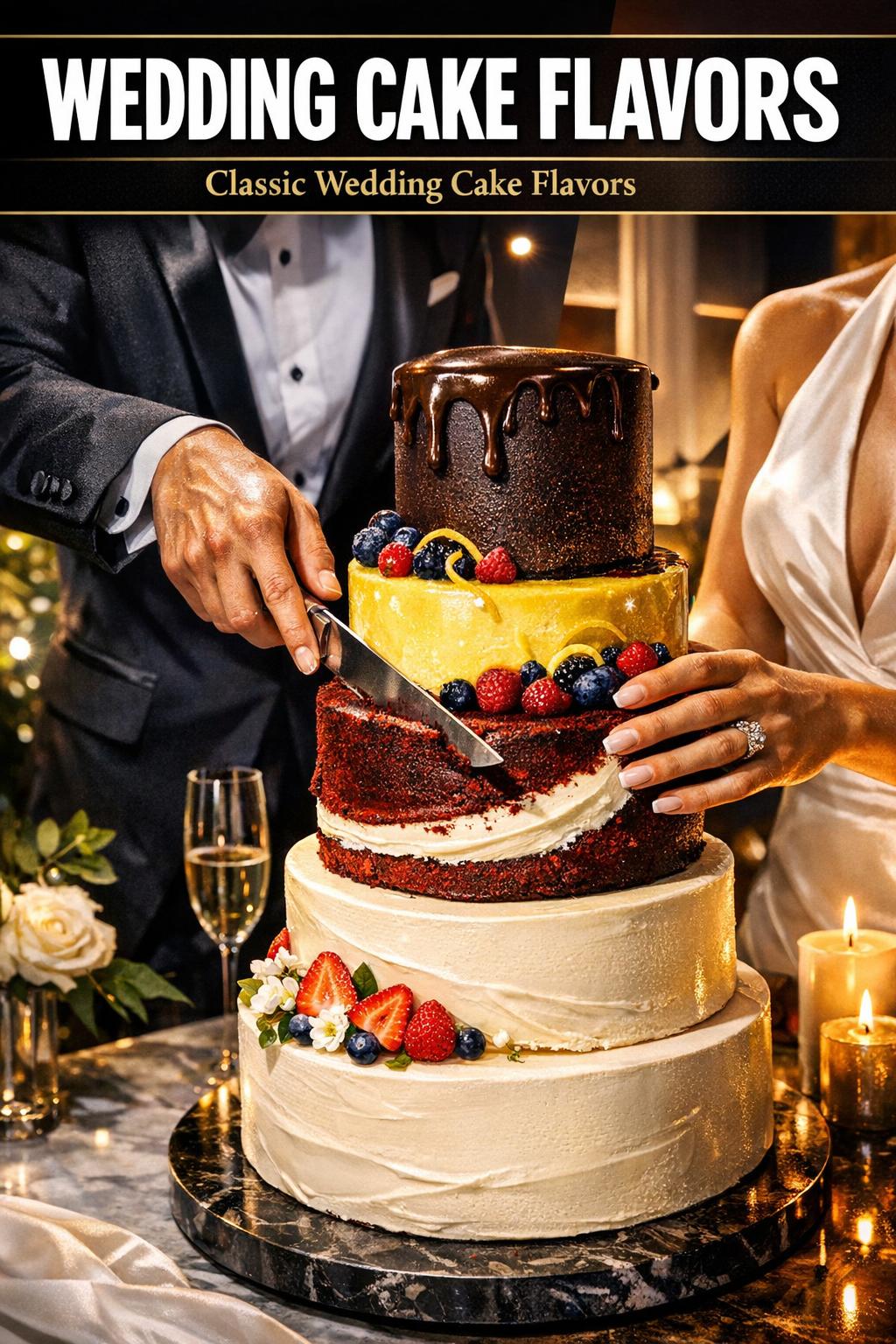
The “fan favorites” tier: popular wedding cake flavors beyond the classics
After you’ve anchored your plan with classics, you can layer in personality. These flavors show up consistently as crowd-loved options across bakery and publisher lists: almond cake, cardamom cake, funfetti cake, and carrot and spice cakes. They’re the supporting pieces that give your cake wardrobe dimension.
Almond cake: soft, elegant, and quietly distinctive
Almond cake is one of the easiest ways to make your wedding cake feel more “custom” without drifting too far from familiarity. It sits close enough to classic vanilla to feel accessible, but the nutty note adds a gentle sophistication. It’s especially effective when you want a subtle signature flavor—something guests notice without needing an explanation.
If you’re building a wedding cake flavors list for multiple tiers, almond is a smart bridge between classic and adventurous. It can harmonize with fruit-forward fillings or stand elegantly with buttercream when you want a clean, minimal finish.
Cardamom cake: modern spice that still feels wedding-appropriate
Cardamom cake is the kind of choice that feels like a modern detail on a timeless look—unexpected, aromatic, and memorable. In expert roundups, it appears alongside other popular wedding cake flavors, which signals something important: couples are increasingly comfortable adding a nuanced spice note as long as the overall profile remains balanced.
Cardamom works best when you treat it as a design accent rather than the whole story. It’s ideal for a smaller tier or a couple’s tier—especially if you’re aiming for a refined, slightly trend-forward mood without moving into overly niche territory.
Funfetti cake: playful nostalgia, styled the grown-up way
Funfetti cake has a very specific emotional job: it makes the room smile. It’s celebratory in a way that feels instantly understood, and that’s why it keeps appearing on lists of popular wedding cake flavors even in otherwise classic lineups. The key is presentation and placement. As a single tier—perhaps the late-night tier or a surprise tier—it can feel intentional and charming rather than childish.
Funfetti also pairs well with the concept of a dessert-forward reception style (even if you’re keeping the rest of the cake classic). If your wedding vision includes warmth, humor, and that “we’re really doing this” joy, funfetti can become part of your signature.
Carrot and spice cakes: cozy romance for fall and winter
Carrot and spice cakes are the cashmere sweater of the wedding cake world—comforting, fragrant, and especially fitting when the air turns crisp. They’re repeatedly grouped together in expert lists, which makes sense: both deliver warmth, often through spice notes (with cinnamon as a recognizable supporting detail) and a richer, more textured impression than a plain vanilla crumb.
These flavors shine when your wedding aesthetic is intimate: candlelight, deeper color palettes, a reception that feels like a long dinner party. They can also be a strategic contrast tier if the rest of your cake flavors lean light (like lemon). That contrast can make the whole cake experience feel more curated.
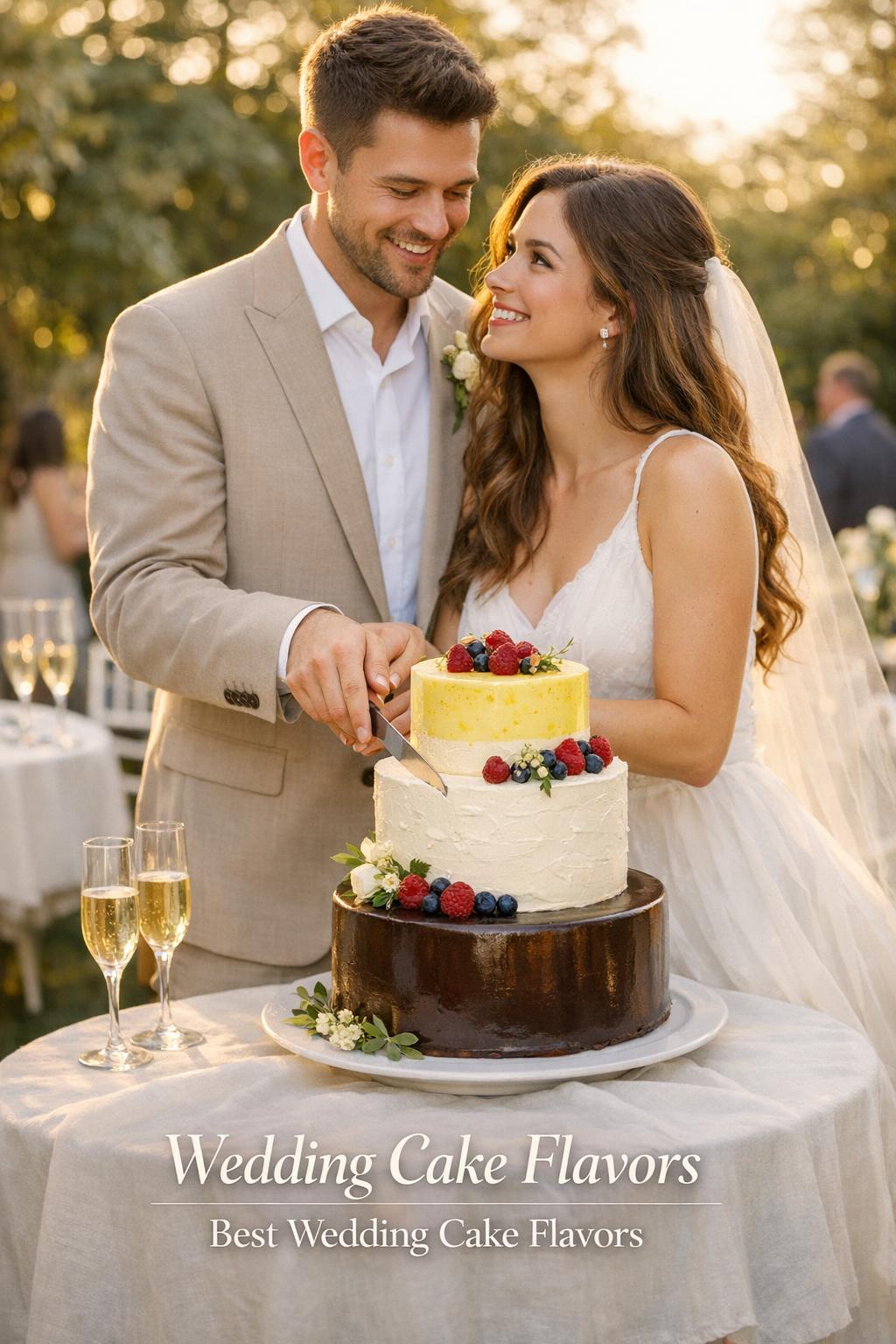
Flavor families: choose like a stylist by picking a “palette” first
When couples get stuck, it’s often because they’re comparing individual flavors without a framework. A stylist wouldn’t choose shoes before choosing the dress; similarly, it helps to choose a flavor family (the overall vibe) before picking the exact cake. This keeps your final plan cohesive—even if you offer multiple tiers.
Citrus and light florals: for airy, romantic receptions
This family is about brightness and lift. Lemon is the anchor here, supported by the broader idea of citrus and light florals (like orange, lavender, and elderflower as conceptual companions). Even if you stay firmly with lemon cake, thinking in this family helps you style the rest of the dessert experience: light fillings, clean frostings, and a finish that feels fresh rather than heavy.
Nutty and spiced: for depth without heaviness
This is where almond cake and cardamom cake live, along with spice cake cues (and cinnamon as a familiar signal). The styling trick is moderation: nutty and spiced flavors feel sophisticated when they’re balanced, not overwhelming. This family is ideal when you want your cake to feel “grown-up” and memorable, but still approachable for guests who default to classics.
Rich and decadent: for black-tie energy and dramatic finishes
Chocolate cake is the clear lead, especially when paired with ganache for a deep, glossy finish. This family is perfect for evening receptions and formal venues because it reads like intentional indulgence. If you want variety, keep other tiers in neighboring territory (classic vanilla with buttercream, for example) so the overall experience stays cohesive.
Seasonal and regional mood-setting: letting time and place guide your wedding cake flavors
Your venue and your season already have an atmosphere—warm light through windows, a garden breeze, candlelit interiors. The smartest cake flavor decisions echo that atmosphere. Many expert discussions tie flavors to seasonality (lemon in summer, spice in winter), and it’s a simple way to make your choices feel “meant to be” rather than random.
Spring and summer: bright slices that feel effortless
For spring and summer weddings, lemon cake naturally fits the mood—especially with lemon curd and berry fillings. This is the season where guests often appreciate flavors that feel lighter after dinner, and where the first bite can feel like a continuation of the ceremony’s brightness.
If you’re planning a multi-tier cake, a common approach is to keep at least one tier in the citrus/light lane (often lemon) and anchor the other tier in a classic (vanilla cake or chocolate cake). This gives guests choice without making the dessert table feel scattered.
Fall and winter: warmth, spice, and a cozier finish
In cooler seasons, carrot and spice cakes come into their own. Their cozy aroma and richer impression feel aligned with candlelight receptions and heavier menus. Chocolate cake also reads beautifully in winter—especially with ganache—because it feels like a true “dessert moment,” not just a sweet bite.
If you love lemon but you’re marrying in winter, you don’t have to abandon it. The styling solution is to treat lemon as a contrast tier: a bright slice that refreshes the palate next to deeper, spiced options. This is the same logic a stylist uses when adding a crisp white layer to a darker winter outfit.
Regional ingredient connections (without overcomplicating it)
Some flavor conversations naturally connect to place, and weaving in that sense of location can make your cake feel personal. Expert discussions and competitor opportunities often nod toward regional cues—like Vermont (with Montpelier, VT appearing in bakery context), California citrus, and Pacific Northwest berries as examples of how couples think about “local” taste. You don’t need to force a theme; you only need to notice what your region already does well, then keep the flavor profile aligned with a familiar base like vanilla, lemon, or chocolate.
This approach also helps with decision fatigue: instead of searching endlessly for the most unique option, you can pick a classic base and let the “place” influence the pairing (fruit-forward for berry regions, citrus-forward when citrus feels natural), keeping the final result elegant and guest-friendly.
Expert-backed confidence: how bakers talk about popular wedding cake flavors
One reason certain flavors stay popular is that professional bakers repeatedly see what guests actually eat—and what couples reorder year after year. In widely read wedding coverage, bakers and brands like Birchgrove Baking (Montpelier, VT), Nine Cakes, and Nellie’s Custom Cakes appear in expert-driven discussions of flavor popularity and pairing logic. Writers and contributors such as Nicole Harris and Blythe Copeland frame these insights in the practical language couples need: what’s most loved, how it’s commonly paired, and how seasonality shifts demand.
Even without turning your cake choice into a research project, you can borrow the professional mindset: choose one or two flavors with proven mass appeal, then add one tier that feels like your signature. That’s often the sweet spot between “best wedding cake flavors” for guests and the flavors that feel emotionally true to you.
Tips: how to approach a tasting like a stylist (not like a hungry person)
At a tasting, it’s easy to choose whatever feels richest in the moment, then regret it later when you imagine a full slice after dinner. Style your tasting with intention: sample a classic (vanilla cake or chocolate cake), a bright option (lemon cake with lemon curd), and one distinctive choice (almond cake or cardamom cake). Take notes on how each one “finishes”—whether it feels clean, heavy, or perfectly balanced—and remember that buttercream, ganache, and cream cheese frosting can dramatically change the experience.
Flavor pairings and fillings: the wardrobe accessories that make a cake unforgettable
If the cake flavor is your dress, the fillings and frostings are your tailoring and accessories. This is where you can transform classic wedding cake flavors into something that feels custom—without abandoning what’s broadly loved. Pairings show up consistently in expert roundups because they’re the real driver of guest reactions.
Classic pairings that rarely miss
- Vanilla cake + vanilla buttercream: clean, traditional, and a safe anchor tier for large guest counts
- Chocolate cake + chocolate ganache: decadent and dramatic, especially for evening receptions
- Red velvet cake + cream cheese frosting: iconic, plush, and instantly recognizable
- Lemon cake + lemon curd: bright and tangy, with a refined finish
- Lemon cake + berry fillings: romantic and seasonal, especially for spring and summer
These combinations work because they’re coherent: the filling doesn’t fight the cake. A mismatch is the dessert equivalent of mixing styles that don’t speak to each other—beautiful pieces that don’t form an outfit.
Modern twists that still feel guest-friendly
If you want your cake to feel a little less expected, shift the accent rather than the base. Almond cake can be your “quiet luxury” tier—familiar, but not ordinary. Cardamom cake can be your modern signature—aromatic, a little daring, yet still elegant when balanced with a classic frosting approach. Even funfetti cake can be styled to feel intentional: pair it with a clean, classic frosting finish so the playfulness feels like a surprise detail, not the entire theme.
The goal is not to prove you have the most unique wedding cake flavors list. The goal is to make every slice feel like it belongs at your wedding.
Allergen-friendly and alternative needs: how to plan without losing the mood
Some couples need to accommodate dietary restrictions, and the most practical approach is to keep the flavor direction aligned with proven favorites. Using familiar flavor anchors—vanilla, chocolate, or lemon—makes it easier for guests to enjoy a slice regardless of their usual preferences. When you’re discussing options with a bakery or caterer, focus your conversation on the flavor profile and the pairing style (buttercream-like richness, fruit-forward fillings, or a ganache-style finish) so the end result still matches the wedding’s overall aesthetic.
Outfit solutions (for your cake table): realistic “flavor wardrobes” that solve common planning situations
Below are practical, mix-and-match solutions you can use whether you’re serving one cake flavor or building a multi-tier plan. Each one is designed to solve a common wedding planning constraint—guest variety, seasonality, or the desire to add personality without risking waste.
Outfit solution: the timeless crowd-pleaser with a romantic twist
Build your foundation with vanilla cake, then “style” it with fruit. A vanilla tier paired with berry fillings feels classic but not plain—like a minimalist gown with a meaningful veil detail. This works especially well when you’re trying to satisfy a wide guest range while still offering a slice that feels special in photos and in memory.
If you want one additional tier, add lemon cake with lemon curd for a bright, clean finish. Together, this reads like a cohesive palette: light, romantic, and universally friendly.
Outfit solution: the black-tie evening palette that still feels approachable
For a more formal reception, choose chocolate cake as the statement tier and finish it with ganache for that rich, decadent impression guests expect at night. Keep another tier grounded with vanilla cake and buttercream so guests who prefer lighter flavors still have a comfortable option. This pairing feels like classic tailoring: strong, elegant, and easy to wear.
Where red velvet cake fits: if you want a third option, red velvet with cream cheese frosting slots in beautifully because it stays in the “rich but familiar” lane without becoming too heavy.
Outfit solution: the spring/summer garden mood (fresh, bright, and photo-ready)
Let lemon cake lead. Pair it with lemon curd and a berry filling option to keep the flavor bright and layered. Add vanilla cake as the anchor tier for guests who default to tradition. This combination feels like airy fabric and soft light: it supports an outdoor ceremony vibe and a reception that leans romantic rather than dramatic.
If you want one playful detail, a funfetti cake tier can be the charming “hidden” surprise—especially if your overall décor is elegant and you want one wink of personality.
Outfit solution: the cozy fall/winter reception (warmth without heaviness)
Use carrot and spice cakes to bring warmth and comfort, especially when your wedding leans intimate or candlelit. Keep a vanilla or chocolate tier in the lineup for familiarity, depending on your menu and your your guests. This is a smart solution when you want the cake to feel seasonally aligned—like choosing richer textures when the weather cools.
For a modern accent, consider cardamom cake as a smaller tier. It can echo the spice warmth in a more aromatic, contemporary way without taking over the whole cake experience.
Presentation logic: how flavor influences the way your cake photographs and feels
Couples often separate flavor from design, but they influence each other. Crumb color and texture affect the look of slices in photos, and frosting choices can make a cake feel more modern, more classic, or more playful. Even if you’re not choosing design details here, it helps to understand the connection: chocolate cake slices read deep and dramatic; lemon and vanilla slices read bright and airy; red velvet is instantly recognizable; funfetti adds visible celebration; carrot and spice cakes often read cozy and rustic.
Think of it as the difference between a satin finish and a matte one: buttercream and cream cheese frosting feel soft and romantic, while ganache feels sleek and decadent. When your flavor and finish align, your cake feels intentional—like every wedding detail is speaking the same language.
Additional styling tips: small decisions that make your flavor plan feel effortless
Tips for building a wedding cake flavors list your guests will actually enjoy
Start with one universally loved anchor tier (vanilla cake or chocolate cake). Then choose one “mood” tier—lemon cake for brightness, red velvet cake for romance, carrot and spice cakes for warmth, almond cake for subtle elegance, cardamom cake for modern edge, or funfetti cake for joy. When in doubt, keep the number of flavors limited and make the pairings thoughtful. It’s better to have two well-styled options than four that feel disconnected.
Tips for keeping pairings coherent (so nothing tastes accidental)
Use the pairing “rules” you already know from everyday desserts: citrus loves berry; chocolate loves ganache; red velvet loves cream cheese frosting; vanilla loves buttercream and fruit. If you’re tempted to experiment, do it through one detail—either the cake base (like cardamom) or the filling—rather than making every component unconventional at once.
Tips for talking to bakers and venues with confidence
If you’re ordering through a venue or a bakery menu (like a venue blog might suggest, or a supplier brochure such as Canapés Catering’s specialty cakes materials), describe the vibe you want and ask for the most popular wedding cake flavors they see for your season. Mention your preferred anchors (vanilla, chocolate, lemon) and ask what pairings they recommend (buttercream, ganache, cream cheese frosting, fruit fillings, lemon curd). This keeps the conversation practical and prevents you from choosing flavors that sound lovely but don’t serve well for your event.
Common mistakes that make wedding cake flavors feel “off” (and what to do instead)
Mistake: choosing only what you love, without a crowd-pleasing anchor
This happens when a couple falls in love with one distinctive flavor and builds everything around it. The fix is simple: keep at least one tier in a classic lane (vanilla cake or chocolate cake). Your signature can still shine—just not at the expense of guest comfort.
Mistake: treating fillings and frosting like an afterthought
A cake flavor without the right pairing can taste flat or overly sweet. Instead, decide your pairings as part of the main choice. If you want bright, choose lemon curd or berry fillings. If you want richness, choose ganache. If you want iconic romance, choose cream cheese frosting with red velvet.
Mistake: offering too many flavors in the name of “options”
More isn’t always more. When a cake flavors wedding plan becomes a long list, the cake can lose its cohesive identity. A better approach is to offer a small, curated selection—two or three flavors that feel like they belong together—so the experience feels designed, not scattered.
Mistake: ignoring seasonality and then wondering why the cake feels heavy or out of place
Seasonality isn’t a rigid rule, but it is a helpful guide. Lemon tends to feel aligned with summer; spice tends to feel aligned with winter. If you’re going against season, make it intentional by balancing the rest of the selection—pair a bright tier with a warmer one, or keep the frosting finish lighter.
A gentle planning path: how to choose the best wedding cake flavors without second-guessing
If you’re feeling torn, simplify the decision into three steps. First, pick your anchor from the classic wedding cake flavors: vanilla cake or chocolate cake. Second, choose the mood tier that matches your wedding atmosphere: lemon cake for brightness, red velvet for romance, carrot and spice cakes for cozy warmth, almond for understated elegance, cardamom for modern spice, or funfetti for playful nostalgia. Third, finalize pairings (buttercream, ganache, cream cheese frosting, fruit fillings, lemon curd) so the flavors feel styled rather than improvised.
This approach mirrors what experienced bakers and trusted wedding publishers emphasize: popularity is a clue, pairings are the secret, and seasonality helps everything feel effortless. When your cake plan is coherent, your cake-cutting moment becomes what it should be—joyful, beautiful, and unmistakably yours.
FAQ
What are the most popular wedding cake flavors?
Popular wedding cake flavors that consistently appear in expert-backed lists include vanilla cake, chocolate cake, red velvet cake, lemon cake, almond cake, cardamom cake, funfetti cake, and carrot and spice cakes.
How many cake flavors should we offer at our wedding?
For most weddings, a small, curated selection works best: start with one classic anchor flavor (often vanilla cake or chocolate cake), then add one additional mood or signature flavor (like lemon, red velvet, almond, cardamom, funfetti, or carrot/spice) so guests have choice without the cake feeling disconnected.
Which classic wedding cake flavors are safest for a big guest list?
Vanilla cake and chocolate cake are the most reliable crowd-pleasers, especially when paired with familiar finishes like buttercream or ganache; they’re also easy to complement with a second tier like lemon or red velvet if you want variety.
What fillings and frostings pair best with lemon cake?
Lemon cake is most often paired with lemon curd for a tangy, bright center, and it also works beautifully with berry fillings; these pairings support the fresh, seasonal feeling many couples want for spring and summer weddings.
Is red velvet a good wedding cake flavor if we want something classic but not plain?
Yes—red velvet is a recognizable, romantic choice that feels more distinctive than vanilla or chocolate, and it’s traditionally styled with cream cheese frosting, which gives it a rich, celebratory finish without being overly unfamiliar to guests.
How do we make vanilla cake feel special at a wedding?
Vanilla cake becomes wedding-worthy through styling: pair it with vanilla buttercream for a clean classic look, or elevate it with fruit fillings such as raspberry or strawberry so the flavor feels romantic and layered while staying universally appealing.
Are cardamom and almond wedding cake flavors too unusual for guests?
They can be very guest-friendly when used thoughtfully: almond cake is subtly distinctive and close to classic flavors, while cardamom cake feels more modern and aromatic, often working best as a smaller tier or a signature option alongside a classic anchor like vanilla or chocolate.
What are good wedding cake flavors for summer versus winter?
Summer and spring often suit brighter options like lemon cake with lemon curd and berry fillings, while fall and winter frequently align with warmer profiles like carrot and spice cakes or a richer chocolate cake finished with ganache.
How should we plan a cake tasting to choose the best wedding cake flavors?
A practical tasting plan is to sample one classic anchor (vanilla or chocolate), one bright option (like lemon with lemon curd), and one distinctive choice (like almond or cardamom), then decide based on how each flavor feels as a full-slice experience, not just a bite.