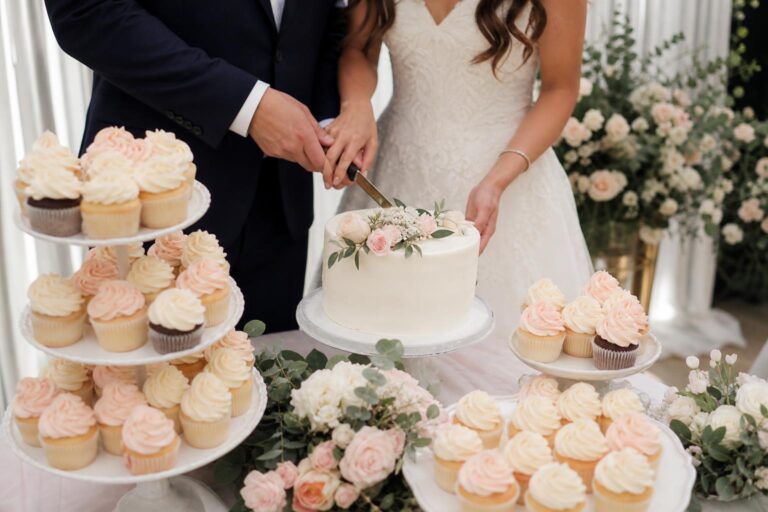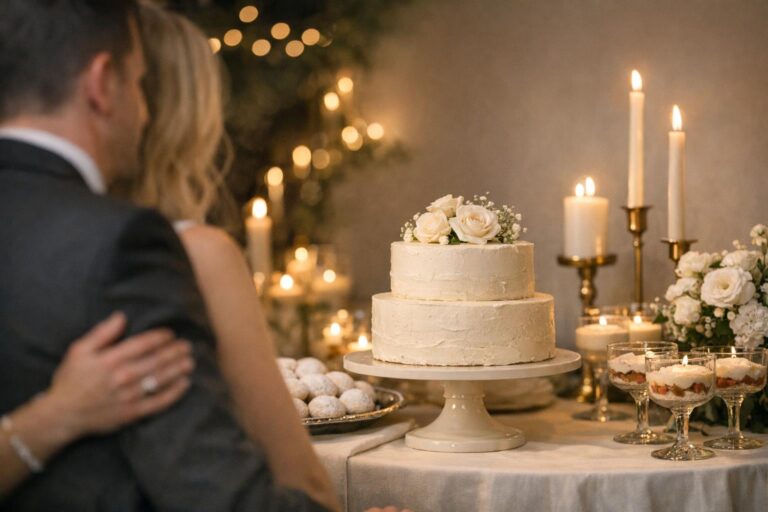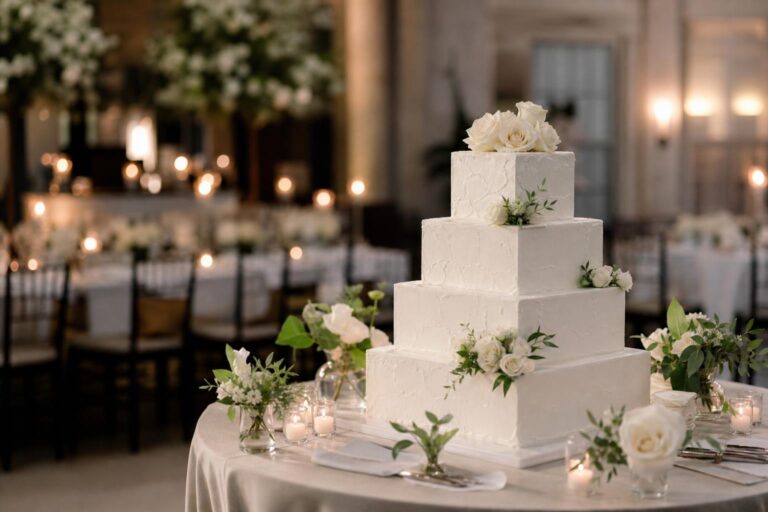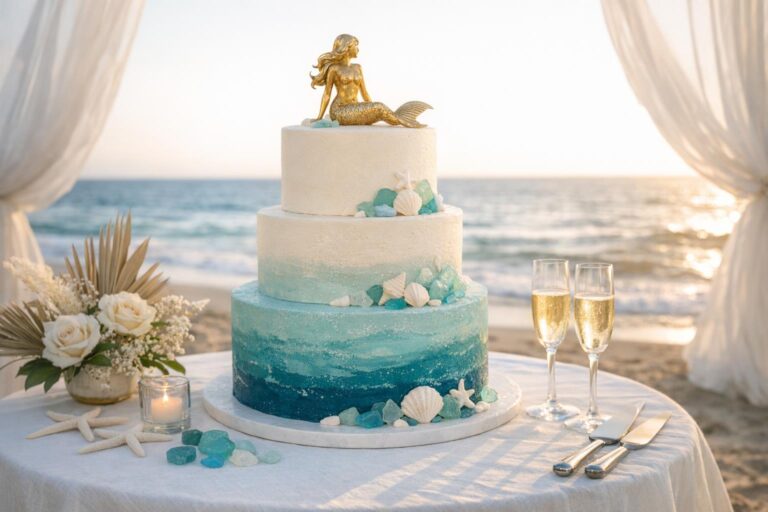
Make Your Unique Wedding Cake the Reception’s Chic Pause
A unique wedding cake is more than dessert—it’s a moment
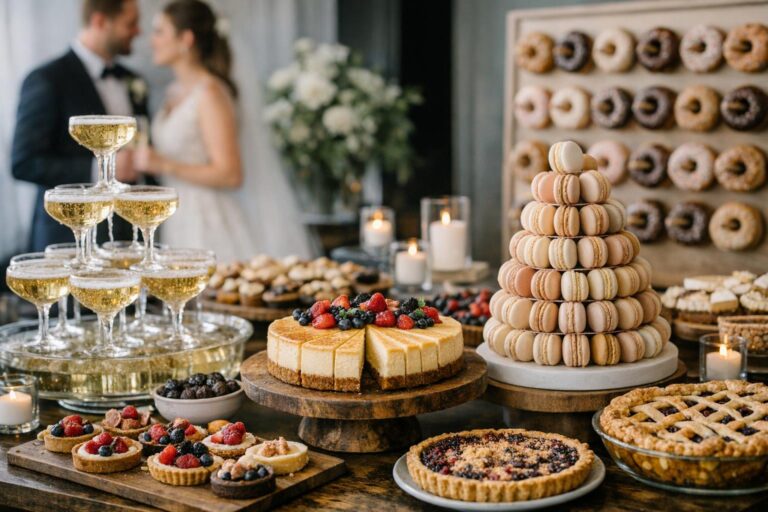
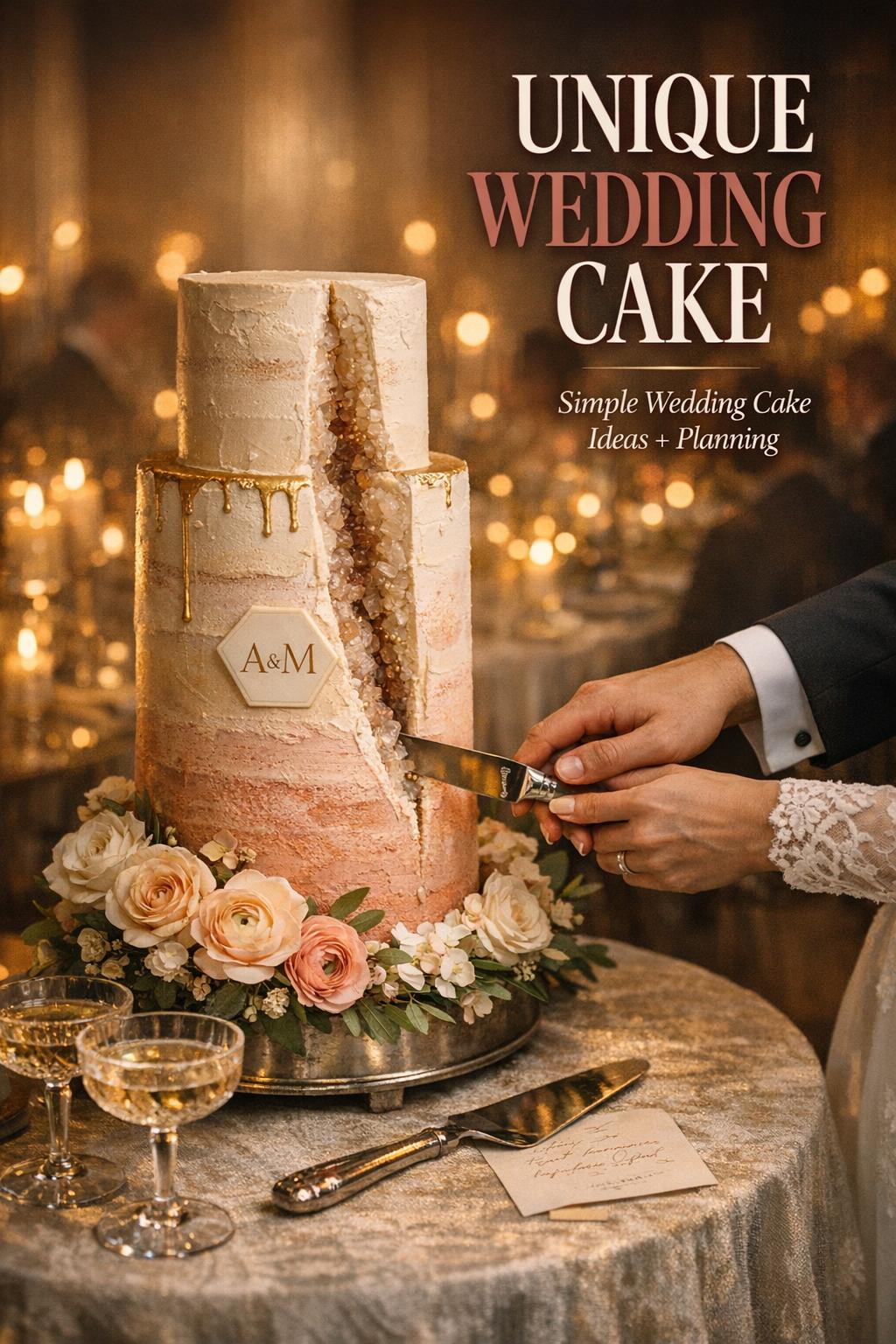
The room rarely goes quiet at a wedding—until the cake arrives. In the soft clink of glasses and the warm blur of conversation, a unique wedding cake creates a pause: a shared inhale, a few camera flashes, a collective “that is so them.” In U.S. weddings right now, couples aren’t choosing “different” just to be different. They’re choosing cakes that tell a story through color, texture, a monogram, a painted wash, a geode-like sparkle, or florals that feel as personal as the bouquet. The best part is that you can build this moment in a way that feels romantic and intentional, whether you’re dreaming of a wedding elegant cake in a ballroom or nature wedding cakes that feel at home in a garden venue at golden hour.
This guide is designed like a calm planning conversation with your future self. You’ll find creative, non-traditional wedding cake ideas, but also the real decision support couples need: which designs fit which venues, what details to bring to your cake artist, and how to balance bold aesthetics with flavors your guests will actually love. You’ll see familiar favorites—geode, watercolor, naked cake with fresh flowers, metallic drip, monogram wedding cake ideas—woven into a planning-first approach so your cake feels cohesive with your day.
Start with the feeling: matching cake style to the wedding atmosphere
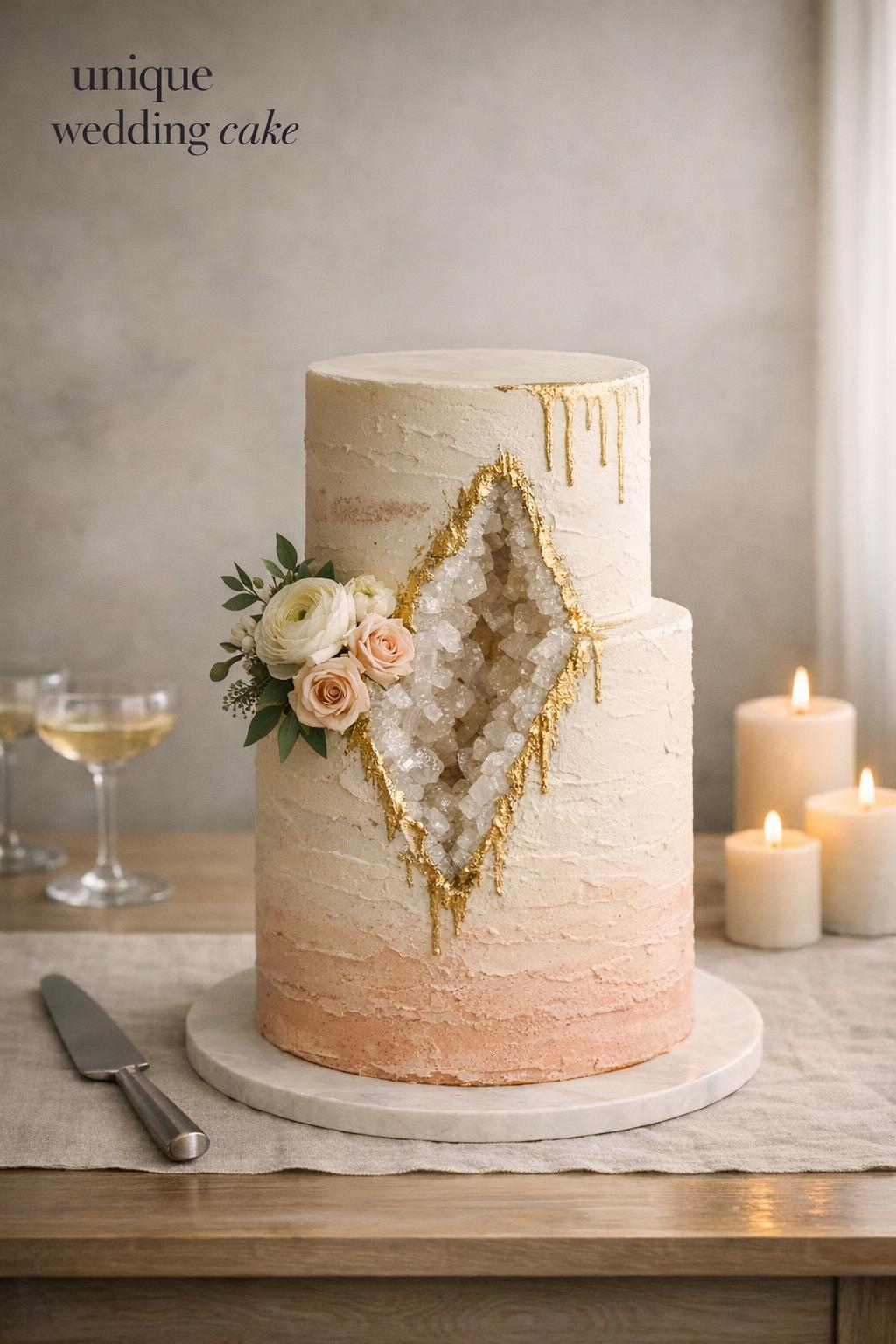
Before you pick a single detail—sugar crystals, edible foil, or an edible floral wreath—choose the mood you want the cake to carry into the room. This is how stylists keep “unique” from turning into visually disconnected. A cake wedding elegant doesn’t have to be traditional; it simply needs refinement, a clear palette, and a finish that looks intentional in photos.
Think about your venue and the light where the cake will be seen: a dim reception space will make metallic accents glow, while a sunlit garden will highlight watercolor brush strokes and fresh blooms. If your celebration leans minimalist, a simple wedding cake can still feel special with one unexpected detail—like a monogram, a precise geometric line, or a single bold color wash.
Turn wedding inspiration into a plan you can actually follow.
Zarellea brings your guest list, budget, vendors, and day-of details into one shared space — so no beautiful idea gets lost in the shuffle.
- Ballroom and black-tie: metallic accents, monograms, sculptural toppers, black with gold, marble fondant, geometric structure
- Garden and outdoor ceremony: sugar flowers, fresh blooms, watercolor finishes, floral-forward textures, nature wedding cakes with botanical color stories
- Modern loft or industrial chic: geometric and metallic elements, bold color blocking, clean fondant work, architectural silhouettes
- Desert-inspired or Southwestern mood: cactus-themed designs, warm palettes, and regional motifs like Southwestern inspiration
- Romantic vintage: vintage lace textures, soft ombré, delicate sugar-work, painterly finishes
Once you’ve chosen the atmosphere, the design decisions get easier. You’re no longer trying to select from endless unique wedding cakes—you’re selecting the one that belongs in your day.
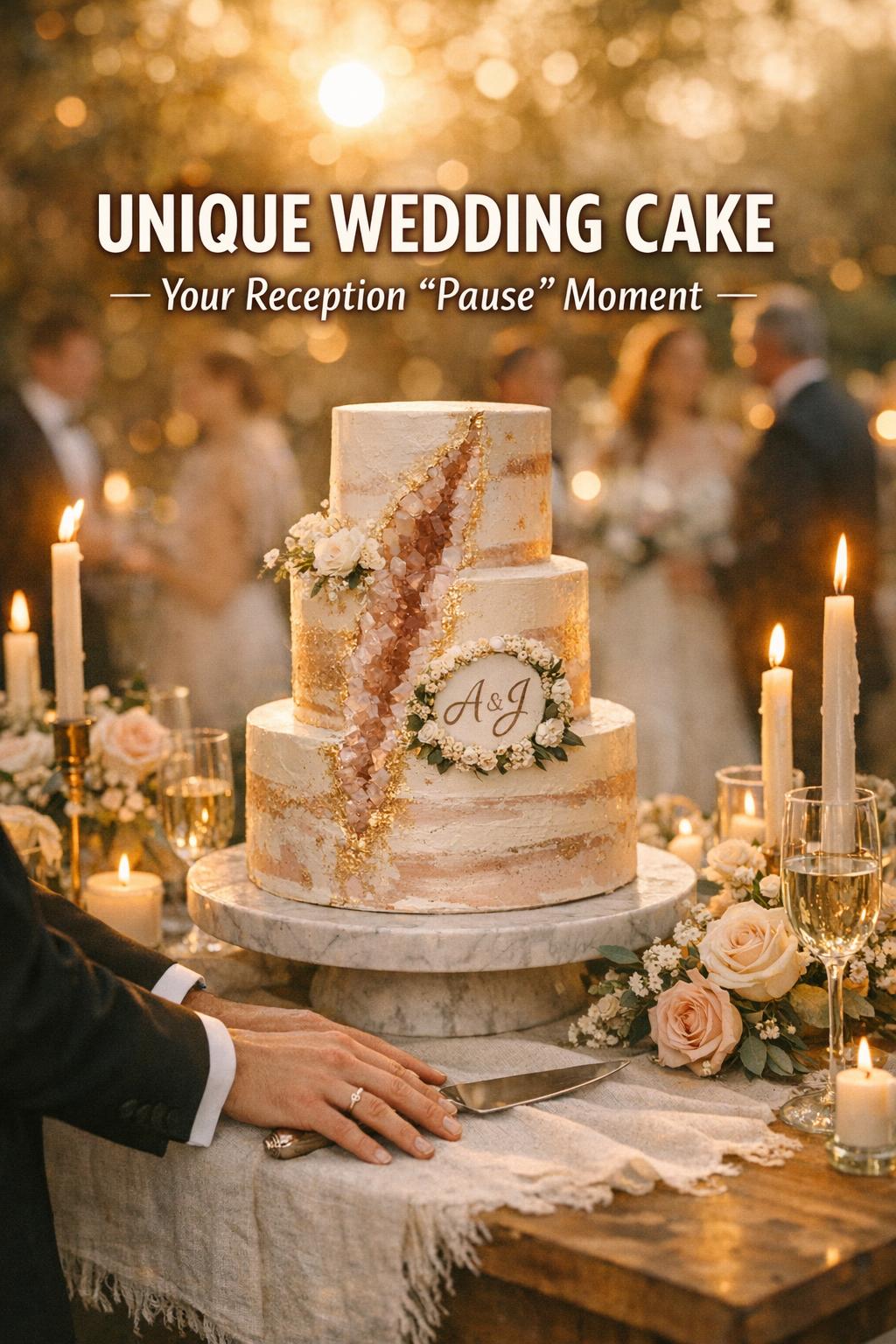
Geode and crystal cakes: the showstopper that photographs like jewelry
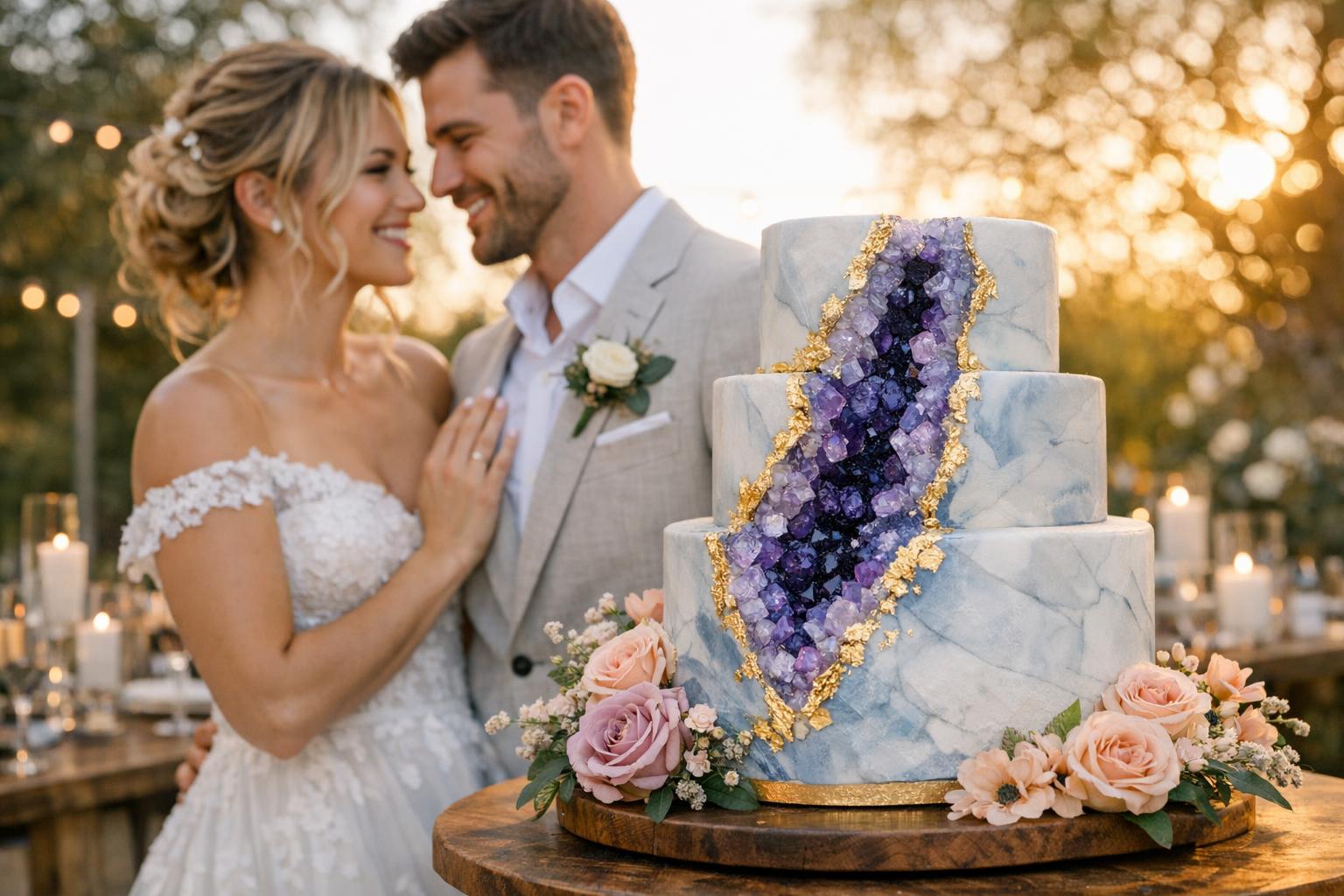
Geode cakes are one of the most recognizable “wow” designs for a reason: they look like a gemstone cracked open, revealing a crystal-like interior. This style reads dramatic even across a large reception room, and it translates beautifully in photography because the contrast (smooth exterior versus textured crystal center) is visually clear.
What makes a geode wedding cake feel truly unique
The strongest geode wedding cake ideas don’t just add “crystals” as decoration; they build a color story around the geode interior. A deep jewel-toned geode paired with a clean exterior can feel like a wedding elegant cake, while a lighter, pastel geode can feel dreamy and romantic. You may also see variations like a “hidden geode” effect, where the geode detail feels like a secret reveal as the cake is turned or sliced.
How to style it so it looks intentional (not busy)
Because geode designs already bring texture and sparkle, they pair best with restraint elsewhere. If you’re adding fresh florals, keep them minimal and let the geode remain the focal point. If you’re using metallic accents, choose one tone—gold or silver—so the finish looks curated rather than crowded.
Many couples also love pairing a geode look with flavor-forward choices, because the cake becomes a full sensory moment: visual impact first, then a memorable bite. If your reception includes a big reveal—like a dramatic topper or a spotlighted cake table—geode styles naturally hold the attention.
Floral-forward cakes: sugar flowers, fresh blooms, and nature wedding cakes that feel alive
There’s a reason floral cakes are everywhere in real weddings: they bridge décor and dessert. A floral-forward cake can echo the bouquet, the ceremony arch, or even a floral wall in the reception space. Whether you choose sugar flowers (crafted to look like blooms) or fresh florals placed by a florist, the effect is romantic and instantly readable.
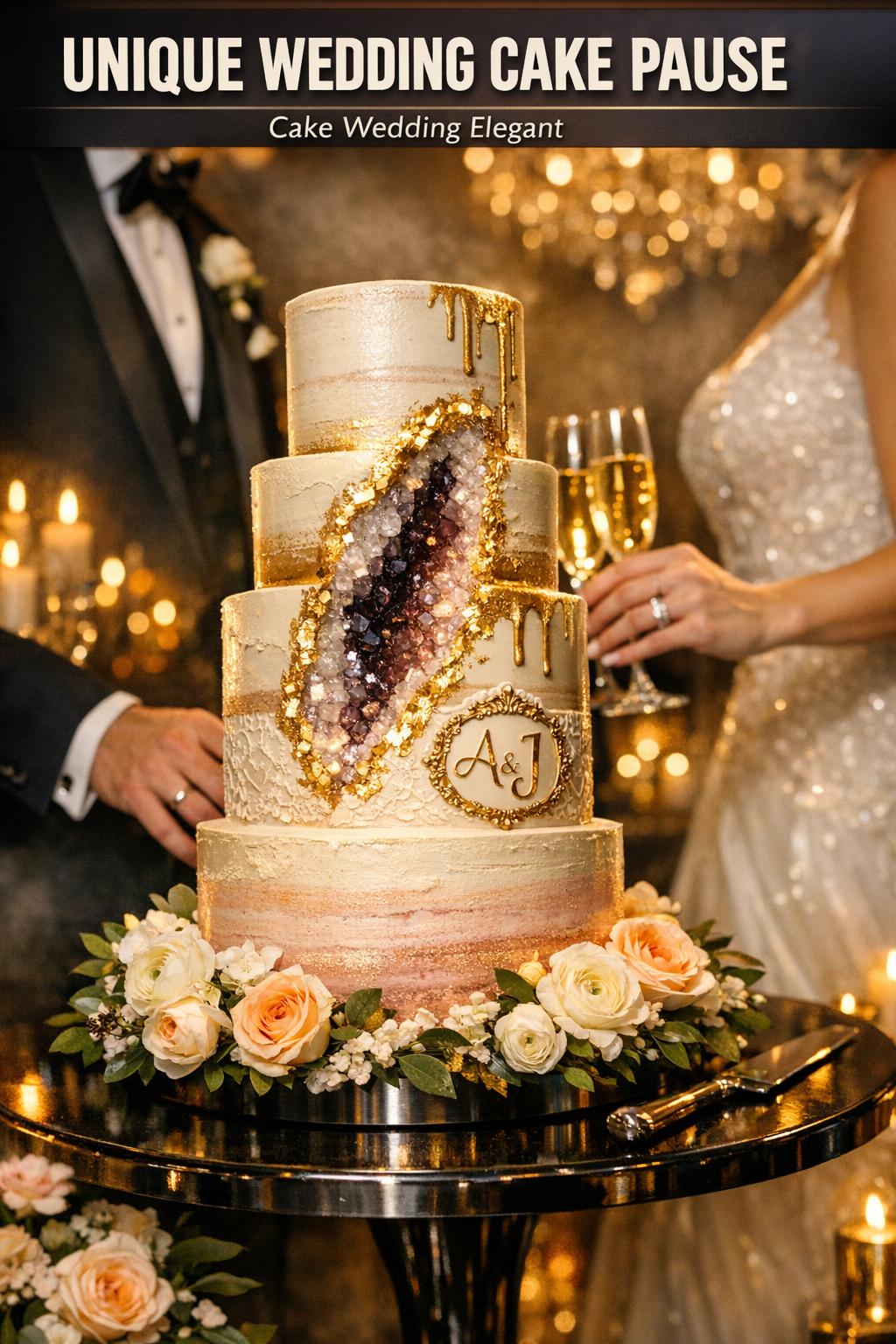
Fresh flowers vs. sugar flowers: how to choose
Fresh blooms can feel effortless and seasonal, especially for nature wedding cakes or garden venues. Sugar flowers lean more “heirloom”—they feel like artistry and often look flawless all evening. Your decision can be practical as well as aesthetic: if you want the flowers to look identical from first look to last dance, sugar-work holds its shape and color. If you love the organic movement of greenery and petals, fresh blooms bring that living softness.
- Choose sugar flowers if you want refined detail, precise color matching, and a sculptural look that reads elegant in close-up photos.
- Choose fresh blooms if you want a just-picked feeling, seasonal romance, and a design that ties directly into your florist’s work.
- Choose a hybrid if you want a clean base cake with a few standout sugar blooms plus fresh greenery for movement.
Edible floral wreaths and botanical placement
An edible floral wreath look—where blooms circle a tier like a garland—creates an instantly romantic silhouette. It’s also a smart choice for couples who want a unique wedding cake without an extreme shape or heavy metallics. The wreath format frames the tiers in a way that looks balanced from multiple angles, which matters when guests are photographing from different sides.
For outdoor receptions, florals look especially beautiful at sunset. If your wedding has a natural palette—soft greens, creams, blush, or warm neutrals—this is where “unique” can feel timeless rather than trendy.
Watercolor and painted finishes: an artistic cake that feels like a love letter
Watercolor wedding cake design is for couples who want softness and artistry over sharp contrast. Think gentle color washes, brush-stroke edges, and painterly gradients that look like they belong in a gallery. This style is especially fitting when the rest of your day is romantic: handwritten vows, delicate table linens, and florals with movement.
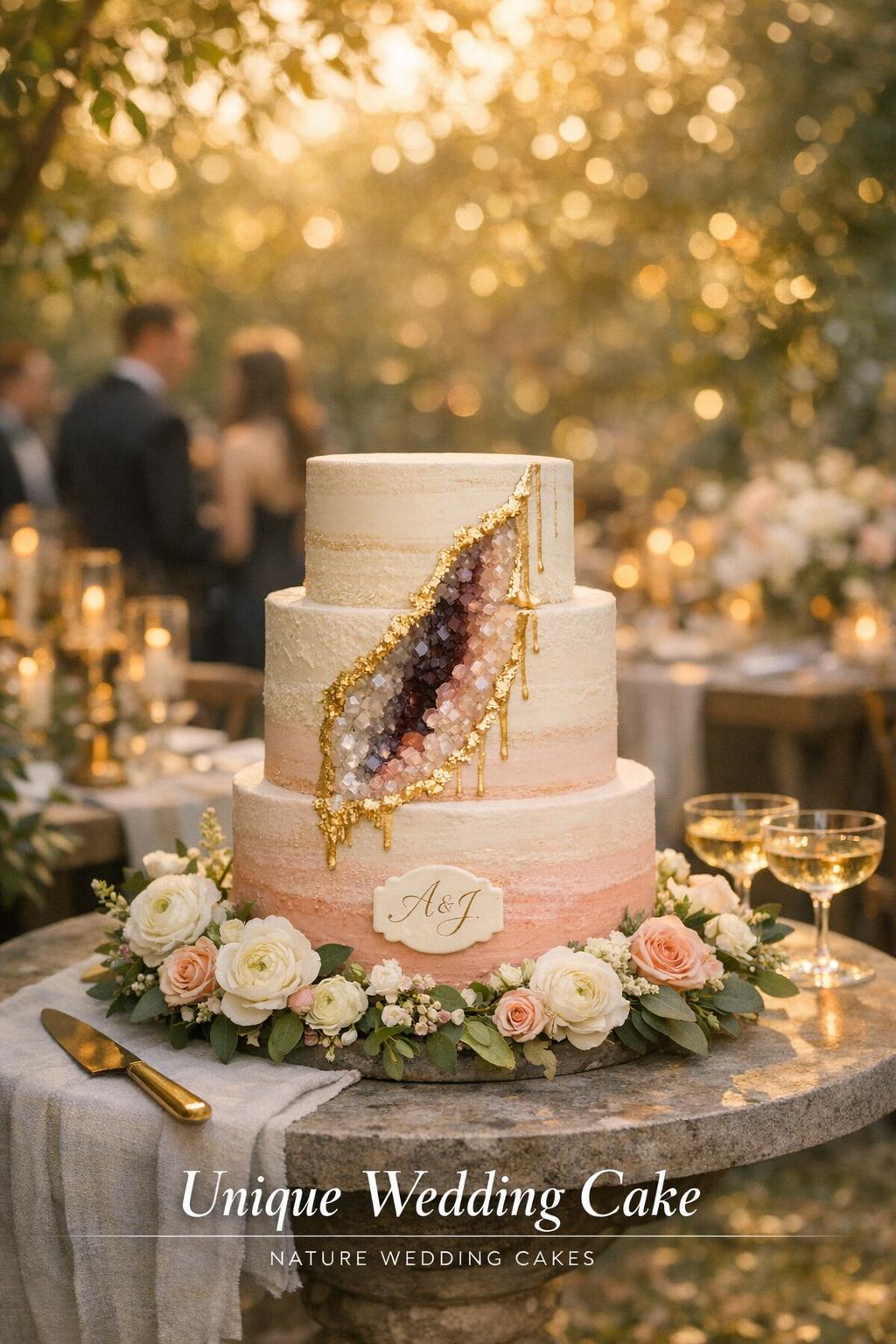
Making the palette work with your wedding colors
The secret to a watercolor cake that looks elevated is palette discipline. If your wedding has a defined color story, ask your cake artist to echo it through a few related tones rather than the entire rainbow. A restrained watercolor approach can still be a unique wedding cake; it just reads more refined, which is perfect if you’re aiming for cake wedding elegant energy.
Watercolor pairs beautifully with texture
Watercolor finishes can be combined with subtle texture—like gentle frosting movement or light fondant shaping—so the cake doesn’t feel flat. Some couples love adding sugar flowers or minimal metallic accents to punctuate the painted areas. The goal is to keep the brush-stroke effect as the star.
If you’re planning a daylight ceremony and a bright reception space, watercolor details read especially well. In dim lighting, consider slightly stronger contrast so the painting doesn’t disappear in photos.
Monogrammed and personal identity cakes: when initials become a design statement
A monogram is more than decoration—it’s a shorthand for identity. Monogram wedding cake ideas are popular because they make a cake feel custom without demanding an unusual shape. In photos, a monogram also “anchors” the design: guests immediately understand it belongs to you, not just to a trend.
Monograms, initials, and typography choices
Monograms can appear as a central emblem, an all-over pattern, or a subtle plaque. The typography style—clean and modern, ornate and classic, or somewhere in between—can mirror your invitations and signage, creating a cohesive design language. This is one of the easiest ways to make a wedding elegant cake feel personal without adding too many competing details.
Rustic personalization: carved-initial motifs
If your day leans rustic or nature-inspired, some couples love an initials-in-a-tree concept—an effect that suggests carved initials in a tree trunk. This fits beautifully with wood textures, birch-tree bark-inspired finishes, and outdoor receptions. It’s also a way to keep a simple wedding cake silhouette while adding a story-driven detail that feels intimate.
For couples hosting in a venue with strong character—like a vineyard mood or a space with natural materials—this style quietly reinforces the setting without feeling themed.
Naked cake with flowers: the “simple wedding cake” that still feels intentional
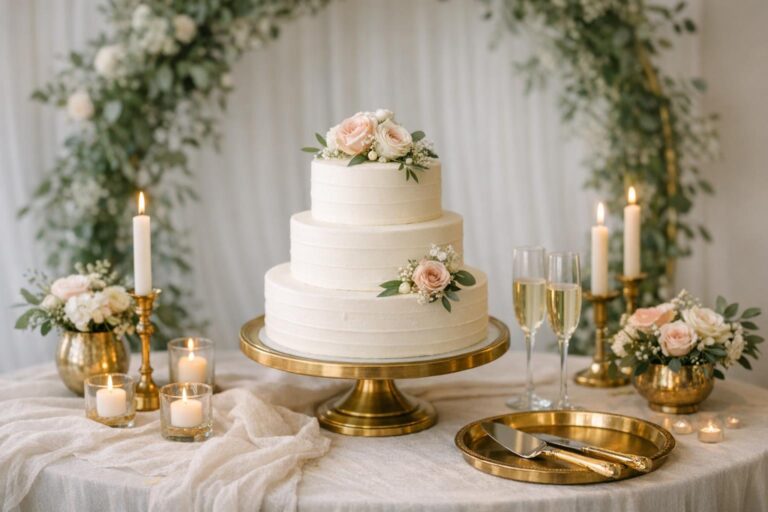
The naked cake with fresh flowers has become a modern classic, especially for couples who want a relaxed, romantic look. “Naked” refers to the finish: less exterior frosting, letting layers and texture show. It’s often chosen for garden celebrations, rustic venues, and intimate weddings where the cake table feels like part of the décor rather than a separate showpiece.
What makes this style work is careful styling. A naked cake isn’t automatically beautiful because it’s minimal; it becomes beautiful when the layers look clean, the flowers are thoughtfully placed, and the overall palette feels cohesive. When done well, it’s the definition of a simple wedding cake that still qualifies as one of today’s most loved unique wedding cakes—because the “uniqueness” is in the natural texture and the botanical story.
Tips for making a naked cake look polished all day
Naked cakes are especially sensitive to environment and timing because their finish is exposed and meant to look organic. The best planning move is to align this choice with your venue conditions and your schedule.
- Choose flowers and greenery that look good from a distance as well as up close.
- Ask your cake artist how the finish will look under your venue lighting and during your reception timeline.
- Keep the design focused: one main floral cluster or a light cascade is often more elegant than covering every tier.
If you want the overall mood to read “wedding elegant cake” rather than rustic, consider a slightly more refined version: a semi-naked finish paired with a controlled floral placement and a clean cake stand.
Metallic drip, edible foil, and geometric accents: modern glamour without the fuss
Metallic elements have a particular magic at receptions: they catch candlelight, echo jewelry, and make the cake feel celebratory. Metallic drip wedding cake ideas are a favorite for couples who want a little drama—especially when paired with dark tones, clean whites, or marble fondant. Geometric accents and architectural lines take the look even further, creating a modern statement that suits lofts, contemporary venues, and black-tie city weddings.
Where metallics look most elegant
Metallics work best when they’re used like accessories: purposeful, not overwhelming. A single metallic drip, a few foil strokes, or sharp geometric shapes can make a cake wedding elegant instantly. If your décor already includes a lot of sparkle or reflective surfaces, keep the cake’s metallics minimal so it doesn’t compete with the room.
Pairing metallics with other popular motifs
Some of the most striking unique wedding cakes combine metallic accents with softer motifs. A watercolor base with gold foil highlights can feel like art. A black with gold cake can look regal and modern. A white cake with subtle geometric lines can be timeless and editorial without feeling cold.
For couples who want glamour but fear it might look “too trendy,” geometry is a helpful anchor. Clean lines and intentional placement tend to photograph as modern sophistication year after year.
Sculptural, non-traditional designs: donuts, dramatic toppers, and statement silhouettes
Some couples want their cake to spark laughter and delight, not just admiration. Non-traditional wedding cake ideas live here: donut-topped cakes, donut towers, playful shapes, and sculptural toppers that feel like a mini art installation. These designs are often chosen for receptions that feel social and energetic—where the cake moment is less formal and more like a celebration within the celebration.
How to keep a playful cake from feeling messy
The difference between “fun” and “chaotic” is usually editing. Pick one unexpected element—donuts, a dramatic topper, or an unusual silhouette—and let the rest of the design stay clean. This is also where a monogram can help: it keeps the cake personal and intentional, even when the concept is bold.
If you’re worried that guests will view a non-traditional cake as less “formal,” consider a hybrid plan: a smaller sculptural display cake for the moment, plus a more classic sheet cake behind the scenes for serving. It keeps the experience elevated while still being practical for a large guest count.
Tips for tall or architectural cakes
Sculptural cakes often involve height, asymmetry, or unusual structures. These are worth discussing early with your cake artist because design ambition has real logistics: delivery, setup, and stability at the venue. A stunning cake should also be a safe cake, especially when it’s displayed in a high-traffic area.
Color-forward and ombré cakes: a love story told in gradients
Color-forward cakes are for couples who want the dessert to feel like part of the design plan, not an afterthought. Ombré wedding cake styles—where shades melt into one another—can be romantic, playful, or editorial depending on the palette. Even a mostly white cake can become a unique wedding cake with a subtle gradient that shifts from tier to tier.
When bold color works best
Bold color shines when your wedding décor supports it. If your floral choices are strong and your tablescape includes saturated tones, a color-forward cake will feel cohesive. If your wedding is minimalist and neutral, a dramatic color cake becomes the main focal point—which can be stunning, but it’s a decision you should make intentionally.
Soft ombré for a wedding elegant cake feel
If you love color but want the overall effect to read refined, choose a soft ombré transition rather than stark color blocking. This keeps the mood romantic and makes the cake feel compatible with classic décor choices. It also photographs beautifully in both close-up detail shots and wide reception room images.
Theme-led cakes: from Southwestern to starry night (and why venue matters)
Theme-led cakes are at their best when they feel connected to place. A cake inspired by a coastal mood, a desert palette, or an industrial venue doesn’t need to shout the theme; it simply needs to echo it through detail. That’s why venue-specific thinking is so powerful. Your venue already creates a visual language—architecture, landscape, lighting—and the cake can join that conversation.
Southwestern and desert-inspired motifs
Southwestern inspiration shows up in wedding cakes through warm palettes, bold motifs, and designs that nod to desert landscapes. A cactus-themed cake can be charming and modern when styled with restraint. In some galleries and real-wedding inspiration, you may also see bolder regional references like a Southwestern steer-head design; these are best for couples whose wedding style embraces that strong visual identity.
Starry night and galaxy moods for evening receptions
A starry-night cake feels like it belongs at a late-evening reception—especially when the room is lit with candles or soft, warm lighting. Dark bases, metallic accents, and carefully placed highlights create a moody, romantic effect. If you’re planning a formal night wedding, this can be an unforgettable alternative to an all-white cake while still feeling like a cake wedding elegant.
For any theme-led cake, the key is alignment: if your invitations, florals, attire, and venue all lean in the same direction, the cake becomes part of a cohesive story rather than a standalone novelty.
Texture and technique details that quietly elevate “unique”
Sometimes the most memorable unique wedding cakes aren’t defined by a single big motif, but by craftsmanship: beading-like detailing, vintage lace textures, torn wrapping effects, mixed effects across tiers, or a monochrome finish that feels editorial. These technique-driven choices often appeal to couples who want something distinctive but still timeless—especially if they prefer a simple wedding cake silhouette with elevated surface work.
Mixed effects: how to combine ideas without losing cohesion
Mixed effects can be stunning—think one tier with a watercolor wash, another with metallic accents, and a third with sugar flowers. The risk is visual clutter. A good rule is to unify the cake through a consistent color palette and one “hero” detail, then use the other techniques as supporting texture.
This is also where photographer credits and real-wedding imagery can help your planning: when you save inspiration, pay attention to how the cake is styled on the table and what else is in the frame. A design that looks perfect in one setting can look out of place in another.
Vintage lace and beading-inspired finishes
Vintage lace textures and beading-like details are an elegant bridge between fashion and décor. They pair naturally with classic venues and formal attire, and they can make even a neutral cake feel special. If you want the romance of tradition with a fresh twist, this is a sophisticated way to get there.
Flavor-forward thinking: making sure the inside is as memorable as the outside
Inspiration galleries often focus on appearance, but your guests remember the bite. Flavor-forward cakes—where fillings, textures, and layers are planned with intention—are a quiet way to make your cake feel “unique” without adding visual complexity. Some editorial sources emphasize flavor layering alongside visual design, and it’s worth taking that approach seriously: a beautiful cake earns admiration; a delicious cake earns repeat slices.
How to align flavor choices with design style
Think of flavor as part of the same story as the design. A light, floral-forward cake often pairs well with a delicate, airy reception mood. A darker, metallic or starry-night cake can feel aligned with richer, more dramatic flavor notes. Your cake artist can guide you through what will slice cleanly and hold up through the event timeline.
If you’re choosing a highly detailed exterior (like geode sugar crystals or intricate sugar flowers), it’s especially helpful to keep the serving experience smooth and guest-friendly. The goal is a cake that’s both a centerpiece and a pleasure to eat.
Planning like a pro: budgeting, timeline, and working with your cake artist
A standout cake is rarely a last-minute decision. Many of the most popular designs—geode, sugar-work florals, metallic drip, sculptural toppers, intricate monograms—require time and clear communication. A calm, organized approach keeps you from falling in love with a design that isn’t feasible for your venue, schedule, or comfort level.
Build a design brief that your baker can actually use
When couples say “I want something unique,” cake artists usually need clarity in three areas: motif, palette, and mood. Instead of sending 25 scattered images, choose a few that share the same DNA (for example: watercolor + sugar flowers, or geode + metallic accents). Add notes about your venue style—garden, industrial, coastal, ballroom—because that context changes the right level of drama.
- Your top motif (geode, watercolor, monogram, naked with flowers, metallic drip, sculptural topper)
- Your color direction (soft neutral, bold color-forward, ombré gradient, black with gold)
- Your wedding setting (venue look, lighting, indoor/outdoor, overall theme)
- Your preference for “simple wedding cake” minimalism vs. high-detail surface work
Tips for tastings, delivery, and setup
Even the most artistic cake needs a logistics plan. Unique designs often involve delicate elements—fresh blooms, sugar-work, metallic finishes—so delivery and setup matter. Talk through where the cake will be displayed, who will be present for placement, and how it will be protected until the moment it’s served.
Tips: If your cake includes fresh flowers, coordinate timing between the florist and the cake artist. If you’re using a metallic drip or delicate painted finish, ask how it will look under your venue lighting. If you’re planning an outdoor reception, consider how heat, wind, or direct sun might affect the cake’s appearance over the course of the evening.
A realistic way to think about budget and complexity
While many inspiration sources showcase elaborate designs, the practical truth is that complexity tends to increase planning and execution needs. Geode interiors, intricate sugar flowers, and sculptural structures require more labor and often more coordination with the venue. If you’re budget-conscious, you can still have a unique wedding cake by focusing on one high-impact detail—like a monogram, a watercolor wash, or a floral-forward cluster—while keeping the overall structure simple.
Common “unique cake” missteps (and how to avoid them)
Couples usually don’t regret choosing a bold design—they regret choosing a bold design without a plan. The best unique wedding cakes feel effortless because the decisions behind them were deliberate.
- Too many motifs at once: If you want geode, watercolor, metallic drip, and a floral wreath, ask your cake artist to help you prioritize one hero element and use the others as subtle accents.
- Ignoring the venue’s visual language: A theme-led cake (Southwestern, starry night, coastal) looks best when the venue and décor support it.
- Forgetting the guest experience: A stunning exterior still needs a slice that serves cleanly and tastes great.
- Not considering lighting: Metallics glow in candlelight, watercolor shines in daylight, and dark cakes can look dramatic at night—match the design to your reception environment.
- Assuming “simple” means “basic”: A simple wedding cake can feel deeply custom with a monogram, texture work, or thoughtful florals.
If you’re feeling torn between two styles, choose the one that best supports the emotional tone of your day. A wedding elegant cake might be the right choice if your ceremony is formal and your venue is grand. Nature wedding cakes might be the right choice if your celebration is outdoors and you want the dessert to feel like it belongs to the landscape.
A romantic way to finalize your decision
Picture the moment you’ll actually see the cake: you’ve just finished dinner, your shoulders finally drop, and you’re surrounded by everyone who showed up for your love story. The cake should feel like a natural extension of that moment—whether it’s a geode-like sparkle that makes the room lean in, a watercolor wash that feels like a dream, a monogram that makes it undeniably yours, or a simple wedding cake dressed in blooms as the sun sets behind you.
Unique wedding cakes are ultimately about recognition. Not just “this is pretty,” but “this is them.” Choose the design that feels like home in your wedding setting, and you’ll never need to worry about whether it stands out—it will.
FAQ
How far in advance should I book a unique wedding cake?
Because many unique designs involve extra artistry and coordination—such as geode interiors, sugar flowers, metallic accents, or sculptural elements—it’s smart to start discussions early enough to confirm availability, finalize the design direction, and plan delivery and setup with your venue.
What details should I bring to a consultation with a cake artist?
Bring a small set of inspiration images that share the same overall mood, plus notes on your venue style (ballroom, garden, industrial, coastal), your palette (ombré, bold color-forward, neutrals, black with gold), and the single main motif you love most (watercolor, geode, monogram, naked cake with flowers, metallic drip).
How do I choose between fresh flowers and sugar flowers on a floral-forward cake?
Fresh flowers create an organic, seasonal look that’s perfect for nature wedding cakes and garden settings, while sugar flowers emphasize craftsmanship and can look flawless throughout the reception; your decision often comes down to whether you want a natural feel or a highly refined, sculptural finish.
Are geode wedding cake ideas better for certain wedding styles?
Geode and crystal styles tend to suit weddings that welcome a bold centerpiece—modern venues, dramatic receptions, and celebrations where the cake is meant to be a visual moment—especially when paired with a disciplined palette and minimal competing décor.
Can a simple wedding cake still be considered “unique”?
Yes—“unique” can come from one intentional signature detail, like a monogram, a watercolor wash, refined texture work (such as lace-inspired finishes), or a clean floral placement on a naked cake with fresh flowers, all while keeping the overall silhouette minimal.
How do I keep a metallic drip or edible foil cake looking elegant?
Use metallics like an accessory: choose one metal tone, keep the placement purposeful (a controlled drip or a few foil strokes), and balance it with a clean base finish or geometric structure so the final look reads as wedding elegant cake rather than visually busy.
What’s the best way to combine multiple design trends on one cake?
Choose one hero element—such as geode, watercolor, sugar flowers, or a monogram—then use any additional ideas as subtle supporting accents tied together by a consistent palette, because mixed effects look most elevated when the cake still has a clear focal point.
How do I make a theme-led cake feel tasteful instead of gimmicky?
Let the venue and overall styling guide the theme, then translate it into restrained cake details—like a cactus-themed accent for a desert mood, or metallic highlights for a starry-night effect—so the cake echoes the wedding atmosphere rather than competing with it.
What logistics should I confirm for delivery and setup?
Confirm where the cake will be displayed, who is responsible for placement, how the design holds up in your environment (especially outdoors), and how any delicate elements—fresh blooms, sugar-work, painted finishes, or sculptural toppers—will be protected and finalized at the venue before the cake-cutting moment.