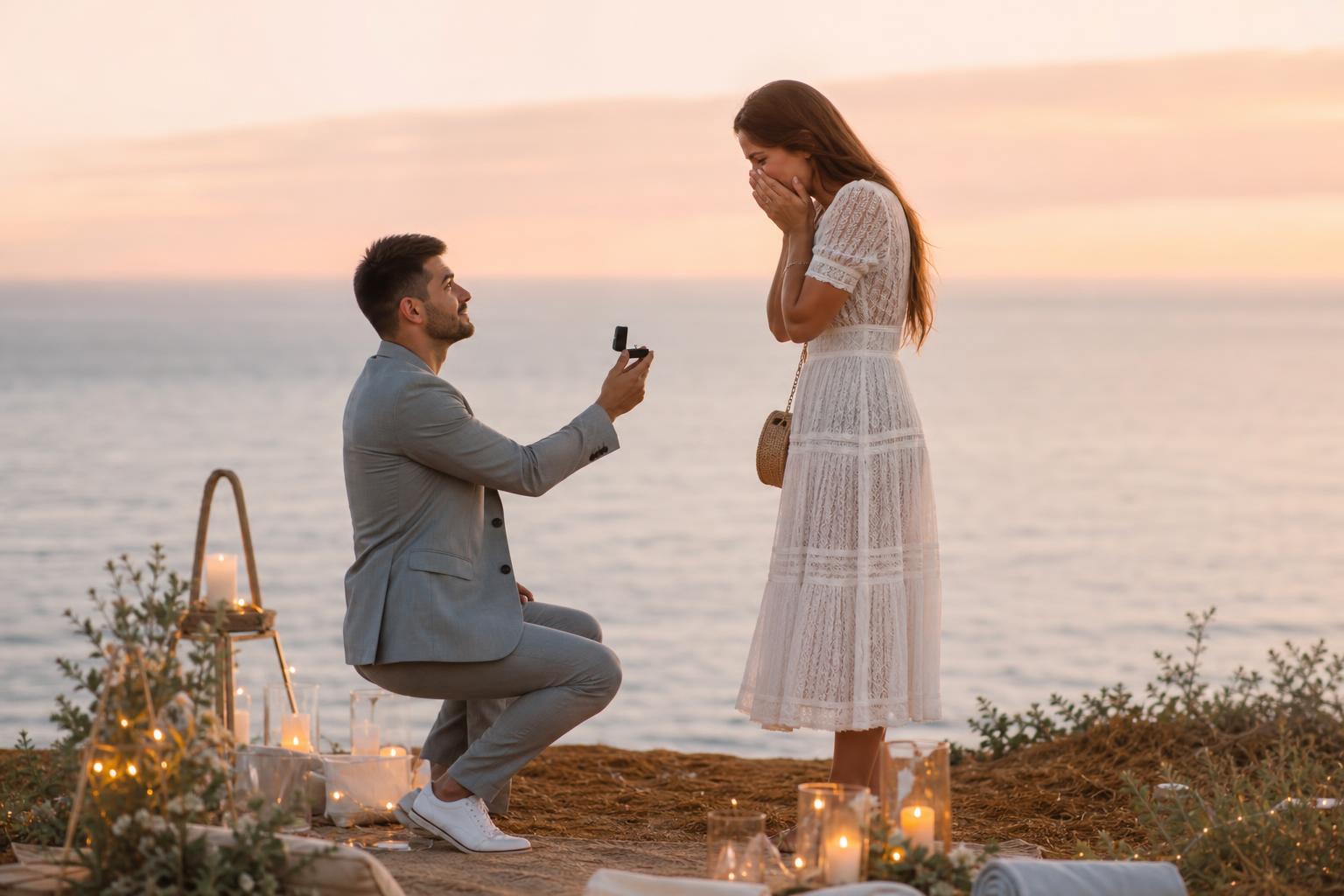
Wedding Proposal Ideas for a Romantic, Cinematic Moment
Wedding proposal ideas with a clear romantic aesthetic
Some proposals feel unforgettable because of the ring, the speech, or the surprise. The most beautiful ones are usually remembered for something deeper: the atmosphere. A candlelit path at home, a windswept beach at sunset, a private dining room with one perfect dessert message, or a city moment that feels cinematic without losing its intimacy. The strongest wedding proposal ideas are not only creative; they are visually coherent, emotionally thoughtful, and tailored to the person hearing “Will you marry me?”
That is why the best proposal planning often resembles styling a meaningful event. Mood matters. Setting matters. Timing, photography, privacy, storytelling, and even the difference between a backyard proposal and a skywriting moment all shape how the memory will feel. Publishers such as The Knot, Zola, TLC, Marriage.com, Wedding Forward, Wedding Frontier, Confetti, and Classpop all reflect the same truth in different ways: couples want inspiration, but they also want practical guidance.
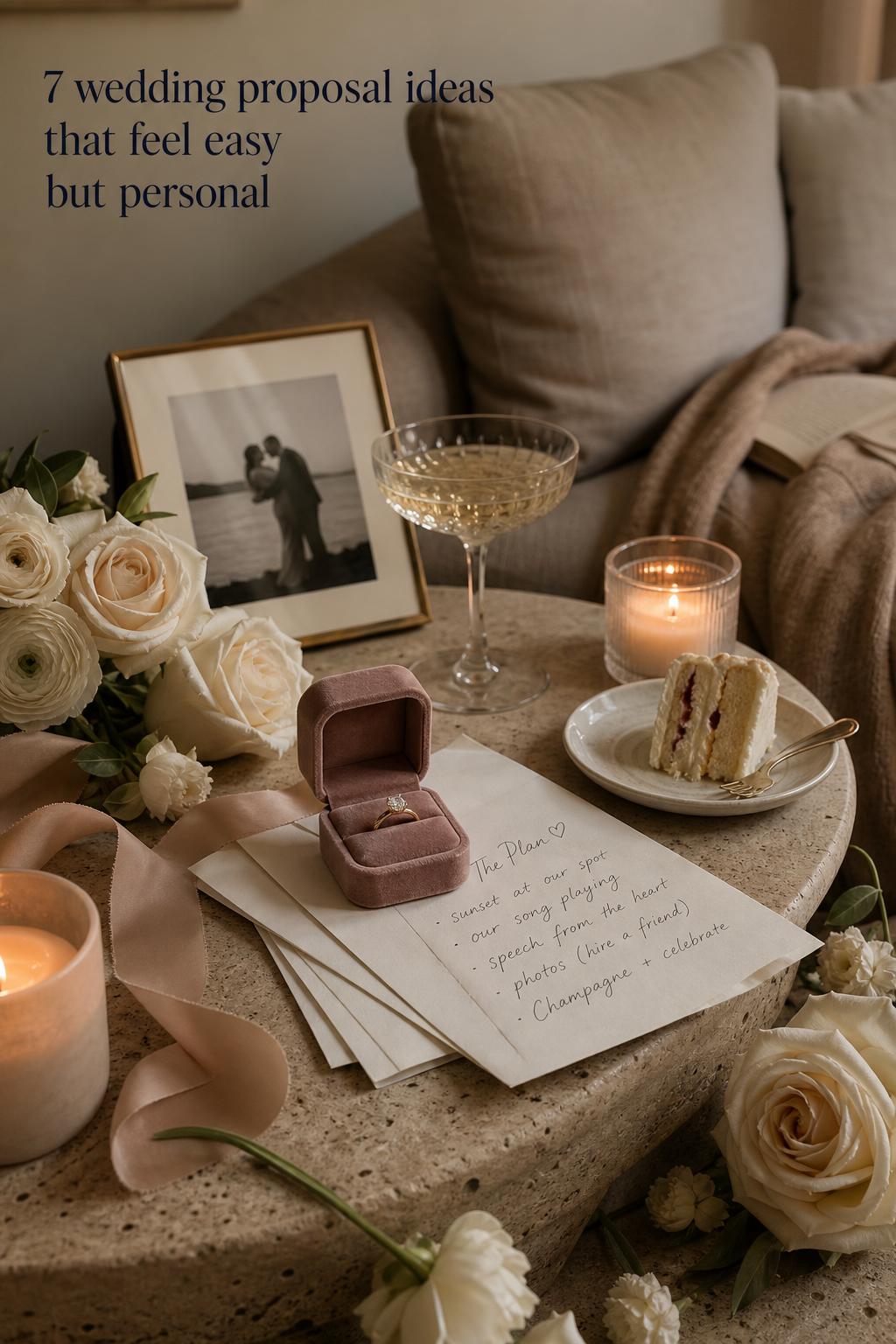
This guide approaches wedding proposal ideas the way a wedding stylist and planner would. You will find a clear aesthetic breakdown, then a series of distinct proposal “looks” built around mood, location, and level of spectacle. Each one offers visual inspiration, realistic planning advice, and the styling logic that makes a proposal feel romantic rather than random.
What defines this proposal aesthetic?
The most appealing proposal aesthetic is romantic, intentional, and personal. Visually, it often relies on soft lighting, meaningful locations, a balanced level of decoration, and one clear emotional focal point: the relationship story. Whether the setting is home, a winery, a restaurant, a beach, a park, or a destination city, the mood should feel cohesive rather than overproduced.
Turn wedding inspiration into a plan you can actually follow.
Zarellea brings your guest list, budget, vendors, and day-of details into one shared space — so no beautiful idea gets lost in the shuffle.
The palette is usually built from naturally romantic tones and textures: candlelight, flowers, paper details, polished glassware, framed photos, custom keepsakes, and settings that already carry atmosphere. In public proposals, the visual drama comes from scale, skyline, a crowd, a performance, or something high-impact like skywriting. In private proposals, the elegance comes from restraint, comfort, and details that feel deeply specific to the couple.
The core formula is simple: choose a vibe, choose a location that supports it, choose one or two storytelling details, and decide how you want the moment documented. A photographer, including a discreet proposal photographer or a service such as Flytographer where available, often becomes part of the design of the experience, not just the aftermath. The ring, the proposal line, and the emotional tone all work best when they match your partner’s preferences rather than an imaginary audience.
- Core mood: romantic, authentic, personal, memorable
- Main styles: private and quiet, adventurous outdoor, classic romantic, grand public
- Common locations: home, backyard, beach, park, garden, winery, restaurant, city landmark, travel destination
- Key visual elements: candles, flowers, photos, custom labels, playlists, dessert details, scenic backdrops
- Important support pieces: engagement ring, photographer, planner, venue coordination, timing
- Seasonal anchors: Christmas, New Year’s Eve, Valentine’s Day
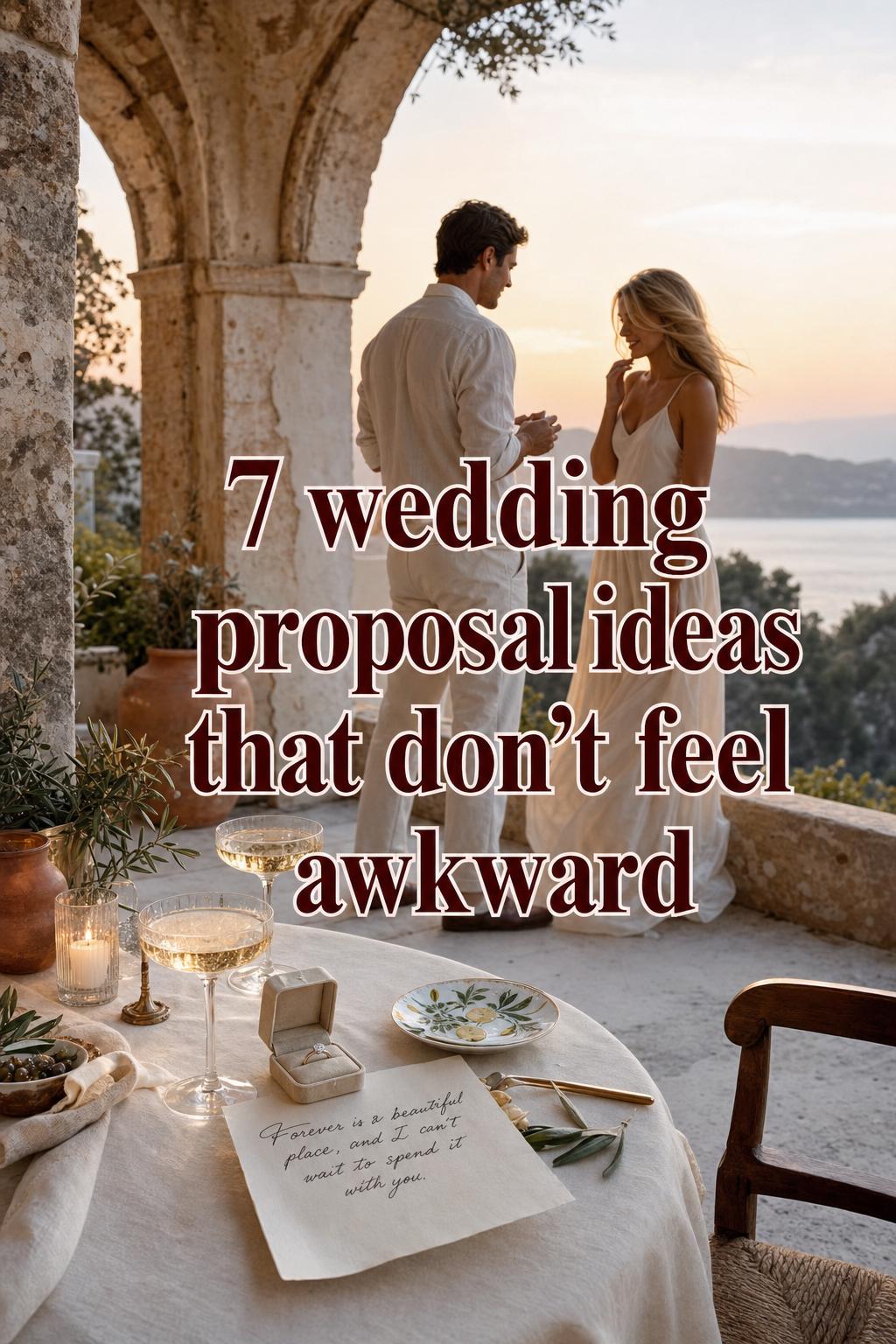
Before the big moment: the styling logic behind a great proposal
A proposal can be beautiful and still feel wrong if the style does not fit the partner. That is the most important planning principle. Some people love a public reveal at a stadium or a city event. Others would feel most cherished by breakfast in bed, a private home setup, or a first-date recreation with no audience at all. The private versus public decision is not a minor detail; it is the silhouette of the entire experience.
It also helps to think in layers. The first layer is consent and emotional readiness. The second is setting. The third is storytelling. The fourth is documentation. When those layers are aligned, even simple proposal ideas can feel elevated. When they are not aligned, even expensive gestures can feel performative.
One practical way to make this easier is to create a proposal vision board. The idea appears in planning advice for good reason: it helps you see whether your concept is soft and intimate, festive and seasonal, adventurous and outdoorsy, or bold and public. It also prevents a common mistake, which is mixing too many competing ideas into one moment.
Style tip: choose one emotional direction and build around it
If your proposal is rooted in nostalgia, keep the details story-driven: old photos, the first-date location, a favorite song, a custom wine label, or a photo montage. If the appeal is spectacle, let the scale carry the design and keep the extras restrained. The proposal feels more elegant when one strong idea leads the experience.
Look: the private home proposal with soft, intentional romance
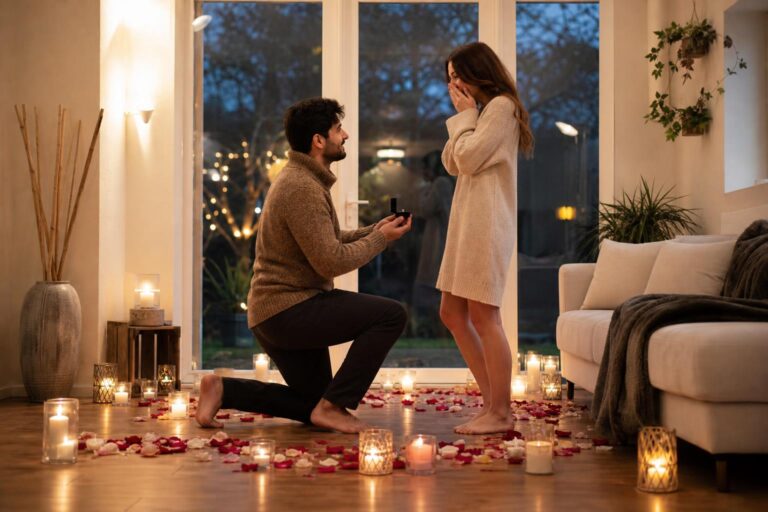
This mood has a quiet glow to it. The silhouette is intimate and close, built around familiar space rather than dramatic scenery. It feels especially beautiful for couples who want the proposal to land emotionally before it becomes public. There is no pressure to perform, and that often creates the most sincere reactions.
The visual language here comes from candles, flowers, breakfast in bed, a decorated living room, or a backyard path of lights leading to the proposal spot. A photo montage, framed memories, or handwritten cards can turn the home into a relationship timeline. Soft colors, warm lighting, and polished but not excessive details keep the setting romantic rather than staged.
Why it works: home proposals feel powerful when the setting remains tidy, edited, and emotionally focused. Too many props can make the space look cluttered. A better approach is to choose one lead gesture, such as a memory wall or a candlelit dinner table, and let the ring and the words remain the center of attention. This look is best for private proposal ideas, especially when your partner values comfort, sincerity, and a sense of safety.
Helpful details that strengthen this look
- A backyard setup if indoor space feels too tight
- A custom playlist built from meaningful songs
- A secret photographer positioned discreetly
- A dessert or breakfast detail that reveals the message naturally
- A short speech tied to shared memories rather than a long performance
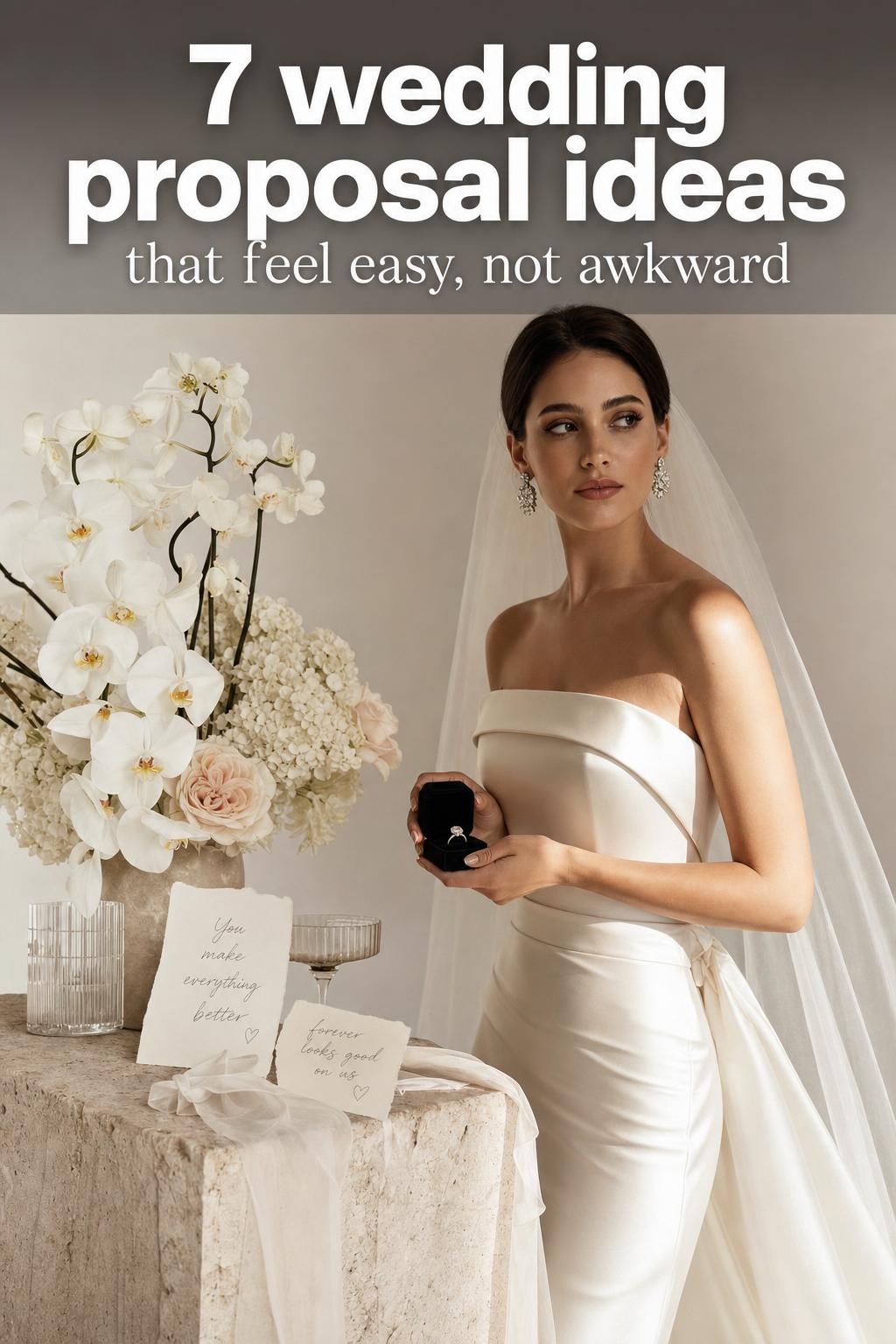
Look: first-date nostalgia with storybook structure
Few proposal styles feel as emotionally polished as a first-date recreation. The mood is narrative, sentimental, and deeply personal, almost like stepping back into the opening scene of your relationship with a more confident ending. It works especially well for couples who value meaning over spectacle.
The pieces in this “look” are not fashion items but memories: the same restaurant, the same meal style, the same neighborhood walk, a recreation of an early conversation, or a return to the exact place where you first knew something had changed. If the original setting is unavailable, the atmosphere can still be echoed through photos, notes, or a carefully chosen substitute venue.
The key styling insight is to recreate the feeling, not every literal detail. That prevents the moment from becoming gimmicky. If your first date was casual, keep this proposal understated. If it had a city-night energy, lean into restaurant lighting, cocktails, and a polished urban mood. This is where storytelling becomes the design element, and it is one of the clearest examples of non-cheesy wedding proposal ideas done well.
Look: the candlelit dinner proposal with classic polish
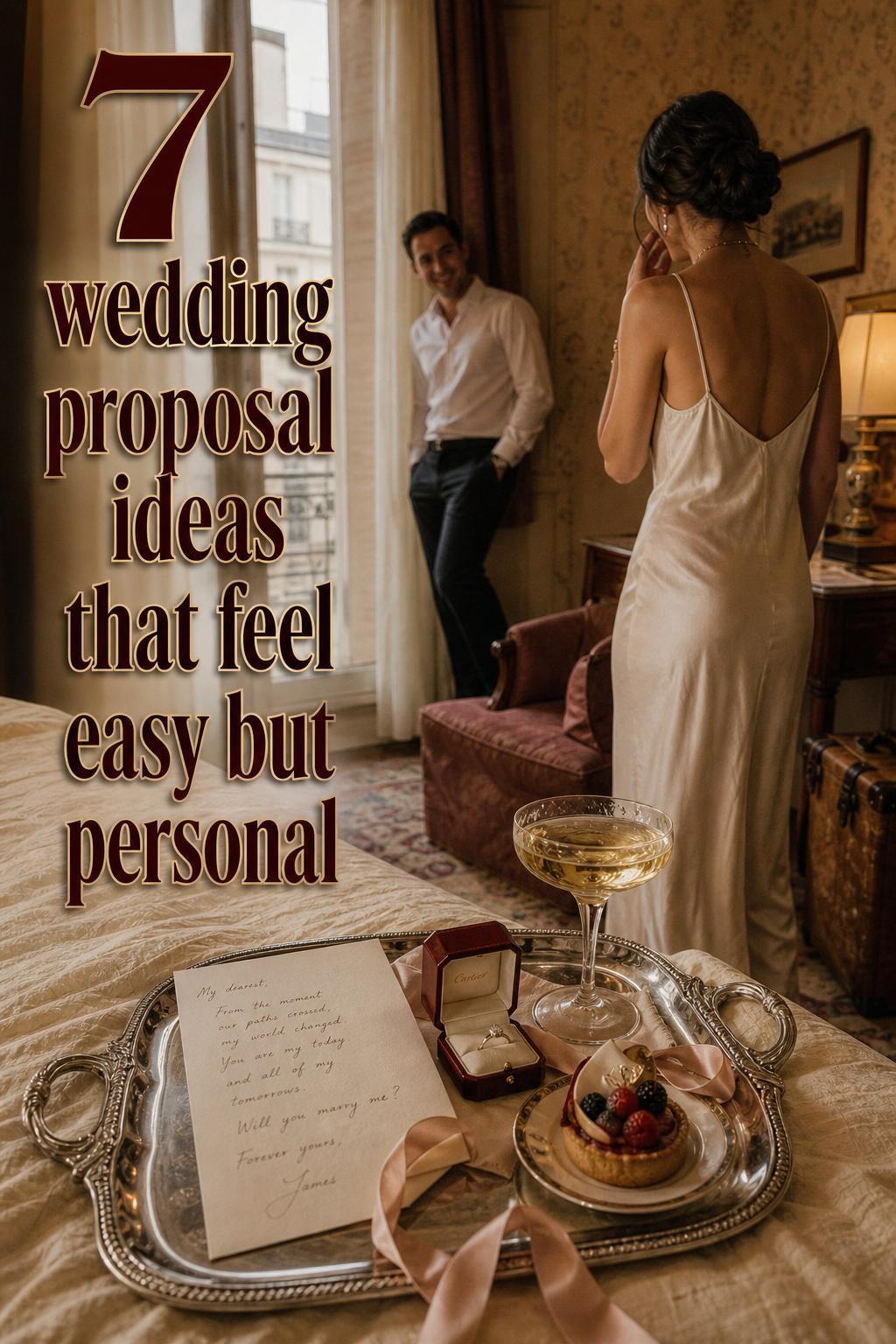
This is the timeless, classic silhouette of proposal planning: elegant, composed, and unmistakably romantic. It suits couples who want a refined atmosphere without the unpredictability of a fully public moment. The emotional tone is calm, intimate, and slightly cinematic.
A restaurant proposal works best when the setting already has mood. Private dining rooms, chef-curated tasting menus, a favorite local restaurant, or a winery dinner all create natural structure. A custom dessert message, a custom wine label, or a final toast can introduce the proposal gracefully. In this context, polished details such as low lighting, florals, and a coordinated photographer matter because they elevate the environment without competing with it.
How to recreate the look: reserve a space with enough privacy for the actual question, even if the restaurant itself is public. Coordinate with the venue in advance so timing feels smooth. This is also one of the easiest proposal styles to photograph well, since the event already has rhythm: arrival, dinner, the moment, and the celebration afterward. If you want a proposal with classic elegance, this is one of the strongest ways to propose.
What to avoid in a restaurant proposal
Avoid relying on surprise alone. A crowded room, noisy timing, or a rushed staff handoff can weaken an otherwise lovely idea. The look stays elevated when the venue understands your plan and when the proposal happens at a naturally meaningful point in the evening rather than in a forced interruption.
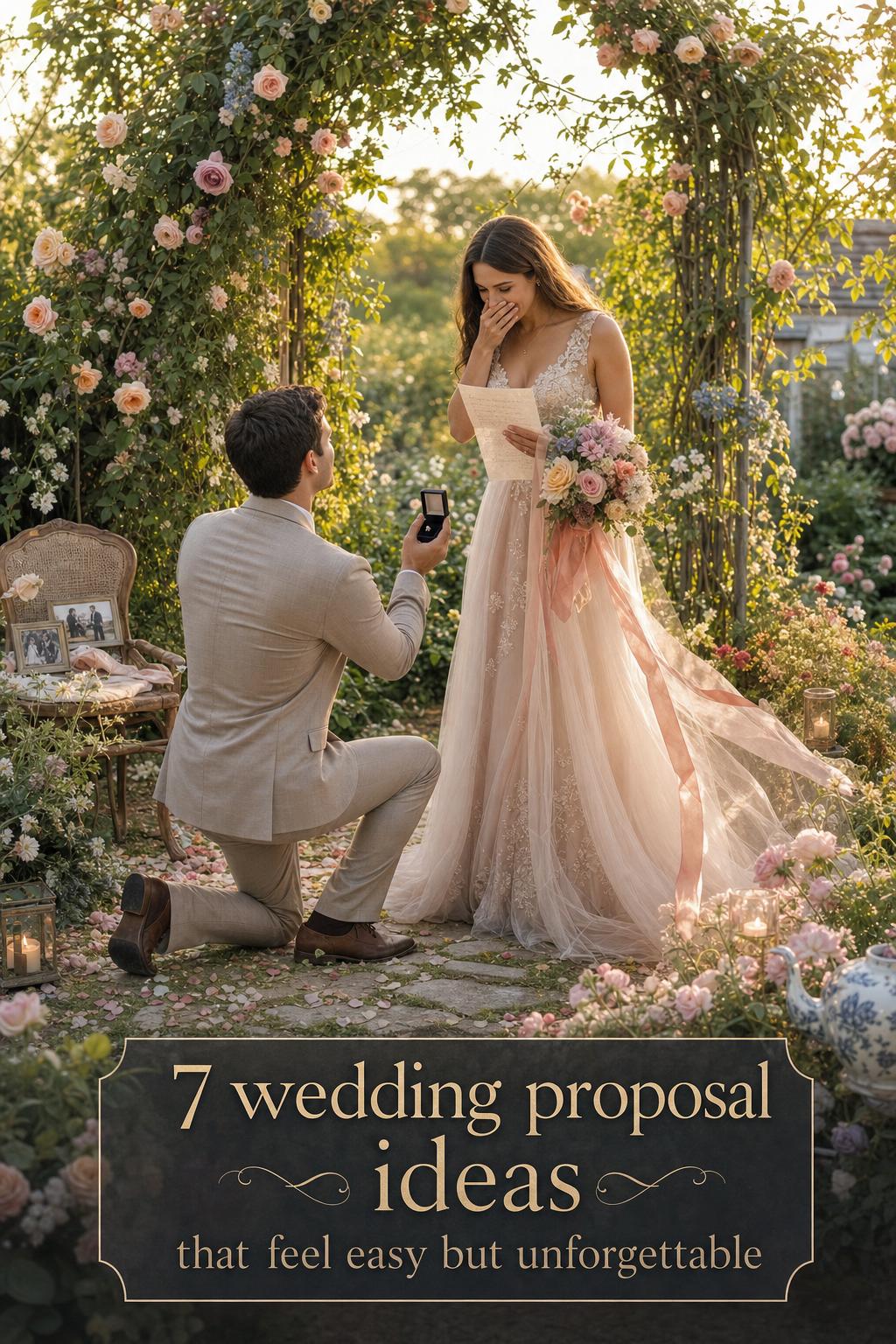
Look: scenic outdoor romance with movement and light
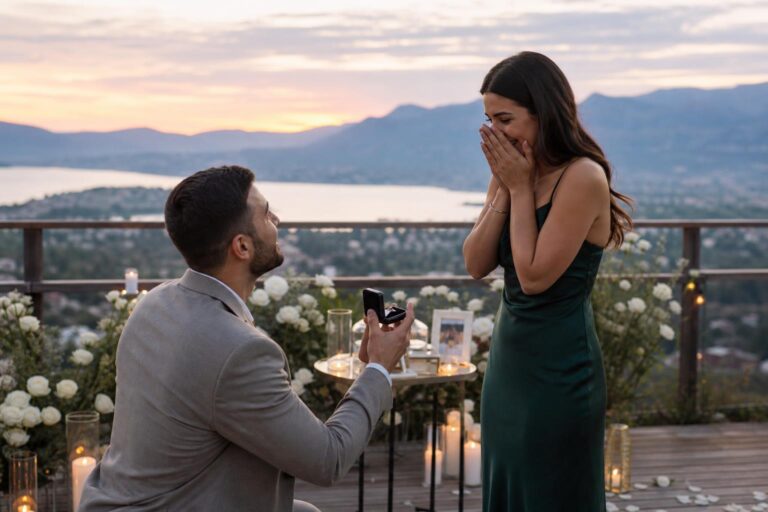
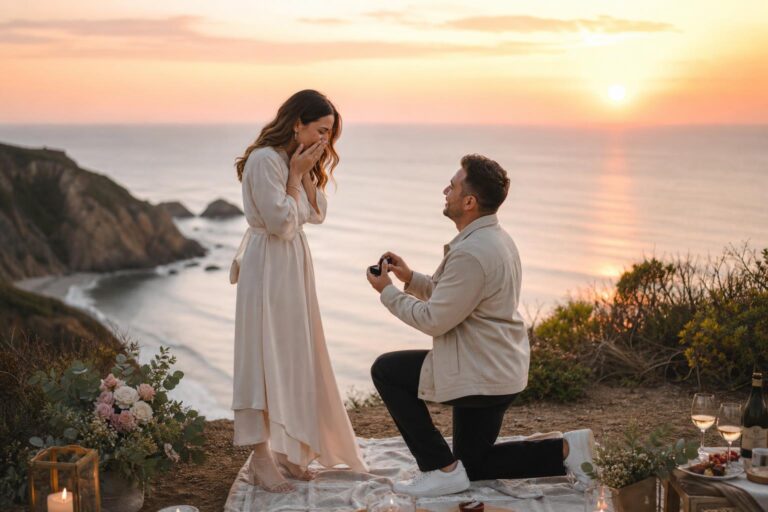
Outdoor proposal ideas carry a different kind of beauty. The silhouette opens up, the mood feels expansive, and the environment becomes part of the emotion. Beaches, parks, gardens, scenic overlooks, and winery grounds all create a proposal that feels airy, cinematic, and grounded in place.
The visual appeal often comes from natural light and a strong backdrop rather than heavy styling. A beach at sunset, a garden path, a park bench with significance, or a winery terrace can be enough. Flowers, a blanket, a simple setup, or a secret photographer can sharpen the mood, but the location does much of the work. For some couples, this setting feels more relaxed than a restaurant and more intentional than staying home.
Why it works: scenic proposals create emotional scale without requiring public performance. They also adapt well to many styles, from deeply private to semi-public. The practical note is weather, access, and timing. Outdoor proposals are often most beautiful when planned around golden light, but they also require backup thinking. If the location is a park, garden, or popular beach, choose a time that suits both the mood and the privacy level your partner would prefer.
Best for
- Couples who love nature, travel, or a relaxed atmosphere
- Adventurous partners who still want romance
- Those who want beautiful photography without a highly decorated setup
- Seasonal proposals around Valentine’s Day, summer evenings, or holiday travel
Look: adventurous proposal energy with a dramatic backdrop
Adventure proposals shift the mood from soft intimacy to exhilaration. The visual identity is bold and open-air: a hike summit, hot air balloon ride, stargazing moment, or a travel experience built around the final question. The romance comes from shared momentum and a sense of occasion rather than formal styling.
These ideas depend on location and timing more than decoration. Scenic U.S. landscapes, destination views, or high-elevation moments create immediate atmosphere. Even a simpler stargazing proposal can feel expansive if the setting is calm and the lead-up is thoughtful. This style often suits couples whose relationship is built around activity, discovery, and memorable experiences.
The styling lesson here is balance. Adventure can easily overpower tenderness if the proposal is squeezed into an exhausting schedule or rushed after a demanding activity. Plan for a pause. Build in time for the speech, the ring, and photos. If using a travel or destination setting, think through access, safety, and whether the moment should feel private or shared with others nearby. The proposal should feel thrilling, not logistically chaotic.
Look: public spectacle with a polished, celebratory finish
Some couples genuinely love an audience. For them, the most compelling proposal aesthetic is grand, festive, and impossible to miss. This can take the form of a stadium reveal, jumbotron moment, skywriting, airplane banner, public event proposal, or another large-scale display. The silhouette is extroverted and theatrical, but it still needs emotional clarity to feel romantic rather than merely loud.
The visual strength of this look comes from scale and anticipation. A stadium, city square, or event venue becomes part of the proposal design. If the proposal includes a display element, such as skywriting or a sign reveal, keep the surrounding details edited. One of the easiest ways to make a grand proposal feel elegant is to let the main gesture dominate while your words remain sincere and brief.
What to know before choosing this style: public proposal ideas are only beautiful when they match the partner’s personality. They can be memorable and joyful, but they can also create pressure if your partner dislikes attention. If you know they love celebration, this is a strong fit. If not, consider a private proposal first and a public celebration afterward. That often preserves both romance and comfort.
Practical tip for grand proposals
Work backward from logistics. Public spaces, event venues, and visible displays often require coordination, timing, and in some cases permits or venue approval. The more public the gesture, the more important it is to confirm how the moment will actually unfold.
Look: the holiday proposal with built-in atmosphere
Holiday proposals have a naturally dressed setting. Christmas lights, New Year’s Eve sparkle, and Valentine’s Day romance already carry visual meaning, which is why these moments return so often in proposal planning. The mood is festive, familiar, and emotionally charged before the ring even appears.
The strongest holiday proposals use the season as a frame rather than a gimmick. Christmas can support a warm home proposal, a decorated city walk, or a private dinner. New Year’s Eve suits a celebratory proposal with a countdown mood. Valentine’s Day can work well for couples who enjoy tradition, flowers, and open romance. The styling choice is not whether the holiday is “too obvious,” but whether it genuinely suits the relationship.
Why it works: the event already supplies ambiance, making it easier to create a proposal that feels special. What to avoid: relying only on the date. A holiday proposal still needs personal details, such as a memory, a meaningful location, or a visual gesture that feels specific to your relationship. Otherwise, the moment can feel seasonal but generic.
Look: custom keepsakes and memory-driven details
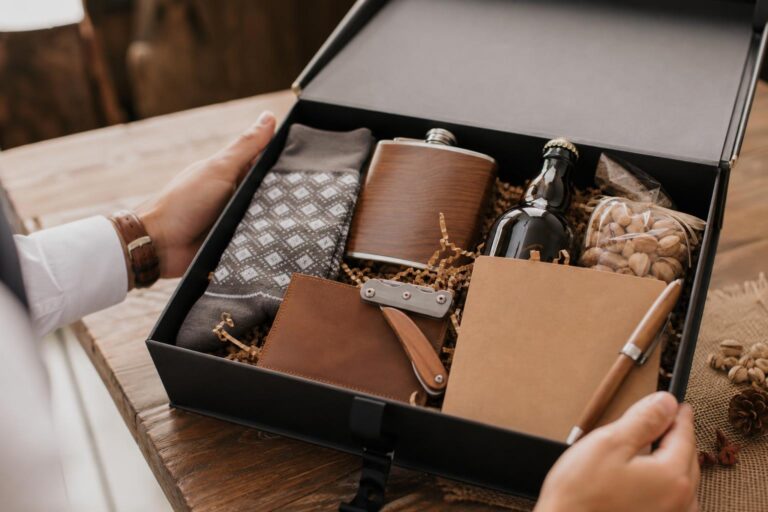
This proposal style has a crafted, sentimental mood. It is less about location and more about objects that tell a story: a custom wine label, a photo album, a photo montage, memory cards, printed notes, or a playlist that traces the relationship from beginning to now. The silhouette is layered and intimate, built through details rather than spectacle.
These pieces work well in homes, restaurants, wineries, or destination accommodations because they add emotional texture without demanding a specific venue type. A wine label proposal in particular creates a refined visual moment, especially in a winery or dinner setting. A photo montage can feel moving and classic if edited with restraint. Even playful ideas, like a “paper rings” reference inspired by Taylor Swift, can work when they fit the couple’s shared language and are not overdone.
The practical takeaway is to use keepsakes as support, not as replacement. The proposal remains strongest when one keepsake leads the experience and the question itself remains direct. Too many printed items, signs, and layered surprises can dilute the emotional clarity. This is one of the easiest categories to personalize beautifully on many budgets.
How to make memory details feel elevated
- Choose a consistent visual style for printed photos or cards
- Limit the number of props so the setup feels intentional
- Use one focal keepsake, such as a label, album, or montage
- Place the ring moment at the emotional peak, not halfway through the story
Look: tech-enhanced romance that still feels human
Modern proposal planning has room for technology, but the styling needs restraint. The most appealing version of a tech-enhanced proposal still feels romantic first. QR clues, an AR-style scavenger hunt, a livestream for close friends and family, or a carefully planned digital reveal can add surprise and personality without making the moment feel cold.
The visual mood here is contemporary and interactive. It suits couples who enjoy playful planning, city experiences, or creative formats. A QR trail through meaningful locations can become a story-driven proposal. A livestream can include loved ones when distance matters. Even AI-assisted planning, when used quietly in the background for organization or idea development, can support the experience without becoming the focus.
Why it works: technology can add structure, accessibility, and participation. What to avoid: letting devices interrupt intimacy. Screens, apps, and clues should guide the proposal toward connection, not pull attention away from it. The proposal should still culminate in a present, emotionally grounded moment between two people.
A location lens: where these proposal styles shine best in the U.S.
Location changes the tone of a proposal as much as the idea itself. A Seattle proposal concept, for example, may naturally lean scenic, urban, or weather-aware. A New York-style public proposal might favor city energy, landmarks, or private dining with skyline drama. A beach proposal feels softer and more fluid, while a winery proposal feels polished and composed. The same core idea can look entirely different depending on where it happens.
This is why city-level thinking matters. A private proposal in a large city may work best in a hidden garden, a hotel room setup, or a reservation-only dining space. In a smaller town or destination area, the same couple may prefer a park overlook or a backyard dinner with a photographer nearby. The best way to choose is to ask which location naturally supports your intended mood with the least amount of forcing.
For travel and destination proposals, build the concept around one landmark or one beautiful pause in the itinerary. Airports, city landmarks, and destination venues can all work, but only when timing is calm enough for the moment to breathe. The proposal should not feel squeezed between logistics.
The support team that makes the aesthetic believable
A truly polished proposal often has quiet professional support behind it. Photographers, planners, and venues are not just logistical helpers; they shape how smoothly the memory unfolds. A proposal photographer captures both the yes and the immediate aftermath. A planner can help with timing, setup, and backup plans. A venue can provide privacy, pacing, and atmosphere.
Photography is especially important because proposals move quickly. A discreet photographer, whether booked independently or through a service such as Flytographer where appropriate, can preserve the surprise while keeping the visual record natural. This matters most in outdoor settings, destination moments, and public proposals, where a missed angle cannot be recreated honestly.
Planners become more valuable as the concept becomes more layered. If the proposal includes a custom setup, a public venue, multiple stops, family involvement, or a surprise celebration afterward, a planner can reduce stress dramatically. The more moving parts you add, the more worthwhile coordination becomes.
Key pieces for this proposal aesthetic
- The engagement ring, chosen and stored with care
- A location that reflects the partner’s comfort level
- A single strong storytelling element
- Thoughtful timing, especially for weather, crowds, or holidays
- Photo documentation that does not interrupt the moment
- A backup plan if the proposal depends on outdoor conditions or travel
Common mistakes that make a proposal feel forced
The most common mistake is choosing a concept for its visual appeal rather than for the partner. A skywriter proposal may look exciting in theory, but it is a mismatch if your partner dislikes public attention. A highly decorated home setup may feel sweet to one person and overwhelming to another. Good proposal planning always returns to personality.
The second mistake is visual overload. Too many props, too many references, or too many surprise layers can weaken the emotional line of the moment. A proposal should feel coherent. If you are using photos, music, flowers, signage, dessert, and a speech, make sure they all serve one mood instead of competing for attention.
The third mistake is underplanning logistics. Weather, privacy, timing, ring security, restaurant coordination, crowd levels, travel stress, and photography all matter. Romance feels effortless when the practical side has been handled in advance.
How to make it look more polished without overdoing it
Focus on clean choices. One meaningful location. One or two visual accents. One clear speech. One trusted photographer or planner if needed. The proposal feels more expensive and more elegant when every detail looks chosen rather than accumulated.
How to recreate the right proposal vibe from what you already know about your relationship
Start with your shared habits. If your relationship is built around home rituals, a private proposal with breakfast, candles, or a backyard setup will feel more believable than a stadium surprise. If you travel often, a destination proposal or city landmark moment may feel natural. If your best memories involve food and celebration, private dining or a winery setting can become the right backdrop.
Then choose your emotional color palette. Soft and intimate suggests home, candles, photos, and low lighting. Celebratory suggests a holiday, champagne toast, or public reveal. Adventurous suggests scenic movement, stargazing, or a travel setting. Nostalgic suggests first-date recreation, a photo montage, or custom printed details. The aesthetic becomes clearer once you name the emotional direction.
Finally, decide what should happen after the yes. Some couples want immediate privacy. Others want family involvement, a dinner reservation, or a celebration with friends. Planning the afterglow matters because it shapes how the whole experience is remembered, not just the kneeling moment itself.
Choosing between private and public proposal ideas
This decision deserves more thought than many people give it. Private proposal ideas tend to feel emotionally safe, deeply personal, and easier to tailor with meaningful details. They are especially strong for shy partners, couples who want the moment to stay sacred before sharing it, or anyone who dislikes being watched during vulnerable milestones.
Public proposal ideas offer celebration, spectacle, and a built-in sense of occasion. They can be joyful for outgoing couples who love event energy, performance, or dramatic reveals. But they ask more of the person being proposed to, which is why confidence in your partner’s preferences matters so much here.
A balanced middle ground often works beautifully: propose in private, then reveal it publicly through dinner, family, photos, or a planned celebration. That approach keeps the emotional center intimate while still giving the milestone the larger joy it deserves.
FAQ
What is the most romantic proposal idea?
The most romantic proposal idea is usually the one that reflects your partner’s personality and your shared story. For some couples that means a candlelit home proposal or first-date recreation, while for others it means a beach at sunset, a winery dinner, or a scenic outdoor moment with a photographer quietly documenting it.
How do I choose between private and public proposal ideas?
Choose based on your partner’s comfort with attention, not on what seems most dramatic. Private proposals are often better for sentimental or shy partners, while public proposals work best for people who genuinely enjoy celebration and being seen. If you are unsure, a private proposal followed by a public celebration is usually the safest choice.
How can I make a home proposal feel special?
A home proposal feels special when the space is edited and intentional. Use soft lighting, flowers, a meal or dessert moment, music, and one meaningful storytelling detail such as photos, notes, or a memory display. The goal is not to fill the room with props, but to create warmth and emotional focus.
Should I hire a photographer for the proposal?
Hiring a photographer is often worthwhile because the moment happens quickly and cannot be recreated naturally. A discreet proposal photographer, including services such as Flytographer where available, can capture the surprise without interrupting it. This is especially valuable for outdoor, destination, and public proposals.
Are holiday proposals a good idea?
Holiday proposals can be beautiful because Christmas, New Year’s Eve, and Valentine’s Day already provide atmosphere and emotion. They work best when the holiday enhances a personal idea rather than replacing one. A meaningful location, a relationship reference, or a thoughtful setup will keep the proposal from feeling generic.
What are the best outdoor wedding proposal ideas?
Strong outdoor proposal ideas include beaches, parks, gardens, winery grounds, scenic overlooks, stargazing spots, and adventurous settings such as hikes or hot air balloon experiences. The best choice depends on how private you want the moment to feel and whether you are prepared for weather, timing, and access considerations.
How do I keep a proposal surprising without being disrespectful?
The surprise should be about when and how the proposal happens, not about whether marriage has been discussed at all. A thoughtful proposal respects prior conversations about commitment, timing, and future plans, while still preserving the emotional surprise of the exact moment.
What if my partner does not like grand gestures?
If your partner does not enjoy grand gestures, lean into private proposal ideas such as a home setup, a quiet scenic location, breakfast in bed, a first-date recreation, or a small private dining experience. Intimacy and relevance will feel far more romantic than scale in that situation.
Can tech-enhanced proposal ideas still feel romantic?
Yes, as long as the technology supports the emotion rather than distracting from it. QR clues, AR-style scavenger hunts, and livestreams can work well when they lead toward a personal, face-to-face moment. The final proposal should still feel grounded, sincere, and focused on the relationship.
What matters most when planning wedding proposal ideas?
The most important principle is alignment: the proposal should fit your partner, your relationship, and the mood you want to remember. Once privacy level, location, storytelling, timing, and documentation all support the same vision, even a simple proposal can feel deeply beautiful and unforgettable.