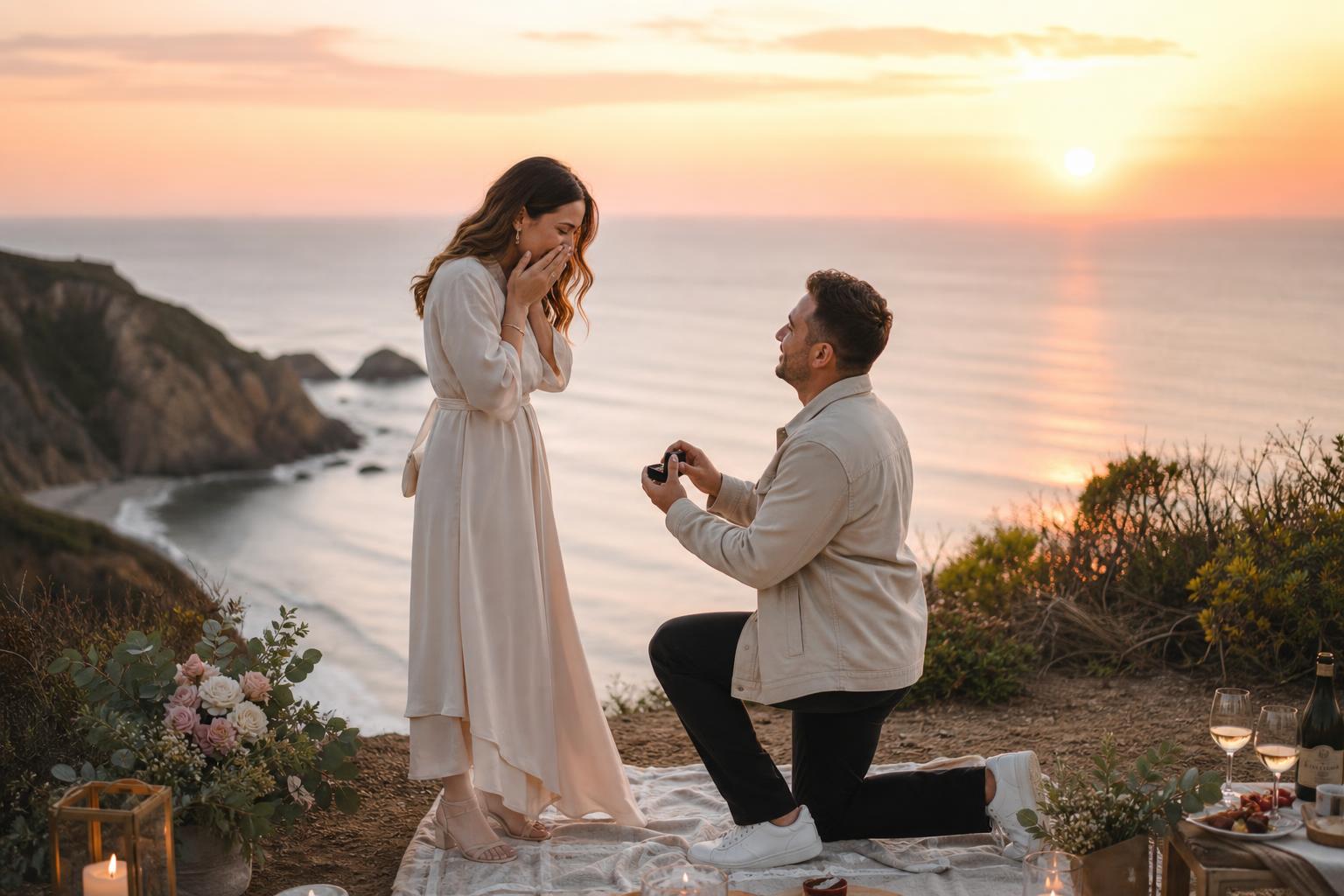
Sunset Outdoor Proposal Ideas With a Modern Romantic Feel
Some of the most memorable outdoor proposal ideas are not the grandest ones, but the ones that feel unmistakably personal in a setting that already means something to the couple. A proposal outside has a natural sense of occasion built in: changing light, open space, movement, and a backdrop that does part of the storytelling for you. Whether you picture a quiet walk, a scenic overlook, or a carefully styled setup in nature, the right idea is the one that fits your relationship, your comfort level, and the kind of memory you want to carry into wedding planning.
Choosing an outdoor setting also brings real planning decisions. Weather matters. Privacy matters. Timing matters even more than many people expect, especially if you want photographs, family involvement, or a surprise that still feels smooth and relaxed. The ideas below are meant to do more than inspire. They are designed to help you decide what works best for your season, budget, location, and proposal style so the moment feels thoughtful rather than overproduced.
Scenic overlook proposals that let the setting lead
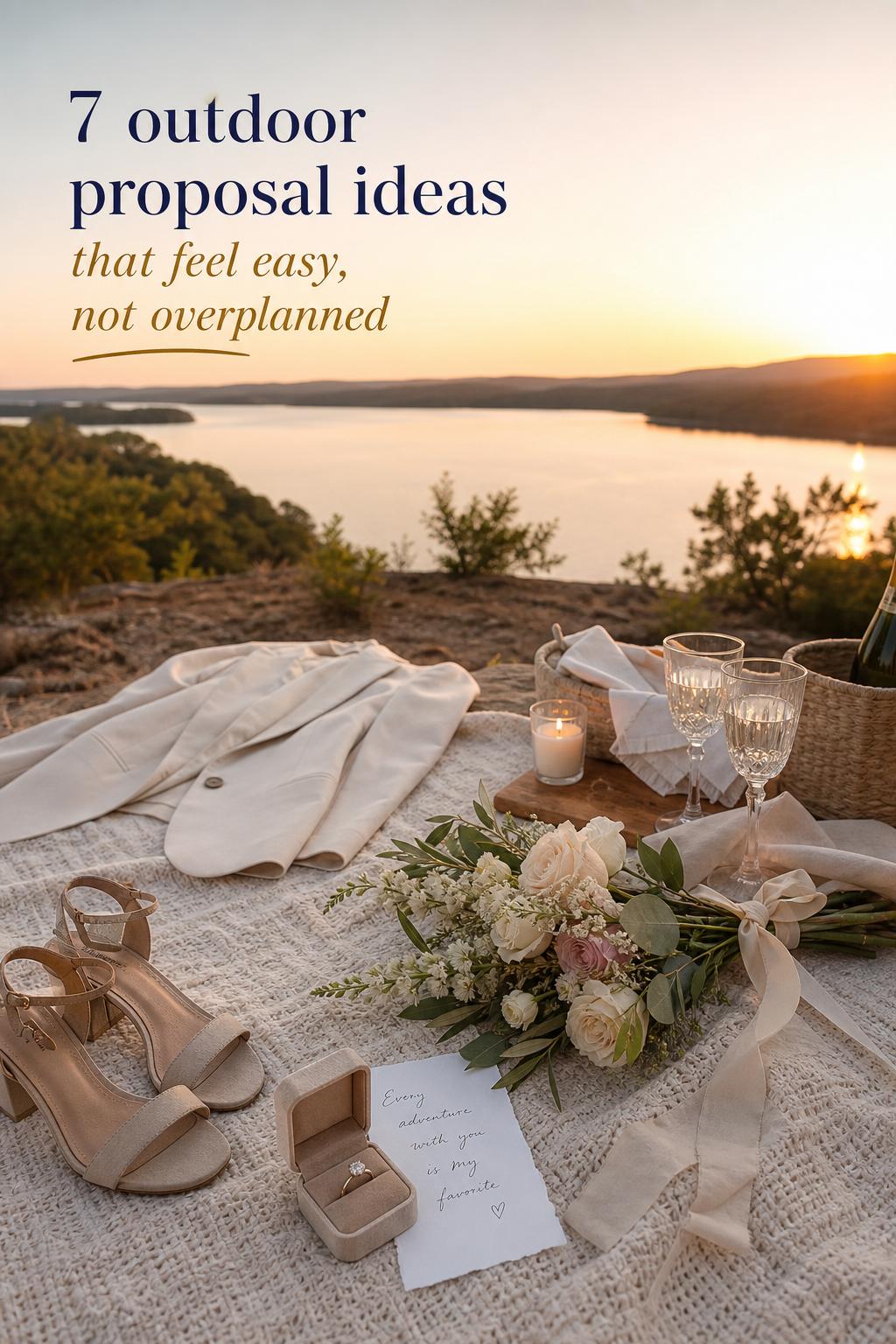
A scenic overlook proposal works best when the location already carries emotional weight or has a naturally dramatic view that does not need much decoration. This kind of proposal suits couples who love hiking, road trips, national park views, mountain landscapes, or coastal cliffs. It also works well for people who want a proposal that feels cinematic in photos without bringing in a large setup team.
Why it works is simple: the environment creates scale and emotion, so the proposal itself can stay intimate. You do not need a full arch, elaborate florals, or a formal layout if the landscape already creates a strong visual frame. A proposal photographer can usually stay at a distance more easily in this type of setting, which helps preserve the surprise.

Turn wedding inspiration into a plan you can actually follow.
Zarellea brings your guest list, budget, vendors, and day-of details into one shared space — so no beautiful idea gets lost in the shuffle.
How to make an overlook proposal feel intentional
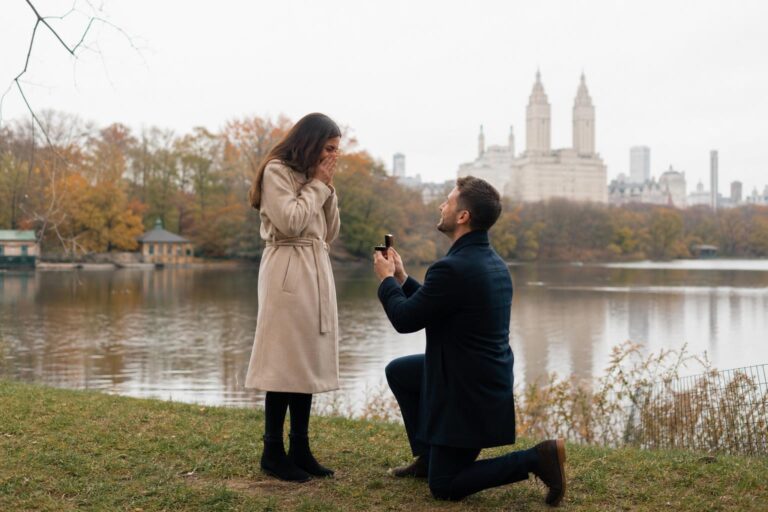
Pick a location with a safe, accessible stopping point rather than a spot that requires balancing on uneven ground. Visit at the same time of day you plan to propose so you can check crowd levels, parking, sun direction, and wind. If you want a ring box photo or a kneeling moment that feels composed, choose a relatively flat area with open sight lines behind you.
- Best for couples who love travel, nature, and meaningful destinations
- Works especially well in spring, summer, and early fall
- Usually strongest with minimal decor and one clear focal point
- Ideal if you want engagement photos immediately afterward
Budget tip: invest in timing and photography before investing in extra decor. At a scenic overlook, a strong photographer and good light usually create more impact than rental props. A common mistake to avoid is choosing a location based only on online photos without checking current access conditions or permit rules. Real-life styling tip: if the site is windy, avoid loose paper signs, lightweight candles, or delicate petals that will scatter before you arrive.
Beach proposals with a softer, more relaxed pace
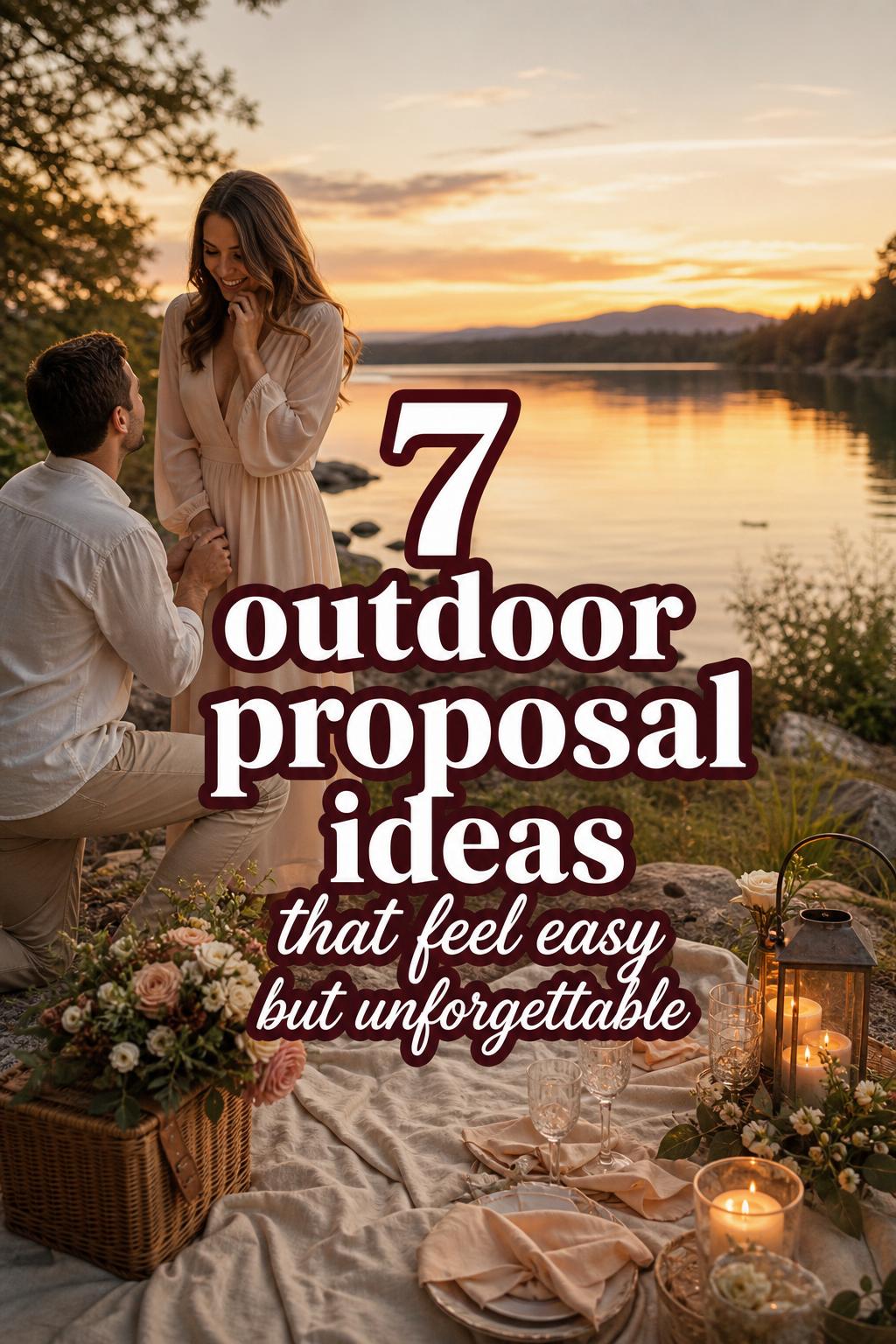
A beach proposal has a very different rhythm from a mountaintop moment. It tends to feel quieter, slower, and more personal, especially near sunrise or sunset. This is one of the most versatile outdoor proposal ideas because it can lean casual or elevated depending on the couple. A barefoot walk can feel just as meaningful as a styled picnic with flowers and champagne.
This setting works best for couples who already spend time near the water or want a relaxed atmosphere rather than a formal reveal. Coastal locations suit spring and summer naturally, but they can also work in shoulder seasons if you plan around temperature and wind. The strongest beach proposals usually use the shoreline itself as the main design element rather than trying to overfill the space.
How to plan around tide, wind, and privacy
Before choosing a beach location, check tide timing, public access, and whether the area becomes crowded at sunset. If you are planning a blanket, candles, or a floral arrangement, place everything above the high-tide line and weight down lightweight items. If the proposal involves a hidden photographer, choose a spot where they can blend in naturally, such as near dunes, a boardwalk, or distant shoreline activity.
Budget tip: skip oversized installations and focus on one or two elements, such as a clean picnic setup and a bouquet. On a beach, too many pieces can feel impractical and are harder to manage in wind. A common mistake to avoid is planning in the brightest middle-of-day sun, which can make the experience hot, crowded, and harsh in photos. Real-life styling tip: bring a neutral blanket with enough weight to stay in place and avoid bright patterns that compete with the natural tones of sand, sea, and sky.
Garden proposals that blend structure with romance
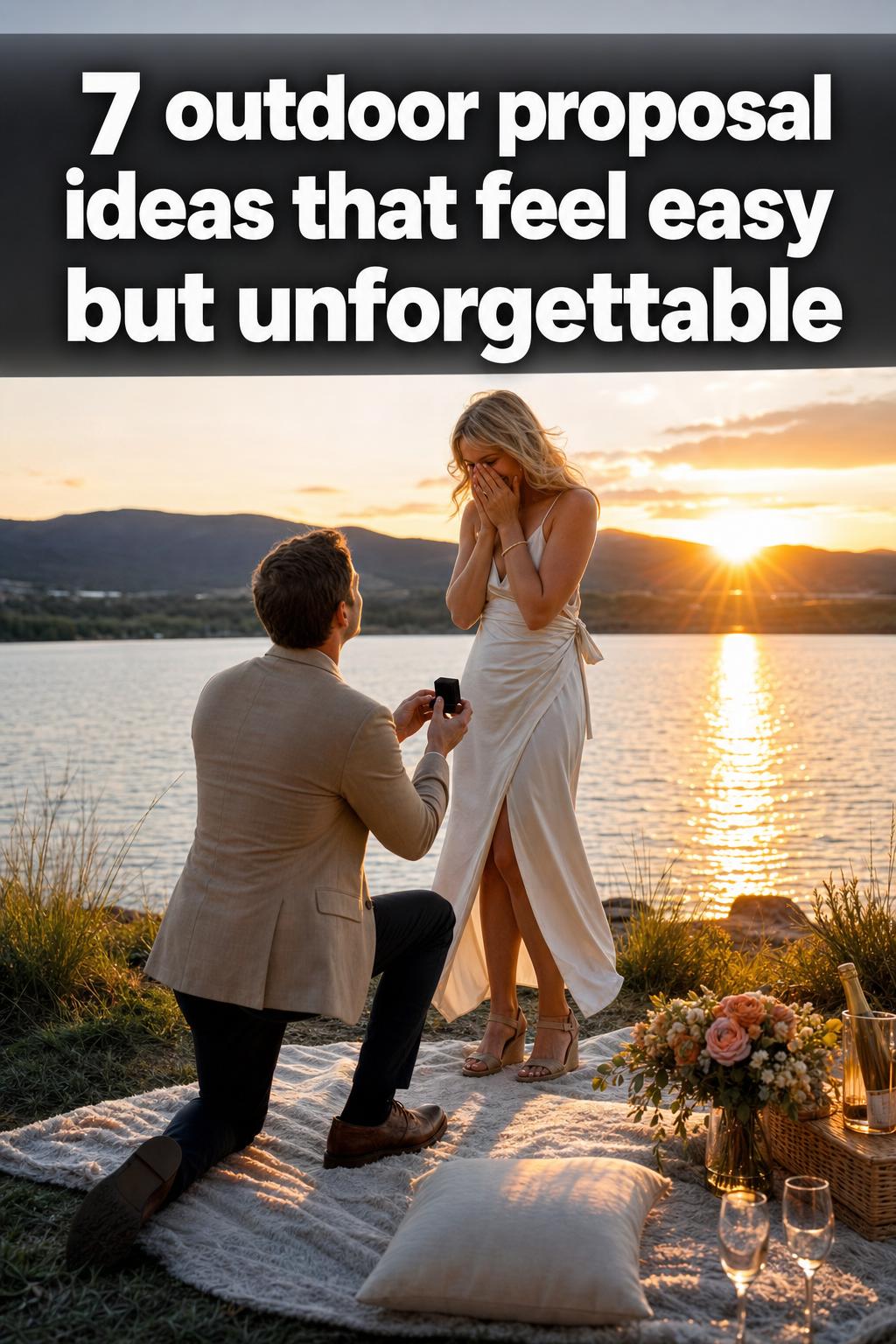
A garden proposal is ideal for couples who want outdoor beauty with more predictability than a remote natural setting. Botanical gardens, formal gardens, and manicured estate grounds often offer pathways, seating, floral backdrops, and a sense of privacy in smaller pockets. This type of proposal works especially well for romantic, classic, or elegant couples who want the moment to feel polished without becoming rigid.
The practical advantage here is control. Gardens often provide easier access, cleaner walking surfaces, and naturally layered backdrops. You may also have a better chance of planning details such as florals, a photographer, or a post-proposal toast. If you want an outdoor proposal that still feels refined, a garden setting is often easier to execute than a wild landscape.
Where garden proposals work best
- Intimate proposals with a photographer nearby
- Spring proposals when blooms are at their peak
- Couples who want formal engagement photos right after
- People who prefer easier footwear, cleaner lines, and a calmer environment
How to make it work: choose one area with a clear visual frame, such as a path lined with flowers, a fountain, a pergola, or a bench with surrounding greenery. If the garden has rules about vendors, petals, champagne, or props, confirm them in advance. Budget tip: let the existing landscaping do the decorating and use a single bouquet or small arrangement rather than a full setup. A common mistake to avoid is proposing in the busiest central section of the garden where visitors constantly pass through the background. Real-life styling tip: ask staff which area looks strongest at the exact season of your proposal, because bloom timing can vary more than couples expect.
Park picnic proposals that feel personal without feeling staged
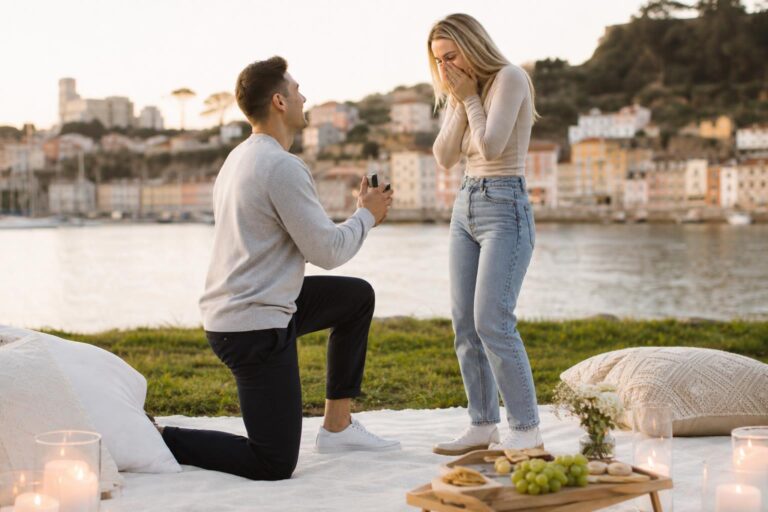
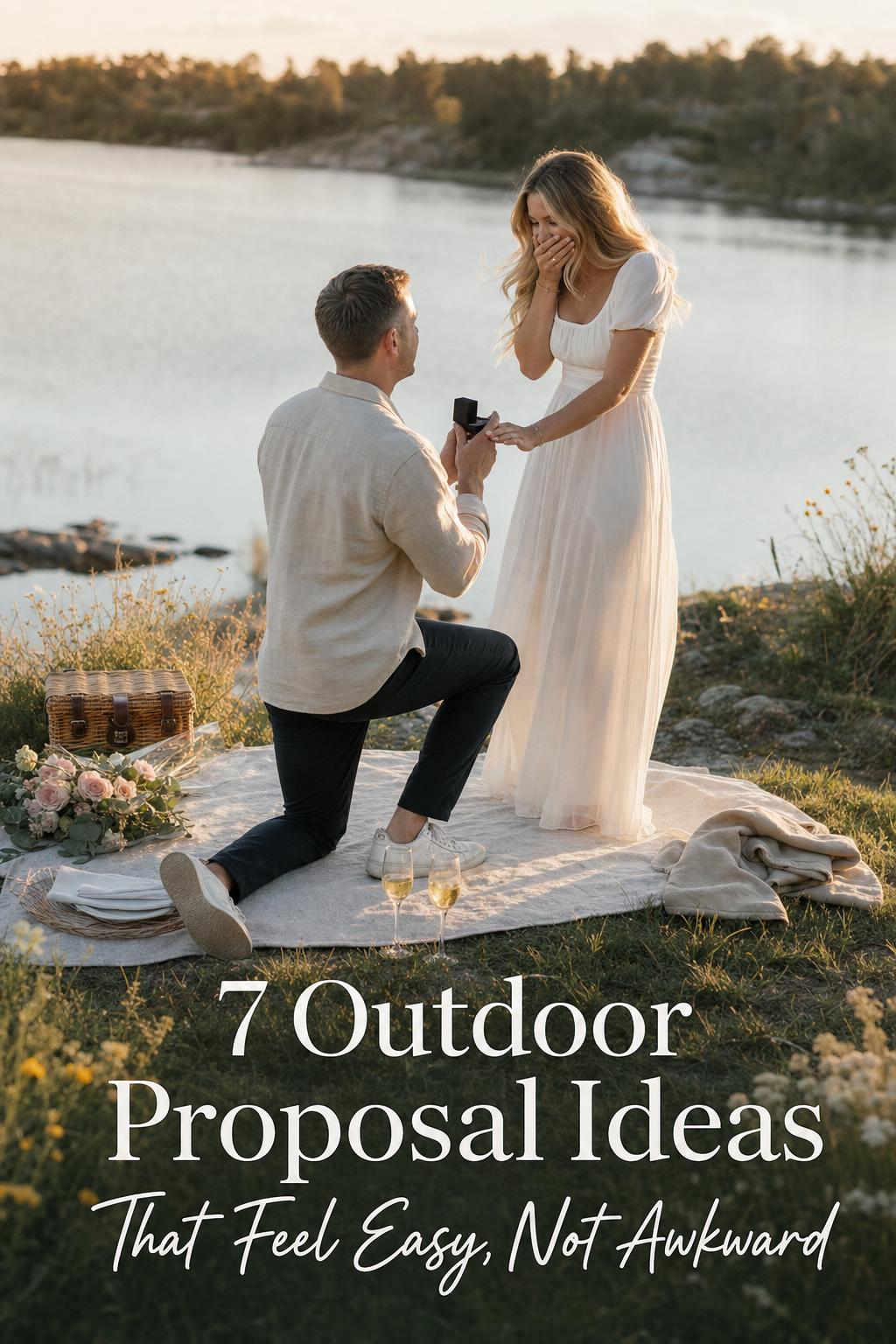
A park picnic proposal is one of the most flexible ideas for couples who want intimacy, comfort, and room to personalize the details. It works especially well if you are proposing in your hometown, near where you first met, or in a park you already visit together. Because it feels familiar, it often helps the surprise unfold naturally rather than signaling that something major is about to happen.
This idea also adapts well across budgets. A simple picnic with favorite snacks can feel just as meaningful as a styled luxury setup with rentals, layered textiles, flowers, and candles. What matters is making the design coherent and practical for the specific park conditions.
How to keep a picnic proposal elegant and functional
Choose a park with a clean, quiet section and dependable shade or soft evening light. Bring a blanket large enough for two people to move comfortably and keep the styling low-profile if the proposal needs to stay a surprise. If you want a more elevated feel, add a low picnic table, a floral arrangement, and glassware only if the ground is stable and local rules allow it.
- Best for smaller budgets and highly personal proposals
- Easy to customize with favorite foods, letters, or shared memories
- Good for spring, summer, and early fall
- Can transition into a celebration with friends or family nearby
Budget tip: prioritize one polished element, such as a quality blanket, a bouquet, or professional photos, and keep the rest simple. A common mistake to avoid is overpacking the setup with too many props that make the proposal look cluttered or difficult to manage. Real-life styling tip: set the picnic so the best background is behind the proposal spot, not behind where you plan to sit afterward, because the kneeling moment is the image most couples want captured clearly.
Lakeside and waterfront proposals with a calm, reflective mood
A lakeside proposal offers many of the benefits of a beach proposal but usually with a calmer visual environment and less wind. It works well for couples who want water in the background without the practical unpredictability of open coastal conditions. Docks, boathouses, still water, and tree-lined shorelines can all create a more intimate setting for the moment.
Why it works is partly visual and partly emotional. Water reflects light beautifully, especially late in the day, and a quieter shoreline can feel more private. This type of proposal is also a strong option for rustic, camp-inspired, or destination weekend settings where a full wedding weekend feel is already part of the story.
How to make it work: avoid narrow or unstable docks if either of you will feel nervous near the edge. Check whether the proposal location is public or part of a private property rental. If you want flowers or candles, place them on stable land beside the water rather than on a floating or shifting surface. Budget tip: use the dock, canoe, or shoreline as the visual focal point instead of renting extra decor. A common mistake to avoid is forgetting bug control for warm-weather waterfront locations. Real-life styling tip: if you are proposing at sunset, arrive early enough to account for the moment when the sun drops behind trees earlier than expected.
Sunrise and sunset timing can change the entire proposal
One of the most important decisions in planning outdoor proposal ideas is not just where to propose, but when. The same location can feel rushed, crowded, exposed, or peaceful depending on the hour. Sunrise proposals tend to feel private, quiet, and genuinely surprising because they require intention without attracting large crowds. Sunset proposals often feel warmer and more cinematic, and they can transition naturally into dinner or a celebration afterward.
How to choose between sunrise and sunset
Choose sunrise if privacy matters most, if your location is popular later in the day, or if you want soft light without heat. Choose sunset if you want a slower build-up, more time to style the location, or an evening plan afterward. Think realistically about your partner’s personality. If they dislike early mornings, a sunrise proposal may feel less romantic in practice, even if the photos are beautiful.
Budget tip: a well-timed proposal in flattering natural light can reduce the need for extra decor. A common mistake to avoid is scheduling too close to the official sunset time. In many outdoor locations, the best light happens earlier, and the usable proposal window can disappear quickly. Real-life styling tip: ask your photographer when they want you in position rather than relying only on a weather app’s sunset listing.
Including flowers, candles, and signs without overcomplicating the moment
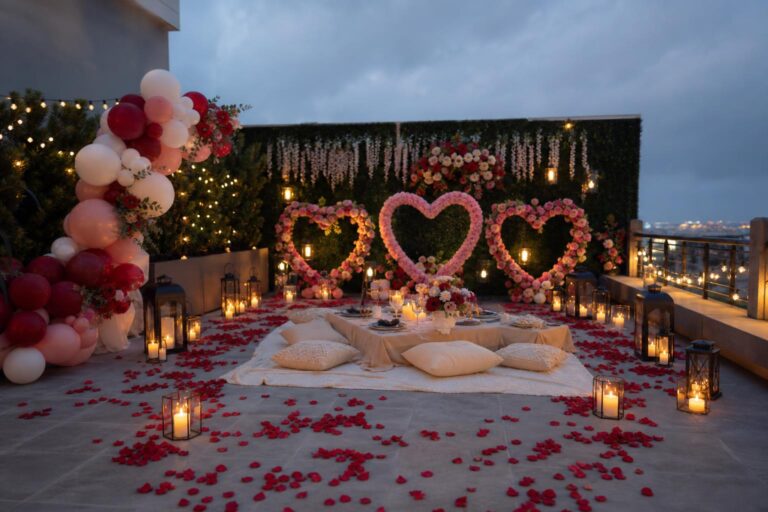
Decor can help a proposal feel distinct, but it should support the moment rather than compete with it. In outdoor settings, simple styling usually works better than highly detailed staging. Flowers, candles, a blanket, or a small sign can create a focal point, especially in parks, gardens, or private outdoor venues, but every item should have a clear purpose.
Flowers work best when they tie into the setting rather than trying to overpower it. A bouquet or low arrangement is often more practical than tall installations. Candles can be effective in sheltered spaces or after sunset, but battery options are usually safer and easier outdoors. Signs can help frame the proposal in photos, yet they should be used sparingly so the moment still feels personal rather than promotional.
A practical styling approach
- Use one focal decor element instead of several competing ones
- Choose materials that can handle wind, uneven ground, and changing temperatures
- Keep the color palette soft and cohesive with the natural environment
- Think about what will still look polished if the weather shifts slightly
Budget tip: repurpose floral pieces from another event or keep the design limited to one bouquet and one arrangement. A common mistake to avoid is bringing decor that looks strong online but is difficult to transport or anchor outside. Real-life styling tip: before ordering custom signs, decide whether you truly want text in your photos, because many couples later prefer images that focus only on the two of them and the setting.
Proposals that lead into a celebration with family and friends
Some couples want the proposal to stay entirely private, while others love the idea of turning the moment into a shared celebration. An outdoor proposal makes this easier than many indoor settings because friends and family can wait nearby in a park, at a picnic area, on a patio, or at a separate outdoor gathering spot. The key is planning a transition that still protects the intimacy of the proposal itself.
This approach works best for couples who are close to family, enjoy group celebrations, or know they will want to mark the moment right away. It is also useful if relatives are visiting from out of town or if the proposal is part of a larger trip or holiday weekend. The idea is not to turn the proposal into a performance, but to create a natural second chapter after the yes.
How to make it work: keep the actual proposal location separate enough that you have a few minutes alone before everyone joins you. Coordinate arrival times carefully so no one accidentally appears in the background too early. Budget tip: a simple outdoor toast or casual meal can feel more relaxed and cost-effective than booking a large private dinner immediately after. A common mistake to avoid is involving too many people in the surprise, which raises the chance of timing problems. Real-life styling tip: designate one person as the point of contact for guests so you are not managing texts and logistics on the day of the proposal.
When a private outdoor venue makes more sense than a public location
Public parks, beaches, and overlooks are appealing because they are meaningful and often budget-friendly, but they are not always the best fit. If privacy, setup time, or weather backup plans are especially important, a private outdoor venue can be worth considering. This might be a garden property, an estate lawn, a boutique outdoor space, or a rental with scenic grounds.
The main advantage is control. You can usually arrive earlier, style the area more confidently, and avoid interruptions from strangers. This is particularly helpful if you plan to include florals, a musician, family, or a more formal celebration afterward. It can also reduce stress if your partner values privacy and would not enjoy a public proposal.
Budget tip: if renting a venue, use the location for more than just the proposal by adding portraits, a meal, or a small gathering afterward. A common mistake to avoid is paying for a beautiful space but overlooking practical details like walking distance from parking, bathroom access, and lighting after dark. Real-life styling tip: ask for photos of the exact outdoor area at the same time of day and season if possible, because grounds can look very different in promotional images than they do in real use.
Weather, footwear, and other planning details couples often underestimate
The strongest proposal ideas tend to succeed because someone thought carefully about the practical details. Outdoor proposals bring weather, terrain, and comfort into the picture in a way indoor proposals usually do not. Wind can affect hair, candles, signs, and sound. Uneven ground can make walking awkward. Cold temperatures can rush the moment. Heat can make a heavily styled outfit feel uncomfortable before the proposal even happens.
Planning details worth deciding in advance
- What the backup plan is if weather changes suddenly
- Whether the location requires a permit or reservation
- How much walking is involved before the proposal spot
- What kind of shoes and clothing make sense for the terrain
- How the ring will be carried safely and discreetly
- Where the photographer will be positioned
A good proposal plan balances emotion with comfort. If your partner will be in heels at a garden event later that day, a steep trail may not be a thoughtful surprise. If the proposal is happening on a trip, think about when in the itinerary it makes sense so the ring, photos, and celebration are easy to manage. One of the most common mistakes is assuming the setting alone will carry the moment. It still needs structure, timing, and consideration.
How to choose the right outdoor proposal idea for your relationship
The best choice usually becomes clearer when you stop asking which proposal idea is most impressive and start asking which one feels most true to your relationship. A beach proposal may be right if your best memories involve the coast. A garden proposal may fit if your partner notices flowers, details, and atmosphere. A scenic overlook may feel right if your relationship is tied to travel and big landscapes. A simple park picnic may be the strongest option if your story is rooted in everyday intimacy.
Think about these decision points: how public or private your partner is, whether they enjoy surprises, how formal the setting should feel, what season and weather conditions you are working with, and whether you want the proposal to move into photos, a meal, or a celebration. The point is not to copy a mood board. It is to create a moment that feels personal enough that the setting becomes part of your story, not just part of the backdrop.
A quick way to narrow it down
- Choose nature-forward if scenery matters more than decor
- Choose a garden or venue if privacy and polish matter most
- Choose a picnic if personalization and budget flexibility matter most
- Choose waterfront if you want softness, reflection, and a calmer pace
- Choose a celebration-friendly setup if family involvement matters after the proposal
Once you know the feeling you want, the practical decisions become easier. You can choose the location, timing, styling, and photography approach that support that feeling rather than distract from it.
A final note on making the moment feel lasting
The most successful outdoor proposals tend to share one quality: they feel considered. Not necessarily elaborate, not necessarily expensive, but attentive to the couple, the setting, and the experience from beginning to end. A quiet sunrise by the water, a floral corner in a garden, a picnic in the park, or a mountaintop view can all feel extraordinary when the plan respects both the emotion of the moment and the reality of how it will unfold.
As you plan, let the location support your story instead of trying to force the story to fit the location. That is usually what makes a proposal feel both beautiful and believable, and it is often the same instinct that leads to a wedding that feels deeply personal later on.
FAQ
What are the best outdoor proposal ideas for a private moment?
Scenic overlooks at quieter times, secluded garden corners, lakeside spots, and early morning beach locations tend to work well for privacy. The best option depends on how accessible the location is and whether you can avoid peak visitor hours. Sunrise is often the strongest choice if privacy matters more than a built-in crowd reaction.
How far in advance should I plan an outdoor proposal?
If the proposal is simple and in a public park or beach, a few weeks may be enough, but more complex plans usually need longer. Give yourself extra time if you need permits, a photographer, florals, rentals, or a private venue. Planning early also gives you more flexibility if weather conditions change.
What should I do if the weather forecast changes?
Have a backup plan before the day arrives. That could mean shifting the time, choosing a covered outdoor area, moving to a private venue with shelter, or having an alternate date if your proposal is tied to photography or decor. The key is choosing a plan that still feels intentional rather than last-minute.
Are beach proposals hard to plan?
They can be straightforward if you keep the setup simple and plan for tide, wind, and crowd levels. Problems usually come from overdecorating or choosing the wrong time of day. A beach proposal is often easiest when the shoreline itself is the main visual feature and the rest of the styling stays minimal.
Is a picnic proposal a good idea for a smaller budget?
Yes, a picnic proposal is one of the most budget-flexible outdoor options. It can be as simple as a blanket and favorite snacks or more elevated with rentals and flowers. The strongest results usually come from keeping the design focused and choosing one or two details that feel polished rather than trying to include everything.
Should I hire a photographer for an outdoor proposal?
If photographs matter to you, hiring a photographer is often worth it because outdoor light changes quickly and surprise moments are difficult to recreate naturally. A photographer can also help with timing, positioning, and location selection. If you prefer a more private moment, choose someone experienced in shooting from a distance.
How can I include family and friends without making the proposal feel public?
Plan the proposal in one spot and the celebration in another nearby area so you still have private time first. Keep communication organized through one trusted contact rather than involving too many people directly. This helps prevent timing mistakes and keeps the emotional focus on the two of you during the proposal itself.
What is the most common mistake with outdoor proposals?
One of the most common mistakes is focusing so much on the visual idea that the practical details get overlooked. Weather, access, terrain, timing, and privacy all shape how the moment actually feels. A simpler plan that is well thought out usually works better than an ambitious one that is difficult to execute.
Which outdoor proposal setting works best for engagement photos?
Gardens, scenic overlooks, waterfronts, and beaches are all strong choices, but the best one depends on the style you want and the time of day. Gardens offer structure and polish, while overlooks and beaches provide more dramatic natural scale. The most important factor is often light and space rather than the location category alone.