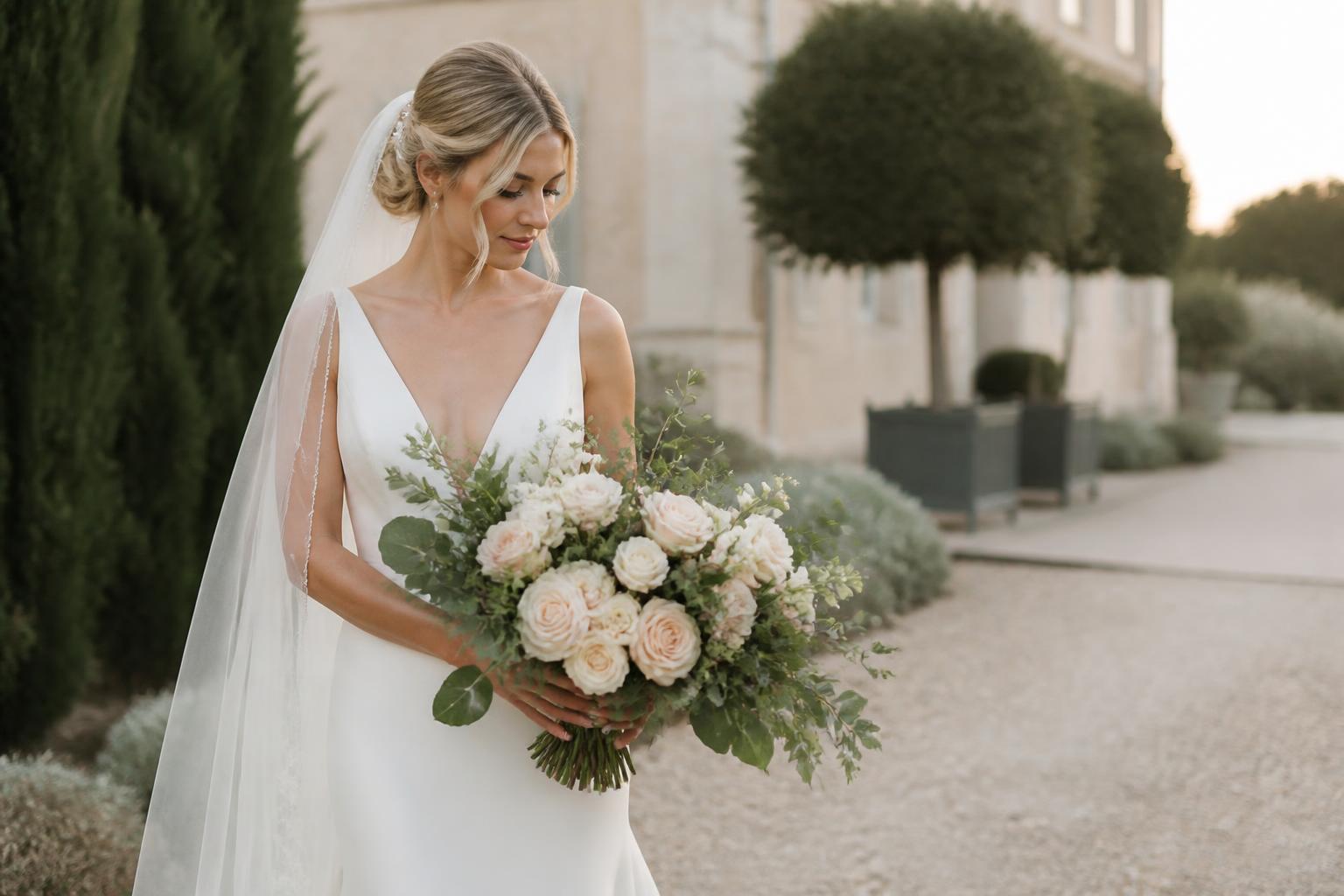
Timeless Floral Bouquets For a Modern Wedding Mood
Floral bouquets often seem simple until they have to work inside a real wedding day. A bouquet is carried through portraits, ceremony movement, greetings, shifting temperatures, long timelines, and close-up photography. What looks beautiful in a single inspiration image can feel too large, too delicate, too busy, or strangely disconnected once it is placed against the dress, the venue, and the pace of the event.
That is why bouquet decisions create more stress than many couples expect. The challenge is rarely just choosing flowers. It is creating floral bouquets that feel aligned with the mood of the wedding while still functioning as part of the day’s styling, comfort, and visual flow. This guide helps solve that problem with a calm, practical approach so your bouquet feels intentional rather than like one more detail that became complicated at the last minute.
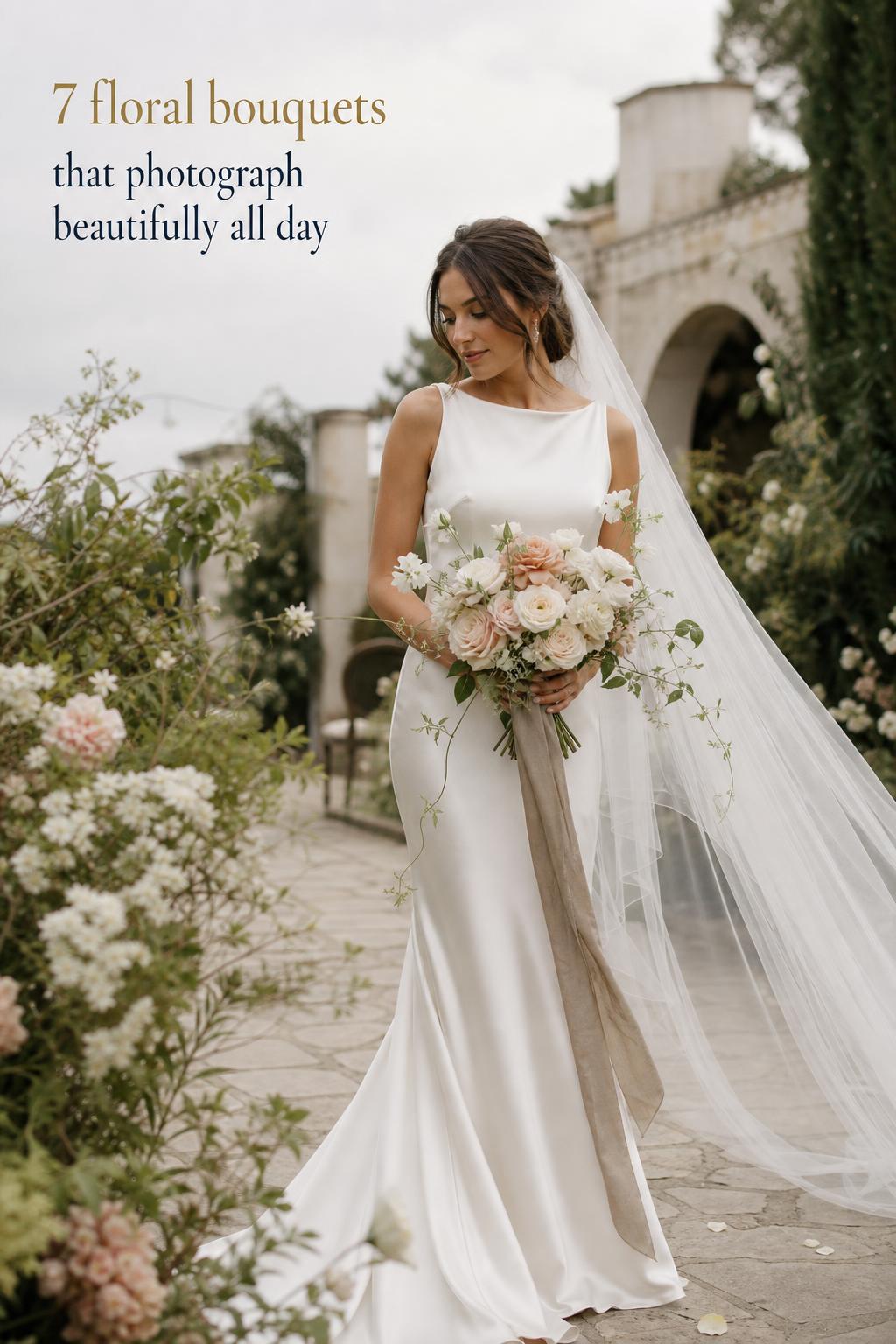
Why bouquet decisions become harder than they look
The bouquet sits at the center of several competing priorities. It needs to suit the couple’s overall concept, feel proportionate in the hand, coordinate with other products and décor, and still hold visual clarity in portraits and ceremony images. At the same time, weather, venue limitations, guest movement, and timeline pressure can all affect how successful the final choice feels in real life.
One common issue is that couples try to solve too many design goals with one arrangement. They want softness, impact, seasonality, romance, color, texture, and uniqueness all at once. Without a clear concept, floral bouquets can start to compete with the dress, clash with the venue architecture, or feel disconnected from the rest of the event. A bouquet should support the wedding story, not carry the entire styling plan by itself.
Turn wedding inspiration into a plan you can actually follow.
Zarellea brings your guest list, budget, vendors, and day-of details into one shared space — so no beautiful idea gets lost in the shuffle.
Another challenge is that bouquets are highly visible but physically small compared with the scale of a ceremony or reception. Because of that, every choice feels loaded with meaning. A color that is slightly off, a shape that interrupts movement, or an arrangement that wilts under outdoor conditions becomes much more noticeable. This is especially true across event transitions, from first look to ceremony to reception entrances.
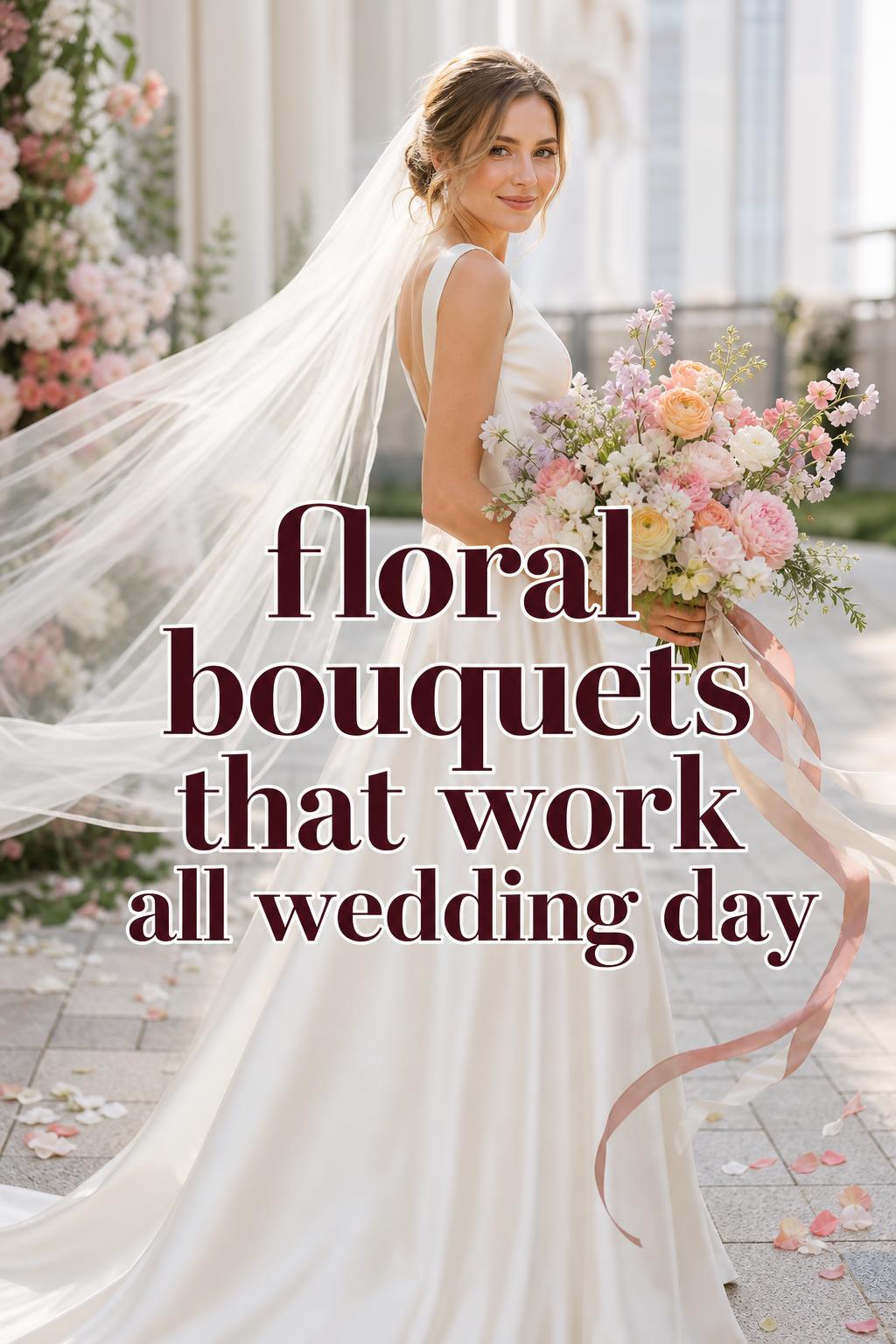
The bouquet principles that make a wedding feel cohesive
Strong bouquet choices usually come from restraint and connection. Restraint means not forcing every idea into one design. Connection means tying the bouquet to the larger wedding atmosphere through palette, shape, texture, and concept. These are the principles that make floral bouquets feel polished instead of random.
- Choose a clear focal point rather than too many competing details.
- Let shape support the dress silhouette and the formality of the event.
- Use texture to create depth instead of relying only on more color.
- Consider how the bouquet will move during walking, holding, hugging, and posing.
- Keep the bouquet related to the venue and season so it feels natural in the setting.
- Coordinate with supporting products such as boutonnieres, centerpieces, and ceremony florals without making everything identical.
These principles matter because bouquets are not isolated design pieces. They are visual connectors between fashion, décor, photography, and emotion. When that connection is strong, the bouquet helps everything else feel more refined.
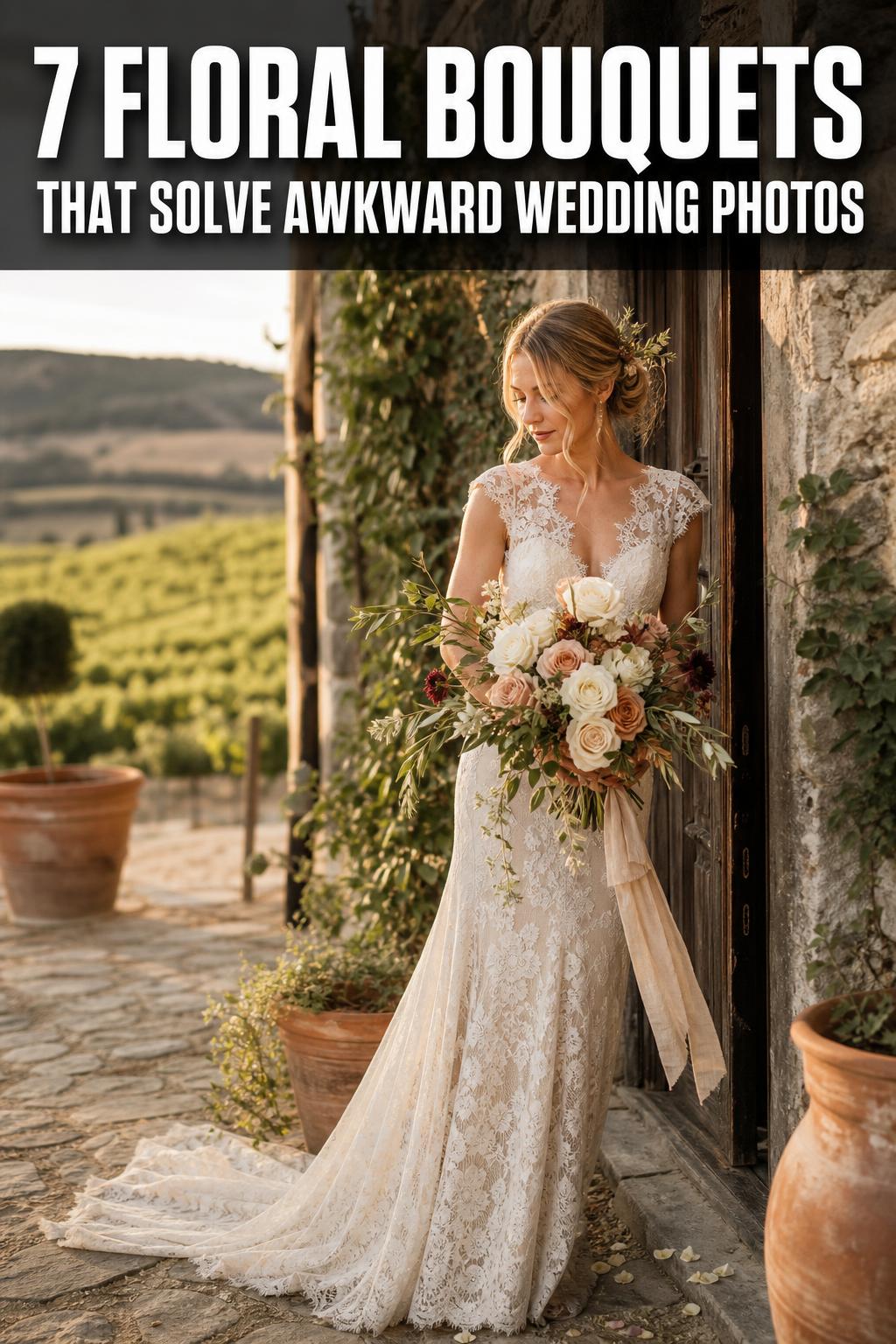
Wedding solution: start with the wedding atmosphere, not the flower list
Many couples begin bouquet planning by collecting individual blooms, colors, or trending styles they like. The problem is that this approach can produce a beautiful arrangement that still feels wrong for the wedding. A bouquet chosen as a list of parts may not suit a minimalist venue, a formal ballroom, an intimate garden ceremony, or a modern city setting. That disconnect is what makes the styling feel unsettled.
The more effective solution is to begin with the atmosphere you want to create. Think in concepts first: romantic, modern, garden-inspired, soft, sculptural, understated, or abundant. Once the concept is clear, your florist or floral brand can shape the bouquet around that mood using the right products, textures, and scale. This approach also helps when coordinating with a planner, designer, or photographer because everyone is responding to the same visual language rather than separate preferences.
The result is a bouquet that feels emotionally coherent. It supports the wedding rather than competing with it, and it often feels more luxurious because the choices seem deliberate. Guests may not name the concept out loud, but they notice when the flowers, fashion, and venue all belong to the same story.
What couples usually overlook
A bouquet does not need to include every favorite color or every floral idea. Cohesion matters more than quantity. A smaller number of well-related choices often creates a stronger impression than an arrangement trying to show too much personality at once.
Wedding solution: match bouquet shape to movement and dress silhouette
A bouquet can look lovely on a table and still feel awkward once it is carried. This usually happens when shape is chosen only for trend appeal. An arrangement that is too wide can hide the waistline and disrupt the line of the gown. One that is too small can disappear in photos or feel visually weak beside a dramatic dress. Loose shapes can also become difficult to handle if the ceremony involves stairs, uneven ground, or a long walk.
Start by considering how the bouquet will sit against the body. Cleaner silhouettes often pair well with more intentional, streamlined floral bouquets, while softer dresses can support greater movement and texture. Think about how the bouquet looks when held low, when lifted slightly for portraits, and when passing from one hand to another. If the wedding includes multiple events, a shape that remains comfortable and easy to hold over time is usually the better choice than one that is visually impressive for only a few minutes.
When the bouquet shape works with the dress and with the body’s natural movement, the entire look becomes calmer. Photographs feel less forced, posture improves naturally, and the bouquet reads as part of the styling instead of a decorative object being carried separately. That kind of ease is one of the clearest signs of a well-chosen design.
Photography perspective
Shapes that maintain definition tend to photograph better across a full gallery because they remain recognizable from different angles. Bouquets that are too dense or too chaotic can lose their character in motion, especially during candid moments rather than posed portraits.
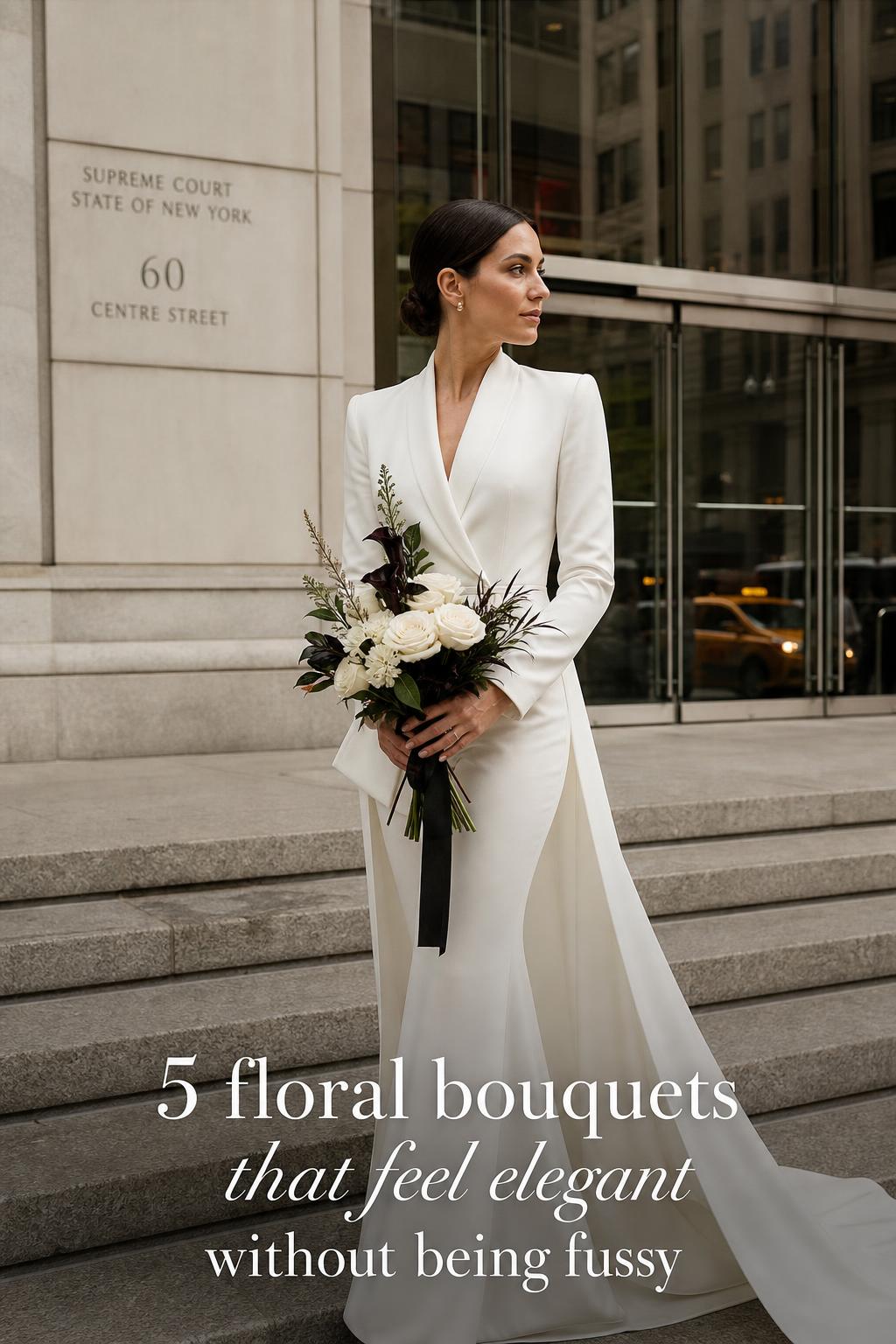
Wedding solution: use color with discipline so the bouquet does not fight the wedding palette
Color confusion is one of the fastest ways to make floral bouquets feel disconnected. Couples often love several tones separately, then discover that combining all of them in one arrangement creates visual noise. This becomes even more obvious under changing light or when the bouquet is photographed against a bridal look, bridesmaid styling, ceremony backdrop, and reception décor that all interpret color differently.
A more elegant solution is to simplify the palette and create variation through tone and texture rather than constant contrast. Instead of treating the bouquet as the only place to make a bold color statement, let it act as a bridge between the wedding party and the décor. If the event already contains several products with strong visual presence, a more controlled bouquet often improves the overall composition. If the wedding palette is quiet, subtle tonal shifts can still keep the arrangement from feeling flat.
This approach makes the entire wedding feel more intentional. The bouquet enhances the emotional atmosphere rather than interrupting it, and it becomes easier to connect ceremony and reception spaces through a shared floral language. Thoughtful color discipline also gives images a more timeless quality because the floral design feels balanced instead of overly reactive to short-lived styling impulses.
How to keep it timeless
Timeless does not mean plain. It means that color, concept, and setting reinforce one another clearly enough that the bouquet still feels appropriate beyond one season’s trend cycle. A restrained palette often ages more gracefully than a bouquet built around too many competing statements.
Wedding solution: coordinate bouquets with the venue instead of treating them as standalone décor
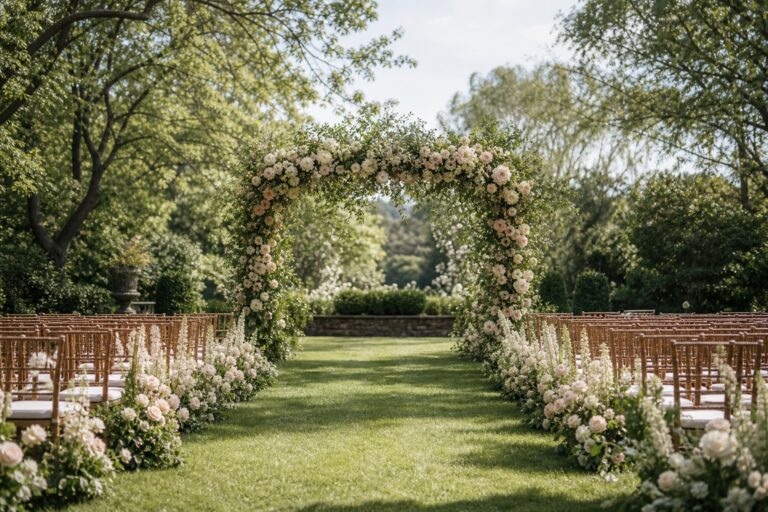
A wedding venue has its own personality, whether that is architectural, natural, formal, minimal, or richly detailed. Floral bouquets can feel strangely out of place when they ignore that context. This problem often shows up when inspiration is pulled from another location entirely. A bouquet designed for one setting may not feel convincing in another, even if the flowers themselves are beautiful.
Use the venue as a design filter. In a space with strong architecture, the bouquet may need enough structure or visual clarity to hold its own. In a softer outdoor location, a more relaxed concept may feel more natural. The goal is not to mimic the venue literally, but to create a conversation between place and flowers. This is where planners, designers, and florists work best together: the bouquet becomes one element in a broader environment rather than an isolated accessory.
When venue and bouquet are in harmony, the wedding feels more immersive. Guests experience a clearer sense of atmosphere, and the floral styling appears thoughtfully placed rather than imported from a different aesthetic world. That kind of visual honesty is often what makes a wedding feel both elevated and believable.
Venue compatibility notes
If your venue already provides strong visual interest, the bouquet does not have to prove itself through excess. In highly decorative settings, simpler floral bouquets can look more sophisticated because they allow the architecture and the bridal styling to remain visible.
Wedding solution: design for weather, time, and real handling
Beautiful bouquets can become stressful when they are not planned for actual conditions. Outdoor ceremonies, long portrait sessions, transport time, and warm or unpredictable weather all affect how flowers look and how comfortable they are to carry. Couples sometimes assume the bouquet will simply appear at the right moment and remain unchanged, but floral products are part of the event timeline and need realistic handling.
Build a bouquet plan around the day itself. Think about when the arrangement is delivered, where it waits before use, how long it will be carried, and what movement the schedule requires. If there is a weather backup, the bouquet should still make sense within that alternate setting. Practical adjustments such as thoughtful storage, shorter holding periods before ceremony start, and coordination with the planner or venue team can protect the design without changing its beauty. This is also where simplicity can be a strength, because floral bouquets with clearer structure are often easier to maintain through a long event.
The emotional benefit is significant. Instead of worrying whether the bouquet still looks right, the couple can stay present. Practical planning protects the atmosphere. Guests may never see the backstage adjustments, but they feel the difference when the day moves smoothly and the floral details still look intentional from first arrival to final reception moments.
Weather backup ideas
- Confirm where bouquets will be kept before the ceremony begins.
- Make sure the alternate ceremony location suits the bouquet’s scale and palette.
- Avoid making the bouquet so fragile that small timeline changes affect its appearance immediately.
- Ask your florist and planner to coordinate handoff timing so the bouquet is not waiting unnecessarily in difficult conditions.
Wedding solution: let supporting florals relate to the bouquet without copying it exactly
A common styling mistake is trying to make every floral piece identical. Couples may assume that the bouquet, boutonniere, ceremony flowers, and reception arrangements need to repeat the same formula exactly for the wedding to feel cohesive. In reality, this often flattens the visual experience and can even make the bouquet feel less special because it loses its role as a focal floral product.
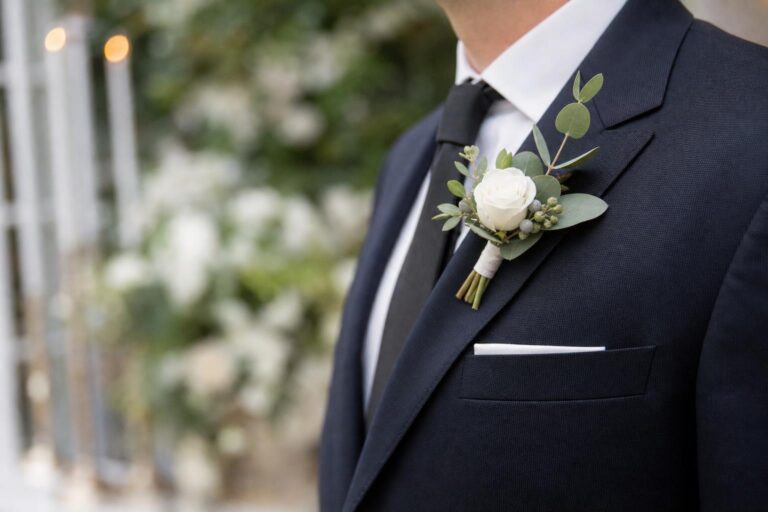
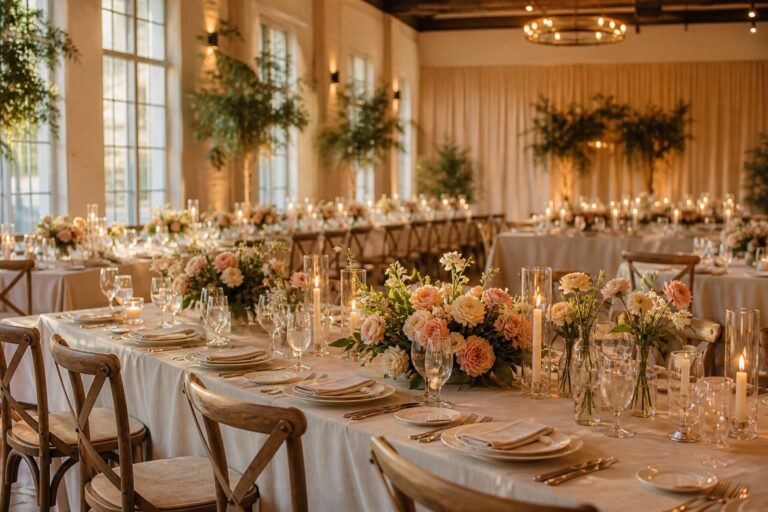
The better approach is consistency without duplication. Keep a shared concept through palette, texture, or shape language, but adapt each floral product to its function. A bouquet held in the hand can carry more detail than a boutonniere. Ceremony florals can echo the bouquet’s mood while responding to space and scale. Reception arrangements can support the same story in a way that works for guest sightlines and table function. This relationship-based styling creates elegance without monotony.
When the bouquet is part of a connected floral family rather than an exact match set, the wedding feels more layered and editorial. Guests notice continuity, but the design still has dimension. It is a refined kind of luxury: everything belongs together, but nothing feels mechanically repeated.
What makes this feel luxurious
Luxury often comes from thoughtful variation. Repetition can feel safe, but nuanced coordination tends to feel more intentional. A bouquet that leads the floral story while allowing other arrangements to interpret it naturally creates a more sophisticated result.
What photographs best in floral bouquets
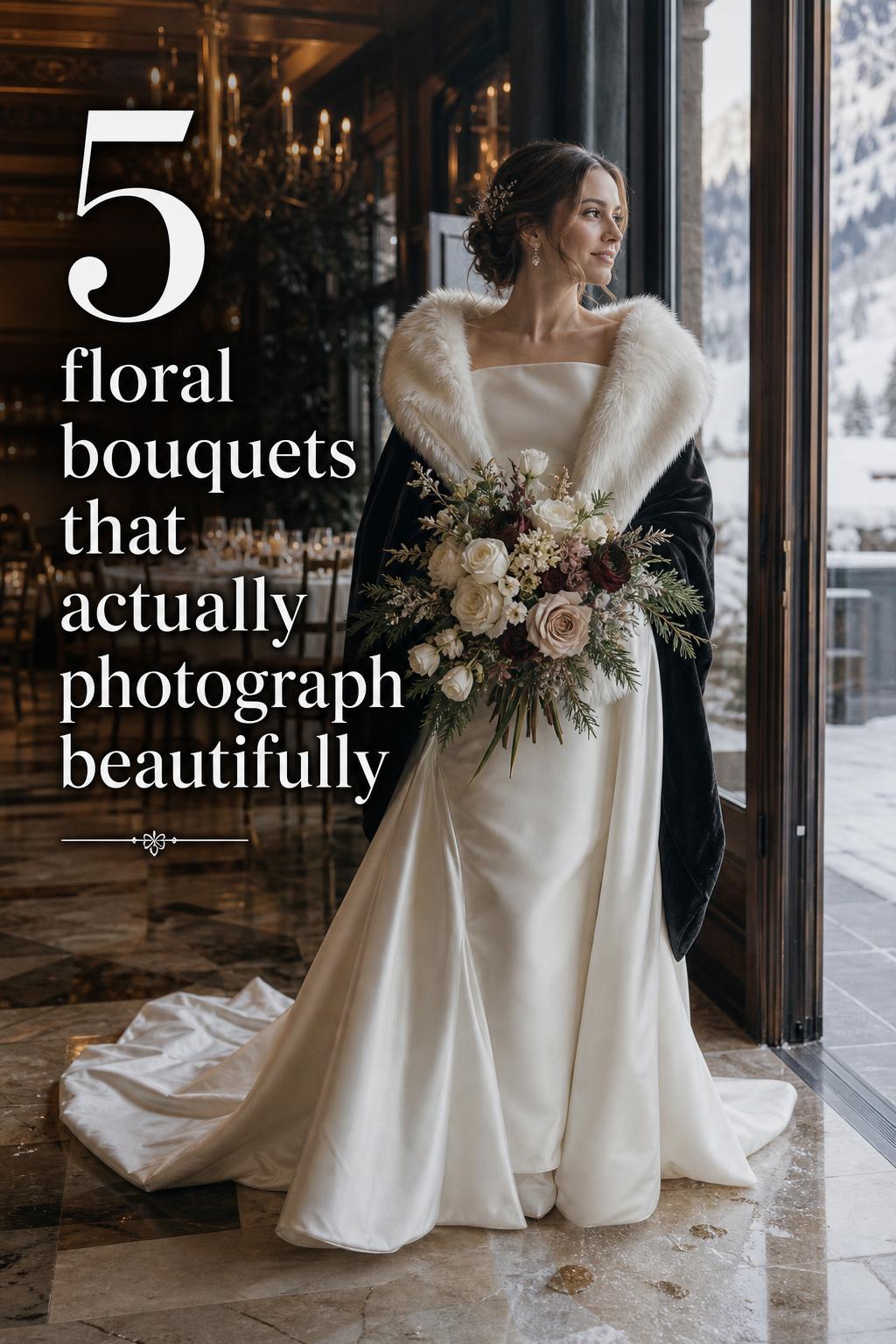
Photographic success is rarely about choosing the biggest bouquet or the most unusual arrangement. What photographs best is clarity. The viewer should understand the bouquet’s shape, palette, and relationship to the person carrying it. If an arrangement lacks definition, it can disappear into the dress or read as visual clutter in tighter compositions.
- Clear silhouette over excessive complexity.
- Balanced scale in relation to the body and gown.
- Color contrast that is deliberate but not harsh.
- Texture that adds depth without making the bouquet look messy.
- Design choices that still read well in close-ups and full-length portraits.
This does not mean every bouquet should be simple. It means the design should remain legible. Floral bouquets become more memorable in images when they have a strong visual idea and enough restraint for that idea to stay visible throughout the gallery.
Common mistakes that make bouquet planning more stressful
Most bouquet problems do not begin with bad taste. They begin with too many inputs and not enough editing. Couples are often trying to satisfy inspiration images, family opinions, venue realities, seasonal assumptions, and emotional symbolism all at once. That pressure can make even good choices feel confusing.
- Choosing a bouquet before clarifying the overall wedding concept.
- Using too many colors or floral ideas in one arrangement.
- Ignoring how the bouquet works against the dress silhouette.
- Prioritizing a trend over comfort, movement, or venue compatibility.
- Expecting all floral products to match exactly.
- Forgetting that the bouquet must survive handling, weather, and a full timeline.
The solution is usually not to add more detail but to return to the core purpose of the bouquet. It should support the atmosphere, flatter the bridal styling, and function gracefully through the event. Once those priorities are clear, many overwhelming decisions become easier.
The simplest way to elevate the look without creating visual clutter
When couples want floral bouquets to feel special, the first instinct is often to add more: more flowers, more color, more trailing pieces, more contrast. But elevation usually comes from editing, not accumulation. A bouquet with one strong point of view nearly always feels more sophisticated than one trying to perform several styles at once.
To elevate the look, focus on one primary idea and let every supporting decision reinforce it. That might be shape, softness, tonal variation, or textural contrast. Once the central concept is established, trim away anything that distracts from it. This does not make the bouquet less expressive. It makes the expression clearer, which is what gives it elegance.
The emotional effect is subtle but important. Clear design reduces decision fatigue. It helps the couple feel confident that the bouquet is doing its job, and it leaves more room for the real feeling of the day to come forward.
Tips for making bouquet choices feel less overwhelming
Even couples with a strong visual sense can struggle once floral decisions become specific. The easiest way to reduce stress is to simplify the approval process and evaluate bouquets based on how they will function, not only how they look in isolation.
- Describe the mood you want before discussing individual flowers.
- Review the bouquet alongside the dress, venue, and other floral products.
- Ask whether the shape supports movement throughout the day.
- Consider the lighting and weather conditions the bouquet will face.
- Decide where you want the bouquet to stand out and where it should quietly support the look.
- Remember that thoughtful coordination usually matters more than floral abundance.
This kind of decision-making feels calmer because it turns the bouquet into part of a larger design system. Instead of chasing perfection, you are choosing what serves the wedding best.
A bouquet can be personal without becoming complicated
Some couples hesitate to simplify because they worry the bouquet will stop feeling meaningful. In practice, personal style is often expressed more clearly through consistent choices than through symbolic overload. A bouquet can feel deeply individual because it reflects the wedding’s emotional tone, not because it includes every reference that matters to you.
If personal meaning is important, weave it in through the overall concept rather than forcing many separate statements into the arrangement. A quiet, romantic bouquet for an intimate ceremony, a clean modern shape for a city venue, or a softer garden direction for an outdoor celebration can all feel personal because they mirror the couple’s way of living and hosting. Meaning is strongest when it feels integrated.
That is often the most reassuring truth in wedding styling: you do not need excess to make something memorable. Floral bouquets feel most special when they are connected to the atmosphere of the day and carried with ease.
FAQ
How do I choose floral bouquets that match my wedding style?
Start with the overall atmosphere of the wedding rather than a list of flowers. Decide whether the mood is romantic, modern, soft, structured, garden-inspired, or understated, then shape the bouquet around that concept so it connects naturally with the dress, venue, and décor.
Why do some bouquets look beautiful in photos but awkward in person?
This usually happens when the bouquet was chosen for visual impact alone and not for movement, scale, or handling. A bouquet needs to work against the dress silhouette, remain comfortable to carry, and stay clear in different angles and lighting conditions throughout the day.
Should my bouquet match the centerpieces and ceremony flowers exactly?
No. It is usually better for all floral products to feel related through palette, texture, or concept without being exact copies. This keeps the bouquet special while still making the wedding feel cohesive.
What is the biggest mistake couples make with floral bouquets?
The most common mistake is trying to include too many ideas in one arrangement. Too much color, too many shapes, or too many references can make the bouquet feel disconnected from the wedding instead of helping the design feel polished.
How can I make my bouquet feel luxurious without making it too busy?
Focus on one strong design idea and support it with thoughtful texture, proportion, and color discipline. Bouquets often feel more elevated when they are edited well, because the eye can clearly understand the shape and mood.
Do floral bouquets need to change based on the venue?
Yes, at least in concept and scale. A bouquet should respond to the venue’s architecture, setting, and overall visual character so it feels believable in the space rather than borrowed from a completely different style of wedding.
How do I keep a bouquet from becoming stressful on the wedding day?
Plan for timing, weather, storage, and handoff logistics in advance. Bouquets are part of the wedding timeline, so practical coordination with your florist, planner, and venue team helps protect both the look of the flowers and your peace of mind.
Can a simple bouquet still feel special?
Absolutely. Simplicity often photographs beautifully and feels more intentional than a bouquet filled with too many competing elements. A clear concept, refined shape, and strong connection to the overall wedding mood can make a simple bouquet feel deeply memorable.