Dresses to Wear to a Wedding When the Dress Code Is Unclear
The invitation says cocktail, the venue gallery is full of floor-length gowns, and someone in the group chat is asking how formal everyone plans to go. You have two dresses on the bed and three different answers about which one belongs there. I’d follow the most specific request the hosts made for the event on your invitation. A ballroom can host a cocktail reception. A lawn can be the setting for part of a formal evening.
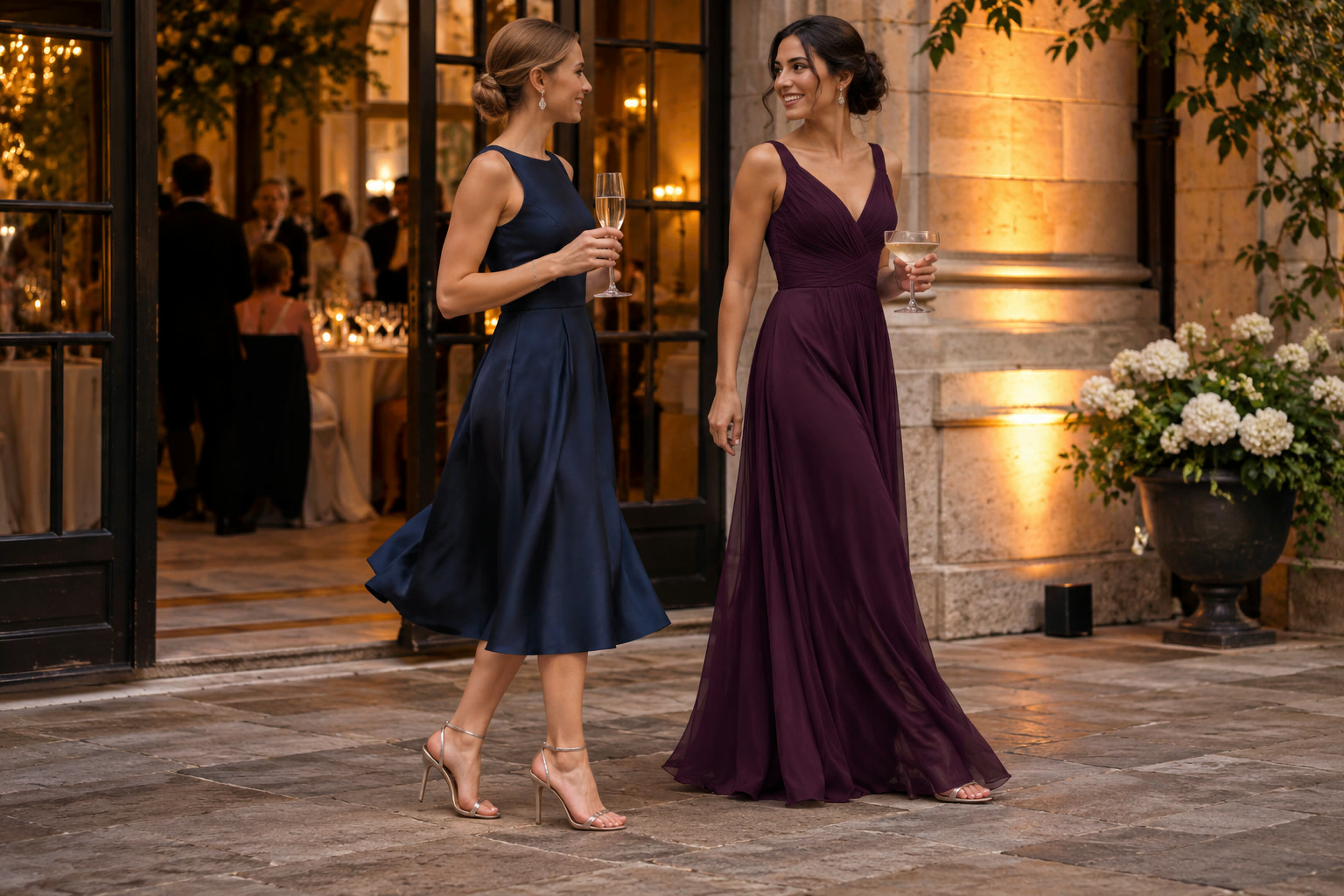
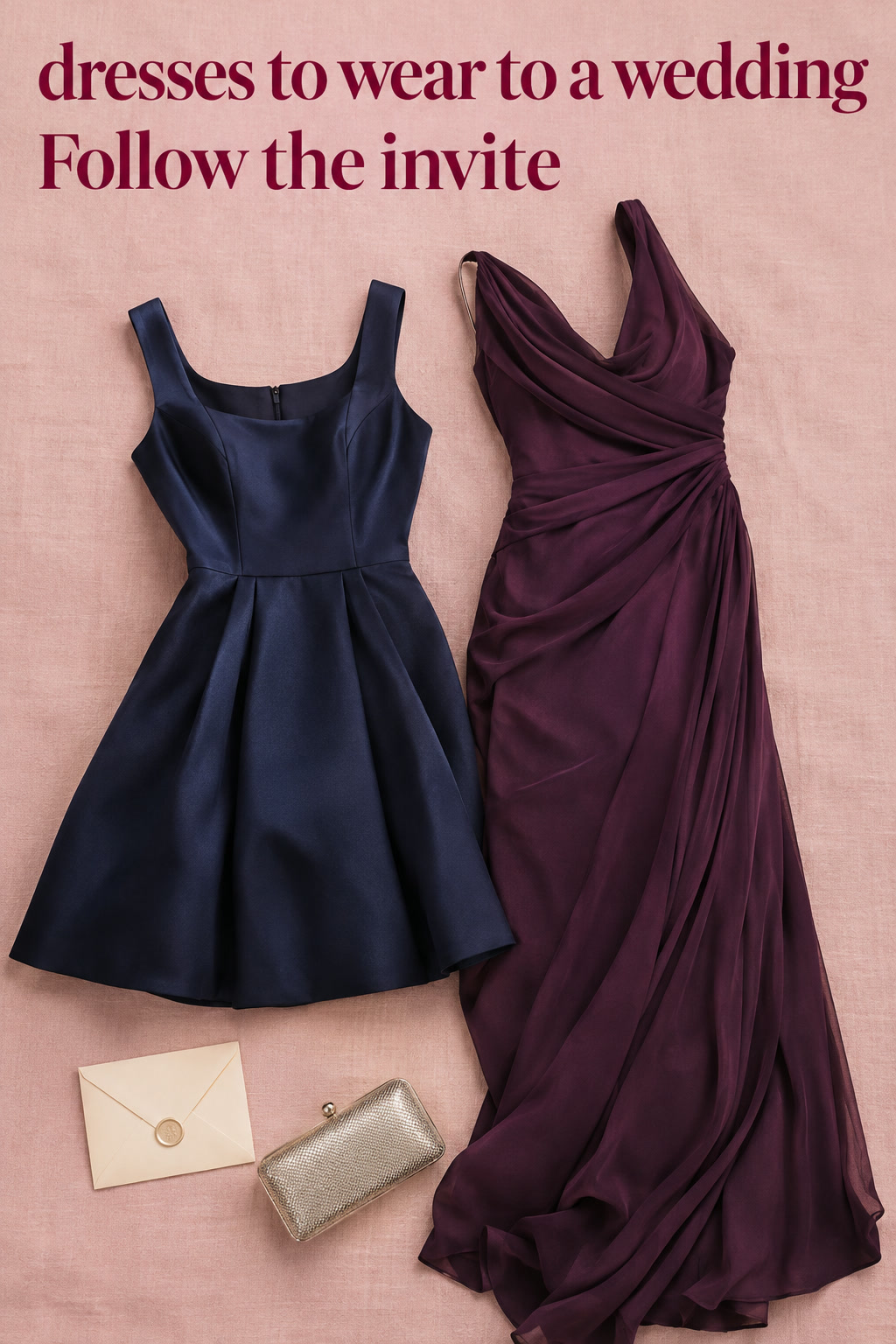
When you’re comparing dresses to wear to a wedding, a well-finished midi and a simple long gown can both make sense. Think about what you’ll have to wear as you walk through the door. That is where the differences between the two dresses start to matter. A wrap can handle a request for covered shoulders. It can’t make an everyday jersey maxi look like an evening gown.
When the invitation and venue tell different stories
Give each instruction its own event
Open the invitation and the wedding website side by side. Check whether the line that says “cocktail” belongs to the welcome drinks or the wedding itself. A note under Saturday’s dinner can apply to dinner alone. If you were invited to the ceremony and dinner on the same day, read both descriptions before deciding whether you need one outfit or a small change. The Emily Post Institute’s wedding guest guidance points to the invitation and timing as clues to formality and also advises considering the nature of the service and local customs.
Record what the hosts actually ask for. “Please cover your shoulders in the chapel” is specific enough to plan for. A note that the ceremony is outdoors tells you where you’ll be and gives you a reason to check the path or the seat. It doesn’t automatically settle the reception attire. Keep those two kinds of information in separate lines on your phone. When a dress solves one problem, you can see at a glance whether it creates another.
Turn wedding inspiration into a plan you can actually follow.
Zarellea brings your guest list, budget, vendors, and day-of details into one shared space — so no beautiful idea gets lost in the shuffle.
Use pictures to answer questions about the space
Look at one current image of the ceremony area and one of the reception room if you can. Look for an aisle with steps, a path across grass or tables with closely spaced seats. Those are the details that tell you whether you’ll be lifting the skirt all evening. The people in a venue’s portfolio may have attended a different wedding or posed for a shoot, so their gowns give you little evidence of what this couple expects.
A friend who has spoken directly to the hosts may have heard about an update. Ask whether the hosts asked people to follow it or whether the friend is describing what they plan to wear. Two people choosing long dresses can tell you you’ll have company if you prefer one. Their choices carry less weight than a direct note from the couple. If your paper invitation and the website disagree about the same event, check for dates or an explicit update before choosing which one to follow.
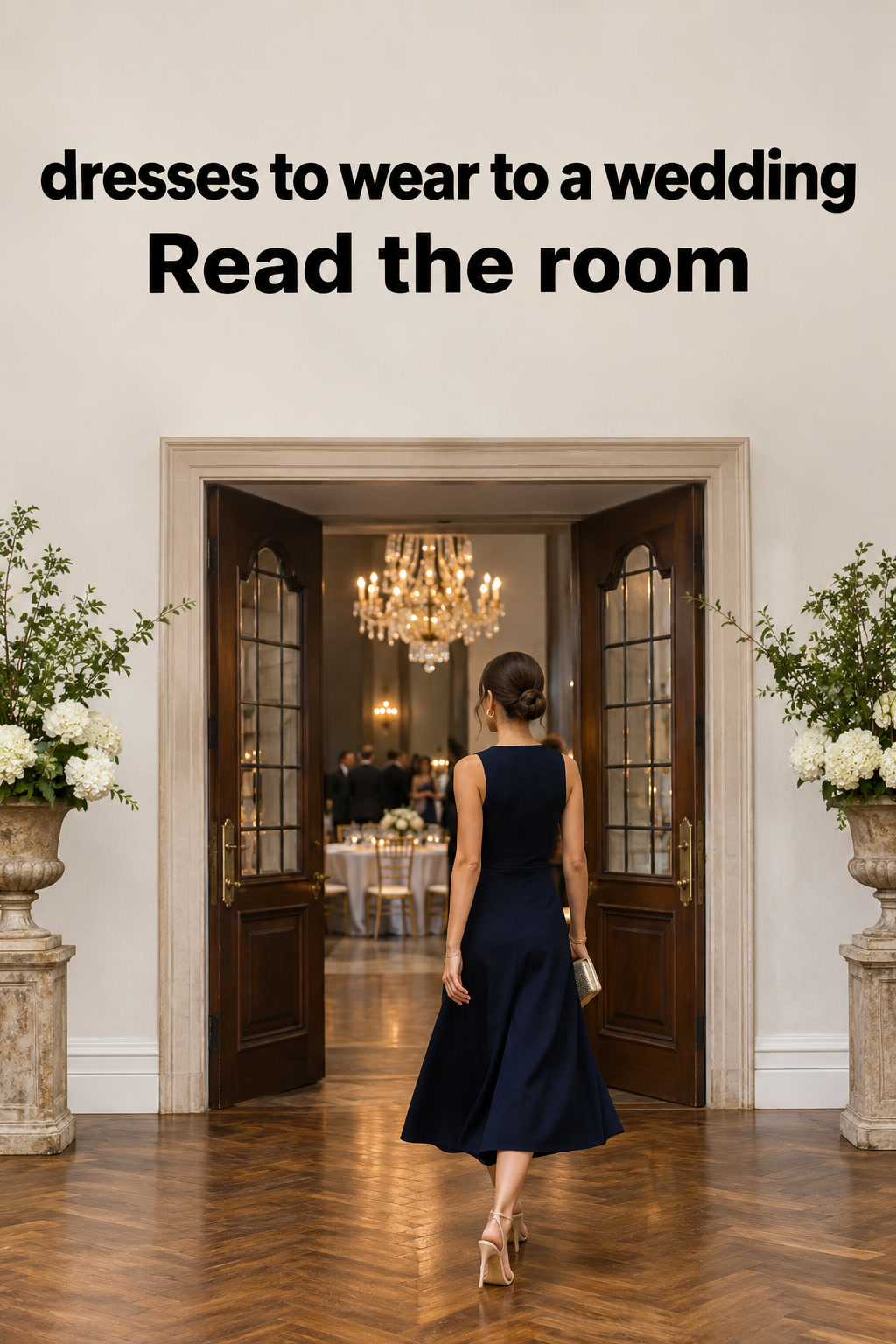
Compare the midi and the long gown side by side
Look at where the dress gets its formality
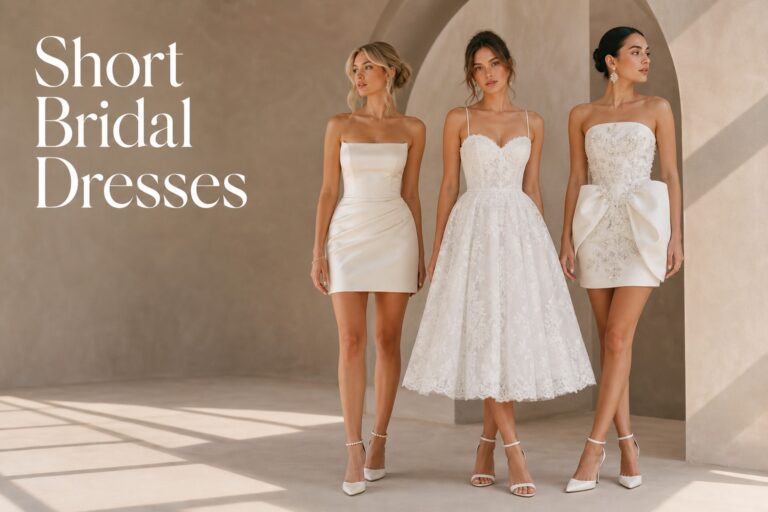
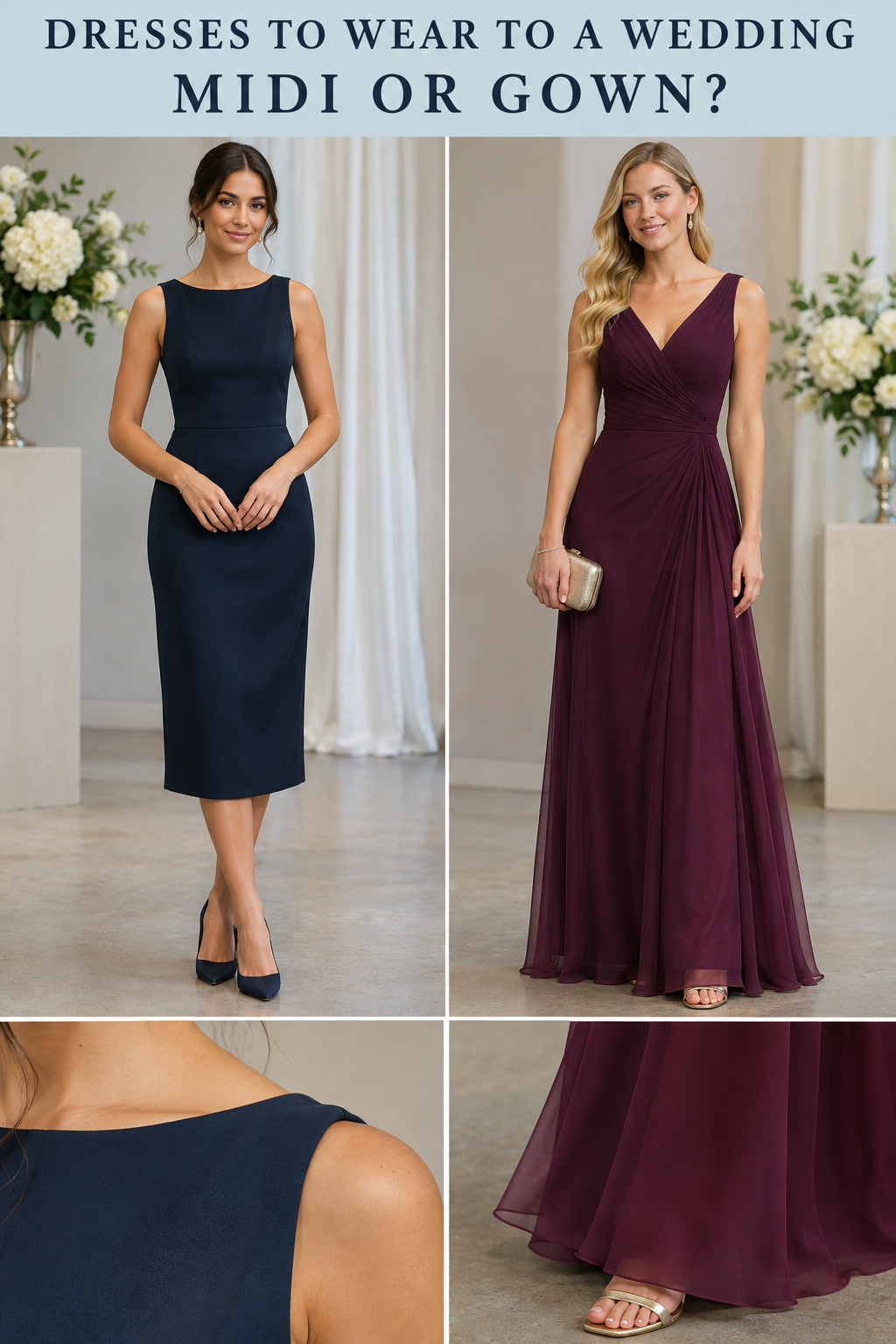
For cocktail, start with a dress that already looks finished in daylight without extra styling. A navy cocktail midi with a defined shoulder and a clean hem can hold its own in a dressed-up room. So can a softly draped midi with a matte finish and enough shape to look intentional from the side. A drawstring or a beach-style cover-up cut can keep a long dress feeling very relaxed even if the skirt reaches your feet. Try to name the detail giving each dress its character. Length is only one of the details you can change.
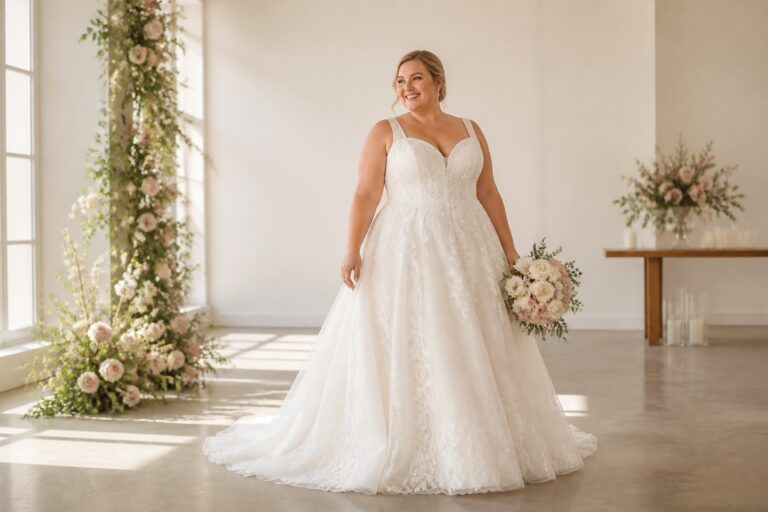
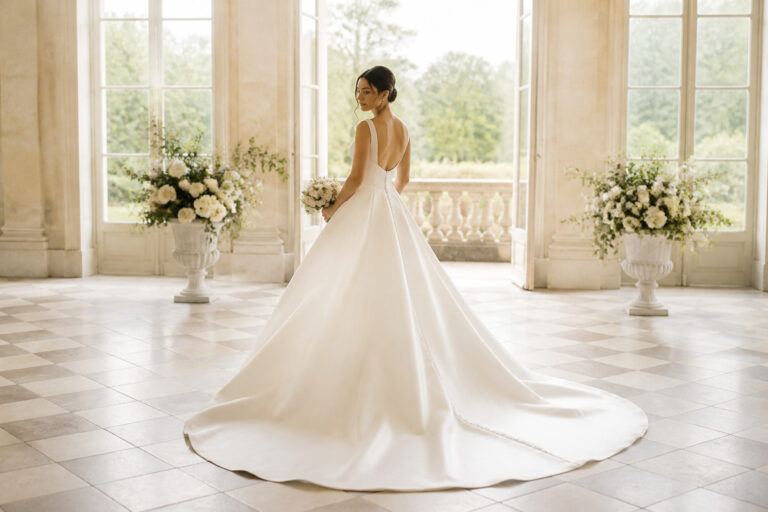
For evening, put a floor-length dark gown next to a dressy midi. From across the room, the gown may give you a continuous line from shoulder to hem and room for a restrained neckline or simple back. A midi with subtle beading or crisp draping can look right at an evening reception and be easier to wear in a car between venues. Once both candidates are appropriate, the choice can come down to whether you want the sweep of extra fabric and can comfortably manage it.
Decide whether you need the overlap
The Emily Post Institute’s dress-code guide includes dressy cocktail options as well as evening gowns under black tie and black-tie optional. The wedding guest guidance linked above also allows more than one length for a formal evening depending on local custom. Treat that range as a starting point when the invitation leaves the hemline open. When an invitation asks specifically for floor-length dresses, follow the request. When it simply says formal and offers no other restriction, I’d compare a clearly dressy midi with the long dress you already own.
Try them with the same bag and the shoes you already have. Put a phone on a stand or have a friend look from a few paces back. Compare the whole line of the dress before deciding it needs anything. If both look right, think through the walk from the drop-off to your seat in each one. You may prefer the long gown for an indoor dinner with a straightforward route to your table. If you have a brief walk through the grounds and a lot of standing, a dressy midi makes that trade a little easier.
Choose between two dresses for the actual invitation
Cocktail in a ballroom with formal photos
Imagine an evening invitation that says cocktail. The venue posts mostly black-tie weddings, and one friend wants to bring a long gown. Your choices are a dark sleeveless cocktail midi and a sweeping evening dress with a train. I’d pick the midi. It matches the invitation and will look deliberate in the room without needing to match the portfolio. Run your hand over the dress while it’s on. If you want a second look at the midi, check whether the hem keeps its shape when you walk away from the mirror.
If you like the longer option and it falls near the ankle without a train, ask what the whole dress looks like from the side. A quiet one-shoulder dress ending at the ankle can feel entirely at home at cocktail. An ankle-length hem gives you less fabric to watch when people are standing close together. If the midi fits you and you already like the way it looks, the chandeliers by themselves give you little reason to replace it.
A short lawn ceremony followed by a formal dinner
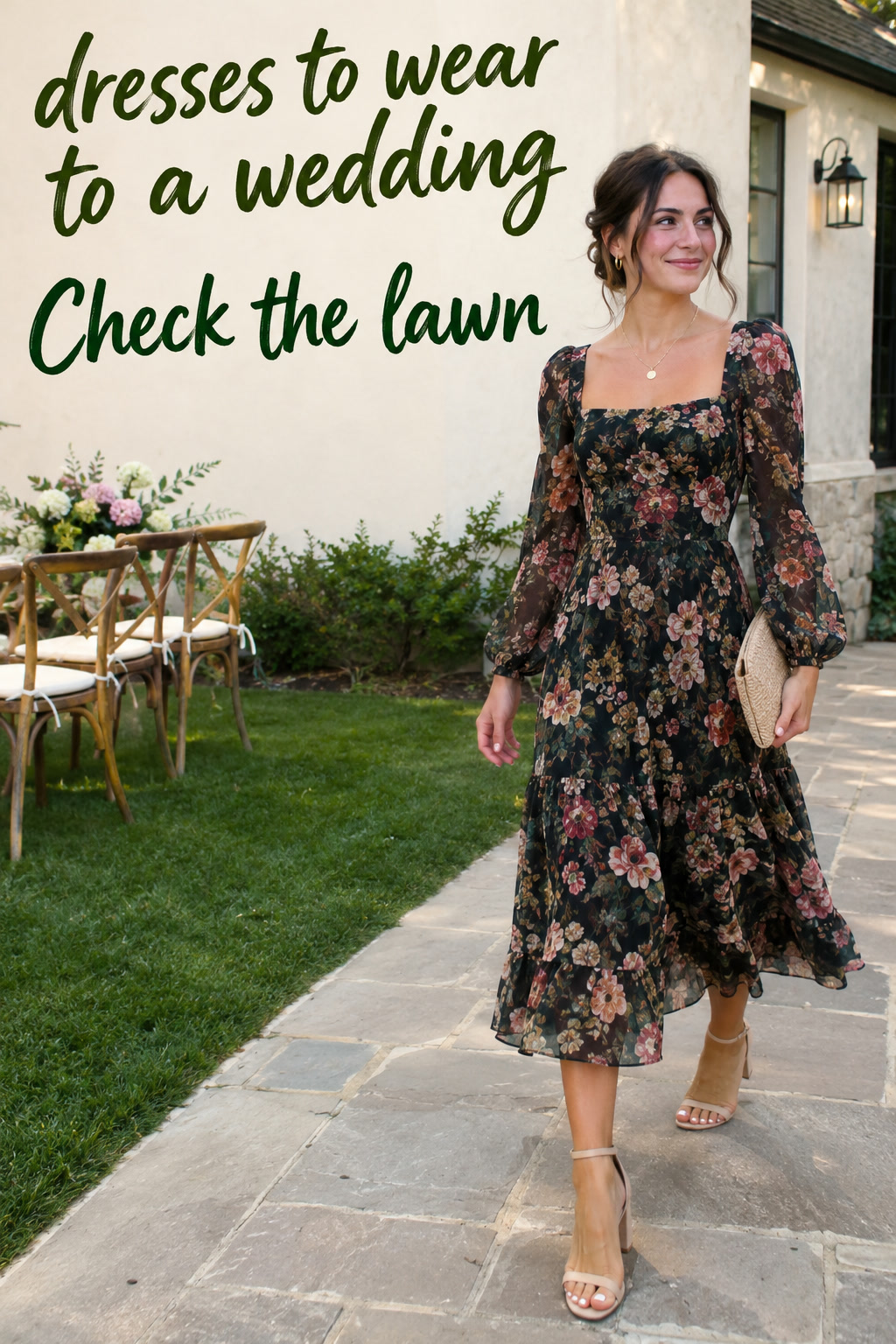
Your invitation says formal. The ceremony is on grass and the dinner is indoors. One choice is a soft floral midi with sleeves. The other is a dark evening gown with a straighter skirt and a hem that clears the ground in the shoes you’ll wear. Look up how far guests will walk and how long they’ll be outside. If the lawn is a short part of the day with a firm access path, choose the dress that makes sense for the indoor dinner and can handle that crossing. Reserve the short option for a longer outdoor stretch if its finish still suits the formal instruction.
Now suppose the guests cross the lawn twice and stay outside for drinks. I’d test a dressy ankle-length option before taking the long gown. It gives you room to choose a polished fabric without signing up to carry the skirt around the reception. A floral midi with a firm waist and a darker ground could also work if the hosts are happy with dressy cocktail lengths. If the floral dress looks like something you’d wear on a regular weekend, look next at a similarly easy hem with a more finished fabric.
A ceremony with coverage and a black-tie optional dinner
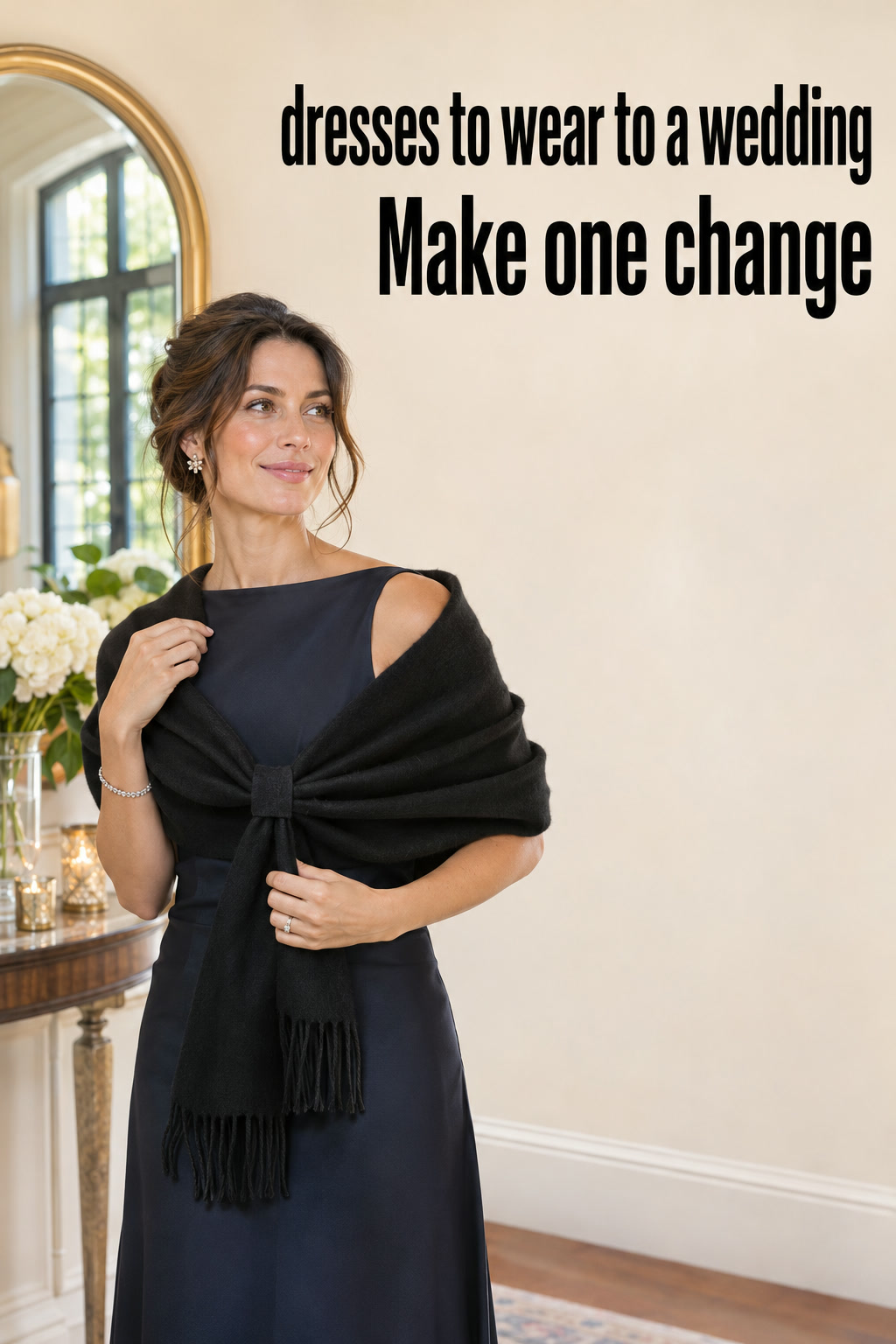
For a wedding with a request for covered shoulders at the ceremony, compare a long sleeved evening dress with a sleeveless gown and an opaque wrap that stays closed. If you can keep the wrap in place while sitting or greeting people, a layer can meet the request while letting you keep the gown you want for dinner. Test it with the actual neckline. Stand, sit and take one arm away to hold a program or bag. Notice where the wrap opens. A dress with sleeves built in is easier when the layer would make you keep one hand busy.
If the request extends to other parts of the outfit, ask the hosts or ceremony contact what is appropriate before relying on a wrap. Ask about the part you’re unsure you can cover with the layer you have. Think about where you could take the layer off and put it away before dinner. Check whether there’s a coat check before counting on a wrap that won’t fit in your bag. If the sleeved dress answers the request and looks right for both settings, give the simpler choice some weight.
Dress options for mixed instructions
Compare the midi without extra styling
Check clearance with your shoes
Compare the print and fabric with the code
Check that the wrap stays in place
Decide what is worth changing
Use the change that fixes the real problem
If the ceremony requires a little more coverage, try a layer before replacing a dress you already have. If the hem brushes the floor even indoors, ask whether you can safely wear it throughout the event in the shoes you intend to keep on. If it’s the cut that makes the dress feel too casual, try your second candidate before buying a clutch or earrings. Accessories can finish a dress. They rarely change how the underlying cut reads when you enter a room.
Give yourself a simple way to compare the same outfit at two moments. Try it with the layer and bag you will carry at the ceremony, then take off the layer and sit down for dinner. If you expect to keep it on all night, see what its sleeves do when you carry a plate or reach forward. If the outfit only looks right when you’re holding the fabric in a certain way and you want your hands free, simplify the outfit.
Ask only the question whose answer changes the dress
If the card reads cocktail and the wedding website says formal for the same time and location, a clear question does more than a group vote. “The card says cocktail and Saturday’s reception page says formal. Which should we follow?” gives someone an easy reply. If you know the wedding party is handling questions, go through that contact. You can also ask whether long gowns are expected or whether dressy midis are welcome. Lead with the mismatch and spare the hosts a long account of your wardrobe.
If nobody can answer in time and neither source looks clearly newer, choose a garment that fits the overlap. A restrained ankle-length dress, or a very dressy midi where cocktail and formal both look plausible, is easier to place than either extreme. Specific requests come first. If one of the notes sets a clear minimum for length or coverage and you can comfortably meet it, honor it. A venue’s dated photo collection and guests’ guesses can stay in the background while you decide.
Editor’s take
I’d choose the simpler dress that meets the clearest instruction for the part of the wedding I’m attending. I’d change that choice if there’s an explicit request I can’t meet with that dress, or if the setting makes one candidate awkward to wear for most of the day. Before you open another shopping tab, put your two candidates next to each other and read the exact wording for each event out loud. If you’re still torn, check which one can get through the ceremony and dinner with fewer adjustments. These are editorial judgments drawn from etiquette guidance and guest collections. The scenarios are hypothetical.
Sources and methodology
The linked Emily Post pages explain the role of the invitation and service, and describe the overlap between formal and cocktail lengths. The comparisons use hypothetical invitations and dresses. Follow the hosts’ instructions for the wedding you’re attending, including any separate request from the ceremony venue.
FAQ
What if the dress code on the website differs from the printed invitation?
Confirm that both references describe the same event. A dated correction or a message from the couple usually tells you which instruction to follow. If there are two equally plausible instructions for the same reception, ask which one is current, or choose a dress that fits both if the answer won’t arrive in time.
Should I match the level of dress other guests mention in a group chat?
Use their plans as context when you have already narrowed your choices to dresses that meet the hosts’ request. Ask whether they are passing along new information or sharing their preferences. Their answer can tell you how much weight to give the conversation.
Can the ceremony and reception have different dress requirements?
Yes. Read the details for each event and see if you can meet both with one dress and a change to a layer. If the two requirements cannot be met with a small change, look for one outfit that satisfies both before planning to carry a second dress.
Does a lawn ceremony rule out a floor-length dress?
Check the route and how long you’ll be outside. An indoor dinner after a brief ceremony with a firm path gives you different options from hours on a lawn. Try the longer dress in your intended shoes and choose it only if it clears the ground well enough for the route you expect.
Should I use the venue’s gallery to decide how formal to dress?
Use it to see the room and routes between locations. Images from past celebrations show what those hosts chose. If today’s invitation says cocktail, a black-tie photo in the same ballroom gives you no reason to dress to the previous couple’s code.
What if both dresses fit the code?
Choose the one you can sit, walk and spend time in with less attention to your outfit. If you enjoy the longer option and the venue makes it easy to wear, keep it. If the shorter dress lets you move between events without adjusting the skirt, that is a concrete reason to choose it.