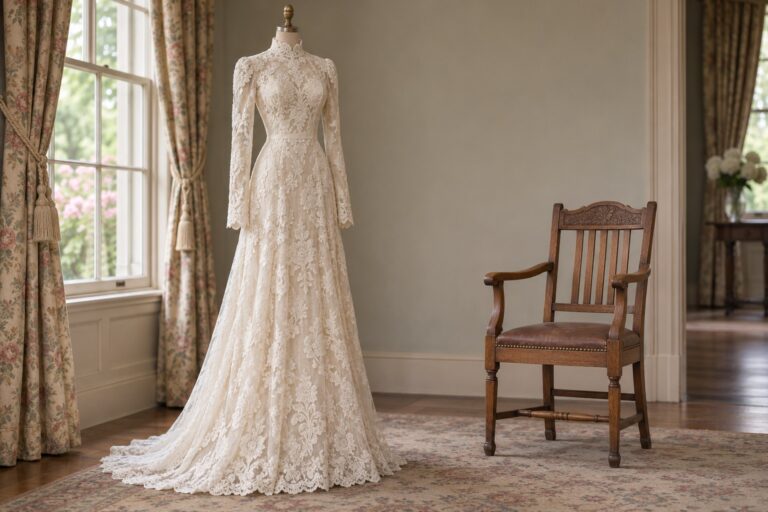
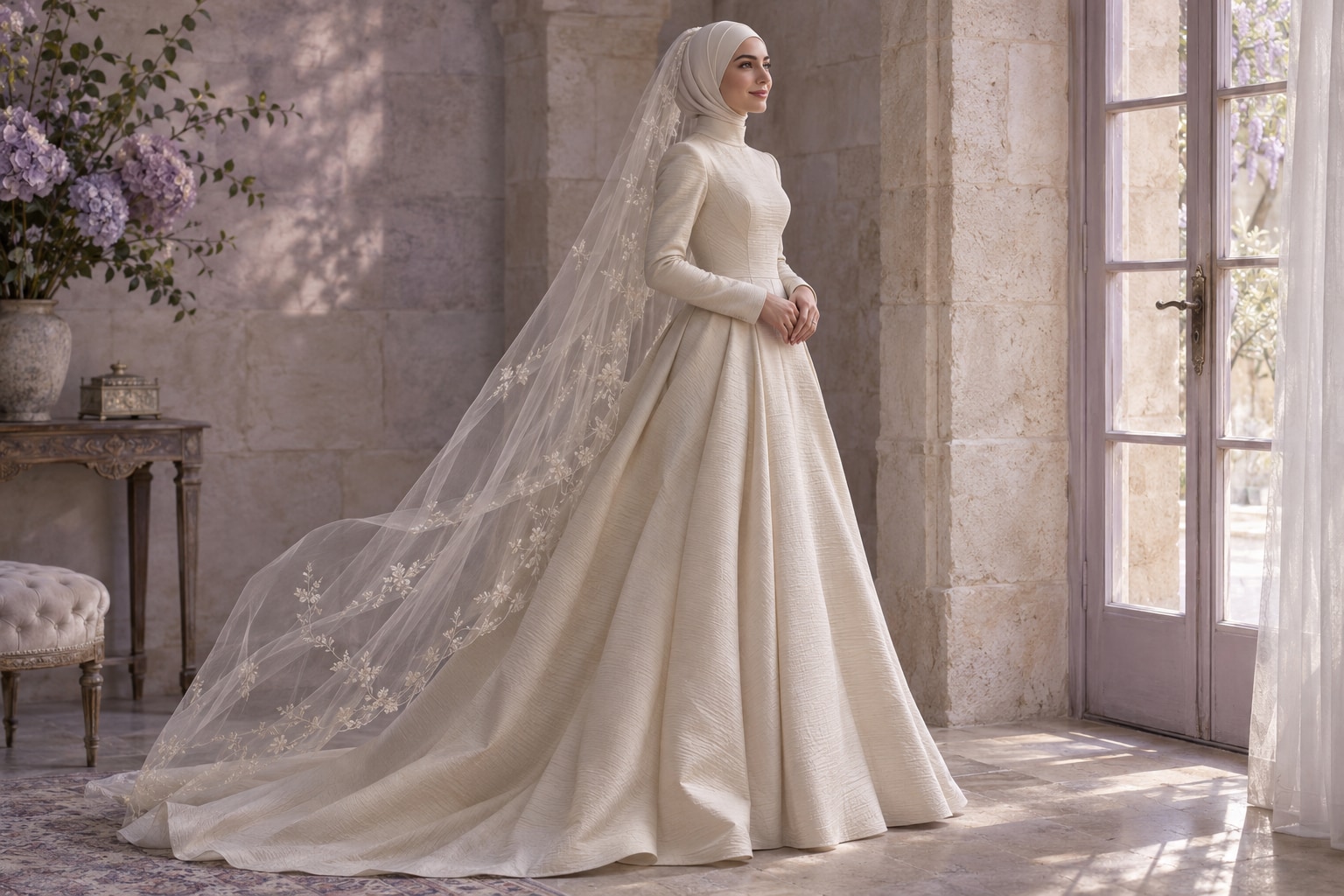
Hijab Wedding Dresses With Removable Ceremony Layers
The photographer has the back view of your veil. Your aunt is waiting to hug you, and you can feel someone reaching for the comb. You want the veil off before dinner, with the scarf underneath sitting the way it did when you left the mirror. Try that removal in the fitting room while there’s still time to move the attachment.
When looking at hijab wedding dresses, I’d choose the gown and the hijab you want to wear through dinner first. Add the piece you want for the ceremony after you like those two together. A veil, a shoulder cape, and a detachable overskirt carry that extra fabric at different points. The choice depends on what you want to see when the piece is gone.
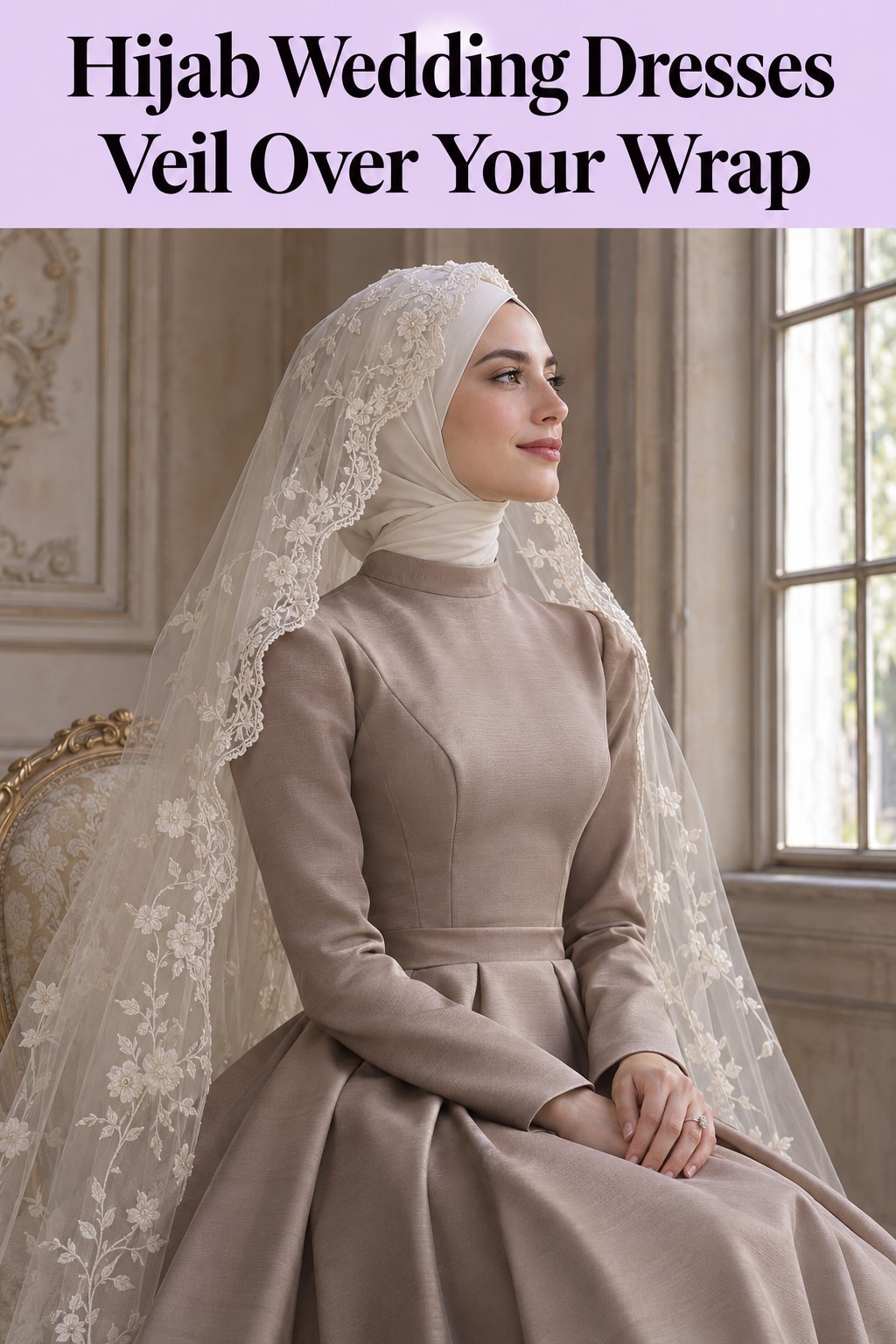
The look you want halfway through the day
Start with the photograph you rarely see in a listing
Look at the gown without its detachable layer. From across a dinner table, someone taking your picture will see the scarf and shoulders. A detail on a cuff or near your hands might show as you lift a glass. Do you like what’s left in that frame? An overskirt might have hidden a row of buttons you love. A shoulder cape might leave a beautiful neckline exposed to view. It could also leave two visible fastenings squarely in the middle of the shoulders. Those little details are worth noticing before you buy.
When you shop online, ask for one front photo and one back photo of the gown without the detachable piece. Say which piece you mean. If a listing gives you a picture with the veil on and another with it off, check whether the scarf and underscarf underneath are the same in both. And if a cape looks built into a sleeve, ask the maker where the join is. A listing photo can show how a cape falls while leaving its attachment out of sight.
Turn wedding inspiration into a plan you can actually follow.
Zarellea brings your guest list, budget, vendors, and day-of details into one shared space — so no beautiful idea gets lost in the shuffle.
If the base outfit feels unfinished, name the detail you miss. If all you loved was the overskirt’s embroidered edge, you may prefer to wear it until the last portrait or choose a gown with a detail you enjoy even after the skirt comes off. The two looks can be almost identical from the front. If you’re drawn to a change you can only see in profile or from behind, it can work without a separate entrance.
Keep the layer that gives you the coverage you want
Look closely at the names of the pieces in a convertible outfit. A cape may be decorative, while a separate long-sleeve topper may cover the dress underneath. A manufacturer can call both pieces removable. Write down which pieces you want to keep on for the people who will be in the room and ask the seller who makes each piece. If the base dress needs the topper, the fitter can check whether a decorative layer can attach to the dress without using the topper’s closure.
The hijab is the head covering you plan to keep in place. A bridal veil can sit over or behind it as a separate decorative piece. If you wear a long end of your scarf as part of the ceremony look, changing that end can mean changing the wrap itself. I would keep the drape intact whenever I wanted a quick change in a shared room. You can still put a longer piece behind you by moving the extra fabric to your dress.
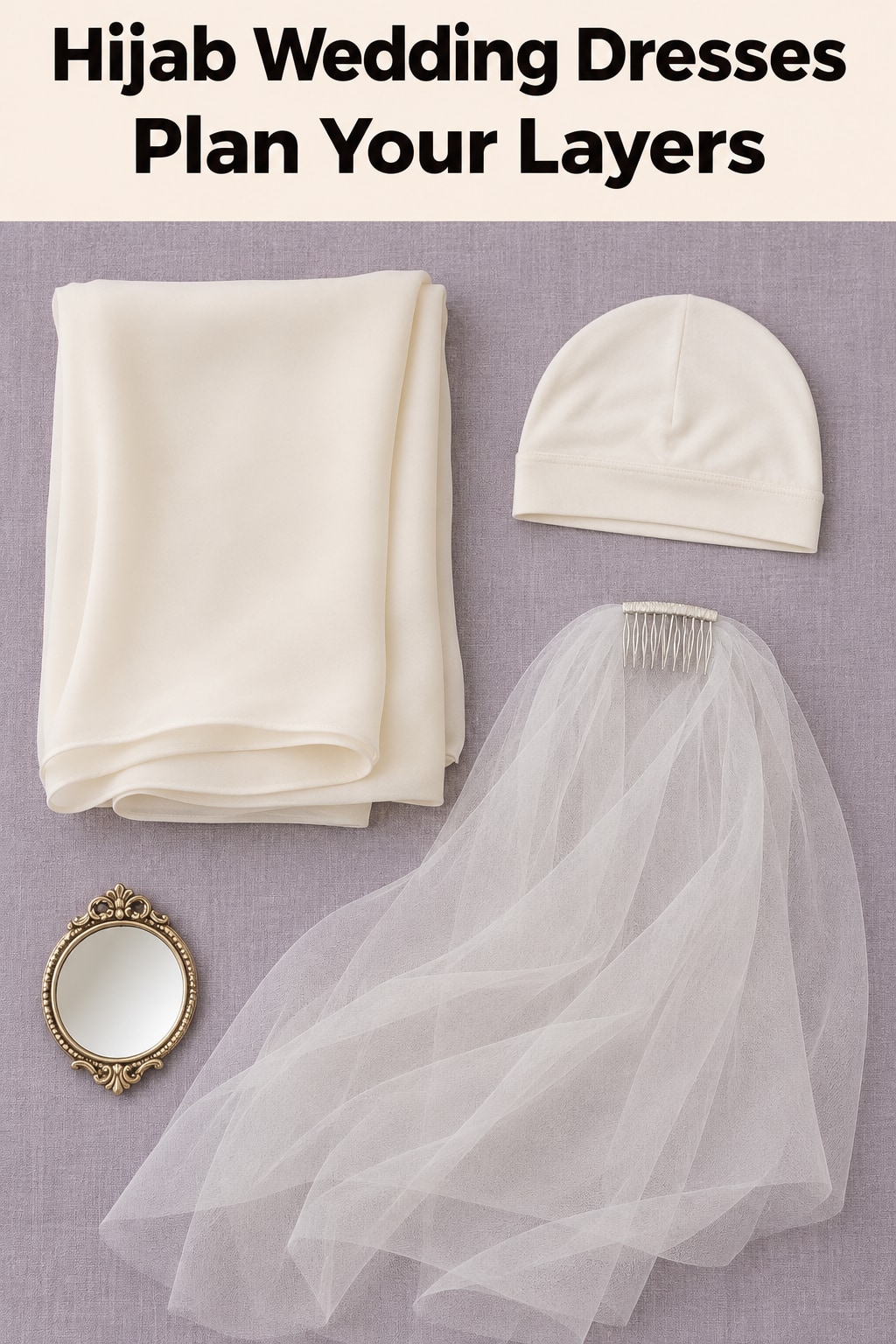
Decide where the extra fabric belongs
At the head for a veil that frames your face or falls behind it
Bring the head covering you actually plan to wear to the veil appointment. If you work with a hijab stylist, ask them to finish the wrap and show you the veil attached separately. Have the stylist point out exactly which fastening holds the veil and which ones hold the scarf. A comb that sits nicely in a sample headpiece can be awkward to remove from the wrap you put on every day. If the veil and scarf share the same pin, let the stylist suggest a way to support the veil on its own before you commit to that combination.
Turn sideways to see where the veil first meets the dress. A strong border that falls forward over the shoulder will sit next to any embroidery near the face. Hold the border a little farther back and see which version you want in the signing photos. From the rear, look at where the veil ends in relation to the train. If the gown already carries the length you like, a veil that ends higher gives you another edge to see. If the veil carries all the length, take a picture after it is removed so you can see how much the silhouette changes.
At the shoulders for a cape that leaves the scarf alone
For a cape, look for an attachment you can touch while the gown is on. Ask the fitter to show you how it opens and what it leaves behind. If a cape catches the end of your scarf, try placing the scarf end toward the front or within the wrap if that suits your usual style. Check that your helper can reach the fastenings without sweeping fabric away from your neck. I’d try a shoulder cape if you want the line around your face to stay simple and still want fabric trailing in a portrait.
Some shoulder layers stop around the elbows. Others run down the back. Bring the actual layer near a chair with a back and sit down while your helper watches where it goes. You may want it placed behind the chair for the signing, or you may prefer a shorter version you can leave in place. I would ask for a view of both shoulders without the cape if the dress has visible stitching or decoration there. A small covered fastening at the back may barely register. If one catches your eye in the mirror, ask the dressmaker whether it can sit somewhere less visible.
At the waist for a change you can see from across the room
An overskirt makes sense if the part you want to change is the shape below the waist. Ask to see the fastening all the way around with the base dress on. If it closes over a row of buttons or a sash, find out whether those pieces need to come undone too. Gown designer Fatma Sevildi Couture shows overskirts and capes as separate options in its modest bridal collection. Use the photos to learn how much fabric you want, then ask the maker of your dress to show you how the exact piece opens.
For a gown with a removable overskirt and a permanent train, walk out of the fitting room in the base gown before choosing. Taking an overskirt off can leave a train you still have to gather for dinner. If the reception plan is to move freely through closely spaced tables, ask the fitter to show you what the remaining train looks like when it is secured. Leave yourself time to practice that second step. If you only want a change up top, a veil or cape keeps the skirt shape you picked for both parts of the day.
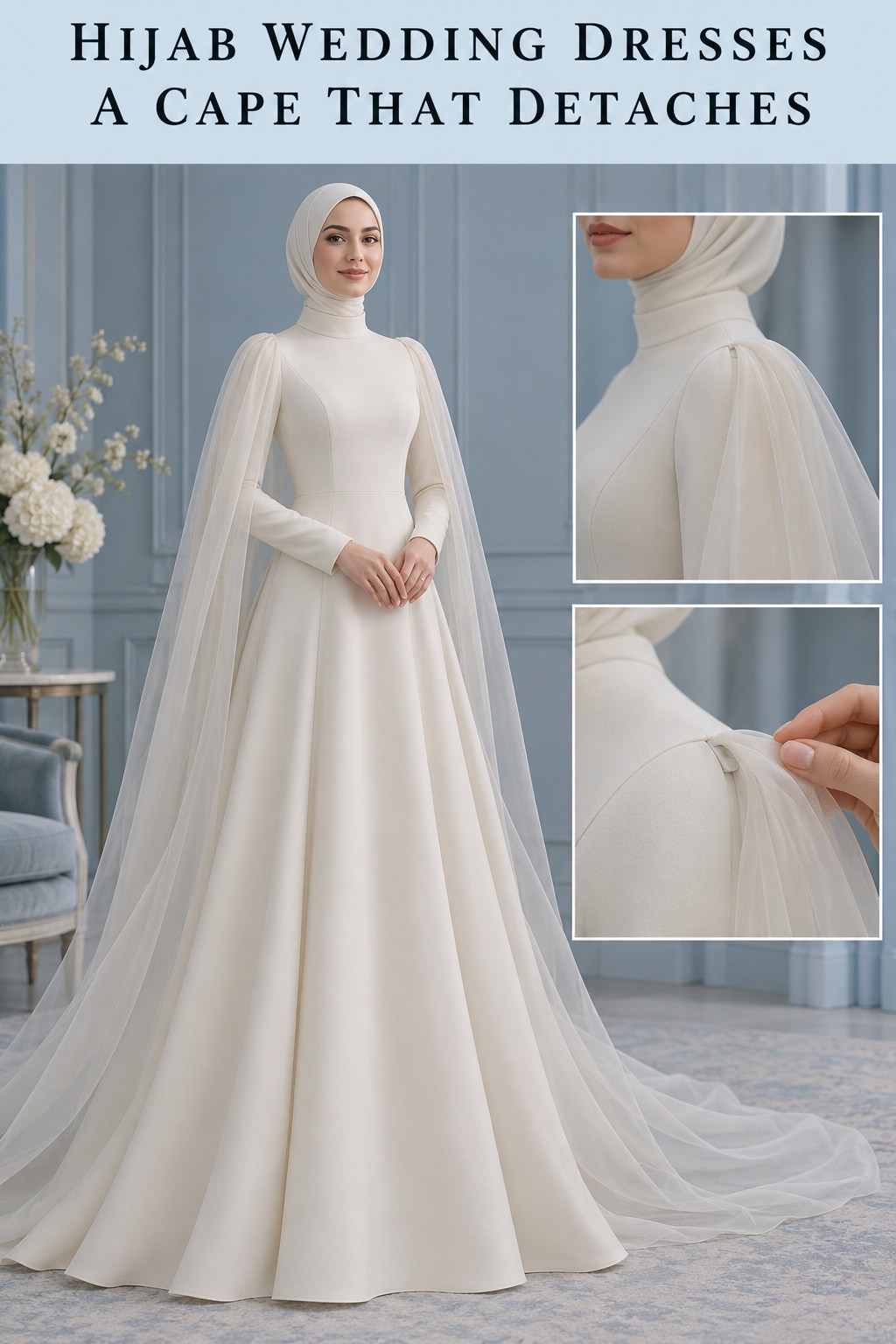
Three ways to wear one wedding dress
A family veil over a scarf you already know how to wear
Picture a high-neck faille gown with a narrow skirt and a soft head covering that sits close to the jaw. The piece that makes the first look feel like yours is a borrowed embroidered veil. Take the actual veil to the trial, since a substitute can’t tell you exactly where the embroidery will fall. Ask whoever owns it whether it can be handled or temporarily altered. If the veil is delicate, show the piece to a bridal alterations specialist before you consider changing its comb or anchor.
For the ceremony, the embroidered edge can sit behind the shoulder seams so the front of the gown is easy to see in a seated photo. Afterward, someone who has practiced can lift off the veil while you keep your head still. Leave the scarf as it was. If you want more detail for dinner, decide at the fitting whether a cuff or button visible in that table photograph already does enough. I’d keep the borrowed veil for the portraits where you can see its pattern, then ask one person to put it away before you rejoin the room.
A sweep of organza on a gown you’ll wear through dinner
On a matte crepe dress with a gently flared skirt, a sheer organza cape can give you a little movement as you walk in. Try one that attaches behind the shoulders if you want clean lines at dinner and the short end of your scarf folded along one shoulder. Bring the scarf to the fitting and see whether you would enjoy the same fold with the cape off. Set the cape down completely before you study that view. A fitter holding it just out of the way can still hide the join or change the way the scarf falls.
Suppose you prefer the shoulder line without the cape in your close portraits. Photograph the entrance and a rear view while the cape is still on. Give the photographer a moment for a second set framed closer after it comes off. If the scarf takes a different shape every time you remove the cape in rehearsal, move the fastening with your fitter or plan on keeping the cape for the evening. Make that call while the dressmaker still has the gown.
A full overskirt over a gown with a distinct waist
For a jacquard column dress with covered buttons at the waist, try a tulle overskirt that opens at the front. In a portrait, the two tulle panels can frame the column so you see the jacquard through the opening. With the skirt gone, the button detail comes into view. Make sure it is part of the base gown, along with the neckline and sleeves you want for the reception.
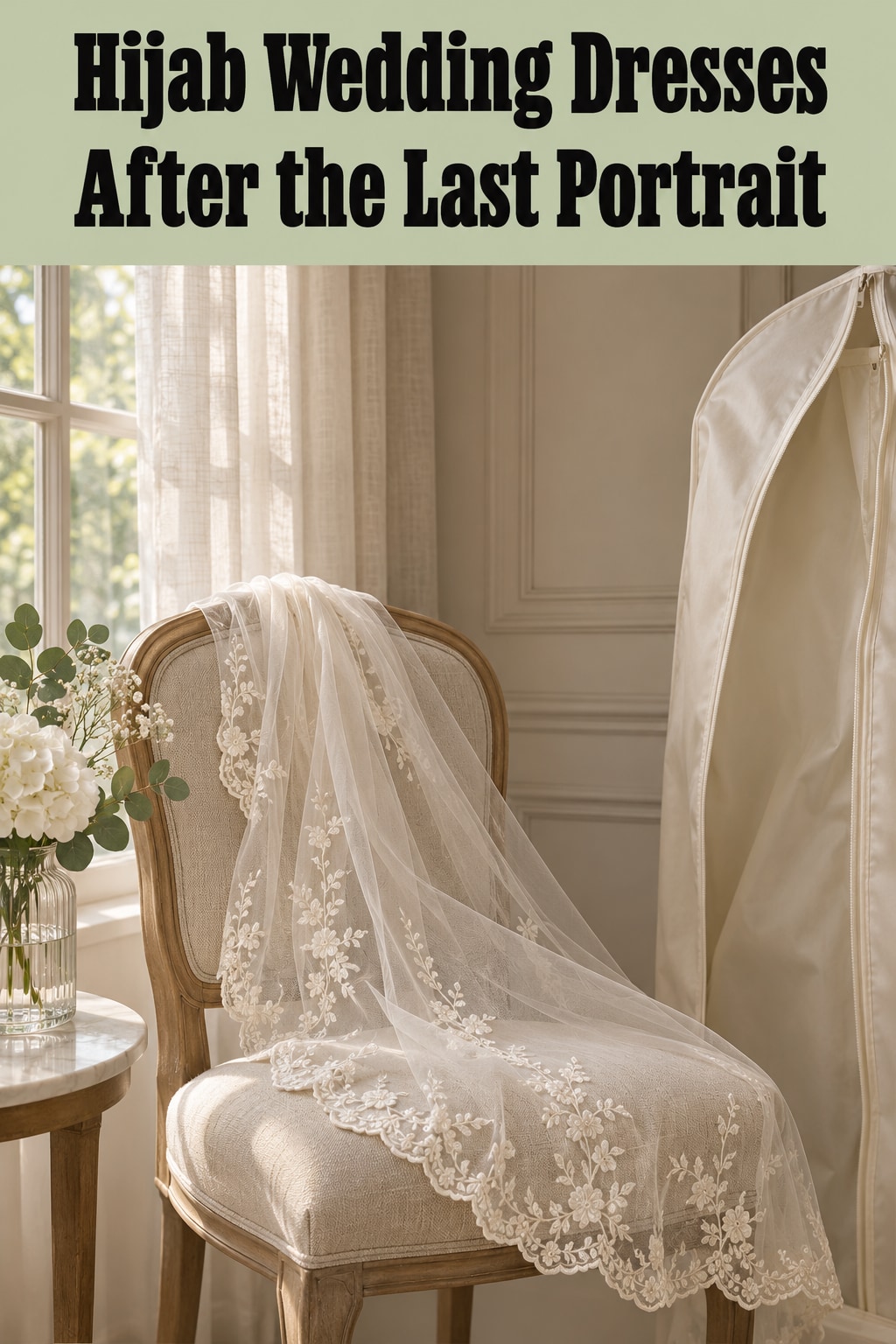
Try the release with a trusted helper who can tell the overskirt closure apart from the dress closure. If the opening is fiddly or you would prefer to work on it alone, schedule a room with a mirror and enough space to lay out the tulle. A zippered garment bag can give the removed skirt a place to hang while you are back with your guests. Ask your fitter how they would pack that particular skirt. A bag suitable for a thin veil might not have room for a stiff waistband and yards of fabric.
Pieces to bring to the fitting
Try the full length over your wrap
Try it with and without the veil
Try the complete wrap together
Allow room for a detachable layer
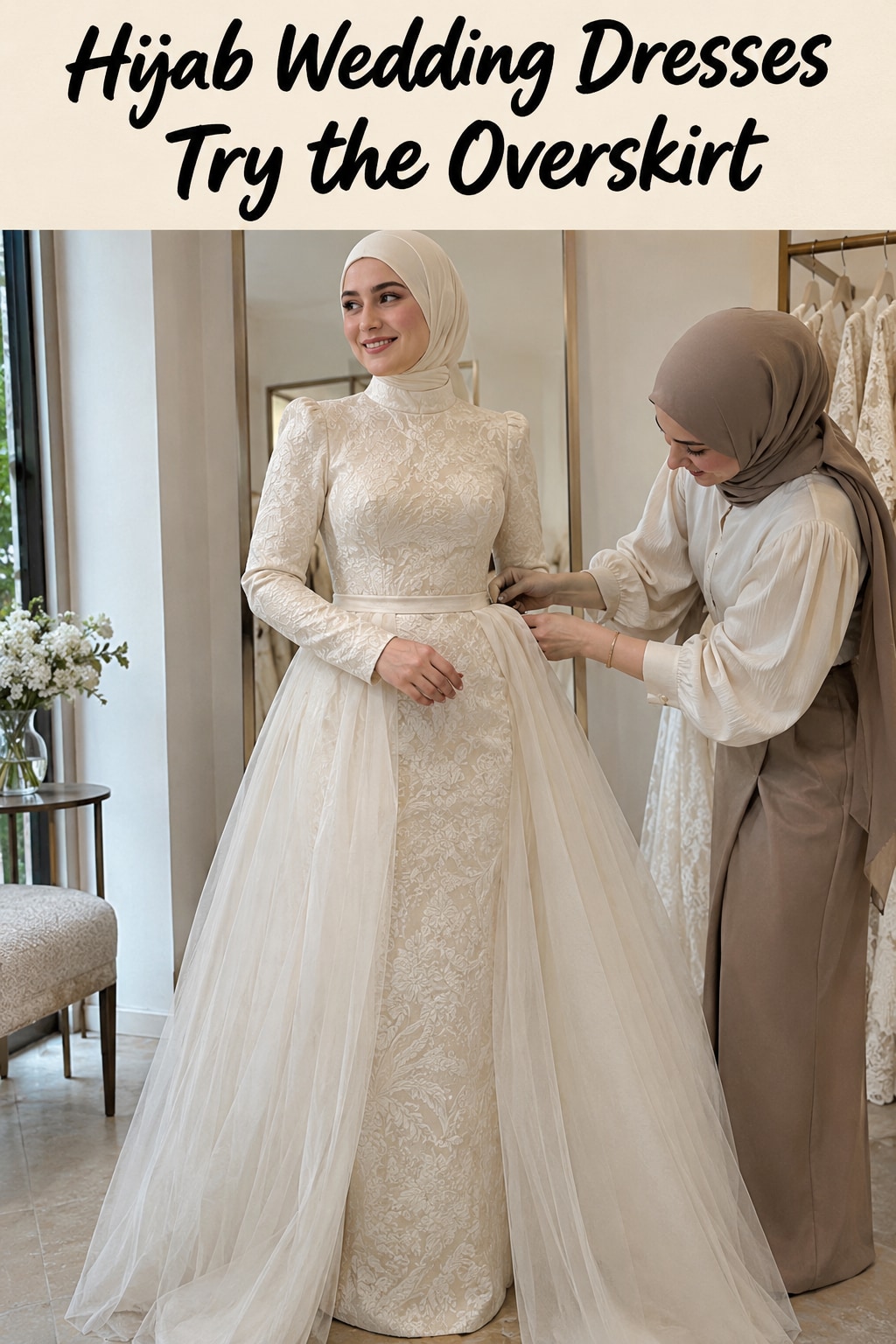
Give the change a place in the schedule
Choose the last picture and the first place to stop
If the long layer is on for the entrance, tell your photographer when you expect to take it off. The last photo with it might be on the stairs outside the ceremony room or a single side view in the hallway. Once you pick that picture, choose the closest place you feel comfortable making the change. That could be a private room with a chair and a mirror, or a quiet corner if you’re taking off a shoulder cape and are comfortable doing that in view.
Give your helper one cue they can remember. "After the back portrait, take the veil off in the side room" gives them a moment and a place. Ask that person to handle the removed layer, too. A nearby clean surface and a garment bag let them deal with it before people need the room again. If you are keeping the layer on for a formal entrance at the reception, put the change after that entrance and pick a later moment you can leave the room without missing something you care about.
Try the handoff with the person who will do it
Show your helper which fastenings stay in place. Have them practice from the position they will use, standing or with you seated, and put the removed piece down as they would on the day. Then check the scarf and the dress from the front and back. If you usually use a slim underscarf or a pair of scarf magnets to hold your everyday wrap, bring the same pieces to the fitting. If you want spares, put them in a separate pouch where your helper can find them.
If you plan to keep everything on, you can end the rehearsal after the fully dressed look feels right. Show one person how to remove the layer in case you change your mind. You can leave a change off the schedule.
Editor’s take
I’d give one dramatic piece the ceremony and pick the rest of the outfit for dinner. I’d pick a veil if I wanted a particular edge or piece of embroidery to frame my face in portraits. When you know you want the wrap left completely alone, a gown-mounted layer is the first thing I’d try. The exception is a piece that matters to you enough to keep on for the whole celebration. In that case, give more of the fitting to sitting comfortably with it and less to planning a change. Bring your actual hijab and ask to see the gown once with the layer and once without it before you decide. This is editorial advice based on published bridal designs and styling guidance.
Sources and methodology
Halal Bridal’s cape guide shows shoulder-mounted capes and how a scarf can sit alongside them. Individual gown listings helped distinguish decorative pieces from those that provide coverage. The outfit scenes above are illustrative. The dressmaker or stylist handling your actual pieces can confirm how their fastenings work and what will stay on when the decorative layer comes off.
FAQ
Can I wear a bridal veil over my hijab?
Yes, if you like how they look together and the veil has a secure attachment. Bring the finished wrap to the trial and ask the stylist to show which fastening holds the veil. If you want to take it off later, check that the fastener can release without undoing the scarf.
Is a cape or an overskirt easier to take off?
It depends on the fastening and where you can reach it. A cape with accessible shoulder connections may be simple with a helper. A waist closure can work well if you can identify it separately from the dress closure. Ask to try each change with the actual gown and the person who will help you.
What can I do if the veil and scarf share a pin?
Ask whoever styles the wrap whether they can give the veil a separate point of support. If you’re wearing a borrowed or fragile piece, ask a fitter before changing its attachment. If the two pieces need to stay joined, plan to keep them on together or allow time and privacy to redo the scarf.
How do I check whether the cape or hijab is included?
Ask the seller for a list of the pieces included with the exact dress you plan to order. Specify whether you mean the scarf, the bridal veil, the cape, or a detachable skirt. Check whether the pictured version shows an extra layer purchased separately.
Where should the removed layer go during the reception?
Before the wedding, pick a clean spot out of the way and decide who will take the piece there. Ask the dressmaker whether your layer should hang or lie flat. If the venue is moving belongings between rooms, tell your helper where to find the bag after the wedding.
Do I need to switch looks for the reception?
You can wear the same combination all day. If you choose a long veil or cape, practice what you will do with it when you sit and who can gather it when you need to pass between tables. If you only want it for one part of the day, agree on the removal cue before you get dressed.