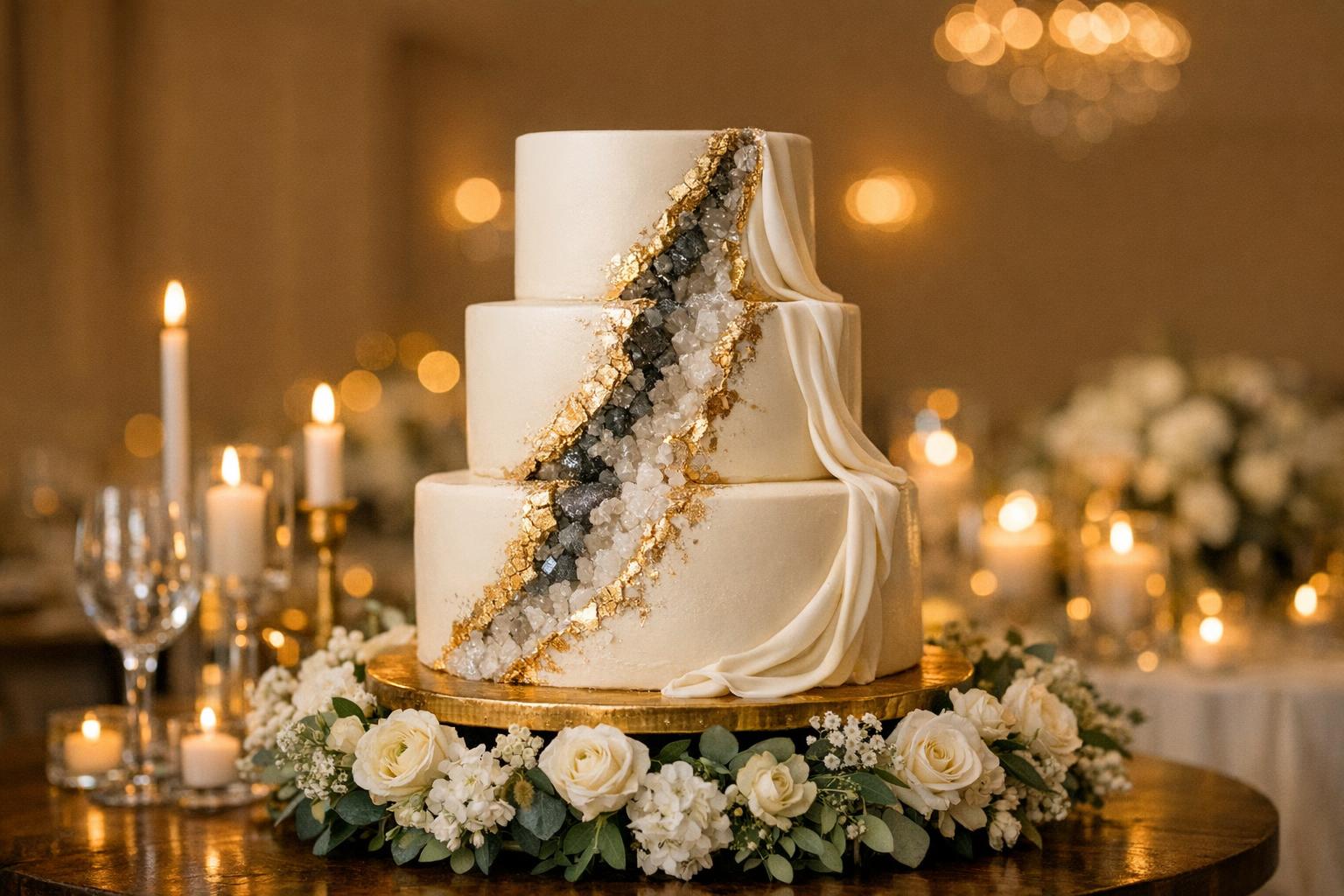
Candlelit Romance: Styling a wedding cake 3 tier Centerpiece
Introduction
There’s a particular moment at a wedding reception when the room seems to soften: the lights glow a little warmer, guests lean in, and a three tiered cake becomes more than dessert. A wedding cake 3 tier is a visual anchor—part sculpture, part tradition—standing tall on a table like a romantic landmark everyone will remember long after the last dance.
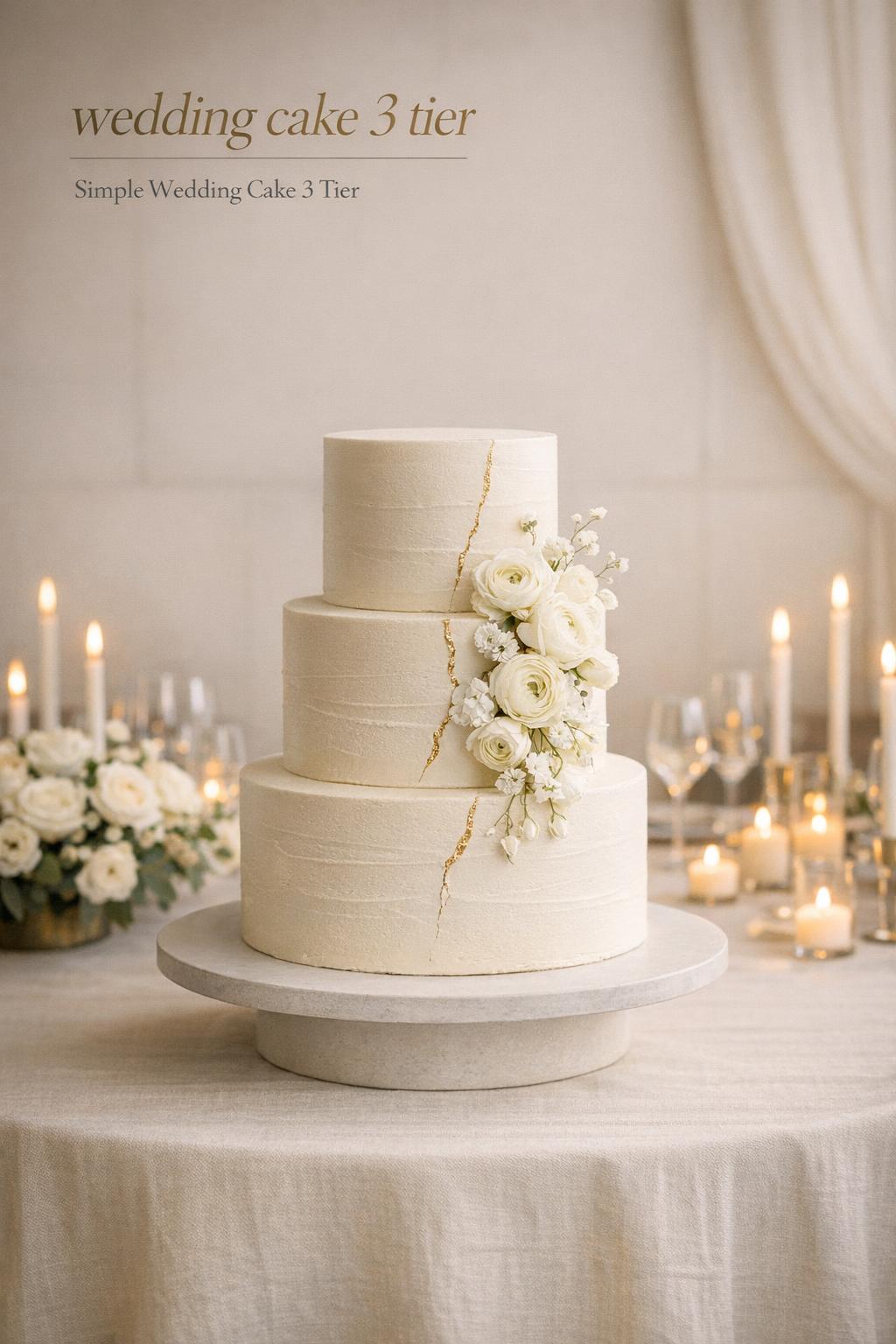
The aesthetic identity of a three-tier wedding cake is all about stacked proportion, deliberate texture, and a story that unfolds from bottom tier to top. Whether you love a simple wedding cake 3 tier with quiet buttercream ridges, or you’re drawn to geode-like cracks with metallic accents, the mood is the same: elevated, celebratory, and unmistakably “wedding.”
You’ll see this style everywhere from classic ballroom receptions to garden ceremonies and city celebrations—Philadelphia elegance, NYC modernity, and coastal venues alike. It remains popular because it photographs beautifully, feels ceremonial when it’s cut, and offers enough surface area for your signature details: florals, watercolor artistry, or that classic wedding cake vintage feeling that makes a day look timeless.
The three-tier silhouette: why this centerpiece still wins
Three tiers create a natural “bridal” silhouette: grounded at the base, refined in the middle, and delicate at the top. That gradual taper reads as intentional and romantic, which is why an elegant three tier wedding cake often looks finished even with minimal decoration. It also holds its own in a room—important when your reception space has tall florals, dramatic lighting, or a packed guest list that deserves a centerpiece moment.
Turn wedding inspiration into a plan you can actually follow.
Zarellea brings your guest list, budget, vendors, and day-of details into one shared space — so no beautiful idea gets lost in the shuffle.
From a planning perspective, a three-tier format is also a friendly canvas for personalization. Couples can keep the overall shape classic and express their style through surface choices—fresh blooms, edible flowers, ribbon-like details, watercolor washes, or metallic accents. It’s one of the few design pieces that can read “traditional” and “modern” at the same time, depending on how you style the finish.
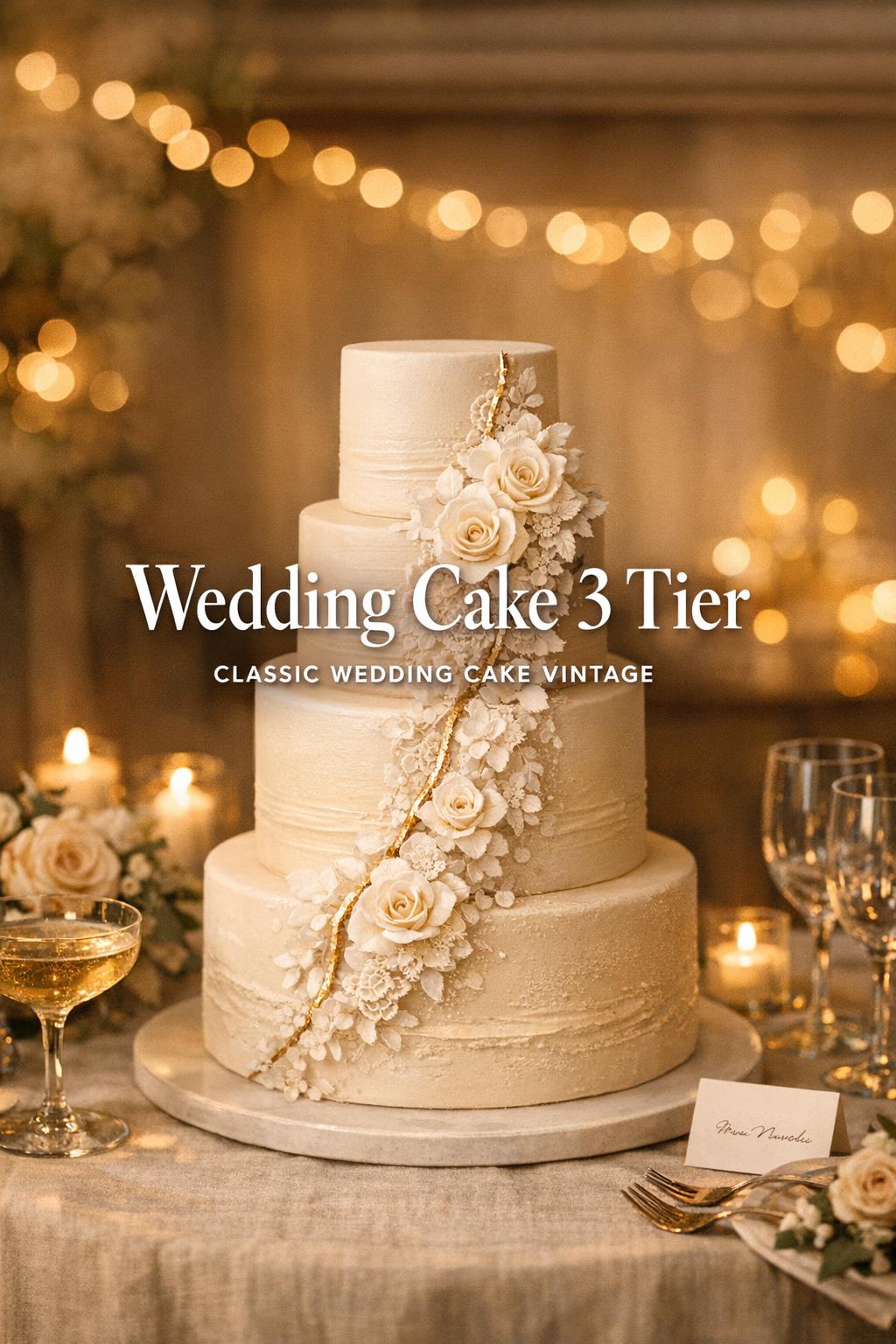
Key pieces that define the 3-tier cake aesthetic
Think of your cake the way a stylist thinks about an outfit: silhouette first, then texture, then accessories. Most top three-tier designs rely on a small set of defining choices—floral accents, a signature finish (buttercream or fondant), and one hero detail such as gold, geode texture, or an artistic motif like a globe or watercolor design.
- Silhouette: proportioned tiers that feel balanced in your room and on camera
- Texture: smooth white-on-white, rustic ridges, or intentional cracks and facets
- Accent theme: floral cascade, metallic accents, geode-inspired detailing, or a travel-inspired story
- Practical finish: durability, slicing comfort, and transport stability
When these pieces work together, even a simple wedding cake 3 tier looks editorial—like it belongs in your wedding album and your guests’ photo rolls. When they don’t, the cake can feel visually “busy” or, worse, risky to transport and serve. The goal is cohesion: a look that feels like it was designed for your venue, your palette, and your day’s mood.
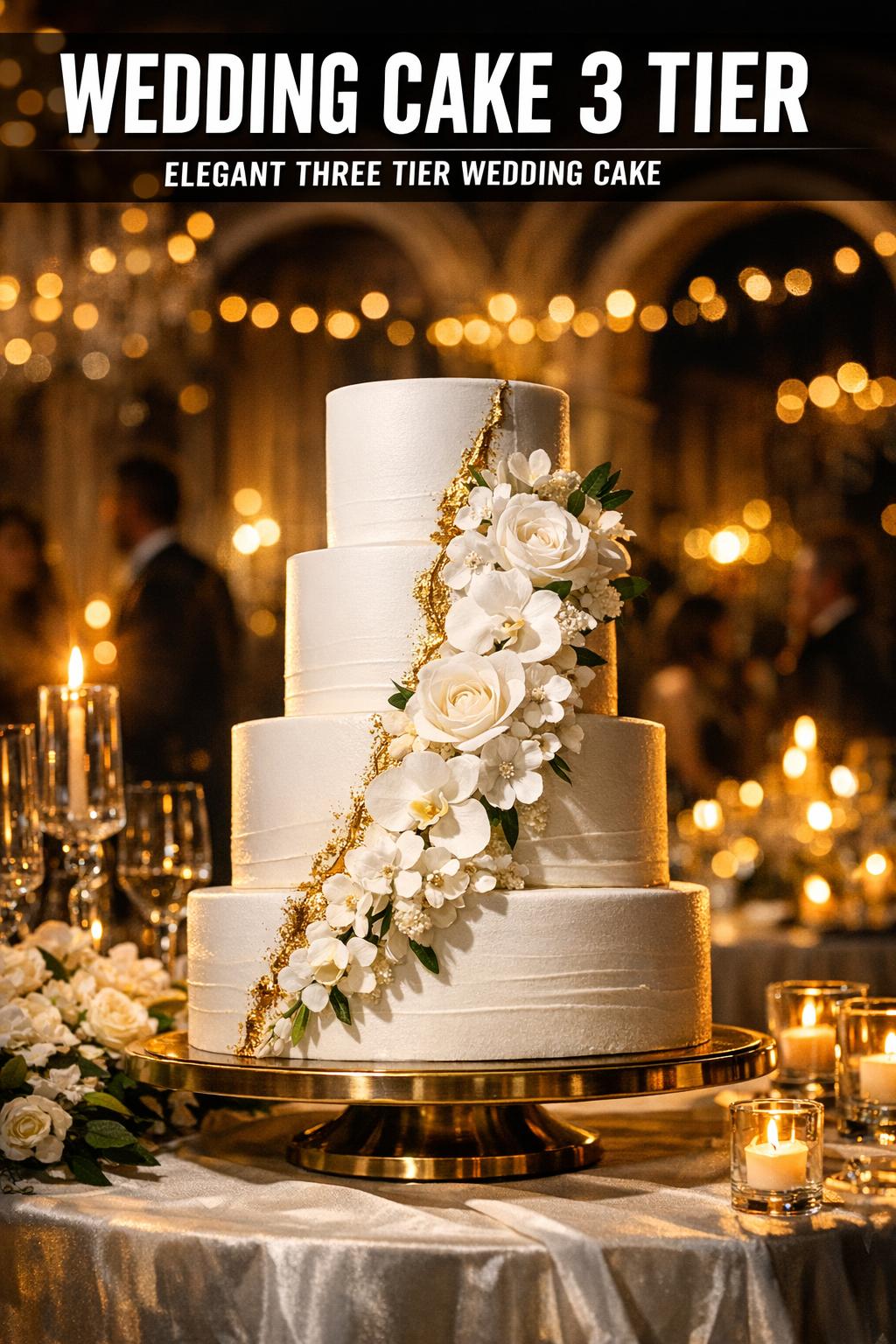
Look: minimalist white texture for a simple wedding cake 3 tier
This look is the quiet luxury of wedding cakes: clean white tiers that let shape and texture do the talking. The vibe is serene and intentional—perfect for couples who want their reception to feel airy, romantic, and timeless without leaning heavily on bold color or elaborate ornamentation.
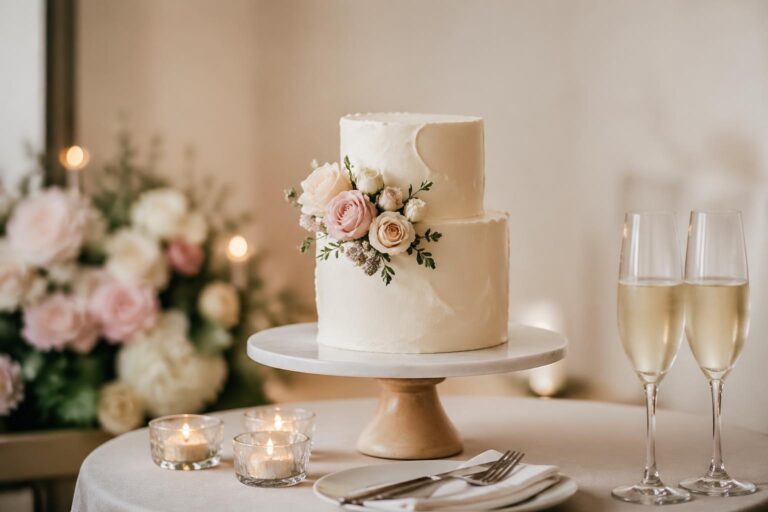
Picture smooth white buttercream with subtle ridges, soft spatula texture, or a white-on-white finish that catches candlelight. You can keep the silhouette pure—three balanced tiers—and add just a whisper of detail: a few edible flowers, a restrained floral accent at the base, or delicate piping that reads classic wedding cake vintage without becoming fussy.
- Palette: whites, soft ivories, gentle shadowed texture
- Details: minimal floral accents, white-on-white texture, understated finish
- Best for: formal venues, modern spaces, and couples who want timeless photos
Why it works: the elegance is baked into the restraint. A minimalist three tiered cake also gives you flexibility—your florals, linens, and lighting can be more dramatic without competing with the cake. It’s the cake equivalent of a perfectly tailored silhouette: effortless, refined, and always appropriate.
Look: all-white florals with a garden-soft finish
If your wedding vision includes petals in motion—bouquets, ceremony blooms, and reception arrangements that feel freshly gathered—this look translates that romance directly onto your cake. The mood is classic, but with a lived-in softness that feels intimate rather than overly formal.
An all-white three-tier cake with floral accents can be styled so the florals feel integrated rather than “placed.” Think clusters that echo your bouquet shape, or a gentle cascade that moves from the top tier down. This look appears beautifully in real-wedding contexts—an example set in Connecticut captures how white tiers and florals become part of the entire wedding scene, not a standalone object.
Why it works: florals visually connect the cake to your broader décor story. When guests walk into the reception, they instinctively understand the design language—your wedding feels cohesive, and the cake becomes one more romantic chapter of the room.
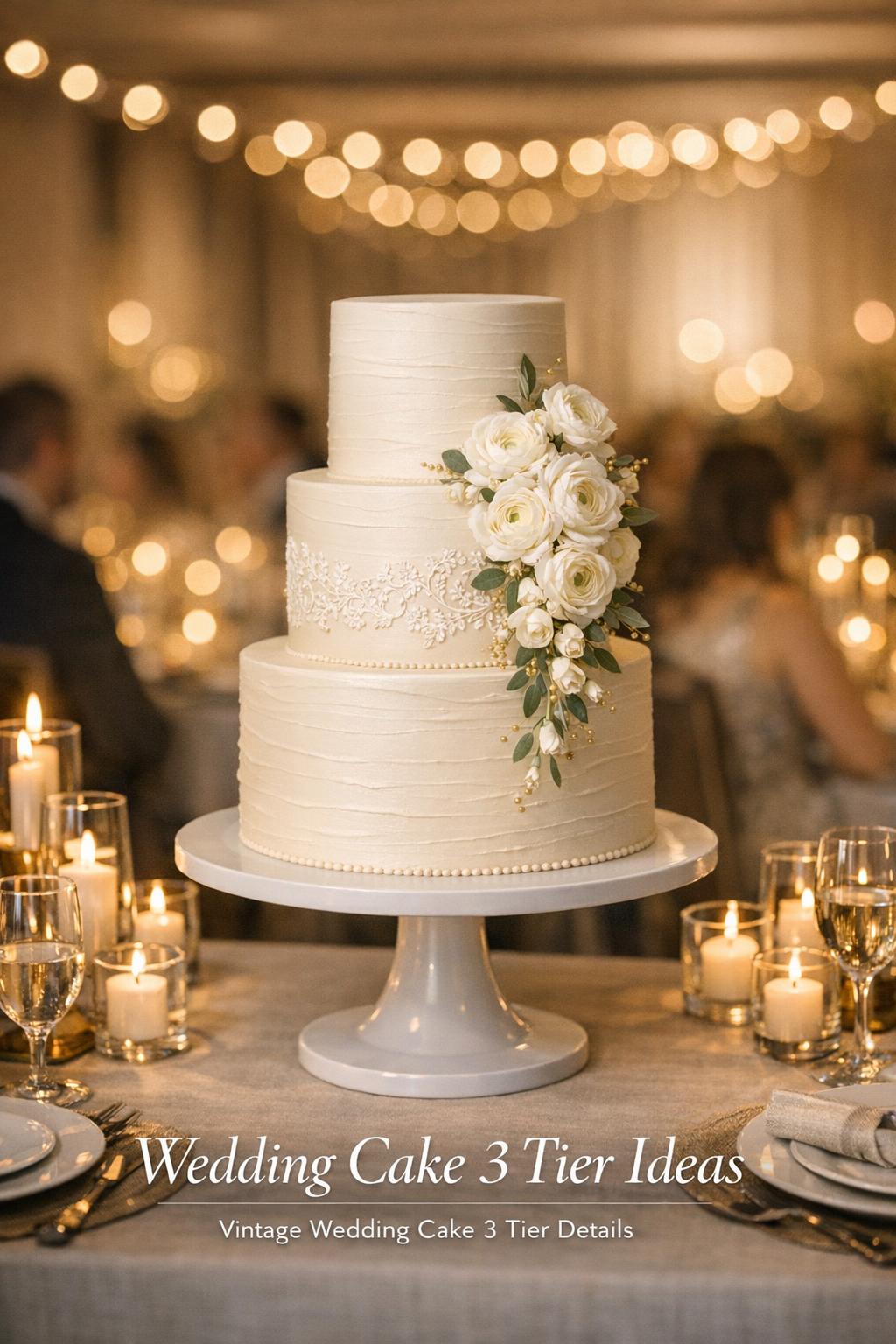
Look: geode-inspired cracks and metallic accents for modern drama
This look is for couples who want the cake to feel like a statement piece—artful, modern, and a little unexpected. The silhouette remains traditional (three tiers), but the surface treatment shifts the mood: textured “cracks,” geode-like facets, and metallic accents that catch the light like jewelry.
A standout example is a unique three-tier lavender cake featuring faux cracks, cascading white ribbons, and aluminum accents. The lavender palette softens the edge of the design, while the metallic detail makes it feel contemporary and intentional. If you love gold accents or a geode cake vibe, this approach gives you that visual impact without abandoning the classic wedding structure.
- Palette: lavender tones, white ribbon-like elements, metallic accents
- Details: faux-crack texture, geode-inspired styling, metallic highlights
- Best for: modern venues, evening receptions, couples who want a design-forward cake
Why it works: the drama is concentrated in a few deliberate elements, so the cake still feels elegant. This is the same principle as a minimalist outfit with one standout accessory—keep the silhouette clean, then let the detail shine.
Look: globe and watercolor artistry for a travel-inspired story
Some cakes don’t just match a palette—they tell a story. A globe motif paired with watercolor design transforms a three-tier wedding cake into a meaningful centerpiece for couples who share a love of travel, place, or a wedding day that feels like a journey.
In a creative real-wedding style, a three-tier cake can feature an artistic globe detail, watercolor washes that mimic painted paper, and cascading flowers that soften the illustration into something romantic. The floral cascade keeps the design from feeling too graphic, while the watercolor tones add movement across the tiers—like your love story painted into the frosting.
Why it works: the motif becomes a conversation starter, and the artistry reads beautifully in photos. It’s also an elegant way to personalize without relying on novelty—this is still a wedding cake first, simply told with more imagination.
Look: classic wedding cake vintage with lace-like romance
A classic wedding cake vintage look is about softness, nostalgia, and detail that feels inherited—in the best way. The mood pairs beautifully with romantic ceremonies, heirloom-inspired styling, or receptions that glow under warm lighting and feel like they could belong to another era.
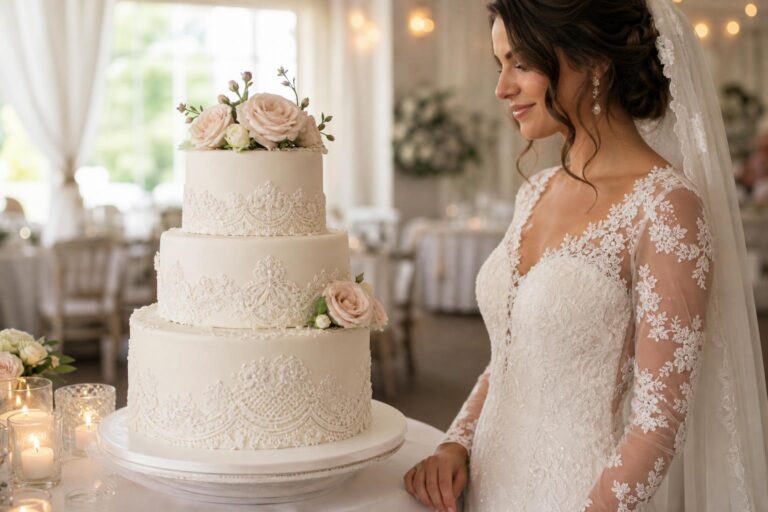
A vintage wedding cake 3 tier often leans on delicate texture: piped patterns, gentle borders, and floral accents that look like they’ve been placed with care rather than designed for shock value. Even if you keep the cake all white, the “vintage” feeling comes through in the finish—more ornament, more softness, more romance.
Why it works: it complements traditional wedding styling and reads timeless in albums. If you’re wearing classic attire or planning a ceremony with formal touches, this cake feels like it belongs—never trendy, never dated, always romantic.
Where each aesthetic shines: venue and setting guidance
One of the most practical ways to choose your wedding cake 3 tier style is to anchor it to your venue reality. Cakes are photographed in context—on a table, near florals, under lighting—so the “best” design is the one that reads clearly in your space and feels harmonious with the wedding environment.
- City celebrations (NYC vibe): modern finishes, marbling, gilding, and crisp silhouettes suit a sleek room and dramatic lighting
- Classic East Coast elegance (Philadelphia mood): refined white tiers, subtle texture, and balanced florals feel timeless and editorial
- Real-wedding romance (Connecticut garden or estate): all-white florals and soft cascades blend naturally into lush surroundings
- Art-forward venues: watercolor design, globe motifs, and creative cascades feel intentional rather than “extra”
A quick rule from real planning experience: if your room is already visually busy (heavy florals, patterned linens, colorful uplighting), a simple wedding cake 3 tier with texture tends to photograph better than an ultra-detailed design. If your room is clean and minimal, you can afford a bolder statement like metallic accents or a geode-inspired crack detail.
The build beneath the beauty: structural foundations you should ask about
Three tiers aren’t just stacked and hoped for—they’re engineered. Even if you never see the internal structure, it’s the difference between a cake that arrives serene and upright and one that feels stressful from delivery to cake cutting. When couples compare designs, they often focus on frosting and florals, but the most confident planning conversations include supports, dowels, pillars, and separators.
Supports, dowels, pillars, and separators (what they mean)
These terms are the internal “framework” that makes a three tiered cake stable. Supports and dowels help distribute weight so the bottom tier isn’t crushed, while pillars and separators can create a tiered look with a little visual breathing room. You don’t need to dictate the engineering, but you do want to hear your baker speak confidently about how stability is achieved—especially if you’re choosing heavier decoration like metallic accents, ribbon-like elements, or large floral cascades.
Tier sizing math and serving estimates (why it matters early)
Serving and sizing considerations show up repeatedly in three-tier cake guidance because the silhouette must match the guest experience. Couples often fall in love with a photo, then realize they need a different scale to match their guest count. Instead of locking in “the look” and hoping it serves enough, start with your guest range and your comfort level with extra servings. A well-proportioned cake can look abundant without being oversized for your room.
Transport and stability tips for real wedding timelines
Transport is where theory meets reality: long drives, tight venue doors, and schedule pressure. A three-tier cake needs a plan for delivery and setup so it arrives looking like the inspiration photo. If you’re getting married in a city environment or a venue with stairs, it’s wise to discuss how the cake will be moved and set in place, and whether the design includes elements that are added onsite (such as fresh blooms) to protect the finish.
Style tip: match your decoration to your structure
One of the most reassuring planning moves is choosing decoration that complements stability. A tight floral cluster can be more forgiving than heavy all-over accents, and a clean minimalist finish can reduce last-minute touch-ups. If you’re drawn to a geode-inspired crack design or metallic accents, ask your cake designer how those details affect transport, setup, and the finish’s durability so your dream look stays intact through the reception.
Buttercream vs. fondant: finish choices that change the whole mood
The finish is your “fabric,” and it changes everything about the final impression. Buttercream tends to read soft, romantic, and tactile—ideal for textured white-on-white looks and floral-forward designs. Fondant is often associated with a smoother, more sculpted appearance that can support clean lines and certain decorative techniques. Either can be styled into an elegant three tier wedding cake, but they don’t behave the same when you factor in time, handling, and intricate surface details.
If you want a simple wedding cake 3 tier that looks intentional in close-up photos, buttercream texture can be an asset: it turns light into dimension. If your dream cake is graphic or highly polished, a smoother finish may align better with that vision. The key is to choose the finish that matches the mood you want guests to feel when they first see the cake.
Edible flowers, sugar florals, and toppers: styling like accessories
Florals on a three-tier cake are the equivalent of accessories: they complete the look, echo your overall styling, and guide the eye across the tiers. Edible flowers can feel fresh and modern, while more sculpted floral styling can lean classic and romantic. In real-wedding examples, floral accents are a recurring thread because they connect the cake to the bouquet, centerpieces, and the reception’s atmosphere.
To keep the look elevated, treat floral elements as part of the composition. A cascade reads like movement—soft and romantic. A tight cluster reads like a statement—more modern and controlled. Either can work with a vintage wedding cake 3 tier or a modern minimalist design; it’s the placement and scale that makes it feel cohesive.
Look: modern marbling and gilded accents with a bakery-studio vibe
This interpretation feels like a fashion-forward city reception: a crisp three-tier silhouette with marble-like movement and a hint of gilding. The mood is modern, polished, and slightly dramatic—perfect for couples who want their cake to feel designed rather than traditionally decorated.
Design-focused bakeries often highlight options like modern marble, florals, and gilding in their three-tier offerings. A brand like Tasty Slice in NYC is positioned around customizable, design-led cakes, where the surface finish is part of the artistry. The result is a three tiered cake that feels contemporary and editorial without losing the celebratory spirit of a wedding classic.
Why it works: marbling brings movement to a neutral palette, and metallic accents act like jewelry—small touches that raise the perceived elegance of the entire design.
Real-wedding inspiration you can translate into your own design
Gallery-style inspiration is powerful because it shows cakes in the exact setting you’re planning for: real light, real tables, real people moving around the room. Instead of copying a photo exactly, pull the “style identity” from it—the silhouette, the motif, and the way the cake interacts with the overall wedding scene.
All-white floral cake: the timeless photograph
An all-white three-tier cake with floral accents, as seen in a Connecticut real-wedding context, proves how enduring this style is. The takeaway isn’t just “white cake with flowers”—it’s how the soft palette makes the florals feel romantic, and how the clean silhouette keeps the design from looking overly busy in photos.
Lavender with faux cracks and ribbons: modern romance with edge
A lavender three-tier cake with faux-crack detailing, cascading white ribbons, and aluminum accents shows how modern motifs can still feel wedding-appropriate when the palette is softened. The takeaway: keep the silhouette classic, then concentrate your boldness in a controlled zone—like a crack reveal, a metallic highlight, or a ribbon cascade.
Globe and watercolor design: a motif that becomes your signature
A three-tier creative cake featuring a globe motif, watercolor design, and cascading flowers demonstrates how artistic choices can feel deeply personal without becoming novelty. The takeaway: motifs work best when they’re integrated into the full composition—softened by florals, balanced across tiers, and aligned with your wedding’s overall aesthetic.
From inspiration to order: a calm, step-by-step way to choose your cake
Choosing a wedding cake 3 tier is often emotional—because it’s so visual—but the best decisions happen when romance and practicality meet. A process can still feel dreamy when it’s grounded: you’re not limiting your options, you’re clarifying them.
- Start with mood: minimalist white texture, floral romance, metallic/geode drama, watercolor storytelling, or classic wedding cake vintage
- Place it in your venue: imagine the cake table, lighting, background, and surrounding florals
- Confirm scale: talk serving needs and tier sizing before locking the exact design
- Decide your finish: buttercream vs. fondant based on the look and how it will hold up on the day
- Choose one hero detail: floral cascade, metallic accents, geode-inspired cracks, or a globe/watercolor motif
This approach also makes vendor conversations more productive. Instead of saying “I want a three-tier cake,” you arrive with a clear aesthetic and practical guardrails—your designer can guide you toward what will look best and feel most secure on the wedding day.
Vendor lens: bakery styles, customization, and what to listen for
Not all three-tier cakes are built from the same philosophy. Some shops present a highly curated design style; others focus on flexible customization. You’ll see both approaches in the marketplace, from product-forward listings like New Glarus Bakery’s “wedding cake – 3 tier” offering in New Glarus, WI, to design-driven studios like Tasty Slice in NYC with emphasis on modern detailing and personalization.
Authority often shows up in the details of how a baker explains your options. The Knot’s guidance includes expert input from a cake designer, Jennifer Low of Frosted Fox Cake Shop in Philadelphia, PA, connecting three-tier inspiration to practical notes like sizing, serving, and stability. That blend—design plus logistics—is exactly what you want to hear when you’re investing in a cake that needs to arrive beautiful and slice cleanly.
Tips brides actually use: keeping your three-tier vision realistic
Inspiration galleries can make every idea feel equally easy. In real planning, a three tiered cake needs to serve guests, survive transport, and fit your budget and timeline—while still looking like you. These tips are the difference between a cake you love on Pinterest and a cake you love on your wedding day.
Tips for aligning cake style with your floral plan
If your reception florals are abundant, choose a cake design that doesn’t compete: minimalist white texture or a simple wedding cake 3 tier with restrained accents can look more expensive and photograph more cleanly. If your florals are minimal, a floral cascade on the cake can become your “centerpiece bloom moment” without changing the rest of the décor.
Tips for metallic accents and geode-style detailing
Metallic accents and geode-inspired cracks look stunning, but they’re visually loud—so keep the rest of the cake calm. A neutral base (white or softly tinted) lets gold accents, aluminum accents, or a crack reveal feel intentional rather than busy. If you love the idea but want it more timeless, place the metallic detail on one tier instead of all three.
Tips for a classic wedding cake vintage look that still feels fresh
Vintage doesn’t have to mean heavy. You can keep the silhouette clean and choose one vintage cue—like delicate piping texture or soft floral accents—so the cake reads romantic without feeling dated. This is especially helpful if your overall wedding is modern but you want a nod to tradition.
Troubleshooting: common three-tier cake issues (and how to prevent them)
Most cake “problems” don’t start on the wedding day—they start in the planning details that weren’t discussed early enough. Thinking through these scenarios doesn’t make your planning less romantic; it makes it calmer.
- The cake looks smaller than expected: confirm the scale in relation to your cake stand and table styling; three tiers can read petite if the tiers are narrow or the table is oversized
- The design feels busy: choose one hero motif (florals, metallics, geode texture, or watercolor/globe) and simplify the rest
- Worry about stability: ask directly about supports, dowels, pillars, and separators, plus how the cake is transported and assembled
- Serving anxiety: start with serving needs and tier sizing before committing to a specific inspiration photo
The most reassuring sign is a vendor who explains trade-offs clearly. A cake can be gorgeous and practical at the same time, but the path there is collaborative: you bring the mood, they bring the engineering and the day-of strategy.
Gallery of ideas: choose your three-tier mood and make it yours
To help you narrow the options without losing the dream, use these theme clusters like a wardrobe edit. Pick the mood first, then refine your details—florals, texture, and one signature accent.
Floral-forward romance (fresh blooms, cascades, and edible flowers)
This cluster is soft and celebratory: all-white tiers with floral accents, gentle cascades, and blooms that echo your bouquet. It suits classic ceremonies, garden receptions, and any couple who wants the cake to feel like part of the floral landscape.
Textured white minimalism (simple, elegant, photo-ready)
This is where a simple wedding cake 3 tier becomes unforgettable through restraint. White-on-white texture, subtle ridges, and minimal adornment look timeless under almost any lighting and keep your overall décor flexible.
Geode and metallics (cracks, gold accents, and modern polish)
For couples drawn to statement details, this cluster pairs classic structure with modern surface artistry. Faux cracks, geode-inspired accents, and metallic highlights—gold accents or aluminum accents—deliver drama while keeping the wedding silhouette intact.
Artistic storytelling (globe motifs, watercolor design, and cascading flowers)
This cluster is romantic and personal. A globe motif or watercolor design turns the cake into a narrative piece, softened by cascading flowers so the artistry feels wedding-appropriate rather than illustrative alone.
Closing thoughts: the most beautiful cake is the one that feels like you
A wedding cake 3 tier is a rare kind of wedding detail: it’s practical, ceremonial, and deeply aesthetic all at once. Whether your heart leans toward an elegant three tier wedding cake with minimalist texture, a vintage wedding cake 3 tier with romantic piping, or a bold geode-inspired statement with metallic accents, the magic comes from cohesion—your cake, your venue, your florals, and your story speaking the same visual language.
FAQ
How many servings can a 3-tier wedding cake serve?
Serving capacity depends on tier sizing and how the cake is sliced, which is why sizing and serving guidance is commonly paired with three-tier design ideas; the best approach is to start with your guest count and ask your baker to map tier sizes to realistic portions so the cake both looks proportional and serves your reception comfortably.
What makes an elegant three tier wedding cake look “expensive” without being overdone?
Balanced proportions, a clean finish, and one intentional focal detail usually read more elevated than multiple competing elements; minimalist white texture, a controlled floral cascade, or restrained metallic accents can create a refined look while keeping the overall design calm and cohesive.
What should I ask about structure for a wedding cake 3 tier?
Ask how the cake will be stabilized using supports, dowels, pillars, or separators, and how it will be transported and assembled at the venue; these details matter because three tiers require internal engineering to stay level, safe, and photo-ready throughout the reception.
Can I do a simple wedding cake 3 tier and still have it feel special?
Yes—simple often feels more romantic and timeless when the silhouette is well-proportioned and the texture is intentional; white-on-white buttercream texture, subtle ridges, or a small floral accent can make a minimalist three tiered cake feel like a true centerpiece.
What’s the difference between a floral accent and a floral cascade on a three-tier cake?
A floral accent is typically a smaller, contained cluster placed on one area of the cake, while a cascade creates a flowing line that travels across tiers; both are common in three-tier inspiration, and the best choice depends on whether you want a quiet finishing touch or a more dramatic, movement-focused statement.
How do I choose between a classic wedding cake vintage look and a modern design?
Use your venue and overall décor as your guide: classic wedding cake vintage styles pair naturally with traditional, romantic settings and softer details, while modern designs like geode-inspired cracks, watercolor artistry, or metallic accents often suit contemporary rooms and bold visual concepts; you can also blend them by keeping the silhouette classic and adding just one modern element.
Are geode-style cracks and metallic accents too bold for a wedding?
They can be bold, but they don’t have to feel overwhelming when the base design stays calm; a neutral or softly tinted palette (like lavender) and selective placement of metallic accents can keep the cake elegant while still delivering that modern, design-forward impact.
How can a globe motif or watercolor design still feel romantic?
These motifs feel most romantic when they’re integrated into the full composition—balanced across tiers and softened with cascading flowers or floral accents—so the artistry reads as part of the wedding story rather than a standalone graphic element.
How do bakery styles differ when ordering a three-tier cake?
Some bakeries present a product-forward three-tier option with clear service details, while others position their cakes as highly customizable design pieces emphasizing specific finishes and motifs; listening for confident guidance on sizing, servings, and stability—like the kind provided by experienced cake designers—helps you choose a partner who can deliver both beauty and reliability.