Wedding Shower Ideas: A Host’s Practical Checklist
The easiest way to plan a wedding shower is to stop trying to combine every charming idea you have saved. Start with one question: what should the couple feel when they look back on the afternoon? Maybe they want an easy conversation with relatives who have not met, a playful activity with close friends, or a relaxed chance to see everyone before the wedding. Pick that feeling first, then choose a setting and one anchor activity that support it. The rest of the decor, menu and schedule can stay simple.
This checklist is for a host who wants more than a theme list. It connects the guest mix, space and amount of work you can take on to five complete wedding shower ideas. Each plan gives you a starting point for the room, activity, food and event flow. Adjust the details to the couple and the people attending; a good shower feels considered because it fits, not because it follows a template.
Start with the kind of afternoon the couple would enjoy
Before you pick flowers, invitations or a menu, ask the couple what they want the event to feel like. A shower is optional, and the guest of honor should be comfortable with the plan. Ask a few open questions privately: Would you enjoy opening gifts in front of the group? Would you rather have a shared activity or time to talk? Should the event include both partners? Is there anything you would prefer to skip? The answers can be brief. They are a boundary and a direction, not a request for the couple to plan their own party.
Then write down three limits for the host: a spending ceiling, the number of people you can comfortably manage, and the hours you can give to preparation. Include practical limits such as a small kitchen, stairs, no outdoor backup, or a venue that needs to be cleared quickly. These details are more useful than choosing a visual theme too early. A flower-arranging table can be lovely, but it needs surface space, supplies and a way to protect the venue. A seated brunch may be easier if the group includes older relatives or guests who do not want to stand for long.
Turn wedding inspiration into a plan you can actually follow.
Zarellea brings your guest list, budget, vendors, and day-of details into one shared space — so no beautiful idea gets lost in the shuffle.
Agree on a broad guest list with the couple before invitations go out. Do not invite someone to the shower if they are not invited to the wedding. The Knot’s [bridal shower planning checklist](https://www.theknot.com/content/a-bridal-shower-planning-checklist) also recommends confirming that the couple wants a shower and consulting them on details such as size and theme. Treat that conversation as a quick check-in, then let the host carry the logistics.
Finally, decide whether you are planning a traditional bridal shower or a wedding shower for both partners. The names may be used differently by different families. What matters for your plan is who the couple wants to celebrate with, whether the guest list will be mixed, and what activities will feel natural to the group. If partners are invited, choose an activity that does not assume everyone knows the couple equally well or wants to compete in a game.
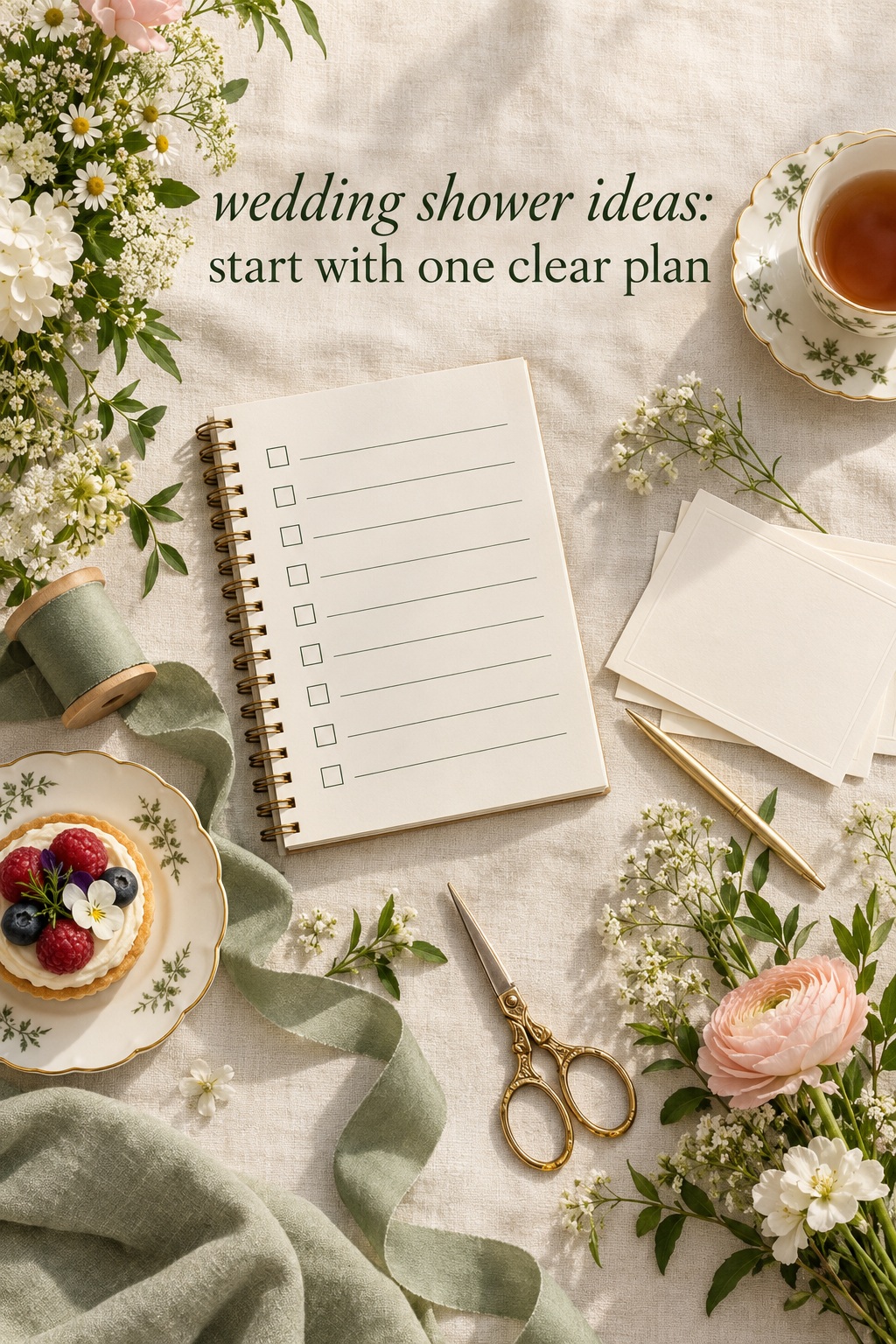
Use this checklist to narrow the wedding shower ideas
Use the questions below in order. If an idea fails a practical constraint, set it aside instead of trying to rescue it with more spending or more labor. You only need one clear concept and a few supporting details.
1. What will help guests connect?
Consider how well the guests know one another. A close group may enjoy a hands-on workshop, a recipe exchange or an informal supper. A group that spans family, work and friend circles may need an activity people can join without a long explanation. Place a question card at each seat, invite guests to add a song to a shared playlist, or set out a simple keepsake table. Give people a way to participate without putting anyone on the spot.
2. Where can the idea work comfortably?
Match the concept to the real room. A home can make a brunch, story circle or small craft table feel personal, while a restaurant may be a better fit for a larger group or a host who does not want to cook. Ask the venue what is included, when setup can begin, where gifts can be placed, whether outside food is allowed, and how the room must be left. For an outdoor shower, identify the indoor backup before you send invitations.
3. How much hosting work can you take on?
Choose a format that leaves you time to greet people and enjoy the event. A restaurant meal can reduce food preparation but may add coordination around a reservation and menu. A potluck spreads out cooking but needs clear assignments and a plan for serving. A craft can occupy guests, but only if the instructions and materials are ready before they arrive. If you are hosting alone, choose food that can be prepared or delivered ahead and skip an activity that requires constant supervision.
4. What makes the idea feel personal?
Pick one detail tied to the couple, then repeat it in small ways. A favorite breakfast pastry can guide the menu and place cards. A shared hobby can shape the activity. A family recipe can become a conversation prompt. Avoid asking guests to buy special clothing, prepare elaborate performances or bring gifts outside the couple’s stated preferences. Personal touches should make the event more recognizable, not give guests another assignment.
5. What can you remove?
Look at the plan as a guest would. If there is a theme, a game, a craft, a gift opening, a photo backdrop, a favor and a formal toast, choose which two or three matter most. An event with room to talk often feels warmer than one with an activity scheduled into every gap. One strong focal point, a comfortable place to sit and a clear welcome can do more than a dozen small decorations.
When you are comparing formats, think of the shower as a sequence rather than a collection of purchases: arrive, settle in, share food, do one activity, make space for the couple, and close on time. This flexible sequence also works for couples showers and nontraditional gatherings. Zola’s guide to [wedding shower formats](https://www.zola.com/expert-advice/wedding-shower-ideas-that-fit-your-style) describes options beyond a daytime, women-only event, including gatherings that suit both partners and a wider mix of guests.
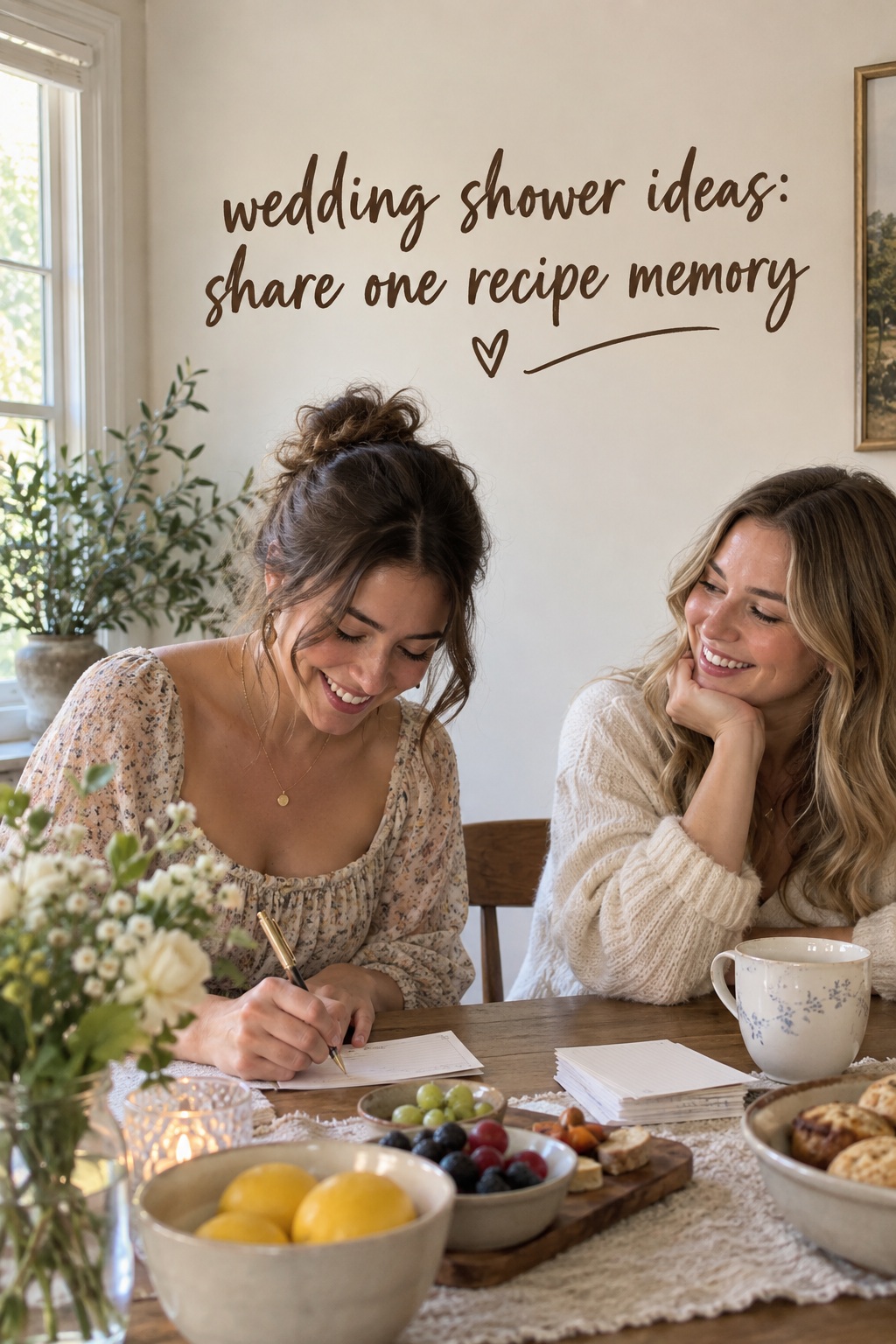
Five wedding shower ideas, matched to real hosting situations
These are starting plans, not rules. Each has one anchor activity and a service style that makes sense for its setting. You can borrow one element from another idea, but keep the central activity clear so guests know what to expect.
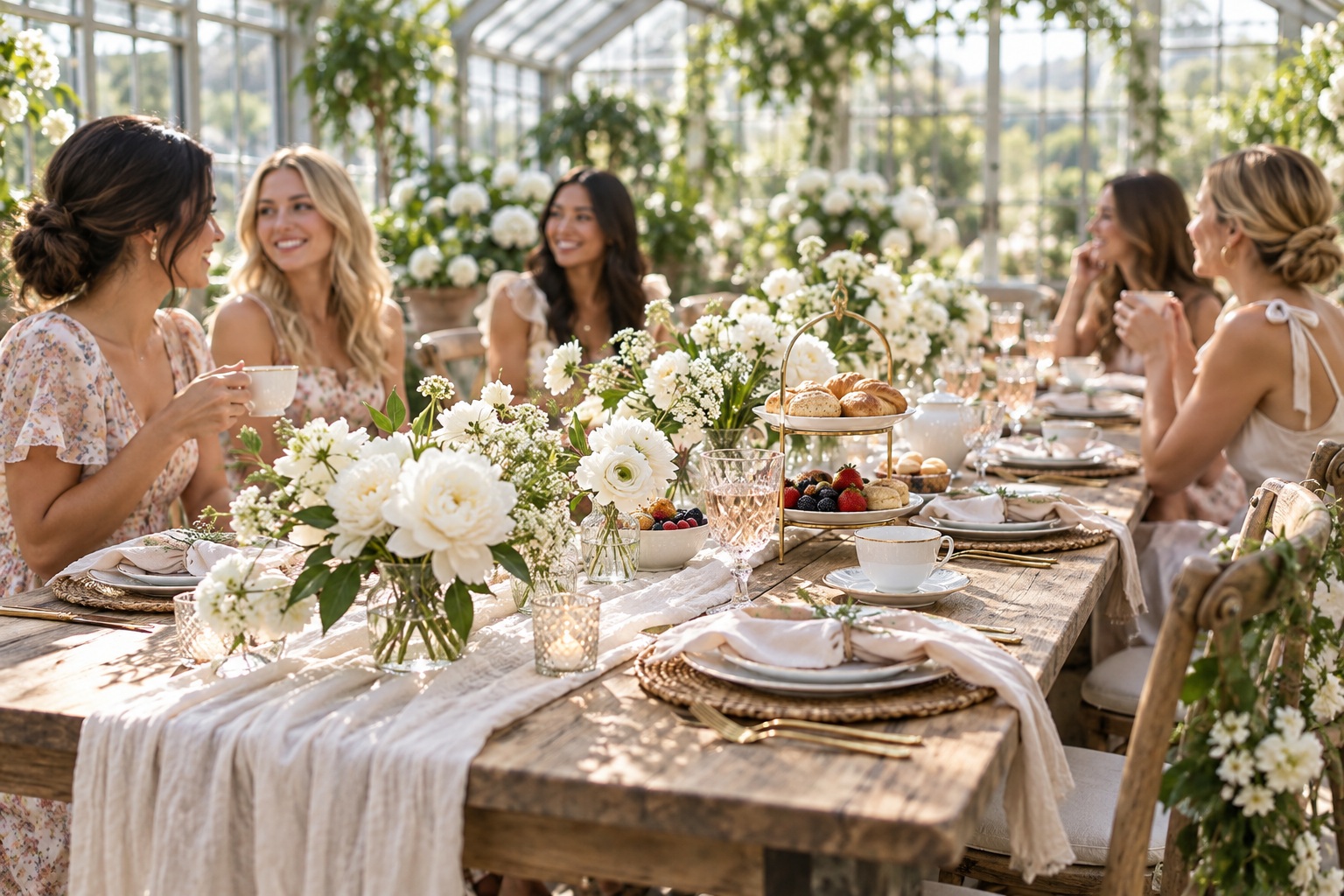
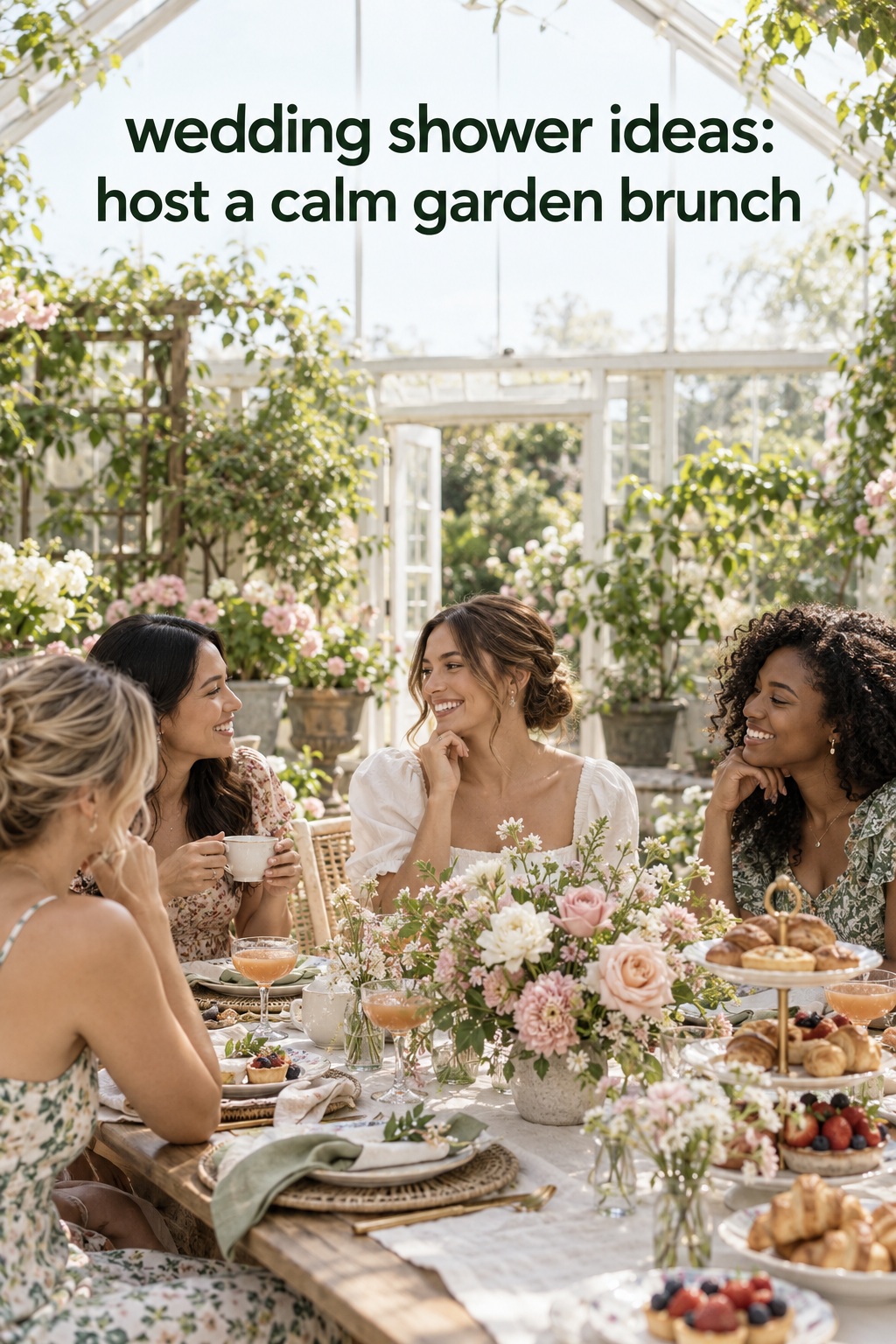
Garden brunch with a tiny flower bar
Choose this for a daytime gathering where guests enjoy mingling and there is a garden, patio or bright room. Keep the table plan simple: brunch dishes in one easy-to-reach area, drinks in another, and a small flower station at the edge of the room. Use a few seasonal stems, jars or bud vases, and pre-cut twine or ribbon. The activity is optional: guests can make a small arrangement when they feel like it, then take it home. This lets people talk instead of waiting for a formal turn.
Offer a short menu that can be served at room temperature or replenished without complicated timing, such as pastries, fruit, a savory tart and coffee or tea. Confirm dietary needs with the couple and label dishes clearly. A sample two-hour flow is 20 minutes for arrival, 40 minutes for brunch, 30 minutes for flowers and conversation, 20 minutes for a toast or gifts if wanted, and 10 minutes to say goodbye. For a larger group, make the flower bar a display with a few stems per person rather than a full workshop.
Make-and-take afternoon for a hands-on group
Choose a single uncomplicated project guests can finish while seated: decorate recipe cards, assemble a small herb planter, make a pressed-flower bookmark, or write notes for the couple’s first anniversary. Set one completed sample on the table and put supplies in small trays before guests arrive. Keep the design forgiving, with no special technique needed. If the couple would rather not collect objects, make the activity a shared recipe book or a card box instead of a favor project.
Plan for a table surface, reachable supplies, a wastebasket and a way to protect the venue. Serve snacks that do not compete with the work area, and leave room for guests to set down a drink. The run of show can start with arrivals and refreshments, move to a brief demonstration, allow 35 to 45 minutes for making, then end with a group photo and a relaxed close. Offer a no-craft alternative, such as writing a note or chatting nearby, so participation stays easy.
Couples open house with drop-in conversation
This works when guests are spread across different circles or have varied schedules. Instead of seating everyone for a full program, host a defined drop-in window at a home, community room or casual venue. Set out one welcome point, a few small seating clusters and food that guests can pick up without waiting for service. The couple can greet people, and guests can talk in smaller groups. Avoid framing the open house as an all-day obligation: put clear start and end times on the invitation and have the hosts ready to welcome people throughout that window.
Make the activity a low-pressure memory or advice station. Guests can write a favorite shared memory, a date-night suggestion or a short wish for the couple. Keep prompts optional and provide blank cards for people who prefer their own words. A playlist, a framed photo or a small display of meaningful objects can personalize the room without requiring a full theme. Ask the couple whether they want gifts opened during the event; if not, make the welcome and conversation the center of the plan.
Recipe-table supper for a food-loving couple
Build a relaxed evening around a dish or cuisine the couple genuinely enjoys. This could be a pasta supper, a taco spread, a soup-and-bread table or a dessert tasting. Keep the menu narrow enough that the host can serve it well. If guests are contributing food, assign categories in advance and identify who is bringing serving utensils, labels and any needed temperature-safe containers. A hosted meal or catered order may be easier than coordinating many dishes when the group is large or the venue has limited kitchen access.
Invite guests to add a favorite recipe or a note about when they make it. Do not make the recipe card a condition of attending. Provide a few seating options and leave an open space for conversation after the meal. Start with a welcome drink, serve dinner, leave time for the couple to talk with guests, then offer dessert and a short toast. If gifts are part of the shower, place them where they will not block the serving area and agree on a comfortable amount of time for opening them.
Living-room story circle for an intimate group
For a smaller guest list and a couple who values conversation, create a circle or loose seating arrangement with a shared snack table. Ask each guest to bring one short story, a favorite photo or a piece of advice only if they want to. A host can offer two or three gentle prompts, then let the conversation move naturally. Keep the activity brief and do not require everyone to speak. This is a warm format for families and long-time friends who already share memories, but it can feel awkward if guests are strangers and the couple dislikes being the focus.
Use one visual focal point, such as a framed engagement photo or flowers from the couple’s home, and keep other decor light. Arrange extra chairs before the event and make sure people can enter, leave and reach refreshments easily. Serve a simple afternoon tea or dessert, rather than a meal that keeps the host in the kitchen. If the guest list includes people who do not know one another, place a few optional conversation cards near the food instead of beginning with a round of introductions.
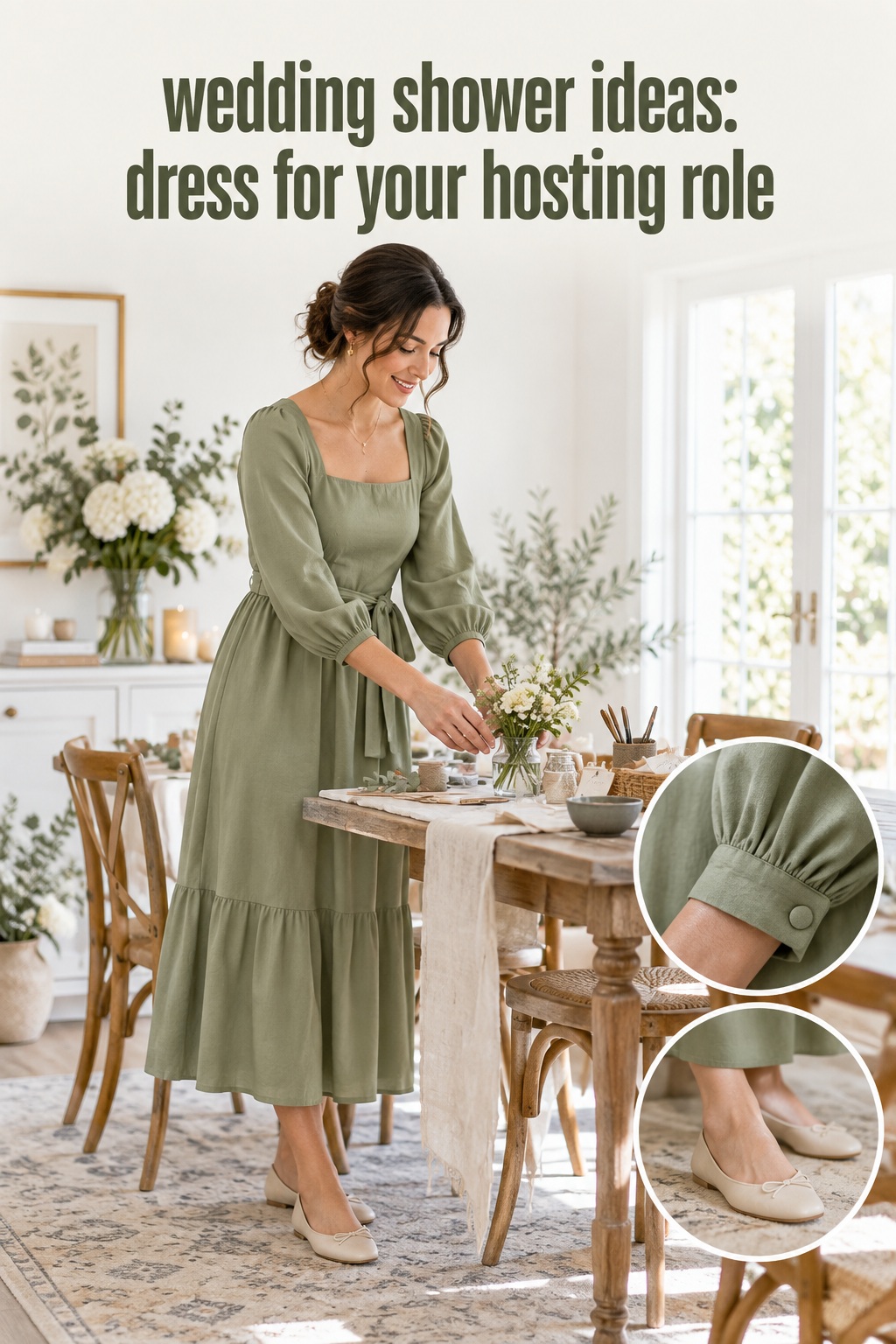
Make the chosen idea comfortable for every guest
Comfort is part of the design. Include enough chairs for the people you expect, not only the people who will be seated during a planned activity. Leave clear paths to the restroom, food and exit. If guests will stand for a craft or buffet, add places to rest. For an outdoor plan, consider shade, weather backup and access to the house or venue. Ask the venue about step-free access and available seating rather than guessing from photographs.
Ask the couple how they want dietary needs handled, then collect relevant information through the RSVP process if appropriate. Confirm menu questions with the caterer or food provider, and label dishes with clear ingredients when you can verify them. Do not promise that a dish is allergy-safe unless the person preparing it can confirm the ingredients and handling. Keep water and nonalcoholic drinks easy to find. If alcohol is served, offer appealing alternatives and make the event enjoyable for guests who do not drink.
Make activities opt-in. Some guests may prefer to watch, talk or take a break. Avoid games that rely on private information, embarrassing stories or assumptions about gender and relationship roles. If you plan gift opening, check that the couple wants it and tell guests what to expect. A short opening with someone keeping a gift list can be easier to follow than a long, unstructured session, but skipping it is also a valid choice.
Finally, use the invitation to remove uncertainty. State the start and end time, location details, parking or transit notes, dress guidance if there is any, and whether the event includes a meal. If guests are asked to bring a recipe, wear a color or contribute food, say so clearly and make it optional when possible. Simple information helps guests prepare and keeps the host from answering the same practical questions repeatedly.
The week-before and day-of review
One week before, confirm the guest count and send the venue or food provider any final details they need. Check the weather plan, delivery times, dietary notes, furniture and cleanup expectations. Assign each host a specific task: greeting, food, activity, gifts, photos or teardown. A shared checklist is more useful than a long group text because each person can see what is finished and what still needs an owner.
The day before, gather decorations and supplies in labeled bags or boxes. Pack scissors, tape, pens, serving utensils, a phone charger and a small cleanup kit if the venue allows them. Prepare what can be made ahead, and leave the fresh or time-sensitive items for the day. Send a short confirmation to anyone bringing food or materials. If something is missing, decide whether it is necessary or can simply be removed from the plan.
On the day, arrive with enough time to set the room, check the food and walk through the guest path. Put the activity supplies where guests can find them, but do not announce every step as soon as people arrive. Let the first part of the event breathe. Keep one host available to welcome late arrivals while another checks the food or starts the activity. Leave a little space between planned moments so the schedule can flex.
Before guests leave, help the couple collect cards and gifts, check for personal belongings and explain how any leftovers will be handled. Thank the venue or anyone who contributed. A host does not need to create a production. If the couple felt cared for, guests could participate comfortably, and the event ended without a scramble, the idea did its job.
FAQ
What are some wedding shower ideas that are easy to host?
A drop-in open house, a simple brunch or an afternoon tea can be manageable because guests can talk without a complicated program. Choose food that can be prepared ahead or delivered, use one optional activity, and ask another host to greet guests or handle cleanup.
How do I choose a wedding shower theme?
Start with the couple’s interests and the mood they want, then check the venue, guest list and host budget. A theme can be as light as a color palette, favorite meal or shared hobby. Choose one that guides a few decisions without asking guests to buy special outfits or learn complicated rules.
What can guests do at a wedding shower besides play games?
Guests can arrange small bouquets, share recipes, write notes, decorate a keepsake or simply enjoy a meal and conversation. Make activities optional and easy to understand. A welcoming seating arrangement and a good conversation prompt can be enough for a group that would rather mingle than compete.
Can a wedding shower include both partners?
Yes. Ask the couple whether they want a shared celebration, then plan the guest list and activity around both partners. A couples shower might use a meal, open house, trivia about the couple or a shared craft. The format should suit the people being honored rather than follow a single tradition.
Who should be invited to a wedding shower?
Build the list with the couple and invite only people who are also invited to the wedding. The final group can include close friends, family, wedding party members or other important guests, depending on the couple’s preference and the host’s capacity. Check names and contact details before invitations are sent.
How long should a wedding shower last?
Choose an end time that fits the format and tell guests in advance. A brunch, tea or afternoon gathering can work within a few hours, while an open house needs a clearly stated drop-in window. The schedule should leave room for arrivals, food, the anchor activity and a comfortable close.
Do you have to open gifts at a wedding shower?
No. Ask the couple what they prefer and mention the plan if it will shape the event. If gifts are opened, keep the setup comfortable, place gifts where they are easy to reach and have someone record who gave each one. If the couple would rather spend the time talking, skip the opening.
What is a thoughtful wedding shower activity for mixed ages?
Choose an activity people can join at their own pace, such as a recipe or memory card station, a flower bar with seated access, or a shared meal with optional conversation prompts. Avoid activities that depend on running, standing for a long time, intimate knowledge or public performance.