Cupal Photo Shoot Style: Editorial or Softly Romantic?
Some wedding ideas arrive with immediate clarity. Others sit in a more uncertain, more intriguing place. A cupal photo shoot belongs to that second category. The phrase feels specific, but in practice it often overlaps with broader photo shoot directions couples already love: couple photoshoot styling, bridal shoot concepts, fashion editorial mood, studio portraits, location shoots, and the visual language of a wedding editorial. That ambiguity can be frustrating, but it also opens a creative opportunity. Instead of treating the idea too narrowly, it helps to understand the two strongest style directions that naturally surround it: a refined fashion editorial shoot and a softer romantic couple photo shoot.
These two aesthetics are often confused because both can be beautiful, intentional, and deeply photogenic. Both may feature a photographer, a stylist, makeup artist support, carefully chosen props, and a location or studio that shapes the final mood. Yet they create very different emotional worlds. One feels more composed, directional, and visually disciplined. The other feels more intimate, organic, and emotionally immediate. Choosing between them matters because the wrong visual direction can make a wedding shoot feel disconnected from the couple, the venue, and the atmosphere they actually want to remember.
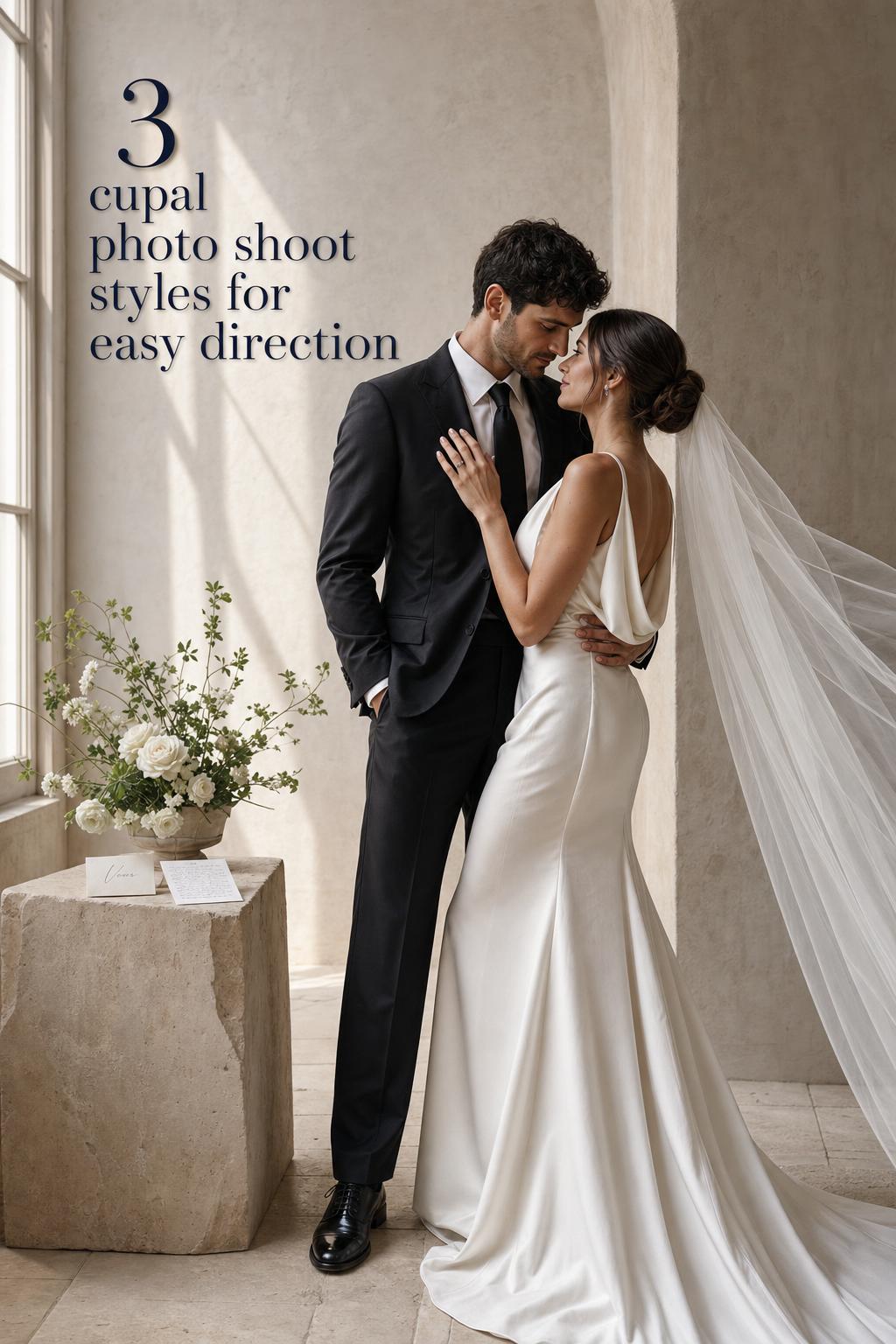
This guide breaks down those styles in a way that helps with real wedding decisions. If you are planning a cupal photo shoot and trying to define whether your vision should lean fashion editorial, romantic couple photoshoot, or a blend of both, the difference is not just visual. It affects your photographer brief, your styling choices, your location, your model-like posing comfort, your floral direction, and how the images will feel years later.
Style overview: the fashion editorial wedding shoot
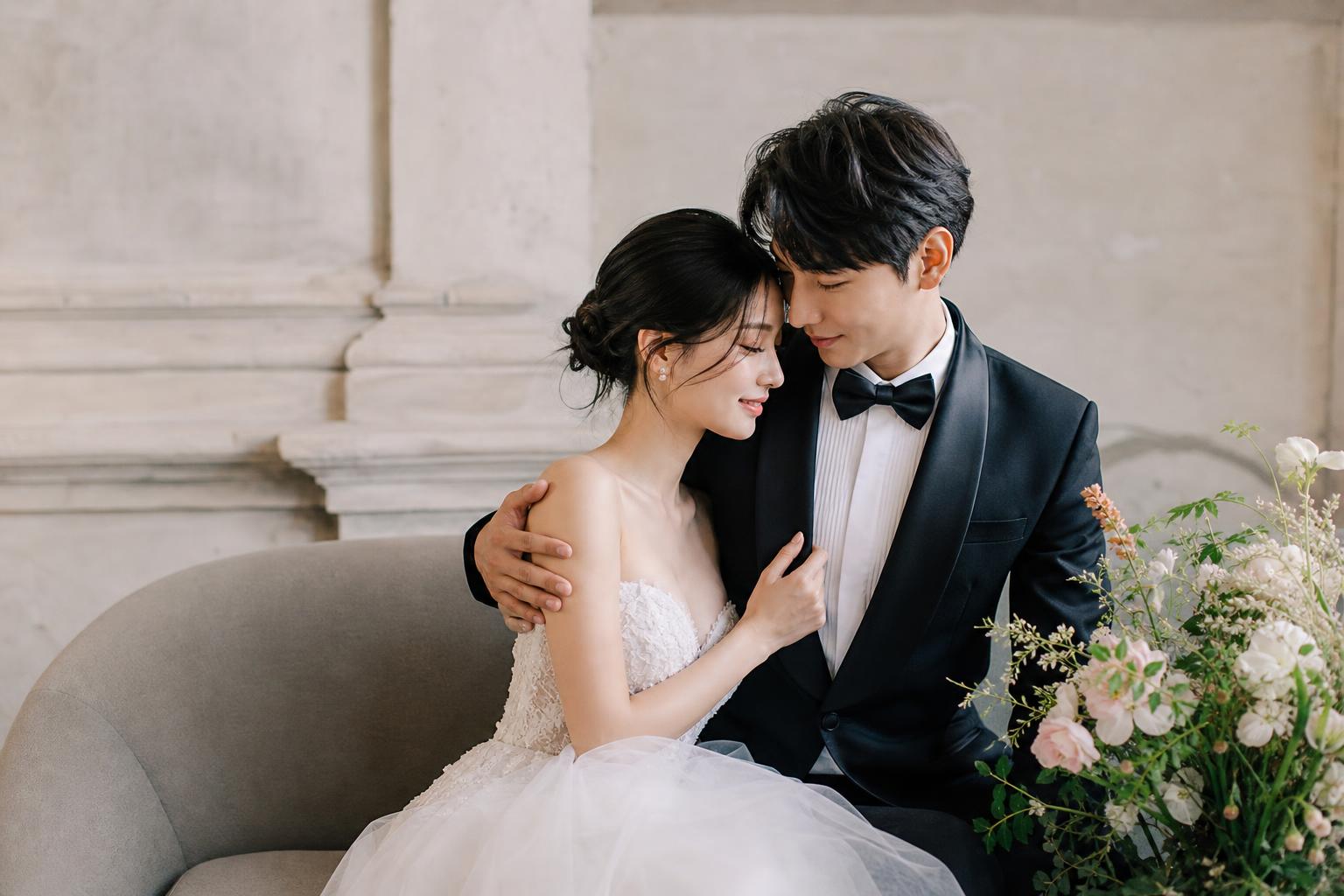
A fashion editorial wedding shoot is built around intention and visual control. Even when it appears effortless, the mood is usually shaped through structure. The photographer is not only documenting emotion but creating composition. The styling tends to be deliberate, the beauty look more directional, and the overall result closer to a magazine-inspired bridal story than a purely candid wedding moment.
Turn wedding inspiration into a plan you can actually follow.
Zarellea brings your guest list, budget, vendors, and day-of details into one shared space — so no beautiful idea gets lost in the shuffle.
Emotionally, this style often feels polished, refined, and self-aware in the best sense. It does not depend on abundance to make an impact. Instead, it relies on line, proportion, posture, light, and the relationship between the couple and the setting. A studio can support this beautifully because a controlled environment allows stronger emphasis on silhouette, styling, and expression. A carefully chosen location can do the same if the architecture or backdrop contributes clarity rather than distraction.
The color palette within an editorial direction is usually restrained. That might mean tonal neutrals, clean contrasts, or a small set of focused hues. Florals, if included, tend to act as visual punctuation rather than the entire atmosphere. The dress, suit, veil, accessories, and even the spacing between elements all matter. Hair and makeup often support the concept with precision rather than softness alone.
In a real wedding environment, this style behaves best when the couple wants images that feel elevated and composed. It suits those who love clean visual storytelling, appreciate a stronger creative direction from the photographer, and do not mind being guided more intentionally during the shoot. The guest experience tied to this style often feels more formal, more curated, and more design-conscious, even if the wedding itself remains warm and personal.
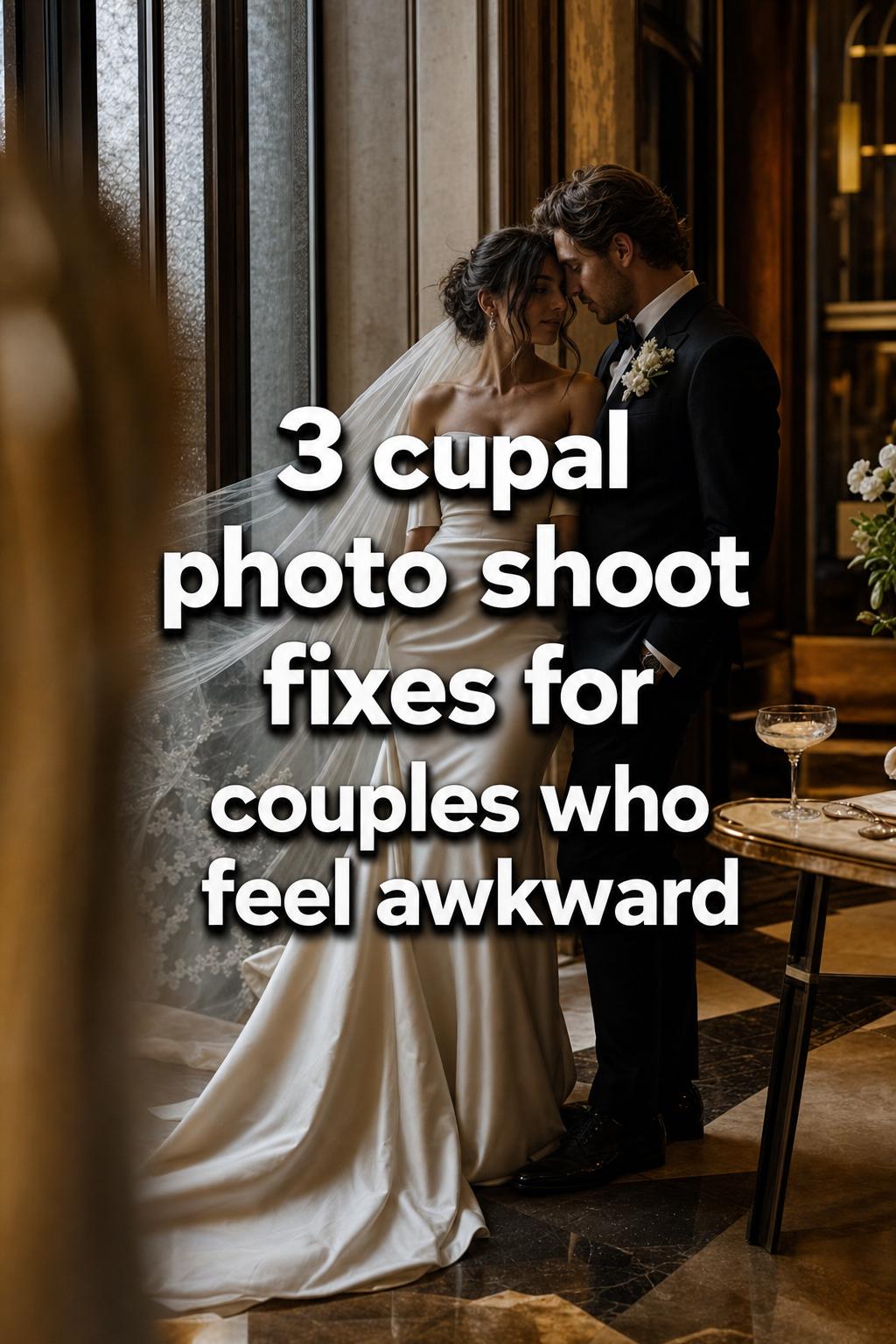
What creates the atmosphere
- Controlled lighting or carefully timed natural light
- Restrained styling with strong visual hierarchy
- A venue, studio, or location with clean composition
- Fashion-forward bridal and couple styling
- Purposeful posing and expression
Style overview: the romantic couple photo shoot
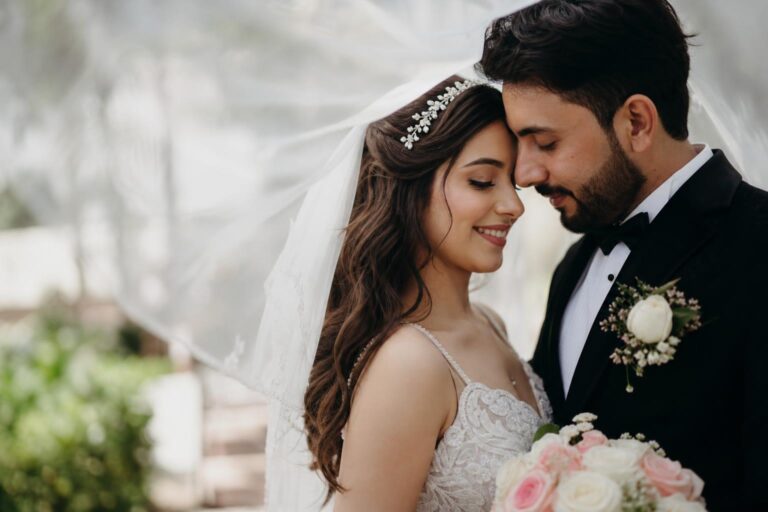
A romantic couple photoshoot begins from emotional connection rather than visual structure. That does not mean it lacks planning. It simply means the styling is usually there to support intimacy, softness, and atmosphere instead of becoming the primary subject. This is the kind of wedding shoot that often feels more natural at first glance, even when a great deal of thought has gone into the details.
The emotional tone is warmer and more layered. Guests, if this mood extends into the full wedding, often experience it as welcoming, affectionate, and quietly immersive. In photographs, movement matters more. Texture matters more. The relationship between the couple and the environment matters more. Florals may play a larger role, not because the shoot needs more decoration, but because softer styling helps create the sense of romance many couples instinctively respond to.
This direction can work beautifully in outdoor locations, destination settings, intimate venues, or any place where the surroundings already contribute atmosphere. It also adapts well to bridal shoot moments within a wedding day, engagement-style portraits, and gentle editorial storytelling that still feels emotionally accessible. A makeup artist and stylist remain valuable here, but the goal is often cohesion and softness rather than overt fashion statement.
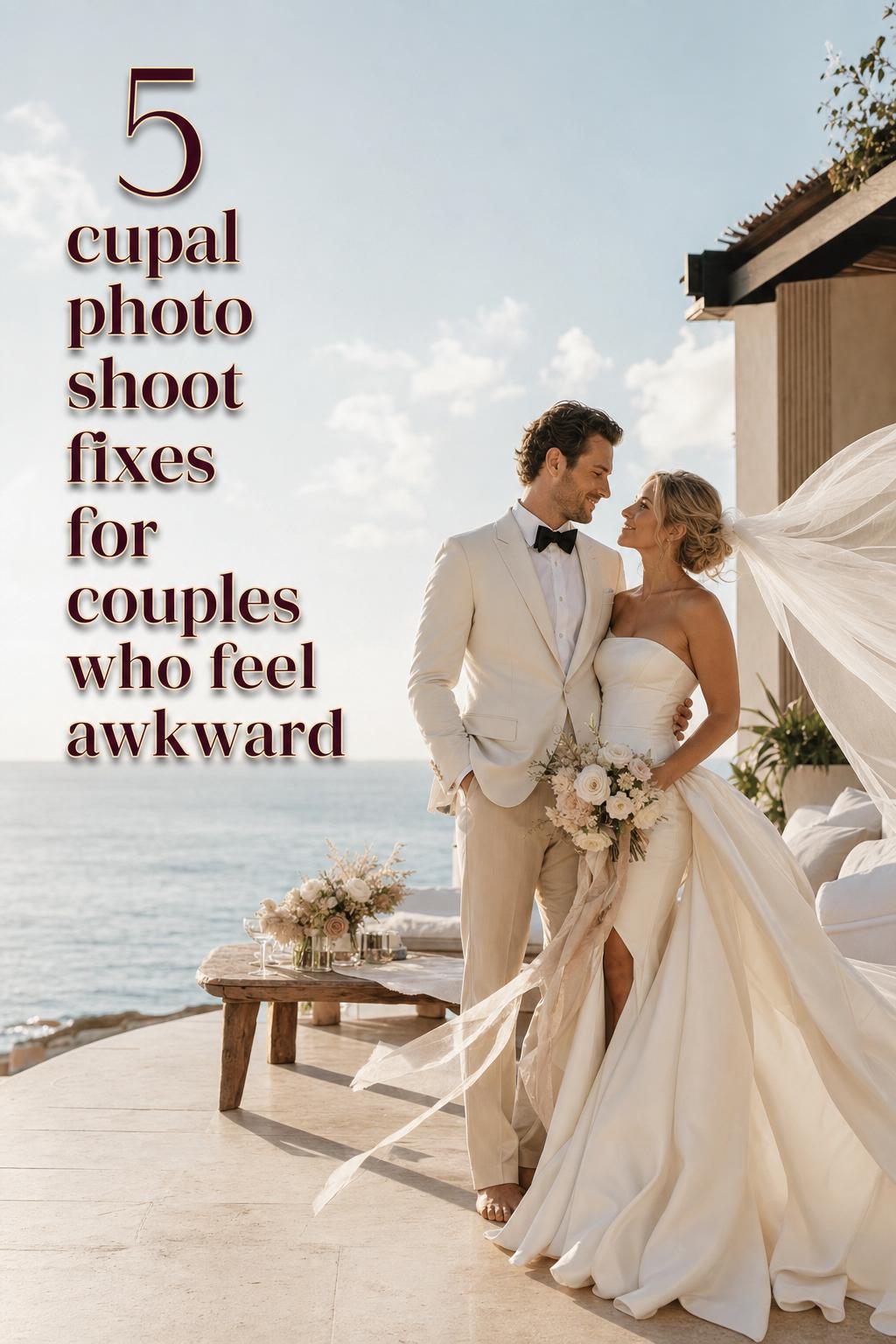
In practical terms, the romantic couple photo shoot is usually more forgiving. It allows for small imperfections that can actually deepen the feeling of authenticity. Wind in the veil, a shifting bouquet, softer posture, a hand-held prop, natural laughter, or transitional light can all become part of the story. For couples who want the images to feel emotionally immediate rather than highly constructed, this style often feels more natural to inhabit.
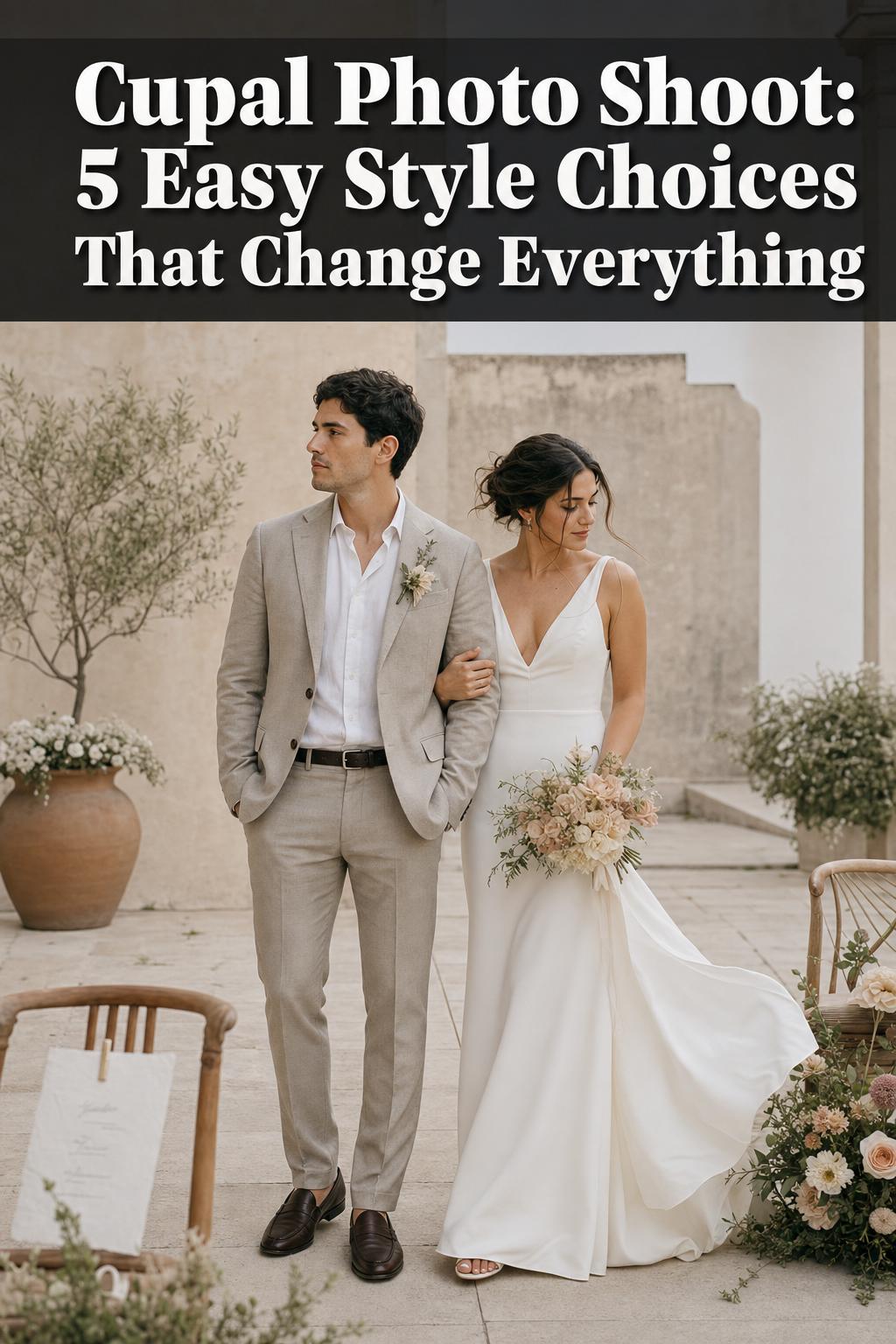
What defines the look in practice
- Organic movement and more relaxed posing
- Romantic florals or softer styling accents
- A location that adds atmosphere without requiring strict control
- Beauty styling that feels polished but gentle
- A visual emphasis on connection, mood, and storytelling
The emotional difference between these styles
The most important difference is not whether one style uses more florals, more props, or a better studio. It is the emotional response the images create. A fashion editorial wedding shoot often feels aspirational. It can be dramatic, elegant, modern, and visually sharp. It gives a couple the feeling of stepping into a designed world. The romance is present, but it is filtered through composition and styling discipline.
A romantic couple photoshoot feels closer to memory. The aesthetic is still intentional, but the images often appear to breathe more. They invite softness. They allow the relationship itself to lead the frame. Even when the styling is beautiful and complete, the viewer tends to feel tenderness first and design second.
This distinction matters because weddings are emotional events before they are visual ones. If a couple wants their shoot to feel intimate, but every styling choice pushes toward cool, detached editorialism, the result may look impressive without feeling true. On the other hand, if a couple dreams of a sculptural, fashion-led bridal shoot and ends up with styling that is too whimsical or unstructured, the images may feel pretty but not distinctive.
Photography mood changes with that emotional identity. Editorial work tends to emphasize shape, framing, controlled light, and a stronger sense of artistic direction. Romantic shooting leans into atmosphere, softness, movement, and gestures that feel lived-in. Neither is inherently better. They simply tell different truths.
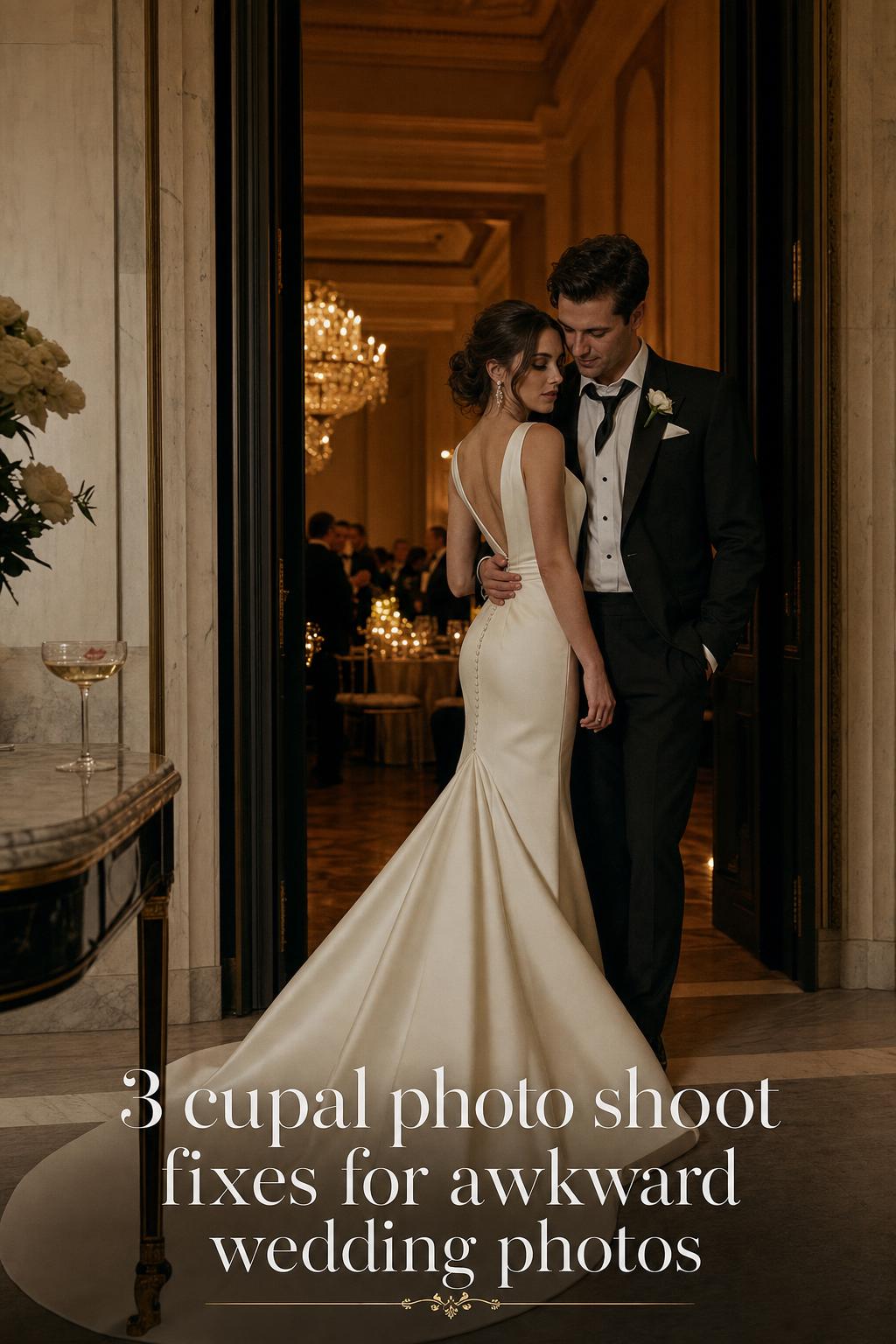
Where a cupal photo shoot usually sits between them
Because the phrase cupal photo shoot does not point to one universally fixed wedding style, many couples are actually describing a space between these two worlds. They want something more elevated than casual portraits, yet more emotionally accessible than a strict fashion editorial. This middle ground is where some of the most beautiful wedding imagery happens.
In that blended zone, a couple might choose an editorial location shoot but keep the expressions natural. They may work with a stylist and makeup artist for polish, while asking the photographer to preserve warmth and connection. They may use props, florals, or a studio setup, but only in a way that supports the relationship rather than overwhelming it. That is often the strongest interpretation of a cupal photo shoot for a modern wedding audience in the United States: a couple-centered shoot with editorial discipline and romantic feeling.
Key differences that shape the final wedding atmosphere
Silhouette and structure
Editorial styling notices line first. A gown with architectural clarity, a sharply tailored suit, a veil placed with intention, or a clean neckline can carry the entire image. Romantic styling is more likely to soften the silhouette through movement, drape, and texture. The practical consequence is that editorial images reward precision, while romantic ones can absorb more looseness without losing beauty.
Floral direction
In a fashion editorial approach, florals often act as a single controlled statement. In a romantic couple photoshoot, florals are more likely to create atmosphere. This matters for planning because florals can quietly drive cost. A style that depends on floral abundance usually carries more budget pressure than one that relies on restraint and composition.
Color palette and visual balance
Editorial wedding imagery generally benefits from a tighter palette. That visual discipline makes the entire shoot feel more expensive and more cohesive. Romantic styling can support a wider sense of tonal layering, especially when the setting itself adds softness. The risk, however, is visual drift. Without a clear palette, the atmosphere can start feeling less romantic and more simply unedited.
Venue compatibility
A studio naturally supports editorial work because every visible element can be controlled. Clean urban or architectural locations do as well. Romantic photo shoots tend to benefit from outdoor settings, destination locations, and venues that already carry warmth and texture. A mismatch here is one of the fastest ways to weaken the concept. A hard, minimal space can make a soft romantic vision feel underdressed. A highly decorative location can fight a restrained editorial concept.
Formality and guest perception
If the shoot reflects the wider wedding mood, editorial styling usually suggests a more formal guest experience. Romantic styling often feels more intimate and approachable. Guests may not consciously name that distinction, but they feel it through dress code, table styling, and the overall rhythm of the day.
Wedding style logic couples often overlook
One of the most useful questions is not which style is prettier, but which style makes your wedding decisions easier. Editorial styling can be surprisingly efficient because it rewards restraint. Fewer design elements, if chosen well, can still feel complete. Romantic styling may feel softer and more natural, but it often asks more from florals, layering, and location atmosphere to create the same level of fullness in photographs.
Lighting changes everything. A couple photo shoot built around softness becomes much stronger in gentle natural light or in a setting where light falls with some tenderness. Editorial concepts are more flexible because they can thrive under stronger directional light, especially in a studio or structured location shoot. If your timeline, weather, or venue gives you limited light control, that should influence the style decision.
Photography priorities matter too. If you want the images to feel timeless through composition and simplicity, editorial direction often ages well. If you want your gallery to feel emotionally immersive and rich with atmosphere, a romantic approach may feel more satisfying. The truth is that what ages best in photos is usually not the trend itself, but the cohesion. A clear idea photographs better over time than a beautiful but conflicted one.
Budget reality
- Editorial styling can look luxurious with fewer elements, but every selected element needs to be right.
- Romantic styling often appears forgiving, yet florals, layered decor, and location atmosphere can increase costs quickly.
- A studio may reduce weather risk and visual unpredictability.
- A destination or outdoor shoot can create built-in beauty, but logistics may become more complex.
Visual style breakdown in real wedding moments
Bridal fashion direction
In an editorial frame, the bridal look often becomes sculptural. Every seam, neckline, accessory, and proportion matters. A stylist is especially valuable here because the look has to hold up from every angle. In a romantic shoot, the bridal look can feel more lived-in. Soft movement, tactile fabrics, and a less rigid finish allow the images to feel emotionally immediate.
Couple styling
A cupal photo shoot is strongest when the couple looks like they belong in the same visual language. Editorial styling often creates this through symmetry, clean contrast, and polished detail. Romantic styling creates it through harmony of mood. The goal is not matching, but coherence. If one person reads modern studio editorial and the other reads soft outdoor romance, the frame can feel visually split.
Ceremony setup
An editorial ceremony setting usually benefits from negative space and clear lines. The eye knows exactly where to land. A romantic ceremony often uses florals, texture, and environment to create emotional immersion. The difference is not only visual density. It is whether the ceremony feels like a composed stage or an enveloping moment.
Reception atmosphere
Editorial receptions often feel intentional and controlled, with each element standing clearly on its own. Romantic receptions usually depend more on layered atmosphere. Candles, florals, and soft styling can make the room feel intimate and generous. If the broader wedding is highly social and emotionally expressive, that romantic density may feel more natural. If the wedding vision is quieter and visually disciplined, editorial restraint can feel more sophisticated.
Example comparison: ceremony styling
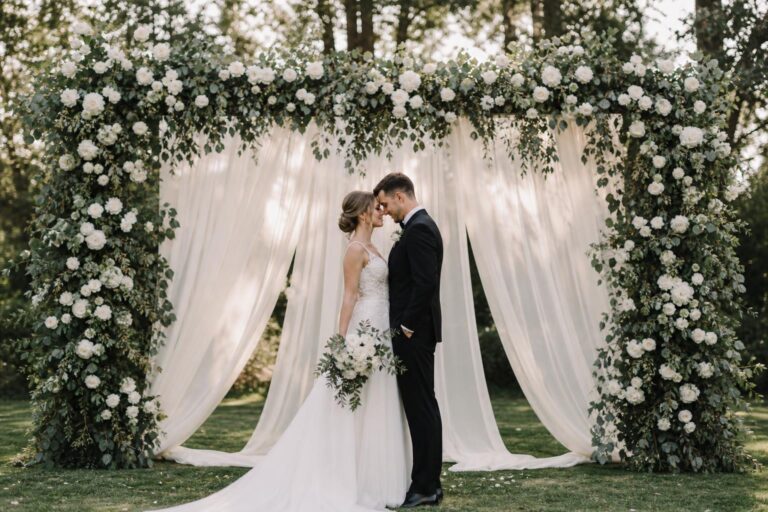
Imagine the same couple in two versions of the same moment. In the editorial version, the ceremony location is chosen for its clean visual framing. The photographer uses the architecture or studio-like clarity of the setting to emphasize shape, posture, and spacing. Florals are used sparingly. The result is elegant and composed, with the ceremony feeling almost cinematic in its precision.
In the romantic version, the ceremony is built around atmosphere. The location contributes softness, perhaps through open air, layered textures, or a gentler sense of place. Florals or subtle props help create warmth. The photographer notices movement, expression, and natural interaction. The ceremony feels less staged and more emotionally enveloping, even if it is equally well planned.
Example comparison: bridal fashion and beauty
A fashion editorial bridal shoot often asks the makeup artist and stylist to support stronger definition. The beauty is polished and the overall look is highly considered. In photographs, that creates impact, especially in closer portraits or controlled light. The fashion itself carries much of the story.
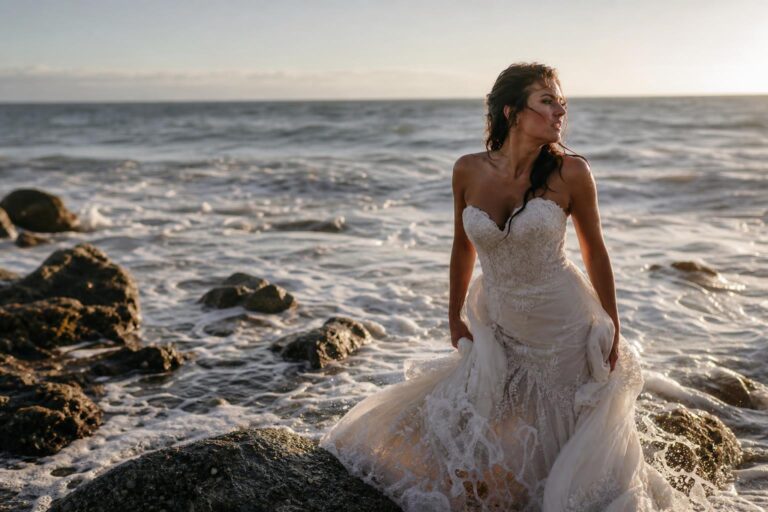
In a romantic couple photoshoot, beauty still matters deeply, but the finish tends to support softness instead of commanding attention. Hair may move more. The dress may interact more with wind, touch, and environment. The bridal look becomes part of the atmosphere rather than the single focal point. For couples who worry about feeling too posed, this can create more ease.
Example comparison: destination wedding version
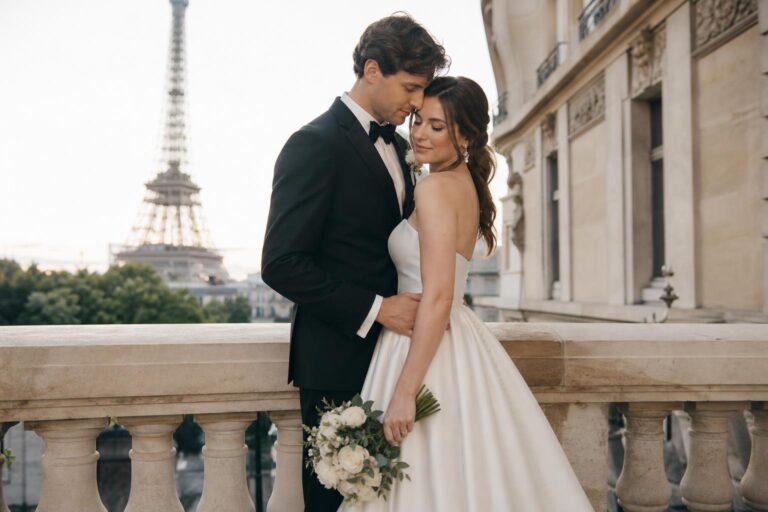
A destination interpretation of editorial style usually treats the location as a design frame. The scenery is there, but it is curated into a cleaner visual story. The architecture, horizon, or studio-like quality of the place matters more than local abundance. This works well for couples who want travel to feel elevated rather than overly casual.
A destination romantic shoot uses the place more emotionally. The location becomes part of the feeling, not just the backdrop. Movement, weather, and environmental texture are more welcome. If a couple wants their destination wedding photos to feel intimate and immersive, this approach can be especially compelling.
Example comparison: intimate wedding interpretation
For a smaller wedding, editorial styling can create a sense of significance without requiring many decor elements. Because the visual language is disciplined, even a modest setup can feel elevated. This is one reason the style can work well for intimate weddings with strong aesthetic priorities.
For the same intimate wedding, a romantic direction may feel more personal and emotionally rich, especially if the guest experience is central. It can make a smaller celebration feel full of atmosphere. The caution is that intimate does not automatically mean loosely styled. Without enough cohesion, the wedding may feel small rather than intentionally intimate.
What often goes wrong in a cupal photo shoot
The most common issue is not poor taste. It is mixed signals. Couples pull references from multiple directions without deciding which atmosphere should lead. They like the softness of a romantic bridal shoot, the cool restraint of a fashion editorial, the energy of a location shoot, and the intimacy of a couple photoshoot. All of those can coexist, but only when one visual identity remains dominant.
- Choosing a venue or location that fights the intended mood
- Using florals that feel too romantic for a minimal editorial concept
- Overstyling props so the couple disappears inside the concept
- Underpreparing wardrobe for a studio or highly structured shoot
- Creating a disconnect between bridal beauty and the overall atmosphere
Another frequent mistake is assuming the photographer alone will solve conceptual confusion. A strong photographer matters enormously, but a shoot becomes cohesive when the photographer, stylist, makeup artist, location, and couple are all working from the same emotional brief.
What makes the style feel expensive without excess
Luxury in wedding imagery often comes from control, not quantity. In editorial styling, that means tonal discipline, clean proportions, confident restraint, and excellent light. In romantic styling, it means layered softness that still feels intentional, not cluttered. Fabric texture matters. Beauty polish matters. The interaction between the couple and the setting matters.
When couples ask why some images feel elevated even with fewer decor elements, the answer is usually cohesion. A well-judged location shoot with thoughtful styling can look more sophisticated than a heavily decorated one that lacks a clear visual logic. The same is true of a studio bridal shoot with a sharp concept and refined beauty direction.
Tips for a more polished result
- Choose one dominant mood before selecting details.
- Let the location or studio support the concept, not compete with it.
- Keep props purposeful rather than decorative for their own sake.
- Ask the photographer how the styling will read in the actual light available.
- Make sure the stylist and makeup artist understand the emotional tone, not just the visual references.
Best venue pairings and setting logic
If your dream is a clean, fashion-forward cupal photo shoot, a studio is often one of the safest and strongest settings. It removes environmental noise and gives the photographer more control. It also rewards strong styling, making it ideal for couples who want a bridal shoot or couple photo shoot that feels modern and visually intentional.
If your heart is set on warmth, atmosphere, and softer storytelling, a location shoot tends to offer more emotional texture. Outdoor spaces, destination settings, and intimate venues often naturally support that direction. The caution is that these spaces ask for more awareness around weather, movement, and how the background interacts with the wardrobe and florals.
The best venue pairing is usually the one that makes your chosen style easier to execute. A setting that already supports your mood reduces the need to force it through decor alone.
When to choose each style
Choose the editorial direction if
- You want a polished, fashion-led wedding image set.
- Your venue, studio, or location has strong clean lines or architecture.
- You prefer restraint over decorative abundance.
- You are comfortable with more guided posing and stronger creative direction.
- You want your bridal shoot to feel elevated and composition-driven.
Choose the romantic couple photo shoot direction if
- You want the relationship to feel like the emotional center of every frame.
- Your wedding venue or destination naturally offers atmosphere and softness.
- You love movement, texture, and a more organic visual story.
- You want your guest experience to feel warm, intimate, and immersive.
- You prefer imagery that feels tender rather than sharply styled.
For many modern couples, the right answer is not absolute. It is choosing which side should lead. A wedding can carry editorial clarity while remaining emotionally open. It can be romantic without losing sophistication. The decision becomes easier when you ask which quality you want guests and future viewers to feel first.
Can you combine these styles successfully?
Yes, but only with hierarchy. The strongest blended weddings choose one dominant atmosphere and borrow selectively from the other. An editorial-led wedding can borrow softness through florals, movement, and warmer portrait direction. A romantic-led wedding can borrow editorial discipline through a tighter palette, cleaner wardrobe choices, and more intentional composition.
Visual conflict usually happens when the mix is too even. Minimal styling and heavily romantic florals can cancel each other out if neither clearly leads. A highly emotional couple photoshoot can also lose its intimacy if too many fashion-driven details pull attention away from the connection. Blending works best when the photographer, stylist, and couple all understand what the primary mood is supposed to be.
A final planning note for couples defining their own version
If you are using the phrase cupal photo shoot to describe a wedding vision that feels modern, intimate, and visually elevated, clarity matters more than category. You do not need a rigid label. You need a cohesive emotional brief. Decide whether you want your wedding images to feel primarily editorial or primarily romantic. Then let every choice support that answer: the venue, the location shoot, the studio option, the photographer’s approach, the beauty styling, the floral direction, the props, and the overall pacing of the day.
The most memorable weddings are rarely the ones with the most elements. They are the ones where atmosphere, styling, and emotion all speak the same language. Once that happens, the images stop feeling like disconnected inspiration and start feeling unmistakably your own.
FAQ
What is a cupal photo shoot in a wedding context?
In practice, a cupal photo shoot often sits closest to a couple-centered wedding photo shoot that may lean either romantic or editorial depending on the styling, photographer direction, studio or location choice, and overall mood the couple wants to create.
How is a cupal photo shoot different from a regular couple photoshoot?
The difference usually comes down to intention and styling. A cupal photo shoot often suggests a more curated visual direction, with stronger attention to bridal styling, fashion editorial influence, location or studio planning, and a cohesive wedding atmosphere rather than simple casual portraits.
Should a cupal photo shoot be done in a studio or on location?
A studio is often best for a cleaner editorial result because it offers control and visual simplicity, while a location shoot tends to be better for a softer romantic mood because the setting adds atmosphere, texture, and emotional context.
What kind of photographer is best for this style?
The best photographer is one whose portfolio clearly shows either strong fashion editorial direction, natural romantic storytelling, or a balanced ability to combine both, depending on which atmosphere you want to lead your wedding imagery.
Do I need a stylist and makeup artist for a cupal photo shoot?
They are not always mandatory, but they are especially helpful when the shoot depends on polish, consistency, and a defined visual concept, since styling and beauty often determine whether the final result feels cohesive or uncertain.
Which style is more budget-friendly: editorial or romantic?
Editorial can be more efficient if you are comfortable with restraint, because fewer elements can still create strong impact, while romantic styling may appear simple but often depends more heavily on florals, layered details, and atmosphere-building choices that can increase cost.
What usually makes these shoots feel inconsistent?
The most common cause is mixing too many unrelated ideas, such as pairing minimal editorial wardrobe with overly romantic florals or choosing a venue that visually fights the intended mood, which leads to a shoot that looks attractive in parts but not fully unified.
Can a cupal photo shoot work for an intimate wedding?
Yes, and it can work especially well because intimate weddings often benefit from a strong visual concept, whether that means editorial restraint that makes a small celebration feel elevated or romantic softness that makes it feel deeply personal and atmospheric.
What tends to age better in photos over time?
What usually ages best is not one style alone but clear cohesion, because images with a disciplined emotional and visual direction tend to feel more timeless than shoots that mix trends, styling signals, and atmospheres without a strong central point of view.