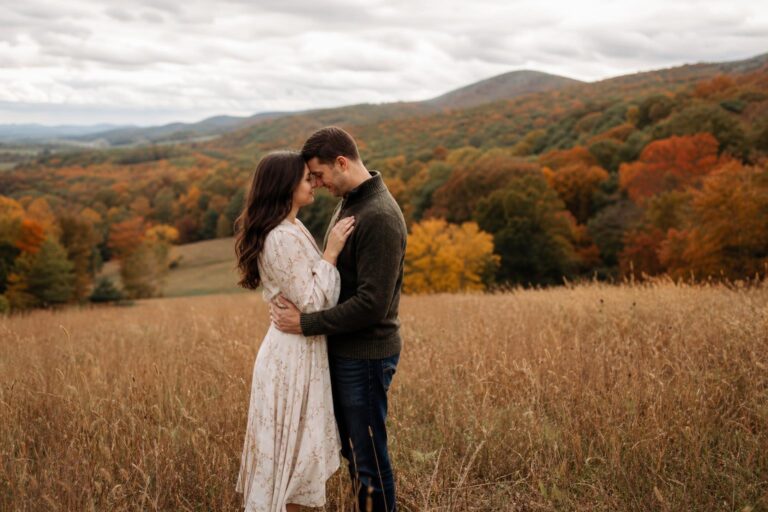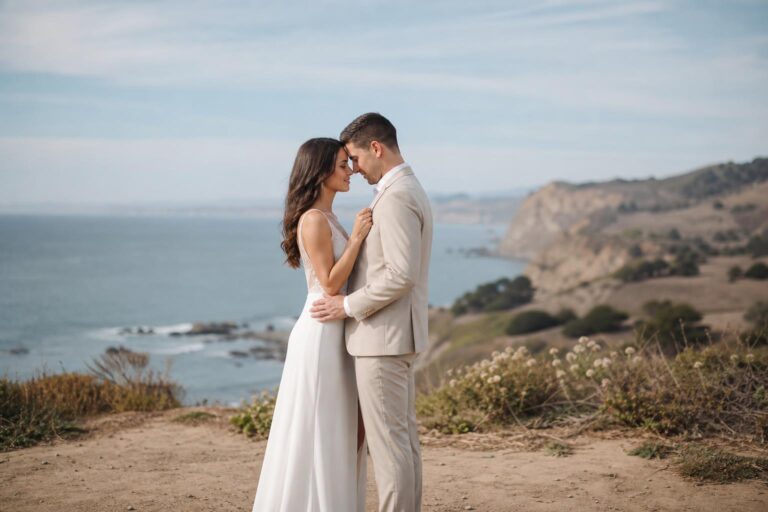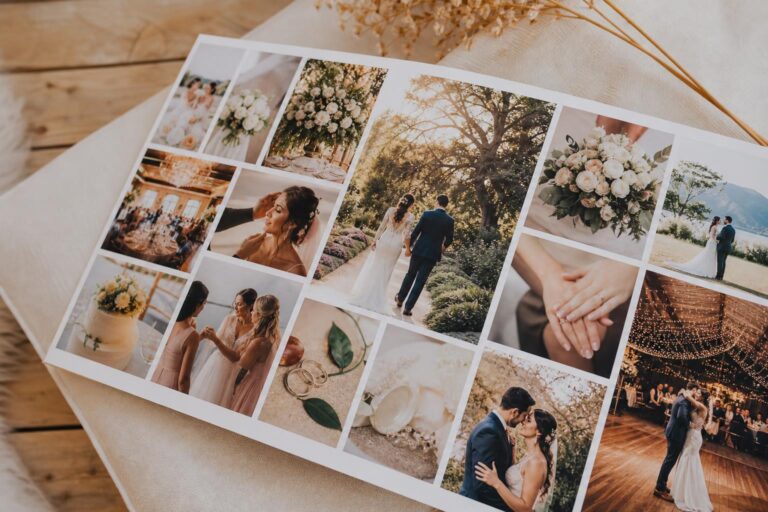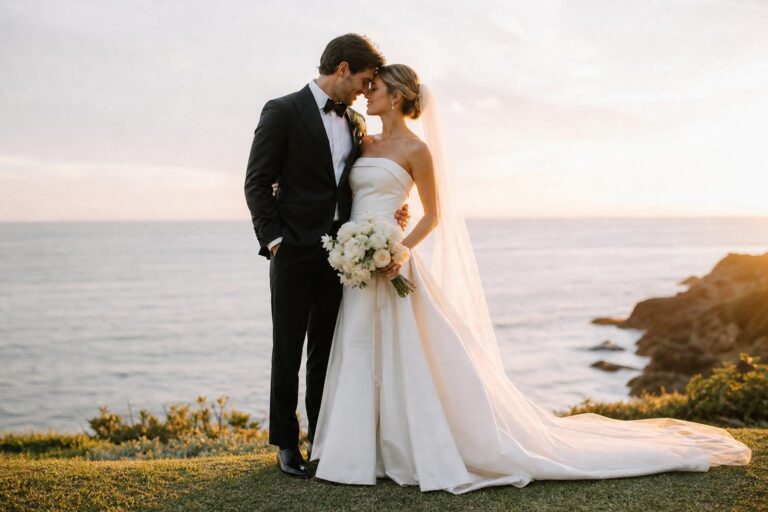
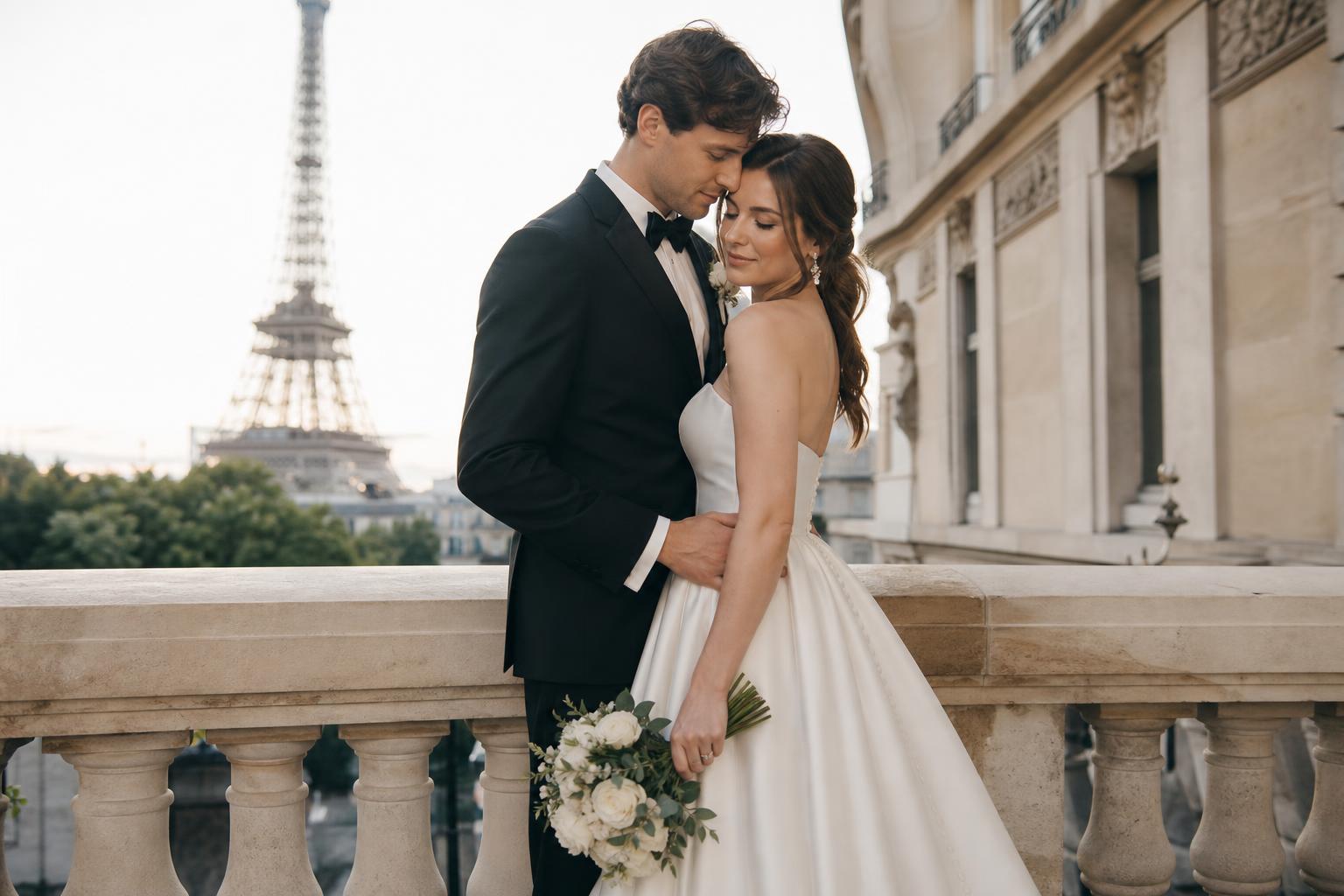
Why Photo Couple Mariage Styles Matter for Your Wedding
Some wedding visions are built around flowers, some around fashion, and some around feeling. The phrase photo couple mariage sits in that last category first. It speaks to the part of a wedding day where two people briefly step out of the timeline of preparations, guests, and schedules, and become the center of a visual story. That is why couples are so often drawn to styles like documentary, fine art, and editorial wedding photography at the same time. Each promises romance, beauty, and memory, but the emotional result can be very different.
These styles are often grouped together because they all produce elegant wedding galleries, engagement sessions, and couple portraits. Yet one may feel quiet and intimate, another sculpted and refined, and another cinematic or fashion-led. If the photography style does not match the venue, the couple session, the wedding atmosphere, or even the pace of the day, the final gallery can feel visually fragmented. For modern couples planning in the United States, especially those drawn to bilingual or cross-cultural inspiration linked with France, Paris, or destination photography, understanding the differences matters more than ever.
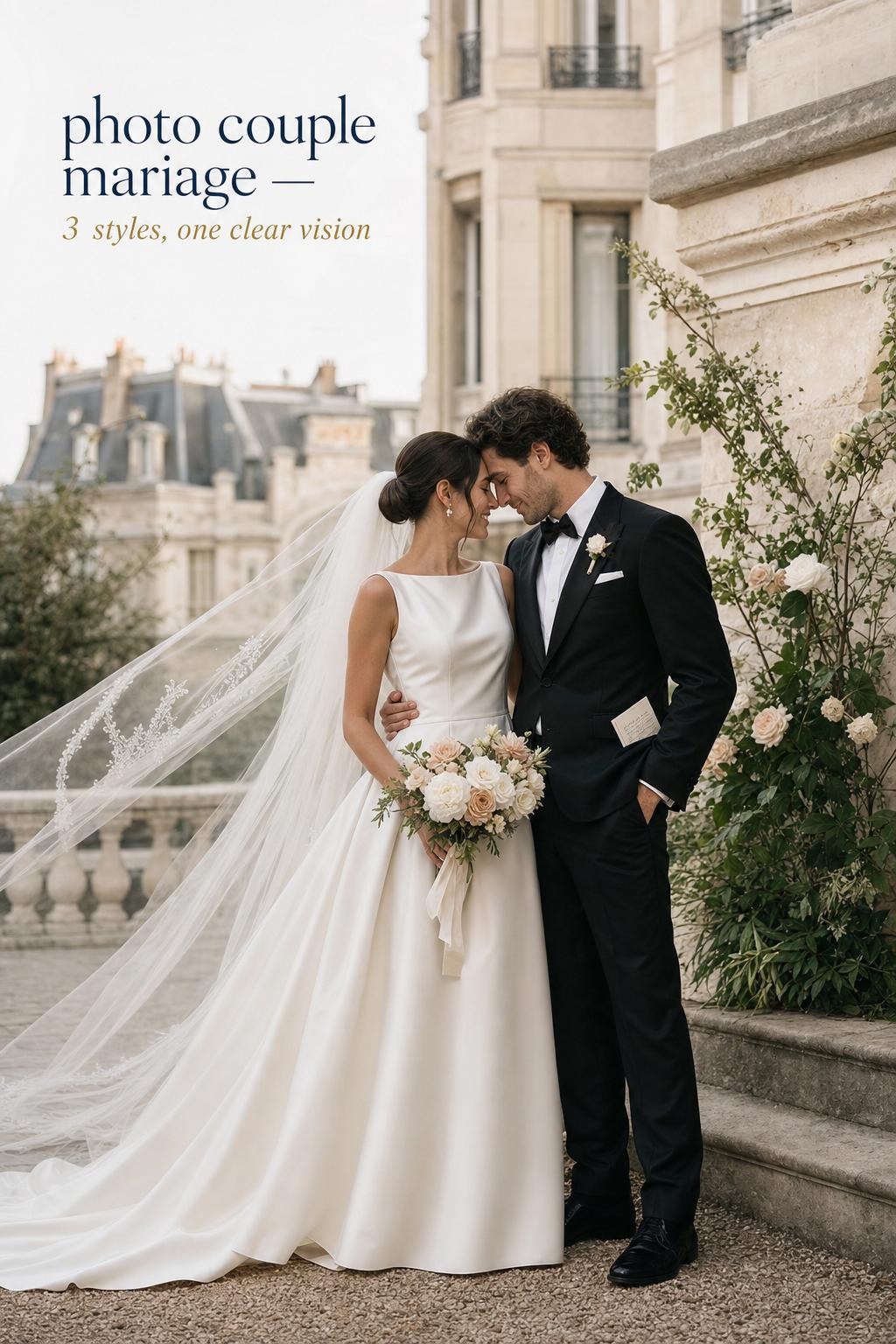
This guide explores how photo couple mariage translates into real wedding choices: which style suits natural light, which one works best for a wedding gallery heavy on candid moments, how local and destination settings change the visual mood, and how to choose a style that feels emotionally true from engagement photography through the final dance.
What photo couple mariage really means today
At its core, photo couple mariage means couple-focused wedding photography: images built around connection, emotion, and storytelling rather than only event coverage. It includes wedding day portraits, engagement sessions, reportage moments, intimate in-between frames, and sometimes day-after shoots. Across photographer portfolios, the recurring ideas are authenticity, light, romance, and the feeling that the couple is not simply being photographed but being understood.
Turn wedding inspiration into a plan you can actually follow.
Zarellea brings your guest list, budget, vendors, and day-of details into one shared space — so no beautiful idea gets lost in the shuffle.
That is why so many galleries from photographers such as Guillaume Liberty of Amoureux en Photo, Nicolas Benoit, Florence Dujarric, Emmanuelle Braun, Julien Loize, Raphael Sauvage, Muratet Photographie, Vinso, and Sébastien Latour place the couple at the emotional center of the wedding story. Even when the wedding includes a larger celebration, the strongest images tend to come from a balance of candid moments, portrait direction, and a clear visual approach.
For U.S.-based couples, this phrase also carries a cross-cultural dimension. Many searchers are drawn to the softness and storytelling associated with French-language photographer galleries, but they still need practical clarity around U.S. venues, timelines, packages, and service expectations. That is where comparing styles becomes useful rather than purely inspirational.
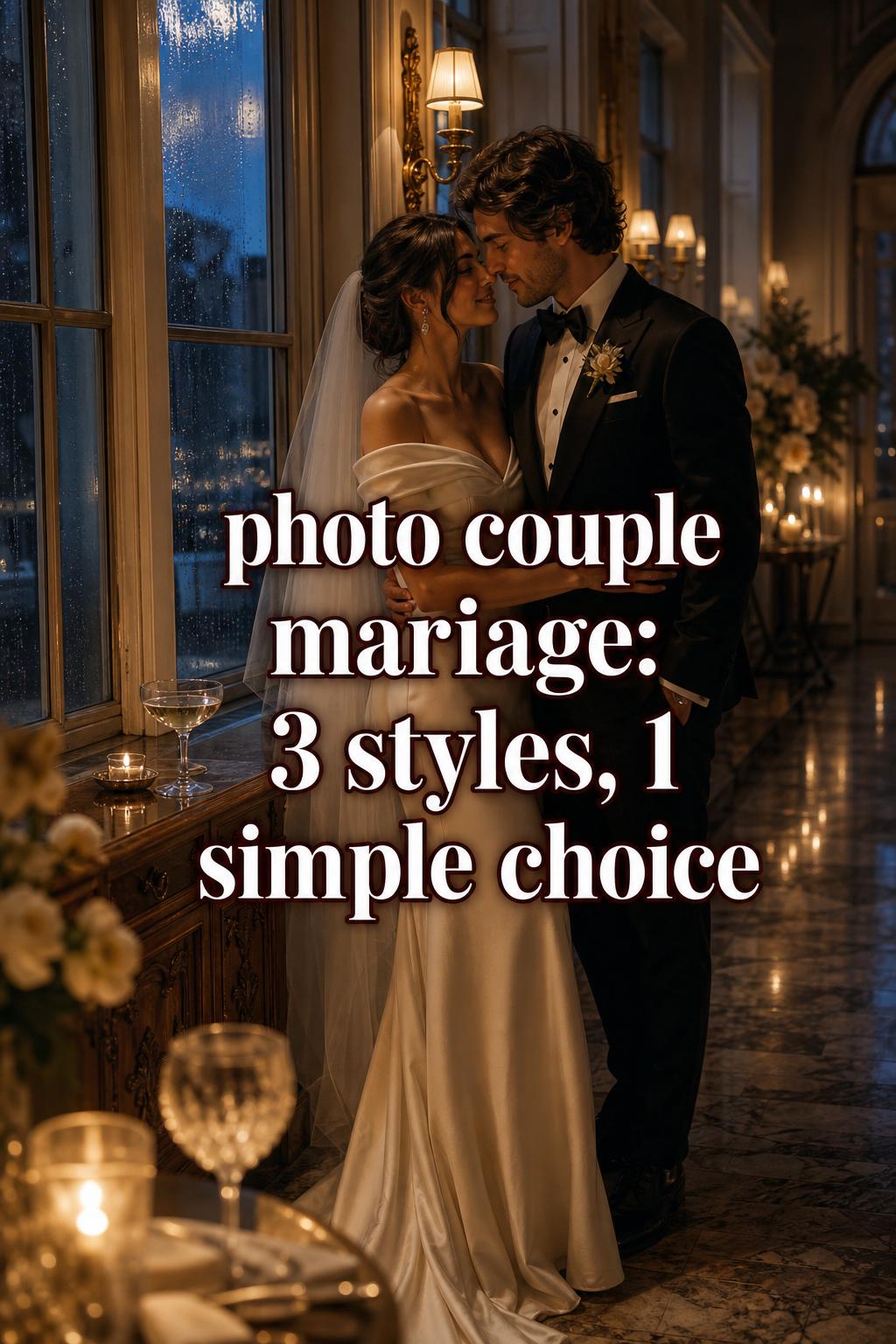
Style overview: documentary wedding photography
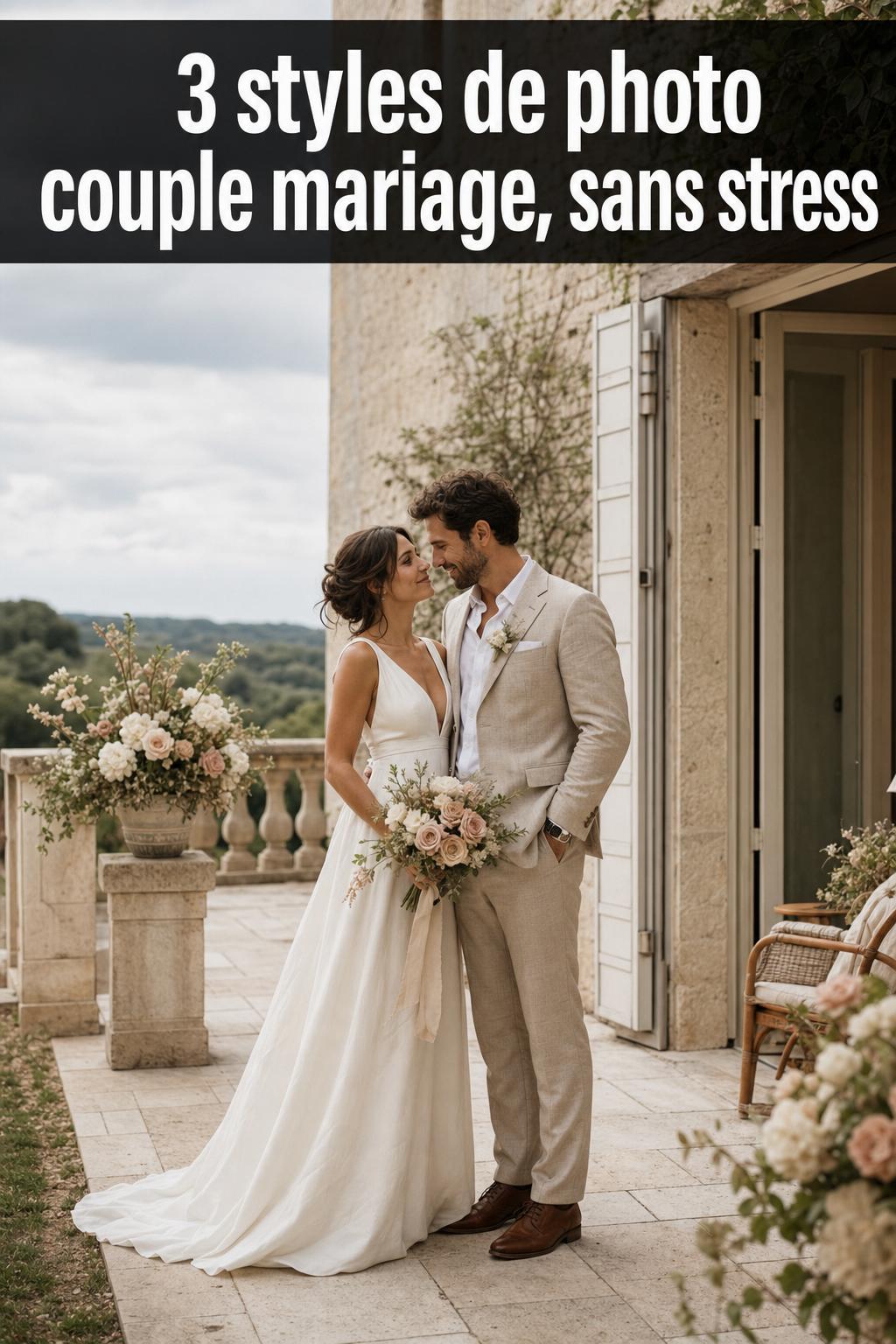
Documentary wedding photography is built on observation. The mood is honest, lightly guided, and emotionally immediate. Rather than arranging every frame, the photographer follows the real rhythm of the day: the exchange of glances during preparations, the hand squeeze before the ceremony, the laughter after the vows, the movement of guests through ambient light. This is the style most closely tied to reportage, a term that appears repeatedly across wedding photography portfolios.
Emotionally, documentary coverage feels intimate and unforced. It works especially well for couples who want their wedding gallery to reflect how the day felt rather than how every moment was styled. The visual language usually includes natural light, motion, atmosphere, and subtle imperfections that make images feel alive rather than staged.
In practice, this style pairs naturally with a wide range of weddings: city celebrations in New York, loft receptions in Chicago, beach events in California, and destination photography in France. It also adapts well to engagement photography and couple sessions where the goal is connection over performance.
Many photographer brands in this space emphasize authenticity, light, and emotion. Sébastien Latour connects documentary style with natural light in Arras and Hauts-de-France. Amoureux en Photo emphasizes discreet storytelling, emotional truth, and even analogue photography as part of a more tactile visual experience. Those same principles translate easily into a U.S. wedding context.
How this style behaves in a real wedding
Documentary photography tends to feel strongest when a wedding has movement. Morning preparations, an emotional first look, a ceremony with changing light, and a reception where guests interact naturally all give this style something to work with. It is less dependent on elaborate decor and more dependent on timing, observation, and trust between the couple and the photographer.
- Best known for candid moments and natural interaction
- Often flattering for couples who feel awkward with heavy posing
- Works well in local weddings, destination weddings, micro-weddings, and intimate celebrations
- Usually benefits from flexible timelines and strong ambient light
Style overview: fine art wedding photography
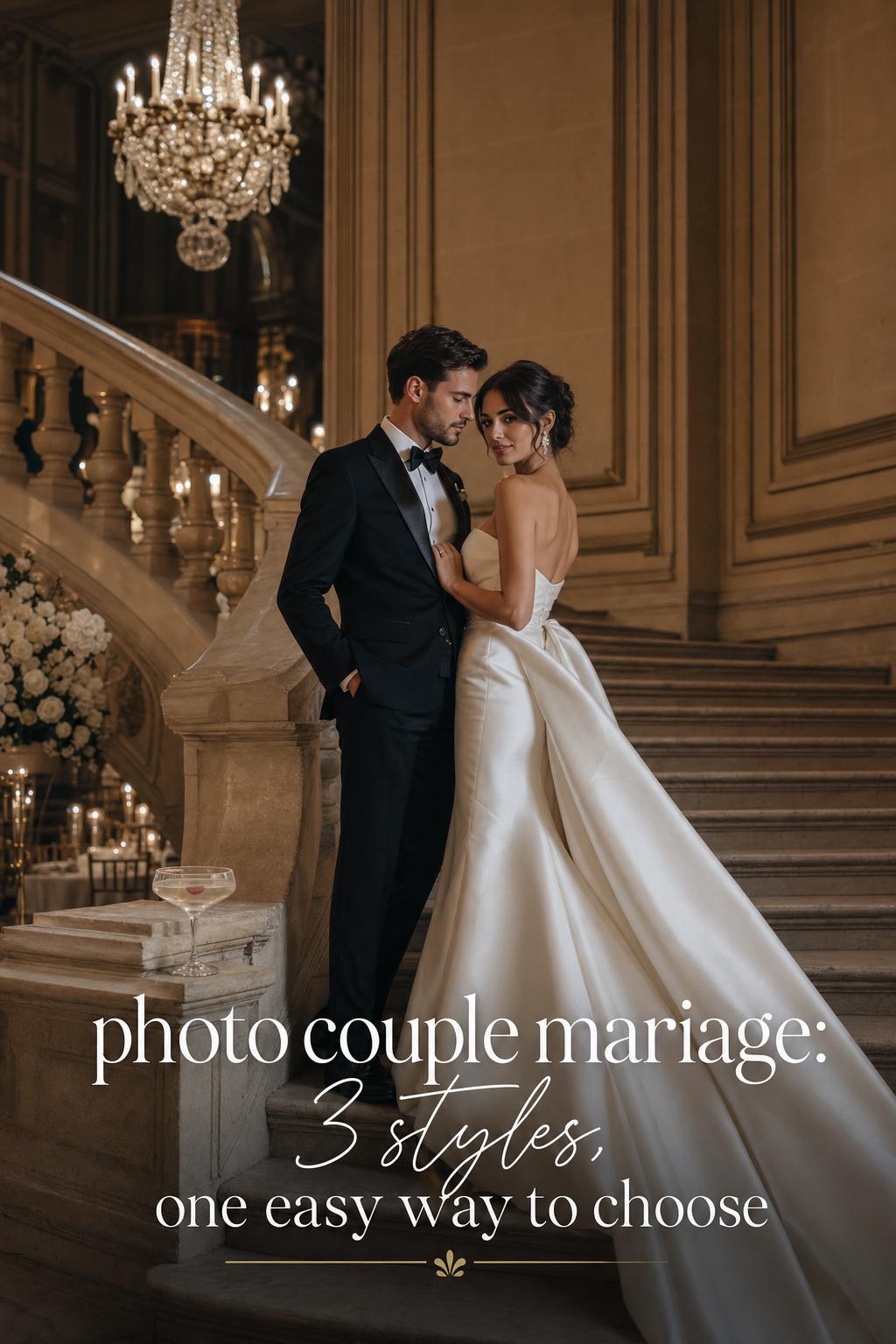
Fine art wedding photography is softer, more composed, and more intentionally aesthetic. It still values emotion, but it presents that emotion through balance, framing, light control, and visual harmony. Where documentary images may feel discovered, fine art images often feel gently crafted. The result is romantic without being casual, and polished without losing tenderness.
This style suits couples who care deeply about atmosphere, visual cohesion, and how every image sits together in a gallery. It often aligns beautifully with refined venues, château-inspired celebrations, elegant city weddings, or destination events where architecture and landscape contribute to the visual story. References such as Château de Craon in Emmanuelle Braun’s work highlight how setting and photography style can reinforce one another.
Color palette matters more here. Soft neutrals, tonal styling, controlled florals, and natural but flattering light help fine art photography feel elevated. Couple portraits are usually more guided than in a pure reportage approach, but the direction should still feel gentle rather than rigid.
For weddings in places like Paris, New York, or a European destination, fine art can create a graceful bridge between romance and structure. It is particularly suited to couples who want their wedding gallery to feel timeless, cohesive, and calm.
What gives fine art its signature mood
The fine art atmosphere usually comes from restraint. Rather than filling every frame with visual noise, it allows space for shape, fabric, architecture, and soft emotional focus. Natural lighting remains important, but it is used more deliberately. Floral styling, fashion silhouettes, and table settings all need to work together, because this style notices visual imbalance quickly.
Style overview: editorial wedding photography
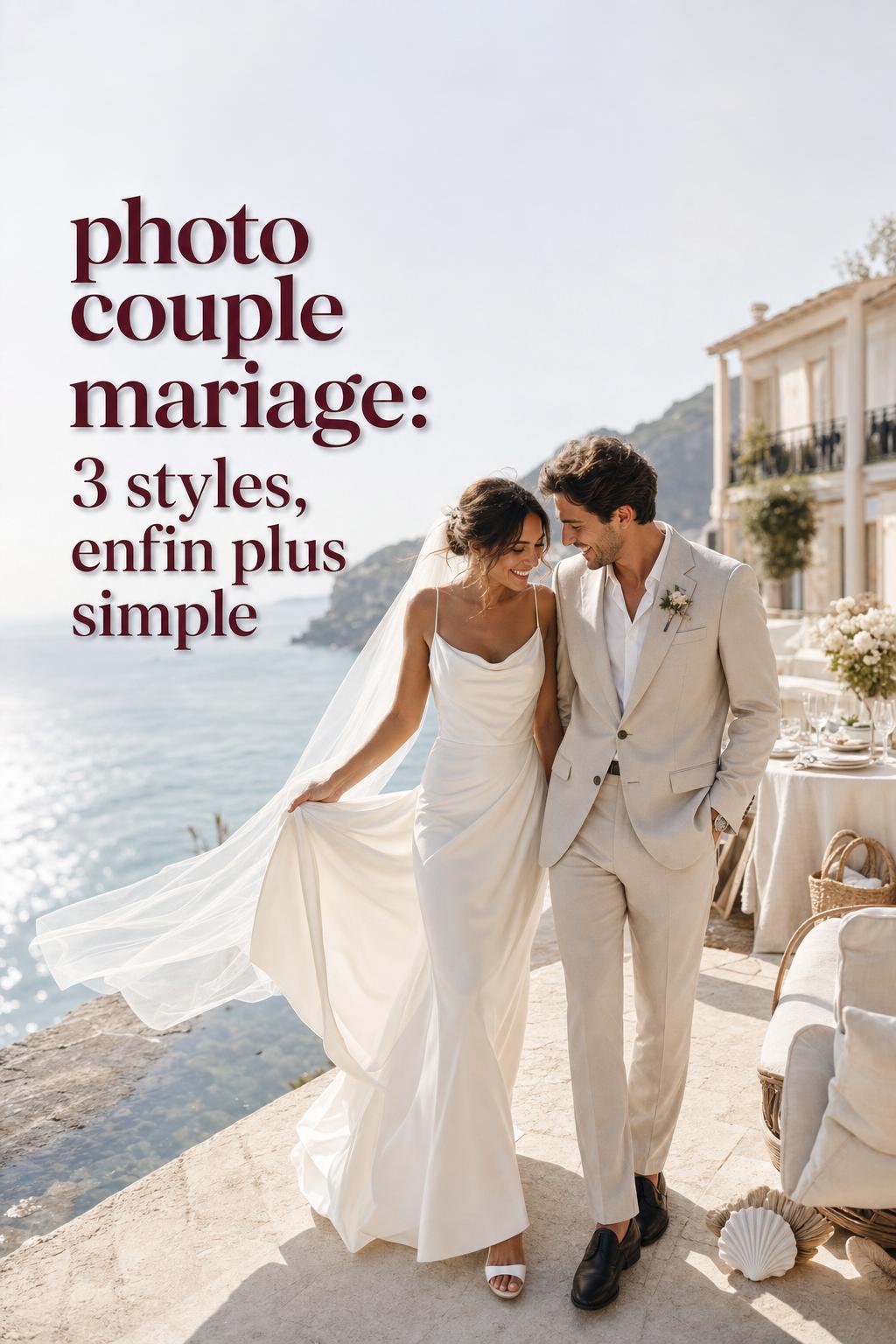
Editorial wedding photography is the most style-forward of the three. It draws energy from fashion, composition, and intention. The images may still include candid moments, but the overall look is often more sculpted, more cinematic, and more aware of line, posture, styling, and impact. This is where a wedding starts to feel less like simple coverage and more like a visual statement.
Editorial does not have to mean cold. In the context of photo couple mariage, it can still feel romantic and emotionally resonant, especially when paired with meaningful couple sessions and a wedding gallery that includes quieter moments. But the difference is clear: editorial style asks the couple, the venue, the fashion choices, and the decor to carry visual confidence.
This approach tends to work especially well in architecturally strong spaces, urban venues, and destination settings where the environment contributes drama. A Paris backdrop, a New York city setting, or a California coastal venue can all support editorial imagery if the styling is cohesive. It can also blend with documentary and fine art elements, but it usually needs a deliberate lead aesthetic to avoid feeling inconsistent.
Where editorial style can be challenging
Editorial photography is less forgiving when the wedding design lacks clarity. If bridal fashion, florals, venue character, and lighting all pull in different directions, the gallery can feel confused. This style rewards intention. It can be stunning for a couple session, reception details, and wedding portraits, but it usually performs best when the entire day has a strong visual point of view.
The emotional difference between these styles
Documentary wedding photography feels lived-in. Guests usually experience the day as relaxed, observant, and emotionally open because the camera is responding to real moments rather than constantly controlling them. In photographs, the atmosphere often feels intimate, warm, and personal.
Fine art feels more serene. Guests may not consciously identify the style, but they often feel the calm visual structure of the day. The wedding seems softer, more curated, and gently elevated. In photographs, the mood becomes romantic, graceful, and timeless.
Editorial feels sharper and more directional. It can create a heightened sense of occasion, where the wedding atmosphere feels intentionally styled and visually memorable. In photographs, the mood leans cinematic, fashion-aware, and dramatic, even when the emotional content remains deeply personal.
None of these emotional responses is inherently better. The right choice depends on whether a couple wants to remember the day primarily as it unfolded, as it looked at its most beautiful, or as a fully realized visual expression of their style.
Where the biggest differences actually show up
Silhouette and structure
Documentary photography is less dependent on highly structured fashion because movement matters more than precision. Fine art benefits from elegant silhouettes that hold shape softly. Editorial thrives on fashion direction, where line, posture, and proportion become central to the image. A loosely defined wardrobe may still work in documentary coverage, but it can weaken editorial results.
Floral styling and decor density
Documentary images can work beautifully with simple florals because the emotional content carries the frame. Fine art often needs florals to create softness and tonal continuity. Editorial can go in either direction, very restrained or highly dramatic, but whichever path it takes must feel intentional. Abundance without discipline can look chaotic, while minimal decor without visual confidence can feel flat.
Venue compatibility
Documentary adapts best across varied venues because it is rooted in people and real moments. Fine art performs especially well in spaces with natural beauty, symmetry, or refined architectural detail. Editorial loves visual character, whether that comes from a city setting, a dramatic interior, or a destination backdrop. A weak venue can be overcome in documentary coverage more easily than in editorial work.
Light and atmosphere
Natural light is valuable in all three styles, but it behaves differently. Documentary uses it responsively. Fine art shapes the gallery around it. Editorial may use it dramatically, especially in couple portraits and reception frames. If a wedding schedule ignores light entirely, the loss is felt most strongly in fine art and editorial photography.
Guest experience and formality
Documentary coverage usually supports a wedding that feels welcoming and fluid. Fine art often matches a more refined guest experience. Editorial tends to elevate the sense of formality, even if the event is intimate. That does not mean guests must feel stiff, but the styling choices will naturally set expectations for dress code, decor behavior, and the overall tone of the celebration.
Wedding style logic: how to choose with real-world priorities in mind
A beautiful wedding style only works when it can survive real logistics. The most useful question is not which style is most admired, but which style still feels right after you factor in budget, venue limitations, travel, weather, and how comfortable you are in front of the camera.
Budget reality
Documentary photography is often the most forgiving visually if the decor budget is modest, because it depends less on every corner being highly styled. Fine art can be more demanding because flowers, table design, wardrobe coordination, and visual restraint all matter more. Editorial may require the clearest design investment of all, since every styling choice becomes visible and intentional.
Couples also underestimate the cost of add-on experiences around photo couple mariage, such as engagement sessions, day-after shoots, albums, digital files, USB delivery, or a same-day slideshow. If these deliverables matter to you, they should be discussed early rather than added impulsively later.
Outdoor versus indoor weddings
Outdoor weddings naturally support documentary and fine art photography because natural lighting and environmental atmosphere help both styles. Editorial can also work outdoors, but it tends to need stronger styling discipline so the setting does not overpower the fashion and composition. Indoor weddings with striking architecture can favor editorial and fine art, especially in cities like New York or Chicago.
What ages better in photos
Timelessness usually comes from emotional honesty and visual cohesion. Documentary images age well because they preserve real feeling. Fine art images age well because of balance and softness. Editorial images can age beautifully too, but they are more sensitive to trend-driven styling. If a couple wants a gallery that feels grounded across decades, a blend of documentary emotion and fine art restraint is often the safest path.
How guest attire interacts with the aesthetic
Guests help complete the visual environment. In documentary photography, a broader range of guest styles can still feel natural. In fine art and editorial settings, guest attire becomes more noticeable because the overall styling is more controlled. If you want the wedding gallery to feel cohesive, the dress code should support the mood rather than compete with it.
Visual style breakdown: how each aesthetic looks in practice
Bridal fashion and couple portraits
In documentary photography, bridal fashion should move well and feel true to the wearer. The couple portraits often emerge from walking, talking, holding hands, and relaxed interaction. In fine art, silhouettes with graceful structure photograph beautifully because the images rely more on line and softness. In editorial, fashion can become a leading visual force, and the portrait session may include more deliberate pose shaping.
Bridesmaid styling and supporting visuals
Documentary coverage allows a little more variation in bridesmaid styling because the emotional narrative dominates. Fine art benefits from tonal consistency and subtle texture. Editorial is least tolerant of visual mismatch. If one bridesmaid look feels disconnected, it can break the image balance quickly.
Ceremony setup
A documentary ceremony setup can remain simple if the setting itself has atmosphere. Fine art usually benefits from floral softness, balanced spacing, and a clear focal point. Editorial ceremony design may use stronger contrast, more directional placement, or architectural framing. The key difference is not simply decor quantity, but how much the setup is expected to visually carry the photographs.
Reception tablescape and candle styling
Documentary reception images come alive through conversation, laughter, and movement, so the tablescape does not need to be dense to feel complete. Fine art loves layered but controlled tables, where floral direction, place settings, and candlelight feel quiet and elegant. Editorial can go sparse or dramatic, but negative space becomes part of the composition. Empty tables can feel luxurious in the right room and unfinished in the wrong one.
Example comparison: ceremony styling
Imagine two ceremonies held at the same venue. In the documentary version, the emphasis is on where the light falls, how guests gather, and how the couple moves through the moment. The aisle decor may be minimal, but the emotion is rich. The photographer watches for the glance before the vows, the laughter during the ceremony, the tears in the front row.
In the fine art version, the ceremony space is more visually composed. Florals are chosen not only for beauty but for softness in the frame. Chairs, aisle, and altar feel balanced. The photographs become less about spontaneity alone and more about the emotional scene as a complete composition.
In the editorial version, the ceremony may use cleaner lines, stronger styling statements, or a more dramatic sense of placement. The couple’s entrance, the architectural backdrop, and the visual geometry of the setup become central. It is still emotional, but the image is designed to carry more visual command.
Example comparison: bridal fashion direction
A documentary-minded bride often looks best in a gown that moves naturally and never feels separate from her body language. The fashion supports the story rather than dominating it. In engagement photography and wedding couple portraits, this often leads to images that feel close, breathable, and sincere.
For fine art photography, bridal fashion tends to benefit from softness, elegance, and shape that reads clearly in still imagery. Texture matters, but restraint matters too. Too many unrelated details can compete with the calm aesthetic of the gallery.
For editorial photography, fashion choices should be intentional enough to hold focus. This is the style most likely to reward bold silhouette, clean line, or a striking accessory. But the wedding must support that confidence. Editorial fashion without an equally coherent venue and decor can feel disconnected rather than refined.
Example comparison: reception atmosphere
A documentary reception feels warm and social. The camera notices embraces, speeches, dance floor movement, and table interactions. It is excellent for couples who care about preserving the emotional texture of the celebration as much as the formal portraits.
A fine art reception feels intimate in a quieter way. The room is usually designed to glow rather than simply function. Candlelight, floral placement, and spacing all support a sense of romance. The final wedding gallery often feels cohesive from the ceremony through dinner because each visual layer is considered.
An editorial reception is often the most atmosphere-driven. It may lean urban, dramatic, or visually sculpted. This works beautifully when the venue has strong character and the couple wants their reception to feel like a world of its own. It is less forgiving, though, if the lighting is poor or the decor plan is uncertain.
Example comparison: destination wedding version
Destination photography changes the meaning of style because place becomes an active part of the gallery. A documentary destination wedding in France, Paris, Savoie, Alsace, Obernai, or the Pays Basque feels immersive and experience-led. The photographs highlight movement through the location, changing weather, travel emotion, and the wedding’s sense of journey.
A fine art destination wedding uses the destination more selectively. The venue, landscape, or architectural details are woven into the aesthetic in a refined way. A château setting such as Château de Craon naturally supports this. The destination becomes atmosphere rather than spectacle.
An editorial destination wedding tends to use place with stronger visual intent. The city, coastline, or mountain setting becomes part of the style statement. This can be especially effective for couples traveling between the United States and France who want a wedding gallery that feels distinctly cross-cultural and highly designed.
Example comparison: intimate wedding and micro-wedding interpretation
Intimate weddings and micro-weddings often reveal style more clearly because there is nowhere to hide visual inconsistency. Documentary coverage works beautifully here because the emotional scale is naturally concentrated. Every embrace, pause, and glance matters more.
Fine art also suits intimate weddings because smaller guest counts allow greater control over atmosphere, tablescape, and floral detail. A small ceremony in New York, Los Angeles, or Chicago can feel deeply luxurious without being large if the visual editing is strong.
Editorial intimate weddings can be exceptional, but they need confidence. The smaller the event, the more every styling decision becomes visible. If the couple wants a fashion-led or cinematic result, the venue and wardrobe need to do real work.
Local weddings, destination weddings, and cross-cultural taste
One of the most interesting aspects of photo couple mariage is that the search often reflects two desires at once: practical local wedding planning and aspirational visual identity. A couple in the United States may be planning in California, New York, or Chicago, while also being drawn to the romance associated with Paris wedding photographer portfolios or France-based galleries. That combination is not a contradiction. It simply means the wedding needs clear translation.
For example, a couple may love the discreet storytelling seen in Amoureux en Photo, the Paris-centered romance associated with Florence Dujarric or Nicolas Benoit, or the natural reportage approach found across multiple France-based photographers. The practical question is not whether that inspiration is valid in the U.S. It is how to adapt it to a U.S. venue, timeline, and service structure in a way that still feels coherent.
That adaptation may involve choosing local venues with the right light, building enough time for a true couple session, or selecting photography packages that include engagement photography and day-after options. The emotional reference can be French or European in feeling while the wedding functions completely within a U.S. context.
What often goes wrong when couples mix styles
- Choosing editorial portraits while planning a fully casual, visually unstructured wedding
- Expecting documentary authenticity while scheduling the day too tightly for natural moments
- Using minimal decor in a venue that lacks architectural character, making the gallery feel sparse rather than refined
- Pairing highly romantic florals with a stark design direction that cancels their softness
- Creating a disconnect between bridal fashion and venue mood
- Forgetting that light quality affects every style, especially couple portraits and reception imagery
Most style disappointment comes from mismatch, not from making the “wrong” choice. A couple may think they want editorial images when what they really want is emotional depth and a few beautifully guided portraits. Or they may believe documentary means no planning, when in reality it still requires enough space in the schedule for moments to unfold.
What makes a wedding gallery feel expensive and cohesive
Luxury in wedding photography is rarely about quantity alone. It comes from consistency. Tonal color layering, thoughtful use of natural light, fabric texture, floral restraint, and a venue that supports the chosen mood all create a more elevated result than simply adding more decor.
In fine art and editorial galleries, cohesion is especially visible. Albums, digital files, wall art, and slideshow presentations all feel stronger when the imagery carries one emotional language. Even in documentary work, a wedding gallery feels richer when the visual rhythm moves cleanly from preparations to portraits to reception atmosphere.
Tips for a more refined photo couple mariage result
- Choose one leading style and let the others support it
- Protect the best light for your couple session
- Match the venue to the atmosphere, not just the guest count
- Keep color palette and fashion choices in conversation with the photography mood
- Discuss deliverables early, especially albums, USB delivery, and digital file expectations
The team behind the lens and why that changes the result
Couples often choose photography by looking at images alone, but the final result also depends on how the photographer, assistants, and editors shape the experience. A documentary photographer needs observational instinct and a calm presence. A fine art photographer needs visual discipline and consistency. An editorial photographer must know how to direct without stripping the emotion from the moment.
That is why portfolios matter beyond aesthetics. When a photographer like Guillaume Liberty emphasizes discreet storytelling and analogue photography, or when a wedding photographer such as Sébastien Latour highlights natural light and reportage, those are not just style labels. They point to how the wedding day will actually feel while being photographed. The same is true of Paris- and France-based portfolios from Nicolas Benoit, Florence Dujarric, Emmanuelle Braun, Vinso, Julien Loize, Muratet Photographie, and Raphael Sauvage, where location, mood, and photographic behavior are closely linked.
For a U.S. couple, this means asking not only what a gallery looks like, but how it was made. Was it built through gentle direction, observation, fashion-led posing, or a blend? That answer should match your comfort level as much as your visual taste.
When to choose each style
Choose documentary if
- You care most about real emotion, candid moments, and an honest wedding story
- Your wedding includes varied spaces, mixed lighting, and a dynamic guest experience
- You want engagement sessions or couple photography to feel relaxed and natural
- You are planning a micro-wedding, intimate wedding, same-sex wedding, or elopement where emotional closeness is central
Choose fine art if
- You want a romantic gallery with clear visual harmony
- Your venue has soft architectural beauty or elegant outdoor surroundings
- You value florals, table design, and tonal styling as part of the final imagery
- You want the wedding to feel timeless, calm, and elevated
Choose editorial if
- You want fashion-forward portraits and a strong visual statement
- Your venue has architectural presence or dramatic character
- You are willing to build a highly cohesive styling plan
- You want your wedding gallery to feel cinematic, polished, and intentionally designed
Many couples ultimately choose a combination, but the strongest weddings still have a dominant visual voice. That is what keeps the gallery from feeling like separate ideas stitched together.
Can you combine documentary, fine art, and editorial?
Yes, and many of the most compelling wedding galleries do. The most natural blend is documentary coverage with fine art portraiture, or fine art atmosphere with a few editorial moments. The challenge comes when all three are treated as equal at all times. That usually creates inconsistency.
The easiest way to combine them successfully is to decide which style should lead. For example, a wedding can be primarily documentary in coverage, with a fine art approach to ceremony design and portraits. Or it can be primarily fine art, with a few editorial frames during the couple session in a city setting. The dominant style should shape the atmosphere, while secondary styles add dimension.
Visual conflict usually happens when the venue suggests one language, the fashion suggests another, and the photography direction suggests a third. Cohesion comes from making sure photographer, couple, venue, and style are all speaking the same emotional language.
Planning the couple session with clarity
The couple session is where photo couple mariage becomes most visible. It is also where many couples either find emotional ease or feel unexpectedly pressured. The right planning makes a major difference. Whether the session happens during golden light, between ceremony and reception, or as a day-after shoot, it should reflect both your chosen style and your energy level.
Documentary-leaning sessions need room for movement and natural interaction. Fine art sessions need calm, light, and enough time for composition. Editorial sessions need confidence, styling control, and a strong setting. If the wedding day timeline leaves only a rushed ten-minute window in harsh light, none of these styles will reach their full potential.
Practical tips for a stronger couple session
- Schedule the session around light, not just convenience
- Choose a location that matches the wedding atmosphere
- Decide in advance whether you want mostly candid moments, guided portraits, or a fashion-led mix
- Use engagement photography as practice if you are unsure how you feel on camera
- Consider a day-after session if the wedding timeline is already crowded
Pricing, packages, and what to look for beyond the images
Wedding photography packages often include more than coverage hours. Depending on the photographer or studio, couples may see engagement sessions, reportages, pre-wedding sessions, preparations, day-after shoots, destination options, albums, digital galleries, USB delivery, and other presentation formats. A brochure or tarifs-style document can be especially useful because it shows not just pricing, but how the service is structured.
When comparing packages, the most important question is whether the inclusions support your style choice. A couple focused on storytelling may value longer coverage and stronger gallery delivery. A couple focused on portraits may need dedicated time for the session and a clearer approach to editing. Destination weddings may need travel clarity and flexible scheduling. The point is not to buy the most, but to buy what protects the final result.
Albums, books, wall art, and digital files matter because they change how the images live after the wedding. If you imagine revisiting your wedding story through a printed album, that may shape which photography style feels most satisfying over time.
Case-study thinking: how style choices shape a wedding story
Imagine one couple planning a New York wedding with an urban venue and a late-evening reception. If they choose documentary coverage, their gallery will likely center on movement, guest energy, and emotional realism. If they choose fine art, the design and light must be controlled enough to create softness within the city setting. If they choose editorial, the architecture, wardrobe, and couple portraits can become striking, but only if the wedding design supports that sharper visual direction.
Now imagine a destination wedding in France with a château setting. Documentary coverage would likely emphasize travel atmosphere, changing weather, and the immersive feeling of the celebration. Fine art would lean into landscape, floral restraint, and refined portraiture. Editorial would use the destination with greater visual drama, making architecture and styling central to the story.
These examples show why style is not a surface choice. It shapes how the day is planned, how the couple is photographed, and what kind of memory the gallery ultimately becomes.
The final decision is about atmosphere, not labels
The clearest way to choose a photo couple mariage style is to ask a few honest questions. Do you want the wedding to feel relaxed, refined, or visually bold? Do you imagine your favorite images as candid moments, softly composed portraits, or fashion-led frames? Is your venue strongest in atmosphere, architecture, or emotional intimacy? The answers will usually point toward documentary, fine art, or editorial more clearly than trend language ever will.
For many modern weddings, especially in the United States where couples may also be inspired by Paris, France, and destination photography, the strongest choice is not copying a portfolio exactly. It is understanding the emotional logic behind the images and building a wedding that supports that same feeling from beginning to end.
When the photographer, the couple, the venue, the light, and the styling all align, the wedding gallery feels effortless. That is the real goal. Not simply beautiful pictures, but a wedding story that looks the way it felt and feels the way you hoped it would.
FAQ
What does photo couple mariage mean for a U.S. wedding?
It generally refers to couple-focused wedding photography that highlights romance, portraits, candid moments, and storytelling. In a U.S. context, it often appeals to couples who want a wedding gallery that feels both emotional and visually refined, sometimes with inspiration drawn from French or destination wedding photography.
What is the difference between documentary and editorial wedding photography?
Documentary photography focuses on real moments as they unfold, with minimal interruption and a strong emphasis on emotion and reportage. Editorial photography is more directed and style-led, with greater attention to composition, fashion, architecture, and visual impact.
Is fine art wedding photography more timeless than editorial?
Fine art often feels more timeless because it relies on softness, balance, and visual restraint. Editorial can also age beautifully, but it is usually more sensitive to trend-driven styling and stronger aesthetic choices, so cohesion matters even more.
Should we book an engagement session before the wedding?
An engagement session can be very useful, especially if you are unsure how comfortable you feel in front of the camera. It helps couples understand the photographer’s direction, clarifies whether they prefer candid or guided portraits, and often leads to a more relaxed wedding-day couple session.
How much time should we allow for our couple portraits on the wedding day?
The exact timing depends on the style you want, but rushed portraits rarely produce the best results. Documentary sessions need enough space for natural interaction, fine art needs calm light and composition time, and editorial portraits need strong setting and direction, so planning around light is usually more important than squeezing the session into a leftover gap.
Can a wedding photographer mix documentary, fine art, and editorial styles?
Yes, many photographers blend them successfully, but the wedding usually benefits from one dominant style. A gallery tends to feel strongest when documentary, fine art, or editorial leads the overall atmosphere and the other approaches are used selectively rather than all competing at once.
What should we look for in wedding photography packages?
You should look beyond hours of coverage and check what is included in the full experience, such as engagement sessions, day-after shoots, albums, digital files, USB delivery, and destination options. The best package is the one that supports your wedding style, timeline, and the kind of final gallery you want to keep.
Do destination weddings require a different photography approach?
Yes, because the location becomes part of the visual story. Documentary destination coverage often emphasizes atmosphere and travel emotion, fine art uses the destination more selectively and elegantly, and editorial photography may turn the setting into a major design feature within the gallery.
What if we love the romance of France-based wedding galleries but are getting married in the U.S.?
You can absolutely use that inspiration. The key is translating the mood rather than copying the images directly. Focus on the qualities you love, such as natural light, storytelling, couple intimacy, or refined portraiture, and apply them to a U.S. venue and timeline that can support the same atmosphere.