Romantic Photo Booth Backdrop Wedding Ideas With Style
Some wedding details exist mostly in the background, quietly supporting the atmosphere. A photo booth backdrop wedding setup is different. It becomes part of the visual memory of the night: the corner where grandparents laugh together, where college friends crowd into one frame, where the couple’s style turns into something guests can step into and enjoy. Because of that, choosing a backdrop is not just about decoration. It is about deciding what kind of photo experience will unfold during the reception.
Many couples find themselves comparing similar-looking options such as floral walls and greenery walls, custom prints and branded backdrops, rustic wood panels and modern geometric installs, or DIY paper builds and professionally draped fabric designs. These styles are often discussed together because they all serve the same purpose, yet they create very different moods in photos. Understanding those differences makes planning easier, especially when venue space, lighting, budget, and wedding theme all need to work together.
This guide breaks down the leading wedding photo booth backdrop styles side by side so you can see how they differ in look, practicality, guest experience, and overall wedding atmosphere. Along the way, you will find planning insight on materials, color palettes, lighting, installation, personalization, and budget tiers, all with the goal of helping you choose a backdrop that feels as beautiful in person as it does in every candid memory.
The backdrop styles couples compare most often
Not every backdrop style competes with every other one. In practice, most wedding planning decisions happen between a few closely related aesthetics. A romantic garden wedding may be torn between a lush floral wall and a softer greenery backdrop. A modern reception may compare a personalized printed backdrop with an architectural geometric panel. A budget-conscious celebration may weigh a DIY paper installation against a simple fabric drape with signage. Looking at these styles as comparisons rather than isolated ideas makes the final decision much clearer.
Turn wedding inspiration into a plan you can actually follow.
Zarellea brings your guest list, budget, vendors, and day-of details into one shared space — so no beautiful idea gets lost in the shuffle.
Style overview: floral walls
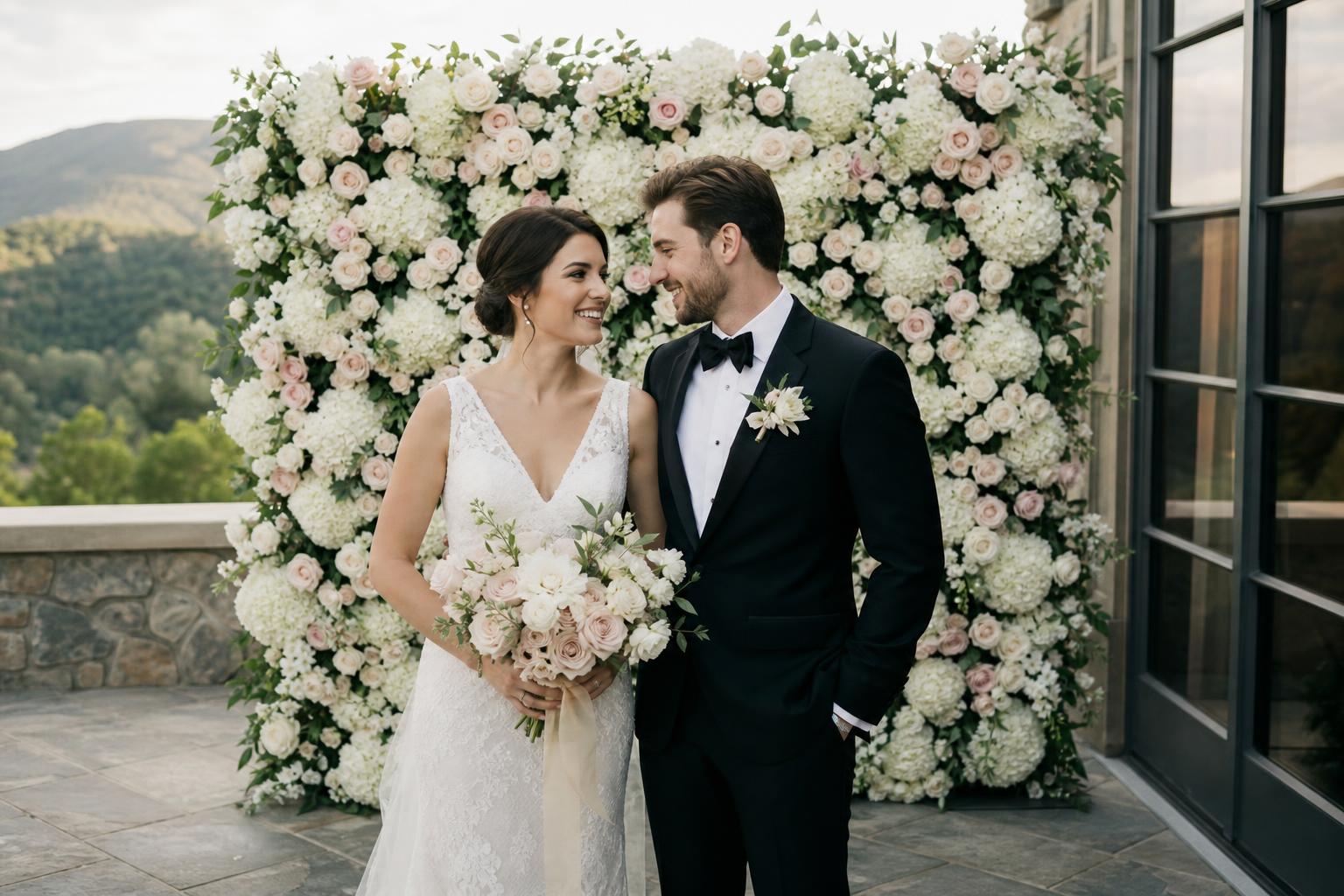
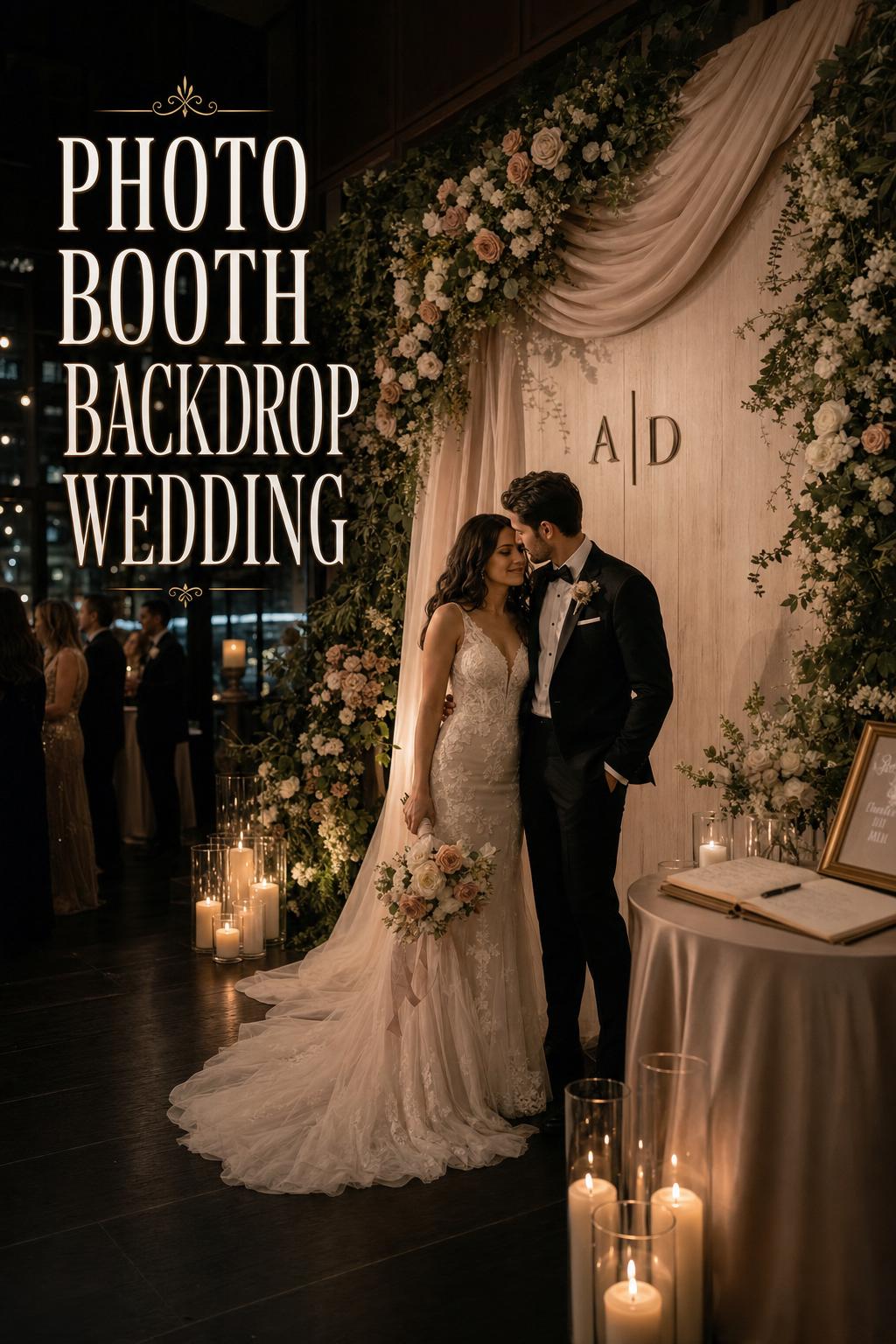
Floral walls are defined by density, softness, and visual richness. They are often associated with romantic, luxury, and garden-inspired weddings, and they photograph as a high-impact statement even when the rest of the booth setup is simple. Their color palette can be monochromatic and dreamy or layered with several tones, but the overall mood stays lush and celebratory. In a reception setting, a floral wall tends to feel like a dedicated photo moment rather than a casual corner.
Style overview: greenery walls
Greenery walls share some of the same botanical appeal as floral walls, which is why they are frequently grouped together, yet they create a more grounded and versatile effect. They fit especially well with garden, vineyard, boho, and minimalist-romantic weddings. The texture is still layered, but the color palette is more restrained, leaning into fresh green tones that pair easily with signage, lounge styling, or softer floral accents.
Style overview: branded and personalized backdrops
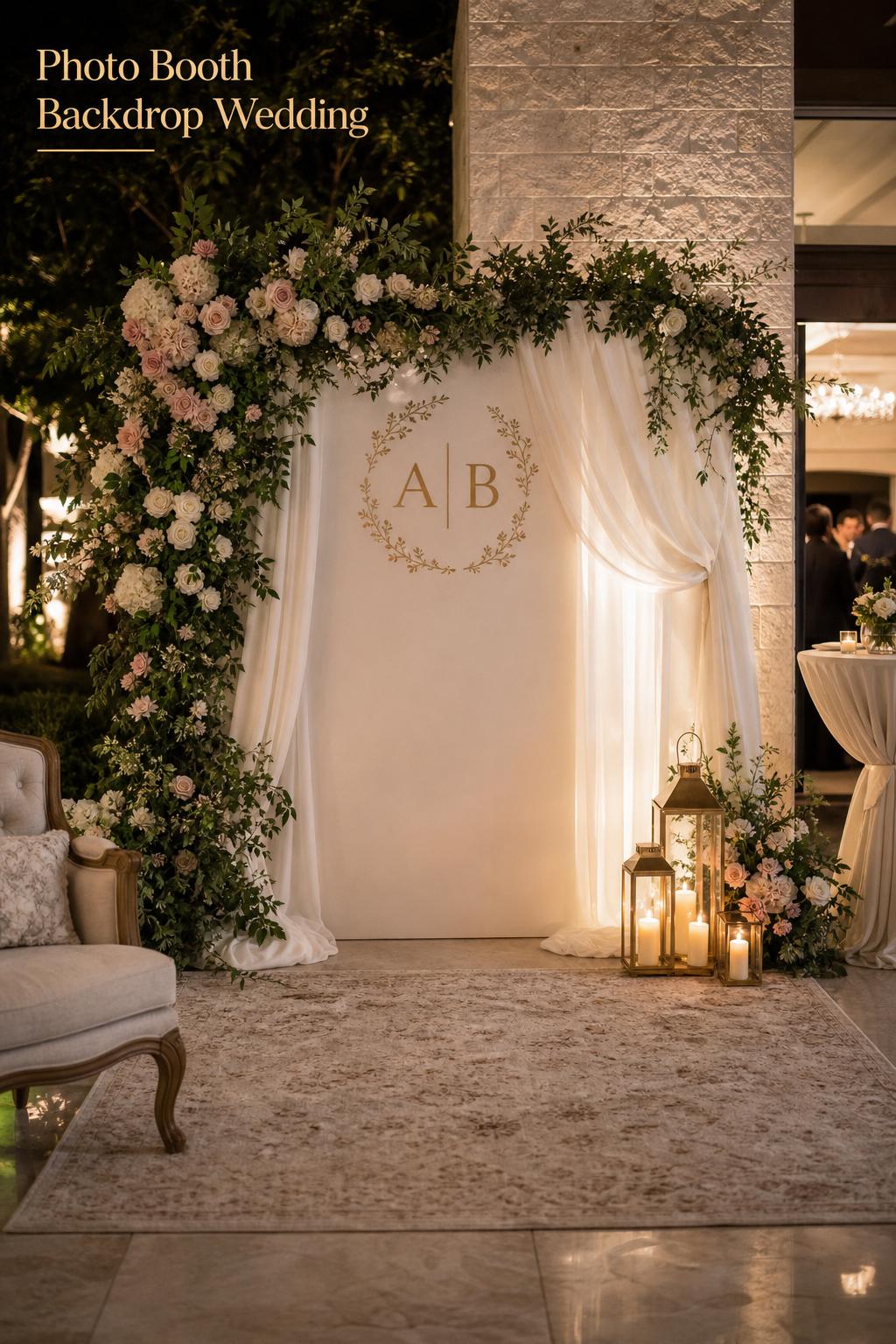
Branded backdrops in the wedding world usually mean personalized backdrops rather than corporate ones: names, monograms, dates, custom artwork, or a printed visual motif tied to the couple’s celebration. These are more graphic than botanical styles and are often chosen for modern, chic, or polished receptions. Their defining quality is identity. Instead of texture doing all the work, the design itself tells the story.
Style overview: textured and architectural backdrops
Textured and architectural backdrops include wood accents, paneled builds, drape systems, and geometric designs. These styles bring structure to the booth area and often suit rustic, modern, urban, or minimalist weddings. Compared with floral or printed designs, they rely more on shape, lines, and layered surfaces. The mood can be rustic and warm or sleek and contemporary depending on materials and color story.
Style overview: DIY and budget-friendly backdrops
DIY backdrops are usually built from accessible materials such as paper, fabric, balloons, cardboard elements, signage, or Polaroid-themed details. Their appeal is personal expression and cost savings. They can feel playful, crafty, and heartfelt, especially at intimate weddings or receptions where handmade touches already define the decor. The style is less about perfection and more about charm, but that only works when the assembly, lighting, and sizing are handled thoughtfully.
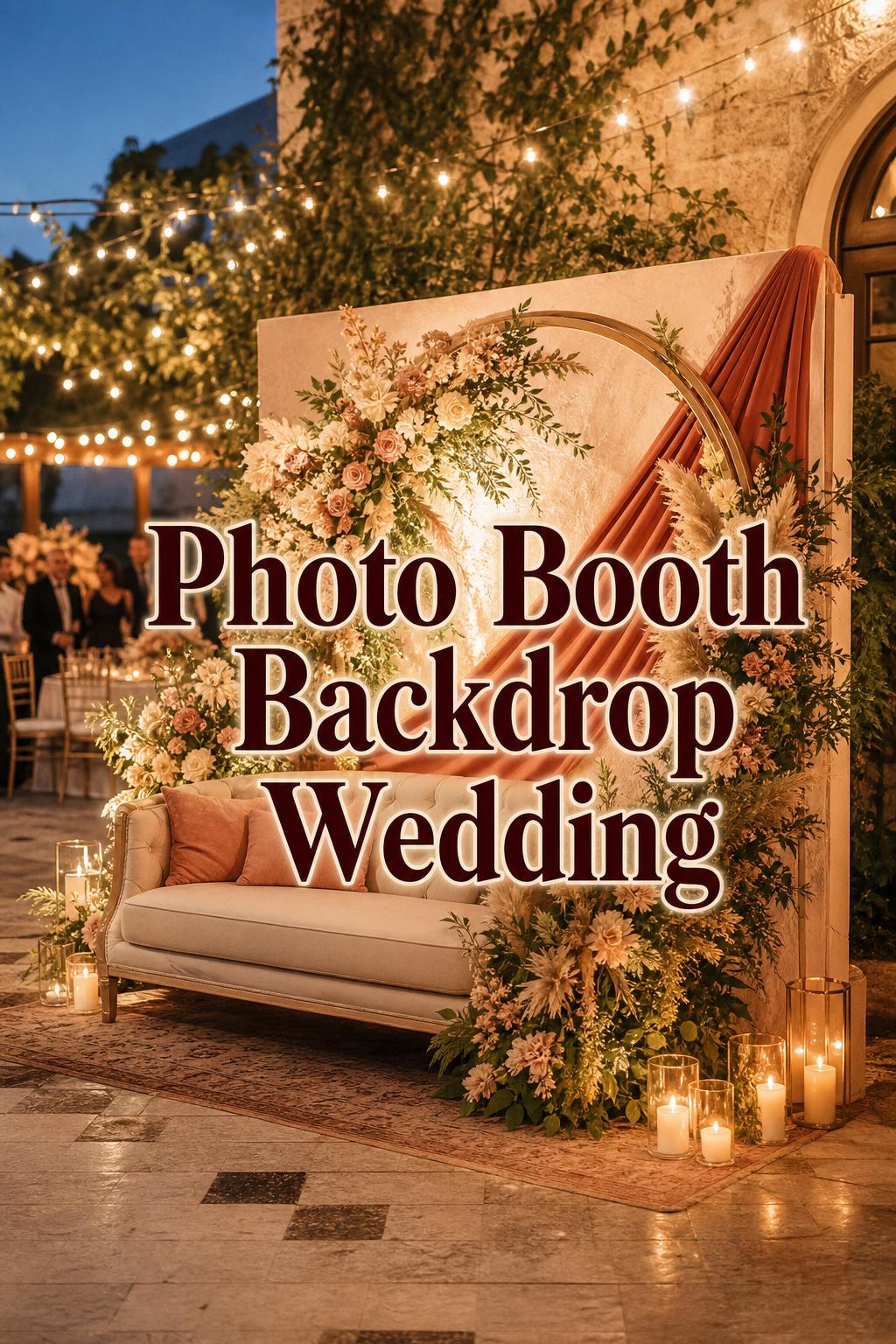
Floral wall vs greenery wall: the romantic comparison couples ask about most
These two styles are discussed together so often because they live in the same visual family. Both offer a botanical backdrop, both work beautifully for receptions, and both can be customized with signage or lighting. Yet in actual photos, they do not behave the same way. A floral wall reads as a feature. A greenery wall reads as an environment.
Visual impact and density
A floral wall has stronger immediate presence. Even in a busy ballroom or a crowded reception room, it stands out. That makes it ideal when the photo booth needs to compete with a lot of visual activity around it. A greenery wall is usually calmer and more breathable. It complements rather than dominates, which can be the better choice in a vineyard estate, garden setting, or lounge-style booth area where the surrounding decor is already part of the charm.
Color palette and mood
Floral walls are more color-forward. They can echo blush, ivory, warm neutrals, or bolder wedding palettes. This gives them a romantic and occasionally luxe feel. Greenery walls are more naturally restrained, which often makes them easier to pair with modern calligraphy signage, minimalist decor, or boho accents. If your wedding color story matters deeply in every photo, floral walls usually carry that story more directly.
Formality and styling flexibility
Floral walls often feel more formal. They lend themselves to elegant attire, polished poses, and a reception atmosphere that feels curated. Greenery walls are flexible across formality levels. They can look sophisticated, but they can also feel effortless and relaxed, especially when paired with lounge furniture or softer lighting. For a couple balancing refined design with a welcoming guest experience, greenery can feel less intimidating while still looking elevated.
Where each one works best
- Choose a floral wall for hotel ballrooms, formal receptions, luxury-inspired decor, or when the booth needs a true statement backdrop.
- Choose a greenery wall for vineyard estates, garden weddings, boho celebrations, or when you want a botanical look with slightly more visual ease.
- Use floral accents on greenery when you want a middle ground between lush romance and natural texture.
Personalized print vs textured backdrop: graphic storytelling or atmospheric styling?
Another common wedding planning decision comes down to whether the backdrop should tell guests exactly whose celebration this is or whether it should simply create a beautiful setting for photos. Personalized and branded backdrops do the first. Textured and architectural backdrops usually do the second. Both can be excellent, but they create very different visual logic.
How personalized backdrops lead the eye
A custom backdrop with names, initials, a date, or a wedding motif pulls attention toward the print itself. It gives photos context instantly, which is one reason local vendors and planning blogs often emphasize color coordination and custom prints. This style works especially well when the rest of the booth setup is intentionally clean. The backdrop becomes the storytelling element, and the guests become part of that design.
How textured backdrops create dimension
Wood accents, draped fabric, layered panels, or geometric shapes work in a different way. Instead of directing the eye to text or branding, they create atmosphere through depth, pattern, and structure. This is often more timeless in photographs because the eye reads the environment first and the personalization second, if any is added through smaller signage. For couples who want the photo booth to feel integrated into the venue, this approach is often stronger.
Print quality, lighting, and photo flow
Personalized printed backdrops depend heavily on print quality and lighting. Poor lighting can flatten a beautiful design, while a well-lit custom print can look crisp and intentional. Textured backdrops are more forgiving because surfaces and layers naturally create contrast. Vendors focused on photo flow often point out that a backdrop has to perform under actual event lighting, not just in a design mockup. That matters here. A design that looks excellent on screen may feel underwhelming if it photographs flat during the reception.
When one option is wiser than the other
Choose a personalized backdrop when you want names or dates visible in many guest photos, when your wedding design leans modern or branded, or when the booth serves as a strong design anchor. Choose a textured backdrop when your venue already has character, when you want more visual depth, or when your wedding style is rustic, architectural, or softly romantic rather than graphic.
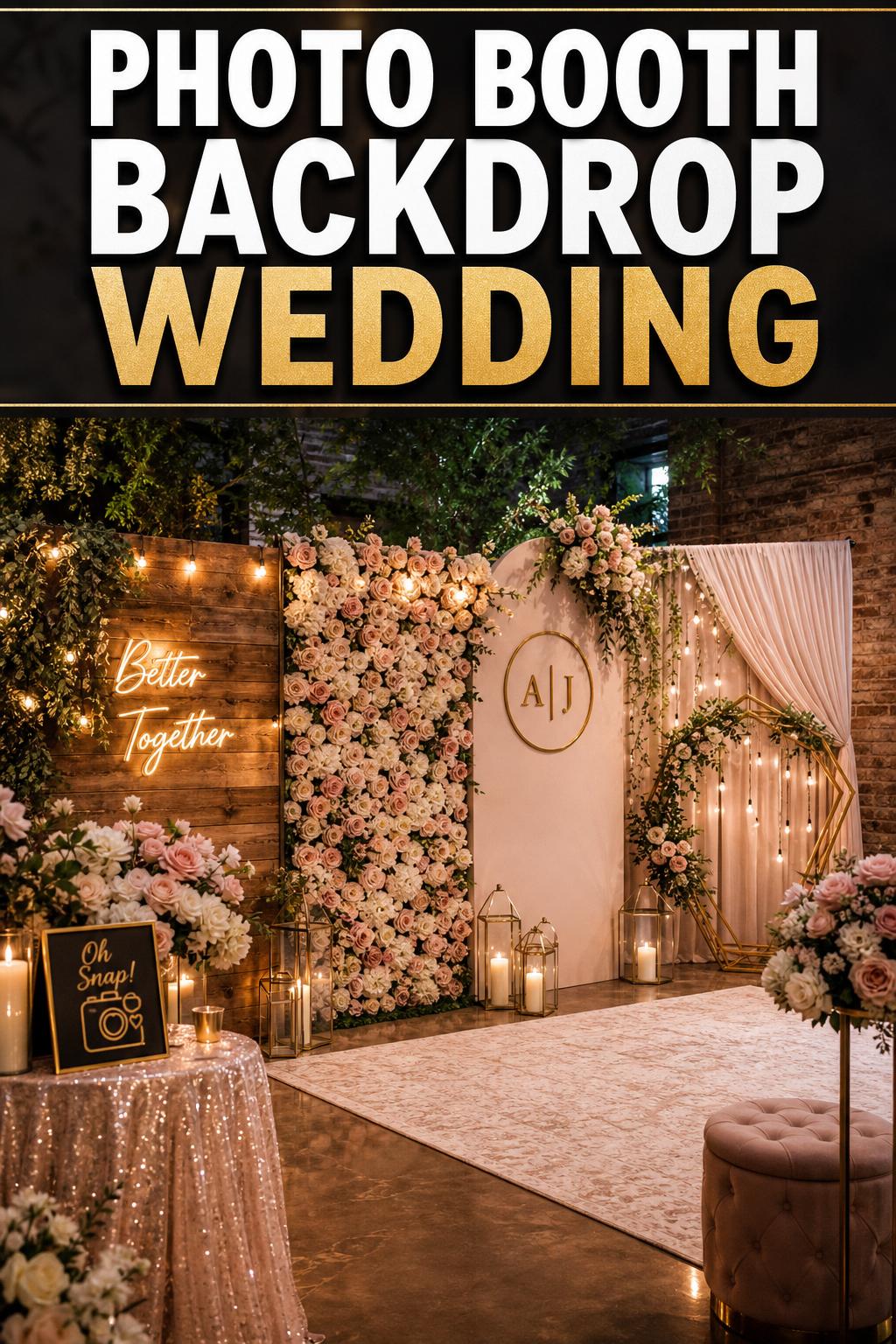
DIY backdrop vs professional installation: where budget meets finish
This comparison is not simply about money. It is about time, labor, durability, and how much visual precision your wedding requires. DIY wedding photo booth backdrop ideas can be charming, highly personal, and cost-conscious. Professionally installed backdrops offer polish, better durability, and often a stronger finish under event lighting. Neither path is universally better; the right one depends on the kind of reception experience you are trying to create.
The strengths of DIY
DIY options shine when the wedding already includes handmade details or when the couple wants creative control. Paper, fabric, balloon combinations, signage, and themed designs such as a Polaroid-inspired backdrop can all work beautifully. DIY can also be ideal for smaller guest counts where the booth is less likely to endure constant use for hours. The charm comes from personality, not from looking identical to a commercial install.
Where DIY can become difficult
The challenge is consistency. Handmade elements can sag, wrinkle, tear, or photograph unevenly if sizing and installation are not planned carefully. Balloons can be festive, but they need structure. Paper can be cost-effective, but it is sensitive to movement and venue conditions. If the reception timeline is tight or the venue has limited setup access, a DIY build may add stress at the exact moment the couple should be enjoying the day.
Why professional installs often feel easier on the wedding day
Professional backdrops, including drape systems, custom prints, floral builds, or more durable textured installs, usually solve practical problems before guests arrive. They are planned around dimensions, hardware, space, and photo performance. This is why supplier and rental blogs often spend so much time on size, texture, lighting, and installation. A backdrop that survives setup and still looks good after several hours of guest use is not accidental; it is the result of planning.
A balanced way to decide
- DIY works best for intimate weddings, budget-focused celebrations, and couples who enjoy craft-led personalization.
- Professional installation works best for large receptions, formal venues, and designs that depend on flawless presentation.
- A hybrid approach often makes sense: rent the stand or drape hardware, then personalize with signage, greenery, or custom details.
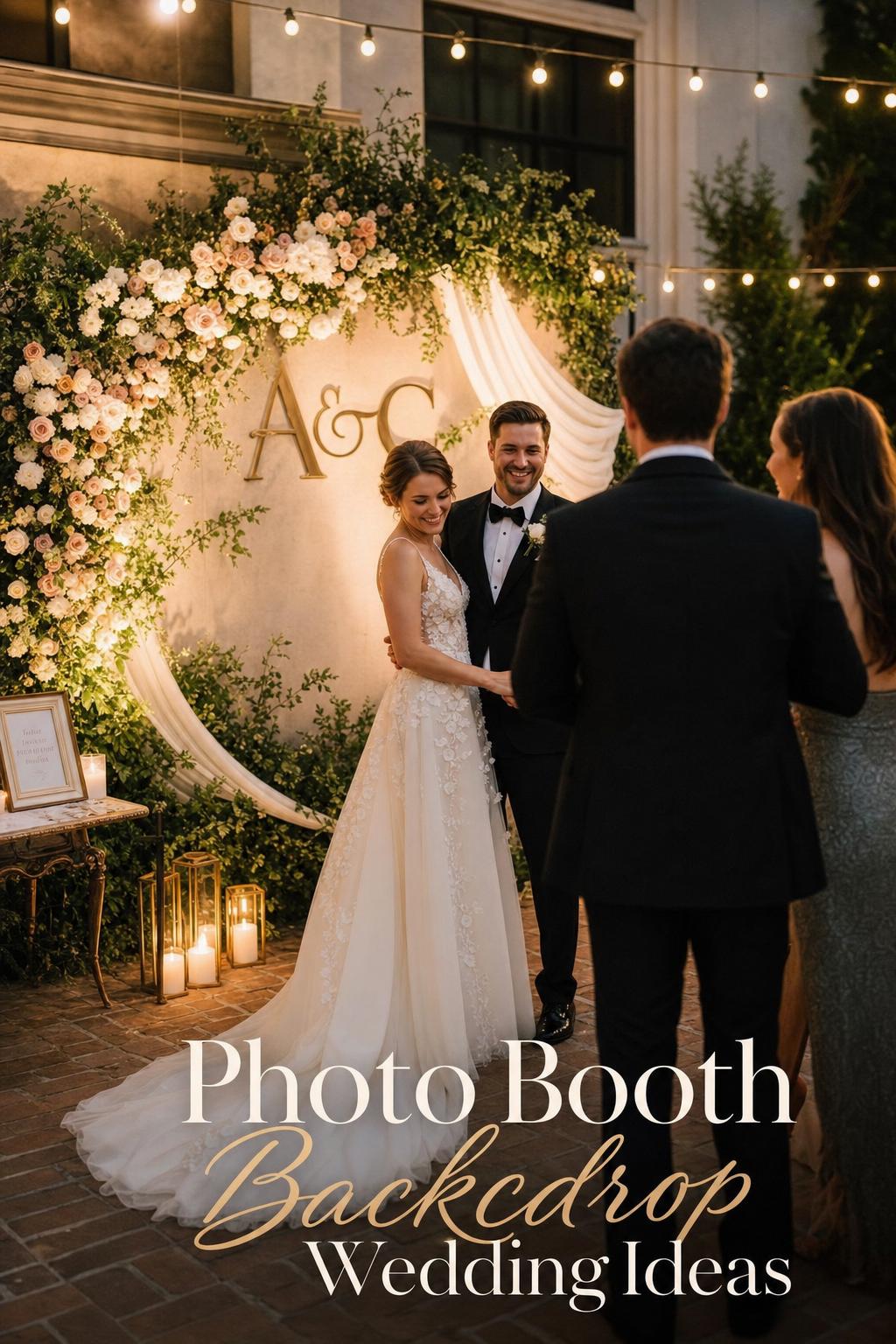
Material comparison: fabric, vinyl, and paper in real wedding settings
Material choice shapes more than appearance. It affects texture, portability, print clarity, and how forgiving the backdrop will be during setup. For couples comparing affordable wedding photo booth backdrops or trying to choose the best backdrops for wedding photo booths, material is often the practical detail that decides everything else.
Fabric backdrops
Fabric is often the softest and most romantic choice. It works naturally in drape systems and complements formal receptions, floral styling, and elegant lighting. Fabric tends to feel less harsh than printed surfaces, which makes it especially appealing for romantic, classic, and luxury-inspired weddings. Its limitation is that it requires careful installation to avoid distracting folds or uneven tension.
Vinyl backdrops
Vinyl is commonly associated with custom prints and personalized backdrops because it supports strong graphic presentation. If the couple wants a logo-like monogram, names, or a clear visual motif, vinyl can be a practical answer. It usually feels more graphic and less atmospheric than fabric, so it is better suited to modern, polished, or design-forward weddings than to soft garden aesthetics.
Paper backdrops
Paper works well for DIY builds, craft-led details, and lighter budget solutions. It can create playful or highly styled effects, especially when layered or cut into shapes, but it is generally the least durable option. For a short event window or a lower-traffic booth, paper may be enough. For a packed dance-floor reception where guests will use the booth constantly, paper requires more caution.
Tip: let the material follow the mood
If your wedding vision is romantic and soft, start with fabric or botanical texture. If it is sleek and personalized, printed vinyl may serve you better. If it is playful, intimate, and handcrafted, paper can be part of the story. The right material should support the atmosphere rather than compete with it.
How modern, rustic, boho, and luxury weddings use backdrops differently
A backdrop style rarely exists on its own. It is part of a larger wedding language that includes venue type, florals, signage, lighting, and guest flow. Looking at backdrops through the lens of wedding themes helps narrow choices quickly, especially when couples feel torn between several pretty options that do not all say the same thing.
Modern weddings
Modern weddings tend to favor clean lines, custom backdrops, geometric structures, and controlled color palettes. Personalized prints, sleek paneling, and balanced lighting all fit naturally here. A modern photo booth backdrop wedding design often succeeds by being edited rather than abundant. Too many textures can weaken the clarity this style depends on.
Rustic weddings
Rustic weddings often look strongest with wood accents, natural textures, and softer personalization. A backdrop can feel warm and welcoming without becoming overly decorative. In barns or more relaxed reception spaces, a rustic backdrop benefits from enough contrast to stand out in photos, especially if the venue itself already has wood tones throughout.
Boho and garden-inspired weddings
Boho, garden, and vineyard celebrations usually pair well with greenery walls, layered botanicals, or relaxed lounge-style photo areas. The beauty here is in ease and texture. A heavily graphic printed backdrop may feel too rigid unless it is softened by florals or drapery. This style works best when the booth feels like an extension of the wedding environment.
Luxury and romantic weddings
Luxury weddings often lean toward floral walls, tailored fabric backdrops, and carefully integrated personalization. The booth becomes part of the overall reception design rather than a separate entertainment zone. In these settings, lighting and finish matter as much as the backdrop itself. A beautiful wall without proper glow can feel less expensive than it is, while a simpler structure with excellent lighting can feel unexpectedly refined.
Venue context changes everything
The same backdrop can look entirely different in a Los Angeles event space, a Philadelphia reception venue, a Fort Atkinson ballroom, a vineyard estate, or an urban loft. Local vendor blogs often emphasize venue fit for good reason. A backdrop is not viewed in isolation by guests or cameras. It is always read against the room around it.
Hotel ballrooms and formal indoor venues
These spaces usually handle floral walls, custom prints, and fabric draping well because they support a polished presentation. They also benefit from stronger booth definition, since large rooms can visually absorb a small backdrop. In this setting, scale matters. A backdrop that is too narrow may disappear in photos even if it looked sufficient on paper.
Vineyards, garden spaces, and estates
These venues already bring atmosphere, so the backdrop should work with that environment rather than overtake it. Greenery walls, floral-and-greenery mixes, and softer textured installs often feel most natural. The goal is cohesion. A highly branded graphic print can still work, but it usually needs a thoughtful color palette and some natural texture to avoid feeling disconnected from the setting.
Urban lofts and modern industrial spaces
Architectural backdrops, geometric panels, custom prints, and stronger contrast often thrive in urban spaces. These venues can support bolder styling decisions because the room already has structure and edge. If the wedding vision is urban glam or modern chic, this is where a personalized backdrop can feel especially intentional.
Small or limited-space venues
Limited space changes the decision entirely. In a smaller reception room, the best choice is often the backdrop that creates depth without physically demanding too much area. Simple fabric, a clean custom print, or a compact greenery wall may outperform a bulky installation. This is also where accessibility and guest movement matter. The booth should invite people in, not create a traffic jam.
The visual difference lighting makes
Couples often compare backdrop styles as though color and material alone determine the result, but lighting may be the deciding factor in how a photo booth actually performs. Many vendor-focused articles return to this point because a backdrop that looks beautiful in natural daylight or in a styled image can behave very differently once reception lighting takes over.
Floral and greenery under light
Botanical backdrops usually benefit from lighting that creates gentle separation between layers. Without that, a lush wall can read as a single block of texture. With thoughtful illumination, individual flowers, leaves, and signage become visible, and the photos feel more dimensional.
Printed surfaces under light
Custom and branded backdrops need enough clarity to keep text, patterns, and names readable. If lighting is uneven, the print can lose definition. This is why photo flow and lighting are closely linked. Guests move quickly in and out of the booth, so the setup has to perform consistently without requiring constant correction.
Tip: test the mood, not just the object
When evaluating a backdrop, imagine it at reception time rather than in an empty room. Ask whether the style will still feel balanced once the dance floor is active, candles or uplighting are present, and guests are stepping into frame in varied attire. The best backdrop is the one that still reads clearly when the wedding is fully alive.
Color theory in practice: warm palettes, cool palettes, and photo mood
Color coordination appears repeatedly in wedding backdrop guidance because it affects both visual harmony and guest photos. A backdrop does not need to match the wedding exactly, but it should belong to the same emotional world. That is the difference between a booth that feels integrated and one that feels rented at the last minute.
Warm palettes
Warm palettes often feel inviting, celebratory, and romantic. Floral walls, wood textures, and certain fabric backdrops naturally support this mood. In receptions with candlelit or glowing ambiance, warm tones usually feel especially cohesive. They can soften guest photos and make the booth feel like part of the reception decor rather than a separate station.
Cool palettes
Cool palettes are often cleaner and more modern. They suit sleek prints, geometric styling, and minimalist receptions. A cooler palette can sharpen the look of a branded or personalized backdrop, particularly in contemporary spaces. The trade-off is that it may feel less romantic if the rest of the wedding is very soft or garden-led.
How to compare two similar options
- If both backdrops fit your theme, choose the one that better reflects your reception lighting.
- If your venue is visually busy, a simpler color palette often photographs better.
- If the wedding decor is understated, a richer backdrop can add needed visual energy.
What wedding professionals often balance behind the scenes
A beautiful backdrop is never just a pretty wall. It is a coordination point between decorators, florists, lighting designers, calligraphers, balloon artists, photo booth teams, and sometimes printing services or fabric suppliers. Personalized and botanical styles especially rely on collaboration, and the strongest results usually come from matching the right creative partner to the right style.
A florist may help a floral wall feel connected to ceremony arrangements. A calligrapher may elevate a greenery backdrop with elegant names and dates. A balloon artist can turn a simple print into a more playful install. A drape supplier or rental team can make sure fabric hangs correctly and the hardware suits the venue. These details are easy to overlook early in planning, yet they often determine whether a backdrop looks finished.
This is also where balance matters. Over-customizing can crowd the design. A personalized backdrop, floral frame, balloons, signage, props, and multiple competing colors can weaken one another if they are all fighting for attention. The most convincing wedding photo booth backdrops usually have one lead idea and a few supporting ones.
Real-world comparison scenarios
Romantic ballroom reception: floral wall or custom print?
In a formal ballroom, a floral wall usually feels more immersive and luxurious, especially if the wedding decor already includes abundant florals. A custom print can still work, but it often needs exceptional design and lighting to compete with the richness of the room. If the couple wants the booth to feel like a statement zone, floral wins. If they want names and date featured clearly in photos, the custom print has the advantage.
Vineyard wedding: greenery wall or rustic wood backdrop?
For a vineyard setting, both can work, but they send different messages. A greenery wall blends naturally with the environment and keeps the look botanical and romantic. A rustic wood backdrop adds warmth and texture but may feel more decorative than organic. If the wedding style leans boho or garden, greenery is usually more seamless. If it leans rustic with visible wood accents elsewhere, the paneled option may tie the design together.
Urban loft celebration: geometric build or greenery with signage?
In an urban loft, a geometric or architectural backdrop often echoes the venue’s structure and feels deliberate. Greenery with signage softens the room and can create a pleasing contrast. The better option depends on whether the couple wants to emphasize the city-edge atmosphere or introduce a romantic counterpoint. Both can be beautiful, but the styling philosophy is different.
Intimate reception on a tighter budget: DIY paper build or simple fabric drape?
A DIY paper build can feel joyful and personal, especially if handmade details are already part of the wedding. A simple fabric drape is often calmer, more forgiving in photos, and easier to make look polished. If the couple enjoys crafting and has setup support, DIY can be memorable. If they want lower risk on the day itself, fabric usually offers more peace of mind.
Budget tiers and what changes at each level
Backdrop decisions become easier when couples understand what tends to shift as the budget increases. The change is not only about size or extravagance. It is also about materials, installation support, durability, and how tailored the final look can be.
Under $500
This range usually favors DIY backdrop ideas, simple fabric, paper installations, balloons, signage, or straightforward printed solutions. The style can still be lovely, but it usually depends on smart editing. Fewer elements, cleaner color choices, and realistic expectations matter most here.
$500 to $2,000
Midrange concepts often include stronger custom prints, improved hardware, more refined draping, or mixed-material designs that combine greenery, signage, and professional setup. This is often the sweet spot for couples who want a polished look without committing to a large floral installation.
$2,000 and up
Luxe installations typically include dense floral walls, substantial custom fabrication, premium materials, or highly integrated design work with florists and decor partners. At this level, the booth can become a major decor moment within the reception. The advantage is impact and finish. The question is whether that scale supports the overall wedding vision.
Tips for choosing a backdrop that still feels right at the end of the night
Wedding planning often starts with inspiration images, but the strongest decisions are made by thinking through the lived experience of the reception. A backdrop has to look beautiful at first glance, function well for guests, and remain visually clear once the room is active. Keeping that full arc in mind helps couples avoid choices that are lovely in theory but less convincing in practice.
- Match the backdrop to the venue before matching it to trends.
- Choose one primary design story: floral, graphic, textured, or DIY, then support it with smaller details.
- Consider guest flow and space planning early, especially in smaller venues.
- Think about how the backdrop will look in low reception lighting, not just in setup photos.
- Use personalization carefully so it enhances rather than overwhelms the backdrop.
- If comparing two options, ask which one best fits your wedding mood rather than which one feels most dramatic on its own.
Bringing styles together without losing clarity
Many of the most memorable photo booth backdrops are not purely one style. A floral wall might include custom signage. A modern printed backdrop may be softened with greenery. A rustic wood installation can gain polish through better lighting and cleaner color coordination. Combining styles works beautifully when one element leads and the others support it.
The key distinction across all these comparisons is simple. Floral and greenery backdrops create mood through organic texture. Personalized and branded backdrops create identity through design. Textured architectural styles create atmosphere through structure. DIY builds create charm through personality. Once couples know which of those qualities matters most to them, the right direction usually becomes much easier to see.
The best wedding backdrop is the one that feels true to the reception you are actually hosting: the venue, the light, the guests, the theme, and the way you want the evening to be remembered. When those details align, the booth becomes more than a photo station. It becomes part of the story your guests carry home.
FAQ
How do I choose the best photo booth backdrop wedding style for my venue?
Start by looking at the venue type and how much visual character it already has. Hotel ballrooms often support floral walls, custom prints, and fabric draping well, while vineyard estates and garden venues usually pair naturally with greenery and softer textured styles. Urban lofts often suit geometric or graphic backdrops. The best choice is usually the one that feels integrated into the room rather than pasted onto it.
What backdrop is best for a small wedding reception space?
In a smaller space, simpler options often work best because they create a clear photo area without blocking guest movement. A compact fabric backdrop, a clean custom print, or a modest greenery wall can all work well. The most important factors are scale, easy access, and making sure the booth does not interrupt the flow of the reception.
Are floral walls better than personalized printed backdrops?
Neither is automatically better; they simply serve different goals. Floral walls are stronger when you want a lush, romantic, visually rich statement. Personalized printed backdrops are stronger when you want names, dates, or a clear custom design to appear in guest photos. The better option depends on whether mood or identity is the bigger priority for your wedding.
What materials work best for wedding photo booth backdrops?
Fabric, vinyl, and paper are the most common material directions. Fabric suits romantic and elegant designs, vinyl is practical for custom prints and graphic personalization, and paper is often used for DIY or budget-friendly builds. The best material depends on the style you want, how durable the setup needs to be, and how much installation support you have.
How important is lighting for a wedding photo booth backdrop?
Lighting is essential because it affects whether the backdrop reads as dimensional, flat, crisp, or visually lost in the room. Floral and greenery walls need enough light to show texture, while printed backdrops need consistent light to keep text and design details clear. A strong backdrop concept can underperform if the lighting is not considered alongside it.
Can I create a beautiful wedding photo booth backdrop on a budget?
Yes, especially if you keep the design focused. DIY paper elements, simple fabric, balloons, signage, and smaller custom details can all create a memorable booth without a large investment. Budget-friendly backdrops usually look best when they avoid too many competing elements and focus on one clear idea with thoughtful color coordination.
How do I measure space and select the right backdrop size?
Think beyond the width of the backdrop itself and account for guest standing room, photo booth equipment, and how people will enter and exit the area. A backdrop that is technically large enough can still feel cramped if the surrounding space is too tight. In larger venues, going too small can make the booth disappear visually, while in smaller venues, a simpler and slimmer setup is often more effective.
Can a wedding photo booth backdrop be reused after the reception?
Some can, especially fabric drapes, certain structural backdrop elements, and personalized pieces that still feel meaningful after the event. Reusability depends on the material and how specific the customization is. Couples interested in reuse often do well with flexible components such as drape systems, neutral textures, or signage that can be repurposed more easily than highly specific single-use builds.