Wedding Cake Structures That Suit Every Wedding Style
Wedding cake structures explained through style, support, and celebration
The wedding cake often enters the room as quietly as a centerpiece and leaves a lasting memory like a grand finale. Its silhouette, height, tiers, and internal support all shape the way it looks on the table and how confidently it carries the mood of the day. That is why wedding cake structures matter so much. They are not only about holding layers in place, but also about translating a wedding vision into something guests can admire, photograph, and finally enjoy slice by slice.
Many couples discuss stacked cakes, separated-tier cakes, and other tiered designs together because they can appear similar from a distance. Yet their visual rhythm, construction logic, and planning needs are meaningfully different. A romantic garden reception may call for one kind of height and softness, while a modern ballroom celebration may benefit from a cleaner, more architectural profile. Understanding those differences makes it easier to choose a cake that feels beautiful and practical from delivery to cutting.
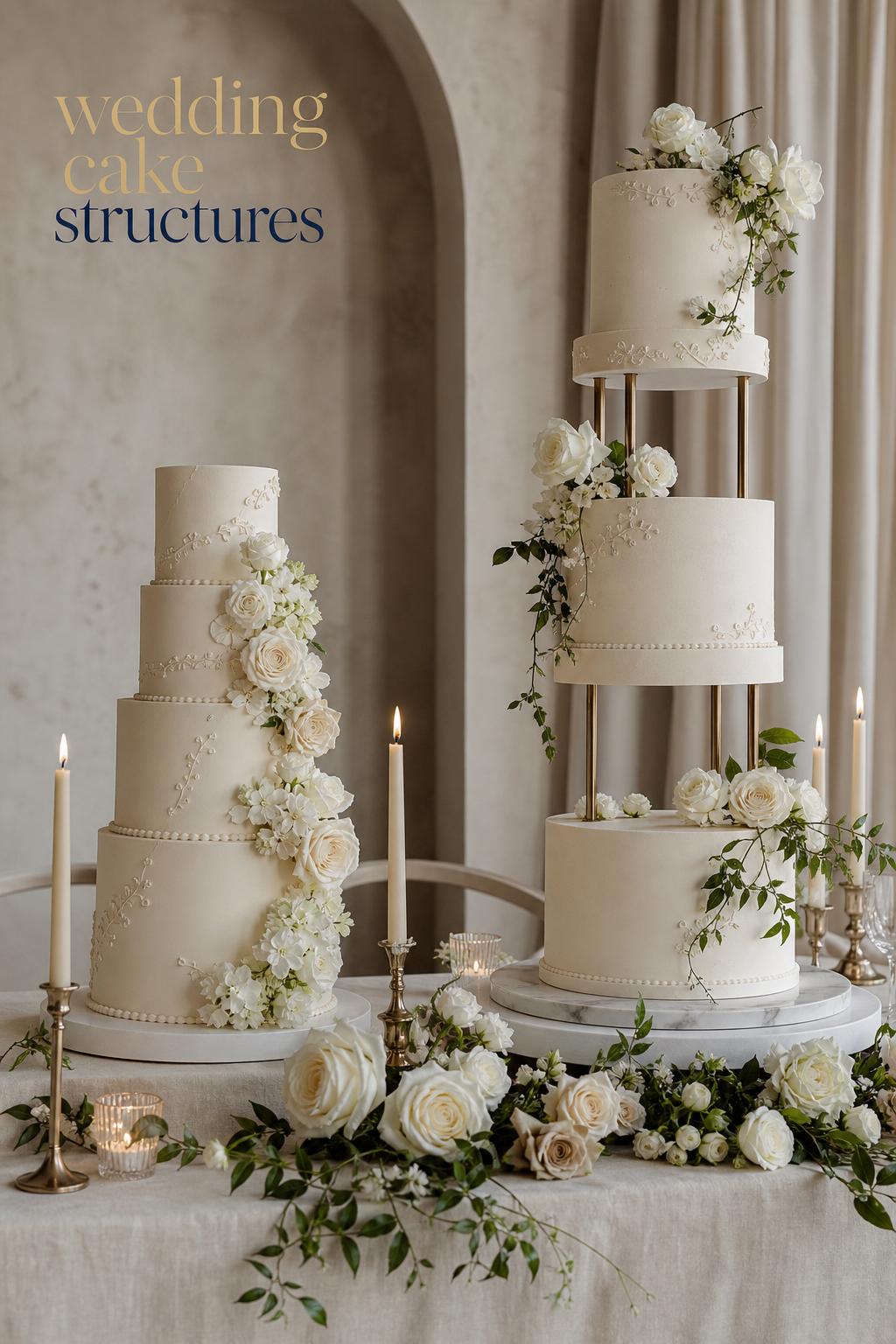
This comparison breaks down the most commonly discussed wedding cake structures as style categories rather than just technical builds. You will see how they differ in appearance, formality, support needs, and real wedding use, along with tips for choosing the right structure for your venue, guest count, and overall atmosphere.
The main styles couples compare most often
In wedding planning conversations, the most common comparison usually centers on stacked tiered cakes versus separated-tier cakes. Around them, couples also consider sheet-cake support arrangements, floating-style presentations, and designs that emphasize either seamless vertical elegance or more open, sculptural spacing. These approaches belong to the same family of wedding cake structures, but they create very different impressions.
Turn wedding inspiration into a plan you can actually follow.
Zarellea brings your guest list, budget, vendors, and day-of details into one shared space — so no beautiful idea gets lost in the shuffle.
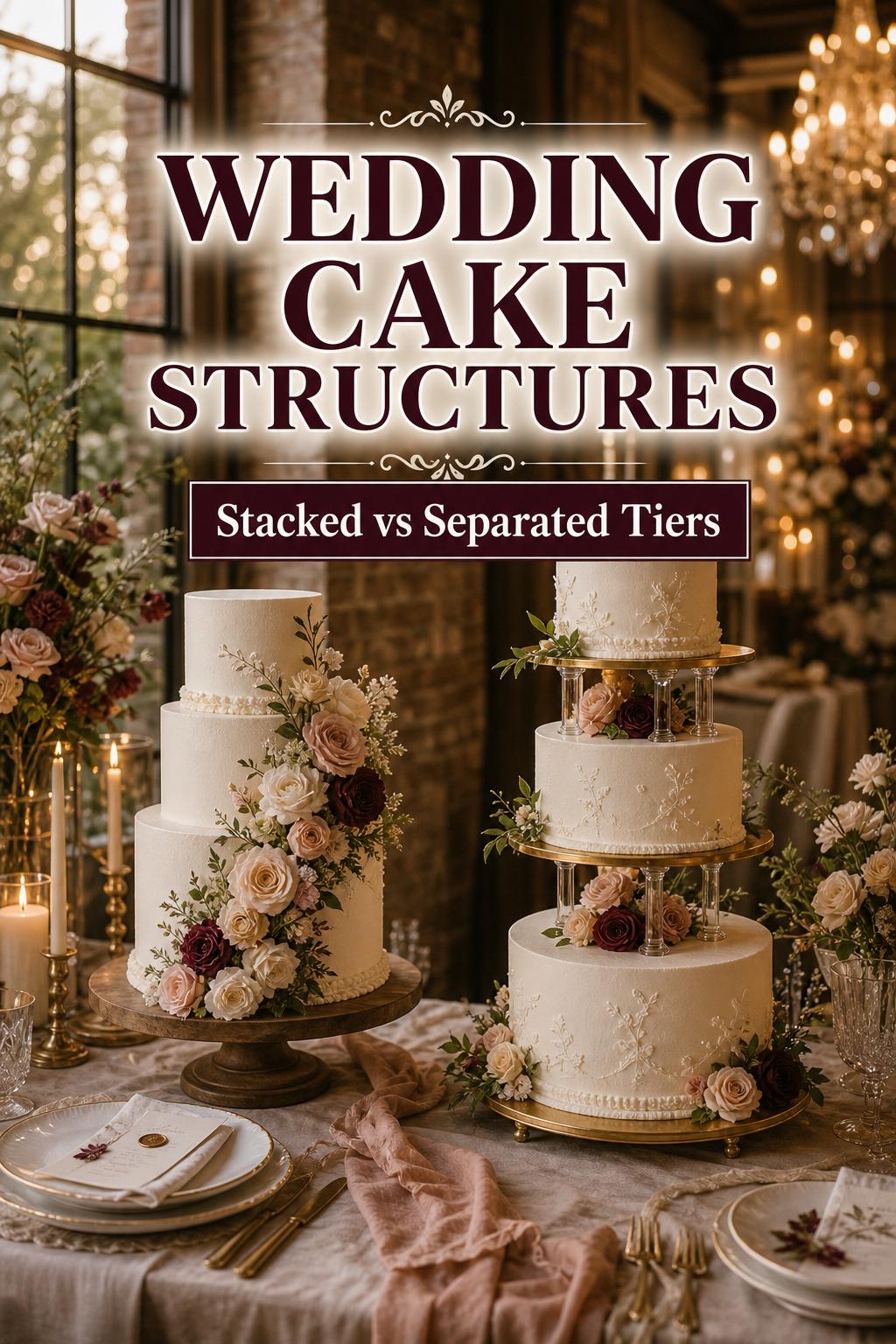
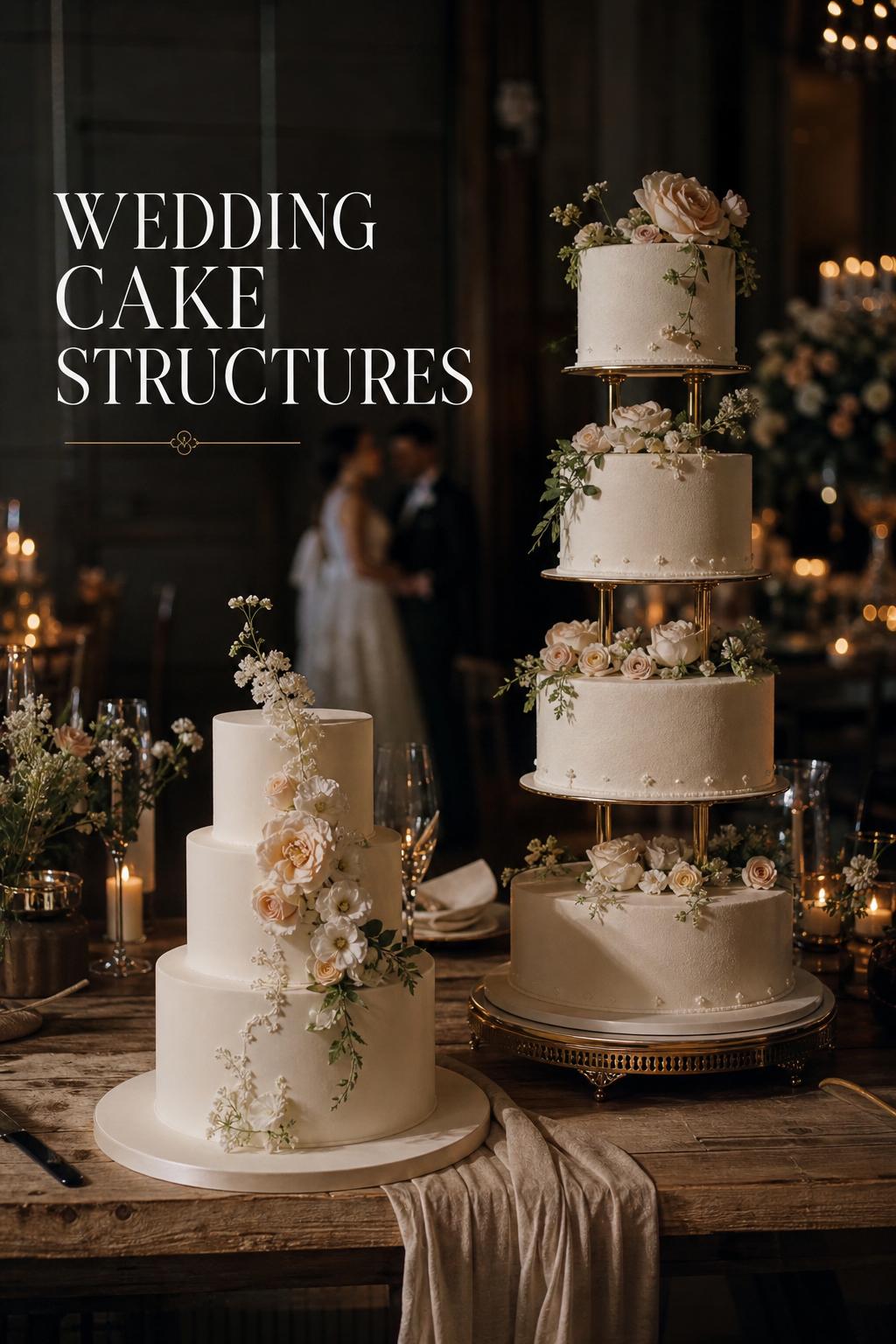
A stacked cake places tiers directly on top of one another, creating one continuous form. A separated-tier cake uses stands, pillars, or visible spacing between layers, making each tier feel more individually framed. Both can be formal, romantic, modern, or classic, but the structure changes how decoration reads, how height is perceived, and how the cake interacts with the room.
Style overview: stacked wedding cake structures
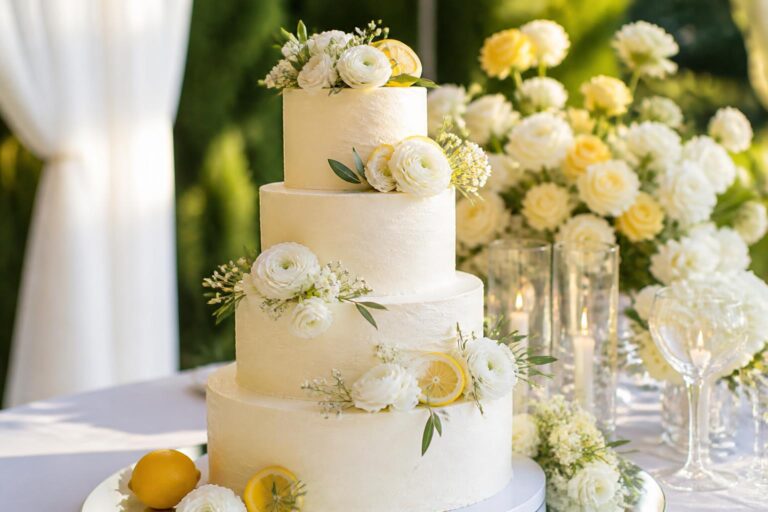
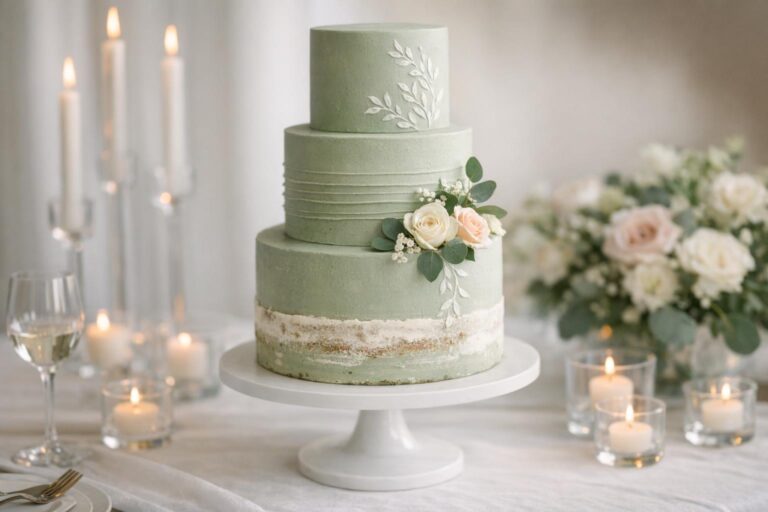
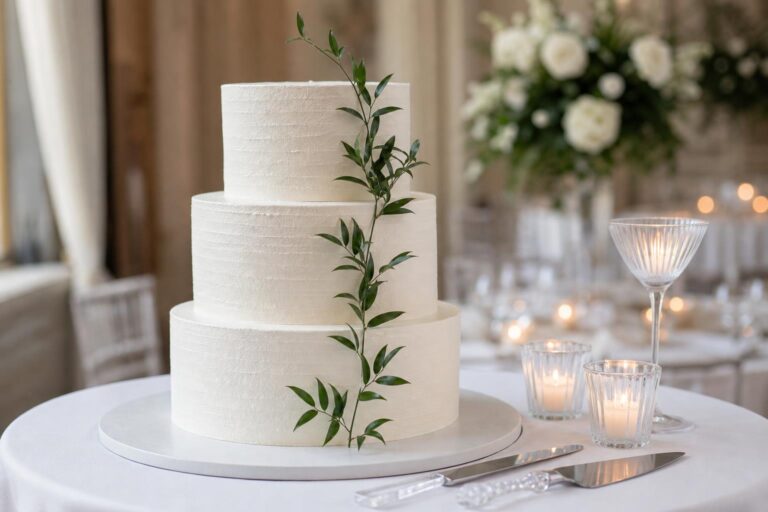
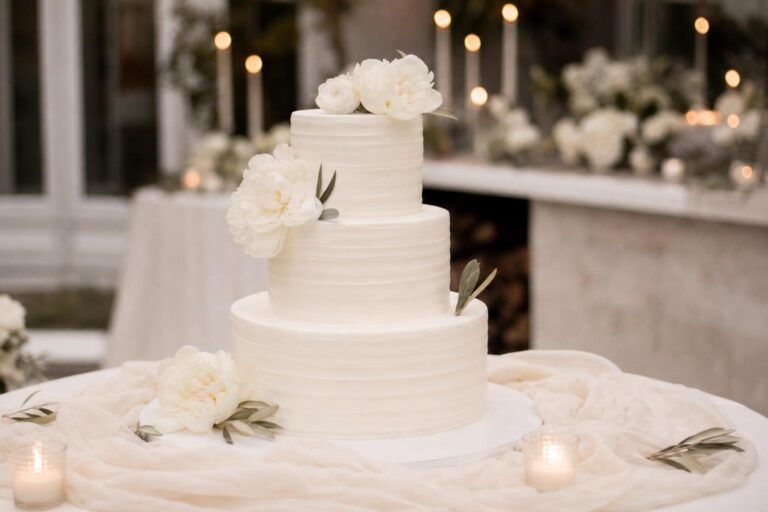
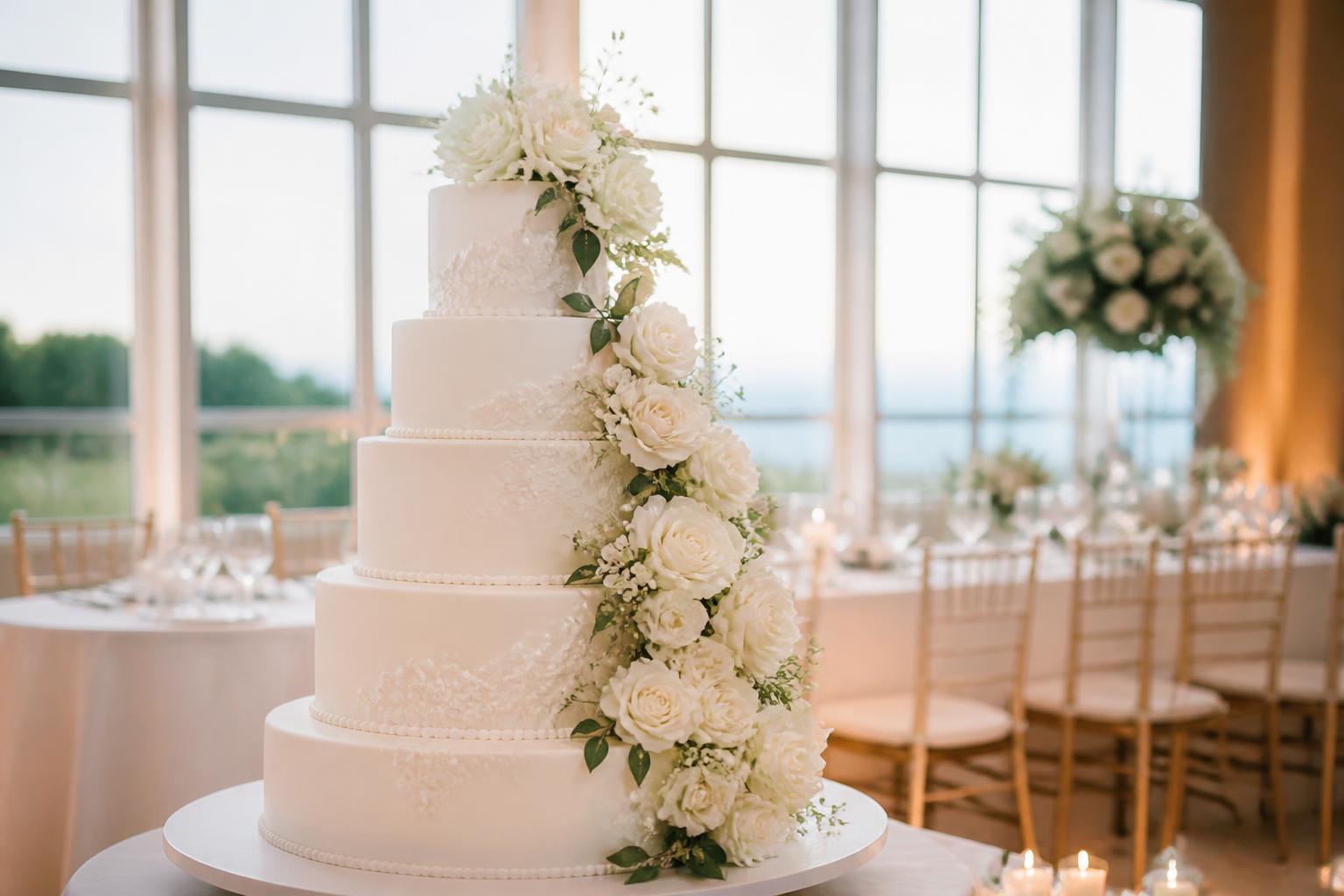
Stacked wedding cake structures are defined by direct vertical placement, with each tier supported internally and positioned atop the tier below. Visually, this creates a unified silhouette that feels cohesive and often more tailored. The eye travels upward in one continuous line, which makes stacked cakes especially appealing for couples who love elegant simplicity, soft romance, or clean contemporary styling.
The typical silhouette is compact and vertical, whether the cake is two tiers or far taller. Decorative details such as florals, piping, textured buttercream, or smooth fondant appear integrated into one complete design rather than separated into segments. The overall mood can shift easily: stacked structures can feel classic in a formal reception, minimalist in a modern wedding, or dreamy in a candlelit estate setting.
Because the tiers touch, the structure often reads as more solid and grounded. That quality can be especially useful when a couple wants the cake to feel like a visual anchor on the dessert table rather than a decorative arrangement with visible spacing.
Style overview: separated-tier wedding cake structures
Separated-tier wedding cake structures use space as part of the design. Tiers may be lifted on pillars or supports so that each level is visually distinct. Instead of one uninterrupted tower, the cake becomes a layered composition with air, openness, and a stronger sense of display. This can feel especially graceful in larger venues where the cake needs a little more visual reach.
The silhouette is more architectural and often more dramatic, even when the decoration itself is delicate. Floral placement, cascading details, or decorative accents gain emphasis because the negative space around them becomes part of the presentation. In a romantic ballroom or a formal reception with tall centerpieces, separated tiers can echo the scale of the room beautifully.
The mood is often more ceremonial and grand. While stacked cakes tend to feel self-contained, separated structures introduce a display element that makes the cake seem more like an installation. For some couples that creates exactly the sense of occasion they want; for others, it may feel more formal than necessary.
Where the visual difference becomes unmistakable
The easiest way to understand the difference between these wedding cake structures is to imagine them in the room before a single guest arrives. A stacked cake reads almost like a finished sculpture. A separated-tier cake reads more like a composed arrangement. Both can be beautiful, but they communicate different kinds of elegance.
Silhouette and structure
Stacked cakes emphasize one strong line from base to top. This makes them feel stable, balanced, and often more contemporary, even when decorated in a classic way. Separated tiers break that line intentionally. The pauses between levels create visual lightness, but also a more engineered appearance. If you want a cake that feels seamless, stacked structures usually suit that goal better. If you want a cake that feels expansive and staged, separated tiers often deliver that effect more clearly.
Decoration flow
On stacked cakes, decoration can travel continuously from one tier to the next. This is ideal for cascading flowers, ombré effects, continuous texture, or a soft movement that wraps the whole design together. On separated-tier cakes, decoration tends to be read in sections. That can be an advantage when each tier has a distinct decorative role or when floral placement is meant to highlight spacing and dimension.
Perceived formality
Although either style can be used at a formal wedding, separated-tier structures often feel more ceremonious because of their height and display quality. Stacked cakes, by contrast, can move more easily between levels of formality. They work in black-tie settings, intimate dinners, garden weddings, and modern loft receptions without needing the room to support a dramatic presentation.
Serving and practical rhythm
From a planning perspective, structure affects more than appearance. A stacked cake usually reads as simpler and more consolidated, while separated tiers may require closer coordination for setup and presentation. In a busy reception timeline, that difference can matter. Couples who want fewer moving parts often feel more comfortable with a straightforward stacked build, while those prioritizing visual drama may welcome the added complexity of separated supports.
A closer look at support styles and what they mean for the final design
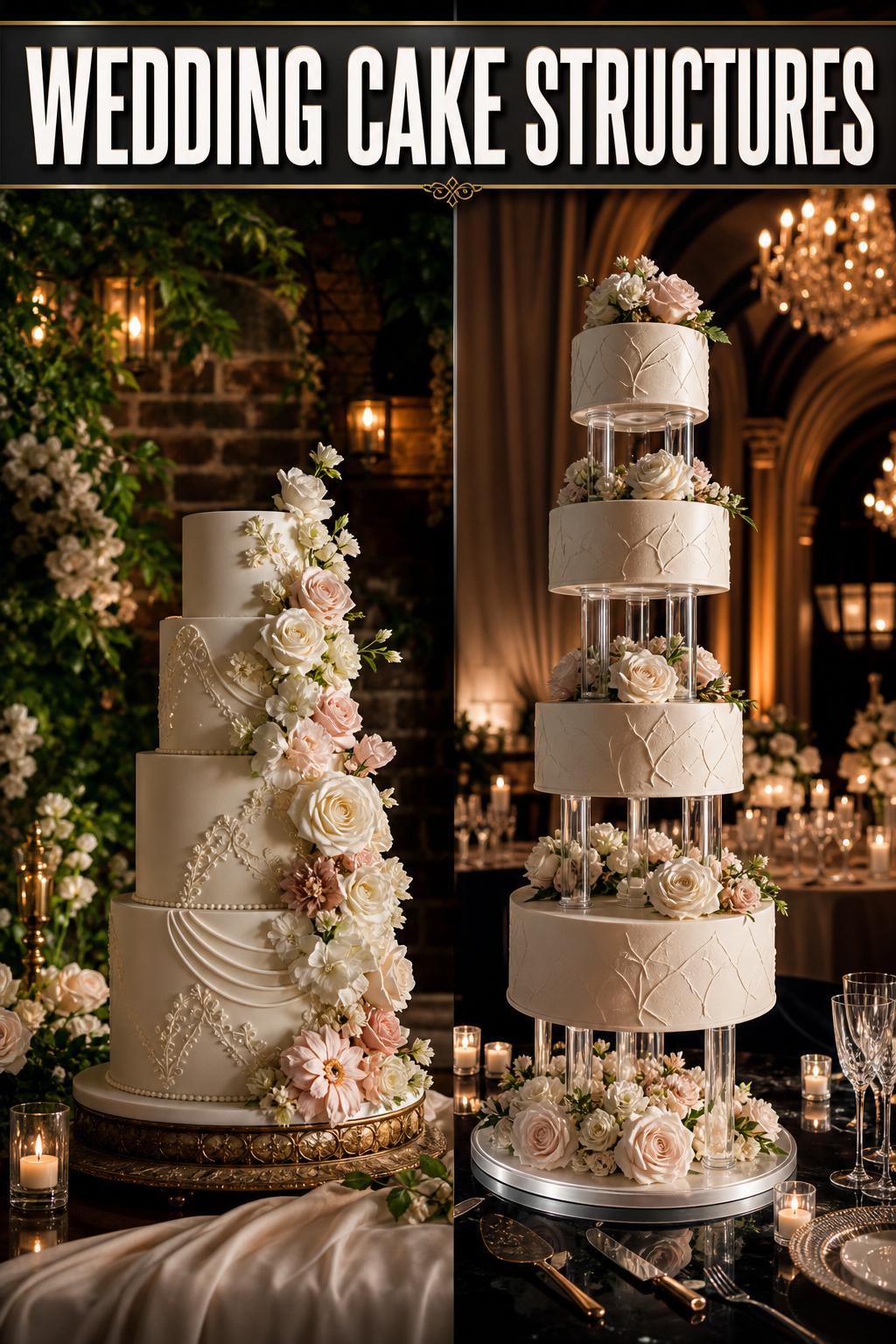
Support is the hidden language behind wedding cake structures. Even the most romantic design depends on internal strength. Couples do not need to become engineers to make a good choice, but they do benefit from understanding how support changes the overall experience of the cake.
Internal support in stacked cakes
In stacked structures, support is usually concealed so the cake appears effortless. This hidden approach is one reason stacked cakes are often associated with a polished finish. The decoration remains the focus, and the practical construction disappears into the background. For weddings with a refined, understated vision, this invisibility is part of the appeal.
Visible support in separated designs
With separated tiers, the support elements become part of the aesthetic. Pillars, elevated stands, or other visible structures contribute to the cake’s look as much as the icing does. This can feel regal, airy, or grand depending on the rest of the styling. It also means the couple should think carefully about whether they want support components to blend quietly into the design or stand out as a design feature.
Why support and style should be discussed together
A common planning mistake is choosing a cake only by decoration and not by structure. A floral-heavy concept that looks romantic on a sketch may feel too dense on a fully stacked form, while a minimal design can look unexpectedly sparse when spread across separated tiers. The structure changes how detail is distributed. That is why support and style should be considered together from the start, especially if the cake is meant to complement the venue’s scale and the wedding’s visual tone.
How these cake styles behave in real wedding settings
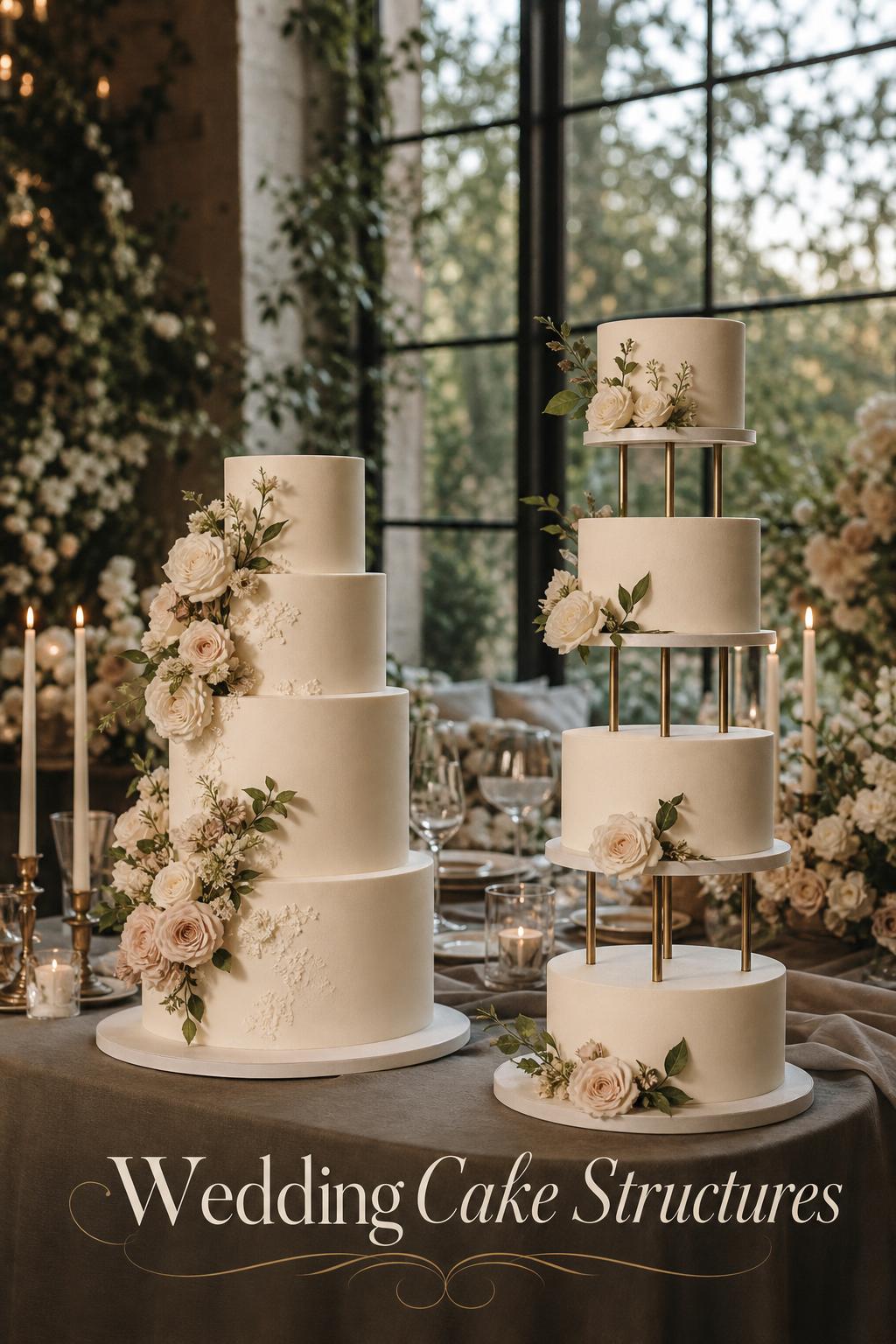
The most helpful comparison often happens not in a bakery consultation, but in the imagination of the day itself. Picture the cake against candlelight, near windows, in a warm tent, on a ballroom table, or at a quiet backyard reception. Wedding cake structures do not exist in isolation. They are part of movement, light, photography, and timing.
In intimate weddings
For smaller guest lists, stacked cakes often feel more emotionally proportionate. They can still be elegant and tall, but they rarely overwhelm the table. Their unified form suits intimate restaurants, private homes, and smaller venues where every detail is seen at close range. A separated-tier structure can still work beautifully in an intimate setting, but it usually becomes a stronger focal point and may feel more formal than the rest of the celebration.
In grand receptions
Large receptions often give separated tiers more room to shine. The spacing between levels can echo tall floral arrangements, sweeping ceilings, and larger décor moments. A stacked cake can also work in a grand venue, especially if the design emphasizes height or sculptural detail, but separated structures naturally claim visual territory in spacious rooms.
In outdoor celebrations
Outdoor weddings introduce practical variables that make structure especially important. A cake displayed in a garden, under a tent, or during warmer weather benefits from careful planning around stability and setup timing. In these settings, many couples lean toward a structure that feels visually appropriate without adding unnecessary complication. A romantic outdoor wedding often benefits from choices that balance beauty with calm, reliable execution.
Visual style breakdown: how stacked and separated tiers read in everyday wedding language
Bridal style is often described through gowns, flowers, and tablescapes, but the cake deserves the same kind of language. Thinking of wedding cake structures in visual styling terms makes the choice easier. One is more like a streamlined silhouette; the other is more like layered statement dressing.
Layering approach
Stacked cakes layer vertically without visible interruption. They feel edited and composed. Separated-tier cakes layer with pauses, which creates a sense of air and ceremony. If your wedding style leans toward continuity and softness, stacked tiers often align naturally. If you love dimension, spacing, and dramatic presentation, separated tiers may feel more satisfying.
Proportion and balance
Stacked structures tend to look denser and more concentrated, especially at the center. Separated structures distribute their volume over a taller visual area. This affects the way the cake balances with nearby décor. In a room with low ceilings or a more intimate layout, a tightly composed stacked cake can feel harmonious. In a venue with height and openness, separated tiers can keep the cake from looking visually compressed.
The role of accessories and surrounding décor
The cake stand, table linen, florals, and nearby candles all interact with the structure. A stacked cake often benefits from a beautiful base because the eye lands at the bottom before moving upward. A separated-tier cake relies more heavily on the entire display, since spacing exposes more of the setup. That means surrounding décor becomes even more important to the final look.
Overall composition in photos
Photographically, stacked cakes often appear cleaner and more sculptural in close shots. Separated-tier cakes often create stronger long-view images because their height and spacing register more dramatically from across the room. Couples who care deeply about the cake-cutting photos should think not only about decoration, but about how the structure will read in both tight detail shots and wider reception scenes.
Example comparisons for different wedding moods
Sometimes the clearest way to compare wedding cake structures is to imagine the same wedding scenario interpreted through two different design choices.
Example comparison: a romantic garden reception
A stacked cake in a garden setting usually feels soft, cohesive, and naturally romantic. Floral details can flow down the tiers in a way that mirrors climbing blooms and loose arrangements nearby. The cake becomes part of the atmosphere rather than a separate display piece.
A separated-tier cake in the same setting feels more formal and more staged. The open spaces between levels may frame flowers beautifully, but the overall presentation introduces more grandeur. This can be wonderful for a garden wedding with a luxury tone, though less fitting for a relaxed, intimate floral celebration.
Example comparison: a black-tie ballroom evening
In a ballroom, a stacked cake can look sleek and striking, especially if the design is tall and clean. It feels refined and editorial, with a strong central silhouette that suits polished décor. This is often the right choice when the wedding style is formal but restrained.
A separated-tier structure in the same ballroom often feels more traditionally grand. The visual lift between layers echoes chandeliers, tall arrangements, and ceremonial scale. If the couple wants the cake to read as a major decorative moment, separated tiers often deliver more drama in this setting.
Example comparison: a modern minimalist celebration
For a minimalist wedding, stacked tiers usually feel more natural because they support simplicity. Clean lines, restrained decoration, and a unified shape create the kind of quiet confidence modern styling depends on. The structure itself already feels edited.
A separated-tier cake can still work in a minimalist setting, but the supports and spacing become major visual elements. That means every line must feel intentional. If the couple loves an architectural look, this can be stunning. If they want softness and subtlety, the openness may feel too assertive.
When each structure tends to work best
There is no single best choice among wedding cake structures. The right answer depends on your guest experience, venue scale, visual priorities, and appetite for complexity. A beautiful cake should support the day, not add avoidable stress.
- Choose a stacked structure when you want a cohesive silhouette, flexible formality, and a design that feels unified in both small and large settings.
- Choose a separated-tier structure when you want more display impact, stronger vertical drama, and a cake that plays a visible role in the room’s architecture.
- Lean toward simpler structural planning when your setup window is tight or your reception includes many moving parts already.
- Consider more elaborate spacing and support when the cake is meant to be a statement focal point and the venue can visually support it.
The planning trade-offs couples should know before deciding
One of the most valuable parts of comparing wedding cake structures is recognizing that every style has trade-offs. A cake can be beautiful and still not be the best fit for your day. Thoughtful planning means understanding what each option gives you and what it asks of you.
Why a stacked cake is not always the simpler aesthetic choice
Although stacked cakes are often easier to read visually, they are not automatically the easiest style decision. Because the tiers are connected, every design element must feel coherent across the full height of the cake. If a couple wants multiple distinct decorative ideas, the stacked form may reveal inconsistency more quickly than a separated layout would.
Why a separated-tier cake is not only about grandeur
Separated tiers are often associated with formal weddings, but that is only part of the picture. They can also help prevent a cake from feeling too visually heavy, especially when the event design already includes a lot of floral texture or layered décor. In some weddings, spacing adds freshness and elegance rather than extravagance.
Guest count and display size are not the same thing
Couples sometimes assume a larger-looking cake must serve more guests, but visual scale and serving strategy are not always identical. What matters here is planning the structure around both appearance and service. If you love the look of a certain silhouette, discuss how the cake will be presented and served so the design supports the celebration without forcing a compromise later in the evening.
Tips for matching the cake structure to your wedding vision
Choosing among wedding cake structures becomes easier when you think of the cake as part of the emotional atmosphere, not just the dessert table. The best structure should feel at home in your wedding story.
- Match the cake’s visual weight to the room. Intimate spaces often benefit from a more consolidated silhouette, while expansive venues can handle more open vertical designs.
- Think about the cake table as part of the structure. A separated cake depends more heavily on the full display surrounding it.
- Consider how your flowers will interact with the tiers. Continuous floral movement often suits stacked cakes, while framed placements can shine on separated tiers.
- Remember the timing of the day. A structure that looks effortless on paper should also feel manageable during setup, photographs, and service.
- Ask yourself whether you want the cake to blend into the wedding’s softness or stand out as a major décor statement.
A bridal stylist’s perspective on common cake structure mistakes
In wedding styling, the most common mistakes are rarely about taste. They usually happen when a beautiful choice is placed in the wrong context. That is especially true with wedding cake structures.
Choosing height without considering intimacy
A very tall or visibly separated cake can be stunning, but in a small room it may pull attention away from the atmosphere you worked so carefully to build. Height should enhance the setting, not dominate it. When the celebration is intimate, elegance often comes from proportion rather than scale.
Overdecorating a structure that is already visually strong
Separated tiers already create drama through spacing. If the decoration is equally intense on every level, the cake can start to feel crowded despite the open design. In contrast, stacked cakes often welcome continuous detail, but even there, too many competing elements can blur the silhouette. The strongest designs usually know where to be quiet.
Ignoring the cake-cutting moment
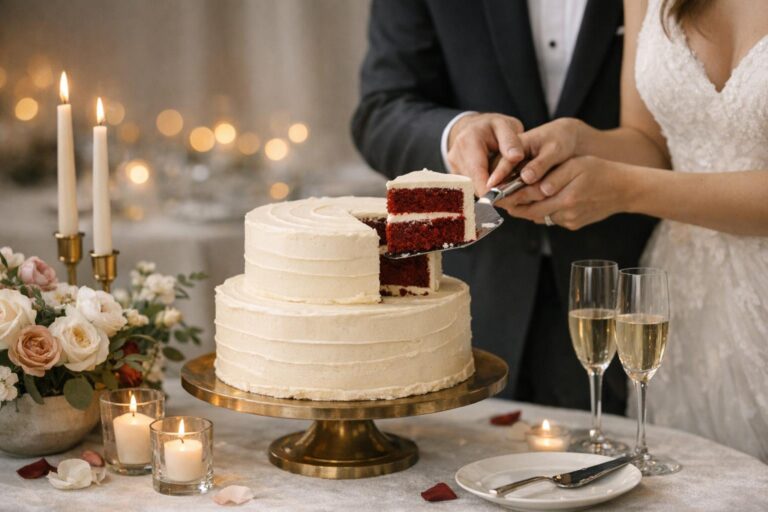
Some couples choose a structure for display alone and only later think about the cake-cutting experience. Yet that moment is part of the memory. A cake should not only look beautiful from across the room; it should also feel natural within the rhythm of the reception. Structure affects where you stand, what the photos capture, and how comfortably that moment unfolds.
How to blend influences if you love more than one look
Many couples are drawn to more than one style, and that is completely natural. Wedding design is rarely about fitting perfectly into one category. The most memorable celebrations often borrow from different aesthetics while staying emotionally consistent.
You might love the seamless romance of stacked wedding cake structures but also admire the airy elegance of separated tiers. In that case, the answer may be a design that keeps a cohesive silhouette while introducing subtle lift or display emphasis elsewhere on the table. The goal is not to force a compromise, but to choose the structure that carries your wedding’s feeling most clearly.
If your celebration blends modern and classic details, a stacked cake with refined height can bridge both worlds beautifully. If your wedding is formal yet floral, a separated-tier design with carefully controlled decoration can create grandeur without losing softness. The key is to let one idea lead and let the others support it.
The core distinction to remember
At heart, the comparison between wedding cake structures comes down to continuity versus display. Stacked cakes create one unified form. Separated-tier cakes create a composed arrangement of forms. Everything else, from romance to modernity to formality, grows from that difference.
If you want a cake that feels cohesive, sculptural, and adaptable across many wedding styles, stacked tiers are often the clearest choice. If you want your cake to feel elevated, architectural, and visually expansive within the room, separated tiers may be the stronger fit. Either can be beautiful, but each tells a slightly different story the moment guests see it.
The most meaningful cake is the one that feels naturally woven into your day. When structure, setting, and style are in harmony, the cake becomes more than a dessert. It becomes part of the memory of how the whole celebration looked and felt.
FAQ
What are wedding cake structures?
Wedding cake structures are the overall ways a cake is built and supported, including how tiers are arranged and whether they are stacked directly or separated by visible supports. The structure affects both appearance and practicality, shaping how the cake looks on display and how it functions during setup and service.
What is the difference between a stacked cake and a separated-tier cake?
A stacked cake places each tier directly on the one below it to create a single continuous silhouette, while a separated-tier cake uses visible spacing between levels. Stacked designs usually feel more unified and streamlined, while separated tiers often feel more dramatic, airy, and formal.
Which wedding cake structure looks more formal?
Separated-tier cakes often read as more formal because their spacing and visible support create a stronger display effect. That said, a stacked cake can still look very formal depending on its height, finish, and surrounding décor, so the final impression depends on the full design and venue context.
Are stacked wedding cakes better for small weddings?
They often work especially well for small weddings because their cohesive shape feels proportionate in intimate spaces and does not require as much display area to make an impact. They can still be elegant and striking, but they usually feel more naturally scaled for smaller receptions.
Do separated tiers make a cake look bigger?
Yes, separated tiers usually make a cake appear taller and more expansive because the spaces between levels increase its visual reach. This can be useful in large venues where a more compact cake might look smaller than intended within the room.
How do I choose the right cake structure for my venue?
Start by thinking about scale, ceiling height, table setup, and how prominent you want the cake to be. Stacked structures often suit intimate or balanced settings, while separated tiers can shine in larger spaces where a more dramatic presentation feels at home.
Can a simple cake still have an impressive structure?
Absolutely. Simplicity in decoration does not mean the structure will feel plain. A tall stacked cake can look sculptural and elegant, and a separated-tier cake can feel striking even with restrained detail because the form itself contributes so much to the final impression.
Should the cake structure match the wedding style?
Yes, because the cake is part of the overall wedding design. A structure that matches the mood of the venue, flowers, and reception styling will feel more intentional and cohesive, whether your celebration is romantic, modern, formal, or intimate.