Why Wedding Cake With Bow Styles Feel So Bridal Now
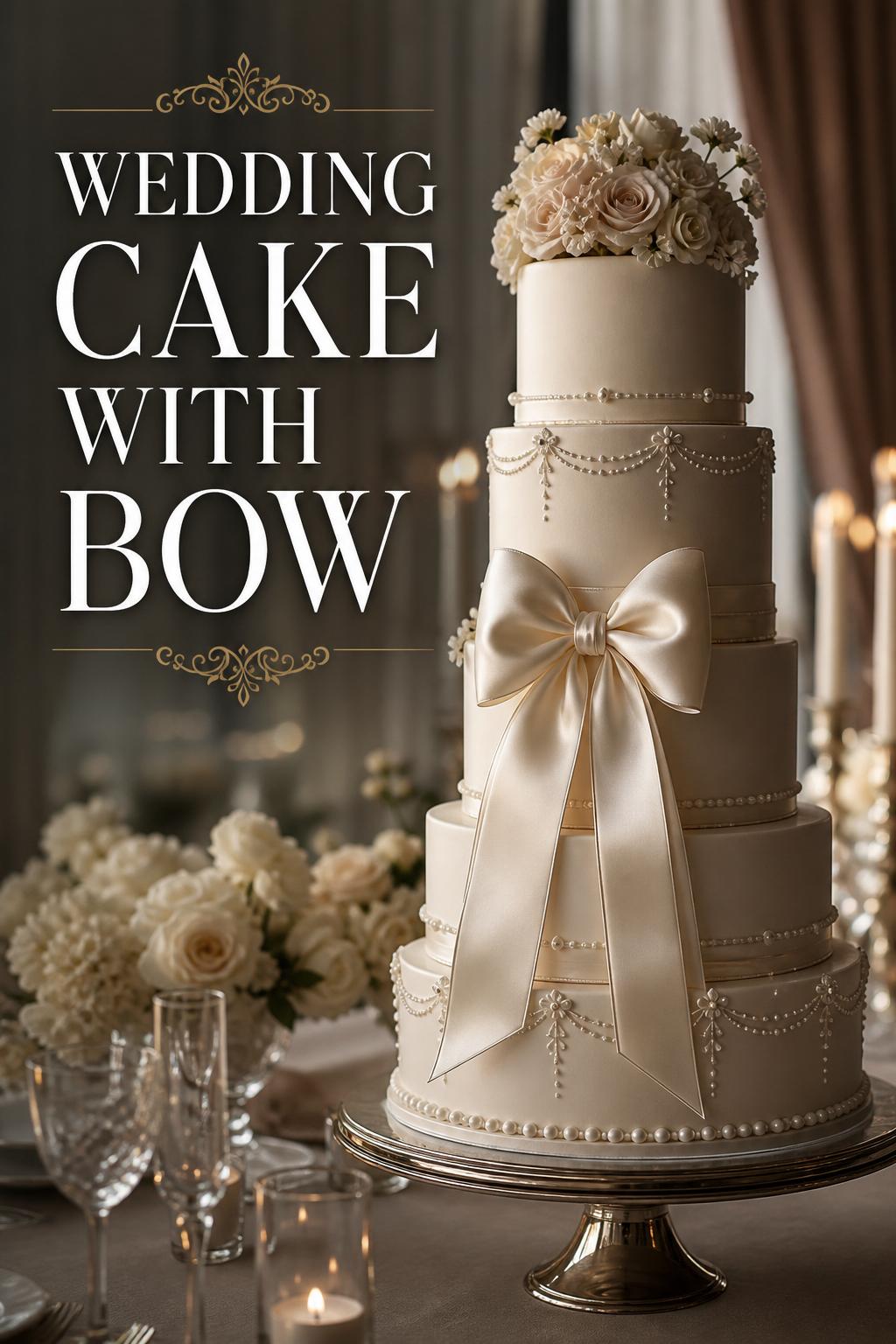
There is something unmistakably romantic about a wedding cake with bow details. A bow can feel polished and classic, soft and feminine, or striking and fashion-forward depending on the material, color, and placement. On a wedding day filled with meaningful choices, this single design motif has a rare ability to make a cake feel both decorative and deeply intentional. Whether you imagine an ivory tiered cake with a fondant bow, a minimalist white bow cake, or a dramatic black accented design with vintage piping, bow styling creates a focal point that feels celebratory without losing elegance.
For couples planning a cake that photographs beautifully and fits naturally into the wider bridal aesthetic, bows offer more than a pretty finish. They connect the cake to fashion, accessories, color palette, and overall mood. A satin-inspired bow can echo a gown detail or veil, pearl embellishments can soften a romantic tablescape, and a bow topper can turn a simple tiered cake into a memorable centerpiece. The beauty of this style is its range: it suits modern weddings, black-tie receptions, pastel bridal celebrations, and minimalist ceremonies alike.
Why bow details feel so special on a wedding cake
A bow is familiar, but on a wedding cake it becomes symbolic. It suggests wrapping, gifting, and finishing touches, which is why it feels so appropriate for a milestone event. On a practical level, it also gives structure to the design. A smooth fondant cake can become more dimensional with one carefully placed ribbon bow, while a multi-tier cake can feel unified when bow motifs repeat from top to bottom.
Many of the most visible bow cakes lean into a few recurring ideas: clean white or ivory palettes, fondant surfaces, tiered silhouettes, and a focal bow placed either as a topper or at the side of one tier. From the Bow Fondant Wedding Cake at JCC Sugar to the Diamond White Fondant Cake with Fondant Bow at Circo’s Pastry Shop, the appeal is often in the contrast between simplicity and statement. The cake remains refined, while the bow delivers personality.
Turn wedding inspiration into a plan you can actually follow.
Zarellea brings your guest list, budget, vendors, and day-of details into one shared space — so no beautiful idea gets lost in the shuffle.
That is also why a bow works across different wedding aesthetics. It can read romantic with soft pink pearls, tailored with crisp geometric shaping, luxurious with crystal-inspired styling, or playful when used on a heart-shaped cake. In other words, the motif is consistent, but the emotional tone changes with the execution.
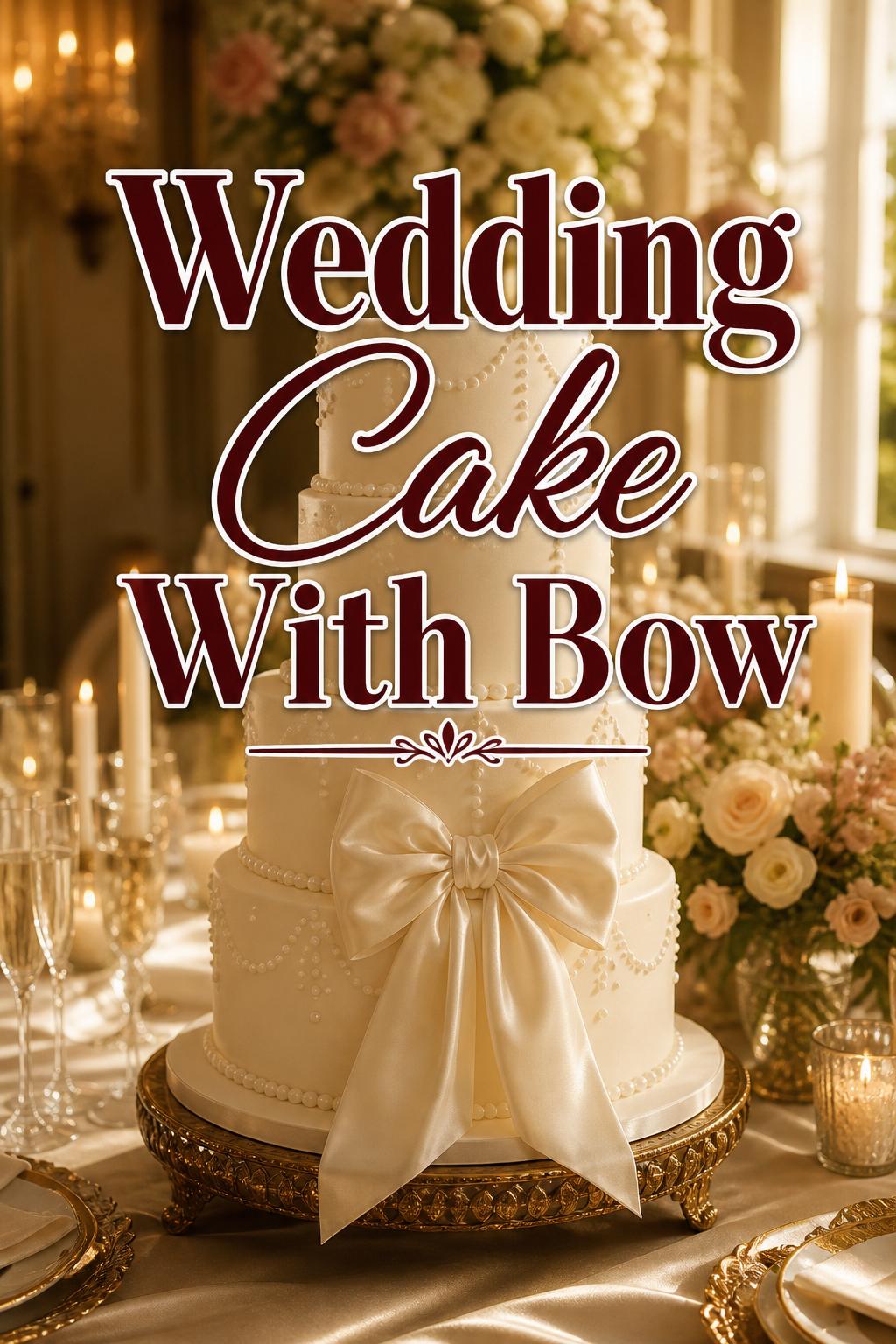
The bow styles couples are choosing for wedding cakes
Not every bow cake tells the same story. Some feel understated and architectural, while others look soft enough to belong on bridal fashion itself. Choosing the right bow style starts with understanding how each version affects the mood of the cake.
Minimalist bow designs
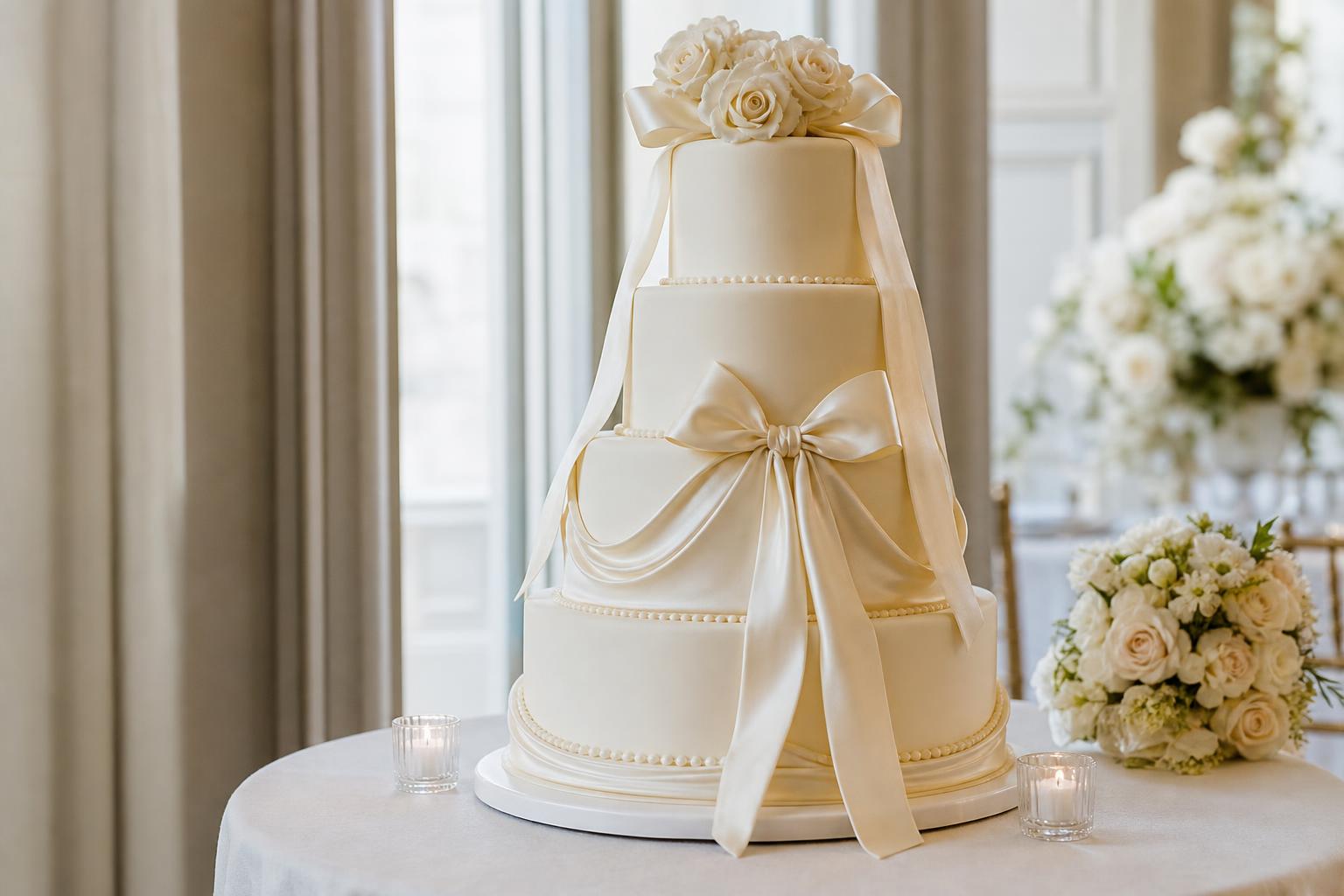
A minimalist bow is ideal for couples who want a wedding cake to feel modern, clean, and quietly luxurious. This style often appears on smooth white or diamond white fondant cakes, sometimes on a 4-tier structure and sometimes on a smaller two-tier cake. The bow is not overloaded with texture. Instead, it acts as a sculptural element.
The Crystal Bow style from Truly Scrumptious Cake Boutique reflects this approach well, with the edible topper acting as the main feature rather than one of many decorative layers. For a modern ballroom reception or a city wedding in places such as NYC, LA, Chicago, or Dallas, this restrained look can feel especially fitting because it reads sophisticated in photographs and never competes with the rest of the décor.
Satin-inspired and ribbon bow cakes
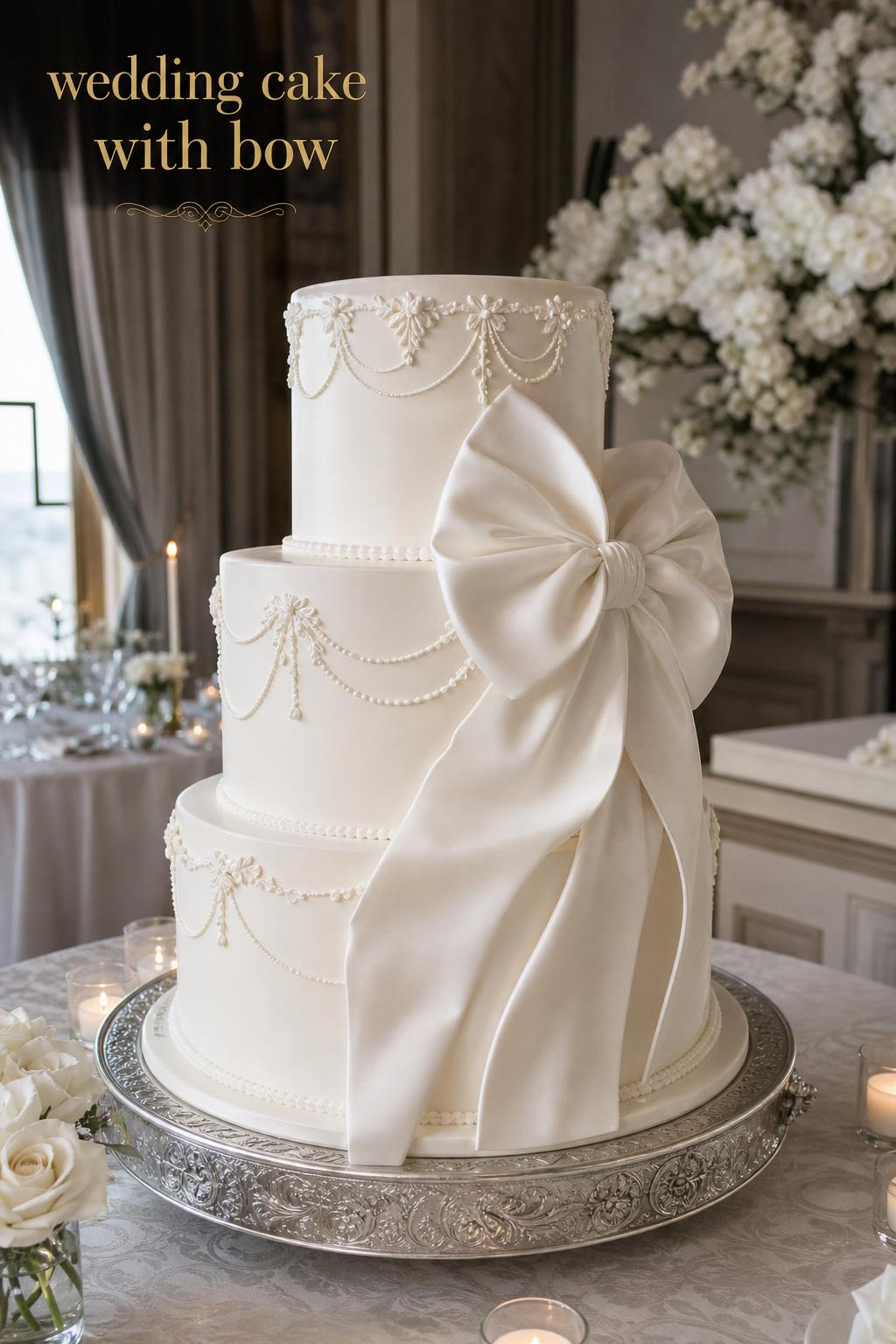
Satin-inspired bows create a softer, more bridal effect. Even when made from edible materials, they reference the drape and sheen of real ribbon. This is the kind of bow that works beautifully for a romantic ceremony, a blush-toned reception, or a wedding with visible fashion crossover where the cake is meant to echo gown details, veil styling, or bridesmaid textures.
The Black Bow design from Elegant Temptations Bakery shows how powerful a satin bow effect can be when paired with vintage piping and a heart-shaped cake. It feels a little more expressive than minimalist white-on-white styling, which makes it a strong choice for couples who want the cake to carry personality rather than simply blend into the reception.
Fondant bow cakes
A fondant bow cake remains one of the most recognizable expressions of this trend. Fondant gives a clean finish and allows the bow to look crisp, defined, and deliberate. It also supports the kind of polished wedding cake design seen across many bakery product pages, including white bow cake and ivory cake styles.
Fondant bows are especially useful when couples want a tailored look in white, ivory, or champagne. They suit cakes where the bow needs to look substantial without becoming overly delicate. If your reception aesthetic leans formal, classic, or black-tie, fondant usually supports that vision better than a looser, softer material.
3D sugar bows and statement toppers
A 3D sugar bow or bow topper turns the motif into a centerpiece. Rather than sitting flat against the cake, the bow rises above the design or projects outward as a strong decorative statement. This can be beautiful on a wedding cake with bow topper styling, especially when the rest of the cake remains simple.
The two-tier look featured by Rose Vanilla with soft pink pearls and a bow topper captures this balance well. The topper carries the visual drama, while pearl detailing and a pastel palette keep the cake bridal and refined. This is often the better route if you love the bow motif but do not want it repeated on every tier.
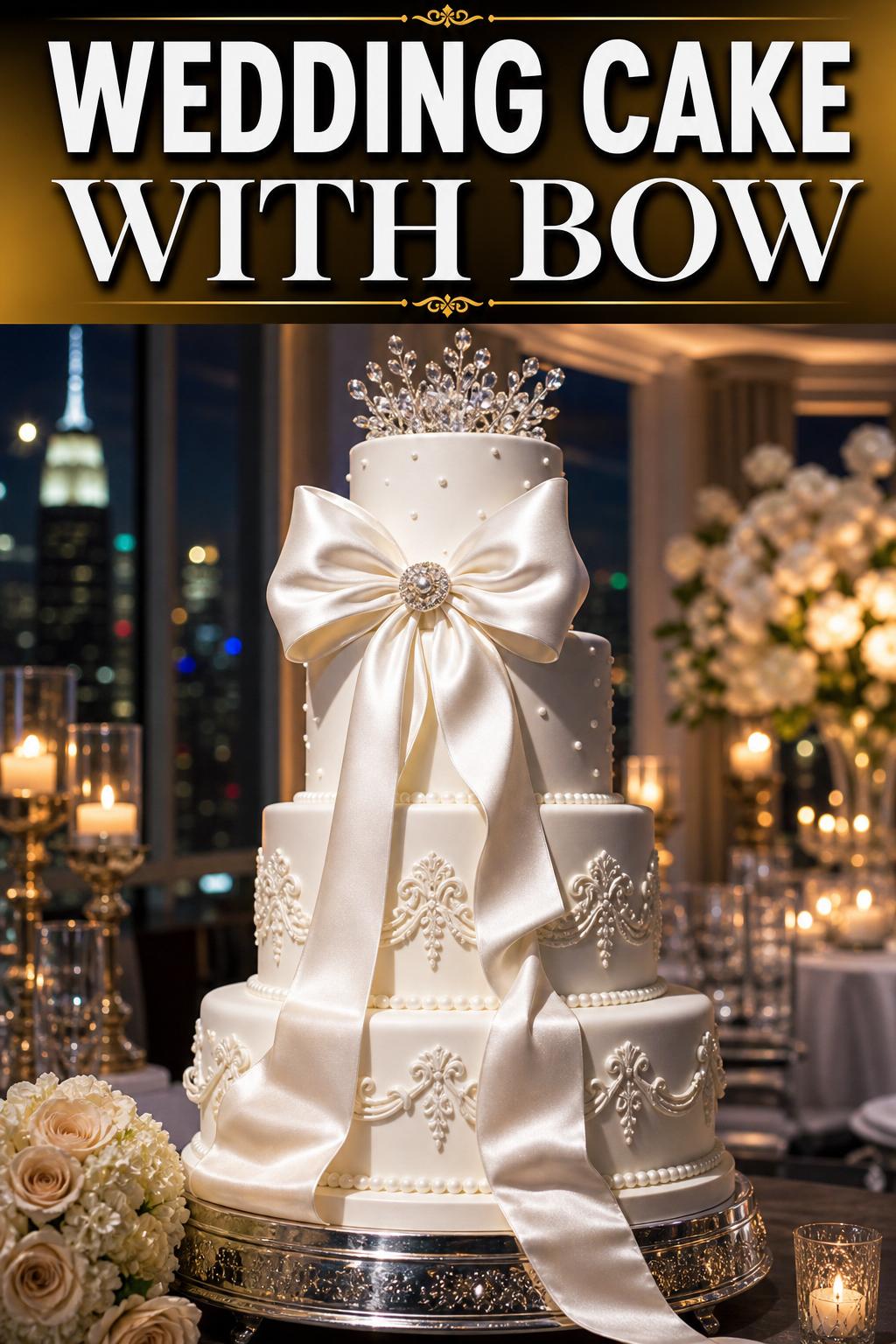
Choosing between a bow topper and bow embellishments
One of the most important design decisions is whether the bow should crown the cake or decorate the sides. Both options can be beautiful, but they create very different impressions.
- A bow topper acts like a finishing flourish. It draws the eye upward and makes the cake feel styled from a distance.
- Surface embellishments feel integrated into the cake design. They can wrap around a tier, sit at a seam, or punctuate the front of the cake.
- A single side bow is often the most versatile option for couples who want impact without too much height.
- Multiple smaller bows can create a fashion-inspired motif, but they need restraint to avoid looking busy.
If the reception room is large or the cake table sits away from guests, a topper may help the design read more clearly in the space. If the cake will be photographed close-up, side embellishments often reveal more detail and craftsmanship. Couples choosing between the two should think beyond inspiration images and consider how the cake will actually be seen on the day.
There is also the edible versus non-edible question. An edible topper keeps the cake fully integrated as a sugar craft piece, while non-edible toppers available through marketplaces such as Etsy can expand the range of textures and custom options. For some couples, the convenience of sourcing a separate bow cake topper is part of the appeal. For others, a fully edible design feels more cohesive and luxurious.
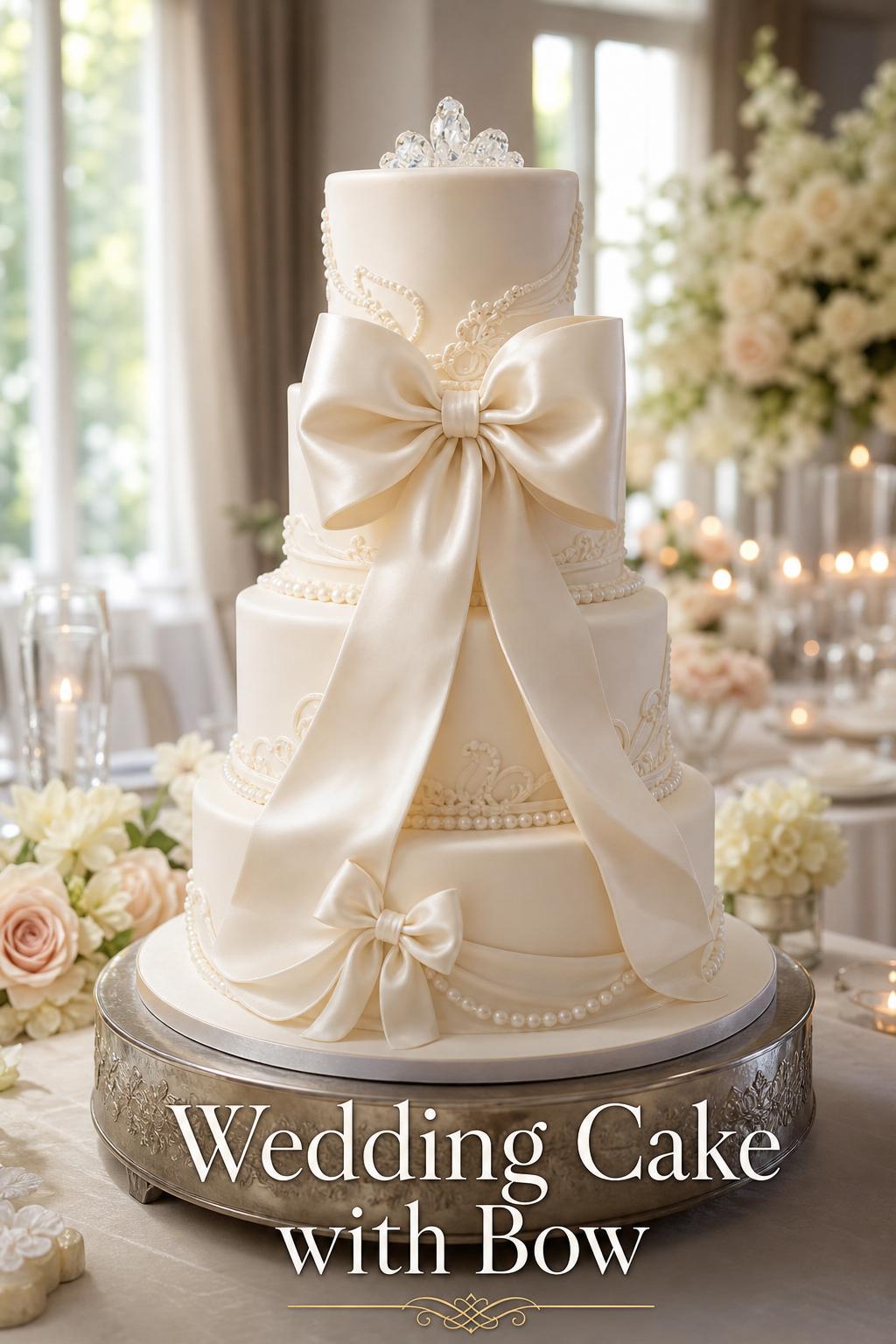
Materials that shape the final look
The same bow can feel structured, airy, glossy, or fabric-like depending on what it is made from. This is where practical decision-making matters, because the material affects not only the appearance of the cake but also how the bow holds up during styling, transport, and display.
Fondant
Fondant is the most familiar choice for a wedding cake with bow details. It creates a neat, smooth appearance and supports classic white, ivory, and minimalist aesthetics well. Fondant bows usually look clean and substantial, which makes them a reliable option for formal wedding cake design.
The trade-off is visual softness. Fondant tends to read more polished than airy, so if you want a bow that mimics loose ribbon movement, you may want to consider another sugar craft approach or combine fondant with other styling details such as pearls or softer color.
Gumpaste
Gumpaste is useful when the bow needs more definition or a finer edge. It supports sculptural shaping, which can be helpful for couples who want a puffy bow, a bow topper, or a more fashion-led silhouette. In a clean bridal palette, gumpaste can look refined and precise.
Its strength is form. That makes it practical for decorative bows that need to hold shape over a long display window. If a baker is creating a more architectural 3D bow, gumpaste often makes sense because it delivers crispness without adding visual heaviness.
Isomalt
Isomalt bows bring a different kind of presence. They can feel more contemporary and are part of the underused technical side of bow cake design. For couples attracted to modern styling or a cleaner, more artful finish, an isomalt bow can introduce a fresh texture that stands apart from standard fondant work.
This is not always the first choice for a soft romantic wedding, but it can be compelling in a fashion-forward setting or a minimalist reception where every detail is intentional. Because it is a more specialized look, it often works best when the rest of the cake remains streamlined.
Wafer paper
Wafer paper bows can create a lighter, more delicate effect. If fondant is polished and gumpaste is sculptural, wafer paper tends to feel airy. It can soften a bow motif and make it feel less formal, especially when paired with pastel tones or pearl embellishments.
For intimate weddings, bridal showers, or designs influenced by soft pink and bridal editorial styling, wafer paper can be a lovely option. It is especially effective when couples want the cake to feel romantic rather than rigid.
Color stories that make a bow cake memorable
The palette changes everything. A bow may be the defining motif, but color is what tells guests whether the cake belongs in a grand black-tie ballroom, a soft daytime reception, or a chic modern celebration. The most successful designs treat the bow not as an isolated decoration but as part of the whole wedding story.
White and ivory for classic elegance
White and ivory remain the natural home of the bow wedding cake. A white bow cake feels timeless and bridal, while an ivory cake can add warmth and softness. This palette suits couples who want the cake to complement florals, linens, and attire without creating visual tension.
The White Bow Cake at Kool Cakes Bakery captures how effective this can be. There is no need for excessive contrast when the shape, texture, and proportion are doing the work. In a classic ceremony setting, white-on-white or ivory-on-ivory looks calm, elevated, and endlessly photographable.
Blush pink with pearls for soft romance
For a more delicate bridal mood, blush and pastel pink pair beautifully with pearl details and a bow topper. This combination feels gentle and celebratory, especially for couples who want the cake to reflect a softer emotional atmosphere. It suits romantic receptions and intimate celebrations where detail matters up close.
Pearls are especially effective here because they add dimension without disrupting the softness of the palette. A two-tier bow cake with pink undertones and pearl embellishments can feel editorial but still approachable, which is why it resonates so strongly in bridal inspiration imagery.
Black accents for drama and contrast
Black accented bows bring instant contrast and a more directional fashion mood. They work well in black-tie weddings, evening receptions, and designs that use vintage piping or heart-shaped silhouettes. Rather than trying to make the cake disappear into the décor, this palette lets it become a statement piece.
This option is best for couples who enjoy strong visual identity. A black bow can be glamorous and elegant, but it does require balance. If too many other cake details compete with it, the result can feel crowded. When the piping, shape, and palette are controlled, though, the effect is memorable.
Matching bow cake styles to wedding themes
A bow motif becomes far more powerful when it reflects the atmosphere of the day. Instead of choosing a design because it looks pretty in isolation, it helps to ask what emotional tone you want your cake to carry.
- For a classic wedding, choose white or ivory fondant with a single elegant bow and minimal extra detailing.
- For a modern minimalist wedding, focus on a sculptural edible topper on a smooth multi-tier cake.
- For a romantic bridal aesthetic, look for blush tones, pearl embellishments, and softer bow shaping.
- For a vintage-inspired reception, combine a satin-inspired bow with vintage piping and a more expressive silhouette.
- For a glam black-tie celebration, introduce black accents or crystal bow styling as the dramatic focal point.
This kind of alignment matters because the cake rarely stands alone. It appears beside florals, tableware, stationery, attire, and lighting. A modern bow cake may feel perfect in a city reception with clean lines, while a pearl-detailed pastel design may be more at home in a softer bridal setting. The goal is not simply to choose a bow, but to choose the version of the bow that supports the day you are creating.
Designer and bakery inspiration worth noticing
The world of bow-styled cakes is shaped heavily by bakeries and boutiques that present the motif in different ways. Looking at these designs side by side can help couples refine their taste before speaking with a baker.
JCC Sugar leans into a bow fondant wedding cake approach that highlights customization, especially around flavors and colors. This is useful for couples who want visual inspiration but also need flexibility. Elegant Temptations Bakery introduces a more expressive angle with the Black Bow cake, combining satin bow styling, vintage piping, and a heart-shaped form. Kool Cakes Bakery demonstrates how effective a white bow cake can be when elegance comes from palette and simplicity rather than ornament.
Circo’s Pastry Shop and Truly Scrumptious Cake Boutique both reinforce the minimalist side of the trend through fondant surfaces and strong focal bows, while Rose Vanilla offers a softer journal-style interpretation with pearls, pastel tones, and a bow topper. CakeCentral and FabMood broaden the conversation by presenting bow cakes as part of a wider inspiration landscape, connecting bow motifs to wedding aesthetics and fashion crossover. Even Etsy and CakeRia matter in this space because they support couples who are sourcing bow toppers, decorative bows, and custom components separately from the cake itself.
What these examples reveal is that “bow cake” is not one narrow look. It is a design language that can move from boutique bakery elegance to marketplace sourcing, from bridal softness to statement contrast. That range is precisely why it continues to resonate.
Regional mood: how a bow cake can shift by city and setting
Even within the U.S., the same motif can feel different depending on where and how the wedding is styled. Regional references such as NYC, LA, Chicago, and Dallas matter less as fixed rules and more as mood cues. A bow cake for a city celebration may lean cleaner, taller, and more minimalist. A bow cake planned for a softer, more romantic setting may favor blush details, pearls, and a gentler silhouette.
For example, a couple planning a formal evening reception in a metropolitan venue may gravitate toward a 4-tier white fondant cake with a crystal bow or sharp edible topper. A couple hosting a more intimate celebration might choose a two-tier design with soft pink pearls and a bow topper that feels decorative without becoming severe. Thinking in terms of venue and setting helps narrow the options quickly.
This is also where practicality comes in. Larger city weddings often require a cake that makes visual sense from a distance. Smaller receptions can afford more delicate detail because guests are more likely to see the cake up close. The best design is not always the most elaborate one. It is the one that suits the scale and mood of the celebration.
Practical planning: budget, size, and transport
Bow cakes are visually elegant, but they also involve choices that affect planning. A simple bow embellishment on a smooth cake is very different from a large 3D edible topper, multiple tiers, or specialized sugar work. Couples often focus first on the look, but the most satisfying decisions happen when the visual idea and logistical reality are considered together.
How size changes the bow impact
On a small two-tier cake, the bow is often the hero detail. It needs to be proportioned carefully so the cake still feels refined. On a larger 4-tier cake, the bow may either anchor the whole structure or serve as one accent among several design elements. This is why reference images can be misleading if the scale is not similar to your own cake plan.
Budget considerations couples often overlook
Material and complexity influence cost. A basic fondant bow is usually a different level of work from an intricate edible topper, a highly sculpted gumpaste feature, or a design incorporating multiple decorative techniques. Couples should also remember that custom colors, tier count, and detailed finishing all affect the final quote.
The clearest approach is to brief your baker with three priorities: the overall shape, the bow style, and the palette. Once those are clear, it becomes easier to adjust secondary details without losing the essence of the design.
Transport and stability matter more than most couples expect
A bow may look effortless in a final cake photo, but larger toppers and tiered structures require thoughtful handling. Decorative bows need to stay intact through delivery, setup, and display. That is one reason why discussing attachment and placement with your baker early is important, especially for cakes with more sculptural toppers or delicate materials.
If your wedding cake with bow design includes a prominent topper, ask how it will be transported and whether it will be placed on-site. This is a small planning conversation, but it can prevent unnecessary stress on the wedding day.
Tips for briefing your baker without losing the magic of the idea
The most beautiful bow cakes usually begin with a clear visual direction. Bakers can adapt styles, materials, and scale much more effectively when couples describe the feeling they want as well as the design itself.
- Bring reference images that show the exact bow style you love, not just the general cake shape.
- Specify whether you want a bow topper, side embellishment, or repeated bow motif across tiers.
- Name your preferred palette clearly: white, ivory, blush, champagne, or black accented.
- Explain the wedding mood, such as minimalist, romantic, vintage, or black-tie.
- Ask which material best suits the look so the final result is beautiful and stable.
It also helps to communicate what you do not want. If you love bows but dislike overly sweet or overly ornate cakes, say so. If you want the bow to feel fashion-inspired rather than playful, mention that. These distinctions are subtle, but they are often what separate a good custom cake from one that genuinely feels personal.
Common mistakes that can make a bow cake feel less refined
Because bows are inherently decorative, it is easy to assume more detail will always create more impact. In practice, the opposite is often true. The strongest bow cakes are edited carefully.
One common mistake is choosing a dramatic bow and then adding too many competing elements. If the cake already includes vintage piping, pearls, bold color contrast, and a complex silhouette, the bow may lose its role as the focal point. Another issue is poor proportion. A bow that is too small can feel incidental, while one that is too large can overwhelm the tiers beneath it.
There is also the mismatch problem. A sharp, minimalist bow can look disconnected on a cake otherwise styled for soft romance, just as a delicate pastel bow may not feel strong enough for a black-tie evening reception. Refinement comes from consistency. The bow, the palette, the tier structure, and the decorative details should all speak the same visual language.
Where to find inspiration and sourcing options
Couples planning a bow cake often need both inspiration and practical sourcing. Boutique bakery pages offer focused design examples, while broader inspiration platforms help reveal the range of what is possible. A product page such as Bow Fondant Wedding Cake, White Bow Cake, or Crystal Bow can clarify exactly how a bakery interprets the motif. Inspiration-driven publishers such as CakeCentral and FabMood can help couples compare categories, themes, and visual moods.
For those sourcing separate components, Etsy provides access to bow topper and handmade custom topper options from individual sellers, while category-based shopping pages such as CakeRia’s wedding cake bows collection make it easier to browse decorative styles. This can be especially helpful if your baker is open to incorporating a supplied topper or if you are still deciding whether the bow should be edible or non-edible.
The key is to keep your sourcing streamlined. Too many disconnected references can make the final vision blurry. A better approach is to gather a small group of examples that all point toward the same aesthetic direction, then use those to build a cohesive cake brief.
Bringing the whole wedding vision together
A bow cake works best when it feels like part of the wedding rather than an isolated decoration. If the bridal aesthetic includes bow motifs in fashion, soft satin textures, pearl accents, or a clean black-tie palette, the cake can quietly reflect those details and make the celebration feel more intentional. This is where the design becomes more than trend-driven. It becomes personal.
For one couple, that may mean a smooth ivory cake with a single fondant bow placed perfectly at the front. For another, it may be a heart-shaped cake with a satin-inspired black bow and vintage piping, or a two-tier pastel cake crowned with a bow topper and delicate pearls. None of these ideas is universally right. The right one is the design that fits your ceremony, your reception, and the atmosphere you want guests to remember.
In the end, a bow is a finishing touch, but it is also a gesture. It suggests care, celebration, and something beautifully wrapped for an important moment. On a wedding day, that feeling is exactly why it works so well.
FAQ
What is the difference between a bow topper and a bow embellishment on a wedding cake?
A bow topper sits on top of the cake and acts as the main focal point, while a bow embellishment is attached to the side or integrated into the tiers. Toppers usually create a stronger silhouette from a distance, while side bows often feel more blended into the overall cake design.
Which material is best for a wedding cake with bow details?
The best material depends on the look you want. Fondant works well for a clean and polished finish, gumpaste supports more sculptural shaping, isomalt can feel modern and specialized, and wafer paper creates a lighter, softer effect. The right choice balances style with stability.
Are white and ivory still the most popular colors for bow wedding cakes?
Yes, white and ivory remain especially strong choices because they feel timeless, bridal, and easy to integrate into many wedding aesthetics. They also allow the shape and texture of the bow to stand out without relying on bold contrast.
Can a bow cake work for a modern minimalist wedding?
Absolutely. A minimalist bow cake can be one of the most elegant choices for a modern wedding, especially when the design features smooth fondant, a restrained palette, and a single sculptural bow or edible topper rather than multiple decorative elements.
How do I make sure the bow fits the rest of my wedding style?
Think about the mood of your day first. A soft pink bow with pearls suits a romantic setting, a crisp white fondant bow suits classic elegance, and a black accented bow works well for black-tie drama. Matching the bow style to your palette, décor, and bridal fashion details will make the cake feel more cohesive.
Is a fondant bow better than a satin-inspired bow look?
Neither is universally better; they simply create different effects. A fondant bow usually looks more tailored and formal, while a satin-inspired bow effect feels softer and more fashion-led. Your choice should depend on whether you want the cake to feel structured or romantic.
What should I ask my baker before ordering a bow wedding cake?
Ask about material options, bow placement, tier proportion, color matching, and how the bow will be attached or transported. If you want a prominent topper or delicate sugar work, it is especially important to discuss setup and delivery details early in the process.
Can I buy a separate bow cake topper instead of having one made by the baker?
Yes, many couples source custom toppers separately through marketplaces and specialty collections. This can be useful if you want a specific handmade look or a non-edible option, but it is wise to confirm with your baker that the topper size and style will work with the final cake design.
Do bow cakes only suit large formal weddings?
No, bow cakes can suit a wide range of celebrations. A large 4-tier cake with a crystal bow may feel perfect for a formal reception, but a smaller two-tier cake with soft pink pearls and a bow topper can be just as beautiful for an intimate wedding or bridal celebration.