Fresh vs. Edible: Wedding Cake with Flowers, Two Moods
Wedding cake with flowers: why two floral styles create completely different wedding moods
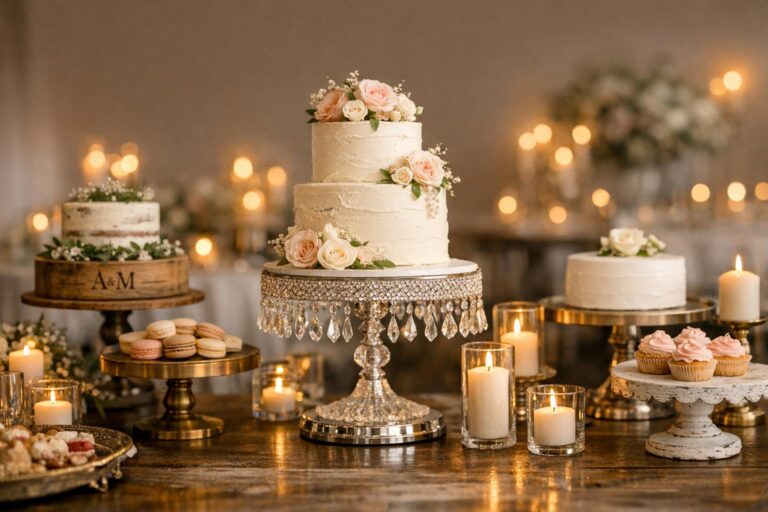
There’s a particular hush that falls over a reception room the moment the cake arrives—guests lean in, cameras rise, and for a few seconds the wedding cake becomes the center of the story. A wedding cake with flowers carries an extra layer of emotion because it feels alive: soft petals against smooth icing, color against ivory, fragrance floating close when you cut the first slice. But “floral cake” can mean two very different styling approaches, and choosing between them changes the entire mood of the design.
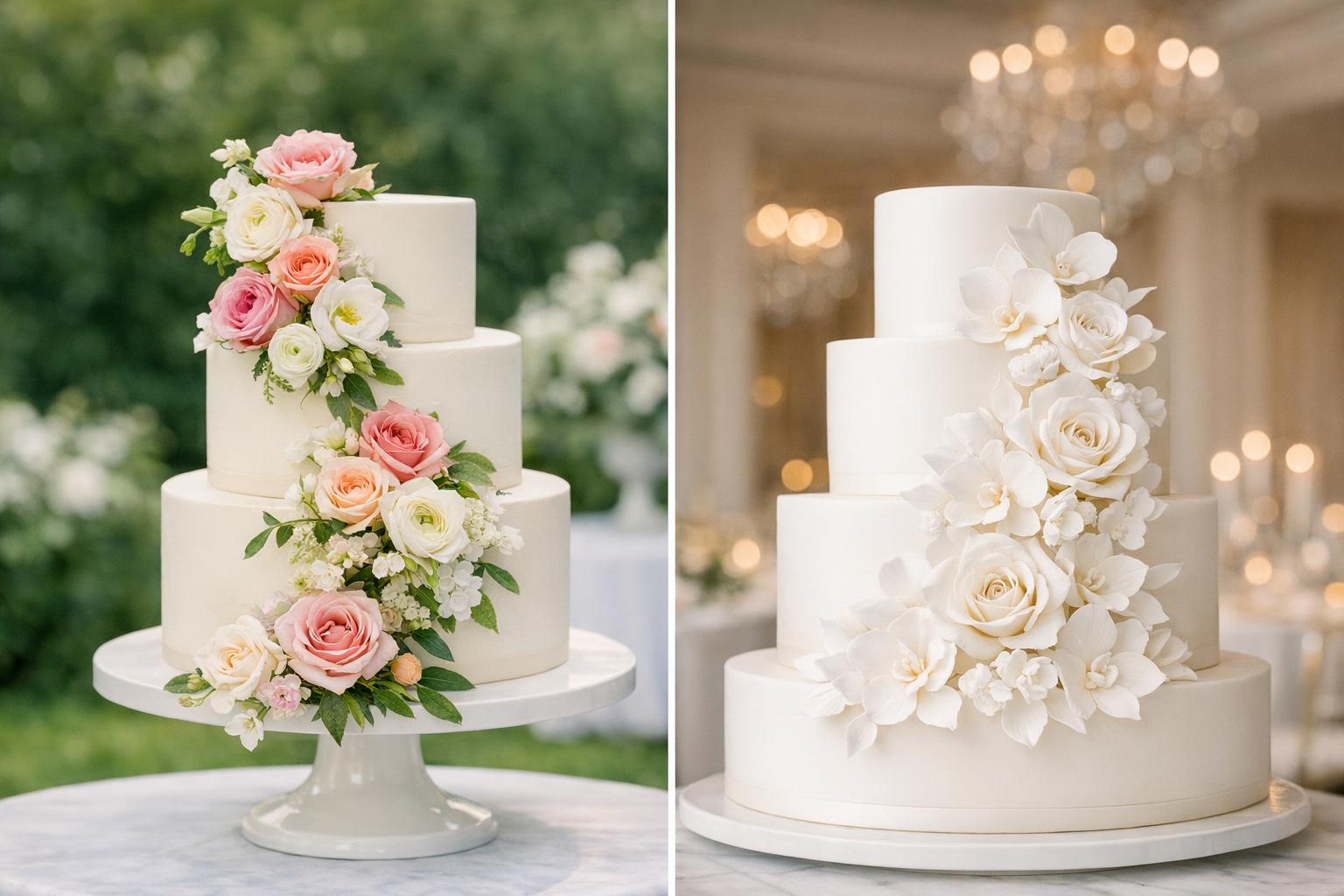
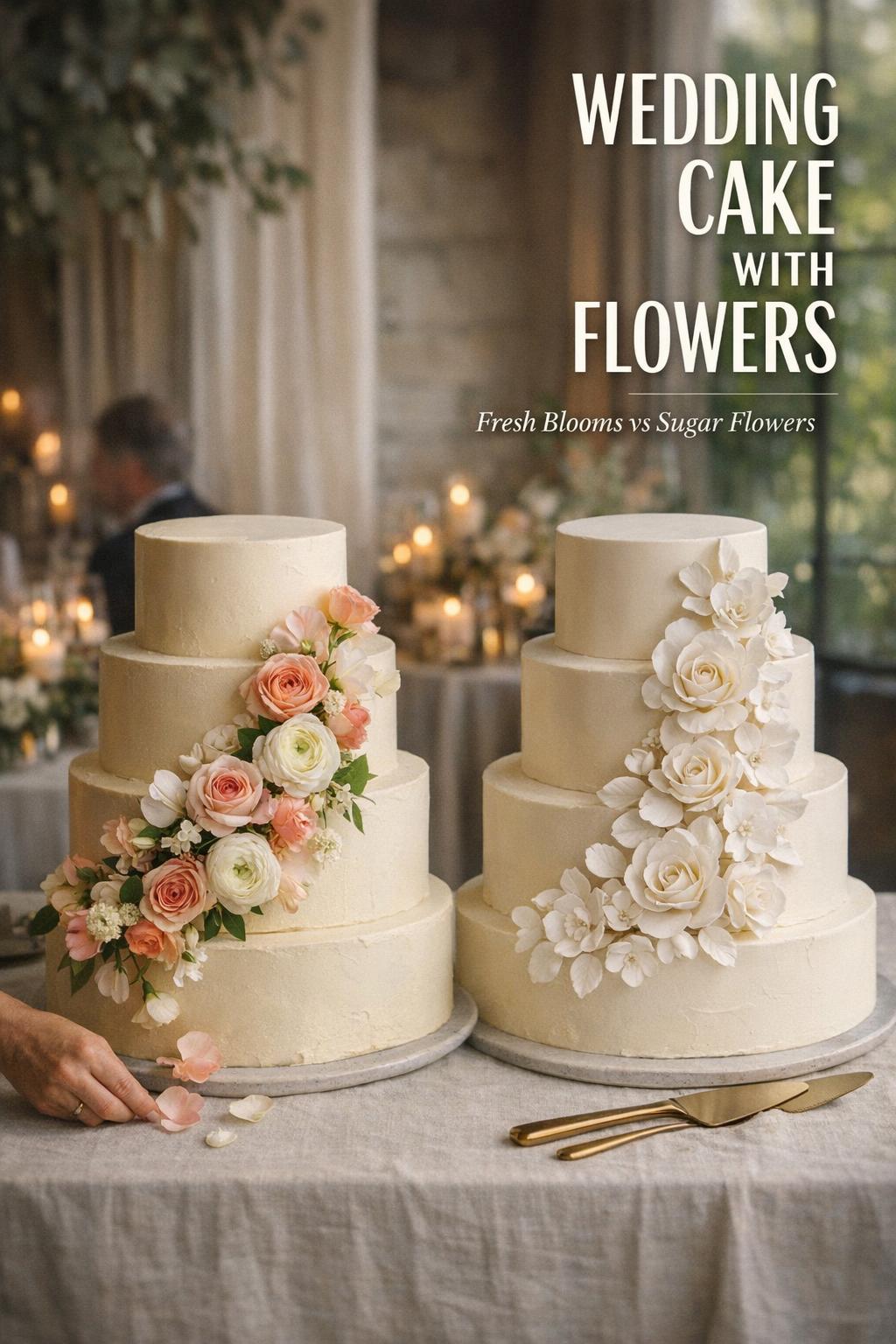
The most common point of confusion is this: some couples mean a wedding cake with real flowers (fresh blooms placed on or around the tiers), while others mean a wedding floral cake where flowers are crafted from edible materials and become part of the cake itself. Both can look breathtaking, both photograph beautifully, and both can work across wedding themes—from minimalist to garden to modern romance. Yet they differ in formality, practicality, and the kind of visual message they send.
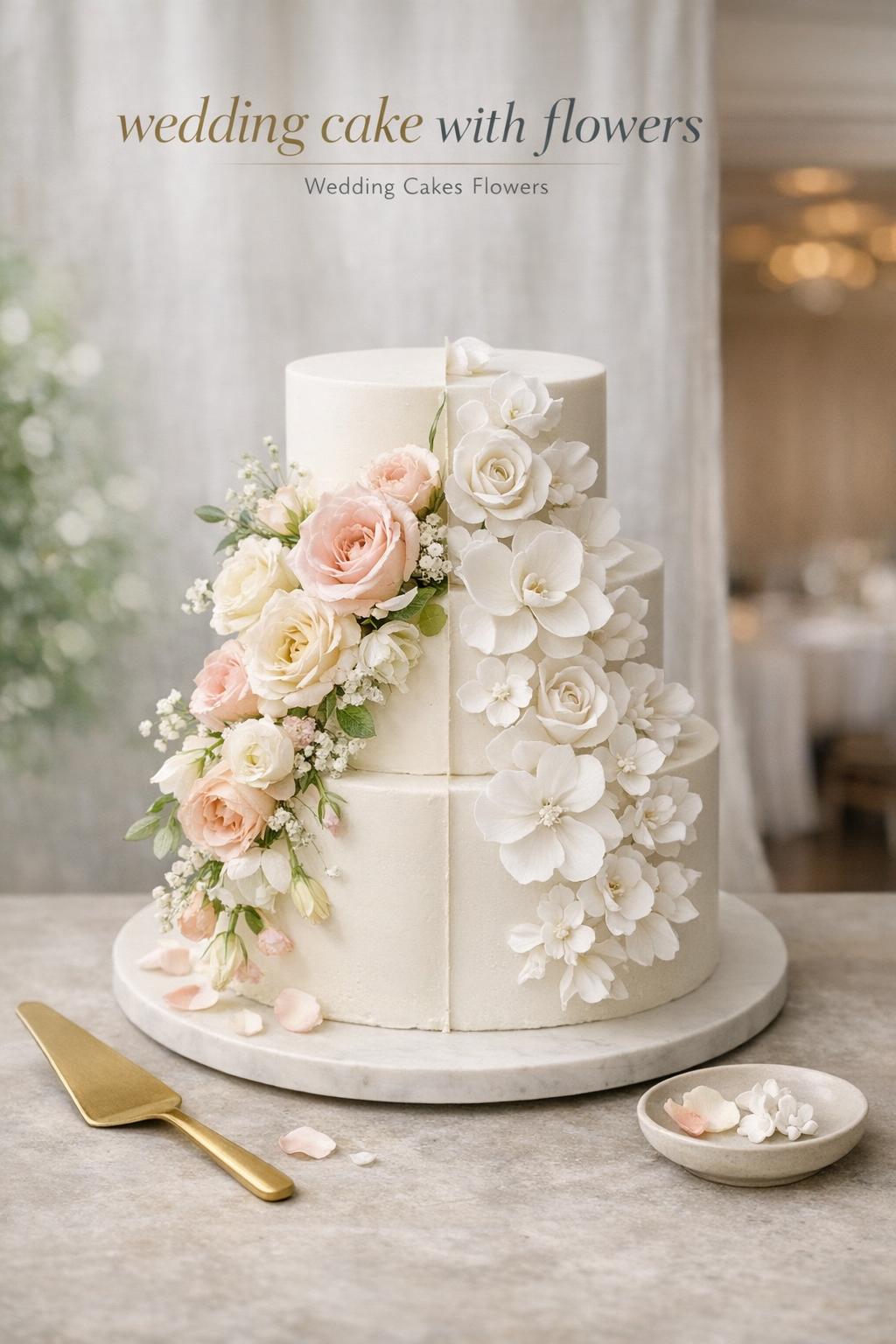
This comparison-style breakdown walks you through the defining characteristics of each approach, how they look in real wedding settings, what changes when you move from a plain wedding cake with flowers to a full floral statement, and how to choose based on venue, season, and the pace of a long wedding day. You’ll also find planning-focused tips to help you communicate clearly with your cake designer and florist so the final cake feels intentional—not improvised.
Style overview: wedding cake with real flowers (fresh floral placement)
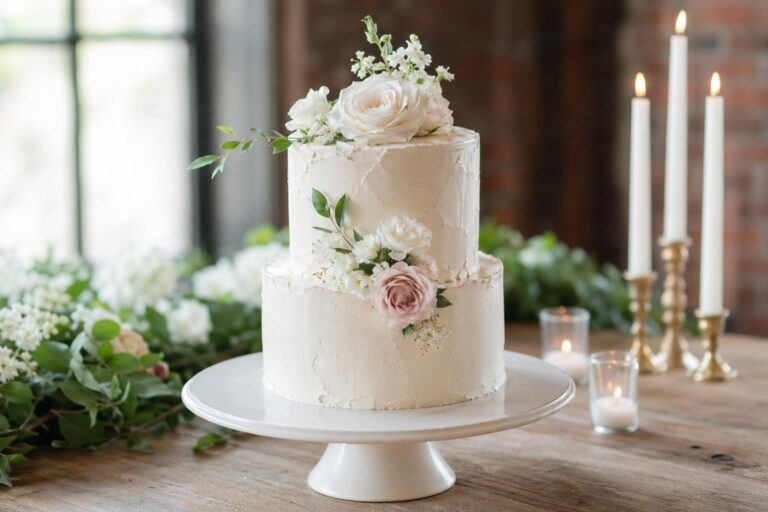
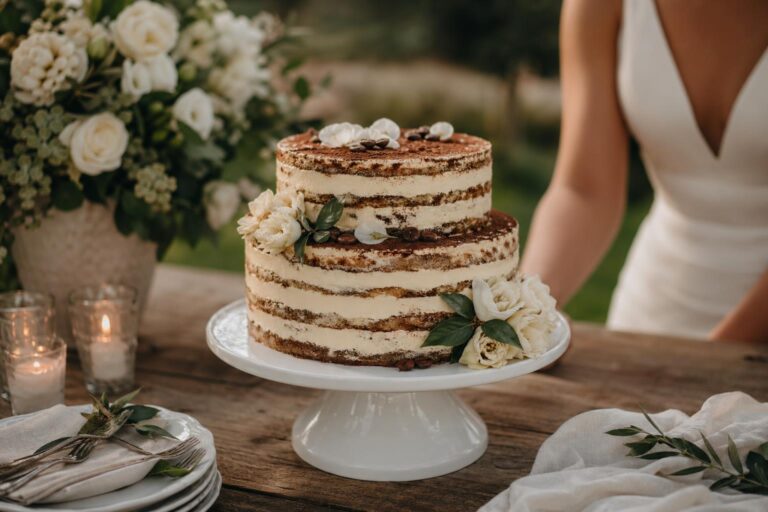
A wedding cake with real flowers uses fresh blooms (and often greenery) as an exterior styling element. The flowers may cascade down tiers, be clustered at one side, crown the top tier, or sit at the base like a small garden growing from the cake table. The defining characteristic is contrast: organic shapes and soft imperfections against a clean, structured cake silhouette.
Turn wedding inspiration into a plan you can actually follow.
Zarellea brings your guest list, budget, vendors, and day-of details into one shared space — so no beautiful idea gets lost in the shuffle.
Because fresh flowers are inherently seasonal and nuanced in color, this style often feels romantic, garden-inspired, and lightly spontaneous—even when it’s meticulously planned. It pairs naturally with airy receptions, outdoor ceremonies, and any wedding design that celebrates nature. In many cases, this approach is used to elevate a simple design: a plain wedding cake with flowers can look intentionally minimal yet still emotionally warm.
Defining characteristics
- Real blooms placed on the cake or arranged around it
- A clean cake finish that acts as a “canvas” (often smooth and understated)
- Visual movement created by stems, petals, and asymmetry
- Strong connection to the wedding’s floral palette and tablescape
Silhouette, color, texture, and mood
The silhouette is usually classic and architectural (tiers stacked with crisp edges or gentle curves), with the flowers creating softness and direction. Color tends to follow the wedding’s floral plan—ivory blooms for a refined look, brighter petals for a playful garden moment, or muted tones for a modern romance. Texture comes from the flowers, so the cake itself can remain smooth and minimal without feeling plain. The mood is “fresh,” delicate, and deeply tied to the setting.
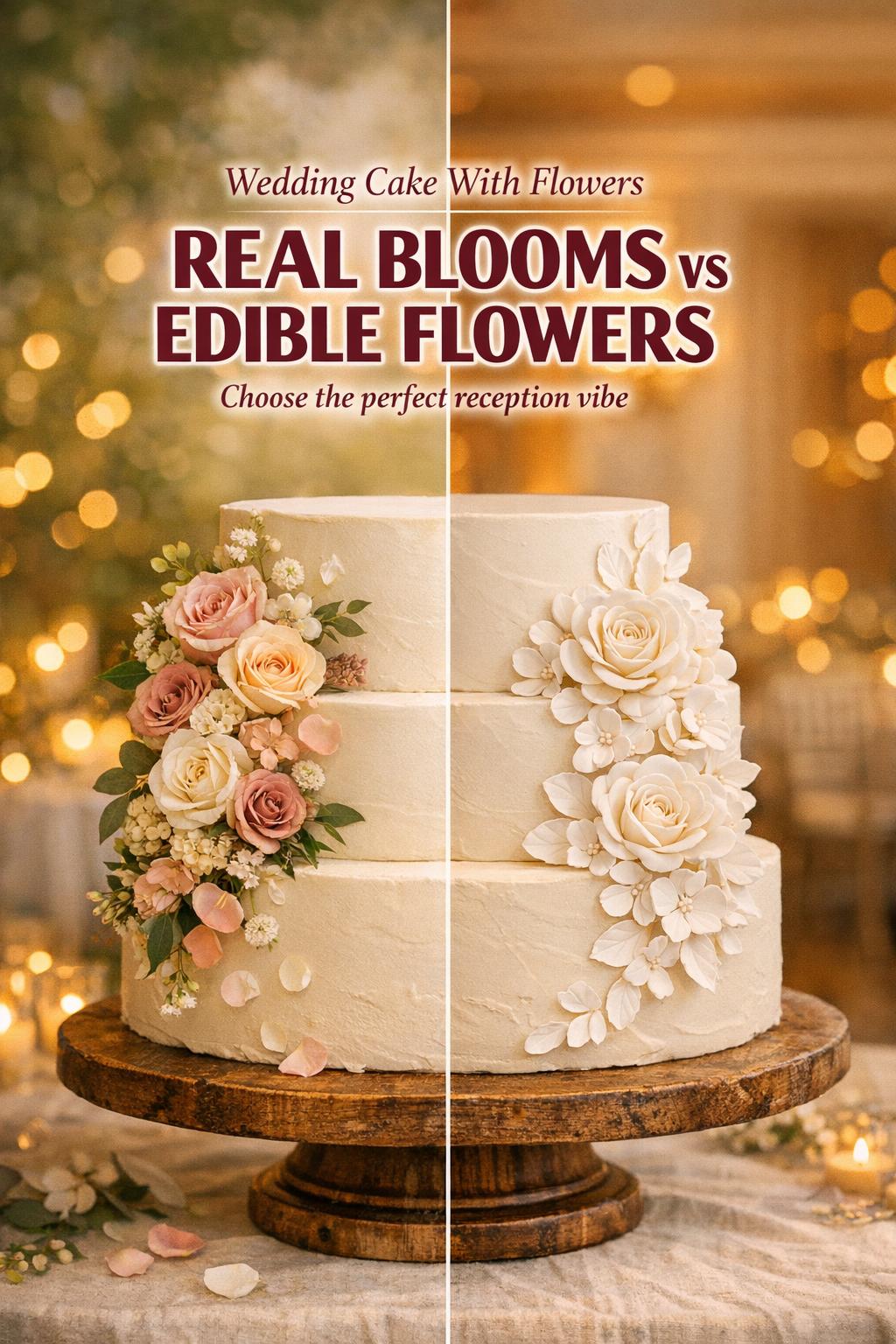
Style overview: wedding floral cake with edible flowers (crafted sugar, pressed, or piped look)
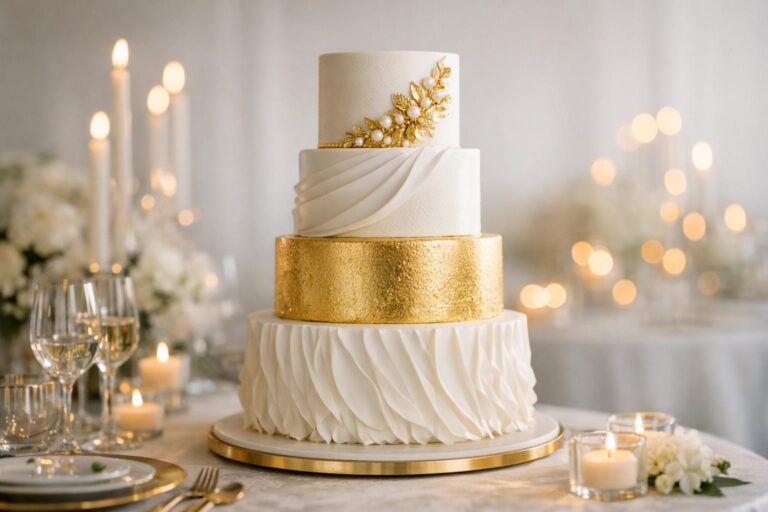
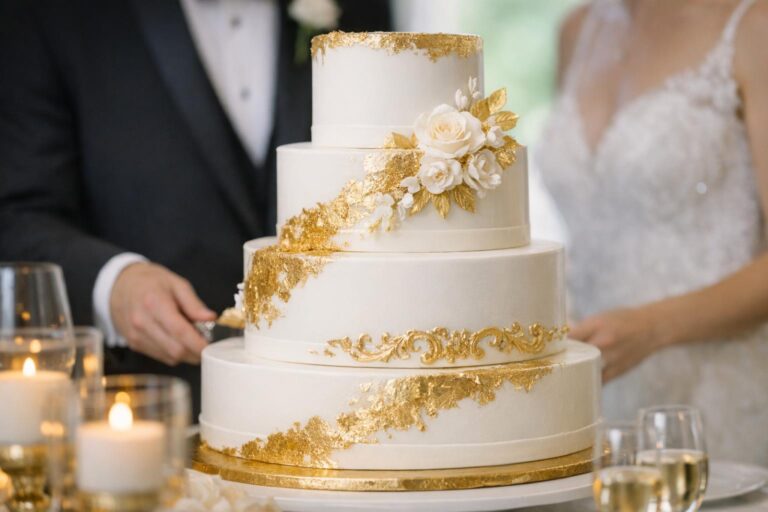
A wedding floral cake built around edible florals treats flowers as part of the cake design rather than an added accessory. The look can be sculptural and couture-like—flowers that hold their shape all night, details that read like art, and designs that feel intentionally composed from every angle. The defining characteristic is integration: the flowers belong to the cake, not just to the styling.
This approach often feels more formal and design-forward. It’s especially appealing when you want floral drama without relying on the freshness window of real blooms. If your wedding day includes long photography blocks, a warm venue, or extended reception hours, edible florals can maintain a consistent look from first reveal to final slice.
Defining characteristics
- Floral elements designed to be part of the cake’s surface and structure
- Highly controlled shape, placement, and symmetry (even in “organic” arrangements)
- Design continuity that stays stable through time and temperature shifts
- A stronger “statement piece” feel than most fresh-flower applications
Silhouette, color, texture, and mood
The silhouette can be classic or modern, but the details tend to read as intentional artistry: petals that echo the curve of a tier, blossoms that frame a monogram area, or floral textures that wrap the cake like fabric. Color can be matched precisely to a wedding palette, giving a polished, editorial finish. Texture ranges from delicate and refined to richly layered. The mood is romantic, elevated, and carefully curated.
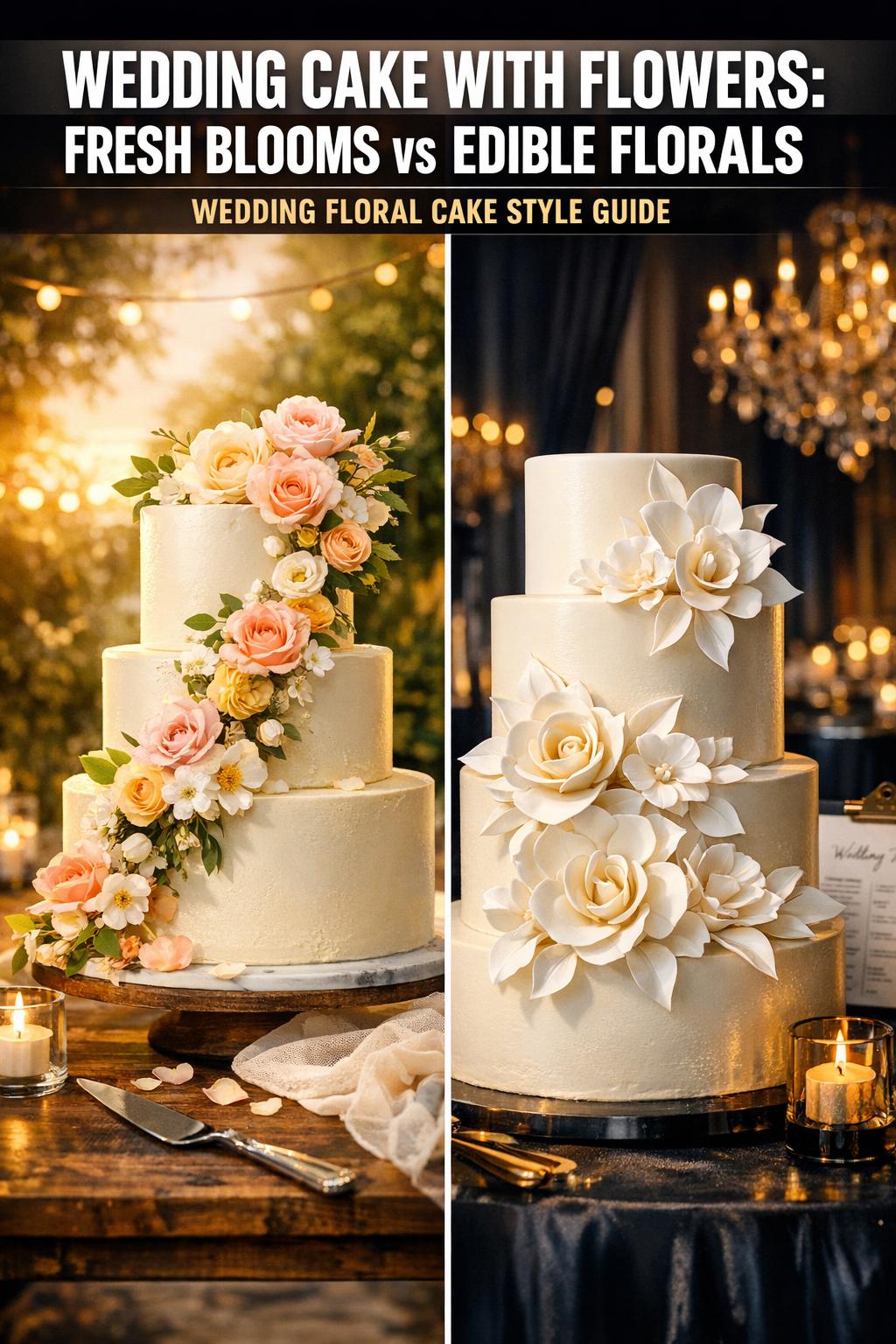
The key differences: real flowers vs edible florals on a wedding cake
Both styles fall under the umbrella of wedding cakes flowers, but they behave differently in the real world of timelines, venues, and guest experience. The decision isn’t only about “which looks prettier.” It’s about what kind of romance you want to communicate—freshly gathered and garden-like, or crafted and couture-like—and how the cake needs to perform across the day.
1) Visual message: effortless garden vs designed centerpiece
A wedding cake with real flowers tends to feel like it belongs to the environment—especially if your wedding includes abundant floral décor. It can look as if the cake is part of the same landscape as the ceremony arch and centerpieces. A wedding floral cake with edible flowers, on the other hand, can read like a standalone art object. It’s the choice when you want guests to say, “I’ve never seen anything like that,” rather than, “It matches everything perfectly.”
2) Structure and stability over time
Fresh blooms are living materials. They can wilt under warm lights or look tired after hours in a heated room. Edible florals are built for endurance; they generally hold their shape through long receptions. If your schedule includes extended portraits, a late cake cutting, or a venue where temperature control is inconsistent, that stability can become a deciding factor.
3) Control of color and styling precision
Real flowers have natural variation, which is part of their charm—but it also means “exact matching” is less predictable. Edible florals allow for a more controlled palette and repeatable look, which can be helpful if you’re planning a very specific aesthetic. If your wedding vision leans minimalist or modern, that precise control can keep the design clean and intentional.
4) The role of a plain wedding cake with flowers
A plain wedding cake with flowers is where many couples find their sweet spot: a simple tiered cake paired with a thoughtful floral placement. With real blooms, the plain base helps the flowers feel like the star—fresh, romantic, and photogenic. With edible florals, the “plain” base becomes more like a gallery wall: it supports the artistry without competing for attention.
5) Planning workflow: who owns the final look?
Fresh floral placement often involves coordination between your cake designer and florist. Edible floral work usually stays within the cake designer’s scope. If you love collaboration and want your wedding blooms echoed throughout every detail, real flowers can feel wonderfully cohesive. If you want one creative team to own the entire cake look from start to finish, edible florals can simplify decision-making.
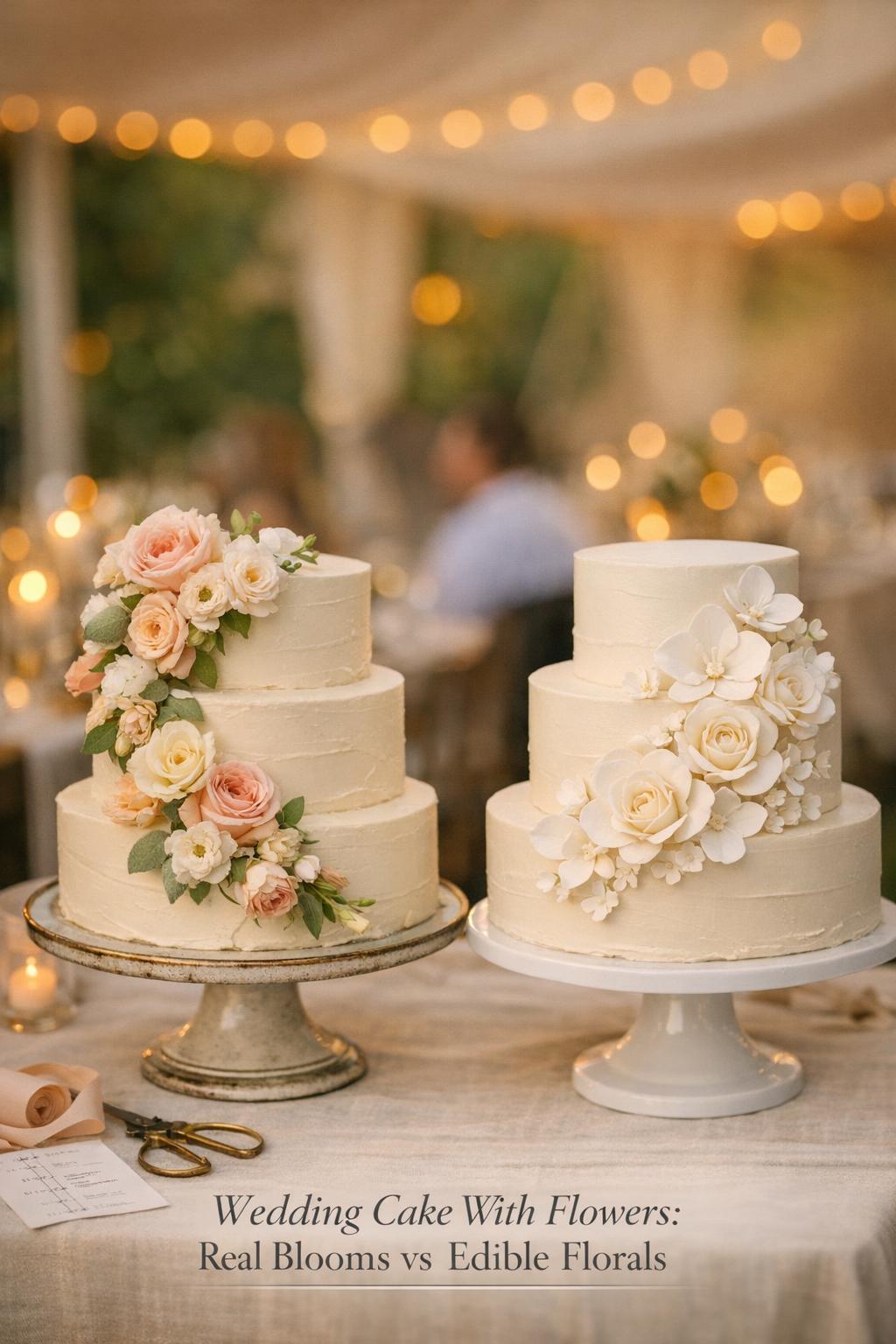
Visual style breakdown: how each floral approach reads in a real wedding space
It helps to imagine the cake not in isolation, but where it actually lives: a corner of the reception room, a table near the dance floor, or a spot with evening light pouring in. A wedding cake with flowers isn’t just photographed—it’s experienced at a distance, up close, and often under changing lighting.
Layering and “movement” in the design
Real flowers create natural movement because stems and petals don’t sit perfectly flat. The eye follows the direction of the floral placement, which can make the cake feel taller or more dramatic. Edible florals can mimic this movement, but the effect is usually more controlled—like a floral pattern in fabric rather than a bouquet set against icing.
Proportion: where the flowers sit changes everything
On a plain wedding cake with flowers, proportion is the entire design language. A small cluster can feel modern and quiet; a cascade can feel lush and romantic. Real blooms tend to look fuller with less effort, while edible florals often look best when there’s enough detail to read from across the room. If you’re planning a larger reception space, consider how the floral work will register from a distance—especially in photos of the cake table and first slice.
Finish and texture: the cake’s surface matters more than you think
Fresh flowers pair beautifully with smooth finishes because the contrast highlights the blooms. Edible florals can work on smooth surfaces too, but they can also be designed to interact with texture—creating a layered, dimensional effect. The more intricate the floral work, the more the cake finish becomes a supporting character: it should look intentional, not like an afterthought.
Photography reality: close-ups vs wide shots
Real blooms shine in close-ups because they carry natural detail—veining, petal edges, and organic color shifts. Edible florals can be equally striking in close shots when the craftsmanship is high, but they also tend to read very clearly in wide shots because the design stays crisp and consistent through the event. If your wedding day leans heavily on photography—extended portraits, multiple locations, or a late-night cake cutting—consider which version you want preserved at the end of the night.
Comparison in wedding settings: what changes by venue, season, and timeline
A floral cake choice becomes easier when you anchor it to the realities of your day: the venue conditions, the season, and when the cake will be displayed and cut. This is where “beautiful in theory” turns into “beautiful all night.”
Outdoor ceremonies and garden receptions
In an outdoor setting, a wedding cake with real flowers can feel like a natural extension of the environment—especially if your tables are filled with blooms. The risk is exposure: heat, direct sun, and wind can challenge fresh flowers. If your cake will sit out for long, edible florals may offer peace of mind while still delivering a romantic floral story.
Ballroom, formal venues, and evening receptions
In formal spaces, edible florals often match the level of polish the room demands. Real flowers can still look elegant, but the arrangement needs to feel intentional and structured rather than casual. If your event is long and the cake cutting happens later, stability becomes part of the design brief—especially under warm lighting.
Destination-style planning and long transport windows
If your wedding involves multiple locations in a single day or a longer transport window between delivery and display, edible florals can reduce last-minute styling stress. Fresh florals can still work beautifully, but they rely on timing and careful handling. When your schedule is tight, simplifying the number of teams who need to coordinate can make the day feel calmer.
Outfit-style comparisons, but for cake design: the same “base” interpreted two ways
Think of your cake like a foundational piece in a wedding wardrobe. The same base—classic tiers, a simple finish—can communicate different aesthetics depending on how you “style” it with florals. The comparisons below are meant to help you visualize how the design logic shifts between wedding cake real flowers styling and edible floral styling.
Example comparison: minimalist romance
With real flowers, minimalist romance looks like a plain wedding cake with flowers placed in a small, airy cluster—enough to soften the cake without turning it into a bouquet. It feels intimate, like a quiet moment before the ceremony. With edible florals, minimalist romance becomes more graphic and intentional: a few perfectly placed blossoms that echo the lines of the tiers, creating a refined, designed look that still feels romantic.
Example comparison: garden abundance
With a wedding cake with real flowers, garden abundance is about fullness and natural variation—blooms gathered in a way that feels like they were picked for you that morning. With edible florals, the abundance reads more like a floral tapestry: layered detail that can feel luxurious and almost couture, especially if the flowers are arranged to wrap and frame the cake’s structure.
Example comparison: modern editorial
Real flowers can create a modern editorial feel when the placement is asymmetric and restrained—one bold direction rather than flowers everywhere. Edible florals can push editorial styling further: clean, repeatable motifs that feel deliberate from every angle, especially in photographs and wide room shots where design clarity matters.
When to choose each style (and when to blend them thoughtfully)
The best choice is the one that supports your wedding day—not just your inspiration images. Here’s how to decide with confidence, especially if you’re balancing aesthetics with timing, comfort, and the reality of a long event.
Choose a wedding cake with real flowers when…
- You want the cake to feel connected to your floral décor and overall environment
- Your wedding style leans garden, romantic, or naturally elegant
- You love organic variation and don’t need a perfectly identical look flower-to-flower
- Your timeline allows for careful setup close to the reception reveal
Choose an edible wedding floral cake when…
- You want a consistent look from first photo through late-night cake cutting
- Your venue is warm, your lighting is strong, or your cake sits out for hours
- You prefer a more designed, formal, or editorial aesthetic
- You want one team (your cake designer) to fully control the final appearance
A note on blending styles
Some couples love the idea of mixing fresh accents with crafted florals. The key is restraint and clarity: decide which element is the “lead” and which is supporting. If everything competes, the cake can lose its visual calm. If the roles are clear, blending can feel layered and personal—like your wedding design has depth rather than just decoration.
Tips from real planning moments: how to make floral cake decisions you won’t second-guess
The most common wedding-cake regret isn’t flavor—it’s miscommunication. Floral styling is visual, and small assumptions can change the finished look. These tips focus on reducing uncertainty so your wedding cakes flowers vision shows up the way you imagined.
Tip: decide the “floral density” early
Before you talk logistics, decide whether you want a whisper of flowers or a floral statement. A plain wedding cake with flowers can be stunning, but only if “plain” is intentional and the floral placement is proportioned to the cake size. Bring one or two clear reference points to your cake designer so the amount of floral coverage is agreed upon.
Tip: align the cake table styling with the floral approach
A cake dressed in real flowers often looks best when the cake table feels like part of the floral landscape—soft linens, gentle candlelight, and a little breathing room so the petals can stand out. An edible wedding floral cake can handle a cleaner, more gallery-like setup because the detail is on the cake itself. Either way, the table is not an afterthought; it’s the frame around your focal point.
Tip: plan for the “hours on display” reality
Ask yourself a practical question: how many hours will the cake be visible before it’s cut? If your reception flows into speeches, dancing, and a late cake moment, prioritize a look that stays strong through time. This is where many couples quietly shift from wedding cake real flowers to a more durable wedding floral cake design—or they ask for fresh flowers to be added closer to the cake cutting.
Tip: keep the guest experience in mind
Guests interact with the cake up close when it’s being cut and served. A floral design should feel celebratory, not fussy. If your floral styling is very dense, make sure the cake still feels approachable and that the moment of cutting is smooth and comfortable. The best designs balance beauty with ease—because your wedding day should feel like joy, not like handling something too precious to touch.
Common styling mistakes with a wedding cake with flowers (and how to avoid them)
Floral cakes are often photographed and shared because they’re visually striking, but the most successful ones also feel calm and resolved. These are the pitfalls that tend to create stress on the day—along with simple ways to prevent them.
Overcrowding the design
More flowers don’t automatically mean more romance. If the arrangement is too busy, the cake loses its silhouette, and the eye doesn’t know where to rest. Decide what you want guests to notice first: the height, the smooth finish, the floral cascade, or the top tier. Then style the flowers to support that focal point rather than covering everything.
Mismatch between floral mood and wedding mood
A wedding cake with real flowers can look incredibly modern if the placement is restrained, and an edible floral cake can feel soft and garden-like if the design is gentle. The mistake is assuming “real equals rustic” and “edible equals formal.” Instead, choose based on the feeling you want at the reception: airy and organic, or polished and designed—and then execute the floral work to match.
Not planning who places the flowers
Fresh blooms require a clear plan for final placement. If everyone assumes someone else will do it, the cake can end up with last-minute styling that doesn’t match your vision. Decide in advance whether your florist, cake designer, or venue team is responsible for the final look, and make sure they have a reference image that matches your “floral density” decision.
A gentle decision guide: picking the floral cake style that matches your love story
If you’re torn, step away from the idea of “best” and return to what feels like you. Some couples want their cake to feel like it arrived from a garden—fresh petals, soft movement, a sense of nature at the heart of the celebration. Others want their cake to feel like a keepsake object—crafted, intentional, and designed to look the same from the first photo to the last dance.
Both are romantic, and both can be made personal. The difference is how they tell the story. A wedding cake with real flowers tends to feel like the day itself—alive, changing, and full of small variations. A wedding floral cake with edible blooms tends to feel like the memory of the day—preserved, curated, and beautifully composed.
Once you choose your direction, everything else becomes easier: the cake silhouette, the amount of floral coverage, the cake table styling, and the timeline for setup and cutting. And that’s the real goal—not just a beautiful cake, but a planning decision that helps the entire day feel more seamless.
FAQ
What’s the difference between a wedding cake with real flowers and a wedding floral cake?
A wedding cake with real flowers uses fresh blooms as an exterior styling element placed on or around the tiers, while a wedding floral cake typically features flowers that are crafted as part of the cake design so the floral look is integrated and remains visually consistent throughout the event.
Can a plain wedding cake with flowers still look luxurious?
Yes—luxury often comes from proportion and intention rather than complexity; a plain wedding cake with flowers can feel elevated when the cake finish is clean and the floral placement is thoughtfully scaled to the cake size and matched to the wedding’s overall mood.
Why do some floral cakes look different from the inspiration photos?
Most mismatches happen from unclear expectations about floral density, placement responsibility, and how the cake will be displayed in the venue; agreeing in advance on how many flowers will be used, where they’ll sit, and who will place them helps the final result align with your vision.
How do I decide between real flowers and edible florals if my reception is long?
If your cake will be on display for many hours or cut late in the evening, edible florals can offer a more stable, consistent look over time; if you love the romance of real blooms, plan for careful timing so fresh flowers are placed closer to the reception reveal or cake cutting.
Does a wedding cake with flowers work for modern, minimalist weddings?
It can work beautifully when the floral placement is restrained and intentional—think a small cluster or a single directional arrangement—so the cake keeps its clean silhouette while the flowers add warmth and softness.
What should I tell my cake designer to get the floral look I want?
Share the mood you want (garden-soft vs designed and formal), define how “floral” you want the cake to feel (minimal accent vs statement coverage), and confirm how the cake will be displayed and when it will be cut so the design can be planned for the real timeline.
Is it easier to coordinate a wedding cake with real flowers or an edible floral cake?
Edible floral cakes are often simpler to coordinate because one creative team typically controls the finished look, while real-flower cakes may require tighter coordination between the florist and cake designer to ensure placement, palette, and timing are aligned.
How can I make sure my wedding cakes flowers design looks good in photos?
Prioritize clear proportion (flowers scaled to the cake’s size), a cake table setup that frames the cake without clutter, and a floral approach that holds up through the hours it will be photographed—especially if you’re planning a late cake cutting or extended portrait time.