
Old Money Wedding Decor: Classic Tables and Understated Details
Old money wedding decor is a style label for classic tableware, restrained flowers and details such as monograms, linen and traditional lighting. You can borrow those ideas without suggesting inherited wealth or a family history you do not have. Begin with the room and place settings, then choose the personal details you want.
Focus on a few choices you like: a soft neutral linen, classic glassware and balanced flowers. Matching every object or purchasing expensive materials is unnecessary if the table works as a whole.
Core Color Palettes and Textures
The palette and materials do most of the work in old money wedding decor. You’re aiming for softness and depth rather than contrast and punch. When the colors are restrained, you can lean into texture; crystal sparkle, polished silver, rich woods, and linen drape; without the overall look feeling busy.
Ivory, Cream, Bronze, and Gold Accents
Compare ivory, cream and white against the room and tableware. None is inherently more refined. Choose the shade that works with the rentals and lighting.
Turn wedding inspiration into a plan you can actually follow.
Zarellea brings your guest list, budget, vendors, and day-of details into one shared space — so no beautiful idea gets lost in the shuffle.
If you’re using gold, keep it consistent in tone across the room (warm gold with warm gold). Mixing too many metal shades can shift the feel from “curated” to “collected at random.”
Rich Woods, Marble, Silk, and Crystal
Texture is where understated luxury comes alive. Rich wood tones, marble-inspired surfaces, silk-like fabrics, and crystal details create a layered, historic sensibility. Even if you’re working with rentals, the goal is to prioritize materials that look substantial and classic rather than ultra-modern or overly rustic.
Crystal and polished surfaces (silver, mirrored accents, glossy ceramics) catch candlelight and chandelier light, which is a hallmark of the style. Pair those reflective materials with softer textiles; linen napkins, layered tablecloths, and draped fabric; to keep the room from feeling cold.
High-Impact Decor Elements (What to Invest In)
If you want old money wedding decor to feel convincing, focus your budget and attention on a few high-impact elements guests will see repeatedly: what frames the ceremony, what lights the reception, and what sits on every table. A small number of “hero” choices can carry the entire aesthetic.
- One signature lighting moment (crystal chandelier look or abundant candlelight)
- One consistent monogram or crest used across paper, linens, or signage
- One elevated tablescape standard (linens + classic place setting + glassware)
- One material story repeated throughout (crystal, silver, marble, rich wood)
Monograms and personal emblems
Use your own initials in a design you enjoy. A newly designed emblem should be presented as a personal motif rather than evidence of family heraldry or lineage.
Consider a monogram or crest that looks classic rather than trendy; something that feels at home on stationery, linens, and signage. Keep it in a single ink color and avoid overly playful motifs if you want a heritage mood.
Choose one monogram style and stick to it. Multiple competing marks can make the wedding feel branded rather than refined.
Crystal Chandeliers and Candelabras
Nothing signals old-world grandeur as efficiently as crystal lighting. If your venue already has chandeliers, let them lead: keep ceiling decor minimal so the architecture shines. If it doesn’t, you can create a similar mood with candelabras and reflective glassware that multiplies light across tables.
Crystal details can also appear in smaller forms; stemware, candleholders, and accent pieces; so you don’t need a full overhead install to get the sparkle associated with vintage luxury wedding décor inspirations.
Silverware, Linens, and Bone China
Tables are where guests spend the most time, which makes tableware and linens a smart investment for old money wedding decor. Silverware and classic china communicate “formal” instantly, while layered linens signal care and tradition.
Bone china styling cues; whether true bone china or a similar classic look; pair naturally with ivory linens, crystal glassware, and warm metallic accents. The key is consistency: a repeated rim style, a uniform napkin fold, and clean place setting lines.
If you can’t upgrade everything, upgrade what guests touch and see up close: napkins, glassware, and place settings do more for perceived luxury than extra decor scattered around the room.
Garden and Ballroom Tablescapes
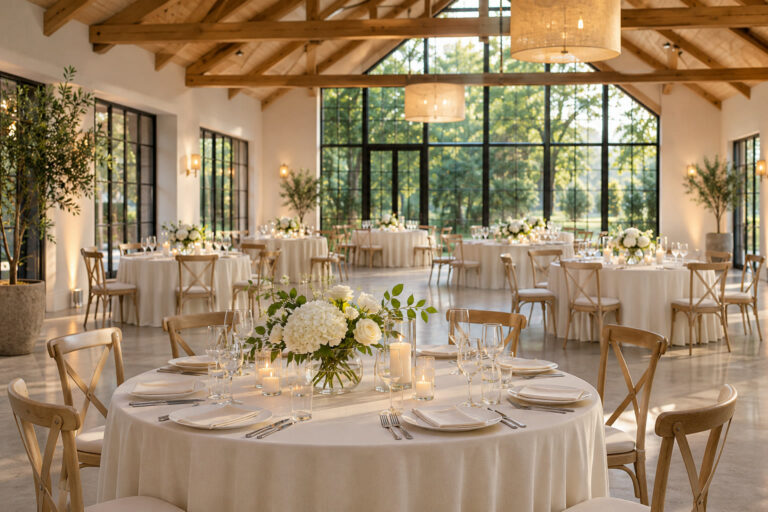
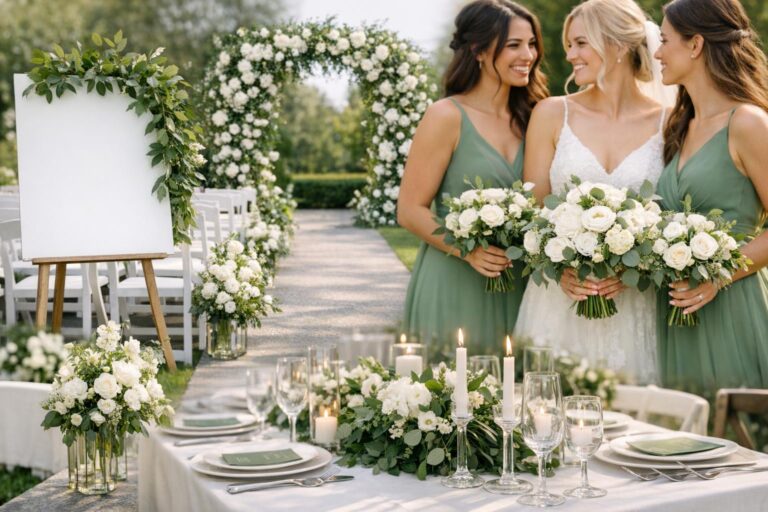
Old money tablescapes can skew garden-classic or ballroom-formal. Garden versions feel like a luxury estate lunch: soft neutrals, greenery, and floral arrangements that look abundant but controlled. Ballroom versions lean into symmetry, candlelight, and polished finishes like silver and crystal.
In both cases, aim for clear sightlines, intentional repetition, and a balanced height mix (lower pieces plus a few taller moments like candelabras). Overly crowded tables read less refined.
Iconic Venues and Settings for Old Money Vibes
Venue choice does a lot of the heavy lifting. Classic venues with heritage architecture naturally support old money wedding decor because the setting already contains the cues you’re trying to create: historic details, formal proportions, and built-in elegance.
Estate Homes, Historic Hotels, Grand Ballrooms
Estate homes, historic hotels, and grand ballrooms typically feature architectural elements that pair beautifully with understated luxury: staircases, moldings, tall windows, and statement lighting. In these spaces, less decor is often more. Focus on enhancing what’s already there with refined additions like monograms, crystal, and classic linens.
When the architecture is ornate, keep your palette calm (ivory, cream, warm metallics) and let a few premium materials; silver and crystal; carry the visual interest.
Outdoor Estates and Luxury Gardens
Outdoor estates and luxury gardens can still read old money when the decor stays structured and classic. Think manicured greenery, topiary-like shapes, restrained signage, and tablescapes that look formal even under open sky. A formal table setting can connect the dining area with the garden.
Bring in heritage cues outdoors through material choices: linen textures, classic table settings, candlelight, and subtle monogram details. If you’re using tents or open-air structures, prioritize lighting and tablescape refinement so the scene feels intentional.
Step-by-Step Decor Plan (Ceremony to Reception)
A cohesive decor flow is what separates a collection of pretty items from a truly old money wedding aesthetic. Plan your day in chapters; ceremony, cocktail hour, reception; so the look builds naturally and never feels like a style reset.
Ceremony Backdrop and Aisle Details
The ceremony should feel dignified and architectural. Start with a clean, classic frame; an altar moment that complements the venue rather than competing with it. If you’re in a ballroom or historic space, prioritize symmetry and allow negative space so the room can breathe.
- Choose an aisle runner or aisle markers that feel classic, not fussy
- Use candlelight thoughtfully if the venue allows, keeping the look restrained
- Echo your palette early: ivory and cream with warm metallic accents
- Keep signage minimal and classic, with a heritage-inspired type style
If you only do one ceremony upgrade, make it the backdrop. It appears in nearly every photo and sets the tone for the entire day.
Cocktail Hour Ambiance
Cocktail hour is your transition space, so use it to introduce smaller heritage cues: monogram cocktail napkins, classic bar styling, and subtle crystal or silver accents. This is also where a gallery-wall-like moment (framed signage, seating display, or a curated vignette) can feel especially old money; formal, edited, and quietly personal.
Keep the decor light and intentional. A few well-placed details will read more elevated than many scattered props. If you’re using a lounge area, choose shapes and fabrics that feel timeless rather than overly trendy.
Grand Reception Tablescapes
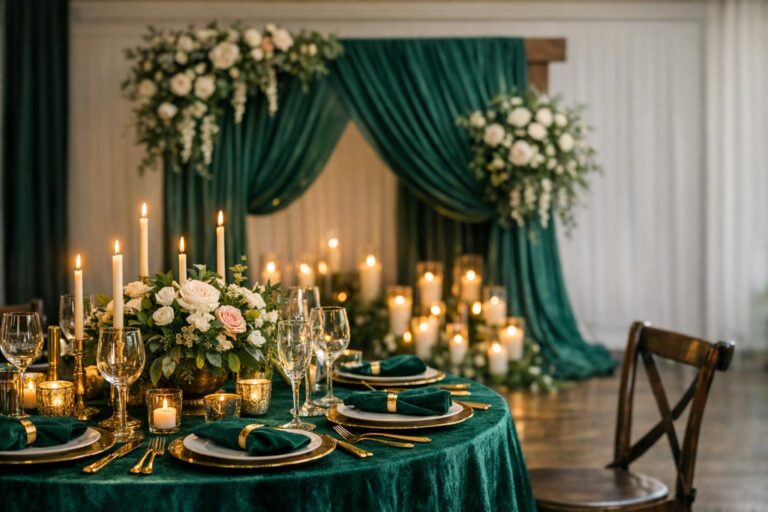
The reception is where old money wedding decor should peak: layered linens, crystal glassware, candlelight, and classic place settings. Let the palette stay quiet while you build richness through texture and shine.
- Base layer: ivory or cream linens for a soft, timeless foundation
- Place setting: classic china look plus polished silverware
- Glassware: crystal-inspired pieces to catch and multiply light
- Centerpieces: structured florals with greenery, avoiding overly wild shapes
- Height: a mix of low candles and occasional taller candelabras for grandeur
Aim for repetition across all tables. Repeat selected linens and tableware where you want a formal rhythm; borrowed or mixed family pieces can still fit the design.
Invites, Signage, and Gallery Wall Moments
Stationery and signage are where “heritage” can whisper the loudest. A restrained suite with a monogram, classic layout, and traditional feel can tie together the entire room; even if your decor budget is moderate. Carry the same visual language into day-of paper: menus, place cards, and bar signage.
Consider one photo-forward focal point for guests: a refined display area featuring framed pieces, seating information, or a curated arrangement that feels like it belongs in a historic hallway. Keep it clean and symmetrical so it reads elevated.
Lighting and Mood: Candlelight vs. Chandelier Illumination
Lighting is a primary driver of perceived luxury. In old money wedding decor, the ideal mood is warm, dimensional, and flattering; created by chandeliers, candlelight, and reflective materials like crystal and silver. If your venue has chandeliers, treat them as a design anchor. If it doesn’t, build your glow at table level with candelabras and candles, letting the sparkle of glassware do the rest.
Pick one lighting story and commit. A space can feel disjointed if you mix too many competing moods. Warm, consistent light supports ivory and cream palettes and makes metallic accents look rich rather than harsh.
Florals in the Old Money Palette
Florals in the old money aesthetic tend to be classic and intentional. Instead of overly avant-garde shapes, aim for arrangements that feel like they belong in an estate dining room or a formal garden; elegant, balanced, and built around a restrained palette.
Iconic Floral Choices and Arrangements
The most fitting arrangements are those that look timeless and structured. Rounded or gently cascading forms often read classic, especially when paired with candlelight and formal tablescapes. Keep the color story aligned with your base palette; ivory and cream, with soft depth from warm metallic surroundings.
If you want your florals to feel more expensive without adding volume, place them near reflective surfaces; crystal, silver, and glossy tableware amplify impact.
Greenery, Topiaries, and Monochrome Blooms
Greenery can push the look toward luxury estate wedding decor when it feels manicured rather than wild. Topiary-inspired shapes, controlled greenery lines, and monochrome blooms are particularly aligned with old money style because they look curated and classic. Monochrome doesn’t mean flat; it means subtle variation within a narrow range so the overall impression is refined.
For outdoor estates, greenery and topiary cues can connect your tablescapes to the garden setting. For ballrooms, greenery can soften the formality while still feeling traditional.
Personal stationery and table details
Use details guests can read and handle: a clear menu, a personal place card or an embroidered napkin. These can carry the formal style without claims about status or ancestry.
Monogrammed Linens, Place Settings, and Napkins
Monogrammed napkins and linens are an immediate old money signal because they look personal and established. Used sparingly, they feel bespoke rather than branded. Carry the monogram into place cards or menus for a cohesive, traditional finish.
- Monogram a napkin corner or menu header rather than every surface
- Repeat the same mark across two to three items for consistency
- Keep monogram color subtle (especially with ivory and cream palettes)
Heritage-Inspired Stationery and Signage
Stationery should feel classic and structured. Heritage-inspired signage works best when it’s minimal, easy to read, and aligned with the venue’s architecture. Instead of oversized novelty signs, opt for fewer pieces with better materials and consistent styling across the day.
Treat signage like part of the interior design. If it wouldn’t look at home in a historic hotel lobby, it may pull against the old money aesthetic.
Heirloom-Inspired Tableware and Accessories
Silver, crystal, and classic china silhouettes are the accessories of the old money tablescape. Even small additions; like crystal candleholders or silver-toned pieces; can shift the entire table from simple to luxurious. Choose items that feel traditional rather than novelty-shaped, and keep the finish story consistent so it reads curated.
Budgeting for Old Money Decor: Where to Invest and Save
A restrained design can still have substantial costs. Compare complete quotes for linens, glassware, flowers, installation and removal before choosing an upgrade.
Essential vs. Optional Elements
To keep the look convincing, define what’s essential to your version of understated luxury and what’s optional. Essentials are the pieces that appear everywhere (table settings, linens, consistent palette) and the elements that anchor photos (ceremony frame, lighting). Optional items are extra vignettes and supplemental decor that can be added only if they strengthen the story.
- Essential: a restrained palette (ivory/cream with warm metallic accents)
- Essential: one cohesive tablescape standard (linens + classic place settings)
- Essential: a lighting plan (chandelier emphasis or candlelight focus)
- Optional: additional themed moments that don’t repeat across the event
- Optional: extra signage beyond what guests truly need
Rental vs. Buy Considerations
Many of the most effective old money cues; crystal, silver-toned tableware, classic linens; can be approached as rentals or purchases depending on your priorities. The guiding principle is practicality: choose the path that keeps your look consistent across the entire room. A partial upgrade that forces you to mix mismatched styles can weaken the overall aesthetic more than a simpler but cohesive plan.
If you’re deciding between upgrading one category dramatically or upgrading multiple categories slightly, old money style usually benefits from one dramatic “anchor” upgrade (like lighting mood or elevated place settings) supported by restrained basics.
Common Pitfalls and How to Avoid Them
The old money aesthetic is easy to dilute with over-theming. The goal is not to decorate every surface; it’s to create a calm, luxurious environment that feels established. Avoid crowded layouts, too many competing focal points, and anything that reads flashy or novelty-forward.
- Over-decorating tables until place settings feel cramped
- Mixing too many metals, fonts, or monogram styles in one event
- Forcing ornate decor into a space that needs cleaner lines (or vice versa)
- Using trendy props that break the timeless mood
When in doubt, remove one item. Old money wedding decor gains power from edit and consistency.
Vendor and Partner Strategy: Building a Cohesive Look
Old money wedding decor succeeds when the right partners execute a consistent vision. Even without naming specific shops, it helps to know which specialist roles typically shape the look: monogram and stationery design, lighting support (where applicable), floral design aligned to a classic palette, and tablescape-focused rentals or styling.
Monogram Designers, Lighting Support, and Tablescape Specialists
Start with your visual foundation: a monogram or crest and a color/material direction. From there, ensure lighting and table decisions align. Tablescape specialists (or rental partners) help keep china, glassware, flatware, and linens consistent; one of the most important requirements for understated luxury.
Share a short “non-negotiables” list with your team; your palette, metal tone, and monogram usage rules. The simpler and clearer the rules, the more cohesive the execution.
Venues and In-House Decor Contacts
Your venue team can be a major asset, especially in classic venues and historic settings where there may be existing chandeliers, architectural focal points, or built-in decor. Ask what’s already included, what can be highlighted, and what should be left alone so you don’t waste budget “covering” the very features that create old money vibes.
Walk the space with a focus on architecture and light. Identify where guests will look most (ceremony front, entrance, bar, head table), then concentrate your best decor there.
Choose a rental upgrade guests will use
Compare the standard and upgraded place settings on the same linen. If the difference is mainly a charger that crowds the table, keep the basic setting and improve another detail. Confirm quantities, cleaning charges and replacement terms before ordering.
For related planning decisions, see our guide to decorating a smaller wedding without crowding the room.
FAQ
How can I achieve old money wedding decor on a moderate budget?
Prioritize a restrained ivory-and-cream palette, consistent tablescape basics (linens and classic place settings), and one high-impact lighting mood (chandelier emphasis or candlelight), then add small heritage cues like a monogram on stationery or napkins rather than trying to decorate every surface.
What are the must-have pieces for an old money wedding aesthetic?
There are no required materials or inherited objects. A restrained palette, balanced settings and readable stationery are a useful starting point. Add a monogram only if you want one.
Can this style work in an urban venue or modern space?
Yes; use old money cues that don’t depend on architecture, such as candlelight, crystal-inspired glassware, silver-toned details, layered ivory linens, and heritage-inspired stationery, keeping everything consistent so the modern backdrop feels softened and elevated.
What colors best match old money wedding decor?
Ivory and cream are core, often paired with warm metallic accents like gold or bronze; the overall effect should be soft and restrained, using texture and materials; crystal, silver, rich wood, marble-inspired surfaces; for depth rather than relying on bold color.
How do I use monograms without making the wedding feel overly branded?
Choose one classic monogram style and apply it selectively to two or three touchpoints; such as invitations, menus, or napkins; keeping the ink color subtle and the placement refined so it reads like heritage rather than advertising.
Is candlelight or chandelier lighting more “old money”?
Both work: chandeliers deliver instant historic grandeur when the venue has them, while candlelight recreates that warmth anywhere; the key is committing to a consistent warm lighting story and pairing it with reflective materials like crystal and silver to amplify the glow.
What’s the biggest mistake couples make with old money wedding decor?
The most common mistake is over-theming or over-decorating, which creates clutter and competes with classic architecture; old money style looks most luxurious when it’s edited, consistent, and focused on a few repeated high-quality details.
How can I make an outdoor estate wedding feel old money rather than casual?
Keep the palette restrained, use formal tablescape choices (classic linens, polished flatware, crystal-style glassware), incorporate controlled greenery or topiary-like shapes, and add warm metallic accents so the garden setting feels curated and heritage-inspired.