Wedding Rehearsal Dinner Style: Elegant or Effortless?
wedding rehearsal dinner style guide: elegant dinner party vs casual welcome night
The evening before the ceremony often carries a different kind of emotion than the wedding day itself. A wedding rehearsal dinner is quieter, more personal, and often more revealing of a couple’s real style. It is where immediate family, the wedding party, and close friends gather before everything becomes larger, faster, and more ceremonial. Because of that, the visual direction matters more than many couples expect.
Two approaches tend to define this event: the elegant dinner party and the casual welcome night. They are often confused because both can be beautiful, intimate, and thoughtfully designed. Yet they create very different atmospheres. One feels refined, structured, and intentionally polished. The other feels relaxed, social, and easy in a way that encourages mingling and warmth.
Choosing between them affects everything from venue flow to guest comfort, outfit decisions, table styling, and photography mood. A mismatch can make the event feel visually disconnected from the couple’s personality or from the wedding weekend as a whole. This guide breaks down how each rehearsal dinner style looks, feels, and functions in real wedding settings so you can decide which direction truly fits.
Style overview: the elegant dinner party rehearsal dinner
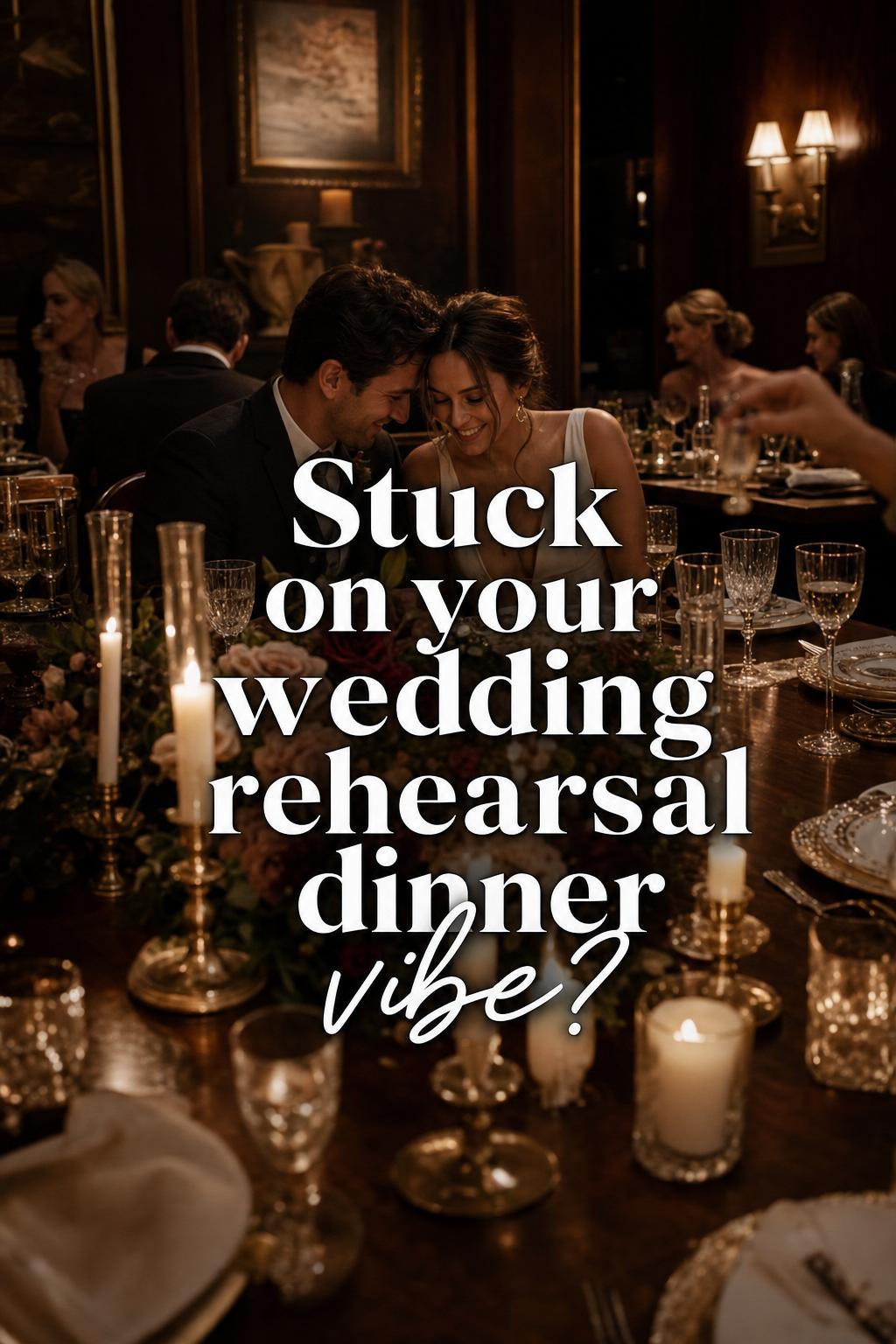
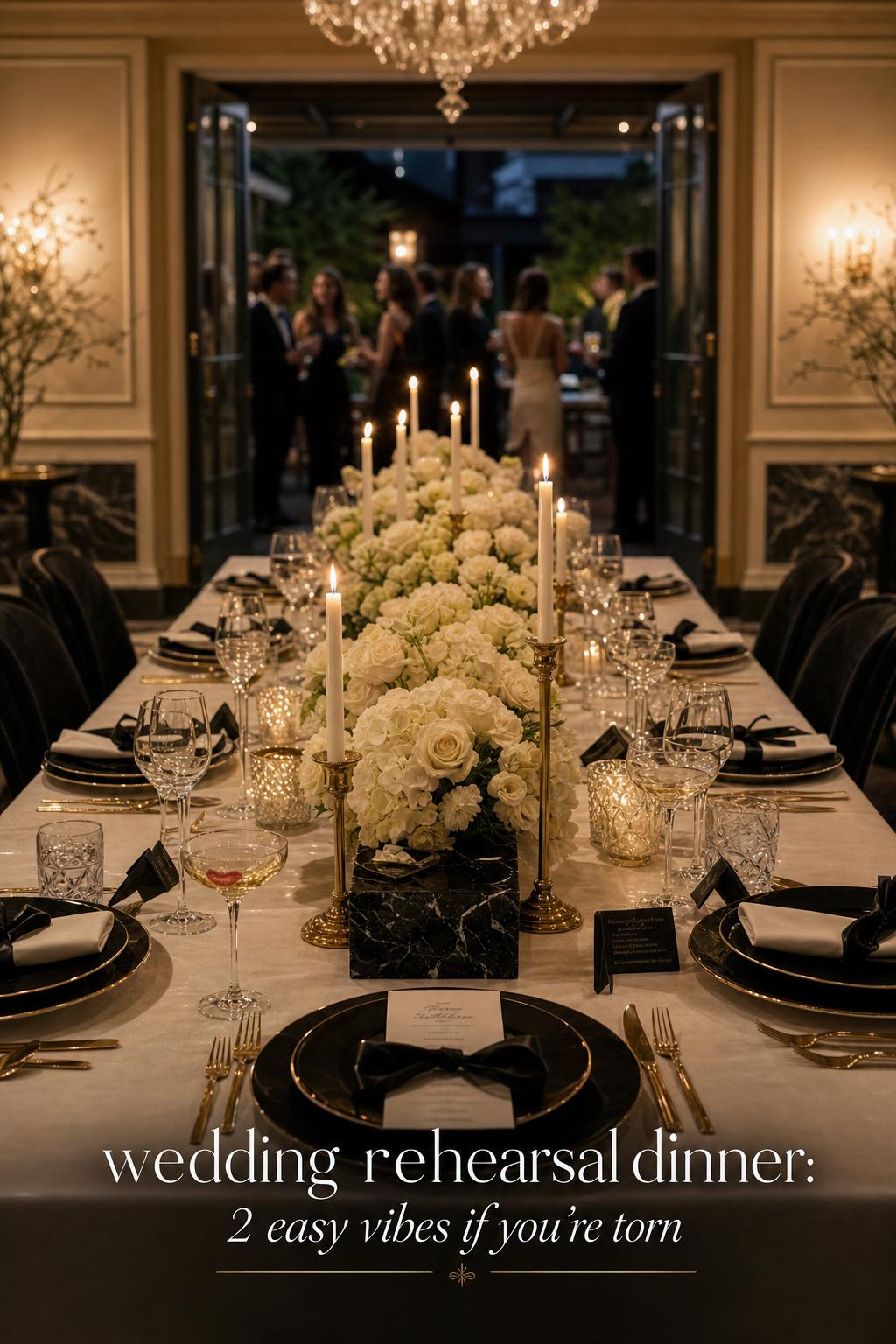
An elegant dinner party rehearsal dinner is defined by intention. The atmosphere usually feels composed and intimate, with a clear sense of order and a stronger visual point of view. Guests often arrive knowing this is not simply a meal after the rehearsal but an important part of the wedding experience. The tone can be warm and romantic, but it typically leans formal enough that every styling choice feels deliberate.

Turn wedding inspiration into a plan you can actually follow.
Zarellea brings your guest list, budget, vendors, and day-of details into one shared space — so no beautiful idea gets lost in the shuffle.
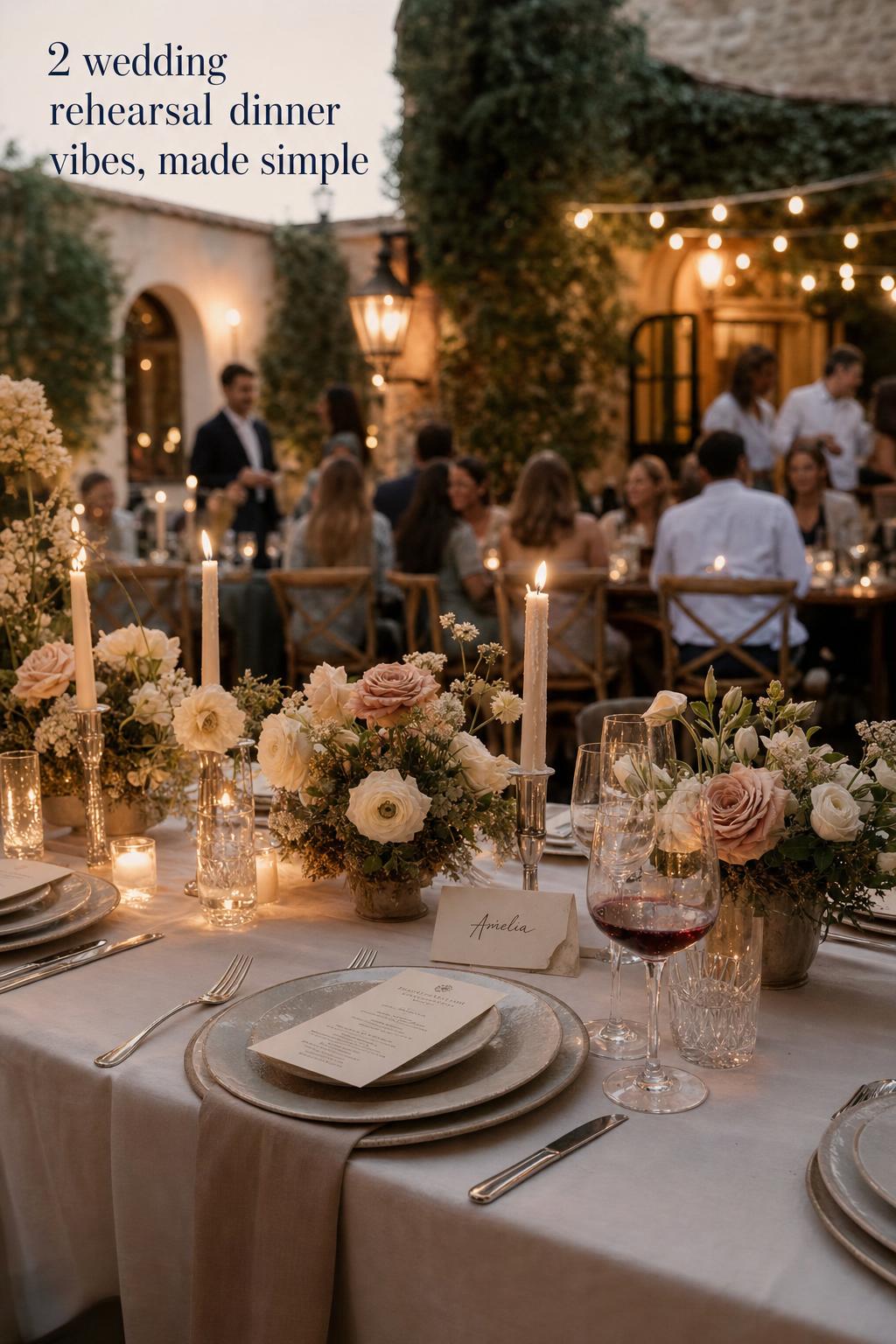
In practice, this style works best when the venue already carries some presence. A private dining room, a historic restaurant, a hotel dining space, or a candlelit courtyard naturally supports the mood because the architecture helps hold the visual weight of the evening. Rather than relying on a high volume of activities, the elegant version tends to focus on seated dining, thoughtful toasts, beautiful table settings, and a more paced experience.
The color palette often feels restrained and tonal. Neutrals, soft whites, candlelit gold, muted greens, black accents, or deep romantic shades all suit this direction because they allow the room to feel polished without visual noise. Florals, if included, tend to be refined rather than playful. The overall effect is less about abundance and more about curation.
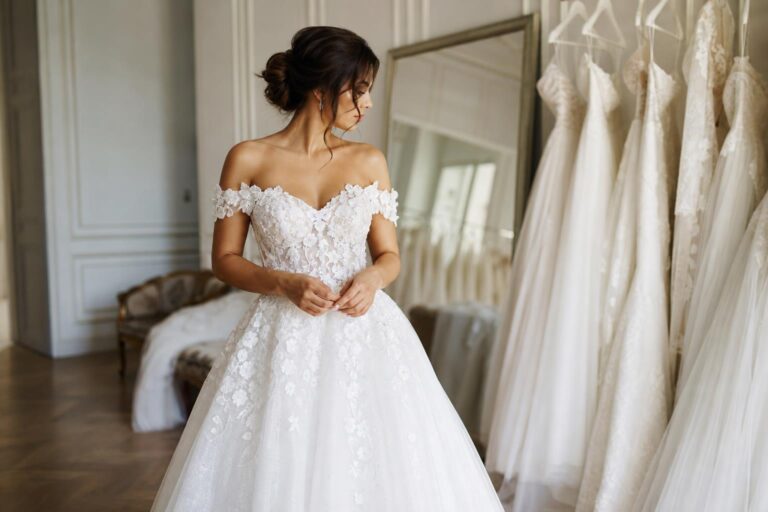
Fashion follows the same logic. The couple’s look usually feels elevated, whether that means a sleek dress, tailored suit, or something softly romantic with a strong silhouette. Guests often read the dress code from the setting itself. If the room is layered with linens, place settings, candles, and intentional seating, they understand this is a more dressed-up evening.
Photography in this style tends to feel timeless and cinematic. The images often emphasize glow, detail, tablescapes, and emotional closeness. Because the decor is edited and the environment more controlled, the visual story can feel especially cohesive.
Style overview: the casual welcome night rehearsal dinner
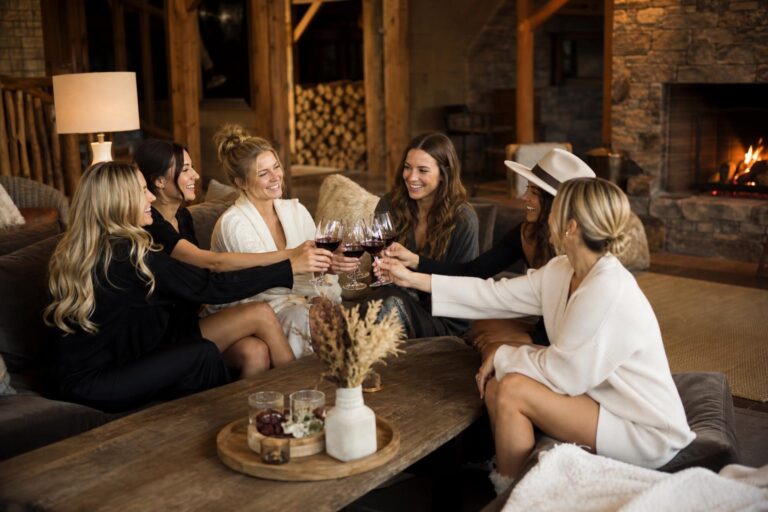
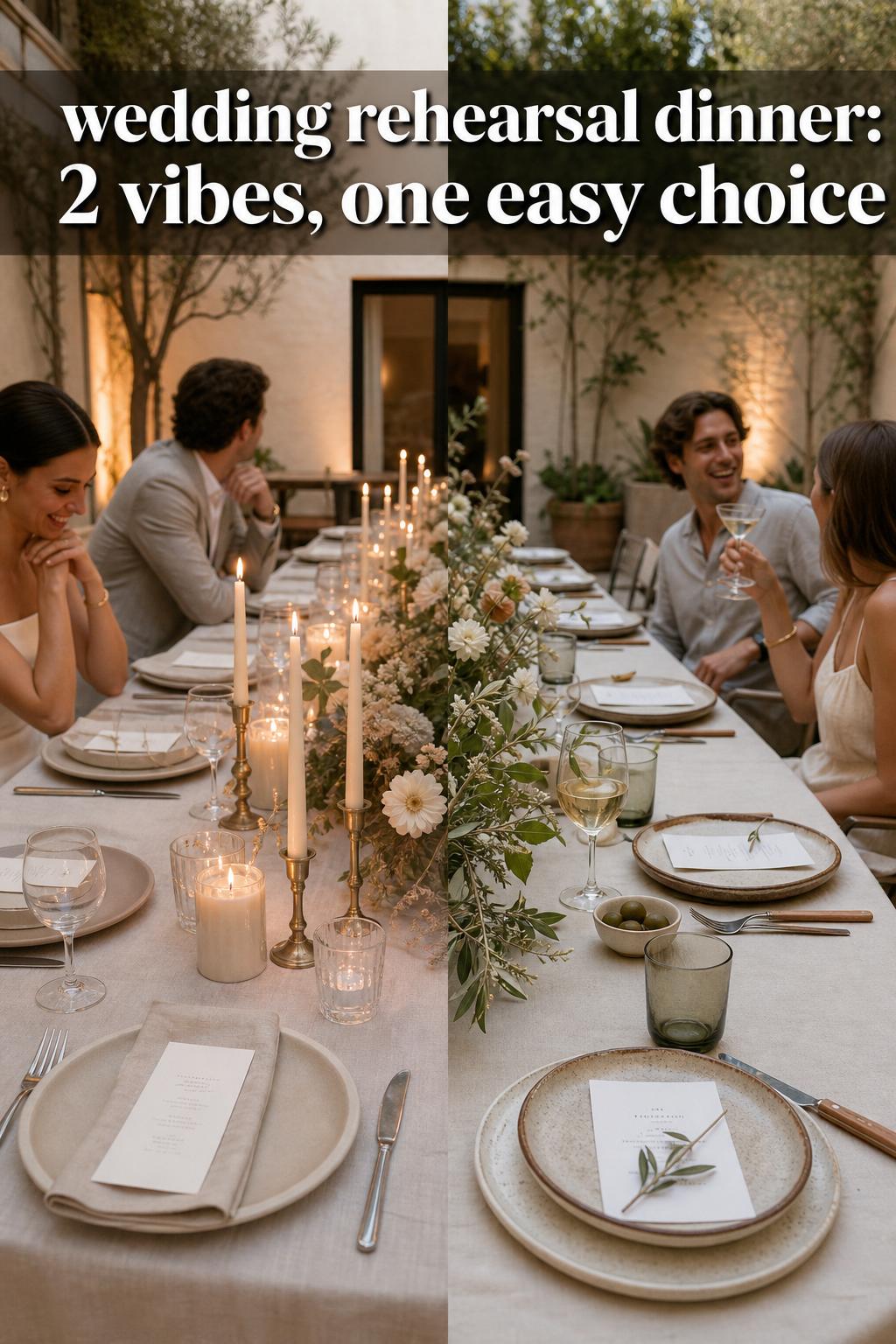
A casual welcome night still centers on the rehearsal dinner, but it interprets the evening more socially. The mood is relaxed, approachable, and designed to help everyone settle into the wedding weekend. Instead of a highly structured seated event, this style often feels like a gathering first and a formal dinner second. That shift changes the entire guest experience.
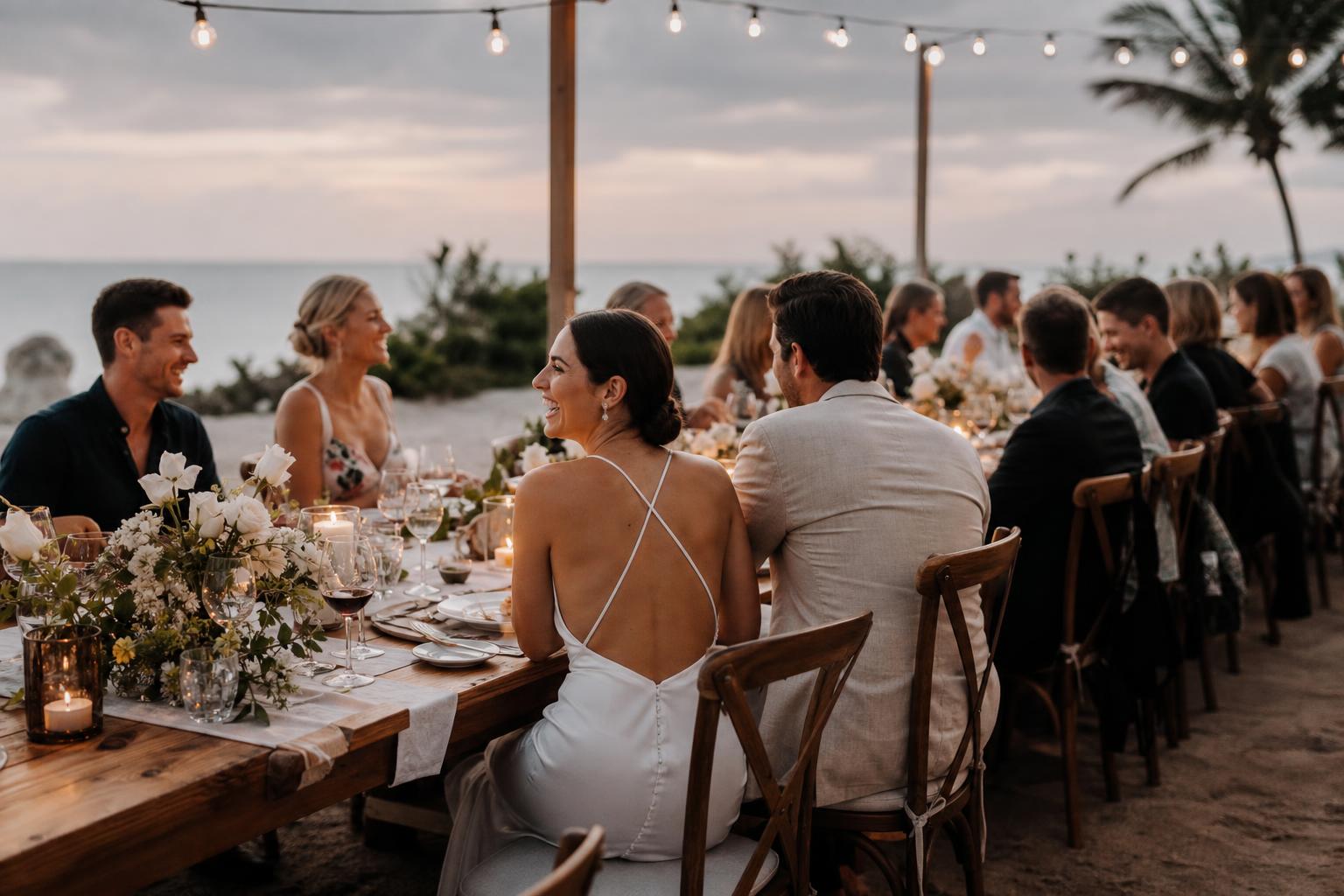
Venue compatibility is broader here. A backyard, brewery-style setting, beachside restaurant, garden patio, rooftop, or open-air space can all support this kind of evening because the style depends less on architectural polish and more on atmosphere and ease. Movement matters. Guests are usually encouraged to mingle, grab a drink, talk across groups, and settle into the celebration in a less scripted way.
The visual identity often uses lighter structure. The color palette may still be thoughtful, but it rarely feels rigid. Floral direction can be simpler, more seasonal in spirit, or used sparingly. Tables might be communal, mixed, or more flexible in layout. Decor does not disappear, but it behaves differently. It supports comfort rather than commanding attention.
Fashion tends to soften too. Outfits usually read as polished but not highly formal. The couple might choose relaxed tailoring, a simple white dress, or attire that feels celebratory without being ceremonial. Guests often feel more comfortable in this setting because there is less pressure to interpret an elevated dress code.
In photos, a casual welcome night often feels lively and natural. The best images usually capture candid interactions, movement, laughter, and the emotional release that happens when everyone finally arrives. It can feel deeply personal, especially for couples who want their wedding weekend to begin with ease rather than formality.
The emotional difference between these rehearsal dinner styles
The emotional distinction is subtle but important. An elegant dinner party rehearsal dinner creates anticipation through refinement. Guests tend to feel they are being invited into something intimate and meaningful, with a sense of occasion that reflects the significance of the wedding weekend. The mood can be romantic, gracious, and almost hushed in the best way, especially when lighting, seating, and speeches are thoughtfully timed.
A casual welcome night creates connection through ease. It lowers the emotional formality of the weekend and gives people room to relax into each other. That can be especially valuable when families are meeting for the first time or when guests have traveled and need a softer landing. The event feels less staged and more social, which often leads to a warm, open energy.
These styles also photograph differently. The elegant version tends to produce composed images with stronger visual symmetry, richer low-light atmosphere, and details that read clearly in still moments. The casual version produces more candid storytelling, with movement and guest interaction carrying the visual narrative. Neither is better, but each tells a different emotional truth about the weekend.
If one style feels intimate because it is structured, the other feels intimate because it is unguarded. That difference matters. Couples who want a rehearsal dinner that feels like a love letter to their closest people may prefer the editorial calm of the elegant dinner party. Couples who want everyone to exhale and connect may lean naturally toward the casual welcome night.
Where the distinction becomes obvious
Silhouette and structure
An elegant dinner party depends on shape and structure. The evening usually has a defined beginning, a seated meal, designated moments for toasts, and a clear visual hierarchy. A casual welcome night is looser by design. It may still include all the same components, but they are handled more fluidly. The practical result is that the elegant option feels more composed, while the casual one feels more spontaneous.
Decor density and styling philosophy
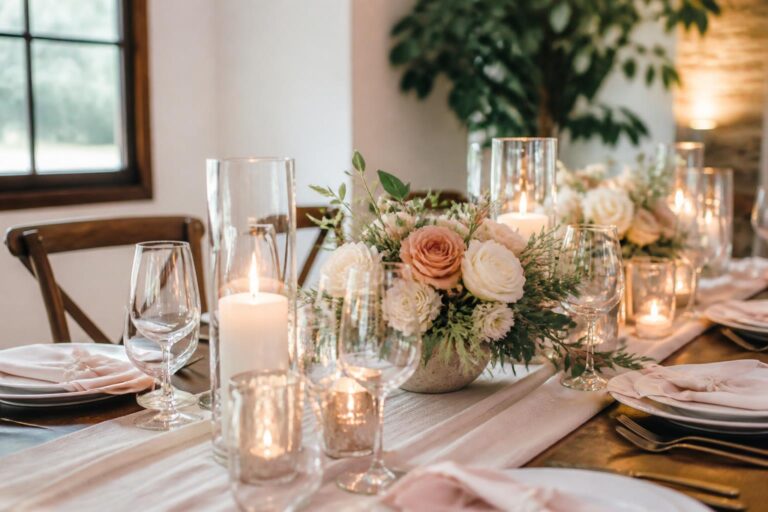
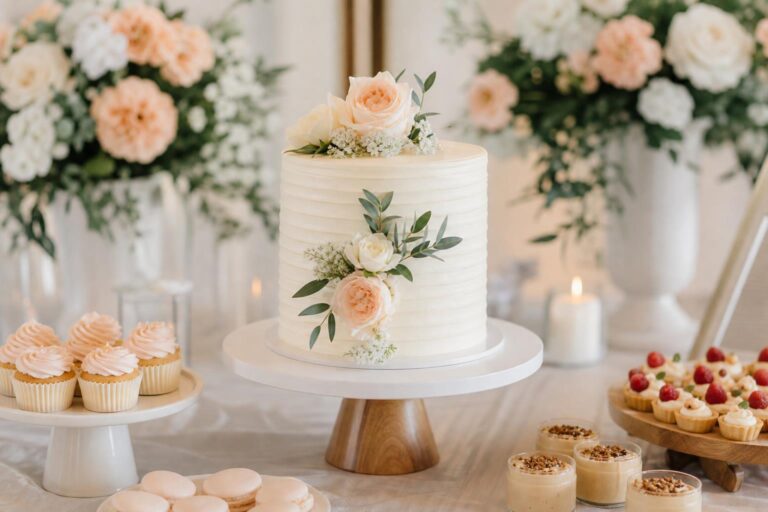
Elegance often comes from restraint. Carefully chosen candles, linen, glassware, menus, and a refined floral presence can make the room feel complete without overwhelming it. Casual styling usually works better when it does not overreach. If too many formal elements are added to a laid-back setting, the event can feel confused rather than charming.
Venue compatibility
A polished restaurant or private room naturally supports an elegant dinner party because the setting already communicates significance. Casual welcome nights are more flexible and can succeed in a wider range of spaces, especially venues where comfort, airflow, and movement matter more than formality. The wrong pairing can create tension. A highly formal setup in a very informal venue may feel forced, while a very casual approach in a grand room can feel visually underdeveloped.
Fashion direction and guest dress code
The elegant style encourages dressier choices and more defined silhouettes. Guests usually take cues from the invitation tone, venue, and table setting. The casual style leaves more room for personal interpretation, which can be a strength if comfort is a priority. It can also lead to inconsistency if the expectations are not communicated clearly enough.
Lighting and atmosphere
Elegant rehearsal dinners often rely on lighting to create mood. Candlelight, dim interiors, and focused table glow support the atmosphere in a way that feels layered and memorable. Casual welcome nights tend to work best with ambient natural light, string lighting, or a brighter social energy. The consequence is emotional as much as visual. One invites pause; the other invites motion.
Wedding style logic: what works best in real planning
Many couples choose a rehearsal dinner style based on what looks beautiful in inspiration photos, but the more useful question is how the evening needs to function. A wedding rehearsal dinner is not only about aesthetics. It is also about hosting a specific group of people, often after travel, and setting the tone for the next day. The strongest choice is the one that supports both mood and logistics.
Budget reality
A casual welcome night is often easier to execute with more flexibility because it can tolerate simpler decor, less formal service structure, and a wider range of venues. An elegant dinner party can feel incredibly worth it, but it usually depends on stronger visual cohesion. That often means more attention to tabletop details, rentals, florals, lighting, or private dining arrangements. Even when the guest count is modest, polish has a cost.
What is more forgiving visually
The casual style is generally more forgiving. If seating is mixed, floral styling is minimal, or guest attire varies, the event can still feel coherent because relaxed energy is part of the concept. The elegant style is less forgiving because every design element becomes more visible. If one piece feels off, it can interrupt the overall atmosphere more quickly.
Florals and cost impact
Florals influence the difference more than many couples expect. In an elegant dinner party, florals do not necessarily need to be abundant, but they do need to feel intentional. In a casual welcome night, simpler floral direction often works because the event is carried more by people and setting than by decor. This makes the casual version easier to scale without losing charm.
Photography priorities
If your priority is a refined visual story with layered details and atmospheric portraits, the elegant dinner party usually aligns more naturally. If your priority is emotional candor, travel-weekend energy, and guests interacting freely, the casual welcome night often delivers stronger results. This is less about quality and more about visual language.
Tips for choosing practically
- Choose elegance if you want the rehearsal dinner to feel like a distinct event, not only a prelude.
- Choose casual if guest mingling and comfort are more important than visual formality.
- Let the venue lead the decision instead of forcing a style the space does not support.
- Think about guest travel fatigue before choosing a long, highly structured evening.
How each style looks in real wedding moments
Bridal fashion direction
At an elegant dinner party rehearsal dinner, bridal fashion often mirrors the tone of the room. Clean lines, an elevated fabric, or a more formal white look feel natural because the setting can support them. Accessories tend to be chosen with the whole visual composition in mind. In a casual welcome night, the look usually softens. A bride can still wear white and feel special, but the styling often reads easier, lighter, and more movement-friendly.
Bridesmaid and guest styling
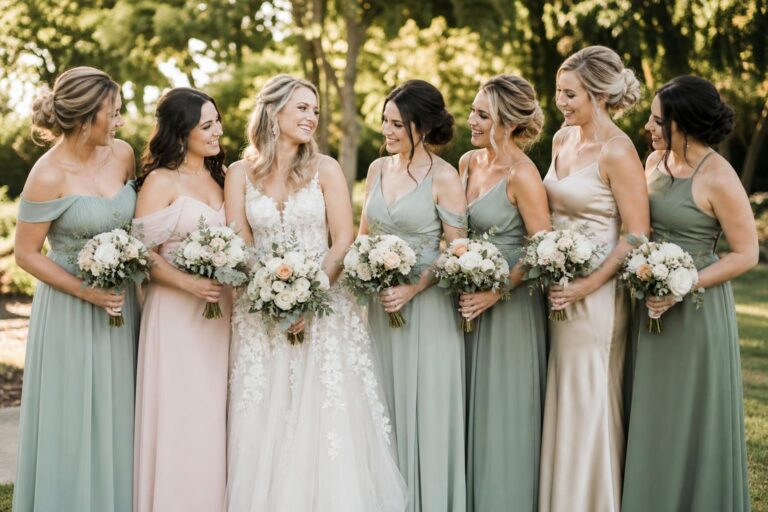
Elegant rehearsal dinners often create a stronger expectation of coordinated polish, even if there is no formal styling plan. Guests may naturally choose dressier outfits because the event signals that level of attention. Casual welcome nights tend to create a broader range of interpretation. This can feel warm and authentic, but it helps to set a clear tone so the room still feels cohesive.
Ceremony-adjacent rehearsal setting
Because the event begins with a rehearsal, the transition into dinner matters. An elegant version usually treats that transition as part of the experience, moving guests into a distinctly styled environment where the energy shifts from logistical to celebratory. A casual version tends to absorb the rehearsal more gently, making it feel like everyone simply flows into the evening together.
Reception-style tablescape
The elegant dinner party often centers the table. Place settings, linen, candles, menus, and floral scale all contribute to a composed visual field. The casual welcome night may still have beautiful tables, but they usually support conversation more than they define the room. The atmosphere comes less from precision and more from generosity.
Stationery and small details
In a more formal rehearsal dinner, paper elements and signage tend to matter because they reinforce the overall tone. In a casual welcome event, fewer details may be necessary, but the details that are included should still connect to the larger weekend. Cohesion is what keeps relaxed from slipping into random.
Example comparison: ceremony styling energy before dinner
Imagine the rehearsal has just ended. In the elegant dinner party version, guests leave the ceremony space and enter an environment that immediately changes their pace. The lighting drops, the seating feels intentional, and the room signals that this is an evening to settle into. The emotional effect is grounding. People speak more softly, notice details, and feel the meaning of the next day becoming real.
In the casual welcome night version, the emotional shift is lighter. People move into an open, social setting where they can grab a drink, find familiar faces, and reconnect naturally. The atmosphere tells them they can relax. This often works especially well when the guest group includes people from different parts of the couple’s life who need time to get comfortable with one another before the wedding day.
Example comparison: reception atmosphere and guest experience
An elegant rehearsal dinner reception atmosphere is often built around shared attention. People gather at the table, listen to toasts, and absorb the beauty of the evening in a collective way. The room feels held together by pacing and presentation. This can create a deeply memorable sense of intimacy when the guest list is smaller and the relationships are close.
A casual welcome night creates memory through interaction. The best moments may not happen at a single table but across the evening, in little clusters of conversation, spontaneous laughter, and introductions that finally happen face to face. It feels less centered on one visual focal point and more centered on social ease.
Example comparison: intimate wedding interpretation
For an intimate wedding weekend, the elegant dinner party rehearsal dinner can become almost an extension of the wedding itself. With a small guest count, the beauty of a seated candlelit evening often feels especially powerful because every person present is emotionally significant. The dinner becomes part of the emotional architecture of the celebration.
For the same intimate setting, a casual welcome night can feel wonderfully personal if the couple wants the weekend to begin without hierarchy or pressure. Instead of emphasizing formality, it emphasizes belonging. This approach is often the better fit when the couple wants the wedding weekend to feel like a gathering of loved ones rather than a sequence of increasingly formal events.
Example comparison: destination wedding version
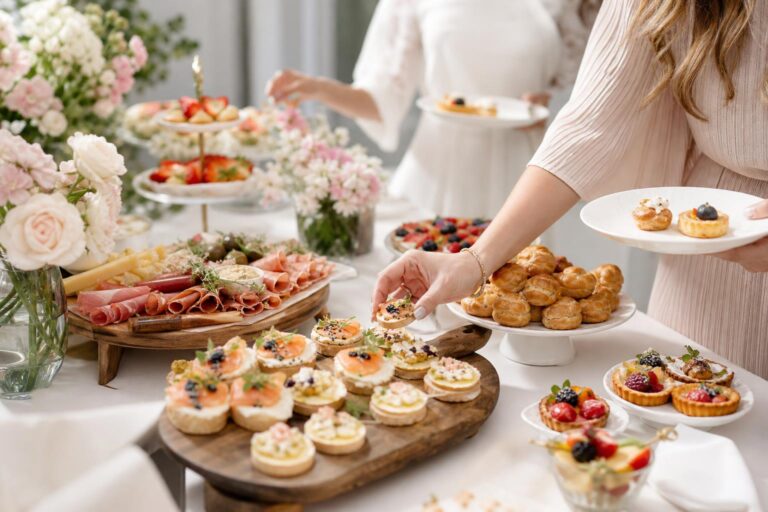
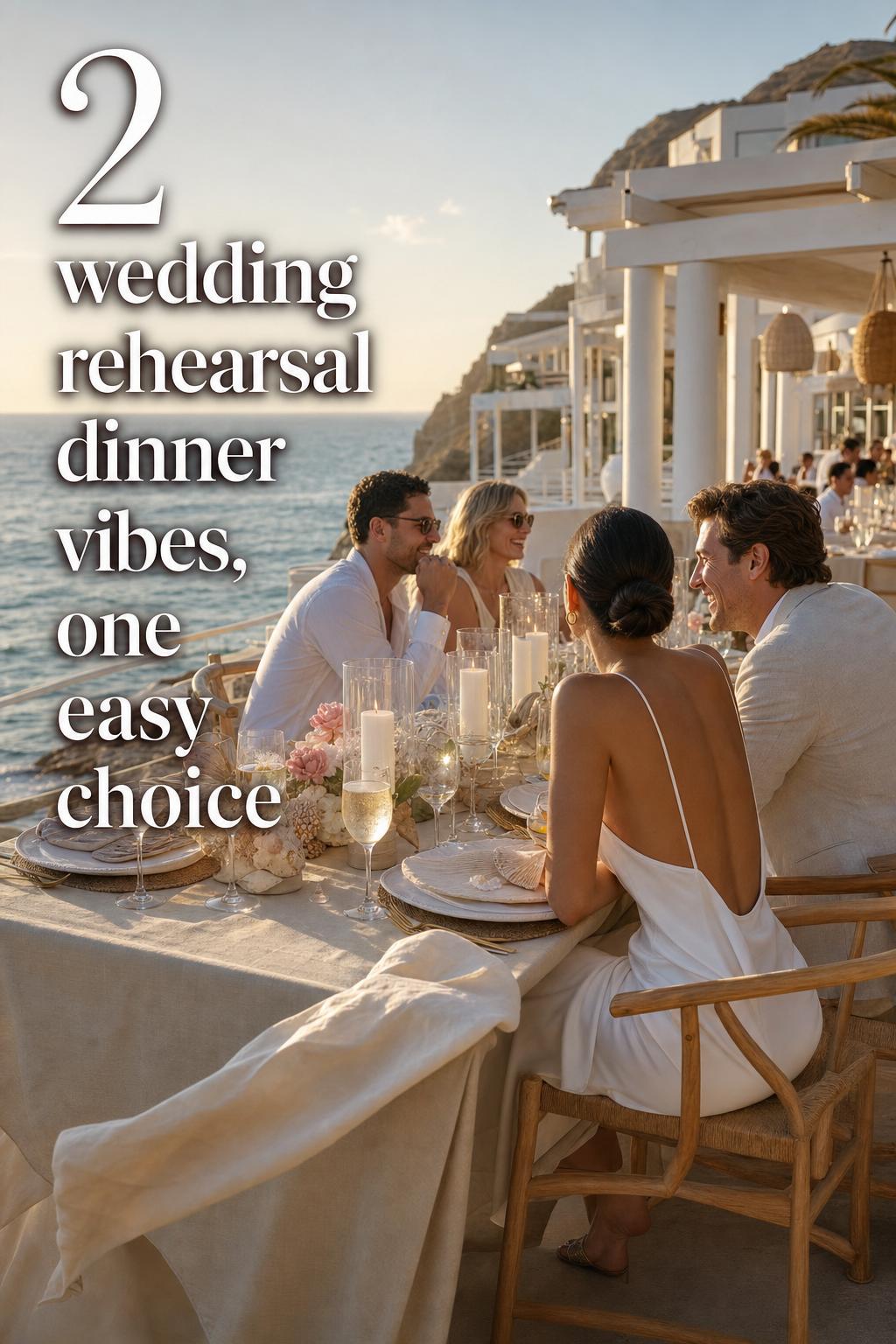
In a destination setting, the casual welcome night often makes immediate practical sense because guests may be arriving on different schedules, adjusting to travel, and craving an easy first event. The style allows flexibility, movement, and a softer start. The environment itself often carries much of the beauty, so the evening does not need heavy styling to feel memorable.
An elegant dinner party can still work beautifully for a destination wedding, but it usually succeeds best when the venue naturally supports that level of polish and when the guest group is ready for a more structured evening. In this context, elegance should feel effortless rather than demanding. Otherwise the event can become visually beautiful but emotionally tiring.
What often goes wrong with rehearsal dinner styling
The most common issue is not choosing too simple or too formal a style. It is mixing signals. A wedding rehearsal dinner feels inconsistent when the venue says casual, the tablescape says formal, the dress code says unclear, and the couple’s outfits belong to a different kind of evening entirely. Guests may not be able to name the problem, but they will feel it.
- Using an overly formal design plan in a venue that cannot visually support it.
- Choosing a casual concept but adding disconnected luxury details that feel out of place.
- Failing to communicate dress expectations clearly enough for guests.
- Letting the couple’s fashion feel unrelated to the atmosphere of the room.
- Overdecorating a social, relaxed space that would be better served by comfort and flow.
The solution is cohesion, not perfection. Once the emotional direction is clear, most practical decisions become easier.
What makes a rehearsal dinner feel expensive in the best way
Luxury at a rehearsal dinner rarely comes from excess alone. It comes from visual confidence. In an elegant dinner party, that might mean tonal layering, flattering lighting, refined floral restraint, and a room that feels finished from every angle. In a casual welcome night, it often means quality over quantity: a strong venue, good food, thoughtful flow, and styling that feels natural instead of overworked.
One of the most overlooked ways to elevate either style is consistency. Repeating the same mood through attire, table styling, lighting, and guest experience creates a stronger impression than scattering expensive details without a unifying point of view.
What ages better in photos
Both styles can photograph beautifully over time, but they age well for different reasons. Elegant rehearsal dinners tend to feel timeless when the palette is restrained and the styling is rooted in atmosphere rather than novelty. The strongest images usually come from texture, candlelight, and emotional stillness. Casual welcome nights age well when they feel honest. Their photographs endure because the interactions look real and the evening feels genuinely lived in.
If longevity matters deeply to you, avoid overcomplicating either style. A clear concept with good lighting nearly always holds up better than trend-driven detail for its own sake.
Venue pairing notes that make the decision easier
Some venues naturally suggest one direction over the other. The easiest wedding rehearsal dinners often happen when couples stop fighting the venue and let it tell them what kind of event wants to exist there.
- Private dining rooms usually favor the elegant dinner party because they already create intimacy and structure.
- Open-air patios, rooftops, and backyard settings usually support a casual welcome night more naturally.
- Historic or architectural spaces often benefit from restraint, which aligns beautifully with elegance.
- Social, movement-friendly spaces often work best with a relaxed format and softer visual expectations.
If you are uncertain, ask a simple question: does this space invite people to sit and savor, or to circulate and connect? The answer often reveals the correct style.
When to choose each style
Choose the elegant dinner party if you want
- A more formal start to the wedding weekend.
- A seated event with meaningful toasts and a strong sense of occasion.
- Editorial, candlelit, detail-driven photography.
- A smaller or more intimate guest list where every place setting matters.
- A visual experience that feels distinct from the wedding reception but equally intentional.
Choose the casual welcome night if you want
- A warm, easy beginning for traveling guests.
- More mingling, flexibility, and social flow.
- A venue that is naturally relaxed or outdoors.
- A lower-pressure dress code and more comfort-driven guest experience.
- An evening that feels like a gathering of loved ones rather than a formal hosted dinner.
Neither option is inherently more stylish. The better choice is the one that aligns with your personalities, your guest needs, and the tone you want to set before the wedding day begins.
Can you combine these styles successfully?
Yes, but one style should remain dominant. The most successful blend usually starts with a casual welcome night foundation and layers in selective elegance through lighting, tabletop details, or the couple’s attire. This creates comfort without sacrificing beauty. The reverse can also work, but it requires care. If an elegant dinner party becomes too relaxed in execution, it can lose the structure that made it compelling in the first place.
The key is avoiding equal visual weight from opposing ideas. A relaxed venue with a few refined details feels intentional. A highly formal table dropped into an otherwise casual environment can feel unresolved. Blending works best when the emotional goal is clear first and the design choices follow.
A final note on making the night feel like you
The real difference between these two rehearsal dinner styles is not simply formality. It is how each one invites people into your wedding weekend. The elegant dinner party creates intimacy through polish, beauty, and shared attention. The casual welcome night creates intimacy through ease, openness, and social warmth.
If you are drawn to candlelight, composed details, and a slower emotional pace, the elegant direction may feel most natural. If you want laughter, movement, and a softer start for your guests, the casual welcome night may be the clearer fit. And if you love something from both, keep one mood in the lead so the evening still feels cohesive.
A wedding rehearsal dinner does not need to imitate the wedding reception to matter. It simply needs to feel aligned with the people hosting it, the guests attending it, and the emotional beginning of the celebration. When the atmosphere feels honest, the night becomes unforgettable for exactly the right reasons.
FAQ
What is a wedding rehearsal dinner?
A wedding rehearsal dinner is a gathering held after the ceremony rehearsal, usually the evening before the wedding, where the couple, wedding party, immediate family, and close guests share a meal and begin the celebration in a more intimate setting.
Should a rehearsal dinner be formal or casual?
It depends on the tone you want for the wedding weekend, your venue, and your guest experience priorities. A formal rehearsal dinner feels more structured and editorial, while a casual one feels more social and relaxed.
How do I choose the right rehearsal dinner style?
Start with how you want the evening to feel rather than what looks best in isolation. Consider your venue, guest energy after travel, desired dress code, and whether you want the night to center on seated intimacy or easy mingling.
Does the rehearsal dinner need to match the wedding style?
It does not need to match exactly, but it should feel connected. The strongest rehearsal dinners share an emotional relationship with the wedding weekend, even if they are more relaxed or more intimate than the main event.
What type of venue works best for an elegant rehearsal dinner?
Spaces with built-in character and a sense of intimacy usually work best, such as private dining rooms, refined restaurants, hotel spaces, or courtyards where lighting and table styling can create a polished atmosphere.
What type of venue works best for a casual welcome night?
Relaxed, movement-friendly spaces are often ideal, including patios, rooftops, backyard settings, beachside restaurants, or other open-air venues where guests can mingle comfortably and settle into the weekend.
Is a casual rehearsal dinner easier on the budget?
It often can be because the style is more forgiving and usually relies less on formal rentals, layered tabletop design, and highly structured service. Still, a casual event needs cohesion to feel intentional rather than unfinished.
Can a rehearsal dinner still feel special without a lot of decor?
Yes. A strong venue, flattering lighting, thoughtful pacing, and a clear emotional tone can make the evening feel memorable even with minimal decor. Atmosphere matters more than quantity.
How do I keep the rehearsal dinner from feeling visually inconsistent?
Make sure the venue, couple’s outfits, table styling, and guest expectations all support the same mood. Most inconsistency happens when the event mixes formal and casual signals without a clear dominant direction.
Can I blend an elegant dinner party and a casual welcome night?
Yes, especially if one style leads and the other supports it. A relaxed setting with elevated lighting and table details often works beautifully, while trying to give equal weight to both styles can make the atmosphere feel unclear.