Rustic Wedding Dresses That Work for Your Venue
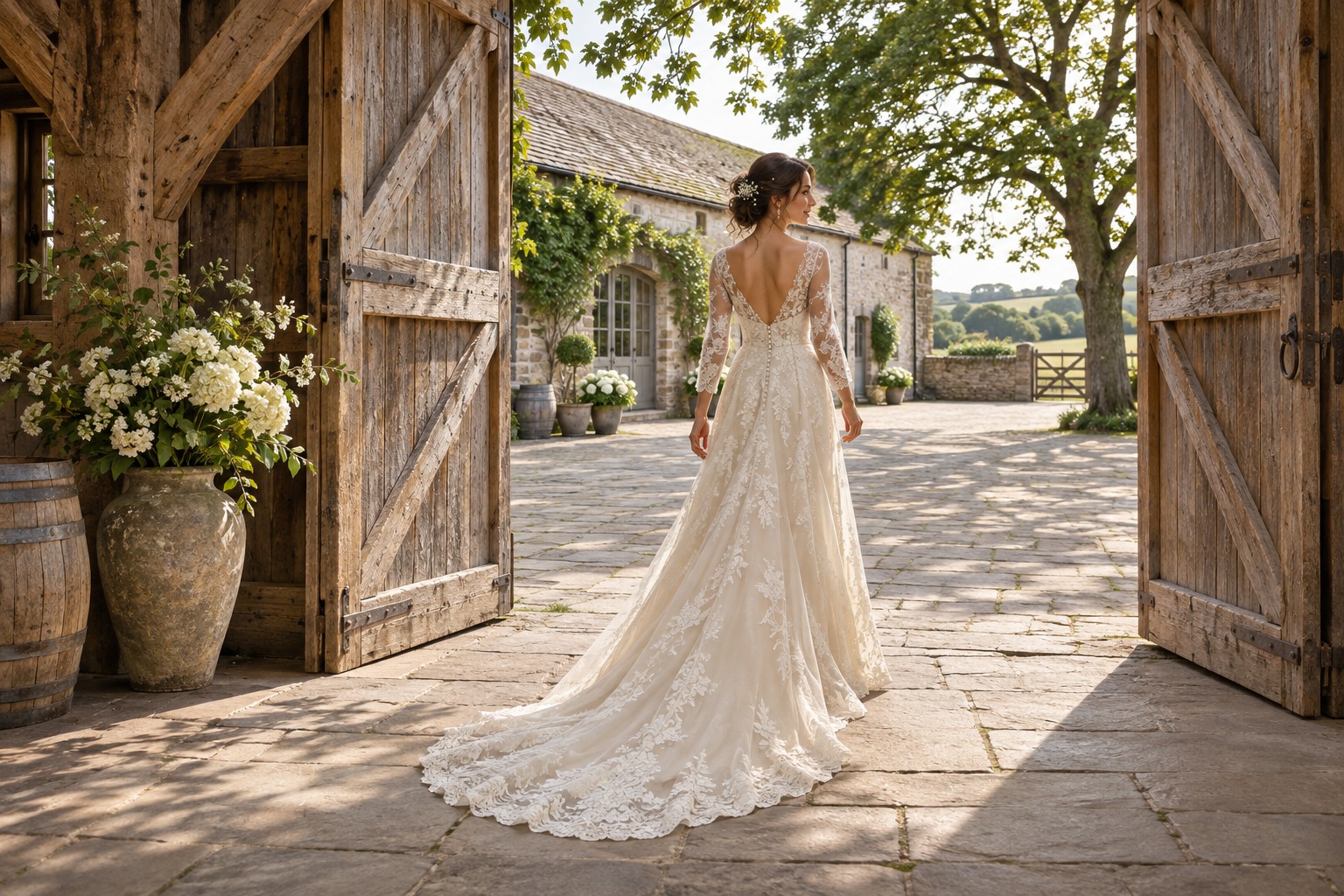
A gown that sweeps across the salon floor may need a hand at the barn door. You lift the skirt over the door track, then lower it for the aisle as you take your escort’s arm. When you’re sorting through rustic wedding dresses, I’d start with that stretch of the day. Keep the detail you love if you can handle it at the doorway and still make the entrance you pictured.
Try two gowns you would genuinely wear, in your wedding shoes if you have them. Decide how much train you want for the ceremony once you have a plan for carrying it to the aisle and gathering it for dinner.
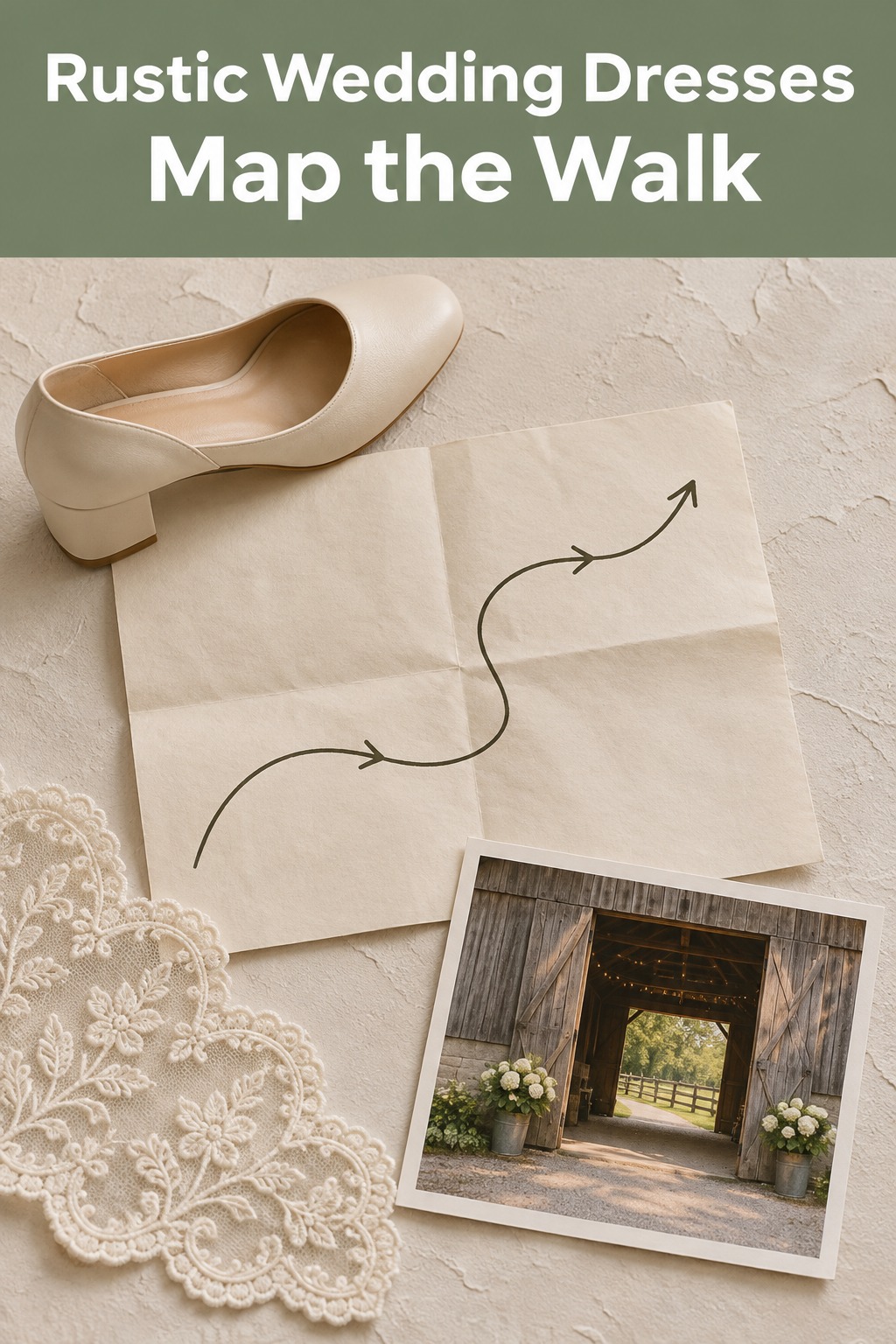
Map the walk before you book a fitting
Ask for the route from the getting-ready room
Start with the door you’ll use when you leave the dressing room. At a barn venue you might get dressed upstairs, use the main staircase, cross a courtyard and come through a side door. Most guests might see only the last stretch. Ask the coordinator for a phone video from the dressing room to the ceremony spot and on to dinner. Have them point the camera down at changes in the floor. Ask for a close view of any low board across a doorway. It can disappear in a wide shot.
Write down the two places where you expect to use a free hand. If the stairs have a handrail on one side and you plan to carry a bouquet in the other hand, who can collect the skirt behind you? If a path is wide enough for two people, you may be able to walk with your escort and lift a little fabric together. Put the relevant note next to the place on the map. You can bring a sketch on the back of an envelope.
Turn wedding inspiration into a plan you can actually follow.
Zarellea brings your guest list, budget, vendors, and day-of details into one shared space — so no beautiful idea gets lost in the shuffle.
Get the rain route while you’re asking
Ask which door people use if the lawn ceremony moves indoors and whether the path from the dressing room changes. A covered pavilion can still involve an uncovered walk between buildings. If you plan portraits outside even after a shower, decide where you would be happy to stop. A front porch or a dry doorway may give you the photograph you want without quite as much skirt handling as a walk out to the fence.
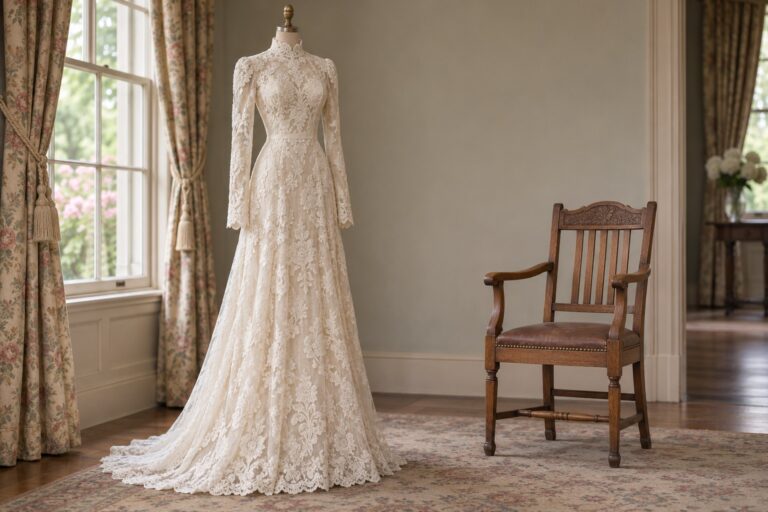
Take two images to the salon. One should show the hardest part of the walk. The other can be a dress photo showing the element that made you save it, such as an open lace sleeve or a shaped scalloped hem. With those two pictures, the stylist can look for the sleeve or hem detail on a gown with a manageable train. If you have a solo entrance or expect to use a mobility aid, say so early. Work through how much of the dress you need to manage independently, including while seated if that applies to you.
Run the same fitting tests on every finalist
Separate the front hem from the train
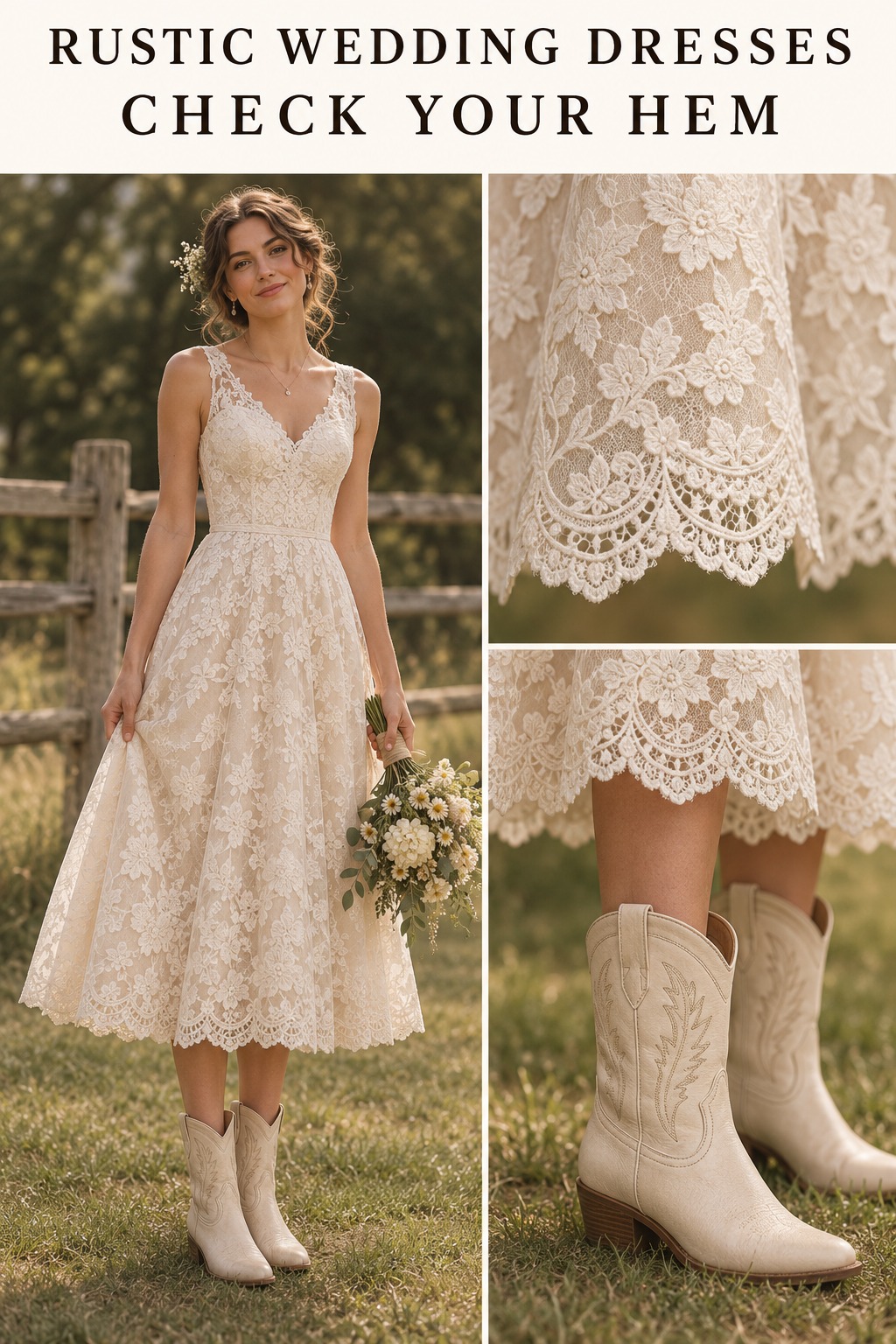
Look at the front hem while wearing the shoes you intend to use. Take several steps forward and ask someone to watch whether your toe catches an inner layer before it reaches the outer skirt. Have them look again when you stop and take the first step from a standing position. Give that first step its own check. You may do it several times if your photographer asks you to stop and start.
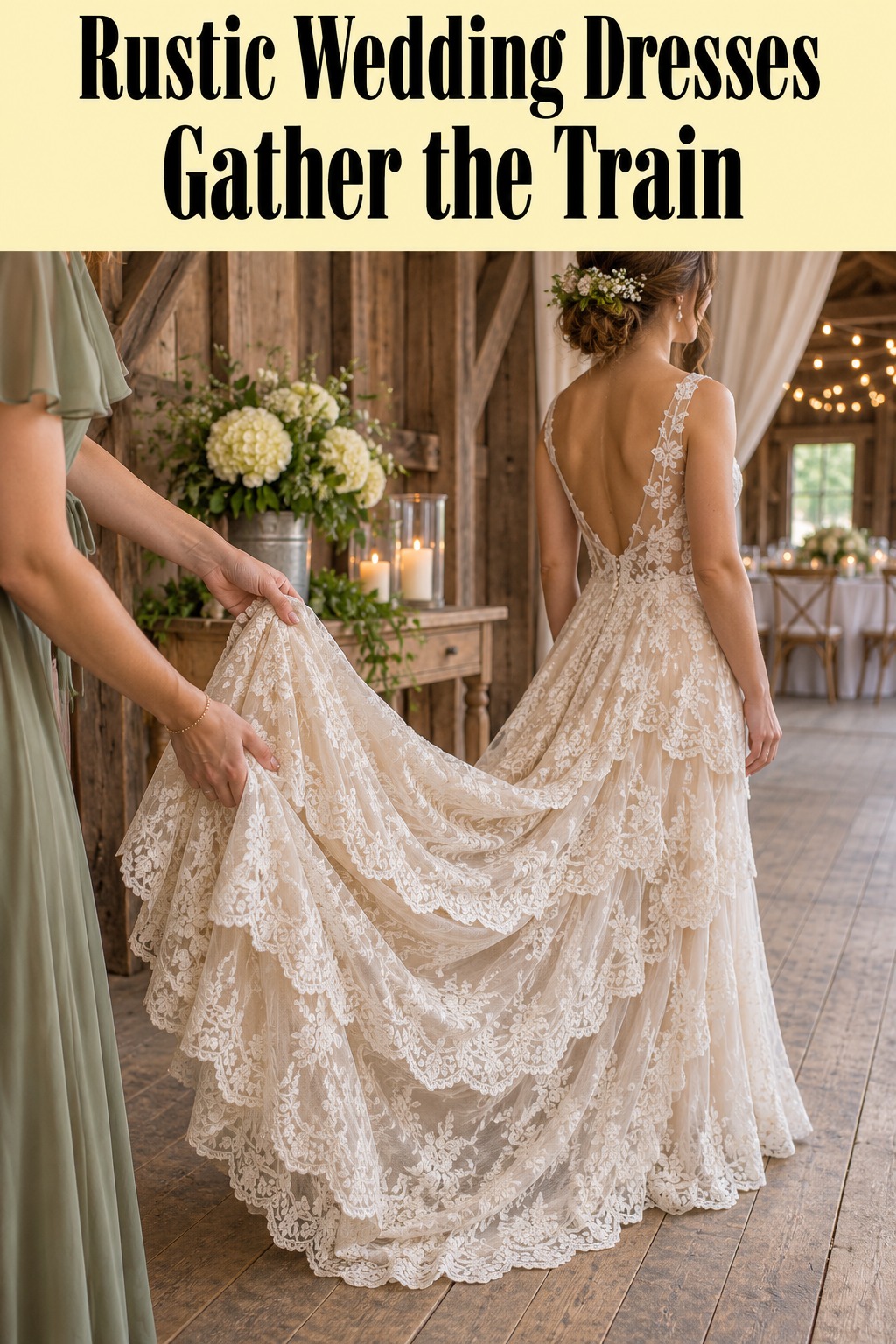
Look at the train fully spread, then ask how it could be bustled. A bustle gathers and secures the extra fabric so you can walk with the train up. Ask the alterations specialist where the finished train would sit and how far it would project during a turn. A stylist may hold or clip the sample for you, so keep a note of what was simulated. With a scalloped hem, ask how much of the edge they can retain if they take up length.
Bring the shoes into the movement test
Bring your wedding shoes or a pair as close as possible in heel height, toe shape and sole. With boots, check where the top of the shaft meets the lining at the front and sides. Walk forward, turn and sit back down. A skirt can look fine when you stand with your feet together, then need a little shake to fall free when you rise. If the lining stays up on the boot after two tries, check whether a different lining, shoe or dress would solve the problem.
If you want a second pair for dancing, bring both to the later fitting. A heel change can affect front clearance. Have someone look for fabric under your foot in the lower pair and try both configurations with the train up. If the lower shoe gives you room to dance but the hem drags, let the specialist check how much can be changed before you count on switching. I’d settle on both pairs before the final hem. Then you can ask the specialist to check the length in each pair.
Sit through a toast and make a dance turn
Ask for a chair close to the one you’ll use at dinner, with arms if applicable, and sit for long enough to notice how the dress feels after the first adjustment. See where the skirt naturally falls when you draw your feet under the chair. Try reaching to the side as you would for a glass or to thank a guest. If you are trying lace sleeves, note where you feel the sleeve tighten. A seam at the upper arm and a cuff that catches near the wrist call for different conversations with the salon.
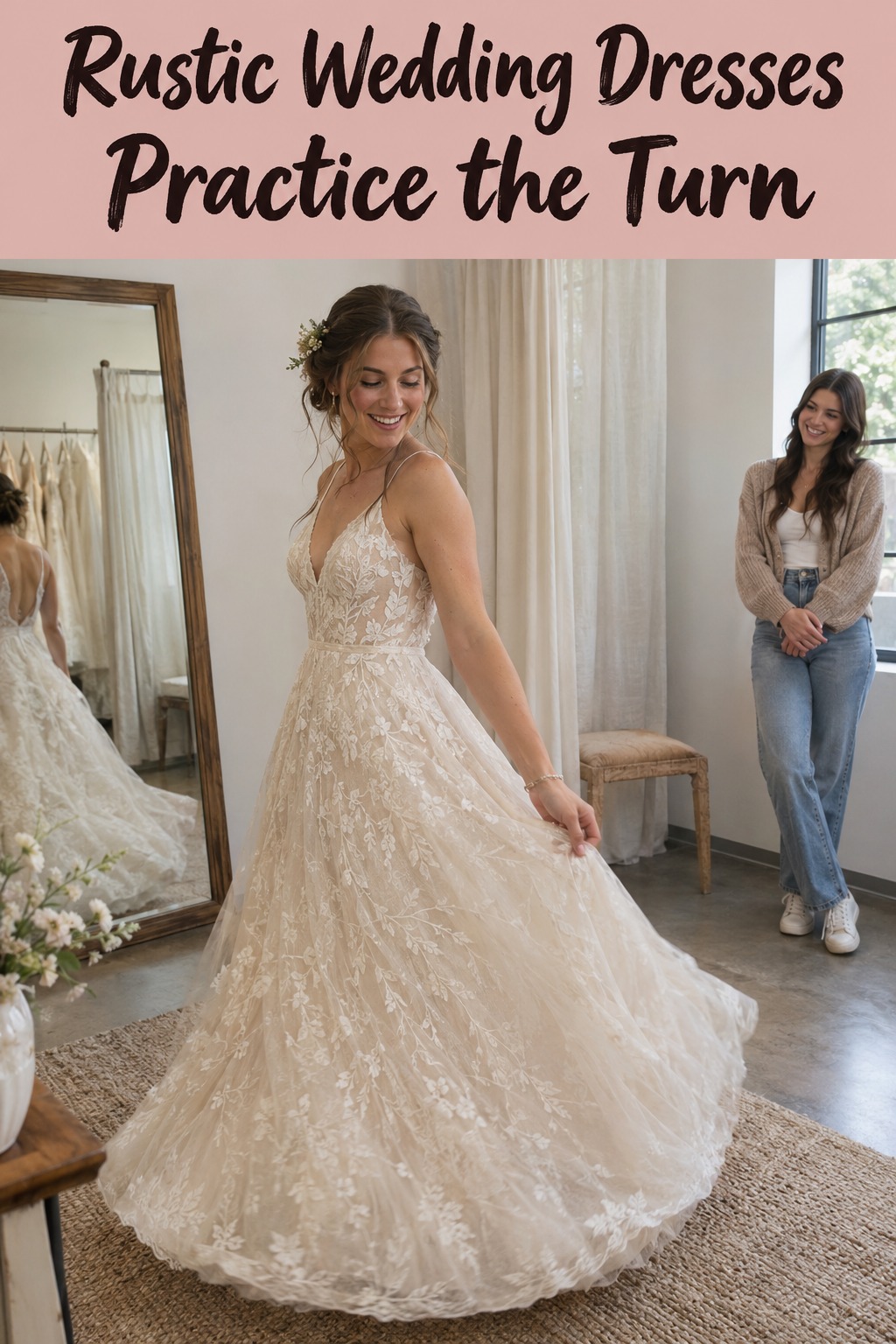
Stand and try a slow turn in each direction with the train gathered. You can also practice the first few steps of your dance if you know them. Film the same short sequence for each finalist from about knee height and from behind. Ask your companion to hold still so you can see where the skirt moves around the feet. At home, compare how often you reach down or pause to reset the skirt. A dress that needs constant attention in the sample may warrant a second test after a stylist identifies the cause.
Work through three rustic wedding routes
A raised threshold between the barn and the courtyard
Say you’re getting married and eating dinner inside the barn, with one trip out to the stone courtyard for portraits. A full-length gown with a short train is a sensible first try if you want lace visible from behind. Choose the place inside where your helper can gather the fabric before you step over the threshold. On your return, decide if you want a last portrait with the train out before someone bustles it for dinner. That saves an extra change beside a busy doorway.
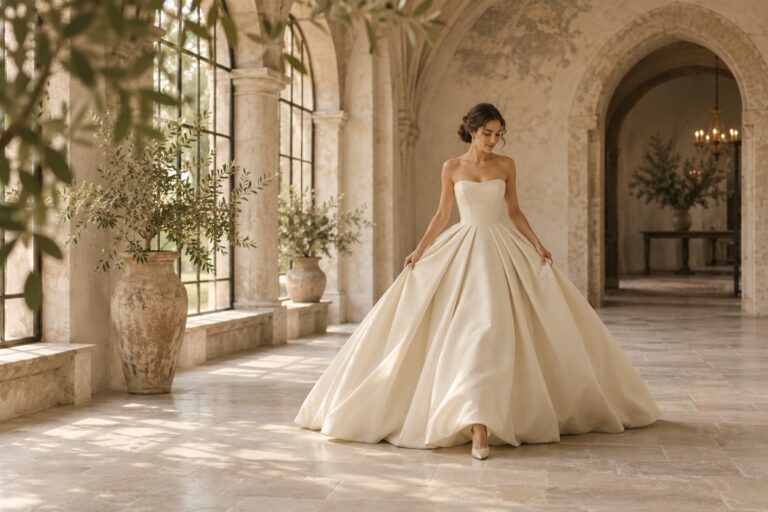
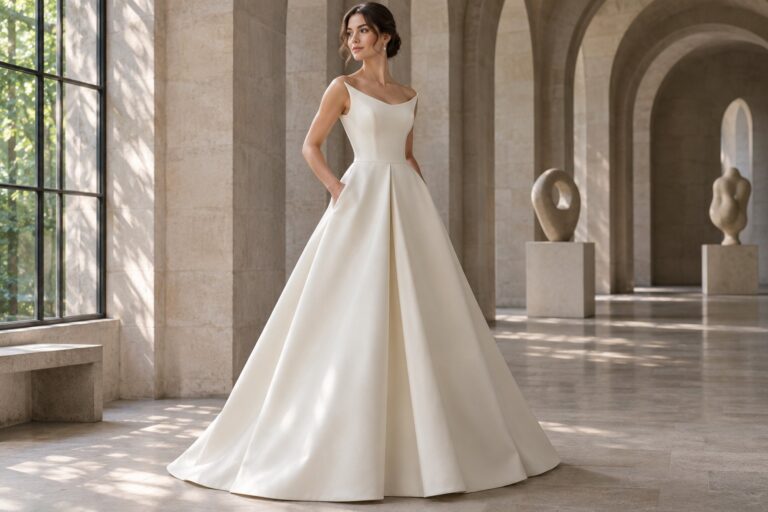
Try one gently flared skirt with a sweep and one with a longer lace train. At the fitting, take a deliberate high step using a salon-approved step, or mimic the motion on the flat if the shop has no suitable surface. Check which layers you can catch in one hand. If the lace has a scalloped lower edge, get a rear photo with the train gathered to see how the motif falls. For this route, I would give the longer train a chance if you can make the handoff once and the bustle stays clear during the reception test.
An open meadow with a gravel approach
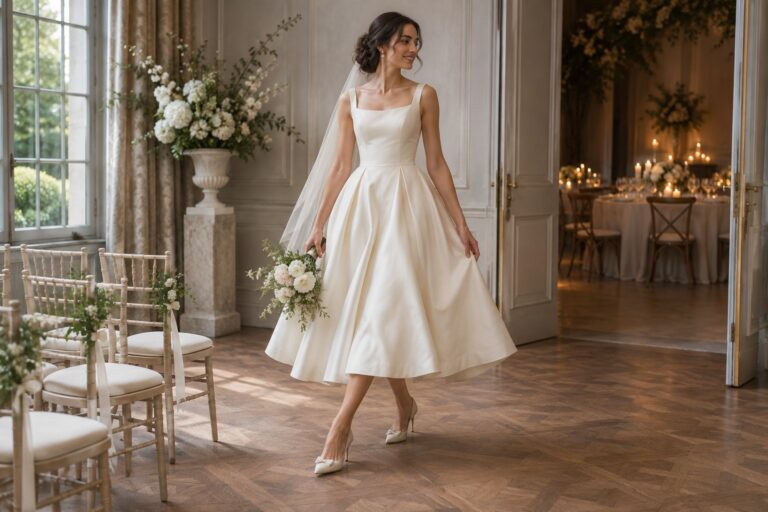
For a ceremony in a meadow, picture the walk from the gravel parking area right up to the grass aisle. You may have nowhere discreet to stop and arrange the dress. Start with an ankle-skimming or tea-length option if you like the proportions. Look at the shape in a full-length photo with your shoes. For a floor-length dress, try a relaxed skirt with a short sweep and ask how much fabric you would actually carry across the gravel. Allow for the outer layer and lining when you experiment with gathering it.
Check where a veil would fall while someone helps with the skirt. If you plan a long veil, see whether your helper can hold the train without pulling against the veil or making you stop halfway. A veil you put on by the aisle may be a reasonable option if there is a sheltered spot and someone who can place it securely. If you only have a few minutes between arriving and walking, pick the look you can arrange before you leave the building.
Boots for a ranch dinner and dancing
Start with the boots you intend to wear, especially if the stitching is part of the look. A tea-length skirt will show the shaft. A floor-length skirt with a slit may show the boots intermittently as you move. Take a few steps toward the camera to see how much is visible and watch what the skirt does when you stop. Maggie Sottero’s western bridal guide shows how different details can carry the look, including Vespera, an A-line gown with detachable sleeves and a slit.
If riding, stairs or other movements are part of the plan, describe them to the salon and make separate arrangements for anything you cannot safely rehearse in a fitting. For dancing, practice a step back as well as a forward walk. On a fitted gown, notice where the skirt first limits that backward step. If you will keep the dress on into the evening, choose the amount of boot you want to show in motion and the amount of stride you need to dance comfortably.
For your dress and venue walk
Try a tea-length bridal shape
Test how the shaft meets the hem
Check clearance in a low heel
Try the veil with the train
Review the dress with your alterations team
Describe exactly what happened
Take the fitting video to your next appointment. “The lining catches on the boot when I stand” is more precise than “the skirt feels awkward.” Say which shoe you wore, which way you stepped and whether the train was gathered. Ask the specialist to point to the layer or seam they think is responsible. Then ask how you can verify the change before the work is final. If different shops are handling the purchase and the alterations, share the same fitting notes with both.
Decide what you need to see before you say yes. For example, you might be happy to order the dress if the salon can demonstrate a workable way to gather the train. You may want to leave the decision open until you can try a similar sample in an appropriate size if the fitting sample twists with the back clipped. If you still cannot use a stair rail without dropping the front layers after you try the proposed adjustment, go back to a candidate whose hem you can handle on that route.
Give someone a job and time to learn it
Ask the person who will help with the bustle to attend the last fitting or see a video of the specialist doing it. Start the recording with the train down and take a close view of the first attachment point. The helper may be working with less light or space on the wedding day. Agree where they will do it, whether that’s the dressing room after portraits or a quiet spot near the reception entrance. If the bustle needs two people, ask both beforehand.
Leave your final appointment with one full-length photo in each configuration you expect to wear. Include the ceremony look and the version with the train gathered and any different shoes. Try the door and sitting motions again if the shop can accommodate them. If you discover an issue late, ask which adjustments are reversible and what can be checked in the time available. A change in where you put on a veil or where you take portraits may be easier to rehearse than an untested garment change.
Editor’s take
I would keep the longer train if I wanted it for the vows and someone could gather it before the hardest part of the walk. A long train makes more sense on a short aisle with a dry staging area than on a route that needs frequent stops and both hands. I’d decide with a full-length moving clip and a conversation about the actual bustle that can be made on the dress. My advice comes from reviewing bridal collections and salon guidance. Before the first appointment, get one photograph of the surface you expect to find hardest and bring the shoes you would actually wear across it. Ask the stylist to walk you through that one spot with every dress on your shortlist.
Sources and methodology
The Kleinfeld country bridal guide gives examples of shorter hems, tiered skirts, lace and boot styling. The designer and salon collections informed the range of designs considered here. The venue routes are worked examples, and the effect of any alteration depends on the individual dress and the specialist’s assessment.
FAQ
What makes a wedding dress look rustic?
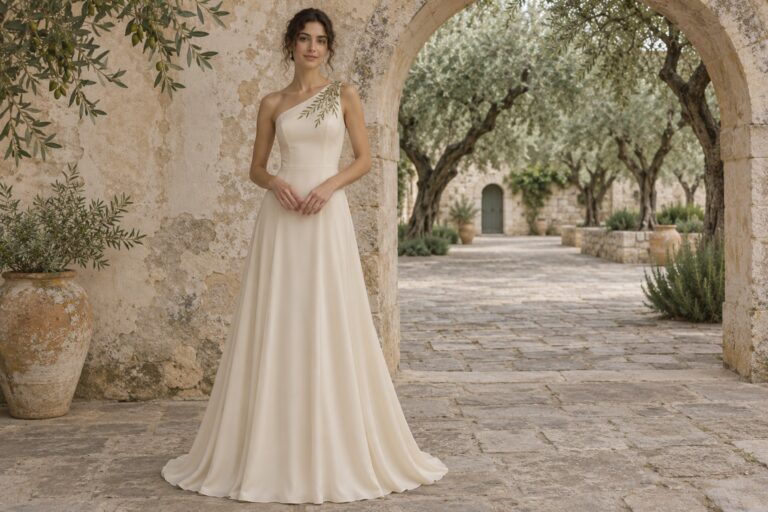
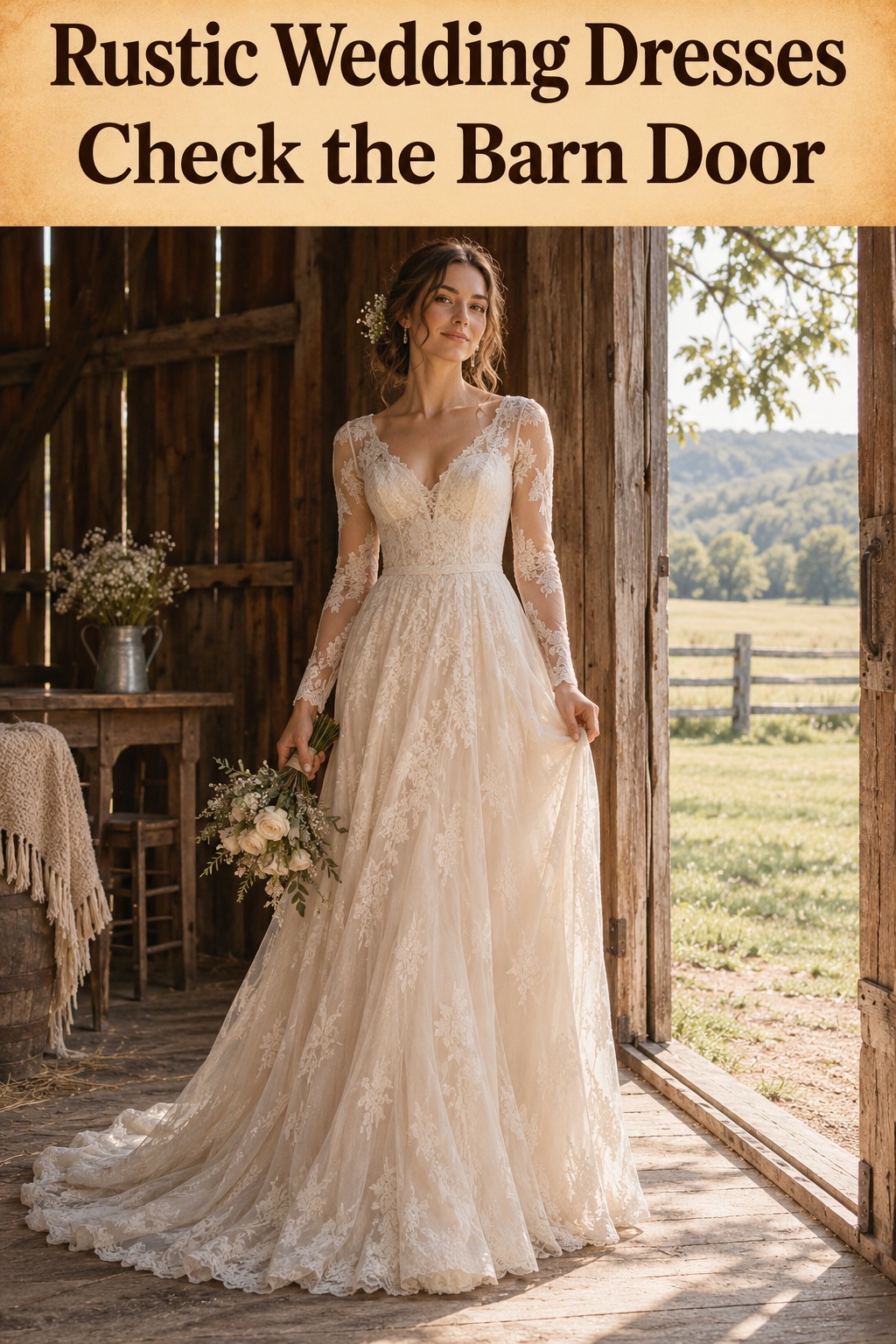
Open lace, soft draping, a scalloped edge or a relaxed skirt can suit weathered wood and an outdoor ceremony. You can also wear a plain gown and let the setting provide the texture. Choose a detail you like at full length, then see what it asks of the dress as you walk and sit.
Can I wear a cathedral train in a barn?
Consider it if you have room to spread it for the ceremony and a place to gather it afterward. Check door tracks, steps, the aisle width and the way to dinner. Ask the salon to demonstrate how the train could sit when lifted, then try turning with it up. If you will need both hands to manage the walk, have someone available to help or try a shorter train.
What is a good hem length for a grass aisle?
Try an ankle-skimming length if you like a visible shoe and want more clearance. If you prefer floor length, check the front edge and any lining in your ceremony shoes. Ask whether the aisle has a mat or an uneven approach. A short lawn aisle reached by a paved path is a different fitting problem from a long walk over grass.
Do I have to wear cowboy boots with a rustic wedding dress?
Wear them if they fit the look and feel right for your route. A low shoe you already like is a good choice to test as well. Bring the actual pair you plan to wear when the salon sets the hem. If you choose boots, check how the lining falls against the boot shaft after you sit.
Are detachable sleeves worth trying?
Try the dress with the sleeves on and off if you want coverage at the ceremony and freer movement later. Check where the fastenings sit and ask how the dress looks with the sleeves removed. If they feel tight when you reach or take your partner’s arm, tell the stylist where they pull before deciding when you’ll wear them.
What should I ask for if I’m buying the dress online?
Request full-length front and back images, a short video of the dress in motion, and information on the front length, train, lining and return terms. Ask how the seller measures length and what can be altered on the specific design. Compare those answers with the shoes and route you have. If you can try a sample before committing, use the same movement tests you would do at a salon.