Midi Dresses for Weddings: A Practical Style Checklist
Shopping for midi dresses for weddings sounds easy until you read the invitation and realize that a garden ceremony, a hotel reception, and a black-tie evening each ask for a slightly different answer. The same hemline can look relaxed in cotton, polished in crepe, festive in sequins, or too casual when the event calls for a floor-length gown.
This checklist gives you a reliable order of operations. Start with the wedding details, choose a silhouette and fabric that communicate the right level of polish, then test the hem with your shoes and the venue. You will end with a complete outfit that is comfortable enough for the ceremony, photographs, dinner, and dancing, and useful beyond one RSVP.
The five-minute decision checklist before you shop
Before opening a shopping tab, collect the information that will decide whether a midi dress is the right starting point. The invitation and the time of day are your first clues. A formal daytime wedding may welcome a polished afternoon dress, while a black-tie evening usually points you toward a gown or the dressiest cocktail option. When the invitation is vague, use the venue and the couple’s wedding website as supporting context, then ask a member of the wedding party if you are still unsure.
- Write down the exact dress code, including phrases such as cocktail, semi-formal, formal, black tie optional, or festive.
- Note whether the ceremony is during the day, at sunset, or in the evening.
- Identify the setting: ballroom, restaurant, church, garden, beach, vineyard, city venue, or private home.
- Check the weather and whether you will walk on grass, sand, gravel, stairs, or uneven paths.
- Decide what you need the dress to do after the wedding, such as work at a dinner, holiday party, or anniversary celebration.
A midi dress is often a strong choice because it sits between a short cocktail dress and a maxi, but length alone does not determine formality. The material, construction, color, neckline, and accessories do just as much work. A structured satin midi with elegant shoes can feel occasion-ready. A thin jersey version with casual sandals may look better suited to brunch. Think of the hem as the framework and the rest of the outfit as the message.
Turn wedding inspiration into a plan you can actually follow.
Zarellea brings your guest list, budget, vendors, and day-of details into one shared space — so no beautiful idea gets lost in the shuffle.
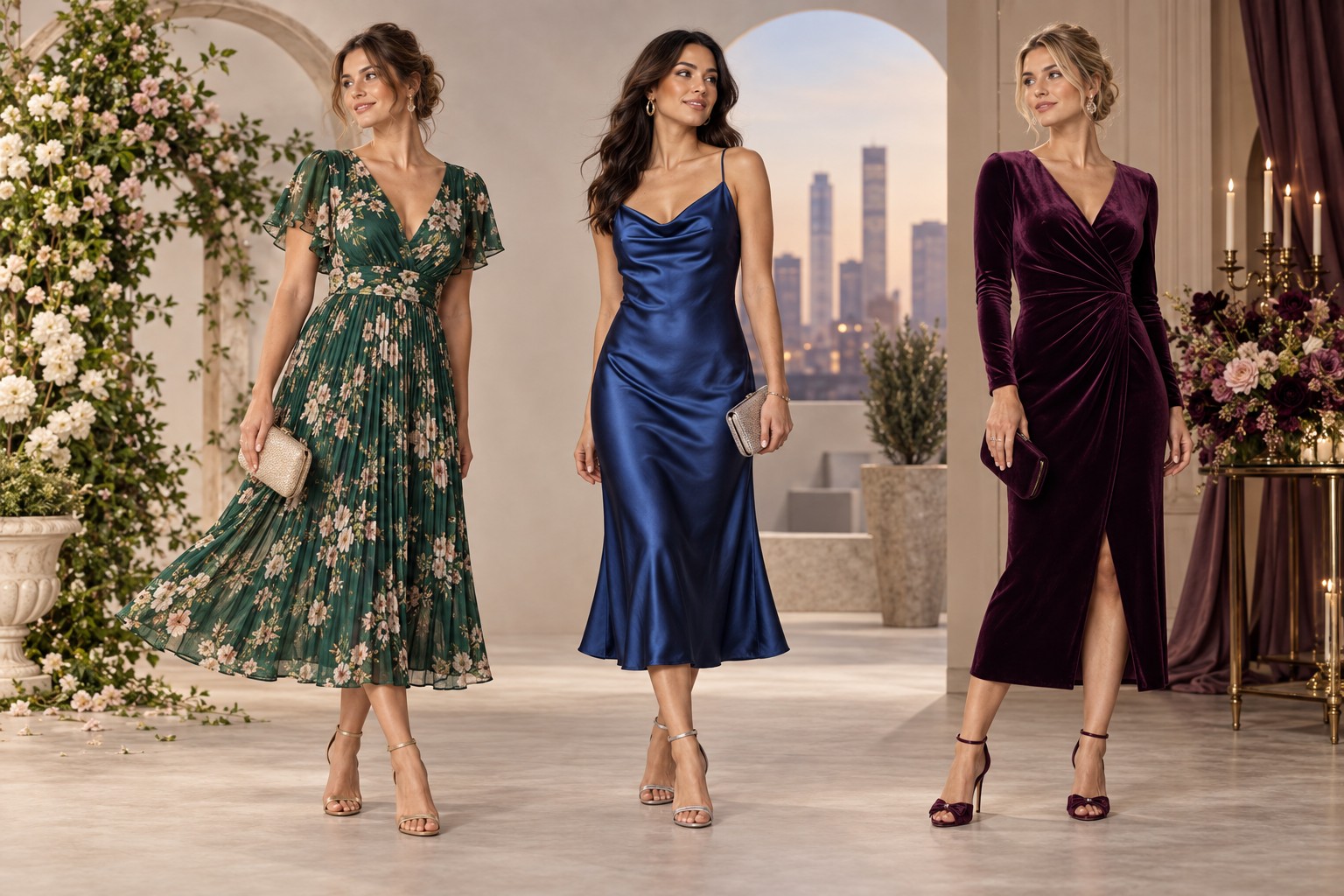
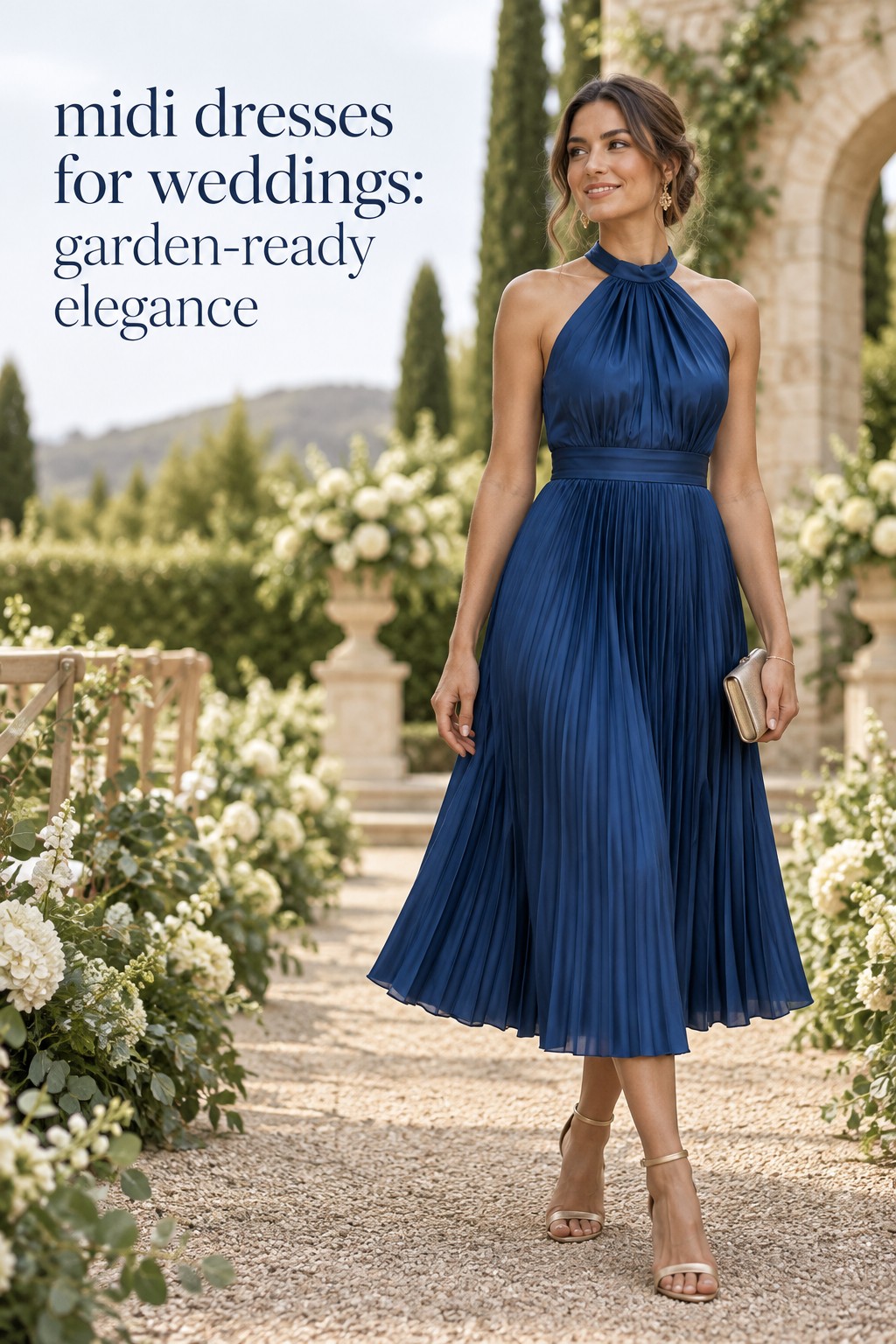
Use the venue to edit your first instinct. A sleek column midi may feel natural at a modern city reception. A printed wrap or softly pleated style may belong at a garden celebration. A heavier velvet or embellished style can suit a cool-weather evening. A breathable crepe, chiffon, or matte satin can work for warm conditions when the construction still feels polished. These are useful starting points, not rules about who can wear what.
Match the midi silhouette and fabric to the dress code
Once you know the event context, choose the dress based on the visual signal you want to send. The goal is to look intentional and respectful of the celebration, not to make the outfit as dramatic as possible. A well-chosen midi can be elegant across several dress codes, but a very formal invitation may require a longer hem.
For cocktail weddings
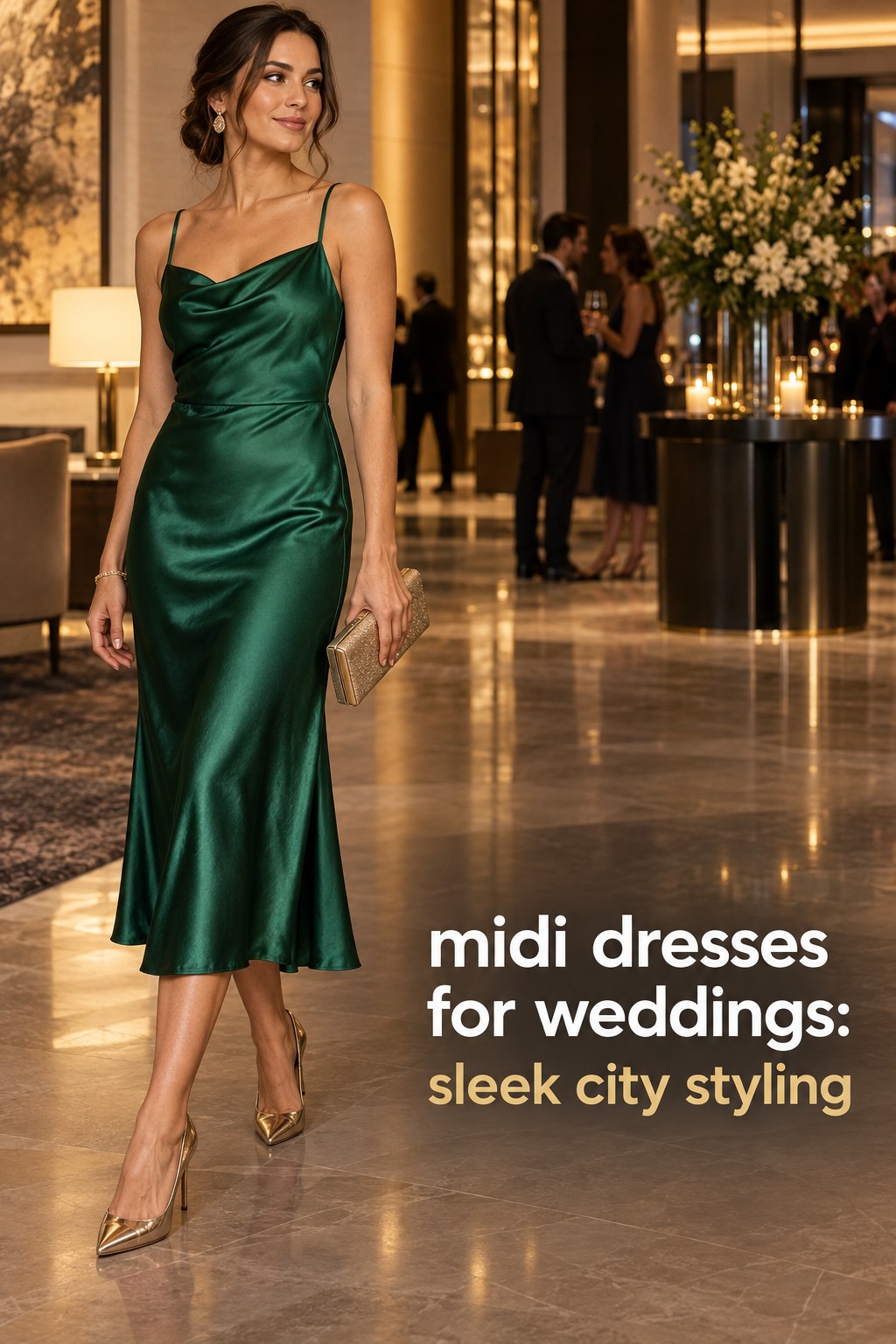
Cocktail is one of the easiest settings for a midi dress. Look for a defined waist, a refined neckline, a special fabric, or a detail such as pleating, draping, beading, or an interesting sleeve. A fit-and-flare, wrap, slip-inspired, or column shape can all work. Let one detail lead. If the dress has strong volume or shine, keep the jewelry and bag edited. If the silhouette is simple, pointed shoes or a sculptural earring can provide the occasion finish.
For semi-formal weddings
Semi-formal gives you room to balance polish and ease. A midi in crepe, matte satin, chiffon, lace, or a dressed-up knit can work, depending on the venue and time. During the day, a controlled print or lighter color may feel natural. In the evening, deeper color, a cleaner silhouette, or a little more sheen can raise the formality. Add a structured clutch and dressy flats or a low heel if you want the outfit to feel finished without looking overworked.
For formal daytime weddings
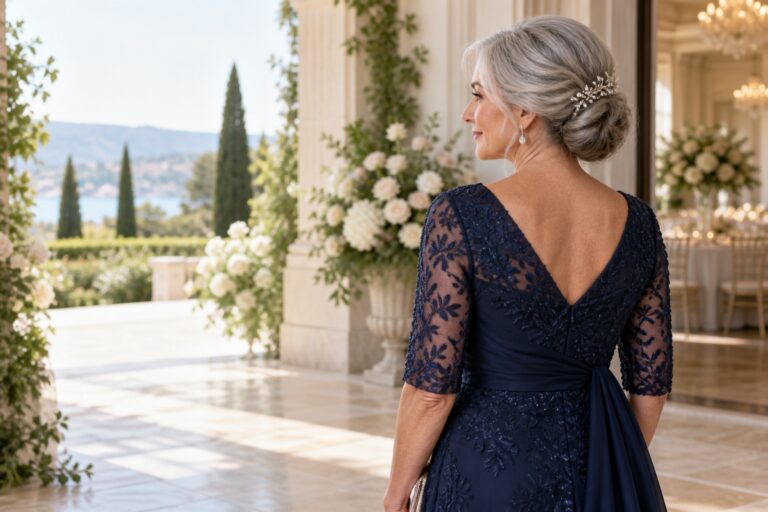
A formal daytime event can support a polished midi when the fabric and finishing are elevated. Try a tailored column, a softly draped sheath, or a full-skirted midi with a refined print. Avoid anything that reads like officewear unless you add occasion-specific accessories and a more luxurious material. A jacket, cropped wrap, or neat shawl can help at a ceremony in a cooler room or a house of worship. Keep the look graceful rather than overly sparkly before evening.
For black tie or black-tie optional weddings
Black tie deserves a careful pause. Etiquette guidance generally centers a floor-length evening gown, while black-tie optional leaves more room for a dressy cocktail choice. A midi can work in the optional category when it has substantial fabric, impeccable fit, evening color, and formal accessories, but it should not be your automatic answer. If the venue, invitation, or couple clearly signals a gala atmosphere, choose a floor-length dress instead. Your aim is to be appropriately dressed, not to win an argument with the dress code.
Fabric is your most useful formality lever. Satin and silk-like surfaces reflect light and can look evening-ready. Crepe creates a clean, fluid line. Chiffon adds movement and softness. Lace brings texture, but the lining, scale, and color determine whether it feels romantic or casual. Velvet has visual weight and often suits cooler evenings. Cotton poplin, linen, and lightweight jersey can be beautiful, but they may need especially polished accessories and a relaxed venue to feel right for a wedding.
- Choose structure when the invitation feels formal: a clean shoulder, defined waist, or controlled drape.
- Choose movement when the setting feels relaxed: pleats, a wrap skirt, a softly gathered waist, or a floaty sleeve.
- Choose texture when the dress is a solid color: jacquard, lace, velvet, subtle beading, or a raised floral pattern.
- Choose restraint when the print is strong: simple shoes, one jewelry focal point, and a quiet bag.
Color needs the same contextual reading. White and bridal-looking ivory are usually best avoided unless the couple specifically requests them. Very pale shades can also photograph closer to white than expected, so check the dress in daylight. Black can be elegant and appropriate at many weddings, but the overall styling should feel celebratory rather than severe. Jewel tones, saturated florals, soft blue, green, berry, warm rose, and rich neutrals offer plenty of alternatives without competing with the bride.
Build the outfit around hem, shoes, and venue
The most flattering midi length is personal because your height, proportions, shoes, and the dress shape all change where the hem lands. Instead of trusting the product photo, put on the dress with the shoes you expect to wear. Stand naturally, sit down, walk quickly, climb a few steps, and take a photograph from the front and side. The dress should not pull across the hips, twist as you walk, or make you spend the reception tugging at the hem.
Test the hem for movement and proportion
A narrow midi usually benefits from a little walking ease or a modest slit placed where it supports movement. A full skirt needs enough room to sit without lifting dramatically. If the hem stops at the widest part of your calf and you do not love that proportion, try a slightly shorter or longer version, change the shoe shape, or have the dress altered by a professional. Small adjustments can make the outfit feel deliberate rather than accidental.
Pay attention to the shoe-to-hem relationship. A pointed pump or slim sandal can extend a column shape. A low block heel adds stability without making the look casual. Dressy flats are useful for a long day, especially when the ceremony includes walking or standing. If you prefer boots, choose a polished pair that disappears under the hem or deliberately complements the dress. Avoid bringing a shoe that looks good in the mirror but cannot handle the venue.
Adapt the details to the venue
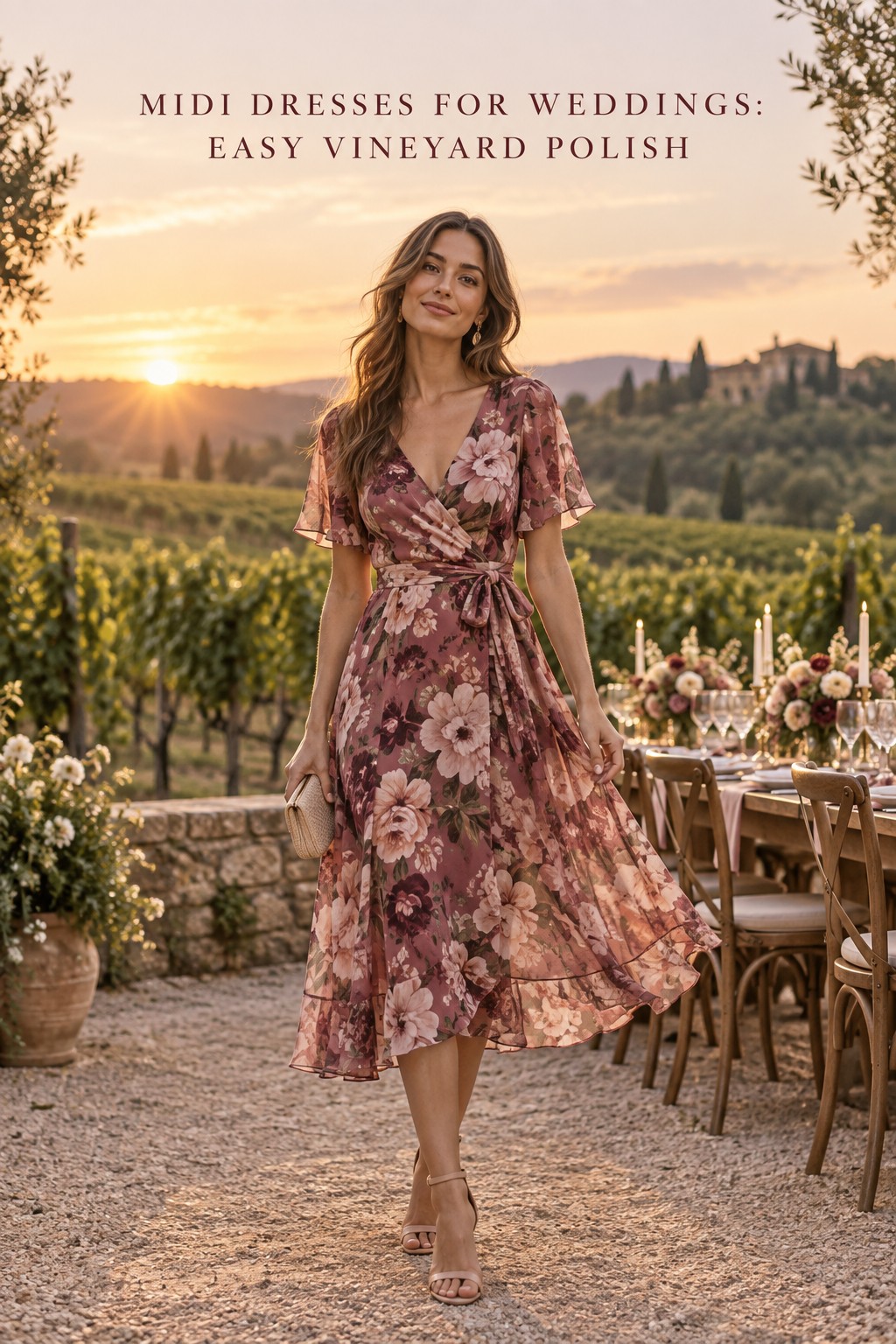
For a garden wedding, test the heel on grass and consider a block heel, wedge, or dressy flat. A wrap or light jacket can handle changing temperatures. For a beach ceremony, prioritize breathable fabric and footwear that can move through sand, then bring a more refined shoe for the reception if the event shifts indoors. For a city venue, a compact bag, comfortable walking shoe, and layer for air conditioning may matter more than a delicate accessory.
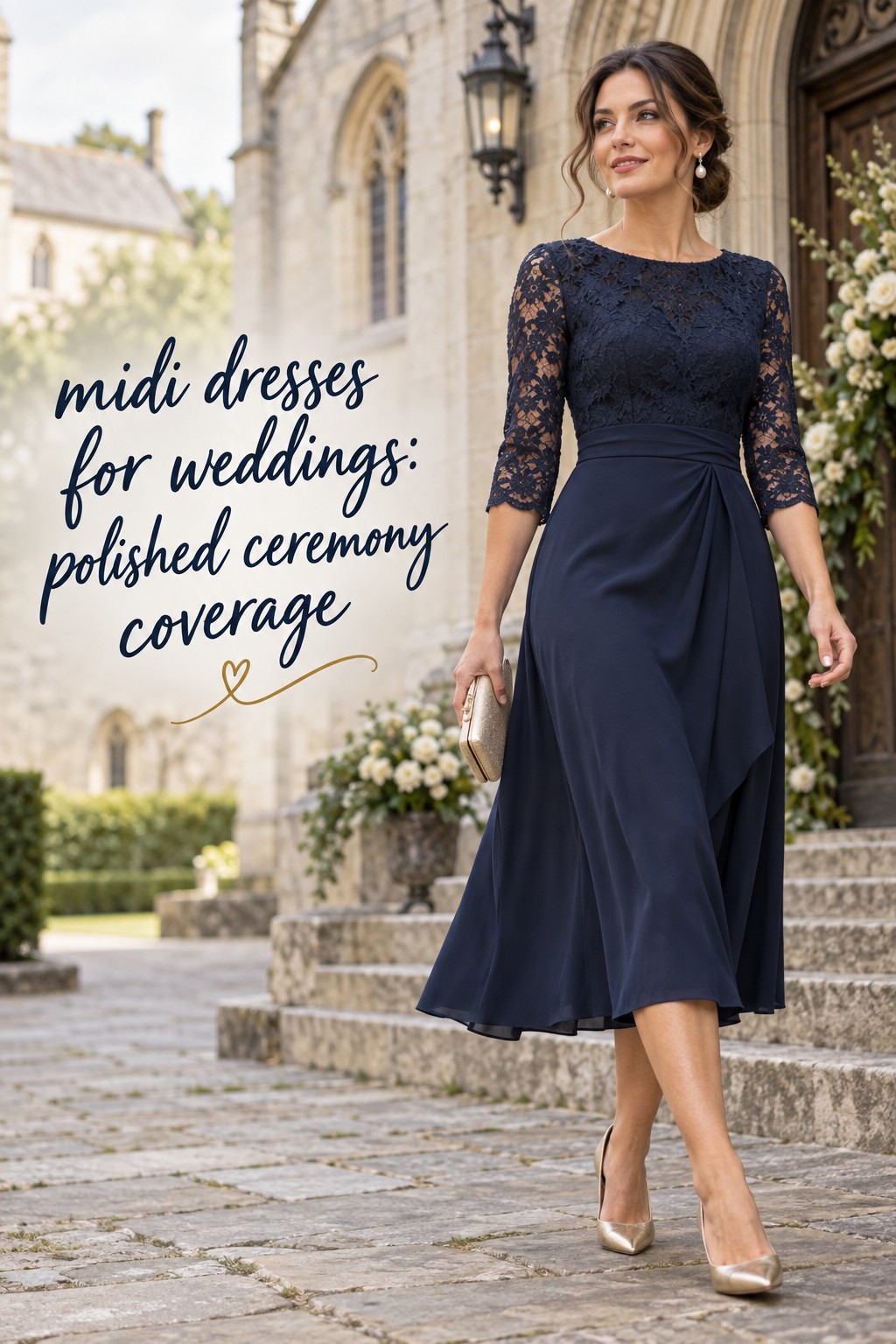
For a church or other house of worship, review the ceremony expectations before choosing a neckline, shoulder treatment, or slit. A matching jacket, shawl, or tailored wrap can make a sleeveless dress feel more versatile without changing the entire outfit. For a ballroom, you can usually lean into shine, sculptural jewelry, or a more dramatic sleeve. For a private home or restaurant, let the scale of the space keep your accessories edited.
- Garden or vineyard: block heel, soft wrap, controlled print, and a small bag that leaves your hands free.
- Beach: breathable material, secure neckline, low-profile shoes, and a layer for wind.
- City or hotel: pointed shoe, compact clutch, polished jewelry, and a jacket for indoor temperature changes.
- Church ceremony: respectful coverage option, stable shoes, and a hem that stays in place while seated.
- Long reception: tested undergarments, a comfortable bra, secure straps, and shoes you can wear through dancing.
Accessories should solve a problem or reinforce the dress. A belt can define an easy shape, a jacket can add coverage, and a shawl can protect you from evening chill. Jewelry can echo a neckline without copying it. A clutch should hold the essentials without becoming a burden. If the dress is patterned or embellished, start with one metal and one texture. If the dress is plain, you can make the bag, earrings, or shoes the memorable element.
Use one midi dress as a small wedding-guest capsule
The best purchase is not necessarily the most versatile dress on the rack. It is the dress you can realistically style in at least two other ways without needing a completely new wardrobe. Before buying, imagine the piece with one familiar shoe, one layer, and one bag you already own. If every part of the outfit depends on a special accessory, the supposed bargain may become an expensive one-time look.
Formula one: polished daytime ceremony
Start with a printed or softly colored midi, a low block heel or dressy flat, a compact shoulder bag, and small earrings. Add a neat jacket or cardigan only if the ceremony requires another layer. This formula works when the invitation suggests daytime, garden, restaurant, or semi-formal dressing. Keep the hair and makeup fresh rather than heavily evening-focused, and let the dress’s shape carry the outfit.
Formula two: evening cocktail
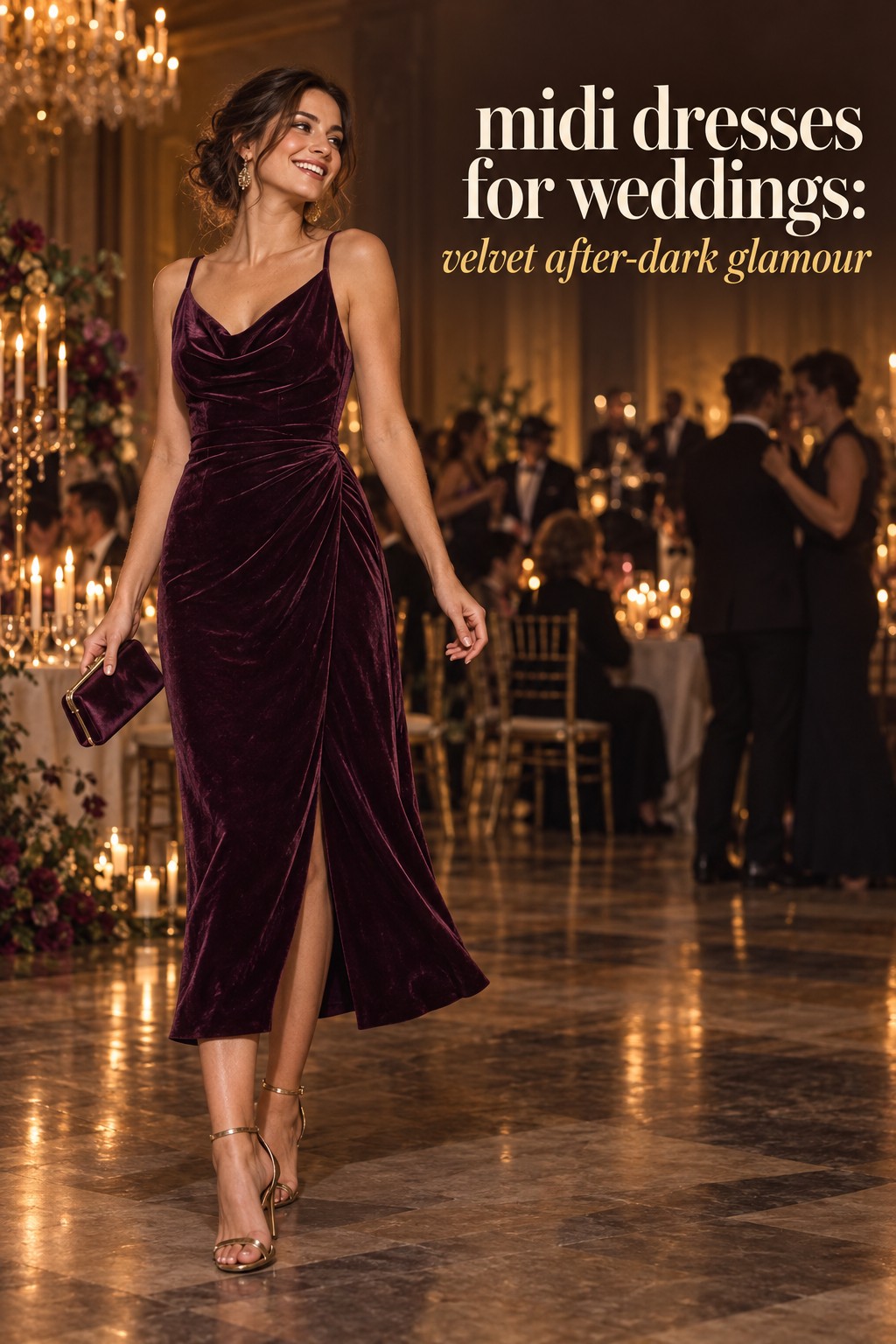
Use the same midi with a pointed heel, a clutch, and one stronger jewelry piece. A satin, crepe, velvet, or subtle embellished finish will do most of the work. Switch to a deeper color or a more graphic silhouette if the dress already has a quiet base. A sleek bun, defined wave, or clean makeup look can make the outfit feel different without adding visual clutter.
Formula three: rewearable dinner look
For a future dinner or celebration, change the styling language completely. Try a cropped jacket, leather-free refined flats, a simple belt, or a more relaxed bag. Remove the most wedding-specific accessory and let the dress work as a standalone piece. This is especially effective with a solid-color column, wrap, or fit-and-flare midi that does not rely on sparkle or overt bridal details.
Do a final review before you place the order. Check the size chart, return policy, lining, care instructions, strap adjustment, and whether the fabric is transparent in daylight. Read reviews for fit information, but treat them as clues rather than guarantees. If you need alterations, budget time for a fitting and a second try-on with the actual shoes. Keep a small emergency kit with fashion tape, a safety pin, blister protection, and a way to secure a loose strap.
Sources and methodology: This guide combines page-level review of ten US search results covering midi length, dress-code interpretation, venue, fabric, fit, footwear, and styling. For etiquette context, see Emily Post’s wedding guest attire guidance. For a focused discussion of cocktail midi choices and color, see Azazie’s midi cocktail dress guide. Product suggestions are intentionally omitted so the checklist remains useful across budgets and retailers.
FAQ
Are midi dresses appropriate for weddings?
Yes, midi dresses are appropriate for many weddings, especially cocktail, semi-formal, informal, and formal daytime events. The fabric, construction, color, and accessories determine how polished the dress looks. For black tie, check the invitation carefully because a floor-length gown may be the better choice. Always avoid a bridal-looking white or ivory outfit unless the couple has requested it.
What length is considered a midi dress?
A midi dress generally falls between the knee and ankle, often around the lower calf. The exact position changes with your height, the garment’s cut, and whether you wear flats or heels. Try the dress with your intended shoes and check how the hem looks while standing, sitting, and walking. A professional alteration can refine the proportion if needed.
Can you wear a midi dress to a black-tie wedding?
A midi can work for some black-tie optional weddings when it is exceptionally dressy, made from a formal fabric, and styled with evening accessories. It is a riskier choice for a strict black-tie event, where a floor-length evening gown is usually safer. Consider the venue, time, invitation wording, and how formal the other guests are expected to look before deciding.
What shoes should you wear with a midi wedding guest dress?
Choose shoes that support both the dress and the venue. Pointed pumps, slim sandals, low block heels, dressy flats, and polished wedges can all work. A garden or uneven outdoor venue favors a stable heel or flat, while an evening ballroom allows more delicate footwear. Test the shoes with the hem, walk in them, and make sure they remain comfortable through the reception.
What colors should you avoid as a wedding guest?
White and bridal-looking ivory are the clearest colors to avoid unless the couple gives different instructions. Be cautious with very pale champagne, blush, or silver if they look white in photographs. Black can be elegant at many weddings, but use accessories, texture, or color in the styling if you want the look to feel more celebratory. When in doubt, ask whether the couple has a specific palette or cultural expectation.
How do you make a midi dress look more formal?
Choose a richer fabric, cleaner construction, and more intentional accessories. Satin, crepe, velvet, lace, controlled pleats, and subtle embellishment can raise the formality. Add a structured clutch, dressy shoes, refined jewelry, and a polished layer. Make sure the dress fits well and is pressed or steamed. A simple midi with excellent fit often looks more formal than a busy dress with casual fabric.
How can you stay comfortable in a midi dress all day?
Test the full outfit before the wedding. Sit, walk, climb stairs, raise your arms, and dance briefly. Check the bra, straps, lining, slit, and shoes. Bring a layer for temperature changes, blister protection, and a small repair kit. If the venue is outdoors, choose footwear for the ground rather than only for the mirror. Comfort is part of looking polished because you will not spend the day adjusting the outfit.