Indian Wedding Nails: A Bridal Capsule Guide
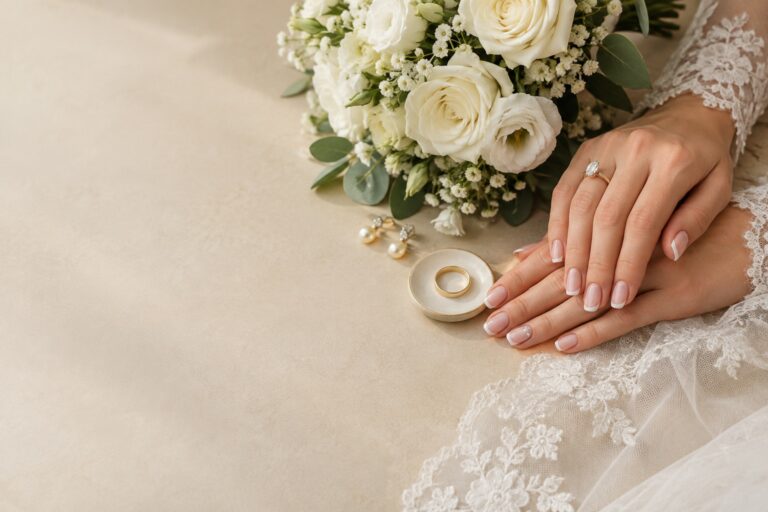
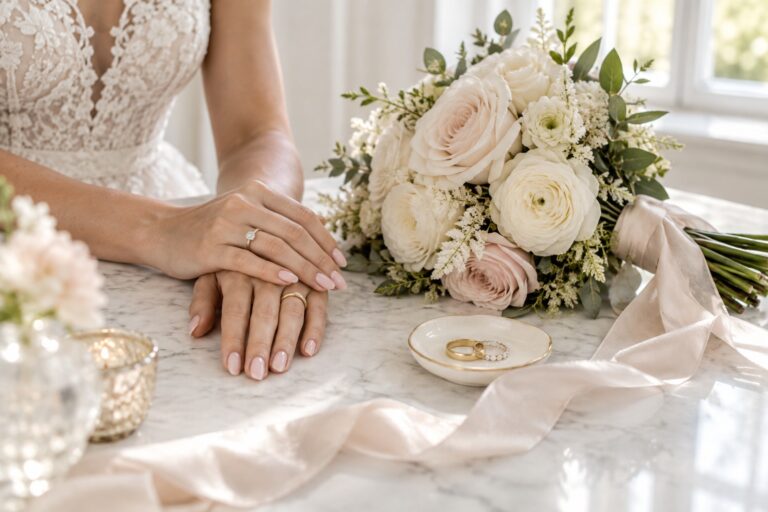
Indian wedding nails have a bigger styling job than one pretty manicure. Your hands may appear beside fresh mehndi, a red or jewel-toned lehenga, layers of bangles, kaleere, rings, a bouquet, a puja thali, a champagne glass, or a close-up of the moment you exchange garlands. The manicure needs to look intentional in each setting without asking every detail to compete for attention.
The easiest way to choose is to build a small bridal capsule before you choose nail art. Start with the base color, decide how much shine belongs in the room, select a shape you can actually use, then add one Indian-inspired detail if the overall look needs it. This approach leaves space for tradition, personal taste and several wedding events. It also gives a nail artist a clear brief instead of a folder of unrelated inspiration pictures.
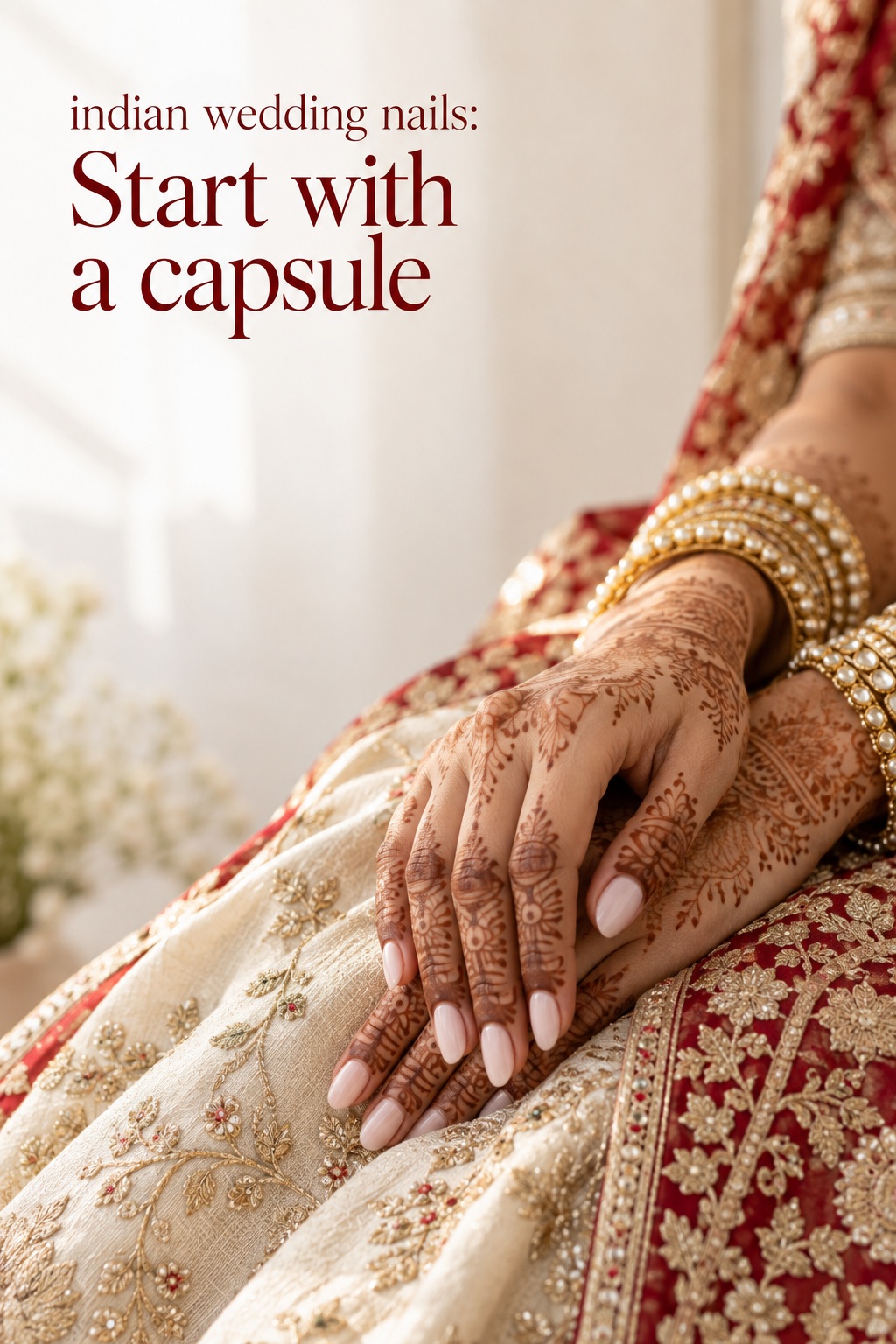
Build an Indian wedding nail capsule before choosing nail art
A capsule is a short list of decisions that work together. For Indian wedding nails, the five decisions are base, color relationship, finish, shape and detail. You do not need a completely different set for every function. You need a foundation that can sit comfortably beside your outfits, then a small adjustment when the mood changes.
Choose the foundation first
Your foundation can be sheer pink, milky nude, warm beige, translucent peach, soft red, berry, or a neutral that echoes your skin without trying to erase it. Think about the visual work the nails need to do. A milky base keeps attention on dense mehndi and ornate jewelry. A red base makes a traditional bridal outfit feel deliberate. A translucent neutral lets gold accents and a statement ring take the lead.
Turn wedding inspiration into a plan you can actually follow.
Zarellea brings your guest list, budget, vendors, and day-of details into one shared space — so no beautiful idea gets lost in the shuffle.
Keep the same base family across more than one event when you can. This reduces appointment stress and creates continuity in photographs. A sheer blush can move from a daytime ceremony to an evening reception with only a chrome veil, a gold line, or one accent nail added later. If you use extensions, decide whether you want one reliable length for the whole week or a shorter, more practical set for the functions that involve rituals and hands-on help.
Limit the number of visual ingredients
- One main base color.
- One supporting color from the outfit, flowers or jewelry.
- One reflective element such as pearl, chrome, glitter or foil.
- One motif or accent placement, used selectively.
This formula is especially useful when your clothing already includes embroidery, sequins, mirror work, zari, stones or layered metal. If the lehenga is visually rich, quiet nails can look more luxurious than another full pattern. If the outfit is minimal, the nails can carry a little more detail. The goal is balance, not a rule that every Indian bridal manicure must be elaborate.
Make a three-photo test
Before you book, photograph your preferred base beside a fabric swatch, a piece of jewelry and a mehndi reference. Take one picture in window light, one under warm indoor light and one with your hand near your face. Look for the relationship between colors and surfaces rather than judging the polish bottle alone. A shade that looks beautiful by itself may become too yellow beside gold embroidery or too flat beside a glossy satin sleeve.
Choose the base by outfit, mehndi and jewelry
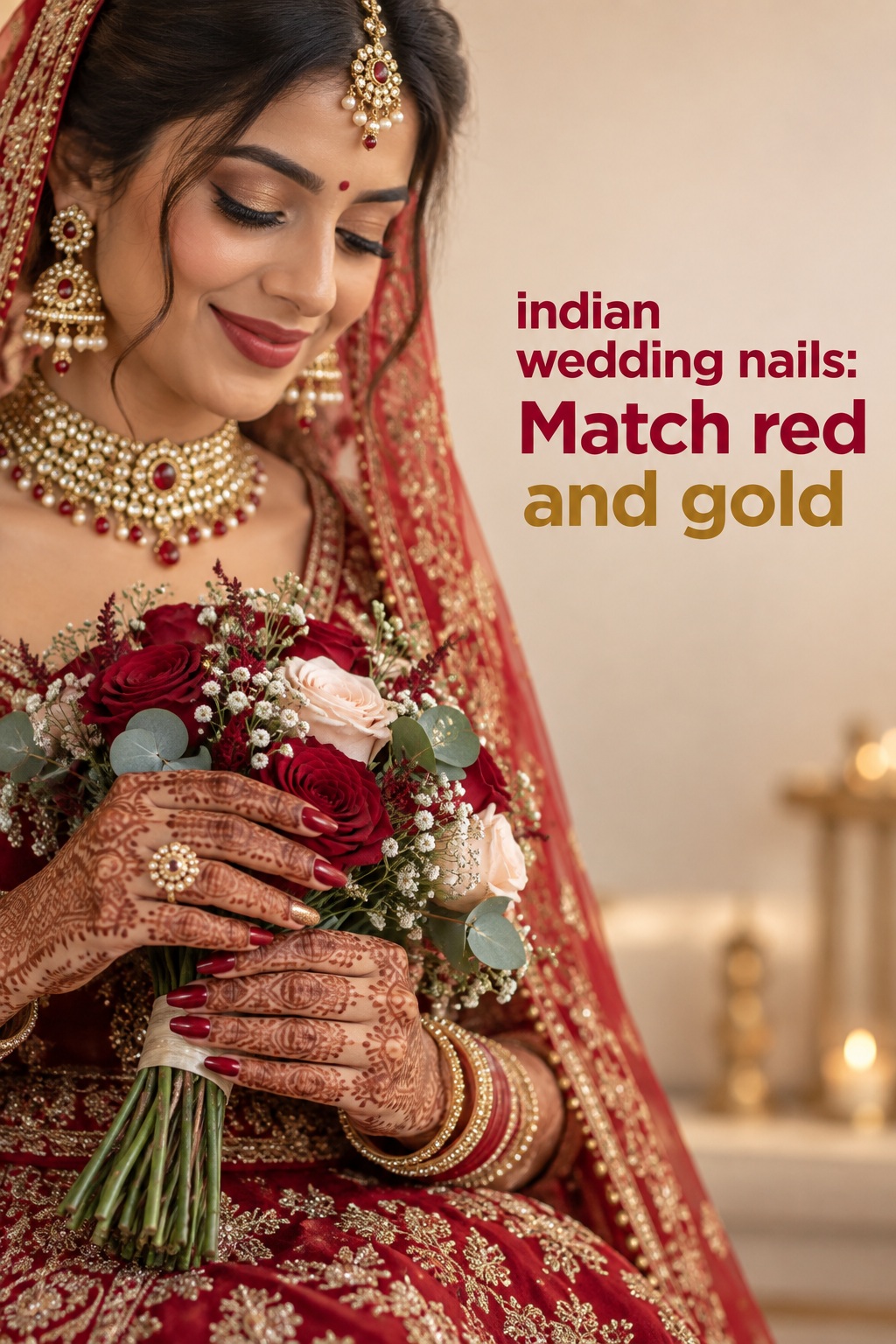
Indian wedding nails should support the whole bridal look, but support does not always mean matching. A successful match may repeat a color, soften a contrast, echo a metallic or leave enough negative space for another important detail. Start by identifying the strongest visual element in each outfit, then choose whether your nails should repeat it, calm it or connect it to the next event.
Red, maroon and gold bridal outfits
With a red, maroon or rust outfit, a deep red manicure can look purposeful and traditional. Choose a base that sits near the garment rather than trying to match it perfectly. If the outfit has gold embroidery, use a fine gold line, a soft gold French tip, or tiny foil on one or two nails. A sheer neutral with a red accent can be a calmer choice when the lehenga already has dense patterning.
Warm neutrals, terracotta and muted berry are useful when a bright red polish feels too strong. They keep the hand visible in close-up photographs while still belonging to the palette. If you wear a large chura or many bangles, avoid adding heavy three-dimensional decoration to every nail. Let the jewelry create the movement and keep the manicure easier to touch and adjust.
Jewel tones, emerald and sapphire
Emerald, sapphire, plum and teal outfits give you several strong directions. A milky nude with a jewel-toned French tip feels modern and leaves the fabric in charge. A deep coordinating polish creates a more dramatic hand, especially for an evening reception. If your jewelry is yellow gold, warm champagne or antique gold details can connect the manicure to the metal. If the jewelry is silver or white gold, pearl and cool chrome may feel more natural.
For a multi-event wardrobe, use the jewel tone as an accent rather than the entire base. A sheer base with two colored tips or a single painted accent nail can travel more easily from a bright daytime outfit to a darker reception look. It also gives your photographer a clean surface for ring, bouquet and hand-holding images.
Pastel, ivory and contemporary bridal looks
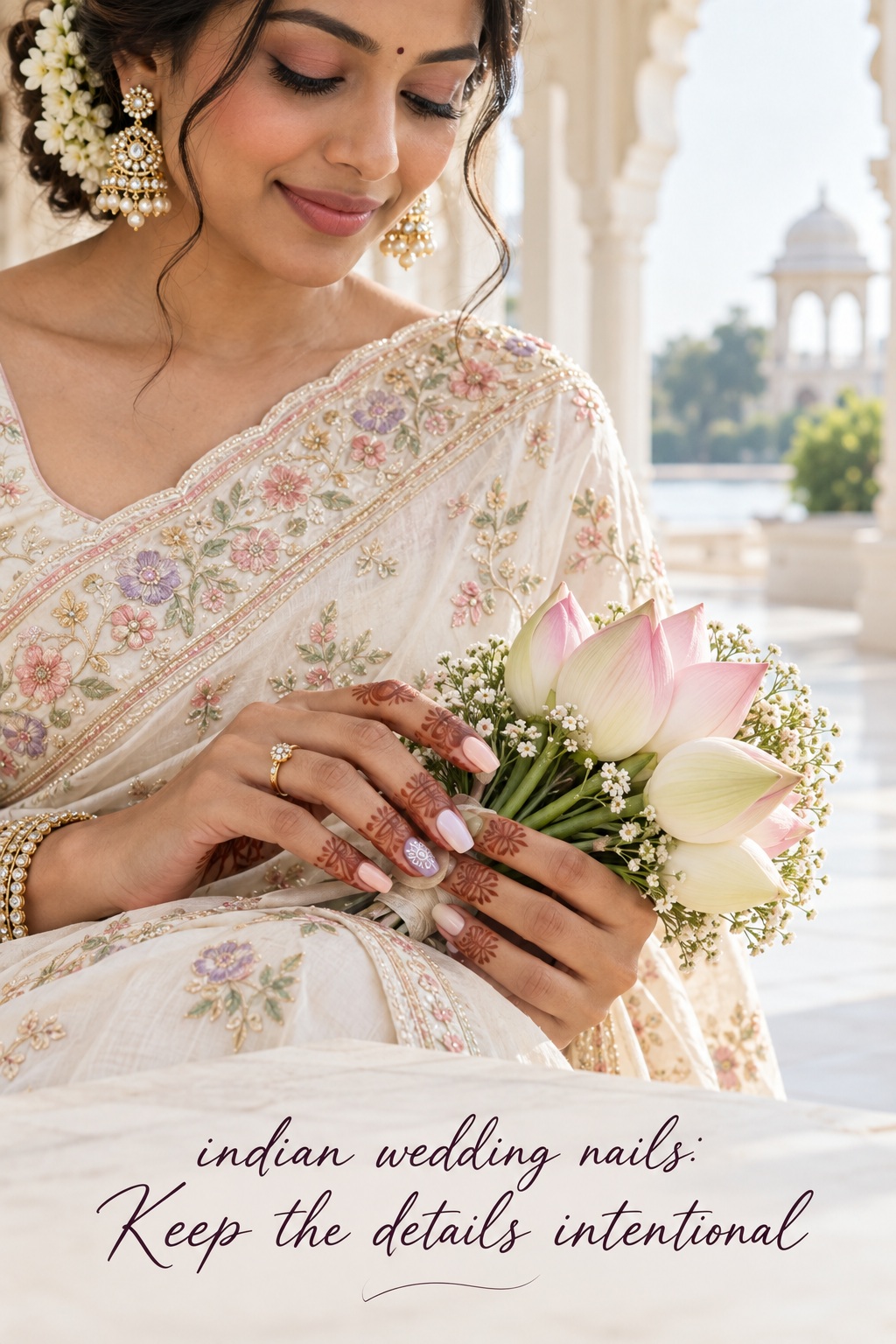
Pastel pink, peach, lavender, mint and powder blue work beautifully with a translucent base, a micro-French line or a soft pearl finish. They can feel bridal without looking generic, particularly when the outfit has floral embroidery or a lighter fabric. Ivory clothing usually benefits from a creamy or pink-leaning neutral rather than a stark white that creates a hard contrast in photographs.
If you want a clean contemporary look, try a semi-sheer neutral with one controlled reflective layer. Pearl chrome, glazed shine or a fine silver line can make a simple base feel finished. Keep the result softly dimensional rather than mirror-bright if your outfit includes stones or a high-shine veil.
Dense mehndi and henna-stained hands
Mehndi changes the color story because the hands already have an intricate visual surface. A sheer pink, peachy nude, milky neutral or clear gloss can give the nails a polished frame without making the fingertips look crowded. If you want contrast, choose one small red, gold or jewel-toned detail rather than a full set of competing motifs.
Bring the actual mehndi plan to the consultation. The amount of coverage, the location of the darkest stain and the time between the ceremony and the manicure all matter to the final effect. Your nail artist can help you choose a color that remains readable against the henna instead of disappearing into it. The most useful decision is often restraint, not another layer of decoration.
Add one Indian-inspired detail without making every nail compete
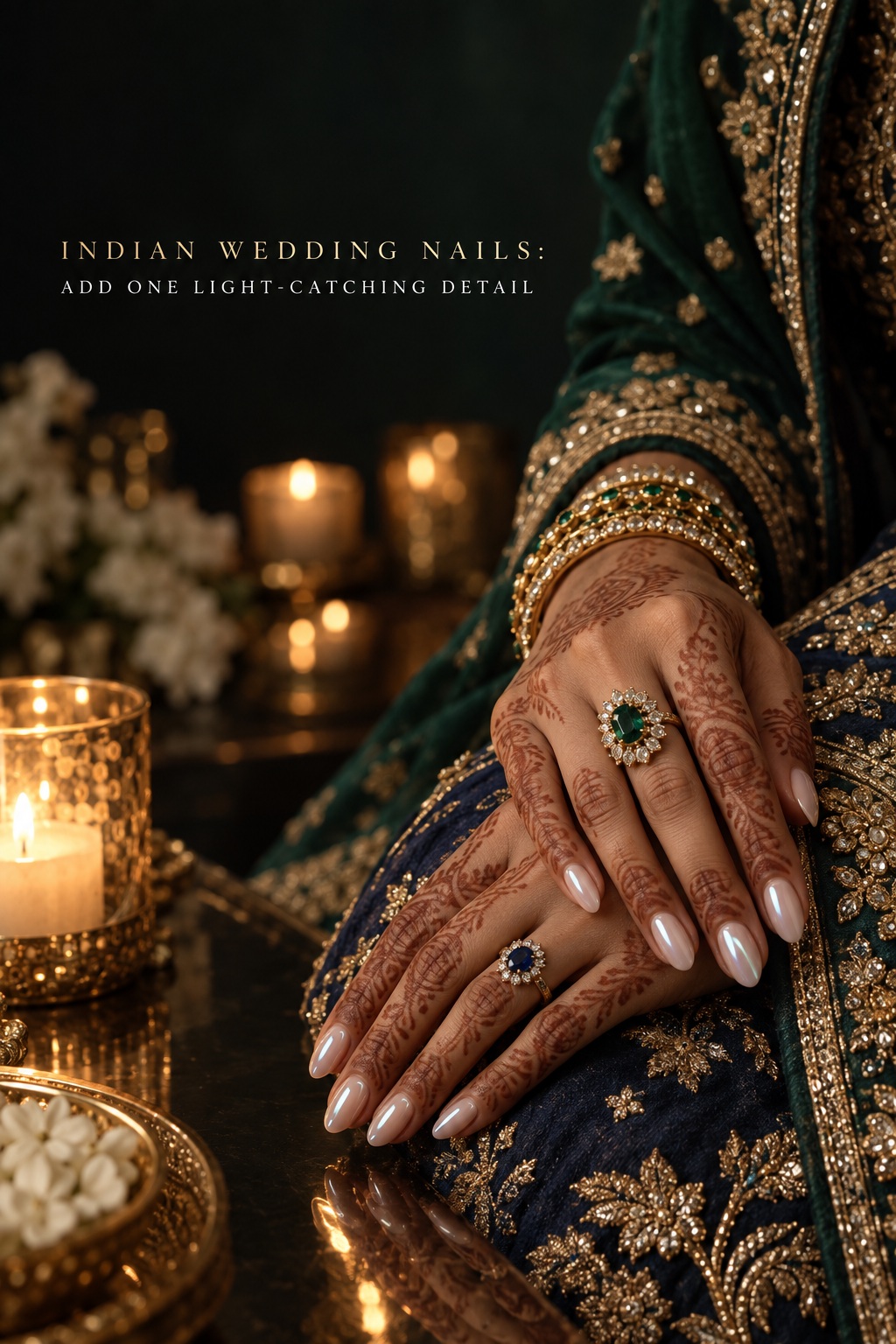
Indian-inspired nail art can be subtle, graphic, ornate or personal. It does not have to copy a textile or reproduce a full mehndi composition. Choose a detail that has a reason to be there, then give it enough empty space to remain legible. One or two accent nails often make the reference feel more considered than a pattern repeated across every finger.
Paisley, mandala and lotus accents
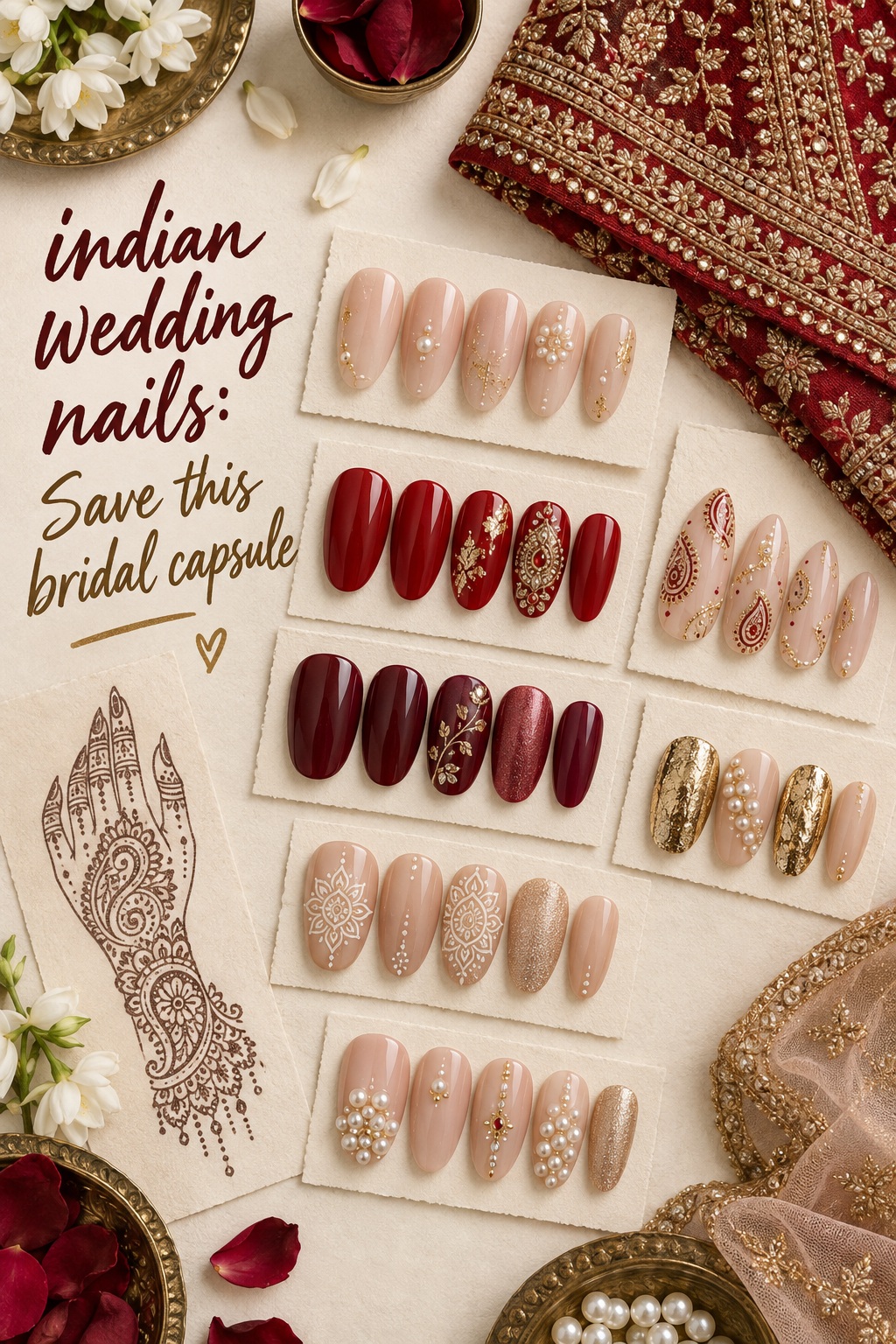
A small paisley can echo the movement of mehndi or embroidery. A simplified mandala works well on a single neutral nail when the rest of the manicure is quiet. A lotus-inspired shape can be treated as a graphic flower rather than a detailed illustration. Ask the artist to adapt the motif to the nail’s scale, because tiny lines that look beautiful in a reference image may become visual noise when reduced to a short nail.
Zari-like gold, pearls and controlled sparkle
Gold striping, foil, pearl accents and fine glitter are easy ways to connect the manicure to bridal jewelry and embroidered fabric. Use them as punctuation. A thin curve, a half-moon, a gold French tip or a small cluster near the cuticle can be enough. If you want sparkle, keep the particle size and placement consistent so the manicure looks designed rather than randomly decorated.
Three-dimensional details need a practical test. Hold a bangle, fasten a clasp, lift the edge of a dupatta and place your hands together as they might be during a ritual. If a pearl, charm or raised stone catches, the design may be beautiful but inconvenient. Save the most dimensional version for an event where you can move easily, or use flat details for the ceremony and add more shine for the reception.
Personal details that stay private
Initials, a tiny date, a color connected to a family tradition or a small symbol can make the manicure personal without turning it into a literal illustration. Place the detail on one nail or inside a simple swirl. It may be meaningful even if guests do not notice it. Share the exact size and placement with the artist and make sure it will still look intentional when your hand is photographed from a distance.
Match shape, length and finish to real wedding-day movement
The most beautiful set is the one you can wear confidently. Indian wedding days may include travel, greetings, rituals, food, photos, outfit changes and hours of jewelry. Shape and length affect what you can do, how often you think about your hands and how relaxed your photographs look. Choose the silhouette after you consider the job your hands will have.
Short rounded and soft-square nails
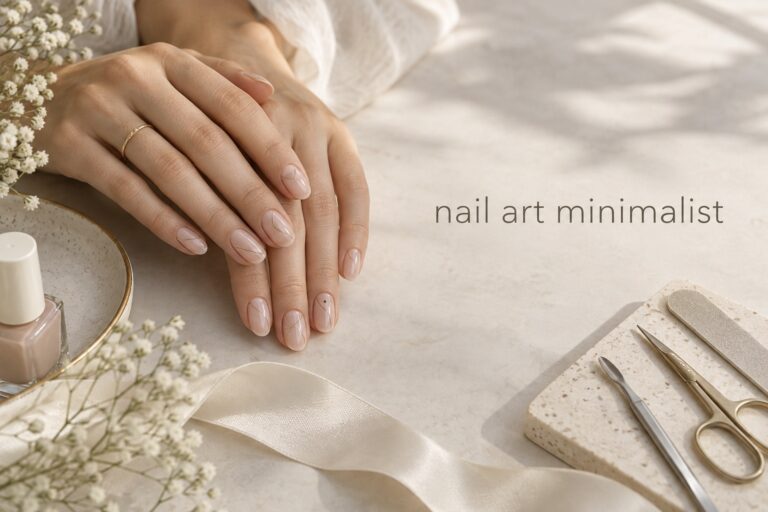
Short rounded, squoval and soft-square shapes are excellent for a polished capsule. They work beside intricate mehndi, reduce the chance of catching on fabric and make it easier to handle bangles, pins, phones and small wedding tasks. A short nail can still carry a micro-French, pearl glaze, red polish, fine shimmer or one tiny motif.
Almond and tapered shapes
Almond and softly tapered shapes create a longer visual line and suit many bridal portraits. They can make a delicate French, ombré or centered motif feel elegant. Keep the length within your normal comfort zone. If you rarely wear extensions, a trial is important because unfamiliar length can change how you hold your hands and how easily you manage clothing, jewelry and food.
Gloss, pearl, velvet and matte finishes
Gloss gives color clarity and reads well in ring and bouquet photos. Pearl adds soft light to a neutral base. Velvet or cat-eye effects create movement for an evening event, but the directional shine should be checked in the lighting where you will be photographed. Matte can look editorial and modern, although it may show marks differently from a glossy finish. Choose the finish that supports your outfit’s surface and the mood of the celebration.
- Hold your bouquet and imitate the hand position your photographer may use.
- Fasten a bangle or necklace clasp without help.
- Lift and settle a dupatta or veil edge.
- Use your phone, open a compact and pick up a glass.
- Place your hands together and check whether the length feels natural.
If the shape passes those tests, it will probably feel more natural during the wedding. Ask the artist to soften sharp corners and remove any edge that catches. Comfort is not separate from the aesthetic. Relaxed hands make better photographs than hands that are constantly protecting an uncomfortable extension.
Plan the manicure across mehndi, ceremony and reception
Timing is part of the design. Your manicure has to coexist with mehndi, haldi, hair and makeup, outfit changes, travel and the possibility of a small repair. Write the event order down before you choose the final service. The best schedule is the one that protects the most important images and leaves a little breathing room.
Before mehndi
Ask your mehndi artist and nail artist how they want the services arranged. Fresh polish, oils, paste and removal can affect the clean working surface each person needs. If mehndi is applied over or around the nails, show the artist your planned length and design. A simple base may be easier to protect while the detailed work is being completed.
For the ceremony and rituals
Use the most dependable version of your capsule for the ceremony. This is the time to prioritize a secure finish, comfortable shape and a surface that will not distract from gestures, offerings, garlands or family photographs. Pack a small file, hand cream, a clean cloth and the shade information in case one edge needs attention. Keep repairs simple and ask a professional for help when a full extension is compromised.
For the reception
The reception is where you can add more light if the manicure needs an evening shift. A pearl top layer, chrome veil, gold detail or deeper lip-and-nail color can connect the hands to a second outfit. If the set must remain unchanged, choose a foundation that already works in both daylight and warm reception light. Take a test photograph with flash if your photographer plans close-up hand images.
Write a salon-ready brief
Send your artist one page with the keyword of the look, outfit colors, jewelry metal, mehndi coverage, preferred length, shape, finish and the one detail that matters most. Include what you do not want, such as dense raised art, a very long extension or a bright white contrast. Bring a fabric swatch and one reference image that shows the mood. A concise brief is easier to follow than ten screenshots with conflicting instructions.
- Base: sheer blush, milky nude, red, berry or another chosen family.
- Color relationship: repeat, calm or connect to the outfit.
- Finish: glossy, pearl, chrome, velvet, shimmer or matte.
- Shape and length: selected after a real movement test.
- Detail: one motif, metallic element or personal accent.
- Schedule: event order, removal needs, travel buffer and repair plan.
Do the full trial early enough to discover what feels unfamiliar. Wear the planned jewelry, hold the bouquet and photograph the hands near the outfit. If you love the look but keep catching the nails, shorten them. If the color disappears beside the mehndi, adjust the base. A bridal capsule is successful when it makes decisions easier, not when it adds another source of wedding-day anxiety.
FAQ
What colors work best for Indian wedding nails?
Sheer blush, milky nude, warm beige, soft peach, red, berry, jewel tones and pearl finishes can all work. Choose the color by considering your outfit, jewelry, mehndi coverage and lighting. A quiet neutral is useful beside ornate clothing, while red, gold or a jewel accent can create a more traditional statement.
Should Indian bridal nails match the lehenga?
They do not need to match exactly. Repeat one color, echo the jewelry metal, use a related accent or choose a neutral that gives the outfit space. Matching the visual mood is often more polished than trying to reproduce the exact shade of embroidery under different lighting.
Can I wear nail art with detailed mehndi?
Yes, but edit the scale and placement. A sheer or milky base with one small paisley, mandala, lotus, gold curve or pearl accent can frame detailed mehndi without competing with it. Bring your mehndi plan to the nail consultation so the artist can judge contrast and visual density.
Are short nails appropriate for an Indian bride?
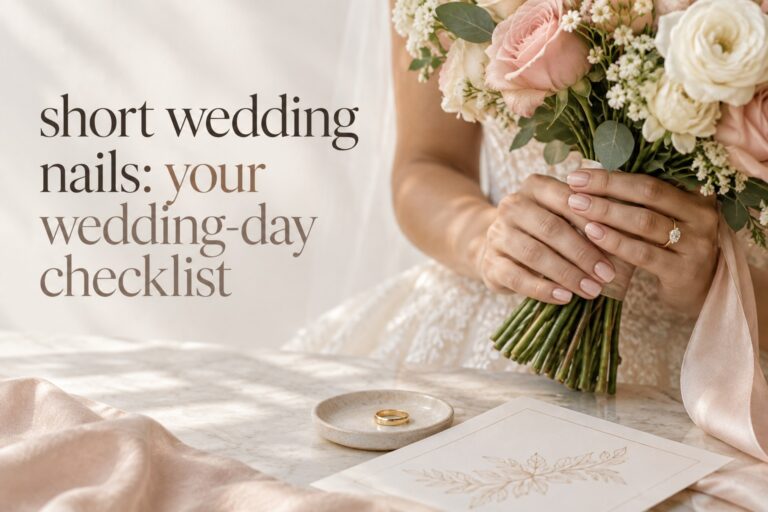
Absolutely. Short rounded, squoval and soft-square nails can look elegant and are practical for jewelry, rituals, travel, bouquet handling and outfit changes. Use a glossy color, micro-French, pearl finish or small accent to make the shorter length feel intentional.
When should I schedule Indian wedding nails?
Schedule the service according to the order of your mehndi, ceremonies, travel and reception, then confirm the timing with your nail and mehndi artists. Leave enough room for a repair and avoid making the most important event depend on a rushed appointment. A trial should happen earlier with the same shape, length and finish.
How can I make Indian wedding nails look elegant instead of too busy?
Use a capsule formula: one base, one supporting color, one reflective element and one controlled motif. Keep raised details selective, match the shine level to the outfit and leave negative space around the design. When the lehenga, jewelry or mehndi is already detailed, restraint usually makes the manicure feel more intentional.