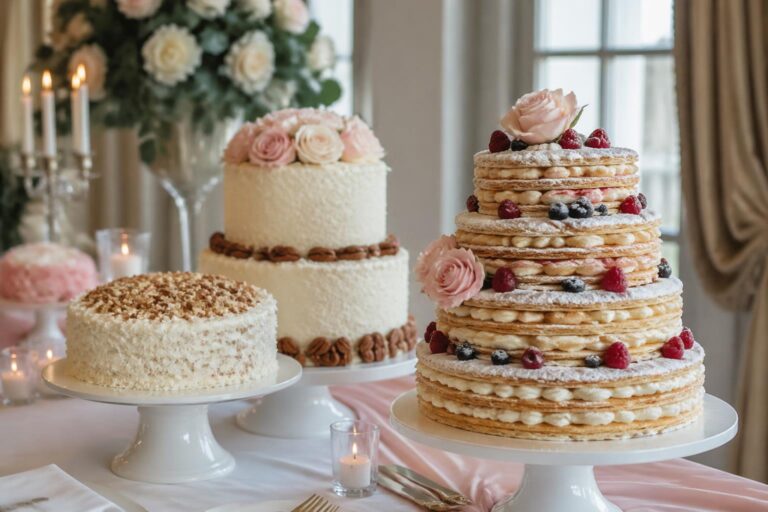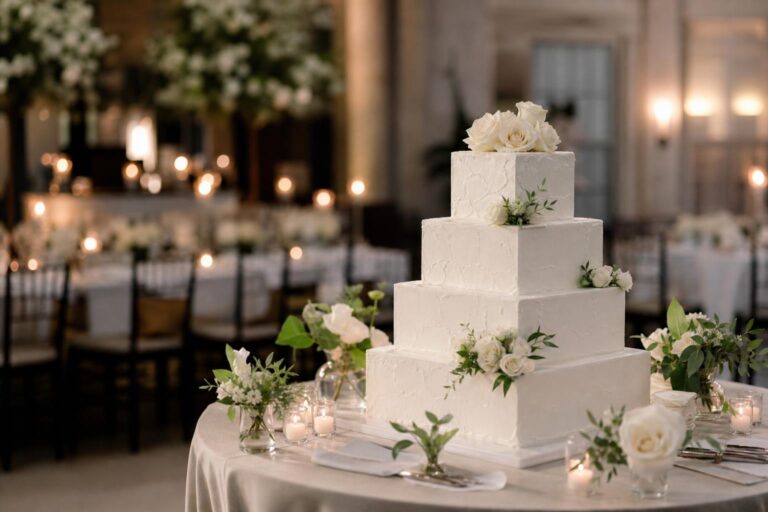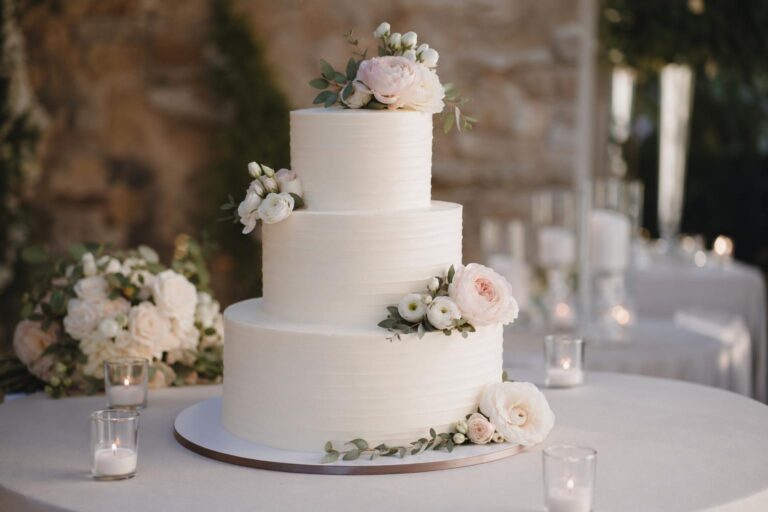
Naked Cake Wedding Styles: Nude, Semi-Naked, Rustic Chic
Naked cake wedding style, decoded: why “naked,” “semi-naked,” and “rustic chic” get tangled up
There’s a moment during wedding planning when you can almost see the reception before it happens: candlelight warming the tables, a soft hush before the first toast, and a cake that looks more like a beautiful ingredient story than a polished sculpture. That’s often the pull of a naked cake wedding—the romance of exposed cake layers, the intimacy of a minimal-frosting finish, and the way fruit, flowers, and greenery can feel like they’ve just been gathered for the day.
But “naked,” “semi-naked,” and “rustic” are used interchangeably online, and they’re not the same thing. A fully naked cake can be dramatically bare; a semi-naked cake uses a sheer veil of buttercream; a rustic chic cake might be fully frosted yet still feel earthy and relaxed. When couples ask for “cake designs wedding simple,” they might mean minimalist modern lines—or they might mean a rustic, flower-topped finish with visible crumb texture. The details matter, because they change how the cake holds up, how it photographs, and how it tastes by the time the cake-cutting ritual arrives.
This comparison and style breakdown walks you through the defining characteristics of each finish, how to spot the differences at a glance, and how to choose the right approach for your venue, timeline, and décor team. Along the way, you’ll find practical planning advice (including moisture and transport considerations), decoration ideas for naked wedding cakes with flowers, and a grounded look at when wedding cakes DIY makes sense—and when it’s kinder to your schedule to lean on a bakery or a portfolio-based designer.
Style overview: the fully naked wedding cake
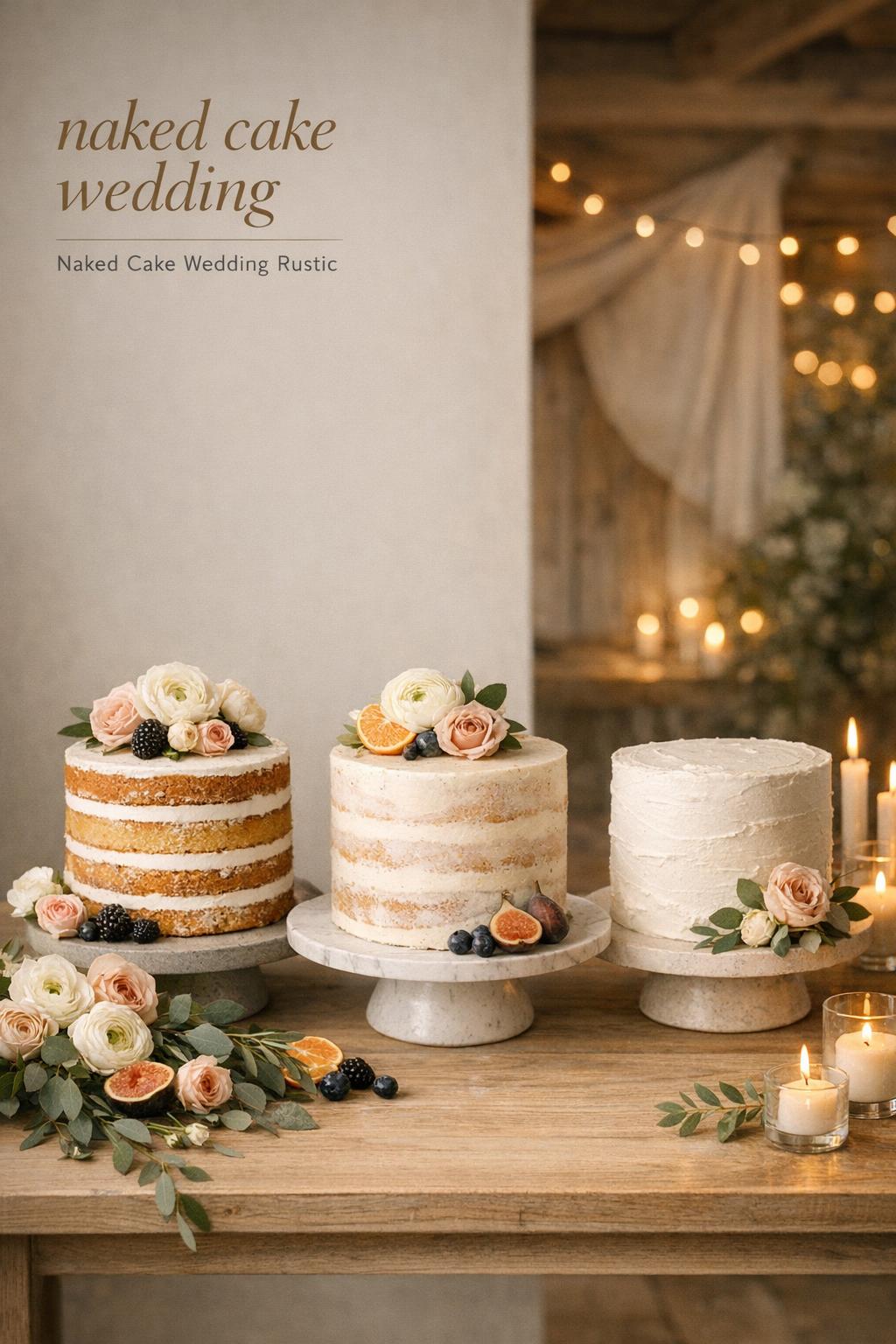
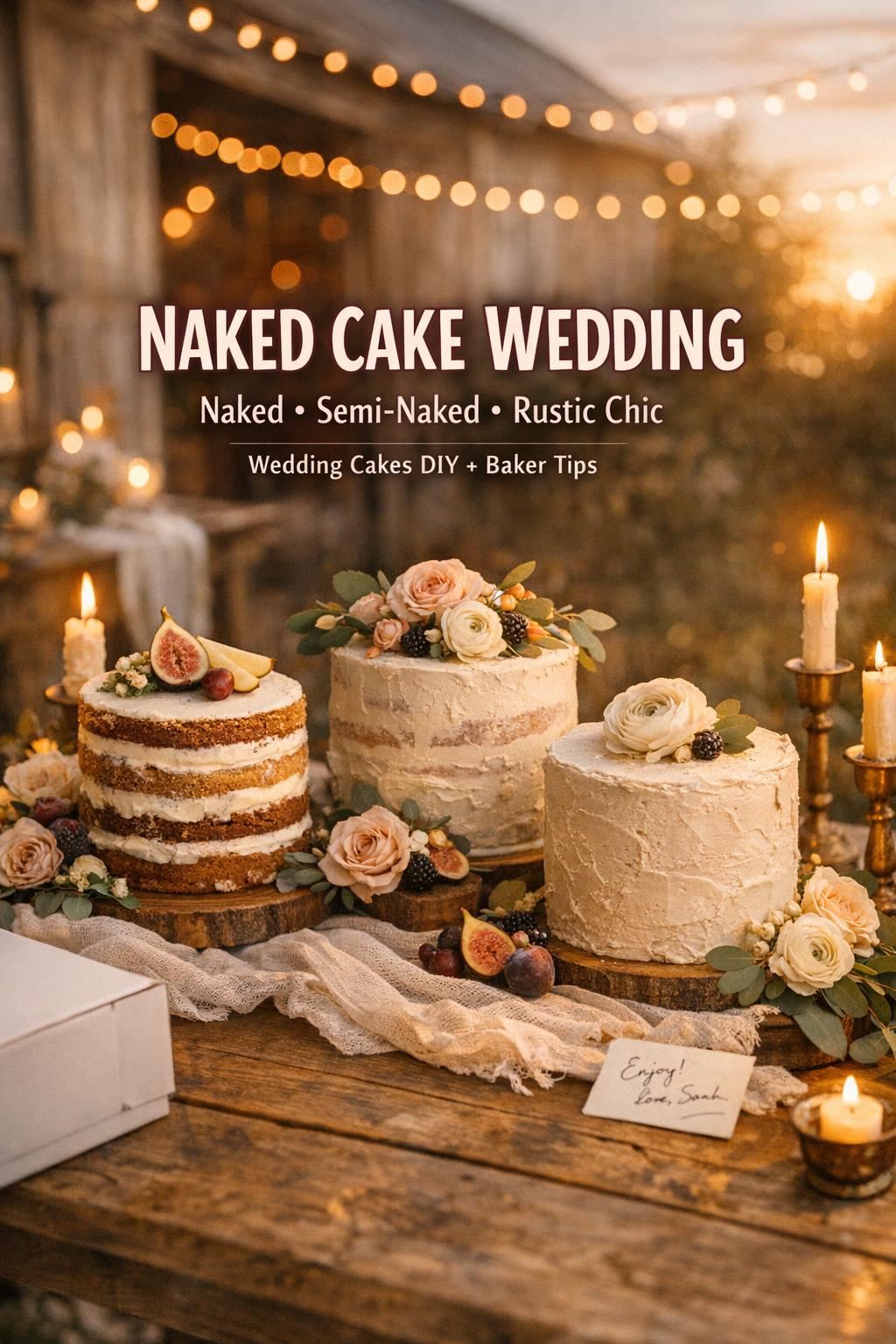
A fully naked wedding cake is the boldest version of the trend: the cake layers are intentionally exposed, with little to no frosting on the outside. Instead of a smooth, finished coat, you see the texture of the crumb and the distinct lines of filling between tiers. This is the style people picture when they hear “minimal frosting wedding cake”—a look that’s honest, a little wild, and deeply romantic in a natural, unfussy way.
Turn wedding inspiration into a plan you can actually follow.
Zarellea brings your guest list, budget, vendors, and day-of details into one shared space — so no beautiful idea gets lost in the shuffle.
Defining characteristics usually include visible tiers and filling, a “straight from the kitchen” charm, and décor that feels organic—think berries, fruit, and floral accents that rest on the edges rather than being embedded in thick icing. In many galleries and inspiration roundups (like those curated by The Knot and Minted), the fully naked finish is paired with fruit/flower adornments to underline that rustic chic mood.
Visually, fully naked cakes tend to look most at home in garden receptions, barn venues, and celebrations where your design story leans toward natural textures—linen table runners, greenery, and warm light. They can still feel modern, but the overall mood is more “handcrafted” than “architectural.”
Style overview: the semi-naked wedding cake (the buttercream veil)
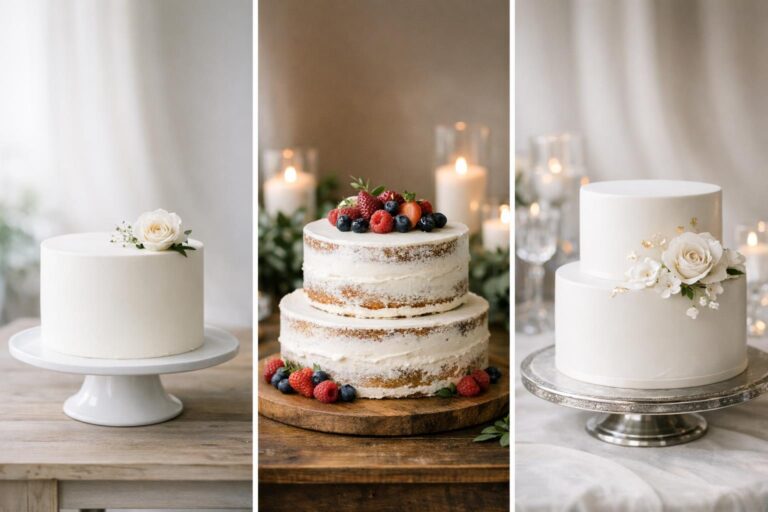
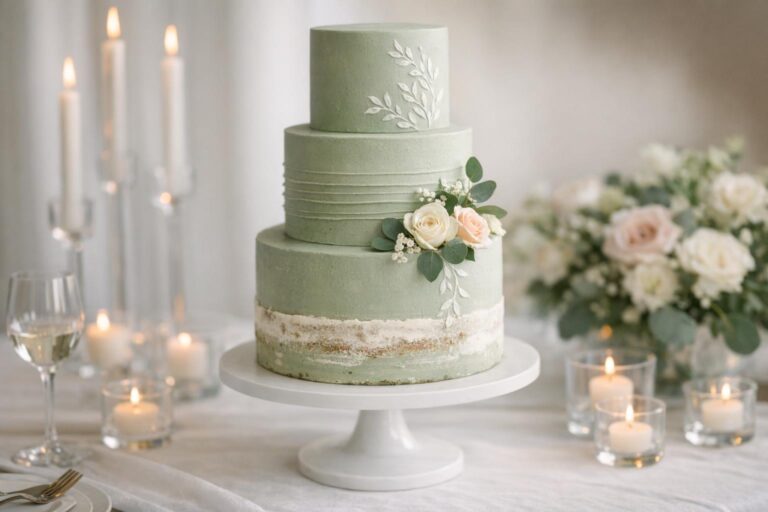
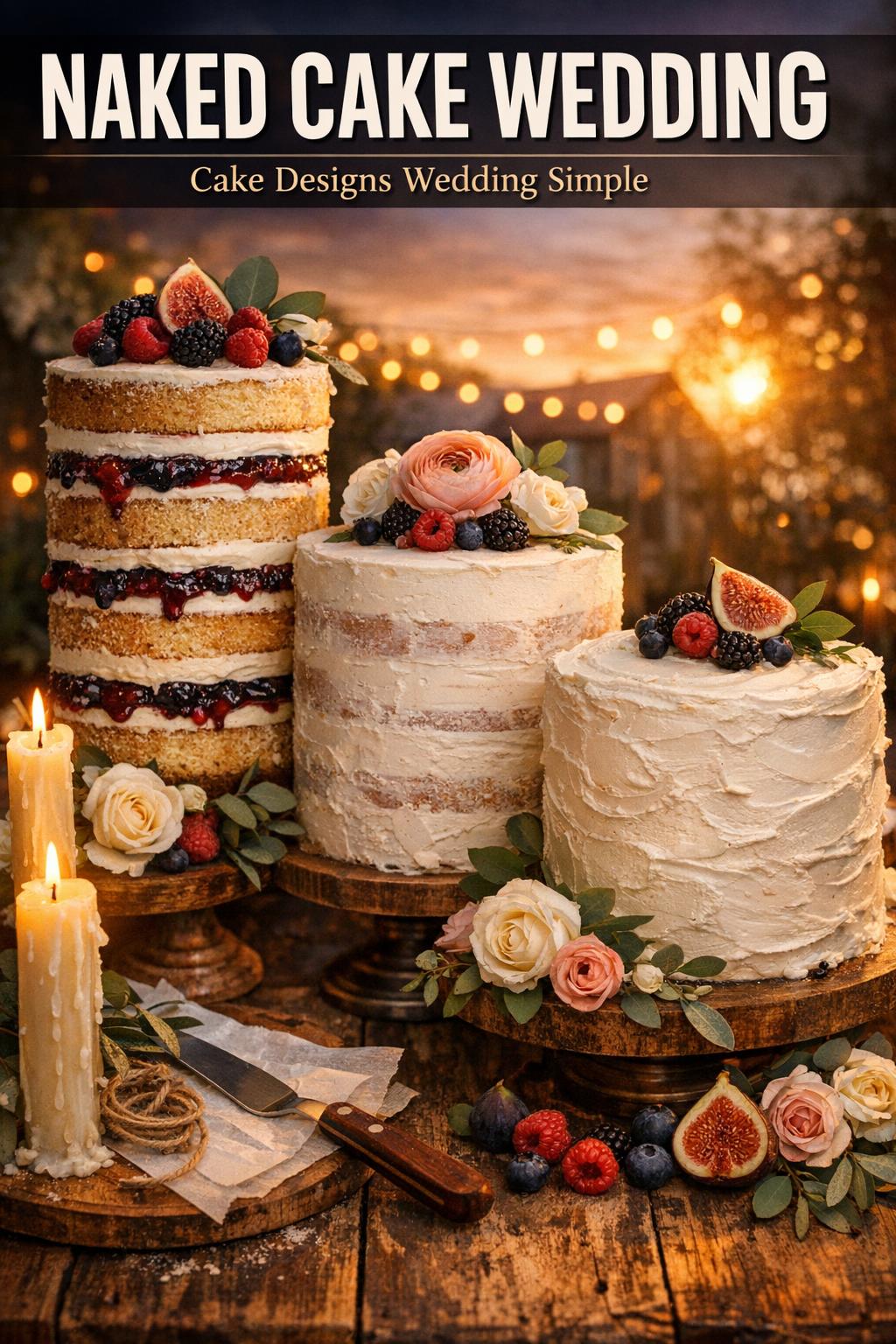
The semi-naked wedding cake is the most flexible middle ground. It keeps the romantic texture of a naked cake but adds a thin, intentionally imperfect coat of buttercream—enough to soften the look of the crumb, enough to create a gentle, dreamy finish in photos, but not so much that it becomes a traditional frosted cake.
This is where buttercream technique becomes part of the aesthetic. In recipe and technique-focused resources (including vanilla naked cake guidance and step-by-step tutorials), the semi-naked finish is often described as controlled minimalism: you frost, then lightly scrape back so the cake shows through. The result reads as “simple,” but it’s a deliberate kind of simple—cake designs wedding simple with a stylist’s hand.
Because there is some exterior frosting, semi-naked cakes tend to bridge multiple wedding styles: rustic, classic-romantic, and modern minimalist. If you’re drawn to naked cake wedding rustic visuals but you’re worried about the practical side—timing, venue conditions, or how long the cake sits before it’s served—this finish is often the calmer choice.
Style overview: rustic naked cakes vs modern minimalist naked cakes
“Rustic” and “modern” aren’t separate cake types so much as styling philosophies applied to naked and semi-naked finishes. You can have naked wedding cakes rustic that feel lush and abundant, and you can have modern naked cakes that feel edited and architectural, even with exposed layers. The difference comes down to color palette, decoration density, and the overall “scene” you’re building around the cake table.
Naked cake wedding rustic: the gathered-from-the-garden approach
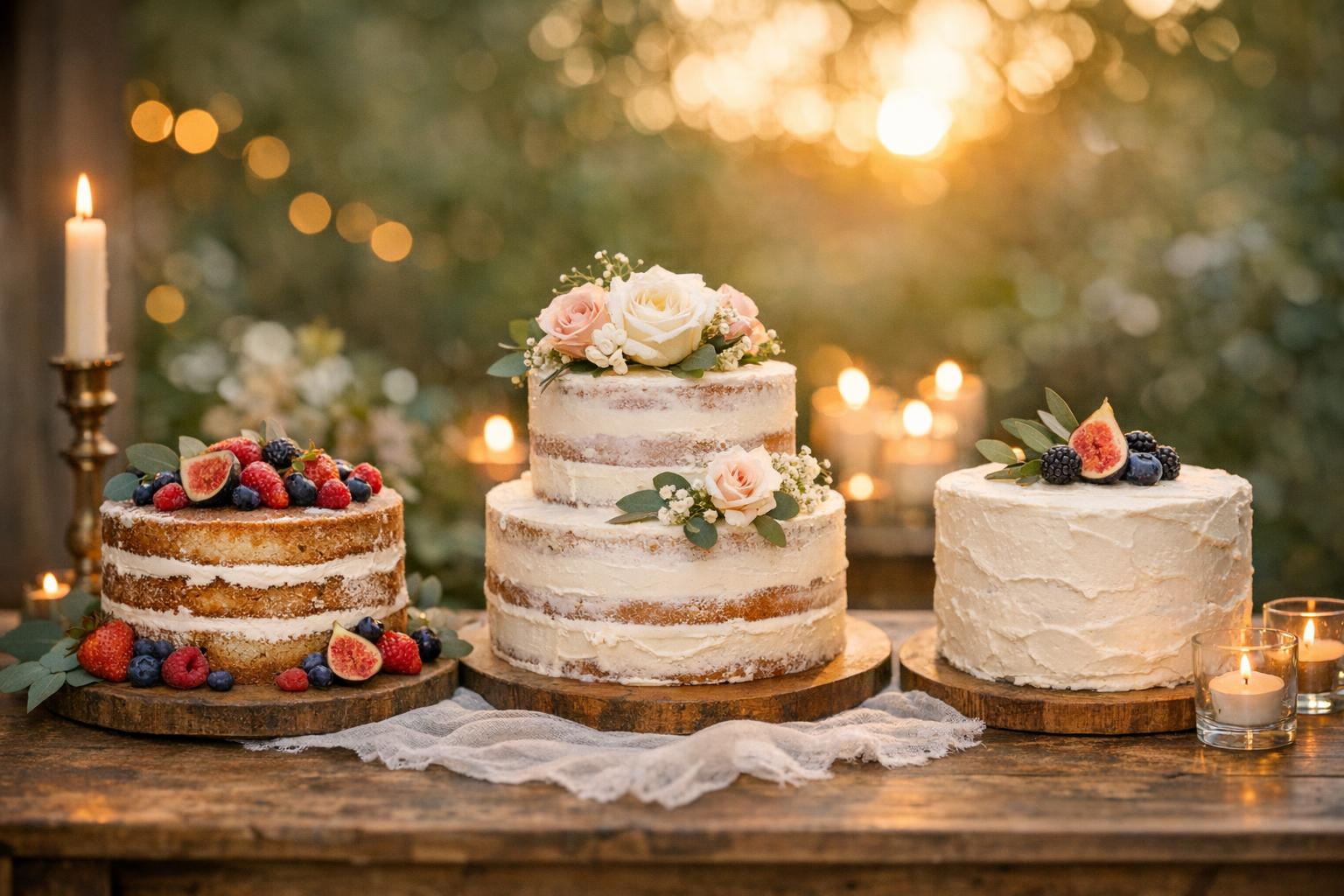
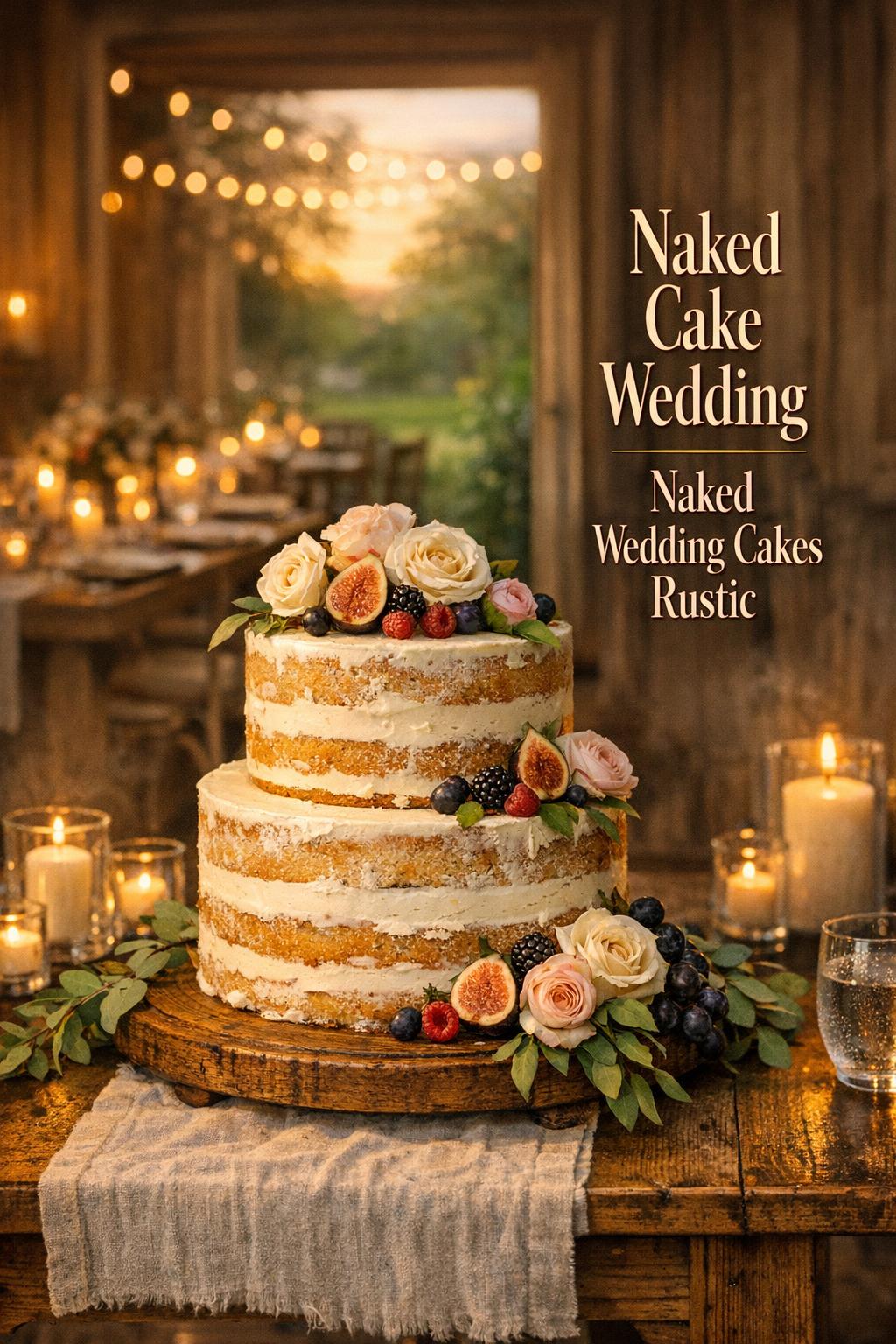
Naked cake wedding rustic styling leans into warmth and natural imperfection. Fresh flowers, berries, and greenery (like eucalyptus or olive branches, often referenced in modern wedding inspiration) create movement around the tiers. The palette usually stays soft and seasonal—think creamy cake tones against deeper fruit colors and leafy greens. The cake often feels like it belongs beside a wooden cake stand, a dessert table, and a reception space filled with candlelight and texture.
This is the visual language you’ll see again and again in naked cake galleries: fruit/flower adornments, rustic chic cues, and a celebration of frosting visibility rather than frosting coverage.
Modern minimalist naked cakes: clean lines with intentional restraint
Modern minimalist naked cakes keep the exposed-layer idea, but the styling is quieter: fewer elements, cleaner placements, and a more curated sense of space. Instead of cascading berries and abundant blooms, you might see a small cluster of white blooms or a single line of greenery. All-white variations are especially common in this approach—subtle texture becomes the point, not colorful decoration.
This style pairs naturally with contemporary venues and sleek reception design, where you want the cake to read as elegant and intentional rather than playful. It’s still romantic—it just speaks in a whisper.
Key differences: naked vs semi-naked vs traditional frosted (through a wedding-planning lens)
The easiest way to choose a finish is to compare them the way your guests will experience them: how they look across the room, how they hold up over time, and how smoothly they fit into your schedule. While inspiration sites highlight the visual side, practical wedding advice often returns to the same themes—moisture, timing, and clear communication with your baker.
- Frosting visibility and texture: fully naked shows the most crumb and filling; semi-naked shows texture through a thin buttercream veil; traditional frosted hides texture for a seamless finish.
- Styling flexibility: semi-naked adapts easily to rustic chic and modern; fully naked reads strongly rustic or natural; traditional frosted can be rustic or formal depending on design.
- Moisture and holding time: less exterior frosting can increase dryness risk over long receptions; semi-naked offers a small buffer; traditional frosted typically provides the most protection.
- Photographic mood: naked and semi-naked photograph with a soft, editorial “real food” romance; traditional frosted reads more polished and formal in wide shots.
- Coordination needs: naked and semi-naked often involve florals and fruit placed close to service time, which can affect your timeline and vendor handoffs.
In other words: the “best” finish isn’t universal. It’s the finish that matches your wedding rhythm—your venue conditions, your décor plan, and how long the cake will sit on display before the first slice.
Visual style breakdown: how each finish reads at the cake table
At a real reception, the cake isn’t viewed like a close-up photo. Guests see it across a room, under changing light, surrounded by décor. That’s why it helps to imagine each finish as a styling silhouette—just like bridal fashion—where proportion, texture, and “negative space” define the mood.
Silhouette and structure: tiers, edges, and the “line” of the cake
Fully naked tiers emphasize horizontal lines: you see each layer and each filling seam clearly. This creates a stacked, earthy look that feels charmingly straightforward. Semi-naked cakes soften those edges. Buttercream lightly blurs the boundaries between layers, giving the cake a more cohesive silhouette while still allowing texture to show through. Traditional frosted cakes create the cleanest outline—ideal when you want crisp, formal symmetry.
Color palette: warm neutrals vs all-white variations
Naked cakes naturally bring warm neutrals into your wedding palette: golden cake tones, creamy fillings, and the soft off-white of buttercream. If you’re leaning into all-white naked cake variations, semi-naked is often the easiest way to keep the palette controlled while still feeling organic. Rustic naked cakes, on the other hand, often invite color through berries, seasonal fruit, or greenery.
Decoration density: abundant cascades vs a single floral moment
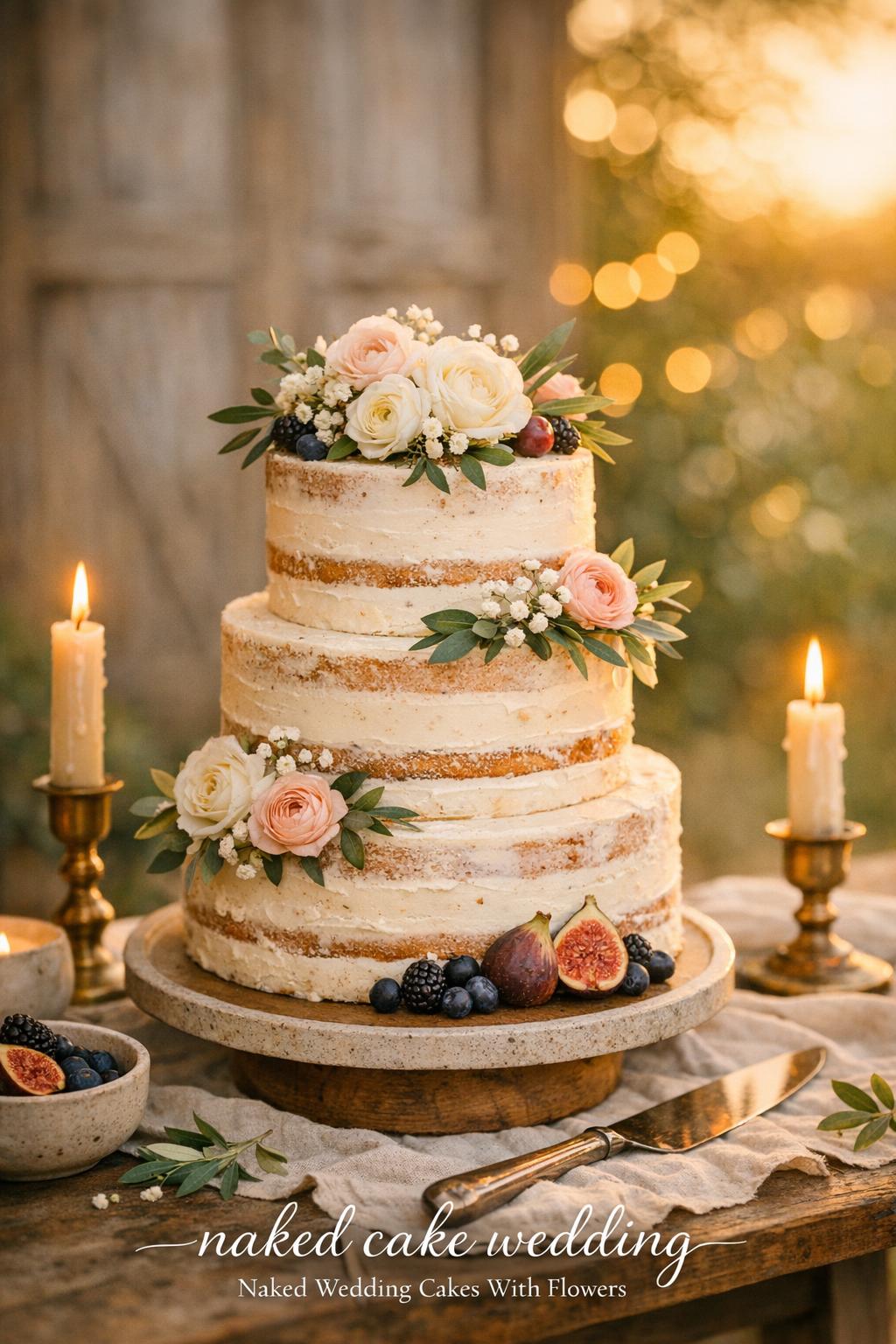
Naked wedding cakes with flowers can go two ways. Rustic styling tends to build a “garden spill”—clusters of blooms and greenery placed on multiple tiers, sometimes with fruit tucked in for depth. Modern minimalist styling often prefers one focused arrangement, like a small floral accent on the top tier or a single side cluster. With naked and semi-naked finishes, restraint can read as intentional luxury; abundance can read as joyful romance. Both work—it depends on your overall wedding aesthetic.
The practical side nobody wants to learn at 9 p.m.: moisture, dryness, and timing
A naked cake wedding is beautiful partly because it’s exposed—and that exposure is also the main practical trade-off. Multiple wedding resources and trend discussions repeatedly flag the same concern: without a full frosting coat, cakes can dry out more quickly, especially if they sit out for long periods. That doesn’t mean you need to abandon the look; it means you plan for it.
The most helpful way to think about moisture is “display time.” Ask yourself: how long will the cake be on the table before you cut it? Some weddings do cake cutting early; others place the cake as a centerpiece for much of the reception. The longer it sits, the more you’ll appreciate the semi-naked buttercream veil or a design plan that minimizes exposure.
Tips: small planning moves that protect the naked look
Couples often assume the decision is purely aesthetic, but the best naked cake results come from coordinating the finish with the timeline. If you want a fully naked cake, consider having it displayed closer to the cake-cutting moment, or choosing a semi-naked finish for added insurance. When you meet your baker, describe not only what you want it to look like, but when it needs to look perfect—at guest arrival, after dinner, or at the cake cutting.
- Decide when the cake will be displayed and when it will be cut, then choose fully naked or semi-naked accordingly.
- Use decoration placement strategically: florals and fruit can visually “cover” areas where exposure feels too stark.
- Ask your baker how the cake is finished and handled to support moisture over the reception window.
This is also where vendor communication matters most. Wedding idea portals often include guidance on how to request the look; take that seriously. “Naked” can mean different things to different bakers, so photos plus clear language about semi-naked vs fully naked will save you from surprises.
Decoration comparison: flowers, fruit, and greenery (and how they shift the vibe)
Decoration is where naked cakes become personal. Two couples can choose the same semi-naked buttercream finish and end up with completely different moods depending on what they place on the tiers. The most common and most effective décor families—fresh flowers, fruit/berries, and greenery—each tell a slightly different story.
Naked wedding cakes with flowers: romantic, sculptural, and venue-adaptable
Florals can make a naked cake feel like part of the wedding bouquet story. Rustic chic styling often uses fresh flowers in looser clusters, while modern minimalist styling leans toward fewer blooms, often in white. If you’re coordinating with a florist, treat the cake as a “mini installation”: it needs to look intentional from multiple angles, not just head-on.
Portfolio galleries from bakery sites (like Cakes by Dawn) commonly showcase floral-forward naked wedding cakes, because flowers are an easy way to add elegance without heavy frosting. The cake becomes a natural extension of the wedding design—especially in outdoor ceremonies or garden receptions.
Seasonal berries and fruit: lively color and a fresh-from-the-market feeling
Fruit-topped naked cakes are a classic for a reason: berries and other seasonal fruit add contrast against the warm cake tones, making the layers look even more inviting. This decoration style reinforces the “real food” romance of a naked cake—simple, shareable, and celebratory. It also reads strongly as naked cake wedding rustic, especially when paired with greenery.
One planning note: fruit can change the visual balance quickly. A few berries can look minimalist; a generous cascade becomes abundant and rustic. Decide which mood fits your reception—quiet elegance or joyful harvest—then communicate that with reference photos.
Greenery styling: the bridge between rustic and modern
Greenery accents (often referenced as part of wedding inspiration palettes) are a powerful “bridge” decoration because they can swing rustic or modern depending on placement. A fuller drape of greenery reads organic and relaxed; a small, precise accent reads contemporary. For couples who want cake designs wedding simple without feeling bare, greenery is often the cleanest way to add texture while keeping the palette calm.
Wedding cakes DIY vs bakery-made: a realistic comparison for naked cakes
Because naked cakes are deliberately imperfect, couples sometimes assume they’re the easiest wedding cakes DIY project. In reality, the “effort” isn’t in making it look flawless—it’s in making it look intentionally styled, stable, and ready for a long event. Recipe-driven resources and step-by-step guides can absolutely help you bake and assemble a naked or semi-naked cake, including approaches centered on vanilla cake and buttercream. But it’s worth weighing the trade-offs with honesty.
When wedding cakes DIY can work beautifully
If your wedding is intimate, your schedule is flexible, and you have a calm prep space, a DIY naked cake can feel deeply personal. The semi-naked finish is often more forgiving than fully naked, because buttercream can help smooth small imperfections while keeping that rustic chic look. The key is to practice the frosting technique—frost, then scrape back—until you can repeat it without stress.
When it’s smarter to lean on a bakery or vendor page ordering
If you’re hosting a larger reception, if transport is complicated, or if you want the cake to be a centerpiece for hours, a professional baker is often the steadier path. Bakery galleries and product pages exist for a reason: they show what a team can execute consistently. For example, a portfolio like Cakes by Dawn emphasizes visual outcomes, while a product page like Celebrity City Cakes is built around customization and ordering—useful if you want a clear ordering process and defined options.
Even when you’re not ordering from a specific online product page, that same mindset helps: define size expectations, discuss customization, and confirm what décor elements (flowers, fruit, toppers) will be placed by the bakery versus by your florist on-site.
Common style mistakes with naked wedding cakes (and how to avoid them)
Naked cakes look effortless when they’re done well. When they miss the mark, it’s rarely because the couple chose the “wrong” idea—it’s usually because the finish, décor, and timeline weren’t aligned. These are the issues that tend to show up in real-world planning conversations.
- Asking for “naked” when you mean “semi-naked”: a fully naked cake can look more exposed than expected; decide how much frosting visibility feels right.
- Overdecorating a minimalist concept: if you love modern restraint, too many flowers and berries can fight the clean look.
- Underdecorating a rustic concept: if you want naked wedding cakes rustic, a tiny accent can look unfinished rather than intentionally simple.
- Ignoring venue conditions: exposure and display time matter; align the finish with when the cake will be served.
- Not clarifying who places décor: “naked wedding cakes with flowers” often require coordination between baker and florist; decide responsibilities ahead of time.
The fix is almost always communication. Bring reference images, use the words “fully naked” or “semi-naked,” and confirm the plan for fruit/flower adornments and timing.
Outfit-style comparisons, but for cake: how the same wedding vibe changes with each finish
It can help to think about cake finishes the way you think about bridal styling: the same wedding setting can feel completely different based on a few intentional choices. Below are scenario comparisons you can use as a decision tool—especially helpful if you and your partner love different aesthetics and want a calm way to meet in the middle.
Example comparison: garden ceremony with a sunset reception
A fully naked cake leans into the garden story—visible layers, berries or fruit, and loose florals that echo bouquet shapes. A semi-naked cake tells the same story but feels slightly more polished in photos, especially as light fades and candles become the main glow. If your reception runs long and you want the cake to sit out as décor, semi-naked often feels like the garden version of “insurance” without losing the romance.
Example comparison: modern venue with minimalist tablescapes
A semi-naked cake with an all-white direction reads clean and intentional—subtle buttercream texture, controlled accents, and a look that feels curated rather than casual. A fully naked cake can still work, but it will pull the whole room warmer and more rustic. If your vision is modern minimalism, semi-naked is usually the easier match; it keeps the naked-cake spirit without adding too much visual “noise.”
Example comparison: rustic chic barn reception with a dessert table
Naked wedding cakes rustic shine here, especially when paired with greenery and fruit that feels abundant and welcoming. The cake becomes part of a larger presentation ecosystem—dessert tables, warm wood tones, and a relaxed flow where guests wander and graze. A semi-naked finish works beautifully too, particularly if you want the rustic look but prefer a slightly more cohesive exterior for close-up photos.
Choosing the right style for your venue, season, and schedule
The best naked cake wedding decisions come from matching the cake to the reality of your day. Before you fall in love with a single image, map the cake against three practical anchors: venue conditions, timeline, and vendor support.
If your wedding is in a warm or unpredictable setting
In venues where conditions shift during the event, semi-naked finishes tend to be easier to manage because buttercream adds a small layer of protection while still delivering the naked-cake look. If you’re committed to fully naked, plan for a shorter display window and consider décor that can be placed closer to the cake cutting so everything looks fresh when it matters most.
If your timeline is long (ceremony-to-reception-to-dancing)
Long timelines amplify moisture concerns. If the cake is part of the room’s décor for hours, it’s worth discussing the finish with your baker and choosing a semi-naked approach if you’re worried about dryness. Wedding idea sites that include practical tips emphasize communicating with your baker—this is exactly the kind of detail that makes that conversation valuable.
If you’re planning a city wedding with vendor support
If you’re working with established vendors, use their strengths. Trend coverage and vendor examples often highlight specific cities—Boston appears in trend discussion, while Miami is implied in a vendor context through Celebrity City Cakes. Whether you’re in those locations or simply using them as style reference points, the planning lesson is the same: rely on portfolios and clear customization options, and coordinate responsibilities between baker and florist so the final styling looks intentional.
How to brief your baker so “simple” doesn’t turn into “unfinished”
One of the most common stress points with cake designs wedding simple is that “simple” is subjective. Some bakers hear “simple” and think minimal décor; some couples mean “rustic but abundant”; others mean “modern and restrained.” The easiest way to create alignment is to translate your taste into clear, finish-specific language and a few practical notes.
Tips: questions that clarify the look and the logistics
- Are we choosing fully naked or semi-naked, and how much cake should show through?
- What buttercream technique will you use for a semi-naked finish?
- How will you manage moisture over the timeframe our cake will be displayed?
- Will fruit/flower adornments be added by the bakery, or placed on-site by a florist?
- How will tiers be assembled and transported to keep the finish intact?
If you’re ordering from a bakery that uses a product-page approach (like a “wedding naked cake” listing), read it like a checklist: sizing, customization options, and any notes that hint at how they handle finish and décor. If you’re selecting from a gallery portfolio (like Cakes by Dawn), treat your favorite photos as your shared language and ask what’s repeatable for your date and venue.
Styling the cake table: where naked cakes look most believable
Naked cakes feel most “right” when the environment supports their honesty. If the cake is meant to look like real layers and real ingredients, place it in a scene that celebrates texture: a cake stand that doesn’t compete, a backdrop that doesn’t overwhelm, and décor that echoes the cake’s fruit/flowers/greenery story.
If you’re building a dessert table, naked cakes naturally become the centerpiece because they look inviting from multiple angles. If the cake will be displayed alone, consider what’s behind it in photos—warm light, greenery, or a clean neutral background tends to complement the exposed layers. And if you love the idea of a cake-cutting ritual that feels intimate, position the cake where you can gather without feeling staged; naked cakes photograph beautifully in close moments, especially when the styling is cohesive.
Where to look for inspiration and real-world execution examples
Most couples gather inspiration in three places, each with a different strength. Editorial galleries (like those on The Knot and Minted) are ideal for seeing a range of naked cake designs—rustic, modern, floral-forward, and all-white. Idea portals (like WeddingWire) often blend visuals with practical tips, especially around moisture and how to request the style. And recipe/tutorial sites (like Sally’s Baking Addiction, Bigger Bolder Baking, and Cup of Yum) are useful if you’re considering wedding cakes DIY or simply want to understand the technique behind the finish.
Finally, vendor galleries and product pages are your reality check. A portfolio page can show you what a baker consistently produces; a product page can show you how customization is framed. Bringing both inspiration and execution into the same conversation is often what turns a good idea into a calm, confident plan.
FAQ
What is a naked cake in a wedding context?
A naked wedding cake is designed with little to no frosting on the outside so the cake layers and filling are intentionally visible, creating a rustic chic, minimal-frosting look that’s often finished with fruit, flowers, or greenery.
What’s the difference between a semi-naked and a fully naked cake?
A fully naked cake leaves the layers largely uncovered, while a semi-naked cake uses a thin layer of buttercream that is lightly scraped back so the cake shows through; semi-naked typically looks a touch more polished and can be more forgiving over a longer reception timeline.
Do naked wedding cakes dry out faster than traditional frosted cakes?
They can, because less exterior frosting means less protection over time; if your cake will be displayed for hours before cutting, it’s worth discussing moisture management with your baker or choosing a semi-naked finish for a bit more coverage.
How do I ask my baker for the exact naked cake look I want?
Use clear language—specifically “fully naked” or “semi-naked”—and bring reference photos that show frosting visibility, tier styling, and decorations like berries or flowers, then confirm who will place any florals or fruit and when they’ll be added.
Are naked wedding cakes with flowers safe and practical?
They’re very common and photograph beautifully, but they require coordination: decide whether the baker or florist will place the flowers, and plan timing so the cake looks fresh at the moment you care about most—often the cake cutting and close-up photos.
What decorations work best for naked cake wedding rustic styling?
Rustic naked cakes are most often styled with fruit or berries, fresh flowers, and greenery, using arrangements that feel organic and abundant rather than tightly symmetrical, which supports the warm, natural mood of exposed tiers.
Can I make a naked wedding cake as a DIY project?
Wedding cakes DIY can work well for smaller celebrations if you’re able to practice the buttercream technique and plan assembly and timing carefully, but for larger receptions or long display times, many couples choose a professional baker for consistency, transport stability, and predictable results.
Where can I find naked cake design inspiration and real examples?
Editorial galleries and wedding idea portals are great for comparing naked cake designs and decoration styles, while recipe/tutorial sites help you understand the technique; for real-world execution, bakery galleries and product pages show what specific vendors consistently produce and how they handle customization.