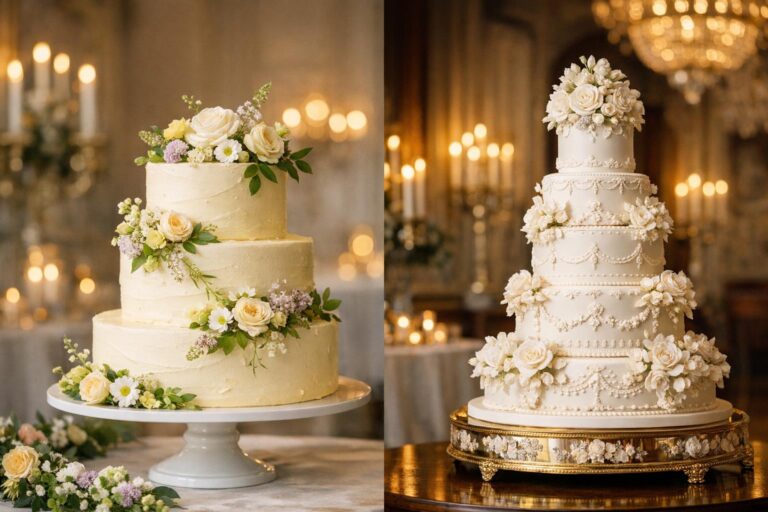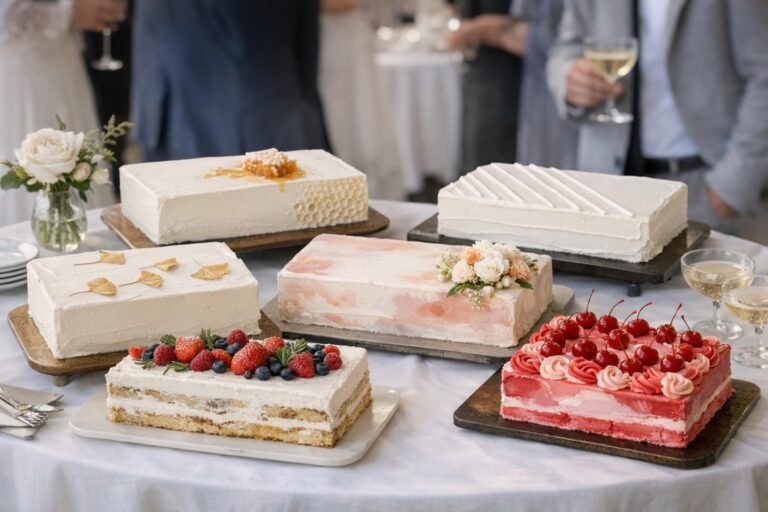
Simple Wedding Cake Ideas: Minimalist, Rustic, or Classic?
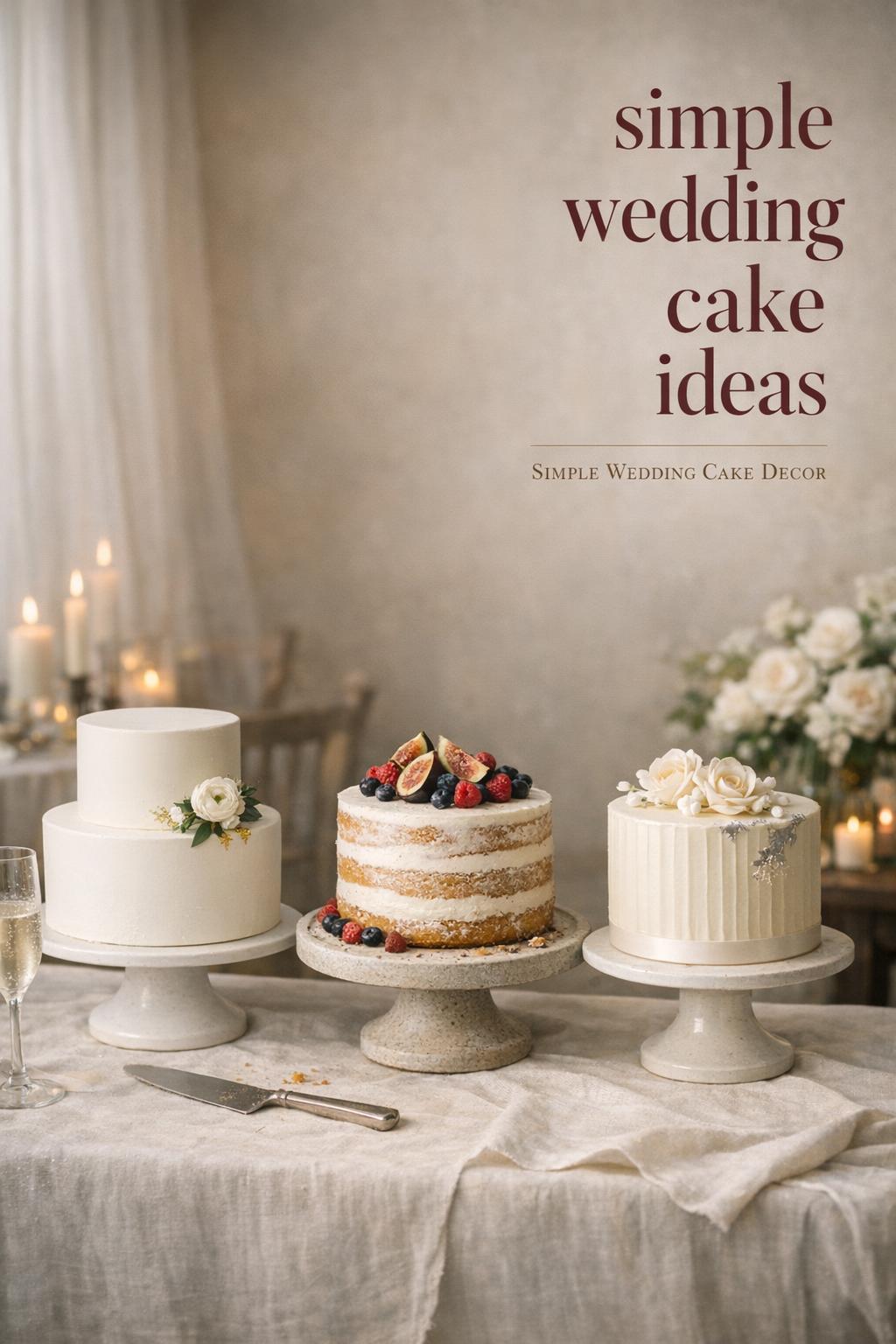
Simple wedding cake ideas, decoded: minimalist, rustic, and classic elegance side by side
The sweetest design decisions rarely feel big at first. You start with a simple question—what kind of cake feels like “us”?—and suddenly you’re balancing mood boards, venues, color palettes, and the practical reality of serving a room full of people at the reception. This is why simple wedding cake ideas are so loved in modern weddings: they offer clarity. A clean silhouette, a thoughtful finish, and a restrained accent can look intentional, romantic, and timeless without feeling complicated.
But “simple” can mean very different things depending on the style you’re drawn to. A minimalist wedding cake with smooth lines and a single floral accent reads differently than a rustic naked cake with fruit, even if both are technically a simple wedding cake. And classic elegance—often neutral and refined—can overlap with minimalism in a way that makes the options feel confusing at first glance.
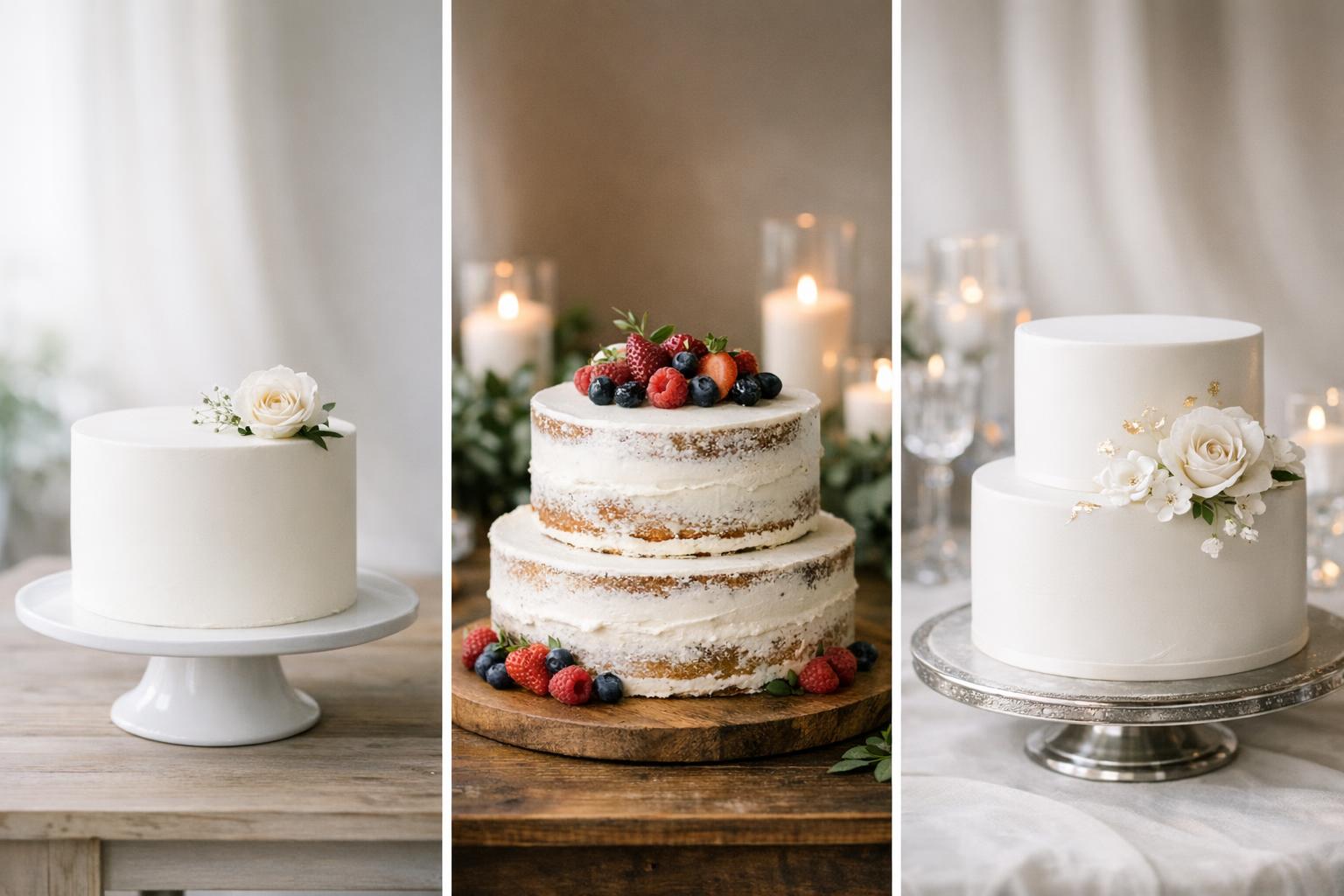
This comparison-style guide breaks down the most searched, most discussed approaches to cakes for weddings—minimalist modern, rustic/naked, and classic elegant—so you can recognize the differences quickly, choose what suits your day, and translate inspiration into a workable plan. Along the way, you’ll see how buttercream textures, sugar flowers, floral accents, palette-driven choices, and even small wedding cakes (including wedding cake ideas 1 tier) can deliver a “simple” look with a very specific personality.
Style overview: modern minimalist (smooth, sleek, and intentional)
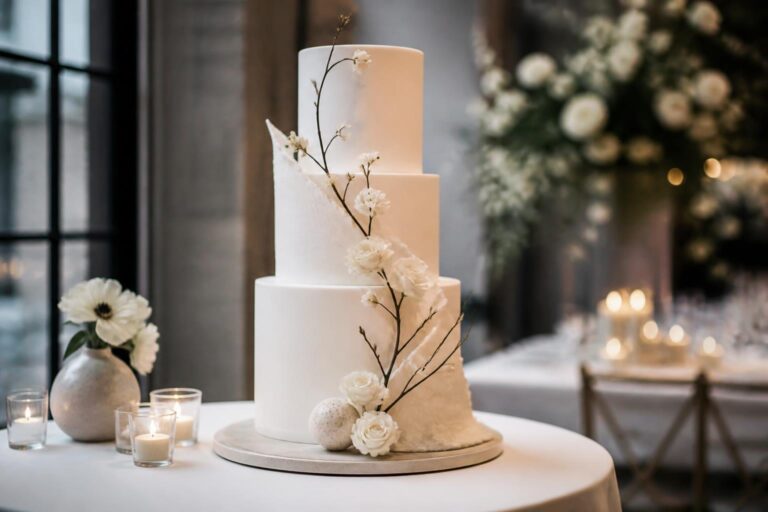
A modern minimalist cake is the one that looks effortless in photos because nothing fights for attention. The silhouette is usually clean—single-tier or multi-tier—with smooth sides and restrained decoration. The mood is contemporary and calm, often aligned with modern wedding aesthetics where details feel curated rather than ornate.
Turn wedding inspiration into a plan you can actually follow.
Zarellea brings your guest list, budget, vendors, and day-of details into one shared space — so no beautiful idea gets lost in the shuffle.
Defining characteristics show up in the finish: smooth buttercream or a smooth fondant-like surface (sleek, uninterrupted, and architectural). Florals are present, but minimal—think a small cluster, a single placement point, or a whisper of petals rather than a cascade.
Color palette tends to live in all-white, monochrome, or soft neutrals. When color appears, it’s usually subtle and controlled—soft pastels or gentle seasonal hues that echo bouquets or stationery rather than becoming the centerpiece. This is the style that pairs naturally with modern silhouettes in décor and attire and photographs beautifully against both bright and moody venues.
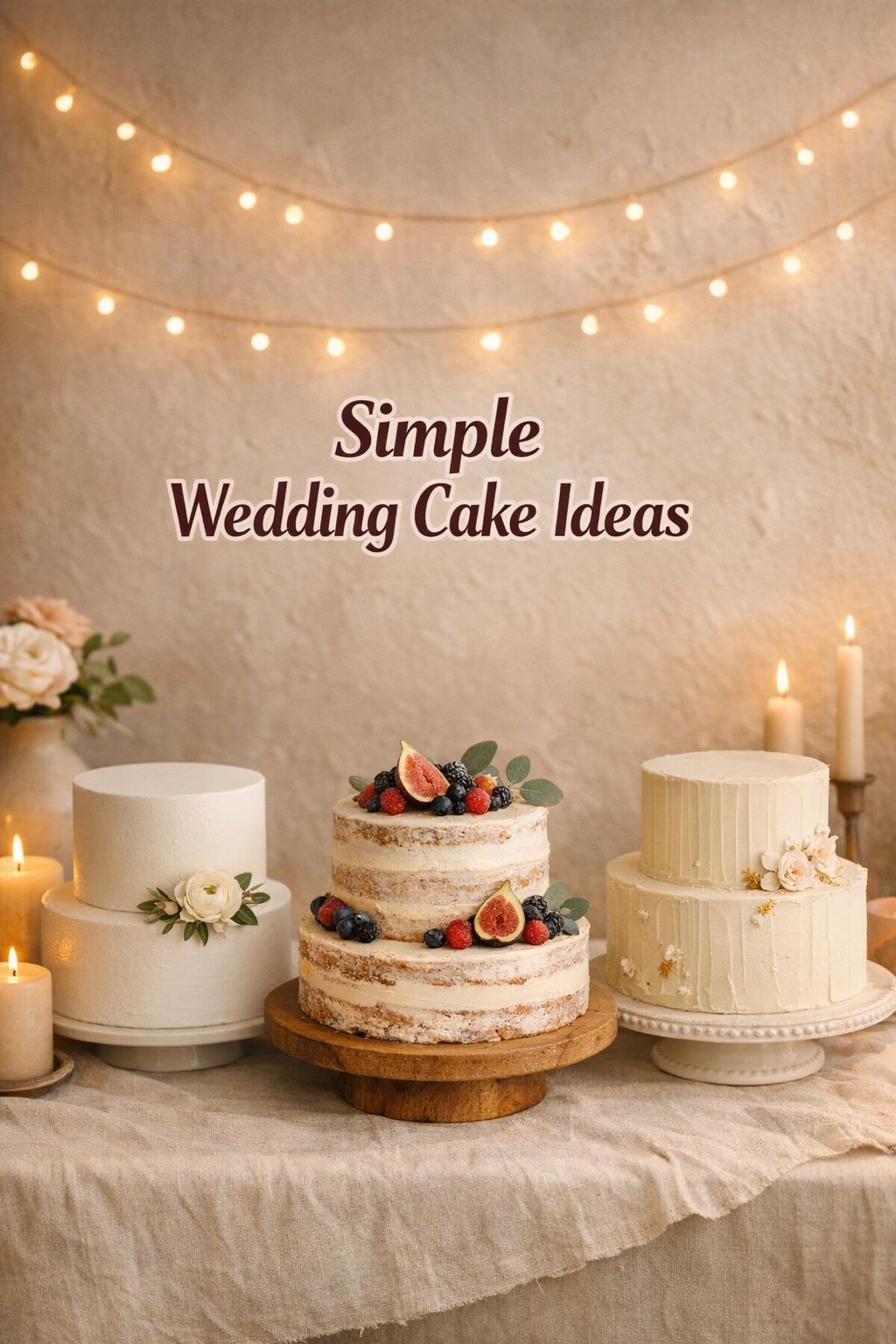
Style overview: rustic simplicity (naked and semi-naked cakes, texture first)
Rustic simplicity is where “simple” becomes tactile. The signature here is the naked cake or semi-naked cake—layers visible, frosting intentionally thin, and decoration often tied to ingredients: fresh fruit, berries, or a small floral accent placed as if it came straight from the ceremony arch or reception tables.
The silhouette can be one tier or multiple tiers, but the overall feeling is relaxed and warm. Texture is a feature, not a flaw. Buttercream textures—rustic swirls, soft ridges, or intentionally imperfect smoothing—give the cake depth without requiring elaborate décor.
Color palette usually leans neutral (cream, ivory, soft beige) because naked and semi-naked finishes naturally reveal the cake’s tones. Accents can echo seasonality: fruit for a bright summer reception, or deeper hues for a more dramatic setting. This style is frequently chosen for venue-friendly builds because it feels natural in many spaces, from intimate ceremonies to larger celebrations, without demanding a very specific décor environment.
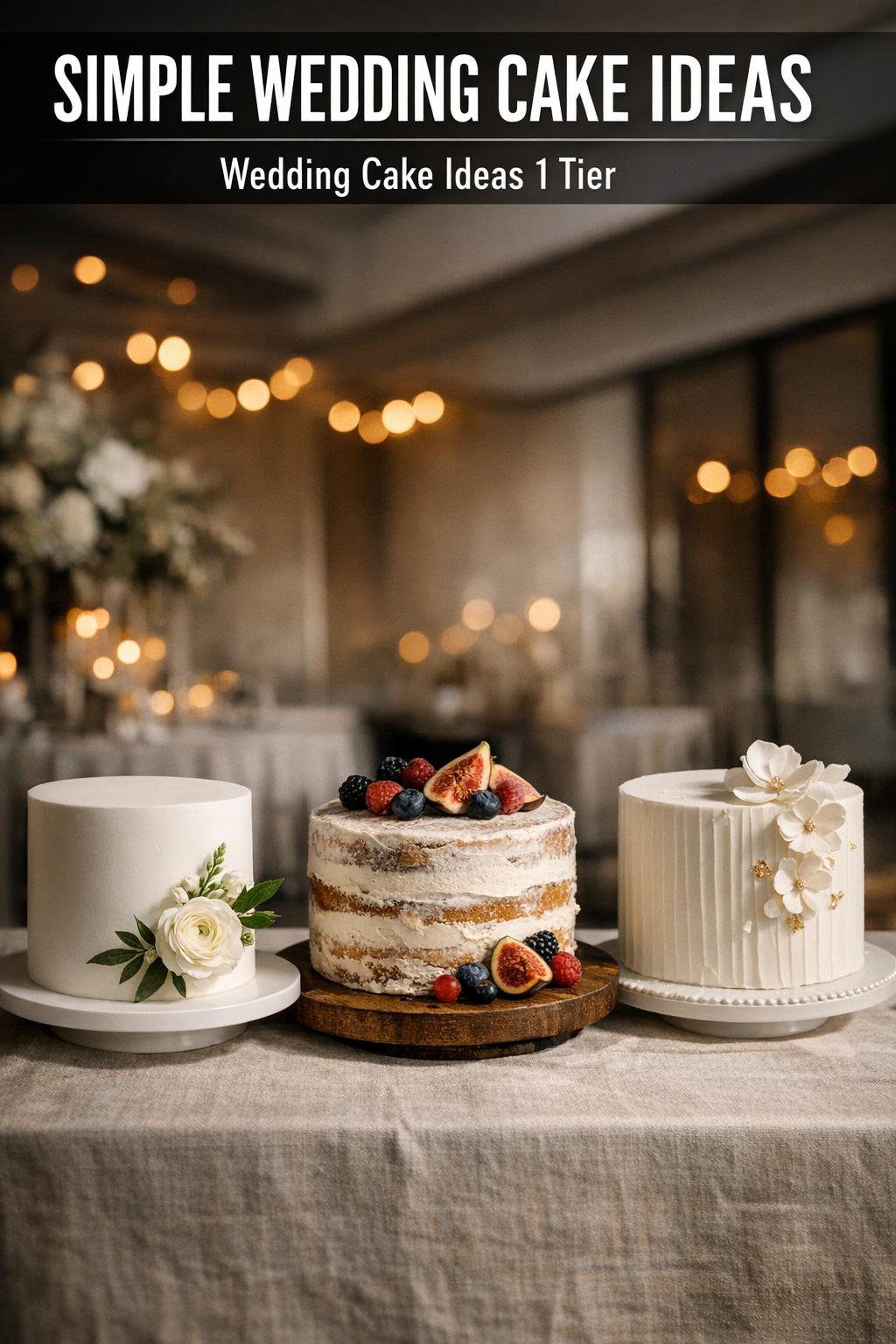
Style overview: classic elegance (timeless, refined, and quietly formal)
Classic elegance sits in that sweet spot where a simple wedding cake feels elevated. The defining quality isn’t trendiness; it’s restraint. The silhouette is traditionally tiered, but it can absolutely be scaled into small wedding cakes or a wedding cake ideas 1 tier approach if you want the look without the height.
Finishes are typically clean and polished—smooth buttercream, refined edges, and minimal décor that reads as intentional: a delicate floral accent, a subtle ribbon-like detail, or small sugar flowers. The palette is often neutral, with all-white and soft neutrals leading the way because they complement nearly any wedding style, from formal to garden-inspired.
This is the style couples gravitate toward when they want the cake to feel like part of a “timeless wedding album.” It overlaps with modern minimalism (clean lines, simple decor), but classic elegance tends to feel softer and more traditional in its mood.
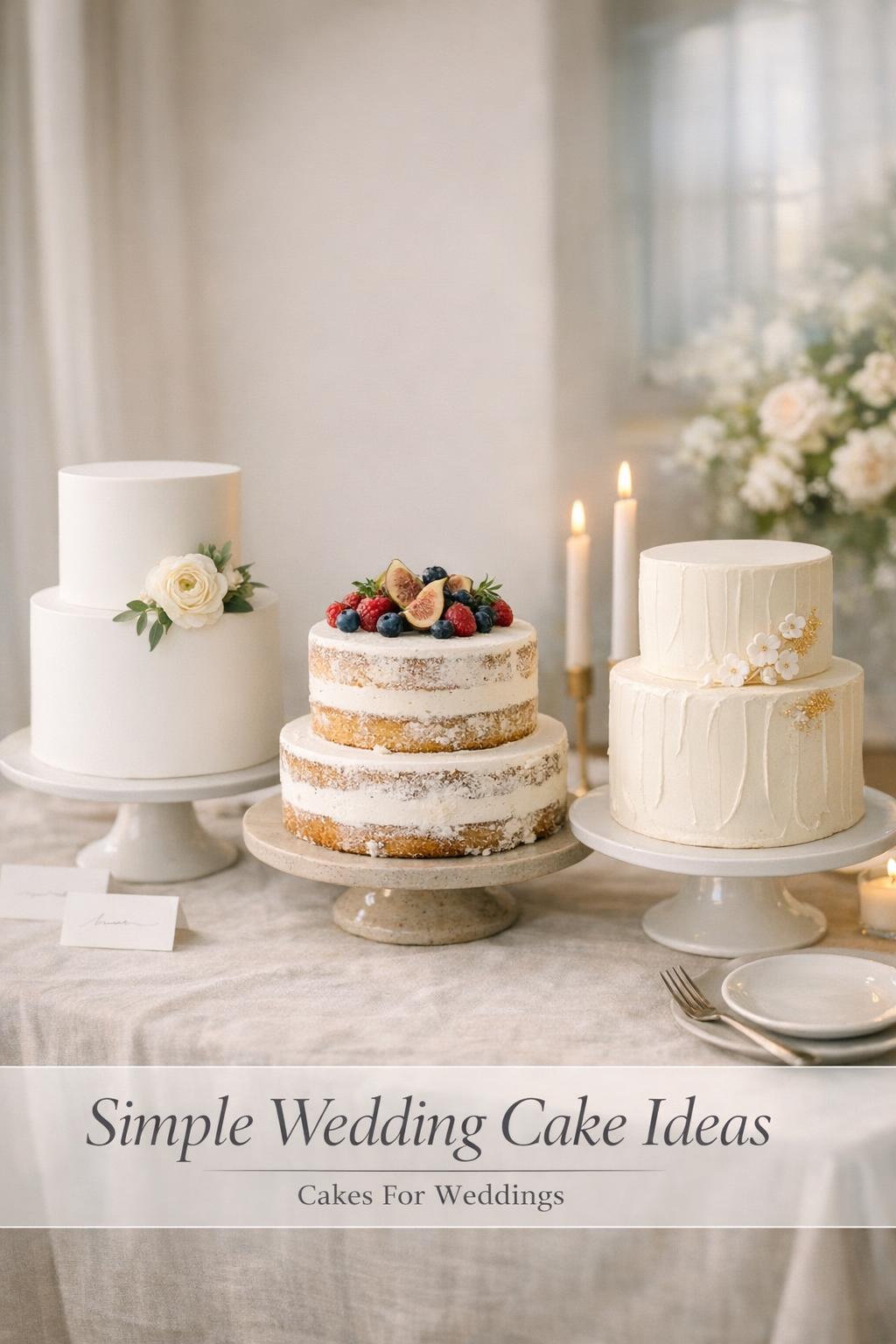
Where these styles overlap—and why they’re easy to confuse
Minimalist, rustic, and classic elegant cakes often share the same headline features: neutral palettes, minimal décor, and a focus on finish rather than heavy ornament. A smooth, all-white cake with a single floral accent can read minimalist in one venue and classic elegant in another. A textured buttercream cake can feel rustic—or it can look modern if the silhouette is sharp and the palette is monochrome.
The real difference is the styling philosophy. Minimalism is about deliberate restraint and modern shapes. Rustic simplicity is about texture and ingredient-led décor (naked cake, fruit, casual florals). Classic elegance is about polish and timeless proportion. Once you understand what each style is trying to “say,” choosing becomes less about copying an image and more about building a cake that fits your wedding style.
Key differences that change the whole look (silhouette, finish, and mood)
Silhouette and structure: modern silhouettes vs relaxed layers vs traditional tiers
Minimalist cakes often emphasize modern silhouettes—clean tier proportions, sharp edges, and a sense of geometry. Rustic cakes relax the structure on purpose: naked cake layers, soft edges, and a finish that shows the cake beneath. Classic elegance tends to keep the traditional tier logic, even when simplified, because symmetry and proportion are part of what makes it feel timeless.
If you’re choosing between a tall tiered statement and small wedding cakes, this is where the decision starts. A wedding cake ideas 1 tier design can look distinctly minimalist (smooth, monochrome) or distinctly rustic (semi-naked with berries). The same size, completely different mood.
Finish and texture: smooth surfaces vs buttercream textures vs naked cake honesty
Finish is the loudest “quiet” detail. Smooth, fondant-laced minimalist cakes prioritize sleek surfaces, where a tiny design choice becomes the focal point. Rustic cakes use buttercream textures—swirls, ridges, or a soft scrape—to create dimension. Naked cakes and semi-naked cakes lean into transparency, letting the cake layers do some of the visual work.
When you’re planning simple wedding cake decor, think of texture as your built-in decoration. If you want to skip heavy embellishment, a textured buttercream finish can make a cake feel designed even before you add florals.
Color palette: monochrome and neutrals vs ingredient-driven color vs timeless whites
Minimalist style typically sticks to monochrome, all-white, or soft neutrals, sometimes with subtle pastels for seasonal softness. Rustic cakes often get their color from what’s placed on them—fruit decoration, edible flowers, or fresh florals—so the palette can feel more organic. Classic elegance is anchored in neutrals, especially all-white, because it complements nearly any venue and wedding design story.
If you’re already working with a strong color palette in your stationery or floral plan, minimalist and classic elegant cakes often act as a calm counterbalance. Rustic designs can echo your palette more directly through fruit and floral accents.
Formality and feeling: chic restraint, relaxed romance, or timeless celebration
Minimalist cakes read chic and modern—often associated with clean, editorial wedding imagery. Rustic cakes feel approachable, warm, and naturally romantic. Classic elegance feels like a formal “moment,” even in a simple wedding cake format, because the design language is rooted in tradition: refined tiers, polished finishes, and delicate decoration.
Visual style breakdown: how each “simple” cake reads at the reception
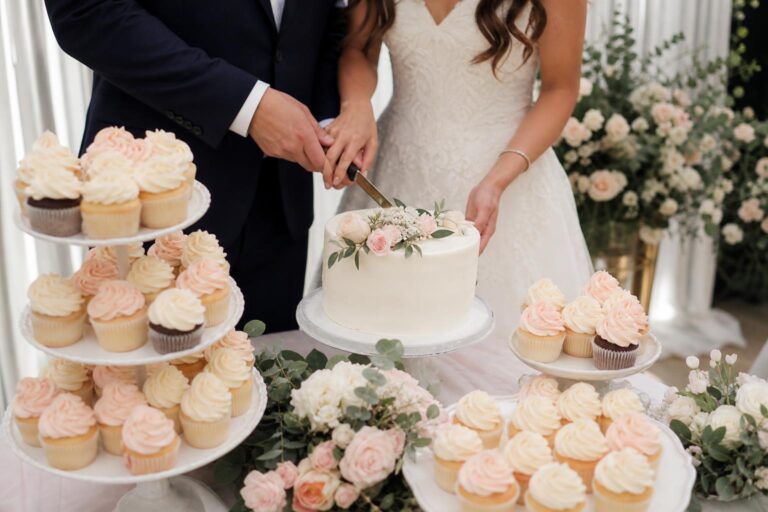
Picture the reception space: the cake table is usually a quick stop between the ceremony glow and the dance floor energy. In those few seconds, your cake communicates style. A minimalist cake reads as an extension of modern wedding aesthetics—especially if the rest of your décor uses clean lines and intentional spacing. It feels like a design object.
A rustic naked cake reads like hospitality. The visible layers and fruit topping suggest abundance without fuss, and it naturally complements relaxed settings and intimate gatherings. Classic elegance reads like tradition made lighter: it feels like a formal wedding cake, but edited down—less ornament, more refinement.
These differences show up most clearly in three visual choices: the edge finish (sharp vs soft), the decoration scale (single accent vs ingredient cluster), and the palette intensity (monochrome vs organic color). Even small wedding cakes follow this same visual logic; they simply do it in a smaller frame.
Comparing the most-loved simple wedding cake ideas (by style, not by hype)
Rather than running through a long list, let’s compare the ideas the way you’ll actually decide: by choosing a style lane, then selecting a finish and accent that supports it. Each idea below works for cakes for weddings at different guest counts because it’s about design logic, not just size.
Minimalist idea: smooth all-white with a restrained floral accent
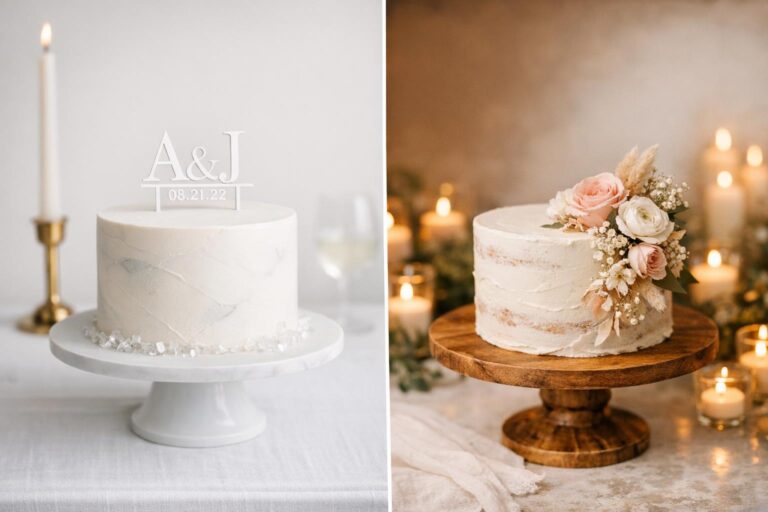
This is the minimalist “signature.” The cake is smooth, the palette is monochrome, and the floral accents are intentionally limited—perhaps one small cluster placed off-center or at the base of a tier. It’s simple wedding cake decor that leans on negative space, letting the finish feel expensive and the silhouette feel modern.
Where it shines: modern venues, clean table styling, and couples who want the cake to harmonize with their overall design rather than compete with it. Where it can struggle: if you love maximal florals everywhere, you may find it too quiet unless the cake table styling is equally intentional.
Rustic idea: semi-naked cake with fresh fruit decoration
A semi-naked cake keeps a thin veil of frosting while letting layers peek through. Add fresh fruit decoration—berries or a light fruit topping—and it becomes instantly celebratory without needing elaborate piping. This is one of the simplest ways to make small wedding cakes feel abundant: the fruit adds volume and color.
Where it shines: relaxed receptions and couples who want a natural look that feels welcoming. Where it can struggle: if you want the most uniform, polished finish, the intentional “imperfect” look may not match your vision.
Classic elegant idea: neutral palette tiers with delicate sugar flowers
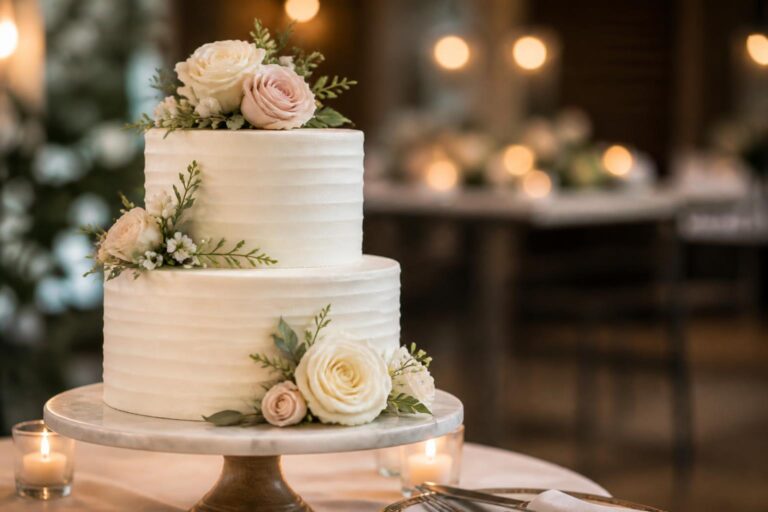
Classic elegance can still feel fresh when it’s pared down. A neutral palette—soft white or gentle ivory—paired with a few sugar flowers creates a refined focal point. Sugar flowers read as crafted, romantic details, and because you’re using them sparingly, the overall look stays simple.
Where it shines: timeless wedding styling, formal receptions, and couples who want the cake to feel like part of tradition without heavy ornament. Where it can struggle: if your overall design is very modern and geometric, overly classic floral choices can feel mismatched unless you keep the placement minimal.
Texture-forward idea: buttercream textures with minimal florals
Buttercream textures—whether rustic swirls or softly ridged finishes—can sit in any of the three style families depending on your palette and silhouette. With a monochrome palette and sharp tiers, texture becomes modern. With a semi-naked approach and fruit, it becomes rustic. With a neutral palette and delicate floral accents, it becomes classic.
This is one of the most flexible simple wedding cake ideas because it gives you “design” without extra décor. If you want something that looks special but doesn’t require a lot of add-ons, start here and decide how polished or relaxed you want the final effect.
Modern accent idea: subtle metallic touches in a restrained palette
Delicate metallic accents (like small touches of gold or silver leaf) can lift a simple wedding cake without turning it into something ornate. The key is scale: a whisper of metallic detail on an otherwise neutral cake. This idea often reads modern, but it can also support classic elegance when the rest of the design stays refined.
Where it shines: evening receptions and couples who want a little glow without heavy decoration. Where it can struggle: if you pair metallic accents with too many other focal elements, the cake can lose the simplicity that makes it feel chic.
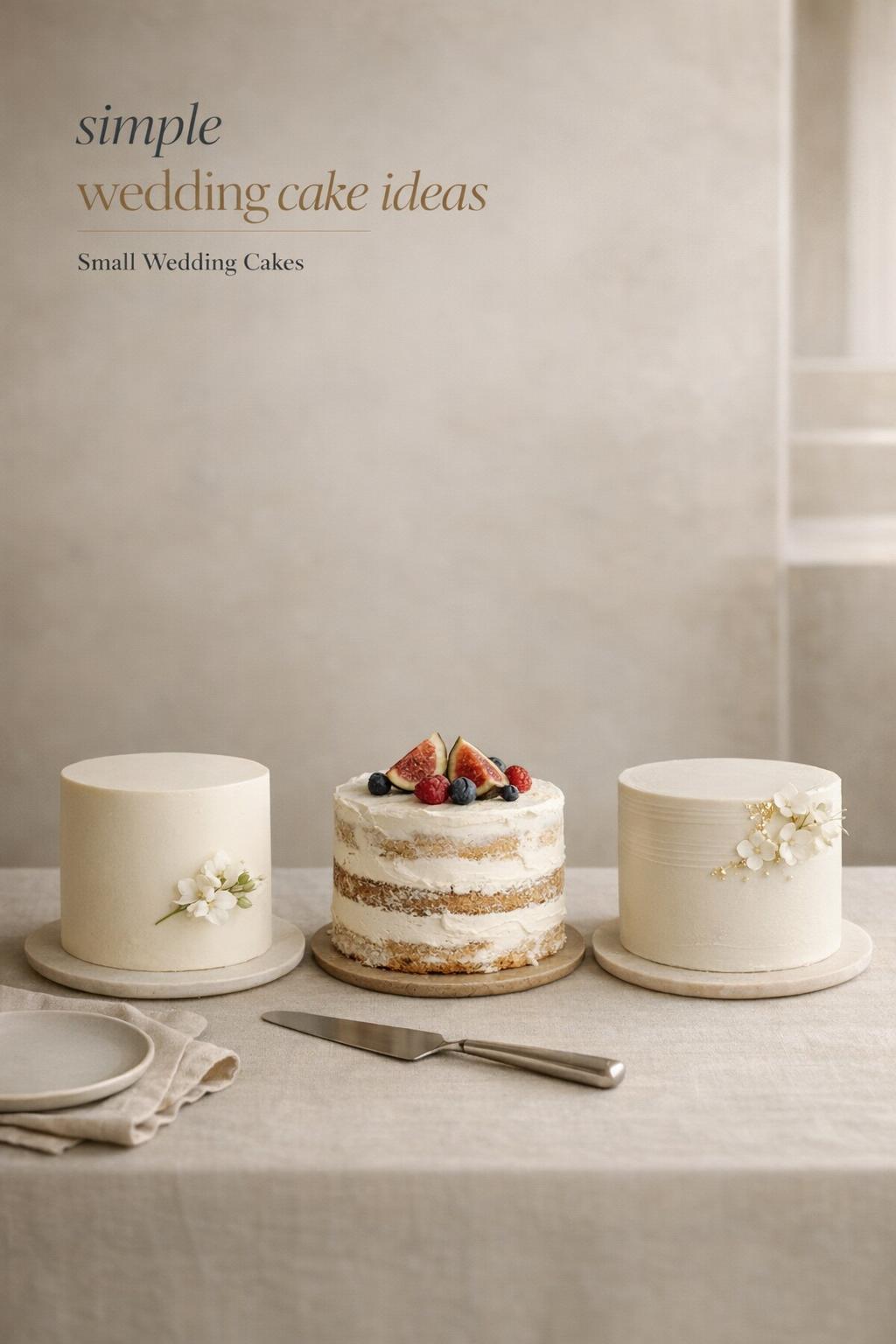
Small wedding cakes and wedding cake ideas 1 tier: the same styles, beautifully scaled
Small wedding cakes aren’t a compromise; they’re a design choice. A single-tier cake can look exceptionally intentional because every detail is visible. In practice, it also simplifies delivery and setup because there’s less height, less risk, and fewer structural concerns than a tall tiered cake.
To keep a wedding cake ideas 1 tier design from feeling like an “afterthought,” choose one strong design cue and let it carry the whole look: a flawless smooth finish, a dramatic buttercream texture, a tight floral accent, or a fruit cluster that feels lush. The simplest guideline is this: the smaller the cake, the more your finish matters.
- Minimalist 1 tier: smooth, monochrome, one restrained floral accent
- Rustic 1 tier: semi-naked with fruit decoration or a casual floral topper
- Classic 1 tier: neutral palette, polished finish, a few sugar flowers
If you love the look of multiple tiers but your celebration is intimate, you can still apply the same design language in a shorter silhouette. The result is a simple wedding cake that matches the mood of a larger event—just scaled to fit.
How to choose a simple wedding cake that fits your wedding style (a practical styling process)
Most couples choose a cake the way they choose décor: they collect images, then try to find the common thread. A more reliable approach is to decide on style first, then make three concrete choices—silhouette, finish, and accent—so your final cake feels cohesive with your color palettes and the rest of your day.
Step 1: decide what “simple” means to you
Simple can mean “minimal decoration,” “minimal colors,” “minimal stress,” or “minimal budget.” A naked cake with fruit is low décor but not necessarily low visual impact. A smooth minimalist cake may look the most refined, but it can demand more precision in the finish. Classic elegance can be minimal in decoration but still feel formal. Naming your version of simple helps you avoid picking a design that conflicts with your priorities.
Step 2: match the cake’s mood to the venue and reception flow
Think about how guests will experience the cake: will it sit in warm light for a while, or be revealed closer to cutting time? Is the cake table part of a larger display? Minimalist cakes thrive when the setting feels intentional and uncluttered. Rustic cakes feel at home in relaxed, welcoming environments. Classic elegance complements traditional reception rhythms where the cake moment feels ceremonial.
Step 3: let your palette guide the finish, not the other way around
Palette-driven ideas work best when you keep the cake in a supporting role. If your florals or stationery already carry color, a neutral palette cake gives the eye a place to rest. If your overall palette is soft and neutral, a subtle pastel or gentle seasonal hue can add dimension. When you’re unsure, soft neutrals are the easiest bridge across modern, rustic, and classic aesthetics.
DIY-friendly simple wedding cake decor: where it’s easy, and where it gets tricky
Many couples love the romance of a handmade touch, especially for intimate weddings. DIY decoration can be a beautiful choice when the design is truly simple and the finish is forgiving. Texture-forward buttercream finishes, semi-naked cakes, and minimalist floral placement tend to be more approachable than designs that require perfectly smooth surfaces.
The trickiest part of DIY rarely has anything to do with the cake itself—it’s the logistics. Assembly timing, storage, and transport matter because weddings run on tight schedules. A simple wedding cake is still a wedding cake, and it needs to arrive looking like it belongs at the celebration.
Tips: quick-decor techniques that keep the look refined
If you’re choosing the DIY route for cakes for weddings, aim for techniques that create a deliberate finish without requiring perfection. Buttercream textures are naturally forgiving, and a semi-naked style is designed to show “just enough” of the cake beneath. Florals can look elevated when they’re placed with restraint—one cluster, one direction, and a clear focal point.
- Use texture as the main design element so you don’t need extra décor to create depth.
- Keep floral accents minimal and consistent—choose one placement area instead of scattering.
- Let the palette stay neutral if you want the result to feel cohesive in photos.
Tips: at-home assembly, storage, and transport realities
Even a wedding cake ideas 1 tier design benefits from a calm, practical plan. Assemble as close to delivery time as you reasonably can, and think through how the cake will be handled at the venue. A tall tiered cake increases risk during transport, while small wedding cakes are generally easier to move and store. If your design depends on fresh fruit decoration, plan for how it will look over time and choose a placement style that still feels intentional even after the cake sits for a while.
Budget-friendly doesn’t have to look basic: what actually saves effort (and what doesn’t)
There’s a reason “simple” and “budget-friendly” are often discussed together: less decoration usually means less labor. But not all simplicity saves the same way. A perfectly smooth minimalist cake can be simple in appearance but demanding in execution because the finish must be flawless. A textured buttercream cake can look intentional and elevated while being more forgiving to produce. Naked cakes and semi-naked cakes reduce the demand for heavy, perfect coverage, which can also simplify production.
When you’re trying to balance cost and style, focus on the kind of work your design requires. If you want simple wedding cake decor that still feels special, prioritize one high-impact element—texture, florals, or a restrained metallic accent—and keep everything else quiet.
Region-oriented thinking: bringing a local feel to a simple cake in the U.S.
In the United States wedding market, simple wedding cake ideas travel quickly—especially the ones rooted in minimalism, naked cake trends, buttercream textures, and floral accents. At the same time, couples often want the cake to feel connected to where they are, even if the design is understated. Region-oriented planning doesn’t have to mean a themed cake; it can be as subtle as ingredient prompts and styling choices that feel local and seasonal.
City-based planning also changes how you shop and schedule. In larger metro areas—think NYC, Los Angeles, Chicago, or Dallas—couples often start with a style brief and then look for a bakery whose portfolio naturally matches that lane (modern minimalist, rustic naked, classic elegant). Even without naming specific vendors here, the strategy stays the same: choose your style first, then evaluate whether a bakery’s body of work consistently delivers that finish and silhouette.
Local ingredient prompts: a simple way to personalize without adding clutter
If you love rustic simplicity, local ingredient prompts are one of the easiest ways to make a cake feel personal. Fruit decoration and edible flowers already fit the naked cake and semi-naked aesthetic, and using what’s seasonal supports the “effortless” feeling. Minimalist and classic elegant cakes can also nod to seasonality through restrained floral accents or gentle palette choices, keeping the design clean while still feeling connected to the moment.
Size, servings, and delivery mechanics: the behind-the-scenes choices that protect the look
The most beautiful cake can lose its magic if it arrives stressed—tilted tiers, smudged finishes, or décor that doesn’t hold up through the reception. This is why it helps to think about serving needs and delivery mechanics early, especially if you’re deciding between a small single-tier cake and a multi-tier silhouette.
In practice, a simple wedding cake often benefits from a realistic plan that accounts for handling, storage, and transport. Taller cakes are more vulnerable in transit. Textured buttercream can hide small handling marks better than a perfectly smooth finish. Fresh florals or fruit topping may need timing considerations so they look their best when guests see the cake table.
Tips: matching tier count to your comfort level
Even if you love the look of multiple tiers, there’s a real peace in choosing a silhouette you can manage with confidence. If you’re DIY-ing, a wedding cake ideas 1 tier plan often reduces stress dramatically. If you’re working with a bakery, you can choose taller tiers while still keeping the design simple—clean lines, minimal accents, and a palette that integrates with the rest of your wedding style.
- If you want the cleanest modern minimalist finish, plan for careful handling and a protected display space.
- If you want a forgiving look, choose buttercream textures or semi-naked styling.
- If your décor includes florals, decide whether you want fresh florals, sugar flowers, or a restrained mix—then keep placement minimal.
Outfit-style comparisons, translated into cake choices (so the design feels like you)
Couples often describe their wedding style the way they describe clothing: “clean and modern,” “romantic and relaxed,” or “classic.” Translating that into cake design is surprisingly straightforward when you compare how each style would “dress” the same moment.
Example comparison: courthouse ceremony + intimate dinner reception
A minimalist approach would choose a small wedding cake with a smooth, monochrome finish and a single floral accent—simple, chic, and deliberate, like a clean tailored look. A rustic approach would choose a semi-naked one-tier cake with berries or a fruit decoration cluster—warm and welcoming, like soft texture and natural color. A classic elegant approach would keep the cake neutral and polished, perhaps with a few sugar flowers—refined, timeless, and quietly ceremonial.
Example comparison: modern venue with statement décor and curated details
Minimalist style would lean into modern silhouettes: smooth sides, crisp tiers, restrained decor, and maybe a subtle metallic accent used sparingly. Rustic style would bring in buttercream textures but keep the silhouette clean to avoid clashing with the venue’s strong lines. Classic elegance would choose a refined neutral palette and delicate floral accents that echo the room without competing—simple wedding cake decor that supports, rather than distracts.
Example comparison: romantic floral-forward celebration
Minimalist style would use florals “without overwhelm”—one intentional cluster, keeping negative space visible. Rustic style would let the florals feel organic, perhaps paired with fruit topping for softness. Classic elegance would lean toward delicate, placed sugar flowers in a controlled arrangement, keeping the overall look timeless and polished.
Common planning mistakes with simple cakes (and how to avoid them)
Simple designs are less forgiving of mismatched decisions because there are fewer elements to hide behind. A single wrong choice—like a palette that fights with the venue, or a floral accent that feels too large—can change the whole impression. The good news is that these mistakes are avoidable once you know what to watch for.
- Choosing “simple” but expecting heavy decoration impact: if you want drama, choose one dramatic element (texture or a focused floral accent) rather than adding many small extras.
- Underestimating finish difficulty: a smooth minimalist finish requires more precision than textured buttercream; if you’re DIY-ing, pick a finish that matches your comfort level.
- Mixing style languages: rustic naked cake styling plus very formal classic elements can feel confused unless you keep the palette neutral and accents restrained.
- Forgetting the reception timeline: fruit and fresh florals are beautiful, but timing and handling affect how they look when guests see them.
When in doubt, simplify further. The most successful simple wedding cake ideas are consistent: one silhouette story, one finish story, one accent story. Everything else supports.
Quick start: build your simple wedding cake plan in one calm sitting
If you’re deep in planning and want clarity today, treat this like a gentle reset. You’re not choosing a cake image—you’re choosing a design language that will live inside your wedding atmosphere from ceremony to reception.
- Pick your style lane: modern minimalist, rustic/naked, or classic elegance.
- Choose a silhouette: small wedding cakes, wedding cake ideas 1 tier, or a tiered design with modern silhouettes.
- Choose a finish: smooth, buttercream textures, or naked/semi-naked.
- Choose one accent: floral accents, sugar flowers, fruit decoration, or subtle metallic touches.
- Confirm practicality: handling, storage, transport, and when décor will be added.
Once those five decisions are made, your cake stops being a stressful “extra.” It becomes part of your story—another detail that quietly says, this day was designed with love and intention.
FAQ
What counts as a “simple wedding cake”?
A simple wedding cake usually prioritizes clean design choices—minimal decoration, a restrained color palette (often neutrals), and a focus on one strong element like a smooth finish, buttercream textures, a naked or semi-naked look, or a small, intentional floral accent.
What’s the difference between a naked cake and a semi-naked cake?
A naked cake leaves the layers mostly visible with little to no outer frosting, while a semi-naked cake uses a thin veil of frosting so the layers still show through but the overall look feels slightly more finished and cohesive.
Are buttercream textures considered “simple wedding cake decor”?
Yes—textured buttercream is one of the most effective simple wedding cake decor choices because the texture itself adds dimension and design interest, reducing the need for extra decorations while still looking intentional and wedding-ready.
Do small wedding cakes still look special at a reception?
Small wedding cakes can look especially special because the finish and accent details are easy to see up close; choosing one strong design cue—like a flawless smooth finish, a dramatic buttercream texture, a restrained floral accent, or a fruit decoration cluster—helps a smaller cake feel purposeful rather than scaled-down.
How do I make wedding cake ideas 1 tier feel “wedding” and not like a regular cake?
Use a clearly defined style language: keep the palette cohesive (often neutral), choose a deliberate finish (smooth or textured), and add one focused accent such as sugar flowers, fresh florals placed with restraint, or fruit topping arranged in a single intentional cluster.
What style is best if I want something modern but not cold?
A modern minimalist cake can feel warm and romantic when you keep the silhouette clean but soften the details—choose soft neutrals instead of stark white, use gentle buttercream texture rather than an ultra-slick surface, and add a small floral accent to bring in natural movement.
What style works best if I want a relaxed, welcoming look?
Rustic simplicity—especially naked or semi-naked cakes paired with fruit decoration or minimal florals—creates a warm, approachable feel that reads effortless while still looking thoughtfully styled for cakes for weddings.
How can I keep florals from overwhelming a minimalist or classic cake?
Limit floral accents to one placement area (like a single cluster), keep the arrangement small relative to the tiers, and let the negative space of the cake remain visible; restrained placement is what keeps floral styling aligned with minimalism and classic elegance.
What practical issues should I think about besides the design?
Plan for the mechanics that protect the look: serving needs, tier height comfort level, handling and storage at the venue, transport stability, and timing for adding elements like fruit topping or fresh florals so they look their best when guests see the cake.