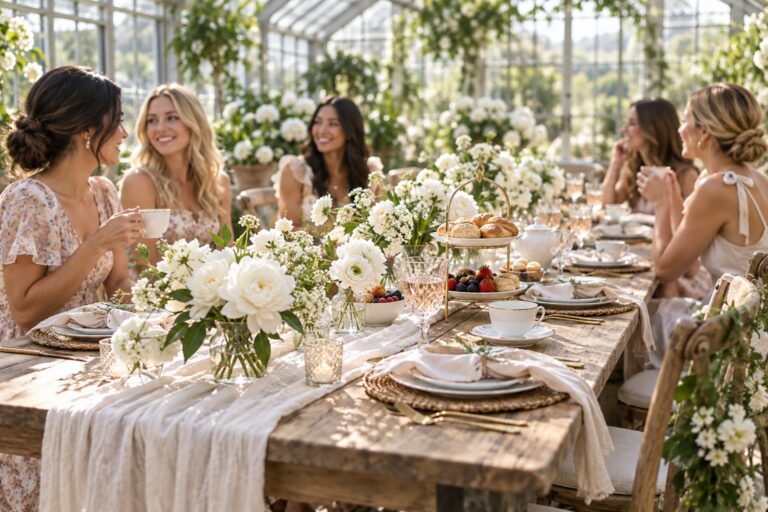
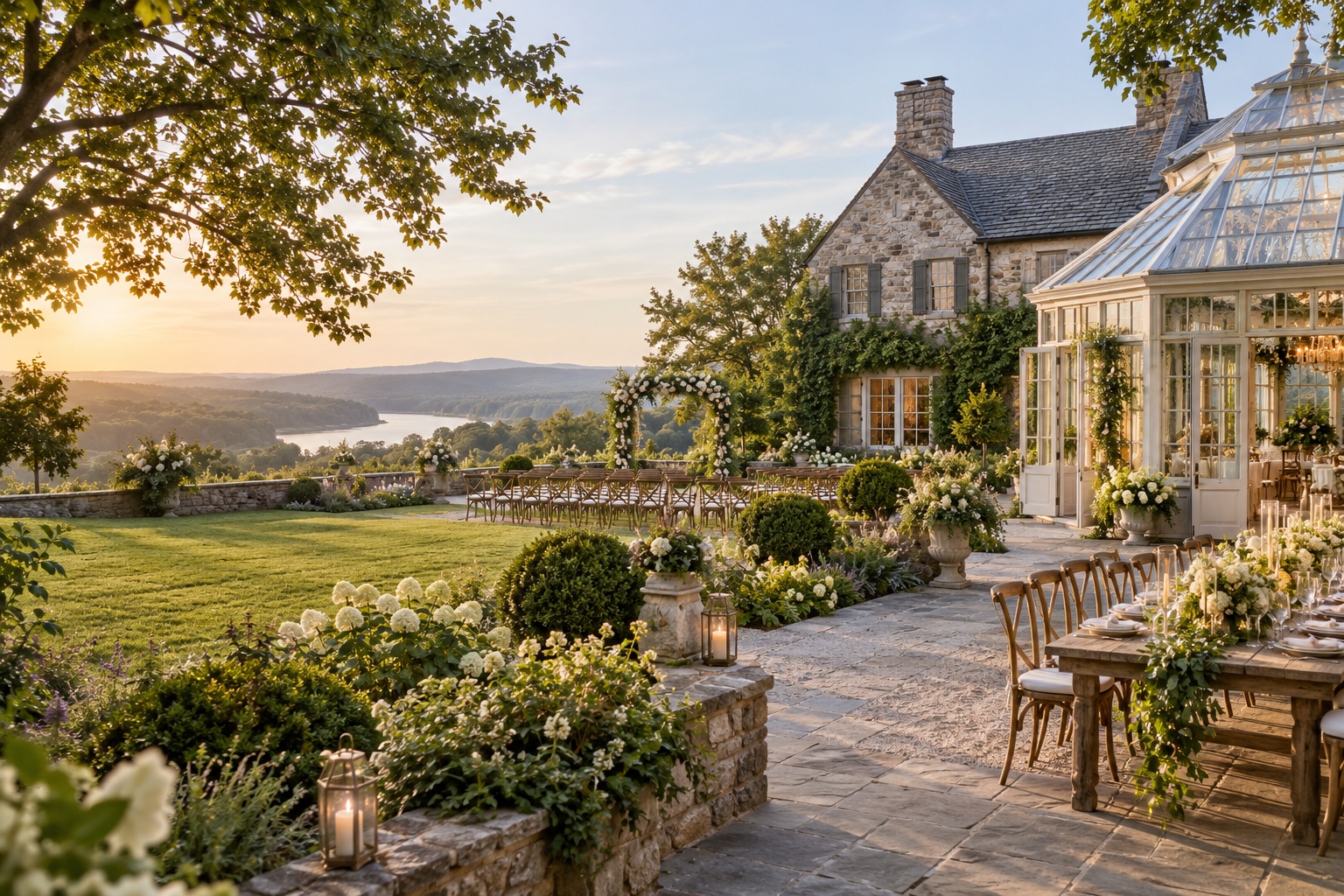
Wedding Venue Ideas for a Celebration That Feels Like You
When couples search for wedding venue ideas, they are imagining more than a backdrop. They may want a close dinner with easy conversation, an outdoor ceremony tied to the landscape, or an evening shaped by a dramatic room. Name that feeling before searching listings. A conservatory, restaurant, historic house, gallery, barn, rooftop, or estate can support different styles. The best choice is the one whose natural qualities fit the people, pace, and priorities of your celebration.
Before building a shortlist, note your approximate guest count, date range, location radius, and total venue-related budget. Add two or three qualities that matter most, such as natural light, a private outdoor area, transit access, a meaningful location, or in-house food. Treat these as filters, not a demand that every place meet every wish. Also write down what you can trade: perhaps a longer drive for lodging on site, or a simpler room in exchange for an easier guest journey.
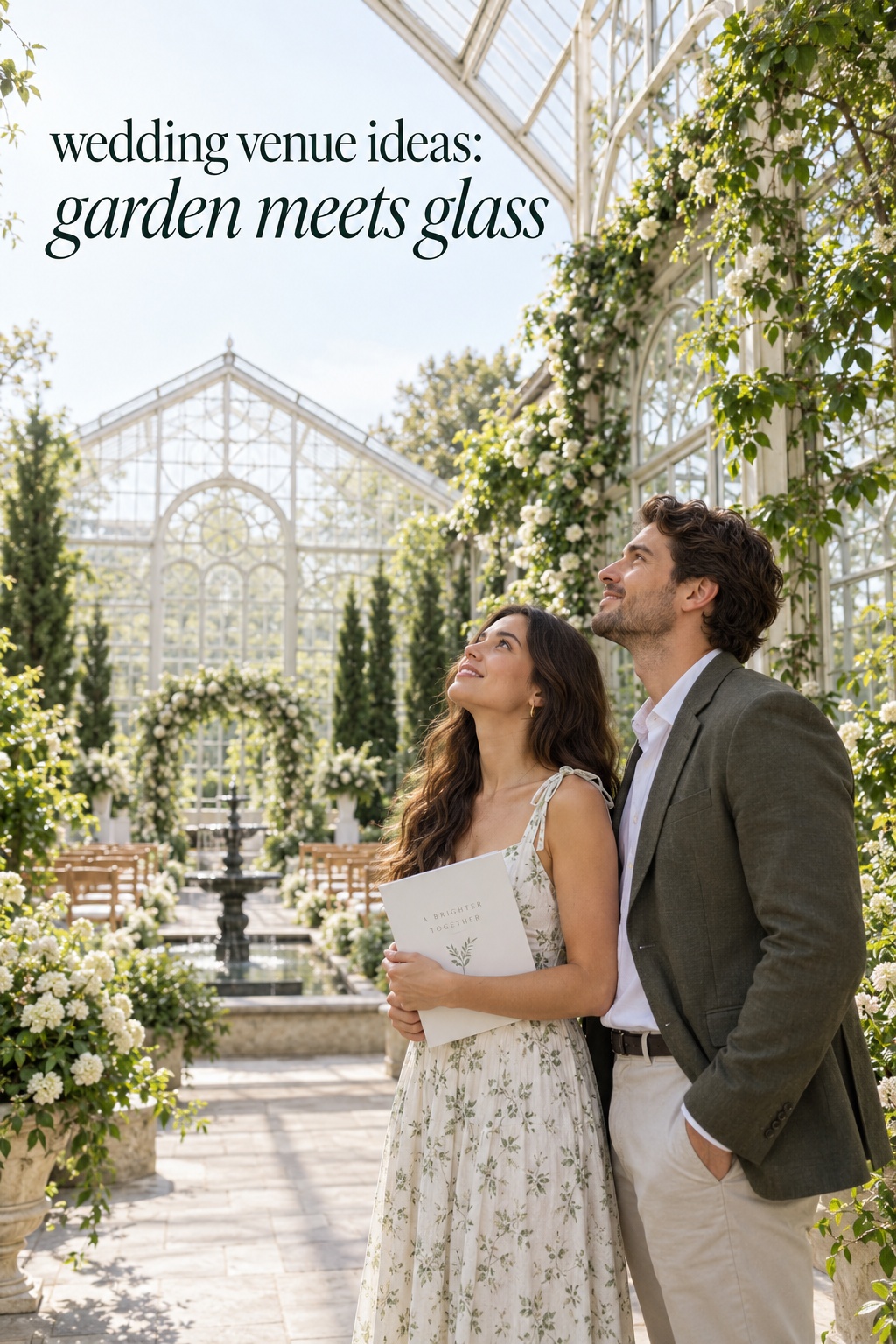
Current conversations about venues often focus on spaces with their own identity and useful ways to move through an event. That might mean a room with architectural character or connected indoor and outdoor areas. It does not mean every wedding needs a novel setting. A 2026 Los Angeles Times report describes planners approaching barn weddings with more restraint and letting the structure contribute rather than leaning on a literal rustic theme. Treat this as one reported styling change, not a forecast for every couple.
An inspiration photograph cannot tell you whether a venue is comfortable, available, or practical. It may show one corner, a ceremony layout without dinner tables, or a room before guests arrive. Ask how the space works at your headcount and how it changes through the day. Picture arriving, waiting, finding the ceremony, moving to drinks, eating, dancing, and leaving. The guest route matters. A beautiful location may need complicated transitions; a quieter-looking place may make the whole event feel easier.
Turn wedding inspiration into a plan you can actually follow.
Zarellea brings your guest list, budget, vendors, and day-of details into one shared space — so no beautiful idea gets lost in the shuffle.
What is changing in wedding venue ideas
One useful shift is from choosing a theme and imposing it on a space toward noticing what that space already does well. A conservatory brings greenery and glass into the event; a historic library offers strong lines and a sense of formality; a restaurant is organized around hospitality and a shared meal. Build on those qualities without treating them as decoration instructions. The venue can set a direction while personal details make the gathering specific. That gives decisions a purpose and can reduce the urge to fill every available surface.
A second idea is to look for connected zones. A property with a courtyard, lounge, and dining room may let the day move through several moods while keeping guests at one address. A garden paired with a glasshouse can offer outdoor atmosphere with a comfortable place to retreat. Yet the word flexible in a listing is not enough. Ask which rooms are included, whether another event can use them, how guests move between them, and whether staff must reset furniture. Flexibility only helps when the transitions are clear.
Venue character is also being discussed with more nuance than a simple rustic, modern, or romantic label. In its 2026 barn feature, the Los Angeles Times reports professionals describing a more considered approach using natural materials and styling that respects the building. This offers one example of letting a place remain recognizable instead of covering it with theme props. The same principle can apply to a gallery, estate, or hotel. Notice which qualities are distinctive, choose what to emphasize, and check which changes the venue permits.
These observations are prompts, not requirements. A ballroom may be ideal when a single indoor location, predictable flow, or full service matters most. A backyard may suit a personal gathering if you have a plan for infrastructure. An unusual venue can be meaningful, but unusual does not automatically mean easy or inexpensive. Use trend stories to discover possibilities, then return to your own guest count, schedule, access, and budget before treating an idea as a real contender.
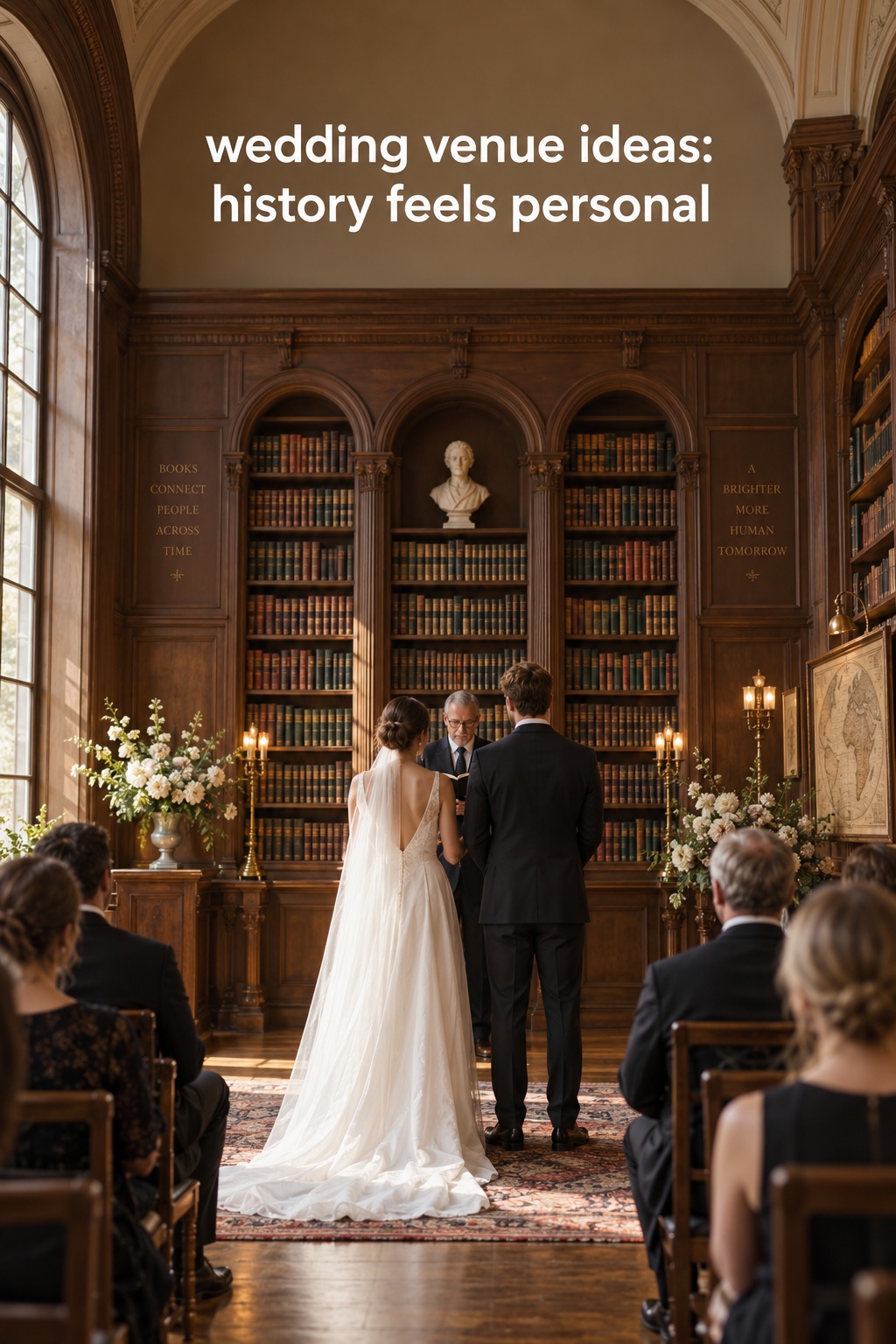
Why the venue itself matters more than a theme
The space shapes the guest experience before anyone notices the centerpieces. Guests encounter the entrance, paths, seating, sound, temperature, and sense of scale. A restaurant dining room can invite conversation; a long gallery can make a ceremony feel theatrical but need sound planning; an open lawn can create a wide view while exposing guests to sun or wind. None is best in every situation. Ask what the venue makes easy and what it makes harder. That is more concrete than asking whether a room looks wedding-ready.
Architecture can do much of the visual work. Windows, beams, columns, gardens, water, staircases, and sightlines can create a backdrop without extensive additions. During a tour, stand where guests will sit and look toward the ceremony, dining area, and important views. Notice obstructions such as service doors, support posts, screens, or equipment. Ask whether features shown in marketing photos belong to the property or were brought in for one event. This helps distinguish the permanent qualities you are booking from a temporary setup you may need to recreate.
A strong setting can narrow decisions. If you choose a historic property for its character, an elaborate theme may compete with that quality. If a restaurant appeals because food and conversation are central, a schedule dominated by long transitions may not use its strengths. This is not an argument against personal design. It means each addition can respond to the room. Write down the three venue features you would most regret losing, then use them as a simple test while comparing locations.
Describe your desired atmosphere without relying on trend words. Bright, relaxed, and easy to talk in or formal but connected to nature gives you a practical lens. Compare inspiration images and identify the qualities they share: perhaps daylight, warm materials, close tables, or a view beyond the room. The same quality may appear in several venue categories. This keeps you from getting attached to one label when the feeling you want may be available elsewhere with simpler logistics.
Ask how the property will look and sound at the time of your event. A venue may feel airy at midday and different after sunset. A hotel lobby may be shared with other guests; a garden may be close to traffic; a museum may have quiet hours or exhibit rules. Confirm what areas are private, which activities are permitted, and what the venue team handles. Those answers reveal whether the atmosphere belongs to the actual booking or only to a carefully chosen photograph.
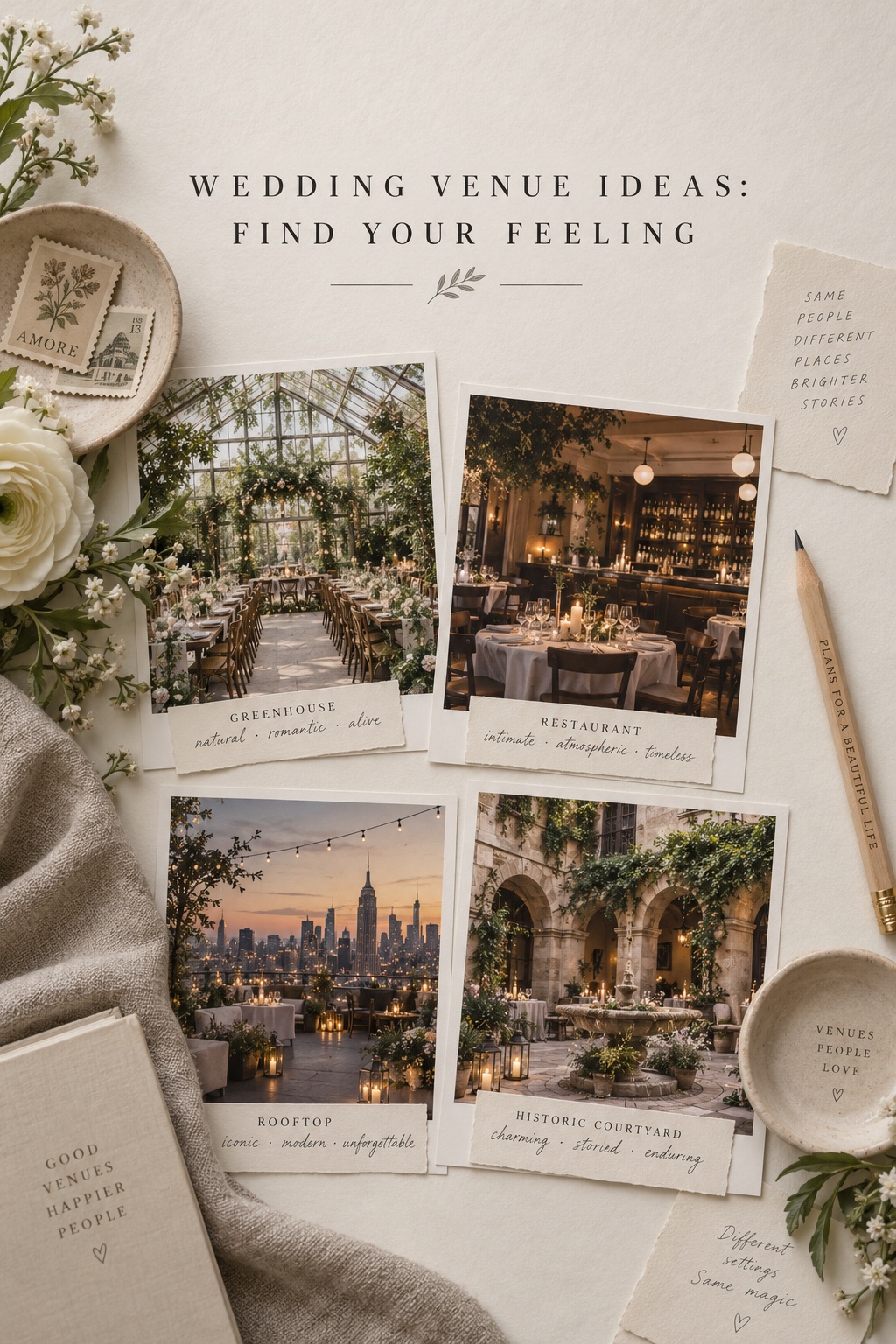
Match wedding venue ideas to the feeling you want
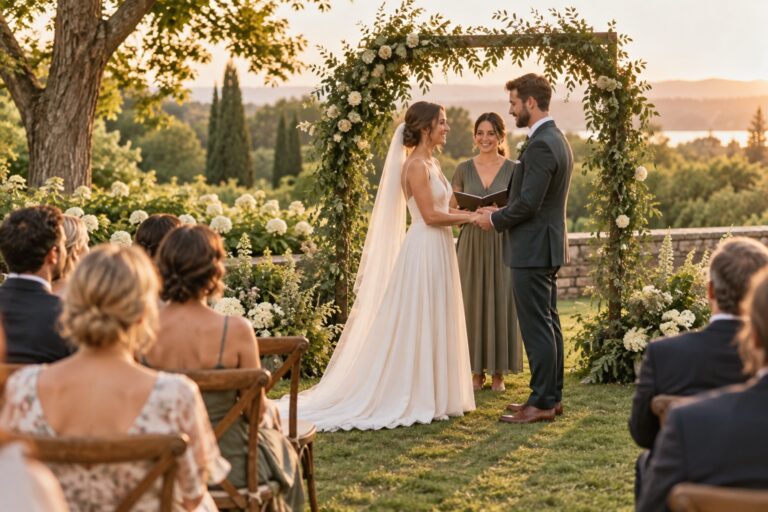
For a garden feeling, explore botanical gardens, conservatories, greenhouses, private gardens, and properties with planted grounds. An outdoor garden brings the landscape into the ceremony; a conservatory keeps plants in view while providing an indoor setting. Check how much of the garden is yours, where shade falls, what the walking surface is like, and how guests can move indoors. Ask about ventilation and comfort in glass rooms. Venue directories show how varied these spaces can be, from urban gardens to large indoor botanical rooms. Confirm the details with each property.
For a sense of history or occasion, consider historic homes, libraries, museums, theaters, and restored civic buildings. Existing rooms can offer architecture and a relationship to the surrounding town. Confirm which rooms are included, how features are protected, what can be moved, and whether suppliers can bring equipment through the building. Older properties may have stairs, narrow doors, or limited routes, so ask how every guest can reach the ceremony, restrooms, and reception. A dramatic staircase is not a complete access plan.
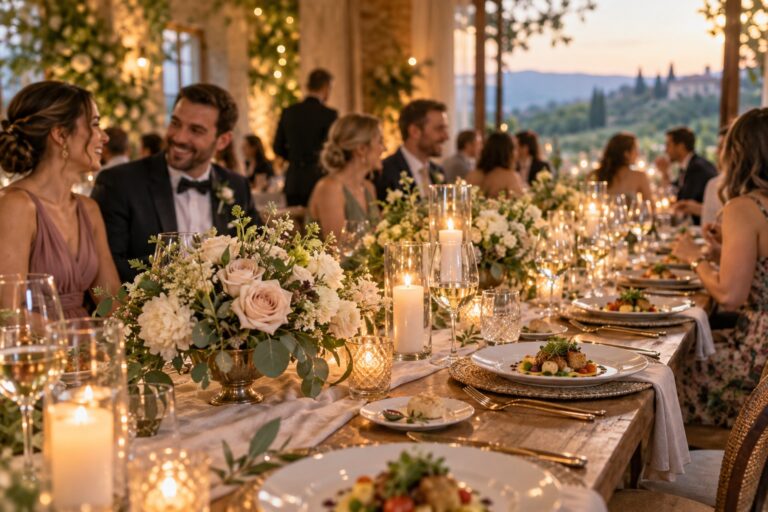
For a food-centered celebration, look at restaurants and private dining rooms. They can make dinner the heart of the event, and the service team and kitchen may simplify some decisions. Ask whether the room is exclusive, what a food and beverage minimum covers, and how the space supports a ceremony or dancing if those matter. A restaurant may be excellent for the reception while a nearby garden or civic space works better for vows. When considering two locations, make the transfer straightforward and tell guests exactly where to go.
For an artistic or modern atmosphere, consider galleries, museums, studios, converted factories, and lofts. Their identity may come from artwork, brick, tall ceilings, or open space. Ask what can be moved, whether exhibits may change before your date, and what rules apply to candles, lighting, adhesives, amplified sound, or outside vendors. An open plan can be adaptable, but it may need rentals to create comfortable scale. Request a floor plan for your approximate headcount and ask how the ceremony, meal, and dancing fit.
For water, countryside, or a getaway mood, consider waterfront properties, farms, vineyards, estates, and mountain or forest venues. Their landscape can make the setting itself part of the celebration, and some provide several areas across the day. The same distance that creates a sense of escape can affect transport, supplier access, lodging, and guest arrival after dark. Ask about parking, shuttles, sound limits, restroom capacity, and indoor alternatives. Walk the actual route from parking to the ceremony and dinner areas instead of relying on a scenic photograph.
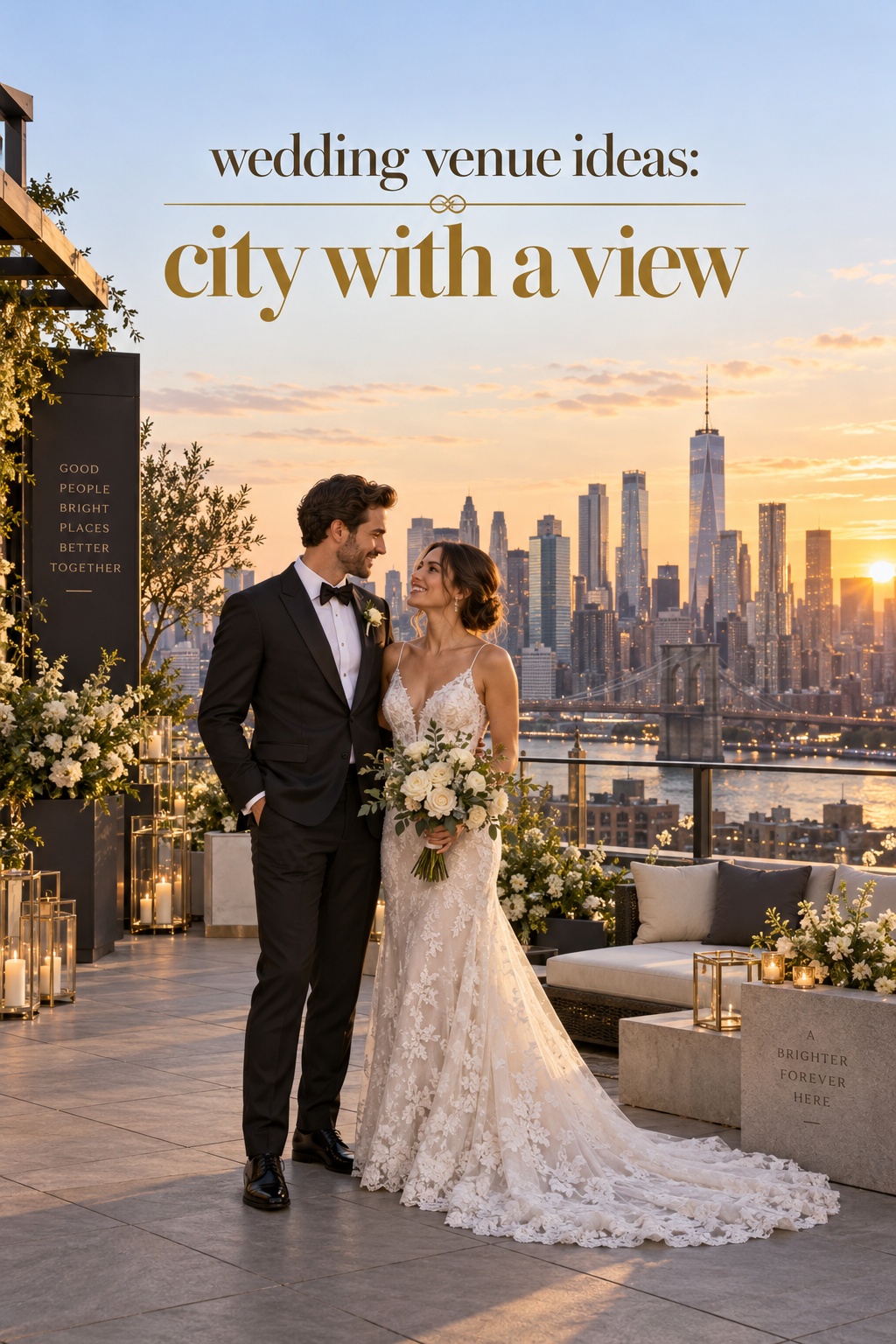
For a city-centered gathering, consider rooftops, boutique hotels, historic hotels, and spaces close to transit. A rooftop can offer a skyline backdrop; a hotel can connect lodging with the celebration. Confirm what happens in rain or strong wind, how guests reach the space, what sound restrictions apply, and whether other building activities overlap. Ask whether elevators remain available throughout the event and how guests with mobility needs reach each area. Map actual routes for traveling guests rather than assuming a central address is convenient.
For a smaller or particularly personal event, consider a private home, small estate, community space, or a combination of ceremony and reception locations. A lower headcount may make a smaller room feel full and lively. Private properties can feel familiar but may require rentals, restrooms, power, cleanup, catering, and coordination. A low site fee alone does not show the full cost. List what the property supplies, what you must arrange, and who manages each item. Compare that total effort with a staffed venue’s higher starting quote.
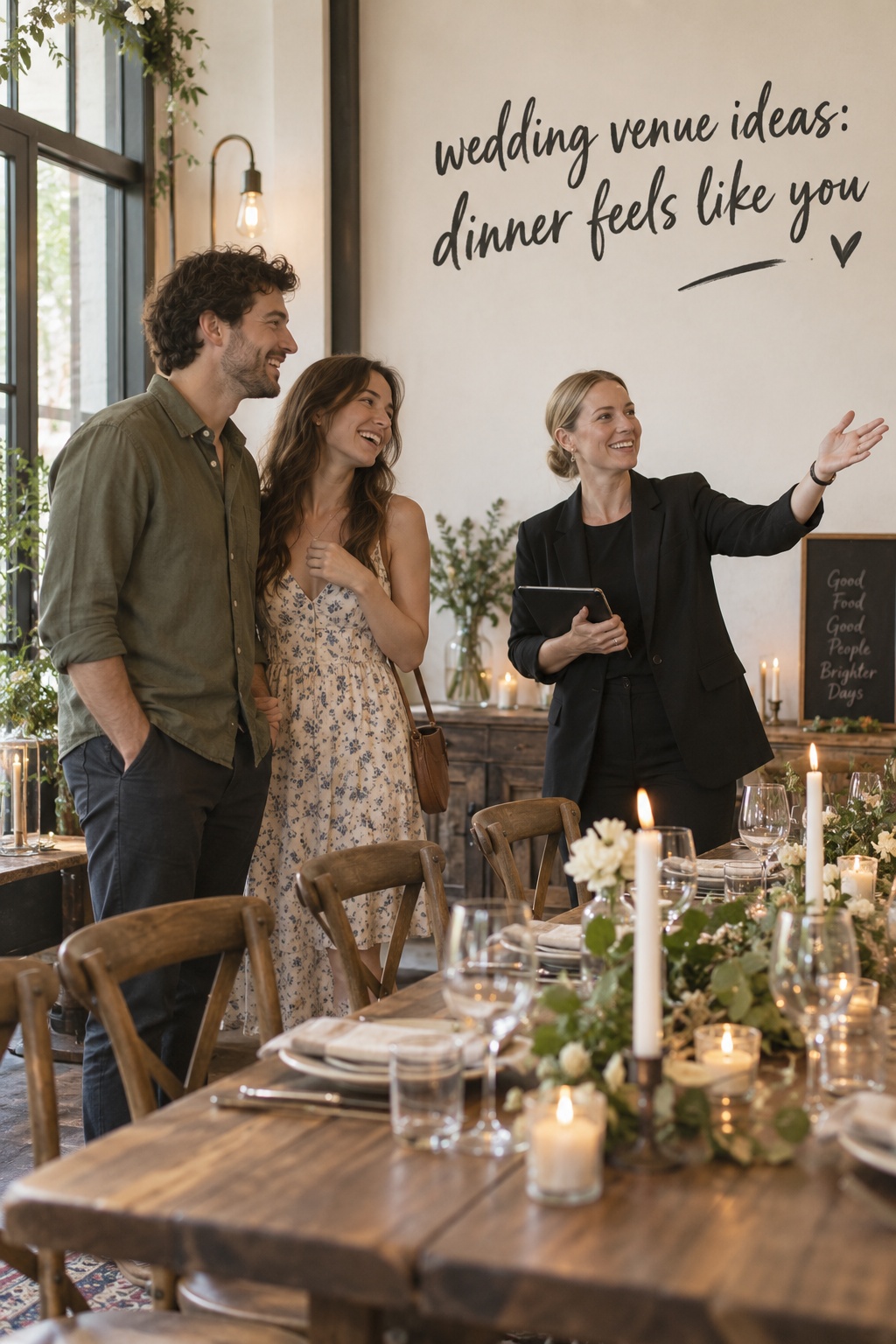
Choose a venue idea that still works on the wedding day
Begin with your expected guest count and ask each property for capacity in the layout you want. A standing maximum is not the same as seated dinner capacity with a dance floor. Request a sample floor plan at a similar count and locate tables, ceremony chairs, service paths, accessibility routes, restrooms, and gathering areas. If several rooms are offered, ask whether all are included and available at the same time. An empty room may seem larger than it will feel once activities and equipment are in place.
Picture the day in order. Where do guests arrive and wait? How do they find the ceremony? Where do they go after the vows? Can everyone move comfortably to drinks, dinner, and dancing? Is there a long walk, steep path, confusing doorway, or room reset that may slow a transition? If the ceremony and reception are at different properties, check travel time for the actual time of day and make a transport plan. A venue-tour checklist from The Knot covers topics such as distance, parking, and backup plans.
For an outdoor venue, inspect the alternative plan as carefully as the preferred setup. Ask to see the indoor room or covered area and confirm that it holds your guests and planned activities. Ask who decides when the plan changes, when that decision is made, and whether the alternative needs extra rentals or staff. Find out what happens in rain, strong wind, excessive heat, or other uncomfortable conditions. A vague promise of a backup is hard to evaluate. Ask what the actual arrangement looks like and what it costs.
Request the complete price in writing. Clarify the site fee, food or beverage minimum, taxes, service charges, staffing, security, rentals, setup and cleanup, overtime, parking, and required suppliers. Confirm how many hours you can access the property, when vendors can arrive, and when everyone must leave. If the quote depends on a particular room or schedule, record that. Compare the same guest count and timing across properties. A low starting estimate and a detailed quote cannot be compared fairly until you know what each includes.
Guest comfort belongs in the venue decision. Ask about step-free routes, restrooms, seating for guests who need a break, shade, temperature control, quiet areas, and drinking water. Consider guests who are not driving, families with children, and anyone who may need assistance. A rural property can work well when transport and lodging are planned. A historic or multi-level building can work if accessible routes to essential areas are confirmed. Check actual arrangements rather than relying on reassuring labels in a brochure.
Ask who your contact will be during planning and on the day, and clarify that person’s responsibilities. A site coordinator may manage building access but not coordinate every supplier. Confirm insurance or approval rules for vendors, sound limits, candles and open flame, cleanup, attachment rules for decorations, and what happens if a supplier arrives outside the access window. These details shape the plan and may add costs. Save written answers with the proposal so you can compare the offer with your original priorities.
Make a short comparison for every finalist: the atmosphere it offers, the features that create it, what guests will experience, the trade-offs you accept, and questions still unanswered. Then imagine an ordinary moment, such as a guest arriving early, finding a restroom, or waiting while a room changes. If the place still seems comfortable and coherent in those moments, it may be a better fit than one that wins only in a styled image. If major details are unknown, ask for answers before signing or paying a deposit.
Sources and methodology
This article reviewed ten US English search results and opened each page for context. The venue choices and practical filters reflect the questions and venue categories discussed in those sources. Current style observations are limited to specific 2026 reporting described above and are not predictions for every market. Venue availability, rules, access, and pricing vary, so confirm details directly with each property.
FAQ
What are some wedding venue ideas beyond a ballroom?
Consider a restaurant, conservatory, historic home, gallery, library, rooftop, farm, waterfront property, estate, or two nearby locations. Start with the experience you want, then check whether each space supports your guest count and event needs.
How do we choose a venue that feels personal?
Describe your desired atmosphere in ordinary words, then look for spaces whose architecture, setting, or purpose supports it. A connection to a shared interest or meaningful place can make a venue feel personal without requiring a literal theme.
Are nontraditional venues less expensive?
Not always. A modest rental fee may come with rentals, staff, restrooms, power, catering, or transport needs. Other venues have minimum spends or supplier rules. Compare complete written estimates using the same guest count and schedule.
What should we look for in an outdoor venue?
Confirm usable capacity, shade or shelter, restrooms, parking, safe walking routes, supplier access, sound rules, and a specific weather backup. View the alternative space and verify that it supports your guests and planned activities.
Can ceremony and reception be at different venues?
Yes. A separate ceremony location and restaurant reception can make a personal plan possible. Check travel time, access, transport, arrival instructions, and transitions so guests can move between locations easily.
How many venues should we tour?
There is no fixed number. Screen by date, guest count, location, budget, and essential needs. Tour the strongest matches and ask the same core questions at each one to make comparisons useful.
When should we book a wedding venue?
Timing varies by location, season, date, and property. Contact venues when you have a date range, guest count, and budget. Ask about availability and proposal deadlines, then review the contract and full costs.
What matters more, the venue or decorations?
The venue sets the baseline for atmosphere, capacity, layout, access, and many rules. Choose a place that supports the gathering, then select personal details that help its qualities feel cohesive.
What questions should we ask during a tour?
Ask about full pricing, inclusions, capacity in your intended layout, access hours, supplier rules, transport, parking, accessibility, sound limits, weather backup, setup, cleanup, and your day-of contact. Request written answers and a relevant floor plan.
Can a small wedding use a large venue?
Yes, if a smaller room or thoughtful layout gives the group a comfortable scale. Ask about shared events, which rooms are included, and how seating and activity areas will suit your headcount.