Mother of the Bride Updos: Build Your Perfect Hair Capsule
Choosing mother of the bride updos becomes much easier when you stop treating the hairstyle as one isolated decision. Think of it as a small hair capsule: a dependable shape, the right amount of volume, one useful accessory, and a hold strategy that suits the wedding day. That approach leaves room for personal style while keeping the final look polished, comfortable, and unmistakably yours.
The best updo is not automatically the biggest, newest, or most intricate option. It is the style that works with your hair’s current length and density, supports your dress neckline, frames your face in photographs, and still feels secure after hugs, outdoor portraits, dinner, and dancing. Use this guide to build that combination before you sit in the stylist’s chair.
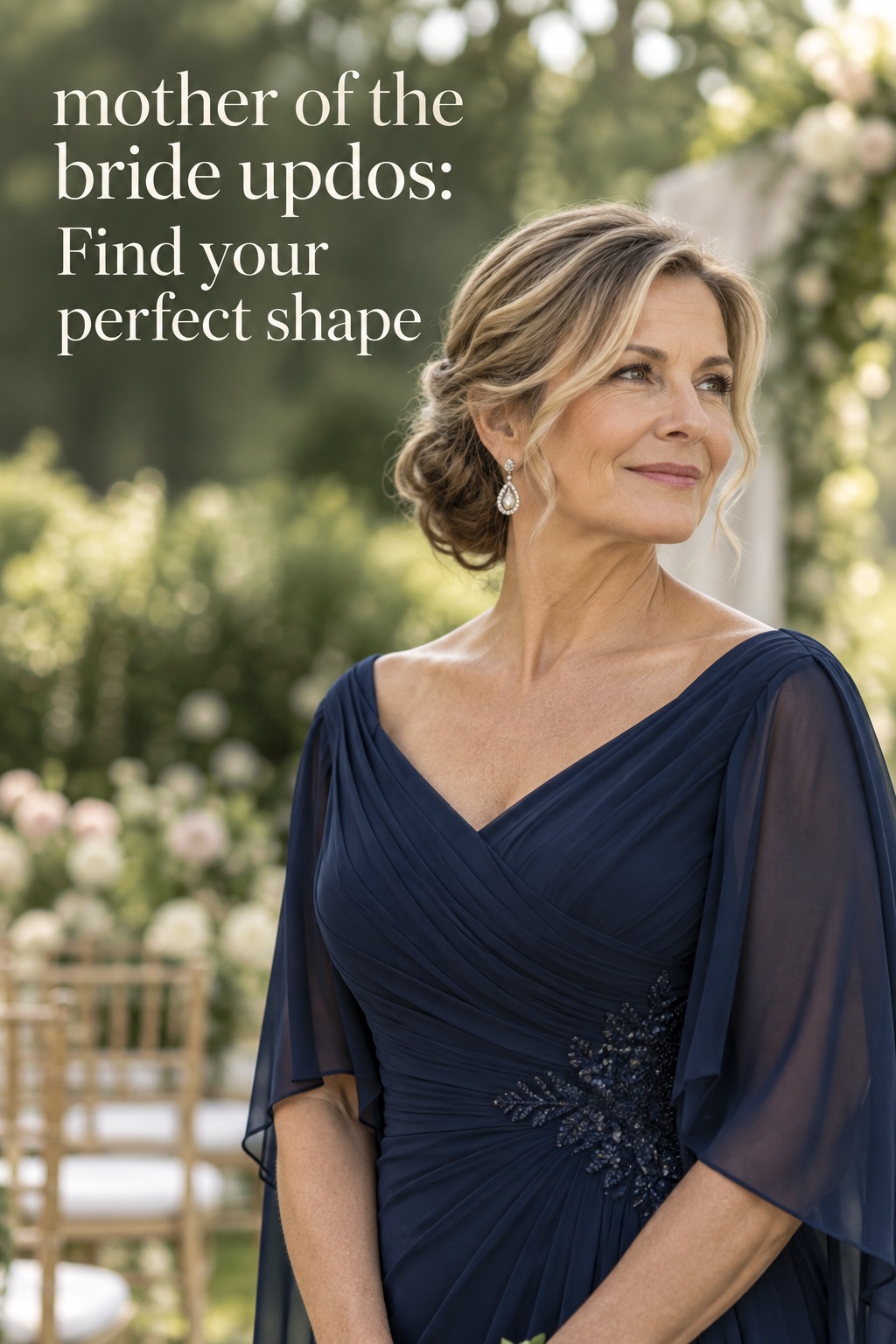
The essential building blocks of a mother-of-the-bride updo capsule
A useful capsule starts with four decisions: the silhouette, the texture, the face-framing detail, and the finishing point. The silhouette is where the hair sits, such as a low chignon, a centered bun, a side bun, a French twist, or a braided crown. Texture determines whether that shape feels sleek, softly waved, gently twisted, or deliberately piecey. Face framing may be a side-swept bang, two wisps at the temple, a curved curl, or a clean hairline. The finishing point is a pin, comb, flower, fascinator, or no accessory at all.
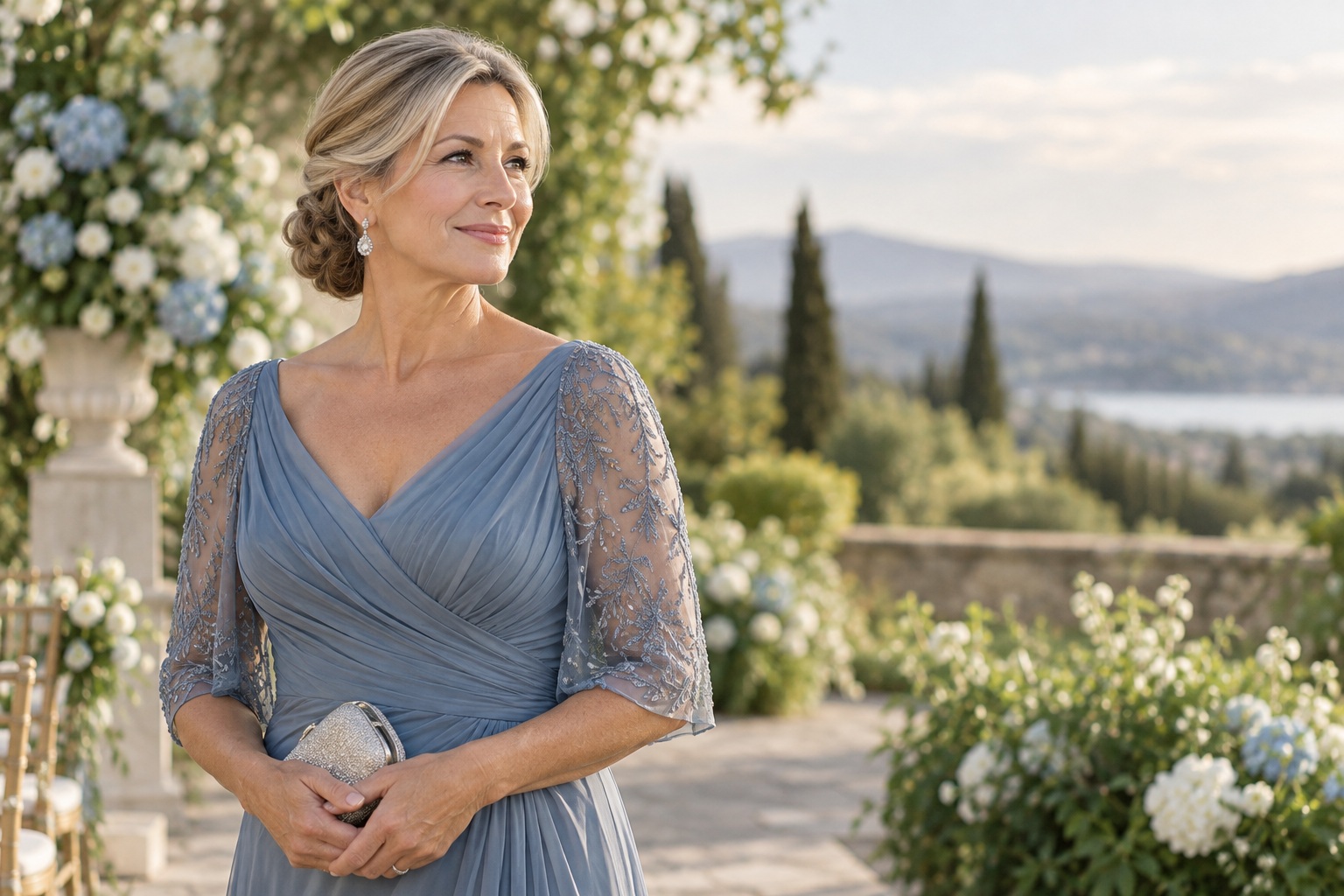
Start with the silhouette you can imagine wearing for six to ten hours. A low chignon is a strong default because it works with many necklines, gives jewelry room, and can be made smooth or textured. A French twist adds height and a vertical line, which is helpful with a high neckline or a simple gown. A side bun brings asymmetry and softness. A braided crown adds detail around the head, but it needs enough length and density to look intentional rather than thin.
Turn wedding inspiration into a plan you can actually follow.
Zarellea brings your guest list, budget, vendors, and day-of details into one shared space — so no beautiful idea gets lost in the shuffle.
Texture should follow the hair you have, not an inspiration photograph with a completely different starting point. Fine hair can look fuller when it is prepped with light texture spray, lifted at the crown, and gathered into a smaller supported shape. Thick hair may need internal pinning, a wider base, or a lower placement so the style does not feel heavy. Natural curls can be shaped into a structured bun while allowing a few curls to remain visible. Straight hair may need a little bend before pinning so the style has grip.
Keep one visual priority. If the dress has beading, a strong color, or a dramatic sleeve, a controlled bun with a simple part may be more effective than a complicated braid. If the gown is clean and minimal, a twisted detail or pearl accessory can supply the interest. This balance makes the overall outfit look considered without making the hair compete with the bride or the rest of the wedding party.
- Base shape: Choose low, centered, side-swept, or lifted placement.
- Texture: Decide between smooth, polished, softly waved, braided, or natural curl definition.
- Face frame: Keep the front clean, add a side bang, or release a few controlled pieces.
- Support: Plan pins, padding, extensions, texture products, and a compact emergency kit.
- Finish: Add one accessory only when it strengthens the outfit’s point of view.
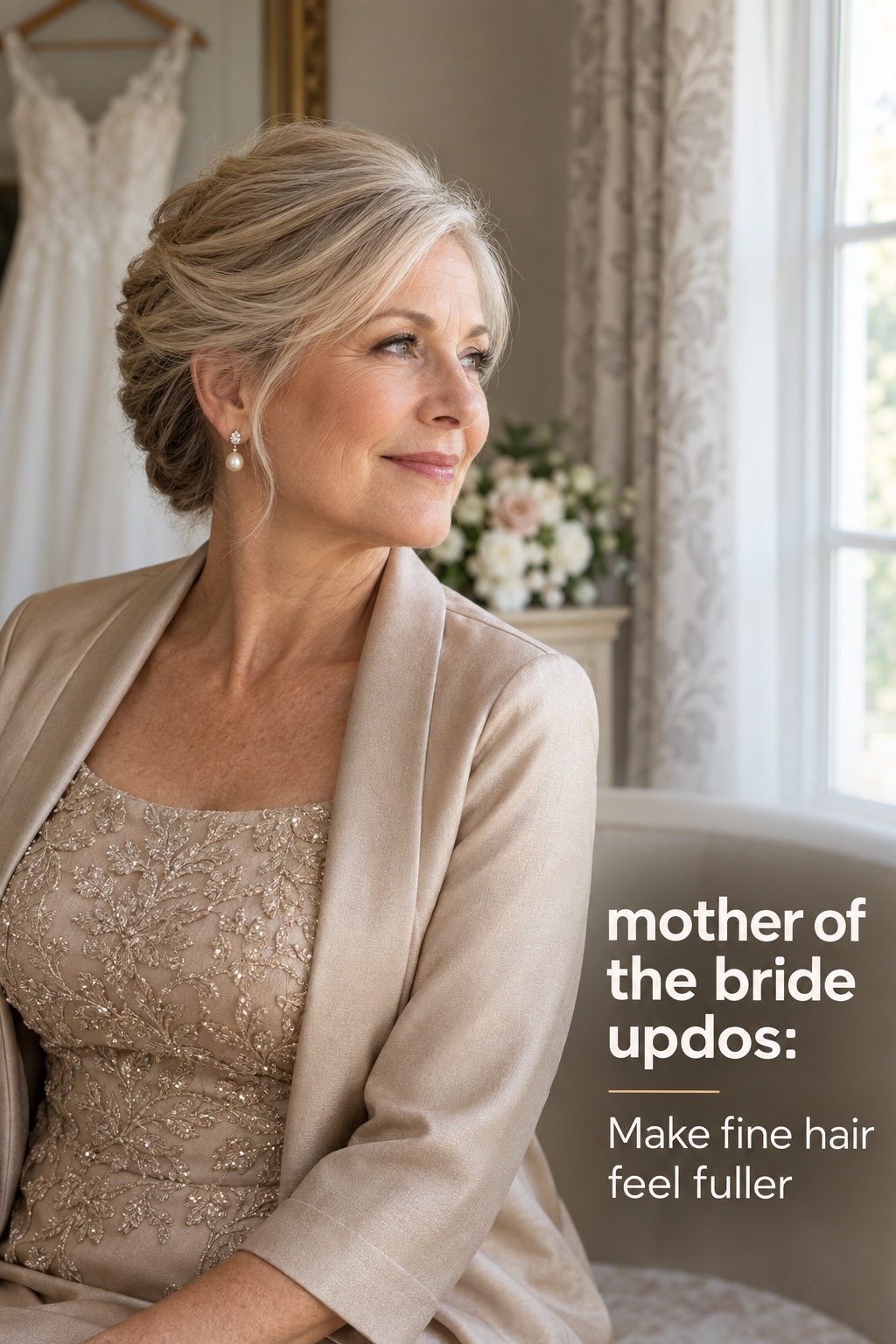
Combinations by hair length, density, texture, and neckline
Hair length is only the first filter. The more reliable choice comes from combining length with density and texture. Medium hair can make a petite chignon, tucked twist, or low bun with a hairpiece. Long hair can support a larger bun, French twist, or crown braid, but extra length also creates weight. Short hair can still look formal through pinned waves, a swept-back shape, a sculpted crop, or an accessory that acts as the focal point.
Long hair: choose a shape that controls weight
For long hair, a low textured chignon is elegant without requiring a towering construction. Ask the stylist to create a stable base at the nape, then wrap sections around it so the texture remains visible. A smooth French twist is another dependable choice when the dress has a high neck, long sleeves, or a clean architectural line. If you prefer softness, a low side bun with a swept part can bring movement while keeping the ends contained.
Long hair does not have to be used at full volume. Too much hair gathered high on the head can feel heavy and may hide earrings or the back of a dress. A lower placement usually improves comfort and photographs well from the side. If your hair is especially dense, ask whether the stylist can reduce internal bulk without making the outside look thin. The objective is a balanced shape, not the largest possible bun.
Medium hair: build fullness with proportion
Medium-length hair is ideal for a compact low bun, a tucked twist, or a half-up style with the top section secured and the ends softly curled. A petite bun can look luxurious when the crown has gentle lift and the surface is clean. For fine medium hair, a discreet bun cushion or crown piece can create the foundation needed for a rounded silhouette. The support should be matched to your color and hidden completely under the finished hair.
Shoulder-length curls can be pinned into a low shape while leaving a few defined curls near the face. This combination feels celebratory without erasing your natural texture. If your hair ends at the shoulders and will not stay in a full bun, consider a twisted half-up style with a jeweled clip. It is still formal, but it does not force the hair into a shape it cannot comfortably hold.
Short hair: make the finish deliberate
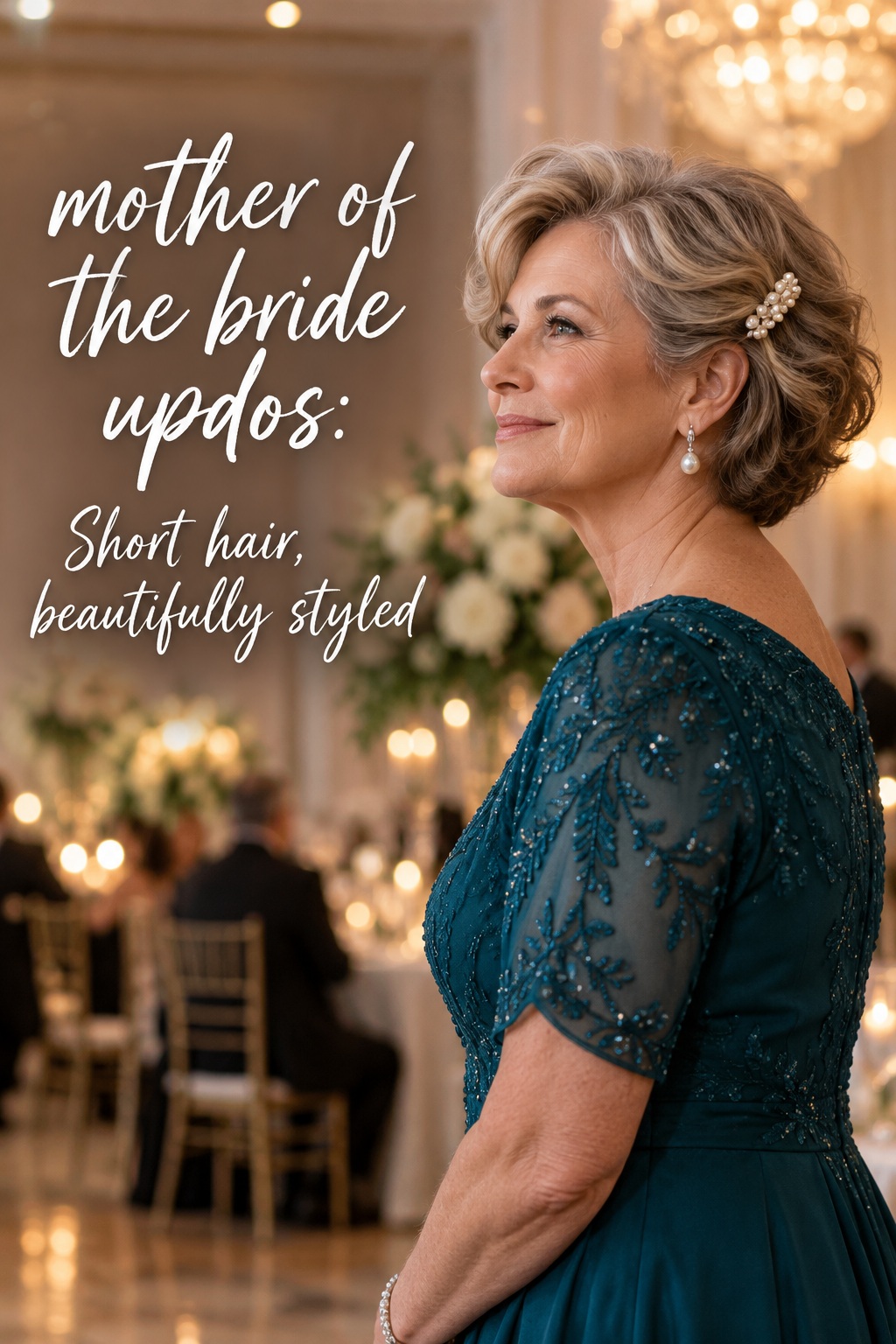
Short hair can look wonderfully formal when the finish is intentional. A deep side part with polished volume, softly pinned waves, or a swept-back crop can frame the face and show off earrings. If the top is long enough, a stylist may create a small tucked shape at the back. If not, let the haircut be the design and add one strong accessory, such as a pearl barrette, a slim comb, or a small fascinator.
Do not promise yourself a long-hair updo if your cut cannot support it. A photograph of a French twist may inspire the finish, but the practical version for a pixie or chin-length bob could be a sculpted side sweep with the same clean vertical feeling. Bring inspiration for mood, not as a demand for an identical construction. Your stylist can translate the idea into a shape that respects your actual hair.
Fine, thick, curly, or silver hair: adjust the foundation
Fine hair benefits from preparation and scale. Product should create grip without making the strands dull or sticky. A little crown lift, backcombing hidden inside the shape, or a lightweight padding piece can make a small bun appear fuller. Keep the outer surface soft and avoid pulling every strand tightly, since excessive tension can make fine hair look flatter and can become uncomfortable.
Thick hair needs a foundation that can carry its weight. Multiple anchor points, a lower placement, and a clear division of sections are more useful than simply adding more spray. Curly hair should be treated as a feature. Define the curl pattern first, then pin the curls into a shape that lets some texture show. Silver and gray hair often look beautiful with braids and twists because the tones create dimension across the structure. A stylist should not over-polish away that natural variation.
Match the updo to the dress neckline
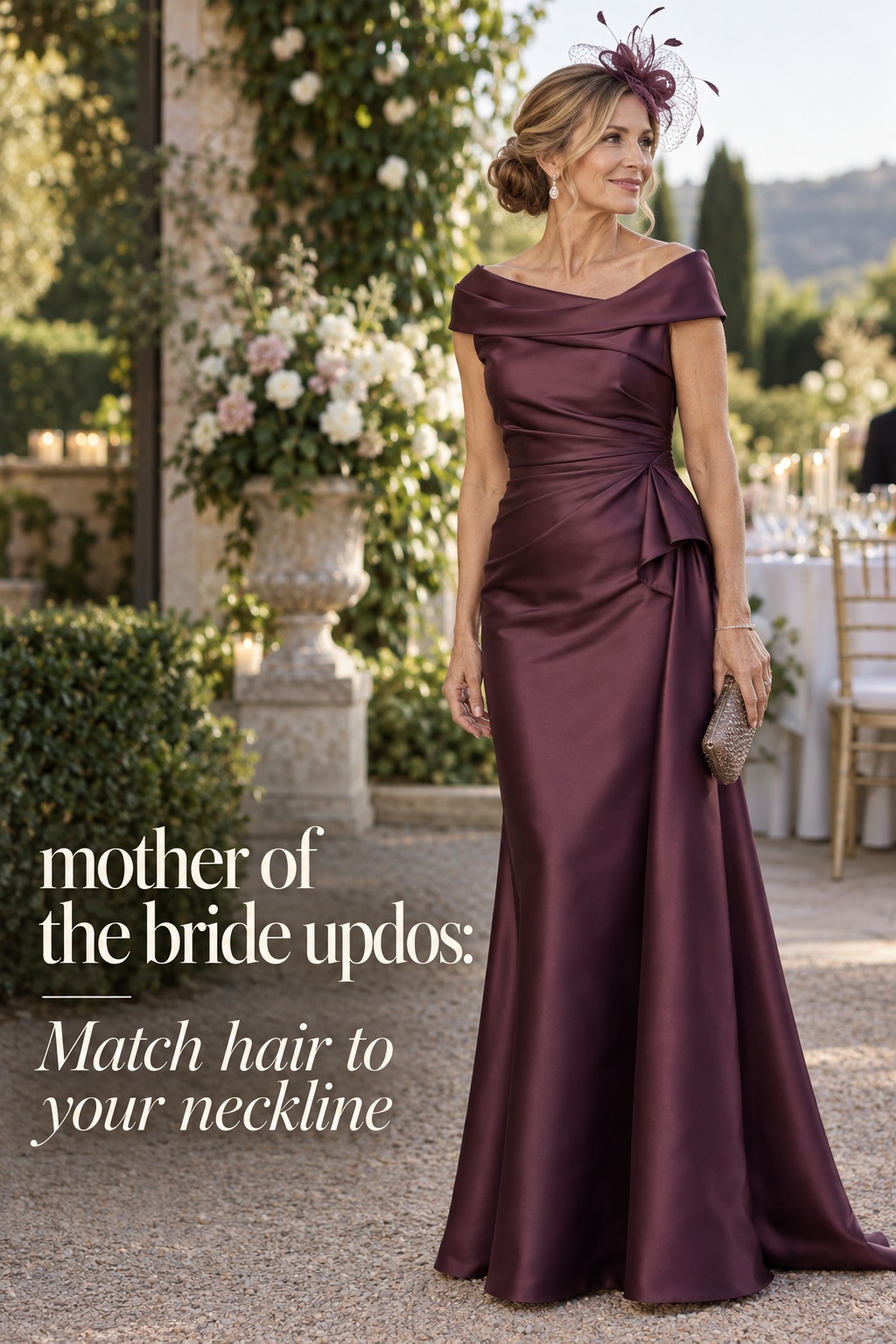
The neckline is a helpful styling map. High necklines, bateau shapes, and detailed collars often pair well with lifted hair because the face and upper line remain visible. A French twist, centered bun, or clean swept-back style can echo that vertical elegance. For an open back, an updo keeps the back detail visible. For a one-shoulder gown, an updo prevents loose hair from falling across the asymmetrical line and makes the shoulder treatment easier to see.
Open necklines can support either a low bun or a softer side shape. A low chignon can frame a V-neck without filling the space, while a side bun can complement an off-the-shoulder gown. If the bodice has heavy embellishment, keep the hair surface calm. If the dress is simple, a braid, twist, or small accessory can add dimension. Try the hairstyle with the actual dress or a clear neckline photograph before making a final decision.
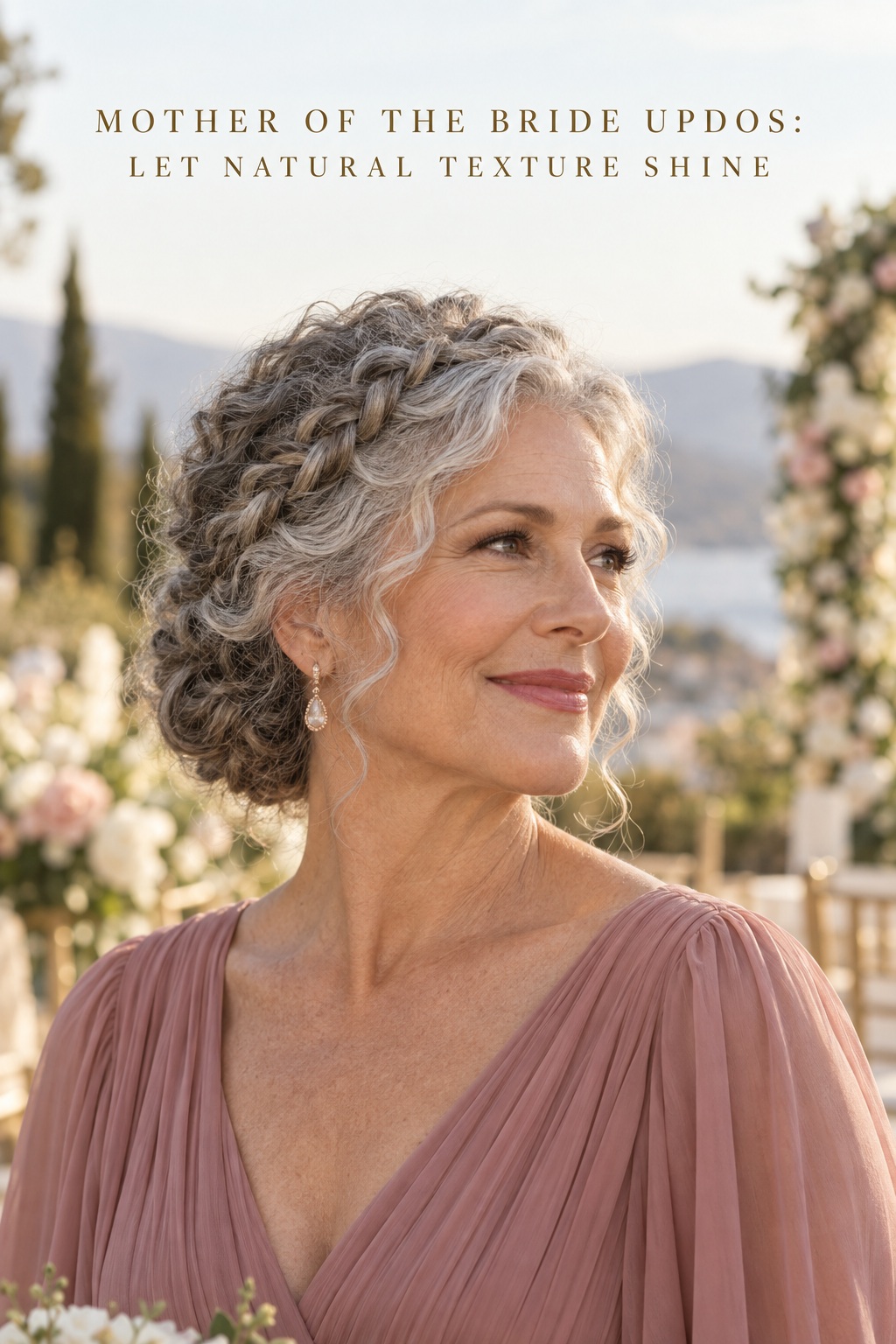
Buying and booking priorities for a polished, secure result
Book the stylist before buying a collection of accessories. A pretty comb is not automatically compatible with your hair density, part, or chosen silhouette. Start by showing the stylist the dress, your normal hair texture, and the accessories you already own. Ask where the piece would sit, how it will be secured, and whether it changes the weight or balance of the updo.
Schedule a trial far enough ahead to make adjustments, but close enough to the wedding that your hair is similar in length and condition. Bring a neckline photograph, earrings, the headpiece, and any veil or wrap. Take pictures from the front, side, and back in natural light. Notice not only whether the style looks good, but whether you can smile, turn your head, sit against a chair, and move your shoulders comfortably.
- Ask how many hours the style is expected to hold in your venue’s conditions.
- Ask which products are used and whether they leave a visible shine or stiffness.
- Ask whether padding, extensions, or texture pieces are recommended and why.
- Ask where the pins will be placed and whether they can be removed without pulling.
- Ask for a simple emergency plan for loose pieces, humidity, wind, or rain.
- Confirm the start time, service length, and whether a touch-up is possible before photographs.
Build a small hair kit instead of carrying every product you own. Include a few pins in your hair color, a miniature brush or comb, a small amount of finishing spray, a couple of clear elastics, and the accessory’s spare fastener if it has one. Add blotting tissue if your style includes a polished hairline, and ask the stylist whether a tiny amount of the same product used at the trial is useful. Someone in your family or wedding party can keep the kit available.
Think carefully about washing. Many stylists prefer hair that is clean but not freshly slippery, while some textures need a different preparation. Follow the stylist’s specific directions rather than relying on a general rule. Avoid experimenting with a new haircut, color, treatment, or heavy oil immediately before the wedding. The most beautiful foundation is hair that behaves predictably.
Seasonal and venue adaptation for comfort and hold
Wedding-day conditions should influence the capsule. In humid weather, a compact low bun or French twist can be more dependable than a loose cascade. Keep face-framing pieces controlled rather than leaving many delicate strands to expand. A stylist can use anti-humidity preparation, but no product replaces a shape with a secure foundation. If the ceremony is outdoors, test the style in movement and ask which side is most likely to face the wind during portraits.
For a warm summer wedding, a nape-clearing bun or lifted twist helps you feel cooler and keeps hair away from the back of the neck. Choose pins that do not press painfully and avoid a heavy accessory that will become noticeable after several hours. For a winter wedding, you can choose a softer style because humidity may be lower, but plan for coats, scarves, and static. Make sure the outer layer does not catch the accessory or flatten the crown.
Rain and wind call for a backup thought, not panic. A low chignon with a smooth base can be tightened if needed, while a side-swept style can be refreshed with a few pins. If you are wearing a fascinator, coordinate its position with the updo so the hat or comb has a stable anchor. The fascinator should be comfortable when you turn your head and should not force the hair into an awkward direction.
Venue formality matters too. A ballroom can support a sleek twist, pearl detail, or sculpted bun. A garden venue may invite a softer braided crown or low textured shape. A courthouse or restaurant wedding may feel right with a polished bob, compact knot, or side sweep. These are not strict rules. They are ways to make the hair feel connected to the setting while keeping your identity in charge.
Do a movement test during the trial. Put on the earrings, turn your head, hug someone, sit down, look over both shoulders, and walk at a normal pace. If the updo pulls, slides, scratches, or makes you think about it constantly, it is not finished. A wedding hairstyle should disappear into the experience after the photographs begin. Comfort is part of elegance because it changes your posture and expression.
FAQ
Before you confirm the final style, name the one thing you want the hair to do. It might show off a detailed neckline, keep curls controlled, create fullness, display earrings, support a fascinator, or simply make you feel like yourself on a particularly meaningful day. Then check the practical details: secure base, comfortable pins, realistic hold, suitable accessory, and a plan for weather. If all five are true, you have a strong choice.
- The shape suits your current length and density.
- The texture reflects your natural hair or a realistic preparation plan.
- The front looks good from several angles and does not hide your expression.
- The neckline, earrings, and accessory have enough visual space.
- The style survives a movement and comfort test.
- You know what to do if a pin loosens or weather changes.
What are the most timeless mother of the bride updos?
Low chignons, softly textured buns, French twists, and restrained side buns are among the most timeless choices. They can be adjusted toward sleek or relaxed depending on your dress and personality. A timeless look is less about choosing one historic style and more about keeping the proportions balanced, the finish comfortable, and the details intentional.
Can short hair be styled as a formal updo?
Yes, although the best result may be a pinned or sculpted shape rather than a traditional bun. A side-parted wave, swept-back crop, or small tucked section can look formal with the right finish. A pearl comb, barrette, or fascinator can provide the visual focus when the hair is too short to build a larger structure.
Should the mother of the bride wear her hair up or down?
Choose up if you want your neckline, earrings, or back detail to stay visible, or if you prefer a contained shape for a long day. Choose down or half-up if movement and natural texture are central to your style. The important question is which option lets you feel polished without feeling disguised or distracted.
How far in advance should you have an updo trial?
A trial several weeks before the wedding gives you time to adjust the shape, accessory, or support pieces. Schedule it when your hair is close to the length and condition it will have on the wedding day. Bring the neckline, jewelry, and headpiece so the trial tests the full outfit rather than the hair alone.
What helps a mother of the bride updo last all day?
A stable foundation, appropriate preparation, correctly placed pins, and a shape suited to the weather do most of the work. Fine hair may need texture or discreet padding, while thick hair may need internal anchors. Ask your stylist for a small touch-up kit and a clear plan for wind, humidity, or a loose face-framing piece.
Can I wear a fascinator with a mother of the bride updo?
Yes. Plan the fascinator and updo together so the headpiece has a secure anchor and does not compete with the bun or twist. A lower bun, side bun, or controlled swept shape can leave a useful area for the comb or fastening point. Wear it during the trial and test turning, sitting, and walking before the wedding.