Wedding Ceremony Flowers: An Editorial Planning Story
Before guests have found their seats, wedding ceremony flowers are already telling a story. They introduce the color, soften the architecture, and give the walk toward the vows a sense of occasion. Yet the most memorable ceremony does not always have the biggest arch. It has a floral idea that understands where the couple will stand, what the guests will see, and what the photographs will remember.
Imagine arriving at a venue before anyone else: chairs in neat rows, a strip of light on the aisle, and the quiet place where two people will make their promises. This is the moment to decide what flowers need to do. They can frame a view, create a destination at the end of a long walk, or turn an ordinary room into a setting that feels unmistakably yours. This guide turns that first impression into a practical plan.
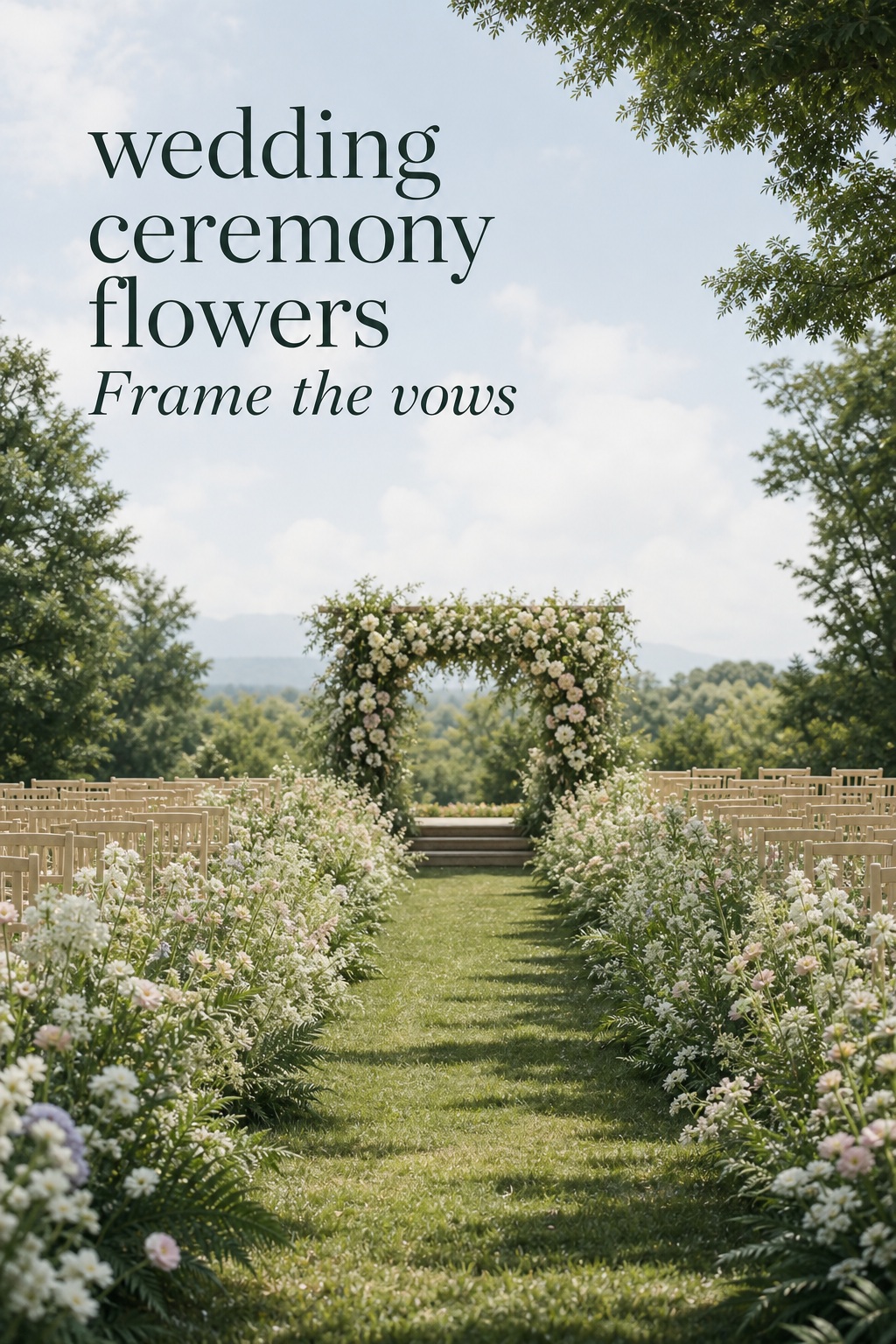
Start with the moment guests will actually experience
Wedding ceremony flowers work best when they follow the guest journey rather than a shopping list. Guests notice the entrance, the aisle, the couple at the front, and then the space around the vows. Choose one focal moment to lead the design. For some couples, that is a sculptural arrangement beside the altar. For others, it is a garden-like path that makes the processional feel intimate. Once the leading moment is clear, every smaller flower choice becomes easier.
Turn wedding inspiration into a plan you can actually follow.
Zarellea brings your guest list, budget, vendors, and day-of details into one shared space — so no beautiful idea gets lost in the shuffle.
Think about sightlines before flower varieties. Sit in the last row, the middle row, and the front row if possible. A low meadow arrangement can feel immersive without hiding the couple. Tall pedestals can give a large room scale, but should remain outside the officiant and family sightlines. An arch looks beautiful in a wide photograph, while two grounded pieces often feel more natural in close portraits. No arrangement is universally right; it needs to suit the way the space is used.
A venue with a dramatic ocean, old trees, stained glass, or layered stone already offers a backdrop. In those spaces, flowers should edit and emphasize rather than compete. A simple pair of arrangements in the wedding palette can direct attention toward the best existing feature. A plainer ballroom or tent may ask flowers to create the focal point from scratch, making an arch, floral cloud, or layered backdrop more useful. Let the site do some of the work before adding more stems.
- Name the one feeling you want at the vows: airy, garden-like, graphic, formal, or celebratory.
- Choose the camera-facing view before choosing the flower recipe.
- Keep the aisle clear enough for dresses, mobility needs, and the wedding party.
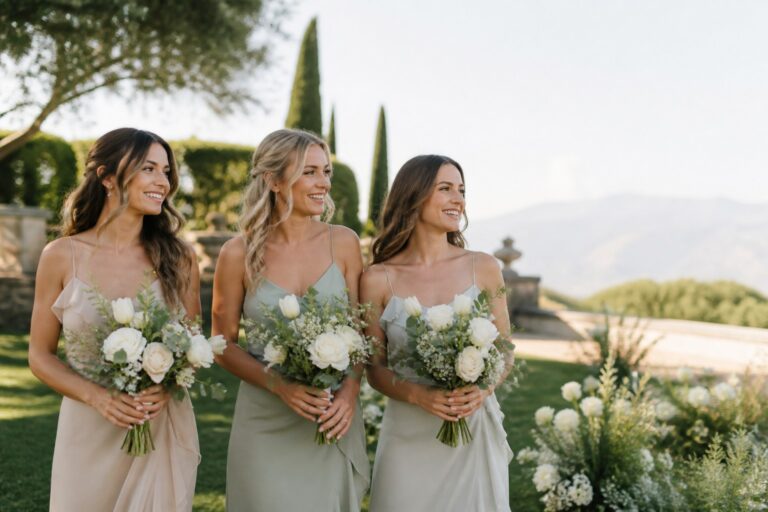
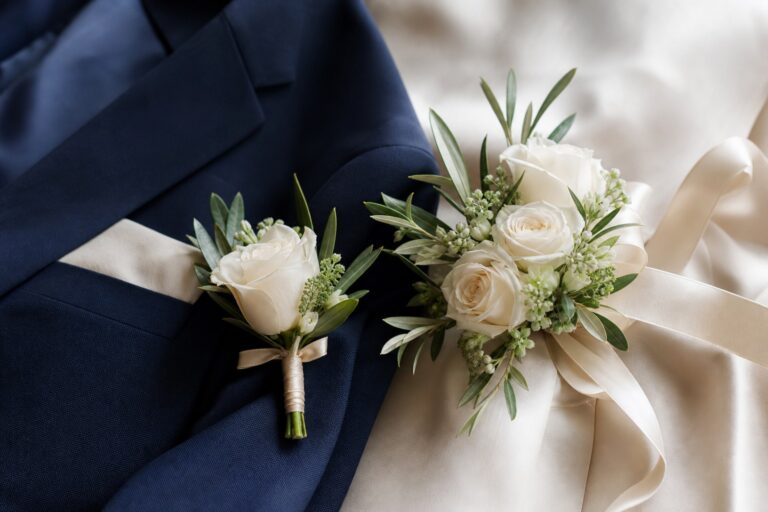
- Repeat one color or texture from personal flowers so the scene feels connected.
The most useful planning question is not, “What does a ceremony need?” It is, “What should guests remember from this ceremony?” A quiet city-hall gathering may need one expressive floral moment and nothing more. A large outdoor ceremony may need a stronger visual anchor so the front does not disappear in a wide landscape. Giving every purchase a purpose protects both the budget and the story.
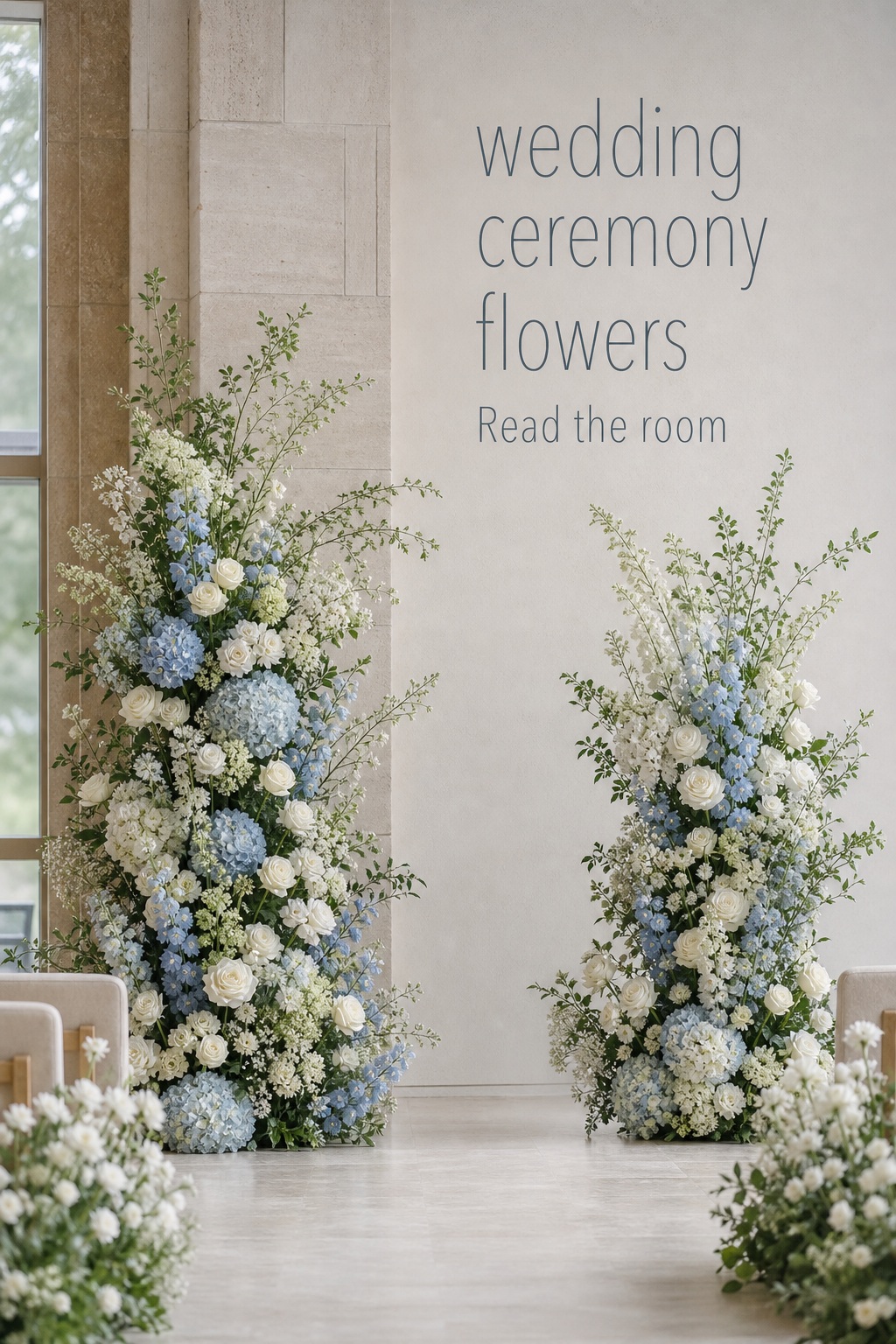
Let the venue shape the flower language
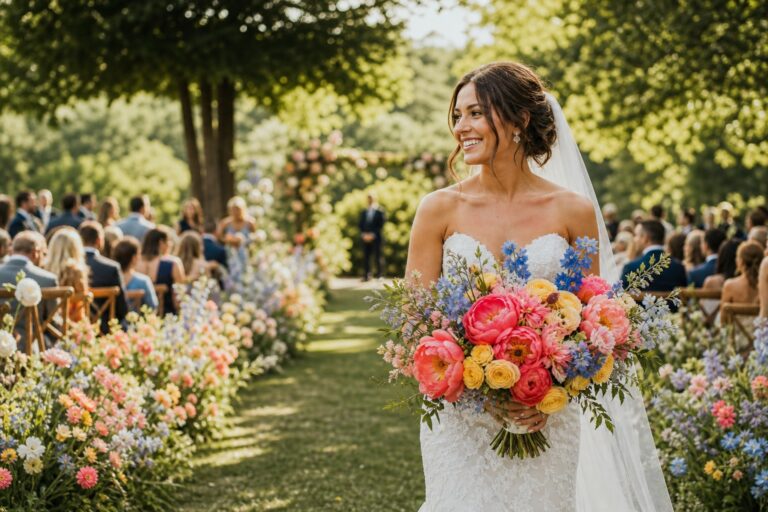
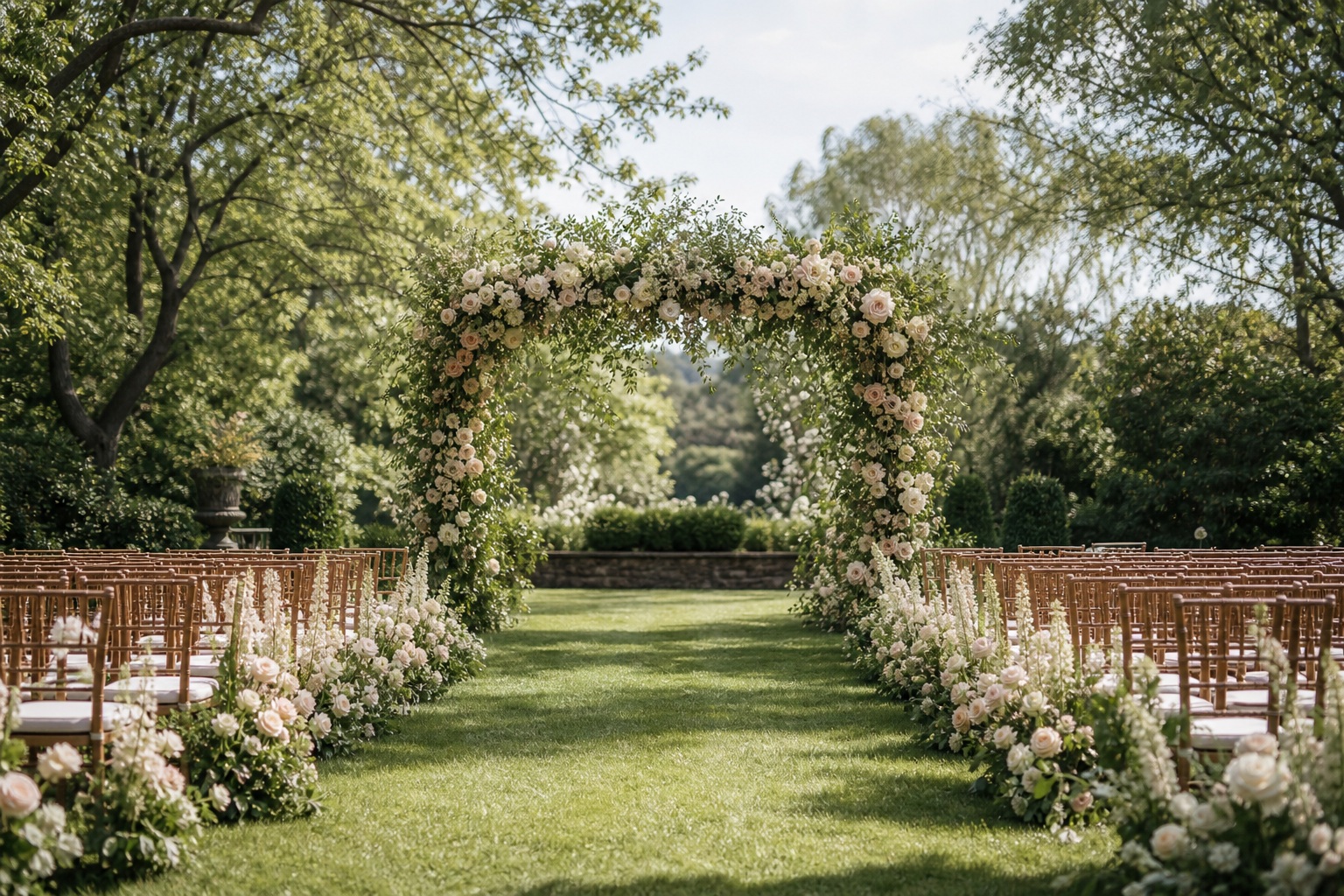
A garden ceremony invites flowers that look as though they belong there: loose stems, branching foliage, ground-level movement, and colors that echo the season. A historic church may call for restrained pew markers and altar arrangements that respect the existing architecture. In a contemporary indoor room, clean vessels, deliberate negative space, and a graphic color contrast can feel more convincing than trying to recreate an outdoor meadow. The same rose can tell entirely different stories depending on its setting.
Outdoor locations add practical questions. Check the wind direction, sun angle, ground stability, access time, and a plan for hydration. Delicate blooms and candles may need protection; a heavy structure may require venue approval or additional mechanics. Ask the florist where water will be hidden and how the pieces will be secured. Those details are not unromantic. They are what allow the flowers to look effortless for the ceremony and photographs.
Indoor spaces have their own opportunities. A ceremony in a hotel ballroom can use light, fabric, and flower placement to make a large footprint feel intentional. A small chapel can look full with only a few repeated aisle gestures and one altar composition. If a room has patterned carpeting or ornate walls, simplify the palette. If it is neutral, let flowers introduce the personality. The goal is a conversation between flowers and architecture, not a contest.
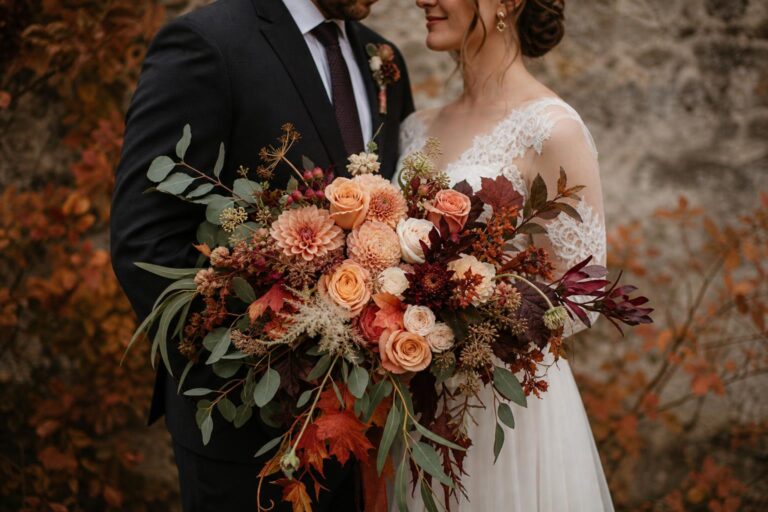
Seasonality helps this conversation feel believable. Ask for the desired color, scale, and texture instead of insisting on one exact bloom. A ruffled focal flower might be a garden rose, dahlia, peony, or ranunculus depending on the date. That flexibility can improve freshness and value while keeping the editorial feeling intact. Bring photographs of the venue, clothing swatches, and a short set of inspiration images to the consultation.
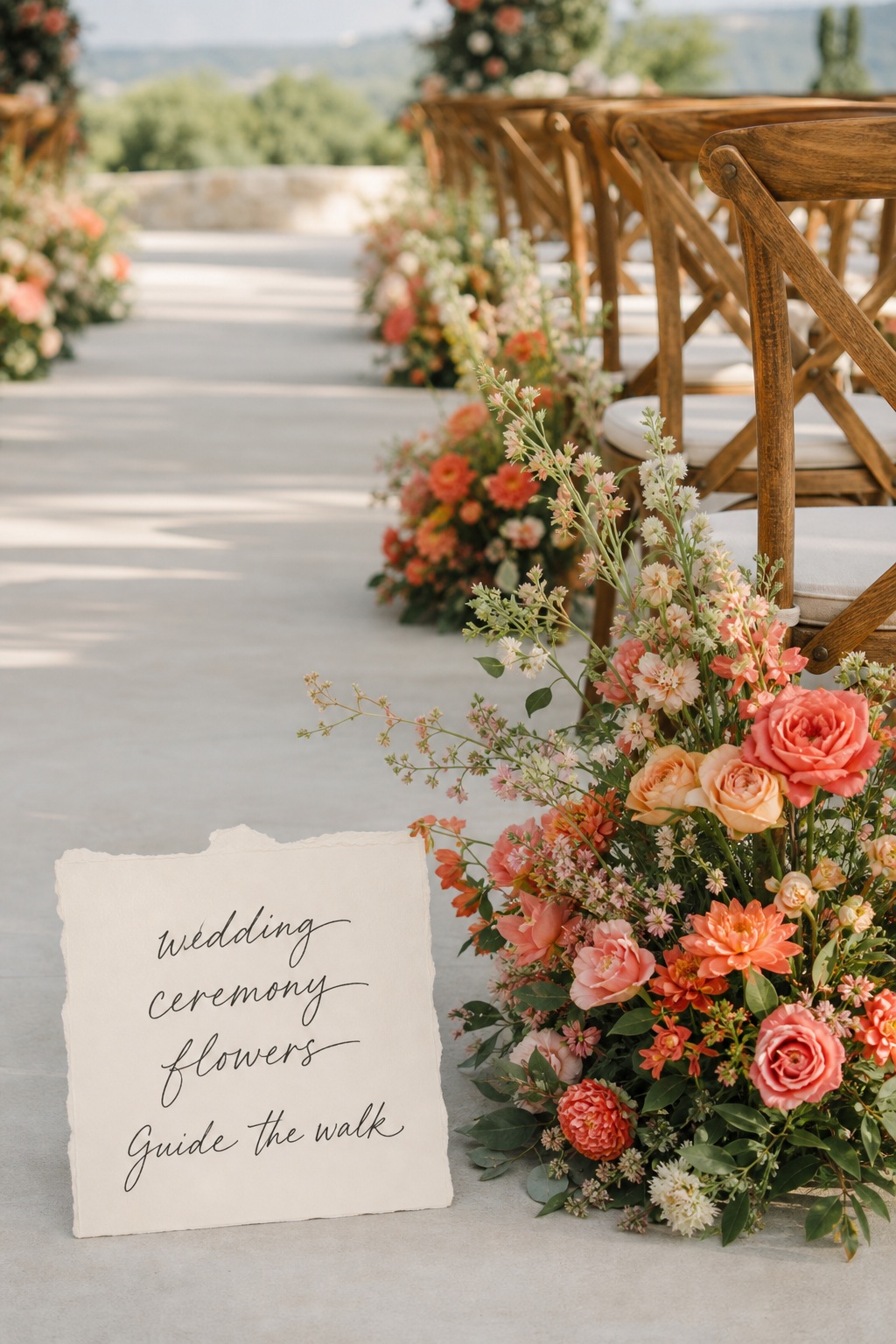
Choose an aisle treatment that supports the walk
The aisle is not simply a line to decorate. It is a moving sequence, seen from above, from the side, and at the end of the ceremony when everyone walks back through it. Flowers placed every few rows create rhythm without needing a full installation. Aisle-end clusters add impact at the front where photographs are strongest. Petals can be romantic and economical, but should be approved by the venue and placed so they do not become slippery. The best choice allows the processional to feel easy.
For a minimal approach, place flowers only at the first and last rows, then use the altar pieces as the visual destination. For a garden direction, alternate low arrangements with open stretches of aisle so the design breathes. For a more formal look, use consistent chair or pew markers tied with ribbon. Do not let every chair carry the same small bouquet unless the repetition is an intentional part of the look; often a few generous gestures photograph better than many tiny ones.
Color can guide the eye down the aisle. A gradual shift from soft to saturated tones feels cinematic, while a single color repeated at intervals feels modern and calm. Foliage, colored glass, fabric, or candlelight can support the floral palette without increasing stem count everywhere. Consider how the aisle will look after guests have taken their seats: the design should still read from the central path, not only from an empty-room photograph.
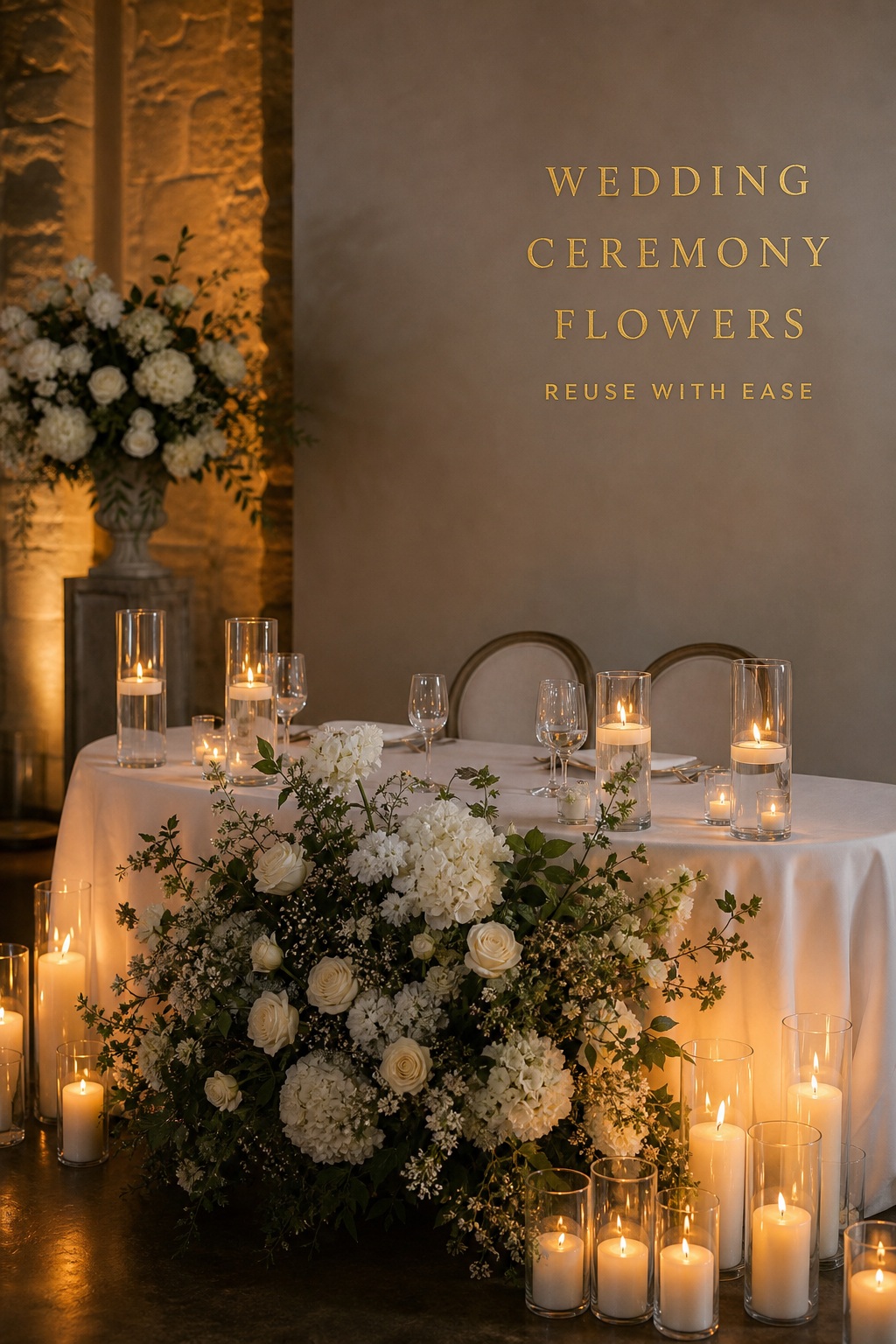
Ask who will move the pieces afterward. Aisle arrangements are often excellent candidates for the cocktail bar, welcome table, sweetheart table, or lounge. Design that move in advance with the florist, planner, and venue coordinator. When the containers, timing, and destination are clear, the ceremony flowers earn a second life instead of disappearing during dinner.
Build one strong backdrop instead of many competing ideas
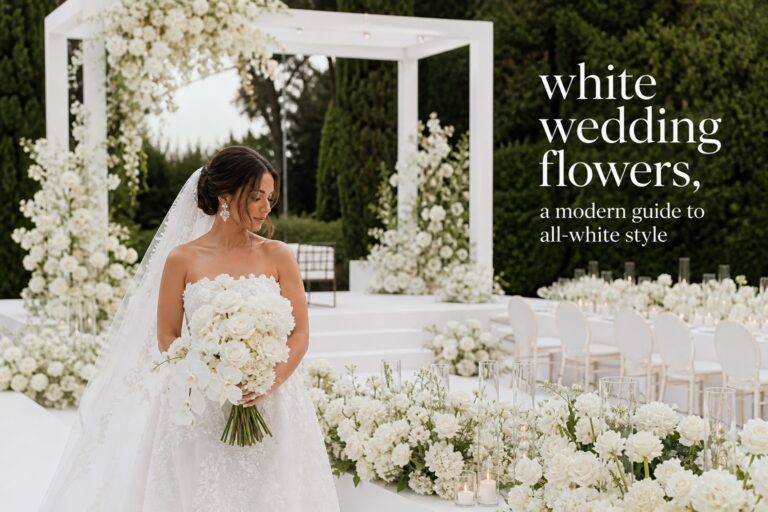
At the front, the choice is usually between a structure, a pair of arrangements, or a grounded composition. A floral arch or arbor is useful when the background needs framing. Keep its silhouette open enough that the setting and couple remain visible. A partial or asymmetric treatment can have more energy than covering every inch, and it may direct the eye more beautifully in photographs. If the ceremony has cultural structures such as a chuppah, work with the appropriate traditions and mechanics from the start.
Two altar arrangements offer another kind of drama. They can be placed to frame the couple without creating a wall, then separated and reused later. They work especially well in rooms with an architectural backdrop, outdoors with a view, or ceremonies where guests need a clear sightline. Choose a height that complements rather than blocks the couple. Grounded arrangements often feel intimate; pedestal arrangements lend formal scale.
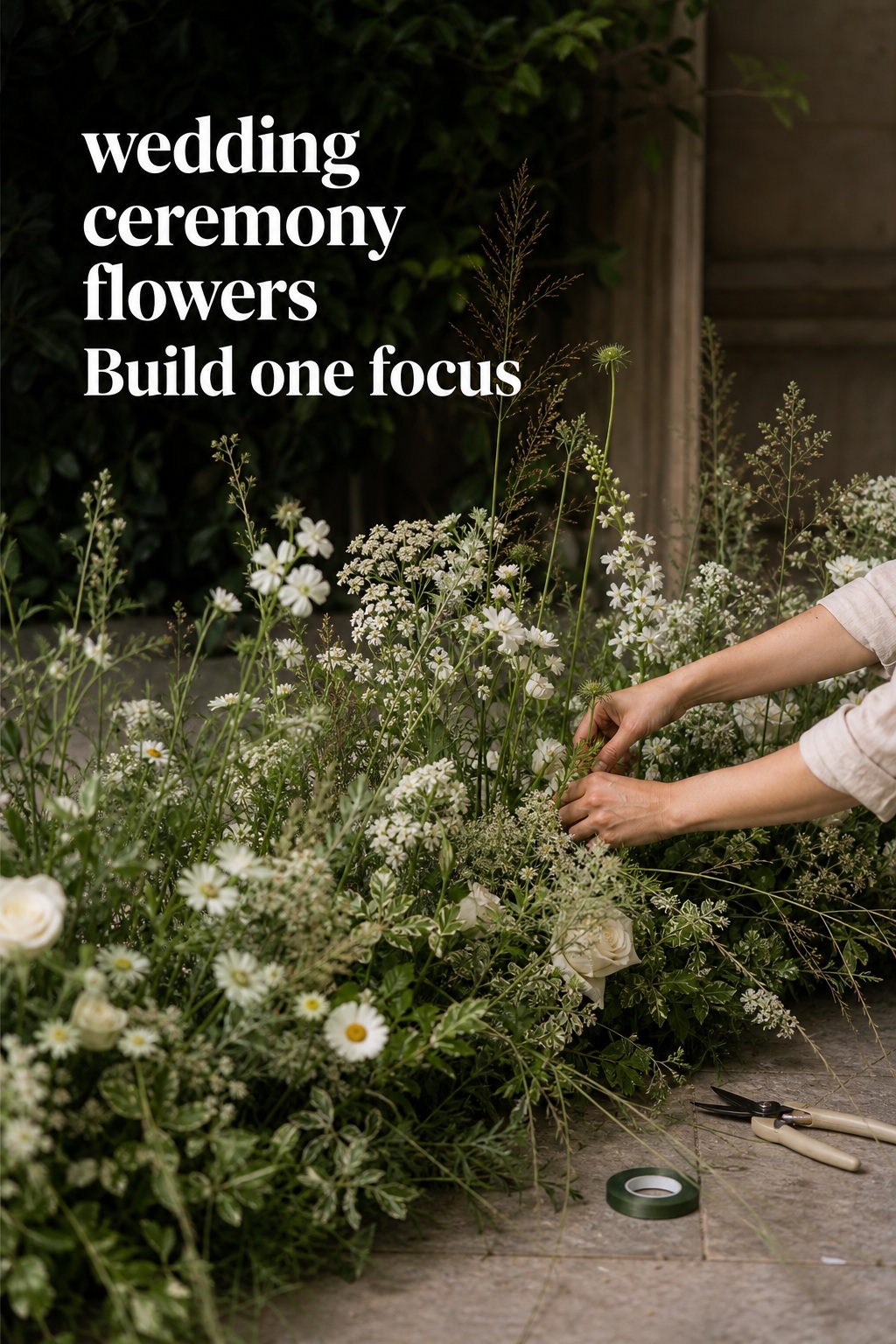
A meadow or floral cloud creates a contemporary, immersive feeling. It is especially good for a ceremony held at floor level or in front of a blank wall. Build it with depth: larger textural flowers near the base, lighter stems that move at the edges, and just enough negative space for the couple. A good florist can explain the mechanics, delivery timing, and whether the design can travel afterward. That conversation matters as much as the mood board.
Keep the palette focused. One dominant hue, one supporting hue, a neutral, and foliage are often enough to create richness. If the couple is wearing strong colors or the venue has a busy backdrop, simplify further. If the room is very neutral, one unexpected accent can give the ceremony an identity. The point is not to make every flower visible; it is to make the whole image feel coherent.
- Use a partial arch when the venue view deserves to stay visible.
- Choose paired altar arrangements when sightlines and reuse matter most.
- Choose a ground meadow for an intimate, editorial, garden-forward feeling.
- Choose repeated aisle moments when the walk itself is the visual story.
Avoid combining every idea at once. A full arch, crowded aisle, hanging florals, chair markers, and dramatic petals can dilute one another. Decide which piece is the lead character. Let the others support it with repetition, scale, and restraint. This is the difference between a room filled with flowers and a ceremony that feels designed.
Give your florist a brief that invites good decisions
Your florist needs more than a folder of beautiful images. Share the ceremony time, location, guest count, site photographs, dimensions, access rules, budget range, favorite colors, and the one or two images that best capture the feeling. Then explain what you like in each image: the scale, the looseness, the color transition, the placement, or the amount of negative space. This gives the florist a usable creative brief instead of an impossible request to copy an image from another venue.
Ask for an itemized proposal that separates florals, rentals, installation, delivery, breakdown, and repurposing labor. Clarify what happens if a flower is unavailable and which qualities should be preserved in a substitution. A good plan protects the color story, shape, and overall scale while allowing the florist to work with the freshest market stems. Build in a weather plan for outdoor ceremonies and a clear contact person for day-of decisions.
Finally, decide what will happen after the vows. A ceremony backdrop can become a photo moment; aisle flowers can move to the bar or dinner tables; a bouquet can rest in a vase at the sweetheart table. Not every piece needs to travel, but every expensive piece should have an intentional role. When the plan is clear, wedding ceremony flowers feel generous at every stage of the day.
FAQ
What wedding ceremony flowers are worth prioritizing?
Prioritize the place where you will exchange vows and the areas most visible in photographs. A focused altar treatment plus a few aisle moments often has more impact than spreading flowers evenly across every chair.
Do I need a floral arch?
No. An arch is useful when the ceremony needs a frame, but paired arrangements, a meadow, branches, fabric, or the venue’s own view can create an equally memorable backdrop.
How can ceremony flowers be reused?
Plan reuse before the wedding. Aisle arrangements can become cocktail-hour decor, altar pieces can frame a sweetheart table, and a backdrop can become a photo area when the logistics and staff are confirmed.
How do I keep flowers from blocking guests?
Test sightlines from several rows, keep low arrangements below eye level, and position tall pieces outside the central view. Your florist can scale the design to the aisle width and ceremony layout.
Should my ceremony flowers match the reception exactly?
They should share a palette or floral language, not necessarily identical arrangements. The ceremony can be architectural and spacious while reception flowers are lower, more conversational, and easier to move around.
What should I bring to a florist consultation?
Bring venue photographs, the ceremony layout, attire and linen swatches, a concise inspiration board, your budget, and a list of priorities. Explain the feeling and placement you love, not only specific flower names.
There is also a quieter benefit to choosing flowers this way: the couple can be present in the ceremony instead of worrying about whether every visual detail is perfect. When the architecture, path, and backdrop have been considered in advance, the scene naturally holds together. Guests see a setting that feels thoughtful. The couple sees familiar colors and textures. The photographer has depth, framing, and a clear place to work without asking anyone to rearrange a display at the last minute.
For a small ceremony, scale can come from composition rather than quantity. A few large, low arrangements placed with confidence often feel more luxurious than dozens of small containers. Consider the negative space around them as part of the design. That empty space allows the flowers, the clothing, and the people standing at the front to remain legible. In a larger ceremony, repeat the same gesture at intervals so the room reads as one environment rather than a series of unrelated decorations.
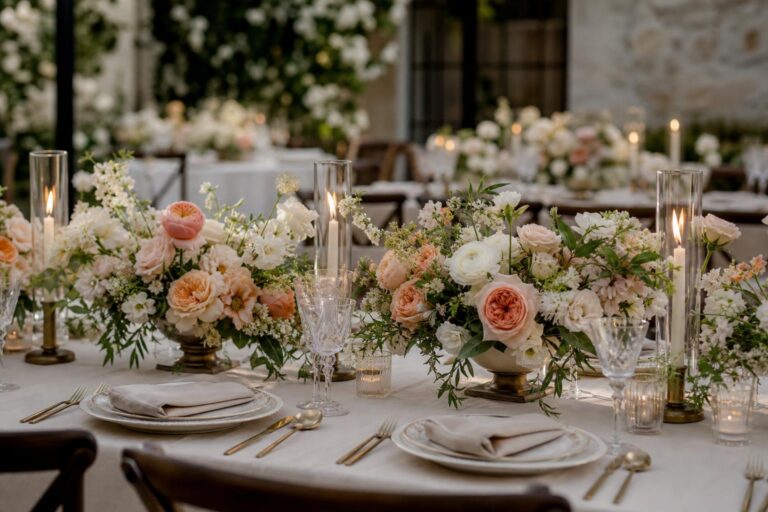
Color deserves the same restraint. If the couple loves many tones, create a palette family rather than assigning equal importance to every shade. A sunset story might lead with peach and coral, include a little butter yellow, and use small raspberry accents. A romantic garden story might lead with soft pink and cream, then introduce blue or lavender in measured notes. This makes the flowers feel collected rather than random, especially in wide ceremony photographs where every element is visible at once.
Texture is another way to create interest without constantly adding color. Rounded roses and hydrangeas give visual mass; airy sweet pea, cosmos, or Queen Anne’s lace soften the edge; branches and grasses give a composition direction. The florist can choose seasonal equivalents, but the design language remains clear. Describe whether you want the arrangement to look compact, architectural, meadow-like, loose, or abundant. Those words are more useful than a long list of individual stems.
Before signing off on the design, review a simple ceremony map. Mark the entrance, aisle width, first and last rows, couple’s position, officiant’s position, musicians, any cultural structures, and the route staff will use for moving pieces. This reveals potential problems early: a ground arrangement that blocks a wheelchair turn, a pedestal that cuts off a parent’s view, a hanging installation that conflicts with venue rules, or an aisle design that leaves too little room for a gown. Practical planning is what makes an editorial-looking ceremony possible.
Give the flower budget a hierarchy. If the ceremony backdrop is emotionally important, protect it and reduce lower-priority details. If dinner is the longest guest experience, use the ceremony as a refined introduction and reserve more of the spend for tables. This is not about choosing less; it is about choosing deliberately. Seasonal blooms, a smaller variety count, reused vessels, and concentrated focal areas can all preserve the feeling while reducing unnecessary complexity and labor.
On the wedding day, flowers should arrive with enough time to settle and be photographed in the intended light. Make sure someone knows whether a bouquet needs water, who may move a ceremony arrangement, and what cannot be touched. If the weather changes, trust the contingency plan built with the florist and coordinator. A protected, well-placed design will look better than a fragile idea forced into conditions it cannot handle.