Summer Wedding Flowers That Feel Fresh, Romantic, and Modern
By the time summer arrives, wedding flowers begin to shape the entire feeling of the day. They soften ceremony arches, add movement to bouquets, and bring color stories to life in a way that feels especially vivid under warm light. Summer wedding flowers carry a distinct mood: romantic but alive, polished yet relaxed, and often more expressive than florals chosen for cooler seasons.
What makes them so appealing is the balance they offer between beauty and practicality. A bouquet may need to hold its shape through an outdoor ceremony, travel well to a reception, and still look luminous in late-afternoon photographs. That is why seasonality, heat tolerance, vase life, and palette all matter just as much as the flowers themselves. The most successful summer florals feel effortless, but they are usually built on thoughtful choices.
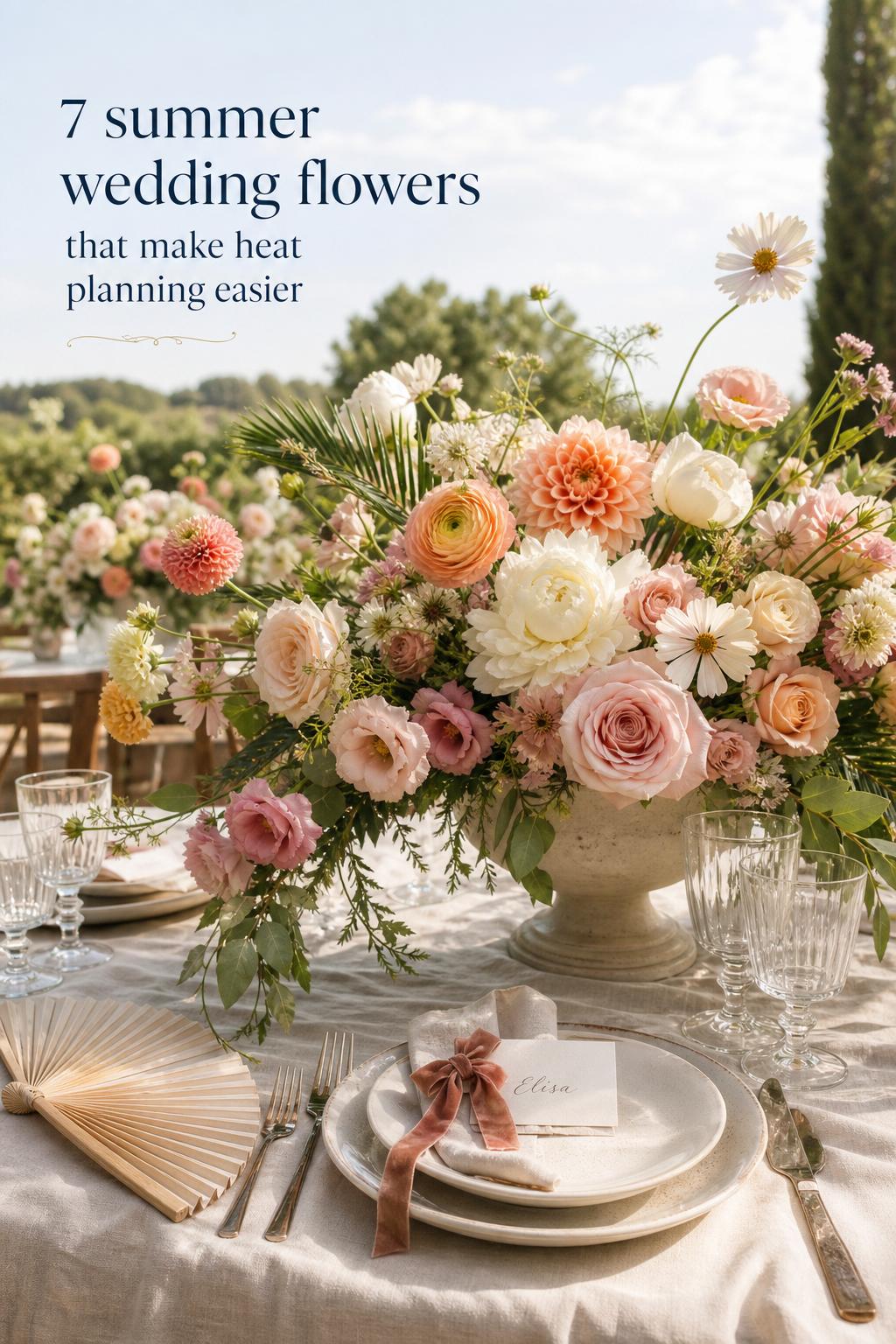
This guide looks at summer wedding flowers the way a wedding stylist would: through mood, movement, durability, and design. You will find inspiration for different floral directions, practical advice on keeping blooms fresh in heat, ideas for color-driven wedding moments, and guidance for choosing arrangements that suit your venue, your florist, and your overall wedding vision in the United States.
What defines the summer wedding flower aesthetic?
The summer floral aesthetic is rooted in abundance, color clarity, and natural movement. Even when the look is refined or luxe, it rarely feels stiff. Bouquets tend to look fuller, palettes can stretch from soft pastels to sunset tones to tropical brights, and the flowers themselves often bring more texture and variety. Whether the style leans boho, romantic, rustic, modern, or garden-inspired, the common thread is a sense of life and seasonality.
Turn wedding inspiration into a plan you can actually follow.
Zarellea brings your guest list, budget, vendors, and day-of details into one shared space — so no beautiful idea gets lost in the shuffle.
At its core, this aesthetic is built from in-season blooms, careful color storytelling, and flowers that can hold up to warm-weather conditions. Roses, peonies, ranunculus, dahlias, lisianthus, cosmos, zinnias, and garden roses appear often because they can support very different wedding moods. Greenery such as eucalyptus and ruscus helps shape arrangements, while tropical accents and palm-inspired foliage can shift the feeling toward coastal or destination styling.
- Base mood: romantic, fresh, layered, and seasonally expressive
- Key visual elements: movement, petal softness, textural variation, and intentional color palettes
- Common design directions: boho, lush garden, modern romantic, rustic, luxe, and tropical
- Important practical factors: heat resilience, hydration, vase life, and transport
- Main floral settings: bouquets, centerpieces, ceremony arches, and floral accents throughout the venue
The easiest way to understand the formula is this: summer flowers should look beautiful in motion and hold up in real wedding conditions. If a floral design only looks lovely in a still photo but struggles in heat or outdoor light, it does not fully serve a summer celebration.
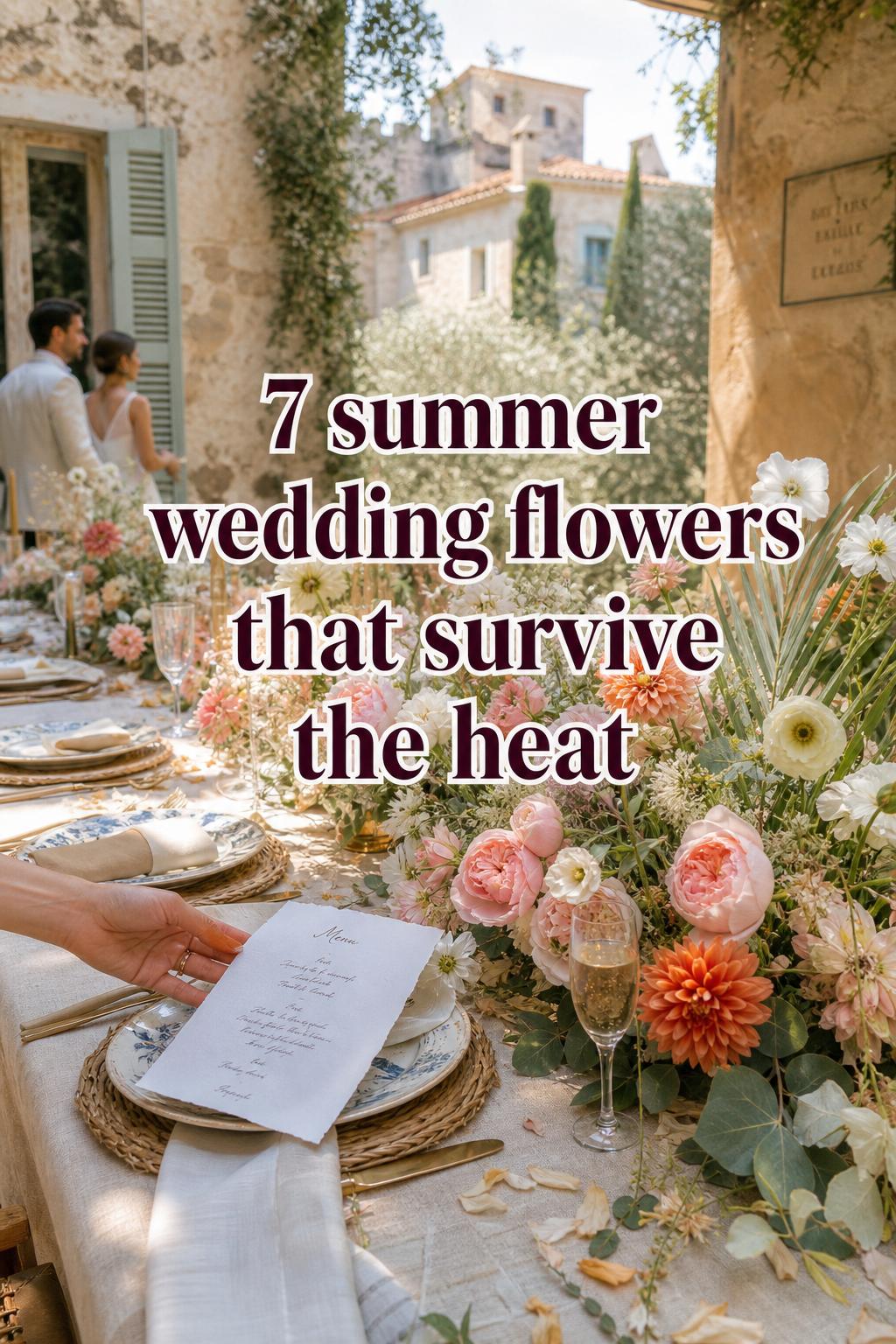
Why summer flowers matter beyond the bouquet
Flowers in summer do more than decorate. They help define the wedding atmosphere from the first impression of the ceremony space to the softer intimacy of dinner tables at sunset. A bride carrying garden roses and lisianthus creates a very different visual story than one holding bold tropical flowers with palm-like foliage. Both can be beautiful, but each shapes the emotional tone of the day in a distinct way.
Seasonality matters because it influences not only availability, but also how natural the entire design feels. In-season blooms often look more at home in the setting, whether the wedding is in a garden, a ballroom, a beach venue, or a rustic outdoor space. Warm-weather weddings also bring practical demands, so summer flower choices should always be tied to weather realities, floral freshness, and the timeline of the event.
That is why so many wedding guides from brands such as The Knot, WeddingWire, Teleflora, Wedding Spot, Wedding Forward, Petal Republic, SnapBlooms, Kirk’s Flowers in Newark, Delaware, and Hosanna Floral return to the same core ideas: choose blooms with intention, match them to the season, and think about styling and durability together rather than separately.
The core blooms that shape summer wedding style
Some flowers appear again and again in summer weddings because they offer both aesthetic flexibility and a strong seasonal presence. The beauty of these blooms is that they do not belong to one single wedding personality. A rose can feel timeless and formal, a dahlia can feel lush and dramatic, cosmos can look airy and playful, and ranunculus can soften a bouquet with a more delicate, vintage mood.
Romantic garden softness
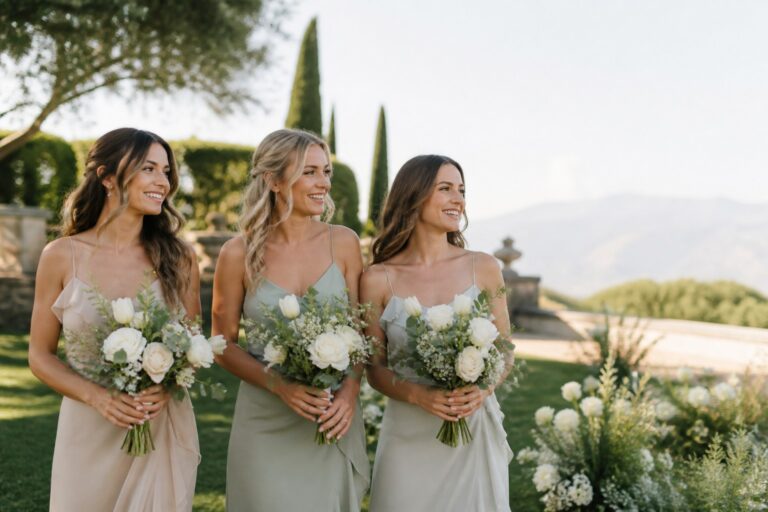
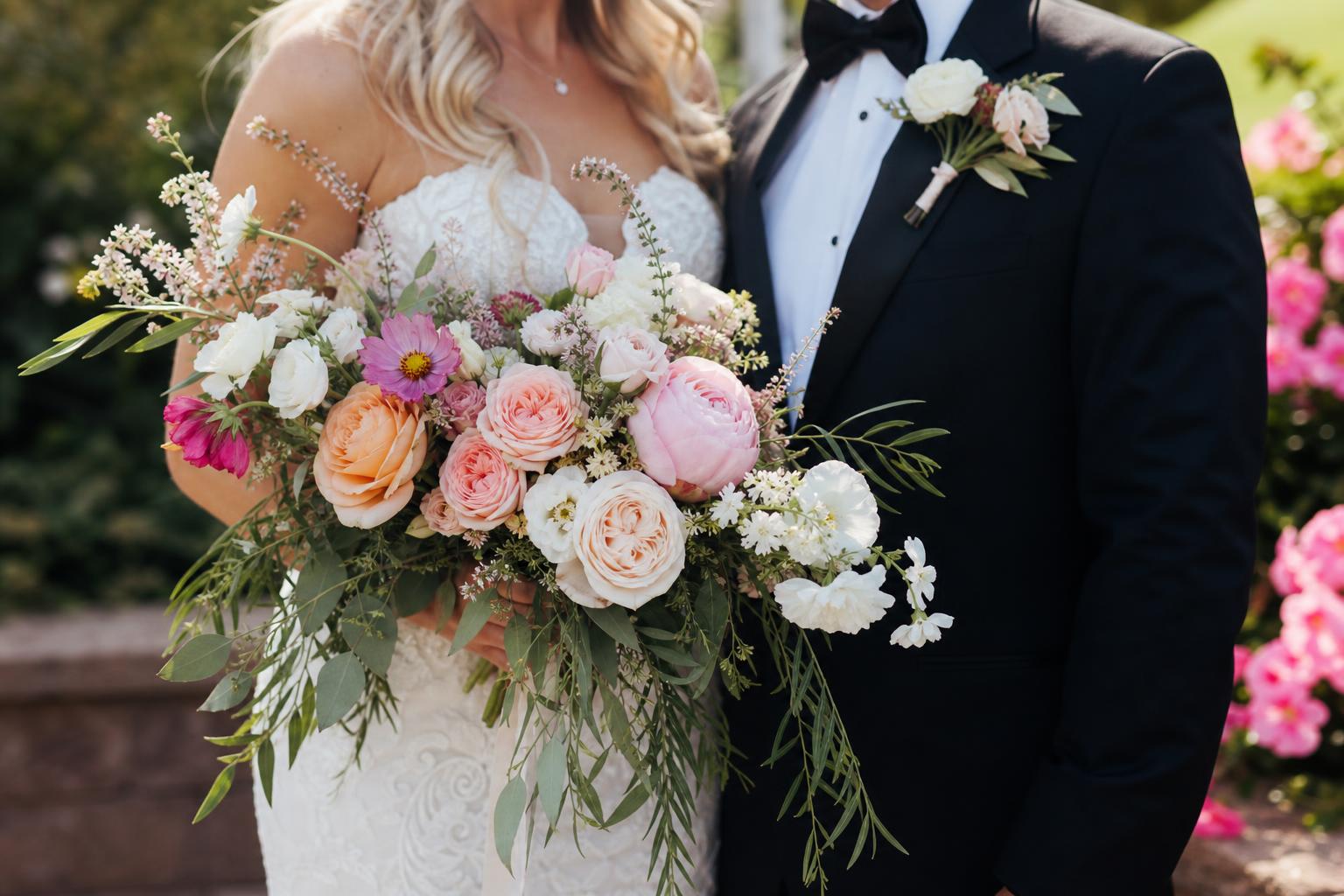
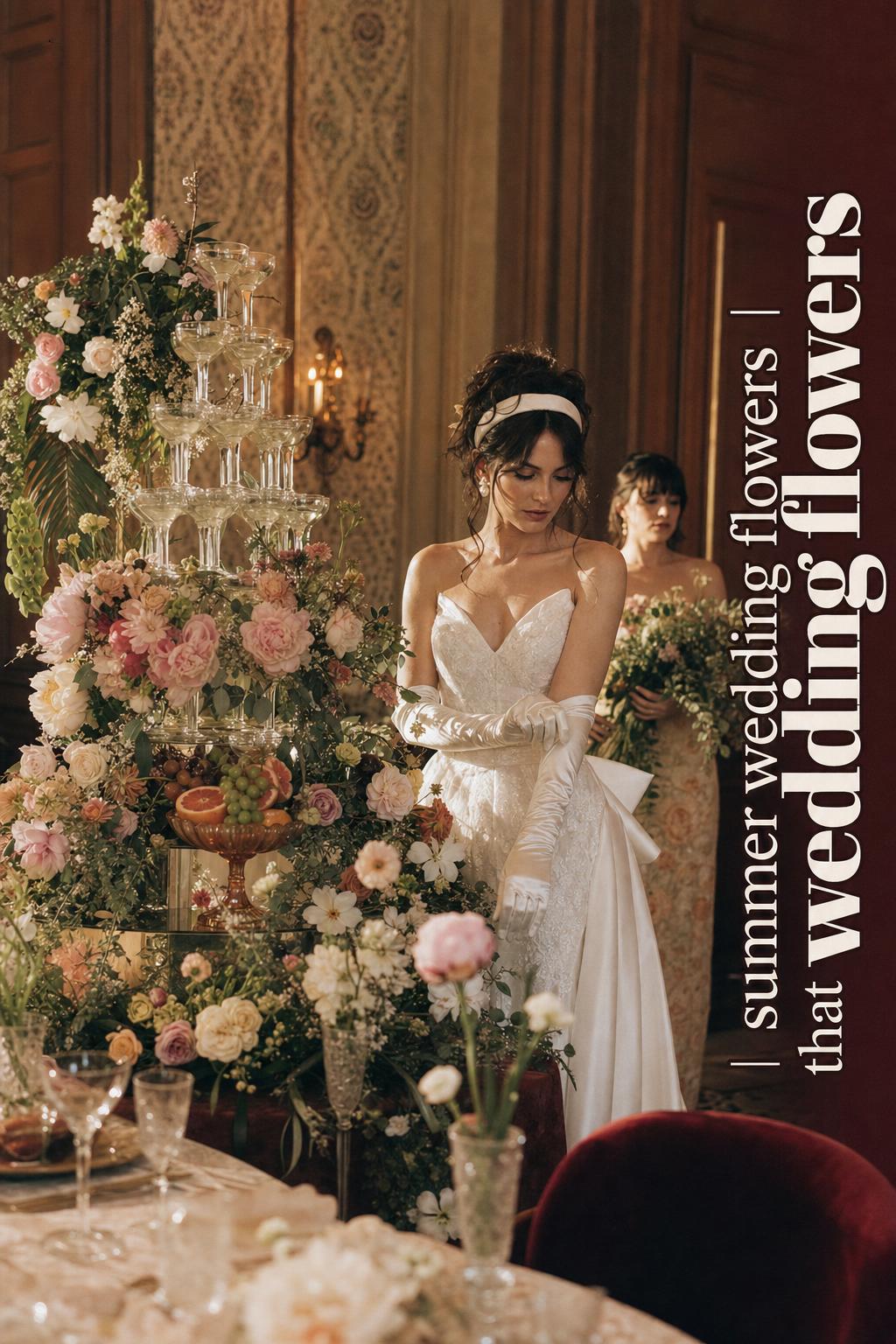
For couples drawn to a dreamy garden atmosphere, peonies, garden roses, ranunculus, and lisianthus create the kind of softness that looks graceful in both bouquets and table arrangements. The silhouette tends to be rounded and generous, with petals that catch light beautifully. This is the floral equivalent of a romantic wedding dress with movement rather than sharp structure.
These blooms work especially well when the palette stays airy: blush tones, creamy neutrals, soft pinks, and gentle layered color stories. The styling lesson here is to keep the forms loose enough to feel natural. If every stem is packed too tightly, the arrangement can lose the breezy elegance that makes summer florals so appealing.
Why it works: this direction makes the most of summer’s softness. The petal texture creates depth without needing heavy contrast, which is ideal for ceremonies where the mood should feel inviting and romantic rather than overly formal.
Bold seasonal abundance
Dahlias, zinnias, and cosmos bring a more expressive kind of beauty. Their presence feels lush, energetic, and slightly less expected than a strictly classic bouquet. The silhouette can be fuller and more dynamic, with visible variation in shape and petal pattern. This is a strong choice for couples who want their florals to feel joyful and distinctly seasonal.
These flowers suit weddings that embrace stronger color storytelling, especially sunset shades, richer summer tones, or more textured rustic and boho styling. The practical takeaway is to let one or two blooms lead the arrangement rather than competing for attention. A bouquet with dahlias, cosmos, and supportive greenery can feel curated; too many dominant focal flowers can make the design feel visually crowded.
Classic flowers with broad styling range
Roses remain central to summer wedding flowers because they adapt so easily across aesthetics. They can look polished in a ballroom, relaxed in a garden ceremony, or rich and modern when grouped in a tighter palette. Garden roses add more softness and volume, while standard roses can bring a cleaner structure to bouquets and centerpieces.
The reason roses stay relevant is not only tradition. They are useful design anchors. In an arrangement with more delicate blooms such as ranunculus or lisianthus, roses can provide shape and continuity. In a brighter summer palette, they can steady the color story so the florals still feel elegant rather than chaotic.
Textural accents and supportive greenery
Lavender, protea, anemone, eucalyptus, and ruscus often act as the details that give a summer arrangement personality. They influence texture, outline, and mood. Eucalyptus and ruscus can lengthen and soften the edges of bouquets. Lavender can shift the feeling toward rustic romance. Protea can introduce a stronger sculptural note. Anemone can sharpen contrast within an otherwise soft palette.
The styling insight is that supporting flowers and greenery should reinforce the overall direction, not interrupt it. If your wedding vision is lush and romantic, choose supporting textures that echo softness. If the mood is tropical or modern, stronger foliage and more defined shapes can work beautifully.
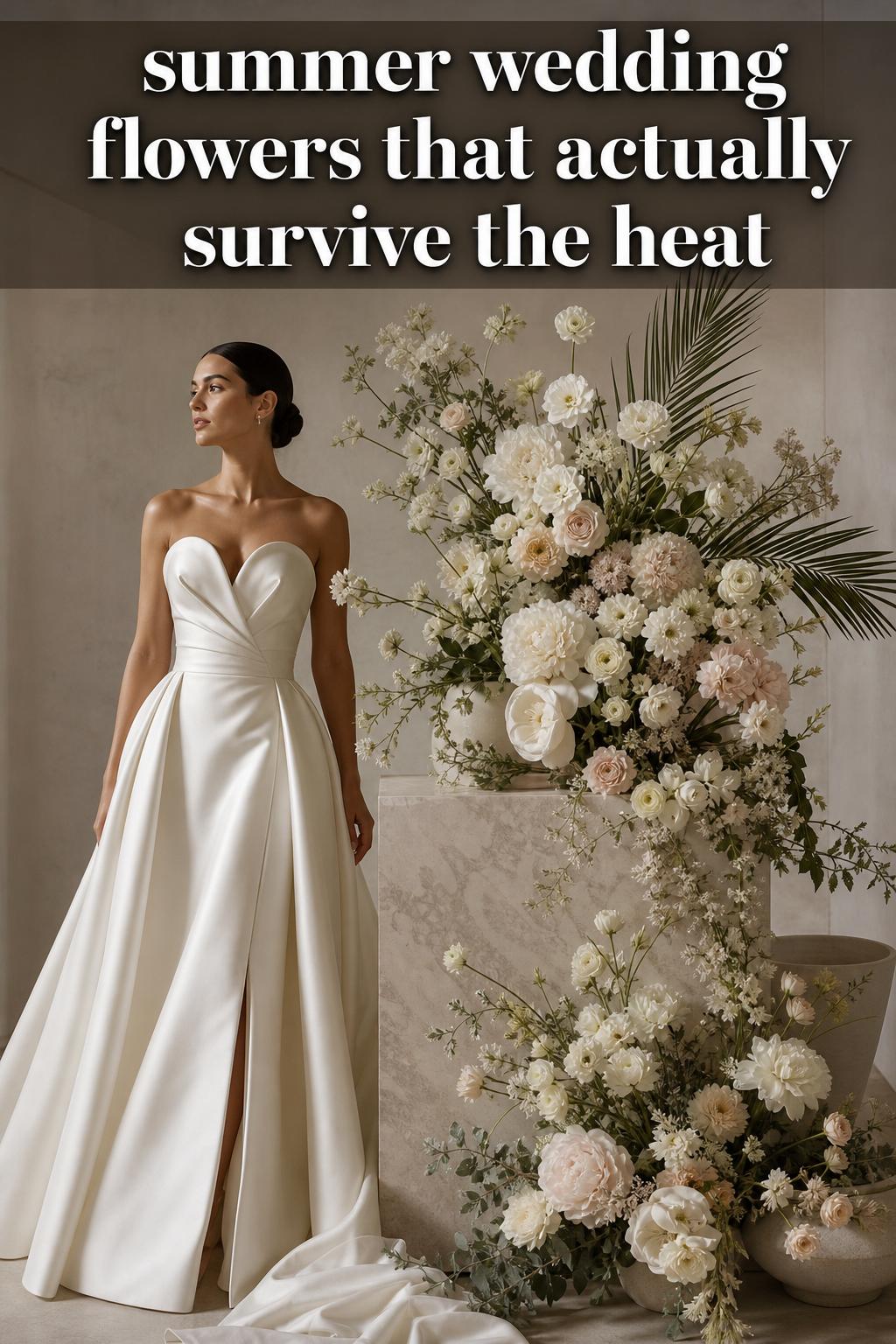
Color stories that make summer florals feel intentional
One of the biggest differences between a bouquet that merely looks pretty and one that feels memorable is color discipline. Summer allows a wider range than many other seasons, but the palette still needs a clear emotional direction. Color storytelling is what ties flowers to bridesmaid attire, table design, venue styling, and the way the day feels as it moves from ceremony to reception.
Soft pastels for romantic lightness
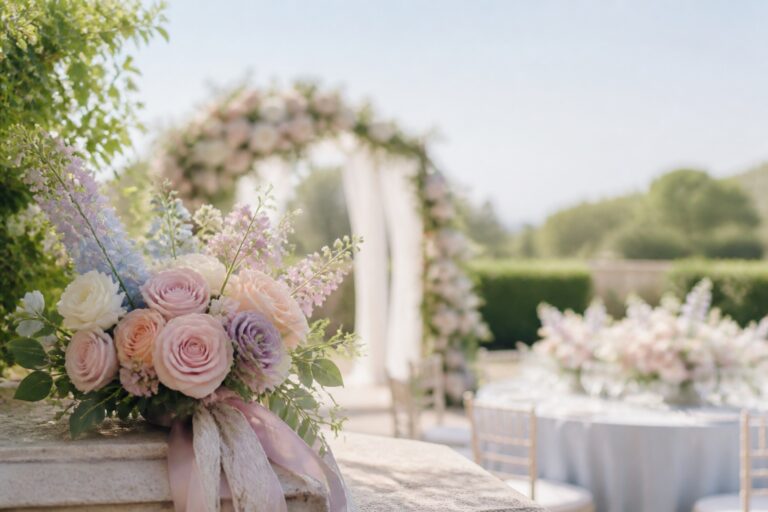
Pastel summer palettes feel airy, calm, and especially suited to garden ceremonies and elegant daytime receptions. Peonies, garden roses, ranunculus, and lisianthus naturally support this look. The silhouette tends to stay soft, with gentle transitions between shades rather than bold color jumps.
This palette works best when texture is allowed to do part of the visual work. Without variation in petal shape and greenery, pale arrangements can look flat in bright sun. That is why mixed bloom sizes and subtle layering matter so much.
Bright summer tones for joyful energy
For couples who want a wedding that feels celebratory and vivid, brighter summer tones can be striking. Dahlias, zinnias, cosmos, and roses are especially useful here because they can carry stronger color stories while still feeling wedding-worthy. This approach suits outdoor receptions, boho styling, and weddings where the flowers are meant to feel expressive rather than understated.
The practical key is balance. Bright palettes feel most elegant when there is a sense of repetition and restraint. Repeating one or two tones across bouquets, centerpieces, and ceremony flowers keeps the overall design cohesive.
Sunset and tropical direction
Summer is also the season where sunset palettes and tropical accents can feel especially natural. Teleflora-style inspiration often leans into this with summer-specific blooms and tropical leaves, while venue-driven guides point to how these choices suit outdoor celebrations and destination-inspired settings. Palm varieties, tropical foliage, and bolder floral forms can give a wedding a warmer, more immersive mood.
This direction works best when the venue supports it. At a beach or coastal setting, tropical accents can feel beautifully aligned. In a formal ballroom, the same materials may need a more restrained arrangement style to avoid visual disconnect. The lesson is not that one choice is right or wrong, but that color and foliage should speak the same language as the venue.
Floral looks for different wedding moods
Rather than thinking only in terms of individual flower names, it helps to imagine summer wedding flowers as different interpretations of one seasonal world. The same summer abundance can be translated into a soft garden bouquet, a modern monochrome statement, or a tropical ceremony arch. What changes is the silhouette, the palette, the supporting greenery, and the emotional tone.
Look: lush garden romance
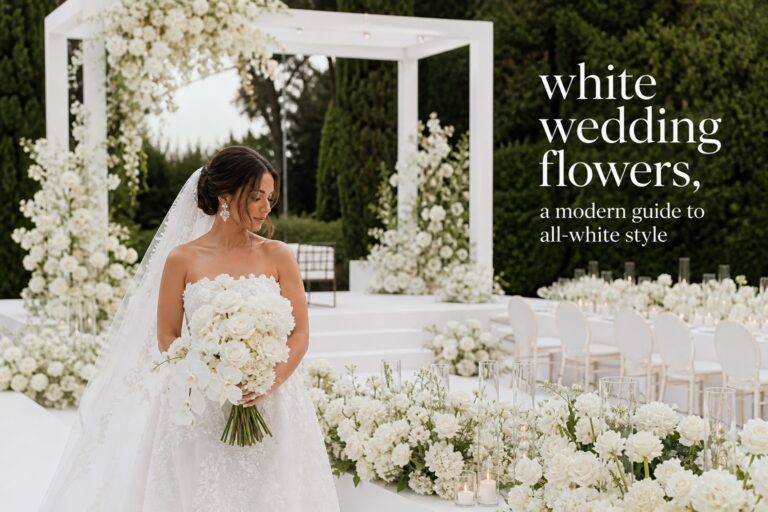
The mood here is full, airy, and deeply romantic, with flowers that appear almost gathered from a flourishing garden at peak season. The silhouette is rounded but not rigid, with petals opening outward and greenery extending just enough to create movement. It feels ideal for an outdoor ceremony, a tented reception, or a venue where natural light is part of the charm.
Peonies, garden roses, ranunculus, and lisianthus form the heart of this look, supported by eucalyptus or ruscus for softness around the edges. The best color palette stays in layered pastels or muted romantic tones. That tonal continuity is what makes the arrangement feel elegant rather than overly busy.
To recreate this mood, prioritize petal texture and movement over sharp contrast. It is also wise to avoid packing every flower tightly. A bit of breathing room keeps the bouquet from looking heavy, especially in summer heat and photography.
Look: refined ballroom polish
This floral direction feels cleaner and more composed, with a silhouette that reads polished from ceremony to reception. It suits couples who want summer flowers without losing a sense of formal elegance. The overall impression is controlled, luminous, and quietly luxurious rather than wild or loose.
Roses, garden roses, and lisianthus work particularly well here because they can create a smooth visual rhythm across bouquets, centerpieces, and larger installations. A restrained palette gives the arrangements clarity, and minimal greenery keeps the lines more refined. The effect is similar to a well-tailored bridal look: softness remains, but structure matters.
Why it works: cleaner flower selection and a focused palette help the florals hold their own in more formal venues. If too many flower varieties compete in this setting, the design can start to feel mismatched against a polished room.
Look: boho texture with seasonal color
This version of summer florals is more relaxed, more textural, and often more playful with shape. The silhouette can be slightly asymmetrical, with visible variation between focal blooms and lighter filler flowers. It has movement, warmth, and a sense of spontaneity that suits rustic venues, outdoor celebrations, and less formal wedding styles.
Dahlias, cosmos, zinnias, lavender, and ruscus can create this mood beautifully. The palette can lean into sunset tones or mixed summer shades, as long as it still feels edited. Texture is the star here, so flowers should not all have the same weight or petal density.
The practical lesson is to keep one design thread consistent. That could be repeated color, a shared floral shape, or one kind of greenery throughout. Without that anchor, boho can drift into looking scattered rather than intentional.
Look: tropical ceremony statement
Summer is one of the few seasons where tropical styling can feel completely natural rather than theme-driven. The silhouette becomes bolder and more sculptural, often with foliage playing a stronger role. This look creates impact quickly, which makes it especially effective for ceremony arches, entry arrangements, or destination-inspired weddings.
Tropical flowers, palm varieties, and dramatic greenery shift the mood away from delicate romance and toward a warmer, more immersive atmosphere. A restrained floral palette helps prevent the look from becoming too busy. Strong foliage already carries visual weight, so there is no need to add every possible accent.
Best for: beach venues, coastal celebrations, and weddings where the setting already supports that lush warmth. In more traditional venues, use tropical details selectively so the floral styling still feels connected to the room.
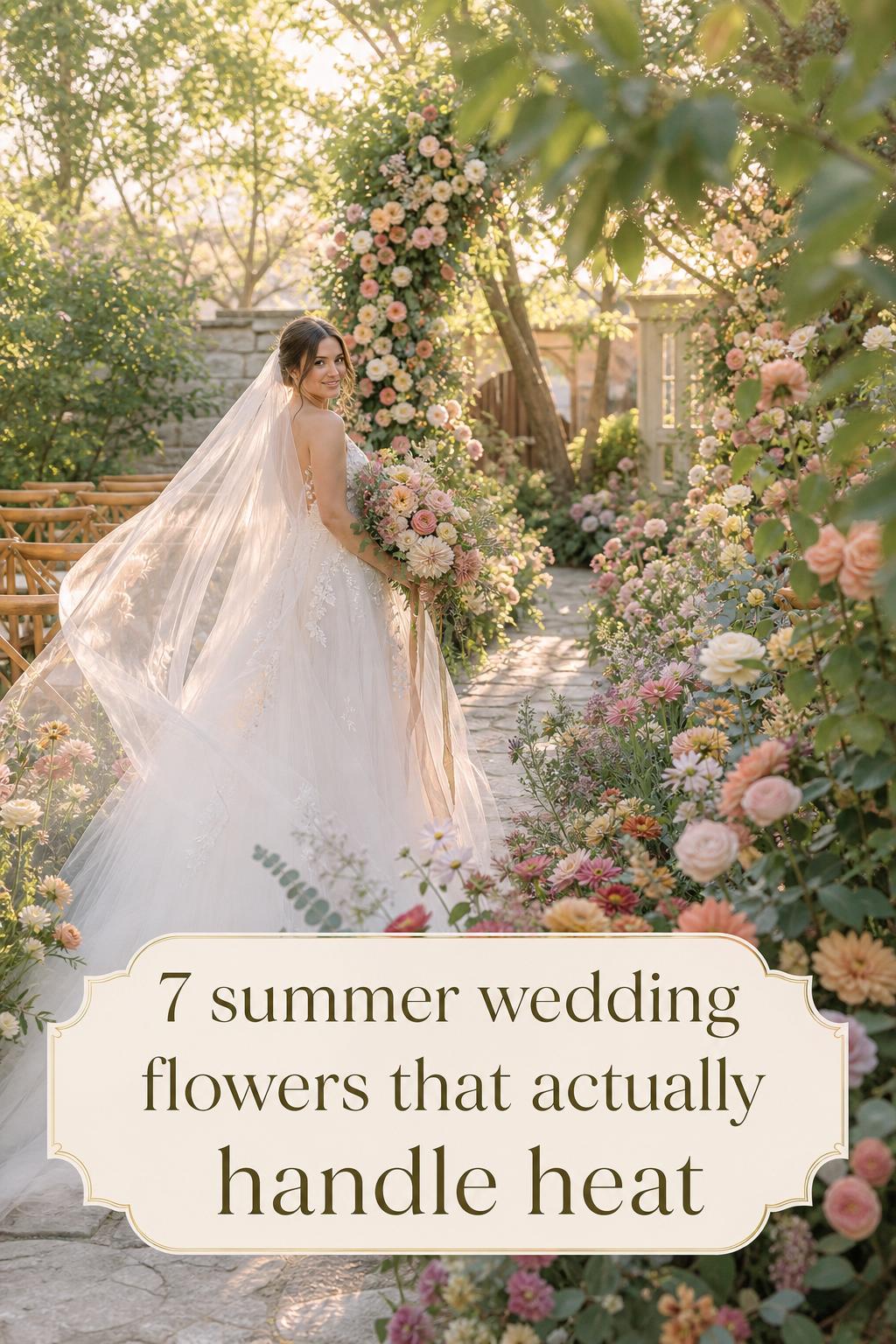
Style tip: let texture do as much work as color
One of the most useful design principles for summer wedding flowers is that texture can create richness even when the palette is restrained. A bouquet made entirely in soft shades can still feel layered if it combines the fullness of garden roses, the delicacy of ranunculus, the airy edge of cosmos, and the softness of eucalyptus. This is often more timeless than relying only on bold color contrast.
Heat, vase life, and the reality of a summer wedding day
Beautiful florals need to survive more than the ceremony. In summer, flowers may sit through transport, pre-ceremony photography, an outdoor processional, and a reception that stretches into the evening. That is why heat tolerance and vase life are not small planning details. They are central to how your arrangements will actually perform.
Heat resilience refers to how well a bloom holds its shape and freshness in warm conditions. Vase life is the broader measure of how long a flower remains visually strong after cutting. These concepts overlap, but they are not identical. A flower can be beautiful and popular in summer styling while still requiring careful handling if the day is especially hot.
- Prioritize in-season blooms that your florist is confident using in warm conditions.
- Ask about hydration and cooler transport for bouquets and centerpieces.
- Build ceremony and photo timelines with heat exposure in mind.
- Consider whether your venue is outdoor, indoor, or a mix of both.
- Match floral density to the setting; heavier bouquets can feel more vulnerable in prolonged heat.
WeddingWire-style florist guidance often focuses on blooms that endure heat better and on how bouquet construction affects freshness. That matters because even an excellent flower choice can struggle if the design is too dense, transport is poorly timed, or the arrangements are left exposed for too long.
Practical freshness strategies that actually help
The most effective approach is not one dramatic trick, but a series of small professional decisions. Keep flowers hydrated as long as possible, reduce unnecessary handling before the ceremony, and make sure your florist has a clear sense of the venue conditions. Outdoor garden weddings, beach weddings, and venues with direct summer sun all place different demands on the flowers.
If you are planning an extended outdoor timeline, ask your florist which bouquet styles and bloom combinations are less likely to show stress quickly. This is where practical expertise matters more than trend-chasing. A gorgeous arrangement should still look composed in real life, not only in inspiration photos.
Venue changes everything: flowers through a setting-based lens
The same bouquet can feel entirely different depending on where it is carried. Summer wedding flowers should always be selected with the venue in mind, because scale, light, temperature, and atmosphere all affect how arrangements read. This is one of the most overlooked styling decisions, and it often determines whether flowers feel perfectly placed or slightly disconnected.
Garden weddings
Garden venues naturally support soft movement, layered greenery, and abundant-looking blooms. Peonies, garden roses, lisianthus, ranunculus, and airy accents tend to feel especially at home here. The floral styling can be looser because the environment already contributes structure through trees, paths, and natural textures.
Beach and coastal weddings
Beach settings often call for a little more clarity in shape. Wind, brightness, and open space can swallow overly delicate details. Tropical accents, stronger foliage, or cleaner bouquet forms may read better, especially for ceremony installations. Romantic flowers can still work beautifully, but they often need a more edited silhouette.
Ballroom receptions
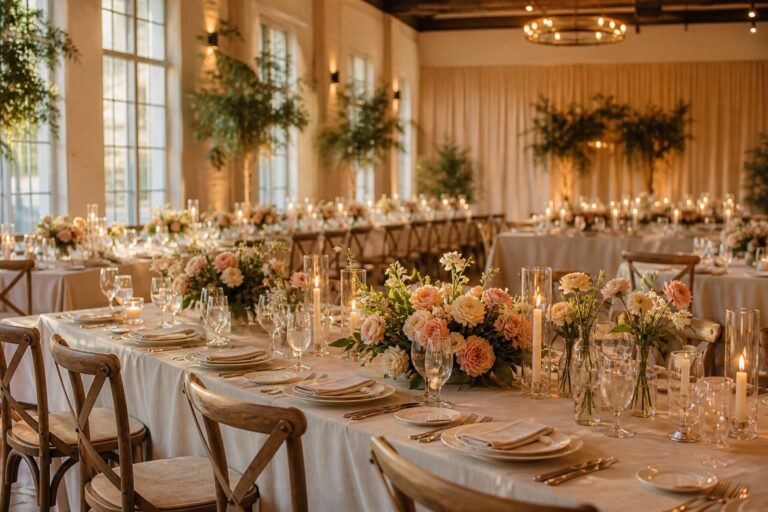
Ballrooms usually benefit from floral structure and repetition. Roses, garden roses, lisianthus, and polished centerpieces often feel more aligned with the architecture. The design does not need to be stiff, but it should feel deliberate. Lush can work, as long as it is cohesive.
Rustic and outdoor venues
Rustic spaces are often the best setting for textural summer flowers such as dahlias, cosmos, zinnias, and lavender. These venues can support more visible variation and a slightly freer arrangement style. The key is to keep the palette disciplined enough that the florals still feel curated against wood, open air, and informal surroundings.
Regional seasonality in the United States
One of the clearest opportunities in summer floral planning is thinking regionally rather than generically. Bloom windows and local availability vary across the United States, and that affects how natural, practical, and potentially easier to source your wedding flowers may be. Even if your overall floral mood stays the same, the exact mix of blooms may shift depending on whether you are planning in the Northeast, South, Midwest, or West.
This does not mean every wedding needs a complex bloom calendar. It simply means your florist should be working with seasonal realities in your location rather than styling from a universal wish list alone. A local approach can help align the flowers with what is truly in season and what is most suitable for your climate and venue conditions.
For couples working with local florists or stores such as Kirk’s Flowers in Newark, Delaware, or broader national resources like Teleflora, The Knot, WeddingWire, SnapBlooms, and Wedding Spot, regional awareness can make planning more grounded. It is the difference between chasing a look and building one that actually belongs to your wedding date and place.
How to recreate this floral aesthetic without overcomplicating it
The easiest way to build a compelling summer floral direction is to start with mood first, then shape, then flower names. Many couples begin by collecting individual blooms they like, but the stronger method is to decide how the wedding should feel: romantic and soft, polished and refined, tropical and bold, or textural and boho. Once that is clear, flower selection becomes much easier.
- Choose one floral mood for the overall wedding.
- Select a focused palette rather than every color you love.
- Use two to four main bloom types as your floral foundation.
- Add greenery or accents that support the mood, not compete with it.
- Discuss heat resilience and handling before finalizing the designs.
A bouquet, centerpiece, and ceremony floral design do not need to match exactly, but they should feel related. Repeated flower varieties, shared greenery, or a consistent palette can create that connection. This is what makes a wedding feel styled rather than pieced together from separate inspirations.
Choosing a florist for a summer wedding
Florist selection matters even more in summer because design and logistics are so closely linked. A florist is not only choosing beautiful stems. They are making decisions about timing, durability, sourcing, transport, and what will look strongest in your specific venue conditions. In warm-weather weddings, that practical layer becomes part of the artistry.
Look for a florist who can speak clearly about in-season blooms, heat tolerance, bouquet construction, and how they handle flowers on a summer wedding day. Authority comes through specifics. A florist should be able to explain why they recommend certain blooms over others, how they would adapt a palette to your venue, and what choices will help arrangements stay fresh longer.
Questions worth asking
- Which flowers do you most trust for a summer ceremony in my type of venue?
- How do you handle hydration, storage, and transport in heat?
- Are there regional or local seasonal options you recommend?
- How would you adjust my preferred palette if some blooms are less practical?
- What lead times or planning milestones should I expect?
The best florist conversations are collaborative rather than rigid. If a bloom you love is not the strongest option for your date or weather, a good florist should be able to suggest an alternative that protects the visual direction of the wedding without ignoring practical reality.
Common styling mistakes that weaken summer florals
Summer flowers already bring a lot of natural beauty, so the most common mistake is often overworking them. Too many competing bloom types, too many unrelated colors, or too much emphasis on trend over setting can make arrangements feel less refined than they should. Floral abundance does not need visual excess.
- Ignoring heat and choosing only by appearance
- Mixing rustic, tropical, and formal cues in the same floral story
- Using a palette that does not connect to the venue or wedding style
- Overfilling bouquets until they lose movement
- Forgetting that greenery and supporting flowers affect the mood as much as focal blooms
Another mistake is treating bouquets, centerpieces, and ceremony flowers as separate projects. Even if each element is beautiful on its own, the wedding can feel inconsistent if the floral language changes too sharply from one part of the day to another. Cohesion is often what makes flowers feel expensive and thoughtfully chosen.
How to make summer wedding flowers feel more elevated
Elevated floral styling is rarely about choosing the most elaborate arrangement. It is usually about editing well. A clear palette, confident use of seasonal blooms, and a shape that suits the venue will often feel more luxurious than an oversized design filled with unrelated details. Summer flowers look especially beautiful when they appear intentional rather than overcrowded.
One of the simplest ways to create a more polished result is to repeat floral ideas strategically. If roses appear in the bouquet, a related rose or garden rose presence in centerpieces can make the entire day feel visually connected. If tropical foliage defines the ceremony, letting a subtle echo of that foliage appear at the reception can strengthen the atmosphere without making the theme feel heavy-handed.
Texture also elevates. Soft petals against airy greenery, or sculptural blooms against smoother forms, create dimension that photographs beautifully and reads well in person. Couples often focus on color first, but texture is what gives summer florals their richness.
Trends and design directions shaping current summer weddings
Current summer wedding flower trends continue to move between two strong poles: lush garden romance and expressive, personality-driven styling. Boho arrangements, modern romantic bouquets, tropical foliage accents, and polished floral designs all remain relevant because they answer different kinds of wedding visions. The common factor is that flowers are expected to do more than fill space. They are part of the identity of the celebration.
Gallery-driven inspiration from brands like Petal Republic, The Knot, and Wedding Forward shows how much today’s couples respond to floral mood. Some are drawn to bouquet archetypes that feel soft and layered. Others want a stronger color statement or a venue-specific look that reflects a beach, mountain, garden, or ballroom setting. The trend is not one exact flower combination. It is a more intentional link between floral design and overall wedding atmosphere.
The most timeless direction is still the one that combines trend awareness with seasonality. A wedding can feel current without forcing every visual cue. In summer, that usually means letting in-season blooms lead while using color, texture, and greenery to personalize the style.
Final thoughts on creating a summer floral story that feels like yours
The beauty of summer wedding flowers is that they can be both emotional and practical at once. They can feel soft and romantic, bold and celebratory, polished and formal, or free and textural, as long as the choices are grounded in seasonality, venue, and a clear design mood. That is what gives summer florals their lasting appeal: they do not just decorate the day, they help define it.
If you start with the atmosphere you want to create, then choose blooms, palettes, and floral structure that support it, the result will feel far more personal than copying one bouquet exactly. The most memorable weddings rarely come from using every idea at once. They come from selecting the flowers that belong to your season, your setting, and your story.
FAQ
What are the best flowers for summer weddings?
The best summer wedding flowers are usually the ones that combine seasonal beauty with practical performance in warm weather. Common favorites include roses, garden roses, peonies, ranunculus, dahlias, lisianthus, cosmos, and zinnias, with greenery such as eucalyptus and ruscus often used to shape arrangements and add softness.
Which summer wedding flowers hold up best in heat?
Heat-tolerant choices are often recommended by florists because summer weddings require flowers to stay fresh through transport, ceremonies, and receptions. Roses, dahlias, lisianthus, and some seasonal summer blooms are often chosen with durability in mind, but performance also depends on bouquet construction, hydration, and how long the flowers stay exposed outdoors.
How do I choose a summer wedding bouquet that fits my venue?
Start by matching the floral mood to the setting. Garden venues usually suit soft, abundant bouquets with airy movement, while beach weddings often benefit from cleaner shapes or tropical accents that read well in bright, open spaces. Ballrooms tend to look best with more polished, cohesive floral designs that feel aligned with a formal room.
Are in-season blooms important for summer weddings?
Yes, in-season blooms matter because they help the flowers feel natural to the time of year and often make planning easier from a styling and sourcing perspective. They also connect the floral design more closely to your wedding date, region, and overall atmosphere, which is especially valuable in the United States where seasonal availability can vary by location.
What color palettes work best for summer wedding flowers?
Summer works beautifully with soft pastels, brighter celebratory tones, sunset-inspired palettes, and tropical color stories. The best choice depends on your venue and wedding mood, but the most successful floral palettes usually feel focused rather than random, with repeated shades and enough texture to keep the arrangements visually rich.
How can I keep wedding flowers fresh during a summer ceremony?
Freshness depends on a combination of smart flower selection and careful handling. Ask your florist about hydration, cooler transport, heat exposure during the timeline, and which blooms are most reliable for your venue conditions. Even beautiful flowers need practical support when the weather is warm.
Should summer wedding flowers be different for indoor and outdoor weddings?
Often, yes. Outdoor weddings usually require more attention to heat resilience, movement, and how flowers read in natural light, while indoor weddings can support slightly more delicate or formal styling depending on the space. The best floral plans take temperature, lighting, and venue atmosphere into account rather than using the same approach everywhere.
What should I ask a florist about summer wedding flowers?
Ask which blooms they trust most for your season and venue, how they handle transport and hydration, whether there are strong local seasonal options, and how they would adapt your preferred palette if some flowers are less practical. A good florist should be able to explain both the aesthetic and logistical side of the design.