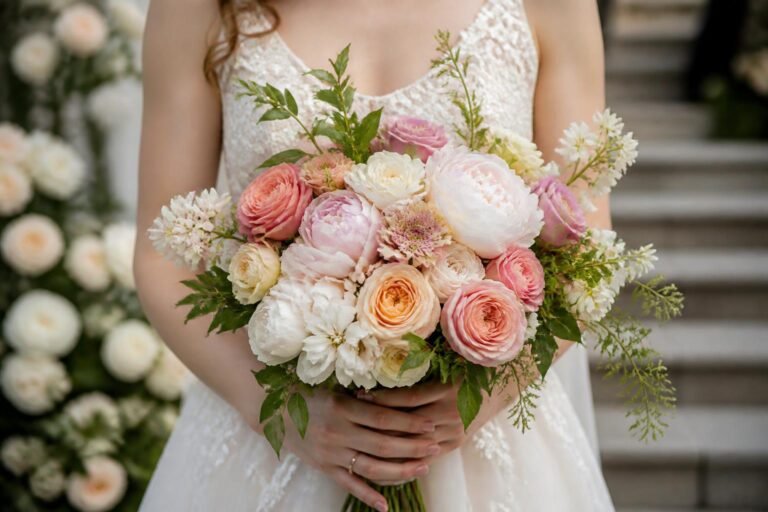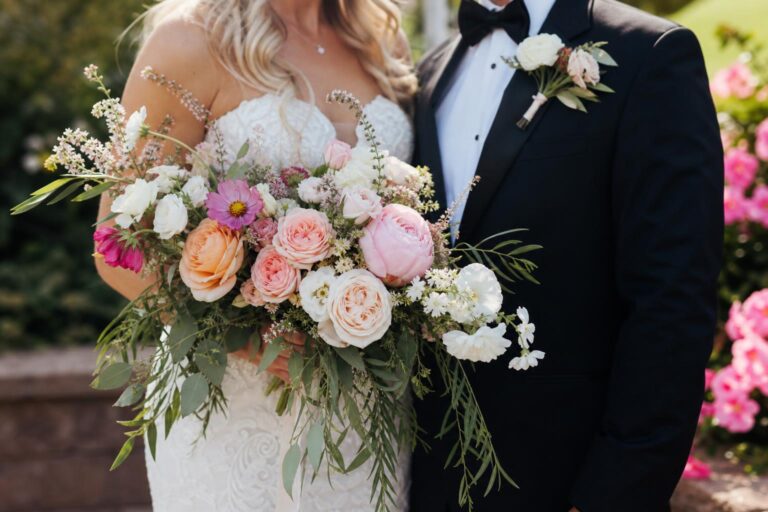
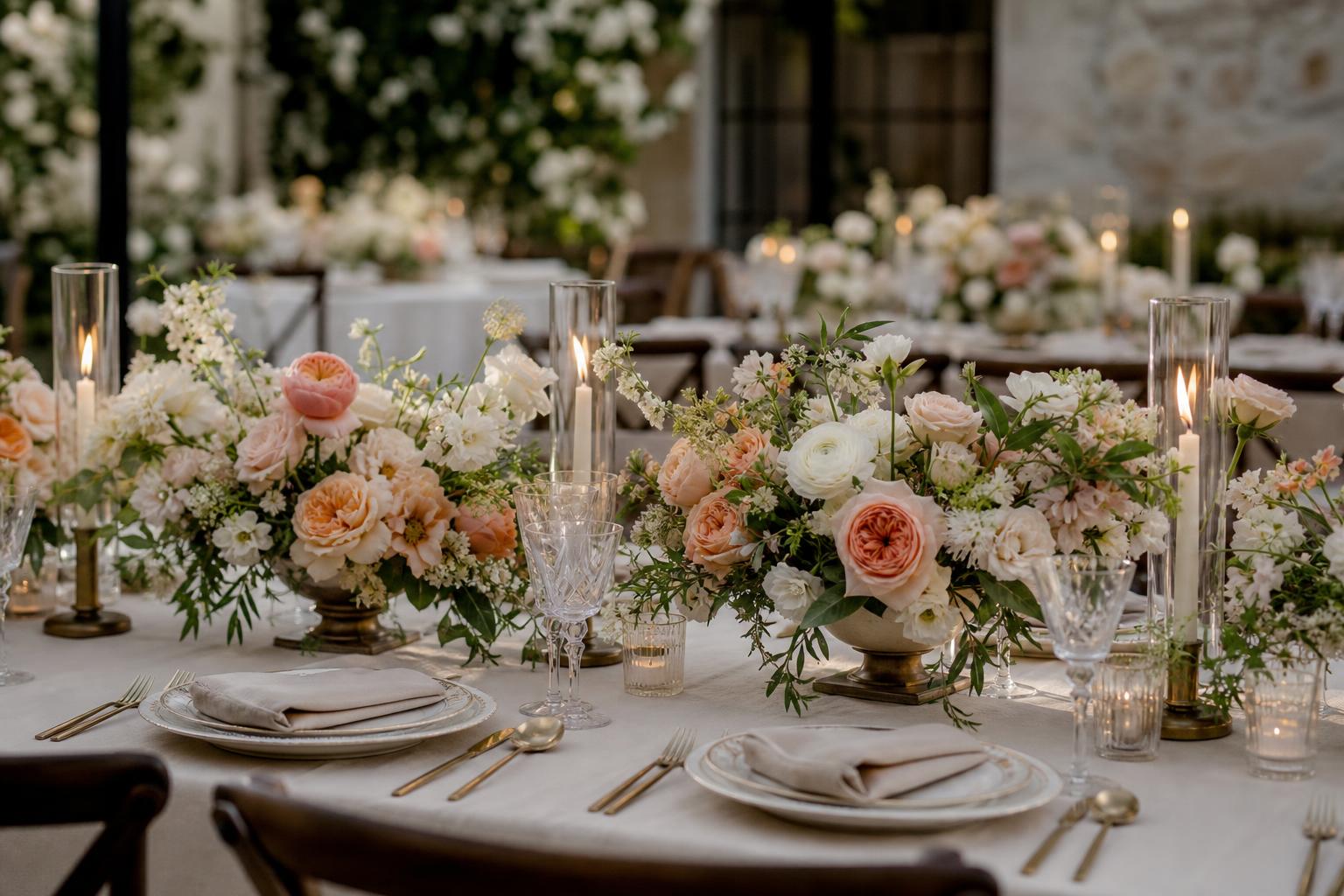
Wedding Flowers Table Ideas for a Romantic Reception
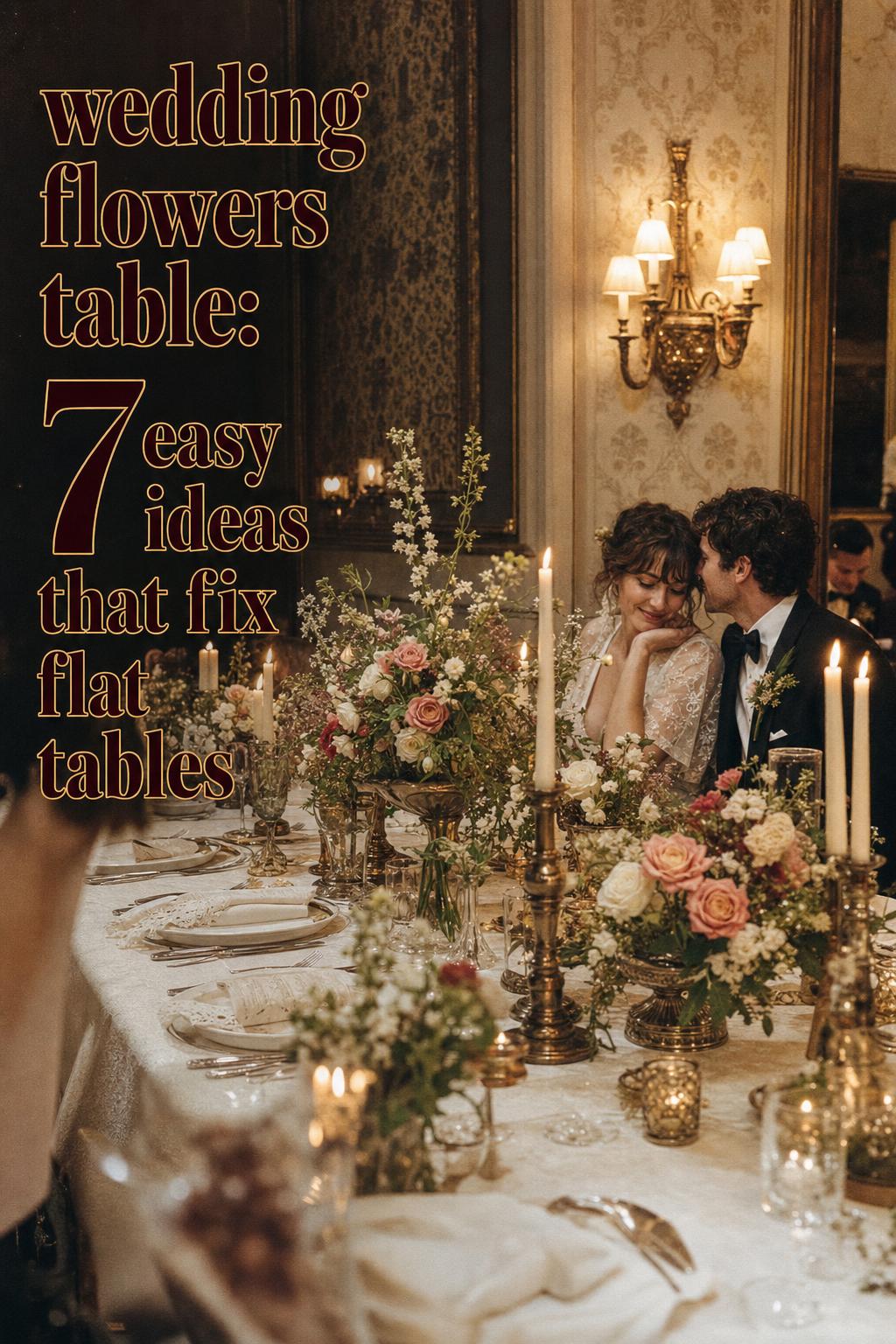
Long before guests notice the menu or the music, they notice the table. A wedding flowers table shapes the mood of the reception in an instant: the softness of petals against linen, the glow of candlelight around glass and brass vessels, the way greenery frames conversation without crowding it. Whether the setting is a California celebration, a New York ballroom, an Italian destination dinner, or a romantic Tennessee evening, table florals often become the visual language of the night.
What makes this part of wedding design so appealing is that it sits at the center of both beauty and experience. A tablescape is not only about flowers. It is about proportion, eye-line, palette, texture, and the feeling guests carry with them from the first toast to the last photograph. Some couples are drawn to wild florals and local foliage, others to neutral blooms, vintage lace, colorful candelabras, or a quieter bud vase arrangement that lets the room breathe.
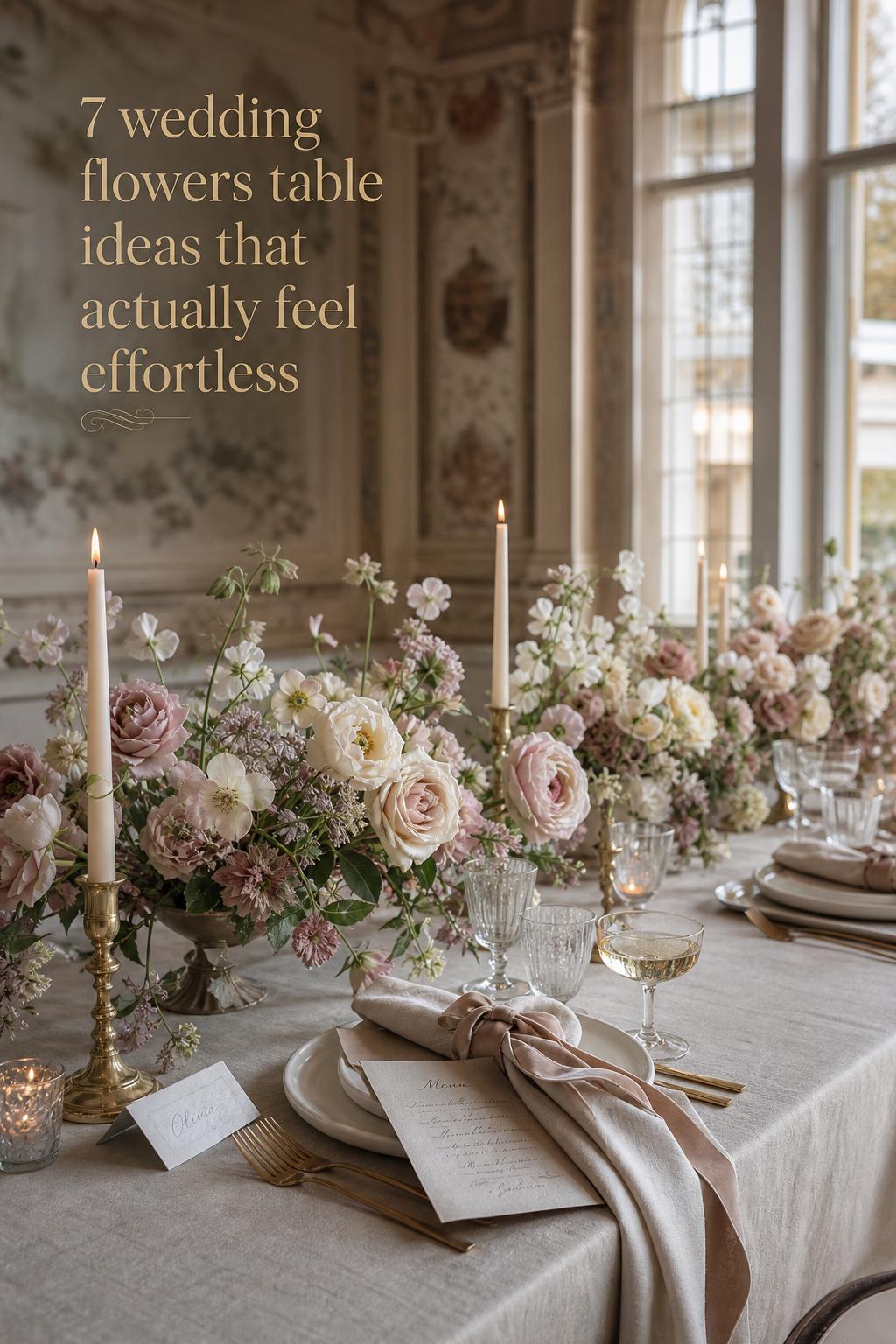
This guide explores that aesthetic world in a practical way. You will find the visual formula behind a memorable wedding table, distinct styling directions that suit different venues and budgets, flower and foliage choices that support the mood, and grounded advice on cost, setup, and common mistakes. The goal is not simply to admire beautiful centerpieces, but to understand how to create a reception table that feels cohesive, photogenic, and truly personal.
What defines this aesthetic?
The modern wedding table aesthetic is built on layered romance with intentional restraint. At its core are floral arrangements or centerpieces that guide the atmosphere without overwhelming the place setting. The palette may lean neutral, pastel, wildflower-bright, monochrome, or softly textural, but the most successful tablescapes feel edited. They connect flowers, vessels, linens, candles, and surrounding décor into one visual story rather than treating each item as a separate decision.
Turn wedding inspiration into a plan you can actually follow.
Zarellea brings your guest list, budget, vendors, and day-of details into one shared space — so no beautiful idea gets lost in the shuffle.
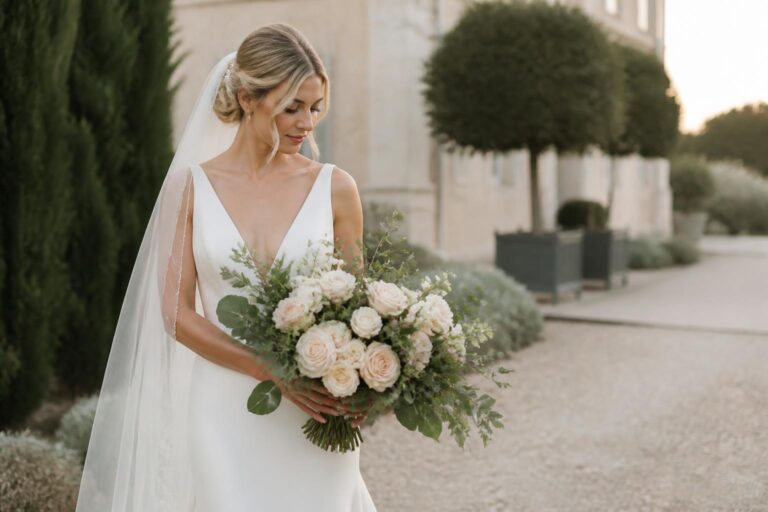
Color is one of the clearest defining elements. Neutral blooms and white flowers create a calm, elegant foundation, especially when paired with vintage lace, soft greens, or candlelight. A bolder mood may bring in colorful candelabras, something blue, pink and green pastels, or a mélange of wildflowers. The principle remains the same: keep the palette coherent enough that the table looks styled, not scattered.
Texture matters just as much as color. A textural tablescape can come from layered greenery, wild florals, delicate petals, smooth glass vessels, ceramic containers, wood accents, or brass details. The contrast between airy flowers and structured vessels keeps the look elevated. Without that balance, even expensive florals can feel flat.
Silhouette and scale are equally important. Some tables call for low centerpieces and bud vases that protect sightlines and encourage conversation. Others can carry height, especially in spacious venues where a dramatic installation helps define the room. The right silhouette depends on the table shape, guest count, and overall reception ambiance. A long head table may benefit from a garland or on-site floral installation, while round tables often feel strongest with a centered arrangement and candle ring.
The mood this aesthetic should communicate is romantic, intentional, and venue-aware. It can feel rustic garden, modern minimalist, vintage luxe, or softly wild, but it should never feel disconnected from the ceremony florals, the venue architecture, or the guest experience. That is the real formula behind a beautiful wedding flowers table.
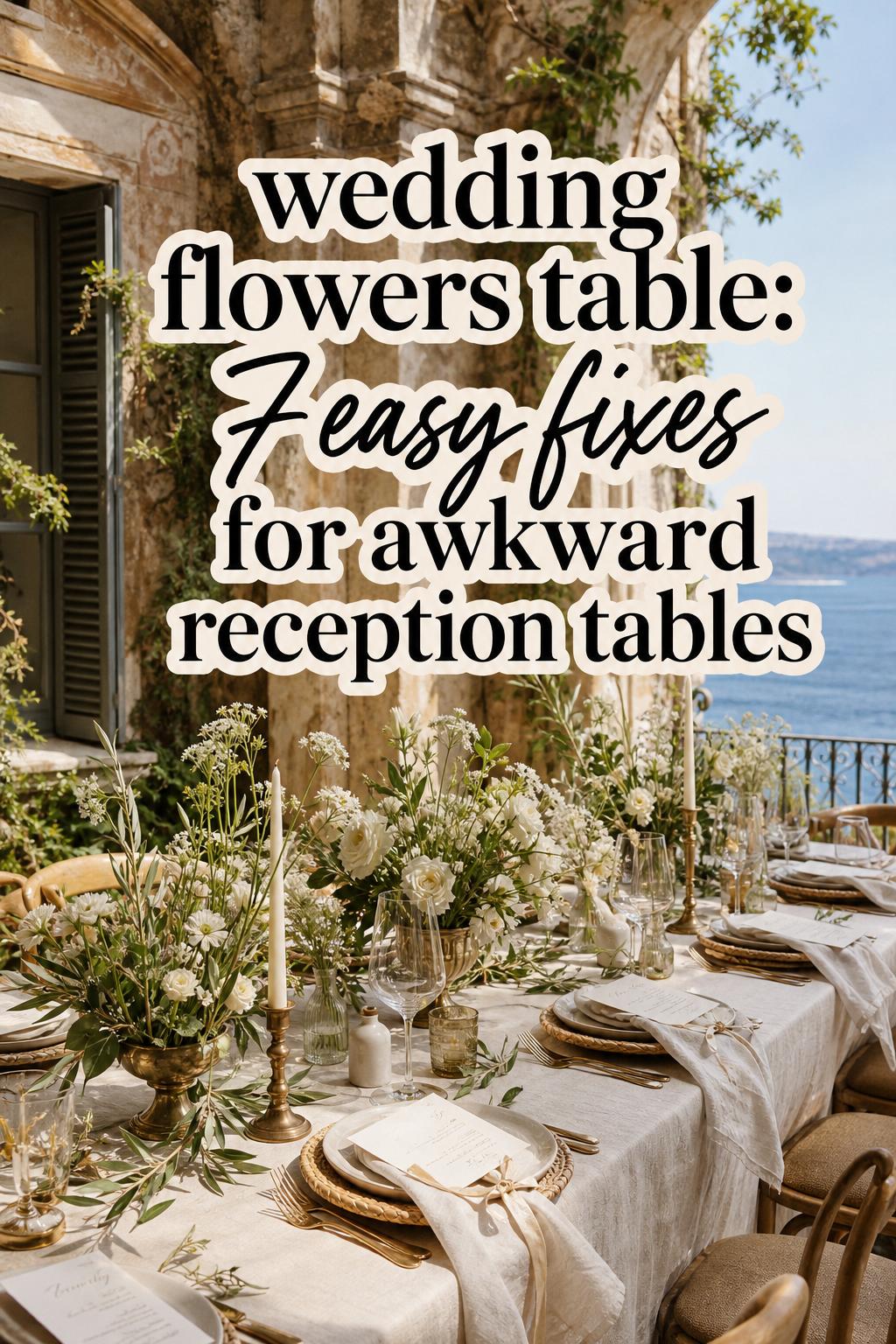
Why table florals matter more than couples sometimes expect
Reception tables work harder than almost any other décor element because they are seen up close for hours. Guests dine there, talk there, toast there, and appear beside them in many of the evening’s most important photographs. A ceremony arch may create the grand first impression, but the tablescape shapes the lasting one.
That is why florals at the table need to do more than look beautiful in a single detail shot. They need to support comfort, conversation, and movement. Centerpiece height affects eye contact. Candle placement affects atmosphere. The footprint of a vessel affects how easily guests can reach glassware, menus, and shared elements on the table. Even scent matters; flowers that feel lovely in a bouquet can be too assertive if repeated across every dinner table.
Designers and planning resources often return to the same truth: a wedding table becomes most memorable when floral choices are tied to ambience. Candlelight creates warmth. Wildflowers create looseness. Neutral blooms create calm. Local foliage adds place and season. The floral style is not decoration in isolation; it is part of how the reception feels in real life.
Understanding the styling formula before you choose any flowers
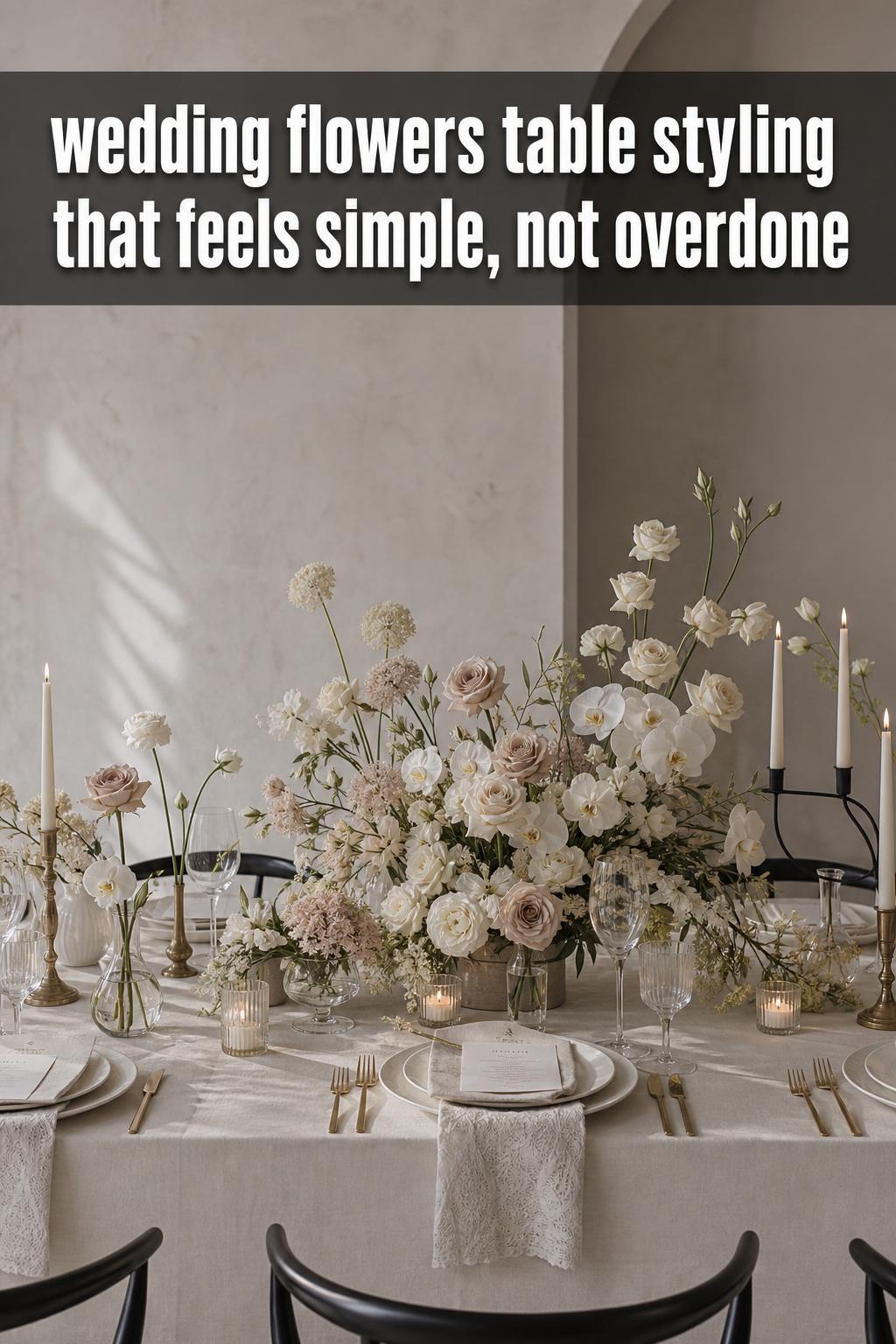
Centerpieces and tablescapes are not the same thing
A centerpiece is the focal floral arrangement placed on the table. A tablescape is the full composition around it, including florals, greenery, candles, linens, vessels, and decorative details. This distinction matters because many couples spend heavily on centerpieces but leave the rest of the table visually unresolved. Even a simple arrangement can look refined when the candles, vessel finish, and palette support it. By contrast, a large arrangement can still feel incomplete if everything around it competes or disconnects.
Height, scale, and sightlines create the difference between dramatic and difficult
There is a practical elegance to getting scale right. Tall florals can be beautiful in a spacious venue or on tables where the arrangement rises above the guest eye-line. Low florals can be intimate and welcoming, especially for long dinners and close conversation. Problems arise when arrangements sit directly in a guest’s face or spread too widely across a smaller table. The most graceful wedding table centerpieces understand the geometry of the table itself.
For example, a small wedding table arrangement like those offered by Stonefruit Botanical suits intimate New York events because it respects tighter footprints and city venue realities. A head table floral installation in the classic POSH Wedding Flowers style can afford more abundance because it operates as a visual anchor rather than a conversational barrier. The decision is not about choosing more or less; it is about choosing proportion.
Palette discipline makes the table feel expensive
One of the most useful styling principles in wedding tablescape design is restraint in color. Planning resources often emphasize a disciplined palette, sometimes framed as a three-color approach. In practice, that means selecting a base tone, a floral tone, and a supporting accent, then repeating them consistently across flowers, linens, candles, or vessels. This keeps the table cohesive and prevents the common mistake of adding too many pretty elements that do not belong to the same visual story.
Style tip: when the palette is quiet, texture becomes the source of richness. White flowers, neutral blooms, local greenery, glassware, and candlelight can feel far more layered than a louder table with no textural contrast.
A romantic spectrum of wedding flowers table ideas
The beauty of reception florals is that one aesthetic can be interpreted in several directions. The following ideas are not separate trends so much as distinct moods within the same world of wedding table design. Each one offers a visual identity and a practical lesson.
Look: wild florals with candlelit softness
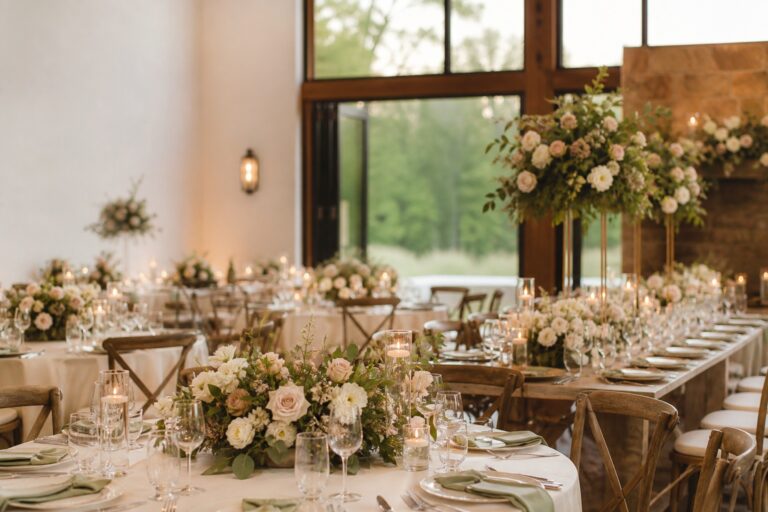
This interpretation feels airy, unruly in the loveliest way, and deeply romantic after sunset. The silhouette is loose rather than symmetrical, with flowers and foliage that appear gathered rather than tightly contained. It suits garden-inspired receptions, rustic settings, and destination-style dinners where the atmosphere benefits from a sense of movement and ease.
Wildflowers, mixed greens, and a mélange of blooms create the heart of the look, while spheres of candlelight bring structure and warmth. Roses, ranunculus, and lisianthus can be folded into the arrangement without losing the wild effect, especially when paired with local foliage and varied stem lengths. The best vessels for this mood are understated enough to let the floral silhouette stay soft. Glass and ceramic both work well because they do not compete with the flowers.
Why it works: the looseness feels romantic, but the glow of candles keeps it from reading messy. To recreate it well, avoid overpacking the arrangement. The charm comes from negative space, varied heights within the arrangement, and a palette that still feels edited rather than random.
Look: neutral blooms with refined candelabras
This version carries a quieter luxury. The overall impression is polished, luminous, and slightly formal, ideal for ballroom receptions, historic estates, or any celebration where the architecture already provides drama. The silhouette is more structured than the wildflower table, but it still feels romantic because the softness comes from candlelight and floral texture rather than excessive ornament.
White flowers, soft neutral blooms, and controlled greenery create the floral foundation. Colorful candelabras can add personality, but they should remain part of the palette rather than a competing statement. Vintage lace or similarly delicate linens can deepen the old-world mood, while glass or brass vessels sharpen the finish. This look photographs beautifully because the neutral florals reflect light and keep the table from looking visually heavy.
The practical lesson here is that a neutral palette does not mean plain. Texture is doing much of the work. If every element is smooth and uniform, the table can feel flat. If you layer petals, greens, candlelight, and an elegant vessel finish, the restraint reads as intentional sophistication.
Look: bud vases and blooms for an intimate reception
There is something especially charming about a table that whispers instead of announces. Bud vases create that mood. The silhouette is light, open, and conversation-friendly, making this direction especially fitting for smaller receptions, restaurant weddings, compact city venues, or couples who want the floral story to feel delicate rather than dramatic.
Instead of one dominant centerpiece, individual stems or small clusters are placed across the table in a rhythm. This can include roses, ranunculus, lisianthus, or seasonal blooms, with a little greenery to tie them together. Because each vessel has a small footprint, guests enjoy better sightlines and the table retains flexibility for menus, glassware, and shared details. This approach also echoes the sensibility behind small table arrangements and can align beautifully with practical delivery and setup needs.
Best for: intimate weddings, long farm tables, and receptions where guest interaction matters as much as visual impact. What to avoid: using too many unrelated vase styles or bloom colors. Bud vase tables need rhythm and cohesion, otherwise they can look accidental rather than curated.
Look: something blue with a cool, romantic palette
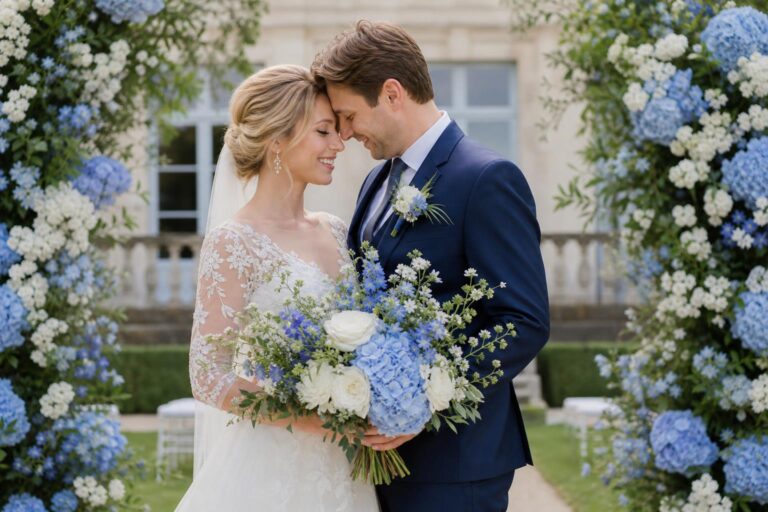
This mood feels fresh, poetic, and slightly unexpected. Blue in wedding tablescapes can shift the room away from obvious romance into something more nuanced and modern, especially when balanced with whites, neutrals, or soft greens. The silhouette works best when the color is woven through the table rather than concentrated in one heavy arrangement.
The floral composition may remain largely neutral, with the blue showing up in selected blooms, linens, vessels, or decorative accents. Candles soften the coolness and preserve warmth. This is one of the easiest ways to make a classic wedding table feel individual without stepping outside a timeless aesthetic. It is especially useful when couples want a table that feels elegant but not overly traditional.
The styling insight is simple: treat blue as a mood note, not a takeover. Too much cool color can flatten the romance. The table remains most graceful when blue is balanced by creamy flowers, candlelight, and natural greenery.
Look: pink and green pastels with garden energy
This direction feels soft, celebratory, and full of daylight charm. The silhouette is often rounded and lush, but not necessarily oversized. It suits spring and summer receptions, outdoor venues, tented celebrations, and couples who want a garden spirit without a fully rustic look.
Pink and green pastels create a flattering, cheerful palette, and flowers such as roses, peonies, or ranunculus can support the softness when in season. Greenery keeps the palette from becoming sugary, while a ceramic or clear glass vessel gives the arrangement enough structure. Paired with simple linens and elegant candles, the result feels youthful but not casual.
How to recreate the look: keep the greens fresh and visible. The table starts to feel overly sweet when everything is pink-on-pink with no tonal relief. The green acts like visual tailoring, keeping the romance balanced.
Look: textural minimalism for a modern venue
Some of the most striking wedding tables are also the most restrained. In this interpretation, the mood is modern, sculptural, and calm. The silhouette tends to be lower, cleaner, and more deliberate, with fewer flower varieties and more attention paid to shape, vessel, and spacing.
Neutral blooms, greenery-heavy tablescapes, and carefully chosen vessels carry the design. Candles may still be present, but used sparingly. The emphasis is on balance: perhaps a low arrangement paired with repeated bud vases, or a simple garland that draws the eye down the table without cluttering it. This aesthetic works beautifully in contemporary venues, design-led city celebrations, and receptions where architecture already offers strong lines.
The detail that makes it feel intentional is consistency. Minimalist tables can look underdesigned if the vessel styles, floral silhouette, and spacing are not carefully controlled. Clean does not mean effortless; it means edited.
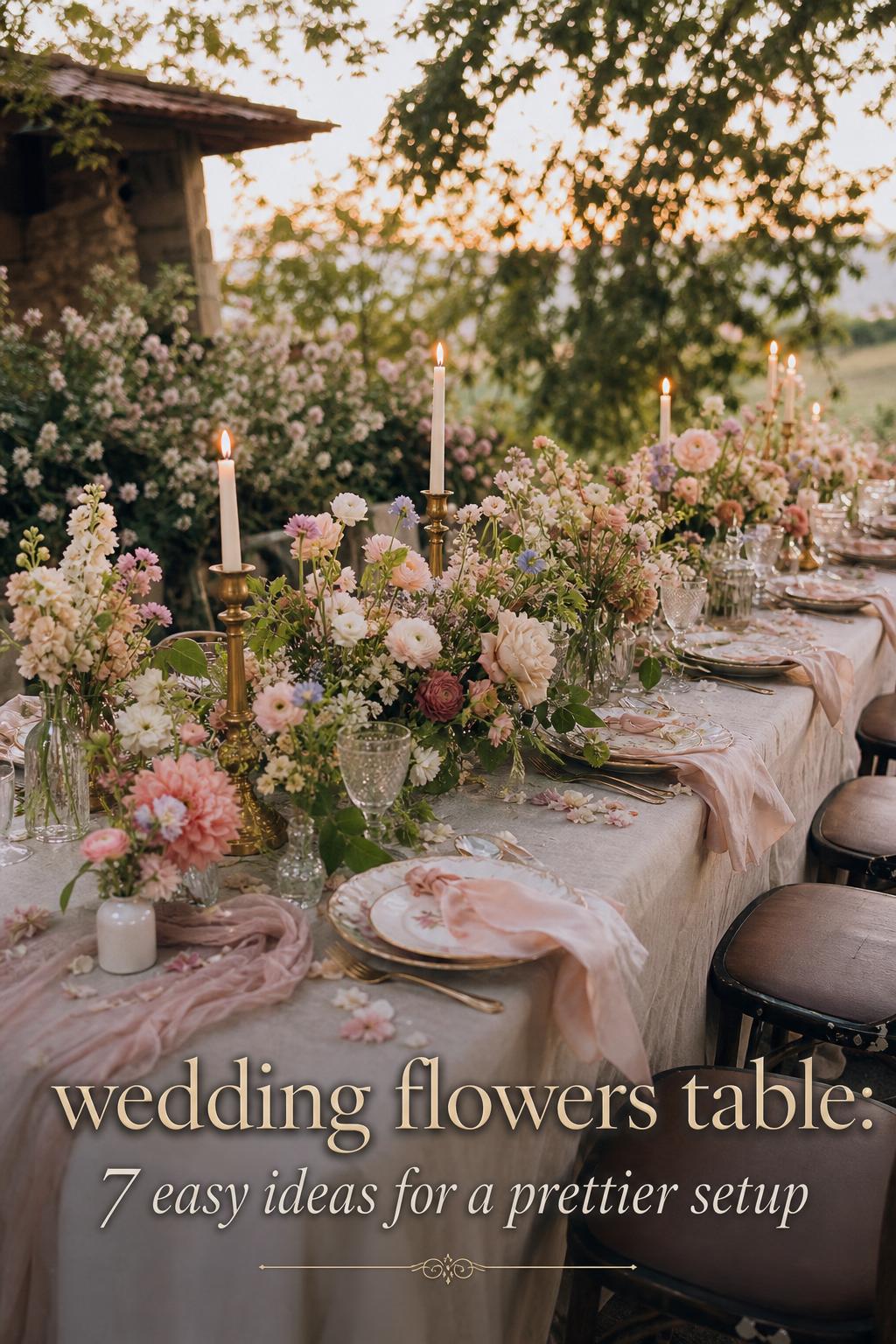
Color palette guidance for a cohesive reception table
The most memorable wedding tables tend to have a clear color point of view. That does not require elaborate color theory, but it does require commitment. A soft neutral table can feel deeply romantic. A wildflower table can still feel polished. A pastel table can stay elegant. The difference lies in whether the colors are working as a family.
- Base palettes: white flowers, neutral blooms, greens, soft blush, muted blue.
- Accent directions: colorful candelabras, something blue details, pink and green pastels, selective bold notes.
- Best balancing tool: candlelight, which softens both neutral and colorful tables.
- Most common mistake: adding extra shades late in the process because they are individually pretty but unrelated to the table story.
A practical way to approach color is to decide what should feel dominant from across the room, and what should only appear at close range. For example, a table may read neutral from a distance but reveal blue floral details up close. That layered experience often feels richer than a table trying to say everything at once.
Flower and foliage choices that support the mood
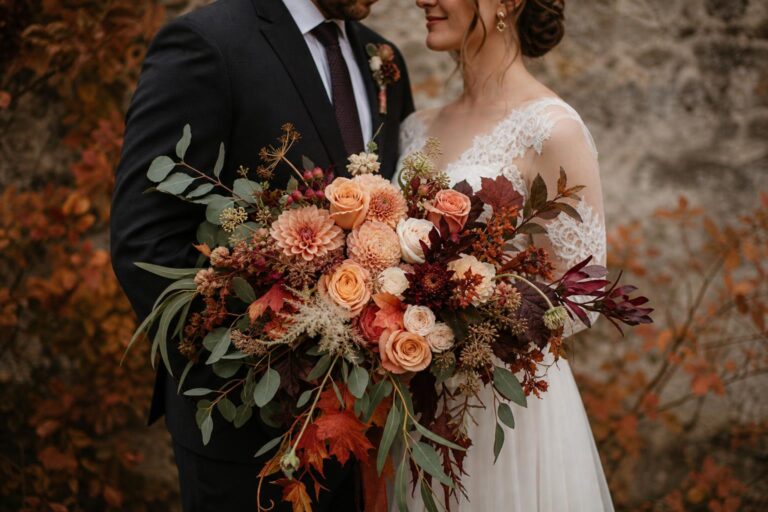
Specific flower varieties often become shorthand for the overall style. Roses bring softness and familiarity. Peonies suggest fullness and romance. Ranunculus and lisianthus add delicacy and movement. Eucalyptus and other greens create shape and texture. Protea and ornamental grasses can shift the mood toward something more sculptural or regionally expressive. The key is not to use every beautiful bloom available, but to choose flowers whose form supports the table’s intended atmosphere.
Seasonality and longevity also belong in the decision. Wedding flower guides commonly emphasize that tables should not only photograph beautifully at the start of the reception, but hold their visual freshness through dinner and dancing. This is one reason greenery, hardy focal flowers, and thoughtfully sized arrangements matter. A table needs to live through the event, not just through setup.
How to make the aesthetic feel more natural: use foliage and bloom shapes that belong together. Tight formal flowers mixed with very loose wild elements can be beautiful, but only if the palette and vessel style bridge the contrast. Without that bridge, the arrangement can feel undecided.
Venue-specific styling: where the same aesthetic changes character
City weddings and intimate New York tables
Urban venues often reward precision. A smaller footprint, cleaner lines, and carefully managed delivery logistics matter more in compact spaces. This is where the spirit of Stonefruit Botanical’s small wedding table arrangement feels especially relevant. The romance remains, but it is scaled for reality: tighter table dimensions, closer seating, and a need for every element to earn its place.
California and outdoor receptions with local foliage
California-inspired tables often benefit from looseness and a sense of place. Local foliage, airy greens, and a less rigid silhouette can make the table feel rooted in the landscape. Outdoor light also changes how florals read, so candles, vessels, and bloom color should support the natural brightness rather than fight it.
Historic estates, New England venues, and classic centerpiece structure
In a more traditional venue setting, the table often feels strongest when the florals have a clear focal shape. This is where many of the ideas associated with venue blogs like The Barn at Blackstone National resonate: centerpieces that feel tailored to the room, with enough presence to complement the setting but not so much that they block the hospitality of the table itself.
Head tables and statement installations
The head table follows slightly different rules because it is both a dining surface and a visual stage. A table garland or fuller front-facing floral installation, like the classic POSH style, can make sense here even if guest tables remain lighter. This is one of the smartest ways to create hierarchy in the room: let the head table carry the largest floral statement, and let guest tables echo it in a more practical scale.
Budget, impact, and the real cost logic behind table flowers
Wedding flower costs vary widely, but one truth is consistent: price is driven by flower types, centerpiece complexity, table count, and design intensity. A large lush arrangement for every table will naturally cost more than bud vases, greenery-heavy styling, or fewer statement tables. The most helpful budget mindset is not simply asking how to spend less, but how to create the strongest visual return for the budget you have.
Cost-conscious design does not mean sacrificing beauty. In fact, some of the most elegant tables are built from restraint. A few well-chosen flowers, repeated vessels, candlelight, and disciplined palette work can feel more elevated than a crowded table with no clear direction. This is why budget planning and style planning should happen together rather than separately.
- Higher-cost drivers: abundant centerpieces, complex installations, premium bloom choices, more table coverage, labor-heavy designs.
- Smarter impact choices: bud vases, selective focal tables, greenery-supported arrangements, stronger head table design, repeated vessels.
- Best practical question: which tables need drama, and which tables need comfort first?
A useful approach is to invest where photography and guest focus are naturally concentrated. The head table, welcome table, and a few key reception tables may carry more floral weight, while the remaining guest tables echo the same palette and vessel language in a lighter form. This keeps the room cohesive while controlling costs more elegantly than simply reducing every arrangement.
How to recreate this aesthetic without making it look forced
Many couples are inspired by galleries from Vogue, The Knot, florist portfolios, and planning resources, but the challenge is translating inspiration into a table that suits their own venue, guest count, and budget. The easiest way to recreate the look well is to begin with mood, not with a shopping list. Decide whether your reception should feel wild and candlelit, neutral and refined, pastel and garden-like, or minimal and textural. Then make each choice answer that mood.
- Start with one visual anchor: centerpiece silhouette, table garland, or bud vase rhythm.
- Choose a controlled palette and repeat it in more than one element.
- Use vessels that support the style instead of distracting from it.
- Let candles bridge the florals and the place settings.
- Keep ceremony florals and reception florals in conversation with each other.
If you already own a clear wedding vision, this process becomes simpler. A minimalist celebration needs fewer floral varieties and cleaner vessel lines. A vintage romantic wedding can support lace, fuller blooms, and warmer candlelight. A rustic garden reception welcomes looseness and local foliage. The mistake is mixing several aesthetics on one table in the hope that all beautiful ideas will naturally blend. Usually they do not.
Common styling mistakes that weaken a beautiful table
One of the easiest ways to lose the magic of a wedding flowers table is to confuse abundance with style. More blooms, more colors, more vessels, and more decorative accents do not automatically create a stronger design. They can just as easily create visual noise. Tables look luxurious when each element feels chosen, not piled on.
Another common mistake is ignoring the guest experience. Very tall or very wide arrangements may look dramatic in a styled photo but feel awkward during dinner. Overly scented flowers can become tiring at close range. Irregular spacing between bud vases, candles, and place settings can make the table feel improvised rather than intentional.
There is also the issue of palette drift. A couple may begin with neutral blooms and soft greens, then add a bright linen, metallic vessel, colorful taper, and unrelated floral accent because each element looks lovely alone. By the end, the table has lost its emotional center. Consistency is what makes a wedding table feel memorable.
Style tip: if the table starts to feel overdesigned, remove one category of detail before cutting flowers. Simplifying vessels, linen accents, or excess decorative pieces often restores elegance faster than reducing the florals themselves.
Planning details that make the floral design easier on the wedding day
Beautiful reception flowers depend on logistics as much as aesthetics. Delivery timing, on-site setup, table access, and installation needs all affect what is realistic. Product and service pages from florists often highlight these practical details for good reason. A small arrangement, a garland, and a large head table installation each require different handling, labor, and setup windows.
Checklist-based planning can be especially helpful here. In addition to centerpieces, couples often need to account for the welcome table, petals, signage flowers, bouquet connections, and any floral moments outside the dining space. Thinking through these items early helps maintain cohesion across the wedding day rather than treating the reception table as a separate design project.
For couples working with a florist, one of the most useful conversations is about what must be created on site and what can be delivered ready-made. On-site creation can be ideal for head tables and larger installations, while smaller centerpieces may offer more flexibility. This kind of coordination is not glamorous, but it protects the beauty you are paying for.
Key pieces for this wedding table aesthetic
Not every table needs every decorative element, but certain pieces consistently carry the aesthetic and practical value of the design. These are the components worth thinking about as building blocks rather than add-ons.
- Floral focal point: a centerpiece, bud vase grouping, or garland that establishes the table’s identity.
- Greens and foliage: essential for movement, texture, and soft transitions between flowers and tableware.
- Candles or candelabras: one of the strongest tools for ambience and visual warmth.
- Vessels: glass, ceramic, wood-inspired, or brass finishes that help define the style direction.
- Linens: subtle but powerful in supporting neutral, vintage, minimalist, or garden moods.
- Head table distinction: a stronger floral treatment that gives the room structure.
These pieces matter because they create the table’s line, texture, and mood. Flowers rarely work at their best when left to carry the full emotional weight of the design alone.
The most useful design mindset: think in relationships, not isolated items
A wedding table becomes compelling when each choice has a relationship to another. The florals relate to the venue. The greenery relates to the season. The vessel style relates to the mood. The candles relate to the time of day and the intimacy of the meal. The head table relates to the guest tables in a way that creates hierarchy without disconnection.
This is why real wedding inspiration is so persuasive. In strong examples, couples do not simply select flowers they like. They create a room where the details belong together. That sense of belonging is what makes the table feel polished in photographs and comfortable in person.
If you want your reception to feel romantic and cohesive, the most valuable principle is not extravagance. It is clarity. Once the table has a clear aesthetic identity, even simple flowers and modest centerpieces can create a setting that feels unforgettable.
FAQ
What is the difference between wedding table flowers and a full tablescape?
Wedding table flowers usually refer to the floral arrangements or centerpieces themselves, while a full tablescape includes the flowers plus candles, vessels, linens, and decorative styling details. The flowers may be the focal point, but the tablescape is the complete visual composition guests experience during the reception.
Are bud vases a good idea for wedding reception tables?
Yes, bud vases are a strong option for couples who want a lighter, more intimate table design. They protect sightlines, work well on smaller tables, and can still feel elegant when the flower choices, vase style, and color palette are consistent across the table.
How do I choose between tall and low centerpieces?
The best choice depends on your venue, table size, and guest experience. Tall centerpieces can be dramatic in spacious rooms when they rise above eye level, while low centerpieces tend to feel more conversational and practical. If an arrangement sits directly in front of guests or spreads too widely, it can interfere with dinner and conversation.
Which flowers are commonly used for wedding table arrangements?
Commonly referenced choices include roses, peonies, ranunculus, lisianthus, and greenery such as eucalyptus. These flowers are often used because they support different moods, from soft and romantic to textural and garden-inspired, and they combine well with candles and decorative vessels.
How can I make a wedding flowers table look elegant on a tighter budget?
A disciplined palette, repeated vessels, candlelight, and strategically placed florals usually create a more refined result than trying to fill every table with large arrangements. Bud vases, greenery-supported centerpieces, and giving more floral emphasis to the head table can help stretch the budget while keeping the room cohesive.
Should my table flowers match my ceremony flowers?
They do not need to match exactly, but they should feel connected. The strongest wedding design usually carries the same palette, floral mood, or overall aesthetic from ceremony to reception so the event feels cohesive rather than split into separate visual themes.
What table floral style works best for a head table?
A head table can usually support a fuller floral treatment than guest tables because it functions as a focal point in the room. A garland, front-facing installation, or a more abundant arrangement often works well there, while the guest tables can echo the same palette and vessel style in a smaller scale.
Do candles really make a big difference in wedding table design?
Yes, candles are one of the most effective ways to add warmth, depth, and romance to a reception table. They soften both neutral and colorful floral palettes, help connect the centerpieces to the rest of the table, and often make the entire design feel more finished in person and in photographs.
How do I keep my wedding table from looking too busy?
Choose a clear floral silhouette, limit the palette, and make sure the flowers, vessels, candles, and linens support the same mood. Tables tend to look too busy when too many bloom types, colors, or decorative accents compete for attention without a unifying visual direction.