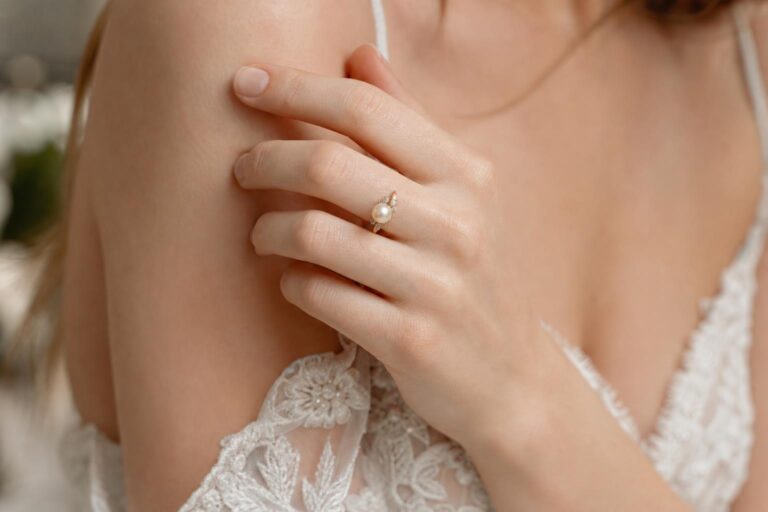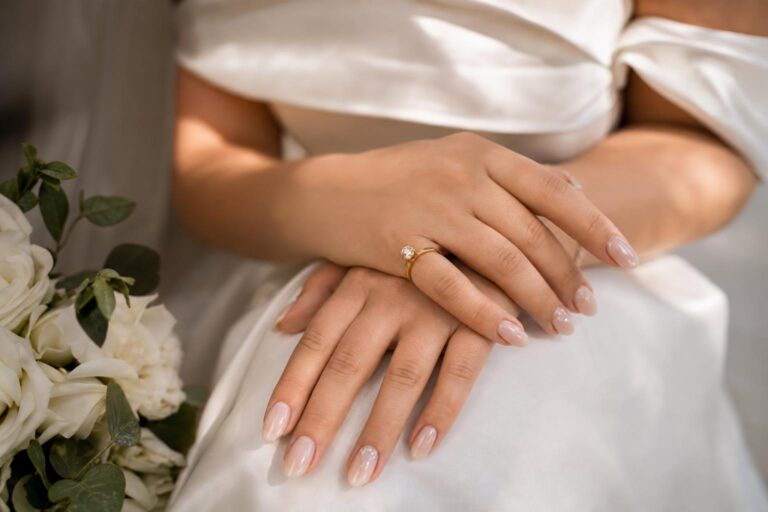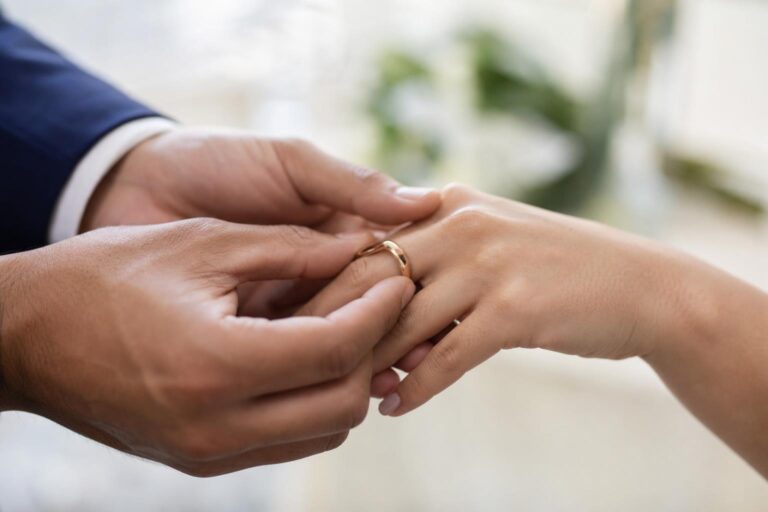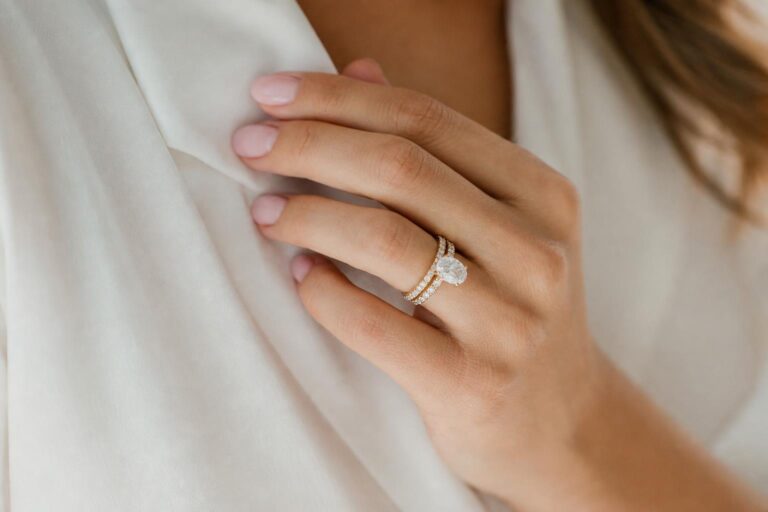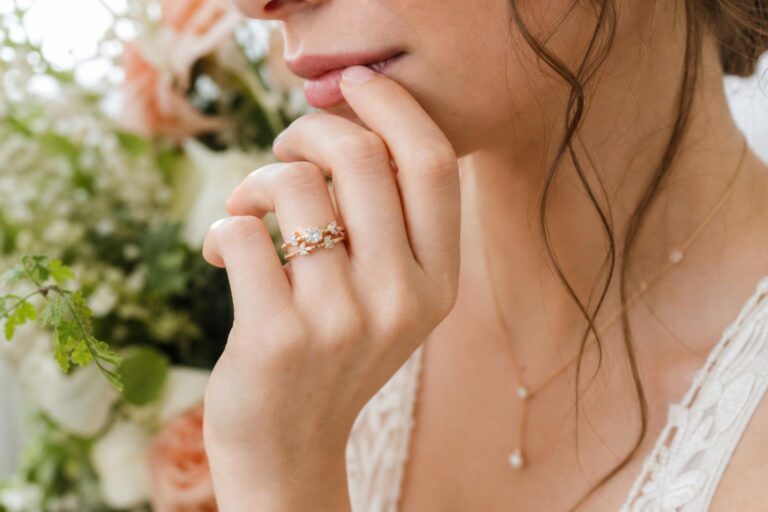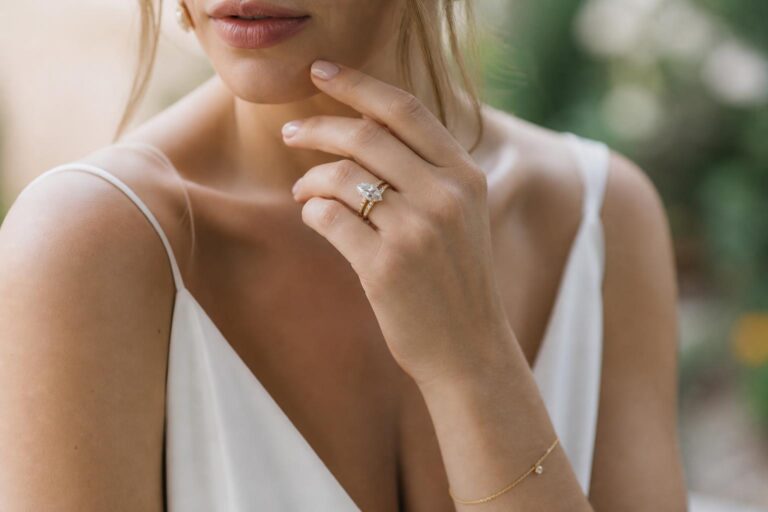
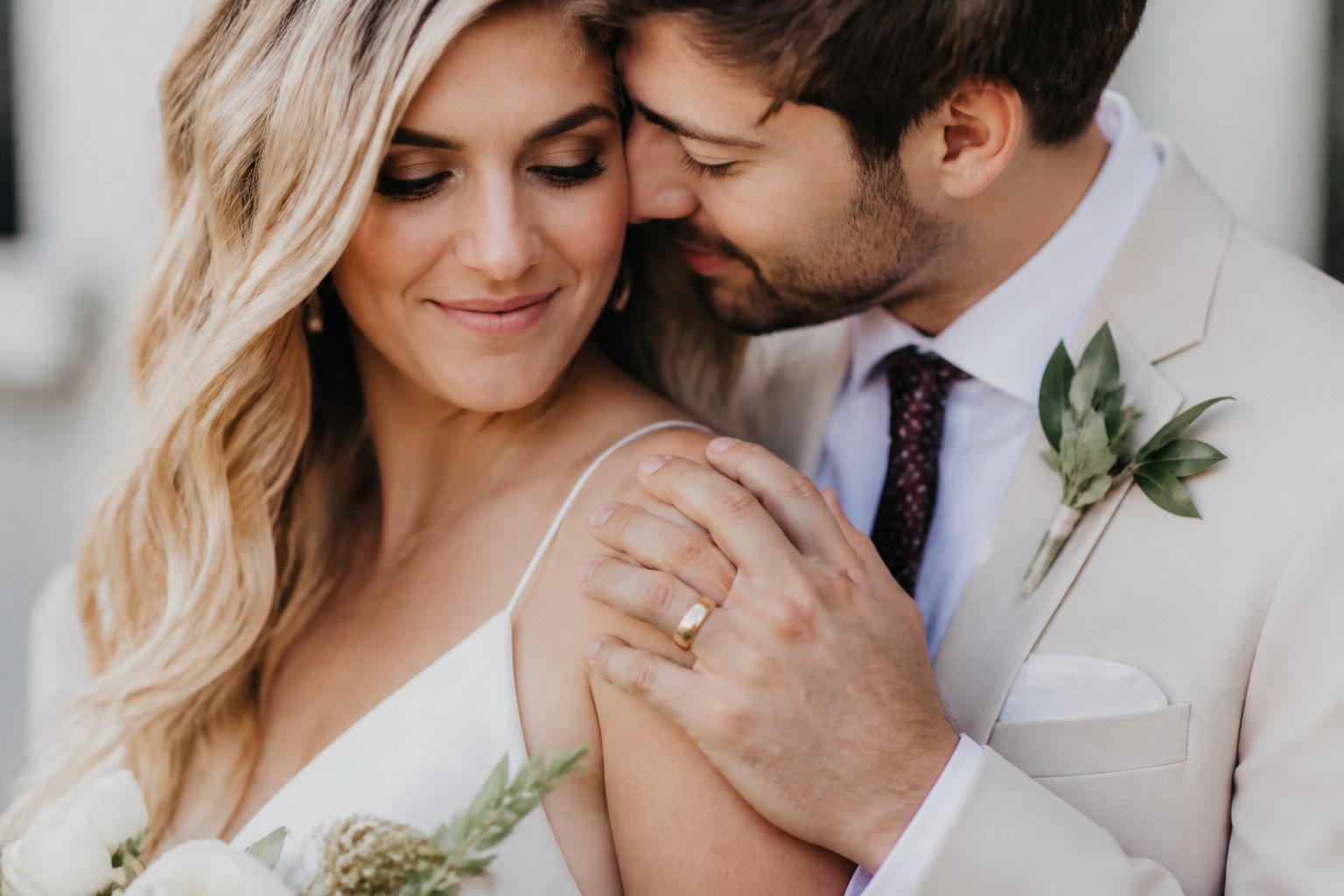
Gold Wedding Ring Styles for a Modern Romantic Wedding
Few wedding choices carry as much emotional weight as the ring you will see every day after the celebration is over. A gold wedding ring feels timeless for a reason, yet the category is far less simple than it first appears. Yellow gold, white gold, and rose gold each create a different mood, and even subtle details like a domed profile, a brushed finish, or a 3 mm band can shift the entire feeling from classic to modern, from quiet luxury to everyday minimalism.
This is also why so many couples feel unexpectedly torn. A plain gold wedding band may seem universally right until it is placed beside an engagement ring, a particular venue, a personal wardrobe, or a desired wedding atmosphere. One style can feel warm, romantic, and traditional; another can feel clean, polished, and editorial. The difference is not just visual. It changes how the ring photographs, how it pairs with bridal styling, and how naturally it fits the life you will wear it in.
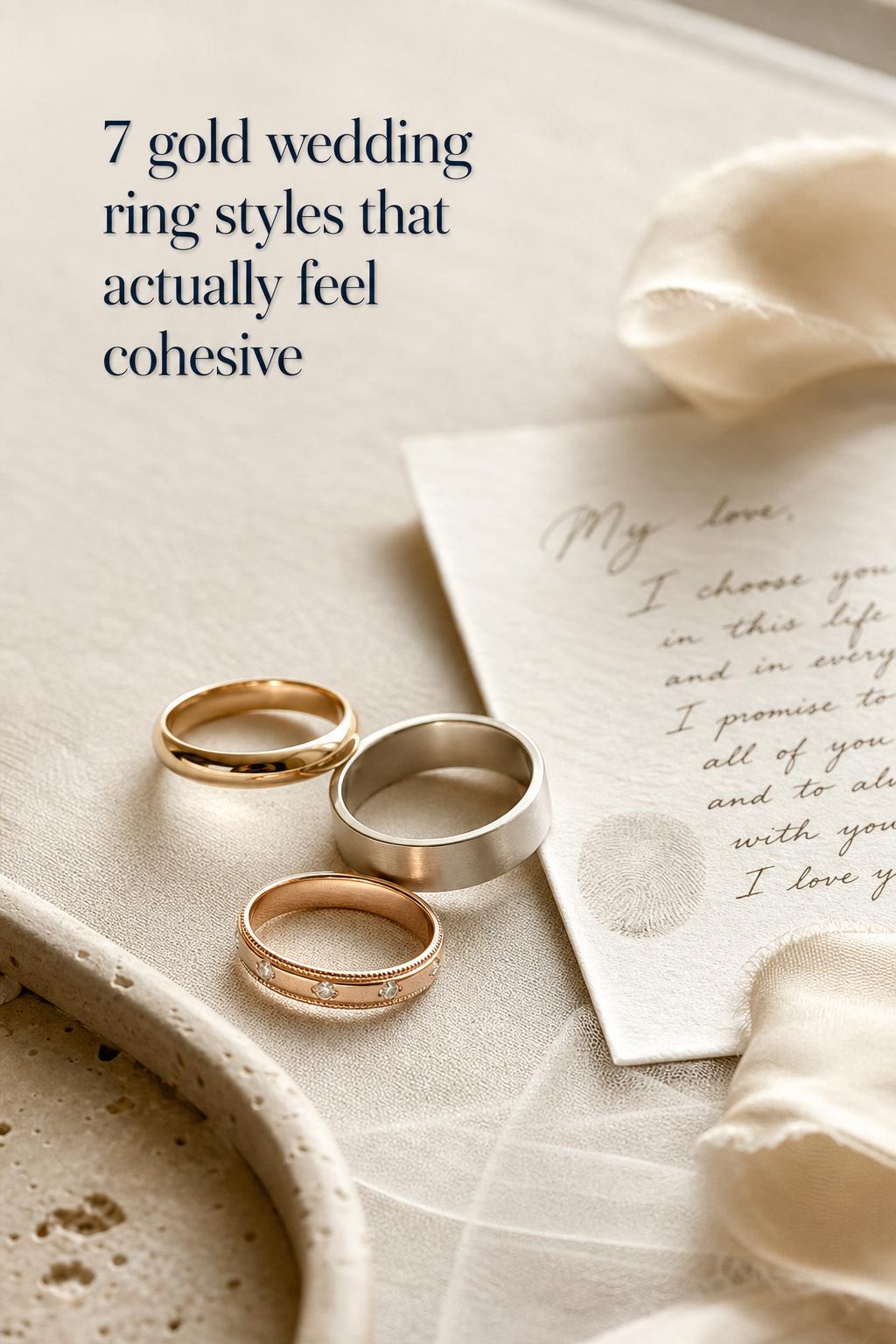
This guide breaks down the major gold wedding ring directions with the kind of clarity that helps real decisions. You will see how the leading styles differ emotionally and visually, what they suit best in an actual wedding setting, how brands from Tiffany & Co. to Blue Nile, Macy’s, Rimon Fine Jewelry, TILO Jewelry, Vannary Jewelry, Golvem, OroSpot, Gardens of the Sun, and WeddingBands.com position their rings, and how to choose a band that feels coherent with both your wedding day and your everyday life.
Style overview: classic yellow gold wedding rings
A classic yellow gold wedding ring is the image many people instinctively picture when they think about marriage: warm metal, simple lines, and a sense of permanence that does not need much explanation. In wedding styling, yellow gold usually brings softness rather than starkness. It feels familiar, grounded, and quietly ceremonial, whether the ring is a low dome band, a flat plain ring, or a slim 3 mm classic band.
Turn wedding inspiration into a plan you can actually follow.
Zarellea brings your guest list, budget, vendors, and day-of details into one shared space — so no beautiful idea gets lost in the shuffle.
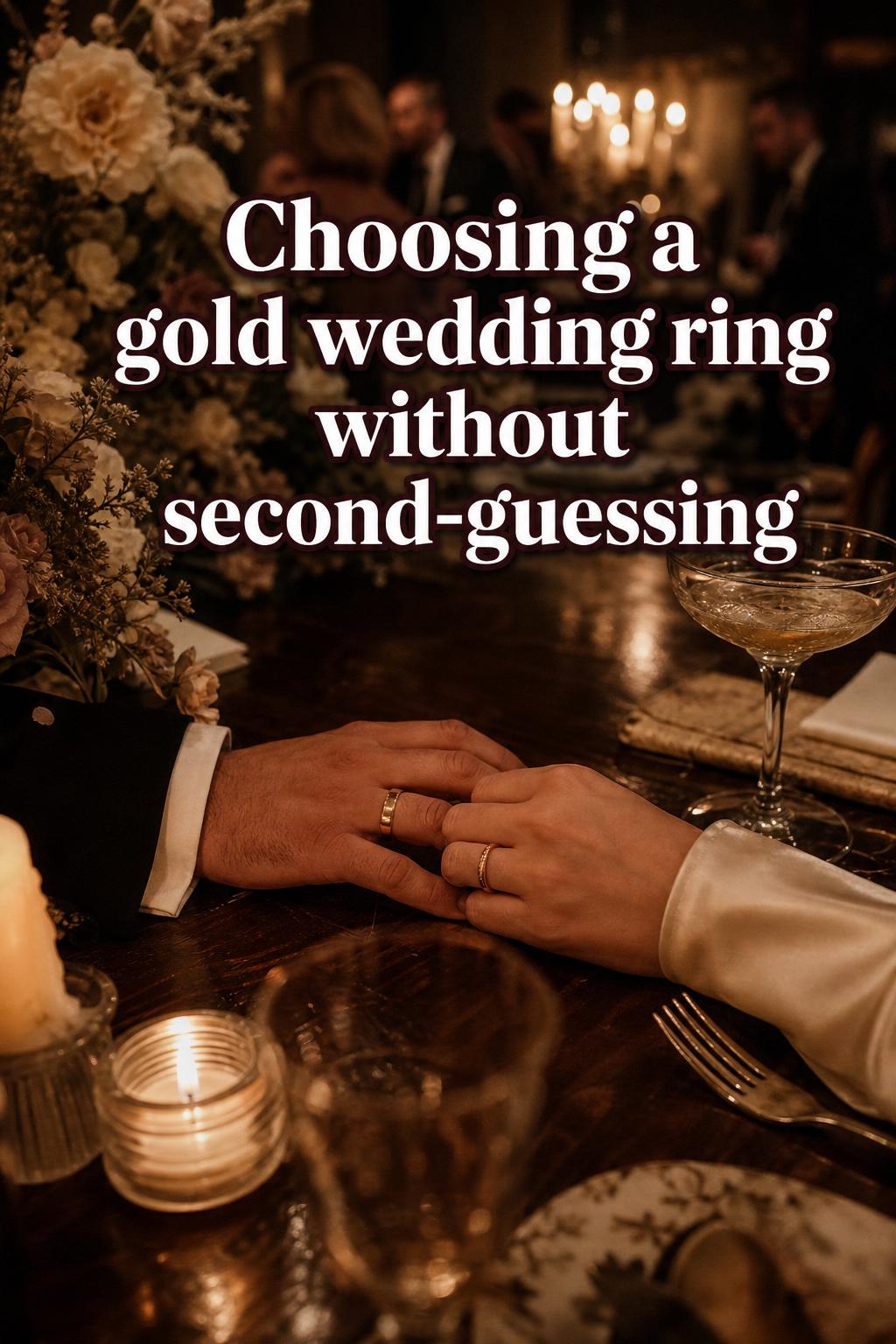
Emotionally, this style often reads as timeless rather than trend-led. It works especially well for couples who want their wedding to feel enduring, elegant, and slightly traditional without becoming overly formal. In photographs, yellow gold tends to create warmth and visual intimacy. That matters if your overall wedding mood leans romantic, candlelit, vintage-inspired, or family-centered.
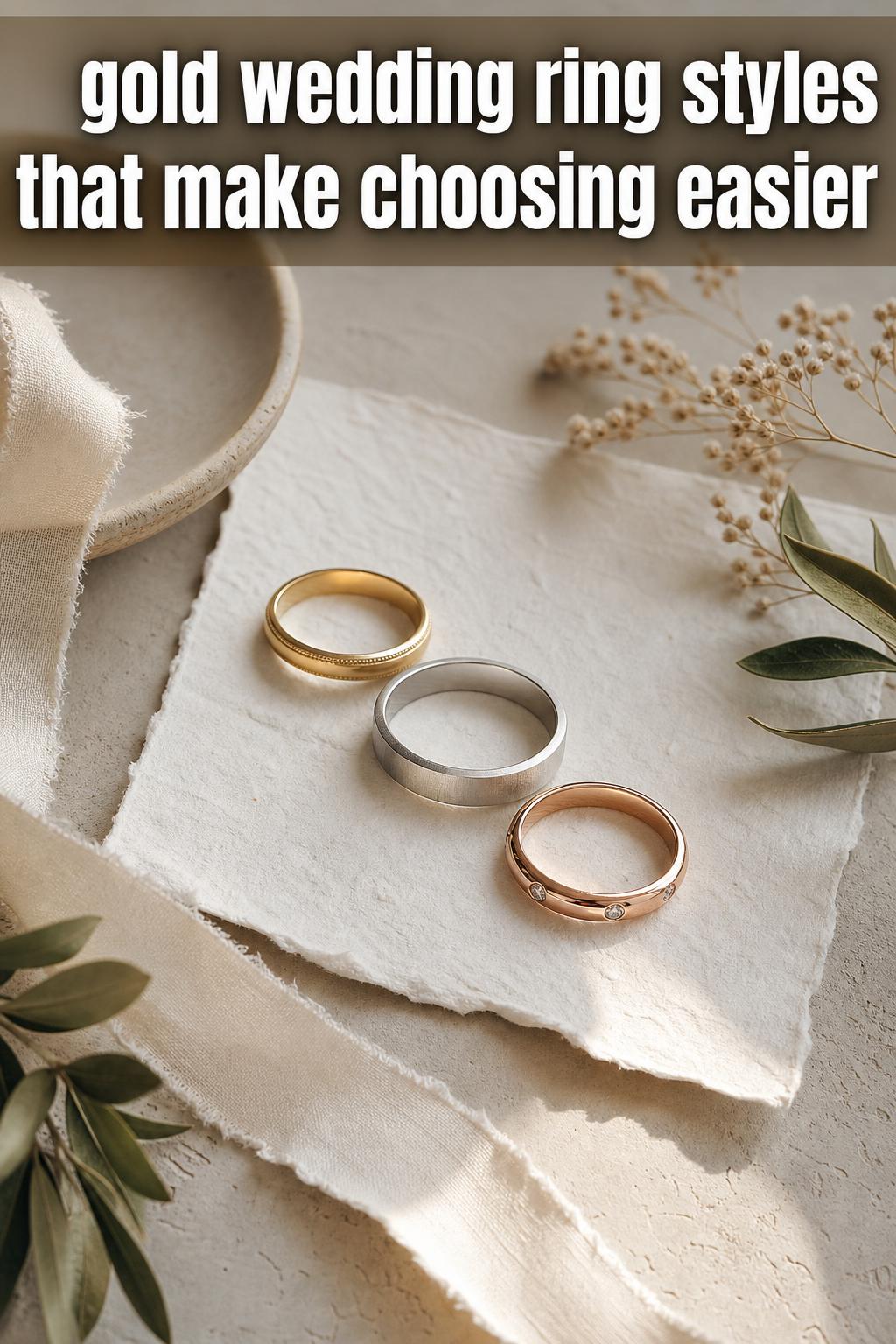
Common expressions of this style include 10k, 14k, 18k, and even 24k yellow gold bands, with 14k yellow gold wedding band options appearing often across the market. Some brands present this direction as accessible and classic, such as Macy’s low dome wedding band ring in 10k gold or WeddingBands.com’s 14k yellow gold 3 mm flat plain wedding ring. Others place it in a more elevated luxury context, such as Tiffany Forever in yellow gold or Vannary Jewelry’s 24k pure gold 6 mm classic band.
Venue-wise, yellow gold feels at home almost anywhere, but it is especially natural in settings that already carry warmth: traditional indoor venues, heritage-inspired spaces, intimate ceremony rooms, and receptions with candle styling, layered florals, or vintage details. It can also work beautifully in outdoor weddings where the atmosphere is soft and romantic rather than sharply modern.
What defines the look
- Warm metal tone with a familiar, classic feel
- Works beautifully in plain, domed, flat, and comfort-fit bands
- Often associated with traditional wedding symbolism
- Pairs naturally with vintage-inspired and timeless styling
- Looks especially cohesive with high polish finishes, milgrain details, and classic silhouettes
Style overview: white gold wedding bands
White gold wedding bands speak a different visual language. Where yellow gold often feels warm and ceremonial, white gold feels clean, refined, and understated. It tends to appeal to couples drawn to a calmer palette, more minimal styling, or a wedding atmosphere that feels polished without feeling heavy.
In real wedding settings, white gold usually behaves like a quiet supporting character. It does not ask for attention in the same way yellow gold can. Instead, it blends into sleek bridal fashion, crisp tablescapes, restrained florals, and more contemporary visual compositions. That makes it especially effective for modern minimalist weddings, urban celebrations, and elegant black-tie environments where every element is intentionally edited.
White gold is frequently chosen by couples who want a band that sits smoothly alongside an engagement ring and does not compete visually. It also suits weddings with a cooler color story or interiors that already feel architectural. The overall impression is less nostalgic and more tailored. If yellow gold feels like a handwritten note, white gold often feels like a beautifully typeset page.
This does not mean white gold lacks emotion. Its strength is restraint. In photography, it often creates a quieter kind of luxury, especially when the ring profile is thin, classic, and stone-free. If your wedding vision is more editorial than ornate, white gold usually supports that atmosphere well.
Where this style feels most at home
- Modern city venues and refined indoor spaces
- Minimalist ceremonies with restrained décor density
- Weddings with a cooler or highly neutral palette
- Bridal styling built around clean lines and polished structure
- Couples who want the ring to feel subtle, versatile, and quietly formal
Style overview: rose gold wedding rings
Rose gold wedding rings sit in a softer emotional space. They are still gold, but their visual effect is more romantic, more gentle, and often more personal. While yellow gold feels classic and white gold feels polished, rose gold tends to feel intimate. It is the shade that often appeals to couples who want warmth with a slightly more modern or individual edge.
At a wedding, rose gold often works best when the styling is cohesive rather than high-contrast. It can feel beautiful in romantic garden-inspired settings, softly styled receptions, and events with a layered palette that favors tenderness over sharp drama. It is less about grandeur and more about atmosphere. In photographs, rose gold can read especially softly, which gives it a distinct emotional quality in close-up detail shots.
Rose gold also pairs naturally with minimalist bands because the color itself already adds personality. A plain rose gold wedding band can feel more expressive than the same band in white gold. For couples who want simplicity without coldness, that is often the appeal.
Because the overall look is gentler, rose gold tends to benefit from thoughtful styling consistency. If the wedding design is highly mixed or visually busy, the subtle charm of the band can disappear. When the aesthetic is cohesive, though, rose gold feels deeply romantic and memorable.
The emotional difference between yellow, white, and rose gold
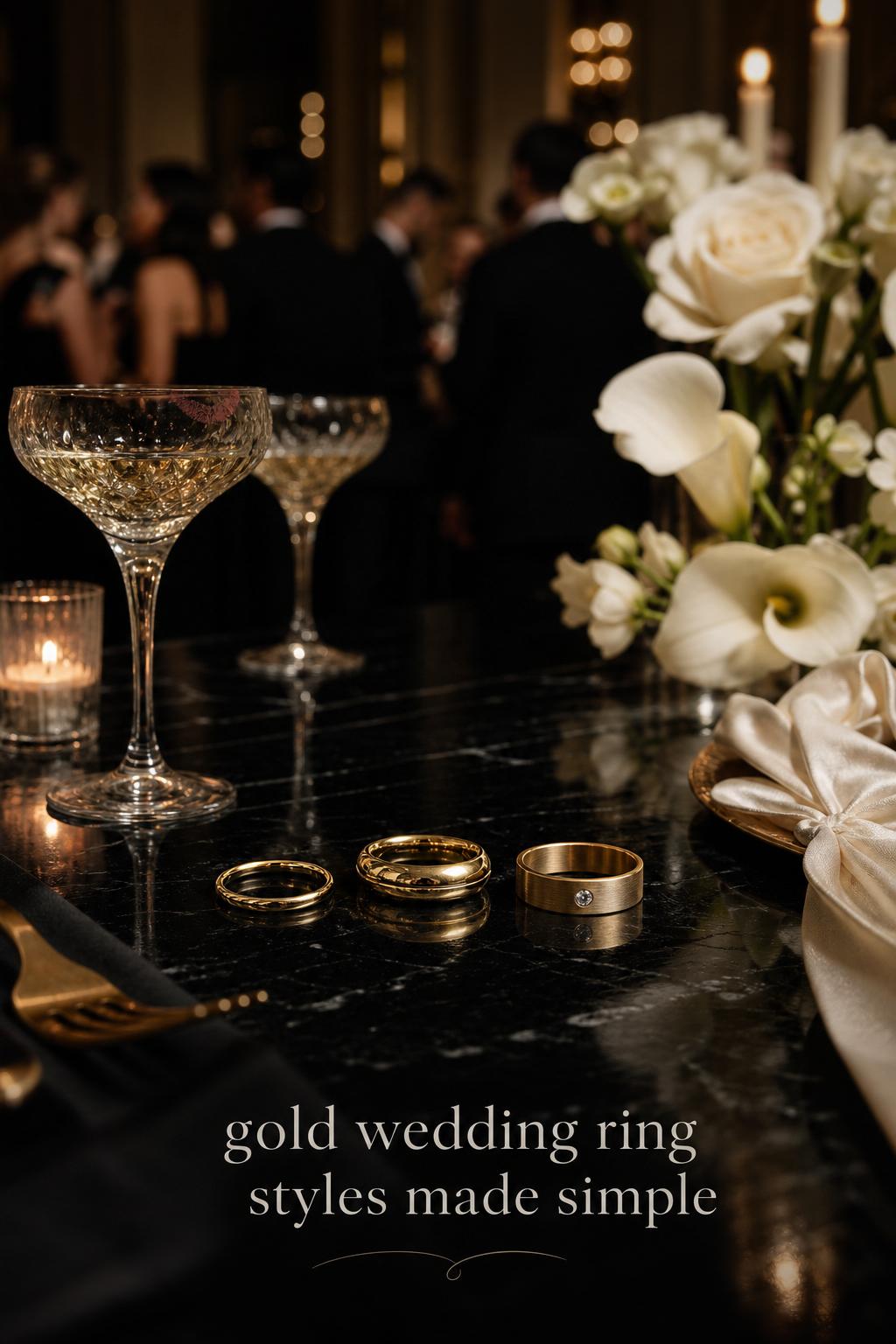
The easiest way to understand these styles is to stop thinking only about metal and start thinking about atmosphere. Yellow gold creates warmth. White gold creates clarity. Rose gold creates softness. None is inherently better, but each shifts the emotional character of the wedding and the long-term feeling of the ring.
Guests may not name the metal choice outright, but they feel it through the overall styling harmony. A yellow gold wedding ring supports a wedding that feels rich in sentiment, tradition, and warmth. A white gold wedding band complements a celebration that feels intentional, composed, and elegantly restrained. A rose gold ring often supports a wedding atmosphere that feels tender, romantic, and quietly distinctive.
Photography responds differently too. Yellow gold often glows in close-ups and works beautifully against warm skin tones, candlelight, and layered textures. White gold tends to photograph with crisp subtlety, especially in editorial imagery where clean composition matters. Rose gold usually creates a softer visual impression, which can feel especially romantic in detail shots and intimate portraits.
For couples making a real decision, this emotional layer matters because a ring is never seen in isolation. It sits beside the engagement ring, against the hand, within the ceremony styling, and inside the mood of the day. The right choice often feels less like finding the prettiest band and more like choosing the version of your wedding identity that feels most honest.
Karat comparison: purity, durability, and wedding-day practicality
Once the color direction is clear, karat becomes the next meaningful comparison. Across the market, 10k, 14k, 18k, and 24k gold wedding ring options appear most often. This is one of the most practical distinctions because it affects wear, budget, and how the ring fits daily life after the wedding.
In simple terms, couples are often balancing purity against everyday practicality. A 10k gold wedding ring is commonly positioned as a more budget-aware and durable option. A 14k gold wedding band often sits in the middle ground, giving many shoppers a balance of value and wearability. An 18k band tends to feel more elevated and luxurious. A 24k pure gold ring, such as the type highlighted by Vannary Jewelry, leans strongly into purity and luxury identity.
This is where wedding planning logic becomes important. If your wedding aesthetic is very refined and luxury-led, it can be tempting to choose the purest or richest option immediately. But a ring is not only a detail for the ceremony. It becomes an everyday object. The best karat is usually the one that aligns both with the emotional tone of the wedding and the rhythm of real life.
How the common karat options compare in feel
- 10k gold: often associated with durability and budget-conscious classic styling
- 14k gold: commonly chosen for balance, versatility, and everyday wear
- 18k gold: usually positioned as richer and more luxurious
- 24k gold: tied closely to purity, statement value, and a more niche luxury appeal
Tip: if you are choosing between two karat levels and feel stuck, think beyond the proposal-to-altar window. Consider your workday, travel habits, comfort expectations, and whether you want the ring to feel precious, practical, or both.
Finishes that change the entire personality of a gold wedding ring
Two bands can be the same color and karat yet feel completely different because of finish. This is where style becomes personal. Across leading wedding band pages, the most consistent finish directions are plain, high polish, brushed, textured, milgrain, and distressed. These are not small details. They shape the wedding ring’s emotional tone and visual compatibility with the rest of the celebration.
Plain and high polish
A plain gold wedding band with a high polish finish is the clearest expression of timeless simplicity. It suits weddings that want visual calm and emotional certainty. Gardens of the Sun presents this type of ring as comfort-focused and wearable, while other retailers use the same style for classic 3 mm and thin band offerings. In a wedding setting, this finish reflects light cleanly and tends to photograph as elegant rather than busy.
Brushed and textured
Brushed and textured bands feel more modern and tactile. Golvem’s 14k gold textured band ring is a strong example of how texture can add interest while keeping the design minimalist. This style works especially well for couples who want their ring to feel intentional and design-led without relying on diamonds or bold embellishment. In weddings, textured finishes can soften reflections and create a more understated visual presence.
Milgrain
Milgrain edges tend to bring a vintage-inspired note. Even a very simple band becomes more detailed and heritage-leaning with this finish. It suits weddings that draw from classic romance, family history, or old-world elegance. The effect is delicate but meaningful, which makes it a strong choice for couples who want a ring with subtle ornament rather than a completely plain surface.
Distressed
A distressed finish, like the one highlighted by OroSpot in its domed men’s wedding ring, creates a more rugged and contemporary mood. It can feel masculine, minimal, and less formal than high polish. This style often suits weddings that are modern, understated, and less interested in perfect shine. It also works for couples who prefer a band with character from the start rather than a pristine appearance.
Tip: if your wedding design is highly detailed, a simpler ring finish often creates better balance. If your overall styling is minimal, texture can be the feature that keeps the band from feeling visually flat.
Silhouette and structure: domed, flat, thin, wide, and comfort-fit
The structure of a gold wedding ring influences far more than comfort. It affects how formal the band appears, how it pairs with an engagement ring, and how visible it feels in everyday life. Across top retail examples, the most common structural comparisons are domed versus flat, slim 3 mm bands versus wider bands, and standard interiors versus comfort-fit profiles.
Domed bands, like the Macy’s low dome wedding band ring, tend to feel classic and slightly softer. They catch light gently and often suit traditional wedding aesthetics. Flat bands feel more architectural and modern. They usually work well in minimalist weddings or with styling that favors sharper lines.
Thin bands, including many 3 mm styles such as those from TILO Jewelry and WeddingBands.com, feel subtle, refined, and easy to layer visually with an engagement ring. Wider bands create more presence and can feel more self-contained, especially in plain or 24k classic forms. Comfort-fit interiors matter for long wear, especially if the ring will rarely come off.
Practical planning note
Couples often choose shape based on appearance alone and only later realize the ring needs to work with real-life comfort, daily movement, and long-term wearability. If your wedding day style is elegant but your everyday life is simple, a comfort-fit band may offer the best bridge between those two realities.
Plain band versus diamond-accented band
One of the most important style breakdowns is not only color but whether the gold wedding ring should remain stone-free. Many top pages center plain bands, while collection pages such as Rimon Fine Jewelry include diamond-accent options and vintage-inspired styles. This split reflects two very different wedding aesthetics.
A plain band usually communicates confidence through restraint. It suits couples who want the marriage symbol itself to lead, without additional decoration. It is often easier to integrate into multiple style directions, from classic church weddings to intimate city celebrations. It also tends to age gracefully in photos because its appeal is based on proportion, finish, and material rather than trend-specific sparkle.
A diamond-accented gold band adds another layer of formality and detail. It can feel more romantic, more expressive, and more aligned with a wedding design that embraces visible luxury. The trade-off is that it asks for greater visual coordination. If the engagement ring is already detailed, the wedding band needs to support rather than compete.
For many couples, this is less about right or wrong and more about what kind of emotional statement they want. A plain band feels calm and enduring. A diamond-accented band feels luminous and styled. Both can be beautiful, but they do not create the same wedding atmosphere.
Brand personalities and what they signal
Brands do more than sell metal and measurements. They frame how a gold wedding ring is understood. A luxury name like Tiffany & Co. positions a ring through legacy, craftsmanship, responsible sourcing, and timeless design language. Blue Nile emphasizes breadth, customization, color variety, widths, and practical buying tools. Macy’s places classic styles into a more accessible retail context. Smaller or niche brands such as Gardens of the Sun, Golvem, OroSpot, TILO Jewelry, Rimon Fine Jewelry, and Vannary Jewelry often bring a more specific identity, whether that is texture, minimalism, ethical positioning, craftsmanship origin, or pure gold appeal.
For wedding planning, this matters because couples are not only choosing a ring style but also choosing a retail experience and a quality signal. A Tiffany Forever wedding band may resonate with couples who want a ring tied to heritage and luxury confidence. Blue Nile may appeal to those who want selection and customization. Gardens of the Sun may feel right for buyers drawn to ethical storytelling. Vannary Jewelry’s US craftsmanship note may matter to couples who want a stronger origin connection.
There is also an emotional difference in how these brands fit into the wedding story. Some couples want the ring purchase to feel iconic and ceremonial. Others want it to feel personal, thoughtful, and grounded in values like comfort, texture, or sourcing. The best match is the one whose brand language supports your real priorities, not just your initial impression.
Quality signals worth noticing
- Clear karat information such as 10k, 14k, 18k, or 24k
- Specific width details like 3 mm or 6 mm
- Finish descriptions such as high polish, brushed, textured, or distressed
- Fit information including comfort-fit options
- Care, warranty, and sizing guidance
- Sourcing or ethical language, including responsibly sourced or recycled gold concepts where offered
- Craftsmanship origin signals such as US-made positioning
Sourcing, ethics, and the modern couple’s questions
For many couples today, a gold wedding ring is not only a style choice. It is also a values decision. While not every retailer leads with the same depth here, responsible sourcing, ethical jewelry positioning, recycled gold language, and certification signals are becoming meaningful parts of how couples compare options. Tiffany & Co. brings this into the luxury conversation directly, while brands like Gardens of the Sun imply an ethical jewelry point of view in their presentation.
This consideration changes the emotional experience of the purchase. A ring meant to symbolize a lifelong promise naturally invites questions about where the gold came from, how it was made, and whether the craftsmanship story feels trustworthy. Even if a couple prioritizes design first, many still want enough sourcing clarity to feel comfortable with the decision.
Practically, this does not mean every buyer needs the same level of detail. It means understanding what kind of reassurance matters to you. Some couples want strong brand heritage. Others want traceability language, recycled gold concepts, or certification references such as chain-of-custody and responsible sourcing signals. The key is consistency between the emotional symbolism of the ring and the values attached to it.
Tip: if sourcing matters to you, do not treat it as an afterthought once the style has already won you over. Compare the ethical story at the same time you compare color, karat, finish, and fit.
Visual style breakdown in real weddings
A gold wedding ring may be small, but it affects a surprising number of visual moments. It appears in close-up photos, hand-holding portraits, ceremony exchanges, engagement ring pairings, and countless everyday glimpses after the wedding. Because of that, the right ring should feel aligned with the larger aesthetic rather than isolated from it.
Bridal fashion direction
A yellow gold wedding band often works beautifully with bridal styling that feels romantic, classic, or softly structured. White gold tends to complement more minimalist bridal fashion and cleaner lines. Rose gold often supports softer styling choices and a more intimate visual mood. If the dress, veil, and accessories suggest one atmosphere while the ring suggests another, the disconnect can be subtle but noticeable.
Ceremony setup
In a ceremony with abundant florals, warm lighting, and layered décor, yellow gold can feel naturally integrated. In a more pared-back ceremony with architectural space and intentional negative space, white gold often feels more coherent. Rose gold tends to shine in ceremonies designed around softness rather than contrast.
Reception atmosphere
Reception design often reveals whether a ring style truly belongs in the wedding. A highly polished plain band may feel exquisite in a dinner setting with calm tablescapes and candlelight. A textured or distressed band may feel more at home in a modern reception that values tactile details and understated masculinity. Vintage-inspired rings with milgrain or diamond accents align more naturally with receptions that lean layered and decorative.
Stationery and details
Couples do not need to match metal to every paper and décor choice, but visual harmony matters. If the invitation suite, table styling, and accessories all suggest one level of refinement while the ring suggests another, the wedding can feel less cohesive in photos. This is especially true for editorial-style detail photography, where the ring often appears alongside stationery, vow books, perfume, and fabric textures.
Example comparison: ceremony styling
Imagine two ceremonies using the same venue footprint but different ring directions. In one, the couple chooses classic yellow gold bands with a high polish finish. The ceremony feels warm, traditional, and emotionally legible. The rings fit naturally into a setting with candlelight, layered florals, and a welcoming atmosphere. The visual story feels soft and enduring.
In the second version, the couple chooses thin white gold bands with a clean profile. The same ceremony space now feels more edited. The visual language becomes quieter and more refined. Florals may be more restrained, the aisle cleaner, the photography more composition-driven. The emotional effect is not colder, but it is more controlled and less nostalgic.
Neither interpretation is superior. The difference is in how the rings support the larger styling behavior. One deepens warmth. The other sharpens elegance.
Example comparison: bridal fashion direction
A bride wearing a highly romantic gown with soft movement, delicate embellishment, and layered styling will often find that a yellow or rose gold wedding band feels more integrated than a starkly minimal white gold band. The warmth of the metal supports the emotional softness of the look.
By contrast, if the bridal fashion direction is clean, tailored, and minimalist, a white gold or plain polished band may create the stronger match. The ring reinforces the intention of the look instead of interrupting it with a more decorative or sentimental visual note.
This same principle applies to men’s wedding rings. A distressed domed band from a brand like OroSpot suits a modern, understated fashion direction. A classic polished dome feels more traditional. A textured 14k band from Golvem introduces personality without requiring ornate styling elsewhere.
Example comparison: reception atmosphere
Reception styling is where texture and finish become especially important. A high polish gold wedding ring reflects the surrounding environment more noticeably, which can enhance candlelit and luxurious settings. A brushed or textured ring feels quieter and often suits receptions where design restraint is part of the atmosphere.
For example, a wedding with vintage-inspired details and denser décor may feel especially compatible with milgrain or diamond-accented gold bands. A reception built around minimalist tables, calm spacing, and a tailored guest experience will usually be better served by plain bands, thin profiles, and cleaner silhouettes.
What creates the expensive feeling is not always added detail. Often it is visual coherence. When the ring finish, table styling, and lighting quality all speak the same language, the entire wedding feels more elevated.
Wedding style logic: what is easier, what is timeless, what is forgiving
Some ring directions are simply easier to execute beautifully within a wedding aesthetic. Plain bands are usually the most forgiving because they adapt well to many styles and do not create conflict with engagement rings, fashion, or décor. This is one reason they appear so frequently across brands and price points.
More detailed finishes and diamond-accented bands can be stunning, but they ask for stronger styling discipline. If the ring is ornate while the rest of the wedding is highly minimal, it can feel disconnected. If everything is richly detailed, the ring may fit beautifully. The lesson is not to avoid detail, but to understand its visual consequence.
Timelessness usually comes from proportion, simplicity, and material clarity. A classic yellow gold wedding band, a 14k plain band, a 3 mm thin ring, or a clean comfort-fit silhouette tends to age well in photos because the design is anchored in enduring forms. Textured or distressed finishes can also age well when they are chosen as authentic style expressions rather than as novelty.
Budget reality matters too. Florals, venue character, and lighting can carry a large share of the wedding atmosphere, which means the ring does not always need to do everything stylistically. Couples sometimes overspend on detail in the band when a simpler ring would better support both the budget and the long-term wear experience.
What often goes wrong
- Choosing a ring finish that fights the overall wedding mood
- Pairing an ornate band with an already complex engagement ring without enough visual balance
- Selecting a ring mainly for trend appeal rather than daily comfort
- Ignoring width and profile until late in the purchase process
- Treating sourcing, care, and sizing as secondary details instead of decision factors
When to choose each gold wedding ring direction
The right choice depends on the kind of wedding you want to create and the kind of object you want to live with afterward. The ceremony lasts a day. The ring remains. Good decision-making respects both timelines.
Choose yellow gold if you want warmth and timeless ceremony
Yellow gold is often the strongest fit for couples planning a wedding that feels romantic, classic, or tradition-aware. It works well in warm venues, candlelit receptions, and weddings where family history, emotional symbolism, and timeless details matter. It also suits those who want the ring to feel unmistakably like a wedding band.
Choose white gold if you want polish and restraint
White gold usually suits minimalist weddings, clean bridal styling, and more editorial visual priorities. It is a strong option for couples who prefer subtle elegance, architectural spaces, or a ring that integrates quietly with the overall look. It can also be ideal when pairing matters and a less visually dominant band feels right.
Choose rose gold if you want softness and individuality
Rose gold fits couples drawn to intimacy, tenderness, and gentle distinction. It can be especially effective in softly styled weddings where emotional atmosphere matters more than sharp contrast. If you want a ring that feels simple but still personal, rose gold often offers that balance.
Choose a plain band if you want long-term flexibility
Plain bands are usually the safest and often the most elegant choice for couples who want a ring that adapts to changing style, pairs easily with other jewelry, and remains visually calm over time. This is why so many classic product pages center plain, polished, and comfort-fit options.
Choose texture or detail if you want personality without excess
Brushed, textured, milgrain, or distressed finishes make sense when the wedding style has a clear point of view and the couple wants the ring to carry some of that character. These choices work best when they are integrated thoughtfully rather than added simply to avoid simplicity.
Can you combine these styles successfully?
Yes, but the combination works best when one direction remains dominant. A wedding can absolutely pair classic yellow gold bands with more modern minimalist décor, or use a rose gold ring within a timeless ceremony design. The key is to decide what the leading visual language is and let the other elements support it.
Where couples run into trouble is mixing too many competing signals at once: a highly vintage-inspired milgrain ring, ultra-minimalist fashion, heavily modern stationery, and rustic textured décor can create an atmosphere that feels assembled rather than coherent. A ring does not need to match every detail, but it should not feel like it belongs to another wedding entirely.
The easiest blended approach is often this: keep the band silhouette classic, then introduce individuality through color or finish. For example, a plain rose gold comfort-fit band or a yellow gold textured band can feel personal without destabilizing the whole aesthetic.
Tips for making your ring choice feel confident rather than rushed
- Compare the ring next to the engagement ring, not by itself.
- Think about your venue and photography style, especially if details matter to you.
- Notice width as much as color. A 3 mm band can feel very different from a 6 mm band even in the same gold.
- Ask whether you want the ring to disappear elegantly into your daily life or make a stronger visual statement.
- Review care, sizing, and comfort-fit details before purchase, not after.
- If values matter, compare sourcing language while you compare style.
- Remember that timeless often feels calmer than expected.
One of the most reassuring truths about choosing a wedding band is that clarity usually comes when you stop chasing the “best” ring and start identifying the most coherent one. The right gold wedding ring is the one that fits your hand, your wedding atmosphere, your engagement ring, and your life with equal honesty.
Final thoughts on choosing a gold wedding ring
The real difference between yellow gold, white gold, rose gold, plain bands, textured finishes, thin profiles, and classic domes is not only style. It is emotional tone. Yellow gold tends to create warmth and ceremony. White gold creates polish and restraint. Rose gold brings softness and intimacy. A plain band communicates calm confidence, while texture and detail introduce character and design direction.
If you are deciding between them, look for the choice that makes your wedding feel more visually honest, not more complicated. The most memorable rings usually support the overall atmosphere rather than pulling attention away from it. And if you love elements from more than one direction, you can blend them successfully as long as the wedding still feels coherent.
In the end, the best ring is the one that feels like a natural extension of your story: beautiful on the wedding day, believable in everyday life, and still right long after the flowers, music, and candlelight have passed.
FAQ
What karat is best for a gold wedding ring for daily wear?
Many couples gravitate toward 14k gold because it is commonly presented as a practical balance of durability, value, and everyday wearability, while 10k often appeals to more budget-conscious shoppers, 18k feels more luxurious, and 24k is typically chosen for purity and statement value.
Is a plain gold wedding band still a good choice today?
Yes, a plain gold wedding band remains one of the most versatile and timeless choices because it pairs easily with many engagement rings, works across a wide range of wedding aesthetics, and tends to age beautifully in photos and daily life.
How do yellow gold, white gold, and rose gold differ in overall feel?
Yellow gold usually feels warm and classic, white gold feels clean and refined, and rose gold feels soft and romantic, so the best choice often depends on the emotional atmosphere you want your ring and wedding styling to create.
Are textured or brushed gold wedding rings less formal than high polish bands?
Often, yes. High polish bands usually feel more traditional and dressy, while brushed, textured, or distressed finishes tend to read as more modern, understated, or tactile, which can be a strong fit for minimalist or contemporary wedding aesthetics.
Is 24k pure gold suitable for a wedding band?
It can be, especially for couples drawn to purity and luxury identity, but it is typically a more specific choice than 10k, 14k, or 18k and should be considered in the context of lifestyle, long-term wear expectations, and personal preference.
What width should I choose for a gold wedding ring?
Width is largely about visual balance and comfort, with slim options like 3 mm often feeling refined and easy to pair, while wider bands create more presence and can feel more self-contained, so the right choice depends on your hand, engagement ring pairing, and style preference.
How important is comfort-fit in a wedding band?
Comfort-fit matters more than many couples expect because a ring is worn for long periods, and a more comfortable inner profile can make a significant difference in how natural the band feels in everyday life.
How does white gold differ from platinum when comparing wedding bands?
They are often considered together because both can create a similar cool-toned look, but in this comparison space white gold is usually discussed as the gold-based option for couples who want a clean, polished appearance within the broader gold wedding ring category.
What should I look for when comparing brands like Tiffany & Co., Blue Nile, and Macy’s?
Look at the full picture: karat options, width, finish, sizing support, care guidance, customization, warranty, sourcing language, and how the brand’s overall style identity matches what you want your ring purchase to feel like.
How should I care for a gold wedding ring?
Care recommendations vary by retailer, but it is wise to review the brand’s care guidance before purchase, especially if your ring has a particular finish, a comfort-fit profile, or details such as milgrain or diamond accents that may affect long-term maintenance.