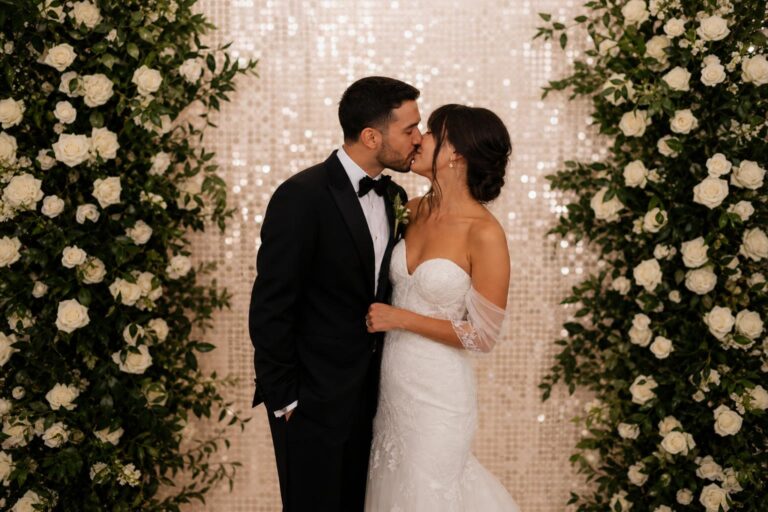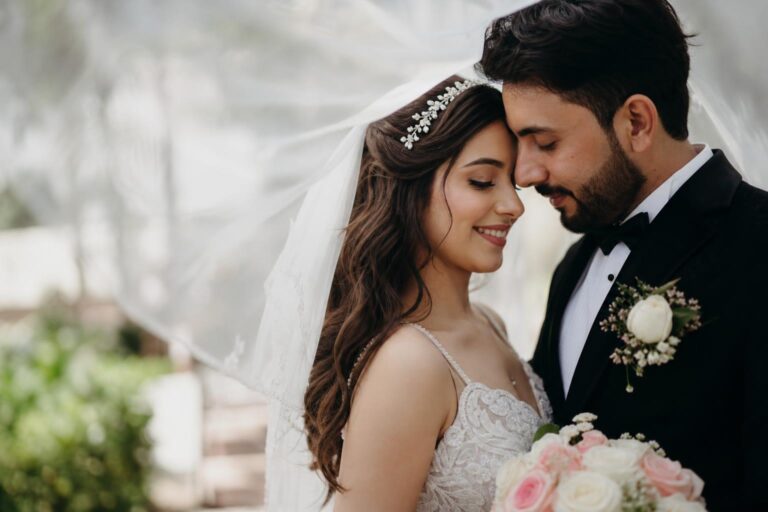
Wedding Photo Gallery Ideas With an Editorial Point of View
A beautiful wedding photo gallery does more than collect images from a single day. It captures atmosphere, movement, people, places, and the emotional rhythm of a celebration, then arranges those moments into a visual story that feels cohesive and alive. The most memorable galleries have a distinct mood, whether they lean romantic, editorial, documentary, classic, modern, rustic, or destination-led, and that mood is shaped as much by venues, florals, attire, and lighting as it is by the couple themselves.
That is why the strongest wedding photo gallery pages feel a little like a bridal editorial and a little like a planning tool. They inspire couples with real weddings, styled shoots, and venue imagery, but they also help them understand what kind of photography style suits their day, how to organize images by location or theme, and which visual details make a gallery feel polished instead of scattered. If you are building, browsing, or refining a gallery, the goal is not simply to display photos. It is to create a visual world that reflects the wedding experience with clarity and intention.
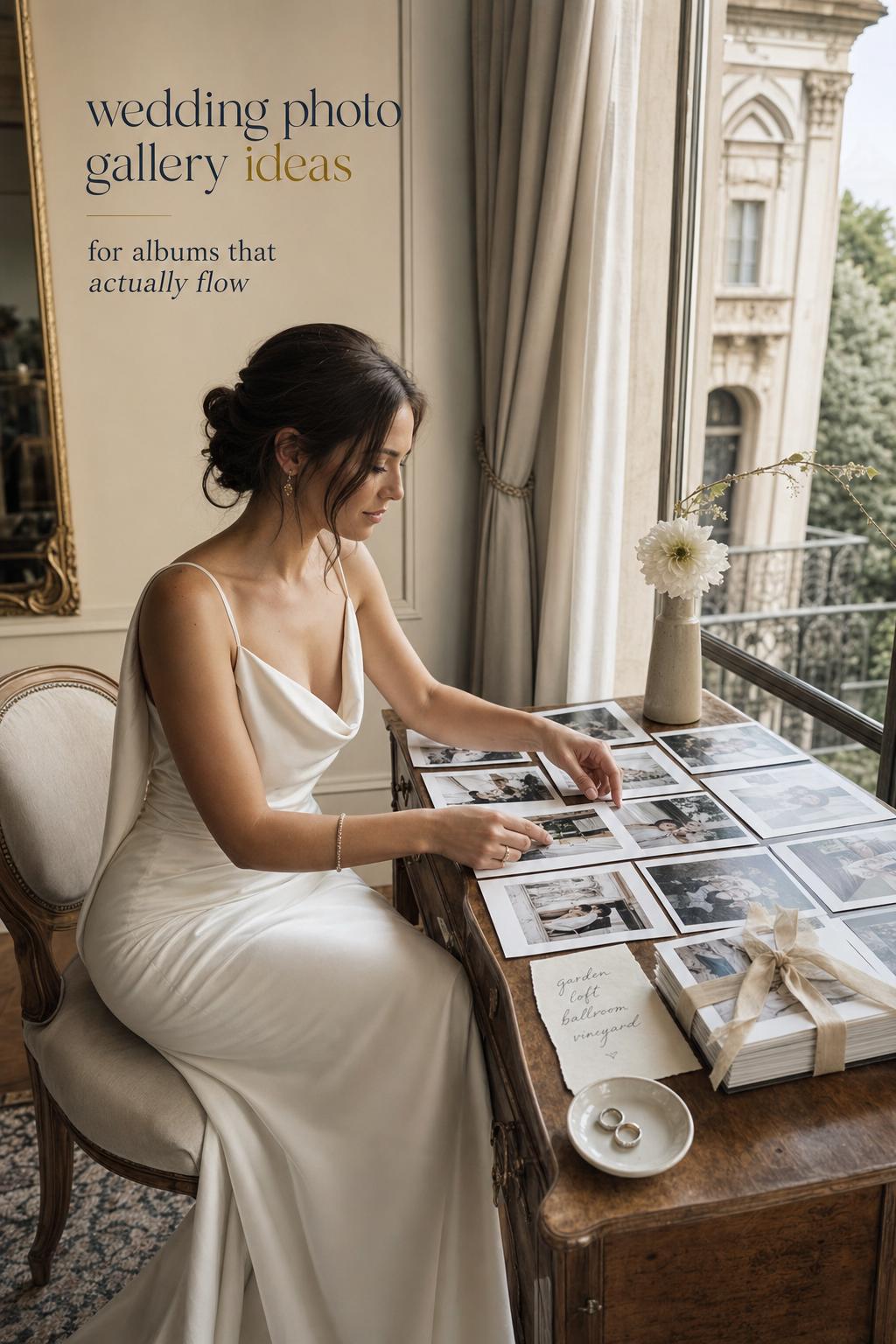
This guide explores the defining look of a strong wedding photo gallery, the visual ingredients that make it feel elevated, and several different gallery directions you can use for inspiration. Along the way, you will also find practical guidance on curation, venue-led organization, designer and vendor credits, photography styles, image performance, accessibility, and the subtle choices that help a gallery feel elegant rather than overwhelming.
What defines this aesthetic?
The wedding gallery aesthetic is built around visual storytelling. Instead of treating every image as equal, it creates flow between emotional moments, portraiture, venue details, fashion elements, and the surrounding design language of the day. A gallery can feel soft and romantic, dark and moody, light and candid, or polished and editorial, but in every case the strongest version has consistency. The colors, cropping, pacing, and captions all support the same mood.

Turn wedding inspiration into a plan you can actually follow.
Zarellea brings your guest list, budget, vendors, and day-of details into one shared space — so no beautiful idea gets lost in the shuffle.
Its color palette usually comes from the wedding itself: florals, attire, table styling, architecture, and natural light. Fabrics and textures show up through wedding dresses, tailored attire, linens, florals, rings, invitations, and decor items. Silhouettes matter too, not only in what the couple wears but in how the photos are framed. Long aisle shots, wide venue views, close-up detail images, and candid embraces all create different kinds of movement. That balance between intimacy and scale is what makes a gallery feel complete.
Common visual ingredients include real weddings, destination weddings, editorial shoots, venue names, couple portraits, candid guest moments, wedding attire, decor, and vendor credits. Footwear and accessories may appear in detail shots, while hair, makeup, and styling details often support the romantic or editorial mood. The overall impression should feel personal but not chaotic, curated but not stiff.
- Core visual anchors: couples, venues, photographers, real wedding moments
- Supporting style elements: dress designers, florists, decor, invitations, rings, lighting
- Strong mood directions: documentary, fine art, editorial, classic, modern, rustic, destination-led
- Most useful organizing lenses: by region, venue type, city, theme, or photography style
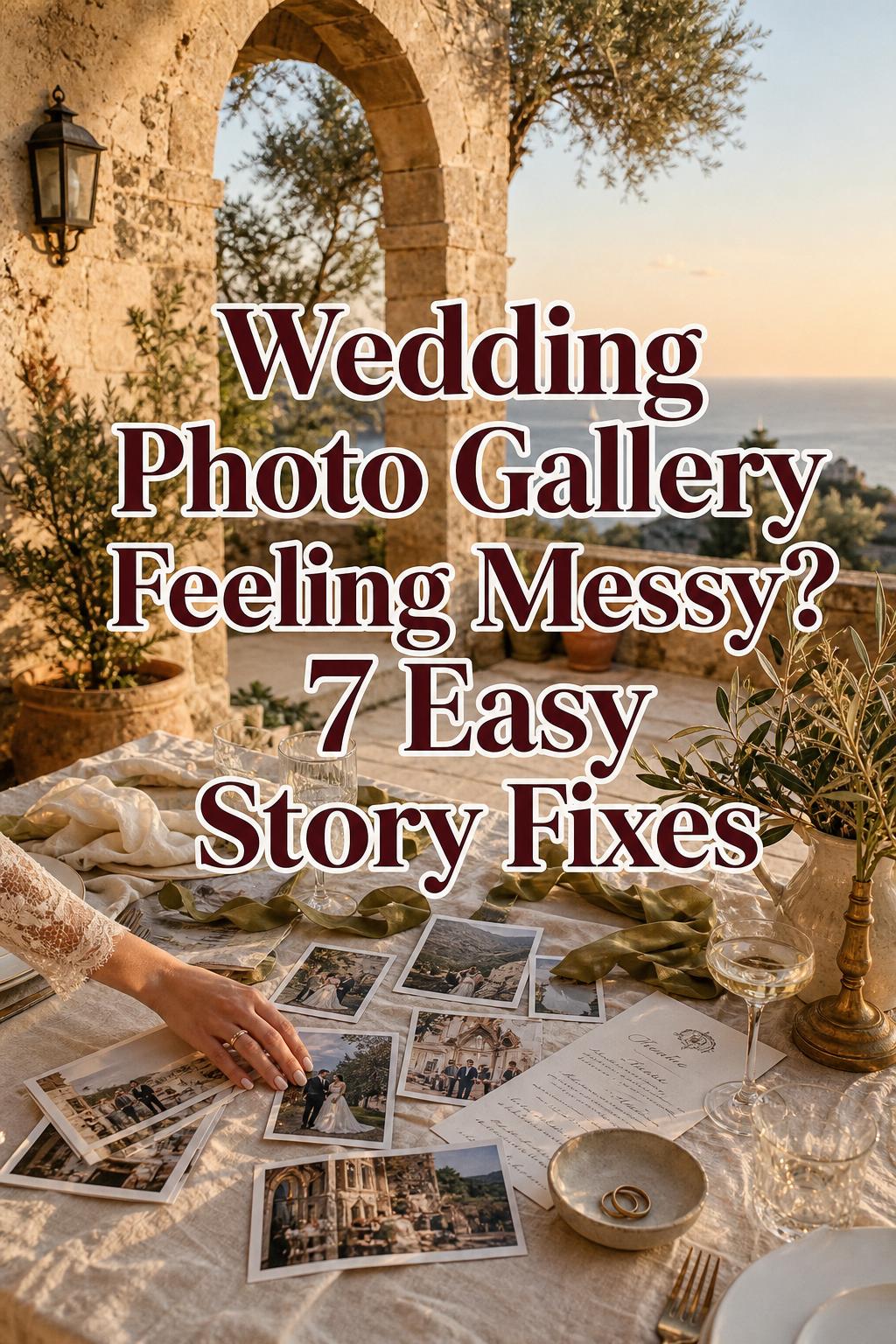
The heart of a wedding photo gallery: real weddings that feel lived in
The most compelling galleries often begin with real weddings because they carry an emotional truth that styled images alone cannot fully replace. You can see how a couple moves through a venue, how lighting changes from ceremony to reception, and how florals, attire, and decor hold up in an actual event setting. That realism helps a gallery feel trustworthy and useful for future planning.
Real weddings also bring the clearest relationships between people and place. A couple is photographed at a named venue, in a specific city or destination, by a photographer with a recognizable visual approach. Sometimes those images are further tied to a dress designer, florist, planner, or catering brand through captions. That layered context is what turns a gallery from a loose collection of pretty images into a navigable source of inspiration.
For couples browsing inspiration, this matters in a practical way. It is easier to imagine your own wedding day when you can see how a ballroom feels at sunset, how a vineyard reads in wide portraiture, or how an estate garden photographs during an outdoor ceremony. A real wedding gallery gives you not just style, but scale, sequence, and atmosphere.
Regional mood changes the gallery story
A gallery organized by region immediately feels more useful because location affects architecture, landscape, and the emotional tone of the imagery. A Northeast gallery may emphasize estate settings and classic formality, while the West Coast may lean toward open light, destination energy, or a more relaxed visual rhythm. The Midwest and the South can bring their own venue traditions and styling cues. Even when the exact couple names vary from gallery to gallery, the regional lens helps images feel more connected.
Venue type shapes the mood more than many couples expect
An estate wedding gallery naturally reads differently from a hotel, chapel, vineyard, garden, ballroom, barn, or beachfront collection. Venue type influences backdrops, lighting transitions, guest flow, and the balance between portraits and environment shots. If your gallery feels visually inconsistent, the issue is often not the photography itself, but the lack of a clear venue narrative tying the images together.
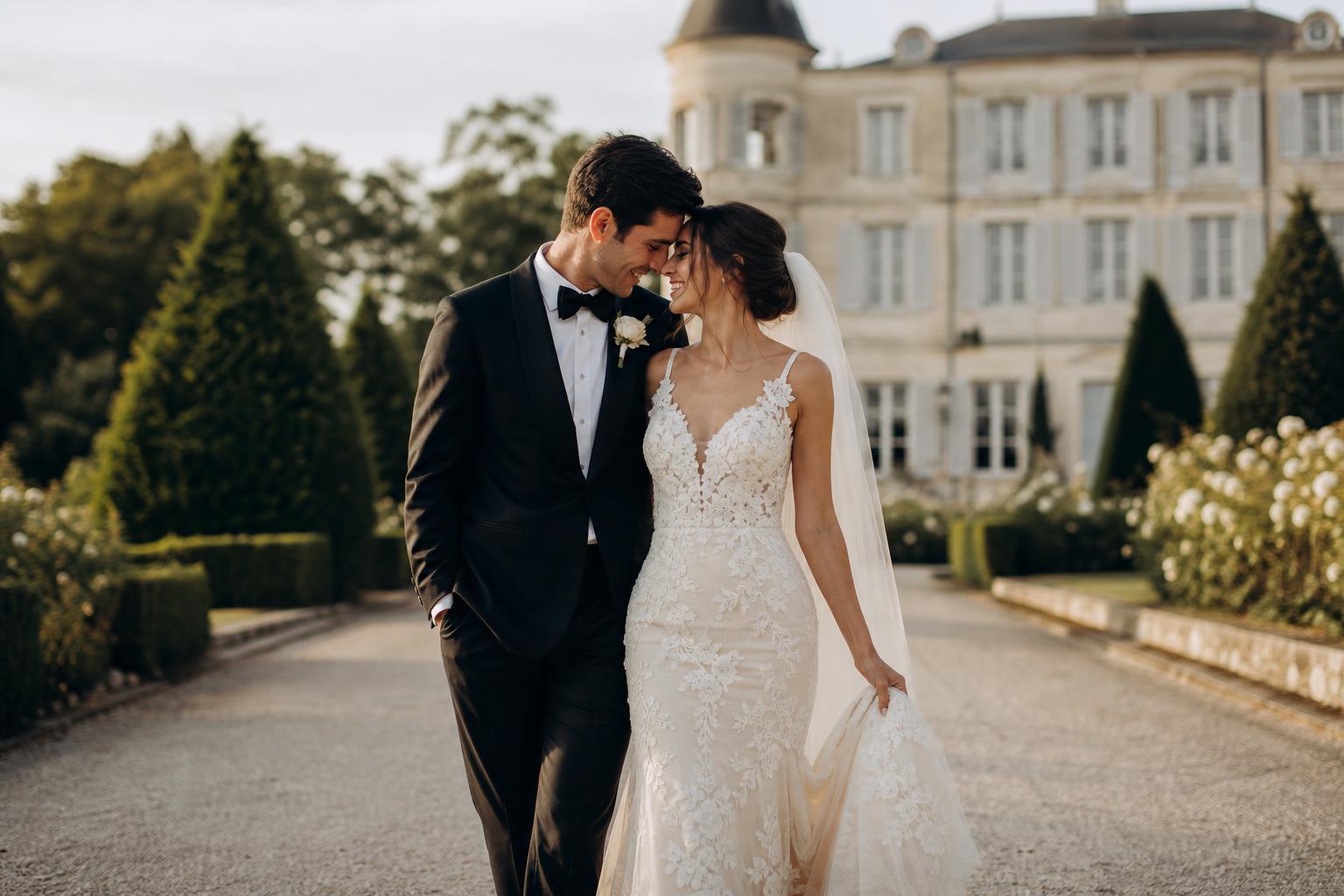
Look: romantic estate storytelling
This gallery direction feels soft, layered, and timeless. The imagery tends to move from architectural exteriors to quiet bridal details, then into portraits with a calm, composed rhythm. The silhouette of the gallery is elegant rather than fast-paced, with space for long aisle shots, garden portraits, and reception details that linger on atmosphere. It suits couples who want their wedding day to feel classic without becoming rigid.
Estate settings work especially well with wedding attire, floral arrangements, and decor that carry a refined sense of structure. A dress designer credit, a florist mention, and carefully styled invitation or ring images all belong naturally here because the visual world is built on detail. Creams, soft greens, muted neutrals, and candlelit tones keep the gallery romantic, while venue imagery gives the story scale. Photographers who favor classic wedding photography, documentary softness, or romantic editorial framing often produce especially strong results in this type of gallery.
The reason this look works is balance. Too many close-up detail images can make the gallery feel precious and narrow, while too many wide venue shots can create emotional distance. A strong estate gallery lets the venue support the couple rather than overshadow them. If you want to recreate this effect, begin with three anchors: portraits, architectural space, and meaningful details. When those three elements appear in proportion, the gallery feels graceful and complete.
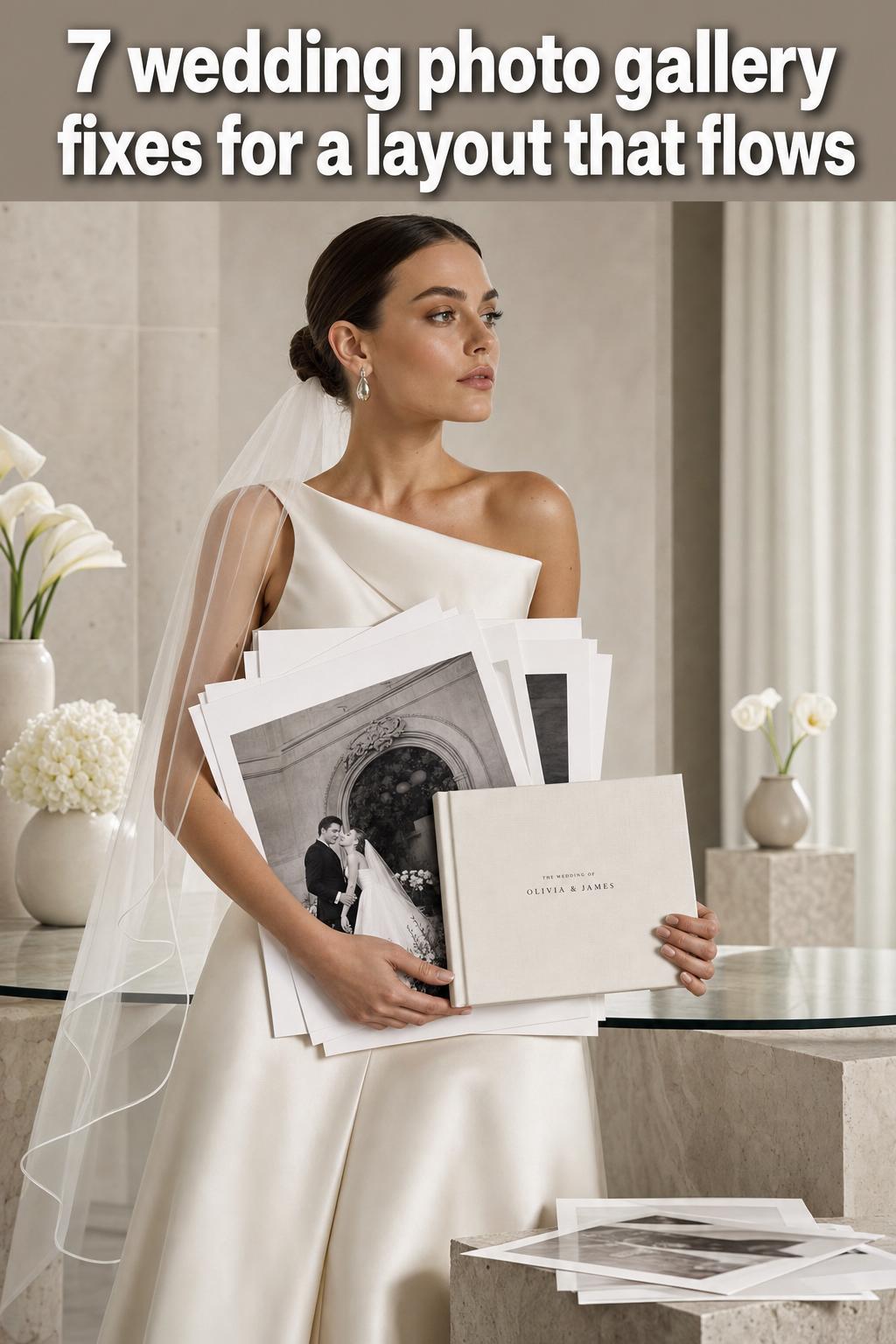
Look: vineyard and destination warmth
A vineyard or destination-led gallery has a more open, sunlit mood. The visual pace usually feels looser, with movement in the landscape, broader scenic frames, and a stronger sense of travel or place. Instead of leaning heavily on formality, this gallery direction lets location become part of the romance. You feel the setting, not just the event.
Destination weddings and vineyard galleries often benefit from a strong location cue in titles and captions, whether that is a city, a venue name, or a region. That context makes the imagery more memorable and easier to browse. Wedding attire may lean airy or relaxed, decor can feel naturally integrated with the landscape, and golden hour lighting often becomes one of the defining textures of the gallery. Florists, local vendors, and venue brands have a natural place in these galleries because place-based inspiration is part of the appeal.
The styling lesson here is to let one major visual idea lead. If the destination itself is the draw, do not bury it under excessive detail repetition. Use scenic frames, environmental portraits, and a clear sequence from arrival to celebration. This is especially effective for couples comparing venue types or trying to decide whether a destination wedding should feel polished, relaxed, or somewhere in between.
Style tip: use location as a styling tool
When a gallery is built around a strong setting, repeat that place visually in more than one way. Include the venue exterior, a portrait that shows landscape or architecture, and at least one reception or ceremony image that reveals how the setting shaped the event design. This creates a stronger memory of the wedding than isolated portraits alone.
Look: modern hotel and ballroom polish
This gallery direction feels more structured and high-contrast, even when the palette itself stays neutral. A hotel or ballroom setting introduces stronger lines, polished surfaces, and a more formal rhythm to the images. The mood often reads sophisticated, especially when portraits are paired with clean interiors, reception symmetry, and detail shots that highlight attire, rings, decor, and carefully planned styling moments.
Modern gallery collections in this category often benefit from an editorial sensibility. A photographer may emphasize composed portraits, controlled lighting, and a deliberate sequence between quiet preparation moments and dramatic evening frames. Dress designers, florists, and decor brands matter here because the environment rewards precision. Crisp attire, sleek floral styling, elegant table design, and luminous reception details all feel at home in a ballroom narrative.
What makes this aesthetic feel expensive rather than cold is emotional interruption. A perfectly polished room still needs candid laughter, movement on the dance floor, or a glance exchanged between the couple. Without those moments, the gallery can become visually impressive but emotionally flat. If you are curating a ballroom gallery, keep the clean visual line, but let documentary moments soften the formality.
- Best for: black-tie weddings, hotel celebrations, evening receptions, city venues
- Most useful image mix: wide room reveals, fashion-led portraits, detail shots, candid guest moments
- What to avoid: too many near-identical posed photos that make the gallery feel static
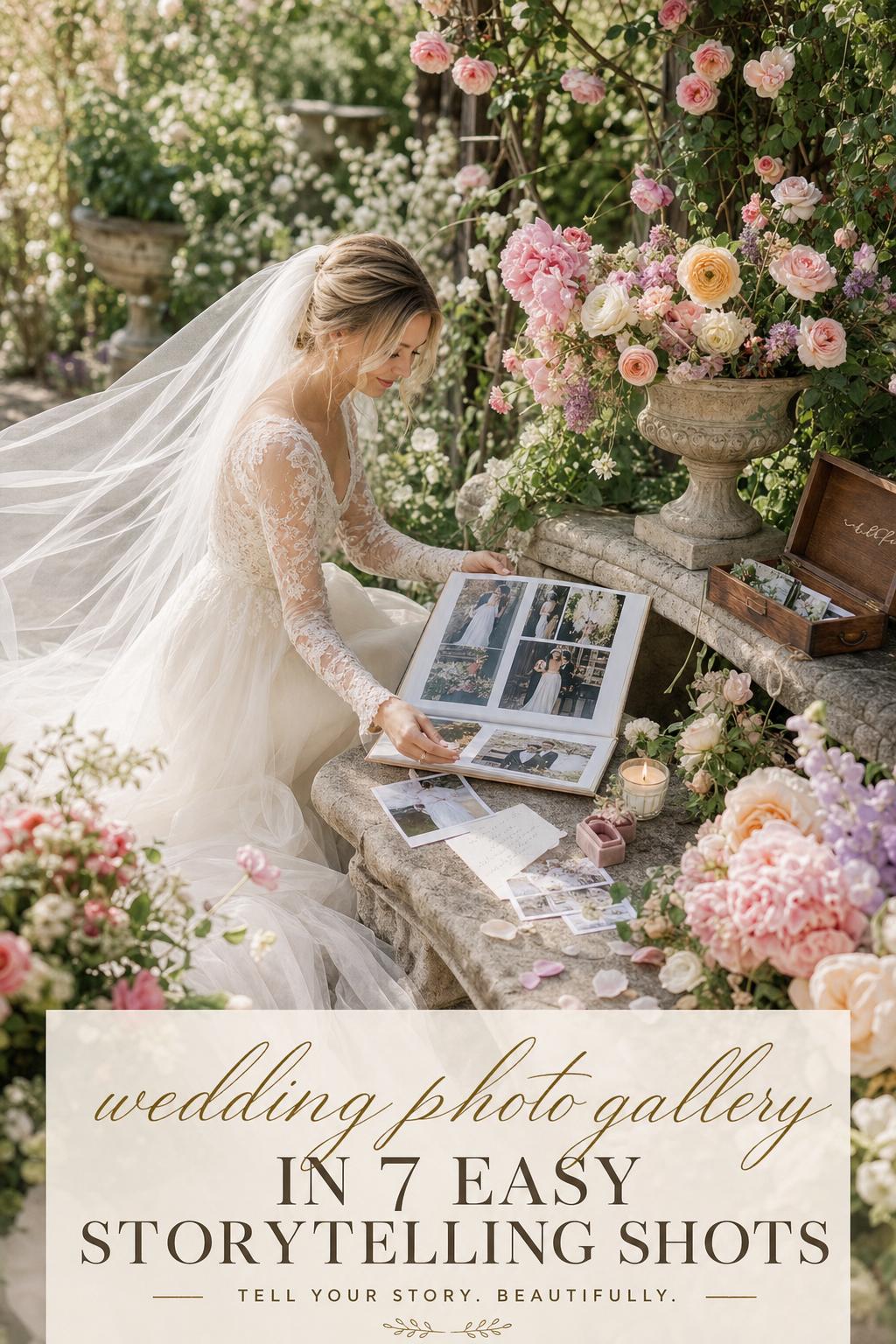
Look: candid documentary romance
Some of the most moving wedding galleries are not the most formally styled. Their power comes from timing, expression, and emotional honesty. A documentary-led gallery tends to feel intimate, spontaneous, and deeply personal. The visual identity is often softer in rhythm, even when the composition is precise, because the emphasis is on moments unfolding rather than moments arranged.
This style is especially effective for real weddings where the couple wants the gallery to feel lived in rather than highly produced. Candid embraces, family reactions, transitional moments between ceremony and reception, and quiet in-between images carry as much importance as portraits. Venues still matter, but they support the story rather than dominate it. Captions that include couple names, venue names, and photographer credits help preserve context without disrupting the emotional flow.
The key to making documentary imagery feel elevated is editing with restraint. Not every candid moment belongs in the final sequence. A good gallery still needs shape. Choose images that reveal emotional progression, and let a few calm detail frames create visual breathing room. That contrast keeps the gallery romantic instead of visually noisy.
Where designers, florists, and brands belong in the visual story
Many couples think of a wedding photo gallery only in terms of portraits and ceremony highlights, but some of the most sophisticated galleries gain depth from vendor and brand context. Dress designers, florists, venues, decor teams, and other collaborators do not need to overwhelm the page. They simply help explain why the wedding looked the way it did. In a gallery with strong styling, those relationships are part of the story.
A gown image feels more anchored when it is tied to the bridal look as a whole. Florals gain more meaning when they appear in bouquets, ceremony installations, and reception tables across the sequence. Venue brands become more memorable when the gallery shows exterior, interior, and lived-in event moments rather than one isolated establishing shot. This is particularly effective in editorial or magazine-style wedding galleries, where image captions often connect couples to vendors and styling themes.
There is a practical benefit here too. Couples browsing inspiration often save galleries because of a detail they can name: a dress silhouette, a floral mood, a venue category, or a photography style. Including those references creates a more useful gallery, especially when the page includes multiple real weddings and destination weddings across different settings.
Key pieces for this aesthetic
- Wedding attire images that show silhouette, texture, and movement
- Floral and decor moments that connect ceremony to reception
- Venue photographs that establish setting without repeating the same angle
- Accessories and detail shots such as rings, invitations, and tabletop styling
- Captions or labels that connect the couple, photographer, and vendors clearly
Look: editorial city loft energy
An urban loft or modern creative setting brings a sharper, more directional mood to a wedding photo gallery. The images often feel intentionally styled, with stronger geometry, bolder contrast, and a cleaner edit. There is still romance, but it is expressed through line, atmosphere, and attitude rather than through softness alone. This is an especially natural fit for couples who are drawn to editorial shoots, design-forward decor, and modern wedding aesthetics.
Industrial or urban settings pair well with contemporary attire, minimal but thoughtful florals, and dramatic portrait composition. Design-oriented studios and modern portfolios often frame these weddings as projects, which works well when the gallery needs to feel artful and distinct. Venue names, city references, and photographer credits become central because the personality of the place is so visible. Black, white, tonal neutrals, metallic details, and high-contrast lighting can all support this direction when used with restraint.
The styling insight here is clarity. Urban editorial galleries lose their impact when too many ideas compete at once. If the venue has industrial texture, keep the decor and detail sequencing clean. If the photography style leans moody, allow a few lighter transitional images so the gallery does not become visually heavy. The strongest version feels intentional, not overly constructed.
How to recreate this aesthetic without rebuilding your entire wedding vision
The easiest way to create a strong wedding gallery is to choose one guiding lens before you start organizing images. That lens might be venue type, photography style, region, or wedding mood. Once that direction is clear, many of the decisions become simpler. You can decide which portraits belong, which details repeat the same information, and where vendor or brand references should appear naturally.
For example, a couple planning a classic city wedding might organize their gallery around a hotel venue and an editorial-documentary blend. Another couple planning a vineyard celebration may choose destination warmth and scenic storytelling as the leading visual idea. In both cases, the gallery becomes more cohesive because every selected image supports the same atmosphere.
- Start with one main organizing theme: real weddings by location, venue type, or style
- Keep a balance between portraits, environment, and details
- Use captions to identify couples, venues, photographers, and selected vendors where relevant
- Create smaller gallery clusters such as classic, modern, rustic, destination, or editorial
- Link related galleries by shared venue, city, or photography style so inspiration feels connected
Photography styles that change the entire feeling of a gallery
The same wedding can look remarkably different depending on whether the gallery is approached through documentary, editorial, fine art, classic, or more candid visual language. This is one of the most important decisions couples make when evaluating inspiration, because style affects not only portraiture but also how details, decor, and guest moments are prioritized.
Documentary
Documentary galleries focus on authenticity, emotional timing, and unforced moments. They tend to feel immersive and personal. This style is ideal for couples who want a wedding photo gallery to feel genuine and emotionally rich rather than heavily staged.
Editorial
Editorial galleries bring polish, shape, and strong compositional intent. They often highlight fashion, venue symmetry, and detail styling in a way that resembles a magazine spread. This works beautifully in city venues, hotels, and modern weddings where design is part of the story.
Fine art and classic romance
Fine art and classic approaches usually emphasize softness, elegance, and timeless framing. They suit estate venues, gardens, and celebrations where the mood is gentle and refined. If your wedding includes carefully chosen attire, florals, and decor, this style often shows those elements beautifully without making the gallery feel overly busy.
Lighting and post-processing matter more than many couples realize
Golden hour, backlighting, and film-look or high-contrast editing are not small finishing touches. They influence the emotional temperature of the entire gallery. Light, airy processing can make a wedding feel soft and romantic. A darker, moodier finish can create depth and drama. Neither is universally better. The right choice is the one that matches the venue, the design, and the emotional tone the couple wants to remember.
Gallery organization by venue, city, and theme
A large wedding photo gallery becomes much easier to browse when it is grouped with intention. Across many successful gallery collections, the most useful structures tend to revolve around real weddings, venues, destinations, and style categories. That approach serves both kinds of visitors: the couple who wants visual inspiration and the couple who is already narrowing choices around a venue, city, or photographer.
Venue-based grouping is especially powerful because it reflects how many wedding decisions are actually made. A couple may not know which photography style they prefer in abstract terms, but they often know they are considering a garden wedding, a ballroom celebration, a vineyard, a chapel, or a beachfront destination. Organizing imagery around those categories helps them compare like with like.
City and region grouping also adds practical value. A wedding in New York, Los Angeles, Chicago, or Miami carries a different visual culture and venue ecosystem than a broader destination collection. Even when the gallery remains highly aesthetic, these location cues help couples imagine what is realistic for their own planning path.
Color palette guide for gallery cohesion
The gallery does not need every image to match perfectly, but it should feel visually aligned. A tonal palette created by venue materials, floral colors, attire, and lighting usually works better than abrupt shifts in editing or image order. If a gallery includes both bright outdoor portraits and darker reception imagery, place them in a sequence that feels natural rather than jarring. Cohesion comes from rhythm, not sameness.
Technical details that quietly elevate the experience
The visual side of a wedding photo gallery matters most, but the viewing experience matters too. Slow-loading images, missing captions, inaccessible presentation, or unclear gallery structure can weaken even the most beautiful photography. A gallery should feel smooth, readable, and easy to move through, whether someone is browsing a photographer portfolio, an editorial inspiration page, or a large collection of real wedding images.
Image optimization and load times are especially important for gallery-heavy pages. High-quality photographs need careful handling so they preserve beauty without becoming cumbersome. Accessibility also deserves attention. Alt text and clear labeling help communicate venue names, styles, and meaningful moments. This is not just a technical exercise. It creates a more thoughtful and complete experience for every visitor.
For professionals and studios, structured page information for gallery items can also bring order behind the scenes. Parent gallery structure, image-level information, and clear attribution for photographers, organizations, venues, and people all help maintain consistency. Privacy and usage rights deserve equal care, especially in real weddings where couple information and image permissions may vary.
How to make it look more polished
- Keep image quality consistent across the gallery
- Use descriptive captions instead of generic labels
- Make venue names and photographer credits easy to identify
- Group similar moods together so the gallery has visual flow
- Respect privacy choices when naming couples or sharing real wedding details
Common curation mistakes that make a gallery feel weaker
A wedding gallery usually loses impact for one of two reasons: either it tries to show everything, or it never fully commits to a point of view. Too many similar portraits, repeated detail images, or abrupt style shifts can dilute the emotion of the page. On the other hand, a gallery that focuses only on fashion details or only on wide venue images can feel incomplete.
Another common mistake is mixing aesthetics without a clear bridge. A romantic garden sequence followed by a stark, high-contrast editorial cluster can work, but only if there is a natural transition through venue, lighting, or event progression. Without that connection, the gallery reads as two different stories. The same is true for captions. If some images name the venue, photographer, and vendors while others offer no context at all, the page starts to feel inconsistent.
The best correction is usually not adding more. It is editing more carefully. Remove duplicates, define the central mood, and make sure each image earns its place by adding people, place, fashion, detail, or emotion in a distinct way.
A wedding photo gallery atlas approach: the most useful long-form format
For larger wedding websites, studios, or inspiration hubs, one of the most compelling approaches is to treat the gallery as an atlas rather than a single stream of images. That means creating a central page and then building connected collections around real weddings, destination weddings, venue styles, designer details, and photography approaches. This structure mirrors how couples actually search and save ideas.
A gallery atlas can include regional collections, venue clusters, style-led pages, and designer-focused inspiration. It can also connect a ballroom wedding in one city to another modern hotel celebration, or guide a couple from a rustic vineyard gallery to a destination wedding collection with similar light and mood. This kind of structure feels editorial, but it is also deeply practical.
If you are planning such a collection, make sure every gallery item connects back to at least one useful context, such as a venue page, photographer page, or style category. That creates a more natural path for couples who are moving from broad inspiration into specific wedding decisions.
FAQ
What makes a great wedding photo gallery?
A great wedding photo gallery combines visual consistency with emotional range. It should include meaningful portraits, venue context, candid moments, and selected details such as attire, florals, or decor, all arranged in a way that feels cohesive rather than crowded.
How many images should a wedding gallery have?
There is no single perfect number, but a strong gallery should feel complete without becoming repetitive. The right amount depends on whether the page is a single wedding, a photographer portfolio, or a broader inspiration hub, but every image should contribute something distinct to the story.
Should a wedding photo gallery be organized by style or by venue?
Both can work well, but venue-based organization is often especially useful because couples commonly search by location, venue type, or destination. Style-based grouping such as documentary, editorial, classic, or modern is helpful too, especially when paired with clear venue context.
What is the difference between a real wedding gallery and an editorial shoot gallery?
A real wedding gallery shows an actual event and tends to be strongest for understanding flow, emotion, and how details work in lived conditions. An editorial shoot gallery is usually more controlled and style-forward, which makes it excellent for inspiration around design, composition, and aesthetic direction.
Why do venue names and vendor credits matter in a gallery?
Venue names and vendor credits give the images context and make the gallery more useful. They help viewers connect a couple to a location, a photographer, and the design choices behind the wedding, especially when attire, florals, decor, or destination elements are part of the inspiration.
Which photography style works best for a wedding gallery?
The best style depends on the mood of the wedding and what the couple values most. Documentary approaches highlight emotion and candid moments, editorial styles emphasize polish and design, and classic or fine art approaches often create a softer, timeless result.
How can I make my wedding gallery feel more cohesive?
Choose a central visual direction, such as a venue type, a regional mood, or a photography style, then edit with that idea in mind. Keep a balance of portraits, environment, and details, and avoid repeating too many images that serve the same purpose.
What should be included in a venue-focused wedding gallery?
A venue-focused wedding gallery should show the setting in several ways, including wide establishing views, ceremony or reception scenes, and portraits that place the couple within the environment. This gives the venue a real role in the story instead of reducing it to a single backdrop image.
Do technical details really matter for a gallery-heavy page?
Yes, because image-heavy pages can become difficult to browse if they are slow, unlabeled, or hard to navigate. Careful image handling, accessible descriptions, and clear structure help the gallery feel polished and easier to enjoy.
How do I choose images that feel romantic instead of random?
Romantic galleries usually combine emotional moments with visual restraint. Choose images that build atmosphere, show meaningful connection, and reveal the setting or design in a measured way, rather than adding every attractive image without considering flow.