Pastel Wedding Cake Ideas for a Soft, Romantic Reception
There is something unforgettable about a pastel wedding cake standing quietly in the reception room before the celebration begins. In soft blush, lavender, mint, peach, or lilac, it can feel less like dessert and more like part of the atmosphere itself: a romantic detail that echoes bouquets, table styling, and the gentle tone of the day. For many couples, pastel cakes offer that rare balance between timeless sweetness and modern design, which is why they continue to appear across wedding magazines, bakery lookbooks, and editorial galleries from brands such as Martha Stewart, Weddingomania, Ashley Cakes, Pink Cocoa, and The Darling Code.
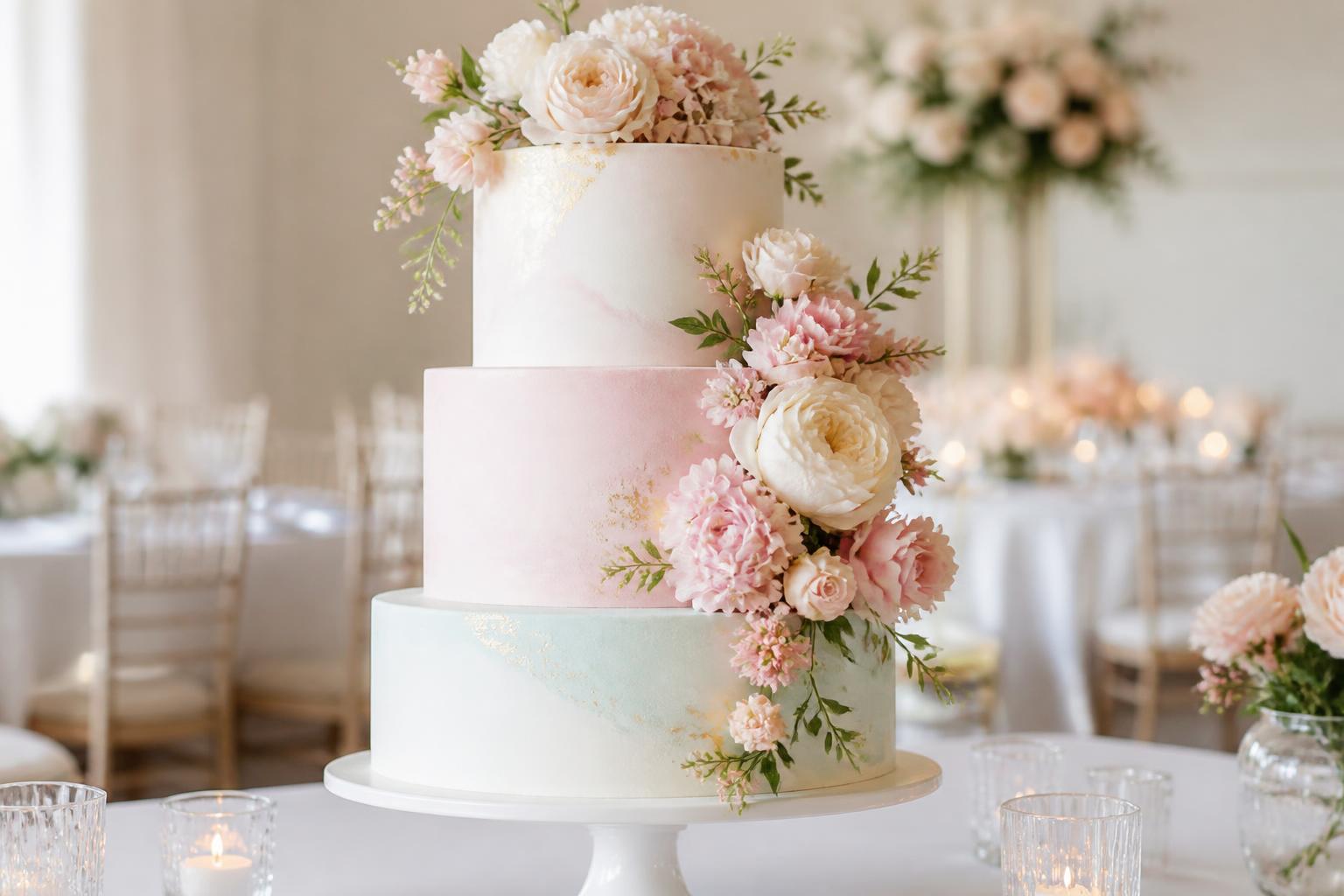
A beautiful pastel wedding cake is not only about choosing a pretty color. The most successful designs connect palette, texture, floral accents, shape, and presentation. A blush buttercream finish tells a different story than smooth fondant marbling. A tiered cake dressed with peonies and roses creates a different mood than one with watercolor painting effects or subtle ombré icing. The key is to understand how these choices work together so the cake feels deeply connected to the wedding rather than like a separate decorative piece.
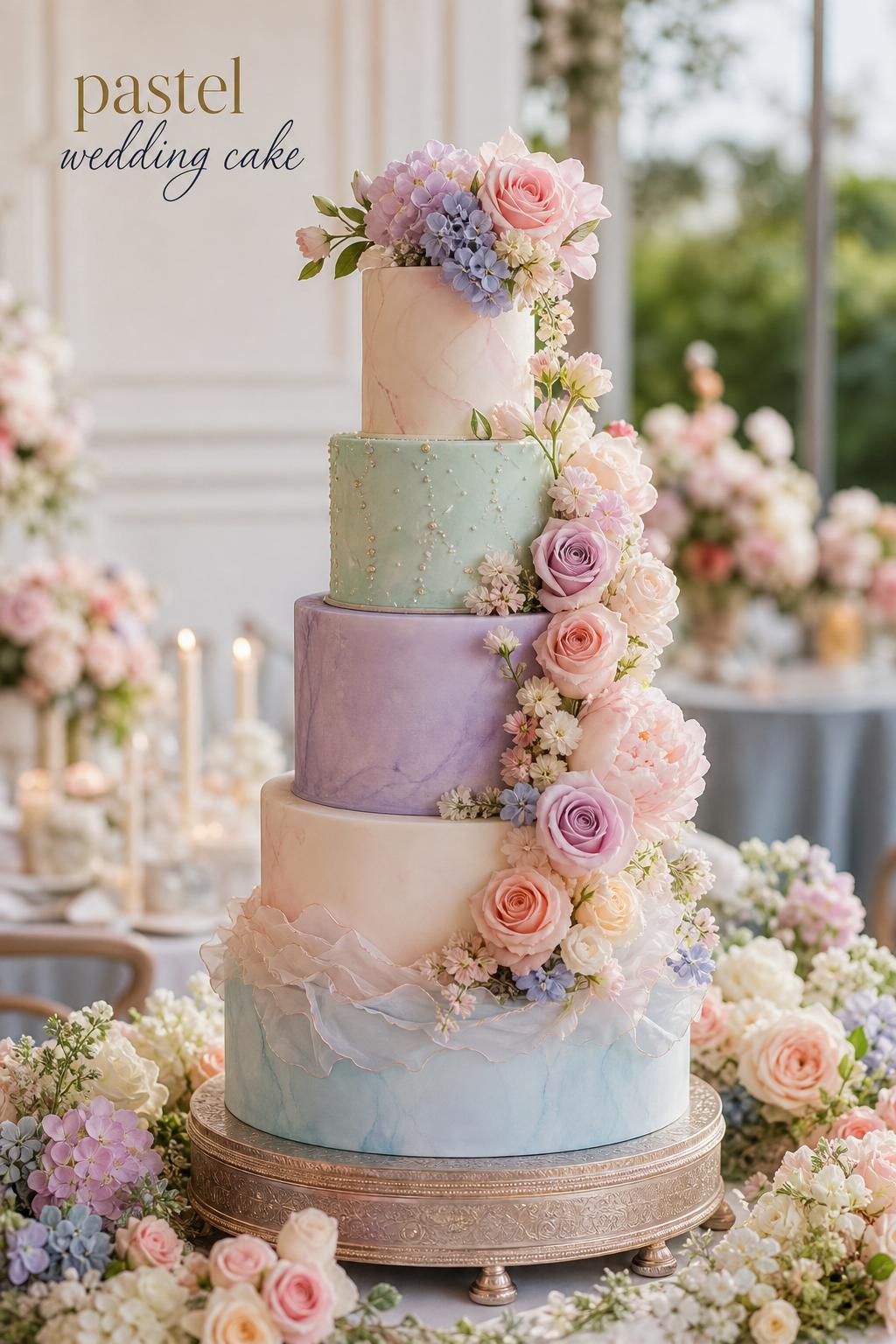
This guide brings together the most important ideas couples and planners consider when choosing pastel cakes: color palettes, floral integration, buttercream and fondant techniques, styling for garden and ballroom settings, practical vendor questions, budget awareness, transport, display, and photography. Whether your vision leans romantic, whimsical, modern, vintage, or softly luxurious, a well-designed pastel cake can become one of the most memorable visual moments of the celebration.
Why pastel cakes continue to feel so right for weddings
Pastel tones naturally belong in the language of weddings because they soften a room instead of overpowering it. Pink, lavender, mint, sage, peach, and pale blue all create a gentle transition between florals, linens, stationery, and candlelight. This is especially important at weddings, where many decorative elements must coexist gracefully in photographs and in person. A pastel cake tends to harmonize with the wider aesthetic rather than compete with it.
Turn wedding inspiration into a plan you can actually follow.
Zarellea brings your guest list, budget, vendors, and day-of details into one shared space — so no beautiful idea gets lost in the shuffle.
That harmony is one reason pastel wedding cake ideas appear so often in editorial features and galleries. Couples are usually not searching only for a cake color. They are trying to create a mood. Soft hues can support a garden celebration filled with roses and peonies, a ballroom reception that needs a delicate counterpoint to formal architecture, or a vintage-inspired wedding with ruffles, marbling, and old-world floral details. Pastels are versatile precisely because they can be interpreted in many ways.
Another reason pastel cakes remain appealing is that they work across different finishes. Buttercream textures can make pastel shades feel airy and painterly, while fondant can make them feel polished and sculptural. Ombre effects, watercolor details, sugar flowers, edible pearls, and floral cascades all sit comfortably within a soft color story. That flexibility gives couples room to personalize the design without losing the romantic atmosphere they were drawn to in the first place.
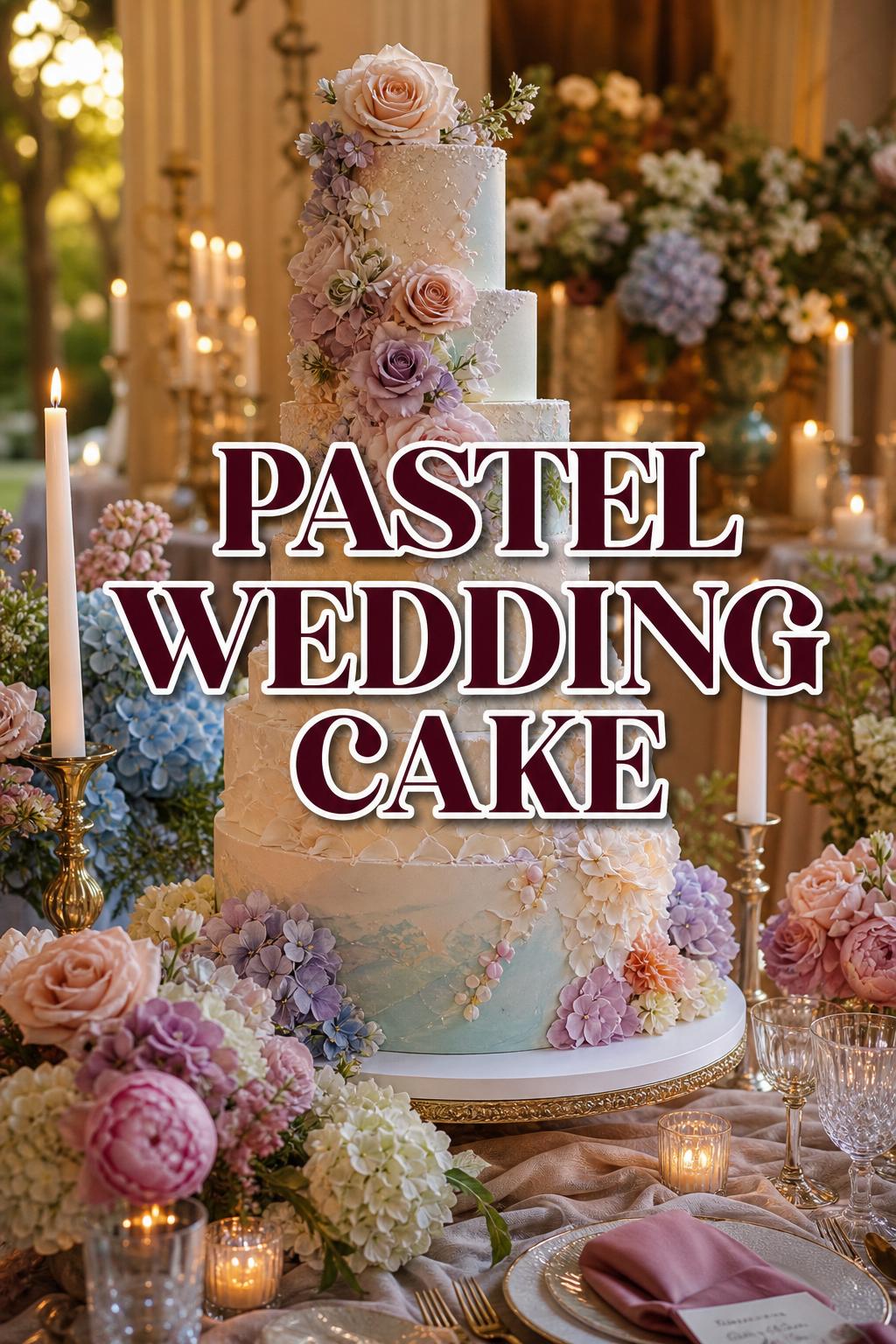
The pastel palettes that shape the whole cake story
Choosing a palette is the decision that influences nearly every other design detail. It affects frosting style, floral pairings, display styling, and even how the cake reads in photographs. While many cakes combine several shades, most successful designs still have one leading tone and a few supporting accents.
Soft pink and blush combinations
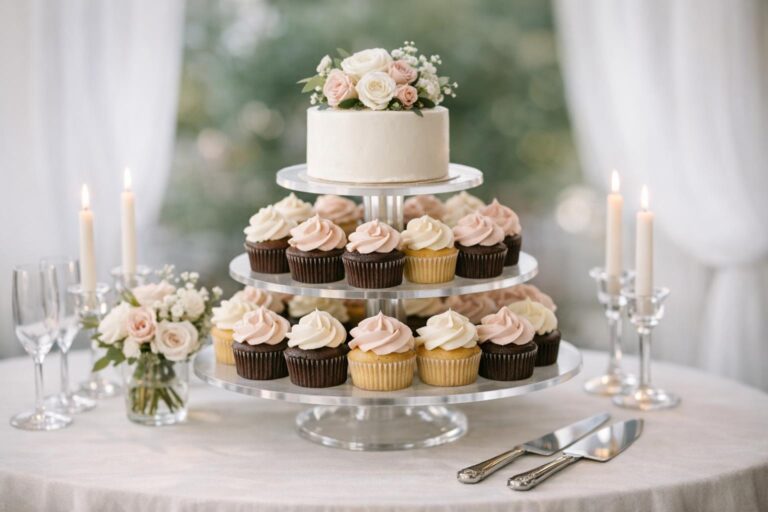
Blush remains one of the most romantic choices for a pastel wedding cake because it can feel classic, feminine, and adaptable at the same time. It works beautifully with roses and peonies, and it can lean either fresh and modern or more vintage depending on the decorative treatment. A blush cake with smooth fondant and minimal sugar flowers feels refined, while a blush buttercream cake with ruffles and floral accents feels more whimsical and soft.
Blush also pairs easily with other pale shades. In inspiration galleries, pink often appears alongside lavender, peach, or mint. This makes it a practical anchor color for couples who want a multi-tone pastel palette without making the cake feel too busy. If your wedding florals already include rose-toned blooms, blush can create one of the most seamless visual links between the cake and the wider event design.
Lavender and lilac for a dreamy, romantic finish
Lavenders and lilacs bring a more poetic mood. They can feel slightly moodier than blush while still remaining soft. In a pastel palette, these shades work especially well with watercolor finishes, marbled fondant, or ombré icing that shifts gently from pale lavender to ivory. Floral details such as peonies, roses, and hydrangea-style blooms can reinforce the delicacy of the color story.
Lavender also lends itself well to vintage and Victorian-inspired cake motifs mentioned across inspiration-driven wedding content. Ruffles, sugar flowers, and painterly textures feel especially natural in this family of tones. For couples who want a cake that reads as dreamy rather than sweetly traditional, lilac often offers that little bit of editorial personality.
Mint and sage accents with a fresh edge
Mint and soft sage accents bring freshness to pastel cakes. These shades are especially effective when the wedding includes a garden setting, natural floral styling, or a palette that needs a cooler note to balance pinks and peaches. A mint pastel cake can feel clean and modern, particularly when used in restrained bands of color, ombré details, or subtle buttercream tinting rather than in heavy saturation.
Mint and sage also create helpful contrast within floral styling. If the bouquet and table arrangements feature roses, peonies, or ranunculus in pink and peach tones, a mint or sage cake accent can keep the design from feeling overly warm. This is one of those practical styling decisions that matters more than it first appears, especially in photographs where too many similar tones can blur together.
Peach, pale blue, and mixed pastel palettes
Some of the most charming pastel cake decorations come from combining several gentle shades rather than relying on one. Peach can soften a blush palette, pale blue can cool a floral-heavy design, and lilac can add depth to a mostly pink cake. Mixed palettes are often most successful when they are expressed through detail rather than through large blocks of competing color: watercolor brushwork, marbling, sugar flowers, edible pearls, or softly graduated layers.
For couples who love image-led inspiration, this is often where galleries from Martha Stewart, CakeIdeasNow, Yeah Weddings, and boutique portfolios become helpful. Looking at several examples side by side usually makes one thing clear: pastel cakes look most elegant when the palette feels edited. Soft color should look intentional, not accidental.
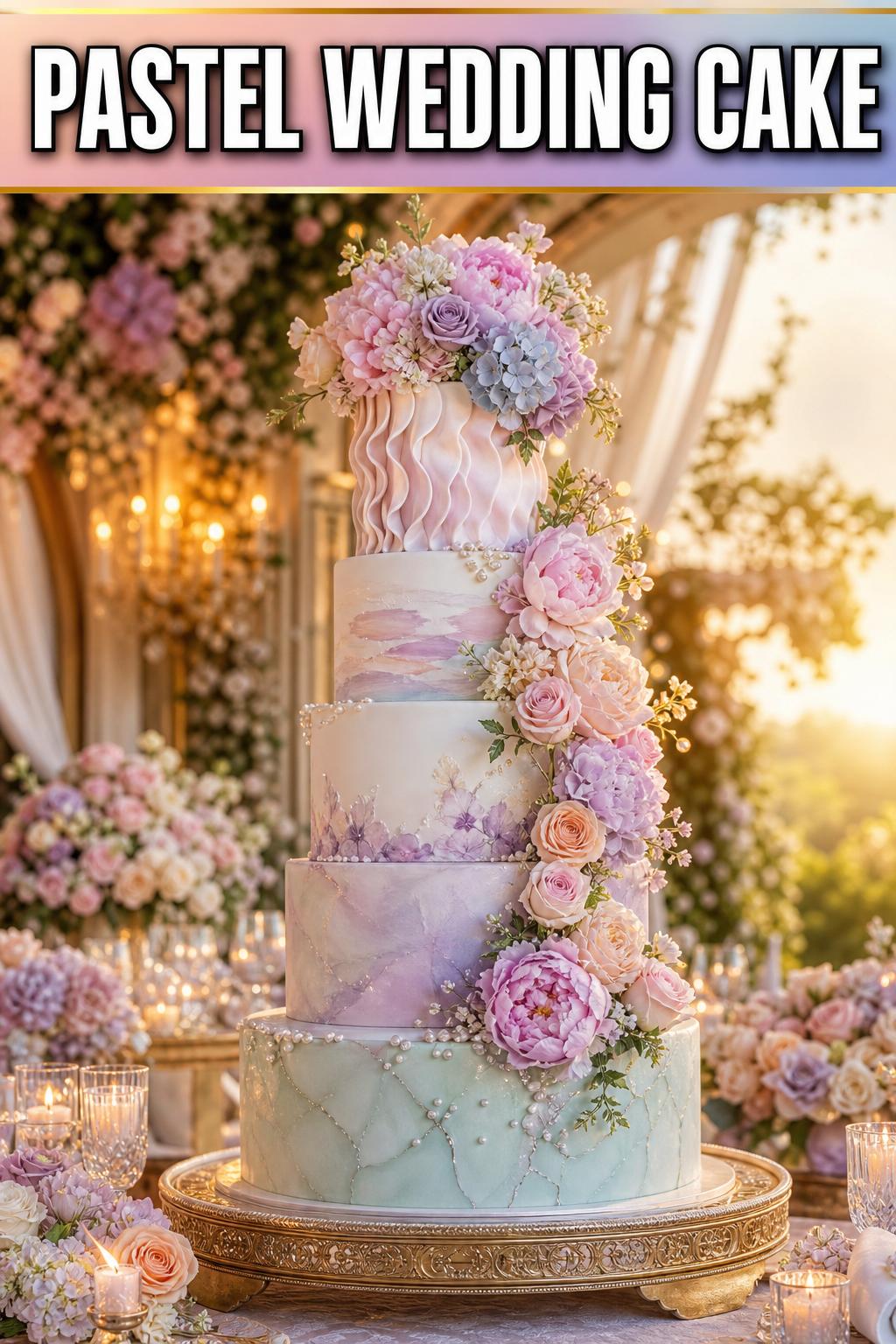
Texture changes everything: buttercream, fondant, ombré, and watercolor
Color gets the attention first, but texture often determines whether the cake feels airy, polished, whimsical, vintage, or modern. In practice, many couples discover that they are not just choosing a pastel cake. They are choosing the way light lands on the cake, how florals attach to it, and how formal or relaxed it appears in the room.
Pastel buttercream for softness and movement
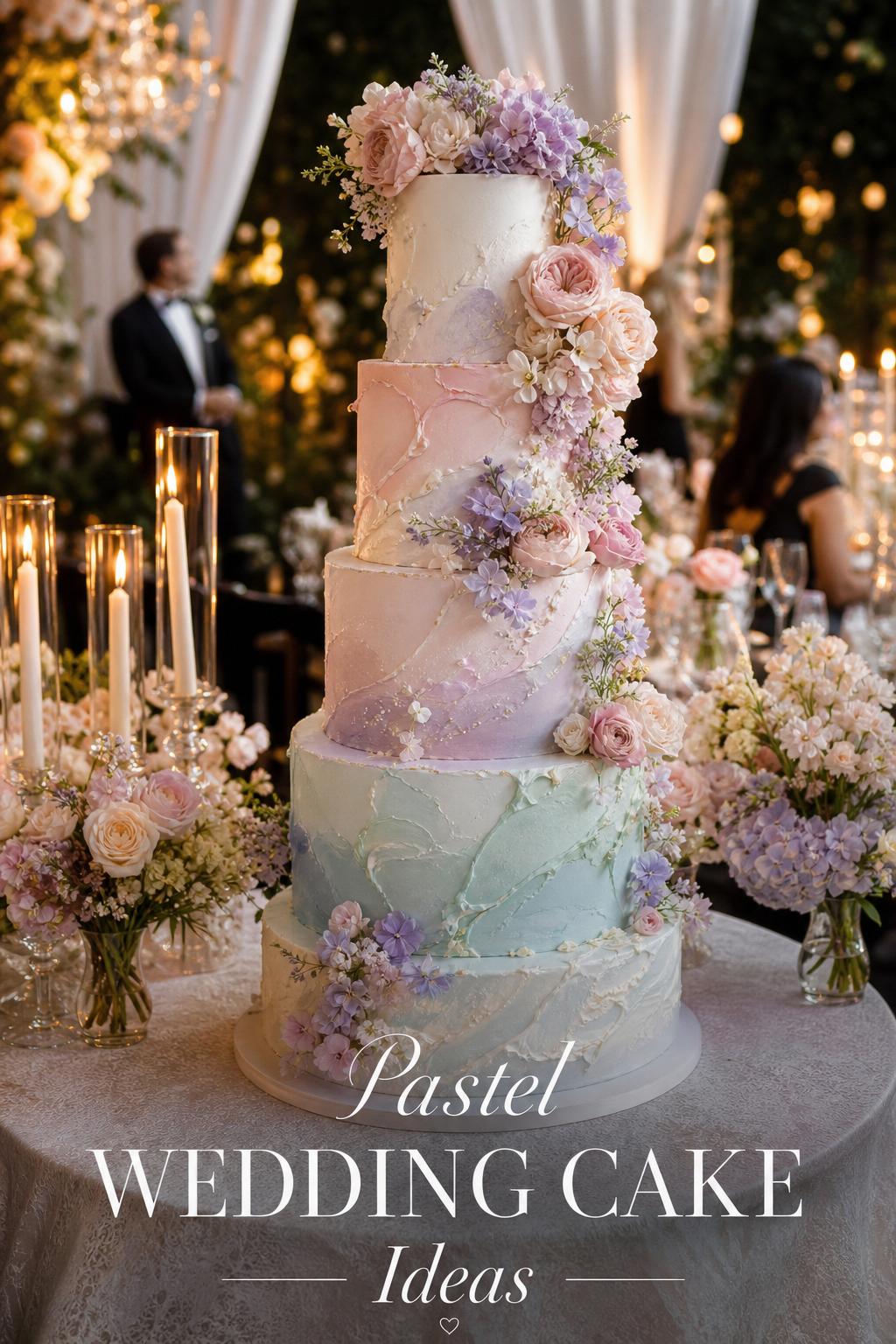
Pastel buttercream is especially loved because it gives soft hues a naturally romantic finish. It can be smoothed for a clean look, textured for a cloud-like effect, or shaped into gentle ridges and swirls that catch candlelight beautifully. In a wedding setting, buttercream often feels approachable and warm, which is why it appears frequently in both editorial roundups and bakery offerings such as pastel buttercream wedding cake portfolios.
Buttercream also suits ombré effects particularly well. A cake that moves from pale blush to ivory or from lilac to white can feel painterly without being overly dramatic. This style works best when the color transition is subtle. Strong jumps between shades tend to interrupt the softness that makes pastel palettes so appealing in the first place.
Fondant finishes for structure and a more refined surface
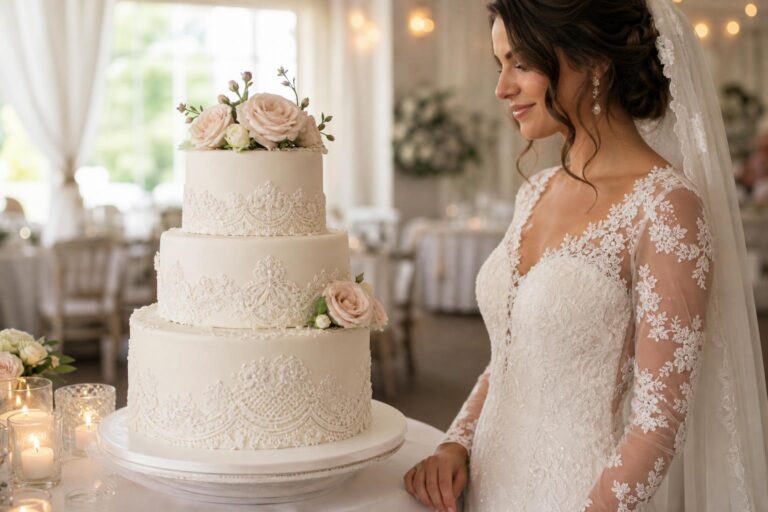
Fondant brings a different kind of beauty. It creates a smooth, controlled canvas for marbling, ruffles, painted effects, and intricate sugar work. If the wedding aesthetic leans formal, architectural, or highly styled, fondant may be the better choice. It is often selected for tiered designs where crisp edges and sculptural details matter as much as color.
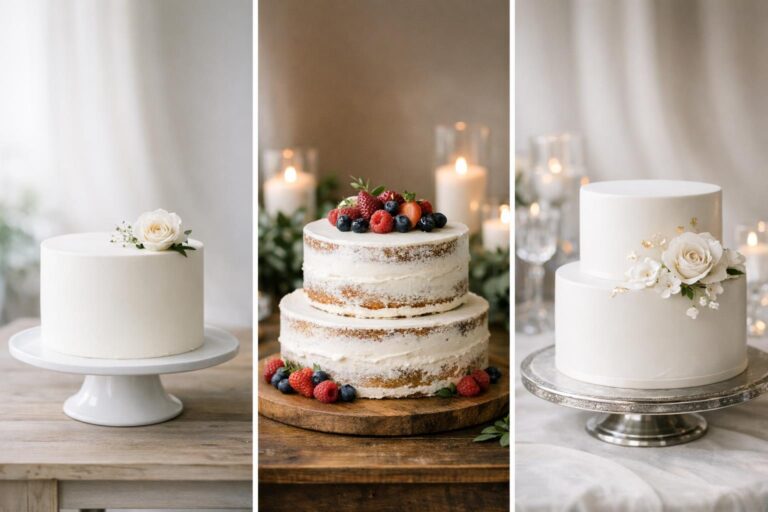
That said, fondant is not automatically the better option for every pastel wedding cake. It can look more polished, but some couples find that buttercream aligns more naturally with a garden celebration or softer romantic setting. The most useful question is not which finish is “best,” but which finish supports the atmosphere you are trying to create.
Ruffles, marbling, and watercolor effects
Ruffles are one of the most recognizable decorative motifs in pastel cake inspiration because they instantly introduce movement and softness. They pair well with blush, lilac, and peach tones and can shift the design toward vintage romance. Marbling creates a more artistic effect, especially with lavender, pale blue, or mixed pink palettes. Watercolor detailing often feels expressive and modern, ideal for couples who want the cake to look hand-finished rather than overly formal.
Each of these techniques changes how the same color behaves. Blush on a smooth fondant tier feels understated. Blush in watercolor strokes can feel artistic. Blush in buttercream ruffles feels lush and bridal. This is why visual references matter so much during the planning process. The shade alone does not tell the whole story.
Where florals and cake styling meet
Floral embellishments are one of the strongest recurring themes in pastel wedding cake inspiration, and for good reason. Flowers are often the bridge between the cake and the rest of the wedding design. They can pull tones from the bouquet into the dessert table, soften the geometry of tiered cakes, and give a simple pastel finish far more presence.
Matching cake florals to the event florals
The easiest way to make a cake feel fully integrated into the wedding is to repeat floral language already used elsewhere. If the bridal bouquet features roses and peonies, bringing those same flower types onto the cake creates visual continuity. Ranunculus and hydrangea-style blooms can add softness and shape variation, especially on taller tiered cakes.
This does not mean the cake should duplicate the bouquet exactly. In many cases, a lighter interpretation works better. A floral-heavy bouquet may pair beautifully with a cake that uses only a few carefully placed blooms or sugar flowers. The point is coordination, not repetition.
Fresh flowers versus sugar flowers
Fresh flowers tend to feel organic and effortless, particularly on garden wedding cakes or designs with textured buttercream. Sugar flowers, on the other hand, give a more crafted and sculptural effect. They are often used when the cake itself is treated as a focal art piece. Both approaches appear in inspiration-led content, and both can suit pastel palettes beautifully.
The practical difference often comes down to the level of precision you want. Sugar flowers support highly controlled placement and color matching. Fresh flowers can bring natural variation and softness, which many couples love. A florist and cake designer working from the same palette usually achieve the most cohesive result.
Table styling, florals, and presentation details
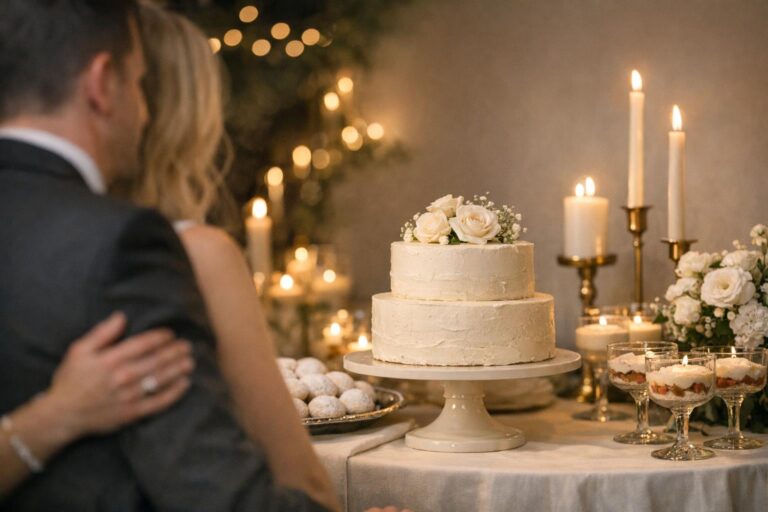
The cake never exists in isolation. It sits within a setting, often near vases, candles, florals, linens, and display pieces. Pastel cakes are especially sensitive to their surroundings because their beauty is subtle. If the display table is too visually heavy, the cake can disappear. If the styling echoes the palette with restraint, the entire scene feels elevated.
This is where thoughtful presentation matters. A pale cake may need surrounding florals that frame it rather than crowd it. A lavender ombré design might benefit from clean table styling so the color gradient remains visible. A floral pastel wedding cake with many decorative blooms may need a simpler display to avoid visual overload.
Pastel cake ideas for different wedding aesthetics
One of the reasons pastel cakes continue to appeal to so many couples is that they can shift tone depending on venue, styling, and decoration. The same palette can feel airy in a garden setting, regal in a ballroom, playful at a whimsical celebration, or refined at a modern reception.
- A romantic garden wedding often suits textured buttercream, peonies, roses, mint or sage accents, and a palette that feels natural in daylight.
- A ballroom reception usually benefits from more structure, such as tiered fondant designs, subtle marbling, sugar flowers, and carefully controlled pastel tones.
- A vintage or Victorian-inspired celebration pairs beautifully with ruffles, lilac or blush palettes, and floral embellishments that feel soft and decorative.
- A modern wedding can still embrace pastels through streamlined silhouettes, ombré fades, watercolor effects, and limited but intentional floral placement.
- A whimsical wedding often welcomes mixed pastel palettes, edible pearls, painterly finishes, and playful texture contrasts.
When couples struggle to choose among pastel wedding cake ideas, the most useful shift is to stop thinking of the cake as a standalone inspiration image and start viewing it as part of the venue story. In a garden, a highly rigid formal cake may feel disconnected. In an ornate ballroom, a very rustic textured cake may need stronger styling support to feel intentional. The venue always helps clarify the best version of the pastel idea.
Two realistic styling scenarios couples can learn from
Seeing how pastel cake choices play out in realistic wedding scenarios can make decision-making much easier. The details below reflect the kind of design thinking couples, planners, florists, and bakers often use when moving from inspiration to a final cake order.
A garden wedding with a blush, peach, and mint palette
Imagine an outdoor celebration where the floral design already includes roses, peonies, and airy greenery. In this setting, a buttercream cake in blush with soft peach accents and restrained mint detailing would likely feel more natural than a highly structured fondant showpiece. Textured icing could catch evening light beautifully, while a few florals placed asymmetrically on the tiers would tie the cake to the bouquet and ceremony arrangements.
Why this works: the cake echoes the softness of the setting. It supports the emotional tone of the day and photographs well in natural light. If the couple added strong marbling or too many competing colors, the result could feel less serene. In a garden, edited romance usually feels more convincing than over-decoration.
A ballroom reception with lilac, ivory, and pale blue contrast
Now picture a formal ballroom reception where the architecture already creates drama. Here, a taller tiered cake with a smooth fondant finish, pale lilac marbling, ivory base tones, and a hint of pale blue might look more at home. Sugar flowers rather than fresh blooms could help maintain a polished, sculptural presence. The floral accents would be deliberate, not abundant.
Why this works: the cake needs enough visual structure to hold its own in a formal setting. A very loose buttercream finish might appear too informal unless the entire reception leans in that direction. In a ballroom, pastel shades often look strongest when they are paired with crisp shapes and controlled decorative elements.
How to choose the right cake designer or bakery
Much of the online inspiration for pastel cakes comes from editorial galleries and portfolio-based sites, including Ashley Cakes, Pink Cocoa, Mel’s Amazing Cakes, CakeIdeasNow, and wedding publications such as Martha Stewart and Weddingomania. That visual abundance is helpful, but it can also make couples focus too much on images and not enough on the vendor conversation that turns an idea into a workable wedding cake.
A cake designer should be able to discuss color, finish, floral integration, and display in relation to your wedding setting. Pastel shades are subtle, so communication matters. “Blush” can mean different things to different people. “Textured buttercream” can range from barely there to heavily ridged. The more specific the conversation, the better the result.
- Ask to see examples of pastel buttercream, fondant, ombré, marbling, and floral work in the designer’s portfolio.
- Bring references that show not only color, but also texture and floral placement.
- Discuss whether the cake should blend into the décor or act as a focal visual moment.
- Talk about venue conditions, delivery timing, setup needs, and display table styling.
- Clarify how the cake florals will coordinate with the florist’s work.
In the U.S. market, couples often benefit from looking for bakeries or studios with strong portfolio pages, especially when they want a cake that balances artful styling with practical execution. Gallery-driven content is inspiring, but the strongest baker-client relationship comes from translating mood into decisions: color intensity, icing finish, number of tiers, floral style, and overall formality.
Budgeting for a pastel wedding cake with realistic expectations
Pastel cakes can look effortless, but many of their most beautiful details are labor-intensive. Ombré blending, watercolor effects, ruffles, sugar flowers, marbling, and tiered construction all add time and complexity. A cake that appears minimal in photographs may still require careful craftsmanship to achieve smooth color transitions and refined floral placement.
This is why budgeting should account for design complexity, not just cake size. Couples sometimes assume a lightly colored cake will be simpler and therefore less expensive than a more dramatic one. In practice, subtle finishes can demand more precision. A softly tinted buttercream or controlled pastel palette leaves very little room for inconsistency, because every detail is visible.
Practical tips that make pastel cakes easier to get right
Beautiful wedding cakes are usually the result of a series of small, thoughtful decisions made early. These practical tips help couples protect the softness and elegance that make pastel designs so appealing.
Tips for finalizing your design direction
- Choose your floral palette before finalizing the cake so the two can speak the same visual language.
- Decide whether your cake should feel more romantic, modern, whimsical, or vintage before discussing techniques.
- Limit the palette if you are using strong decorative textures such as ruffles or marbling.
- Use inspiration images to show finish and shape, not only color.
- Ask your baker how pastel shades will appear under your venue lighting and in photographs.
Tips for avoiding common styling mistakes
One of the most common issues with pastel wedding cake planning is trying to combine too many beautiful ideas into one design. Ombré, sugar flowers, marbling, edible pearls, ruffles, and floral cascades can all be lovely, but together they may overwhelm the softness that gives the cake its charm. Pastels generally look best when at least one part of the design remains quiet.
Another frequent mistake is forgetting the display context. A delicate mint and blush cake can look washed out if placed against a visually busy backdrop, while a floral-heavy pastel cake can feel crowded if surrounded by too many competing decorations. The best cake styling often includes restraint not only on the cake itself, but also on the table and surrounding décor.
Delivery, setup, and the moment the room finally sees the cake
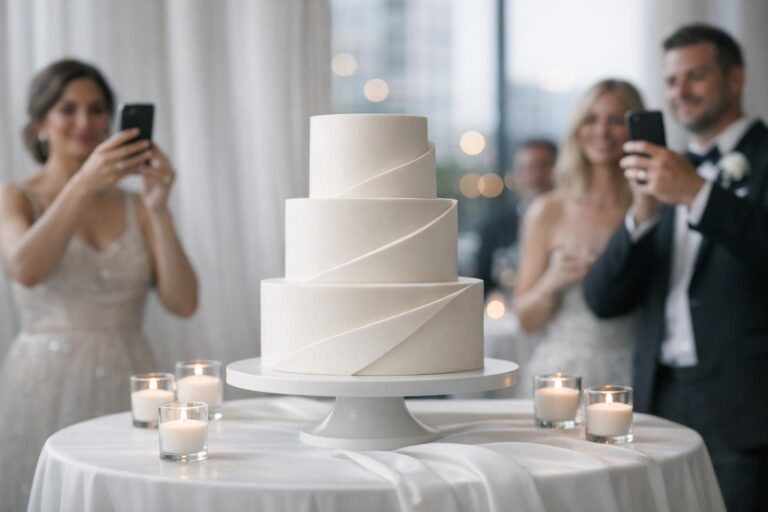
The design process gets most of the attention, yet transport and presentation are just as important. A pastel cake depends on refinement. Smudged buttercream, damaged sugar flowers, or rushed placement can soften its impact immediately. This is one reason experienced bakeries and wedding planners give setup logistics serious attention.
Tiered designs require especially careful handling, and cakes with floral embellishments need enough setup time to ensure the final arrangement still looks balanced. If the cake includes delicate ombré blending or watercolor work, positioning matters too. The side with the strongest visual detail should face the room or the likely photography angle.
Photography considerations couples often overlook
Pastel cakes are highly photogenic, but only when their tones remain visible. Soft colors can flatten in harsh lighting or disappear against backgrounds that are too similar. This is why many editorial features emphasize presentation. Florals can help define the cake’s silhouette in photographs, and a clean, intentional display table makes subtle textures easier to capture.
If your cake includes watercolor detail, marbling, or a gradient effect, make sure those elements are visible from the front-facing angle. If the floral embellishments are concentrated on one side, the cake should be displayed accordingly. These seem like small decisions, but they strongly influence how the cake is remembered in wedding photos.
Pastel wedding cake inspiration through the lens of trusted style sources
Couples browsing inspiration will often encounter pastel cake ideas through a mix of editorial brands, wedding magazines, and bakery portfolios. Martha Stewart frequently frames pastel wedding cakes within broader styling, florals, and confections. Yeah Weddings and Weddingomania often spotlight dreamy design motifs such as ruffles, ombré, and floral accents. CakeIdeasNow and The Darling Code lean into curated inspiration and styling guidance, while Ashley Cakes, Pink Cocoa, and Mel’s Amazing Cakes show how these concepts translate into portfolio-ready designs.
The helpful lesson in looking across these sources is not to copy one cake exactly, but to notice repeated principles. Soft palettes are usually paired with intentional texture. Tiered cake designs often rely on floral placement for movement. Buttercream and fondant create different moods even when the color remains the same. And the most memorable pastel cakes nearly always relate to the wedding as a whole, not just to dessert trends.
Bringing the cake into the larger wedding vision
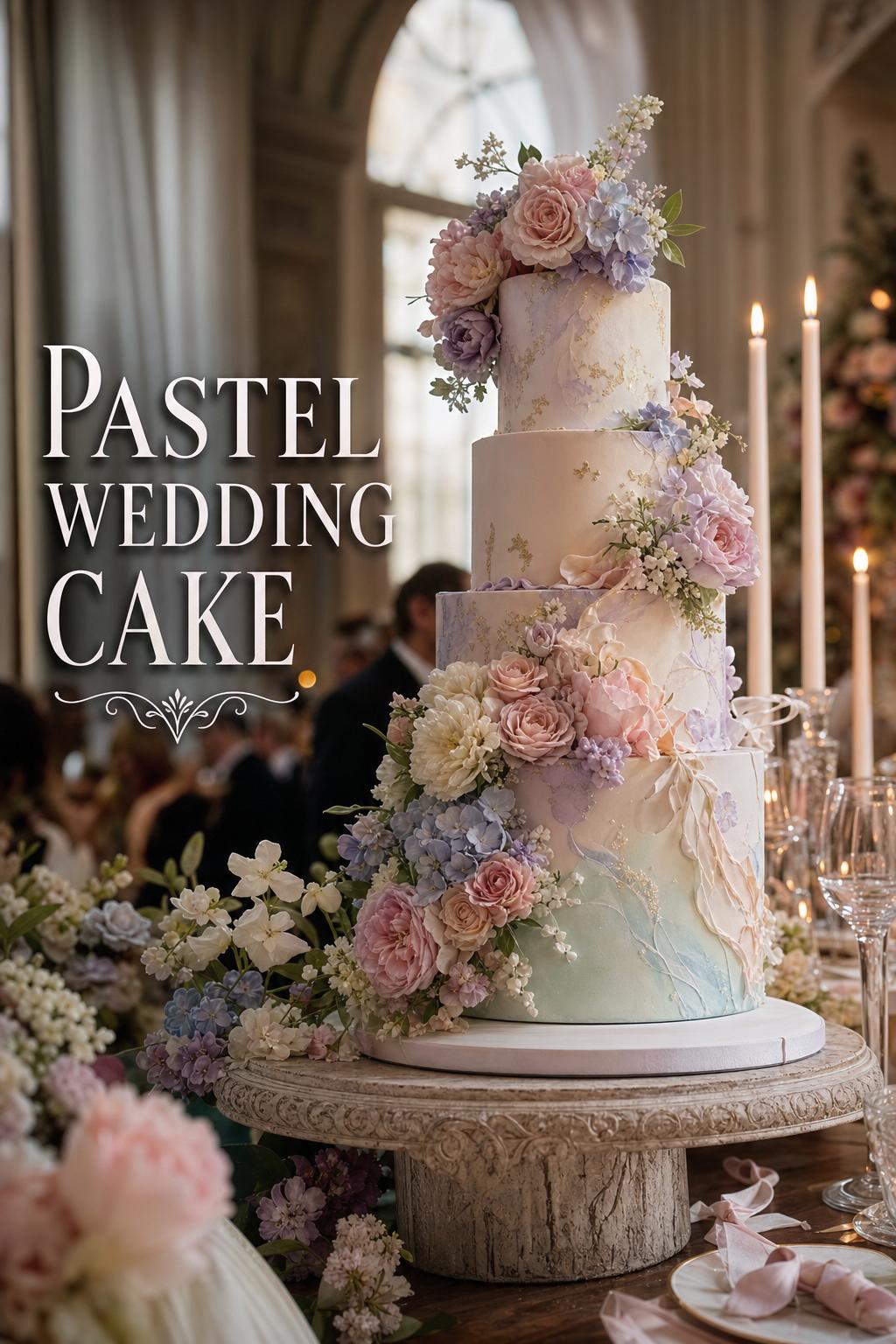
A pastel wedding cake becomes truly special when it feels like the natural conclusion of the wedding’s design story. Perhaps the stationery introduced a whisper of blush, the ceremony florals carried lavender and ivory, and the reception tables held mint-tinted accents among candles and roses. In that setting, the cake does not appear as an isolated feature. It feels inevitable, as though it has been quietly foreshadowed all day.
That is why the strongest pastel cake decisions are rarely random. They connect venue, floral palette, formality, and texture. A romantic couple planning a garden evening may feel most at home with textured buttercream and fresh peonies. A pair hosting a formal ballroom celebration may prefer smooth fondant, sugar flowers, and subtle marbling. Neither approach is more beautiful in the abstract. The better choice is the one that belongs to the setting and to the couple’s vision.
If you are still narrowing your options, return to the emotional core of the wedding. Do you want the cake to feel airy, artistic, classic, whimsical, or quietly luxurious? Once that feeling is clear, the details become far easier to choose. Color, florals, tiers, and texture all begin to align. And that is usually the moment a pastel cake stops being just an inspiration image and starts becoming your cake.
FAQ
What colors work best for a pastel wedding cake?
Blush pink, lavender, lilac, mint, sage, peach, and pale blue are among the most popular options because they create a soft, romantic effect and coordinate easily with wedding florals and décor. The best color depends on your venue, floral palette, and whether you want the cake to feel more modern, vintage, whimsical, or classic.
Is buttercream or fondant better for a pastel wedding cake?
Buttercream is often ideal for soft, textured, and romantic designs, especially for garden or relaxed elegant weddings. Fondant works well when you want a smoother, more structured finish with details like marbling, ruffles, or sugar flowers. Neither is automatically better; the right choice depends on the mood and level of polish you want.
Do pastel cakes photograph well at weddings?
Yes, pastel cakes can photograph beautifully, especially when their display is thoughtfully planned. Soft colors tend to look best when the background is not too busy and when the front-facing side highlights key details such as ombré shading, watercolor effects, or floral embellishments.
How do I match my cake florals to my bouquet and reception flowers?
Start by repeating the same floral language rather than trying to copy every arrangement exactly. Roses, peonies, ranunculus, and hydrangea-style blooms often work beautifully on pastel cakes. A few coordinated blooms or sugar flowers can create a stronger result than covering the entire cake in flowers.
Are ombré and watercolor effects good choices for pastel wedding cakes?
They are excellent choices when used with restraint. Ombré works well for couples who want gentle color transitions, while watercolor effects create a more artistic and expressive finish. Both techniques are especially effective in pastel palettes because they enhance softness rather than overpower it.
What cake styles work best for a garden wedding?
Garden weddings often suit textured buttercream, soft blush or mint palettes, and fresh floral accents such as roses or peonies. Cakes in these settings usually feel most natural when they are romantic and lightly styled rather than overly rigid or formal.
What cake styles work best for a ballroom wedding?
Ballroom weddings usually support more structured tiered cake designs, often with smooth fondant, subtle marbling, sugar flowers, and controlled pastel shades such as lilac, ivory, and pale blue. In formal interiors, crisp shapes often help the cake feel balanced within the room.
How can I keep my pastel wedding cake from looking too busy?
Limit the number of major design features. If you choose ruffles, keep floral placement simpler. If you use a mixed pastel palette, reduce the amount of additional texture. Pastel cakes usually look most elegant when at least one element, whether color, shape, or decoration, stays restrained.
What should I ask a cake vendor before ordering a pastel cake?
Ask to see examples of their pastel work, including buttercream, fondant, floral embellishments, ombré, and marbling. Discuss how the cake will coordinate with your flowers, venue, and display table, and make sure you clarify delivery, setup, and which side of the cake is intended to face guests and photographers.
Why are pastel wedding cakes still so popular?
They remain popular because they are romantic, versatile, and easy to integrate into many wedding styles. Pastels can feel timeless in a classic setting, artistic in a modern one, and dreamy in floral-rich celebrations. Their softness allows them to complement the wider design of the wedding while still feeling special.