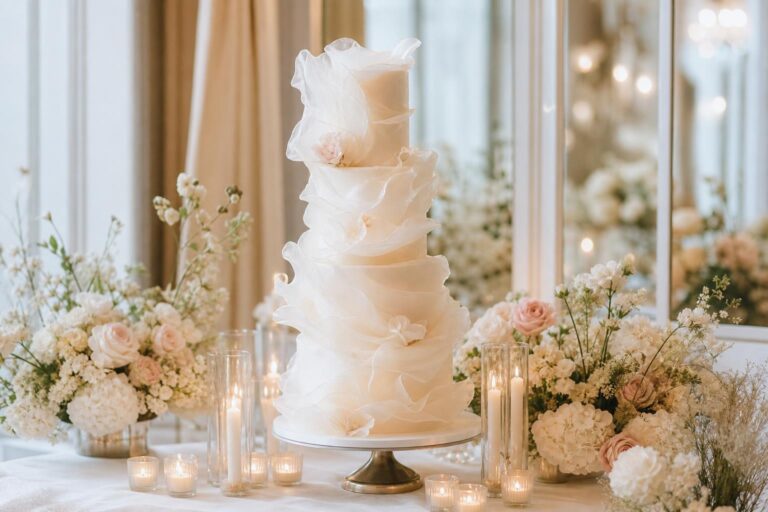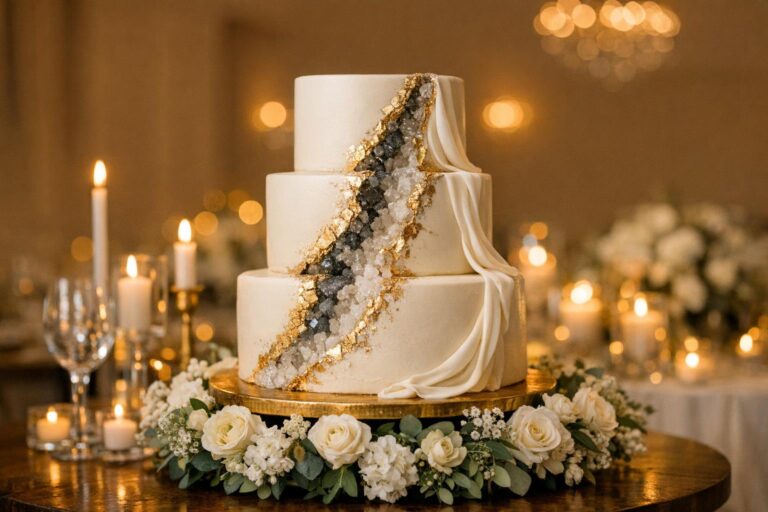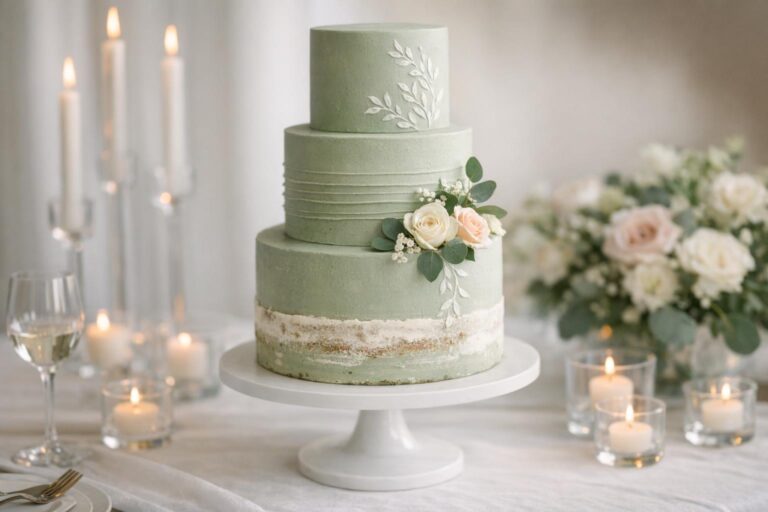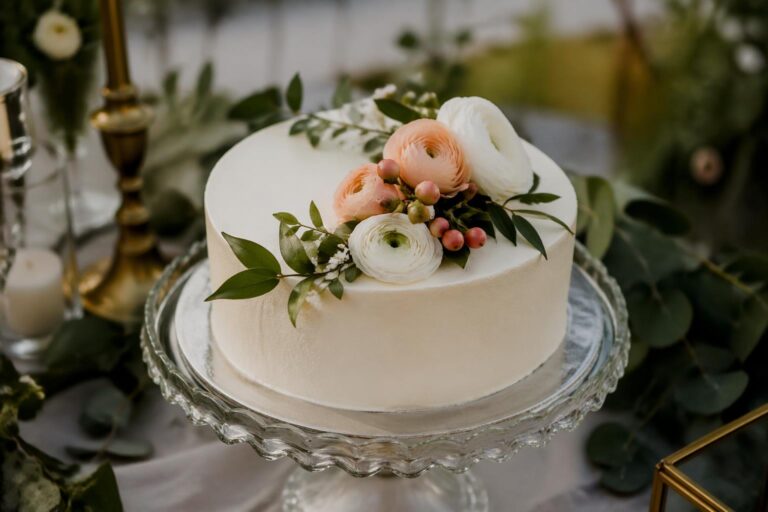
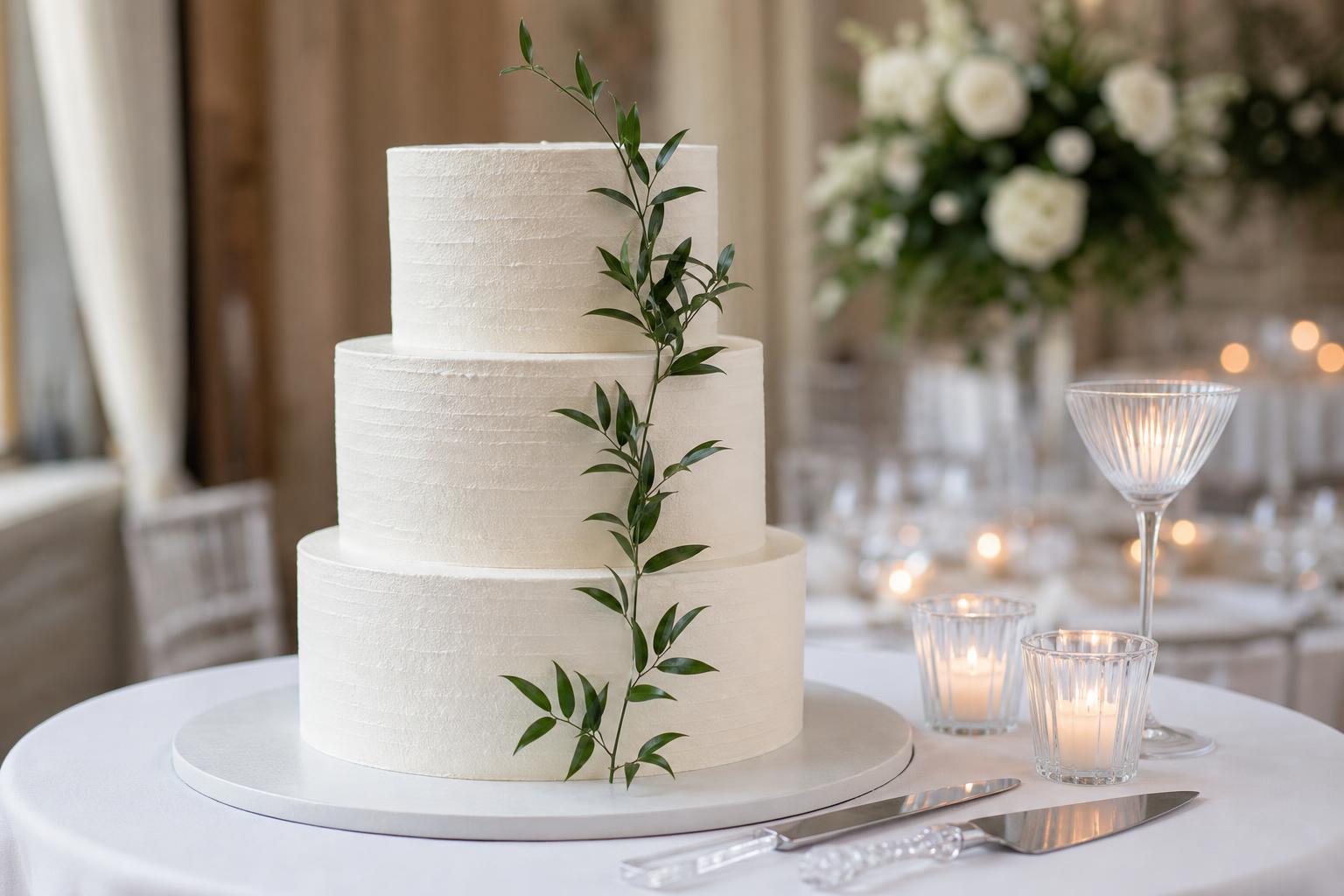
Simple Wedding Cake Styles for a Refined Wedding Mood
Simple wedding cake styles compared: what minimalist, classic, and modern really look like
A simple wedding cake can feel quietly breathtaking in a candlelit ballroom, perfectly at home in a garden ceremony, or effortlessly elegant at a small courthouse celebration followed by dinner. The reason this style sparks so much discussion is that “simple” does not describe just one look. For one couple, it means smooth white frosting and a single tiered silhouette. For another, it means a clean modern design with almost no decoration at all. And for others, it means a classic cake with restrained detail rather than dramatic embellishment.
That is where comparison becomes helpful. Minimalist, classic, and modern simple wedding cake styles are often grouped together because they all avoid excess, but they create very different moods. One may feel soft and romantic, another timeless and formal, and another architectural and contemporary. Understanding those differences makes it easier to choose a cake that supports the atmosphere of the day instead of competing with it.
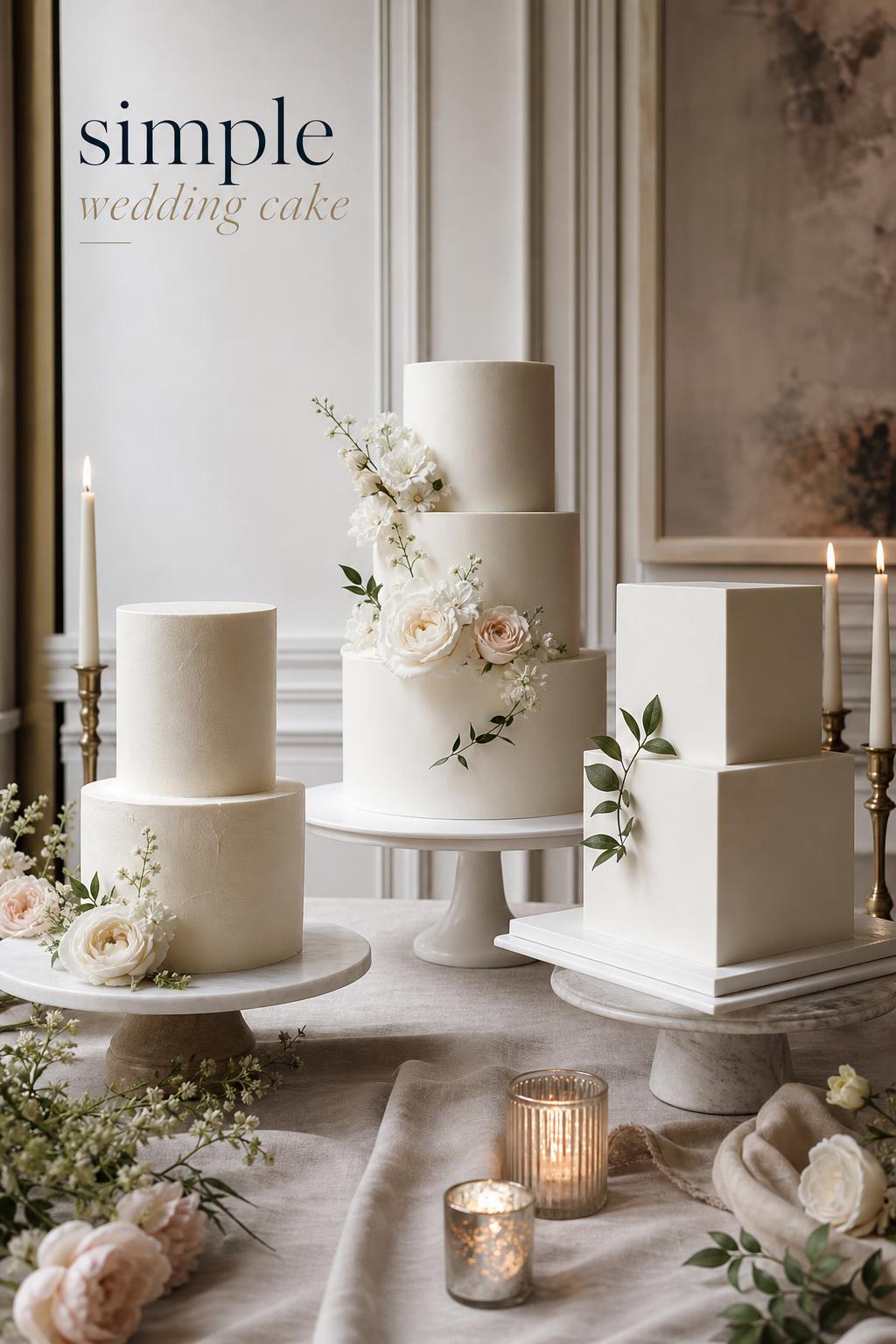
This guide breaks down the visual language of these simple wedding cake approaches, compares how they work in real wedding settings, and explains when each style tends to feel most natural. Rather than treating every understated cake as the same, the goal is to help you see the subtle distinctions that shape the whole reception aesthetic.
Why “simple” can mean very different things on a wedding day
Couples often use the same phrase while imagining entirely different desserts. One person may picture buttercream with gentle texture and fresh flowers. Another may imagine a white fondant cake with razor-clean edges and no ornament at all. Both are simple wedding cake ideas, yet they tell different visual stories.
Turn wedding inspiration into a plan you can actually follow.
Zarellea brings your guest list, budget, vendors, and day-of details into one shared space — so no beautiful idea gets lost in the shuffle.
In wedding planning, that difference matters because the cake sits at the intersection of fashion, décor, venue style, and formality. A cake that looks beautifully restrained in a minimalist city reception can feel too severe in a romantic garden setting. In the same way, a softly finished cake that feels dreamy at an outdoor ceremony may read more casual than intended in a highly polished evening celebration.
Looking at simple wedding cake styles through comparison helps clarify not just what you like, but why you like it. That is often the missing piece when couples save reference images that all seem “simple” but still do not seem interchangeable.
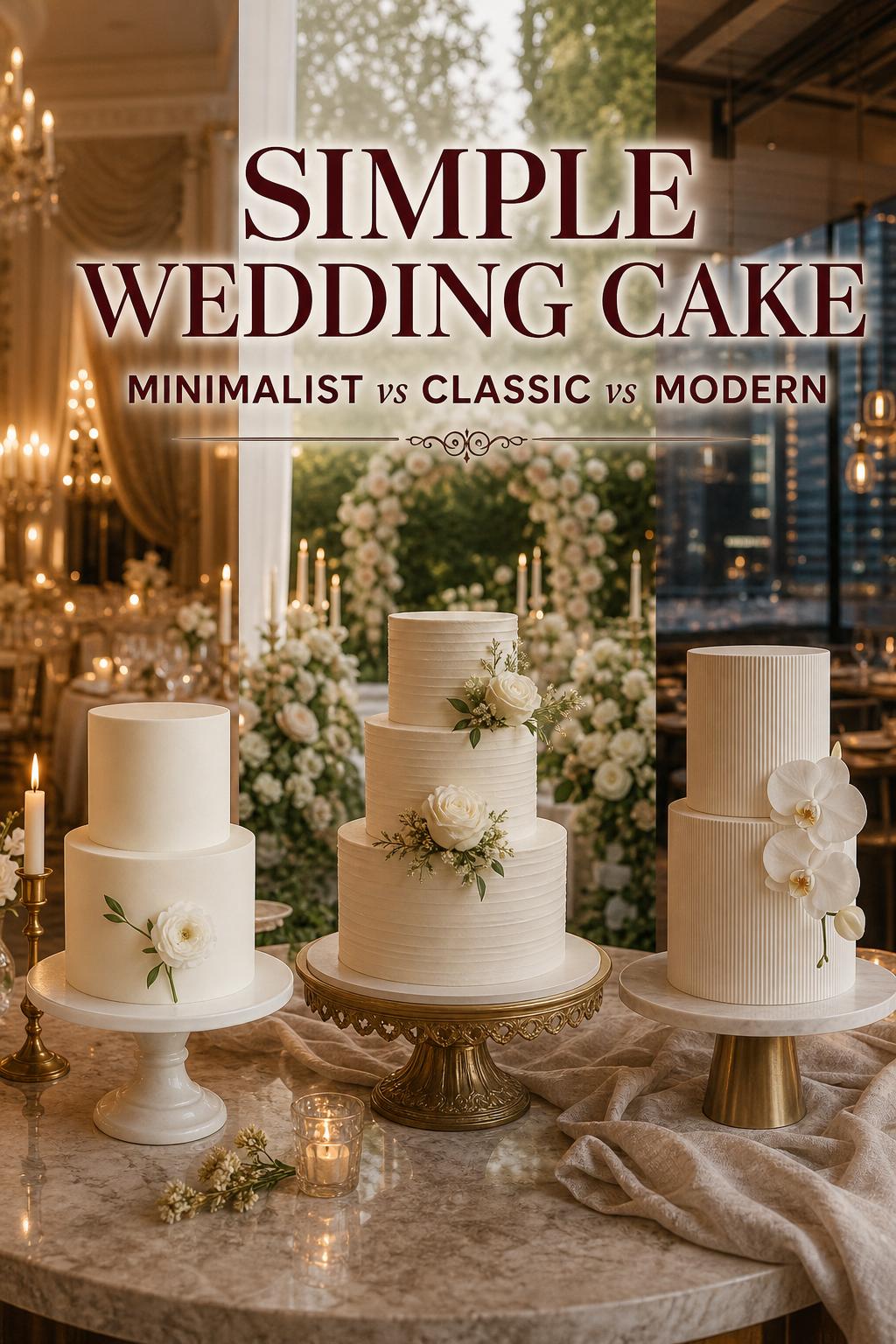
Style overview: minimalist simple wedding cake
A minimalist simple wedding cake is defined by reduction. The design strips away decorative layers and focuses on shape, negative space, and visual calm. The cake may be white, ivory, or another muted tone, and the finish usually looks smooth, intentional, and uncluttered.
Silhouettes tend to be clean and balanced. A single-tier statement cake, a compact two-tier design, or evenly stacked tiers all fit comfortably within this style. Decoration is limited, and when it appears, it is usually used with precision rather than abundance.
The overall mood is quiet, refined, and modern-romantic rather than ornate. This style works especially well when a couple wants the reception to feel thoughtful and elevated without feeling traditional in a heavy way.
Defining visual traits
- Clean lines and restrained decoration
- Minimal color variation
- Strong focus on proportion and finish
- Little to no piping, ruffles, or dense embellishment
- An overall sense of space and visual quiet
Style overview: classic simple wedding cake
A classic simple wedding cake keeps a timeless wedding feel while reducing complexity. It is still elegant and traditional in spirit, but not heavily decorated. This is often the version couples gravitate toward when they want something familiar, graceful, and widely appealing.
The silhouette is usually tiered and balanced, with proportions that feel formal but approachable. White and ivory remain common visual directions, and the finish may be smooth or softly textured. Delicate detailing can appear, but it stays controlled rather than elaborate.
The mood is romantic, polished, and enduring. This style often feels appropriate across a wide range of venues because it neither leans too stark nor too decorative. For many weddings, it becomes the safest and most flexible interpretation of a simple wedding cake.
Defining visual traits
- Traditional tiered presentation
- Soft elegance rather than strict minimalism
- White or ivory as a natural foundation
- Subtle decorative detail if used at all
- A timeless bridal mood that fits many settings
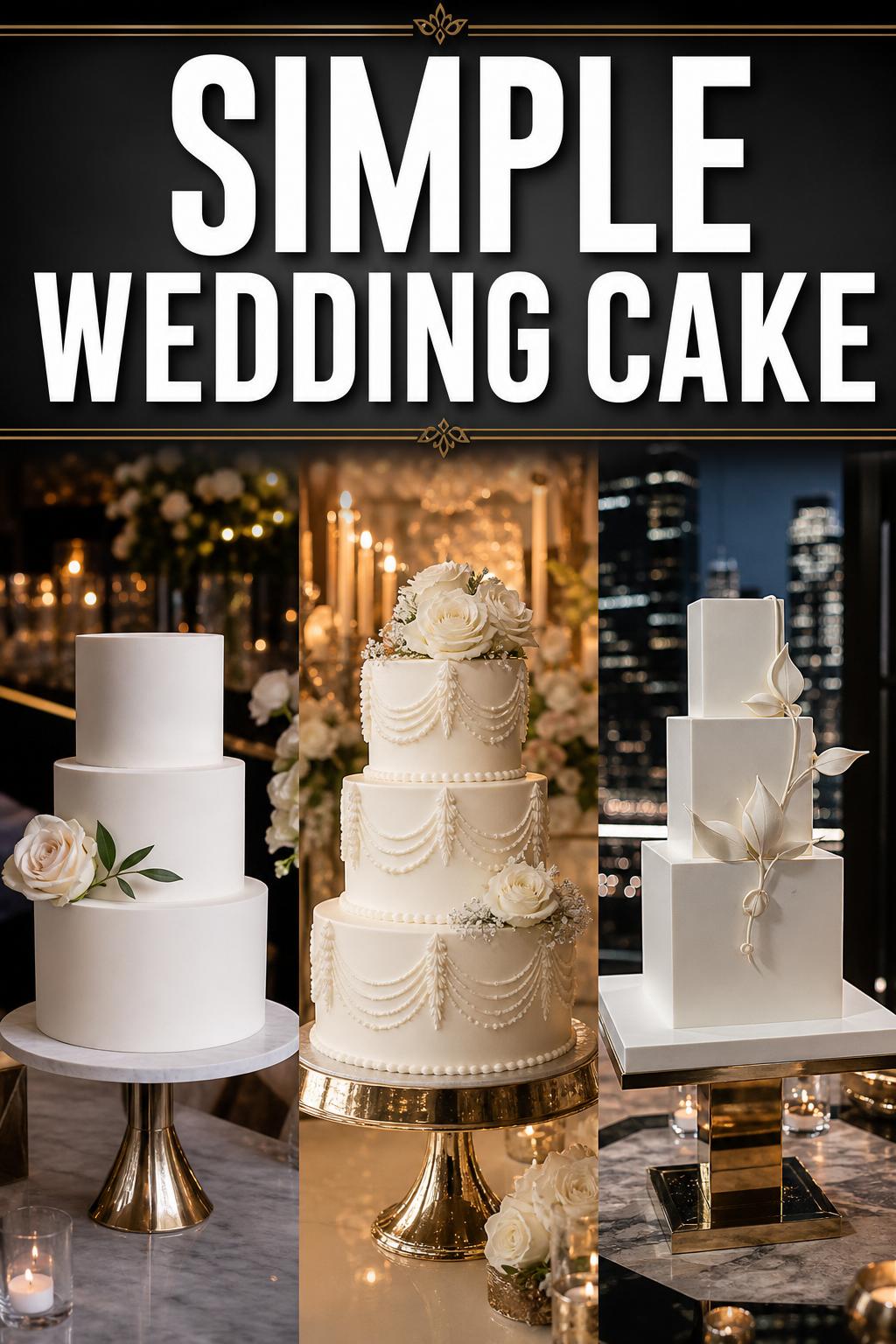
Style overview: modern simple wedding cake
A modern simple wedding cake shares some restraint with minimalist design, but it is less about pure reduction and more about contemporary presence. It often feels sharper, more fashion-aware, and more intentionally styled within the reception design.
Silhouettes may still be clean, but the emphasis is on impact through structure, scale, or contrast. Even without heavy decoration, the cake can look bold because the styling feels current. A modern cake does not need many details; it simply needs the right ones.
The mood here is sleek, confident, and curated. It suits weddings where the décor, tablescape, or venue already carries a contemporary sensibility and the cake needs to align with that visual direction.
Defining visual traits
- Crisp structure and intentional styling
- Contemporary visual balance
- Simple finish with stronger design attitude
- Less softness than classic styles
- A polished look that complements modern wedding décor
The core differences that shape the final look
Silhouette and structure
Minimalist cakes tend to feel the most reduced. Their structure is often straightforward and calm, with visual emphasis on proportion rather than ornament. Classic cakes use familiar wedding silhouettes, especially stacked tiers, to create elegance through tradition. Modern cakes may use similarly clean forms, but they usually feel more deliberate and directional, with structure doing more of the visual work.
Color palette and surface feel
All three styles often stay close to a light, neutral palette, which is one reason they are easily confused. The difference lies in mood. Minimalist cakes feel pared back and almost serene. Classic cakes feel soft and bridal. Modern cakes feel crisp and edited. Even when the color is simply white, the emotional effect can shift depending on texture, finish, and overall composition.
Formality level
Classic simple wedding cake designs usually read as the most universally formal because they align with what many guests expect from a wedding cake. Minimalist designs can feel equally elegant, but sometimes in a quieter, less ceremonial way. Modern cakes often feel formal through sophistication rather than tradition, which makes them especially fitting for receptions with a strong design point of view.
Styling philosophy
The philosophy behind a minimalist cake is restraint. The philosophy behind a classic cake is timelessness. The philosophy behind a modern cake is contemporary clarity. This difference matters because it affects every planning choice around the cake table, from florals to linens to the space where the cake is displayed.
Typical decorative approach
Classic styles may welcome a little softness and bridal detail. Minimalist styles prefer almost none. Modern styles accept detail selectively, as long as it strengthens the contemporary feel rather than adding visual clutter. If you are deciding among these styles, ask whether you want the cake to feel romantic, quiet, or design-led. That answer often reveals the best fit faster than discussing decoration alone.
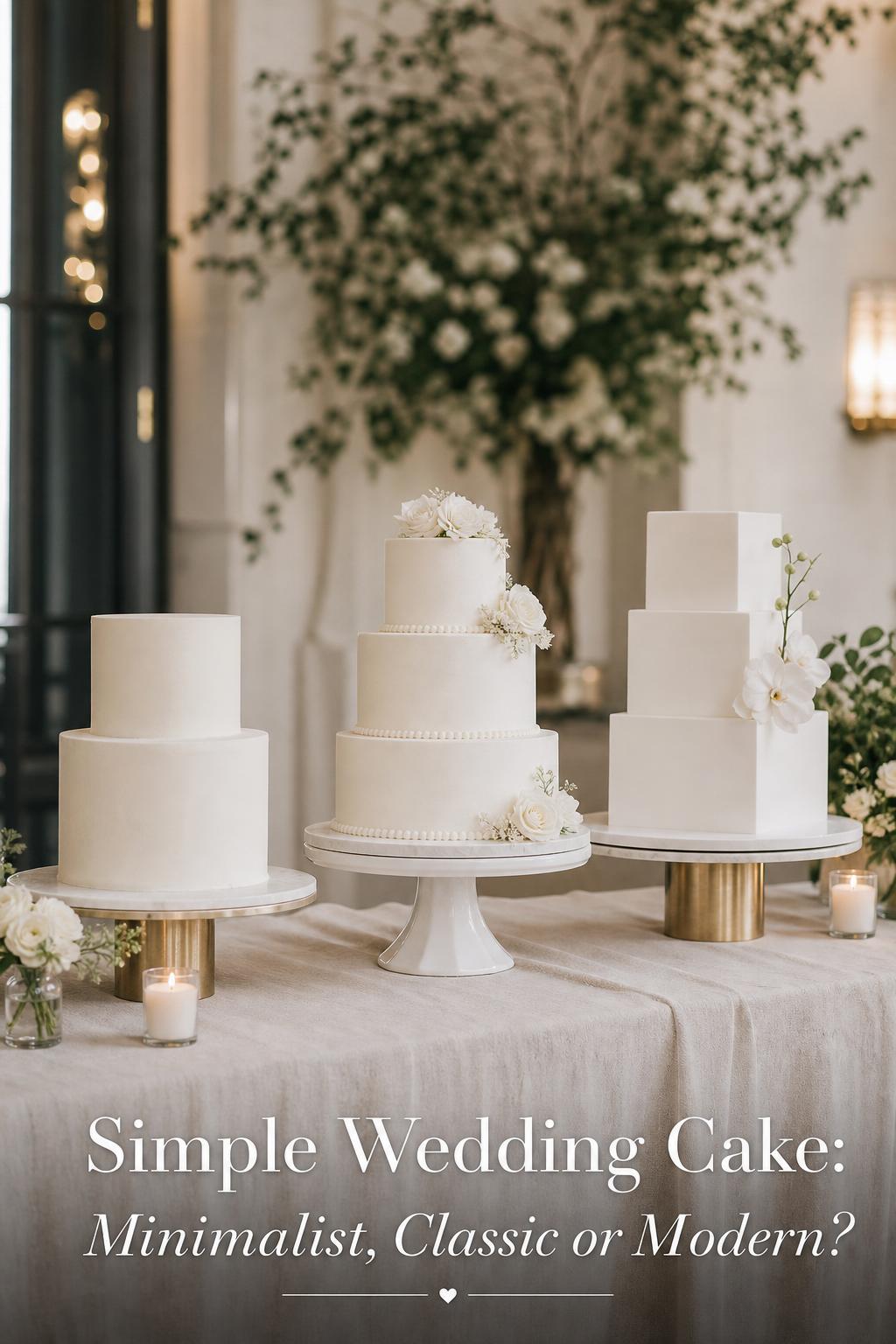
How these cake styles read in real wedding settings
The same cake can look different depending on lighting, venue, table styling, and surrounding décor. That is why choosing a simple wedding cake should never happen in isolation. A white cake against a white wall in a bright contemporary venue can appear strikingly modern, while a similar cake surrounded by candlelight and garden flowers may read as soft and classic.
Minimalist cakes tend to stand out best in spaces where there is room for visual breathing space. If the reception design is already layered and lush, extreme minimalism may disappear unless the cake table is thoughtfully styled. Classic cakes blend more easily into varied venues because their wedding language is familiar. Modern cakes usually perform best when the room itself supports a cleaner, sharper aesthetic.
This is one of the most practical distinctions couples can use. The question is not just which cake you like in a photo. The question is which cake still looks right after it enters your actual celebration environment.
Visual style breakdown: the same simplicity, expressed three ways
Balance and proportion
Minimalist cakes rely heavily on proportion because there is so little else to distract the eye. If the tiers feel balanced, the whole cake feels elegant. Classic cakes are more forgiving because their familiar structure already signals “wedding.” Modern cakes depend on proportion too, but they often use it to create a stronger visual statement, even while staying simple.
Texture and finish
In a simple wedding cake, texture becomes a major design choice rather than a background detail. Minimalist styles usually favor the cleanest finish. Classic styles can carry a softer finish while still looking refined. Modern styles often want the finish to look intentional and precise. Because there is less decoration to catch attention, the surface itself becomes part of the cake’s personality.
The role of accessories around the cake
A minimalist cake often looks best with an equally restrained display, so the presentation remains coherent. A classic cake can handle more traditional romance around it, such as candlelight or soft floral styling, without losing its identity. A modern cake usually benefits from a carefully edited setup where every surrounding element feels considered. This is similar to how styling works in fashion: a simple base can either be enhanced or diluted by what surrounds it.
Overall visual impression
Minimalist reads quiet. Classic reads timeless. Modern reads current. All three may be simple, but they are not emotionally interchangeable. That emotional distinction is often what makes one design feel immediately “right” for a particular couple.
Comparing real wedding scenarios
An intimate city wedding
For a smaller celebration in a chic restaurant or modern event space, a minimalist or modern simple wedding cake often feels especially natural. The minimalist version creates a calm, elegant focal point without overpowering the room. The modern version can add a stronger design presence if the venue already feels sleek and curated. A classic cake can still work beautifully, but it may introduce a more traditional tone than the setting calls for.
A romantic garden reception
In a garden setting, a classic simple wedding cake usually feels the most seamless because it supports softness and romance. A minimalist cake can also be lovely here, especially if the ceremony style is quiet and refined, but it may need careful display styling so it does not feel too stark. A modern cake is the more directional choice in this environment, best suited to couples intentionally blending natural surroundings with contemporary design.
A formal evening celebration
Classic style tends to deliver the broadest sense of occasion at a formal evening wedding. It reads ceremonial and elegant without requiring explanation. A modern cake can be just as sophisticated, especially in a reception with architectural details or dramatic tablescapes. Minimalist simplicity can also feel luxurious at night, but only when the rest of the event supports that level of restraint.
A courthouse ceremony followed by dinner
This is where simplicity often shines most naturally. A minimalist cake feels understated and intentional, matching the intimate scale of the day. A modern cake works well if the celebration has a stylish urban feel. A classic cake remains lovely, but some couples may prefer something less traditional when the wedding itself is small and personal.
Outfit-style comparisons for the cake world
Thinking of cake design the way a stylist thinks about wardrobe choices can make comparison easier. Each cake style solves the same brief, elegant wedding dessert, in a different visual language.
Casual-romantic interpretation
A classic simple wedding cake approaches this mood with softness and familiarity. It looks bridal without trying too hard and naturally belongs in a warm, welcoming celebration. A minimalist version would interpret the same mood more quietly, with fewer decorative gestures and more emphasis on calm proportion. A modern version would sharpen the look, making the result feel less traditionally romantic and more curated.
Polished formal interpretation
Classic style uses structure and tradition to create formality. Minimalist style uses restraint and refinement. Modern style uses visual confidence. None is inherently better; they simply signal elegance differently. If you want guests to immediately read the cake as timelessly wedding-like, classic usually leads. If you want elegance that feels quieter or more design-driven, minimalist and modern become stronger contenders.
Editorial contemporary interpretation
In this setting, modern style tends to feel most aligned. A minimalist cake can also fit beautifully if the event is especially pared back, but modern design gives more room for the cake to feel current without becoming visually busy. Classic style may still be beautiful here, though it usually softens the contemporary edge rather than reinforcing it.
Where couples often get the choice wrong
One of the most common mistakes is choosing “simple” as a reaction against overdone wedding imagery without defining what kind of simple feels right. This can lead to a cake that looks tasteful in theory but disconnected from the rest of the day.
Another frequent misstep is focusing only on decoration and not enough on finish and proportion. In a simple wedding cake, those quieter elements carry enormous visual weight. A clean design only looks elevated when the execution feels balanced and intentional. Without that, simplicity can read unfinished rather than refined.
There is also the question of venue scale. A small, restrained cake may feel perfect for an intimate wedding but underwhelming in a large reception room unless the display is planned with care. On the other hand, a more traditional tiered design can sometimes feel too formal for a relaxed dinner celebration. Simplicity works best when it is chosen in conversation with the event, not apart from it.
Tips for choosing the right simple wedding cake style
Start with the emotional tone of the day rather than the cake itself. Ask whether you want the reception to feel soft, timeless, quietly elegant, or distinctly contemporary. That answer usually narrows the direction faster than browsing endless examples.
- Choose minimalist if you are drawn to visual calm and intentional restraint.
- Choose classic if you want broad elegance that feels unmistakably bridal.
- Choose modern if your wedding style is contemporary and design-conscious.
- Look at the cake in context with the venue, table styling, and overall formality.
- Pay close attention to finish and proportion, since simple designs reveal every detail.
Tip: If you feel torn between two directions, think about your ceremony and reception separately. Some couples are romantics at heart but host a cleaner, more modern dinner. In that case, a classic cake with restrained styling can become a thoughtful bridge between the two moods.
How to blend styles without losing the simplicity
Not every cake needs to fit neatly into one category. In fact, some of the most memorable simple wedding cake designs succeed because they combine the emotional softness of classic style with the restraint of minimalism, or the clarity of modern design with timeless wedding proportions.
The key is to blend only one or two style ideas at a time. A cake can be classic in silhouette and minimalist in decoration. It can be modern in mood and simple in finish. What usually causes visual confusion is trying to mix too many signals, such as traditional romance, sharp contemporary styling, and decorative softness all at once.
Tip: When combining influences, decide which style should lead and which should support. That keeps the cake from feeling undecided. A leading style gives the cake identity; a supporting style gives it nuance.
A venue-based way to decide faster
If you want a practical shortcut, let the venue guide the cake. This method is especially useful when several simple wedding cake ideas appeal to you equally.
- For a garden or estate setting, classic simplicity usually feels most harmonious.
- For a contemporary loft, gallery, or city restaurant, modern simplicity often looks most at home.
- For an intimate ceremony space or a very personal celebration, minimalist simplicity can feel beautifully honest and understated.
- For a formal ballroom, classic or modern can both work, depending on whether the event leans timeless or sleek.
This approach works because the cake does not exist in isolation. It becomes part of the room’s visual rhythm. When couples use the venue as a filter, the decision often becomes less emotional and more intuitive.
When each style tends to work best in a real wardrobe-of-the-day sense
Wedding choices often function much like wardrobe decisions: some styles are versatile, some are statement-making, and some are best when the setting supports them. Thinking this way makes the cake choice easier to apply.
For everyday elegance translated into a wedding
If your personal style is quiet, edited, and not overly decorative, a minimalist simple wedding cake often feels like the most authentic reflection of you. It suits couples who want beauty without performance and who prefer understatement to display.
For polished tradition
If you love wedding rituals, classic romance, and details that still feel relevant years from now, classic simplicity is often the strongest choice. It offers the comfort of tradition while avoiding the visual heaviness that more elaborate cakes can bring.
For design-forward celebrations
If your event has a contemporary dress code, a tailored reception look, or a venue with clean architectural lines, modern simplicity usually feels most coherent. It supports a wedding where every element is curated with intention and where the atmosphere matters as much as the tradition.
The most important distinction to remember
The heart of the comparison is this: minimalist simplicity is about less, classic simplicity is about timelessness, and modern simplicity is about contemporary clarity. All three can be elegant. All three can be romantic in the right setting. But they create different emotional effects, and that is what should guide the final choice.
A simple wedding cake is never just “plain” when it is chosen well. It becomes a quiet extension of the ceremony mood, the reception atmosphere, and the couple’s own style. Once you know whether you are drawn to softness, restraint, or a more current visual edge, the path becomes much clearer.
The most beautiful result often comes from honoring the overall wedding vision rather than chasing a single image. Whether your cake leans minimalist, classic, modern, or gently blends two of these styles, simplicity has a way of feeling memorable when it feels true to the day itself.
FAQ
What makes a cake a simple wedding cake?
A simple wedding cake is defined by restraint rather than heavy ornament. It usually relies on clean structure, a limited color palette, and a controlled amount of decoration, so the overall effect feels elegant, calm, and intentional.
Is a minimalist wedding cake the same as a classic simple wedding cake?
No. Both can look understated, but minimalist style is more reduced and visually quiet, while classic style keeps a more traditional wedding feel. A classic cake tends to feel softer and more timeless, whereas a minimalist cake feels more pared back.
How do I know if a modern simple wedding cake is right for my wedding?
A modern simple wedding cake usually works best when the rest of the celebration has a contemporary visual direction. If your venue, tablescape, and overall styling feel sleek, curated, or design-focused, a modern cake will often feel more connected to the setting than a more traditional option.
Can a simple wedding cake still feel formal enough for a large reception?
Yes, but the design needs strong proportion and a thoughtful presentation. In larger or more formal settings, simplicity works best when the cake still feels intentional within the room, rather than appearing too small or visually quiet for the scale of the event.
Which simple wedding cake style is best for a garden wedding?
Classic simplicity often feels most natural in a garden wedding because it supports a romantic atmosphere without looking too severe. A minimalist cake can also work beautifully in that setting, though it usually needs a carefully considered display so the look remains warm rather than stark.
Can I combine classic and minimalist cake styles?
Yes, and that combination often works very well. A cake can keep a classic tiered silhouette while using minimalist restraint in its decoration. The key is to let one style lead and the other support, so the final design still feels cohesive.
Why do simple wedding cakes sometimes look more expensive or refined?
Because when decoration is limited, proportion, finish, and balance become much more visible. A simple design leaves little to hide behind, so a well-executed cake often feels especially polished and elevated.
What is the safest choice if I want a simple cake that fits almost any wedding style?
Classic simple style is usually the most versatile because it feels bridal, elegant, and widely appropriate across many venues and levels of formality. It offers the easiest balance between simplicity and tradition.