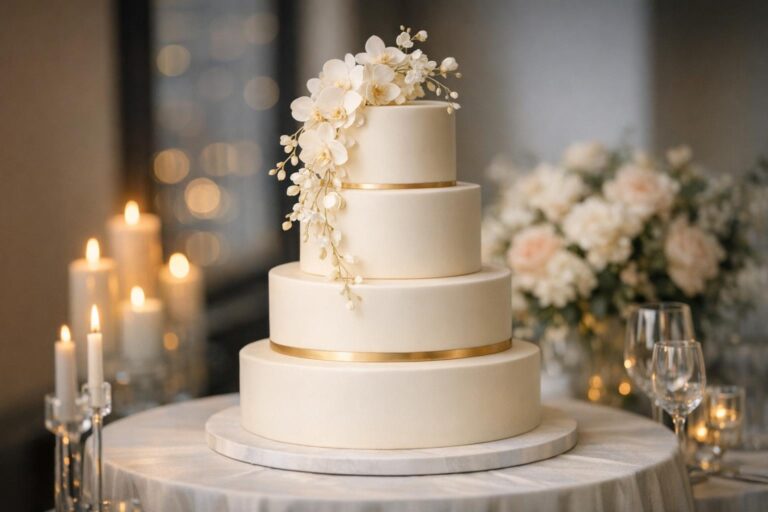
Wedding Cake Ideas for a Chic, Cohesive Celebration
Some wedding details set the tone quietly, and some arrive like a centerpiece of the entire celebration. Wedding cake ideas live in both worlds. A cake can be soft and understated beside a garden dinner, or sculptural and dramatic under reception lights, reflecting the same careful styling you bring to your florals, tablescape, and venue mood. The best designs do more than look beautiful in photos; they hold together the atmosphere of the day.
That is why couples return again and again to classic white tiers, buttercream textures, floral cascades, metallic finishes, and modern minimalist silhouettes. Each one creates a different emotional effect. Some feel timeless and ceremonial, some feel fashion-forward and couture, and some feel relaxed, rustic, or quietly romantic. Wherever your celebration lands on that spectrum, the right cake should feel like it belongs there naturally.
From black-tie ballroom receptions to outdoor garden weddings, rustic barn evenings, and intimate modern city celebrations, this world of wedding cake designs is so appealing because it blends artistry with real planning decisions. Flavor, finish, size, display, season, and even delivery timing all matter. What follows is a curated guide to help you see the full visual landscape, then choose a direction that feels unmistakably yours.
The visual language behind unforgettable wedding cake ideas
A great cake idea begins with alignment. The design should echo the formality of the event, the styling of the venue, and the feeling you want guests to carry with them from ceremony to last dance. A sleek fondant finish can feel refined in a modern setting, while textured buttercream and botanical details often soften the room and make the celebration feel more organic and intimate.
Turn wedding inspiration into a plan you can actually follow.
Zarellea brings your guest list, budget, vendors, and day-of details into one shared space — so no beautiful idea gets lost in the shuffle.
There is also a practical side to beauty. Some wedding cake trends photograph wonderfully but require careful handling, especially in outdoor conditions or when the design relies on delicate textures. Others are easier to scale for guest count, easier to transport, or more forgiving if your timeline is tight. The strongest ideas sit at the meeting point of aesthetic appeal, flavor satisfaction, and build feasibility.
Recognized wedding publishers and inspiration platforms such as The Knot, Zola, Minted, Classpop, Wedding Forward, The Bridal Box, CakeInspire, BBC Good Food, and Vogue repeatedly spotlight a few enduring directions: floral and botanical decoration, modern and minimalist tiers, naked and semi-naked styles, sculptural statement cakes, and texture-led buttercream finishes. Those categories remain useful because they help couples move from broad inspiration to a clear design decision.
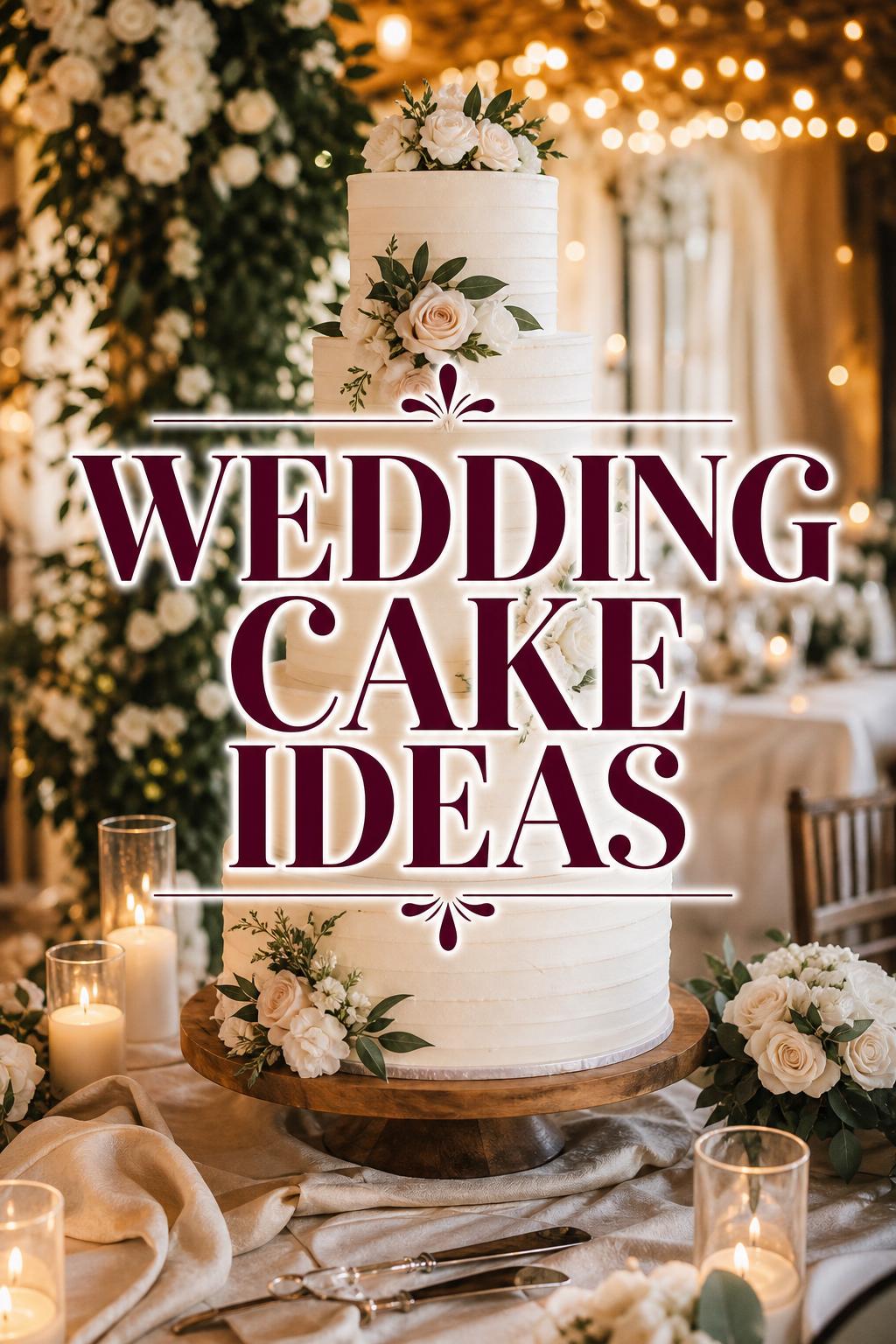
Look: timeless white-on-white with quiet texture
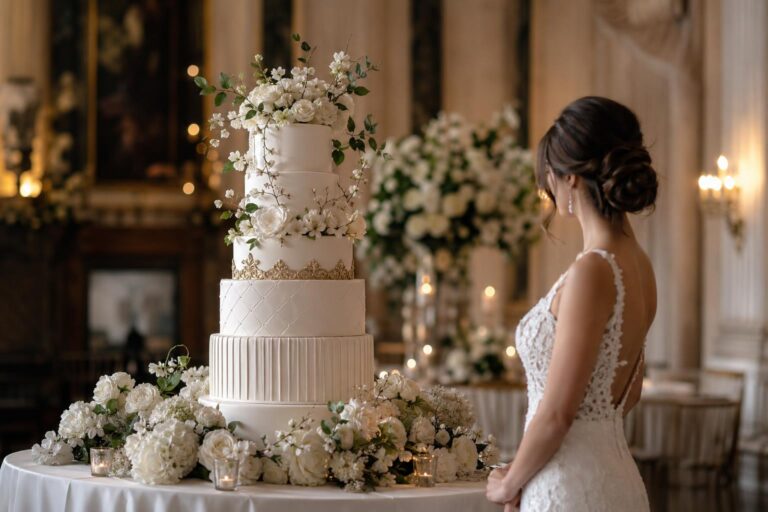
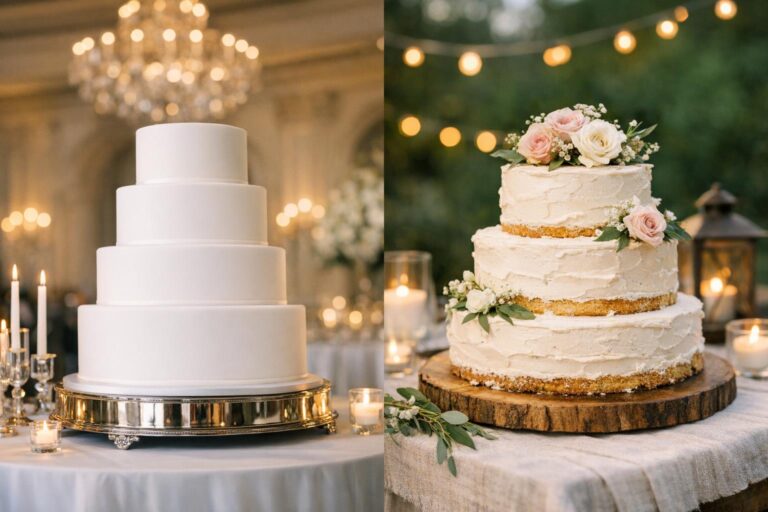
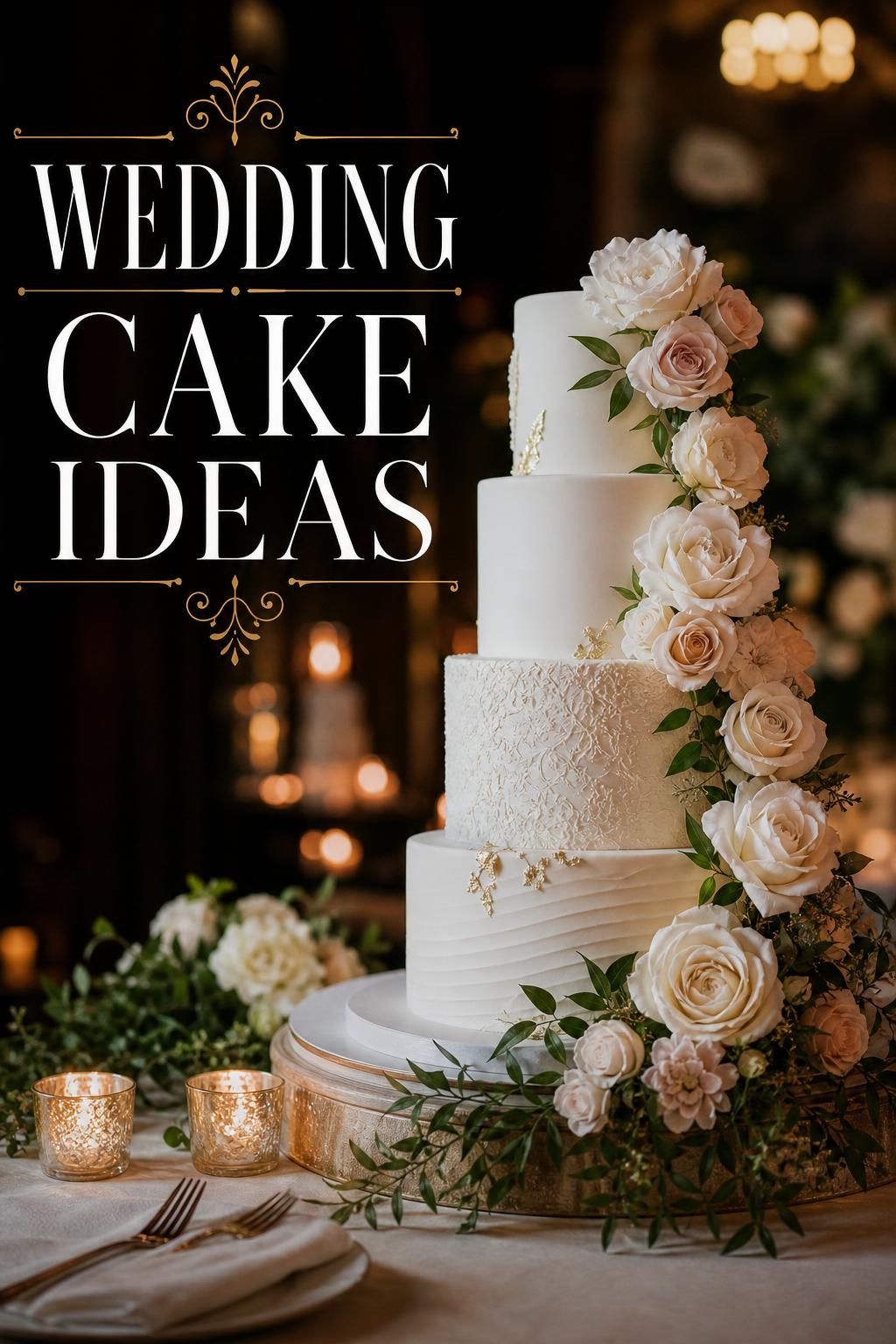
This is the wedding cake equivalent of a perfectly tailored gown: elegant, assured, and never dependent on trend for its impact. White-on-white cakes rely on silhouette, proportion, and surface detail rather than bold color. The mood is formal but not stiff, especially when the tiers are softened with subtle ridges, brushwork, or refined textural finishes that catch candlelight without demanding attention from every other detail in the room.
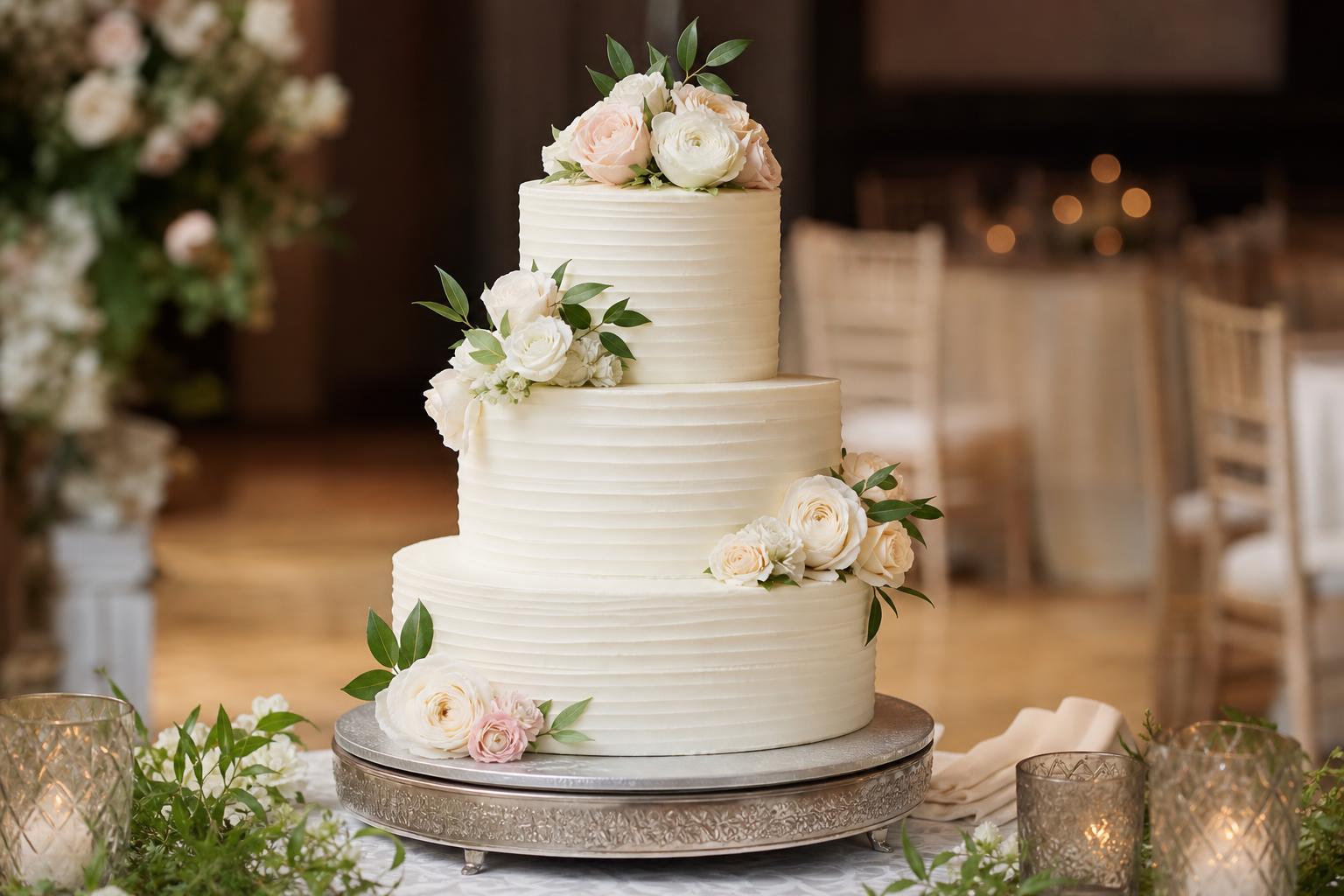
Buttercream textures are especially effective here, creating movement across an otherwise restrained palette. Fondant can also produce a smoother, more architectural finish if your wedding leans modern or luxury. This style works beautifully with tiered cake designs in ballrooms, historic venues, and contemporary reception spaces where clean floral arrangements, ivory linens, or sculptural décor are already setting a polished tone.
The reason this look remains one of the best wedding cakes for so many couples is simple: it gives you flexibility. It can lean classic, minimalist, or couture depending on the finish. It also pairs easily with almost any wedding color story because it does not compete with flowers, stationery, or fashion details.
- Best for: formal receptions, modern venues, classic church weddings, luxury settings
- Key finishes: textured buttercream, smooth fondant, subtle dragees, restrained piping
- Works well with: monochrome florals, elegant cake stands, clean table styling
Style tip
If your décor is already richly layered with floral installations or statement linens, a white textured cake often gives the room visual balance. Instead of adding more color, let the finish provide the drama.
Look: floral cascades and botanical romance
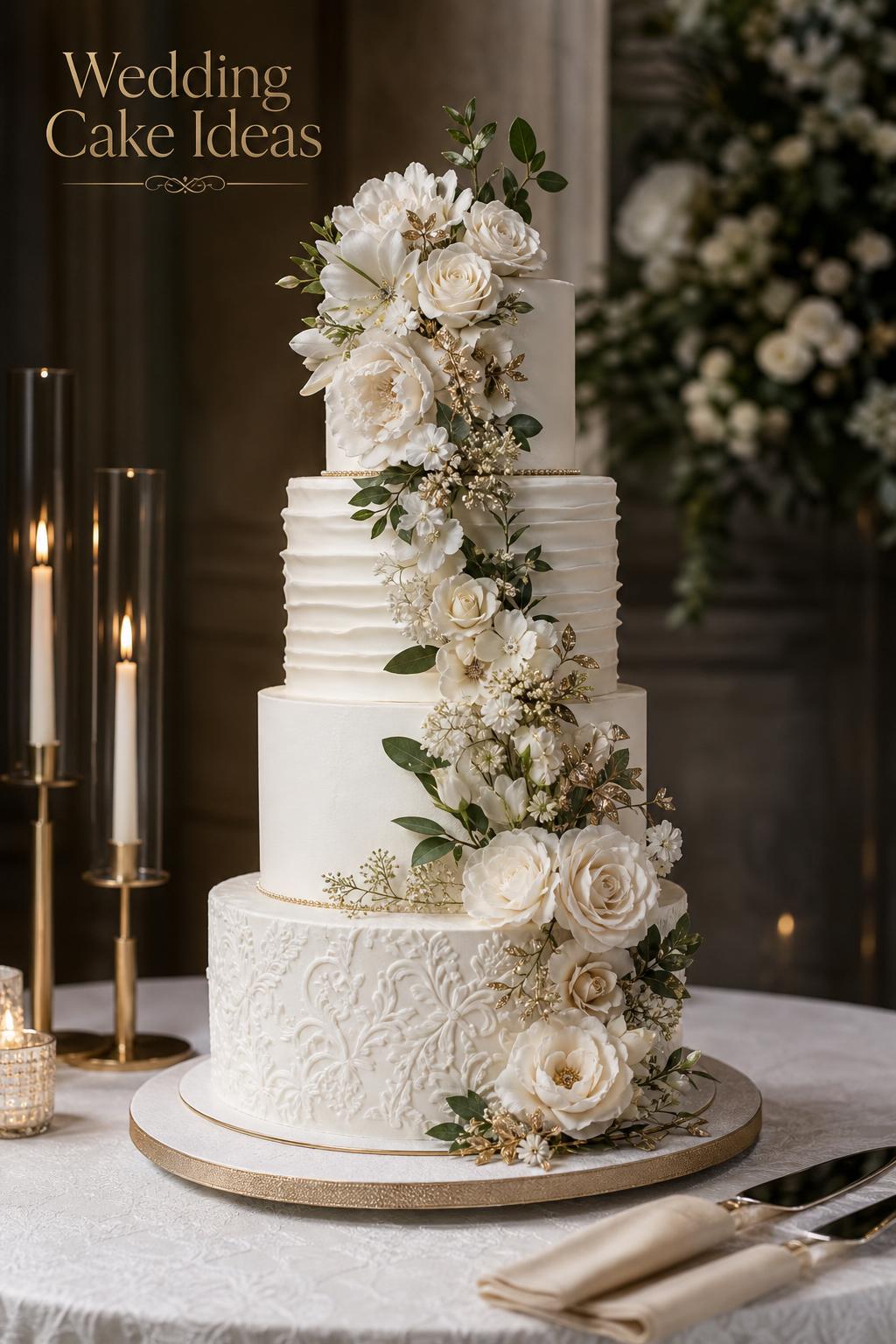
Some cakes feel like they were designed for the exact moment a couple steps into a garden reception at golden hour. Floral wedding cake ideas create that mood effortlessly. A cascade of blooms down one side of the tiers can feel generous and romantic, while scattered botanical accents feel lighter and more editorial. The visual identity here is softness, movement, and a connection between cake design and the rest of the floral plan.
Fresh florals and sugar flowers each create a different effect. Fresh flowers can make the cake feel integrated with your venue florals and bouquet style, while sugar florals allow for a more crafted, couture look associated with sugar artists and specialist decorators. Garden weddings, outdoor venues, tented receptions, and spring-to-summer celebrations often suit this direction especially well, though it can be adapted for more formal events with a tighter palette and more structured placement.
This look is especially compelling because it ties one of the most photographed wedding elements directly back to the broader design story. When florists, cake designers, and venue styling are in conversation, the result feels intentional rather than decorative for decoration’s sake.
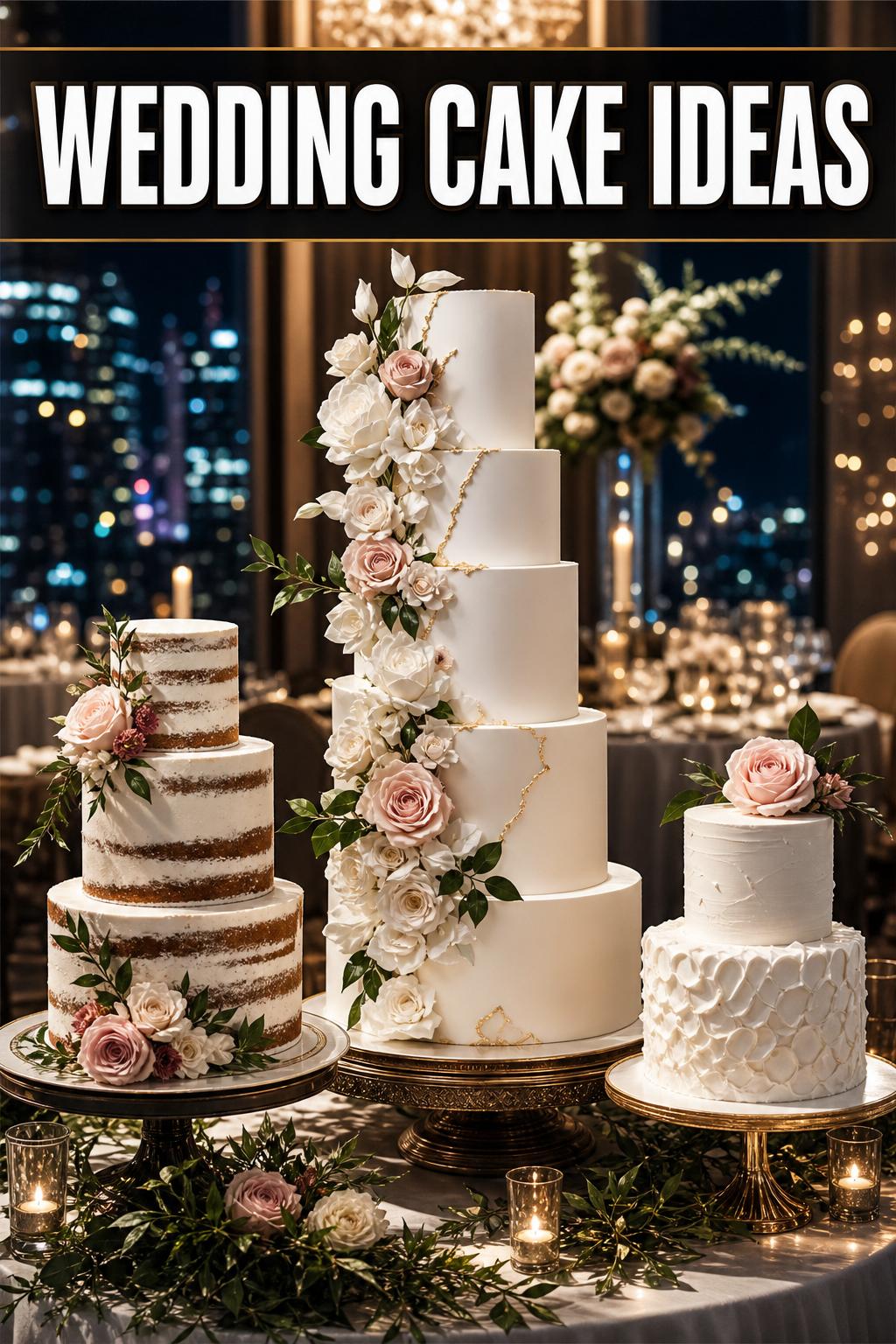
- Ideal mood: romantic, garden-inspired, soft luxury, fairytale elegance
- Best details: cascading blooms, sugar flowers, botanical greenery, petal placement
- Venue pairing: estates, vineyards, outdoor ceremonies, floral-heavy receptions
How to make this style feel cohesive
Share floral references with both your florist and cake designer early. A cake with botanicals feels most elevated when the flower varieties, tones, and scale echo what appears in your bouquet, ceremony installation, or reception centerpieces.
Look: sculptural glamour with geodes, metallics, and modern drama
For couples who want the cake to feel like a true design statement, sculptural styles bring a different kind of energy into the room. These wedding cake ideas lean bolder, sharper, and more directional. Geode cake elements, metallic accents, and angular or architectural silhouettes create a centerpiece that feels less traditional and more like edible décor. The mood is dramatic, fashion-aware, and especially suited to evening receptions or venues with a strong visual identity.
Metallics can be used lightly for a refined gleam or more assertively for a couture effect. Geometric shapes, sculpted tiers, and high-contrast finishes often appeal to couples drawn to modern wedding cake ideas 2026 and beyond, especially when the reception design includes strong lines, statement lighting, or a luxury city setting. This is also where the influence of designer-led cake studios and fashion-forward inspiration becomes especially visible.
The trade-off is that statement cakes need careful editing. If every wedding element is competing for attention, the room can feel visually crowded. Sculptural cakes work best when the surrounding décor gives them space to breathe, allowing their shape, shine, and texture to become part of the event’s architecture.
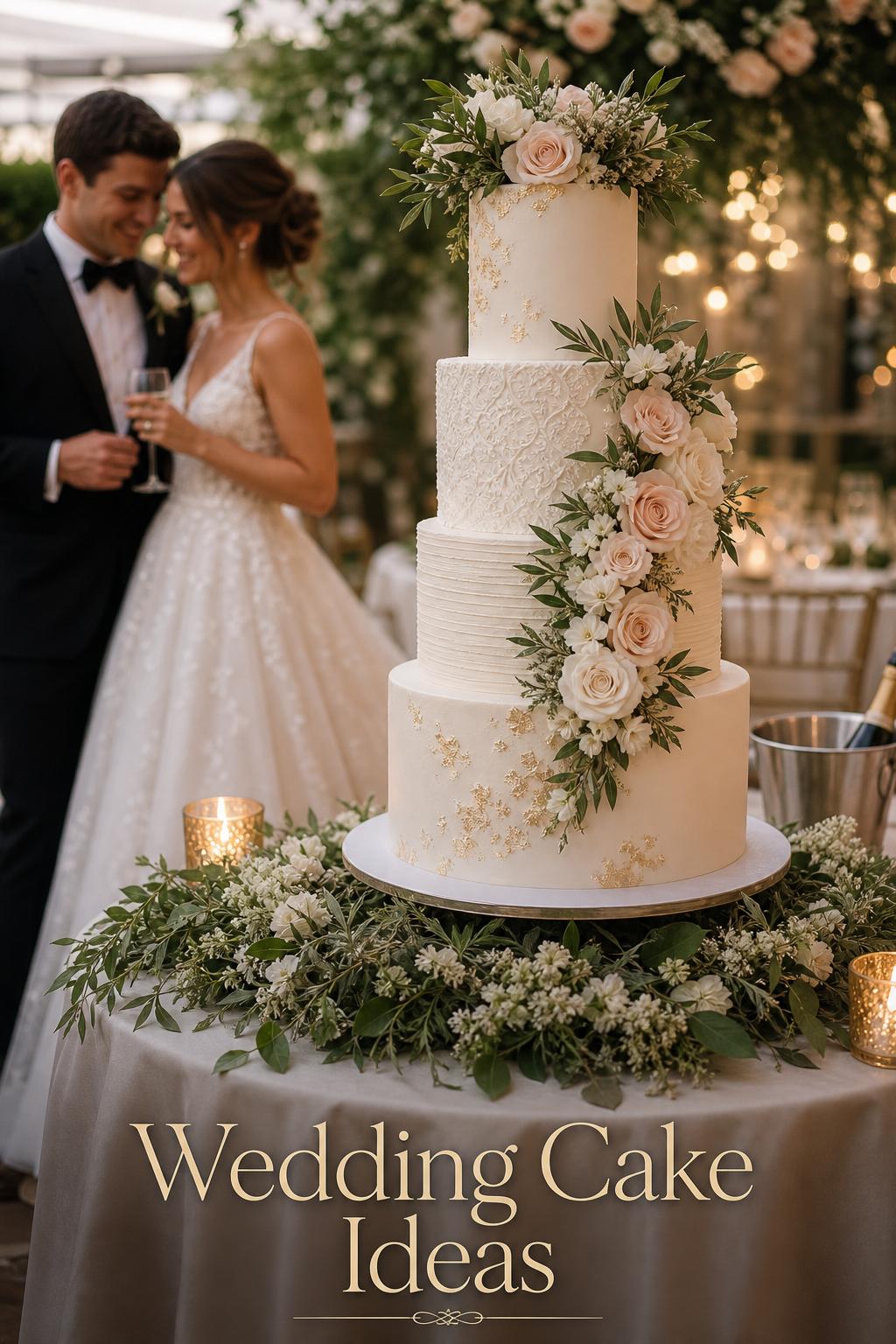
Where this look shines
Couture-inspired receptions, industrial chic venues, fashion-conscious celebrations, and luxury weddings often benefit from metallic cake design and sculptural finishes. Platforms such as Vogue and style-driven wedding media frequently highlight this category because it creates a strong visual memory even in a room already filled with statement details.
Look: naked and semi-naked tiers with rustic ease
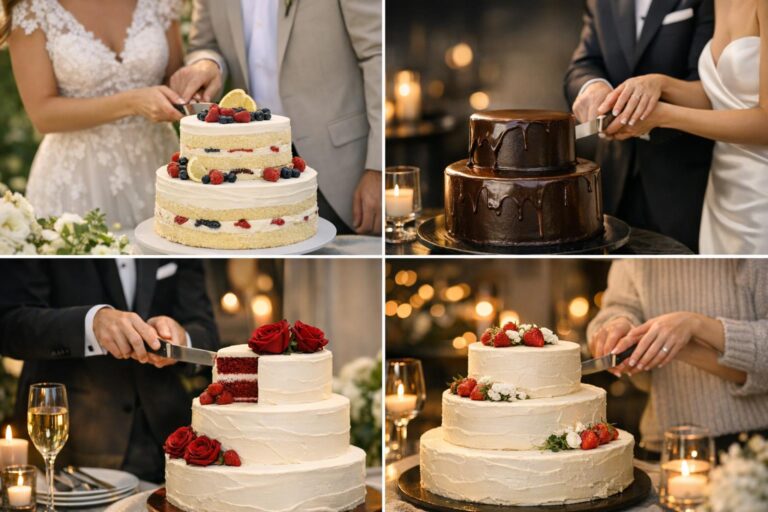
Naked and semi-naked cakes have a lighter, more relaxed presence. Instead of full coverage, the layers and fillings remain partly visible, giving the cake a handcrafted quality that feels warm rather than formal. This style is deeply connected to rustic wedding cake ideas, natural materials, and celebrations that prioritize intimacy over polish. The silhouette can still be elegant, but it feels less ceremonial and more inviting.
Textured buttercream, fruit-forward decoration, soft florals, and simple cake boards all complement this look. Semi-naked finishes tend to strike a middle ground that many couples love: enough frosting to appear finished and refined, but enough openness to retain that airy, organic charm. Barn venues, countryside receptions, vintage-inspired weddings, and smaller celebrations often carry this style beautifully.
What makes this one of the most enduring cake ideas for wedding planning is its emotional accessibility. It feels celebratory without feeling staged. At the same time, couples should be realistic about conditions. A more exposed finish may require thoughtful coordination for outdoor weddings, especially when timing and temperature matter.
- Best setting: rustic barn receptions, intimate outdoor dinners, vintage-inspired weddings
- Signature details: exposed layers, soft buttercream, berries, fresh flowers, natural texture
- Variation to consider: semi-naked frosting for a cleaner finish with similar mood
Practical note for outdoor celebrations
Naked cake ideas can be beautiful outdoors, but they are not always the most forgiving option if the cake will be displayed for a long time. If your reception is outside, ask your baker how the finish will hold during the window between delivery, photography, and cutting.
Look: minimalist tiers for a modern city celebration
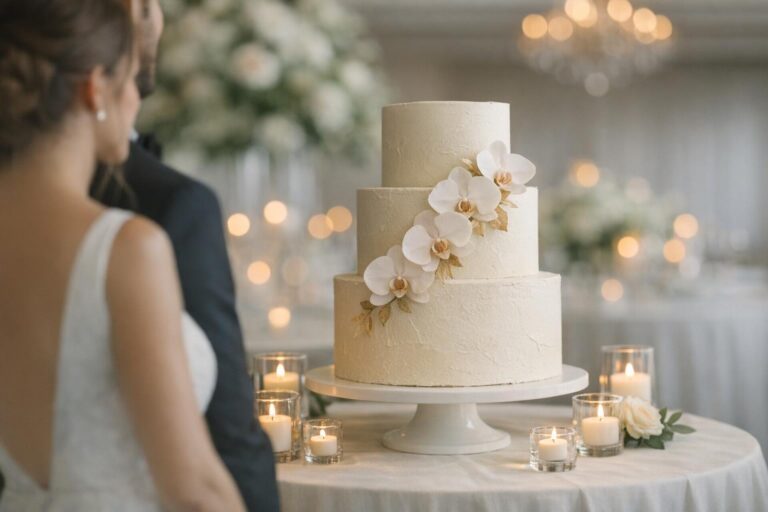
Minimalist wedding cake designs have a very different romance. They are clean, restrained, and intentional, often using fewer details but more precise proportions. Think smooth tiers, understated edges, tonal palettes, and a silhouette that feels contemporary rather than ornate. This kind of cake often suits couples who want the day to feel elegant and current without relying on traditional embellishment.
Minimalist tiers pair especially well with modern venues, gallery-like reception spaces, rooftop dinners, and city weddings where the architecture already provides the visual drama. Buttercream can still play a role here through soft, refined texture, but the overall impression remains streamlined. A single floral accent, a carefully chosen cake topper, or a beautifully styled stand can be enough to complete the composition.
The appeal is clarity. When every line feels deliberate, the cake becomes part of a modern aesthetic rather than a separate traditional object placed into it. This is one of the strongest wedding cake trends for couples who prefer polished simplicity and strong visual editing.
Key pieces for this aesthetic
- Smooth or lightly textured tiers
- Muted or monochrome palette
- Minimal floral placement
- Simple cake stand and clean display table styling
Seasonal moods that shape the cake
One of the most useful ways to narrow wedding cake ideas is to think seasonally. Not every style reads the same in every setting. A floral cascade may feel effortlessly right at a garden wedding, while a metallic or sculptural cake can feel far more at home at a glamorous winter reception. Looking at the cake through a seasonal lens helps you choose a design that feels connected to the atmosphere rather than simply attractive on its own.
Look: garden ceremony softness
Garden and outdoor weddings often invite botanical details, green tones, soft white buttercream, and floral wedding cake ideas with buttercream finishes that feel fresh rather than overly formal. Tiers can be softly textured, floral placement can feel airy, and the overall profile should echo the natural setting. This style works particularly well when the reception design is already built around florals and seasonal greenery.
Look: glamorous evening luxury
Luxury and couture celebrations often support more polished surfaces, metallic details, sculptural forms, and carefully composed decoration. In these settings, the cake can hold its own as a visual focal point. A fondant finish, a dramatic silhouette, or fashion-inspired details can feel entirely appropriate when the venue, lighting, and tablescape are equally elevated.
Look: vintage and rustic warmth
Rustic and vintage-inspired weddings tend to favor texture over perfection. Semi-naked finishes, natural fruit accents, subtle florals, and a softer color story create a cake that feels relaxed and personal. Wedding Forward and similar wedding resources often connect this mood with smaller cakes and rustic settings, where the dessert complements a warm, welcoming atmosphere instead of becoming a formal showpiece.
Where taste meets style: flavors, fillings, and finished looks
The most successful wedding cakes are never only about appearance. Flavor matters because the cake is one of the few decorative elements guests literally experience. Choosing wedding cake flavors and fillings should feel like part of the design process, not a separate checklist. A light botanical cake may invite one set of flavor pairings, while a richer, sculptural evening cake might support something more decadent in mood.
Look: delicate flavors for classic and floral styles
Classic white-on-white cakes and floral designs often benefit from flavor pairings that feel elegant and broadly appealing. When the visual tone is soft and refined, many couples prefer fillings and flavor ideas that support that same atmosphere rather than overwhelm it. This is one reason top wedding media often place flavor pairings alongside design inspiration: the taste should reinforce the aesthetic impression.
Look: bolder flavor moments for statement cakes
Modern sculpted cakes, couture designs, and richer evening celebrations can often handle more personality in the flavor profile. The visual direction already signals confidence, so the tasting experience can do the same. If your cake is meant to be dramatic, it makes sense to ask whether the inside should feel equally memorable.
Look: texture-led finishes that change the entire mood
Buttercream textures, fondant finishes, and ganache each create a different visual result. Buttercream tends to feel softer, more romantic, and more touchable in appearance. Fondant creates a cleaner and often more formal surface, making it a strong choice for modern or architectural wedding cake designs. Ganache can add richness and depth, especially when the cake needs a polished but slightly less traditional finish.
These choices are not just decorative. They affect how the cake photographs, how the tiers are perceived from a distance, and how well the final design supports details like florals, metallic accents, or sculptural work. If you love fine detail and crisp lines, the finish matters just as much as the concept.
Style tip: let the finish do one clear job
If your design already includes bold flowers or strong metallic details, a heavily textured finish may create visual competition. If the decoration is minimal, then buttercream texture or refined surface work can provide the depth the cake needs.
The small details that complete the cake table
A beautiful cake can lose impact if the display around it feels like an afterthought. Cake toppers, cake stands, and surrounding styling matter because they frame the design and connect it to the room. Minted and other design-led wedding brands frequently highlight how palette and presentation influence the finished result just as much as the cake itself.
A modern minimalist cake may look best on a clean stand with little else around it. A floral cake may benefit from a display that echoes your reception arrangements. A couture or sculptural cake often needs a table placement that treats it almost like an installation, with enough space and lighting to emphasize shape and detail. These decisions are subtle, but they often determine whether the cake feels integrated or merely placed.
- Use a stand that suits the formality of the design
- Keep surrounding décor supportive rather than distracting
- Consider sightlines for guest arrival and cake-cutting photos
- Coordinate topper style with the cake’s overall aesthetic, not separately
Choosing a cake designer with confidence
Once you have a visual direction, the next step is translating inspiration into a cake that can actually be built, delivered, and displayed well. That is where the cake designer matters. Wedding media and planning platforms consistently point couples toward portfolios, tastings, and practical coordination details because the most beautiful reference image still needs a professional who understands tiering, texture, timing, and event context.
Look for style alignment, not just general skill
A baker or cake studio may be excellent overall but not the right fit for your preferred aesthetic. If you love geode cakes, metallic surfaces, or couture-inspired work, you should see that confidence in their portfolio. If your heart is set on botanical buttercream or rustic naked designs, choose someone whose previous work already reflects those strengths. This reduces the risk of forcing a design outside their natural style language.
Tastings should confirm the experience, not just the flavor
A mock tasting is not only about choosing a favorite filling. It is a chance to understand how the designer thinks, how they communicate, and whether they can balance beauty with practicality. Couples often focus heavily on how a cake looks online, but a strong bakery relationship also involves responsiveness, timeline clarity, and realistic recommendations for venue conditions and delivery.
Budgeting and logistics shape the final design
Tier count, servings, decoration complexity, delivery, and setup all affect cost. A highly detailed sculptural cake or sugar-flower-heavy design usually asks more of the maker than a simpler minimalist tiered cake. This does not mean one style is better than another; it simply means the level of labor should match your priorities. If design artistry is a centerpiece priority, budget accordingly. If your budget is tighter, a cleaner aesthetic can still be deeply elegant.
Tips for a smoother designer collaboration
- Bring references that show a clear mood, not twenty unrelated ideas
- Discuss venue conditions, especially for outdoor or seasonal weddings
- Ask how the cake will be delivered, set up, and timed with the reception
- Confirm whether the design is best executed in buttercream, fondant, or another finish
Three real-world wedding directions and how the cake supports them
One of the easiest ways to choose among wedding cake ideas is to imagine the cake inside a complete wedding scenario. A style that feels perfect in one environment may feel out of place in another. Thinking in full-event context often brings clarity faster than browsing isolated images.
Look: minimalist modern reception
Picture a city venue with strong architecture, candlelight, restrained florals, and a couple who prefers clean lines over ornament. Here, a modern cake with smooth tiers, a subtle tonal palette, and minimal decoration becomes a natural extension of the space. The goal is not excess but refinement. A simple stand and uncluttered table styling let the silhouette speak.
This kind of cake works because it mirrors the wedding’s broader design logic. Nothing is overworked. The impact comes from precision, proportion, and restraint.
Look: floral extravaganza in a garden setting
Now imagine a tented outdoor reception with layered blooms, soft textiles, and a romantic ceremony backdrop. A buttercream cake with floral cascades or botanical accents belongs beautifully here. The texture feels organic, the flowers feel connected to the day, and the cake becomes part of the floral story rather than a separate decorative object.
This works best when scale is considered carefully. If the cake is small, one concentrated floral gesture often feels more graceful than trying to cover every tier. If it is larger, a sweeping cascade can add movement and visual continuity.
Look: couture statement at a luxury evening wedding
For a black-tie reception with dramatic lighting and a strong fashion influence, a sculptural cake can become a true focal point. Metallic details, architectural tiers, or couture-inspired finishes create a statement that feels worthy of the setting. This is where references from high-fashion showcases and designer-led wedding galleries feel especially relevant.
The key is confidence in the edit. When the cake is this bold, surrounding décor should support it rather than compete. In practice, this often means a more intentional cake table, stronger lighting awareness, and close collaboration with the designer.
Ideas beyond the expected: where many couples can personalize more deeply
While many popular galleries focus on style categories like floral, naked, modern, and sculptural cakes, there are meaningful ways to make your selection more personal. Some couples need dietary-inclusive options, some want sustainable choices, and some simply do not want a traditional cake format at all. These are not side considerations. They can shape the visual plan from the beginning.
Look: dietary-inclusive without sacrificing the aesthetic
Gluten-free, dairy-free, and vegan wedding cake options deserve thoughtful design attention rather than being treated as an afterthought. If dietary accommodation matters to your guest experience or to the couple themselves, discuss it early with your cake designer so flavor, texture, and finish decisions support the design you want. The most reassuring approach is one where inclusivity and visual beauty are planned together.
Look: sustainable and local-minded styling
For couples planning with sustainability in mind, local ingredients, waste reduction, and eco-friendly packaging can become part of the cake conversation. This often pairs especially well with rustic, botanical, and seasonally driven cakes, though it can fit many aesthetics. The practical value is not only ethical; it can also help the dessert feel more connected to the place and season of the celebration.
Look: non-traditional dessert statements
Not every celebration needs a classic tiered cake. Dessert tables, croquembouche, and macaron towers offer another path for couples who want something more unexpected. These alternatives work especially well when the wedding atmosphere is playful, contemporary, or intentionally less formal. The same styling principle still applies: the dessert display should feel visually integrated with the rest of the event.
Common cake styling mistakes that can weaken a beautiful concept
Even strong wedding cake designs can lose their effect when a few planning details are overlooked. The most common issue is trying to combine too many aesthetics at once. A rustic semi-naked cake with metallic geode details and formal floral styling may sound exciting in theory, but in practice the design language can become confused. Cakes tend to look best when they commit to one clear direction.
Another frequent issue is mismatch with the venue. A highly ornate couture cake may feel disconnected in a casual outdoor setting, while an intentionally rustic design can look visually underdressed in a black-tie ballroom. This does not mean you cannot mix elements, only that the balance should feel deliberate. The strongest cake ideas support the wedding’s atmosphere rather than competing with it.
Display timing is another practical point many couples underestimate. A design that depends on delicate floral placement, exposed layers, or highly polished surfaces benefits from careful coordination with the venue and bakery. If logistics are not discussed early, even a beautiful cake can face avoidable stress on the day.
Quick corrections that usually help
- Choose one dominant aesthetic and one secondary accent
- Match the cake’s formality level to the venue and reception style
- Think about display table styling as part of the design, not a separate task
- Confirm delivery and setup timing well before the wedding week
A short glossary that makes designer conversations easier
Buttercream
A frosting finish often used for soft texture, romantic styling, and a more organic look. It is especially popular in floral, rustic, and minimalist wedding cake designs.
Fondant
A smooth finish that creates crisp lines and a refined surface. It is commonly chosen for formal, sculptural, and modern cakes where precision matters.
Ganache
A richer coating or filling that can contribute depth and polish. It often suits more decadent visual directions or cakes needing a sleek finish with substance.
Sugar flowers
Crafted floral decorations made for cakes, often used when couples want botanical beauty with a more tailored, couture feel than fresh flowers provide.
Tiered cake designs
Multi-level cakes built in stacked or separated tiers, often used for weddings because they create ceremony, height, and serving flexibility.
Dummy tiers
Decorative tiers used to create height or visual scale without adding full servings, often helpful when a couple wants a grander appearance while managing budget or service needs.
Bringing your final cake idea into focus
If you are still deciding among styles, return to three questions. First, what should the cake feel like in the room: timeless, romantic, modern, rustic, or dramatic? Second, what finish supports that feeling best: buttercream, fondant, ganache, or a more exposed semi-naked approach? Third, what level of decoration honestly fits your venue, budget, and event logistics? Those answers usually narrow the field quickly.
The most memorable wedding cake ideas are not always the most elaborate. They are the ones that look as though they belong exactly where they are, beside your flowers, under your lighting, and within the atmosphere you have spent months creating. Whether you are drawn to floral softness, modern restraint, sculptural glamour, or rustic ease, the right cake should feel like the final visual note in a wedding day that already feels complete.
FAQ
What flavor pairs best with a white-on-white wedding cake?
A white-on-white cake usually works best with flavors and fillings that feel refined and broadly appealing, because the overall style is elegant and restrained. The key is choosing a flavor profile that supports that timeless mood rather than competing with it.
Are naked cakes a good choice for outdoor weddings?
Naked and semi-naked cakes can be beautiful outdoors, especially for rustic or garden weddings, but they do require careful planning. Because the finish is more exposed, it is wise to discuss display timing, venue conditions, and stability with your cake designer before committing.
How far in advance should I order my wedding cake?
It is best to begin the conversation once your venue, wedding style, and approximate guest count are clear, because those details affect design, sizing, and logistics. Ordering earlier is especially helpful if you want a designer whose work is highly style-specific or if your cake will involve complex decoration.
Should I choose buttercream or fondant for my wedding cake?
Buttercream is often the better choice for soft texture, romantic styling, and a more organic finish, while fondant suits crisp lines, polished surfaces, and modern or sculptural designs. The right option depends on the visual mood you want and how precise the final finish needs to be.
Can a wedding cake match my flowers without looking too coordinated?
Yes, and it usually looks best when the connection is intentional but not identical. A cake can echo your floral palette, flower varieties, or overall botanical mood without repeating every arrangement exactly, which helps the design feel cohesive rather than overly matched.
Are non-traditional wedding cake alternatives still elegant?
Absolutely. Dessert tables, macaron towers, and croquembouche can feel just as elegant as a tiered cake when the display is styled with the same care as the rest of the wedding. The important part is visual integration with the event, not strict adherence to tradition.
How do I know if a cake designer is right for my style?
Look closely at their portfolio for evidence that they already work confidently in the aesthetic you love, whether that is floral buttercream, rustic semi-naked tiers, minimalist modern cakes, or couture sculptural designs. Strong style alignment is usually more useful than choosing someone based only on general reputation.
Can I have a beautiful cake that also meets dietary needs?
Yes, but dietary-inclusive cakes should be planned from the beginning rather than added as a last-minute adjustment. If you need gluten-free, dairy-free, or vegan options, discuss them early so the flavor, texture, and final appearance can be designed with equal care.