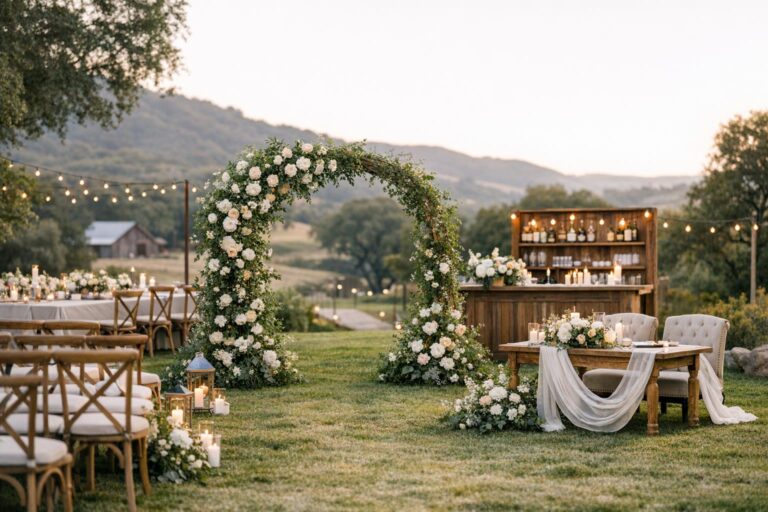
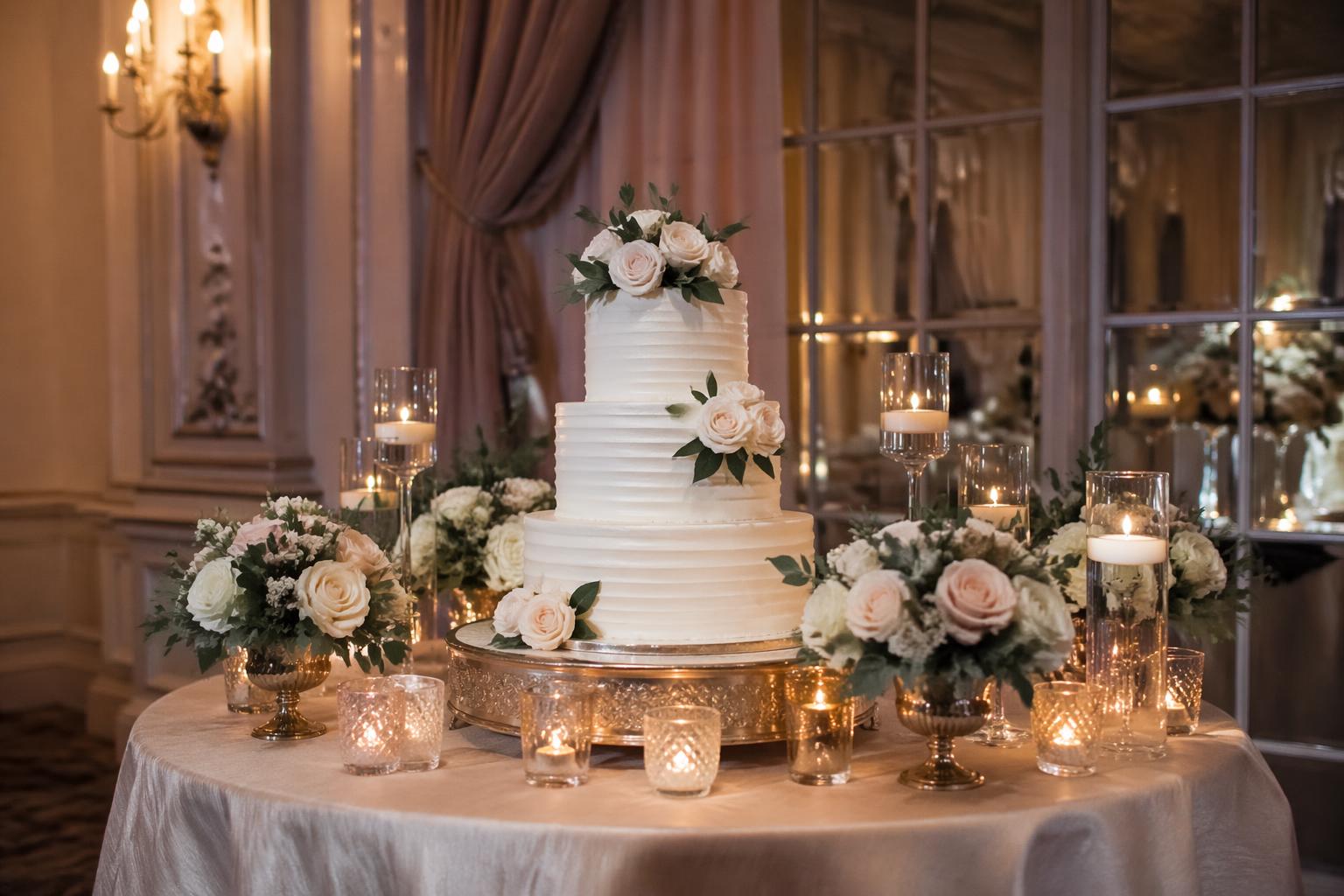
Cake Table Wedding Ideas for a Romantic Reception
There is a particular hush that falls over a reception space just before guests enter, when every candle, linen fold, floral accent, and carefully placed dessert feels full of promise. In that moment, the cake table wedding display often becomes more than a practical station for sweets. It becomes a visual pause in the celebration, a place where style, photography, and tradition meet. Whether you picture an elegant simple arrangement with soft linens and a single tiered cake stand, or a fuller dessert table framed by a dramatic backdrop, the right design can shape how the entire room feels.
A thoughtfully planned wedding cake table should do two things at once: look beautiful in person and function smoothly during the reception. That balance matters because the strongest wedding cake table ideas are never only about decoration. They also consider venue coordination, load-in timing, the weight and size of the cake, the visual role of lighting, and the way your display will appear in photographs. When those pieces work together, wedding cake table decorations feel effortless, even though they were chosen with care.
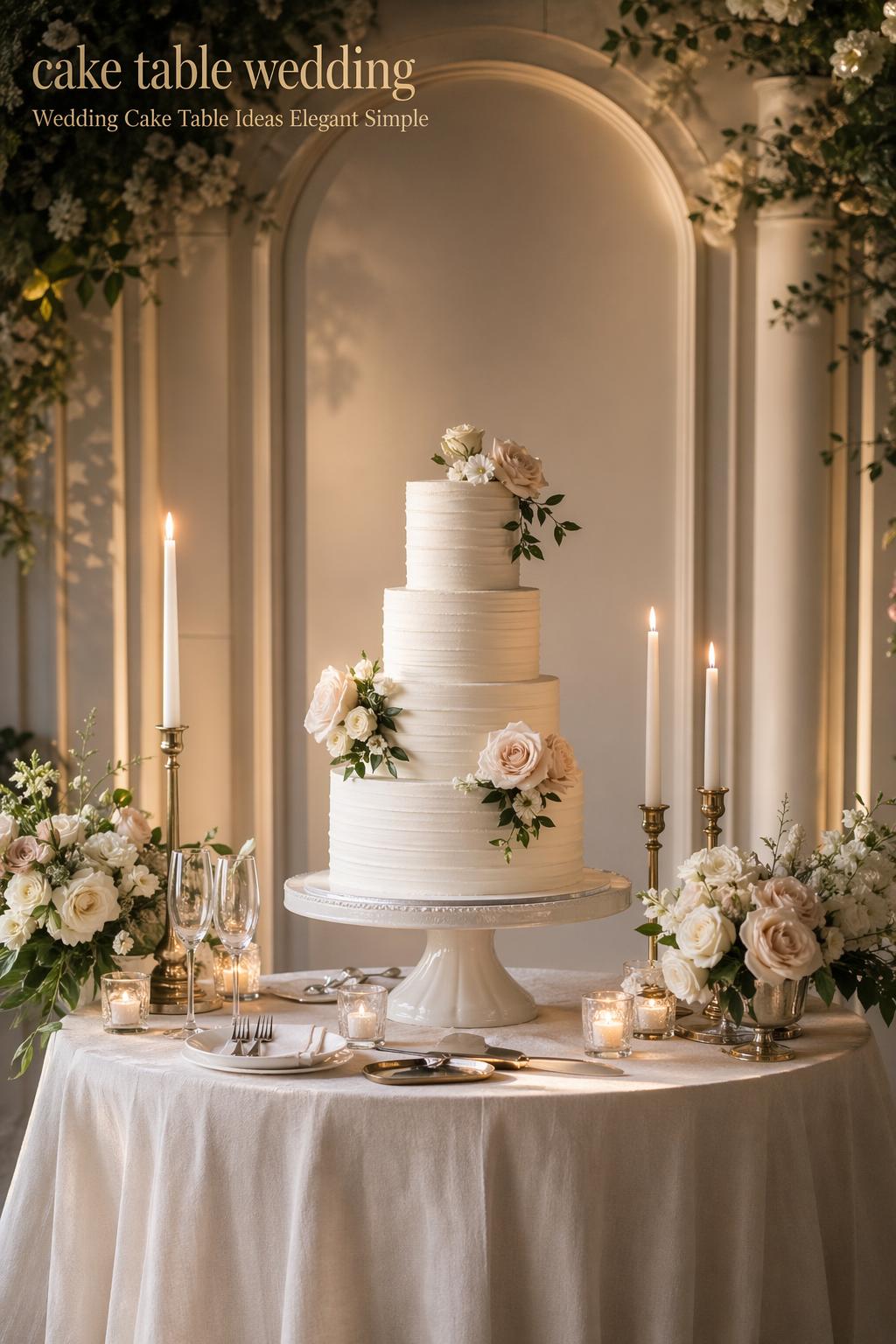
The role of a cake table in the wedding atmosphere
A wedding cake table acts as a focal point. Even in a room filled with centerpieces and layered tablescapes, guests naturally notice the cake display because it carries ceremony and anticipation. It is tied to the reception, to the photographs, and often to one of the most recognizable moments of the evening: the cake cutting.
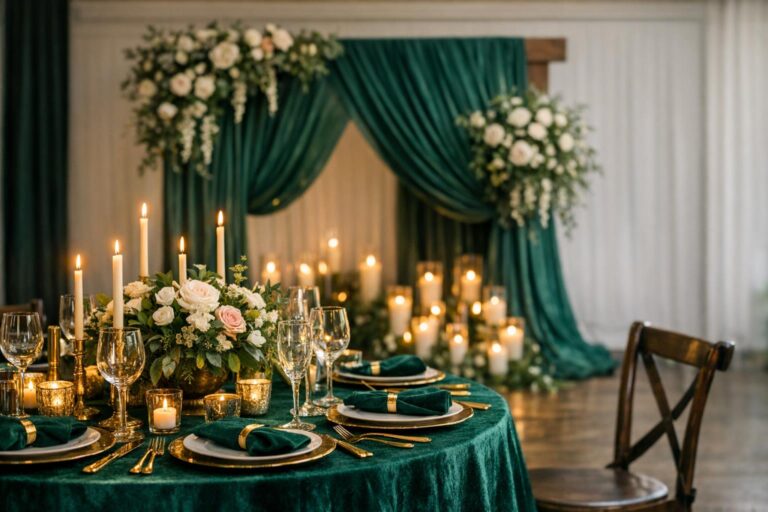
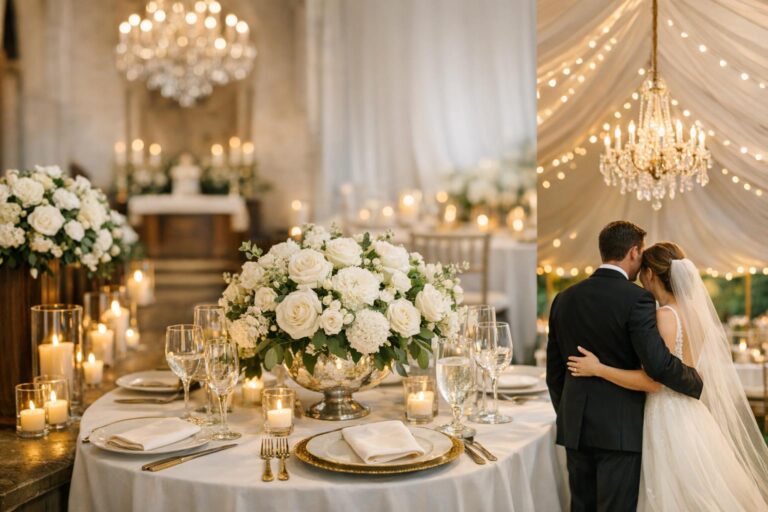
That is why cake table decorations wedding planning should begin with the atmosphere you want to create. A romantic reception may call for soft backdrops, warm lighting, and florals that blend into the surrounding decor. A modern wedding cake table may feel cleaner and more architectural, with strong lines, a refined cake stand, and restrained linens. Rustic, classic, and glam styles each ask for different supporting details, but all rely on the same foundation: the table must feel intentional, not accidental.
Turn wedding inspiration into a plan you can actually follow.
Zarellea brings your guest list, budget, vendors, and day-of details into one shared space — so no beautiful idea gets lost in the shuffle.
Many popular inspiration sources approach the subject visually, and for good reason. Wedding blogs such as Whimsical Wonderland Weddings, Craftsy Hacks, and Viva Wedding Photography often present cake table ideas through image-led galleries because couples usually make this decision with their eyes first. But once the visual direction is clear, practical choices have to follow.
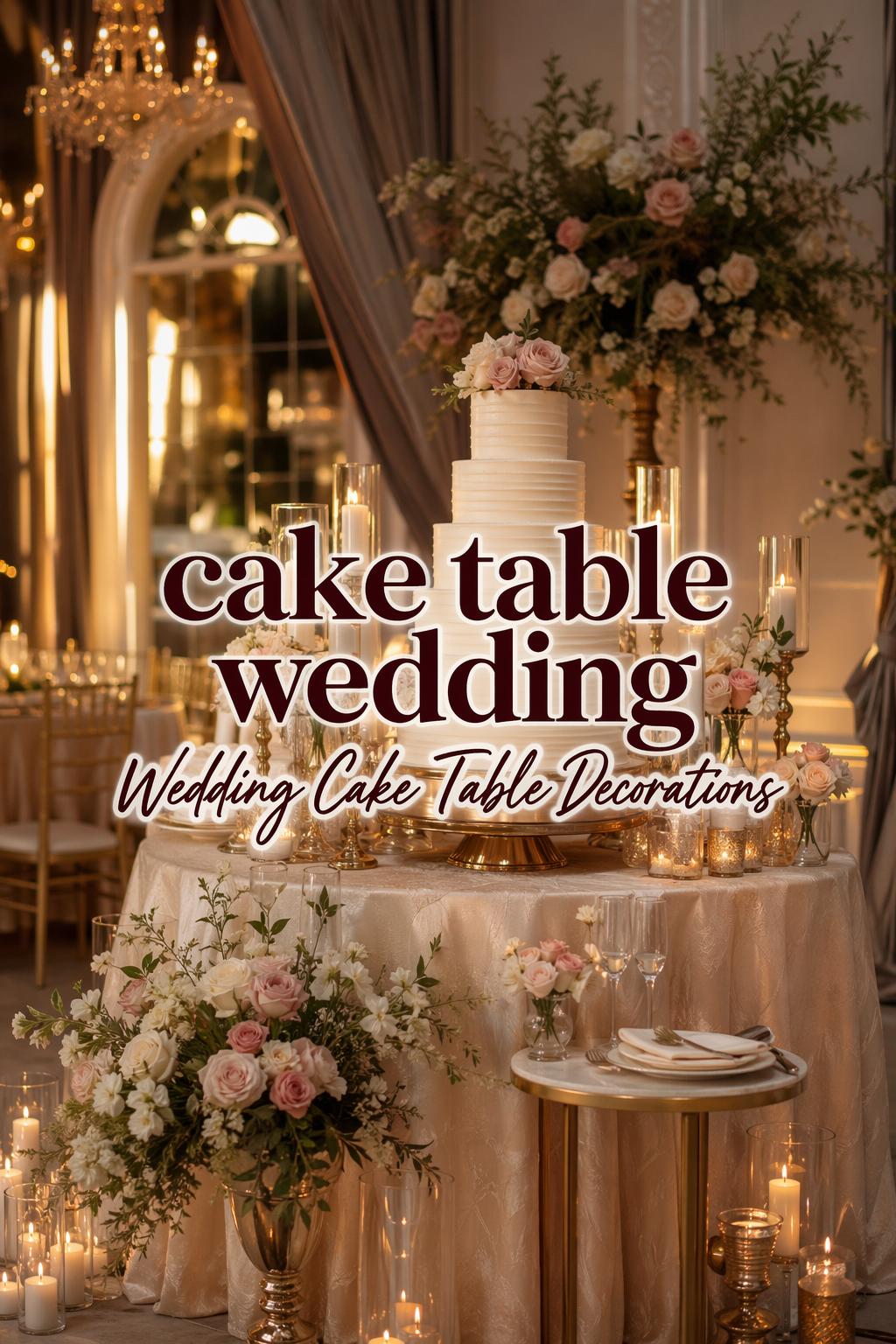
Understanding the difference between a cake table and a dessert table
The central cake display
A cake table is centered on the wedding cake itself. The main purpose is to showcase the cake, support the cake-cutting moment, and create a polished visual feature for the reception. In this setup, other items stay secondary. You might include a few coordinated props, florals, linens, or subtle dessert platters, but the wedding cake remains the star.
The broader dessert table experience
A dessert table is wider in scope. It often includes multiple dessert items, pastry displays, platters, and styled layers of sweets. In some weddings, the cake table and dessert table merge into one larger installation. In others, they remain separate so the cake keeps a stronger visual identity. This distinction helps with planning because a central cake display usually needs more visual emphasis, while a dessert table needs more layout strategy and serving logic.
There are also related traditions that can influence your design direction. A cookie table, for example, is a recognized wedding dessert tradition in the United States and can serve as a sibling concept to the cake table. For couples who want a broader dessert presentation, this can shape the mood of the reception while still leaving space for a separate wedding cake table.
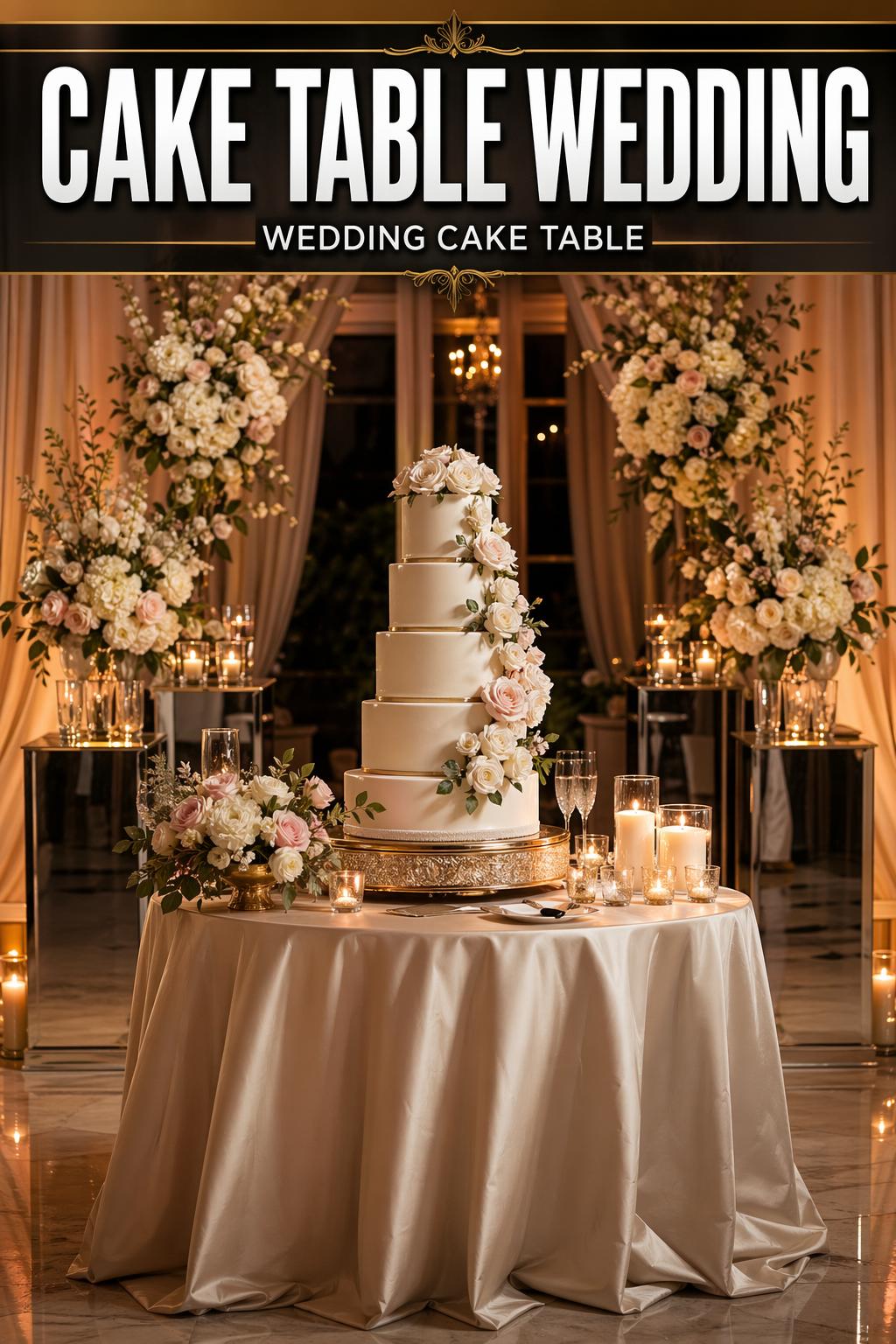
Wedding cake table ideas elegant simple couples genuinely love
Elegant simple styling often works so well because it lets the cake breathe. Instead of crowding the table with too many accents, it highlights proportion, texture, and light. This approach also adapts beautifully across venues, from hotel ballrooms to garden receptions and destination weddings.
- A single cake stand with a soft linen and restrained floral accents for a classic romantic look.
- A mirrored or glass-inspired display approach that reflects candlelight and adds a subtle glam effect.
- A backdrop with minimal color variation, allowing the cake silhouette to remain crisp in photos.
- A tiered stand arrangement for surrounding desserts while the wedding cake stays elevated and visually separate.
- A modern palette with clean lines, simple props, and lighting used more for mood than spectacle.
This style is especially effective for couples who want wedding cake table decorations that feel polished but not overworked. If your reception already includes detailed florals or rich tablescapes, a quieter cake table can offer visual balance. It gives the eye a place to rest.
The core design elements that shape every wedding cake table
Cake stands and tiers
Cake stands are one of the most important design choices because they affect both height and presence. A stand lifts the cake into prominence and helps distinguish a wedding cake table from an ordinary banquet setup. Tiered stands can also create a layered look when paired with desserts or decor items, though they should support the hierarchy of the display rather than compete with it.
Product-focused pages such as Accio’s wedding cake tables category reflect how often couples search for practical pieces like wooden cake tables, glass cake pedestals, and related display furniture. Even if you are not shopping from a single vendor catalog, the categories themselves are useful because they reveal what couples consistently need: stable surfaces, attractive materials, and a display scale that matches the cake.
Backdrops that frame the moment
A backdrop does more than fill empty space. It frames the cake in photographs, anchors the display within the room, and can connect your dessert area to the rest of your wedding decor. In visual inspiration galleries, backdrops repeatedly appear as one of the strongest supporting elements because they help define the cake table as its own scene within the reception.
For a softer look, a restrained backdrop can support elegant simple styling. For a bolder effect, couples may lean into themed details, color palettes, or more obviously decorative walls. The key is to choose a backdrop that supports the wedding cake rather than pulling attention away from it.
Linens, florals, and props
Linens create the base layer of the composition. Florals add softness or drama depending on the style. Props can introduce personality, but they are easiest to overuse. The best supporting details feel connected to the broader wedding decor, not borrowed from a separate theme. If the room already features vintage notes, a vintage-inspired prop may feel natural. If your reception is modern, cleaner styling choices usually serve the cake better.
Lighting and visual perception
Lighting changes the entire mood of a cake table wedding display. It affects texture, color, and how the cake reads on camera. A setup that seems balanced in bright daylight can look flat in dim evening light, while a reflective surface may appear magical once warm lighting is introduced. This is why lighting should be considered early, not treated as a finishing touch.
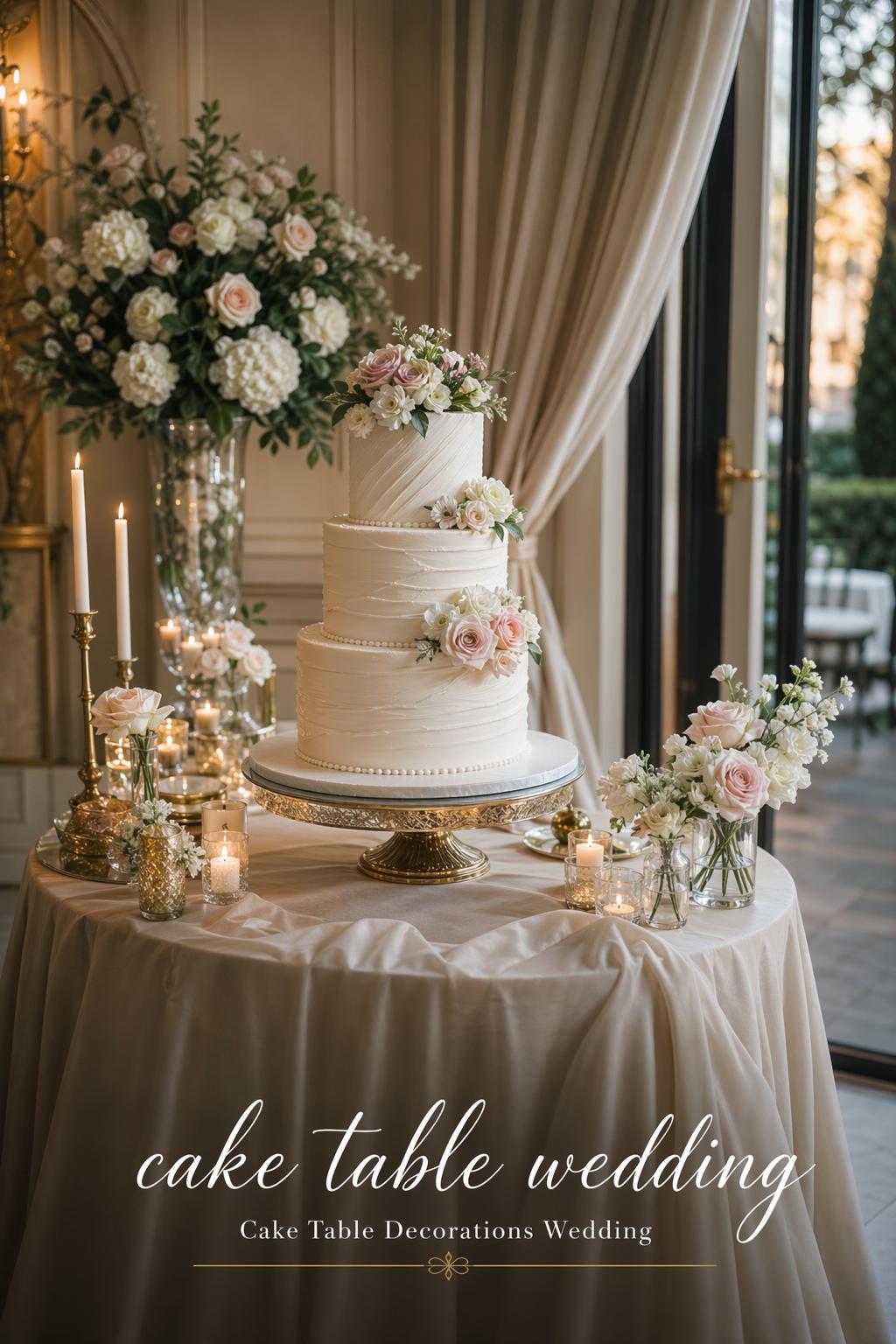
How to choose between classic, modern, rustic, and glam styling
Most couples do not start with a table. They start with a feeling. The most successful wedding cake table ideas connect that feeling to recognizable design language, making every decision easier from linens to backdrops.
Classic romance
A classic cake table usually relies on timeless balance. Soft linens, graceful florals, and a refined cake stand create a familiar elegance that works well in formal receptions and hotel settings. In brochures and venue marketing, including wedding materials from hotel brands such as Marriott, cake displays often appear this way because the style feels universally polished.
Modern clarity
A modern wedding cake table tends to use fewer pieces, cleaner silhouettes, and stronger visual contrast. This style is ideal for couples who want the cake display to feel contemporary and intentional. The supporting elements should remain disciplined. Too many decorative layers can weaken the effect.
Rustic warmth
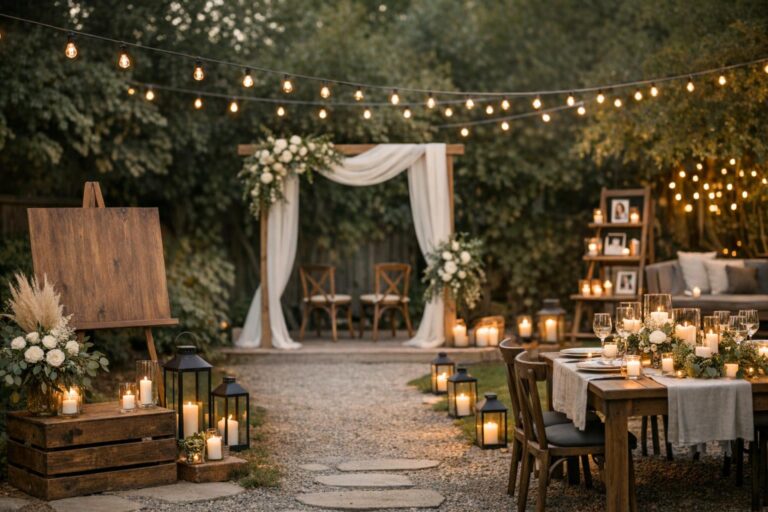
Rustic styling draws on texture and grounded materials. Wooden cake tables, layered linens, and simple props can make the display feel welcoming and relaxed. This approach often works best when the rest of the reception follows the same mood. If the venue is highly formal, rustic details need to be carefully integrated so the cake table does not feel disconnected from the room.
Glam statement
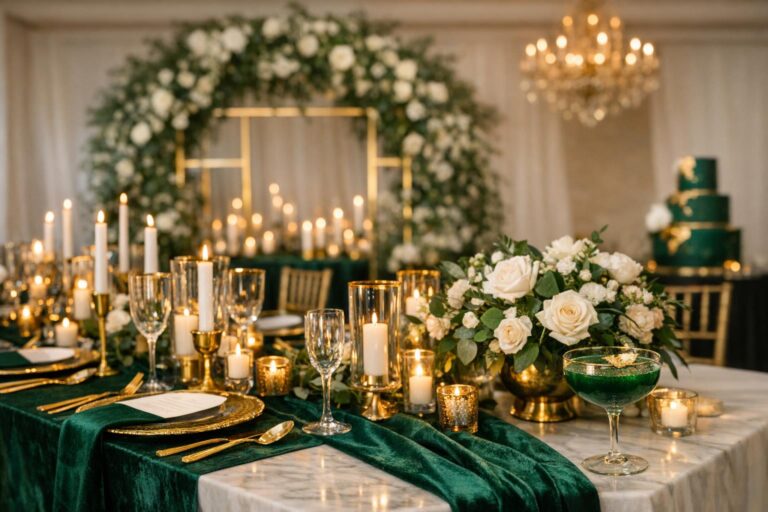
Glam cake table decorations wedding couples choose often feature reflective surfaces, stronger backdrops, and a more theatrical approach to presentation. This can be beautiful in the right setting, especially when the reception design is already leaning luxurious. The trade-off is that glam styling demands discipline in proportion. If every element tries to stand out, the table can quickly feel crowded.
Where wedding cake table decorations go right and where they go wrong
One of the easiest mistakes is treating the cake table as an afterthought. A beautiful cake placed on a random table with no relationship to the room rarely achieves the effect couples hope for. Another common issue is over-decorating. Because cake tables are highly visible, there can be a temptation to add more florals, more props, more desserts, and a larger backdrop than the space actually needs.
The strongest displays usually share three qualities: visual hierarchy, practical stability, and contextual consistency. Visual hierarchy means the cake remains the focal point. Practical stability means the table, stands, and surrounding elements can safely support the display and survive load-in. Contextual consistency means the styling belongs with the venue, the wedding decor, and the time of day.
- If the cake is detailed, simplify the backdrop.
- If the backdrop is bold, keep props restrained.
- If the room is dark, plan lighting early so the cake does not disappear in photos.
- If desserts are included, separate the visual levels so the cake is still clearly dominant.
- If the venue has strict setup timing, choose styling elements that can be installed quickly.
A practical planning lens: venues, load-in, and coordination
Beautiful wedding cake table ideas become realistic only when they work inside a real venue schedule. Reception spaces in the United States can vary widely in access, timing, and staffing, so venue coordination matters. A display that looks easy in an inspiration photo may require more setup time, more transport care, or more staff coordination than couples expect.
Why load-in matters more than many couples expect
Load-in determines how much styling can happen on site. If a venue allows generous setup access, a layered backdrop, multiple stands, and more elaborate props may be practical. If access is tighter, simpler wedding cake table decorations are often the smarter choice. This is not a compromise in quality. In many cases, it leads to a cleaner and stronger visual result.
Working with coordinators and venue teams
Coordinators and venue teams help protect the display from last-minute confusion. They can clarify where the cake table will sit in relation to guest flow, whether the backdrop has enough room, and how the display interacts with reception lighting. This is especially important in hotel or corporate event environments where room diagrams and service timing shape the setup.
Vendor relationships and clustered decisions
The smartest planning decisions often happen in clusters. Rather than choosing a cake, then later thinking about stands, and then separately considering lighting, it helps to view the wedding cake table as an interconnected system. Cake stands, backdrops, linens, florals, lighting, pastry displays, and table dimensions all affect one another. This is where vendor-neutral planning becomes especially useful. You can build a shortlist around categories rather than being locked into a single aesthetic too early.
Vendor resources from places like WeddingWire may mention dessert table options, pricing, or service details, while visual blogs such as Whimsical Wonderland Weddings and Viva Wedding Photography show how those elements come together in finished settings. Looking at both inspiration and logistics helps couples make decisions that are beautiful and feasible.
Photography changes how a cake table should be styled
Some wedding details are mostly experienced in the room. A cake table is different because it often lives on in photographs just as vividly as it did in person. That changes the design logic. A table can seem impressive to the eye but read flat in images if the backdrop, lighting, and height variation are not carefully considered.
Photography-forward sources consistently highlight this point. Viva Wedding Photography, for example, reflects how often cake table decor is discussed through the lens of visual storytelling. Photographers and designers are commonly credited in these galleries because the most memorable displays are those that translate well on camera as well as in real life.
What tends to photograph well
- Clear separation between the cake and the background.
- Height created through cake stands or layered decor.
- Lighting that adds dimension without washing out details.
- Supporting decor that frames the cake rather than cluttering the edges of the shot.
- A consistent palette that ties the table to the rest of the reception.
A useful real-life way to think about this is to imagine two moments: the wide room shot and the close cake-cutting portrait. In the wide shot, the table should feel integrated into the space. In the close portrait, it should provide a beautiful frame without distracting from the couple. If a design supports both moments, it is usually a strong one.
Using inspiration from wedding blogs, galleries, and product pages wisely
Couples often discover their favorite wedding cake table ideas through a mix of wedding blogs, Pinterest boards, vendor pages, and brochures. Each source is useful, but each also shows only part of the picture. Image-heavy publishers like Craftsy Hacks and Whimsical Wonderland Weddings are excellent for seeing themed styling combinations. Pinterest can spark direction quickly through visual discovery. Product categories such as Accio help translate that inspiration into practical furniture and display options.
The important step is turning inspiration into a realistic plan. A styled image may feature a sequin wall, a mirror-like surface, or layered props, but your own venue, timeline, and dessert setup may call for something simpler. Instead of copying a single image exactly, look for repeat patterns: stand height, use of linens, scale of backdrop, and the relationship between cake and surrounding decor.
This approach also makes it easier to blend multiple influences. You might love the romantic softness seen on a publisher-style blog, appreciate the practical categories shown on a vendor page, and notice from a corporate brochure how hotel ballrooms use spacing and symmetry. Those observations can coexist in one thoughtful wedding cake table.
Tips for building a wedding cake table that feels cohesive
Cohesion is what makes even simple styling feel elevated. Without it, the table may look as though it was assembled from separate ideas. With it, wedding cake table decorations feel calm, complete, and emotionally resonant.
- Choose the table after you understand the cake size and visual weight, not before.
- Let one element lead the design, whether that is the cake, the backdrop, or the palette.
- Repeat one or two materials from the broader reception, such as linens or display finishes.
- Keep supporting desserts visually secondary if the table is meant to spotlight the wedding cake.
- Review the setup from guest eye level and from camera height, since those views can differ.
Couples planning a more expansive dessert display should also think about pacing. If guests approach the dessert table early, the design will change over the course of the evening as platters empty. A separate wedding cake table can preserve the visual focal point for longer, which is one reason many planners and stylists prefer keeping the main cake display distinct.
Elegant simple vs. richly layered: how to decide what suits your reception
There is no single best style for a wedding cake table. The better question is what kind of display best serves your reception. Elegant simple styling often works beautifully in already decorated spaces because it prevents visual overload. Richly layered displays can be striking when the venue has more open space or when the dessert area is meant to function as a major feature of the event.
For example, in a reception where the room itself has dramatic architecture or hotel-level polish, a cleaner cake table may feel especially sophisticated. In a venue that needs more decorative structure, a fuller backdrop and more layered dessert styling may help the area feel complete. Neither direction is inherently better. The success depends on context.
This is also where the phrase wedding cake table ideas elegant simple becomes genuinely useful as a planning mindset rather than just a style label. It encourages restraint, especially when couples are overwhelmed by images filled with props and decorative extras. Sometimes the most memorable display is the one that leaves room for the cake, the light, and the moment itself.
A step-by-step planning flow for a smooth cake table setup
Planning feels easier when the decisions happen in the right order. A cake table wedding setup benefits from a sequence that moves from concept to logistics to finishing details.
- Start with the role of the display: standalone cake table, combined dessert table, or part of a larger dessert bar.
- Decide on your style direction: classic, modern, rustic, glam, or a softer romantic blend.
- Confirm the size and presence of the cake so the table and stand can support it visually and physically.
- Choose the core display elements: table, stand, backdrop, and linens.
- Add supporting entities carefully: florals, lighting, dessert platters, props, and pastry displays.
- Review venue access, load-in timing, and where the table will sit during the reception.
- Consider the photography angle and how the table will look in wide and close shots.
- Finalize only the details that strengthen the focal point, and remove anything that does not.
This flow is especially helpful because it prevents decorative choices from outrunning practical ones. It also reduces the common problem of discovering too late that a backdrop is too large, a stand is too small, or the display feels disconnected from the room.
Special context: U.S. wedding venues and display realities
For couples planning in the United States, one of the most useful mindset shifts is recognizing how much venue type influences cake table design. A ballroom reception, a hotel event space, and a more relaxed venue can all support beautiful displays, but they may require different setup choices. Access windows, staffing, and room layout often shape what is realistic just as much as style preference does.
This is one area where vendor-neutral thinking is particularly valuable. Rather than beginning with a fixed image from a gallery, begin with the realities of the space and then style within them. A refined hotel setting may call for a clean and classic wedding cake table. A more open venue may welcome a larger dessert table with pastry displays and a stronger decorative backdrop. The display becomes more successful because it belongs to the venue rather than fighting it.
Even regional dessert traditions can shape the final design. If a cookie table or additional dessert station is part of the celebration, it may make sense to keep the main cake table more focused and ceremonial. That distinction allows both traditions to shine without turning the entire dessert presentation into one crowded visual zone.
What a well-planned cake table says about the wedding as a whole
A wedding cake table often reveals how thoughtfully the entire celebration has been designed. Not because it has to be expensive or elaborate, but because it shows whether visual choices were connected. When the cake stand suits the scale of the cake, when the backdrop complements rather than overwhelms, when the lighting flatters the display, and when the table feels at home in the venue, guests may not analyze each decision individually. They simply feel that the room is harmonious.
That is why cake table decorations wedding couples remember most are often the ones that feel emotionally right, not just visually impressive. The display holds memory. It sits behind the cake cutting, appears in photographs, and quietly supports one of the sweetest parts of the reception. A beautiful setup does not need to shout to be unforgettable.
Final styling thoughts for couples choosing their wedding cake table
As you shape your own wedding cake table ideas, let beauty and practicality stay in conversation with each other. A romantic display can still be easy to set up. An elegant simple design can still feel special. A richer dessert table can still remain cohesive if the cake holds its rightful place at the center. The goal is not to recreate someone else’s gallery image exactly. It is to create a display that suits your venue, your celebration, your photographs, and the feeling you want guests to carry with them into the evening.
The most successful wedding cake table is the one that feels true to the day around it. When the details are chosen with care, the table becomes more than a decorated surface. It becomes a scene within the story of the wedding itself.
FAQ
What should be on a wedding cake table?
A wedding cake table usually includes the cake, a cake stand or pedestal, linens, and carefully chosen supporting decor such as florals, a backdrop, or subtle props. If desserts are included, they should be arranged so the wedding cake remains the visual focal point rather than getting lost among other items.
What is the difference between a cake table and a dessert table?
A cake table is centered on showcasing the wedding cake and supporting the cake-cutting moment, while a dessert table includes a wider assortment of sweets, pastry displays, and dessert platters. Some weddings combine the two, but many couples keep them separate so the cake still has a strong visual presence.
How do I style a wedding cake table in an elegant simple way?
An elegant simple approach works best when you limit the design to a few strong elements: a beautiful cake stand, clean linens, soft lighting, and a restrained backdrop or floral accent. This style is especially effective when the reception space already has visual richness and the cake table needs to feel refined rather than crowded.
How many pieces does a dessert table serve at a wedding?
The exact serving count depends on the type of desserts offered, how large the display is, and whether the dessert table is replacing or supplementing the wedding cake. Couples should plan this with their dessert vendors and coordinators so the table looks full at the right time while still matching guest count and reception flow.
Do I need a backdrop behind the wedding cake table?
A backdrop is not mandatory, but it is often one of the most effective ways to frame the cake, define the display area, and improve photographs. If the venue already provides a strong visual background, a minimal or no-backdrop approach can work beautifully, especially for couples choosing elegant simple wedding cake table decorations.
What are the most common wedding cake table mistakes?
Common mistakes include over-decorating, choosing a table or stand that does not suit the cake’s size, ignoring lighting, and failing to coordinate setup with the venue. Another frequent issue is treating the cake table as separate from the rest of the wedding decor, which can make the display feel disconnected from the room.
Should the wedding cake table be separate from the dessert table?
Keeping them separate often helps preserve the cake as a ceremonial focal point and prevents the display from becoming visually cluttered. However, if the dessert presentation is part of the overall design vision, a combined setup can work well as long as the cake still has height, emphasis, and clear visual distinction.
How can I make sure the cake table looks good in photos?
Focus on clear framing, balanced height, supportive lighting, and a backdrop that separates the cake from the room behind it. Think about both wide reception images and close cake-cutting photos, since a setup that works for both will usually feel more polished and intentional.
Why does venue coordination matter for a cake table wedding setup?
Venue coordination affects where the table can go, how much time is available for setup, and whether larger elements such as backdrops or layered displays are practical. A beautiful design still needs to fit the venue’s access rules, room layout, and reception timing to work smoothly on the wedding day.