
Garden Wedding Decor: The Ultimate Guide to Creating a Lush Outdoor Celebration
Garden wedding decor works best when it feels like it belongs in the landscape: lush, intentional, and effortless in photos. But “effortless” usually comes from smart planning—choosing a mood that matches the venue, building strong focal points (like an arbor or moss backdrop), and using lighting, pathways, and table details to carry the look from ceremony to reception. This guide pulls together the most requested garden wedding ideas—petal aisles, lantern-lit paths, fairy light canopies, rustic-vintage accents, greenery-forward centerpieces, and photo-ready backdrops—then adds practical structure so you can actually execute the design outdoors.
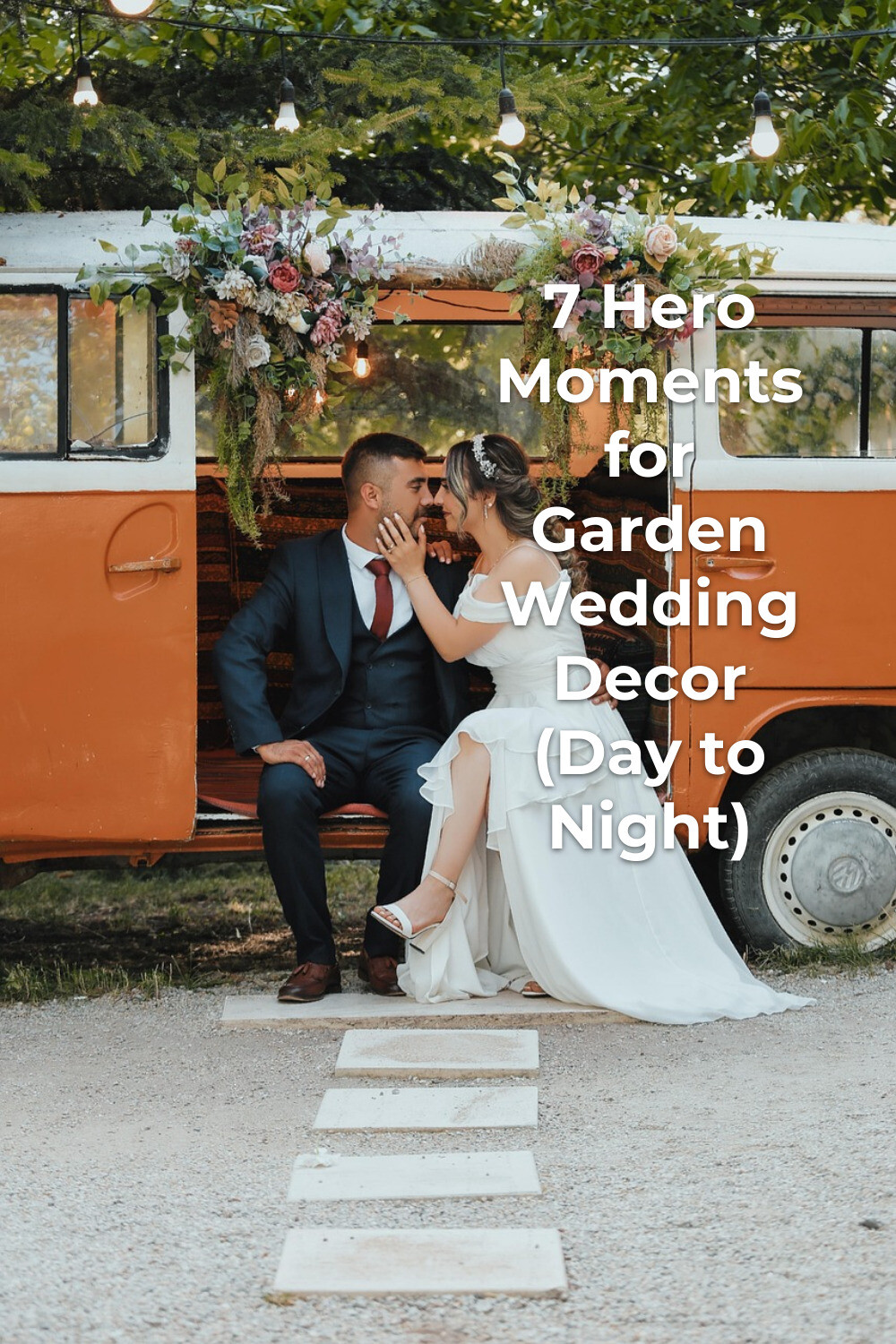
Whether you’re leaning romantic, botanical, rustic chic, or modern minimalism, the most successful outdoor wedding decor plans follow the same principle: pick a few “hero moments” guests will remember (your ceremony backdrop, the aisle, the dining lighting, and one photo spot), then support them with cohesive smaller details like linens, signage, and favors.
Planning Your Garden Mood: Start with a Theme and Palette
A garden already provides your base decor: greenery, natural textures, and built-in scenery. Your job is to decide how polished, playful, or wild you want that scenery to feel. Defining your theme and palette early makes every choice easier—florals, linens, furniture, lighting style, even invitations.
Choose a Garden-Inspired Theme (Botanical, Rustic, Romantic)
Most garden wedding decor styles fall into a few flexible lanes. Botanical looks intentional and plant-forward, often emphasizing greenery, potted plants, and natural textures. Rustic garden wedding decor blends vintage pieces (like antique seating or repurposed containers) with relaxed florals and warm string lights. Romantic garden styling often centers on abundant blooms, draped fabric, and candle-like lighting, designed to feel soft and photo-friendly. You don’t need to choose only one—just decide which lane is primary so your decor doesn’t compete with itself.
Pick a Color Palette That Complements Natural Backdrops
Garden environments include many greens, plus seasonal flowers and changing light. A practical approach is to select a palette that reads clearly against greenery and won’t disappear in photos. If you love subtle shades, use them in larger areas (linens, runners, signage backgrounds) so they still show up outdoors. If you prefer bold color, use it strategically—bouquets, ceremony florals, or a flower wall—while keeping other elements more neutral so the garden still feels like the star.
Tips: When you tour your venue, take a few quick photos at the ceremony site and reception area. If your chosen colors blend into the background in those snapshots, adjust the palette toward either brighter accents or higher-contrast neutrals.
Aisle and Pathway Decor: Petals, Lanterns, and Statement Entrances
Outdoor ceremony decor often looks best when the aisle is treated as a designed “runway” rather than an afterthought. Pathway decor also helps with guest flow in large gardens—guiding people from entrance to ceremony to cocktail hour to reception without needing constant announcements.
Petal Aisle Runway
A flower petal aisle is one of the most recognizable garden wedding ideas because it reads instantly in photos and feels special without adding bulky structures. You can create a fully petal-strewn walkway, a defined petal border, or clusters placed at intervals for a lighter look. Consider the surrounding colors in the garden so your petals don’t visually disappear into the groundcover or nearby blooms.
- Full petal-strewn walkway for a dramatic, romance-forward ceremony
- Petal borders on both sides for a clean, guided look
- Petal “moments” placed every few rows to reduce coverage while still photographing well
- Petal clusters paired with lanterns for a day-to-night transition
Tips: If wind is likely, use heavier petal coverage or combine petals with low-profile aisle markers (like lanterns) so the aisle still looks styled even if a few petals shift.
Lantern-Lit Love Lane (Day-to-Night Aisles)
Lanterns are a classic outdoor wedding decor solution because they define edges, add ambiance, and can be moved after the ceremony. A lantern-lit aisle feels especially magical for late-afternoon ceremonies that roll into an evening reception. Place lanterns at consistent intervals to keep the styling intentional, and continue the lantern line toward cocktail hour to help guests navigate the garden.
Arbors, Arches, and Entry Moments
If your ceremony site doesn’t already have a strong focal point, treat your aisle entrance as a mini moment: a simple white arbor, a floral arch, or an archway that echoes the altar design. Even a modest structure can create a sense of “arrival,” especially in larger garden venues where spaces can feel open and undefined.
- A white arbor at the aisle entrance for a clean garden frame
- A smaller floral arch at the start of the aisle plus a larger ceremony arch to bookend the space
- Greenery-forward arch styling that blends into the garden but still photographs as a distinct shape
- Draped fabric on an arbor for a softer, romantic garden feel
Ceremony Backdrops and Arbors: Focal Points That Shine
The ceremony backdrop is usually the most photographed piece of garden wedding decor. Your goal is to frame you, not overwhelm you, and to create a clear “center” so the ceremony feels grounded in an outdoor space.
Moss Backdrop and Green Wall
A moss garden wedding backdrop (or any green-wall-inspired look) delivers a lush, nature-first aesthetic. It reads strongly in photos, especially when the surrounding garden is visually busy. To keep it from feeling flat, add dimension with layered greenery, clustered florals at corners, or varied textures. A moss-forward backdrop can also double as a photo area after the ceremony if positioned where guests naturally gather.
Tips: If your venue already has dense hedges or a dramatic wall of greenery, treat that as the “green wall” and add a minimal arch or floral clusters to define the ceremony frame without building a full structure.
Romantic Garden Wedding Altar Idea: Draped Arch with Florals
Drapery can soften a garden ceremony and create a storybook mood, especially when paired with florals and gentle lighting. A draped arch works well when your garden setting is open or when you want a more formal, designed look. Keep fabric controlled and secured so it stays elegant rather than becoming a wind distraction.
Garden Pergola or Gazebo Illusion
Many gardens include architectural features like pergolas, gazebos, or built-in trellises. When those exist, lean into them instead of competing. Add florals along key sightlines (corners, top beams, or side posts), then use aisle decor—petals, lanterns, or simple arrangements—to connect the ceremony space to the rest of the celebration.
Tips: If you’re unsure where to place your ceremony structure, stand where most guests will sit and look toward the altar area. Choose the position that creates the cleanest background with the fewest distractions and the strongest natural framing.
Lighting Your Garden: Canopies, Lanterns, and Firefly Vibes
Lighting is where garden wedding decor turns from pretty to unforgettable. Even if your ceremony is in full daylight, plan lighting for golden hour, dusk, and nighttime—especially for pathways, dining, and dancing. The right lighting also improves photos and helps guests feel comfortable moving through an outdoor space.
Fairy Light Canopy Over Dining or the Dance Floor
A fairy light canopy is one of the most requested outdoor reception decor features because it instantly creates a “room” under the sky. It also makes a large, open lawn feel intimate. If your venue has trees, you may be able to suspend lights overhead for a natural ceiling effect. If not, plan a dedicated canopy over either the dining area or dance floor so you get one strong hero moment rather than trying to light everything equally.
- Canopy over long tables for a warm, dinner-party atmosphere
- Canopy over the dance floor for a central focal point and better night photos
- Layered lighting look: canopy plus perimeter string lights to define the space
Outdoor String Lights to Shape the Reception Space
Outdoor string lights can outline your reception layout and subtly guide guests. They pair naturally with rustic garden wedding decor and vintage furniture vignettes, but they can also look polished when installed in clean lines. Use them to mark boundaries—where dining ends and dancing begins, where the lounge seating sits, or where pathways lead to restrooms or parking.
Lantern Lines, Bottle Fairy Lights, and Glow Details
Lanterns and bottle fairy lights add sparkle at guest eye level, which helps create that “firefly” mood associated with garden celebrations. They’re also flexible: you can line them on a path, cluster them near signage, or use them as part of table styling. These details are particularly useful in gardens where overhead rigging is limited or where you want to concentrate light in specific areas.
Tips: Prioritize lighting in three places: the path guests walk most, the place they’ll spend the longest time (dining), and the place you’ll want the best evening photos (often the dance floor or a dedicated photo backdrop).
Table Decor and Centerpieces: Natural Elegance That Works Outdoors
Garden wedding centerpieces should feel cohesive with the setting and practical for outdoor conditions. Think lower profiles for conversation, stable bases for wind, and materials that look intentional even when the light changes. Your tables are also where guests spend the most time noticing details, so small choices—napkins, runners, place cards—matter.
Centerpiece Ideas That Fit a Garden Setting
In a garden, “more flowers” isn’t the only answer. Greenery-only centerpieces or greenery-forward designs can look expensive and timeless because they echo the landscape. If you love abundant blooms, consider putting the biggest floral impact into a few hero pieces (like the ceremony arch and one statement arrangement) and using simpler, consistent designs on tables.
- Greenery-forward, low-profile centerpieces for a fresh botanical look
- Mixed arrangements that repeat your ceremony flowers for cohesion
- Lantern-based centerpieces with surrounding greenery for stability outdoors
- Bud-vase groupings for a light, airy garden table design
Table Runners, Linen Colors, and Texture
Linens create the backdrop for everything else on the table. For garden decor ideas that read well in photos, choose runner and linen colors that separate clearly from the surrounding greens. Organic cotton napkins can support a natural, farm-to-table vibe, while a more structured linen choice can push the look toward classic elegance. The key is consistency—repeat the same textures and tones across tables so the outdoor setting feels curated rather than scattered.
Eco-Friendly Favors and Place Cards That Feel On-Theme
Garden weddings are a natural fit for favors that echo the setting. Potted plant favors are a popular choice because they feel like part of the decor while guests are on-site, and they can be styled to match your tablescape. Place cards can also contribute visually—especially when grouped at a welcome table or escort-card area near greenery and soft lighting.
Tips: If you’re using potted plants as favors, integrate them into your decor plan so they do double duty—decorate the welcome area, line the aisle, or anchor lounge vignettes—then let guests take them home at the end.
Focal Decor Elements: Signage, Flower Walls, and Photo Spots
Beyond the ceremony and tables, guests remember the moments that invite interaction: a photo corner, a swing photo booth, a floral crown station, or a styled lounge area. These focal decor elements also help a large garden feel like a series of intentional “rooms.”
Flower Wall Backdrop and Photo-Friendly Greenery Corners
A flower wall backdrop is a straightforward way to create a dedicated photo area, especially if the garden’s most scenic spots are far from the reception. If a full flower wall feels too formal for your style, a greenery backdrop, moss-inspired wall, or floral arch backdrop can deliver a similar effect while staying nature-forward.
Garden Swing Photo Booth and Vintage Vignettes
A garden swing photo booth taps into the playful side of outdoor wedding decor and gives guests a built-in activity. Vintage garden furniture—benches, small tables, antique chairs—can be arranged into vignettes that look beautiful in photos and provide functional seating at the same time. This approach fits especially well with rustic chic garden wedding styling.
- Garden swing with greenery and flowers to frame the seat
- Vintage bench or loveseat under string lights for a cozy photo corner
- Small lounge cluster with layered seating to encourage guests to linger
Garden Signage and Wayfinding That Doesn’t Fight the Landscape
In outdoor spaces, signage is both decor and logistics. A few well-placed signs—welcome, ceremony direction, bar, guest book/gift table—keep guests relaxed and prevent crowding. The most effective garden signage blends with the environment through natural textures and restrained color, while staying easy to read from a distance.
Natural Garden Wedding Gift Area
Gift and guest-book areas are often overlooked, but they’re a chance to extend your theme. A nature-inspired gift area might include greenery accents, soft lighting, and cohesive signage so the space looks intentional rather than purely functional. Position it where it’s visible and convenient, but not in a high-traffic pinch point.
Tips: Choose one “interactive” element (like a floral crown station or photo spot) and execute it fully rather than adding multiple small stations that feel unfinished. One strong moment creates more impact and better photos.
Seasonal and Regional Considerations: Make Garden Decor Work When Nature Changes
Seasonality is part of the charm of garden weddings, but it also affects your decor decisions. Gardens change rapidly—flowers bloom and fade, greens deepen or dry out, and weather shifts can influence how you build arches, hang lights, or use drapery. The goal is to adapt your plan so it feels cohesive with the garden at that time of year.
Spring, Summer, and Fall Palette Approaches
Seasonal garden wedding ideas often start with what’s naturally happening outdoors. Spring can support fresh, romantic styling with petal aisles and floral-forward ceremony frames. Summer pairs well with bright, lively accents and strong lighting plans that carry the evening. Fall can lean into richer tones and warm glow—lanterns, string lights, and textured linens—so the reception still feels inviting as the light fades earlier.
Weather and Outdoor Decor: Practical Adjustments Without Losing Style
Outdoor wedding decor needs a plan for wind, temperature, and the possibility of rain. Instead of designing as if conditions will be perfect, build decor that holds up: stable bases for arrangements, lanterns that won’t tip easily, and drapery that can be secured. If you want overhead installations like a fairy light canopy, confirm where and how it can be anchored so it remains safe and clean-looking.
- Choose sturdy centerpiece vessels and avoid top-heavy designs in windy locations
- Use lanterns and low-profile aisle markers to keep pathways defined even if petals shift
- Plan a lighting approach that still works if timelines change and the evening gets darker faster than expected
Tips: Walk your ceremony-to-reception route at the time of day your event will happen. Notice where shadows fall, where light disappears first, and which paths feel uneven or dim—then prioritize decor and lighting fixes in those exact spots.
Budget, DIY vs. Rental, and Vendor Coordination
Garden wedding decor can be as simple or elaborate as you want, but it’s easiest to manage when you break it into categories and decide what you’ll DIY, what you’ll rent, and what you’ll hand to professionals. Many garden elements are naturally DIY-friendly (mason jar lanterns, bottle fairy lights, some signage), while structural pieces (arches, large backdrops, overhead lighting) often benefit from rental support or vendor installation.
Cost Planning by Decor Category (A Practical Budget Matrix)
Instead of guessing a single decor number, build a simple budget matrix by category. This helps you prioritize the moments guests notice most and keeps you from overspending on low-impact items. Typical categories include ceremony backdrop/arbor, aisle decor, lighting (string lights, canopy, lanterns), table decor (linens, centerpieces), signage and wayfinding, photo backdrop, and lounge/interactive areas.
- Ceremony focal point: arch, arbor, moss backdrop, or pergola styling
- Aisle and pathways: petals, lantern lines, minimal markers
- Lighting: fairy light canopy, outdoor string lights, bottle fairy lights
- Tables: runners/linens, centerpieces, napkins, small glow details
- Guest experience: lounge area, garden games, photo spot, floral crown station
Tips: If you’re choosing between two upgrades, put money into lighting or your ceremony backdrop first. Those two elements typically influence the overall atmosphere and the majority of your photos.
DIY Garden Wedding Decor Ideas That Look Expensive
DIY can look high-end when it’s repetitive, cohesive, and intentionally placed. One-off crafts scattered everywhere tend to look busy outdoors. Instead, select a few DIY projects you can produce in consistent quantities and use them in clusters.
- Mason jar lanterns grouped along a path or around a lounge vignette
- Bottle fairy lights on welcome tables, bar areas, or sign-in displays
- Petal-strewn walkways with a consistent edge pattern
- Simple garden-themed invitations that set the mood before guests arrive
Working with Florists and Rental Companies (And Avoiding Day-Of Surprises)
Garden weddings often require coordination across multiple outdoor zones. The cleanest results come when you assign ownership: who delivers and sets the arch, who places aisle petals, who turns on string lights, who moves lanterns from ceremony to reception, and who maintains the photo spot. If you’re using rentals (arches, vintage furniture, lighting), confirm what’s included—delivery, setup, teardown—so your timeline doesn’t collapse into last-minute scrambling.
Tips: Create a one-page “decor map” of your venue with labeled zones: ceremony, cocktail hour, reception, photo area, gift table. Even a simple sketch helps vendors and helpers place items consistently and prevents decor from piling up in the wrong spot.
Garden Wedding Decor Timeline: A Practical 6–8 Week Checklist
Outdoor wedding decor is easier when you treat it like a build: design decisions first, then sourcing, then assembly, then installation. A simple 6–8 week checklist helps you lock your plan while there’s still time to adjust for weather, venue constraints, and inventory changes.
- 8 weeks out: finalize theme and palette; choose ceremony focal point (arch/arbor/backdrop) and lighting approach (string lights/canopy/lanterns)
- 7 weeks out: confirm key decor pieces to rent vs. buy; reserve vintage furniture or lounge items if desired
- 6 weeks out: decide aisle plan (petal aisle, lantern lines, minimal markers); outline the photo spot and signage needs
- 4–5 weeks out: gather DIY supplies (mason jars, bottle fairy lights, signage materials); plan table styling (runners, napkins, centerpiece style)
- 3 weeks out: finalize a zone-by-zone decor map; assign setup responsibilities and a move plan for items reused after the ceremony
- 2 weeks out: do a lighting and pathway walkthrough; confirm install windows and who turns lights on at dusk
- 1 week out: stage and label decor by zone; pack “kits” for each area (signage kit, aisle kit, photo kit)
- Day before/day of: install structure and overhead elements first (arch, canopy), then pathways, then tables, then photo spot and finishing touches
Tips: Label everything by zone and job. “Ceremony aisle—left side” and “Reception tables—centerpieces” prevents well-meaning helpers from placing items randomly, which is the fastest way for a cohesive garden design to unravel.
Gallery-Style Inspiration: Three Complete Garden Decor Directions
If you’re overwhelmed by individual ideas, think in “sets.” A cohesive garden wedding decor plan is really a series of repeating design choices—lighting type, floral density, furniture style, and how you frame photo moments. Use these three directions as plug-and-play concepts you can adapt to your venue.
Storybook Garden Wedding (Romantic + Lush)
This style centers on romance-forward ceremony framing and soft, glowing lighting. Start with a draped arch with florals, then run a petal aisle toward it. Carry the romance into the reception with a fairy light canopy over dining and lantern clusters near pathways. Add a flower wall backdrop or moss-forward photo area so guests have a clear photo destination.
Rustic-Chic Garden Reception (Vintage + Warm Glow)
Rustic garden wedding decor blends naturally with outdoor settings when the materials are consistent. Use outdoor string lights to define your reception footprint. Build vintage garden furniture vignettes—one near cocktail hour, one near dancing—so guests can relax. Incorporate mason jar lanterns or bottle fairy lights for warm, easy ambiance, and keep centerpieces greenery-forward with stable lantern bases.
Modern Garden Minimalism (Clean Shapes + Botanical Touches)
This approach keeps the garden as the main visual, then adds clean, intentional shapes. Choose a simple white arbor or a streamlined floral arch backdrop for the ceremony. Skip heavy aisle decor in favor of a crisp petal border or minimal lantern markers. For tables, use low-profile greenery-only centerpieces and consistent linens. Finish with one structured photo corner—perhaps a greenery wall or a tidy floral installation—rather than multiple scattered stations.
Resource Hub Mindset: What to Buy, What to Rent, What to Assign
A garden wedding comes together smoothly when each decor element has a sourcing plan. Items that are lightweight, repeatable, and easy to transport often make sense to buy (especially if you’re DIYing). Large structural pieces, overhead installations, and specialty furniture are often easier to rent and coordinate through vendors, particularly when setup and teardown require experience.
- Often buy/DIY: mason jar lanterns, bottle fairy lights, simple signage, petal aisle supplies, small tabletop glow details
- Often rent: arches/arbors, large backdrops (including green-wall looks), vintage furniture and lounge groupings, overhead lighting structures
- Assign clearly: who places aisle decor, who flips the ceremony space for reception use, who turns on lighting at dusk, who maintains the photo spot
Tips: Before you purchase anything, ask where it will live after the wedding day begins. If an item doesn’t have a clear home (ceremony, reception, entry, photo), it’s likely to become clutter rather than decor.
FAQ
Do I need a backup plan for weather for a garden wedding?
Yes, you should plan for weather even if the forecast looks good, because outdoor decor can be affected by wind, temperature shifts, and rain; build your design around stable pieces (like lanterns and sturdy centerpieces), confirm where overhead elements can be anchored, and know how key decor (especially arches and lighting) will be handled if conditions change.
How can I keep garden wedding decor from blowing over in wind?
Prioritize stability by using low-profile aisle markers, lanterns with solid bases, and centerpieces that aren’t top-heavy, and treat drapery and arches as structural elements that must be secured so they stay clean-looking and safe throughout the event.
What are the most impactful garden wedding decor upgrades if I’m on a budget?
Focus on one strong ceremony focal point (like a floral arch, white arbor, or moss backdrop) and one strong lighting moment (such as outdoor string lights or a fairy light canopy), then keep supporting details consistent and simple so the overall atmosphere still feels intentional.
How early should outdoor wedding decor be installed?
Install the biggest structural elements first (arch/backdrop and any overhead canopy), then place aisle and pathway decor, then finish tables and photo areas closer to guest arrival so the overall look stays fresh and you avoid last-minute congestion.
What are easy DIY garden wedding decor ideas that still look polished?
Choose repeatable DIY elements and place them in intentional clusters, such as mason jar lanterns along a pathway, bottle fairy lights on a welcome or gift table, a consistent petal aisle pattern, and a cohesive set of garden-themed signage pieces.
How do I create a great garden photo backdrop if my venue is already beautiful?
Use the venue’s natural greenery as the base and add a defined frame—like a floral arch backdrop, moss-inspired wall, or a small styled seating vignette—so guests have a clear, designated spot that photographs consistently without needing to hunt for the perfect angle.
What are popular aisle decor options for a garden ceremony?
Common garden aisle decor includes petal-strewn walkways or petal borders, lantern-lined aisles for a romantic glow, and a coordinated entry moment with an arbor or small arch that connects visually to the main ceremony backdrop.
How do I make an outdoor reception feel intimate at night?
Create a defined “ceiling” and boundaries using a fairy light canopy over dining or the dance floor, add outdoor string lights to outline key zones, and use lanterns or bottle fairy lights at eye level to build warmth and make the space feel like an outdoor room.
Leave a Reply