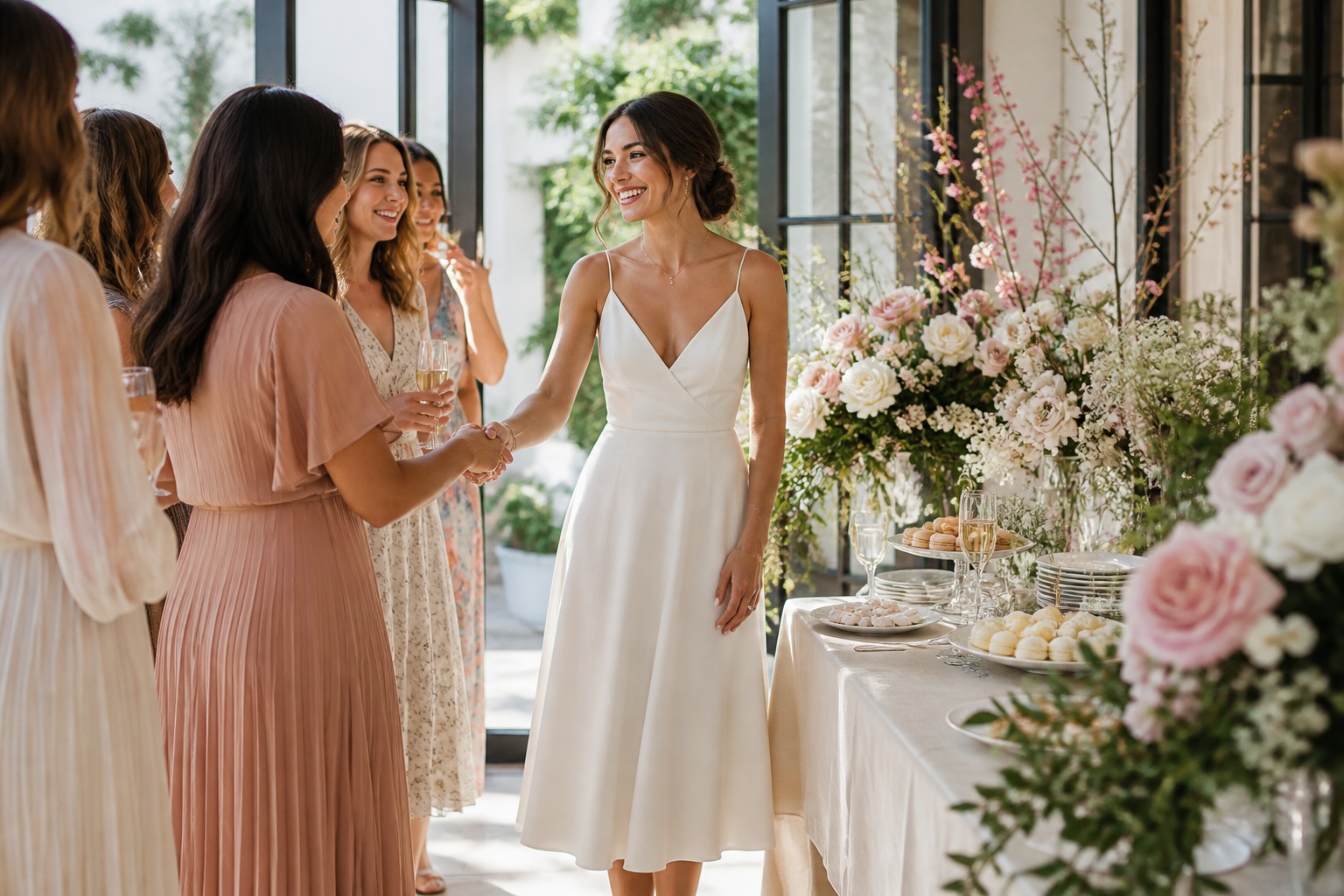
Bridal Shower Dresses: Build a Polished Capsule
Bridal shower dresses are easier to choose when you stop treating the event as a single dress code. A daytime brunch, a garden lunch, a restaurant gathering, and a relaxed backyard shower can all call for a different level of polish. The bride may want a recognizable white moment, while a guest needs to look celebratory without appearing to copy the guest of honor. The most useful solution is a small dress capsule built around setting, role, comfort, and repeat wear.
This guide helps you assemble that capsule instead of chasing one perfect listing. You will see which four dress foundations cover the most situations, how to adapt them with layers and accessories, and what to check before buying. Whether you are hosting a shower, attending one, or planning several pre-wedding events, the goal is a look that feels intentional in photographs and easy to wear for the full celebration.
Start with the role, venue, time, and dress code
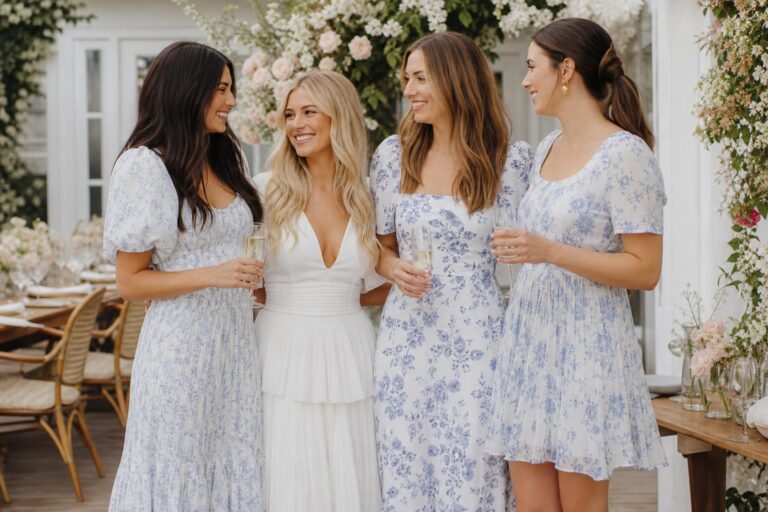
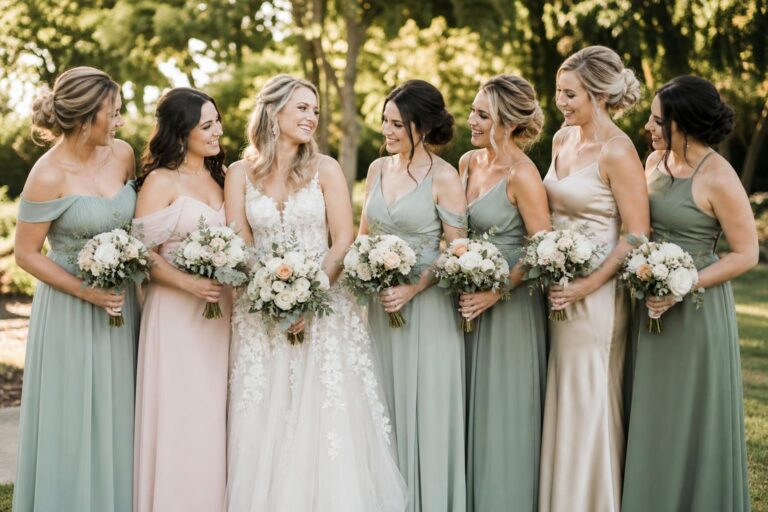
The first decision is not hemline or color. It is your role. A bride can use white, ivory, pearl, or a soft bridal print to create a special visual identity. A guest should read the invitation carefully before choosing white, especially if the couple has described a specific palette or theme. Cream, pale blue, butter yellow, blush, green, or a small floral can offer the same freshness without looking like a second bridal outfit.
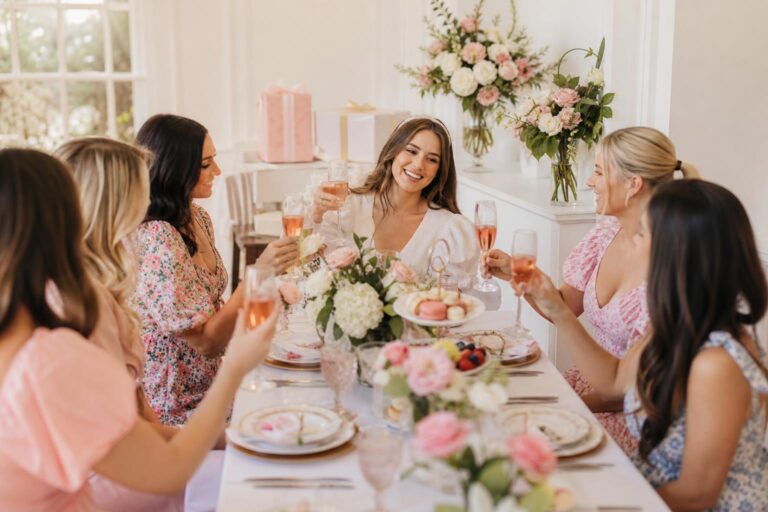
Next, translate the invitation into practical conditions. “Brunch” usually suggests lighter fabrics, daytime color, and shoes that can manage walking. “Tea at home” may support a feminine midi, a polished knit, or a dress with a soft sleeve. “Garden party” raises questions about grass, sun, wind, and narrow heels. A private room at a restaurant may allow satin, beading, or a sharper silhouette. When the invitation is vague, use the venue and start time as your strongest clues.
Turn wedding inspiration into a plan you can actually follow.
Zarellea brings your guest list, budget, vendors, and day-of details into one shared space — so no beautiful idea gets lost in the shuffle.
Use a simple formality scale
For a casual shower, choose cotton poplin, linen blends, relaxed jersey, a simple floral, or a short dress with refined accessories. For a polished daytime shower, look at crepe, chiffon, lace, jacquard, satin with a matte finish, or a structured knit. For an evening shower, a darker color, a richer texture, a longer hem, or restrained embellishment can raise the formality. You do not need a gown unless the invitation or venue truly calls for it.
Let the season influence the capsule
Spring and summer make breathable fabric, open necklines, short sleeves, and lighter colors practical. Fall and winter invite long sleeves, velvet accents, heavier satin, jewel tones, tights, and tailored coats. Season does not mean costume. A winter bride can wear a clean white crepe midi without snowflake details, and a summer guest can wear a navy or chocolate dress without looking out of place. Think about temperature changes between travel, photographs, and the meal.
- Role: bride, family member, wedding party, or guest.
- Setting: home, garden, restaurant, hotel, country club, or outdoor venue.
- Time: morning, midday, afternoon, or evening.
- Movement: stairs, grass, walking, sitting, hugging, and carrying a gift.
- Weather: heat, humidity, wind, rain, cold, or strong sun.
- Dress code: named on the invitation, implied by the venue, or still unclear.
If you can answer those six questions, you can usually narrow the search before opening a shopping page. That saves time and prevents the common mistake of buying a pretty dress that belongs to a different event.
Build the capsule from four dress foundations
A capsule does not have to mean owning four nearly identical white dresses. It means choosing a few reliable foundations that cover different levels of formality and different kinds of invitations. The following four options can work for a bride or guest when the color and styling are adjusted to the role.
Foundation one: the white or ivory bridal dress
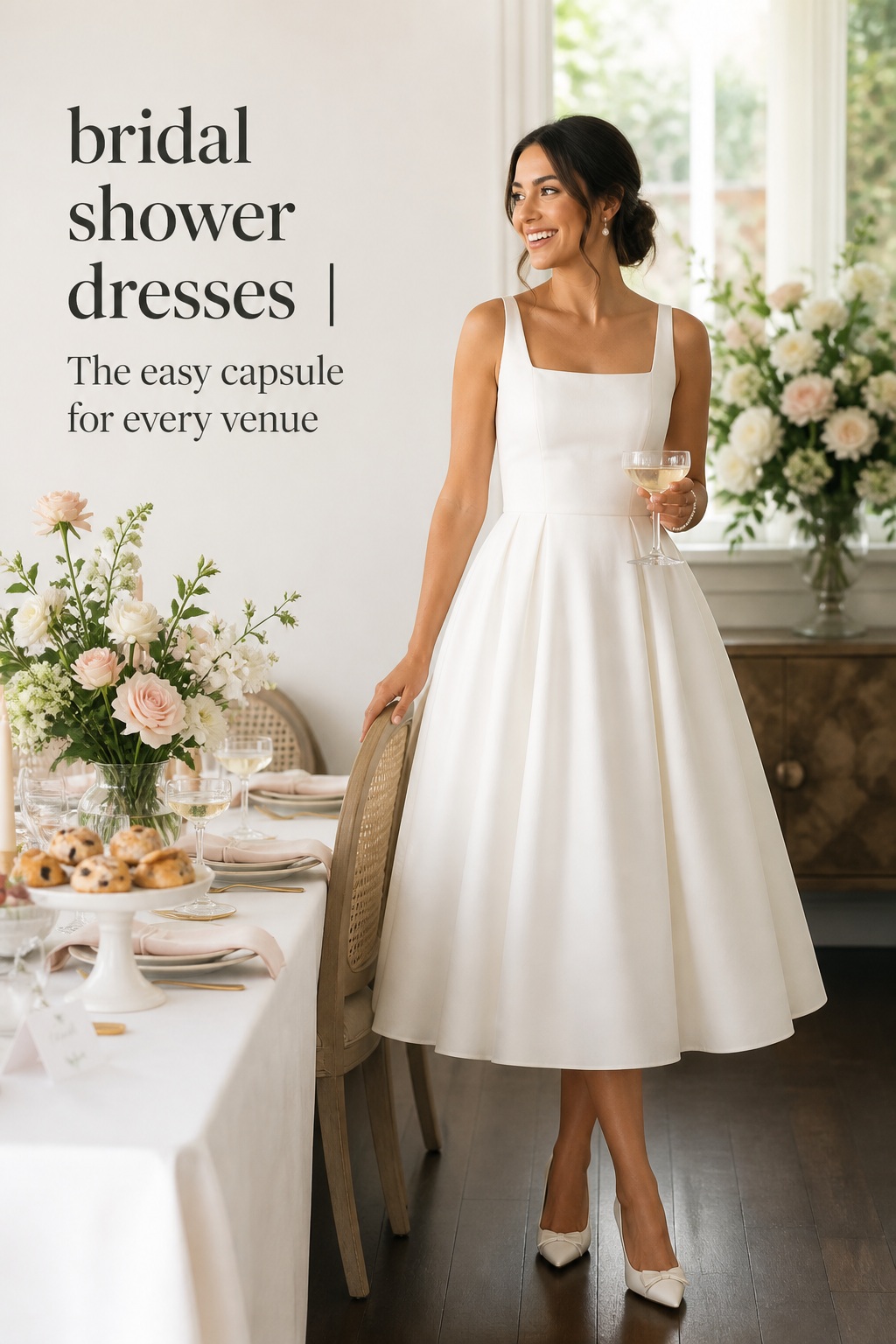
For the bride, a white or ivory dress provides the clearest shower moment. Look for a silhouette that feels distinct from the wedding gown without competing with it. A tea-length A-line, a fitted midi, a short lace dress, a square-neck satin style, or a clean mini with a removable bow can all feel celebratory. The best choice often has one memorable detail, such as a textured fabric, an interesting sleeve, a sculpted waist, or a graceful open back.
Keep the accessories intentional. Pearl earrings, a small bow, a white shoe, or a delicate veil-inspired hair accessory can signal the occasion. You do not need every bridal cue at once. If the dress has lace, choose clean shoes and simple jewelry. If the dress is minimal, let a floral shoe, a ribbon, or a statement earring add personality. Consider whether the dress can return for a courthouse ceremony, honeymoon dinner, anniversary, or future summer party.
Foundation two: the polished guest midi
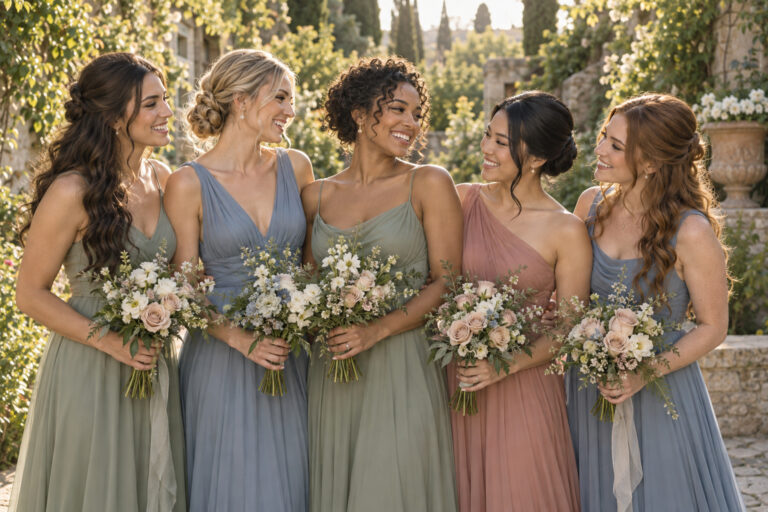
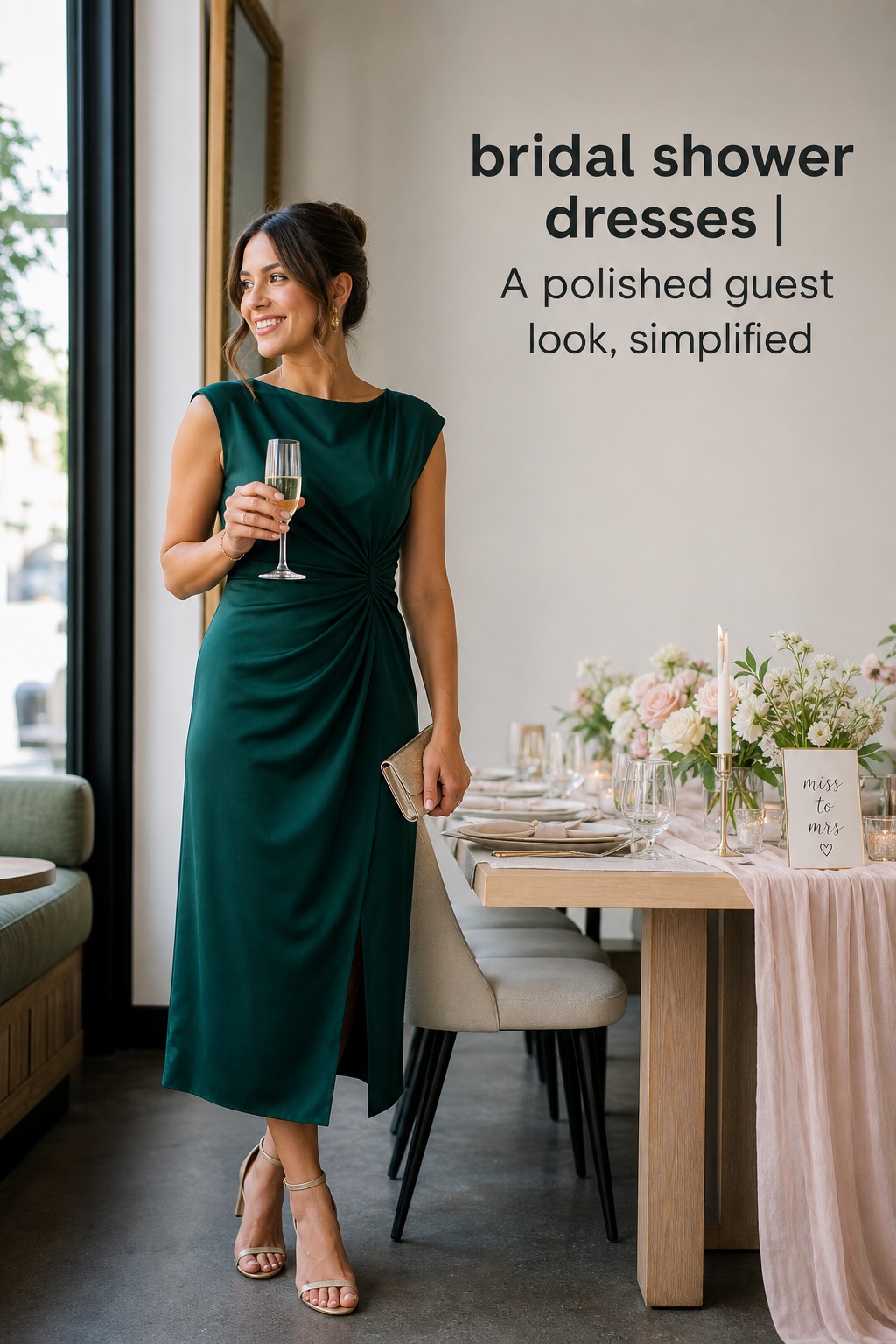
A polished midi is the workhorse of a bridal-shower capsule. It is usually modest enough for a family gathering, photogenic without being overly formal, and easy to style for other celebrations. A wrap shape, a softly fitted sheath, an A-line skirt, or a column dress with a small sleeve can all work. Choose a color that feels festive but does not create confusion with the bride. Blue, green, yellow, pink, terracotta, navy, and a considered floral are dependable starting points.
Pay attention to the neckline when you expect group photographs. A square, bateau, modest V, or softly draped neckline can frame the face while staying comfortable when you bend, hug, or look down at a gift. If you prefer a strapless dress, add a cropped jacket, cardigan, or scarf that can stay on during the meal. The goal is not to hide your style. It is to give the outfit enough structure for a room full of cameras and conversation.
Foundation three: the print or color statement
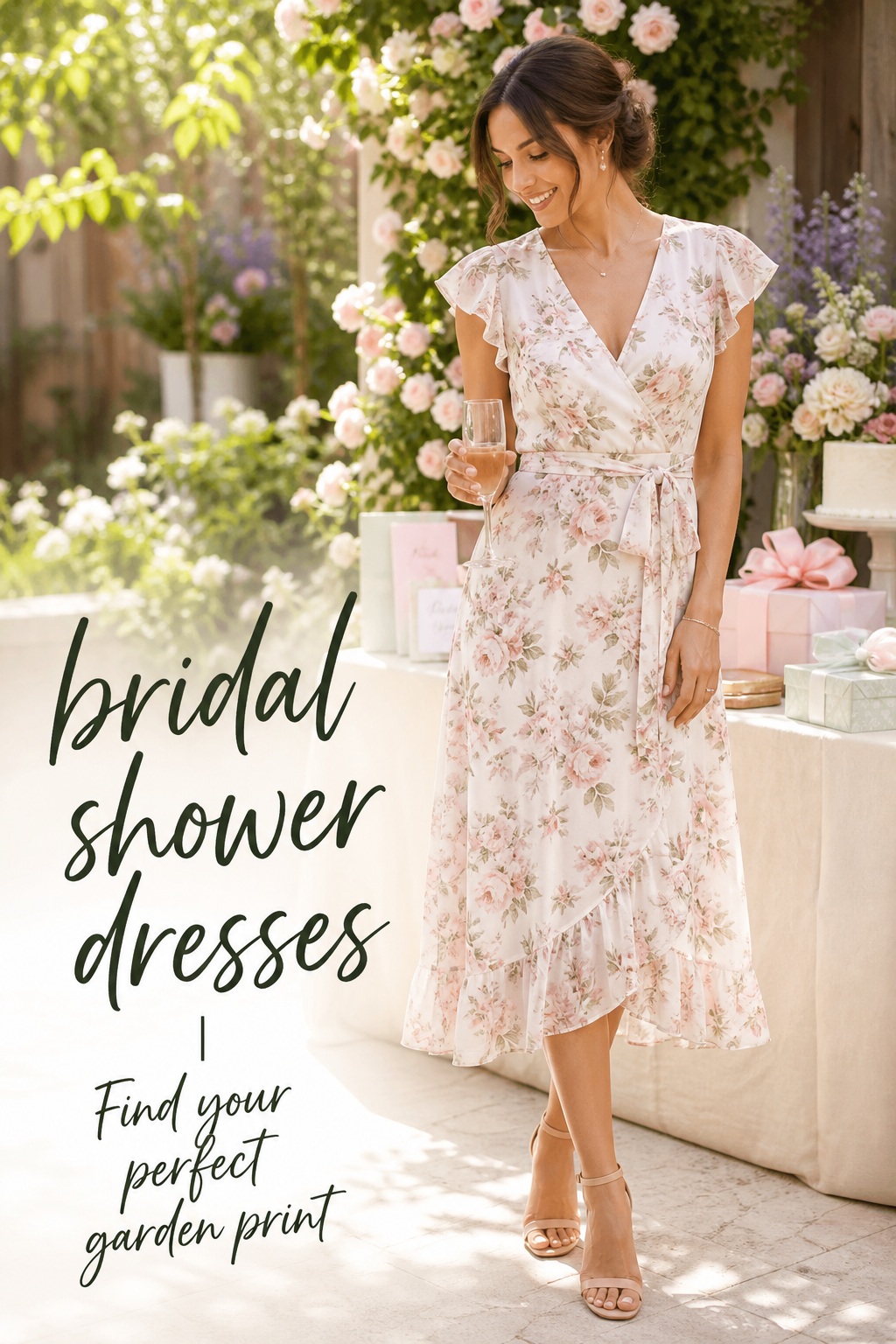
A small print or saturated color keeps the capsule from feeling repetitive. For a garden shower, try a floral with a clear background color rather than a busy pattern that disappears in photographs. For a restaurant, consider a solid jewel tone, a graphic stripe, or a rich neutral. The print should support the setting, not announce a separate theme. If the bride has requested guests wear a color, use that direction as the foundation and vary the silhouette or texture so the outfit still feels personal.
When a dress is visually strong, keep the rest of the look edited. A woven bag, simple sandal, and one piece of jewelry may be enough. If the print is delicate and low contrast, you can add a stronger shoe or a colorful lip. Rewear value is especially high here because changing the accessories can move the dress from shower to vacation lunch, birthday dinner, or summer wedding guest outfit.
Foundation four: the versatile dress or set
The fourth foundation is for readers who want flexibility. It might be a simple slip dress with layers, a shirt dress with a belt, a tailored jumpsuit, or a matching top and skirt. These options are helpful when the event is part of a busy wedding weekend and you need a piece that can change identity. A slip dress can become softer with a cardigan or sharper with a blazer. A shirt dress can feel casual with flats and more polished with earrings and a low heel.
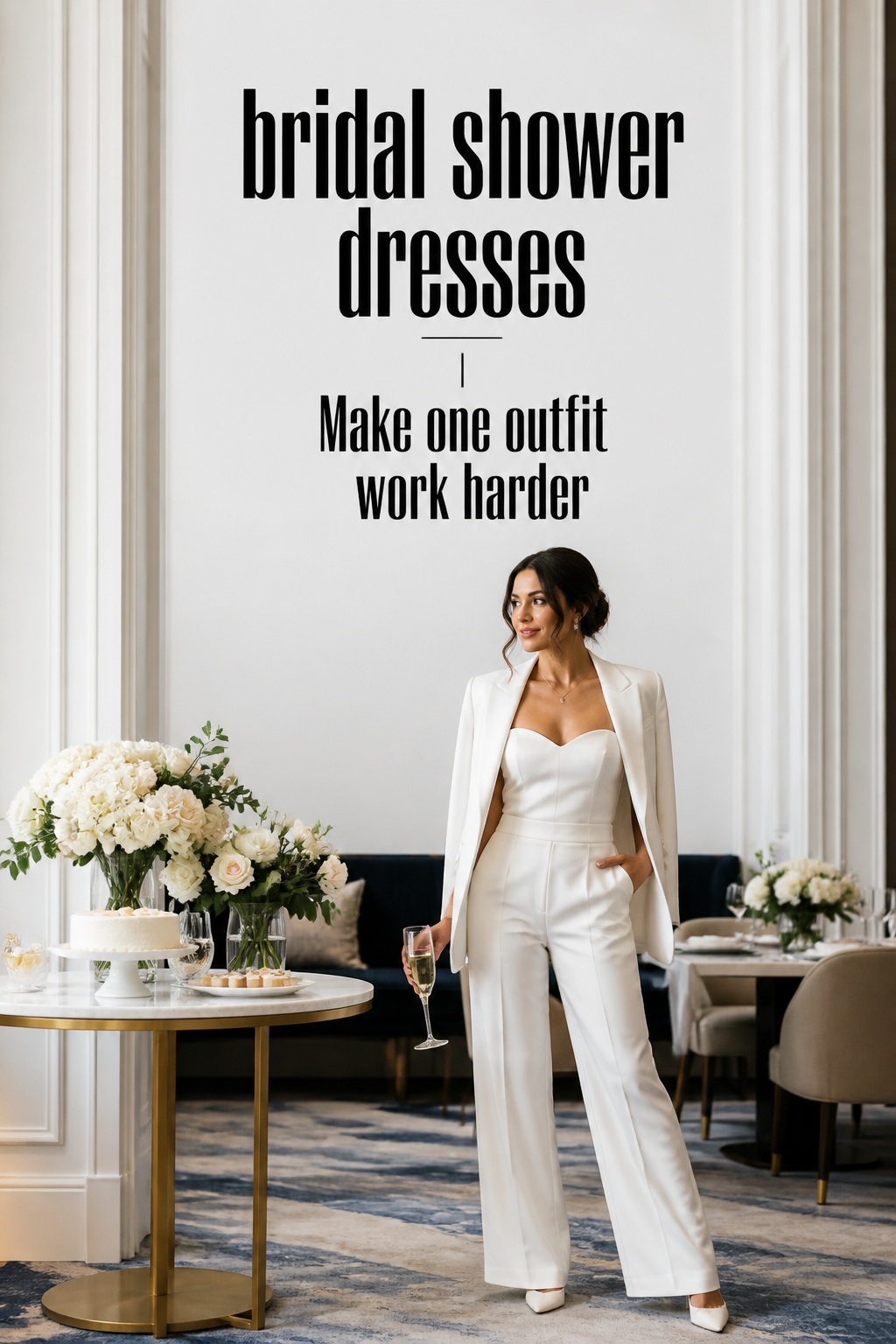
A set offers the most remixing potential, but check how it photographs as a complete look. A top and skirt should have similar color depth and fabric weight. A jumpsuit should allow easy bathroom access and comfortable sitting. If you choose a non-dress option as a guest, keep the finish celebratory through tailoring, texture, or accessories. If you are the bride, white trousers with a special top can feel modern, especially for a casual shower or a second outfit.
Match fabric, silhouette, length, and sleeves to the setting
The same silhouette can look completely different in cotton, satin, lace, or knit. Fabric controls how formal the dress feels, how it moves, and how much attention it needs during the day. Use it as a practical filter before you fall for a photograph.
Choose fabric for movement and weather
Cotton poplin feels crisp and works well for daytime settings, but it can wrinkle and may need a careful iron. Linen blends are breezy and relaxed, though natural texture is part of the look. Chiffon moves beautifully and suits a romantic event, but it can be transparent or cling to static. Crepe hangs smoothly and photographs well, while satin creates light-catching polish and may show every crease. Lace adds occasion value, yet the lining, scratchiness, and transparency deserve a try-on.
For heat, prioritize breathability, a loose enough fit, and fabric that will not trap moisture at the waist or under the arms. For cold, choose sleeves or plan a layer that does not change the proportions of the dress. In rain or wind, avoid an extremely long hem and unsecured lightweight skirts. Practical fabric choices make you look more confident because you are not spending the event adjusting the outfit.
Use length as a formality and comfort tool
Minis can be charming for a bride, a casual shower, or a fashion-forward venue, but check the chair height and how much walking the day includes. Knee length feels neat and easy for daytime. Tea length gives a vintage or feminine mood and works beautifully with low heels or flats. Midi dresses are usually the safest all-purpose choice because they balance coverage, movement, and polish. Maxi dresses can work for a formal or outdoor celebration, but consider stairs, grass, hems, and whether the event feels more relaxed than the length suggests.
Let sleeves solve more than temperature
Sleeves can balance a low neckline, provide confidence in photographs, and make a simple dress feel finished. Cap sleeves, flutter sleeves, short puff sleeves, and elbow-length sleeves suit many daytime settings. Long sleeves can be light and sheer for spring or substantial for winter. If you love a sleeveless dress but need versatility, buy a layer that looks designed with it rather than an emergency cardigan that fights the dress.
Check the details that affect fit
- Straps should stay in place while you lift your arms for a hug.
- A wrap should not open when you sit or bend toward a gift.
- Buttons should not pull across the bust or waist.
- Light colors need a lining that works with the intended undergarments.
- Seams should sit where the garment was designed to shape the body.
- Pockets are useful only when they do not distort the skirt.
- Check the care label before buying a dress for a travel-heavy weekend.
Inclusive sizing is part of good styling, not an afterthought. Look for measurements rather than relying only on a numbered size, compare bust, waist, hip, and garment length, and allow time for alterations. A dress that fits at the shoulders and bust can often be adjusted at the waist or hem. The reverse is harder, so prioritize the areas where the garment must sit correctly.
Style each foundation with repeatable accessories
Accessories should help the dress meet the setting. They can also make one foundation feel new for a second event. Build around three categories: shoes that match the ground and formality, a layer that handles weather, and small details that frame the face.
Start with shoes you can actually wear
A garden shower is not the place to test a narrow stiletto for the first time. Choose a block heel, wedge, dressy flat, low slingback, or a sandal with a stable sole. For a restaurant, a pointed flat or kitten heel can keep a midi polished without making it feel corporate. For the bride, a white shoe is classic, but a metallic, pearl, colored, or embellished shoe can give a simple white dress a new point of view.
Add one useful layer
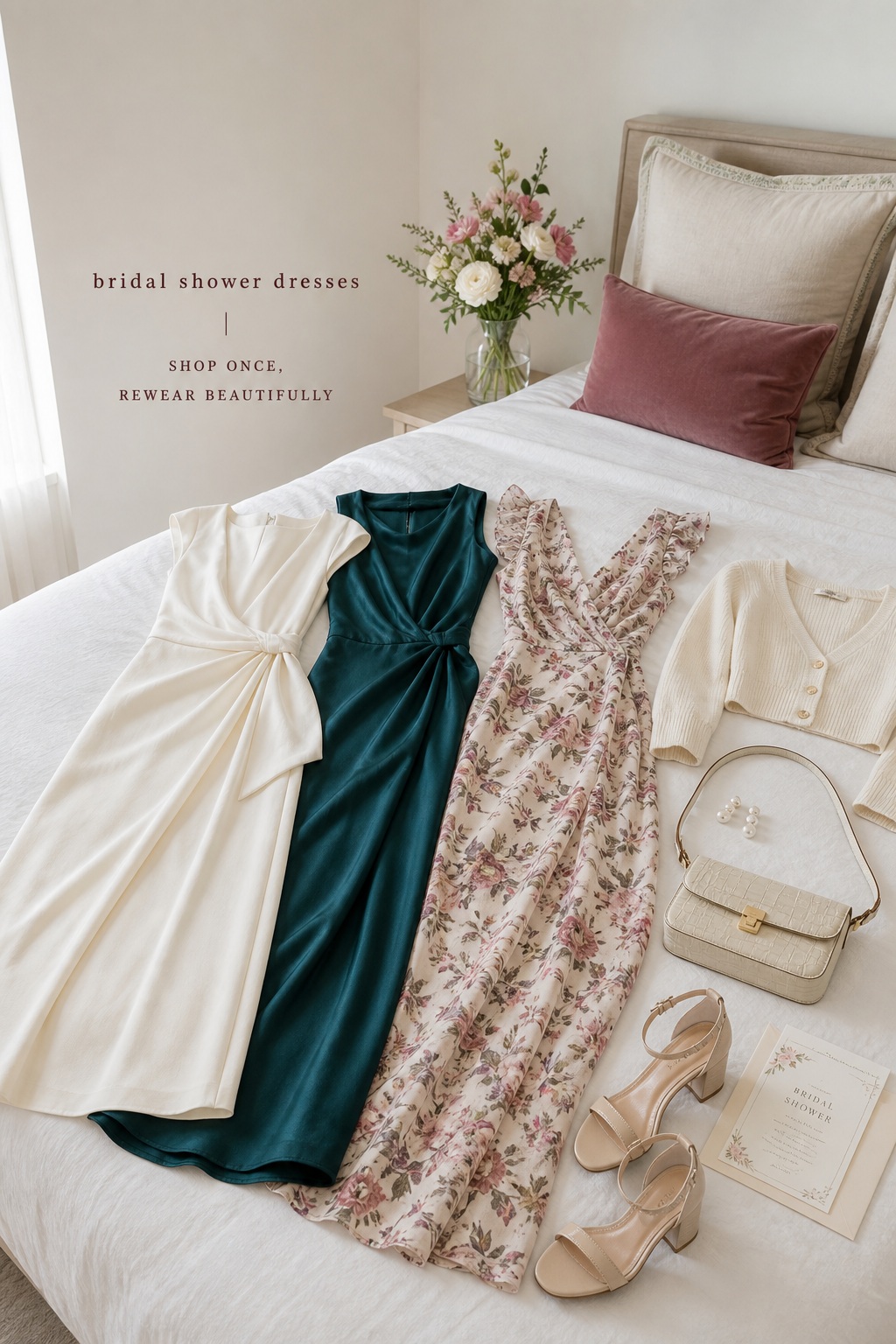
A cropped cardigan works with a floral midi, a tailored blazer adds structure to a slip dress, and a light jacket can protect a short dress from a cool evening. The layer should respect the dress proportions. A long oversized cardigan may swallow a tea-length skirt, while a cropped jacket can make a full skirt feel balanced. For travel, select a layer that can serve the rest of the weekend rather than a single-purpose piece.
Use jewelry and bags to signal the mood
Pearls, small hoops, a ribbon, or a delicate pendant keep a bride’s white dress fresh and personal. Guests can use the same restrained jewelry with a colored midi, then change to a bolder earring for dinner. A small top-handle bag or shoulder bag is more practical than a tiny clutch when you need a phone, tissues, lip color, and a card. Natural raffia suits a garden or beach setting, while satin, metallic, or beaded texture suits a hotel or restaurant.
Plan hair and makeup around the neckline
A high neckline can benefit from an updo or a tucked-back style, while an open neckline leaves room for hair that frames the face. If the dress has strong sleeves or texture, avoid adding too many competing details near the shoulders. Daylight rewards natural-looking makeup, defined brows, and a lip color that will survive conversation and food. The most polished result is usually one clear focal point, not a collection of special effects.
Make comfort part of the styling plan
Wear the undergarments and shoes you expect to use during the actual try-on. Sit, walk, reach forward, lift your arms, and take a few photographs. Test whether the neckline shifts and whether the skirt rides up when you sit. Bring fashion tape, a small safety pin, blister protection, and a stain-removal pen if the day includes travel. These small preparations are especially valuable for bridal shower dresses because the event often includes hugs, games, opening gifts, and close-up photographs.
Buy, fit, pack, and rewear without common mistakes
Shopping pages encourage comparison, but a capsule works only when every piece earns its place. Before buying, write down the event conditions, your role, the shoes you already own, and at least two future occasions for the dress. This turns an emotional purchase into a useful wardrobe decision.
Do not shop from the image alone
Product photography often hides transparency, tight armholes, difficult closures, and thin fabric. Read the fiber content, lining information, garment measurements, care instructions, and return terms. Search customer reviews for comments about height, bust fit, skirt volume, and color accuracy. If you are between sizes, know whether the garment can be altered or whether the design depends on a precise fit.
Leave time for alterations and a real test
Try the dress with the final shoes before the alteration appointment. Hem length depends on the shoe, and sleeve or strap changes can affect the balance of the garment. After alterations, wear the complete outfit at home for at least an hour. If the event is away from home, pack it early enough to solve wrinkles, missing accessories, or a zipper problem without panic.
Avoid the most common etiquette mistakes
- Do not assume every bridal shower requires a white dress.
- Do not wear a guest look that ignores a stated color or theme.
- Do not choose a hem or heel that makes the venue difficult to navigate.
- Do not buy an uncomfortable dress because it photographs well online.
- Do not add bridal accessories to a guest outfit without considering the bride.
- Do not wait until the week of the shower if the dress needs shipping or tailoring.
Build rewear into the original purchase
A white bridal dress can return for a courthouse appointment, rehearsal dinner, honeymoon, or anniversary. A colorful midi can work for a birthday, vacation dinner, or summer wedding. A shirt dress can shift from casual to polished with shoes and jewelry. Photograph your combinations after the shower and store the accessories together. Rewear is easier when you remember exactly which layer, bag, and shoe made the dress feel right.
The strongest bridal shower dresses are not necessarily the most decorated. They are the ones that respect the event, fit the person wearing them, and make room for real celebration. Begin with the role and setting, choose one of four useful foundations, then refine the outfit through fabric, fit, shoes, and a practical layer. That approach gives you a polished look for the shower and a wardrobe piece with a life beyond it.
FAQ
What should a bride wear to a bridal shower?
A bride can wear white, ivory, pearl, or a soft bridal print in a mini, midi, tea-length dress, jumpsuit, or separates. Choose a look that feels special but distinct from the wedding gown, and match the fabric and formality to the venue and time of day.
Can a guest wear white to a bridal shower?
Etiquette varies, so check the invitation and ask the host if the guidance is unclear. If white is not specifically encouraged, choose a color, print, or soft neutral that lets the bride remain visually distinct. Cream and ivory can also read as bridal, so consider the full outfit rather than the color alone.
What length is best for bridal shower dresses?
A midi is the most adaptable length for many bridal showers because it balances polish, comfort, and movement. A mini can work for a casual or fashion-led event, while tea-length and maxi styles suit more specific settings. Consider the venue, stairs, grass, seating, and dress code before choosing.
What do you wear to a casual bridal shower?
Try a cotton or linen-blend dress, a relaxed floral midi, a polished knit, or a coordinated top and skirt. Finish with clean flats, low sandals, a small bag, and simple jewelry. The outfit should look intentional without using heavy embellishment or formal evening fabrics.
What do you wear to a garden bridal shower?
Choose a breathable dress or skirt in a floral, soft color, or light neutral, and wear stable shoes that can handle grass. A midi, low heel, wedge, or dressy flat is usually practical. Add sunglasses, a light layer, and a bag that protects essentials from sun or unexpected weather.
Are floral dresses appropriate for a bridal shower?
Yes. Floral dresses are especially useful for daytime, garden, spring, and summer showers. Choose the scale and color contrast according to the venue. A refined, low-contrast print feels softer, while a bold floral can suit a modern restaurant or a guest who wants a stronger fashion statement.
How can I make a bridal shower dress comfortable?
Check the fit while sitting, walking, bending, and reaching. Wear the intended undergarments and shoes during the try-on, choose breathable fabric, and test straps and closures before the event. Pack blister protection, fashion tape, a safety pin, and a stain-removal pen for practical backup.