Mother of the Bride Hairstyles: Find Your Best Wedding Look
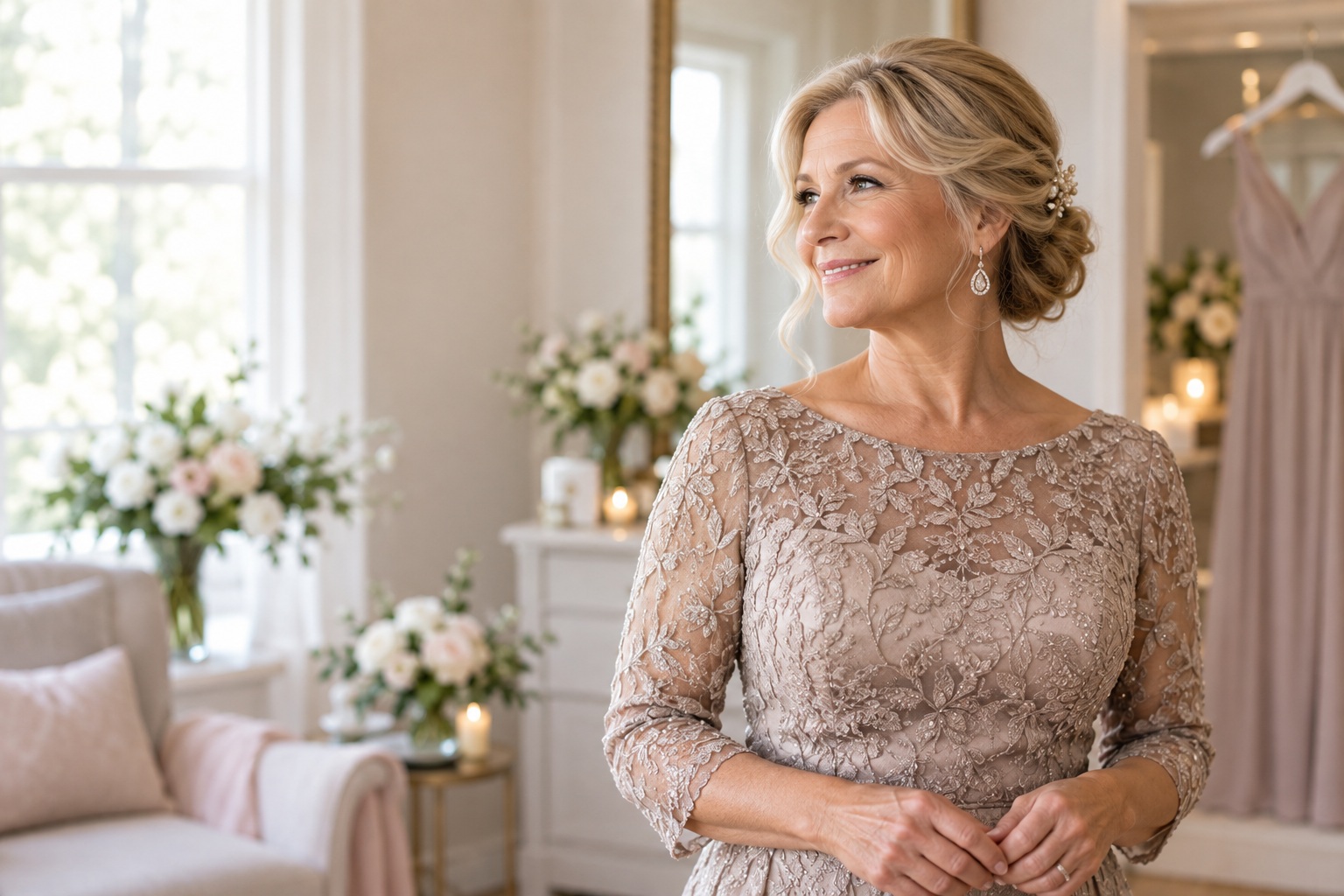
Choosing mother of the bride hairstyles can feel surprisingly personal. You want to look polished in family photos, special enough for the wedding, and completely recognizable as yourself. At the same time, you may be balancing a shorter haircut, fine hair, natural curls, a fascinator, a detailed neckline, or a full day that starts with getting ready and ends on the dance floor.
The most useful way to choose is to solve the friction first. Start with the way your hair behaves, then consider the dress, ceremony, weather, and comfort. A soft low chignon may be perfect for one mother of the bride and feel too formal for another. A polished blowout may be ideal for short hair, while a half-up style may give medium-length hair the movement and security it needs. The goal is not to find the most dramatic look in a gallery. It is to find the version you can enjoy wearing.
Why the right mother of the bride hairstyle solves more than a beauty problem
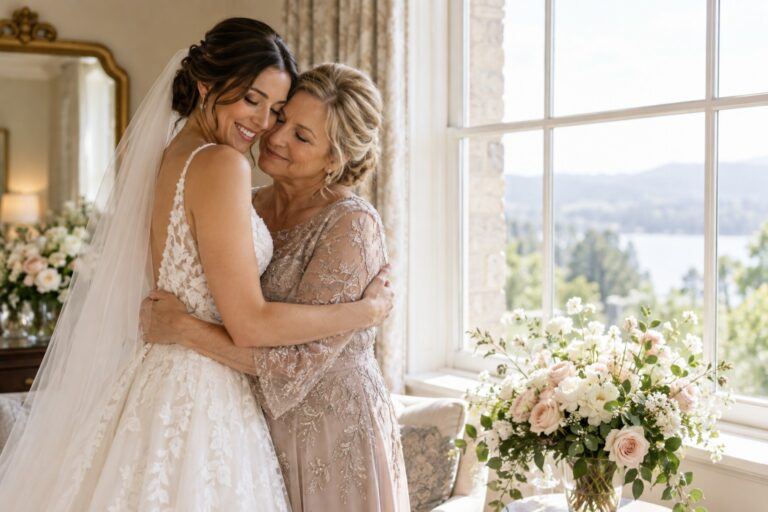
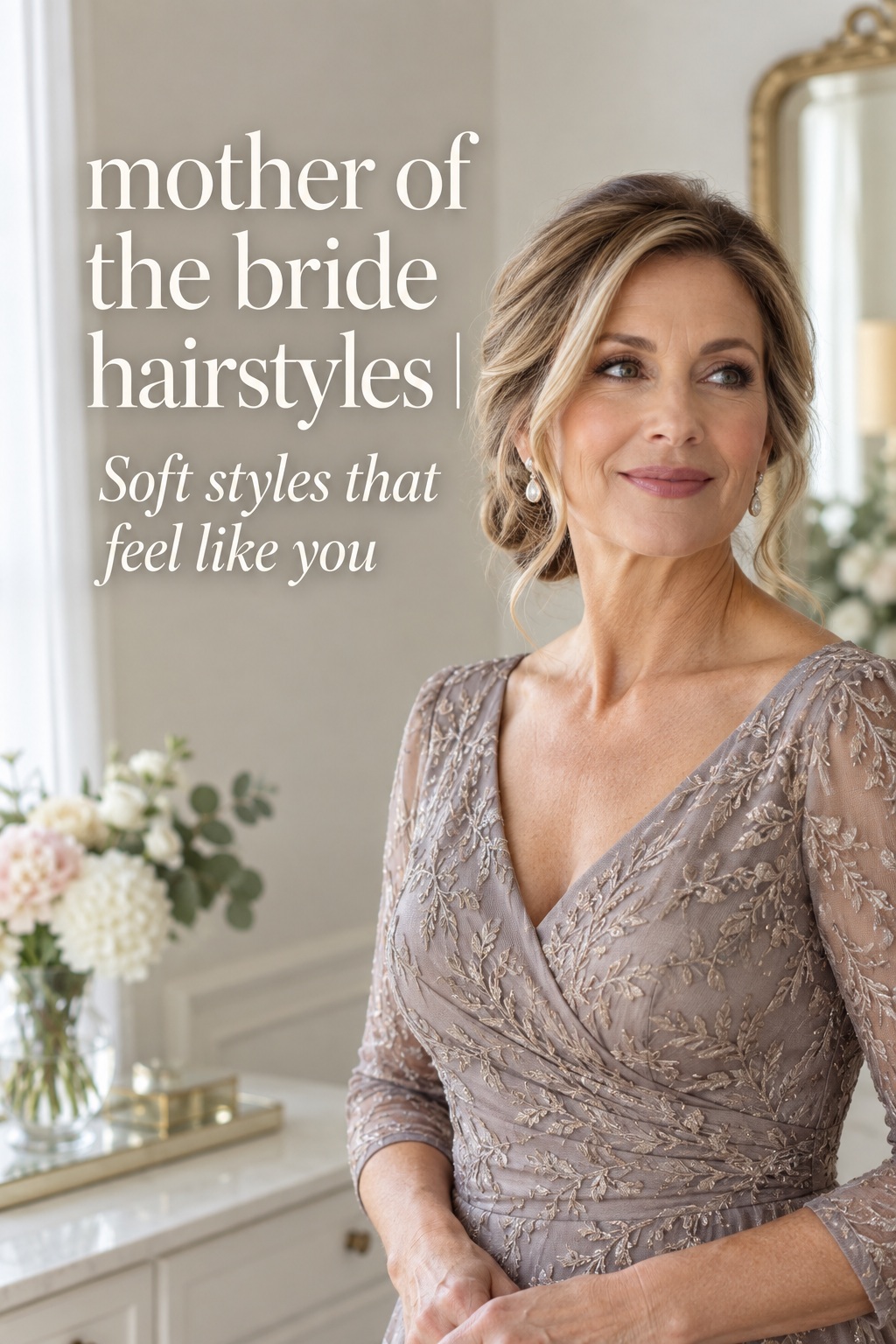
A wedding hairstyle has a practical job. It needs to support your face, outfit, and personal style while staying comfortable through photographs, hugs, ceremony movement, dinner, and dancing. The best look should also work with the bride’s vision without trying to compete with her. That does not mean your hair must be plain. It means the level of polish should feel intentional and proportionate to the celebration.
Begin by separating inspiration from instruction. An inspiration photo shows a mood, silhouette, or detail you like. It does not automatically show whether the style will work with your density, length, curl pattern, or usual part. When you take a photo to your stylist, describe the part you want to keep: the softness around the face, the height at the crown, the clean neckline, the visible texture, or the way the hair stays off your eyes.
Turn wedding inspiration into a plan you can actually follow.
Zarellea brings your guest list, budget, vendors, and day-of details into one shared space — so no beautiful idea gets lost in the shuffle.
This approach also protects your identity. If you normally wear a neat bob, a new swept-up style can still feel elegant without changing your entire personality. If you are known for your curls, keeping their pattern visible may make the wedding look feel more authentic than forcing a smooth finish. If you prefer hair down, a beautifully finished blowout or side-swept wave can be just as occasion-ready as an updo.
- Choose a silhouette you can imagine wearing for several hours, not only for the first photo.
- Keep one familiar element, such as your usual part, fringe, curl pattern, or hair length.
- Decide whether your hair should frame the face, show the neckline, support a headpiece, or highlight earrings.
- Tell the stylist what makes you uncomfortable, including tight pins, heavy accessories, stiffness, or hair touching your eyes.
A useful benchmark is simple: if the hairstyle looks beautiful but makes you want to adjust it every few minutes, it is not the right solution. Wedding-day confidence often comes from knowing that the hair feels secure and familiar enough to forget about.
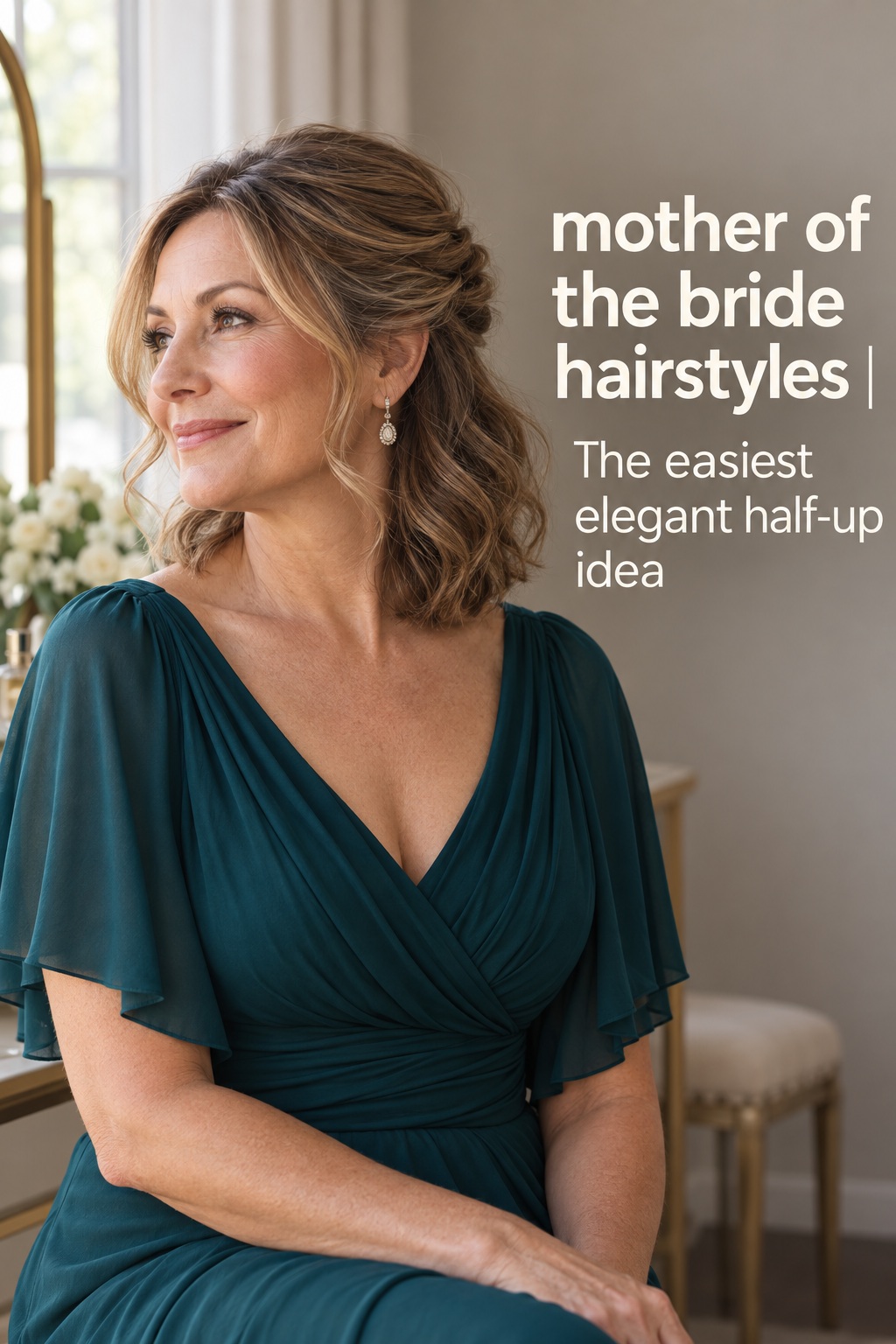
Choose the foundation by hair length, texture, and the way you normally wear it
Length is a helpful starting point, but it is not the whole decision. Density, movement, and your usual styling habits can change the same haircut completely. Think of the following ideas as foundations that your stylist can adapt rather than strict rules.
Short hair: A sleek bob, rounded blowout, textured crop, soft side sweep, or sculpted wave can look beautifully finished without pretending to be long hair. For a bob, ask whether the ends should be smooth, tucked, or given a little bend. For a pixie or short layered cut, decide whether you want the finish clean and polished or piecey and modern. A small barrette, comb, or fascinator can add occasion detail if it feels secure and balanced.
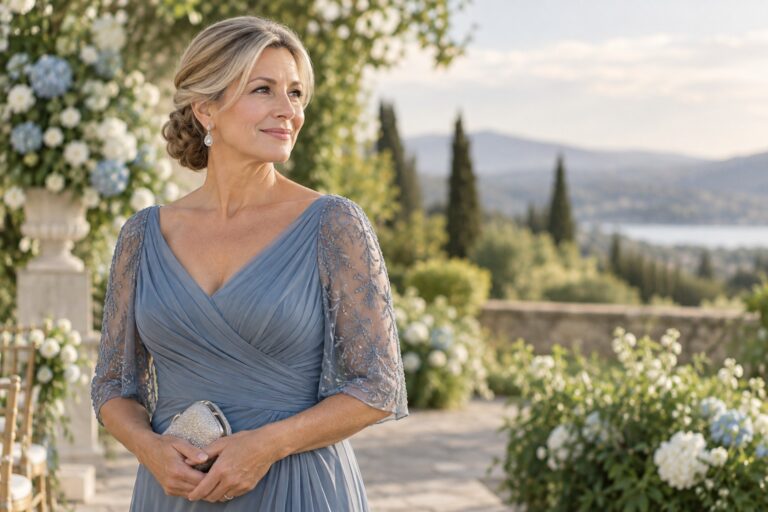
Medium-length hair: This length is flexible because it can support a half-up style, a small low bun, a tucked twist, a side-swept wave, or a polished ponytail. If the hair does not reach a full chignon comfortably, do not force it. A petite bun with face-framing softness can look more refined than an oversized shape that needs constant adjustment. Medium hair also works well with a barrette or comb that gathers only the top or side sections.
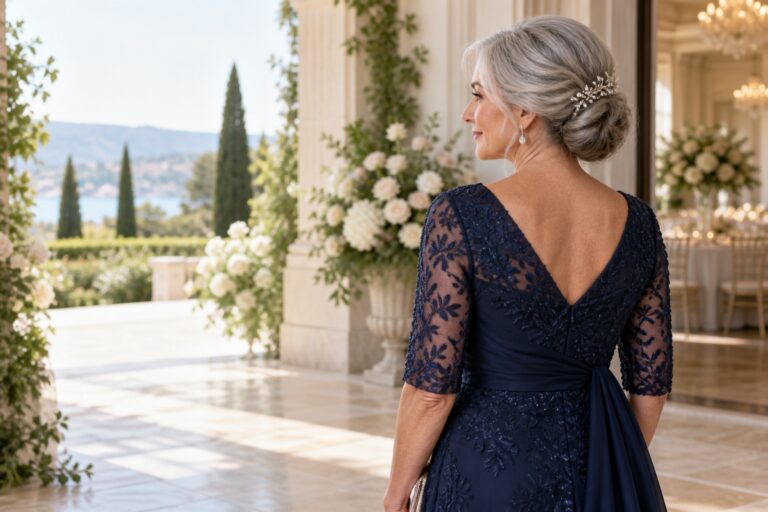
Long hair: Long hair offers more options, but more weight can also create more pressure. A low chignon, French roll, braided bun, or half-up wave can keep the shape intentional. Ask the stylist to show you how the back looks from several angles. A style that is beautiful from the front may feel heavy at the nape or hide the detail of a dress back.
Fine hair: Fine hair often benefits from shape, placement, and texture rather than simply adding height everywhere. A soft twist, compact bun, side part, or half-up style can create a clear silhouette. Bring up your preference about volume honestly. You may want lift at the crown, fullness around the sides, or a smooth shape with no teasing at all. The right plan is the one that looks like your hair at its best, not a costume of someone else’s density.
Curly, coily, or naturally textured hair: Your natural pattern can be the most distinctive part of the look. Consider a defined shape worn down, a half-up arrangement that keeps texture visible, a braided updo, a puff, or a low gathered style. Ask how the shape will be protected during preparation and how it can be refreshed if the day is humid. If your hair is usually worn natural, a trial is especially helpful for deciding how much definition, volume, and accessory weight feels right.
- If you want your face to feel open, try a side sweep, half-up shape, or low style with controlled front pieces.
- If you want to showcase earrings or a high neckline, consider an updo or tucked-back silhouette.
- If you want movement, keep the lengths visible with waves, a ponytail, or a relaxed half-up finish.
- If you want the least day-of fuss, prioritize a shape that works with your natural texture and normal part.
When discussing these options, use clear language such as, “I want a low, soft shape that feels secure but not tight,” or, “I want to keep my natural curl pattern visible and have the front controlled.” This gives the stylist a useful direction without asking for an impossible copy of an image.
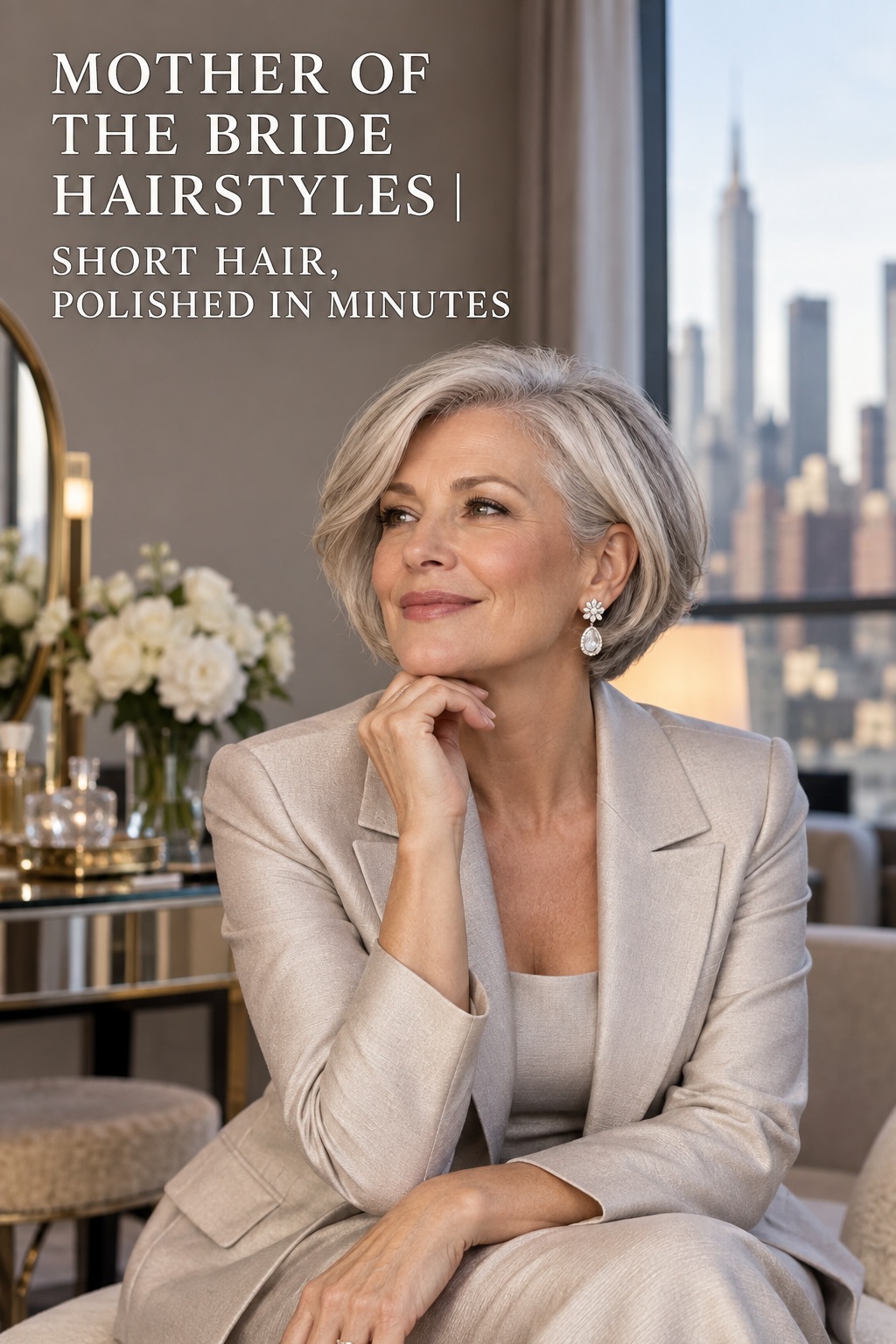
Match the hairstyle to the dress, ceremony, and real wedding-day conditions
The dress and hairstyle do not need to match exactly, but they should make visual sense together. A high or open neckline may look especially clean with hair away from the shoulders. A simple neckline can carry more texture, a soft wave, or a detailed accessory. If the outfit includes a hat or fascinator, plan the hair around its placement rather than adding the headpiece at the last minute.
Formality matters too. A black-tie evening can support a sculpted bun, polished French roll, or carefully arranged waves. A garden ceremony may suit a soft braid, relaxed low bun, natural texture, or small botanical detail. A courthouse or city wedding may feel right with a sleek bob, smooth ponytail, or modern tucked style. These are starting points, not rules. The strongest choice is the one that belongs to the wearer and the setting at the same time.
Think about the conditions that the hairstyle will actually face. Will you be outside before the ceremony? Will you hug dozens of people? Will you wear a coat, hat, or veil-like accessory for part of the day? Will you move from a cool room to a warm reception? Tell the stylist about the timeline and venue so the construction can reflect the event instead of only the first twenty minutes.
Photography is another reason to consider the full silhouette. The Knot’s gallery includes examples that connect hair length with necklines and accessories, while David’s Bridal emphasizes comfort, confidence, and a style that photographs well without competing with the bride. Those ideas point to the same practical conclusion: check the front, sides, and back, and make sure the hairstyle supports the details you most want remembered.
- For a detailed neckline, choose a hair shape that leaves enough visual space around the collar and shoulders.
- For statement earrings, use a tucked side, updo, or controlled half-up look so the jewelry remains visible.
- For a hat or fascinator, test the accessory with the exact hairstyle and check whether it can be removed without flattening the front.
- For outdoor celebrations, discuss wind, humidity, and how much movement you want to preserve.
- For a long reception, favor comfort and balanced weight over an oversized shape that looks impressive only from one angle.
If you are unsure between two styles, compare them by the job they need to do. One may frame your face beautifully, while the other may show the neckline better. One may feel more familiar, while the other may hold more securely. You do not have to choose the most elaborate version. Choose the one that supports the most important part of your outfit and day.
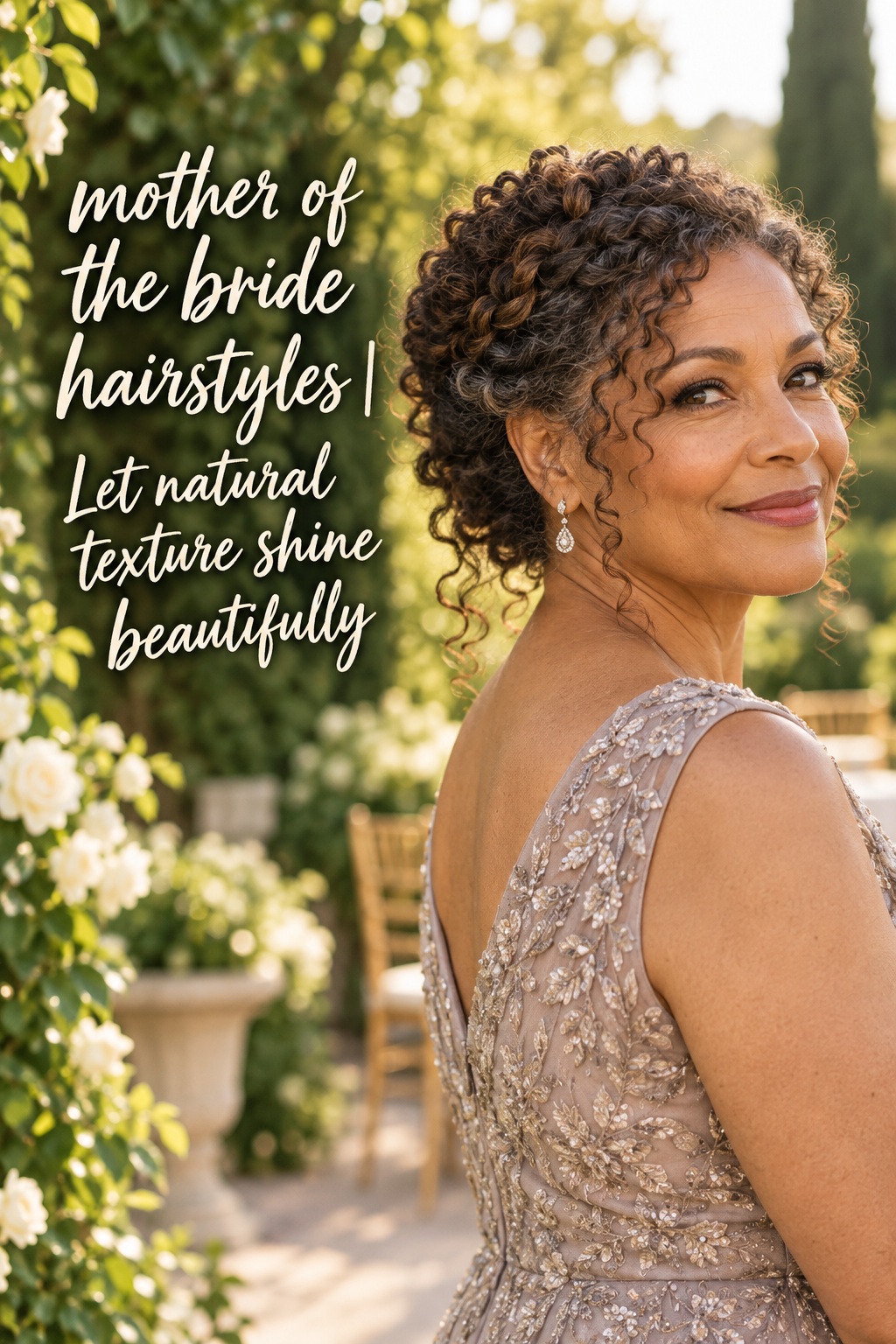
Turn inspiration into a stylist-ready plan that feels secure all day
A trial turns a saved image into a real plan. David’s Bridal suggests scheduling a mother of the bride hair trial four to six weeks before the wedding, which gives you time to adjust the shape before the day. The exact timing can depend on your stylist and schedule, but the principle is useful: test the style early enough to change direction without pressure. Bring the dress neckline information, jewelry, hair accessories, and a few reference photos that show different angles.
At the trial, check more than the mirror view. Sit, turn your head, look down, smile, and move your shoulders. Notice whether the pins pull, whether the front pieces fall into your eyes, and whether the accessory feels heavy. Ask for a photo from the front, side, and back in the kind of light where you expect to be photographed. You are testing comfort and structure, not judging a final portrait after a few minutes.
Use direct questions with the stylist. Ask what part of the look is most vulnerable to movement, how the style can be adjusted if you need more softness, and what to do if a curl or front piece shifts. If you are wearing a headpiece, ask whether it should go in before or after the hair is finished. If you are keeping natural texture, ask how the style can be refreshed without changing its character.
- “Can we keep the front familiar and make the back more special?”
- “Where will the weight sit after several hours?”
- “Can I see the style with my earrings and neckline?”
- “What should I bring for a small touch-up?”
- “How should we change this if the weather is humid or windy?”
On the wedding morning, avoid experimenting with a completely new cut or color unless it has already been planned and tested. Give the stylist a realistic starting point and enough time for the hair to be prepared calmly. A small personal kit may include a few pins, a compact comb, the accessory instructions, and any items your stylist recommends. The exact products are less important than knowing who is responsible for a quick adjustment and where the kit will be kept.
Common mistakes are easy to prevent. Do not choose a style only because it looks beautiful on very different hair. Do not ignore the weight of a long, dense shape. Do not add an accessory that changes the balance of the outfit. Do not wait until the day to discover that a fascinator presses on the wrong spot. Most importantly, do not let the phrase “mother of the bride” push you toward a hairstyle that feels dated, overly formal, or unlike you. Elegant can mean smooth, textured, natural, modern, romantic, or quietly simple.
Sources and methodology: This guide was shaped by page-level review of ten US search results, including The Knot, Martha Stewart, David’s Bridal, Latest Hairstyles, Woman&Home, Woman Getting Married, Wedding Forward, and Weddings Hub. The source pages consistently emphasize adaptable updos, half-up styles, polished down looks, natural texture, accessories, dress coordination, and a trial before the event. Recommendations here combine those recurring themes with a problem-solution framework for choosing by hair behavior, outfit, comfort, and timing.
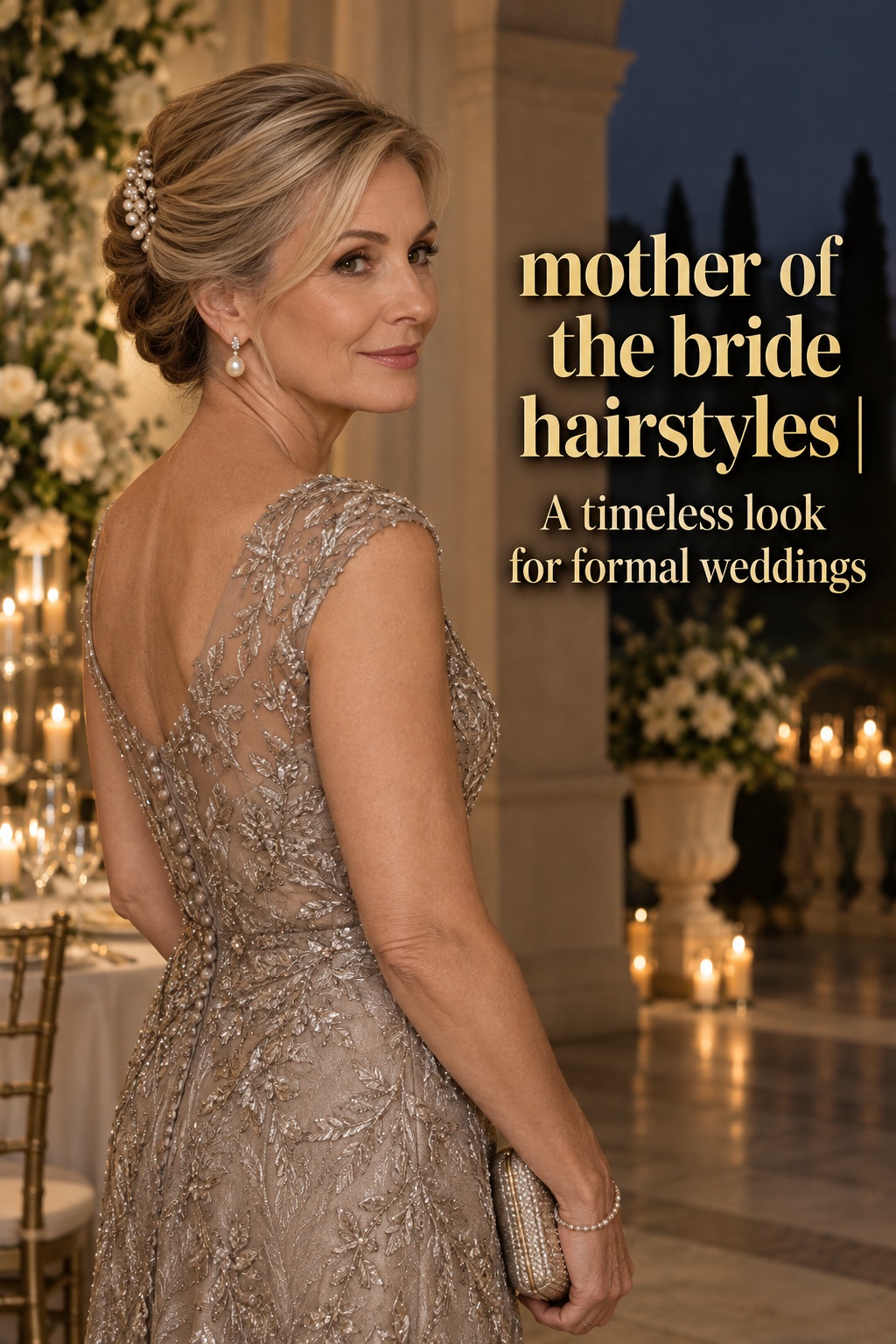
FAQ
What is the most flattering hairstyle for the mother of the bride?
The most flattering choice is usually the one that respects your natural hair behavior, keeps the face comfortably framed, and fits the dress and wedding formality. A soft low chignon, polished blowout, half-up wave, side-swept style, or natural textured updo can all work beautifully. Choose the silhouette that makes you feel confident from the front and comfortable from every other angle.
Should the mother of the bride wear her hair up or down?
Either option can be elegant. Wear it up if you want to show a neckline, earrings, or a headpiece and prefer hair away from your face. Wear it down if movement, familiarity, or natural texture is important to you. A half-up style is a useful middle ground because it opens the face while keeping visible length and softness.
How early should the mother of the bride schedule a hair trial?
A practical starting point is four to six weeks before the wedding, a timing also suggested in David’s Bridal’s guidance. Schedule earlier if you need to test an accessory, change the haircut, work with a new stylist, or coordinate a complex natural-texture style. Bring your outfit details and test the hairstyle while moving, sitting, and wearing the jewelry you plan to use.
What are good mother of the bride hairstyles for short hair?
Good options include a smooth bob, rounded blowout, soft side sweep, sculpted wave, textured crop, tucked side, or a small accessory placed into the existing shape. Short hair does not need to imitate a long updo. The goal is a clean silhouette with enough finish to feel celebratory while still looking like your haircut.
How can fine hair look polished for the wedding?
Focus on a clear shape rather than trying to create maximum volume everywhere. A compact low bun, controlled twist, side part, half-up style, or smooth bob can look intentional and elegant. During the trial, explain where you want lift and where you prefer a flatter finish. A style that works with your density will usually feel more believable and comfortable than one built around a different hair type.
Can naturally curly or coily hair work in an elegant mother of the bride style?
Yes. Natural curls and coils can be worn defined, gathered, braided, shaped into a puff, or arranged in a half-up style. The best plan respects the texture instead of treating it as a problem to hide. Use the trial to decide how much volume and definition feels like you, how the front should be controlled, and how the style can be refreshed if the weather changes.
How do I make sure the hairstyle matches the mother of the bride dress?
Compare the hair silhouette with the neckline, jewelry, sleeves, back detail, and headpiece. Hair away from the shoulders can show a high neckline or statement earrings, while soft visible length can complement a simpler dress. Bring photos of the outfit or the actual accessories to the trial. The hairstyle should support the outfit’s strongest detail rather than compete with it.
What should I bring to a mother of the bride hair trial?
Bring two or three reference photos, your planned hair accessory, information about the dress neckline, and the earrings or jewelry you expect to wear. Also bring honest notes about what you dislike, such as tight pins, heavy volume, hair near your eyes, or a style that feels too formal. These details help the stylist create a look that is beautiful and wearable.