Small Proposal Ideas for an Intimate, Modern Yes
A thoughtful note before choosing your proposal style
Small proposal ideas can feel deeply meaningful when they are shaped with intention, but that same intimacy can also create uncertainty. A quiet at-home proposal and a simple public moment may both seem understated on the surface, yet they create very different emotional experiences. One feels private, inward, and softly cinematic. The other can feel celebratory, visible, and full of shared energy.
That is why this comparison matters. Many couples are drawn to proposals that feel personal rather than elaborate, but “small” does not always mean the same thing in practice. A minimal setup can still feel romantic, a low-key plan can still be elegant, and an intimate moment can still be memorable in photographs. The real difference often comes down to atmosphere, setting, pacing, and how the proposal fits the relationship itself.
This guide breaks down two distinct directions for small proposal ideas: the private intimate proposal and the simple shared-setting proposal. They are often confused because both avoid grand spectacle, but emotionally they are not interchangeable. Understanding how each one behaves in real life can help you choose a proposal that feels visually cohesive, emotionally right, and far more natural when the moment arrives.
Style overview: the private intimate proposal
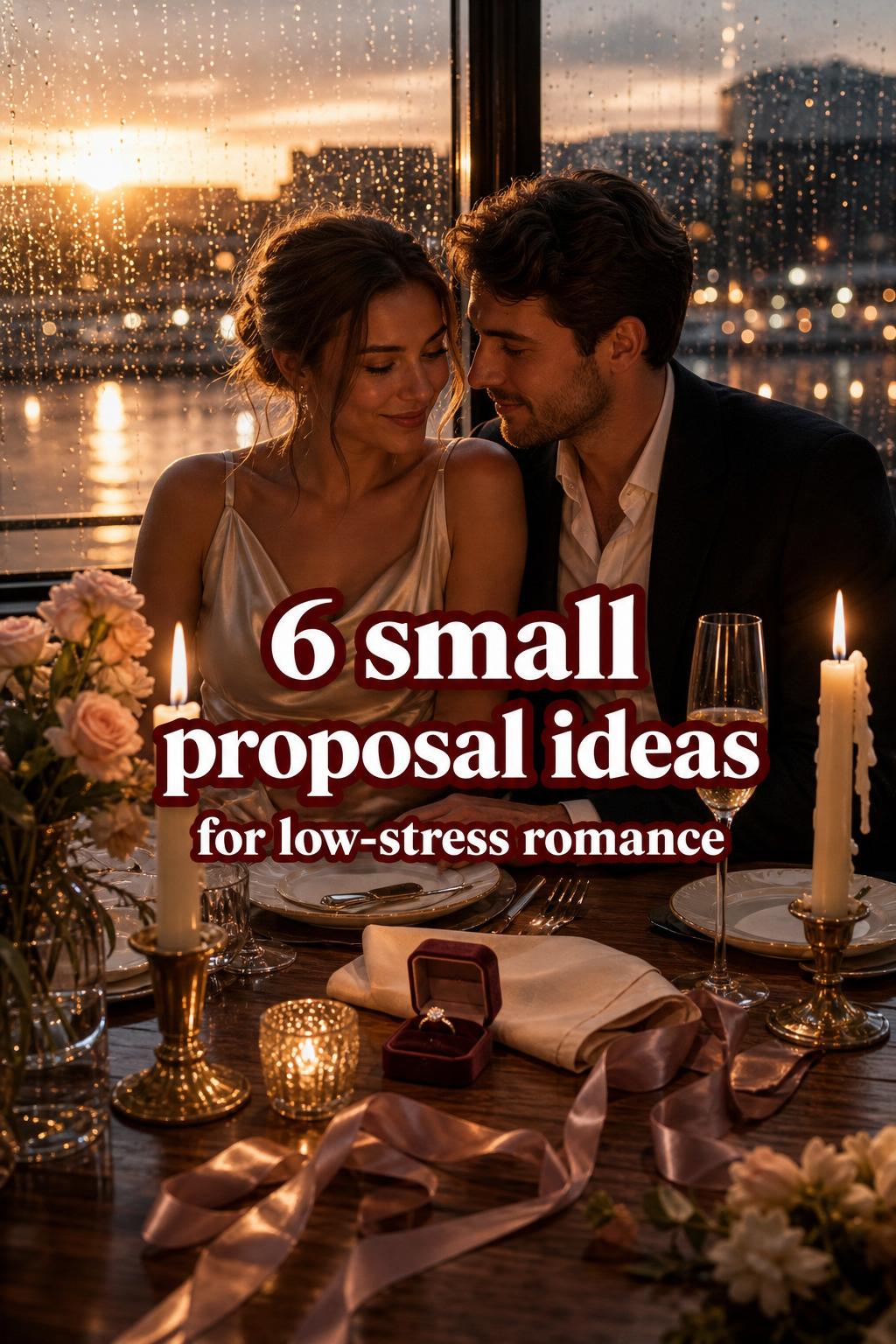
The private intimate proposal is built around emotional privacy. It usually happens in a setting where the couple can speak freely, react honestly, and stay fully inside the moment without an audience. The atmosphere tends to feel warm, calm, and deeply personal. Rather than relying on spectacle, this style depends on closeness, familiarity, and the emotional weight of a meaningful setting.
Turn wedding inspiration into a plan you can actually follow.
Zarellea brings your guest list, budget, vendors, and day-of details into one shared space — so no beautiful idea gets lost in the shuffle.
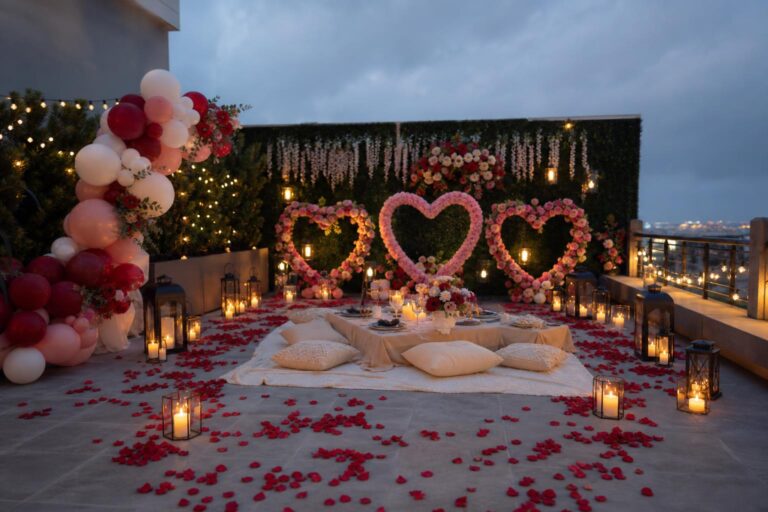
In practice, this style often works best in places that already hold comfort: home, a quiet corner of a favorite place, or a location tied to the relationship. The visual personality is often soft and restrained. Nothing has to feel overproduced. Even small details such as candlelight, a neat table setting, or a carefully chosen time of day can create enough atmosphere without overwhelming the proposal itself.
What defines this proposal style is not how little is done, but how intentional the emotional framing feels. The pacing is usually slower. There is room for conversation, tears, laughter, and a pause after the question. This can be especially important for someone who values sincerity over performance or who feels uncomfortable with attention.
How it feels in real life
A private intimate proposal often feels insulated from distraction. There is less pressure to react in a certain way because no one else is watching. That can make the proposal feel more authentic, especially for couples who communicate best in quiet moments. The memory becomes about the exchange itself rather than the setting reacting around it.
What gives it visual impact
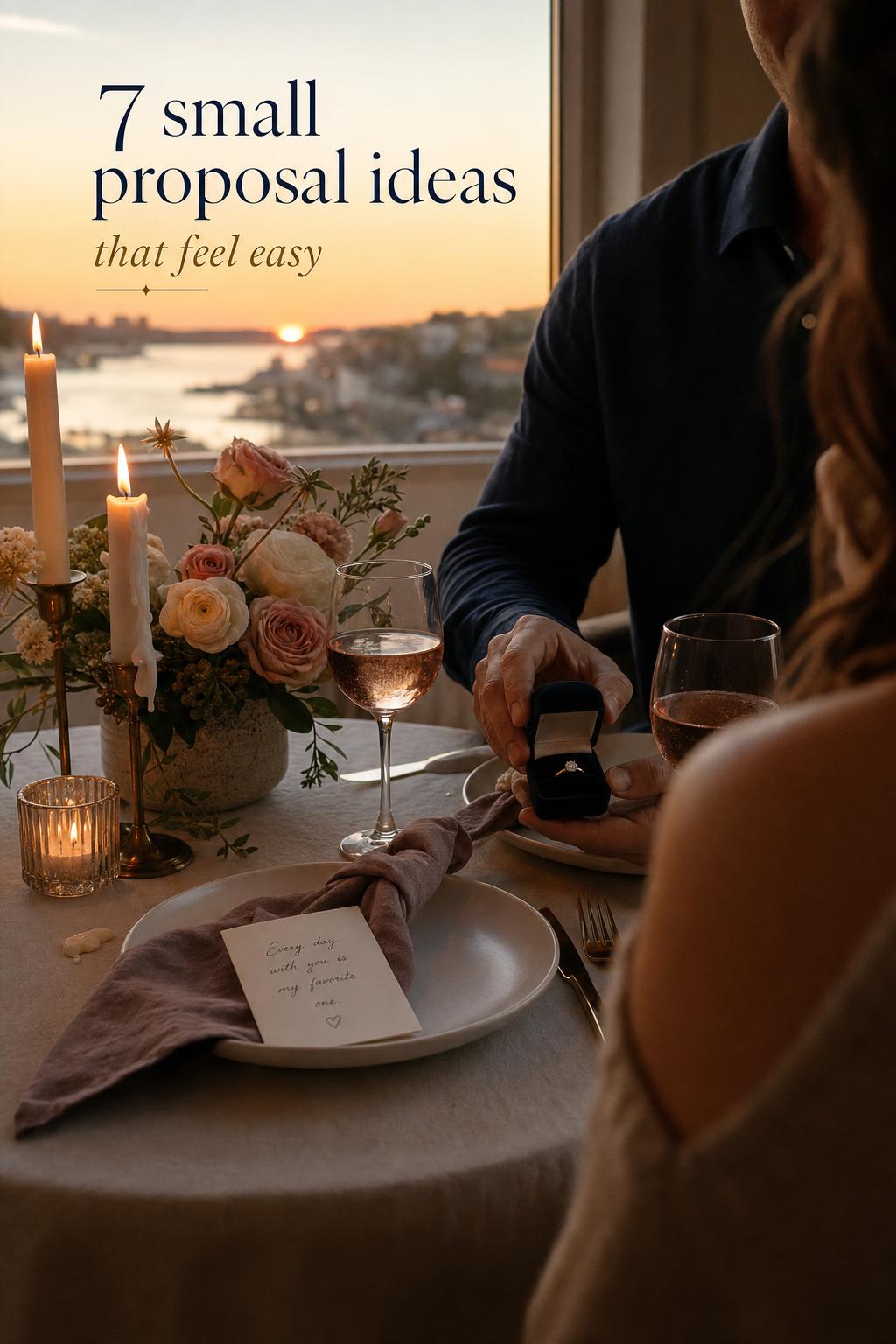
The beauty of this style comes from emotional clarity and thoughtful composition. A clean room, soft lighting, a favorite meal, fresh flowers, or a view from a meaningful window can all create an atmosphere that photographs beautifully without looking staged. Because the environment is simpler, every visual element carries more weight.
Style overview: the simple shared-setting proposal
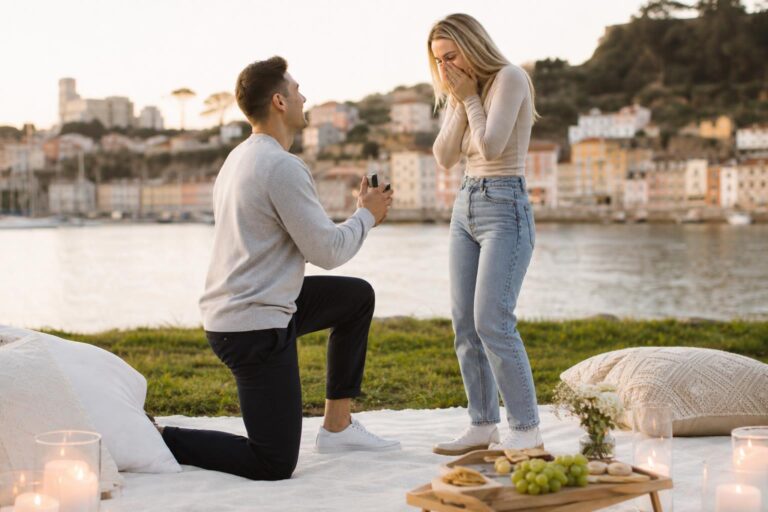
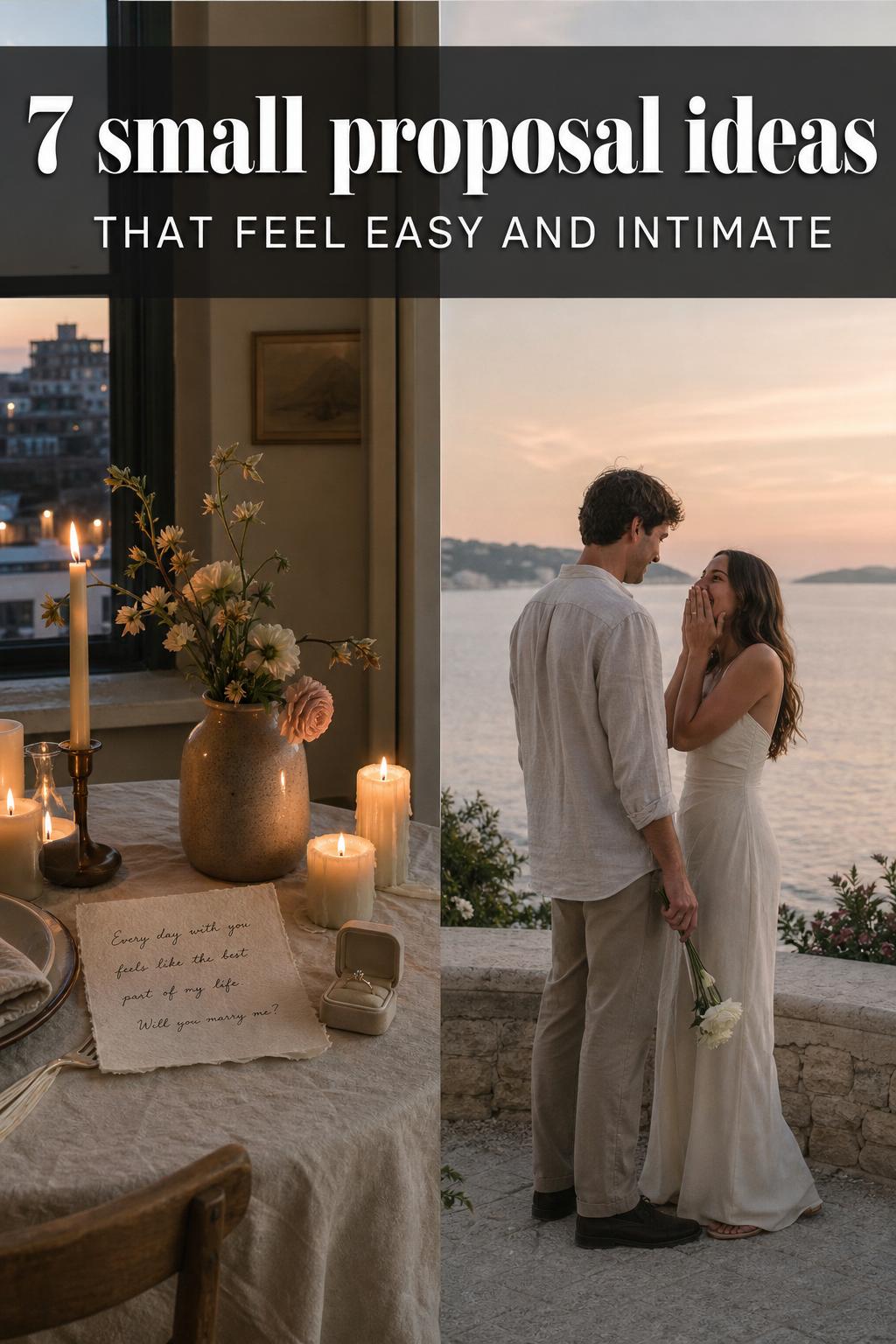
The simple shared-setting proposal is still modest, but it includes a sense of the outside world. It might happen during a walk, at dinner, on a day out, or within a meaningful public space that is not crowded with formal attention. This style feels less hidden and often more celebratory, while still avoiding the intensity of a large public production.
Emotionally, this kind of proposal often carries a gentle lift. There is movement in the day, anticipation in the environment, and sometimes a natural transition into celebrating afterward. The proposal is still personal, but it can feel connected to a broader experience, such as a favorite outing or a place the couple already loves spending time together.
Visually, this style often benefits from existing atmosphere. Natural scenery, ambient lighting, a well-designed restaurant corner, or a familiar local backdrop can do much of the work. Because the setting is shared, the proposal may feel more spontaneous even if it is carefully planned. That balance can be especially appealing for someone who wants the moment to feel natural but still memorable.
How it feels in real life
A simple shared-setting proposal tends to feel lightly elevated. There is often more visible energy than with a fully private proposal, but not so much that the moment becomes performative. For many couples, this creates a happy middle ground between intimacy and occasion.
What gives it visual impact
This proposal style gets much of its beauty from context. The background matters more. Time of day matters more. Foot traffic, weather, noise, and visual clutter matter more too. When chosen well, the setting adds life and scale. When chosen poorly, it can dilute the intimacy of the moment.
The emotional difference between these styles
The emotional gap between these two approaches is subtle but important. A private intimate proposal feels like the world has narrowed to just two people. It supports vulnerability, long conversation, and a memory centered on the relationship itself. The feeling is often tender, grounded, and deeply personal.
A simple shared-setting proposal feels like the relationship is being honored within the flow of real life. It still feels meaningful, but the emotional tone is often a little brighter and more outward-facing. There may be a sense of movement, occasion, and momentum. Some couples love that energy because it makes the proposal feel woven into a larger experience rather than isolated from it.
Guests are not required for a proposal to feel celebratory, and privacy does not automatically make a proposal more romantic. The right choice depends on how the couple experiences intimacy. Some people feel most themselves in quiet spaces. Others open up more easily when the moment happens naturally in a favorite shared environment.
Photographically, the difference is also clear. Private proposals often produce images with emotional focus and less visual noise. Shared-setting proposals can create more context and atmosphere, but they demand stronger planning around timing, location, and composition. One is emotionally enclosed. The other is emotionally open.
Where the distinction becomes obvious
Setting and environment
The private intimate proposal depends on a controlled environment. That makes it easier to shape the mood. Lighting, sound, privacy, and pacing can all be managed. In a shared setting, those variables are less predictable. The atmosphere may feel more dynamic, but it can also be interrupted by practical realities such as noise, weather, or people passing nearby.
Emotional pacing
Private proposals usually allow more time before and after the question. There is room to settle into the moment. Shared-setting proposals often move more quickly because the environment keeps moving around you. That can be energizing, but it can also shorten the emotional pause that some couples value most.
Visual composition
With a private proposal, the styling tends to rely on small details and emotional framing. With a shared-setting proposal, the background becomes part of the story. The visual payoff can be wonderful, but only if the setting supports the mood rather than distracting from it.
Level of pressure
Even a modest public environment can create pressure. A partner who dislikes being watched may find a shared-setting proposal stressful, even if there is no formal crowd. By contrast, someone who enjoys a little atmosphere and occasion may find a completely private setup too quiet or too serious. Emotional comfort should always matter more than the idea of what sounds impressive.
Wedding-style logic applied to proposal planning
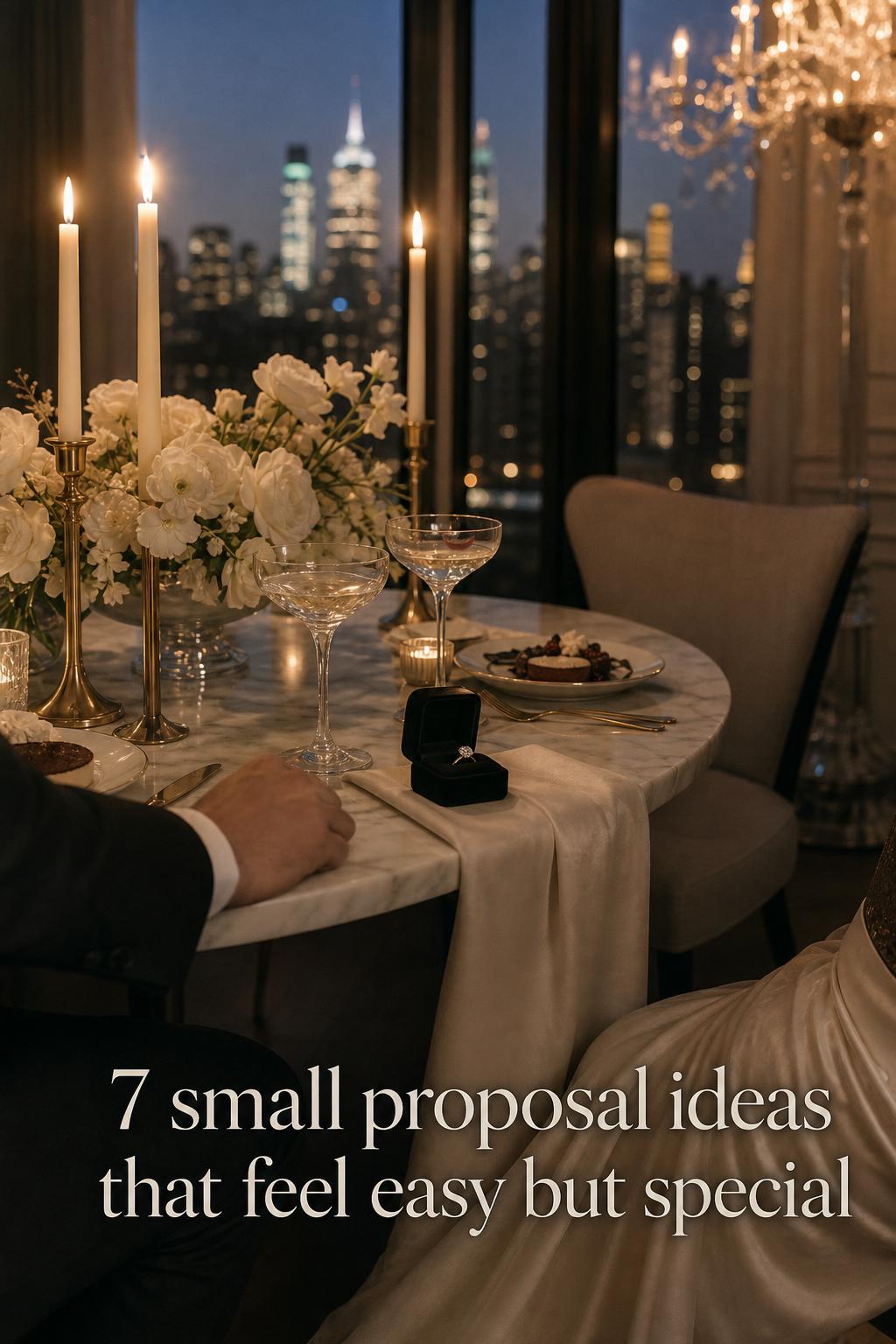
The same logic that creates a cohesive wedding also applies to proposals: atmosphere only works when the setting, styling, and emotional tone support one another. A proposal can feel visually inconsistent when the plan says “small and meaningful” but the setting feels rushed, cluttered, or disconnected from the couple’s actual personality.
Private intimate proposals are usually more forgiving because the environment can be simplified. A tidy room, good lighting, and a thoughtful sequence can create a beautiful moment without major expense. Shared-setting proposals often look effortless, but they usually require more location awareness. The easiest mistake is assuming that a naturally pretty place will automatically create the right atmosphere. In reality, background noise, timing, and privacy matter just as much as scenery.
Budget reality
In general, a private intimate proposal is easier to shape on a smaller budget because atmosphere can come from restraint. A meal at home, soft lighting, and personal details may be enough. A shared-setting proposal may still be modest, but costs can rise if the plan relies on travel, dining reservations, transportation timing, or a backup option in case the location does not cooperate.
What often goes wrong
- Choosing a location that looks good in theory but feels emotionally unfamiliar.
- Planning something “small” without considering privacy, timing, or visual distractions.
- Overdecorating an intimate proposal until it no longer feels natural.
- Assuming a shared public setting will feel relaxed when it actually creates performance pressure.
- Ignoring weather, noise, or lighting in outdoor or semi-public plans.
What makes a proposal feel expensive without being extravagant
Luxury in a small proposal rarely comes from quantity. It comes from coherence. Good lighting, a clean setting, a thoughtful sequence, and one or two intentional details often feel far more refined than too many disconnected gestures. Whether the proposal is private or lightly public, visual calm usually reads as more elevated than overfilling the moment.
How these small proposal ideas look in practice
Visualizing the difference clearly can make the decision much easier. A private intimate proposal often looks quieter in composition: a candlelit dinner at home, a meaningful note, a favorite song, a comfortable outfit, and enough stillness to absorb the moment. The focus is tight. The emotional center is obvious.
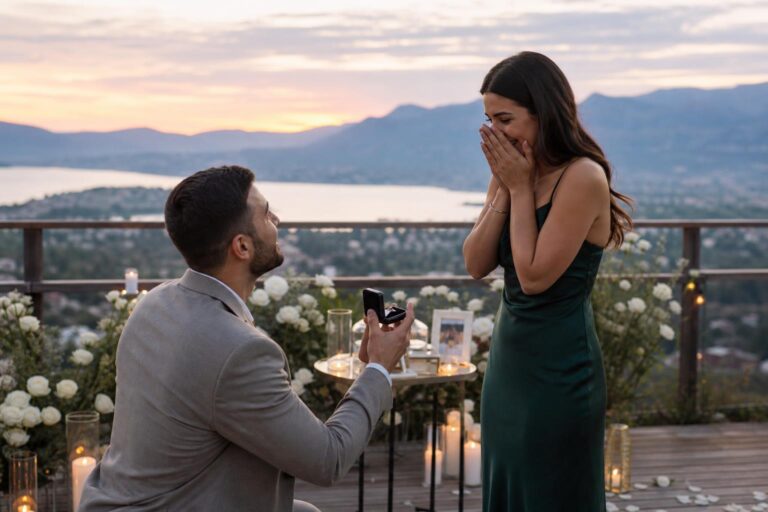
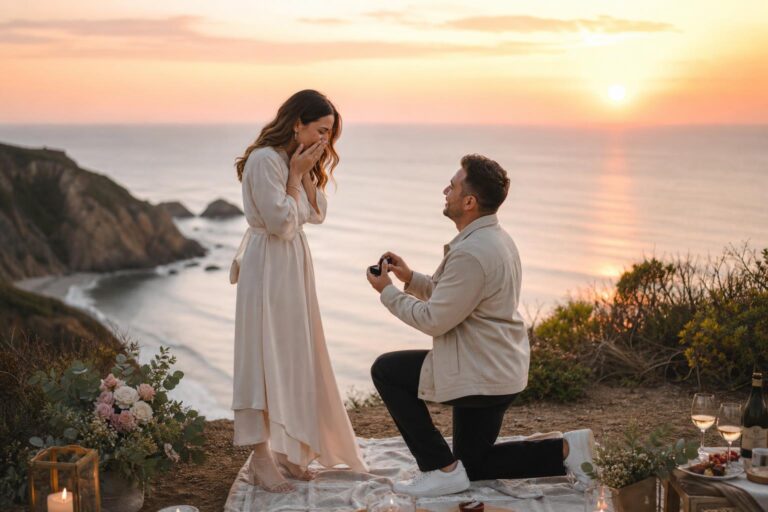
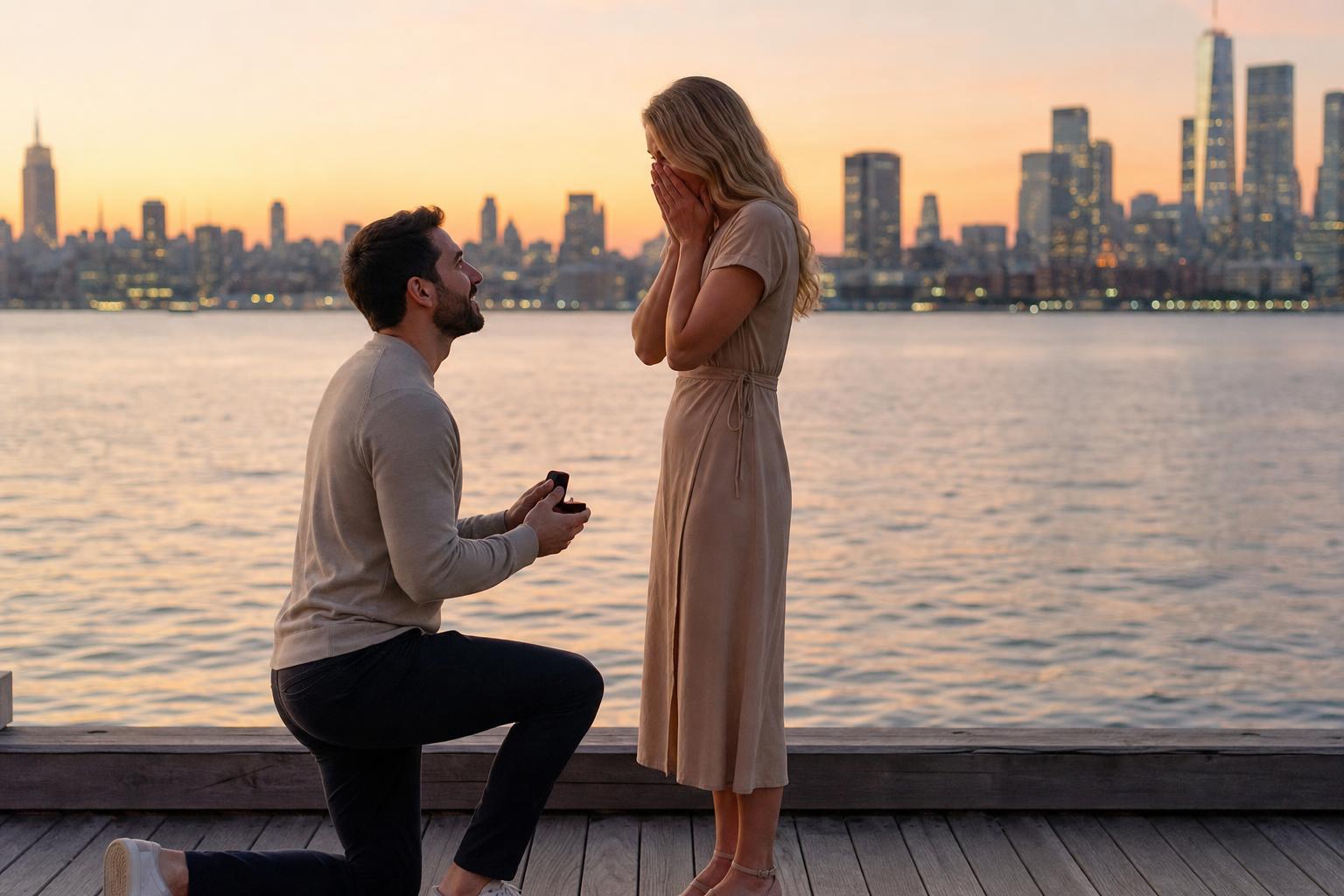
A simple shared-setting proposal usually has more environmental storytelling: a waterfront walk before dinner, a favorite neighborhood spot at sunset, a scenic overlook during a weekend outing, or a quiet bench after a meaningful day together. The proposal is still small in scale, but the setting helps carry the memory.
Neither style needs heavy decoration. In fact, too much styling can work against both. Small proposals feel strongest when they preserve honesty. The visual goal is not to imitate a production. It is to create a setting where the emotion can land fully.
Tips for shaping the visual mood
- Use lighting as the main atmosphere builder rather than too many props.
- Choose one visual focal point, such as a table, a view, or a meaningful location.
- Keep the surrounding area uncluttered so the moment feels intentional.
- Think about movement after the proposal, including where you will sit, celebrate, or call loved ones.
- Match the setting to your partner’s comfort level, not just what photographs well.
Example comparison: an at-home moment versus a favorite-place moment
An at-home proposal belongs firmly in the private intimate category. It tends to feel emotionally immediate because the environment is already part of the relationship. That familiarity lowers stress. It also allows for thoughtful sequencing: cooking a favorite meal, revisiting shared memories, or moving naturally into the proposal without logistical interruptions.
A favorite-place proposal in a shared setting works differently. The location itself carries meaning, whether it is the spot of an early date, a regular weekend walk, or a place connected to a shared ritual. The setting adds narrative value, but it also introduces unpredictability. To make it feel small in the best sense, the place should support intimacy rather than swallow it.
If your partner values comfort and emotional privacy, the at-home version often feels stronger. If your relationship is built around shared experiences outside the home, a favorite-place proposal may feel more representative of your life together.
Example comparison: dinner-centered proposal approaches
A private dinner proposal usually feels more controlled and emotionally focused. Whether it is at home or in a quiet reserved setting, the dinner becomes part of the emotional build rather than the main event. There is space to talk, to slow down, and to continue celebrating afterward without needing to relocate immediately.
A simple shared-setting dinner proposal often depends more heavily on timing. Proposing before dinner can create a glowing celebratory meal. Proposing during dinner can feel elegant if the setting is discreet and the partner enjoys that kind of occasion. Proposing after dinner may work best when the location outside the restaurant offers a quieter moment than the dining room itself.
The key distinction is control versus ambiance. Private dinner proposals give you more control over emotion and pacing. Shared-setting dinner proposals borrow ambiance from the venue but require more careful judgment about privacy and comfort.
Example comparison: outdoor small proposal ideas
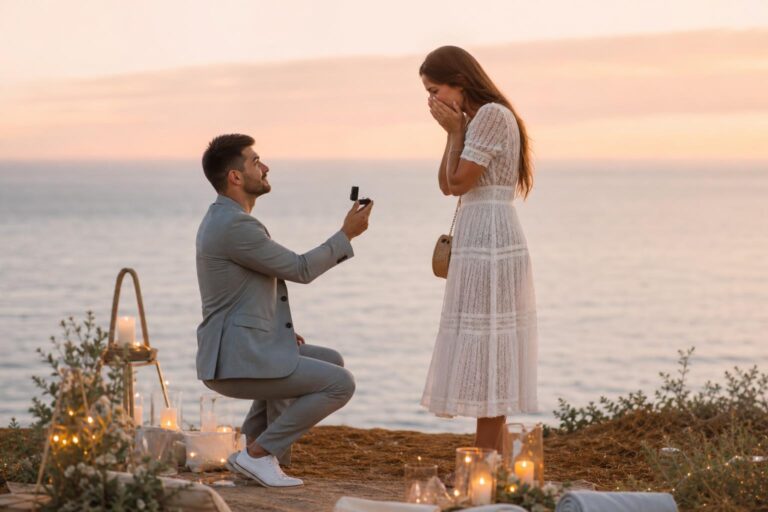
Outdoor proposals can belong to either style, but they behave differently depending on privacy. A secluded outdoor moment feels like an extension of the private intimate proposal. It gives you scenery without too much social pressure. A public park path, scenic overlook, or busy waterfront belongs more to the shared-setting direction, even if the proposal itself is quiet.
What many people underestimate is how much the environment affects the emotional tone. Wind, cold, heat, uneven ground, and unpredictable foot traffic can all interrupt an otherwise beautiful idea. Outdoor proposals can be magical, but they need practical realism. A backup plan matters. So does choosing a location where standing still, talking, and reacting naturally will not feel awkward.
Best fit for outdoor settings
- Choose private outdoor settings if your partner values emotional openness without witnesses.
- Choose shared outdoor settings if your partner enjoys scenery, movement, and a lightly celebratory feel.
- Avoid visually busy locations if the goal is softness and intimacy.
- Plan around light quality, not just convenience.
Example comparison: the destination-style version
A travel-based proposal can still be small, but it changes the emotional structure. In a private intimate version, the destination is simply the backdrop and the proposal itself remains quiet, sheltered, and personal. In a shared-setting version, the destination becomes part of the performance of the moment, adding excitement and visual scale.
This is where couples often blur intention. Travel naturally makes things feel special, but a beautiful location does not automatically replace emotional clarity. If the trip itself already creates stimulation and pressure, a fully public proposal may become overwhelming. Keeping the proposal small within the larger experience often creates a more balanced memory.
For destination planning, the strongest approach is usually to let the location support the proposal rather than dominate it. A scenic private balcony, an early morning walk, or a quiet corner of a meaningful place often feels more lasting than trying to manufacture a dramatic scene in an unfamiliar environment.
Style personality match
The private intimate proposal usually suits couples who value emotional privacy, quieter communication, and a memory that feels deeply internal. It often works well for relationships built on home rituals, thoughtful conversation, and meaningful detail. It also tends to suit someone who may feel self-conscious under observation.
The simple shared-setting proposal usually fits couples who connect through experiences, movement, and a sense of occasion. It can be ideal for those who love a favorite neighborhood routine, a beautiful view, or a special outing that already feels like part of their story. It is still intimate, but it carries a little more lift and visibility.
Neither style is more loving. They simply express care in different ways. One protects the moment. The other places the moment gently into the world.
When to choose each style
Choose a private intimate proposal if:
- Your partner dislikes attention or surprises in front of others.
- You want time to talk and be fully present after the proposal.
- You are working with a smaller budget and want emotional impact without logistical complexity.
- You want stronger control over lighting, privacy, and pacing.
- Your relationship feels most authentic in quiet, familiar spaces.
Choose a simple shared-setting proposal if:
- Your partner enjoys experiences and memorable locations.
- You want the proposal to flow into a meal, walk, or celebration naturally.
- A meaningful place is central to your story together.
- You want some atmosphere from the setting without planning a grand public event.
- You are comfortable managing variables such as timing, weather, and people nearby.
What ages better in memory and photos
The proposals that age best are usually the ones that feel emotionally true at the time. That said, private intimate proposals often hold up beautifully because they are less tied to external noise and trend-driven presentation. Their emotional clarity tends to remain strong in both memory and imagery.
Shared-setting proposals can age just as well when the location is genuinely meaningful and the visual environment is clean. The risk comes when the setting is chosen mainly for appearance rather than significance. If the place is too busy, too generic, or too disconnected from the relationship, the images may feel less personal over time.
The most timeless element in either style is not decoration. It is alignment between the proposal and the couple’s real emotional language.
Can you combine these styles successfully?
Yes, and in many cases that hybrid approach is the strongest one. A proposal can begin in a shared setting and still preserve private emotional space. For example, the day might include a favorite outing, but the actual proposal happens in a quieter corner or at home afterward. This creates occasion without sacrificing intimacy.
The key is choosing one dominant emotional direction. If the proposal is meant to feel private, let the public or shared parts support the day rather than define the question itself. If the proposal is meant to feel lightly celebratory, keep the setting visible but manageable. Problems usually happen when the plan sends mixed signals, such as creating a very personal emotional setup in a place that is too exposed to support it.
Blending works best when the atmosphere remains coherent. Think of the day as a sequence rather than a single image. The proposal itself should happen in the emotional environment that suits your relationship most, and everything around it should reinforce that feeling.
A few grounded planning tips before you decide
Small proposals are often hardest to plan well because they leave less room to hide behind spectacle. Every decision becomes more visible. The setting, the timing, the emotional tone, and the after-plan all matter.
- Think first about how your partner likes to receive meaningful moments, not how proposals usually look online.
- Plan what happens immediately after the yes, because that shapes the emotional landing of the proposal.
- Visit or mentally rehearse the location at the same time of day if the proposal is in a shared setting.
- Keep any styling details simple enough that they do not compete with the question itself.
- If you are uncertain, choose the option that creates more emotional safety rather than more visual drama.
The choice is really about emotional architecture
The deepest difference between these small proposal ideas is not size. It is emotional architecture. A private intimate proposal creates a sheltered space for the moment to unfold. A simple shared-setting proposal lets the moment live inside a meaningful environment with a bit more lift and visibility.
If one style feels softer, quieter, and more natural to your relationship, trust that instinct. If the other feels more alive, representative, and memorable in the way you experience life together, trust that too. The most beautiful proposal is not the one with the most setup. It is the one where the atmosphere, the setting, and the emotion all belong to the same story.
When the proposal feels cohesive, even the smallest gesture can feel unforgettable. That is what makes a simple moment feel extraordinary.
FAQ
What are the best small proposal ideas for someone who dislikes attention?
The best choice is usually a private intimate proposal in a familiar setting, because it removes the pressure of being observed and allows the moment to unfold naturally. A quiet at-home plan or a secluded meaningful location often feels more emotionally comfortable than even a low-key public setting.
Are small proposal ideas less romantic than elaborate proposals?
No, a smaller proposal can feel even more romantic when it is aligned with the couple’s personality and emotional style. Romance often comes from sincerity, timing, and atmosphere rather than scale.
Is it better to propose at home or in a meaningful public place?
It depends on how your partner experiences intimacy. Home usually offers more emotional privacy and control, while a meaningful public place can add atmosphere and memory if it still feels comfortable and personal.
How can I make a small proposal feel special without spending much?
Focus on visual calm and emotional intention. Good lighting, a meaningful setting, a thoughtful plan for what you will say, and a few personal details often create more impact than spending heavily on extras.
Do small proposal ideas photograph well?
Yes, especially when the setting is uncluttered and the atmosphere is consistent with the emotion of the moment. Private proposals often photograph with strong emotional focus, while shared-setting proposals can look beautiful when the background supports rather than distracts.
What is the biggest mistake people make with simple proposal plans?
A common mistake is assuming that “simple” means no planning is needed. Smaller proposals often need thoughtful timing, privacy, and environmental awareness to feel natural instead of rushed or visually disorganized.
Can a small proposal still include family or friends later?
Yes, many couples choose a private proposal first and then transition into a celebration afterward. This approach often gives you the emotional intimacy of a quiet moment while still creating space to share the joy with loved ones.
How do I choose between private and shared-setting small proposal ideas?
Start with your partner’s comfort level, then consider the rhythm of your relationship. If your connection feels strongest in quiet, personal moments, choose private. If your story is tied to favorite outings and meaningful places, a shared-setting proposal may feel more authentic.