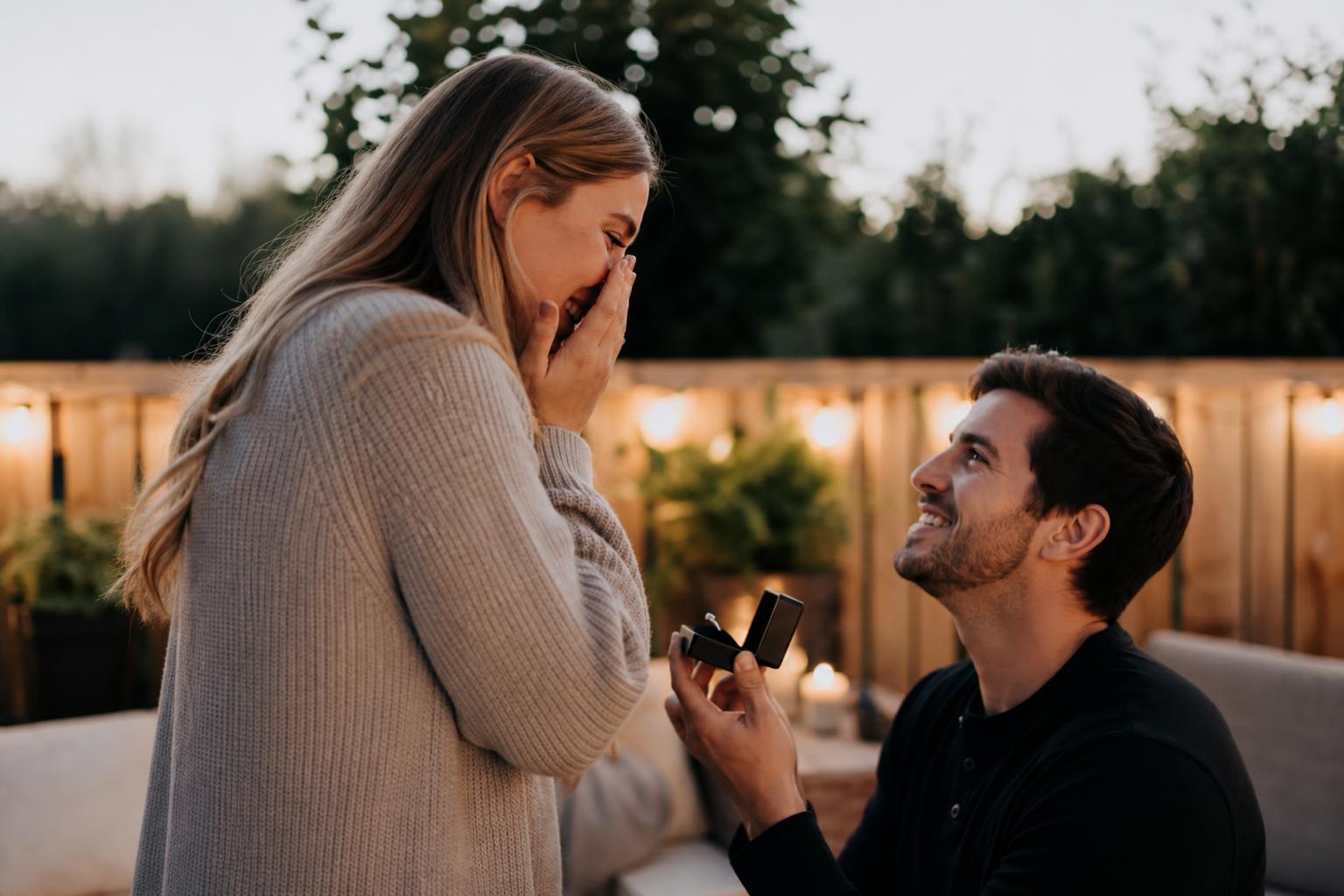
Simple Proposal Ideas for a Thoughtful, Modern Yes
Some proposals stay unforgettable not because they were elaborate, but because they felt unmistakably personal. That is the appeal behind simple proposal ideas: they strip away production and place the emotional center exactly where it belongs, on the relationship, the setting, and the quiet confidence of asking one life-changing question. A sunrise stroll, a backyard dinner, a museum visit, or breakfast in bed can all hold the same emotional weight as something far more theatrical when the atmosphere is honest and cohesive.
Yet simple does not always mean the same thing. For some couples, it means private and home-centered. For others, it means low-maintenance but still visually memorable, perhaps on a beach, at the peak of a hike at sunset, or woven into a local love story. These approaches are often grouped together because they share ease and intimacy, but they create very different moods, photographs, and guest experiences.
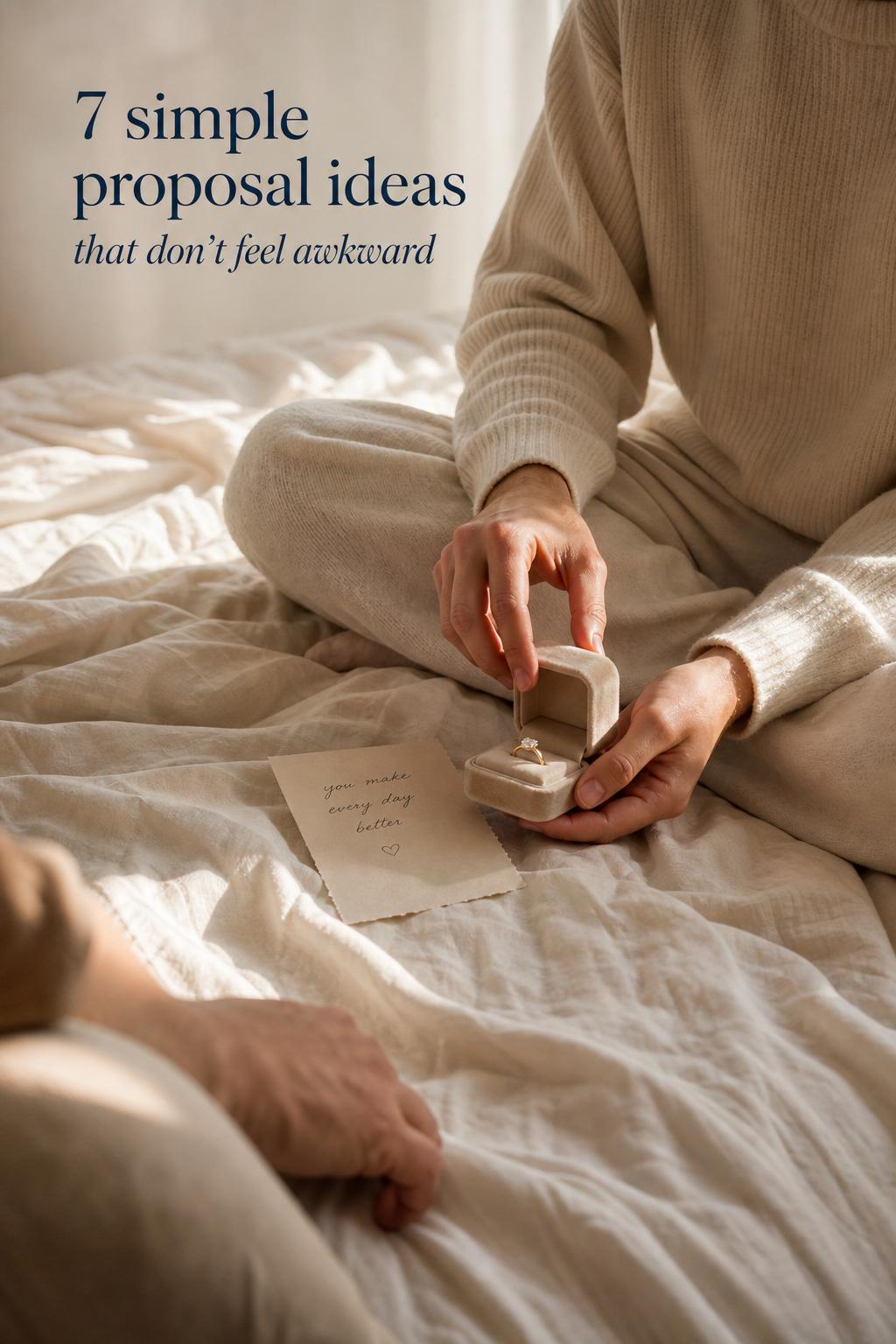
This guide breaks down the most popular directions for simple proposal ideas through an editorial lens, comparing at-home, outdoor, creative, and memory-driven approaches so you can choose a proposal style that feels emotionally right, visually cohesive, and realistic to execute.
What “simple” really means in a proposal
A simple proposal is not defined by how little effort you care about the moment. It is defined by restraint. The plan is usually low-fuss, the location is often familiar or naturally beautiful, and the styling depends more on meaning than spectacle. That is why so many low-maintenance proposals center on places like home, a backyard, a beach, a museum, or a hiking trail. The setting already gives the moment a clear atmosphere, so you do not need much else.
Turn wedding inspiration into a plan you can actually follow.
Zarellea brings your guest list, budget, vendors, and day-of details into one shared space — so no beautiful idea gets lost in the shuffle.
Publishers like The Knot, Zola, Brilliant Earth, and Joy consistently frame simplicity around intimacy, authenticity, and personal touches rather than large-scale production. In practice, that means a proposal can still feel romantic and considered without becoming complicated. A photo album, a crossword puzzle, a mini scavenger hunt, or a customized gift reveal can transform an ordinary evening into an engagement story that feels deeply specific to the couple.
The most useful distinction is this: some simple proposals are quiet and private, while others are experiential and lightly public. Choosing between those paths changes everything from your speech and timing to the lighting, privacy level, and how your partner will emotionally experience the moment.
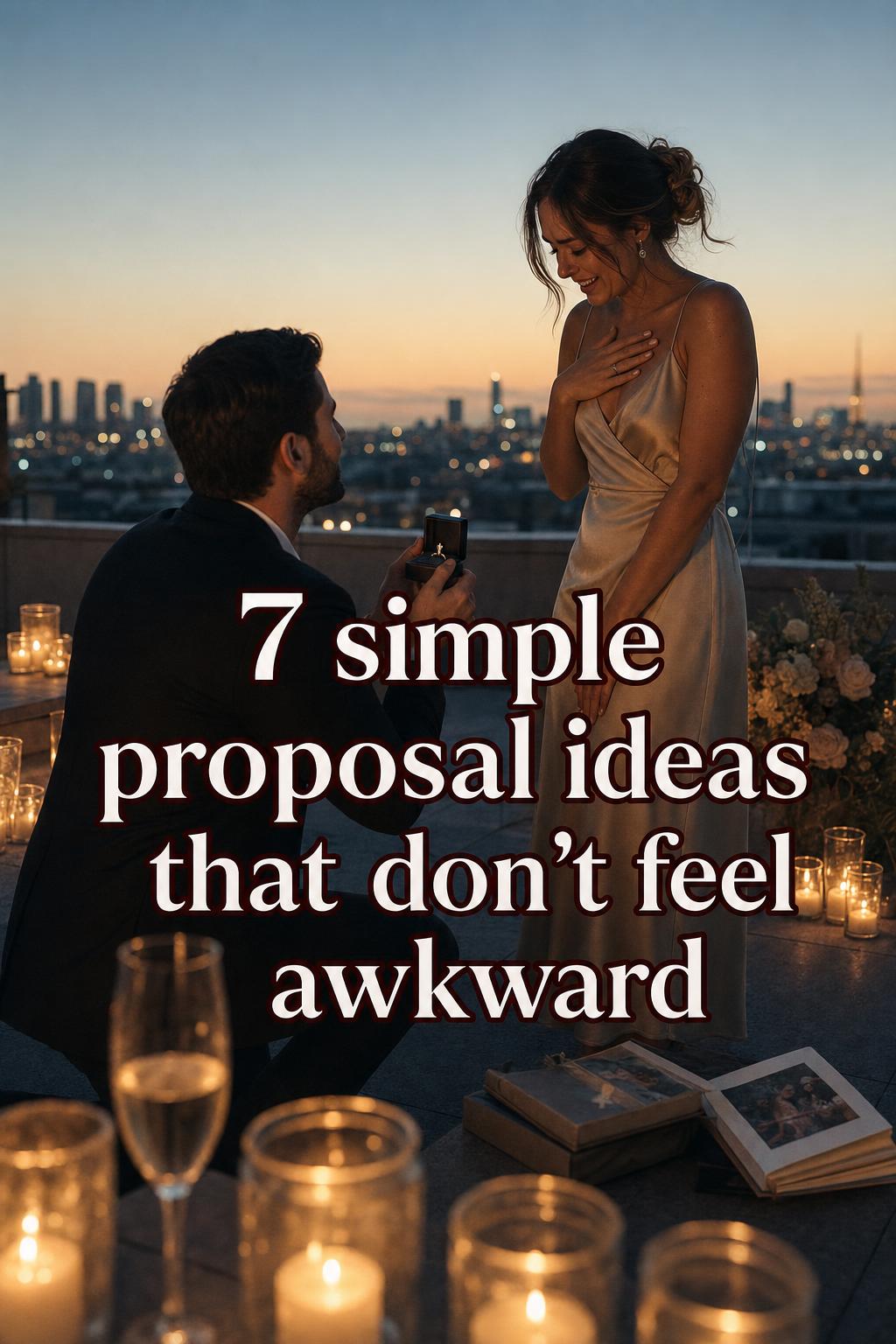
Style overview: at-home and private simple proposals
At-home proposals are the softest expression of simplicity. Their defining quality is emotional closeness. Instead of relying on a destination or dramatic scenery, they build meaning through familiarity: the room where you unwind together, the backyard where you have shared ordinary evenings, or a breakfast in bed that turns into something permanent. This style often feels calm, intimate, and low-pressure, which makes it especially appealing for low-maintenance couples.
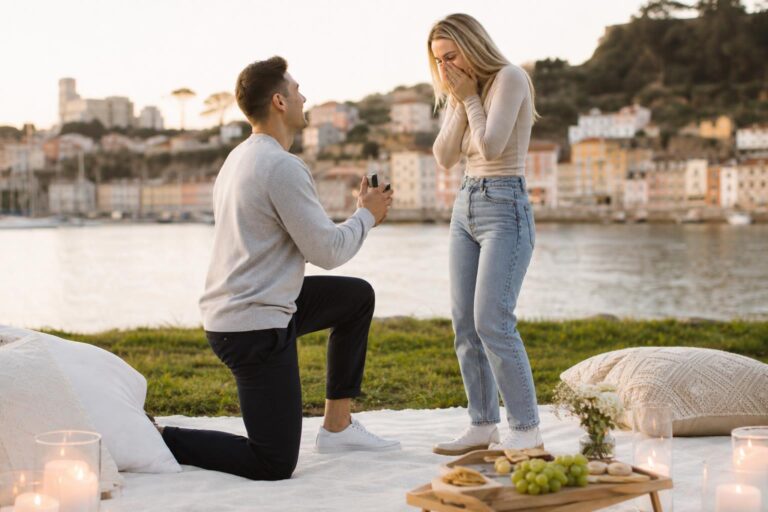
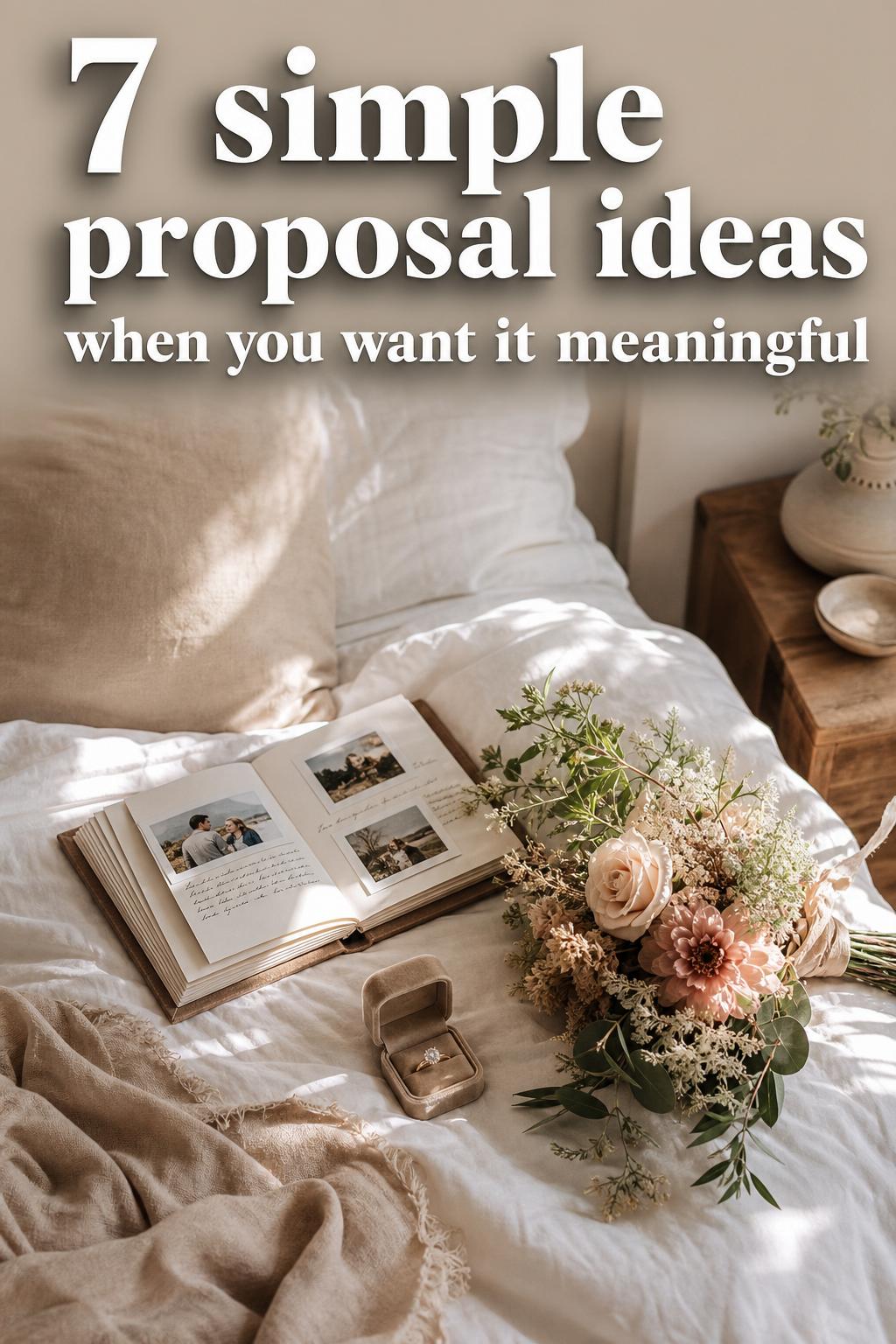
Visually, at-home proposals tend to be gentler and less performative. A gift box, a ring reveal tucked into a meaningful object, a photo album ending with the proposal, or a blanket spread out in the backyard all create an atmosphere that feels real rather than staged. The palette is usually shaped by the home itself rather than an invented concept, which can make photographs feel timeless if the space is tidy, warm, and thoughtfully arranged.
In a real wedding-planning sense, this proposal style behaves well under budget pressure. You are not paying for travel, coordinating a public venue, or trying to time a crowd. It also gives you strong control over privacy, pacing, and emotional rhythm. If your partner values comfort, does not enjoy attention, or would feel more present in a familiar setting, this category is often the strongest fit.
The visual language of a private proposal
Private proposals are often more textured than dramatic. Think breakfast in bed, a simple ring presentation during an ordinary evening, a photo album on the coffee table, or a small setup in the backyard as the light fades. Their beauty comes from proximity and detail rather than scale. In photos, the emotional focus stays on faces, hands, and reactions, not on the environment competing for attention.
Who this style suits best
- Couples who prefer intimate, private engagement moments
- Partners who feel uncomfortable with public attention
- Anyone looking for budget-friendly engagement ideas with emotional depth
- Couples whose relationship is rooted in home rituals, daily routines, and shared quiet moments
Style overview: outdoor and destination-feeling simple proposals
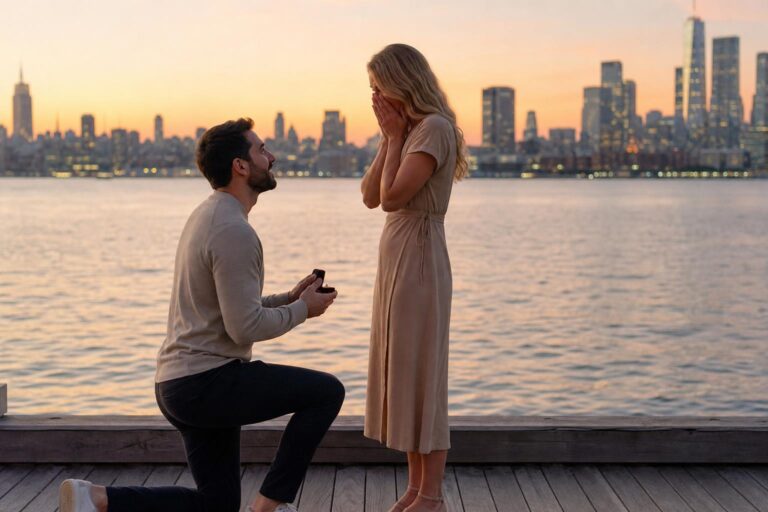
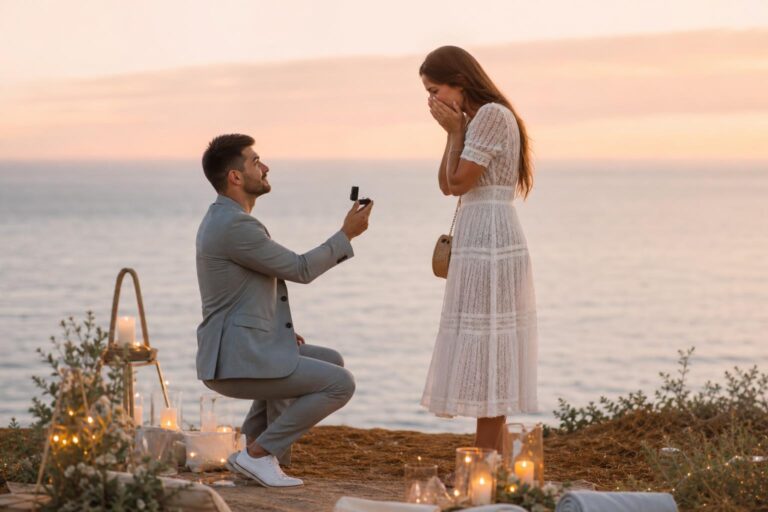
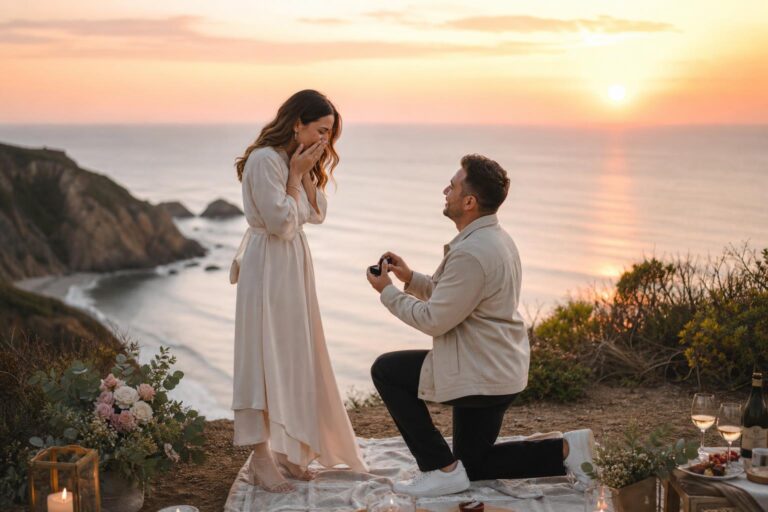
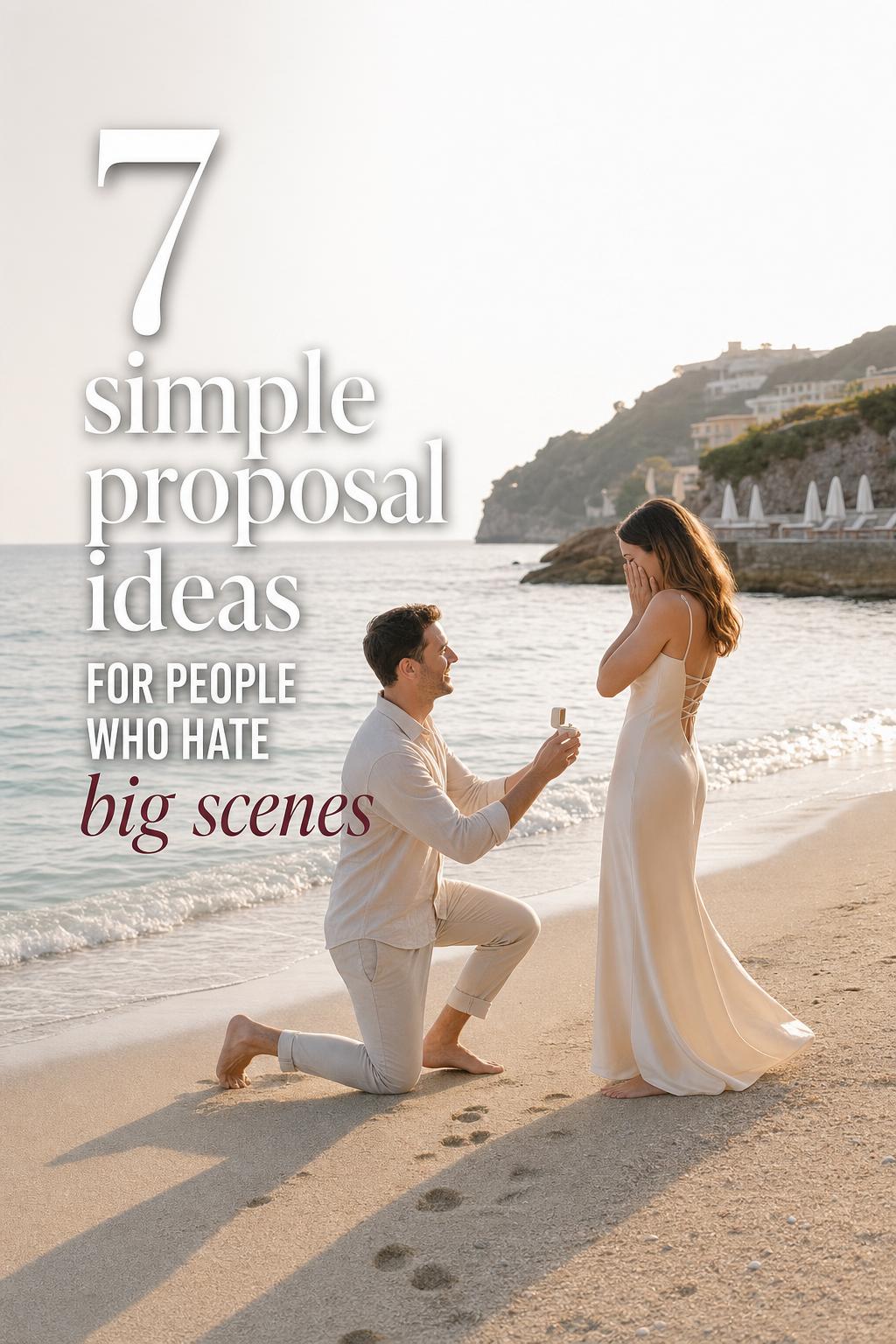
Outdoor simple proposals create a different kind of romance. They still avoid fuss, but they lean on atmosphere instead of domestic familiarity. A beach proposal, a sunset hike, a park stroll, camping, or a sunrise walk all borrow emotion from the landscape. Even when they happen in public, these moments can feel surprisingly private because the setting absorbs some of the pressure.
This style often photographs with more scale and movement. Beaches feel open and cinematic, hiking trails feel adventurous and earned, and a museum or rooftop adds a refined urban layer without requiring excessive setup. The emotional mood is usually more expansive than an at-home proposal. It can feel freeing, memorable, and slightly more editorial while still staying authentic.
There is also a strong practical advantage to naturally beautiful venues. If the backdrop already has character, your proposal does not need many props. That is why places like beaches, museums, parks, amusement parks, and scenic overlooks recur so often in simple proposal inspiration. They provide built-in ambiance. The trade-off, of course, is that you lose some control over weather, privacy, and timing.
Where this style feels strongest
A beach proposal works beautifully when your relationship already leans relaxed and romantic. A hike at sunset suits couples who connect through activity and shared adventure. A museum proposal feels thoughtful and polished, especially for partners who love culture, architecture, or quiet city dates. Camping proposals bring in warmth and closeness, especially when the proposal is framed as part of a simple overnight escape.
Venue pairing notes
- Beaches create softness, open light, and a natural romantic mood
- Hiking trails and mountain views feel adventurous and emotionally elevated
- Museums offer a quiet, sophisticated atmosphere with visual structure
- Backyards and terraces bridge the line between private and scenic
- Amusement parks bring playful energy if your relationship has a lively, nostalgic side
Style overview: creative low-fuss proposals with a reveal
Some of the most memorable simple proposal ideas are not defined by location at all, but by mechanism. These are the proposals that unfold through a photo album, a crossword puzzle, a scavenger hunt, a gift-based reveal, or a scratch-off style surprise. The emotional experience here is built around discovery. Instead of one sudden question, the proposal becomes a small narrative that leads your partner to the moment.
What makes this style especially appealing is that it can live inside either a private or public setting. A crossword puzzle can happen at home. A photo album can be opened on the last day of vacation. A mini scavenger hunt can unfold across meaningful local places. This flexibility makes creative reveals one of the most adaptable forms of low-maintenance proposal planning.
Brilliant Earth and Joy both highlight puzzle-based proposals because they bring personality into the experience without requiring a large production budget. When done well, the prop never feels gimmicky. It simply gives structure to a deeply personal message.
Why this style works emotionally
A reveal-based proposal builds anticipation in a gentle way. It also gives shy proposers something to hold onto. If speaking on the spot feels difficult, a photo album, crossword, or customized gift can carry part of the emotional load. This makes the proposal feel intentional without becoming stiff.
The emotional difference between these proposal styles
The private at-home proposal usually feels tender, inward, and deeply personal. Guests are absent, distractions are low, and the emotional memory becomes attached to your everyday life together. It is less about surprise through scale and more about sincerity through proximity. For many couples, this is the most emotionally sustainable kind of proposal because it reflects how they actually live and love.
The outdoor proposal creates more atmosphere around the question. Whether it is a beach, a hike, or a sunrise stroll, the setting adds emotional lift. The moment may feel freer, more cinematic, and more expansive. Guests may still be absent, but the environment introduces a sense of occasion that naturally changes the energy.
The creative reveal proposal feels playful, thoughtful, and story-driven. It often creates a layered emotional response: curiosity first, then recognition, then surprise. This style can be especially meaningful when your relationship is built on shared rituals, inside jokes, games, travel memories, or keepsakes.
In photographs, these distinctions matter. At-home proposals often look warm and intimate. Outdoor proposals look atmospheric and scenic. Creative reveals photograph through detail and sequence, which can make the story feel more editorial and personal when captured well.
Key differences that shape the experience
Privacy versus atmosphere
If privacy is your top priority, at-home and backyard proposals usually win. If atmosphere matters more and your partner enjoys being out in the world, the beach, museum, park, or hiking trail may feel more emotionally complete.
Spontaneous feel versus structured reveal
A walk at sunset or breakfast in bed often feels naturally unfolding and unforced. A crossword puzzle, scavenger hunt, or photo album proposal feels more structured. Neither is better. The difference lies in whether your partner would love an unfolding clue-based experience or a simpler emotional surprise.
Budget reality
At-home ideas are usually the easiest to keep affordable. Outdoor proposals can also be budget-friendly when the location itself does the work, but transportation, timing, or overnight travel can add cost. Creative reveals are often inexpensive, though small custom details can quietly increase spending if you add multiple props.
How forgiving the setting is
Backyards, home interiors, and museums allow more control. Beaches, hiking spots, and camping proposals depend on weather and timing. Amusement parks are playful but less predictable. If you need reliability, choose a setting where you can manage noise, lighting, and pacing.
Public energy versus intimate focus
A museum or amusement park may still qualify as simple, but they introduce ambient social energy. For some couples, that makes the moment exciting. For others, it can make it harder to stay emotionally present. That difference should guide your choice more than trend appeal.
Wedding style logic: how to choose the right proposal direction
The best simple proposal ideas are rarely the most visually impressive on paper. They are the ones that align with your partner’s comfort, your relationship habits, and the kind of memory you both want to keep revisiting. A proposal should feel like an intensified version of your relationship, not a performance borrowed from someone else.
A practical way to decide is to compare your priorities in four categories: privacy, budget, location comfort, and storytelling style. If your partner loves familiarity and quiet, begin with home, backyard, or breakfast in bed. If shared experiences define your relationship, a hike, museum visit, beach evening, or camping trip may feel more natural. If your bond is built on humor, keepsakes, or playful rituals, a crossword or scavenger hunt reveal may feel most authentic.
A quick decision framework
- Choose a home-based proposal if emotional safety and privacy matter most.
- Choose an outdoor proposal if scenery is part of your shared story.
- Choose a museum or rooftop-style setting if you want refinement without overproduction.
- Choose a reveal-based idea if a prop or memory device helps express what you want to say.
- Choose a family gathering proposal only if your partner genuinely enjoys emotional milestones with loved ones present.
Visual style breakdown: how these proposals look in real life
At-home proposals
These usually center on close framing and layered emotional detail. A ring box beside breakfast, a blanket in the backyard, a framed photo album, or a gift reveal on the sofa all create visual intimacy. Because the setting is small, clutter becomes more noticeable. What makes this style feel elevated is not abundance but cohesion. A clean room, soft light, and one meaningful focal point often look more luxurious than too many decorations.
Outdoor proposals
Outdoor simple proposals depend on composition. The beach creates openness. A hike creates height and emotional build-up. A sunrise or sunset stroll creates naturally flattering light. A park proposal feels relaxed and cinematic in a quiet way. These settings tend to make the proposal feel larger in memory, even when the actual plan is very simple.
Museum proposals
A museum proposal carries a calm, elegant visual identity. The structure, interiors, and sense of occasion already exist, so even a minimal proposal can feel polished. This option often suits couples who want simple proposal ideas with a more refined editorial mood rather than a rustic or outdoorsy one.
Creative reveal proposals
These photograph through sequence. The crossword puzzle being solved, the final page of the photo album, the last clue in a scavenger hunt, or the opening of a gift box all create movement and narrative. This style feels especially personal because the camera captures not just the question but the path leading to it.
Example comparison: the same relationship, different proposal moods
Scenario one: a couple who loves quiet weekends
If this couple chooses an at-home proposal, the moment might happen over breakfast in bed or during a cozy evening with a photo album ending in the proposal. The atmosphere is soft, familiar, and emotionally grounded. If the same couple chooses a beach proposal, the mood becomes more cinematic and expansive, but still simple. The decision depends on whether they want the memory to feel domestic and intimate or open and transportive.
Scenario two: a couple with a strong local love story
A local love story proposal could unfold through a scavenger hunt across meaningful spots or a walk that ends where the relationship began. If interpreted privately, it may be a low-key route ending in a quiet proposal. If interpreted more publicly, it may include a museum stop, a rooftop moment, or a family gathering at the end. The emotional tone changes from reflective to celebratory depending on how many people and locations are involved.
Scenario three: a playful couple who loves puzzles and games
A crossword puzzle proposal or clue-based reveal is often the most natural expression of this relationship dynamic. The same couple could still have a beautiful hike or museum proposal, but the addition of a puzzle makes the experience feel more like them. This is a strong reminder that the best simple idea is not the one with the prettiest setting alone, but the one whose emotional behavior matches the relationship.
City and venue personality: making a simple idea feel more specific
One of the easiest ways to personalize a low-maintenance proposal is to localize it. Instead of thinking only in categories like beach or museum, think in terms of your real geography and habits. A city museum creates a different atmosphere from a coastal beach. A rooftop has a different energy than a neighborhood park. Even when the proposal remains simple, a location tied to your daily life or travel memories gives it stronger emotional architecture.
This matters because broad ideas often become meaningful through specific placement. A museum proposal works best when museums already belong to your relationship rhythm. A park stroll becomes more resonant when it is the park where you regularly walk. The last day of vacation feels especially strong when travel itself is part of your bond, because the proposal folds naturally into the emotional high point of shared time away.
Localized simple proposal directions
- A city museum proposal for couples who love thoughtful dates and structured surroundings
- A beach proposal for couples drawn to openness, travel, or coastal calm
- A local park or sunset stroll for couples who value routine turned romantic
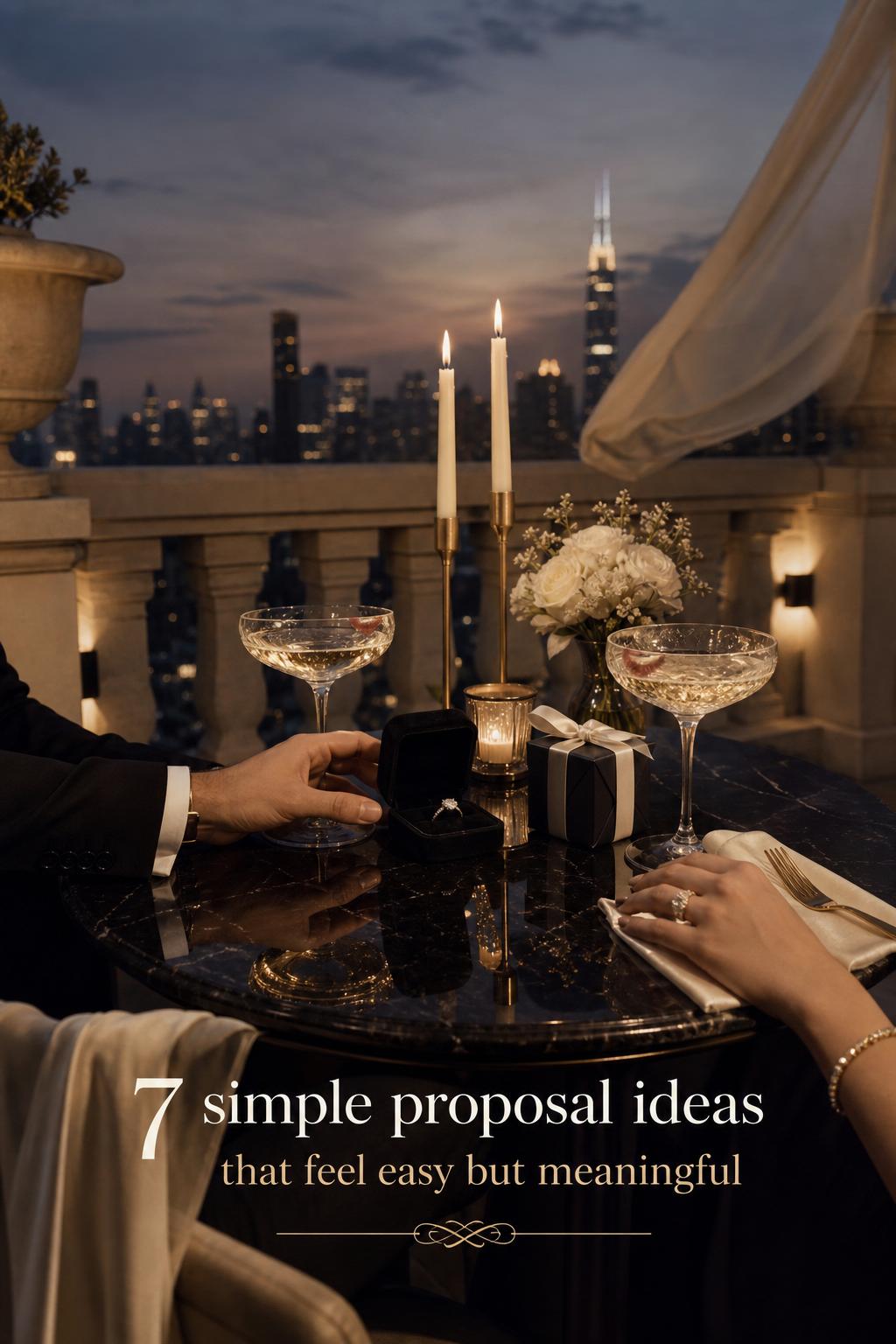
- A rooftop or terrace moment for couples who want a simple plan with a polished city mood
- A backyard proposal for couples who want privacy without sacrificing atmosphere
What often goes wrong with simple proposals
The most common mistake is confusing simple with underplanned. A proposal can be low-fuss and still require thoughtful timing, a clear setting, and a sense of emotional intention. Without that, the moment may feel abrupt instead of effortless.
Another issue is choosing a style that looks good in theory but clashes with your partner’s personality. A family gathering proposal may sound warm, but it can feel overwhelming if your partner values privacy. A public museum or amusement park proposal may feel memorable, but not if they dislike being observed. The emotional fit always matters more than the visual category.
Creative reveals can also become too complicated. A scavenger hunt should feel charming, not exhausting. A crossword puzzle should be intuitive enough to solve without frustration. A photo album should feel heartfelt, not overproduced. The best versions of these ideas stay concise and emotionally clear.
What makes a simple proposal feel elevated
Restraint is often what makes a simple proposal feel expensive in the best sense of the word. One meaningful object, one beautiful setting, and one well-chosen time of day usually create more impact than too many decorations. Soft sunset light, a museum interior, a clean breakfast setup, or a carefully assembled album all give the moment visual clarity.
Personalization is the second layer. The proposal becomes richer when the location, prop, or sequence reflects your history together. That could mean a gift that references an inside joke, a local route tied to your love story, or a final photo album page that quietly prepares the emotional turn.
The ring itself is often the only formal object in the scene, which is why many proposal guides from brands like Brilliant Earth and wedding publishers like The Knot and Zola naturally connect simple ideas with ring planning. In a low-fuss proposal, the ring and the question take center stage, so every surrounding detail should support rather than compete with them.
Photography mood and what ages well in photos
At-home proposals tend to age well when the space feels clean, warm, and honest. Their strength is emotional closeness. Outdoor proposals age well when the timing is right, especially around sunrise or sunset when the light softens the scene. Museum proposals often look timeless because the setting already has structure and visual balance.
What dates photographs fastest is usually not simplicity, but inconsistency. A low-key proposal overloaded with unrelated decor can feel visually confused. A naturally scenic proposal interrupted by poor timing or crowd pressure can lose its emotional clarity. The most lasting images tend to come from proposals where the setting, mood, and relationship dynamic all align.
Tips for a stronger photo outcome
- Choose a time of day with gentle natural light, especially for outdoor proposals.
- Tidy the visual environment if proposing at home.
- Keep props minimal so the ring and reaction remain the focus.
- Use a setting that already carries atmosphere, such as a museum, beach, park, or backyard at sunset.
- Build the proposal around your partner’s comfort so their reaction feels natural rather than guarded.
When to choose each proposal style
Choose a private, home-based proposal when
Your partner values intimacy, your budget is limited, or your relationship is built on quiet rituals. This style also works well if you want full control over weather, privacy, and pacing. Breakfast in bed, a backyard setup, a blanket under the evening sky, or a gift-based reveal all suit this emotional direction.
Choose an outdoor proposal when
You want a naturally romantic backdrop without heavy planning. A beach, hike, camping trip, or park stroll is often ideal when shared experiences in nature are already part of your story. This path is especially strong for couples who want the proposal to feel memorable and scenic without becoming formal.
Choose a museum or city-based proposal when
You want simplicity with polish. A museum proposal offers quiet structure and a thoughtful atmosphere. A rooftop or terrace moment can bring a city mood while still staying low-maintenance. These settings work best for couples who want something elegant but not highly produced.
Choose a creative reveal when
Your relationship thrives on storytelling, inside jokes, or keepsakes. A photo album, crossword puzzle, mini scavenger hunt, or customized gift can make the proposal feel deeply personal without requiring a large budget or extensive coordination.
Can you combine these styles successfully?
Yes, and many of the strongest simple proposal ideas do exactly that. A hike can end with a photo album reveal. A museum visit can include a customized gift. A backyard proposal can be framed through a scavenger hunt across meaningful objects or rooms. A vacation proposal can happen on the last day of the trip with a private sunrise stroll.
The key is to keep one style dominant. If the main mood is private and intimate, let the reveal support that instead of overwhelming it. If the main mood is scenic and outdoor, use only one prop or storytelling device. Too many overlapping concepts can make a simple proposal feel visually scattered and emotionally overworked.
A practical planning checklist for low-maintenance proposals
- Confirm whether your partner would prefer private, public-but-quiet, or family-involved.
- Choose a setting that already has emotional meaning or natural atmosphere.
- Decide whether the proposal should feel spontaneous or structured through a reveal.
- Keep the number of props limited to what truly adds meaning.
- Think through timing, weather, and accessibility before committing to an outdoor plan.
- Prepare what you want to say, even if the wording stays simple.
- Make sure the ring is secure, accessible, and not awkward to retrieve in the moment.
Tips for making the moment feel natural
Build the proposal into an activity that already makes sense for your relationship. If you never go hiking, a dramatic summit proposal may feel borrowed rather than personal. If your partner loves museums, a quiet gallery moment may feel effortless. If your best memories happen at home, trust that intimacy. Low-maintenance proposals succeed when they feel like a truthful extension of how you already love each other.
FAQ
What are the best simple proposal ideas for a private person?
The best options are usually at-home proposals, backyard proposals, breakfast in bed, a photo album reveal, or a quiet outdoor moment such as a park stroll or beach walk. These ideas keep the focus on the relationship and reduce the pressure that can come with crowds or family involvement.
Are simple proposal ideas still romantic enough?
Yes, because romance in a proposal usually comes from emotional meaning, timing, and sincerity rather than scale. A simple proposal often feels more intimate and memorable when the location, activity, or reveal reflects the couple’s real story.
Which simple proposal ideas are usually the most budget-friendly?
At-home proposals, backyard setups, breakfast in bed, and photo album or gift-based reveals are typically the easiest to keep affordable. Outdoor ideas like a beach walk or local park stroll can also stay budget-friendly if they do not involve overnight travel or extra coordination.
Is a museum proposal considered simple or too public?
A museum proposal is often one of the best examples of a simple but polished proposal. It can feel public in location, but still private in emotional experience if you choose a quieter moment and a setting that suits your partner’s comfort level.
How do I choose between an at-home proposal and an outdoor proposal?
Choose at-home if privacy, comfort, and control matter most. Choose outdoor if your relationship is tied to shared experiences, scenic settings, or a sense of adventure. The right answer depends less on what looks impressive and more on where your partner will feel most present and happiest.
Do creative ideas like crossword puzzles and scavenger hunts feel too complicated?
They can, if they are overdesigned. The strongest versions are short, intuitive, and clearly personal. A crossword puzzle, mini scavenger hunt, or photo album works best when it adds meaning without delaying the proposal so long that the moment starts to feel forced.
Should I include family in a simple proposal?
Only if your partner genuinely enjoys emotional milestones with loved ones present. A family gathering can feel warm and celebratory, but for a more private person it may create pressure. The decision should reflect personality, not assumption.
What time of day works best for simple outdoor proposals?
Sunrise and sunset are often the strongest choices because the light is softer and the atmosphere feels naturally romantic. That is especially helpful for beaches, park strolls, backyard proposals, and hikes where the setting itself is a major part of the experience.
Can a vacation proposal still count as simple?
Yes, especially if the proposal itself stays low-fuss. The last day of vacation, a quiet beach walk, or a private moment during travel can feel wonderfully simple when you rely on the setting and shared memory rather than adding too many staged elements.
What matters most when planning a simple proposal?
The most important factor is emotional fit. A proposal feels successful when the setting, level of privacy, and style of surprise all reflect your partner’s personality and your shared history. Simplicity works best when it feels intentional, not accidental.