Budget Wedding Ideas for a Romantic, Polished Day
A beautiful wedding rarely depends on excess. More often, it comes from atmosphere: candlelight against simple decor, a meaningful ceremony in a public park or library, a dinner that feels warm and generous, and details chosen with care instead of pressure. That is why budget wedding ideas can feel so appealing. They invite couples to build a day around mood, memory, and intention rather than chasing every expensive tradition at once.
The visual identity of a budget-conscious wedding is not one single style. It can lean romantic, minimalist, garden-inspired, vintage, or modern, but the common thread is clarity. Every choice has a purpose. A smaller guest list changes the scale of the venue. Seasonal flowers soften the decor without inflating the floral bill. Digital invitations create a cleaner planning process. A family-style meal can feel more intimate than a highly formal service. When the planning is thoughtful, the wedding often looks more cohesive, not less.
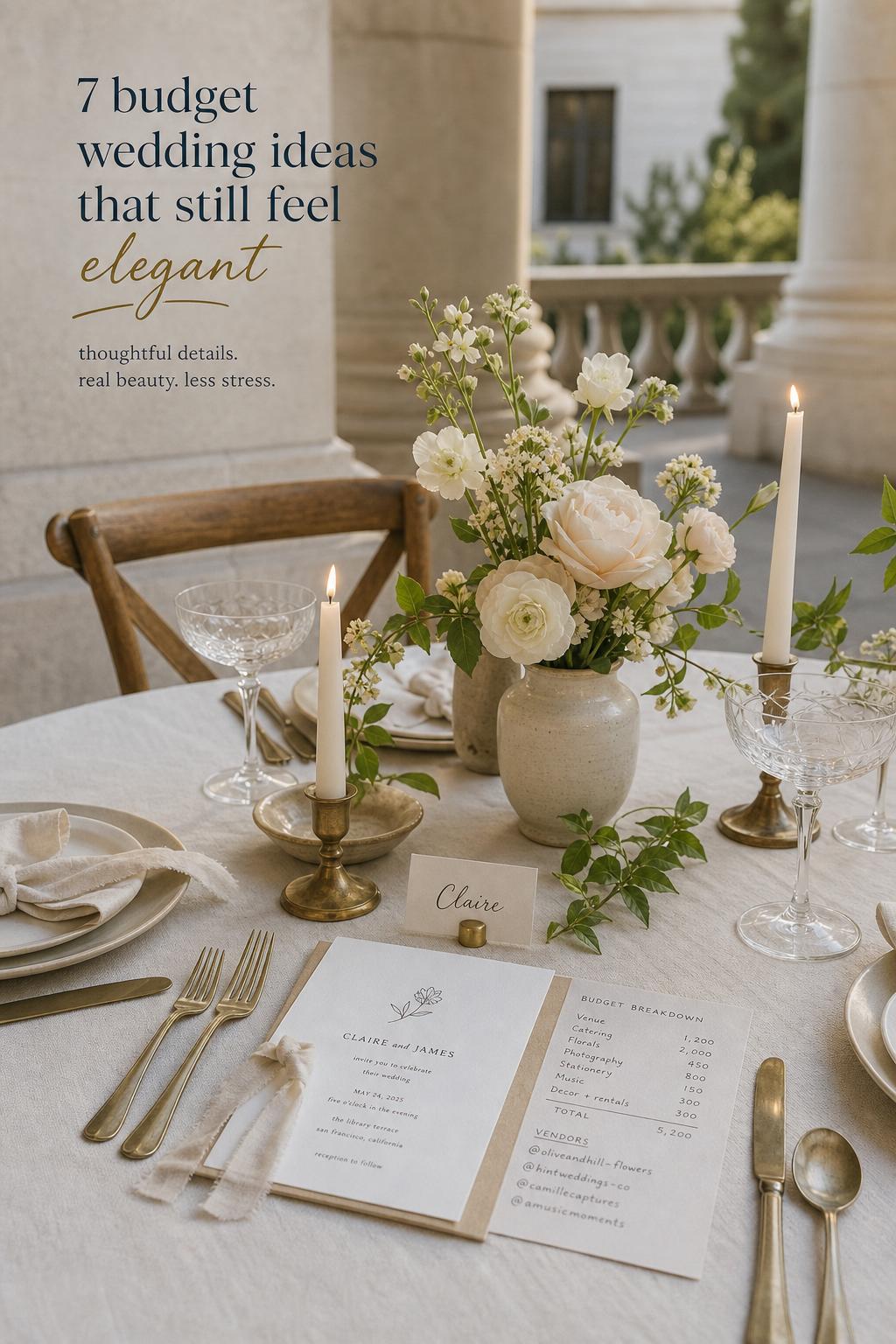
This guide explores budget wedding ideas through that lens: not as a random collection of cost cuts, but as a styling and planning framework. You will see how the aesthetic works, how to shape it around venues, catering, decor, attire, photography, and guest experience, and how to avoid the choices that make a wedding feel forced, inconsistent, or unintentionally cheap.
What defines this aesthetic?
A strong budget wedding aesthetic usually begins with restraint. The most effective version is not crowded with competing details. Instead, it relies on a focused palette, a clear venue story, and textures that add depth without requiring a long list of purchases. Greenery, seasonal flowers, simple wedding dresses, thrifted decor, digital invitations, and value-driven venue choices all support that mood.
Turn wedding inspiration into a plan you can actually follow.
Zarellea brings your guest list, budget, vendors, and day-of details into one shared space — so no beautiful idea gets lost in the shuffle.
Visually, the palette often stays soft and flexible: neutrals, nature-based tones, garden greens, and understated romantic shades. Fabrics and finishes matter because they affect how affordable choices are perceived. A clean table layout, a well-edited ceremony backdrop, and decor with natural texture tend to look more elevated than overly shiny or overly busy details. The same principle applies to attire, photography, and cake styling: simple lines usually feel more timeless than trying to imitate luxury through excess.
Silhouettes and proportions matter in wedding design just as they do in fashion. A small guest list suits a compact venue like a library terrace, community space, or park setting. A relaxed, family-style meal works best when the decor feels warm rather than overly formal. Digital invitations pair naturally with a modern or minimalist wedding identity. The mood to aim for is intentional, personal, and calm.
- Core visual ingredients: simple decor, greenery, seasonal flowers, edited tablescapes, and non-traditional venues
- Key planning anchors: budget framework, category allocations, vendor decisions, and clear spending priorities
- Common support details: digital invitations, thrifted finds, DIY decor, modest cake designs, and practical photography packages
- Best overall mood: intimate, polished, romantic, and realistic
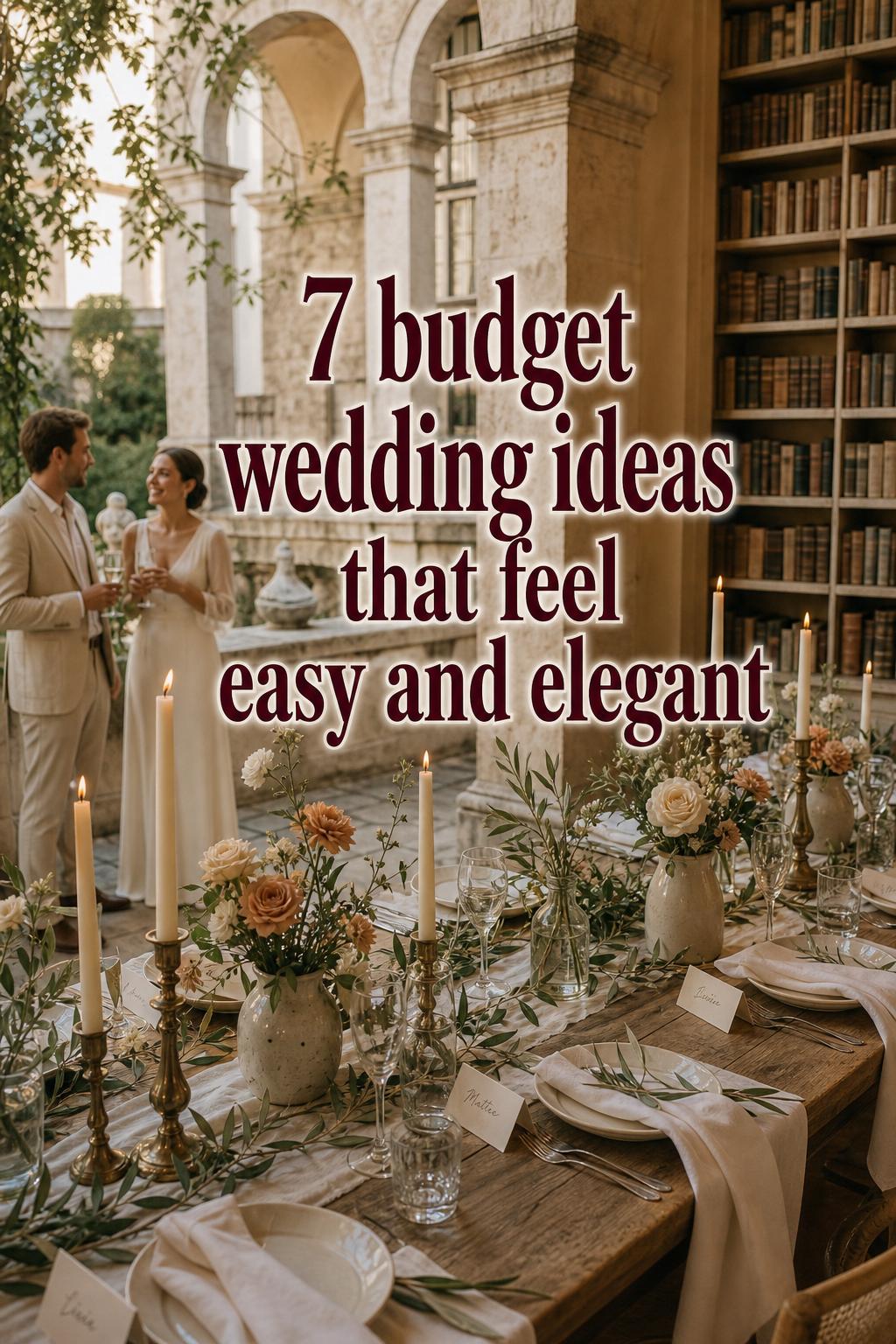
Start with the shape of the day, not the shopping list
The most useful budget wedding ideas do not begin with favors or centerpieces. They begin with structure. Before comparing dresses, cake styles, or photographers, define the shape of the wedding: how many people will attend, what kind of venue fits that guest count, and which categories matter most to you as a couple. This is the real wedding budget framework discussed across finance and planning sources, and it changes everything that follows.
A budget is more than a maximum number. It is an editing tool. If photography matters more than elaborate decor, the decor can become more minimal and personal. If the ceremony setting is the emotional centerpiece, then a public-space venue with natural views may carry more value than a traditional venue package. Fidelity’s planning lens also brings in an important practical factor: understanding who contributes financially. When family members are involved, clarity early on prevents style decisions from becoming financially confusing later.
This is also where realistic trade-offs come in. A wedding can feel expensive without actually being well-designed if too much money is spread thin across too many categories. By contrast, a well-prioritized day often looks more luxurious because the strongest elements have room to breathe.
A simple planning framework that keeps the look cohesive
- Set a firm total budget before contacting vendors
- Prioritize the major cost centers: venue, catering, photography, decor, attire
- Decide which elements truly shape the atmosphere of your day
- Use tools such as a wedding budget calculator or spreadsheet to track estimates
- Leave room for taxes, gratuities, and small planning surprises
The styling lesson here is simple: the wedding looks better when the spending reflects the story. A small candlelit dinner in a library terrace setting, for example, should not be styled like a ballroom reception. Let the financial plan and the visual plan support each other.
A venue mood with character: public spaces, parks, and community settings
Few decisions influence the overall aesthetic more than the venue. It controls scale, light, dress code, decor needs, and how much of the budget remains for everything else. Traditional venues can be beautiful, but budget-conscious weddings often gain personality when they move toward non-traditional spaces: public parks, community centers, libraries, and other civic or municipal locations that already carry atmosphere.
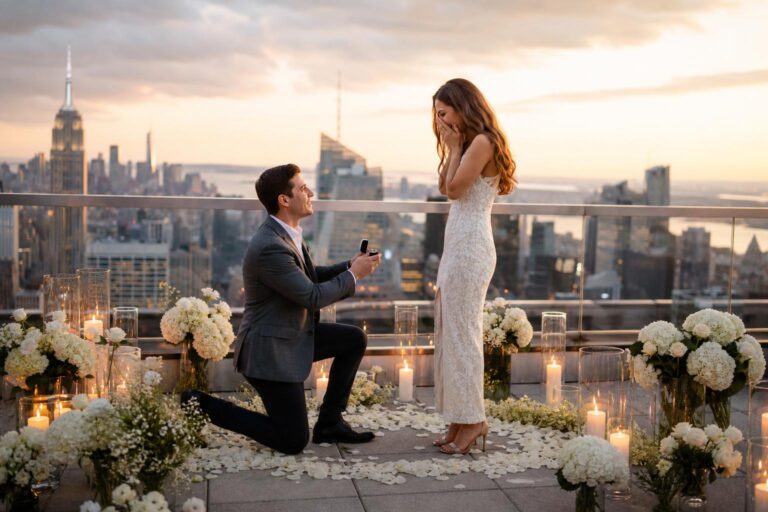
One of the clearest examples comes from San Diego, where the San Diego Public Library offers a compact wedding option at Epstein Terrace. Reported as a 12-guest, $500 ceremony setting, it shows how a public-space wedding can deliver an elegant sense of place without the cost profile of a large commercial venue. The appeal is not only the price. It is the visual clarity. A terrace with city views does not need layers of rented decor to feel memorable.
Public-space weddings and community settings work best when the guest list is intentional and the styling remains disciplined. This is where many couples discover that a smaller celebration can actually create a stronger design identity. Instead of stretching the budget across a high-capacity venue, they can invest in a meaningful meal, thoughtful photography timing, and floral details that look natural rather than sparse.
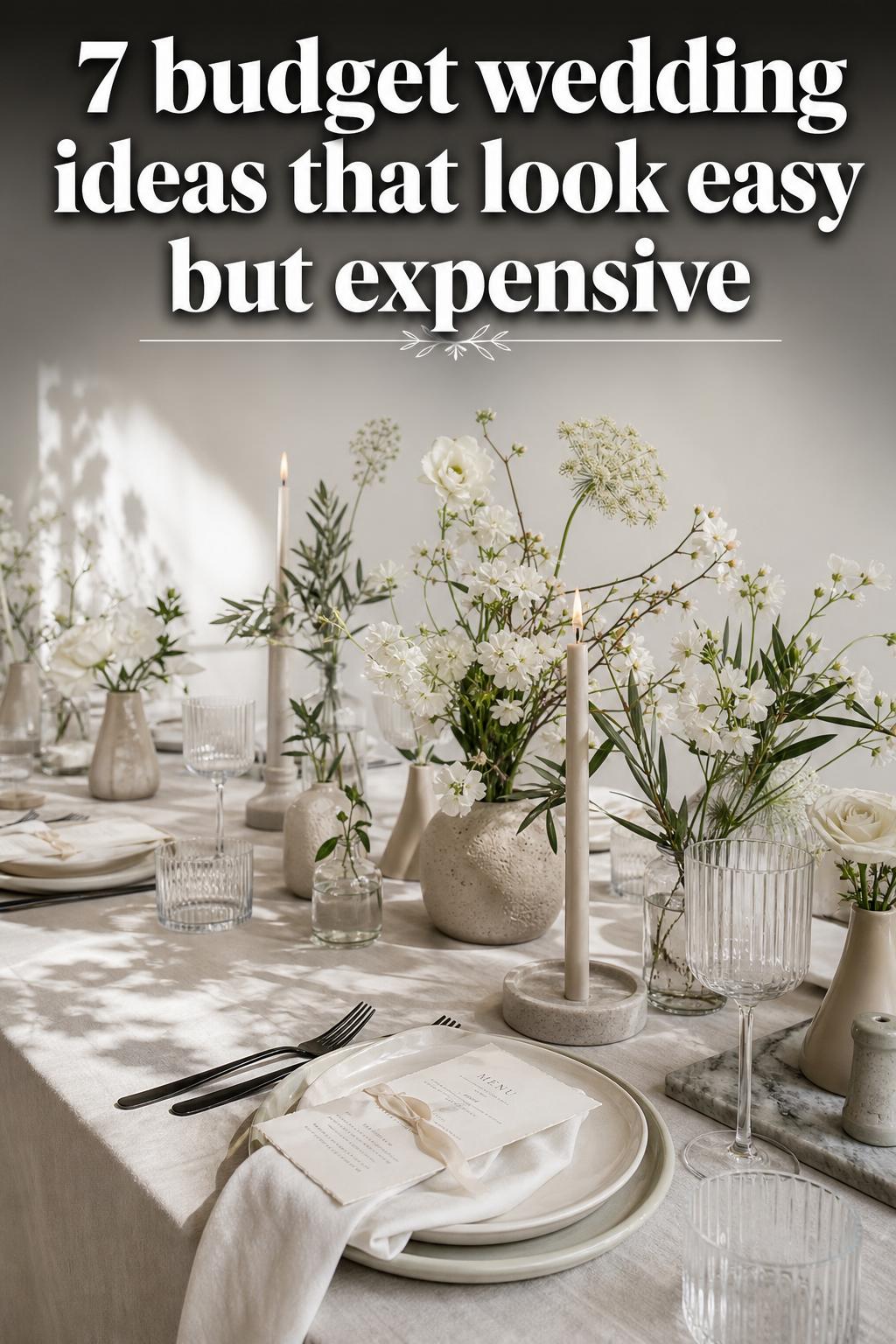
Look: the intimate civic wedding
The mood here is pared back but deeply romantic. Think of a ceremony that feels quiet, architectural, and emotionally present, where the setting itself does much of the visual work. The silhouette of the day is compact: a small guest list, a short ceremony footprint, and a reception that feels like an extension of the vows rather than an entirely separate production.
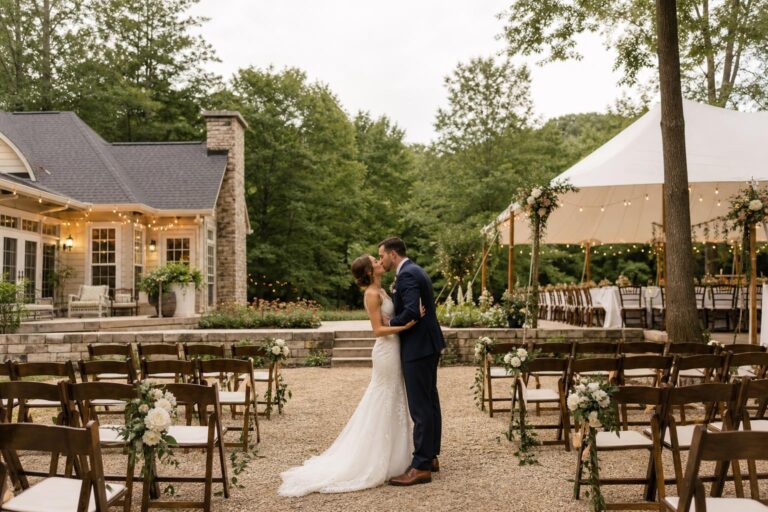
A library terrace, public park, or community venue suits this look because those spaces already offer structure and atmosphere. Decor can stay minimal with greenery, a few seasonal floral accents, and simple seating. Attire tends to look especially strong here when it is clean in line rather than heavily embellished. Photography also benefits, because the visual field is less cluttered and the moments feel more direct.
Why it works: the venue itself becomes part of the design language. To recreate it, resist the urge to fill the space with too many decorations. When the setting has natural views or civic character, too much extra styling can weaken the elegance instead of improving it.
Regional reality matters more than inspiration boards
Budget planning always looks different once local pricing enters the picture. Regional wedding cost differences, like those noted in Northwest Arkansas compared with national averages, are a reminder that no budget idea exists in a vacuum. A venue, photographer, or caterer that feels affordable in one market may be difficult in another. That does not make planning impossible; it simply means your strategy should be location-aware.
This is one reason broad wedding averages can only guide the first stage of planning. Once you begin contacting vendors, your actual region becomes more important than generic expectations. In a lower-cost market, you may have more room for florals or a longer photography package. In a higher-cost area, a small guest list or a public-space venue may become the most powerful style decision you can make.
The practical lesson is not to compare your wedding too closely to another couple’s total spend without understanding their city, venue type, and guest count. Budget weddings succeed when they respond to real conditions, not when they try to replicate a version of the day built under completely different regional pricing.
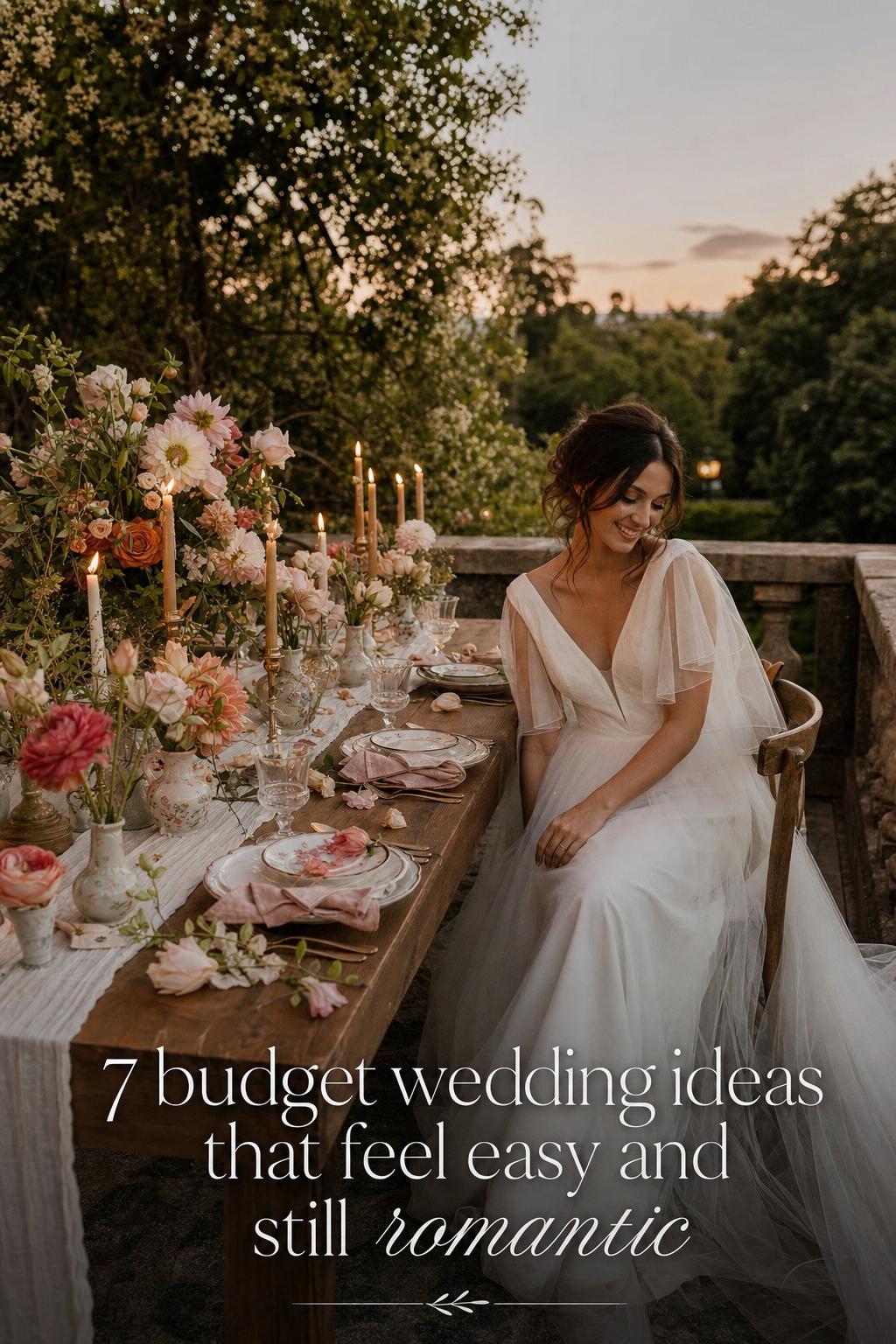
A warm table instead of a costly production: catering, cake, and drinks
Food shapes memory. Guests may not remember every ribbon or sign, but they will remember how dinner felt. This is why cutting catering costs should never mean stripping away warmth. The most successful budget wedding ideas in this category shift the service style rather than the hospitality itself. Buffet meals, family-style service, food stations, potluck-style gatherings, and limited beverage programs all appear as practical alternatives because they preserve generosity while controlling spending.
A family-style meal creates a softer, more communal mood than a highly formal plated service. Food stations can feel lively and flexible. A potluck or shared-meal format, as discussed in lifestyle coverage of cheap wedding ideas, can work especially well when the wedding identity is casual, personal, and rooted in community. The key is honesty of style. A potluck should feel intentional, not like a last-minute substitute for a formal dinner.
Cake follows the same logic. A modest design often looks more elegant than an overworked one when the budget is limited. If the meal and venue are relaxed, the cake should belong to that atmosphere instead of trying to imitate a grand ballroom centerpiece.
Look: the candlelit family-style reception
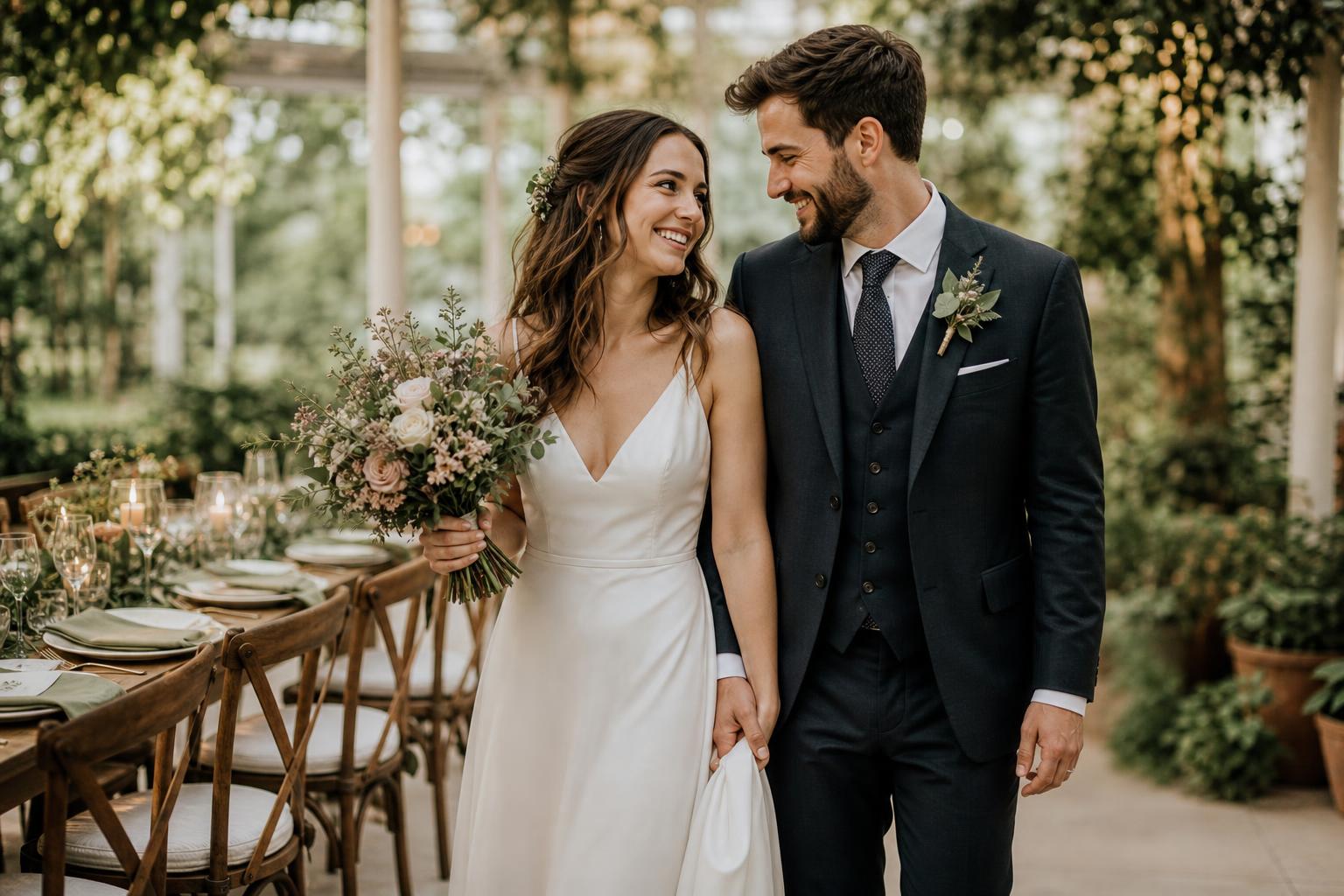
This interpretation feels soft, grounded, and intentionally abundant. The visual mood is not luxury through scale, but through closeness. Long tables, shared platters, low floral arrangements, and a dining setup that encourages conversation give the reception a generous silhouette even when the guest count is modest.
The strongest palette here often pulls from food and nature: greenery, neutral linens, simple cakes, and floral details chosen in season. The styling remains believable because every element supports the same emotional idea. Family-style service, a buffet, or relaxed stations fit this aesthetic better than overly rigid table formality. A limited bar can still feel polished if the presentation is clean and consistent.
Best for: intimate receptions, public-space weddings, garden-inspired celebrations, and couples who care more about atmosphere than spectacle. What to avoid: mixing a casual meal format with decor that is trying too hard to suggest a much more formal event. That contrast often feels visually confusing.
Tips for keeping catering beautiful and sensible
- Choose one service style that suits the venue instead of forcing a formal format into a casual space
- Consider a limited beverage offering if it allows more room for better food or photography
- Keep cake design clean and scaled to the celebration
- Ask vendors about package flexibility and timing, since service details often affect price
Decor on a dime, but never without direction
Budget decor works when it has an editing principle. DIY alone does not guarantee beauty, and expensive decor does not guarantee atmosphere. The most effective approach combines a restrained palette, repeated materials, and decor placed where it matters most. This is why greenery, seasonal flowers, thrifted finds, and simple personal touches appear again and again in practical wedding planning advice: they create visual fullness without requiring highly customized installations.
Greenery-based styling and nature-led details can carry a wedding beautifully, especially in park, garden, or public-space settings. Seasonal flowers help the floral budget go further because they align with natural availability. Thrifted decor works best when repeated with intention, such as matching candleholders, framed signage, or vessels with a similar shape and finish. When every table has unrelated objects, the wedding can begin to feel like collected leftovers rather than considered design.
This is also the section where many couples overbuy. A venue with strong architecture or natural scenery usually needs less decor than expected. Concentrating the budget on the ceremony focal point, dining tables, and a few photo moments generally creates more impact than trying to decorate every corner.
Look: the garden-inspired DIY romance
This version of the aesthetic feels airy, personal, and quietly expressive. The silhouette is soft rather than dramatic, with details that seem to belong to the setting. It suits couples who want a wedding that feels handmade in the best sense: thoughtful, textural, and full of warmth rather than obviously homemade.
Seasonal flowers, greenery, thrifted vessels, and understated decor are the visual anchors. Digital invitations can extend the same look if the overall style is clean and botanical. The beauty of this approach is that it does not rely on one expensive hero piece. Instead, the atmosphere comes from repeated textures and a calm palette. Even simple tables can feel styled when the florals and candlelight share a consistent direction.
The key to recreating it is repetition. Use the same tones, similar vessels, and one floral mood throughout the ceremony and reception. What makes budget decor look expensive is not quantity. It is consistency. What makes it look weaker is too many tiny ideas competing for attention.
Style tip: use texture instead of excess
If your palette is soft or neutral, texture becomes the styling tool that keeps the wedding from looking flat. Greenery, petals, paper goods, candlelight, wood, and simple textiles can create depth without requiring a dramatic color story. This matters especially in minimalist or public-space venues, where a calm visual field often looks more refined than a crowded one.
Attire and beauty that feel intentional, not overextended
Wedding attire carries emotional weight, but it is also one of the categories where spending can quickly lose proportion. A budget-conscious approach does not mean diminishing the bridal experience. It means paying attention to silhouette, fit, and styling rather than assuming price alone creates impact. Across planning and finance content, affordable wedding dresses, second-hand options, rental, bridesmaid attire savings, and alteration decisions all show up as practical levers.
The visual lesson is familiar: a clean dress that fits beautifully often reads more elevated than a more expensive dress competing with too many details. The same goes for bridesmaid attire. If the wedding aesthetic is relaxed and intimate, then softly coordinated dresses usually feel more cohesive than highly formal looks that do not match the venue or guest experience. Beauty choices follow that same principle. They should belong to the atmosphere of the day.
What matters most is alignment. A public library terrace ceremony, a community-center reception, and a park wedding each create different styling conditions. Movement, comfort, and practicality matter because weddings are long events. Attire should support walking, sitting, mingling, and photographs taken across changing light and weather conditions.
Look: the clean-line bridal mood
This interpretation feels modern, romantic, and quietly confident. The silhouette is simple enough to move easily through the day, but polished enough to hold its own in photos. Nothing about it asks for excess. Instead, the elegance comes from line, proportion, and a sense of calm.
A straightforward wedding dress, carefully altered, often suits this look better than a heavily embellished style that strains the budget. Bridesmaid attire can stay in one tonal family for a cleaner visual result. Accessories should support rather than compete. In a smaller wedding especially, every detail is seen more closely, so quality of fit matters more than quantity of adornment.
Why it works: simplicity photographs well and adapts to many venue types. To keep it from looking plain, focus on tailoring and consistency. What to avoid: adding too many unrelated accessories in an effort to make the look feel grander. That usually weakens the polished mood.
Memories without overspending: photography and timing choices
Photography is one of the easiest categories to underestimate because the value appears after the wedding day. Yet it is also an area where couples can make very strategic choices. The main cost-saving idea supported across planning and finance advice is not to ignore photography, but to shape the package carefully. Timing, scope, and priorities all influence what you actually need.
A shorter coverage window can make sense for a small ceremony and intimate meal. A compact wedding in a venue like Epstein Terrace, for example, may not require the same photography structure as a full-day event in a large traditional venue. The guest list, travel between locations, and reception scale should all influence the package. This is a practical reminder that a budget wedding is not a standard wedding with random cuts. It is a differently designed event.
Vendor negotiation also matters here. NerdWallet and other finance-focused guidance emphasize asking about options, package flexibility, and cost trade-offs. The same principle applies to videography and second-shooter decisions. You do not need every possible add-on if the shape of the day is already intimate and efficient.
Look: the edited memory approach
This version of the wedding aesthetic is built around select, meaningful moments rather than exhaustive coverage. The mood feels documentary and present. Instead of treating the day like a production schedule, it protects the scenes that matter most: the ceremony, key portraits, a shared meal, and the emotional transitions between them.
The visual result often feels stronger because the wedding itself is less rushed. Smaller venues, fewer location changes, and a clear timeline help the photographs look more coherent. That same clarity tends to reduce stress and improve how the day unfolds in real time.
How to recreate it: decide which moments truly need professional coverage and shape the schedule around them. What to avoid: paying for longer coverage than your wedding format actually requires while underfunding categories you value more.
Invitations, entertainment, and guest experience with a lighter footprint
Not every budget wedding idea is dramatic. Some of the most useful savings come from smaller support categories that still influence the overall experience. Digital invitations are one of the clearest examples. They reduce printing costs, simplify updates, and often suit modern, minimalist, or casual wedding aesthetics especially well. They also work naturally with smaller guest lists and shorter planning timelines.
Entertainment can also be approached more creatively. Cost-saving entertainment ideas appear in planning content because they remind couples that energy does not always require a full-scale vendor setup. The right choice depends on the mood of the event. A quiet dinner reception needs a different entertainment profile than a large dance-focused party. The guest experience should feel matched to the scale of the day.
This is where many weddings become more elegant through subtraction. A simpler invitation process, a clearer timeline, and entertainment that fits the venue can make the entire celebration feel calmer and more authentic. Guests respond to thoughtfulness more than complexity.
How to recreate this aesthetic from pieces and plans you already have
- Start with one defining venue mood: public park, library terrace, community space, or simple reception room
- Use digital invitations if the wedding style leans modern, intimate, or minimalist
- Build decor around greenery, seasonal flowers, and thrifted pieces that repeat visually
- Choose one meal style that feels generous and realistic for your guest count
- Keep attire polished through fit and alterations rather than adding more embellishment
- Use a budget calculator or spreadsheet from the beginning so style decisions stay grounded
Where couples usually go wrong with budget weddings
The biggest mistake is confusing “less expensive” with “less planning.” Budget weddings require just as much design thinking, and often more discipline. Without a clear framework, couples may spend small amounts in too many places and still miss the categories that shape the day most strongly. The result is not always overspending on one thing. It is often under-editing everything.
Another common issue is trying to imitate a high-cost wedding format too closely. If the budget points toward a smaller venue, fewer guests, digital invitations, and simple decor, then the wedding should fully embrace that identity. A compact ceremony in a civic or public space can feel incredibly elegant, but only if the rest of the choices support that intimacy. If you layer on expectations from a much larger traditional wedding, the day can start to feel visually conflicted.
Vendor decisions also deserve nuance. Negotiation is useful, but the goal is not to pressure vendors unrealistically. It is to understand package options, timing differences, and what can be adjusted. A balanced approach protects both the budget and the quality of the experience.
Common styling and planning mistakes to avoid
- Choosing a guest count that does not match the venue or the budget
- Using too many DIY ideas without a consistent visual direction
- Overdecorating a naturally beautiful public or community space
- Ignoring local pricing realities in your city or region
- Forgetting taxes, gratuities, or small planning costs
- Trying to make every category equally important instead of prioritizing
Practical tools that make the vision easier to manage
Even the most romantic wedding concept needs practical scaffolding. Budget calculators, category worksheets, and checklists show up repeatedly in wedding and finance guidance for a reason: they translate taste into decisions. They help couples compare venue options, evaluate whether catering changes free up decor spending, and see where attire, photography, and gifts fit within the total picture.
The Knot is closely associated with wedding planning tools, while finance-oriented sources like NerdWallet and Fidelity bring a stronger budgeting lens. Together, those perspectives reflect a useful truth. A wedding budget is not just about controlling costs. It is about protecting the feeling of the day from stress, confusion, and accidental overcommitment.
A checklist also helps with timing. Booking a venue before understanding the catering implications, or choosing attire before confirming the ceremony setting, can create expensive mismatches. The most beautiful budget wedding ideas are often the ones planned in the right order.
The real luxury of a budget wedding
The real luxury is coherence. It is the sense that the venue, the food, the florals, the attire, and the guest experience all belong to the same story. A wedding in San Diego at a public library terrace, a smaller celebration in a lower-cost region like Northwest Arkansas, or an intimate family-style dinner in a community setting can all feel deeply special when the scale and styling align.
Budget-conscious weddings are appealing because they reward clarity. They ask couples to decide what matters, what feels like them, and what kind of memories they want to create. That usually leads to a wedding that feels less performative and more memorable. The styling principle that matters most is not abundance. It is intention. Once that is in place, even simple choices can look and feel extraordinary.
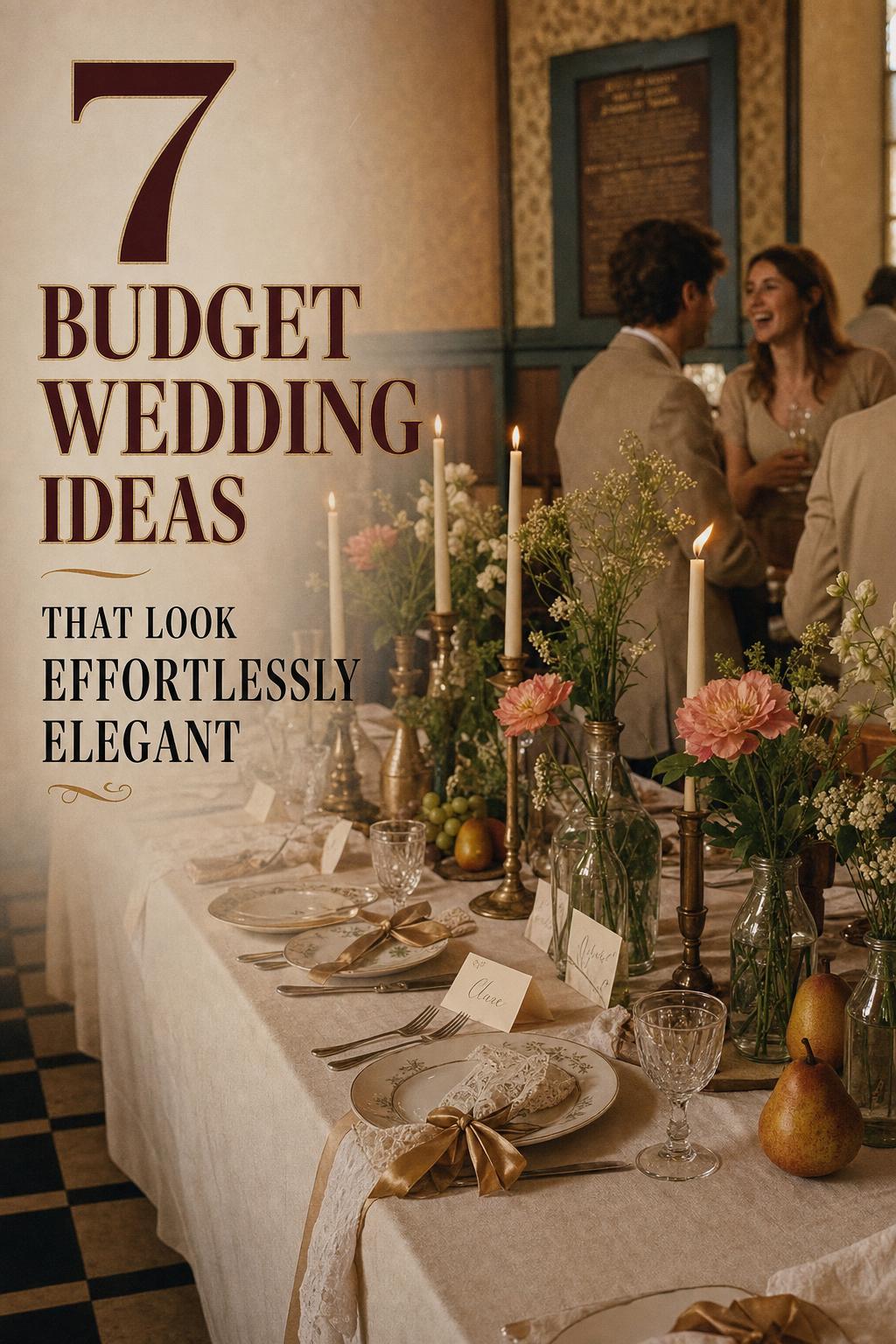
FAQ
How do I start planning a wedding on a budget?
Start by setting a firm total budget, identifying who is contributing financially, and deciding which categories matter most to you, such as venue, catering, photography, decor, or attire. From there, use a wedding budget calculator or spreadsheet to allocate spending before you book vendors or buy details.
What are the best venue options for a budget wedding?
Non-traditional venues often offer the best value, especially public parks, community centers, libraries, and municipal spaces. These locations can provide built-in character and reduce the amount of decor needed, which helps both the budget and the overall aesthetic.
Can a cheap wedding still look elegant?
Yes, especially when the design is edited and consistent. Simple decor, seasonal flowers, greenery, a clear color direction, and attire that fits well usually create a more elegant result than trying to copy a larger luxury wedding with too many mismatched details.
How can I save money on wedding catering without disappointing guests?
Choose a service style that suits your wedding rather than defaulting to the most formal option. Family-style meals, buffets, food stations, potluck-style receptions, and limited beverage offerings can all feel warm and generous when they match the venue and the mood of the celebration.
Are digital invitations a good idea for weddings?
Digital invitations are a strong option for couples who want to reduce costs, simplify communication, and support a modern or minimalist wedding style. They work especially well for smaller guest lists and weddings where quick updates and flexibility are helpful.
What wedding decor gives the best value on a small budget?
Greenery, seasonal flowers, thrifted decor, candlelight, and repeated simple elements usually deliver the best value. The key is using them consistently in the ceremony focal point, dining tables, and a few high-impact areas instead of spreading the budget thin across every corner of the venue.
How do I negotiate with wedding vendors without sacrificing quality?
Focus on understanding package options, timing differences, and what can realistically be adjusted rather than simply asking for the lowest price. A respectful conversation about guest count, hours of coverage, service style, or scope can reveal meaningful savings while preserving the experience you want.
Should I cut my guest list to save money?
In many cases, yes, because guest count affects venue size, catering, rentals, and the overall scale of the event. A smaller guest list often creates more room in the budget for meaningful details and can make a wedding feel more intimate and visually cohesive.
How much does location affect wedding costs?
Location matters a great deal because regional pricing can change what is realistic for venues, vendors, and service packages. A wedding budget that works in one area may need major adjustments in another, so local quotes should guide your actual decisions more than broad national averages.
What is the biggest mistake couples make with budget weddings?
The biggest mistake is trying to keep every traditional wedding element without adjusting the structure of the day. Budget weddings work best when couples embrace a style and scale that fit their finances, rather than forcing a larger or more formal wedding model into a smaller budget.