Engagement Proposal Ideas for a Romantic, Polished Moment
Few moments carry as much emotion as a proposal, yet that is exactly why so many engagement proposal ideas become harder to execute than they first appear. What seems romantic in your head can quickly feel overly staged, too public, too expensive, or strangely impersonal once you start factoring in the ring, the setting, photography, timing, family expectations, and the pressure of making it memorable.
The tension usually comes from trying to balance beauty with reality. A private at-home proposal may feel meaningful but not visually special enough. A dramatic public gesture may look exciting but create stress, attention, and logistical issues. Even a simple surprise proposal can go wrong if the atmosphere, lighting, or plan for capturing the moment is not thought through in advance.
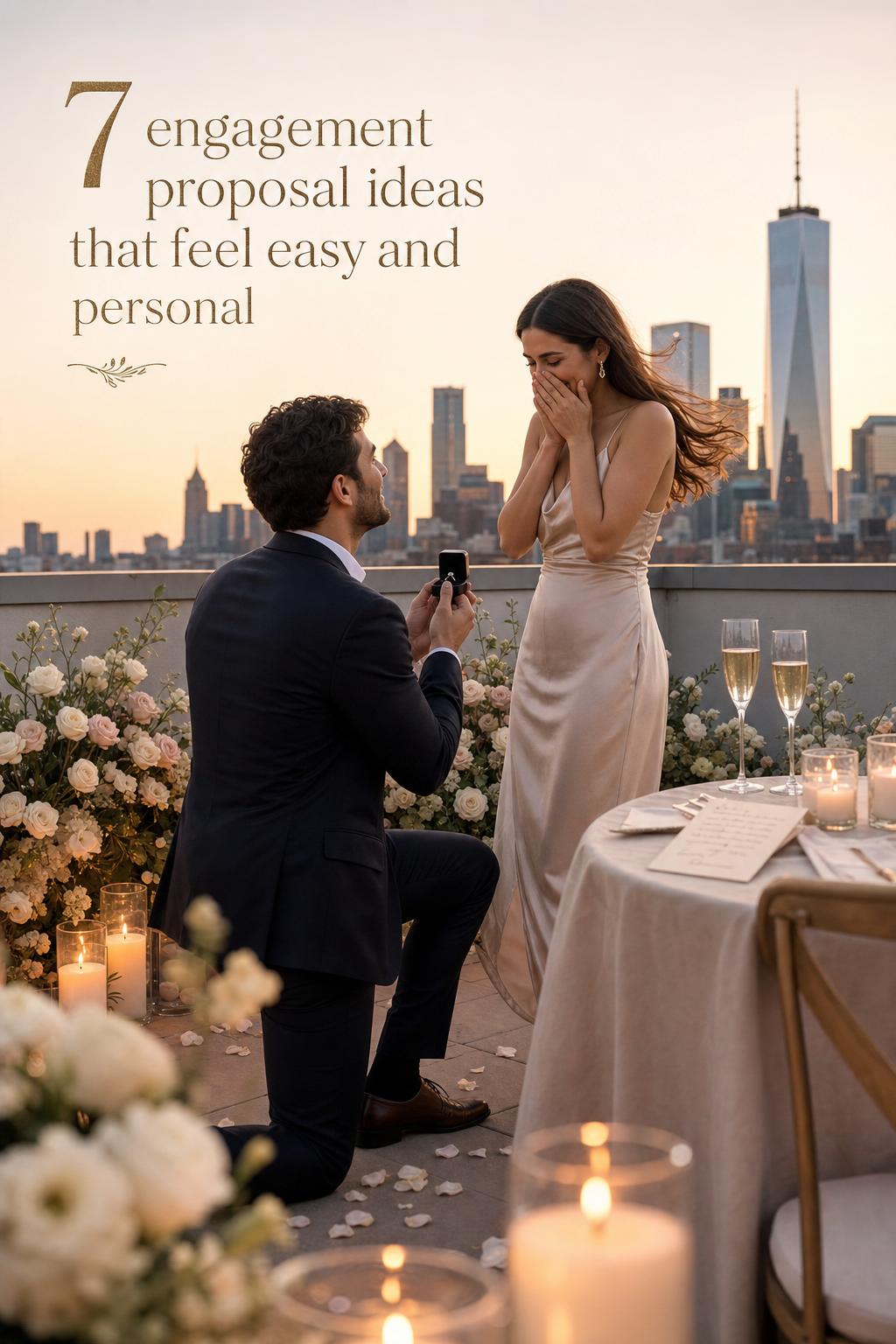
This guide is designed to solve that problem with thoughtful, practical engagement proposal ideas that feel romantic without becoming chaotic. Instead of offering inspiration alone, it will help you choose an idea that fits your relationship story, your budget, your setting, and the emotional tone you actually want the moment to have.
Why this proposal challenge happens
A proposal sits at the intersection of emotion and production. It is a deeply personal milestone, but it also functions like a one-time event with real planning variables. You are not only asking a life-changing question. You are also creating an environment, managing surprise, deciding whether other people are involved, choosing if the moment is public or private, and often coordinating a ring, decor, flowers, music, and photography.
Turn wedding inspiration into a plan you can actually follow.
Zarellea brings your guest list, budget, vendors, and day-of details into one shared space — so no beautiful idea gets lost in the shuffle.
That is why couples often feel pulled in opposite directions. One person imagines something intimate and low-pressure. The other worries that simple may feel forgettable. Some people love the idea of a rooftop, loft, studio, or outdoor landmark, while others know they would feel more comfortable at home with a meal, a playlist, and their pet nearby. Neither instinct is wrong. The stress begins when the proposal style does not match the couple’s emotional comfort level.
There is also the visual side. Spaces matter. A home can feel warm and personal, but clutter, poor lighting, and last-minute decor can flatten the effect. Public spaces can be striking, but they introduce timing pressure, weather concerns, noise, and sometimes permit or restriction issues. Even beautifully planned proposals can lose their magic if the setting does not support the feeling you are trying to create.
Brands such as The Knot, Zola, Peerspace, Good Housekeeping, Vogue, Brilliant Earth, Abelini, Austen & Blake, and Love and Budgets all reflect different versions of the same challenge: people want proposals that are romantic, personal, and feasible. The best answer is rarely the biggest gesture. It is the idea with the clearest story and the strongest fit.
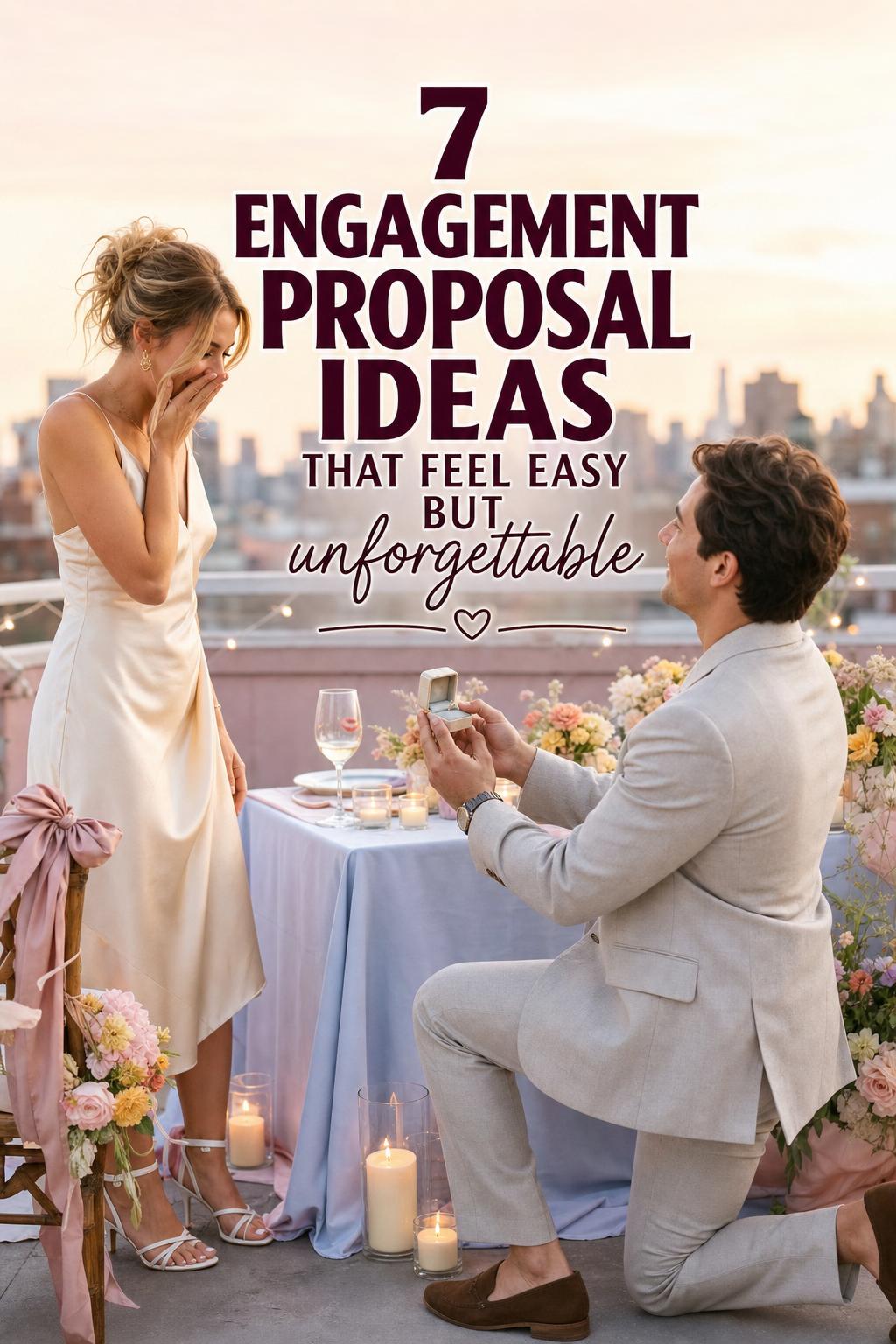
The styling principles that make proposal ideas work
Before choosing a specific concept, it helps to understand what gives a proposal lasting impact. The most successful ideas usually share a few qualities: they are personal, visually intentional, easy to execute under pressure, and kind to the emotional rhythm of the moment. In other words, they feel special without feeling forced.
First, choose the setting before you choose the flourish. Flowers, balloons, signage, and playlists only help if the space already supports the mood. A living room, backyard, rooftop, studio, park, or rented venue each creates a different emotional experience. Starting with the right environment makes every other decision easier.
Second, build around one focal point instead of too many effects. A fancy meal from scratch, a surprise-edited favorite movie, a photoshoot, or a flower-filled room can each be beautiful on their own. But when every possible idea is combined at once, the proposal can start to feel like a performance rather than a sincere moment.
Third, think about documentation early. Photography appears repeatedly in proposal planning for good reason. The visual memory matters, and so does the ability to stay present while someone else captures it. Whether you work with a proposal photographer or simply plan the angle and lighting carefully, the result is usually better when this is part of the design rather than an afterthought.
Finally, personalization is what makes even simple proposal ideas feel luxurious. A playlist tied to your relationship, a favorite movie, a memory-filled photo setup, a home connected to a milestone such as moving in together, or the presence of loved ones can create more emotional depth than a generic grand gesture ever could.
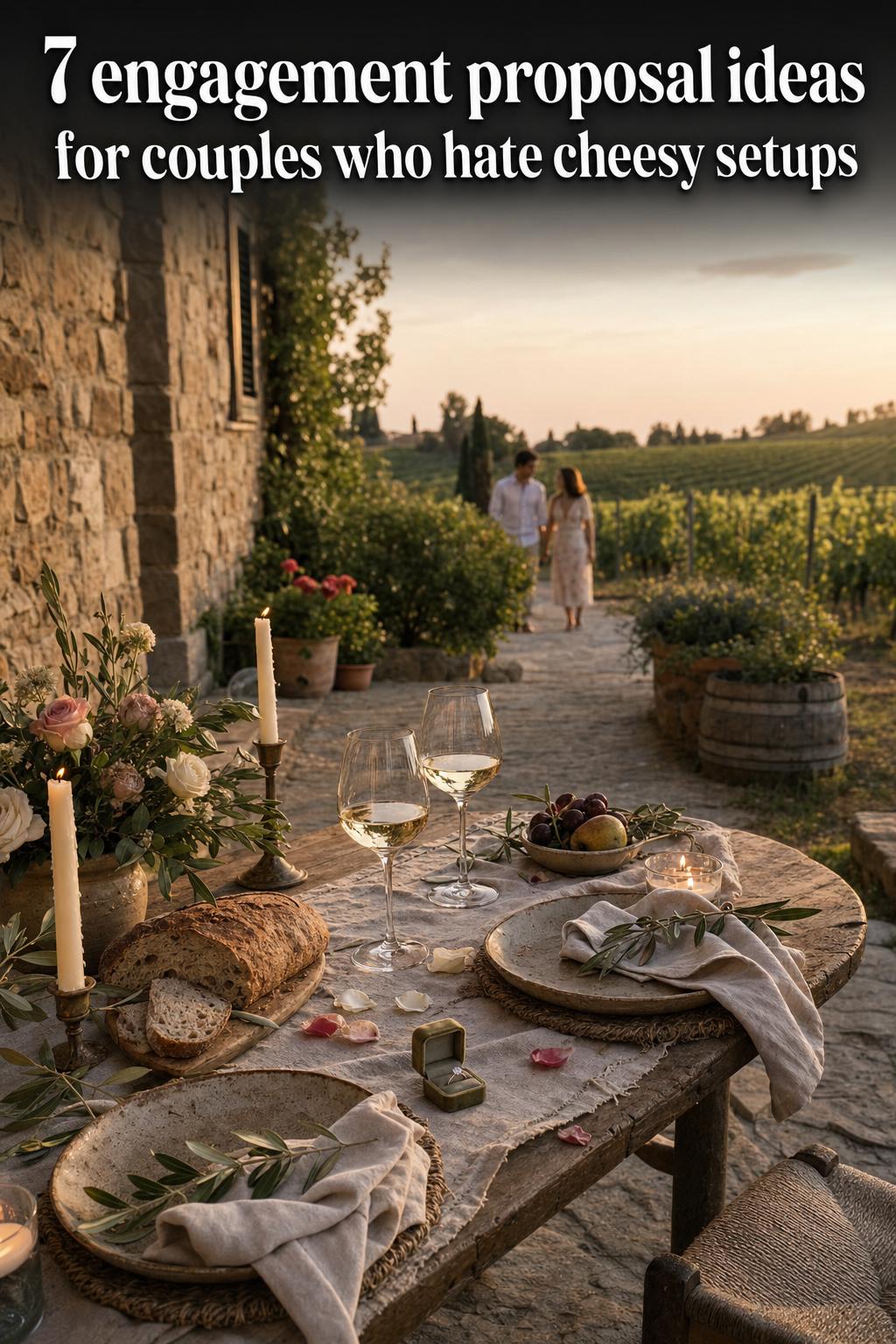
Start with your proposal story, not just the setting
A strong proposal does not begin with “What looks impressive?” It begins with “What feels like us?” Storytelling is one of the clearest threads across modern engagement proposal ideas because it helps the moment feel grounded instead of random. Your relationship already contains useful material: shared hobbies, favorite places, movie rituals, milestones, pets, family traditions, and the atmosphere in which you both feel most at ease.
This approach is especially helpful if you feel overwhelmed by too many choices. Instead of asking whether to propose at home, outdoors, or in a unique venue, ask which setting supports your story best. A couple who loves quiet nights in may be happiest with an at-home proposal and a surprise edit of a favorite film. A couple who marks milestones through outings and experiences may prefer a rented loft, rooftop, or creative space through a platform such as Peerspace.
What couples usually overlook
Many people spend more time choosing the surprise than choosing the emotional tone. But surprise is only one piece of the experience. If your partner dislikes attention, a public crowd does not become romantic just because it is visually dramatic. If they love family closeness, excluding loved ones completely may make the proposal feel less complete. The goal is not to manufacture a movie scene. It is to create recognition, comfort, and joy.
Wedding solution: an at-home proposal that feels elevated, not ordinary
At-home proposals are popular for a reason, but they can be misunderstood. The common fear is that home will feel too casual, especially compared with polished inspiration from The Knot or glossy editorial examples. What usually goes wrong is not the idea itself. It is the lack of intentional styling. Everyday surroundings, harsh overhead lighting, and scattered decor can make a meaningful moment feel visually flat.
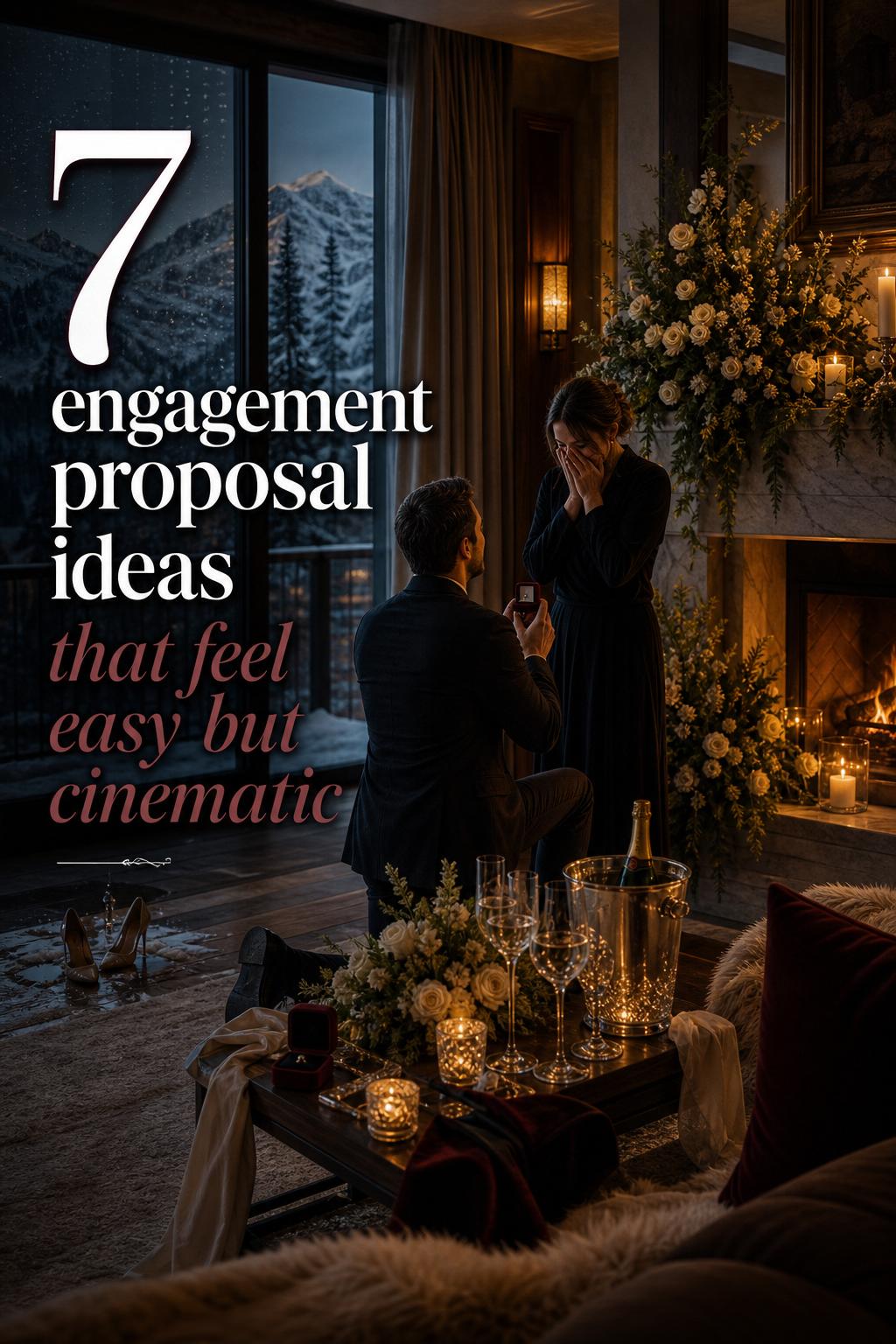
The solution is to treat home as an emotional asset and style it with restraint. Build the proposal around one strong anchor: a meal from scratch, a beautifully set table, a room filled with flowers and balloons, a favorite movie with a surprise edit, or a playlist that moves through your story together. If your home milestone matters, such as celebrating a move into a new place, let that become part of the narrative. Involving your pet can also add warmth when it feels natural. Photography is especially useful here because a familiar setting often becomes more cinematic when captured intentionally.
The result is intimate in the best sense. Home proposals reduce social pressure, support authentic reactions, and create immediate space for celebration. Instead of feeling like a scaled-down version of a public proposal, they can feel deeply personal and visually rich when decor, lighting, and timing are chosen with care.
Tips for making home look beautiful on camera
- Choose one room or one outdoor corner instead of decorating the entire home.
- Use flowers, candles, or balloons as a visual frame rather than scattered accents.
- Clear visible clutter before adding decor so the backdrop feels calm and intentional.
- Schedule the moment when natural light is strongest if photography matters.
- Keep the ring box easy to access so the pacing stays smooth.
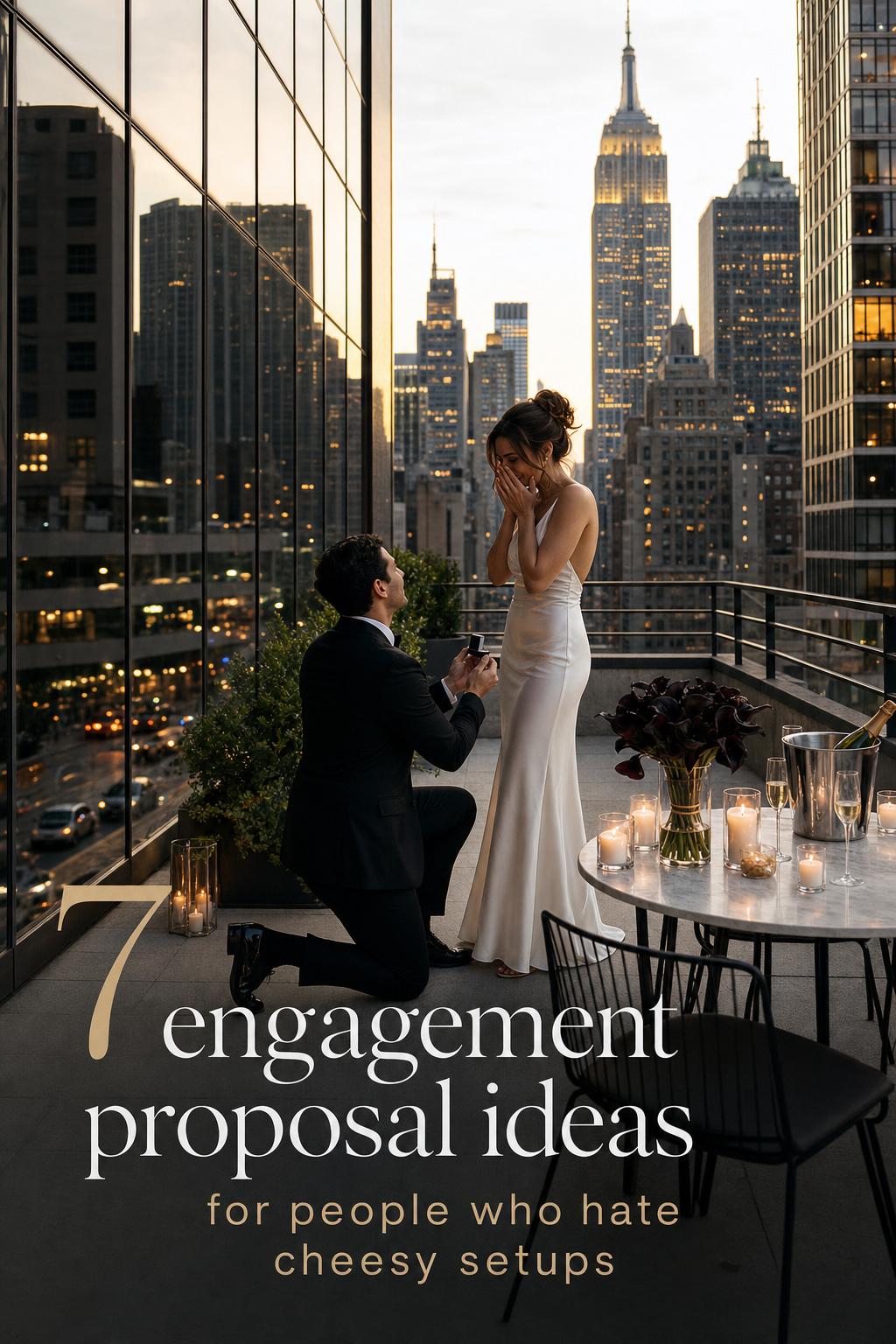
Wedding solution: a surprise proposal that feels seamless instead of stressful
Surprise proposals are emotionally powerful, but they are also where logistics most often interfere. The most common problem is overcomplication. People focus so much on secrecy that they create a plan with too many moving parts, unclear timing, and no margin for delay. That can affect the mood long before the question is even asked.
A better surprise proposal is built around a believable setting and a simple timeline. Zola’s framing of surprise proposals is helpful here: timing, secrecy, and capturing the moment all need to work together. Use a context your partner already trusts, such as dinner at home, a photoshoot, an outdoor walk, or a visit to a meaningful space. If a photographer is involved, make their role easy to disguise within the setting. If loved ones are participating, assign one clear job to each person rather than allowing too many people to improvise.
When the surprise feels natural, the proposal becomes more emotionally generous. Your partner can respond in the moment rather than trying to process confusion, noise, or a complicated reveal. A seamless surprise does not feel smaller. It feels more thoughtful, which is usually what people remember most.
Timeline-friendly adjustments
Choose a proposal window, not a proposal minute. A little flexibility protects the mood if traffic, weather, or nerves shift the timing. If you are relying on a video surprise, a meal, or outside help, rehearse the sequence mentally so the proposal still works even if one detail changes.
Wedding solution: outdoor and public proposals with romance and realism
Outdoor proposal ideas are appealing because they naturally offer atmosphere, scale, and a sense of occasion. The challenge is that public spaces are not fully controllable. Weather can shift, strangers can interrupt, lighting can be inconsistent, and some locations come with restrictions or permit considerations. This is where romantic planning needs practical structure.
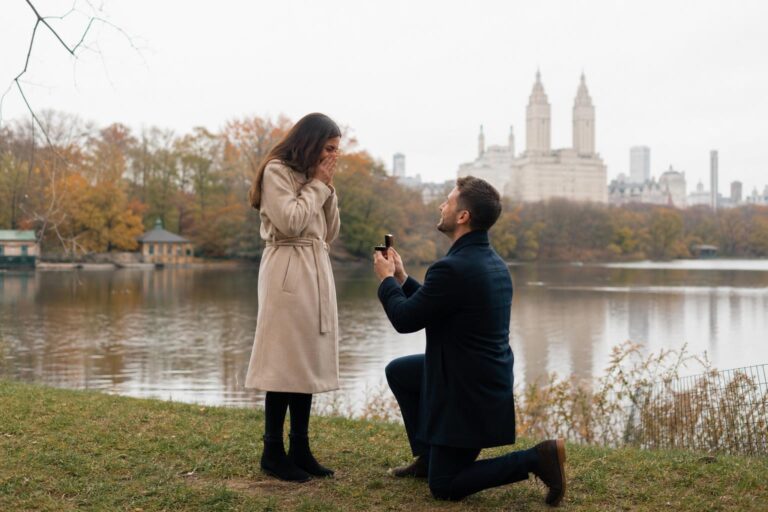
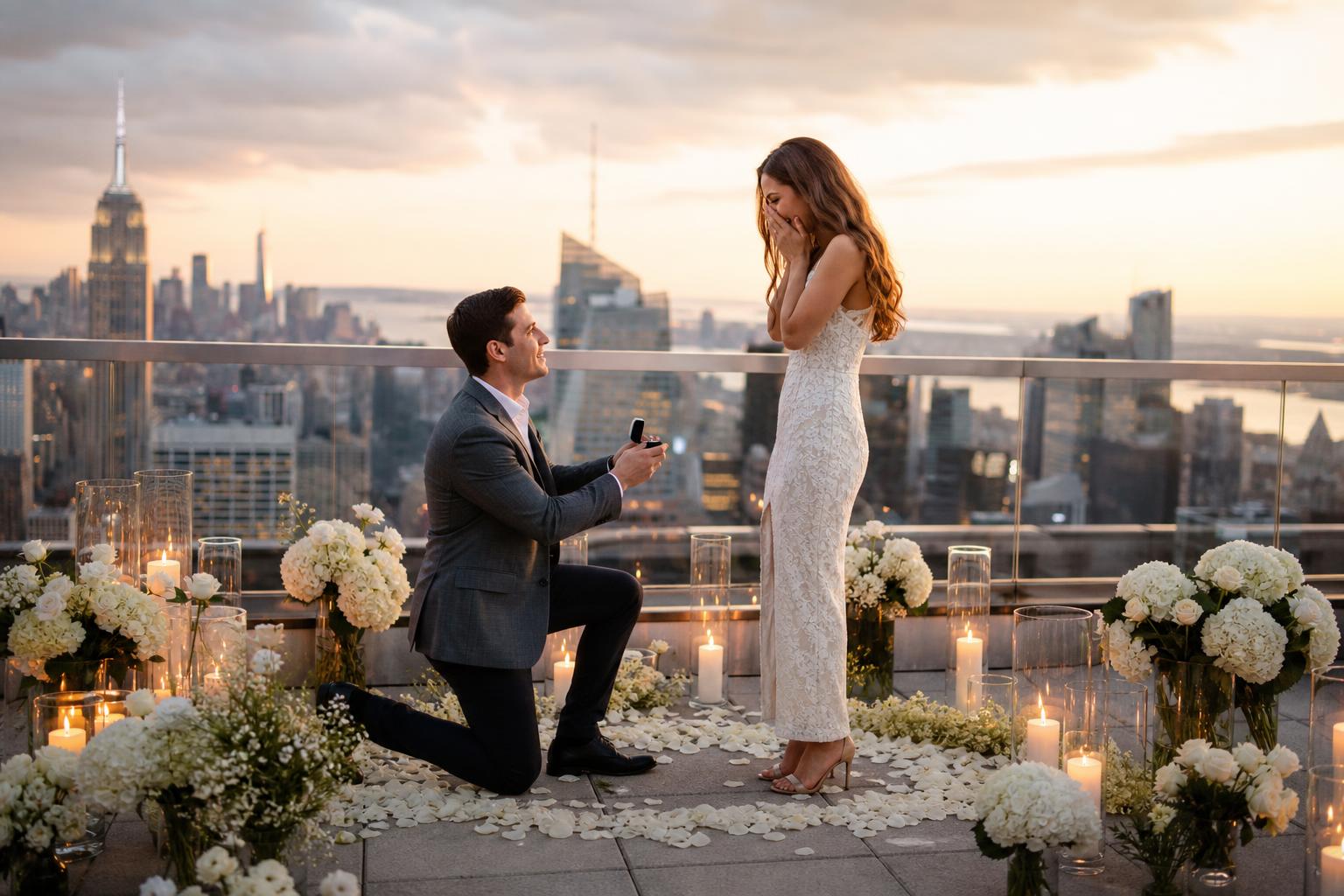
The strongest outdoor proposals use the location as a backdrop, not as the entire concept. A park, city landmark, scenic space, or rooftop works best when paired with a clear emotional setup: a quiet walk, a meaningful stop, a photographer placed discreetly nearby, or a post-proposal gathering with loved ones. If your chosen place is especially public, think carefully about comfort level. Some people love shared energy. Others may feel overwhelmed. Public display should support the relationship, not overpower it.
When handled well, outdoor proposals feel expansive and cinematic while still grounded. The environment adds energy, the photographs often gain depth, and the memory can become tied to a place you revisit for years. The key is backup planning. Romance becomes much easier to enjoy when weather, timing, and location rules have already been considered.
Weather backup ideas
- Choose an outdoor location with nearby indoor shelter or a simple second option.
- Avoid relying on delicate decor that cannot handle wind or light moisture.
- If photography is central, confirm a backup angle or sheltered spot in advance.
- Keep the proposal speech short enough that cold, heat, or passing noise does not derail the moment.
Wedding solution: unique venue proposals that still feel personal
Sometimes a home setting feels too familiar and a public space feels too exposed. That middle ground is where unique venues become especially useful. Lofts, studios, rooftops, and other creative spaces can provide atmosphere without sacrificing privacy. The risk, however, is choosing a venue that looks impressive but has no real connection to your relationship.
The practical solution is to borrow the mood of a venue while bringing your own story into it. This is where platforms like Peerspace become part of the planning conversation, because they frame the proposal around spaces and storytelling rather than only around decor. Once the venue is chosen, personalize with a playlist, photos, letters, florals, or a meal. A florist, photographer, or planner can help shape the mood, but even without a full vendor team, one intentional venue plus one personal layer often creates a stronger result than a crowded concept.
Visually, this approach tends to feel polished and calm. Emotionally, it offers privacy without losing the excitement of going somewhere special. For couples who want the occasion to feel clearly distinct from everyday life, a venue proposal can create that sense of transition beautifully.
Wedding solution: personal assets that carry the emotion for you
One reason some proposals feel generic is that they depend too heavily on setting and not enough on meaning. A room full of flowers can be lovely, but if there is no personal thread running through the experience, the gesture may read as visually romantic and emotionally thin. This often happens when people copy a trend without adapting it to their relationship.
Using personal assets solves that elegantly. Love notes, letters, photo books, memory displays, playlists, and custom video edits all create emotional continuity. If you both always watch the same favorite movie, a surprise edit can become the reveal. If your relationship has unfolded through travel, home-building, or family gatherings, use those touchpoints. If your loved ones matter deeply to your partner, involve them in a way that feels gentle rather than overwhelming.
This is what makes a proposal feel irreplaceable. Even simple materials can carry enormous weight when they reference your actual life together. It also helps reduce pressure to spend more than you need. Thoughtful storytelling often creates a more memorable proposal than expensive embellishment alone.
How to make the proposal feel more personal
- Use one shared ritual, such as a movie night, playlist, or meal, as the base of the plan.
- Reference a milestone like your first home, an anniversary, or an important season in your relationship.
- Include loved ones only if their presence genuinely adds comfort and joy.
- Choose decor and music that reflect your taste rather than a generic romantic template.
Photography perspective: what actually photographs best
Proposal photography matters because the moment moves fast. The strongest visual results usually come from spaces with one clear focal area, clean backgrounds, and layered light. That does not mean every proposal needs a luxury setup or a full editorial production. It means the scene should help the emotion read clearly.
Photoshoots appear often in proposal planning because they solve several problems at once. They provide a believable reason to be dressed intentionally, they create a natural opportunity for a photographer to be present, and they offer visual structure. This is useful for both home and outdoor proposals. If a full photoshoot is not your style, even a quieter arrangement with one camera angle and a simple backdrop can improve the result dramatically.
Flowers, balloons, signage, and lighting should frame the couple rather than dominate the image. The proposal itself is the visual center. Too much decor can make the space look busy and can distract from the ring moment, facial expressions, and body language that truly carry the story.
What photographs best
Soft natural light, a tidy focal background, one strong decor statement, and enough open space for movement tend to create the most timeless images. A photographer can capture more emotion when the setting does not require the couple to navigate clutter, glare, or a crowd of props.
Budget-conscious proposal ideas without losing atmosphere
Budget pressure can make people feel as though they must choose between romance and practicality. That is rarely true. The real issue is usually misallocation. Spending heavily on a venue, props, or a flashy effect while neglecting personalization, lighting, or the ring presentation often produces a proposal that costs more but feels less coherent.
Budget-friendly proposal ideas work best when they focus on intimacy and one memorable detail. At-home proposals, a meal from scratch, a playlist, a photo wall, a favorite film, or a meaningful outdoor location can all be beautiful without major cost. Love and Budgets reflects this well: affordability becomes an advantage when it pushes the plan toward sincerity and intention. If you have room for one investment, photography often offers more lasting value than excess decor because it preserves the experience long after the day itself.
Visually, budget-friendly does not need to mean sparse. It simply means selective. A proposal with a clear mood, a heartfelt setup, and one or two strong visual choices often feels more elegant than a more expensive plan with no narrative focus.
Budget-conscious alternatives that still feel elevated
- Use your home or backyard and spend only on flowers or photography.
- Swap a large public event for a private proposal followed by a celebration with loved ones.
- Choose a meaningful location that already has atmosphere rather than building one from scratch.
- Let food, music, and storytelling carry the mood instead of relying on many props.
Seasonal and themed proposals: when a calendar moment helps
Seasonal proposal ideas can feel especially romantic because they borrow meaning from a wider moment. Valentine’s Day is the clearest example, and Vogue’s themed approach shows why it continues to appeal. The built-in atmosphere, emotional symbolism, and expectation of celebration can make the proposal feel naturally heightened.
Still, a holiday or seasonal theme works best when it supports the couple rather than replacing originality. Valentine’s Day should not become an excuse to default to every romantic symbol at once. If you use a themed date, keep the proposal itself grounded in your own relationship. A beautiful dinner, a private room, a meaningful location, or a simple floral setup can feel far more refined than a crowded display of obvious references.
When done thoughtfully, themed proposals benefit from ready-made mood without feeling predictable. The date adds emotional resonance, while the personal details keep the proposal from blending into a standard holiday celebration.
Common mistakes that make proposal planning harder
Most proposal stress does not come from choosing the wrong flower color or forgetting a decorative extra. It comes from mismatch. The setting does not suit the personality. The surprise is too elaborate. The plan depends on perfect timing. The moment is designed for spectators or social media instead of the person receiving it.
- Choosing a public proposal for someone who values privacy.
- Overdecorating a small space until it feels cluttered on camera.
- Building the entire idea around spectacle instead of story.
- Forgetting to plan how the moment will be photographed or recorded.
- Assuming budget must equal emotional impact.
- Including too many loved ones too early and losing intimacy.
- Ignoring practical factors such as weather, timing, and location restrictions.
The fix is usually surprisingly simple: reduce the number of moving parts and strengthen the emotional through-line. A proposal rarely needs more complexity. It usually needs more clarity.
A simple framework for choosing between proposal styles
If you are torn between several engagement proposal ideas, make the decision by evaluating four categories: privacy, setting, story, and support. Privacy asks whether the moment should be just the two of you or shared with loved ones. Setting asks whether home, outdoors, or a venue best supports the atmosphere. Story asks what memory, ritual, or milestone should shape the proposal. Support asks whether you need a photographer, florist, planner, or rented space to bring it together well.
This framework keeps you from drifting into random inspiration. It also helps you see where to spend your effort. If your strongest category is story, focus on letters, music, or a meaningful ritual. If your strongest category is setting, choose a rooftop, loft, studio, or scenic outdoor location carefully. If your strongest category is privacy, simplify the reveal and preserve intimacy.
The proposal does not need to satisfy every possible ideal. It only needs to feel true, workable, and emotionally generous. That is what makes it memorable.
Final thoughts on creating a proposal that feels beautiful and real
The most lasting proposals are rarely the ones with the most moving parts. They are the ones where the setting, the story, and the emotional tone all align. Whether you choose an at-home proposal inspired by The Knot, a surprise plan shaped by Zola’s practical advice, a venue concept in the spirit of Peerspace, a seasonal approach reminiscent of Vogue, or a budget-conscious path closer to Love and Budgets, the strongest choice is the one that fits your relationship honestly.
Beauty matters, but beauty is not separate from function. Good lighting makes the moment easier to capture. A meaningful setting reduces nerves. Thoughtful decor adds atmosphere without distraction. A clear plan protects intimacy. These choices are not less romantic because they are practical. They are what allow romance to be fully felt.
If you remember one principle, let it be this: cohesion matters more than excess. A proposal with heart, clarity, and intention will always feel more powerful than one trying to do everything at once.
FAQ
What are the best engagement proposal ideas at home?
The best at-home proposal ideas usually build around intimacy and one strong visual or emotional detail, such as a meal from scratch, a favorite movie with a surprise edit, a playlist tied to your relationship, flowers and balloons in one focal area, or a meaningful moment connected to your new home. The key is making the space feel intentional rather than ordinary.
How do I pull off a surprise proposal without making it stressful?
Keep the plan believable, simple, and aligned with your partner’s personality. Use a setting that feels natural, avoid too many moving parts, and decide in advance how the moment will be captured. A flexible timeline and one clear reveal usually work better than an elaborate surprise that depends on everything happening perfectly.
Are public proposal ideas romantic or too overwhelming?
Public proposals can be romantic when your partner genuinely enjoys attention and the location supports the mood, but they can feel overwhelming if privacy matters more to them. The best choice depends less on the crowd and more on emotional fit, comfort, and whether the setting helps the moment feel sincere.
How can I make a proposal feel unique without spending too much?
Use personalization instead of spectacle. A meaningful location, a playlist, love notes, a photo setup, a favorite ritual, or a thoughtful meal can make a proposal feel distinctive without a large budget. Selective spending, especially on photography or one strong decor element, often creates better results than trying to do too much.
Should I hire a proposal photographer?
If preserving the moment matters to you, a proposal photographer can be very worthwhile because proposals unfold quickly and emotions are hard to recreate. Photography tends to work best when planned early, especially for surprise proposals, at-home setups, and outdoor locations where timing and light affect the final result.
What makes a proposal idea feel personal?
A proposal feels personal when it reflects your actual relationship rather than a generic romantic template. Shared hobbies, favorite places, a pet, loved ones, a memorable film, a playlist, letters, or milestones like moving into a home together can all add emotional meaning and make the moment feel unmistakably yours.
Are venue-based proposal ideas better than proposing at home?
Neither option is automatically better. A venue such as a loft, rooftop, or studio can create a stronger sense of occasion, while home often offers more comfort, privacy, and emotional authenticity. The right choice depends on the atmosphere you want and whether the setting supports your story naturally.
Is Valentine’s Day a good time to propose?
Valentine’s Day can be a beautiful time to propose because it already carries romantic energy, but it works best when the proposal still feels specific to your relationship. A thoughtful setup and personal details usually matter more than leaning too heavily on the holiday itself.
What should I prioritize most when choosing a proposal idea?
Prioritize emotional fit first, then setting, then logistics. If the proposal style matches your partner’s comfort level and your shared story, the visual details become much easier to shape. A proposal that feels natural and well-paced will usually be more memorable than one designed only for dramatic effect.