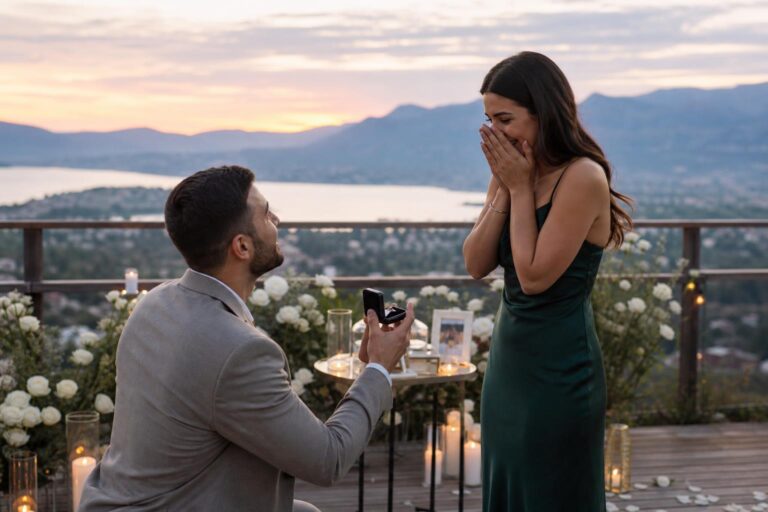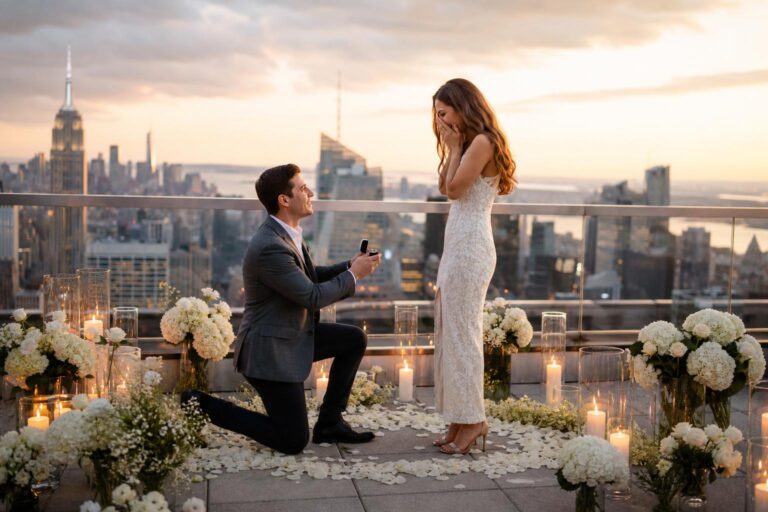
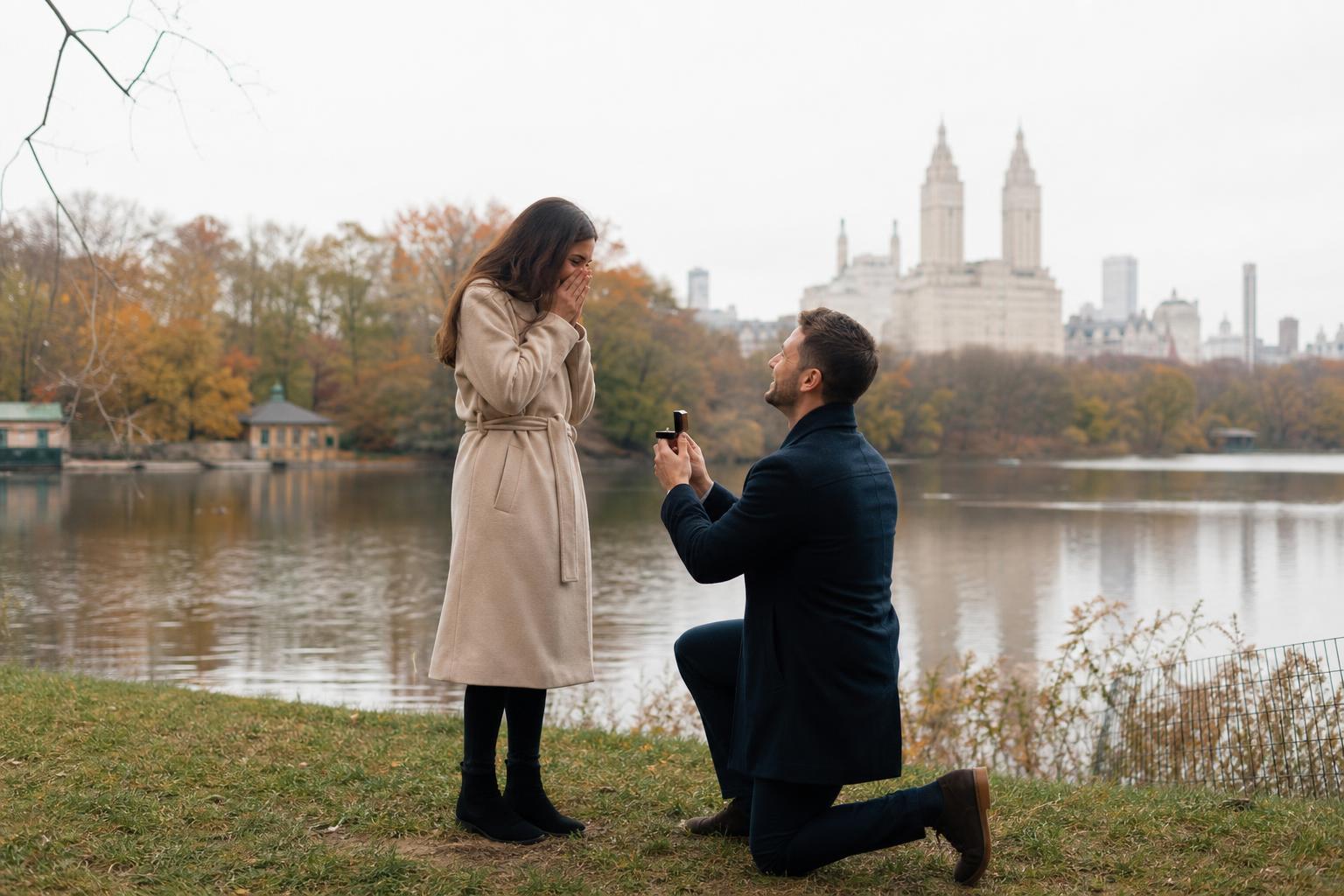
Spring Marriage Proposal Ideas With a Personal Touch
Some of the best marriage proposal ideas are not the grandest ones. They are the ideas that fit the couple, the setting, the season, and the emotional tone of the moment. A proposal is both deeply personal and surprisingly practical to plan well. The location matters, timing matters, privacy matters, and small details often matter more than expensive extras. If you want the moment to feel natural instead of staged, thoughtful instead of rushed, and memorable instead of stressful, it helps to choose an idea that works in real life as well as it does in your imagination.
What makes proposal planning tricky is that there is no single right style. Some couples want an intimate moment with no audience. Others love the energy of a celebratory event. Some want a setting tied to travel, home, or a favorite place. Others care more about simplicity, comfort, and surprise. This guide brings together practical marriage proposal ideas with planning advice so you can decide what fits your relationship, your budget, and the kind of story you want to tell together.
Start with the setting, not the spectacle
Before choosing flowers, music, or any extra detail, decide what kind of environment will help both of you feel present. In proposal planning, the setting shapes everything else: how private the moment feels, whether you need vendors, how weather affects the plan, and whether photos will look effortless or overly arranged. A quiet corner at home and a destination backdrop can both be meaningful, but they require very different preparation.
A good first question is simple: do you want the proposal to feel intimate, social, adventurous, or highly styled? That answer will help you narrow your options far more effectively than chasing dramatic ideas that do not suit your relationship.
Turn wedding inspiration into a plan you can actually follow.
Zarellea brings your guest list, budget, vendors, and day-of details into one shared space — so no beautiful idea gets lost in the shuffle.
A private at-home proposal with personal details
An at-home proposal works especially well for couples who value comfort, emotional privacy, and a setting that already carries meaning. It can feel less performative than a public proposal and gives you more control over timing, lighting, and setup. This is also one of the easiest proposal styles to personalize because you can use shared photos, favorite meals, familiar music, or a room that already feels important.
Best for: introverted couples, winter proposals, smaller budgets, or anyone who wants a calm moment without logistical pressure.
Why it works: familiar surroundings often help people relax, which makes the moment feel more genuine. It also reduces the chance of interruptions, crowds, or bad weather affecting the experience.
How to make it work: choose one area of the home rather than trying to transform the entire space. A dining table, living room corner, balcony, or backyard can be enough. Focus on lighting first, then a few meaningful accents. A clean, uncluttered setting almost always photographs better than one filled with too many decorations.
- Set the proposal near a window if it is during the day.
- Use lamps or candles carefully in the evening so faces are visible.
- Keep the path to the proposal space tidy and intentional.
- Have the ring stored somewhere secure and easy to reach.
Budget tip: invest in one focal detail, such as fresh flowers or a special meal, and keep the rest simple. Reusing items you already own often feels more authentic than buying large amounts of one-time decor.
Common mistake to avoid: overcrowding the room with decorations that make the space feel artificial or difficult to move through.
Real-life styling tip: before the proposal, dim overhead lights and rely on side lighting. Overhead lighting can cast harsh shadows in photos and make a carefully planned room feel less intimate.
A proposal tied to a favorite location
For many couples, the strongest proposal idea comes from returning to a place with history: where you met, had your first date, took a meaningful trip, or built a tradition together. The emotional logic is strong here because the setting already tells part of your story. You do not have to invent significance; you are honoring something real.
Best for: sentimental couples, city proposals, travel lovers, and anyone who prefers emotional meaning over elaborate design.
Why it works: shared history makes the proposal memorable without requiring a complicated setup. Even a simple question can feel profound when the place matters.
How to make it work: visit the location in advance if possible. Check noise levels, foot traffic, parking, lighting, and whether there is a quiet nearby spot if the exact place is too crowded. If the proposal involves a restaurant, hotel, or venue, communicate with staff ahead of time so the moment does not get rushed by service timing or other guests.
Budget tip: a meaningful location can carry the emotional weight on its own, which means you may not need decor, musicians, or a large production.
Common mistake to avoid: choosing a meaningful place that is impractical at the chosen hour. A spot that feels romantic at sunset may be busy, noisy, or poorly lit in reality.
Real-life styling tip: if you want photos, stand so the background is behind you but not competing with you. Strong scenery works best when it frames the moment rather than dominating it.
Proposal ideas shaped by mood and wedding style
Many couples already have a natural aesthetic together, even before they begin wedding planning. Some lean modern and minimal, others romantic and classic, others relaxed and outdoorsy. Choosing a proposal style that reflects that shared taste can make the moment feel cohesive from the beginning of the engagement through the wedding itself.
A garden or outdoor proposal for a romantic atmosphere
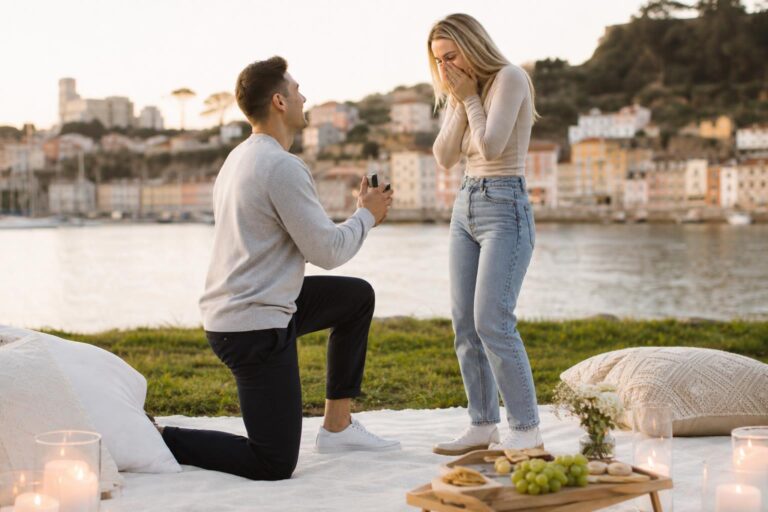
An outdoor proposal in a garden, park, or landscaped venue suits couples who love softness, natural light, and a setting that feels open without necessarily being public. This style often works especially well in spring and summer, when greenery and flowers do some of the visual work for you.
Best for: romantic wedding styles, daytime proposals, spring or summer, and couples who want elegant photos without heavy decor.
Why it works: natural surroundings create visual depth, and outdoor light tends to flatter both skin tones and candid expressions. It can feel styled without being rigid.
How to make it work: choose a time with softer light, especially late afternoon or early evening. Consider path access, shoes, wind, and whether the area allows any setup. If you plan to add flowers, keep them in the same color family as the landscape instead of fighting against it.
- Check the weather two ways: forecast and backup plan.
- Avoid muddy ground, steep paths, or areas with heavy tourist traffic.
- Bring water and tissues if the proposal includes a walk or warm weather.
- Choose clothing that moves easily outdoors and works for kneeling.
Budget tip: let the location provide the beauty. You can often skip extra rentals if the surrounding environment is already visually strong.
Common mistake to avoid: planning for a beautiful landscape but ignoring comfort. Wind, heat, insects, and unstable ground can distract from the moment.
Real-life styling tip: if one partner is likely to wear heels or delicate shoes, choose a solid path or platform area so the proposal feels graceful instead of awkward.
A minimalist proposal with one strong focal point
Not every memorable proposal needs multiple elements. A minimalist approach can be especially effective for modern couples who prefer clear, uncluttered design and emotionally direct moments. In practice, this means choosing one intentional setting or gesture and letting that lead.
Best for: modern weddings, urban settings, smaller spaces, and couples who dislike overly staged experiences.
Why it works: when there are fewer distractions, attention stays on the conversation, the ring, and the emotional shift of the moment itself.
How to make it work: think in terms of restraint. One clean table setup, one scenic viewpoint, or one carefully chosen phrase can do more than a large collection of props. Clothing should also feel polished but not overthought.
Budget tip: spend on the element that will be noticed most, whether that is the location, photography, or a private dinner afterward, and cut the rest.
Common mistake to avoid: confusing minimalist with underprepared. Simple still needs intention. Make sure timing, ring access, and surroundings are thought through.
Real-life styling tip: in a minimal proposal setup, remove practical clutter from view, including water bottles, bags, jackets, and phone chargers. Clean lines only work when the background is actually clean.
When a public proposal makes sense and when it does not
Public proposals can be joyful and high-energy, but they are not automatically more meaningful than private ones. The right question is not whether a public proposal looks impressive. It is whether your partner genuinely enjoys attention in emotionally significant moments. A crowd can add excitement for some couples and pressure for others.
A celebration-centered proposal with family or friends nearby
This idea works best when the proposal itself stays focused and the celebration follows naturally. You might ask the question privately and then join loved ones, or have close family and friends nearby to step in afterward. That gives you intimacy first and celebration second.
Best for: close-knit families, couples who enjoy social milestones, holiday gatherings, and engagement celebrations that flow directly into a meal or event.
Why it works: it preserves the emotional center of the proposal while still including the people who matter most.
How to make it work: coordinate arrival times carefully. Give one trusted person the role of communication point so you are not handling texts while trying to stay emotionally present. If anyone is helping decorate or hide nearby, make sure they understand exactly when to appear and when to stay back.
Budget tip: host the gathering at home or in a familiar private space instead of booking an event-heavy venue.
Common mistake to avoid: inviting too many people and turning the proposal into a performance. The more people involved, the greater the chance of timing issues or emotional overwhelm.
Real-life styling tip: if family and friends will join right after, keep a few minutes of buffer time before they enter. Most couples want a private reaction before greeting everyone else.
A public landmark or event proposal
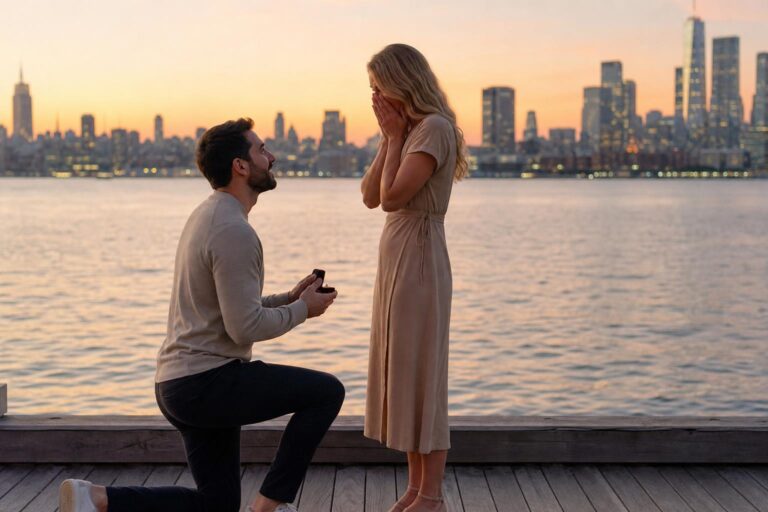
A proposal at a landmark, during a special event, or in a lively public space can create strong memories, but it requires more judgment than people expect. The setting may be iconic, but iconic does not always mean comfortable. Noise, security, crowd flow, and limited personal space can all affect the experience.
Best for: extroverted couples, destination trips, and proposals where the location itself is part of the shared story.
Why it works: recognizable settings can heighten the sense of occasion and give the proposal a built-in narrative.
How to make it work: go earlier than you think you need to. Walk the area first, identify a backup spot, and pay attention to how people move through the space. If the event has fixed timing, propose before the main crowd surge rather than during it.
Budget tip: a strong destination or event setting may eliminate the need for extra decor or entertainment.
Common mistake to avoid: assuming a famous place will automatically feel romantic. Some locations are visually striking but emotionally rushed because of noise, waiting lines, or constant foot traffic.
Real-life styling tip: keep the ring box in a pocket or bag that opens smoothly and quickly. In a public proposal, fumbling with closures can make the moment feel more stressful than spontaneous.
Travel and destination proposal ideas that still feel personal
Travel proposals often feel cinematic, but they work best when they are anchored in comfort and timing rather than just scenery. A destination setting can be deeply memorable, yet travel also introduces delays, weather shifts, unfamiliar logistics, and less control. The goal is to use the trip as a frame for the moment, not to let the trip overwhelm it.
The vacation proposal with a built-in plan B
This is one of the most practical ways to propose while traveling. Instead of pinning everything to one exact sunset, one exact excursion, or one exact restaurant reservation, choose a proposal window and have a second option ready. The trip stays enjoyable, and the proposal is less likely to feel derailed by something outside your control.
Best for: beach trips, mountain getaways, city weekends, anniversaries, and couples who enjoy travel but do not want unnecessary pressure.
Why it works: flexibility protects the mood. Travel is unpredictable, so the strongest plans leave room for adaptation.
How to make it work: think in layers. Pick your first-choice moment, then a backup place nearby, then one indoor alternative if weather changes. If you are staying at a hotel or resort, a staff member may be able to help with timing or room access, but simplicity is still your friend.
- Do not schedule the proposal immediately after a long travel day.
- Keep the ring in carry-on luggage, never checked baggage.
- Plan the proposal before any high-energy activities that could be tiring or distracting.
- Allow time afterward to celebrate rather than rushing to the next reservation.
Budget tip: use the destination itself as the experience. A thoughtful walk, viewpoint, or quiet breakfast terrace can feel more personal than an expensive packaged setup.
Common mistake to avoid: stacking too many expectations onto one travel day. Delays, fatigue, and weather can make even a beautiful location feel stressful.
Real-life styling tip: if you expect wind, sand, or uneven ground, avoid clothing and shoes that require constant adjusting. Comfort improves confidence in both the moment and the photos.
Seasonal timing changes the entire experience
A proposal idea that works beautifully in June may not work at all in December. Season affects light, temperature, comfort, clothing, and the amount of time you can spend outside without feeling rushed. It also influences what kind of celebration can follow easily. Good proposal planning always includes seasonal realism.
Spring and summer proposals
Warmer months usually offer more flexibility with gardens, parks, patios, rooftops, and long evenings. They are especially useful for couples who want photos in natural light or a proposal that transitions into dinner outdoors. The trade-off is that popular locations may be busier, and heat can affect comfort quickly.
Best for: outdoor proposals, floral settings, destination weekends, and couples who want the proposal to flow into a longer celebration.
Common mistake to avoid: choosing midday for convenience. Bright overhead sun is uncomfortable, unflattering in photos, and often hotter than expected.
Real-life styling tip: if the proposal includes flowers, ask for varieties that tolerate heat better than delicate stems that wilt quickly outdoors.
Fall and winter proposals
Cooler seasons can create a more intimate mood, especially for indoor settings, holiday periods, candlelit dinners, and home-based proposals. They often suit couples who want cozy, personal moments rather than open-air spectacle. The practical challenge is light: winter afternoons get dark earlier, and cold weather can shorten how long you want to stay outside.
Best for: home proposals, restaurant proposals, city settings, and couples who want privacy and warmth.
Why it works: colder months naturally encourage closeness, layered textures, and spaces that feel sheltered and intentional.
How to make it work: plan earlier in the day if natural light matters, or choose a well-lit indoor location. If you want outdoor elements, keep the time outside short and have an indoor celebration immediately afterward.
Budget tip: candles, warm lighting, and seasonal food often create a strong atmosphere without requiring extensive decor.
Common mistake to avoid: underestimating how quickly cold affects posture, mood, and expression. Even a beautiful outdoor scene can feel uncomfortable if everyone is focused on temperature.
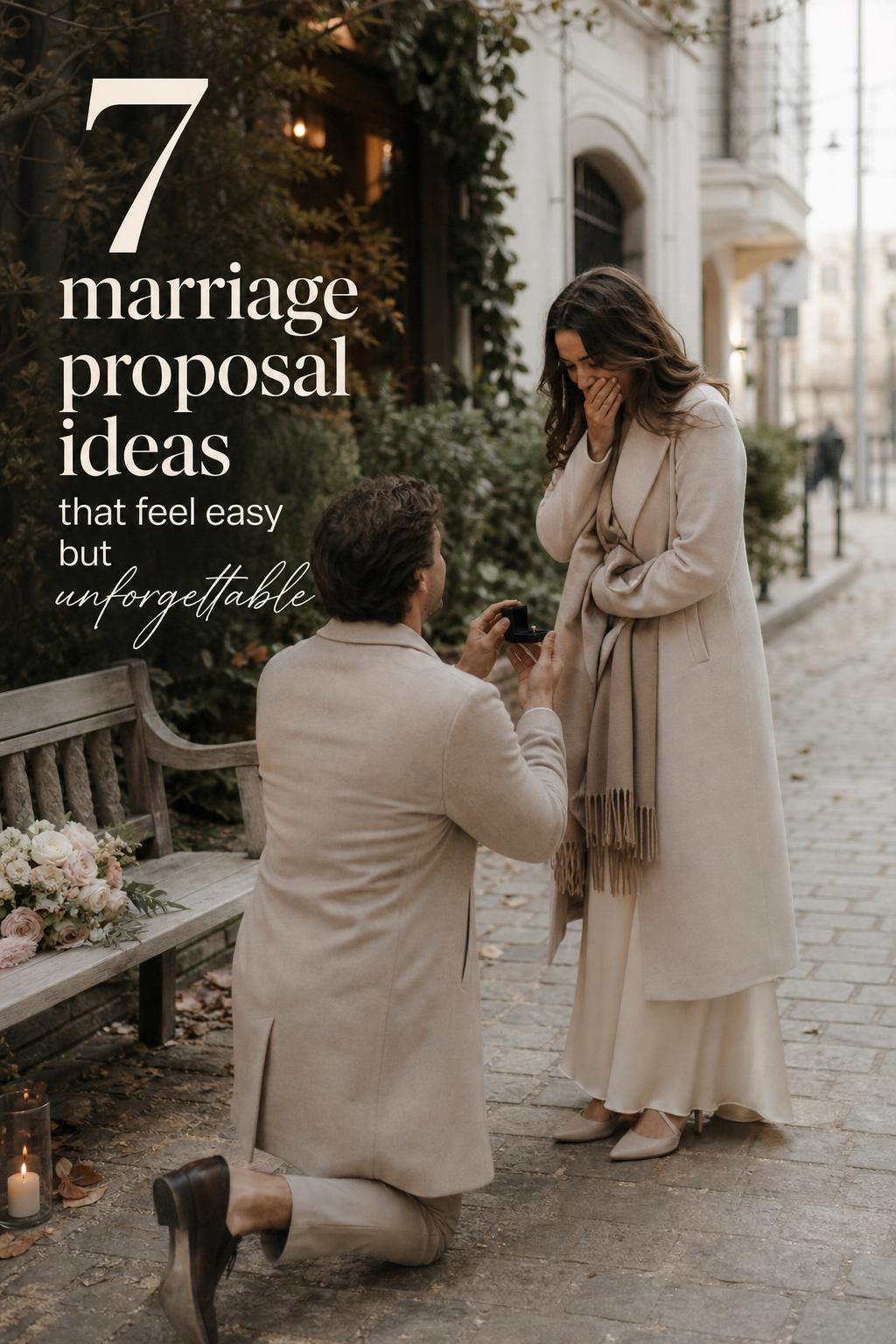
Real-life styling tip: if coats will be part of the moment, choose one that looks polished on camera rather than planning to remove layers in cold weather.
The details that make a proposal feel effortless
Most successful proposals look simple from the outside because the practical decisions were made in advance. That does not mean they feel scripted. It means the person planning them removed avoidable friction. The ring is accessible, the location is right, the timing is realistic, and any help from others is discreet.
Photographs, privacy, and pacing
Photos matter to many couples, but they should support the moment, not dominate it. If you want the proposal documented, think about whether you want obvious photography, hidden photography, or simply images taken afterward. Each choice changes how private the experience feels.
Best for: any proposal style where memory keeping matters, especially if the proposal leads directly into sharing the news with family and friends.
Why it works: deciding this in advance avoids awkward mid-moment decisions and helps you choose the right location and timing.
How to make it work: build a pause into the proposal after the question is asked. Many people plan every second leading up to the proposal and then accidentally rush the emotional aftermath. A few quiet minutes often become the most treasured part.
Budget tip: if a professional photographer is not in the plan, choose a location with good natural light and take a few portraits afterward when emotions are still fresh.
Common mistake to avoid: focusing so much on the setup that the words themselves are an afterthought. Even a short proposal feels more grounded when you know what you want to say.
Real-life styling tip: if a photographer will be nearby, agree in advance on where you should stand. A beautiful reaction can be lost if one partner blocks the other from view.
What vendors may actually be useful
Not every proposal needs outside help, but certain vendors can simplify the experience depending on the idea. A florist may help if the setting needs one clear visual focal point. A photographer may matter if the proposal is part of a destination trip or family reveal. A restaurant, hotel, or venue coordinator may help if timing or access is important. The practical rule is to add support only where it removes stress.
Best for: proposals involving travel, weather-sensitive settings, or coordinated celebrations afterward.
Why it works: limited, purposeful support can make a proposal smoother without making it feel overproduced.
Common mistake to avoid: hiring too many people for a moment that should feel personal. More moving parts usually mean more chance of miscommunication.
Real-life styling tip: if a florist is involved, ask for designs that stay low or off to the side so they frame the proposal instead of blocking faces and movement.
Common planning mistakes that change the mood
A proposal rarely goes wrong because it was too simple. It usually goes wrong because the plan ignored comfort, timing, or personality. The most avoidable mistakes are practical ones, and they can affect even very thoughtful ideas.
- Choosing a location because it looks impressive rather than because it fits the couple.
- Ignoring weather, walking distance, parking, or crowd levels.
- Overdecorating a space so it feels staged instead of sincere.
- Planning a public proposal for someone who values privacy.
- Scheduling the moment when one or both people are tired, rushed, or distracted.
- Forgetting to create time after the proposal to celebrate and talk.
If you are deciding between two ideas, choose the one that gives you better emotional conditions, not just prettier photos. A calm, thoughtful proposal almost always feels more memorable than a dramatic one with too many variables.
How to choose the right proposal idea for your relationship
The strongest proposal idea usually sits at the intersection of personality, place, and practicality. To narrow your options, think less about trends and more about how your relationship naturally celebrates meaningful moments. Do you usually mark milestones quietly or socially? Do you enjoy travel, familiar routines, elegant dinners, outdoor walks, or home-based evenings? The answers reveal more than any generic inspiration list can.
A useful way to decide is to rank each potential idea by four factors: emotional fit, comfort level, logistics, and cost. If an idea scores high on style but low on comfort or timing, it may not be the best choice. A proposal should feel like a true extension of your relationship, not an event you are borrowing from someone else’s story.
When the right idea clicks, it often feels quieter than expected. It is not necessarily the biggest plan. It is the plan you can imagine carrying out calmly, confidently, and with enough room to actually feel the moment.
FAQ
What are the most practical marriage proposal ideas for couples who want privacy?
Private at-home proposals, meaningful-location proposals during quiet hours, and simple indoor dinner proposals are often the most practical because they offer better control over timing, noise, lighting, and emotional comfort.
How do I know whether a public proposal is a good idea?
A public proposal is only a good idea if your partner genuinely enjoys attention and will feel excited rather than pressured in that setting, so personality should matter more than the visual drama of the location.
What should I consider before planning a destination proposal?
Focus on travel fatigue, weather, ring security, backup locations, and whether the proposal leaves enough time afterward to celebrate instead of rushing into the next reservation or activity.
Are at-home proposals too simple?
Not at all, because a home proposal can feel deeply personal and emotionally grounded, especially when it includes meaningful details, good lighting, and a clear moment that feels intentional rather than casual.
What time of day works best for a proposal?
Late afternoon or early evening often works best for outdoor proposals because the light is softer, while indoor proposals can work well whenever the couple is relaxed and not rushing between other commitments.
Should I include family and friends in the proposal itself?
Include family and friends only if their presence will add joy rather than pressure, and in many cases it works better to keep the proposal intimate first and bring loved ones in afterward for the celebration.
How can I make a proposal feel special without spending a lot?
Choose a meaningful location, focus on lighting and timing, plan what you want to say, and invest in one strong detail rather than many extras, because emotional significance usually matters more than a large setup.
What is the biggest mistake people make when planning a proposal?
The biggest mistake is choosing an idea that looks impressive but does not fit the couple’s personality, comfort level, or real-world logistics such as weather, crowds, and pacing.
Do I need a photographer for the proposal?
You do not need one, but it helps to decide in advance whether you want the moment documented, because that choice affects location, privacy, timing, and how much coordination is required.
How far in advance should I plan a proposal?
The timing depends on the complexity of the idea, but any proposal involving travel, vendors, family coordination, or a specific location usually benefits from enough lead time to confirm details and create a realistic backup plan.