Wedding Welcome Party Ideas with an Effortless Editorial Mood
There is a particular kind of magic to the hours before a wedding weekend truly begins. Guests arrive from different places, overnight bags in hand, excitement still settling in, and the first shared gathering becomes more than a party. The best welcome party ideas create that early exhale: a moment that feels warm, intentional, and beautifully connected to everything that follows.
For some couples, that atmosphere looks like relaxed pizza and signature drinks under simple welcome signage. For others, it leans toward live music, a photo wall, a styled welcome table, or a destination setting in Las Vegas or Thailand that lets the location shape the mood. What makes a welcome party feel memorable is not how elaborate it is, but how clearly it introduces the wedding weekend, the hosts, and the guest experience.
This guide explores welcome party ideas through style, ambiance, and planning logic, so you can choose a direction that feels cohesive rather than random. You will find different visual interpretations, practical hosting advice, and details that help the event feel polished without losing its ease.
What defines this aesthetic?
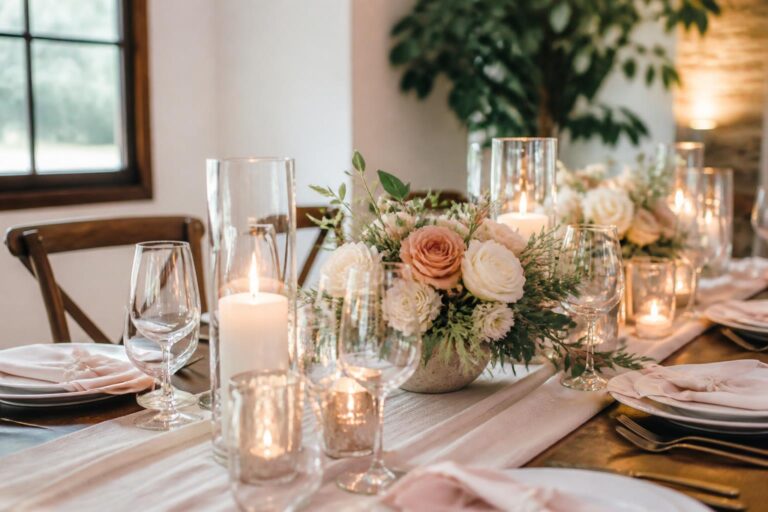
A beautiful wedding welcome party usually sits between celebration and hospitality. It is more relaxed than the main reception, but still visually tied to the wedding weekend. The defining elements are a clear vibe, a comfortable venue, thoughtful food and beverage choices, and a few focal details such as signage, banners, a guest book station, or a photo moment that make the gathering feel designed rather than improvised.
Turn wedding inspiration into a plan you can actually follow.
Zarellea brings your guest list, budget, vendors, and day-of details into one shared space — so no beautiful idea gets lost in the shuffle.
Color and décor tend to work best when they feel coordinated instead of overly busy. Welcome tables, customized banners, guest interaction stations, and simple décor pieces create the first impression. Food trucks, cocktail-style bites, pizza, or catered snacks keep the event informal, while toasts, live music, and signature drinks add emotional presence. In destination settings, the location itself becomes part of the aesthetic, whether that means nightlife energy in Las Vegas, a private event space near AREA15, or a locale-driven backdrop in Thailand.
The silhouette of the event matters just as much as the décor. Some welcome parties are reception-style and polished, with private spaces, bartenders, and structured timing. Others are softer and more casual, built around mingling, comfort, and easy movement. The ideal mood should communicate one thing clearly: guests have arrived, and they are part of something thoughtfully hosted.
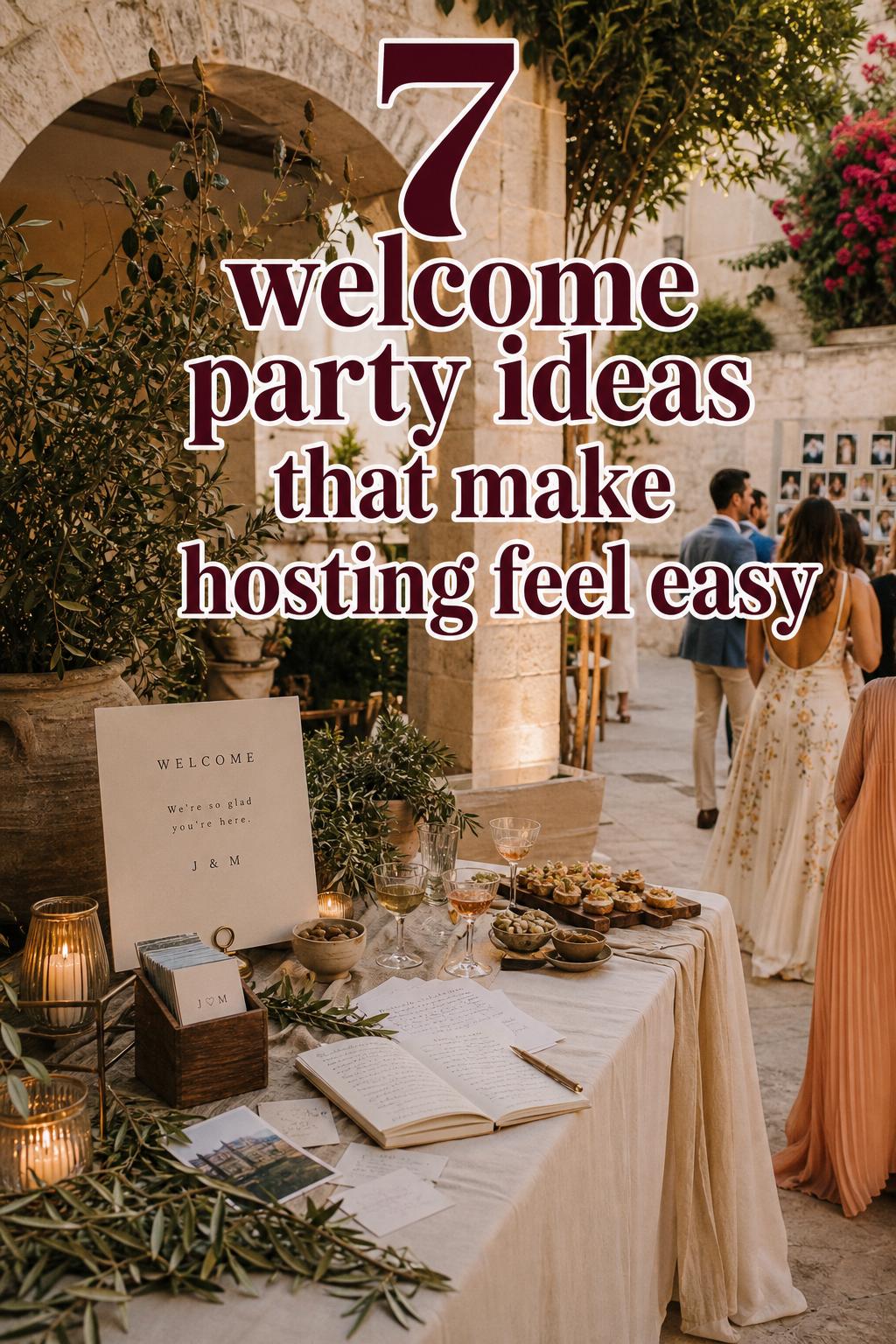
The relaxed cocktail-hour welcome
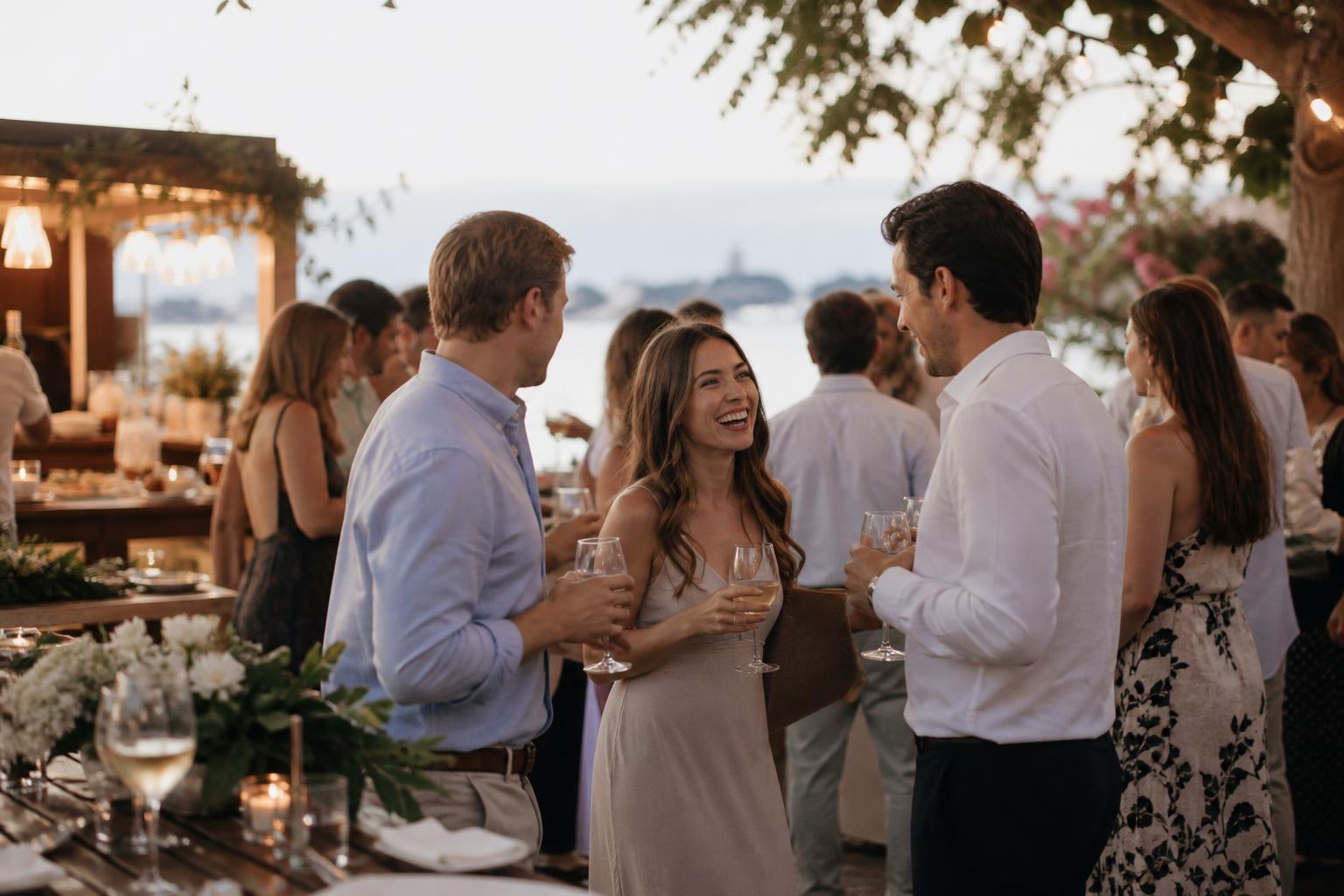
This version of a welcome party feels light, social, and effortless, with the kind of movement that lets conversations start naturally. The visual mood is airy rather than overproduced. Guests drift in, take a drink, notice the welcome signage, and settle into the rhythm of the wedding weekend without feeling as if they have already reached the main event.
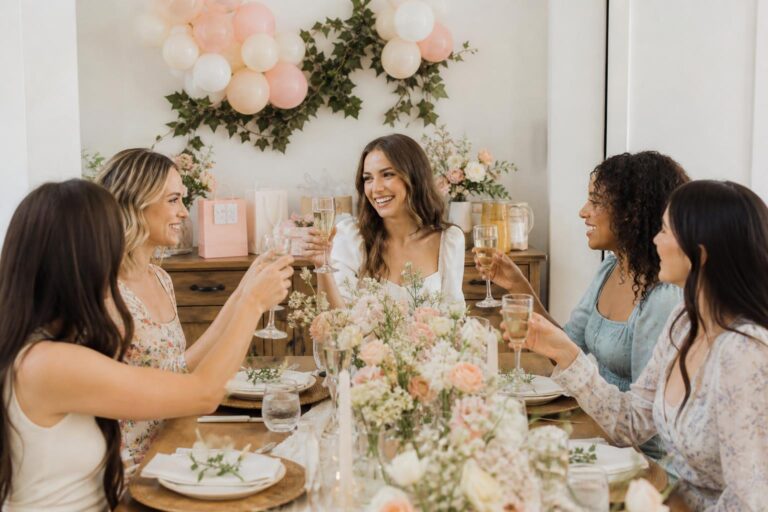
The styling here depends on a few well-chosen details instead of a crowded setup. A clean welcome table, a banner or sign, passed bites or simple food stations, and a signature drink can be enough to establish tone. Cocktail-hour energy works especially well when the venue is attractive on its own and does not need excessive décor. It also suits couples who want the first gathering to feel social but not formal.
Why it works: this format gives guests a clear arrival point without demanding too much structure. It also protects the pace of the weekend. If you overbuild the first night, the entire celebration can start to feel heavy too early. A lighter welcome party creates anticipation instead.
Tips for making a cocktail-style welcome feel intentional
- Use visible welcome signage so guests immediately understand where to gather.
- Keep food easy to eat while standing, especially if mingling is the main activity.
- Choose one visual focal point, such as a photo wall or styled welcome table, rather than scattering too many small decorations.
- Include a brief toast if you want the evening to feel emotionally anchored.
The food truck gathering with casual charm
Some of the strongest welcome party ideas are the ones that trade formality for personality. A food truck setup creates a playful, easygoing mood and instantly tells guests they can relax. The silhouette of the event is less about seating charts and more about flow: people standing in clusters, walking with drinks, taking photos, and lingering wherever the atmosphere feels best.
Visually, this style benefits from a balanced contrast between casual food service and polished event details. Food trucks, beverages, and open gathering space can feel highly considered when paired with customized signs, a guest book station, and a defined entrance. That contrast is what keeps the party from reading as just a meal. It still feels like part of a wedding weekend rather than a separate event.
This approach is especially practical when guest comfort is a priority. It allows for flexibility in timing, supports mixed groups of family and friends, and can work well in generic venues or outdoor-style spaces where a more traditional service format might feel stiff. The caution is that casual should not become visually disconnected. Without clear branding elements like banners or signage, the event can lose its welcome-party identity.
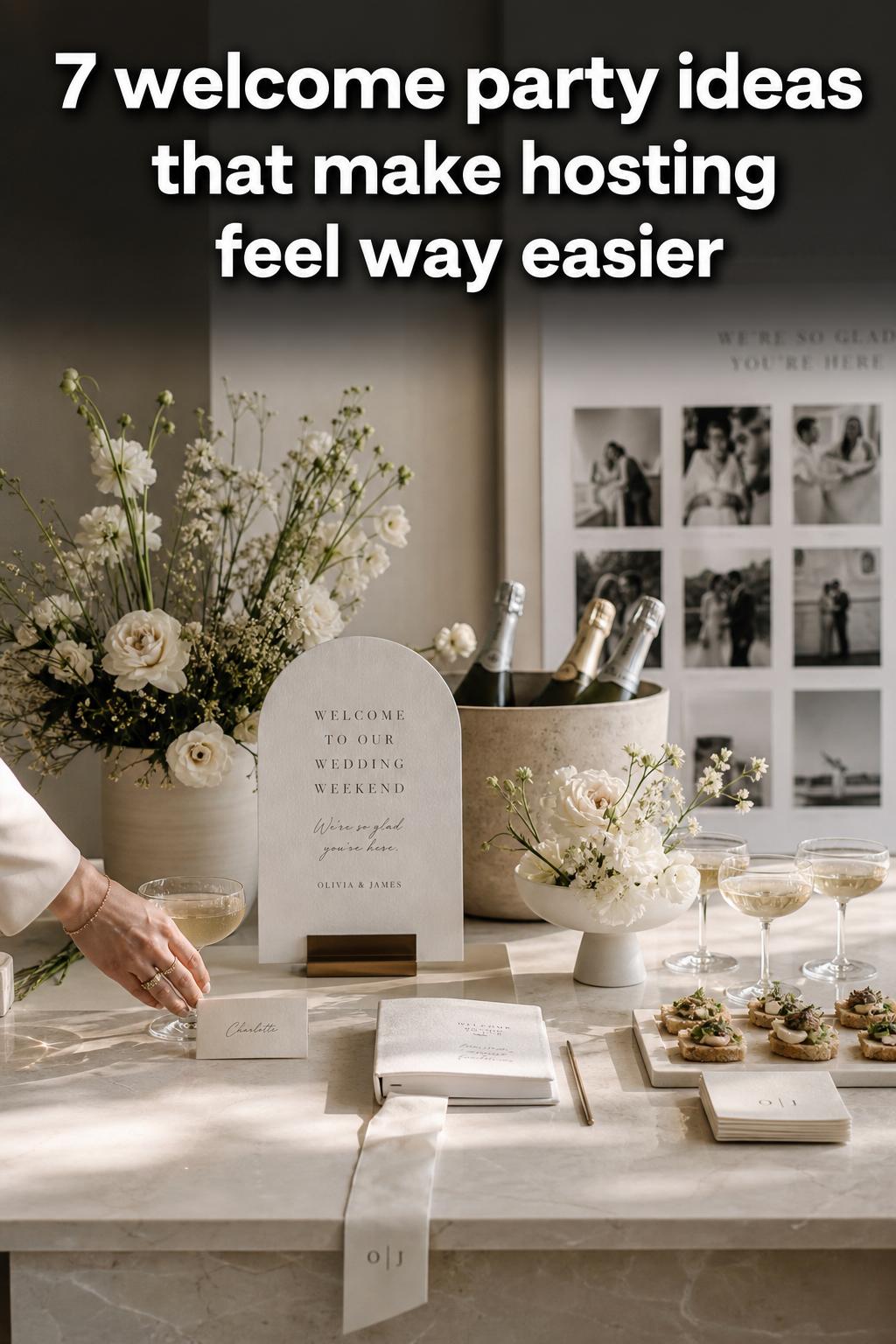
Style tip
If your food service is intentionally informal, elevate the impression through presentation. A clean welcome sign, a neat beverage station, and one photo opportunity add enough structure to make the event feel designed.
The live music evening that softens the room
Live music changes the emotional texture of a welcome party. The mood becomes warmer, more cinematic, and slightly more dressed. Instead of relying on activities to generate energy, the sound fills the space and gives the evening shape. Guests who have never met each other have something shared in the background, which can make the first hours feel less socially awkward.
In visual terms, this style often pairs beautifully with a reception-inspired layout. A private space, thoughtful lighting, a bar area, and room for toasts help the music feel integrated rather than decorative. The décor does not need to compete. Welcome signage, a banner, and a photo wall are enough if the venue already has atmosphere. Wedding Spot and The Knot both reinforce a broader idea that matters here: entertainment should support guest experience, not overwhelm it.
The practical lesson is to match music to the scale and purpose of the event. If the goal is easy conversation, the music should hold the room gently instead of dominating it. This format works best for couples who want a more elevated welcome without moving fully into a formal pre-reception environment.
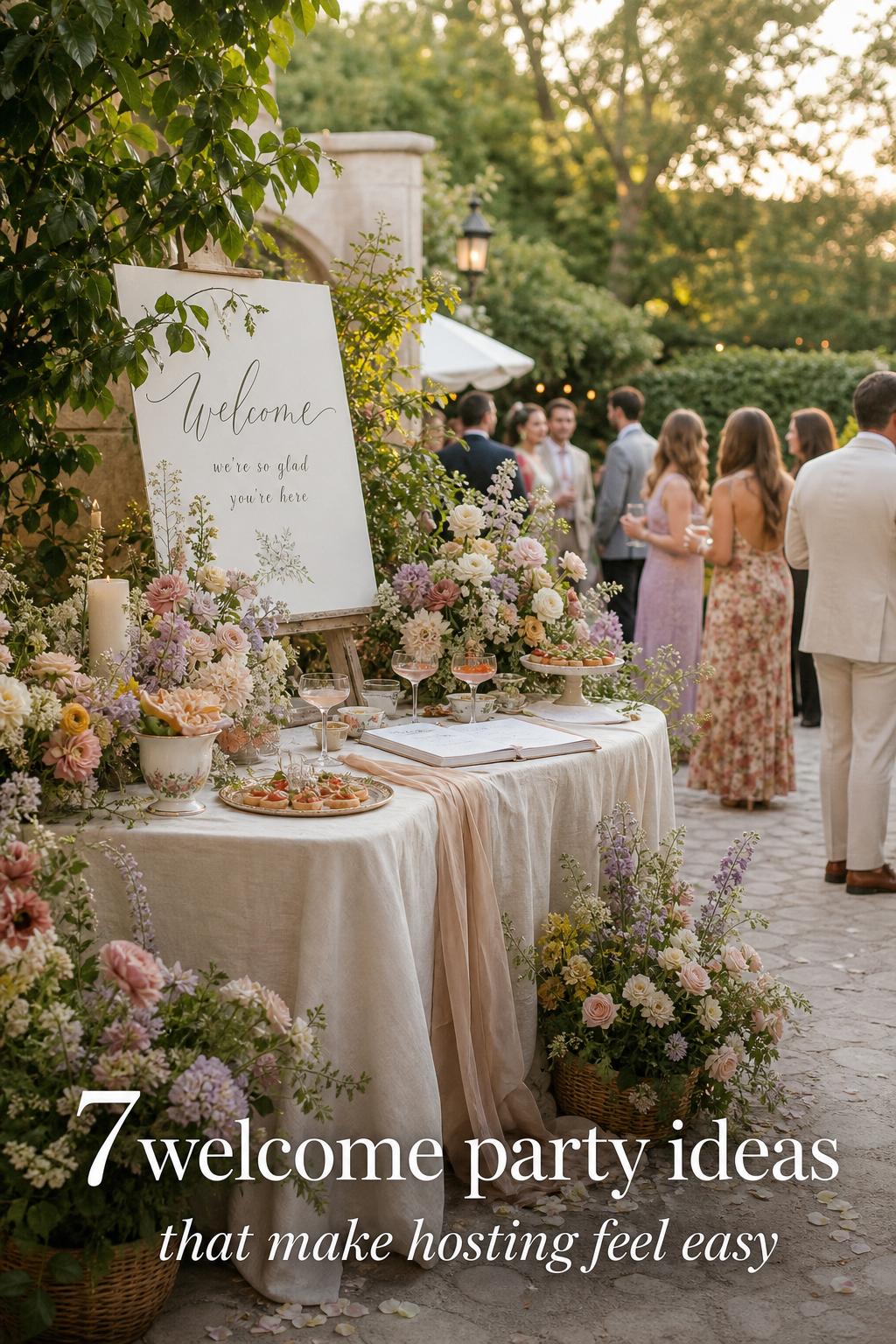
The destination-driven welcome party
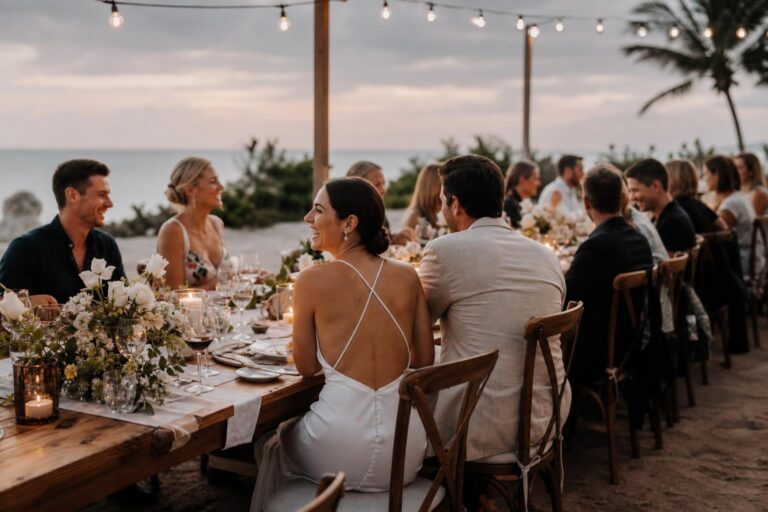
When the wedding is tied to a destination, the strongest welcome party ideas often begin with place. The location becomes more than a backdrop; it becomes the theme anchor. In Las Vegas, that may mean leaning into nightlife energy, experiential venues, private event spaces, or a setting connected to AREA15. In Thailand, the local backdrop can shape the décor style, the atmosphere, and the overall sense of arrival.
The visual identity of a destination welcome party should feel rooted in the locale without becoming costume-like. That is an important distinction. A Las Vegas event can carry drama through the venue choice, catering, and bartender experience rather than through excessive novelty. A Thailand destination welcome party can feel deeply place-based through scenery, venue style, and soft decor choices rather than through overstatement.
Why it works: guests have traveled, so they want to feel that they have arrived somewhere meaningful. This kind of event creates immediate context for the wedding weekend. It also helps out-of-town guests settle in emotionally, not just logistically. The party starts doing narrative work, introducing the character of the celebration before the ceremony begins.
How to use location well
- Let the venue carry the strongest visual statement.
- Use food, drinks, and service details such as caterers or bartenders to reinforce the destination mood.
- Keep signage and welcome elements aligned with the setting so they feel integrated, not pasted on.
- Avoid forcing a theme if the location already gives you a strong atmosphere.
The photo wall and guest book moment
Some welcome parties feel memorable because they create interaction, not just ambiance. A photo wall paired with a guest book or guest interaction station gives the event a social center. The mood here is slightly more playful and visual, but still romantic when styled with restraint. Guests are not only welcomed; they are invited to participate.
This format works best when the design details are cohesive. A welcome table, guest book items, signage materials, banners, and props should feel like parts of one visual story. Efavormart’s emphasis on welcome tables and customized decor reflects a practical truth: the welcome impression often comes from a small station that is immediately visible and easy to engage with. Casolia’s focus on entrance ideas supports that same logic from another angle. The entrance and the first interactive feature often define the tone more than scattered decorations do.
To keep this style elegant, avoid overloading the area with too many props or competing colors. The moment should invite guests in, not make the space feel busy. If the party itself is otherwise simple, a beautiful photo wall and guest book station can do a surprising amount of visual work.
Best for
This interpretation suits couples who want a social icebreaker, a clear focal point, and a keepsake element without planning a long list of activities.
The intimate venue-as-experience approach
Not every welcome party needs a grand ballroom feeling. Some of the most compelling versions are built around a space with personality: a gallery-like setting, an art-forward venue, a unique local room, or a micro-event environment where the venue itself shapes the guest experience. This is the idea behind the Peerspace-style approach, where the setting is not passive. It becomes part of the event identity.
The silhouette of this kind of party is usually more intimate and design-conscious. There may be fewer décor pieces because the room already offers visual texture. Photography becomes important here, not as a separate attraction but as a way of preserving an atmosphere that feels naturally distinct. A welcome party in a character-filled venue often needs less decoration, fewer activities, and simpler catering to feel complete.
The practical value is clear: when the venue does more of the aesthetic work, your planning can become more focused. You can invest in a welcome sign, a beverage station, and a small guest interaction point rather than trying to manufacture mood through too many rentals or details. The trade-off is that venue selection matters more. If the space lacks charm, the stripped-back styling can read unfinished instead of intentional.
The toast-centered gathering with emotional weight
A welcome party can also lean toward intimacy and sentiment, especially when the evening is built around one or two meaningful toasts. The atmosphere here is soft, connected, and slightly more reflective. Rather than asking the décor to carry the emotion, the hosts and their words become the center of the room.
This style works beautifully with a simple event structure: drinks, light food, welcome signage, and a natural pause for a short toast from the couple or close hosts. Wedding Spot and The Wedding Talk both point toward this blend of practicality and emotional presence. A toast does not need a highly formal setting to feel important, but it does need timing. If it arrives too early, guests may not yet be settled; too late, and the room can lose attention.
Why it works: it turns the party into more than a holding event before the wedding day. It becomes the first emotional chapter of the weekend. For couples hosting destination guests or merging different friend and family circles, this kind of moment can make the entire celebration feel more personal.
Tip for timing
Place the toast after guests have drinks and a chance to mingle, but before the event becomes too diffuse. A short, warm welcome usually lands better than a long speech at this stage of the weekend.
The polished welcome table that sets the tone instantly
Some of the most effective welcome party ideas are not full themes but visual anchors. A thoughtfully styled welcome table creates a first impression within seconds. The mood is polished, editorial, and reassuring. Guests know immediately where they are, what kind of evening to expect, and that the event has been considered carefully.
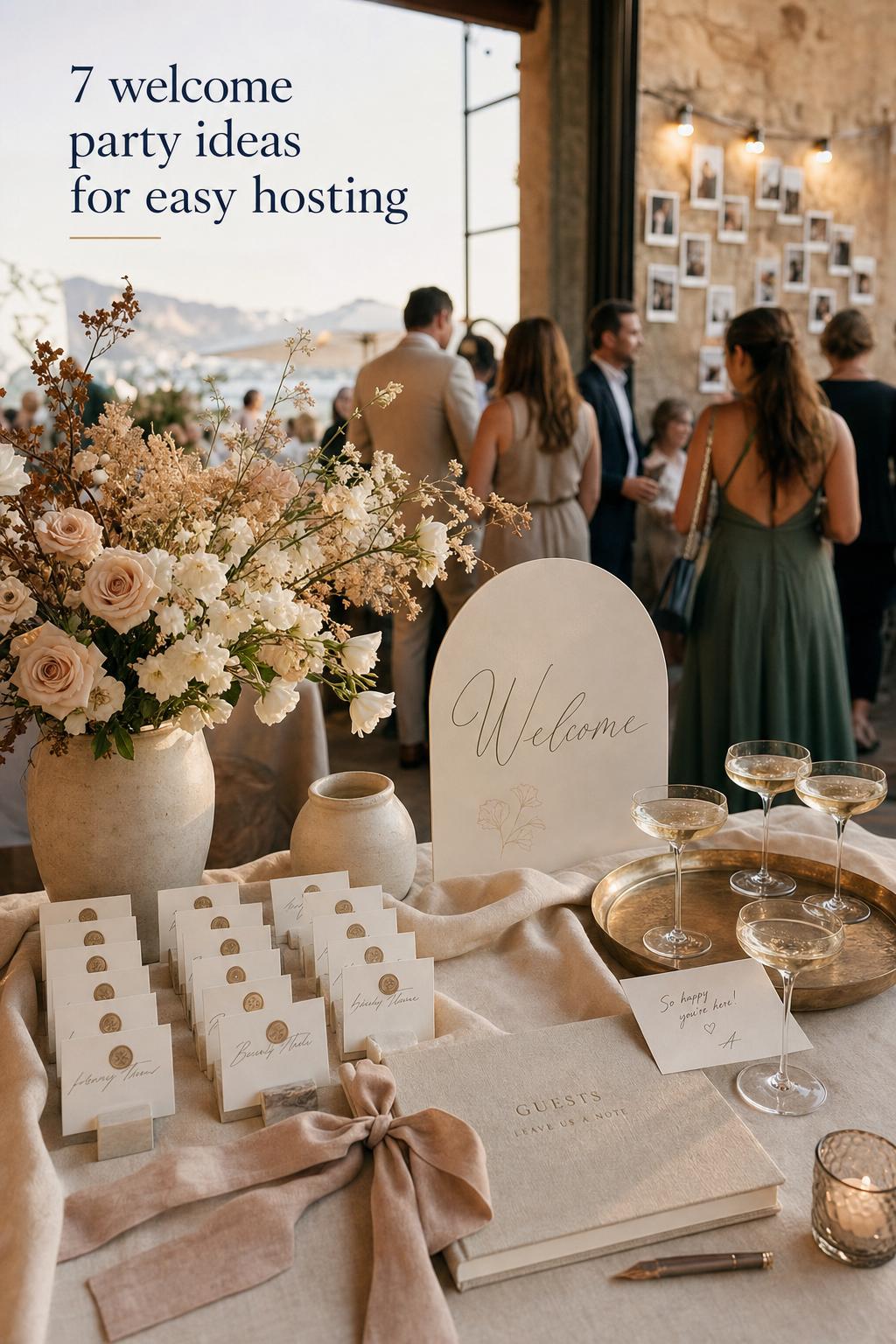
Welcome tables work especially well when they combine beauty with function. A banner or sign, guest book, small props, and decor items can all live in one place, giving the arrival moment a sense of structure. This is also where branding and hospitality naturally meet. The table can introduce the wedding weekend visually while helping guests orient themselves socially.
The key is restraint. Too many loose objects can make the table feel like storage rather than styling. Keep the arrangement edited and the materials cohesive. If the larger party is simple, the welcome table can carry a surprising amount of aesthetic value on its own.
Key pieces for this aesthetic
- Welcome signage or a banner with a clear, visible message
- A guest book or interaction station that feels easy to use
- A few décor elements that relate to the overall wedding weekend style
- Enough open surface space to keep the arrangement looking calm and intentional
The reception-style welcome for a more formal wedding weekend
Some couples want the welcome party to feel almost like a smaller prelude to the reception. This interpretation carries more structure, more polish, and a stronger sense of progression. The visual effect is cleaner and more composed, often shaped by private event spaces, service staff, catering, and a deliberate timeline.
Food and beverage choices become especially important here. Catered bites, bar service, and even flair bartender details in a city like Las Vegas can elevate the experience without pushing it into full reception territory. The venue should support this level of refinement. A private room, a distinctive event space, or an experiential setting helps the style feel justified.
This is a smart direction for couples hosting a full wedding weekend and wanting every event to feel connected. The caution is that if the welcome party becomes too elaborate, it can compete with the wedding itself. The most elegant version leaves a little room for crescendo. It should feel beautifully hosted, not like the weekend has already peaked.
How to recreate this aesthetic without overcomplicating the plan
The easiest way to build a strong welcome party is to start with the mood, not the checklist. Decide whether you want the evening to feel casual, destination-driven, intimate, or polished. Then choose only the details that support that identity. Many planning missteps happen when couples mix too many ideas at once: food trucks with overly formal decor, live music in a space that is too small for conversation, or a destination setting that gets buried under an unrelated theme.
A practical formula is simple. Begin with the venue, because it shapes everything from timing to guest comfort to how much décor you actually need. Add one hospitality element, such as drinks or easy food. Add one visual anchor, such as signage, a photo wall, or a welcome table. Then add one emotional or interactive layer, such as a toast, guest book, or music. That combination usually feels complete without becoming crowded.
A simple starting framework
- Choose the vibe first: casual, polished, destination, or intimate
- Select a venue that already supports that mood
- Add one food and drink concept that fits the pace of the evening
- Use one strong welcome feature such as signage, banners, or a table display
- Include one memory-making touch such as toasts, photos, or live music
Common styling mistakes that weaken a welcome party
One of the most common mistakes is confusing “relaxed” with “unfinished.” A casual welcome party still needs a visible identity. Without clear signage, a focal point, or some sense of structure, the gathering can feel like an unmarked pre-event instead of a meaningful part of the wedding weekend.
Another issue is over-theming. Destination events are especially vulnerable to this. If Las Vegas, AREA15, or Thailand already provide atmosphere, you rarely need to force additional novelty into every detail. Let the location lead. The same principle applies to unique venues from platforms like Peerspace. If the room has character, build around it instead of covering it up.
Timing also matters more than many hosts expect. A welcome party should help guests feel comfortable, not tired. If the event runs too long or carries too much formal programming, it can disrupt the rhythm of the rest of the wedding weekend. The most memorable gatherings usually feel edited. They leave guests welcomed, fed, and excited for what comes next.
Choosing the right welcome party idea for your guest experience
The best choice often comes down to how you want guests to feel in the first hour. If your priority is mingling, a cocktail-style welcome or food truck setup makes sense. If your guests have traveled for a destination wedding, use the place itself to create atmosphere. If your crowd includes many people meeting for the first time, a photo wall, guest book station, or live music can soften the social edges.
It also helps to think about what the welcome party should do for the wedding weekend as a whole. Sometimes its job is to provide ease after travel. Sometimes it sets a visual tone. Sometimes it offers a meaningful moment for the couple to greet everyone at once through a short toast. When the event has a clear purpose, the details become easier to choose and much easier to edit.
A useful question to ask is whether your venue, décor, and activities are all telling the same story. If they are, even simple welcome party ideas can feel elevated. If they are not, the event can feel scattered no matter how much you spend.
FAQ
What is a wedding welcome party?
A wedding welcome party is a gathering held during the wedding weekend to greet guests before the main celebration. It is usually more relaxed than the reception and often includes drinks, light food, simple décor, and a chance for guests to mingle.
Why should couples host a welcome party?
A welcome party helps guests settle in, especially if they have traveled, and creates an early sense of connection for the wedding weekend. It can also reduce pressure on the wedding day itself by giving the couple time to greet people in a more casual setting.
What are some casual welcome party ideas?
Casual options include a cocktail-style gathering, pizza and easy bites, a food truck setup, simple drinks, and a photo wall or guest book station. These ideas work well when the goal is comfort, conversation, and a relaxed first impression.
How do you make a welcome party feel special without making it too formal?
Focus on one or two intentional details, such as welcome signage, a styled table, a short toast, or live music. A clear visual focal point and thoughtful hospitality usually make a bigger impact than adding too many formal elements.
What works well for a destination wedding welcome party?
The strongest destination welcome parties use the location as part of the event identity. In Las Vegas, that might mean a private event space or an experiential venue near AREA15, while in Thailand the local backdrop and venue style can guide the mood and décor.
Should a welcome party include a toast?
A toast can be a lovely addition if you want the event to feel more personal and emotionally grounded. It is usually best kept brief and timed after guests have arrived, had a drink, and begun to settle into the evening.
What décor matters most at a welcome party?
Welcome signage, banners, a guest book area, and a polished welcome table tend to matter most because they shape the first impression. These details help the event feel connected to the wedding weekend even when the overall setup is simple.
How do you choose between a casual and formal welcome party?
Choose based on the tone of the wedding weekend, your venue, and the guest experience you want to create. Casual formats suit mingling and comfort, while more formal reception-style welcomes work better when the wedding itself has a polished, structured atmosphere.
Can a unique venue replace elaborate décor?
Yes, a venue with strong character can do much of the aesthetic work for you. In those cases, simple signage, a beverage station, and one interaction point like a photo wall or guest book are often enough to make the party feel complete.
What is the biggest mistake to avoid with welcome party ideas?
The biggest mistake is letting the event feel either unfinished or overbuilt. A welcome party works best when it has a clear mood, a few intentional details, and a pace that supports the rest of the wedding weekend rather than competing with it.