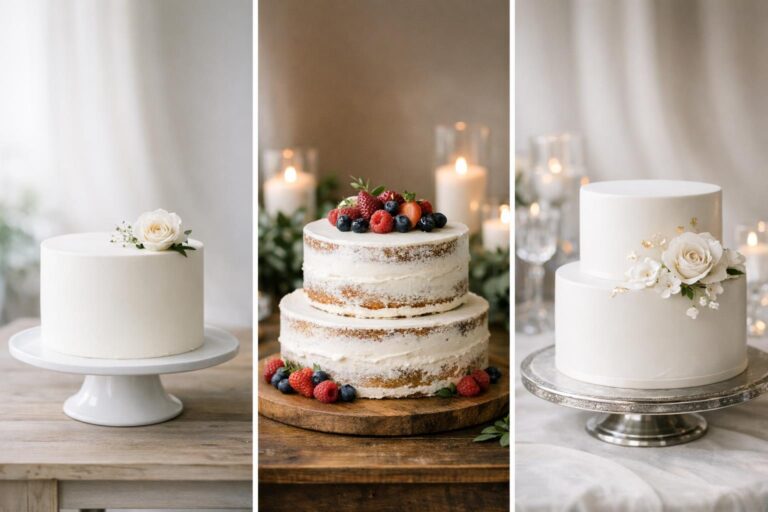
Why the 2 Tier Wedding Cake Is the Chicest Choice
A 2 tier wedding cake often enters the conversation at a very specific moment in planning: the guest list is taking shape, the budget needs to stay graceful, and the couple wants something that still feels unmistakably special when it is time to cut the cake. That balance can be harder than it looks. A cake that is too small may feel underwhelming in the room, while one that is too elaborate can strain the budget or compete with the rest of the wedding design.
The beauty of a two-tier cake is that it naturally solves several wedding-day challenges at once. It can feel romantic and refined without becoming excessive, and it gives couples room to express style through finish, flowers, color, and shape. The real question is not simply whether to choose a 2 tier wedding cake, but how to make it work beautifully for your celebration, your setting, and your priorities.
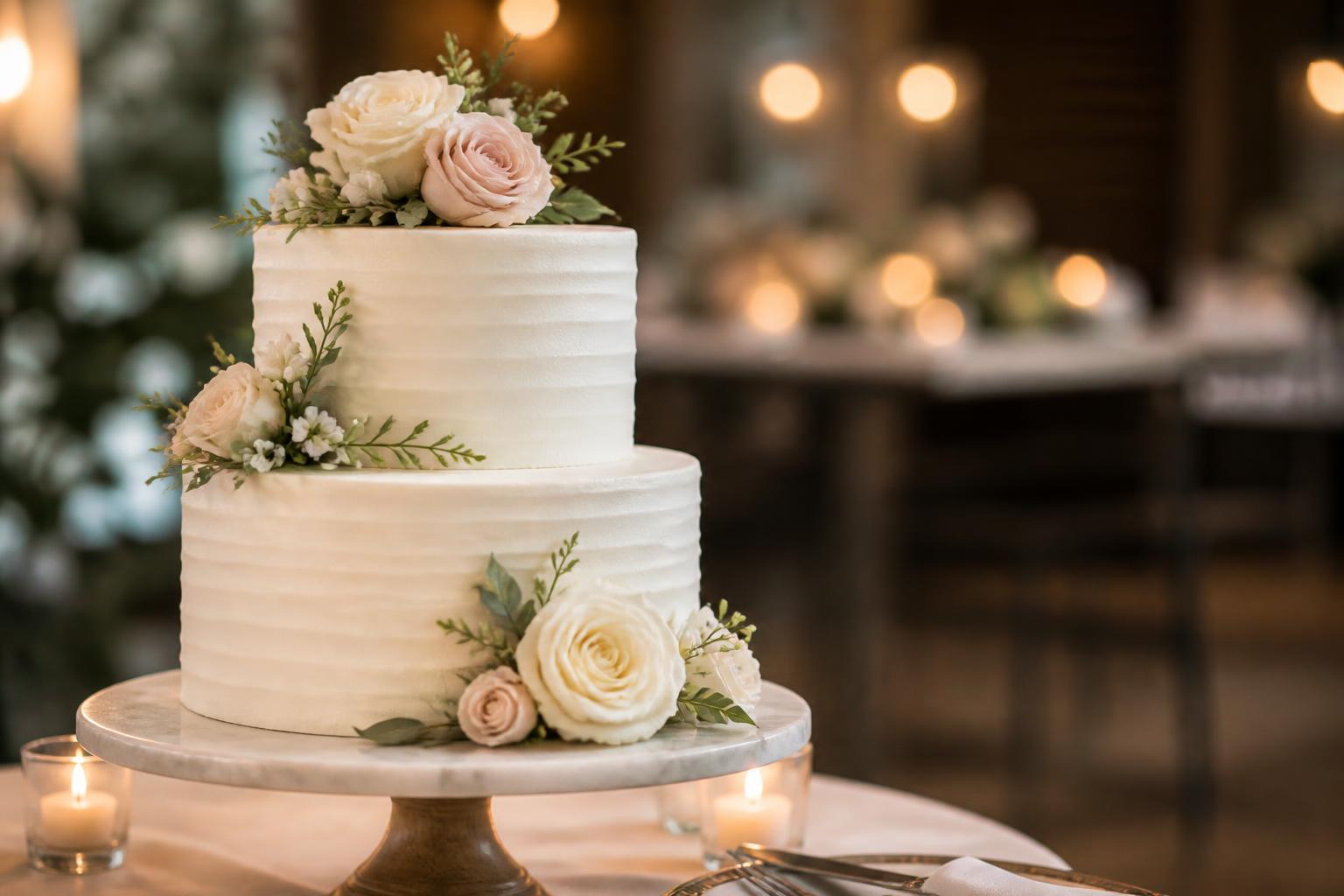
This guide walks through the decision with a practical wedding-planning lens. You will find clear ways to think about size, style, display, serving needs, and visual impact so that your cake feels intentional from the first design conversation to the final photograph at the reception.
Why this cake choice can feel surprisingly complicated
On paper, a two-tier cake sounds simple. In real wedding planning, it sits at the intersection of aesthetics, logistics, and emotion. Couples usually want the cake to do more than serve dessert. They want it to look beautiful in photos, connect with the venue, match the wedding style, and feel proportionate to the guest count. That is where uncertainty begins.
Turn wedding inspiration into a plan you can actually follow.
Zarellea brings your guest list, budget, vendors, and day-of details into one shared space — so no beautiful idea gets lost in the shuffle.
A smaller cake can be the right choice for an intimate celebration, a modern minimalist reception, or a wedding where additional desserts are being served. At the same time, the cake table still needs presence. In a large ballroom, a compact cake may need thoughtful styling around it. In a garden wedding, it may need a finish that holds well in changing weather. In a formal indoor setting, even a simple design should look polished up close.
Comfort and practicality matter here too, even though this is not clothing. Warm temperatures can affect buttercream. Transportation and setup can influence how intricate the design should be. A sleek modern finish may look stunning in a city venue, while a softly textured design may feel more at home in a romantic outdoor ceremony and reception. The challenge is not just choosing a cake that looks lovely in isolation, but choosing one that behaves well in the real conditions of the day.
The core principles that make a 2 tier wedding cake work
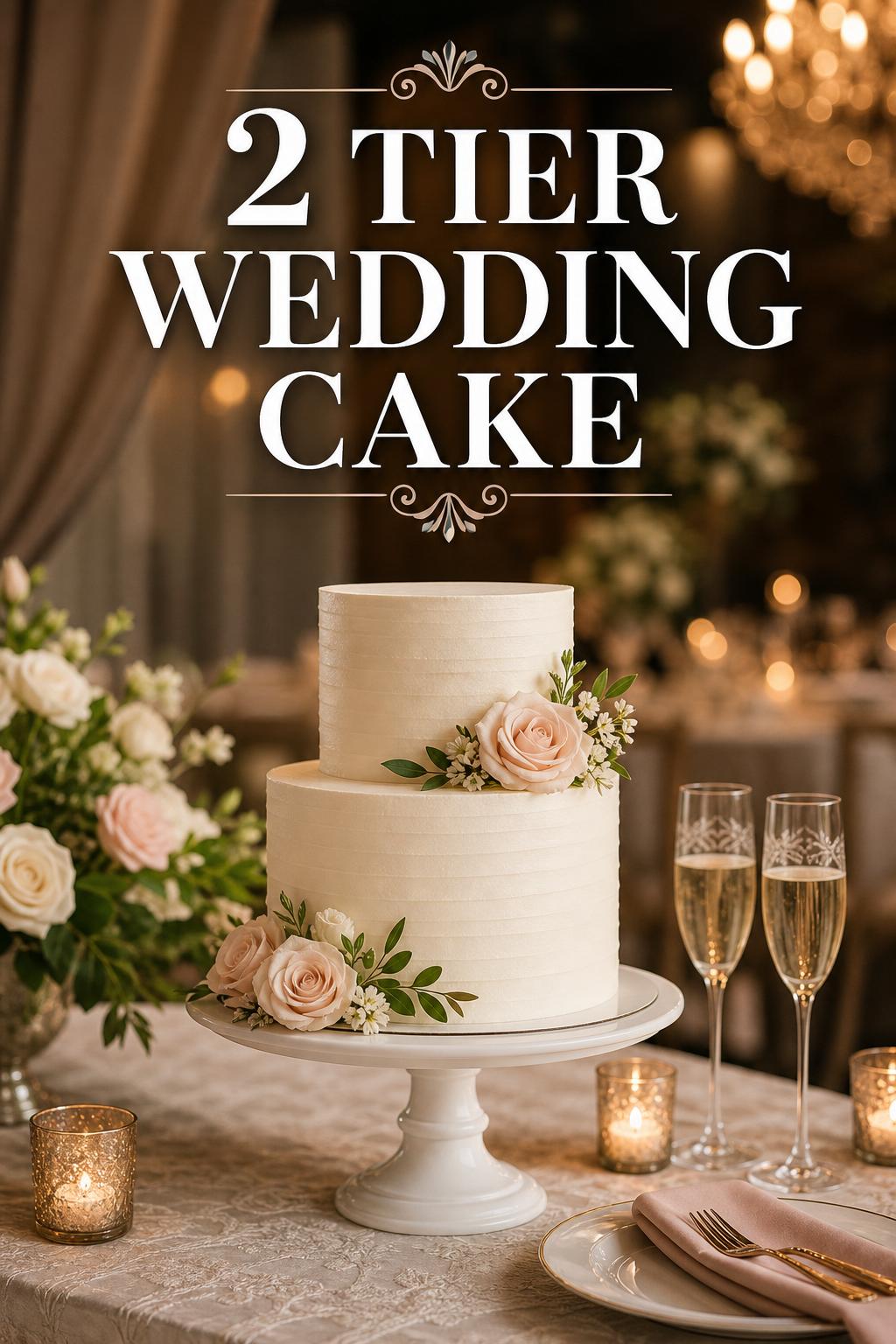
When couples feel confident about their cake choice, it is usually because they have focused on a few foundational principles rather than getting lost in endless decoration options. A two-tier design works best when it is approached as part of the entire wedding atmosphere.
Scale should feel intentional, not apologetic
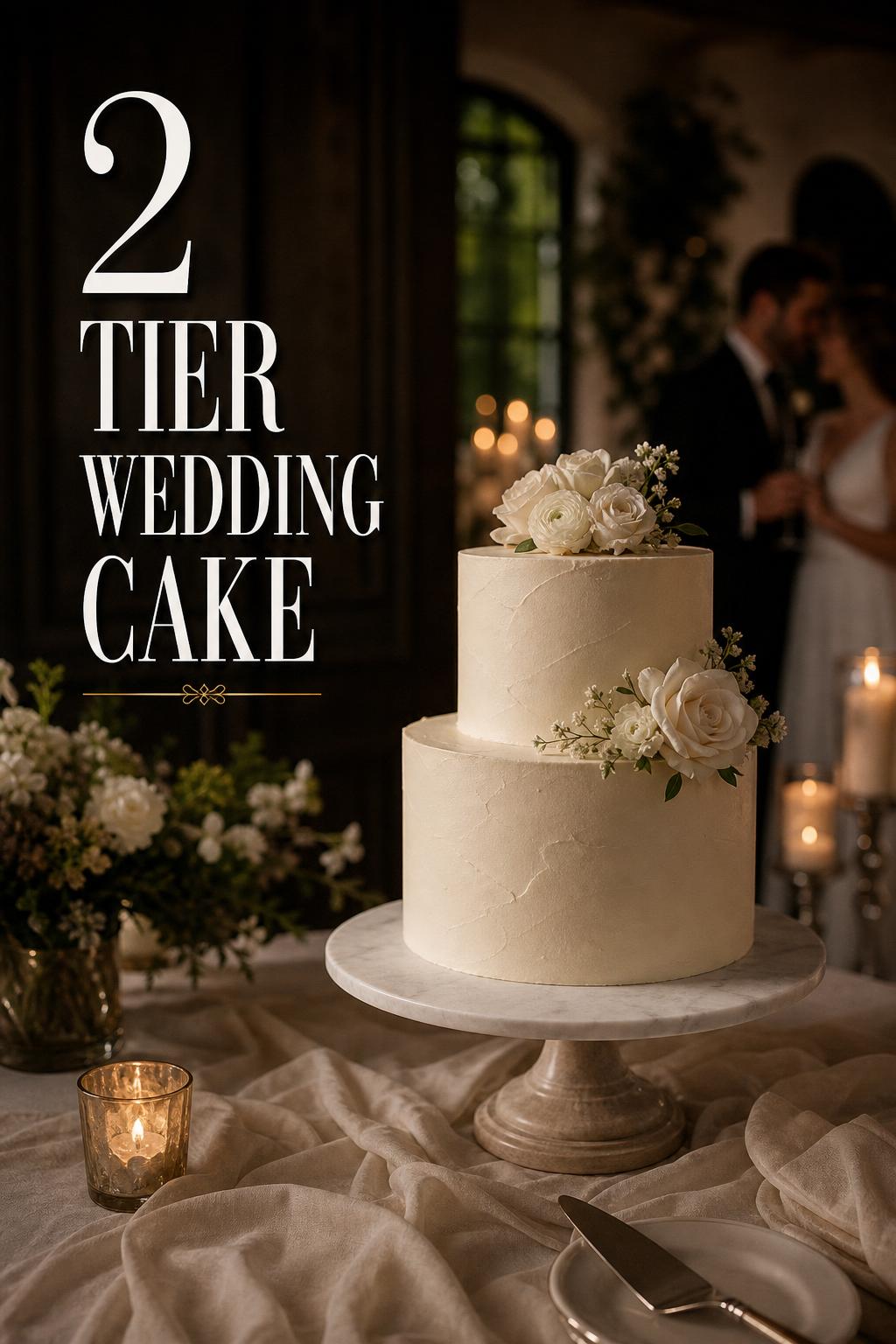
A smaller cake should still look purposeful. That means considering the proportions of the tiers, the height of the stand, and the styling of the surrounding table. When the cake is visually framed well, it feels elegant rather than reduced. This is especially important if the reception space is open, formal, or visually dramatic.
Design should echo the wedding mood
The cake does not need to repeat every detail in the décor, but it should belong to the same story. A minimalist wedding calls for restraint and clean lines. A garden celebration welcomes soft florals and gentle texture. A vintage mood may suit delicate piping or timeless shapes. A modern reception may benefit from a sharper silhouette and a simpler palette.
Practical decisions should support the visual result
The most beautiful wedding cakes are often the ones that were planned realistically. If the cake will sit out for hours in summer heat, the finish and decorations should be chosen accordingly. If there are more guests than the cake can comfortably serve, a supplemental dessert plan keeps the visual centerpiece intact while solving the serving question with less pressure.
Texture and detail matter more on a smaller cake
Because a two-tier cake offers less surface area than a larger design, every detail becomes more visible. That can be a major advantage. Thoughtful texture, balanced floral placement, subtle color, and neat finishing work can make a modest-size cake feel highly refined. On a smaller canvas, less is often stronger.
Choosing the right wedding vision for a two-tier design
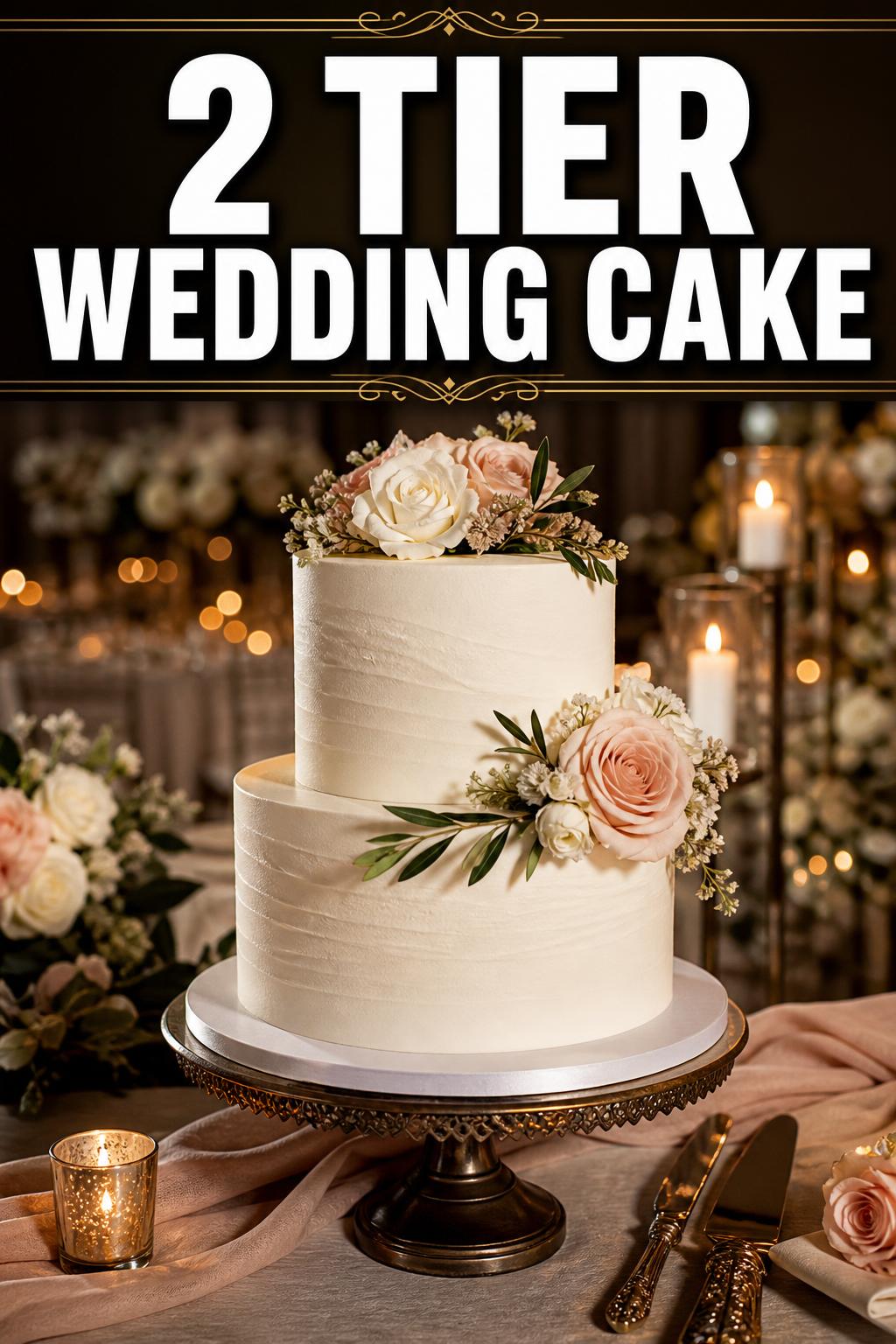
A 2 tier wedding cake is especially appealing because it adapts beautifully across wedding styles. Rather than asking whether two tiers are enough in the abstract, it helps to ask what emotional atmosphere you want the cake to support. The answer often clarifies the design much faster than scrolling through endless inspiration.
Romantic and soft
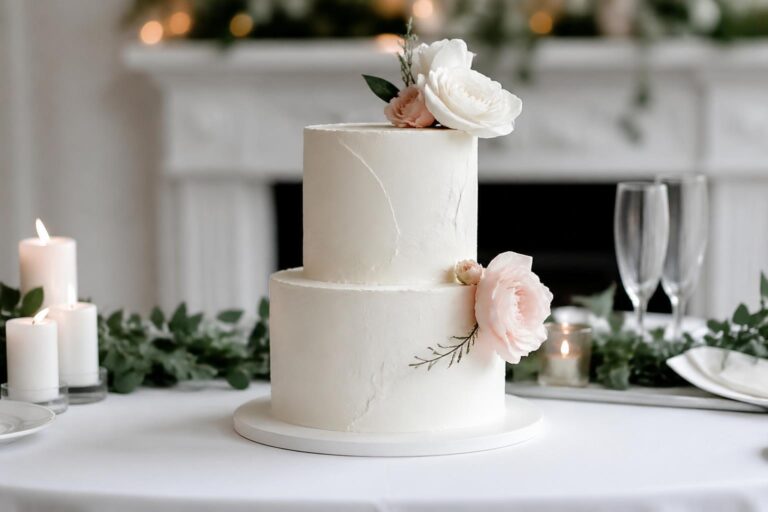
For a wedding centered on softness and intimacy, a two-tier cake can feel incredibly graceful. Gentle buttercream texture, restrained floral accents, and a delicate silhouette suit this direction well. This works particularly nicely for garden weddings, estate venues, and candlelit receptions where the cake should feel like part of a tender, layered atmosphere rather than a bold statement piece.
Modern and minimal
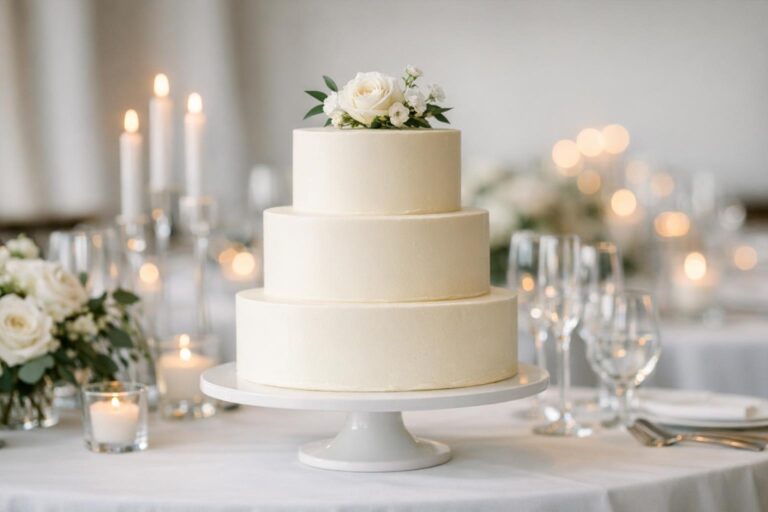
A two-tier format is naturally suited to modern simplicity. Clean edges, a quiet color palette, and very limited decoration can create a polished, editorial look. In this setting, the cake becomes a study in proportion and finish. The simplicity only works when execution is clean, which is why refined details matter so much in a minimalist design.
Classic and formal
Formal weddings do not always require a towering cake. A two-tier design can still feel worthy of a black-tie room if the styling is elevated. An elegant cake stand, a well-dressed table, and thoughtful placement within the reception can all help. This is a strong option for couples who want timelessness without excess.
Boho, rustic, or outdoor
Natural settings often benefit from cakes that feel organic rather than overly structured. A slightly textured finish, floral movement, or understated decorative elements can make a 2 tier wedding cake feel harmonious in a barn, vineyard, coastal, or outdoor setting. The key is to keep the design intentional so that organic does not turn into unfinished.
How to solve the size question without losing the magic
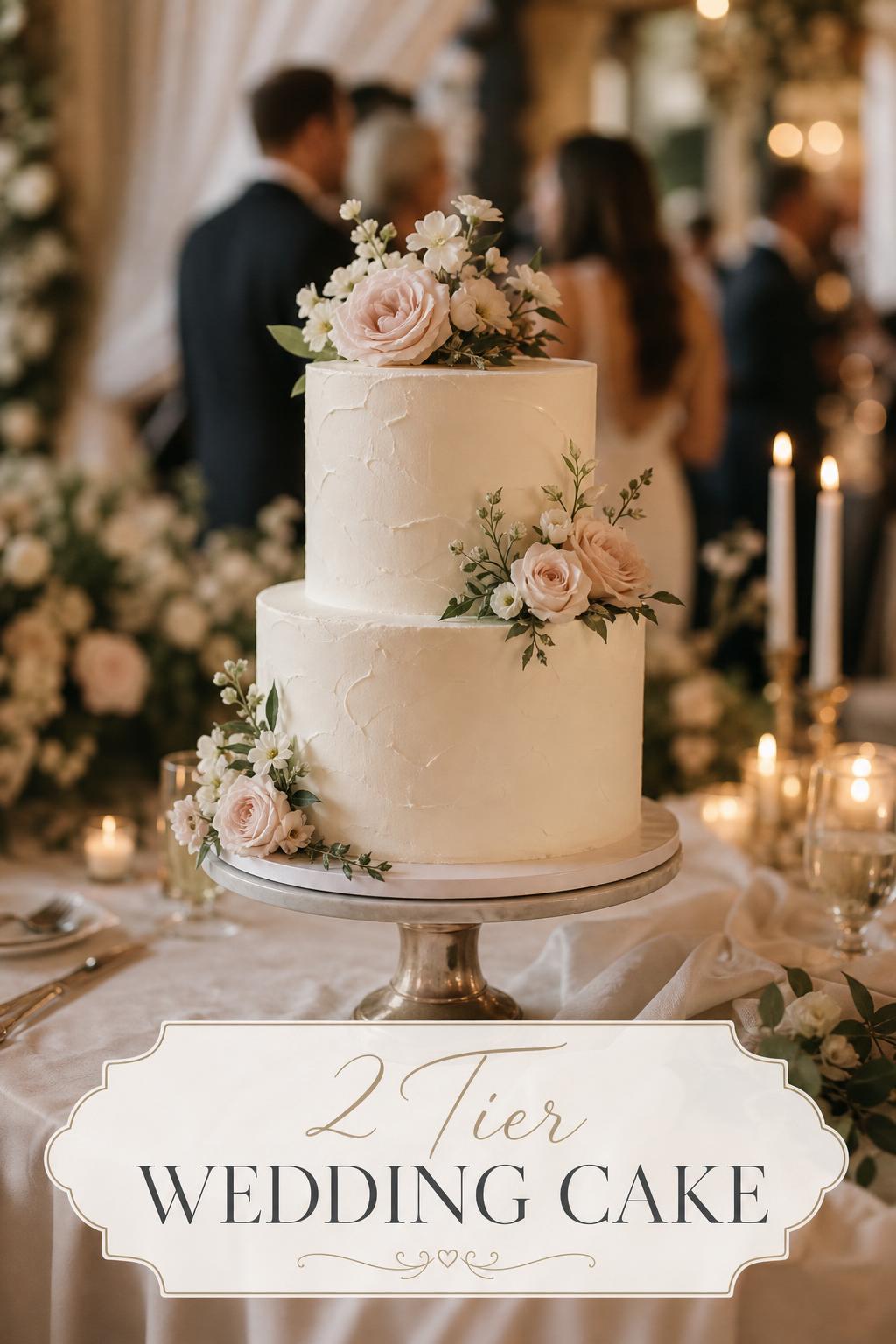
One of the most common concerns around a two-tier cake is whether it will be enough. In practice, this depends less on appearance alone and more on how dessert is being handled overall. Some weddings use the cake as the sole dessert. Others pair it with sheet cake, plated desserts, or a dessert table. Once that serving strategy is clear, the right cake size becomes easier to judge.
Emotionally, couples often worry that choosing a smaller cake will make the celebration seem smaller than it feels. In reality, guests respond to the experience as a whole. A beautifully presented two-tier cake can feel deeply special, especially when it fits the scale of the wedding. A cake that matches the event always looks more confident than a larger one chosen only from pressure.
- For an intimate wedding, two tiers can feel naturally proportionate and elegant.
- For a medium-size reception, the cake can serve as the ceremonial centerpiece while additional dessert supports guest service.
- For a larger wedding, styling and dessert planning become even more important so the cake remains visually meaningful.
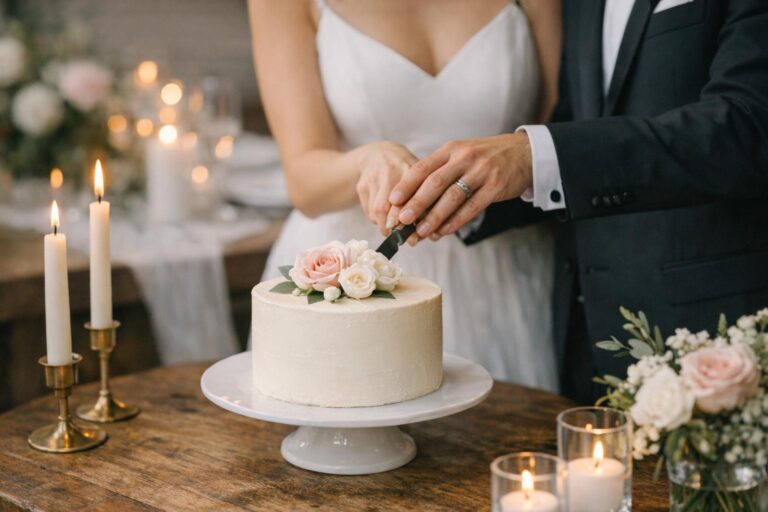
This is where practical planning protects the romance. The cake-cutting moment remains beautiful, the design stays within budget, and guests are still well served. That combination is often exactly what couples are hoping to achieve.
Outfit-solution thinking for cake design: pairing style with real wedding conditions
Just as a stylist matches clothing to weather, comfort, and occasion, choosing a wedding cake benefits from the same logic. The design should not only be beautiful; it should suit the environment, the formality, and the rhythm of the day. Thinking this way makes decisions clearer and prevents mismatches that only become obvious on the wedding day itself.
Solution for an intimate indoor reception
In a smaller indoor venue, a 2 tier wedding cake can be one of the loveliest focal points in the room. Here, soft details read well because guests are physically closer to the cake. A smooth or gently textured finish, modest floral placement, and a refined stand usually provide enough presence without overwhelming the room. This solution works because the cake feels scaled to the intimacy of the event while still offering a celebratory centerpiece.
Solution for a garden or outdoor ceremony and reception
Outdoor weddings ask more of every decorative choice. A two-tier cake in this setting should feel light and romantic, but it also needs to handle real conditions. Designs that rely on very delicate elements may struggle if the weather is warm or breezy. A more secure finish, floral accents that suit the season, and a shaded or sheltered display area help preserve both beauty and stability. The result feels effortless, but only because the practical side was respected from the beginning.
Solution for a modern city wedding
For a contemporary venue, a two-tier cake can look especially strong when the design is restrained. Sharp lines, minimal decoration, and a clear visual statement often work better than trying to make a smaller cake appear larger through too many additions. In a city setting, confidence usually comes from simplicity. This approach solves the challenge by letting proportion, finish, and placement create impact.
Solution for a formal wedding with a larger guest list
When the guest count rises but the couple still prefers a two-tier cake, the answer is usually not to force the cake to carry the entire dessert responsibility. Instead, use the cake for the ceremonial and visual moment, then support guest service with a separate dessert plan. A formally styled cake table, elegant linens, and thoughtful lighting help the cake feel at home in a larger setting. This solves the scale issue while preserving the sophistication of the design.
Solution for couples prioritizing budget without sacrificing beauty
A two-tier design can be an intelligent budget decision, but it should still feel curated. The strongest approach is to focus spending on visible quality rather than on extra size. A well-finished cake with intentional decoration will almost always read better than a larger design with rushed or inconsistent details. For budget-conscious couples, this creates a meaningful luxury: the cake looks special where it matters most.
The details that give a smaller cake presence
If there is one concern couples return to repeatedly, it is how to keep a two-tier cake from disappearing in the room. Presence does not only come from size. It comes from composition. The surrounding elements shape how the cake is perceived, and a thoughtful setup can make a modest cake feel incredibly polished.
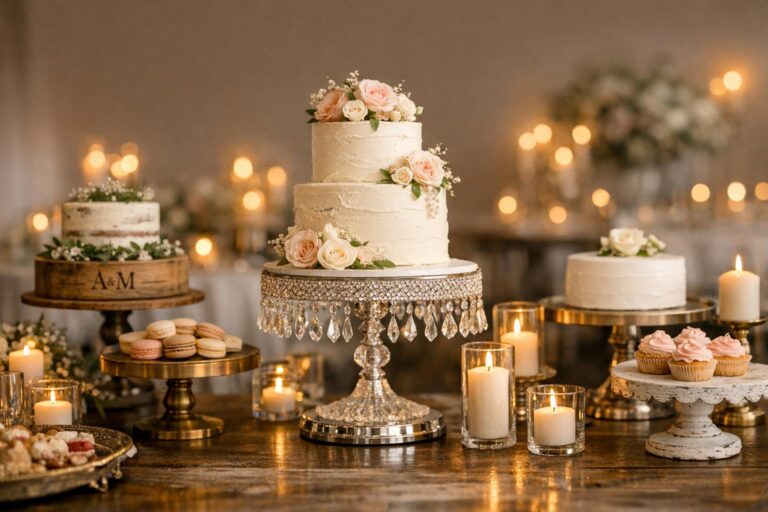
- A cake stand can add height and visual importance.
- Linens and table styling help define the cake as a destination within the reception.
- Florals placed around the table can connect the cake to the overall design story.
- Lighting matters, especially for evening receptions and photography.
- Backdrop placement can make the cake feel framed rather than floating.
This is especially useful when the wedding design is highly intentional. A two-tier cake often looks most beautiful when it is treated less like a standalone dessert and more like part of the room design. In that sense, styling solves what size alone cannot.
Flavors, finishes, and style choices that support the overall experience
Even with a strong visual concept, couples still need to choose how the cake should feel in person. Flavor, finish, and decorative style all influence the guest experience. A wedding cake is seen before it is tasted, but if the practical choices are ignored, the final result can feel less satisfying than expected.
Finish matters because it affects both mood and practicality
A smooth finish can feel crisp, elegant, and modern. A more textured finish can feel romantic, artisanal, and softer. Neither is inherently better. The right choice depends on the wedding vision and the conditions of the day. A highly polished look can be striking in a formal or minimalist setting, while a softer finish may blend more naturally into outdoor or romantic environments.
Decoration should be scaled to the cake
Because there are only two tiers, decoration should be carefully proportioned. Large decorative elements can overwhelm the design, while sparse placement can look accidental if not balanced well. This is one of the most important judgment calls in a smaller wedding cake. The eye notices imbalance quickly on a compact silhouette.
Flavor choices should suit the event, not just personal preference
Flavor matters most when it supports the tone of the celebration and the comfort of the guests. For example, a heavy dessert may feel less aligned with a warm outdoor afternoon, while a lighter-feeling option may suit the setting better. The practical lesson is simple: the most successful wedding cakes are planned as part of the whole reception experience, not as an isolated detail.
A venue-specific perspective that changes everything
One of the clearest ways to decide on the right 2 tier wedding cake is to start with the venue rather than the cake itself. Venue style often answers design questions more quickly than trend images ever can. It also helps avoid a mismatch where the cake is lovely, but not truly right for the setting.
Estate, manor, and classic ballroom venues
These spaces often benefit from timeless restraint. A two-tier cake can look elegant here if the finish is refined and the table styling is elevated. The goal is not to compete with the architecture, but to echo its grace.
Beach, coastal, or open-air venues
These locations call for practicality as much as beauty. A design that feels light, airy, and secure tends to perform better than one built around fragile detail. The cake should feel natural in the environment, not overly formal for the landscape.
Barn, vineyard, and rustic-luxury venues
A two-tier cake can feel especially charming in these spaces when there is a balance between softness and structure. Too rustic, and the cake may lose refinement. Too polished, and it may disconnect from the venue mood. The most successful designs land somewhere in between.
Modern hotel or loft venues
These settings often reward a cleaner, more edited approach. Instead of adding extra ornament for effect, let silhouette, proportion, and placement do the work. A smaller cake can feel especially sophisticated in a modern room when it is allowed to remain visually disciplined.
Tips that help couples make a confident final decision
By the time cake decisions are being finalized, couples are usually balancing excitement with fatigue. A few grounded questions can make the choice much clearer and prevent second-guessing later.
- Ask whether the cake is meant to serve everyone or primarily create a ceremonial moment.
- Consider where the cake will be displayed and how much space surrounds it.
- Think about the season and whether temperature may influence finish or decorations.
- Match the style of the cake to the emotional mood of the wedding, not just to a single inspiration image.
- Prioritize excellent execution over unnecessary complexity.
One practical tip that often makes a surprising difference is to visualize the cake in context. Imagine the room, the flowers, the lighting, the linens, and the moment the couple stands beside it. A design that seems simple on its own may feel perfect in the full wedding setting. This kind of decision-making is usually much more accurate than judging the cake in isolation.
Common mistakes couples make with a two-tier cake
Two-tier cakes are versatile, but they do have less margin for error. Because the format is compact, every design decision becomes more visible. Most mistakes happen when couples try to make the cake be something it is not rather than letting its strengths lead.
Trying to make it look larger through too many details
This usually happens from anxiety about scale. The result can feel crowded or visually confused. A better approach is to keep the cake design focused and use the table styling to create presence.
Ignoring the venue and display environment
A cake that looks perfect in a studio photo may not be right for an outdoor summer reception or a dark evening ballroom. The environment changes how details read and how materials perform. Couples should choose with the actual wedding setting in mind.
Overlooking the serving plan
Guests remember whether dessert service felt smooth. If a two-tier cake will not realistically cover the guest count, a supplemental dessert strategy should be arranged early. This avoids unnecessary stress and protects the ceremonial role of the cake.
Choosing trend over emotional fit
A wedding cake does not need to follow every current style direction to feel beautiful. The strongest choice is usually the one that fits the couple, the venue, and the wedding atmosphere. A smaller cake especially benefits from authenticity, because there is nowhere for disconnected ideas to hide.
Bringing the cake into the wedding story
The most memorable wedding details are rarely the most excessive ones. They are the ones that feel deeply connected to the day. A 2 tier wedding cake can do that beautifully. It can reflect the intimacy of a private celebration, the elegance of a formal evening, the freshness of a garden wedding, or the clean confidence of a modern city reception.
When couples approach this choice with clarity about scale, setting, style, and guest experience, the cake stops feeling like a compromise and starts feeling like a decision with real purpose. That is what gives it lasting beauty. It is not trying to be more than it needs to be. It is simply right for the moment.
And that is often the heart of good wedding planning: choosing the details that feel like your celebration, support the day with grace, and leave room for the moments that matter most.
FAQ
Is a 2 tier wedding cake enough for a wedding?
A two-tier cake can be enough, but the answer depends on your guest count and whether the cake is the only dessert being served. For intimate weddings, it often feels naturally proportionate. For larger celebrations, many couples use the two-tier cake for the ceremonial moment and support it with additional dessert service.
Does a two-tier cake look too small at a reception?
Not when it is styled well. A cake stand, floral framing, linens, lighting, and thoughtful placement can give a smaller cake real presence. In many weddings, a well-displayed two-tier cake looks far more elegant than a larger cake that feels disconnected from the room.
What wedding styles work best with a 2 tier wedding cake?
A two-tier cake works especially well for romantic, minimalist, modern, classic, and intimate weddings. It also adapts beautifully to garden, rustic-luxury, coastal, and formal settings when the finish and decoration are chosen to suit the venue and atmosphere.
How can I make a two-tier cake feel more luxurious?
Luxury usually comes from execution rather than size. Focus on a clean finish, balanced proportions, elegant table styling, and details that feel intentional. A smaller cake with excellent finishing and a strong visual setting often feels more refined than a larger, more complicated design.
Is a two-tier wedding cake a good choice for a budget-conscious wedding?
Yes, it can be a very smart choice for couples who want beauty without unnecessary scale. The key is to invest in visible quality and realistic planning instead of trying to force the cake to do everything. This approach can preserve both the aesthetic moment and the budget.
What is the biggest mistake people make with a two-tier cake?
One of the most common mistakes is overdecorating it in an attempt to make it seem larger. A two-tier cake usually looks best when the design is focused and well proportioned, with added presence created through the surrounding display rather than too many cake details.
Should a two-tier cake match the wedding décor exactly?
No, it does not need to match every detail exactly, but it should feel connected to the overall wedding mood. The most successful cakes echo the tone, formality, and style of the celebration so they feel like part of the same story.
Is a two-tier cake suitable for an outdoor wedding?
Yes, as long as the design accounts for real outdoor conditions. Finish, placement, weather exposure, and decoration all matter more outside. A cake chosen with those practical factors in mind can look just as romantic outdoors as it does indoors.